
Fine line finger tattoos are everywhere on saved boards, but they behave differently in real life. Expect faster fading from constant hand use, a sharper sting at the fingertip, and a higher chance of touch-ups because skin there moves and rubs. Read through these 17 Polynesian finger designs and you will get practical notes on aging, what to tell your artist, and how to wear each piece so it reads the way you want.
1. Tiny Marquesan Motif on the Side of the Finger
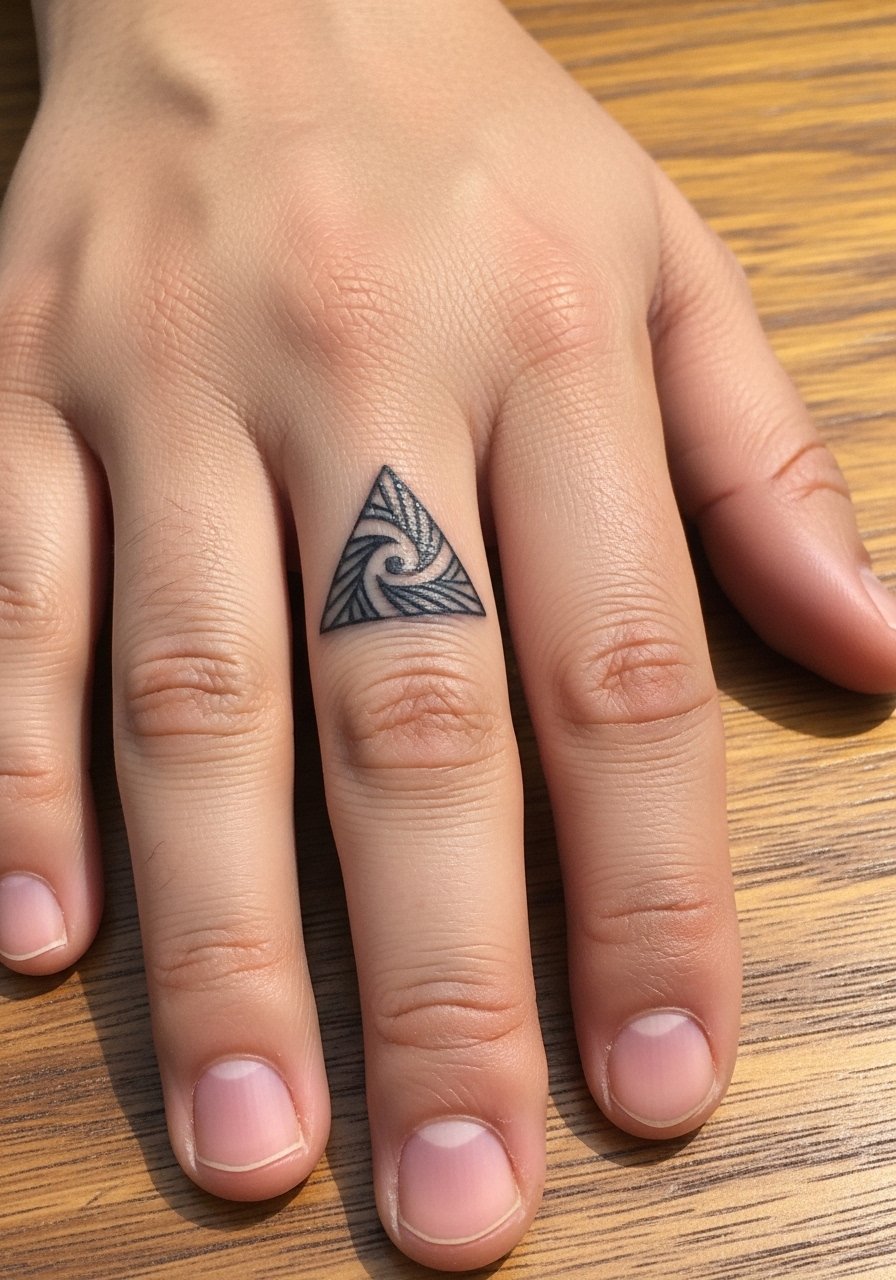
I recommend this when you want a hint of tradition without covering a whole hand. Pain is sharp but brief at the finger tip. Ask your artist to increase spacing between the tiny triangles so the pattern does not merge over time. A common mistake is asking for ultra-thin triangles that look crisp fresh and then blur into one another within a year. Expect a touch-up around year two for most people. For showing it off, pair the piece with thin stackable rings that leave the motif visible without crowding the finger.
2. Knot Band Across the Middle Knuckle
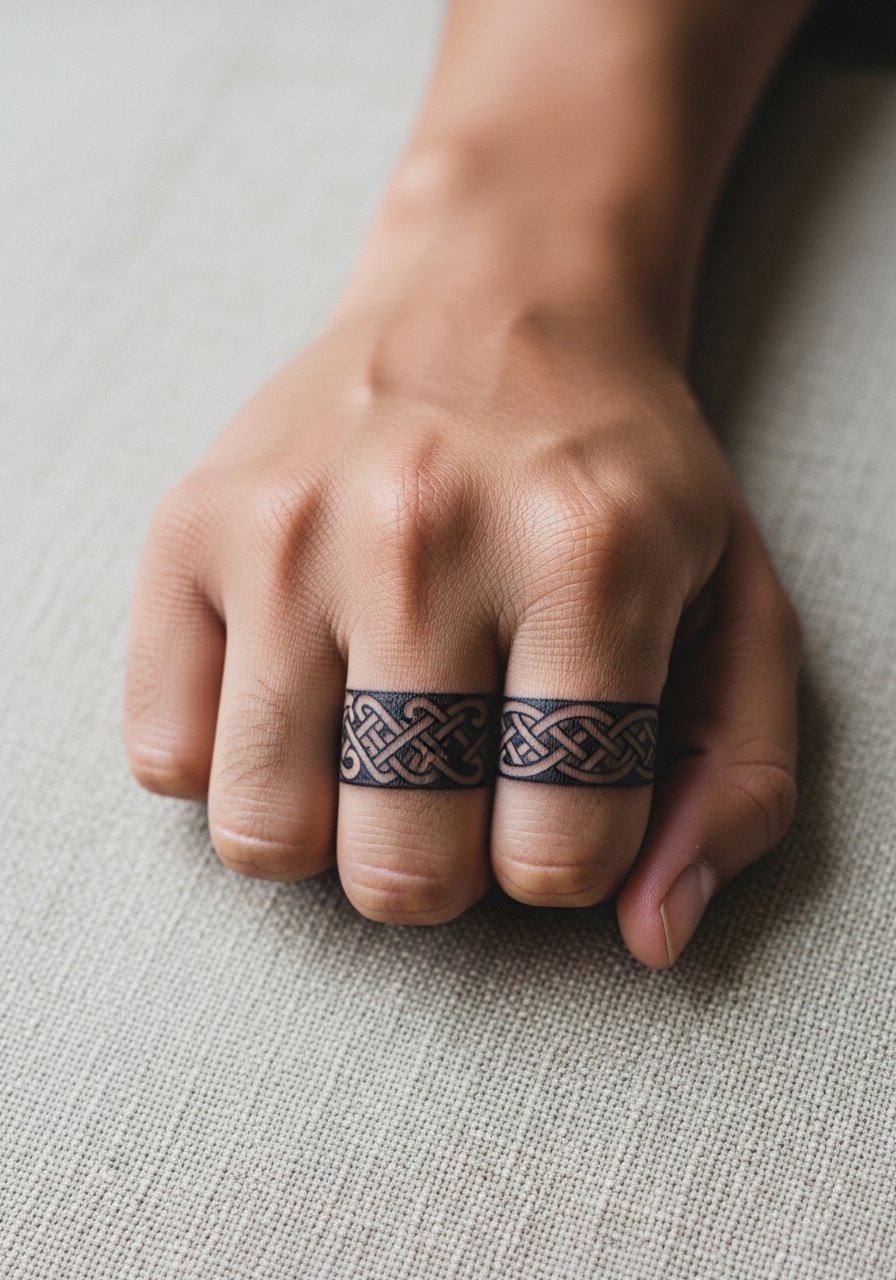
Knuckle work feels intense while underway. The skin is thin and moves a lot, so sessions are short but sharp. Tell your artist you want bold linework with slightly larger gaps between elements so the knot retains clarity after a year. People often ask for dense detail that looks amazing fresh and turns muddy quickly. For session day, wear a loose long-sleeve that you can pull up easily, like a loose button-down shirt. Note that some view Polynesian knot motifs as sacred. One camp says these marks should stay within their culture. The other camp allows respectful adaptation after study and permission. Ask about cultural context if you plan a literal replication.
3. Tiny Shark Tooth Cluster on the Fingertip
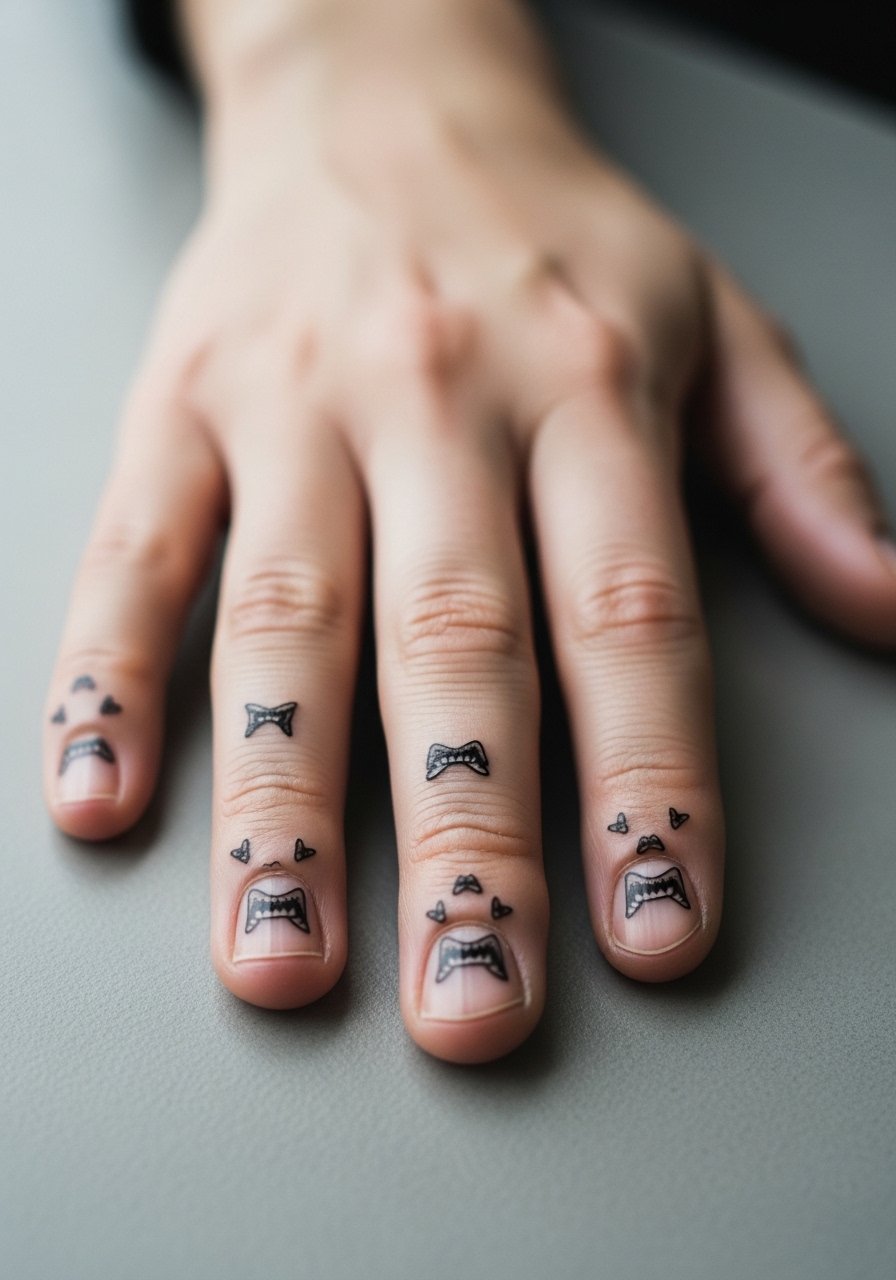
This is a good pick if you want a bold little symbol that still reads small. Fingertip placements have extra blowout risk because the pads regenerate quickly. I tell clients to expect faster fading and plan on a touch-up at year one or two. Ask for slightly heavier lineweight than you might want for a forearm piece. A mistake is requesting filigree detail on the pad. That detail rarely survives the day-to-day use of hands. To show it off without covering the area, try a matte neutral nail polish that keeps attention on the design.
4. Mini Tiki Face on the Ring Finger Side
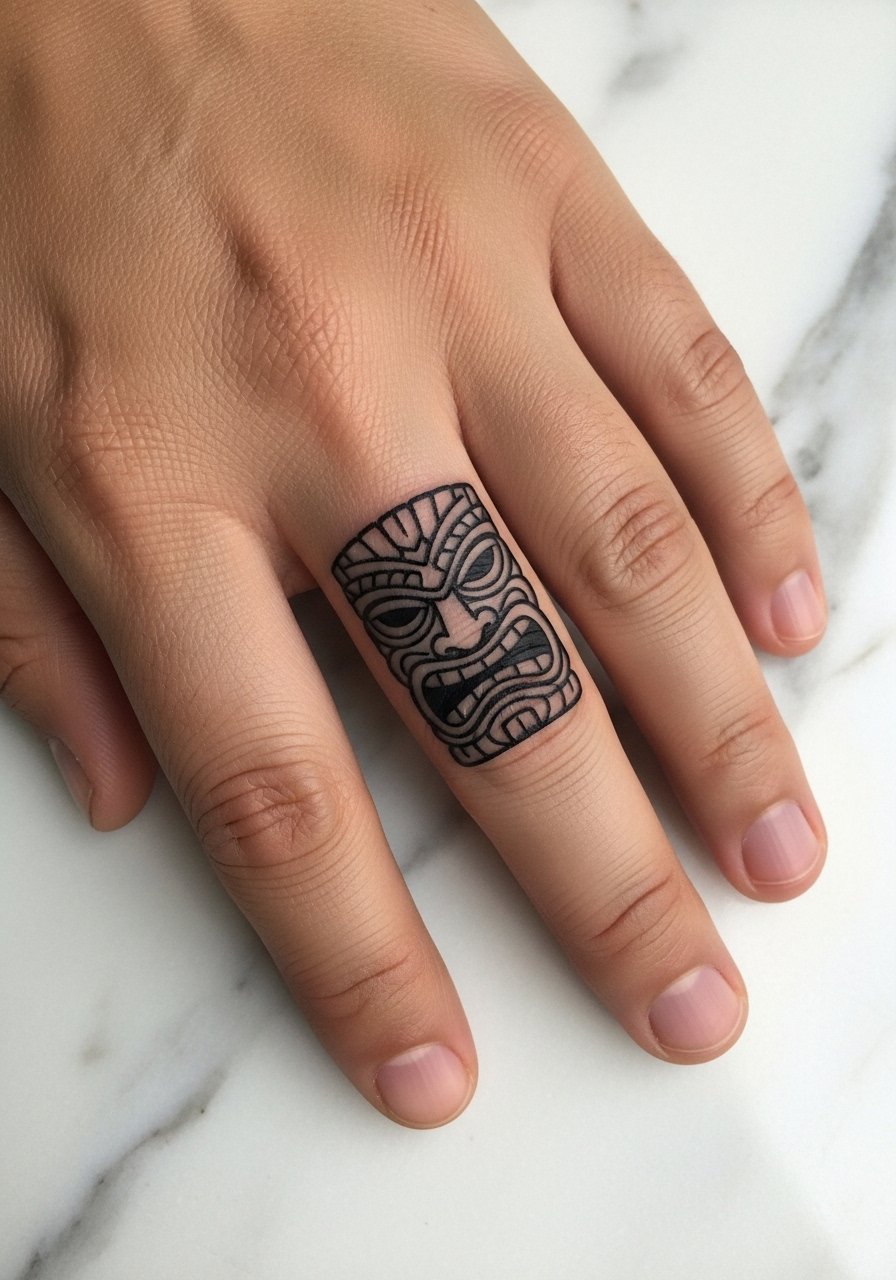
This placement reads like a charm. Pain level is tolerable but concentrated. During consultation, say you want simplified facial lines and avoid tiny dots inside the eyes so they do not smear. A common aging problem is over-detailing the face which fills in within two years. Expect a touch-up window around 18 months if you use your hands a lot. For nights out, pair the look with a delicate chain bracelet that frames the finger without covering the motif.
5. Geometric Hei Matau Accent at the Base of the Finger
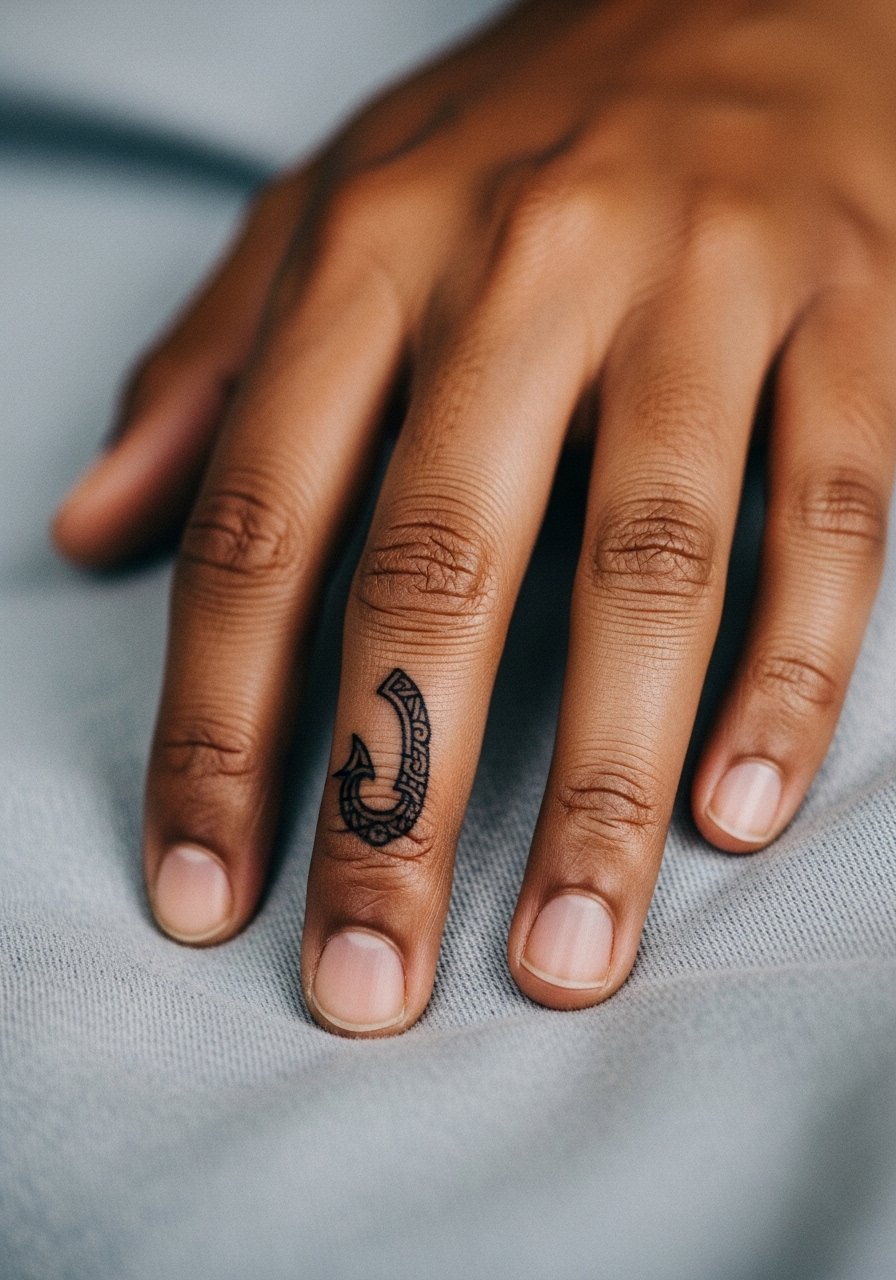
This sits at the webbing, so the session feels like a short tug. Tell your artist you want the hook slightly larger than the reference so the negative space survives stretch and washing. People make the mistake of requesting micro-shading in this zone. Shading can cloud on fingers. At six months it will look crisp, at two years the shape softens, and after five years most people plan a refinement. When booking, wear a top with sleeves you can roll up easily to expose the finger base without tugging, such as a loose cotton blouse.
6. Tiny Wave Band Around the Finger Base
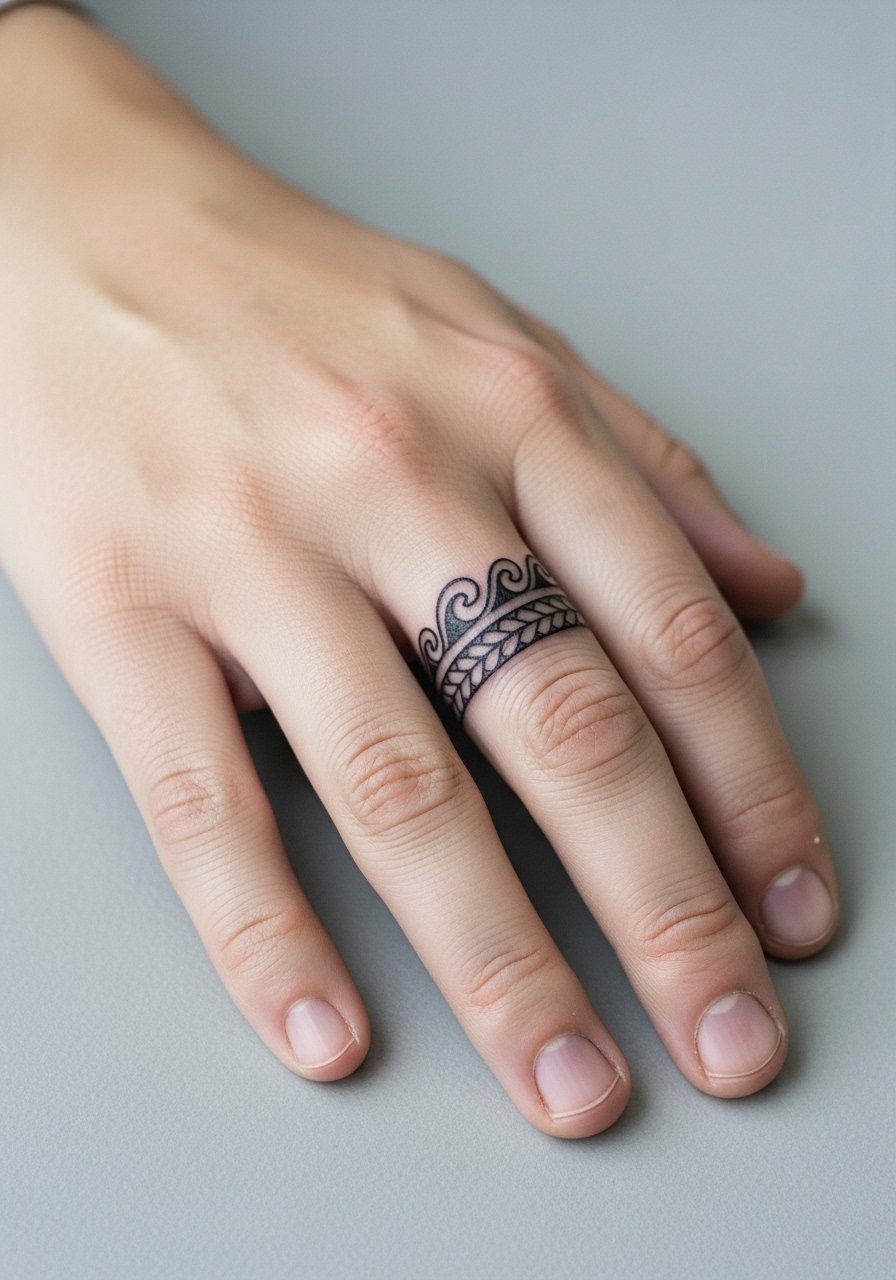
Band work looks cohesive but needs breathing room. If the waves sit too close together you will lose the individual curves as skin wears. Ask for slightly heavier outer lines and open negative space between waves for longevity. Common mistake is stacking too many thin bands. Pain is brief and intense near the knuckle. For a polished look, wear a thin silicone ring saver while your tattoo heals so metal rings do not irritate the area.
Studio Day Picks
These items smooth the experience for small finger and knuckle work mentioned above.
-
Stencil transfer paper kit. Lets you preview exact placement on fingers where size and rotation matter, especially useful for the band and knot ideas above.
-
Topical numbing cream. Applied per instructions 30 to 45 minutes before the session to reduce the sharp fingertip sting without altering linework.
-
Thin protective film roll. Small strips protect finger tattoos from constant hand washing and reduce infection risk during the first week.
-
Fragrance-free gentle body wash. Cleans the area during showers without stripping ink, which helps fine line and blackwork pieces keep their edge.
-
Aquaphor healing ointment. A thin layer for the initial days keeps the tiny needle channels moist and can prevent premature scabbing that affects line clarity.
7. Micro-Scale Turtle Shell Pattern on the Fingertip Edge
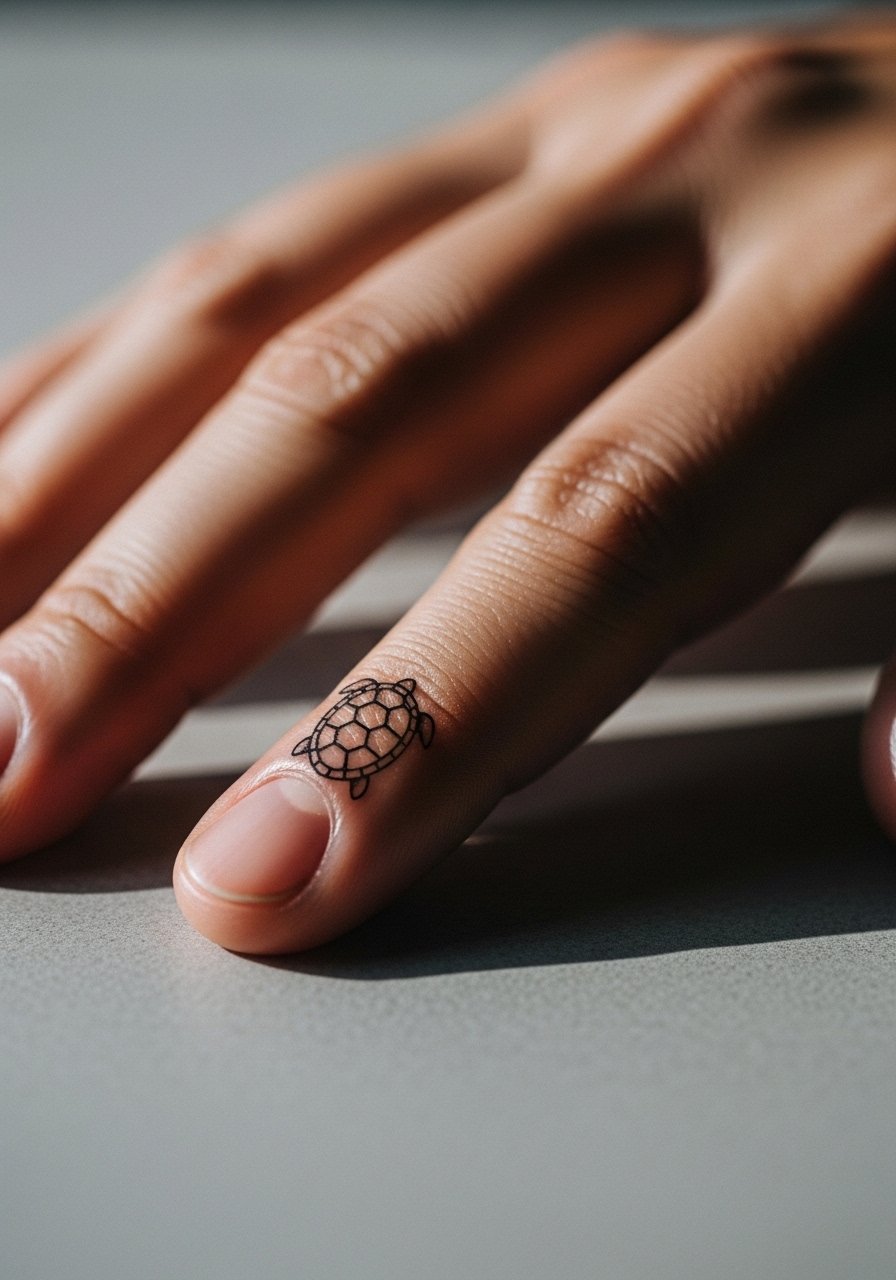
Edge placements shave the session time but increase friction. Tell your artist you want hexes spaced apart and slightly larger than the phone reference. The common mistake is requesting exact micro detail sized for a forearm. In practice that detail disappears fast on fingers. At two years expect some softening and plan for a refill if you want crisp edges. For the session, roll a sleeve up or wear a short-sleeve tee so the artist can position your hand comfortably.
8. Stylized Marquesan Chevron Along Finger Length
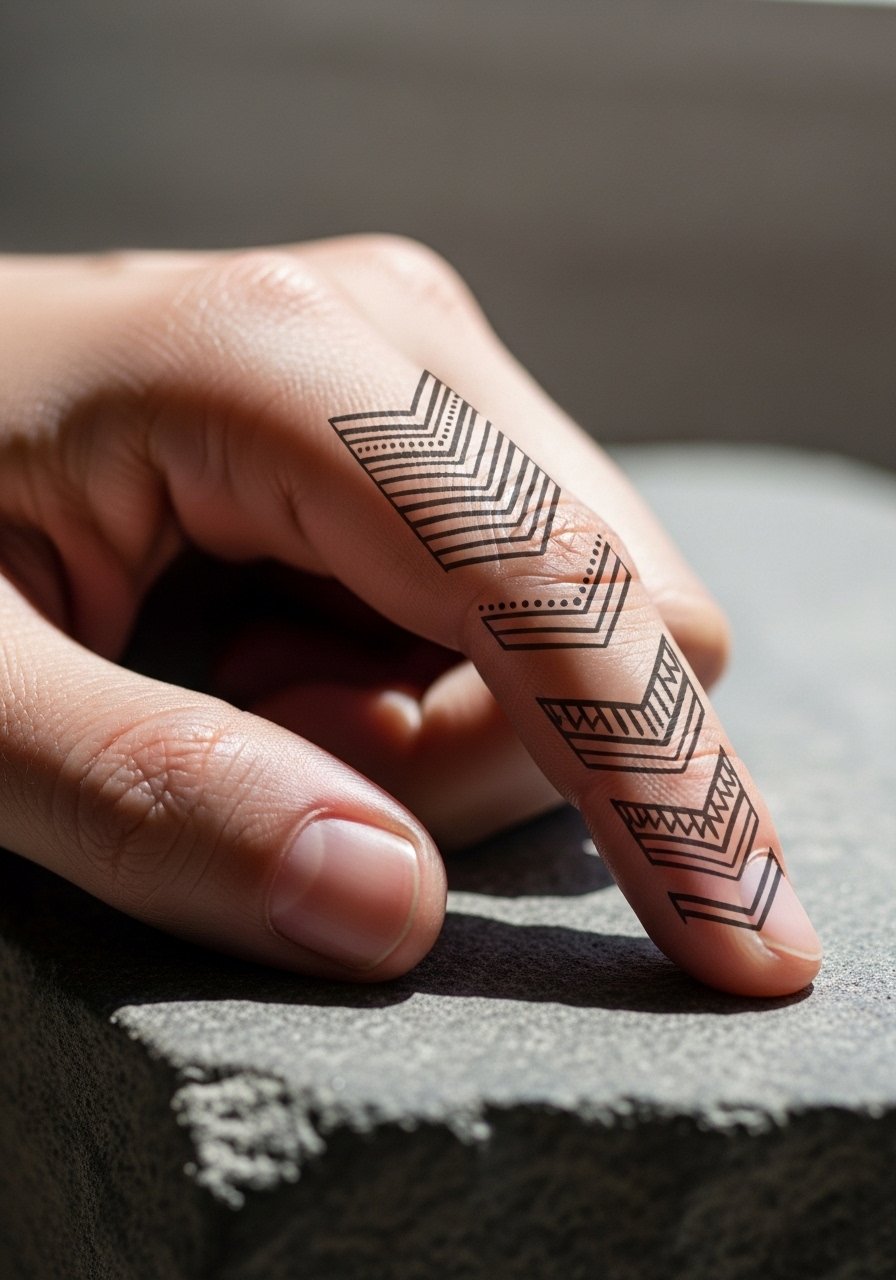
This one reads elongated and elegant from a short distance. Fingers bend and the chevrons will open slightly when the finger curls. Ask the artist to test the stencil with your finger relaxed and flexed to find the sweet spot. Many people ask for denser chevrons which leads to merging over time. Expect a touch-up after a year if you want those crisp angles. Pair the piece with a minimalist midi ring that complements the vertical rhythm.
9. Single-Line Samoan Spear Motif Across the Side of the Thumb
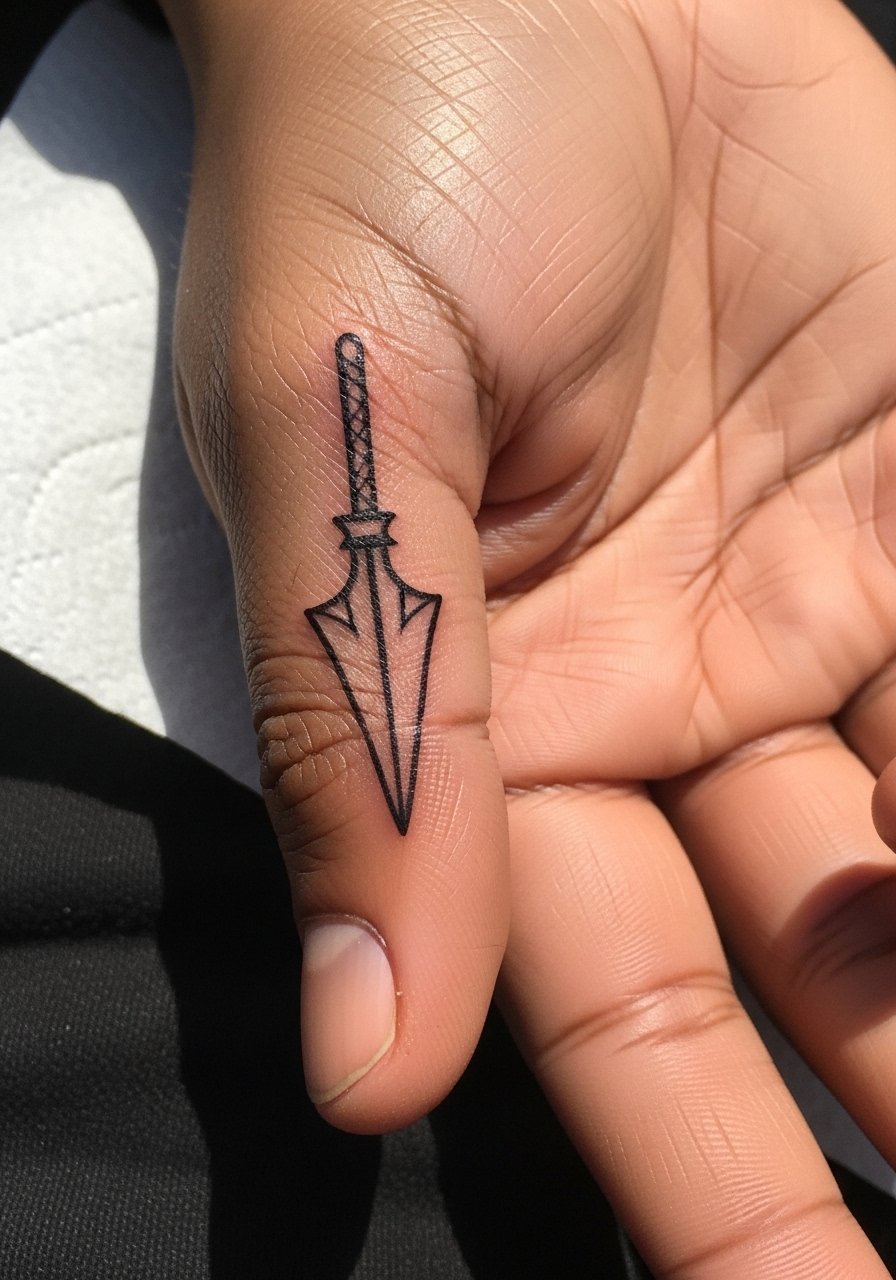
Thumb placements feel like a short, intense pinch. The thumb base moves a lot which can stretch the linework. For longevity say you want a slightly bolder primary line and limited interior detail. The mistake is packing too much internal dot work that blurs under constant movement. After three to six months the line will settle and at two years you may need a small touch-up. During the session wear a shirt with sleeves you can roll up easily, like a lightweight long-sleeve tee.
10. Polynesian Spiral Accent on the Cuticle Border
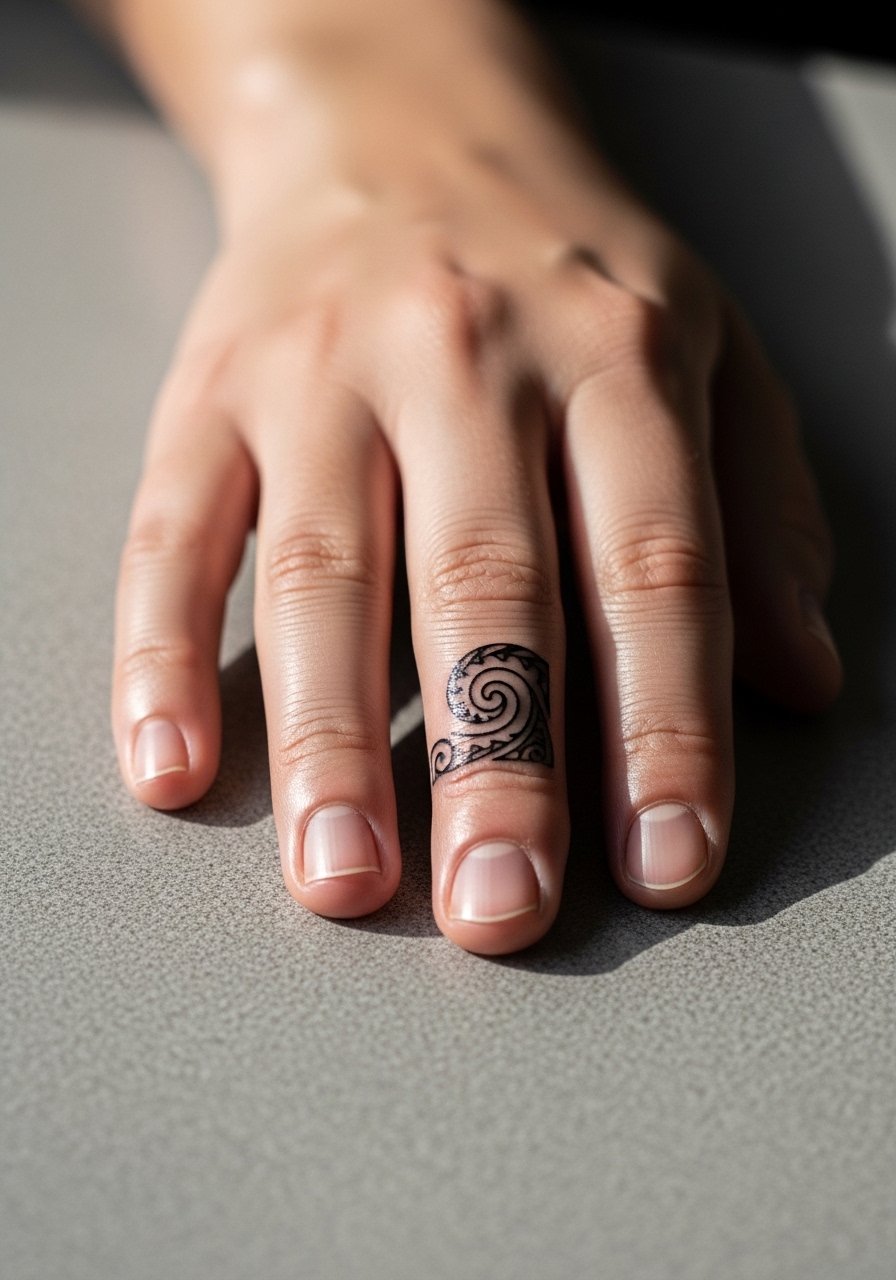
Cuticle border work frames the nail and reads almost like jewelry. The area is high friction because of nail care routines. Tell your artist to place the spiral slightly away from the immediate cuticle line to avoid constant abrasion during manicures. A typical mistake is centering the motif too close to the cuticle which leads to early fading. Expect touch-ups sooner than mid-finger placements. Pair with a gentle nail oil while it heals to keep the surrounding skin supple.
11. Negative Space Sun Motif on the Top of the Finger
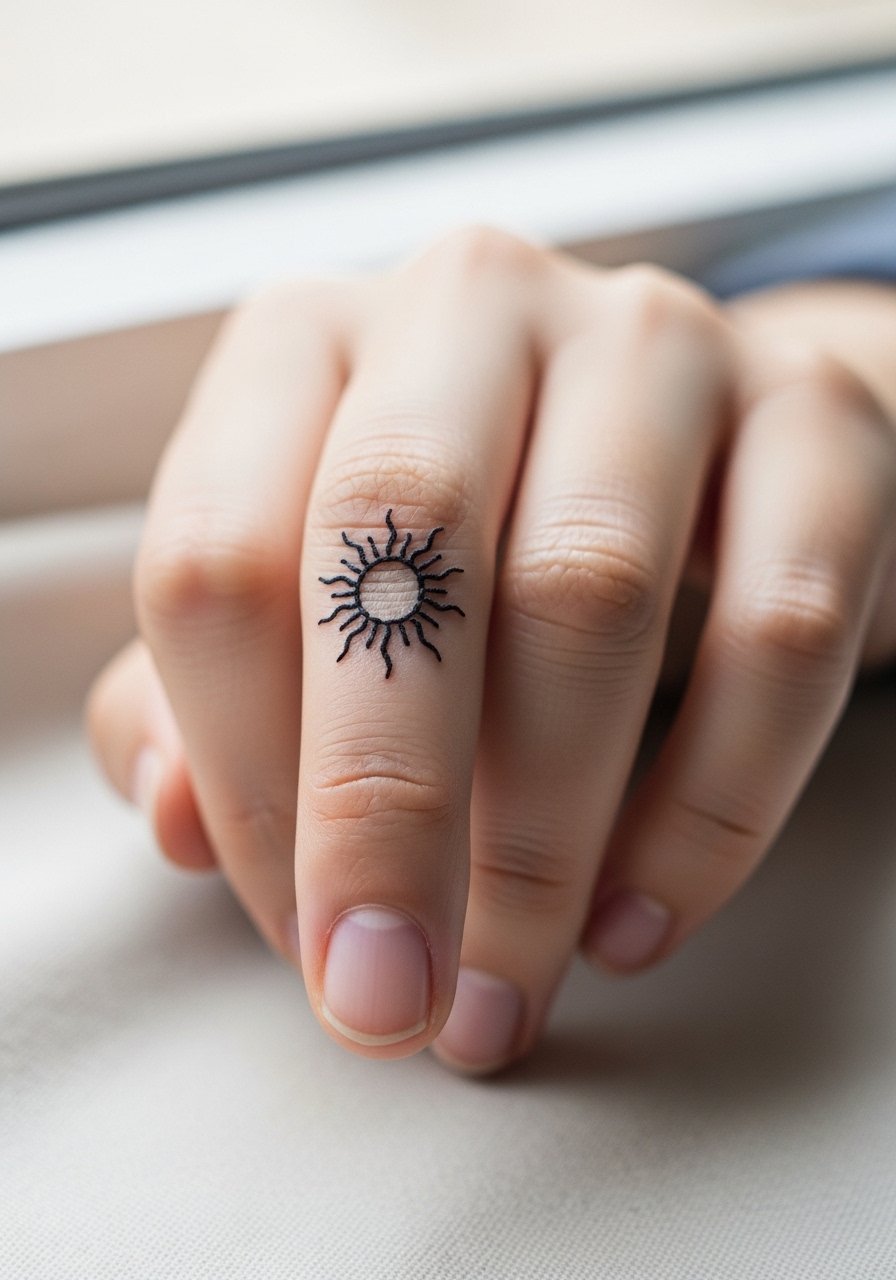
Negative space pieces work well on fingers because they rely on contrast rather than tiny detail. Ask for solid surrounding black and a slightly larger negative core so the sun reads after a few years. A mistake is requesting minute rays that disappear as the ink softens. Pain is moderate and healing is quick. At two years the edges may soft-puff and you may choose a light refresh. For showing it off wear short sleeves and a delicate watch with a slim strap that does not cover the finger area.
12. Tiny Palm-Leaf Repeat Pattern Near the Base of the Finger
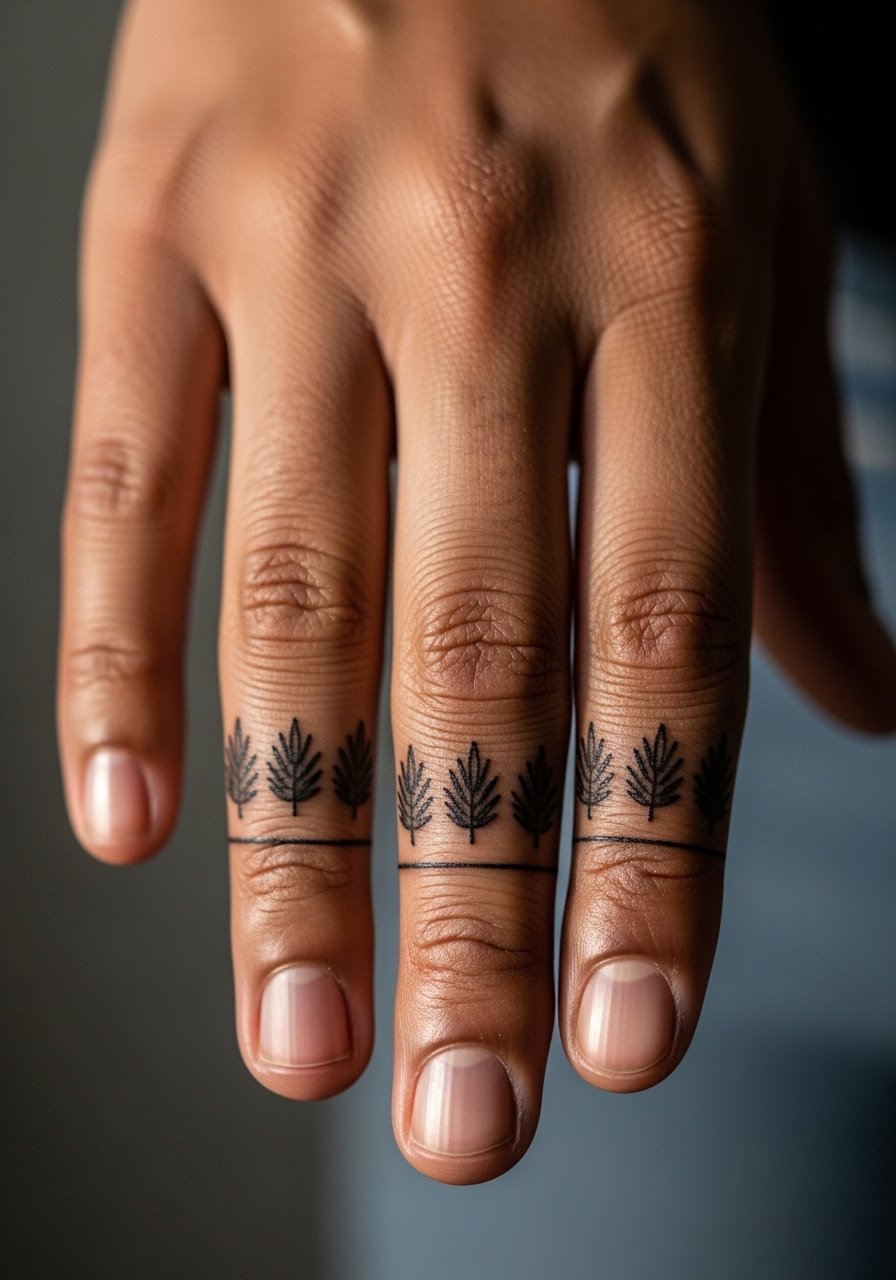
A multi-finger base pattern reads cohesive but needs breathing space between repeats. Tell your artist you want each leaf slightly larger and separated so laundering and rubbing do not fuse the shapes. The common error is to mimic an intricate forearm repeat at the same scale. Expect touch-ups at two to three years if you use your hands for heavy work. For session comfort, choose pants or sleeves you can adjust easily and wear a button-down shirt you can pull aside.
13. Single Dot-and-Line Mana Symbol on the Interior Side
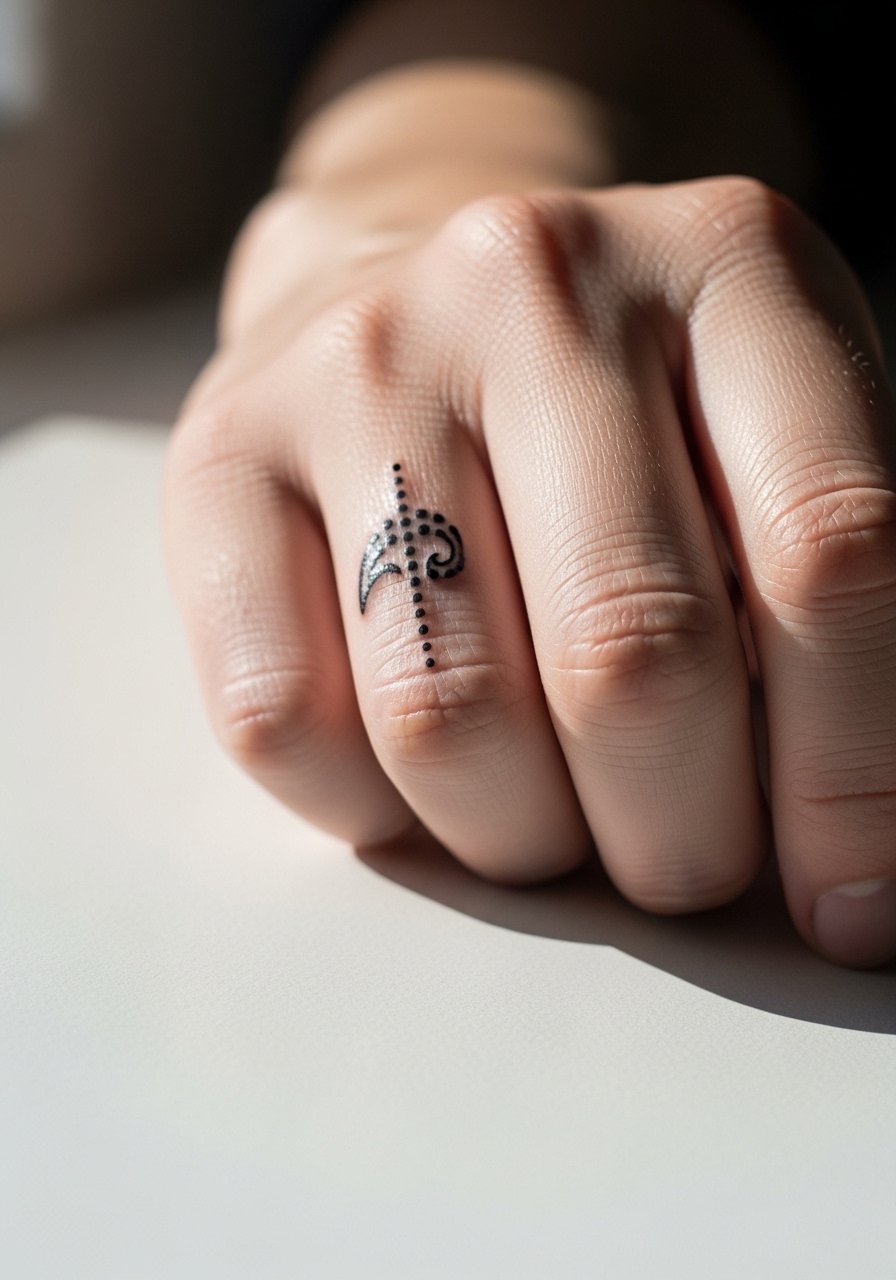
Interior finger placements get more friction from touching and typing. Tell your artist you want dots slightly larger than usual and a firmer single-line anchor. A frequent mistake is choosing delicate dots that sink into the skin texture and vanish. The aging curve is faster here and many people plan a touch-up at year one. If your job involves repetitive hand motions, consider that this placement will fade faster than outer-finger options. For healing comfort, wear a [soft cotton glove] (https://www.amazon.com/s?k=cotton+gloves&tag=inkedqueen-20) at night to reduce friction while sleeping.
14. Miniature Koru Spiral at the Fingertip Edge
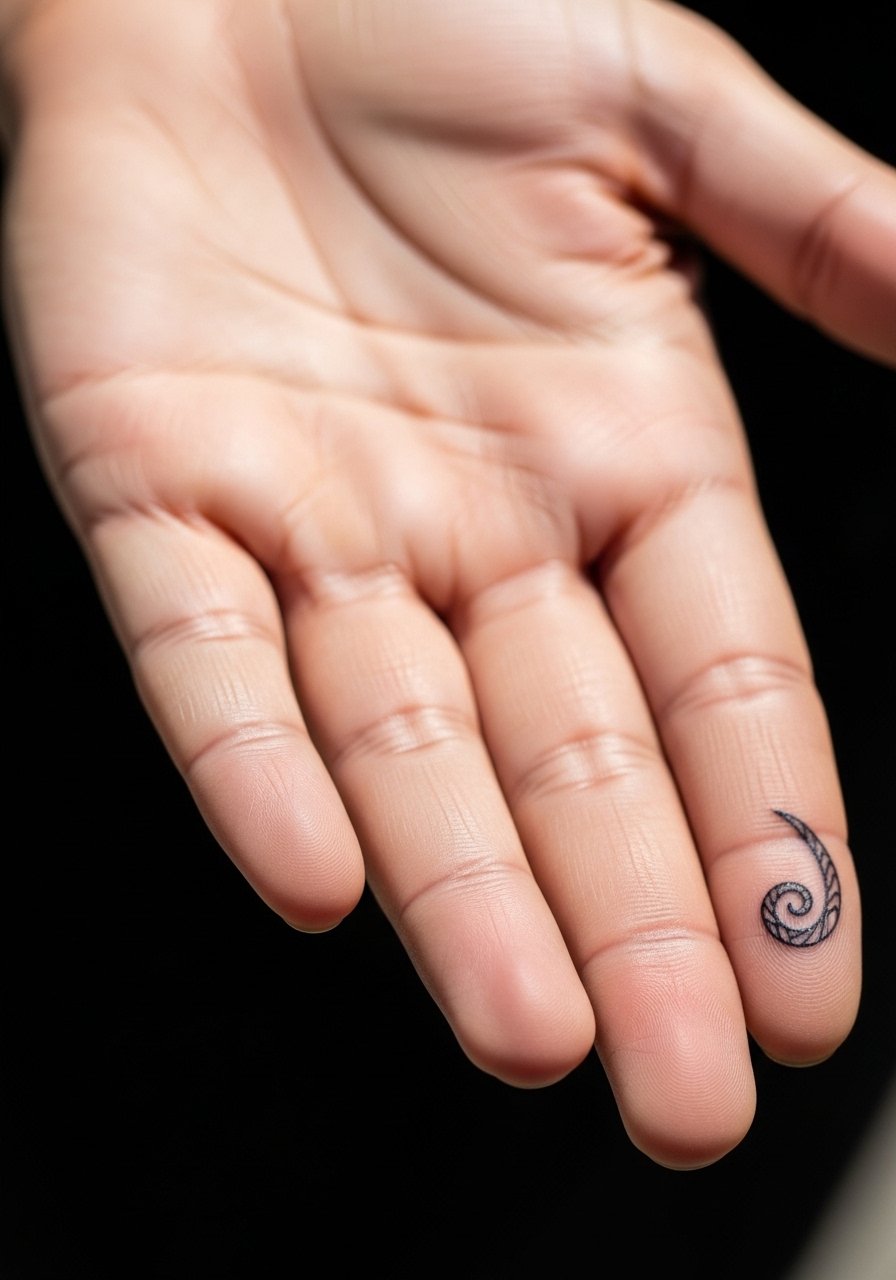
Koru spirals look organic and pair well with negative space. The fingertip edge sees a lot of contact so ask for a slightly thicker outer line and simplified interior spiral. People often pick an intricate spiral which loses its center quickly. Expect the spiral to smooth at six months and require a small re-inking at year two for crispness. To highlight this design when it heals, try styling with a minimalist clear polish that does not draw attention away from the motif.
15. Twin Parallel Bands with Polynesian Texture on Adjacent Fingers
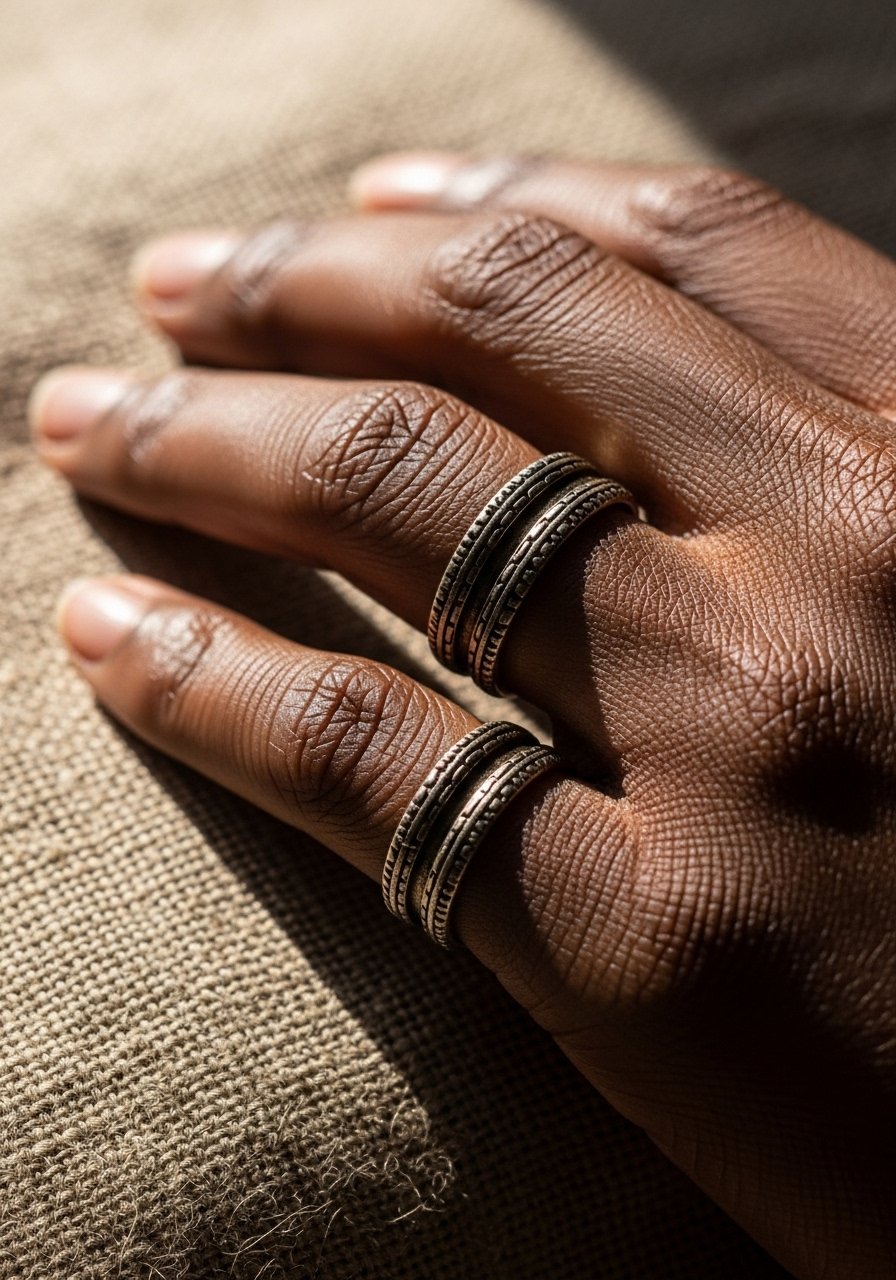
Parallel bands create a rhythm across the hand. The trick is spacing. Ask for the negative gap to be at least 2 to 3 millimeters so each band ages independently. Mistake is tightening the spacing to fit more detail. Pain is short and localized to the knuckles. Over time the inner edge of each band softens, and you will likely want a touch-up at two to three years. For show-off styling, layered rings can compete. Instead choose one statement ring and let the bands be the focal point, for example a wide hammered ring.
16. Petroglyph-Inspired Dot Work Along the Finger Crease
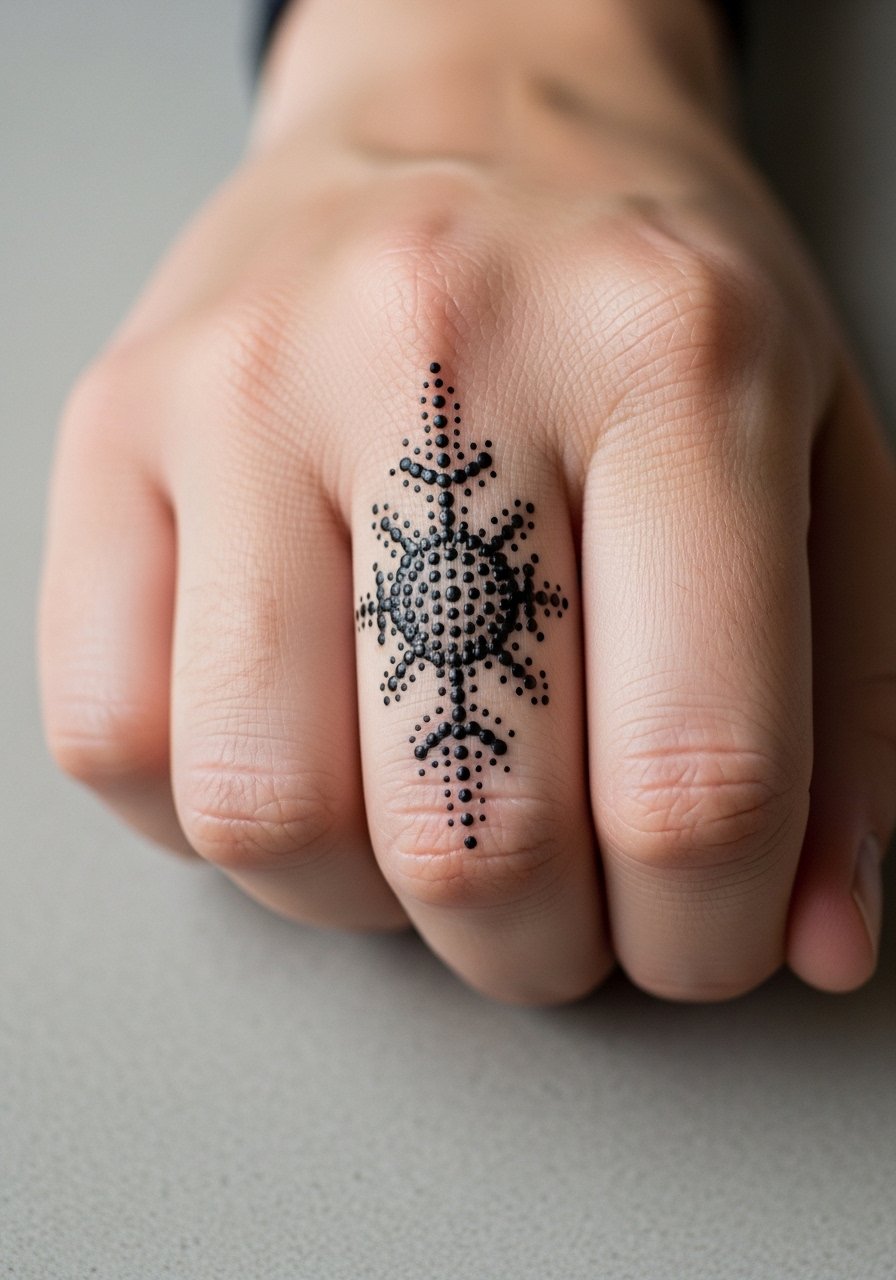
Dot work can read beautifully on fingers if the dots are larger and spaced intentionally. Tell your artist you want stippling with intentional gaps so the texture holds. The common error is tiny dots meant for larger canvases. Expect stipple to lose some definition by year two, then soften into a skin texture that still reads as pattern. If dot work sits over a crease, be ready for slightly faster fading. During the session wear a short-sleeve top that allows the artist an unobstructed view.
17. Cultural Tribute Linear Band with Personalized Negative Space
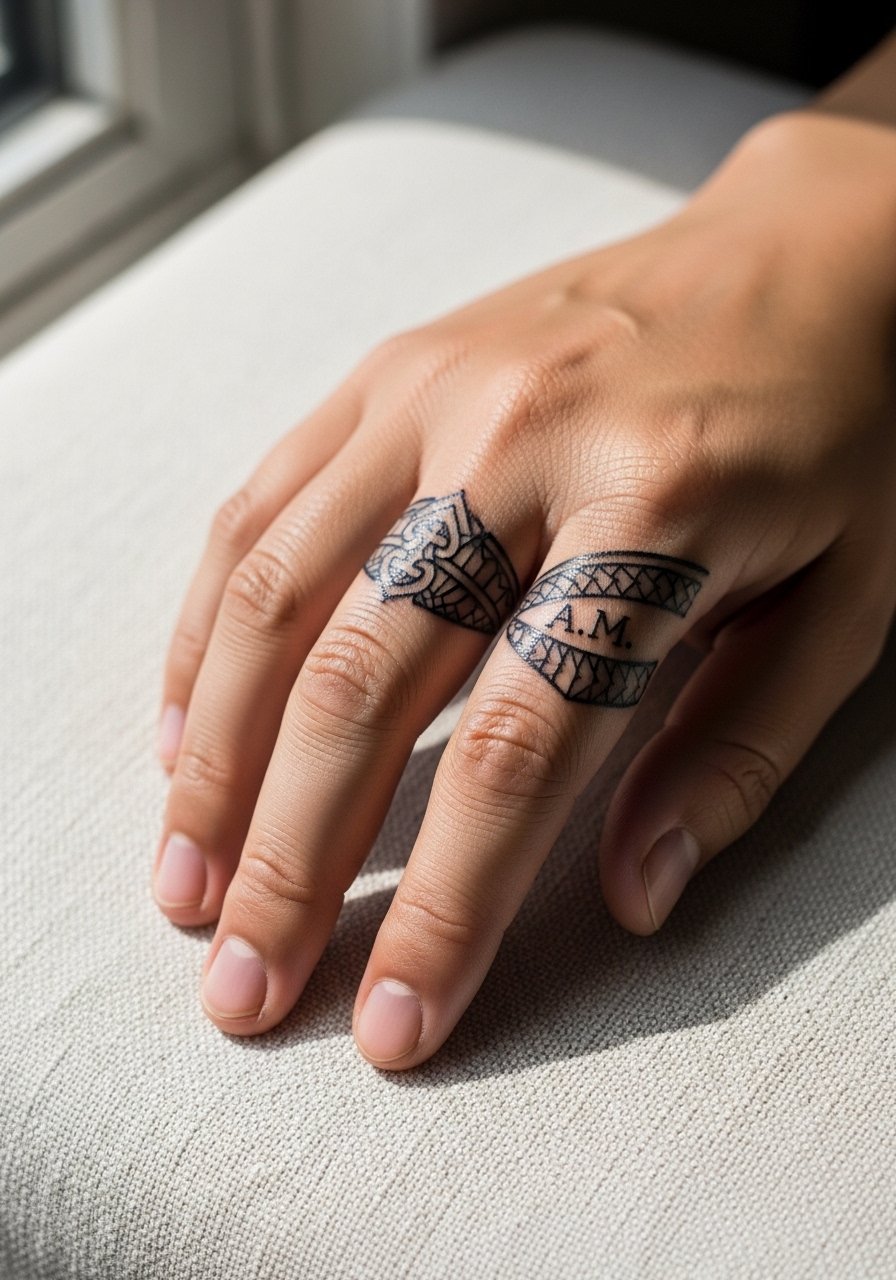
This design blends traditional motifs with a personal touch. Before booking discuss cultural respect. There are two camps on this topic. One camp insists certain traditional marks are tied to lineage and should not be taken out of context. The other camp supports careful adaptation when done with research and, where possible, community permission. Ask your artist how they source references and whether they suggest alteration for respectful use. For practical notes, keep negative space larger than you think. Small initials in the negative gap can blur, so ask for clear letterforms and expect a touch-up window at one to two years. To wear it without covering the work, try a simple adjustable band ring.
Frequently Asked Questions
Q: How quickly do Polynesian finger tattoos lose crispness compared with forearm work?
A: From what I have seen, finger pieces lose fine detail faster because of constant washing and skin movement. Expect line softening at six months to two years depending on scale and placement. Spacing and slightly heavier line weight extend clarity, and most people plan a small touch-up within a year or two.
Q: Are there workplace concerns I should consider before getting a finger Polynesian tattoo?
A: Yes. Hands remain visible in many client-facing roles. Some industries still view visible hand tattoos conservatively. If you are unsure, ask about your workplace policy or consider inner-finger placements that are less visible when your hands are at rest.
Q: How should I talk to my artist about cultural sensitivity without naming tribes or specific rituals?
A: Say you want to honor Polynesian motifs and ask what references they use. Request suggestions on respectful adaptation and whether they recommend variations rather than literal copies. I have found artists appreciate that clients are willing to have the conversation.
Q: Will negative space work hold longer than tiny dot work on fingers?
A: Generally, yes. Negative space relies on contrast and tends to age more gracefully than tiny stipple or ultra-fine dots on fingers. Ask for increased negative gaps and bolder surrounding lines for longevity.
Q: What should I wear to the appointment for multiple adjacent finger tattoos?
A: Wear clothing that gives the artist room to position your hand without tugging on sleeves. A loose button-down shirt or short-sleeve top works well because you can move sleeves without losing comfort.
Q: If I want a truly traditional Polynesian hand motif, how do I find respectful sources?
A: Look for cultural directories, museum collections, or academic resources that list imagery rather than social posts. Use discovery pathways like curated museum archives and community-run directories to learn about motifs before you book.
