
Fine line tattoos have dominated feeds, but what holds up on a leg over five years is not always what trends right now. One camp argues that tight detail and tiny scripts blur on moving skin and need early touch-ups. The other camp says placement and needle depth make fine work last. Below are 17 leg tattoo ideas that read bold and intentional today and still make sense down the road.
1. Neo-traditional Rose on Outer Thigh
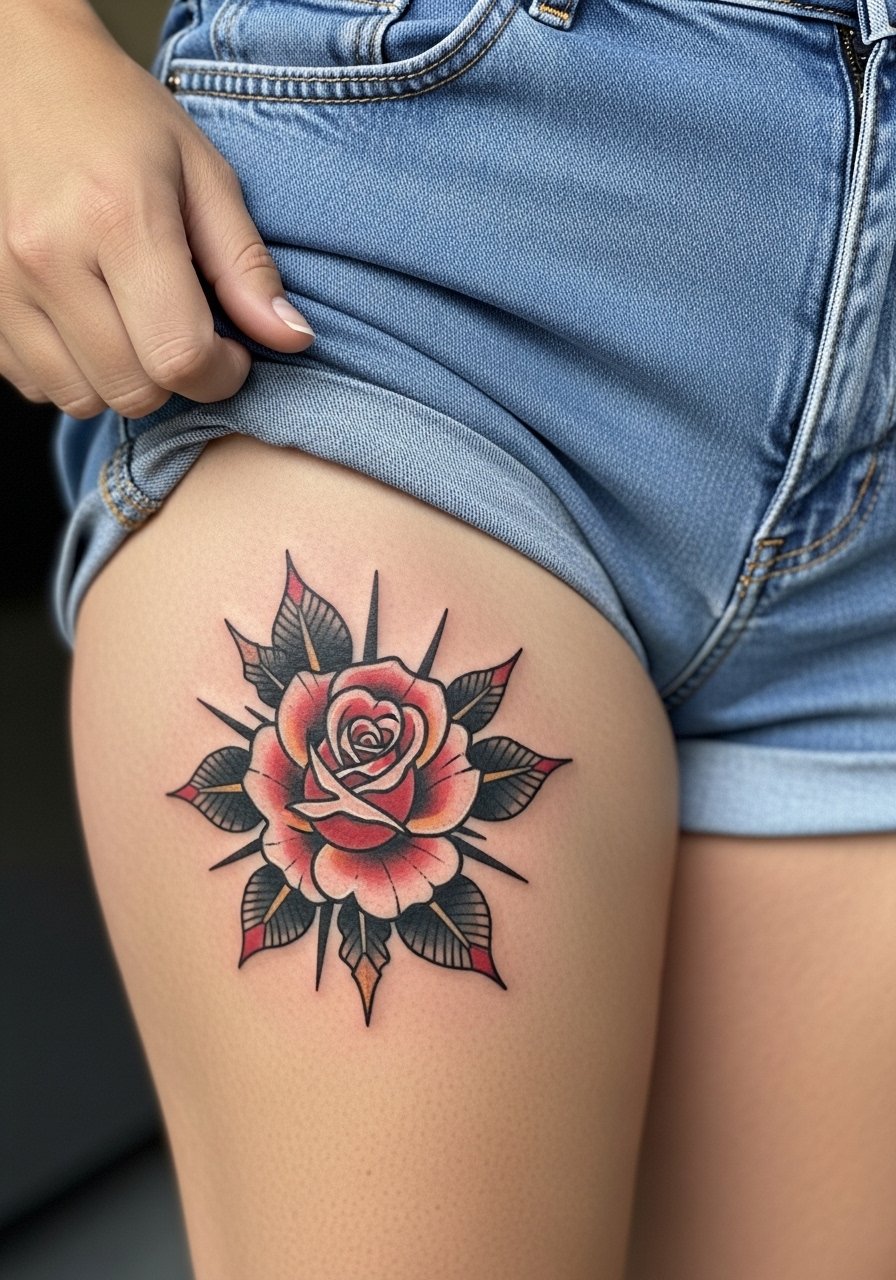
A large neo-traditional rose works with the flesh and profile of the outer thigh. I recommend asking for slightly thicker outlines and restrained saturation in the petals so the core shapes last without looking muddy. Expect a medium pain level and a two to four hour block depending on size. Common mistakes are cramming tiny detail into the petals and skimping on spacing, which leads to merging at year three. For session wear, pull on high-waisted denim shorts you can shift easily so the artist has clean access and the fabric does not rub the fresh area.
2. Bold Blackwork Calf Panel
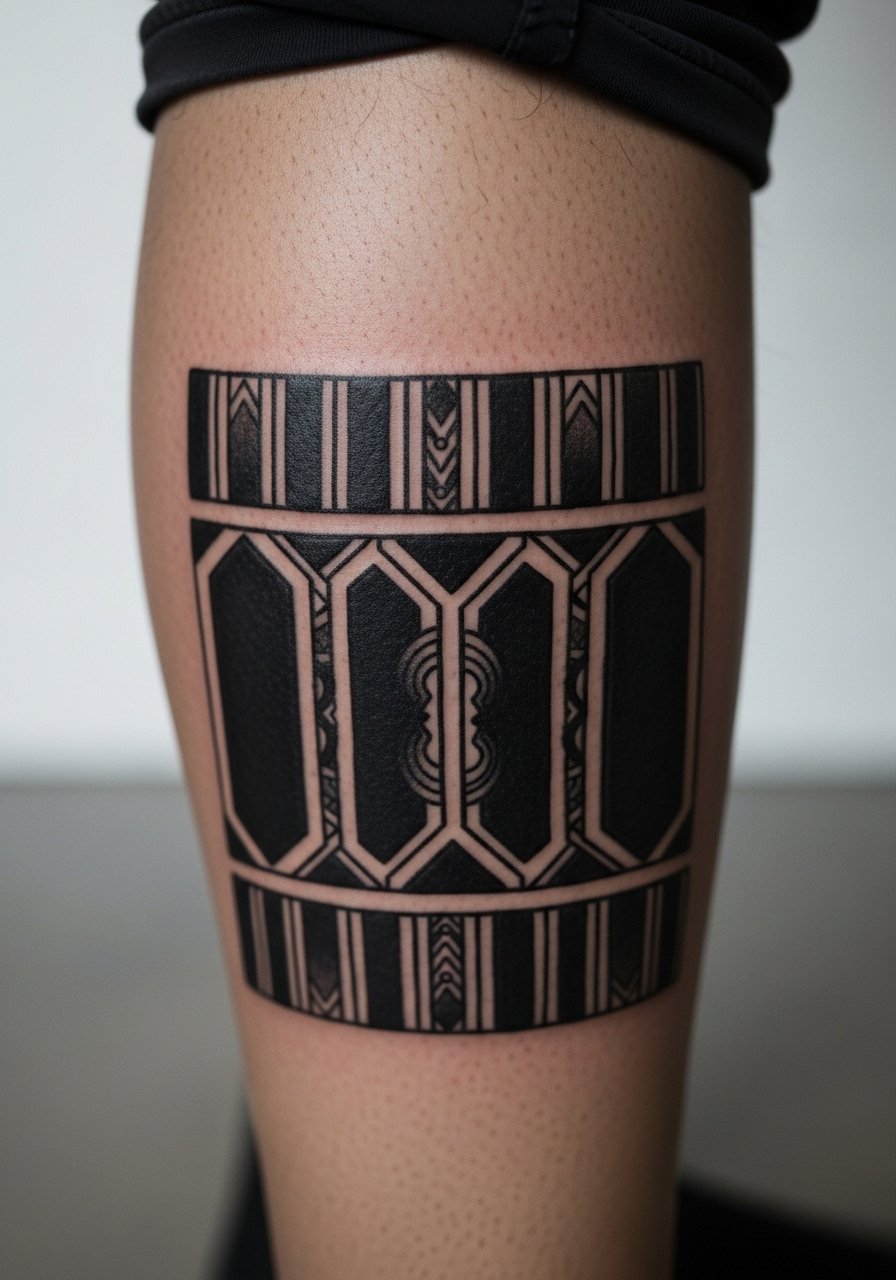
A dense blackwork panel reads strong from a distance and resists blurring better than tiny linework. I usually tell people this is the one to pick if you want the piece to still read at five years without frequent touch-ups. Session time runs long because saturation needs careful passes, expect multiple hours with breaks. Blowout risk is low on calf muscle, but avoid overly thin negative-space details inside large black fills. Pair this with rolled chinos or ankle boots to show off the block of ink while keeping the rest of the look balanced.
3. Stipple-Shaded Shin Band
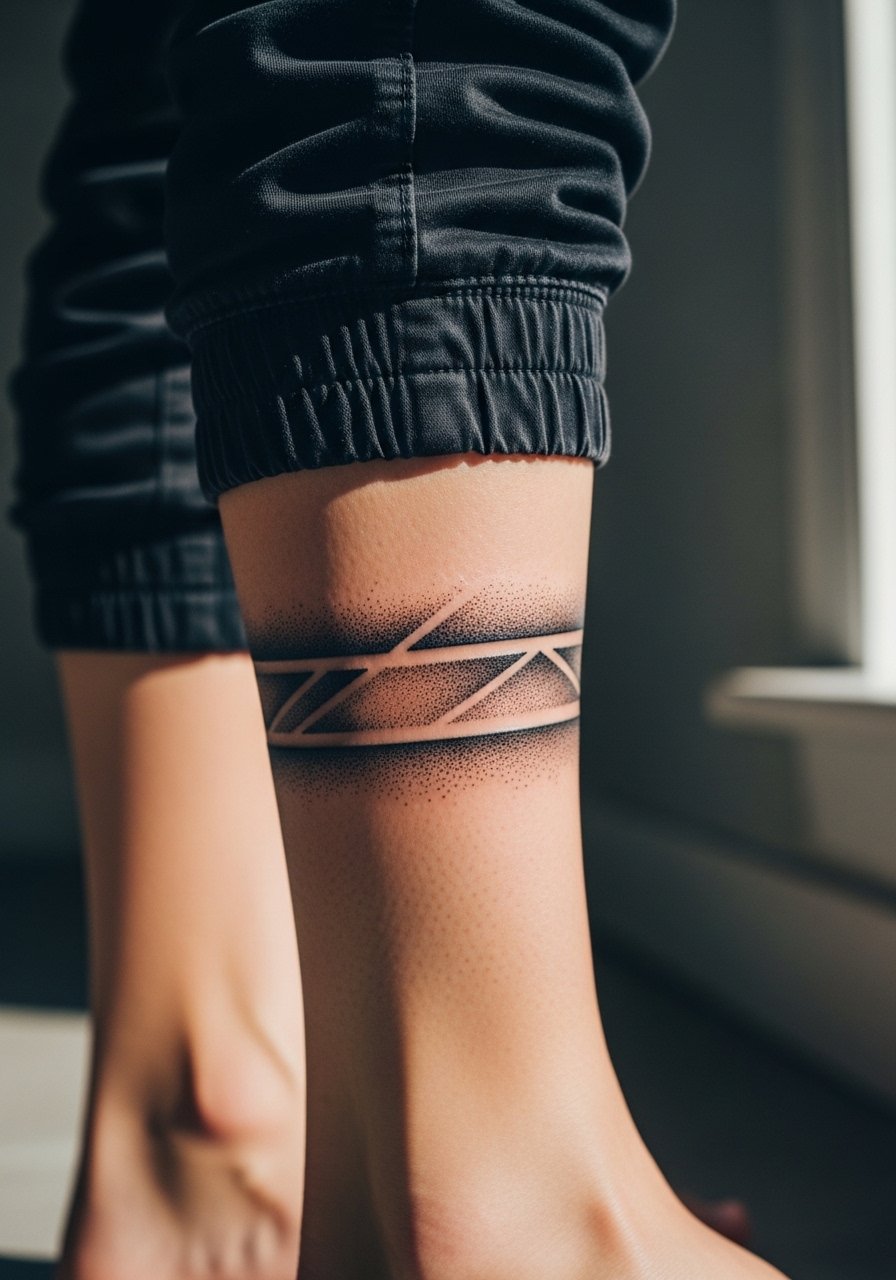
Stipple or dot work bands hug the shin’s natural roundness and age predictably when given breathing room. I tell artists to use gradient stippling instead of tight cross-hatching so the texture softens gracefully at six months and keeps shape at two years. Pain on the shin is higher than the calf, so expect shorter focused passes and possibly two sessions. A common mistake is asking for the band too thin. For showing it off, keep a clean break with stacked socks or rolled joggers so the pattern reads without distraction.
4. Minimalist Knee Cap Ring
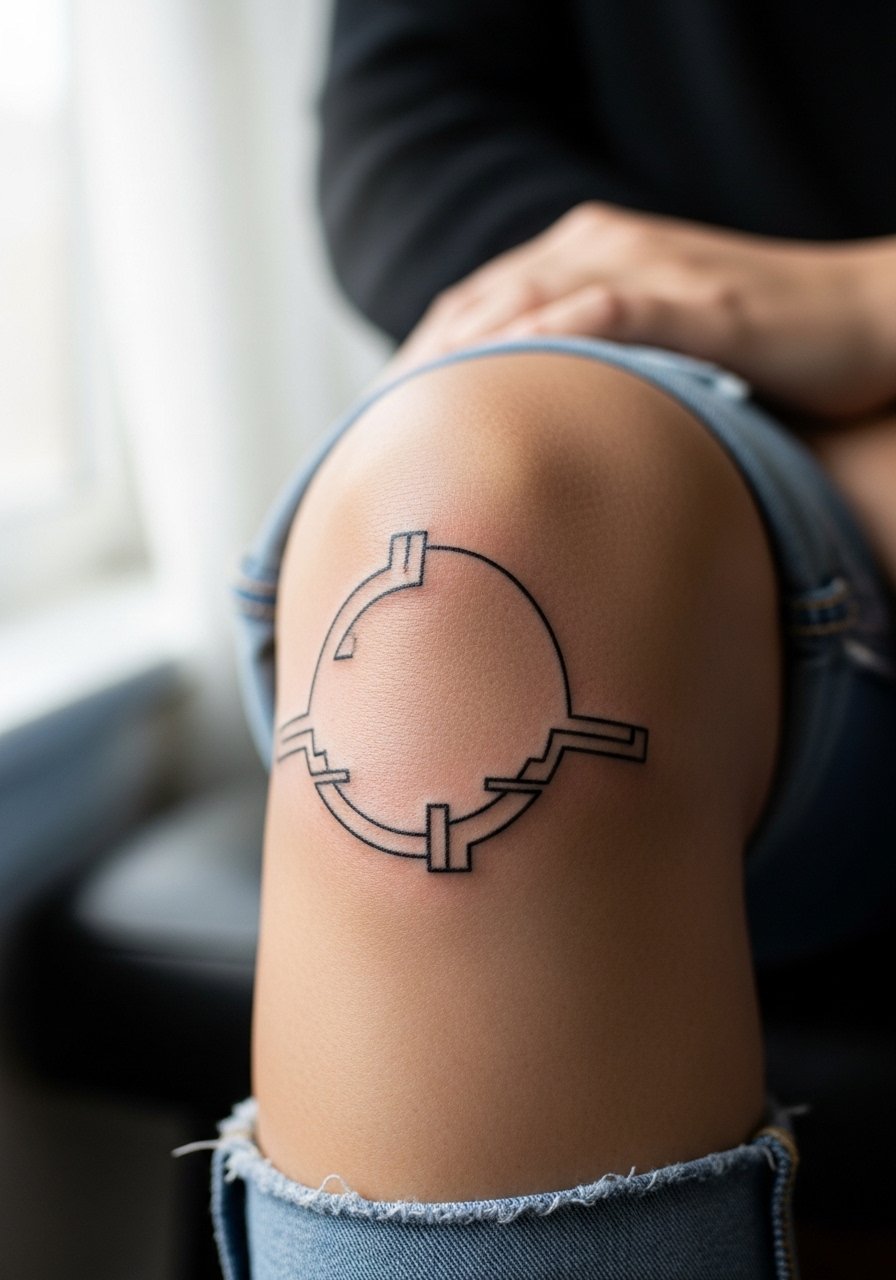
Knee cap tattoos need spacing and confidence from the stencil because the skin there flexes with every step. The piece reads best when lines are bold enough to resist quick blurring. Expect a sharp sting and short, targeted passes. The biggest mistake is forcing intricate detail into the ring. For longevity, plan a touch-up at year two if you want crisp edges. Note that knee work may complicate athletic wear and the occasional job with strict dress codes, so think about visibility before booking.
5. Tiny Constellation Above the Ankle
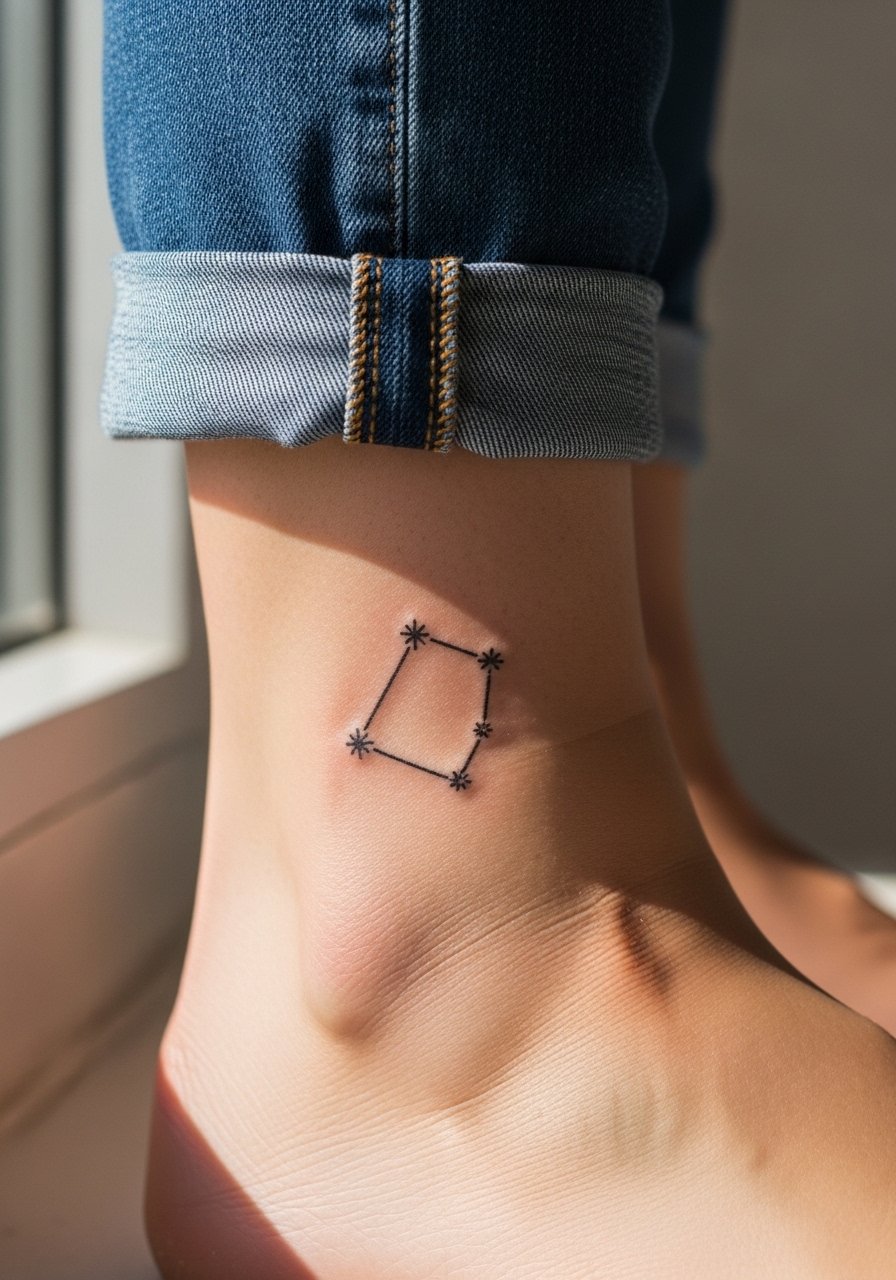
Tiny ankle constellations look delicate but face friction from socks and shoes during healing. I advise asking for slightly heavier single points and spacing the stars so they do not merge. Session time is short, which makes it a good walk-in piece if your artist accepts them. The common error is requesting too many tiny dots; fewer, well-placed stars last longer. For show-off outfits, wear rolled jeans or low-cut sneakers so the small design has room to be seen without rubbing against sock seams.
6. Upper Thigh Panel with Bold Outlines
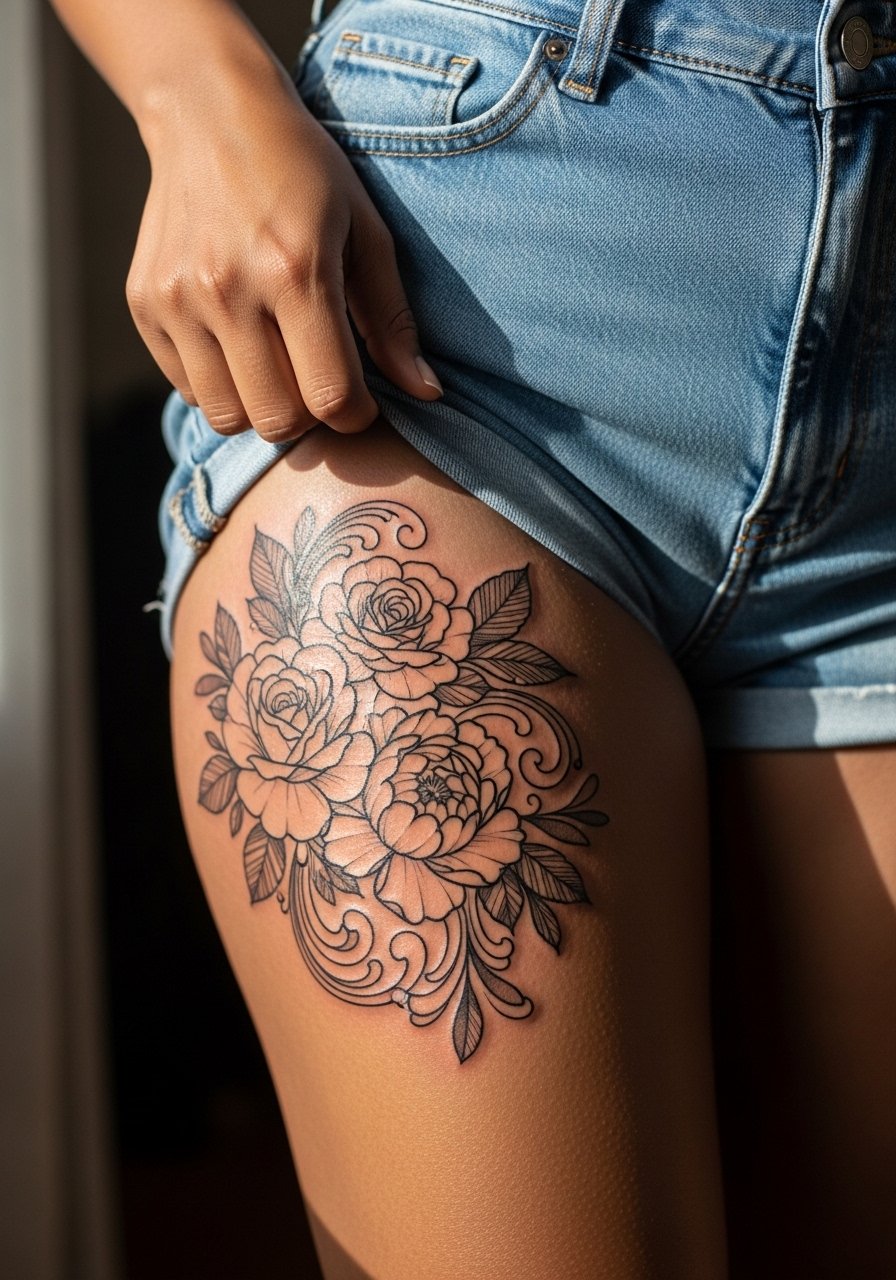
Upper thigh panels let you go big without daily exposure to sunlight. I recommend bold outlines and medium saturation so the shapes remain readable as skin stretches with time. The session feels more comfortable than shin or knee work, but expect longer sittings because of surface area. A frequent mistake is trying to pack too many tiny elements into a single panel. For the appointment, pick loose drawstring shorts so you can shift fabric away from the area without pressure on the fresh ink.
Studio Day Picks
The lower-leg pieces above each face different healing challenges than thigh panels, so a few targeted items make the session and the first week smoother.
- Stencil transfer paper kit. Lets you preview placement and line weight on the skin, which is helpful for the thigh and shin designs above.
- Topical numbing cream. Applied before the session it eases the edge on sensitive spots like the shin and knee without affecting linework.
- Thin protective film roll. Useful for ankle and foot tattoos to reduce friction during the first few days of healing.
- Fragrance-free gentle body wash. Cleanses the healing zone without irritating the skin or drawing color out of fine details.
- Aquaphor healing ointment. A thin layer helps lock in moisture on small linework pieces like ankle stars while you sleep.
7. Wrapped Calf Sleeve in Black and Gray
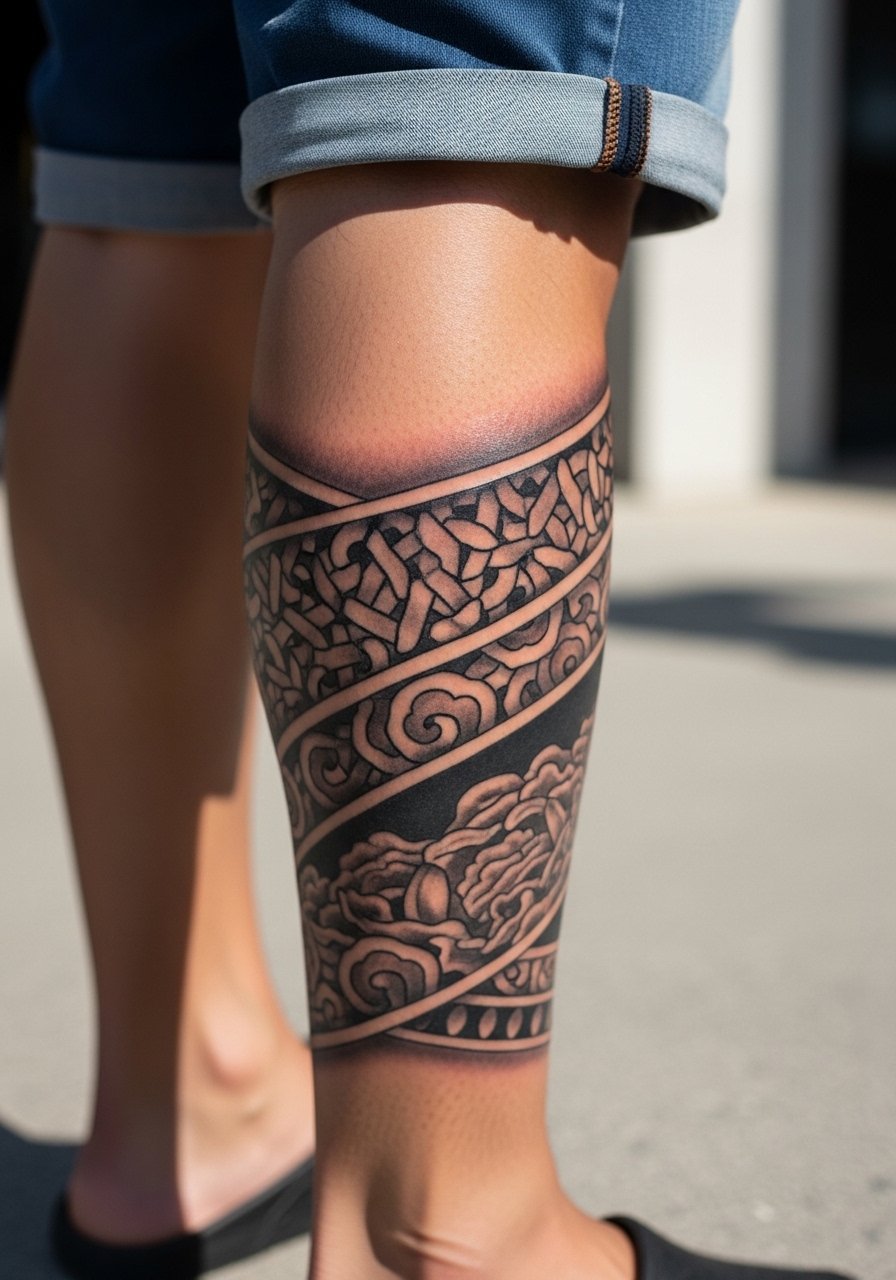
A wrapped calf sleeve lets you mix bold panels and fine shaded transitions without the constant sun exposure that a shin gets. Tell your artist you want varying negative space so the piece breathes at five years. Sessions are long and may be split into two. A common mistake is insisting on uniform density; variation is what keeps the sleeve readable. Expect touch-up at year three for the softer gray areas. For daily wear, mid-calf socks and low sneakers keep the silhouette clean without hiding the art.
8. Tribal-Inspired Outer Calf Stripe
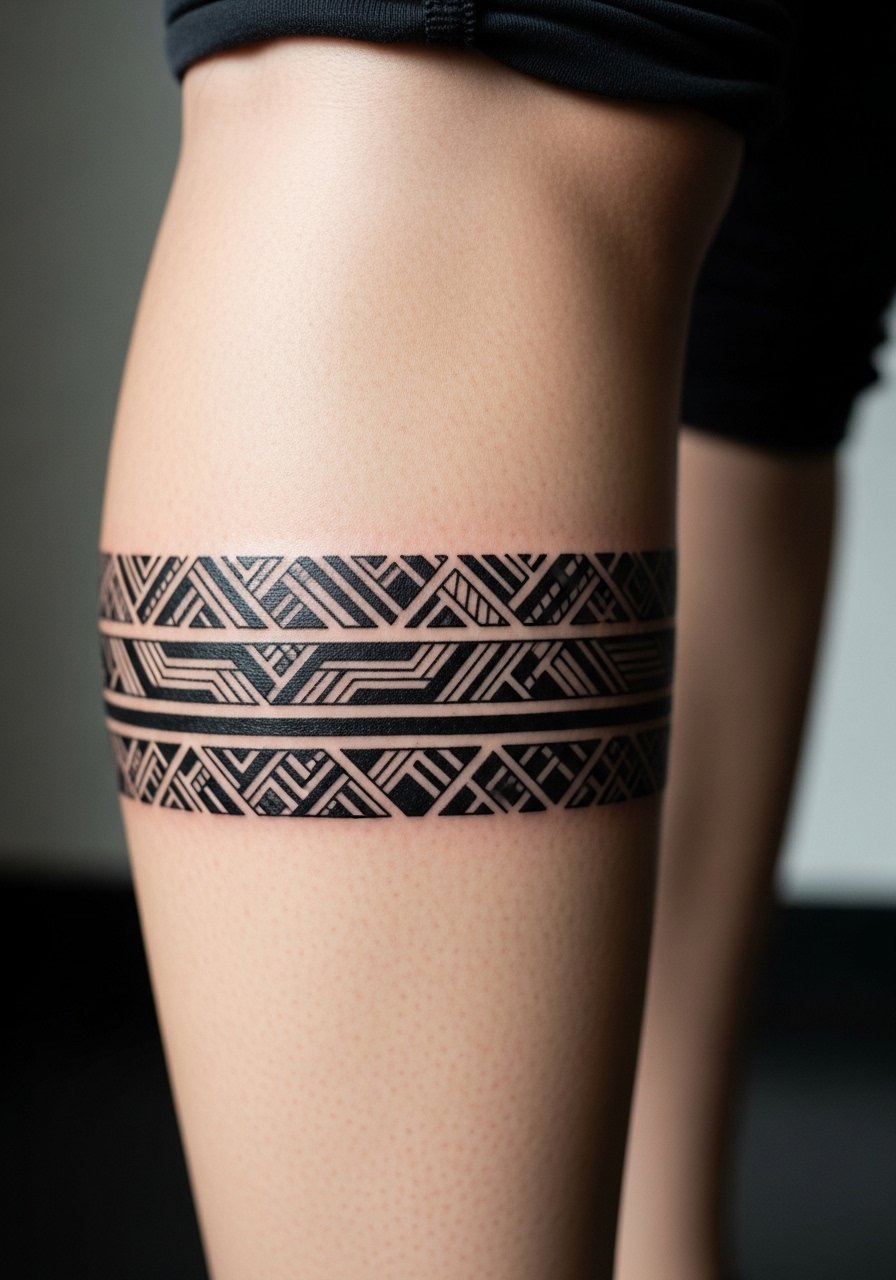
Tribal stripes on the leg are about contrast and form. I suggest asking for clear spacing between elements and a mix of thick and thin bands so the pattern does not lose definition as skin ages. Pain is manageable on the outer calf and sessions are typically single sittings. Mistakes include asking for tiny carved patterns inside thick blackwork. Pair this with rolled denim or chukka boots for a balanced, masculine look that frames the leg without overcomplicating the outfit.
9. Geometric Shin Panel with Negative Space
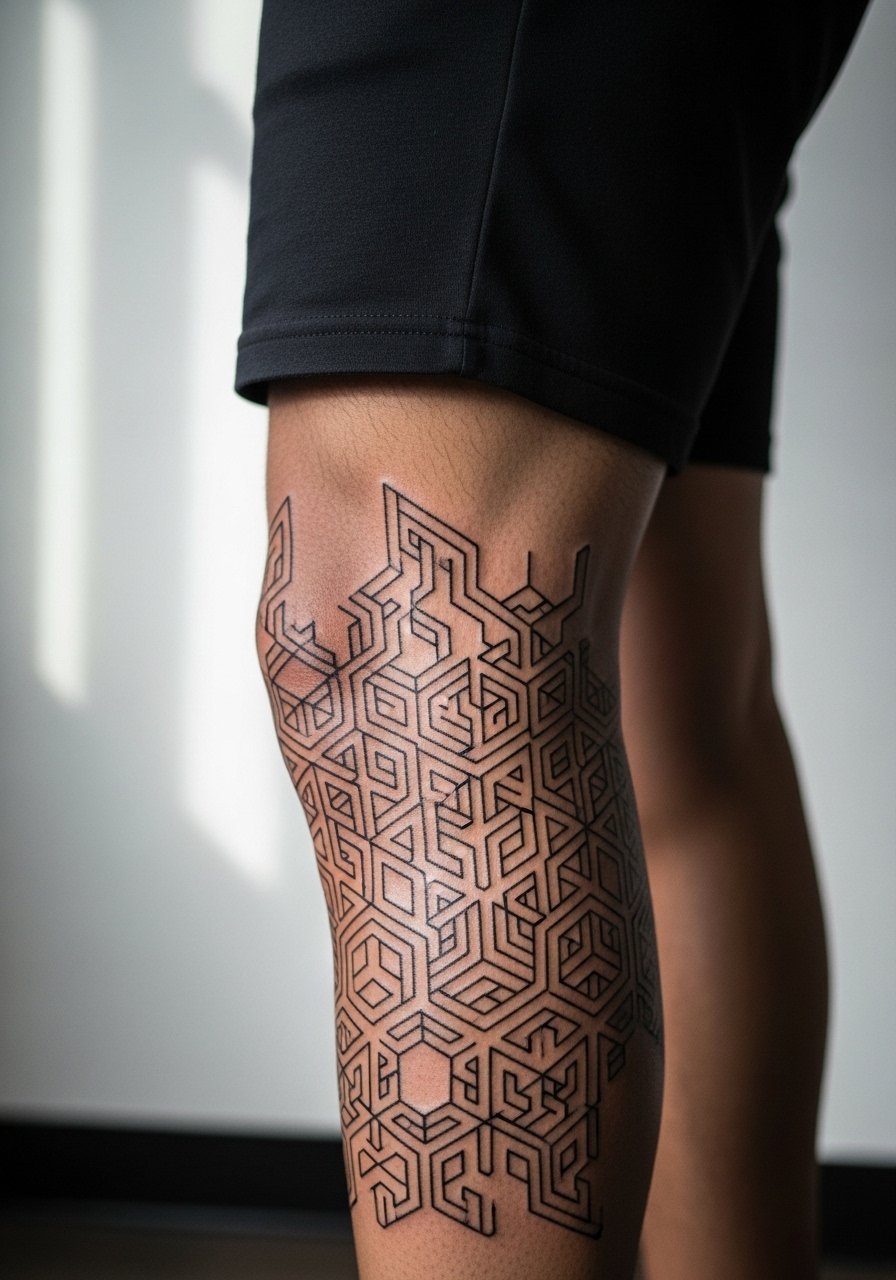
Geometric shin panels need breathing room. One camp says extreme fine line geometry will blur on shins, the other camp believes proper spacing makes it last. I stand with the spacing approach and advise asking for thicker lines in key anchor points. Shin work is higher on the pain scale and may need short passes. Overloading with tiny intersecting lines is the usual mistake. Plan for a touch-up at year two for the thinnest lines and protect the leg from daily abrasion during healing.
10. Inner Thigh Botanical Strip
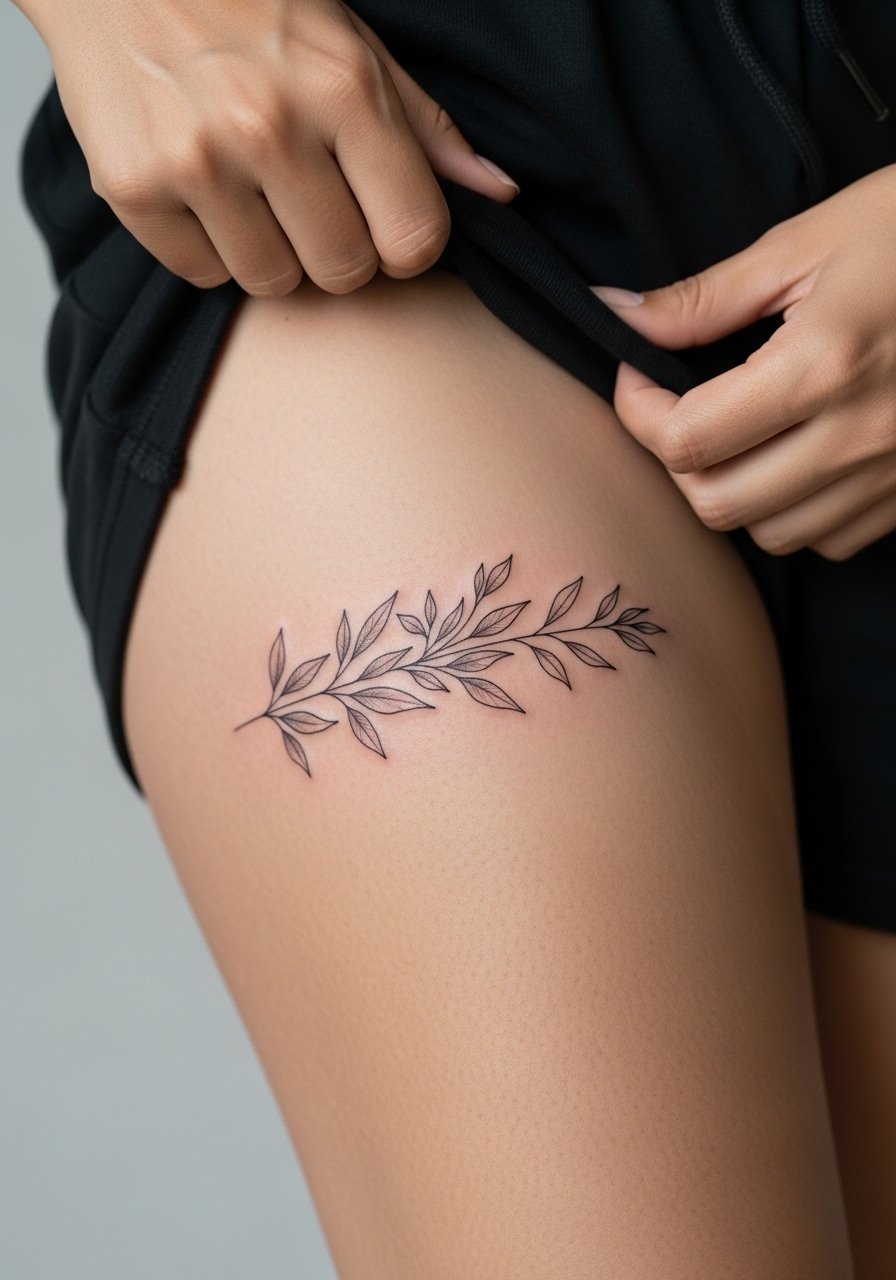
Inner thigh work is intimate and needs an artist experienced with soft tissue areas. Professional considerations apply for placement and stencil testing. I recommend slightly wider spacing for stems and leaves so the piece does not soften into blur as skin moves. Expect a tender session and plan clothing that avoids tight waistbands afterward. The biggest mistake is choosing ultrafine stems that disappear by year two. Because the area can be sensitive, pick an artist who lists inner thigh work on their portfolio and ask them about past results.
11. Neo-Japanese Calf Motif
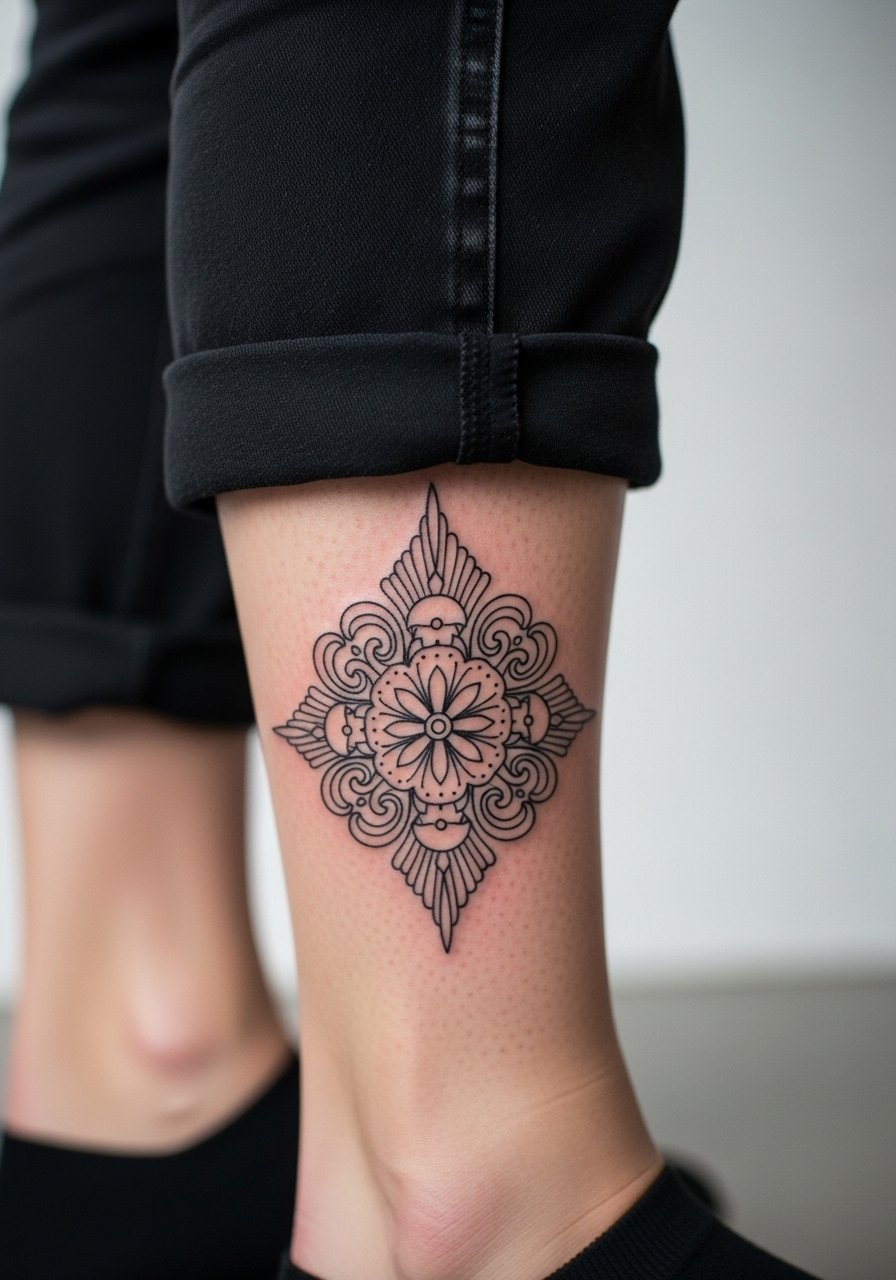
A neo-Japanese motif with bold outlines and controlled color saturation reads strong over time. I often tell people to prioritize clear silhouette over tiny ornamental fill. Session time depends on color, expect multiple passes for saturated panels. One error I see is pushing too much micro-detail into shadow areas. For showing off at casual events, cuffed trousers or chino pants with a cropped hem work well and keep attention on the motif.
12. Chain-Link Ankle Band
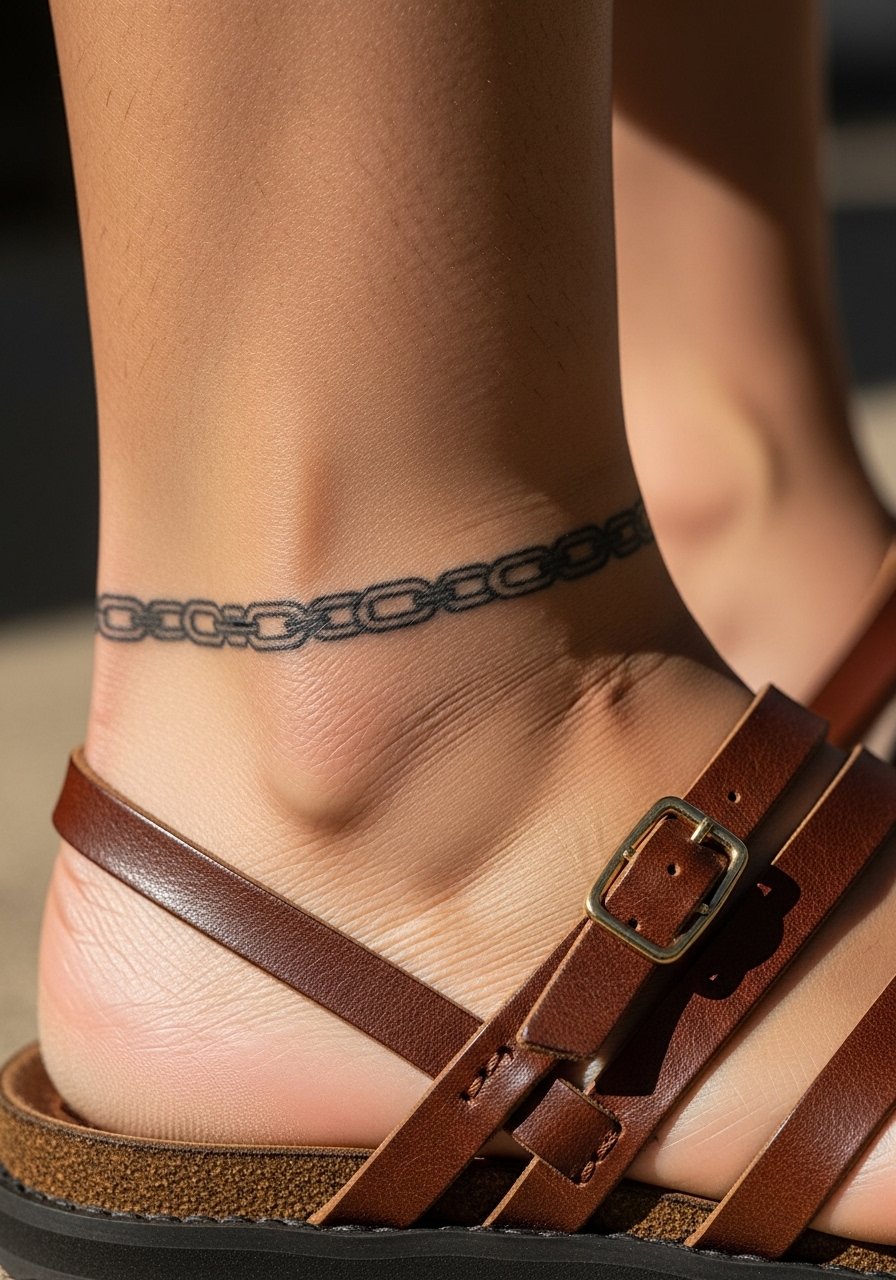
Ankle bands are small but subject to a lot of rubbing from socks and shoes. Ask your artist for slightly bolder link edges so the pattern keeps its shape as it heals. Sessions are quick, but the first week is critical for avoiding friction. People often pick link patterns too tight to the bone, which makes the band blur. For after-session mobility, wear sandals or low-cut trainers that limit ankle pressure during the first few days.
13. Minimalist Knee-Edge Script
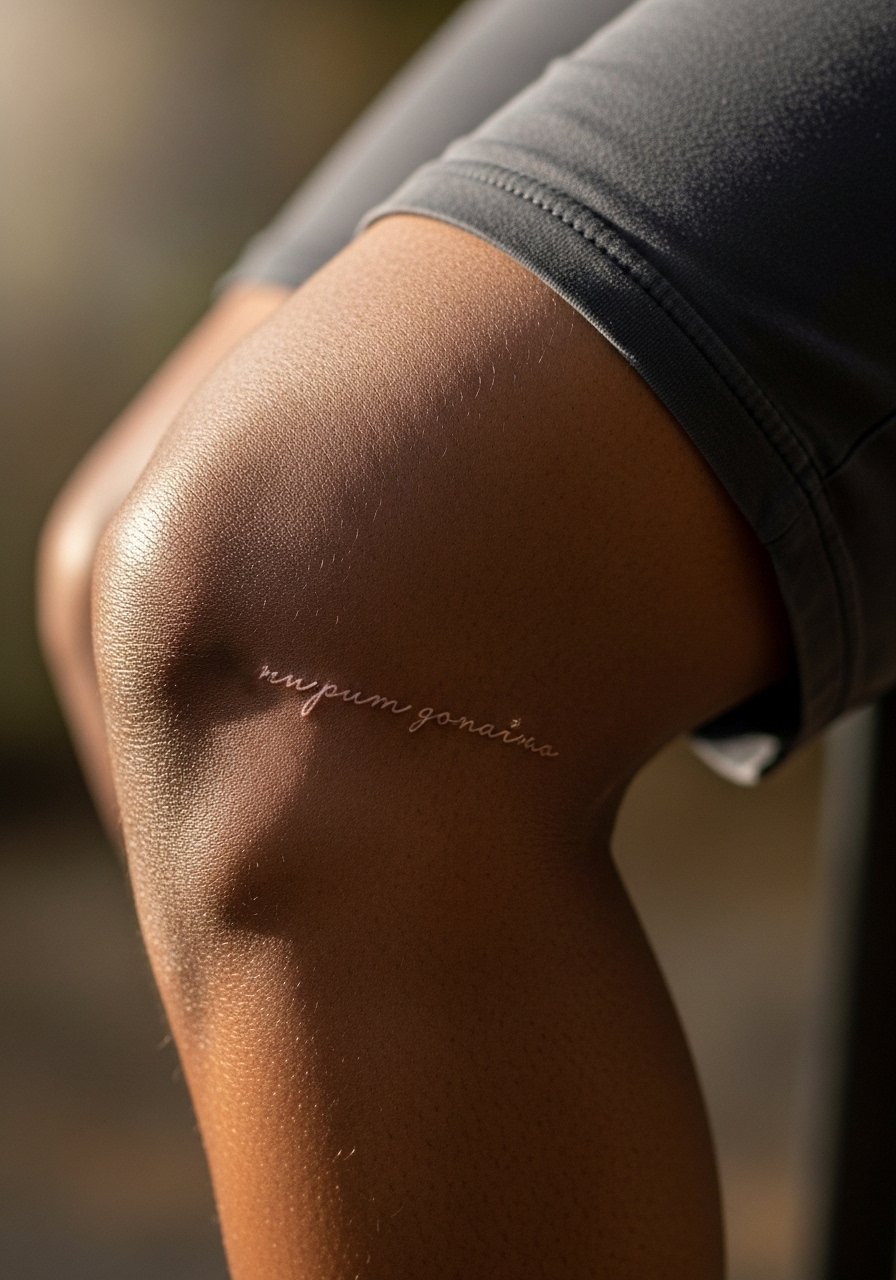
Script that wraps the knee edge reads subtle when the lettering is spaced and sized for movement. The controversy here is fine script vs bold text on joints. Both camps are honest: fine script can blur, bold text reads longer. I advise a hybrid approach with slightly increased weight on each character. Expect needle vibration and short bursts of work. Avoid very small cursive that becomes illegible in a year. If the wording matters, specify exact font weight and spacing during consultation.
14. Blackout Thigh Panel with Cutouts
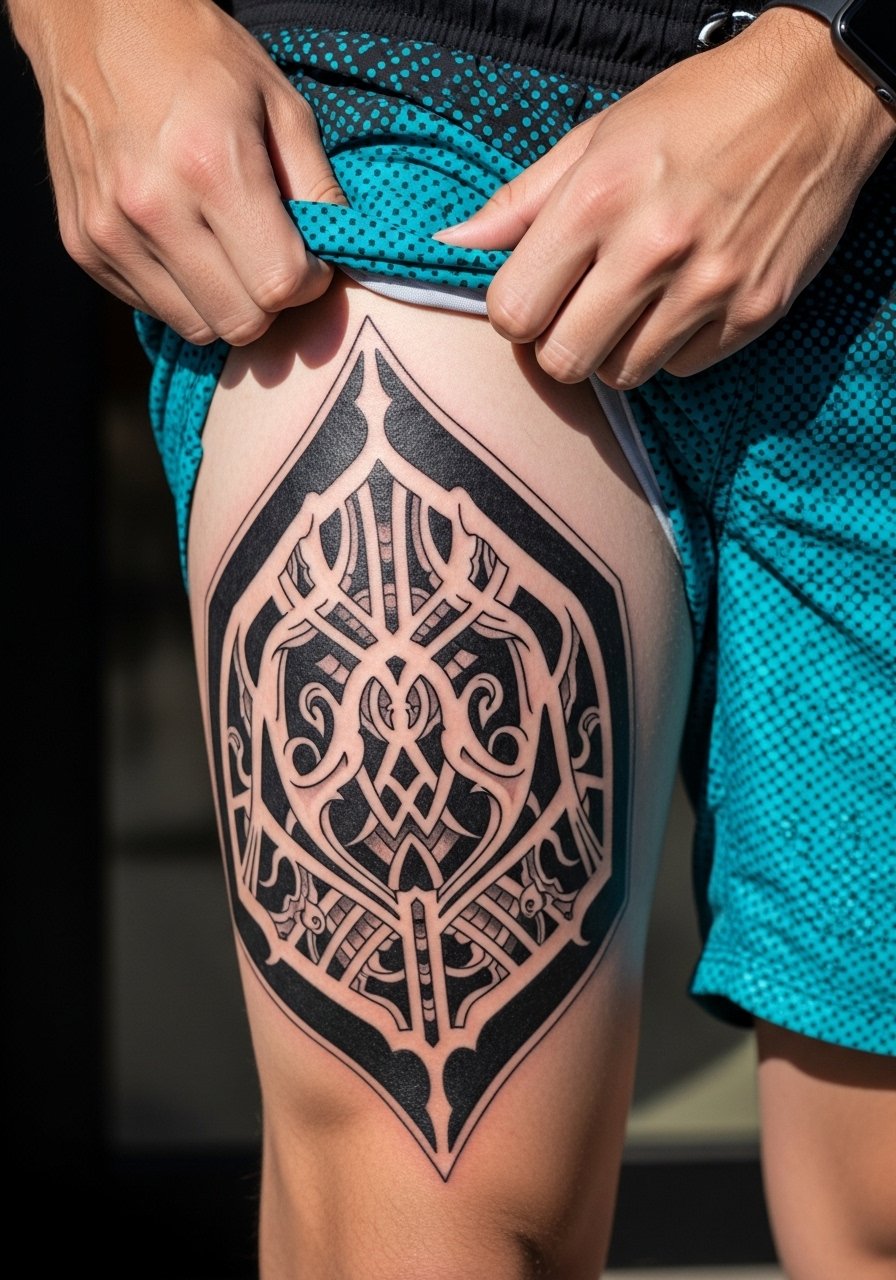
Blackout panels are dramatic and age predictably because they rely on mass, not tiny detail. Tell your artist where you want negative space cutouts so the silhouette reads even as edges soften. Sessions are long and may be split across visits. Common mistakes include trying to mix too much micro detail into the blackout zone. For beach or pool days, wear classic swim trunks that sit below the panel so the design remains the focal point.
15. Dot-Mandala Outer Thigh Cluster
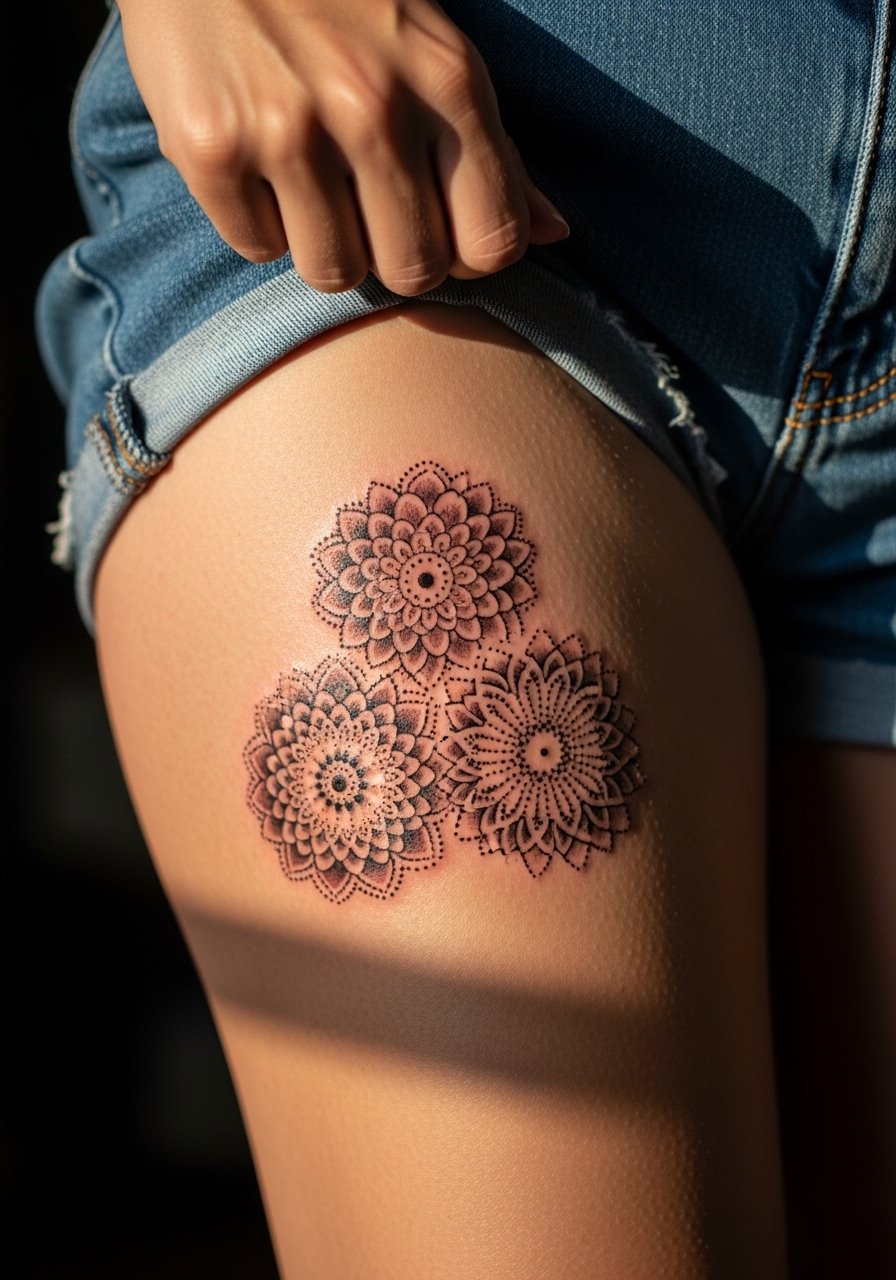
A cluster of mandalas plays to the outer thigh’s canvas and lets you mix scale for visual depth. I advise spacing each mandala slightly apart rather than locking them together. Session time varies by scale and stipple density. The mistake I see is tiny, overly dense dot fields that blur into gray patches. For texture contrast, alternate stipple density and plan a touch-up for the finest dots at year three if you want the edges crisp.
16. Scripted Timeline Along the Shin
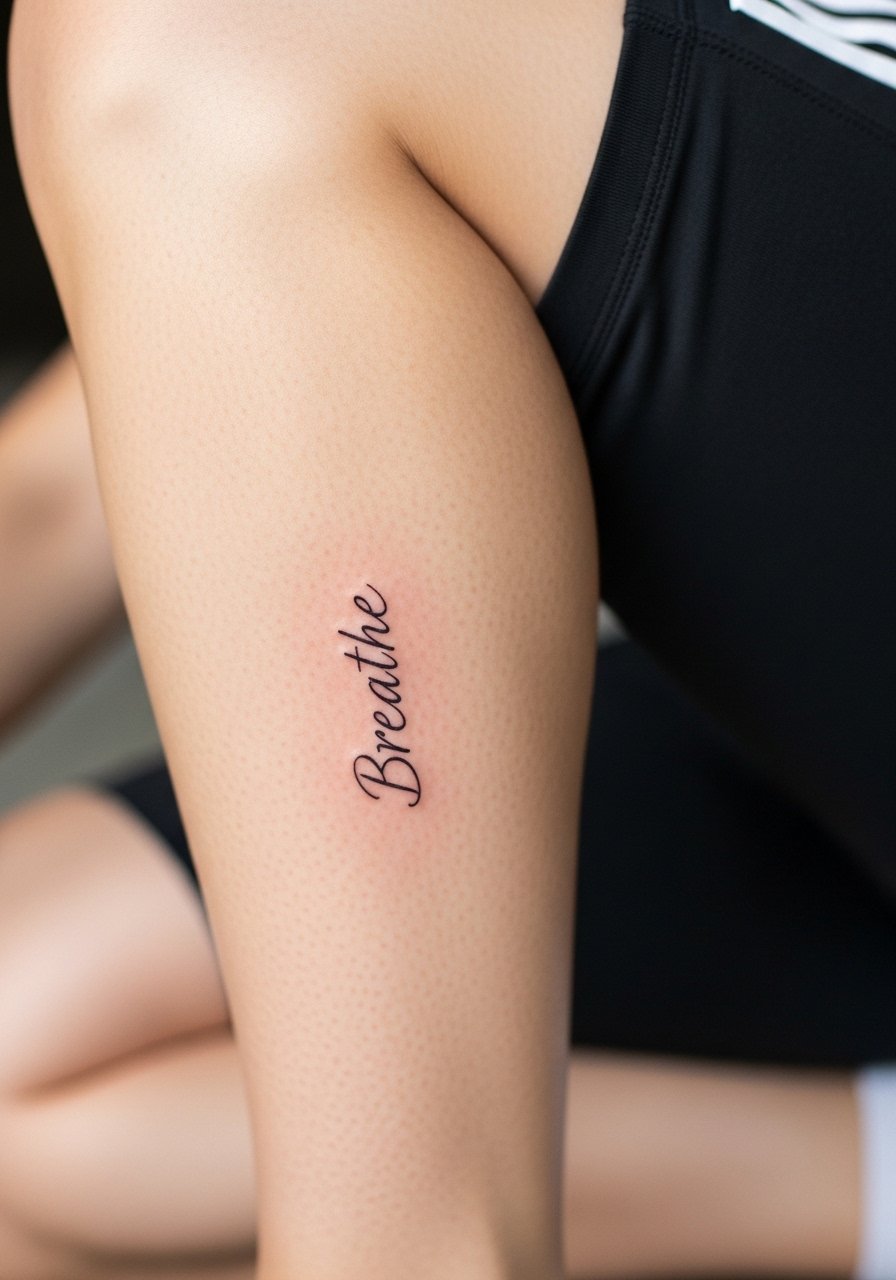
Long scripts down the shin have to account for contour and leg movement. I recommend clear, slightly heavier letterforms and asking the artist to map the full line on the skin before inking. Pain will come in waves along the bone and sessions can be done in one sitting for short phrases. The error is choosing a hairline font that disappears with normal healing. For showing the line in casual outfits, try athletic shorts with a mid-thigh hem so the script is visible without exposure issues.
17. Nautical Compass at the Ankle
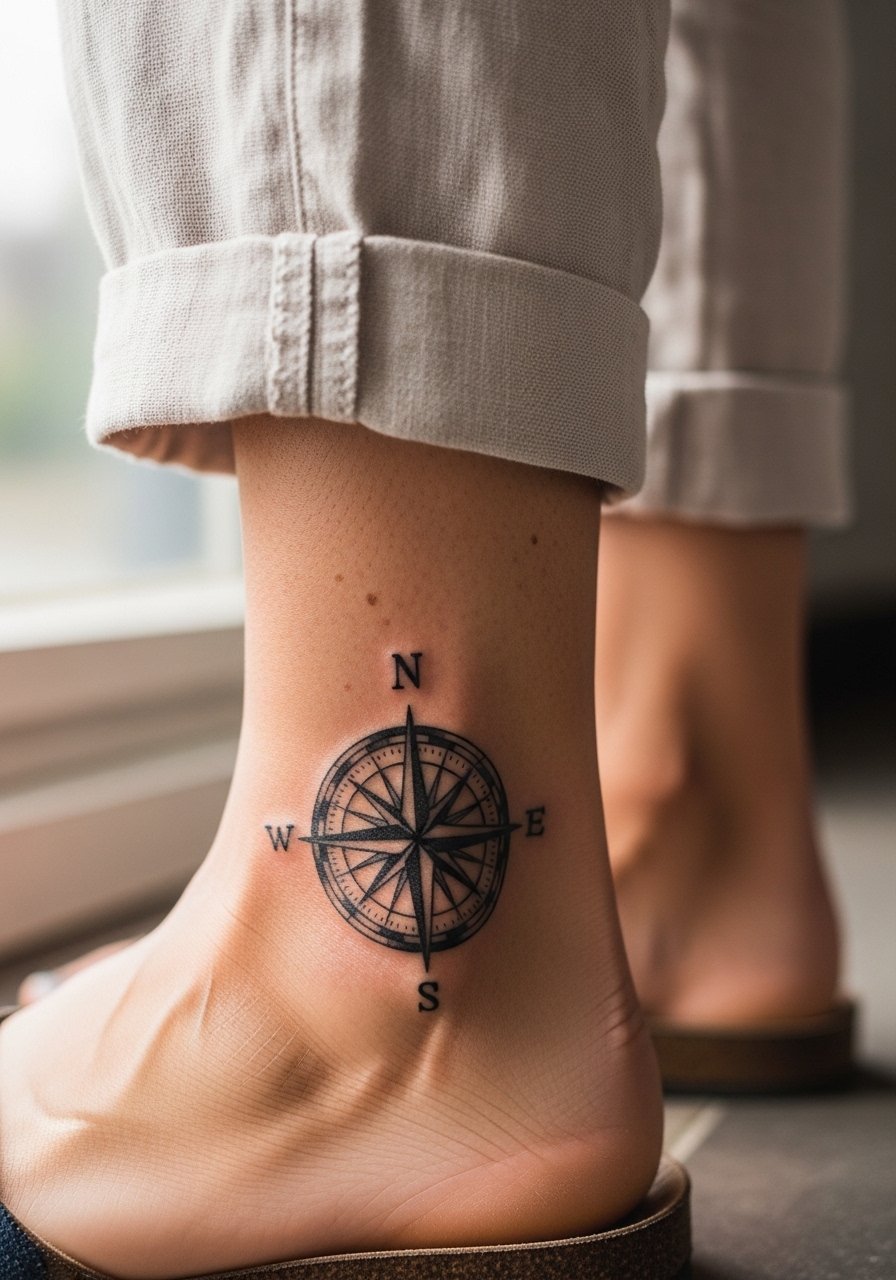
A compass at the ankle stays readable if you prioritize clear cardinal points and modest inner detail. I tell clients to avoid tiny decorative filigree within the compass face because ankle friction eats fine work. Sessions are short, and after the initial week of reduced shoe wear the piece settles quickly. The usual mistake is packing in decorative text around the compass that then blurs. Pair this with cuffed chinos or classic sandals to place emphasis on the compass without constant rubbing.
Frequently Asked Questions
Q: Will geometric linework on shins blur faster than on calves?
A: Yes, shins take more direct impact and have thinner soft tissue, so very thin geometry can blur sooner. If you want geometric work on a shin, ask for strategic anchor lines and extra spacing. That approach keeps the pattern readable longer and usually reduces the need for early touch-ups.
Q: How should I dress for a thigh panel session to keep the area accessible and comfortable?
A: Wear loose drawstring shorts or swim trunks you can shift easily so the artist has full access without fabric pressing on fresh ink. A good option is loose drawstring shorts you can adjust in the chair. Avoid tight waistbands that can rub the area when you walk out.
Q: Are ankle tattoos worth it if I wear boots most days?
A: They are worth it if you plan your footwear around healing and the first month. Boots can rub and slow the initial seal. If your daily routine includes heavy boots, consider placing the design slightly higher or scheduling the session when you can rotate footwear for a week.
Q: Should I expect different touch-up timelines for blackwork versus stipple shading?
A: Yes. Solid blackwork often needs less frequent touch-ups because it relies on density. Stipple shading can soften and usually benefits from a touch-up at two to three years if you want the dots to keep their original contrast.
Q: Can fine script wrap the knee and still be legible after a few years?
A: It depends on font weight and spacing. Thicker, simpler letterforms survive movement better. Ask your artist to stencil the text in position and then walk and bend before committing so you see how the letters react to motion.
Q: Does inner thigh work require a specialist artist or special consent?
A: Inner thigh tattoos are common but they do need an artist experienced with soft tissue and placement sensitivity. During consultation ask to see healed inner thigh pieces and talk about aftercare logistics for dressing and friction.
