
Fine line 11 11 pieces look effortless on social feeds, but the small-number aesthetic has a few practical traps. Fine detail, placement, and skin texture decide whether those twin digits still read crisp after a few years. I’ve seen wrist and finger variations blur where people expected them to stay sharp. Below are subtle takes on the 11 11 tattoo that prioritize spacing, longevity, and how you actually wear clothes, so the first idea will feel like a real option when the stencil goes on.
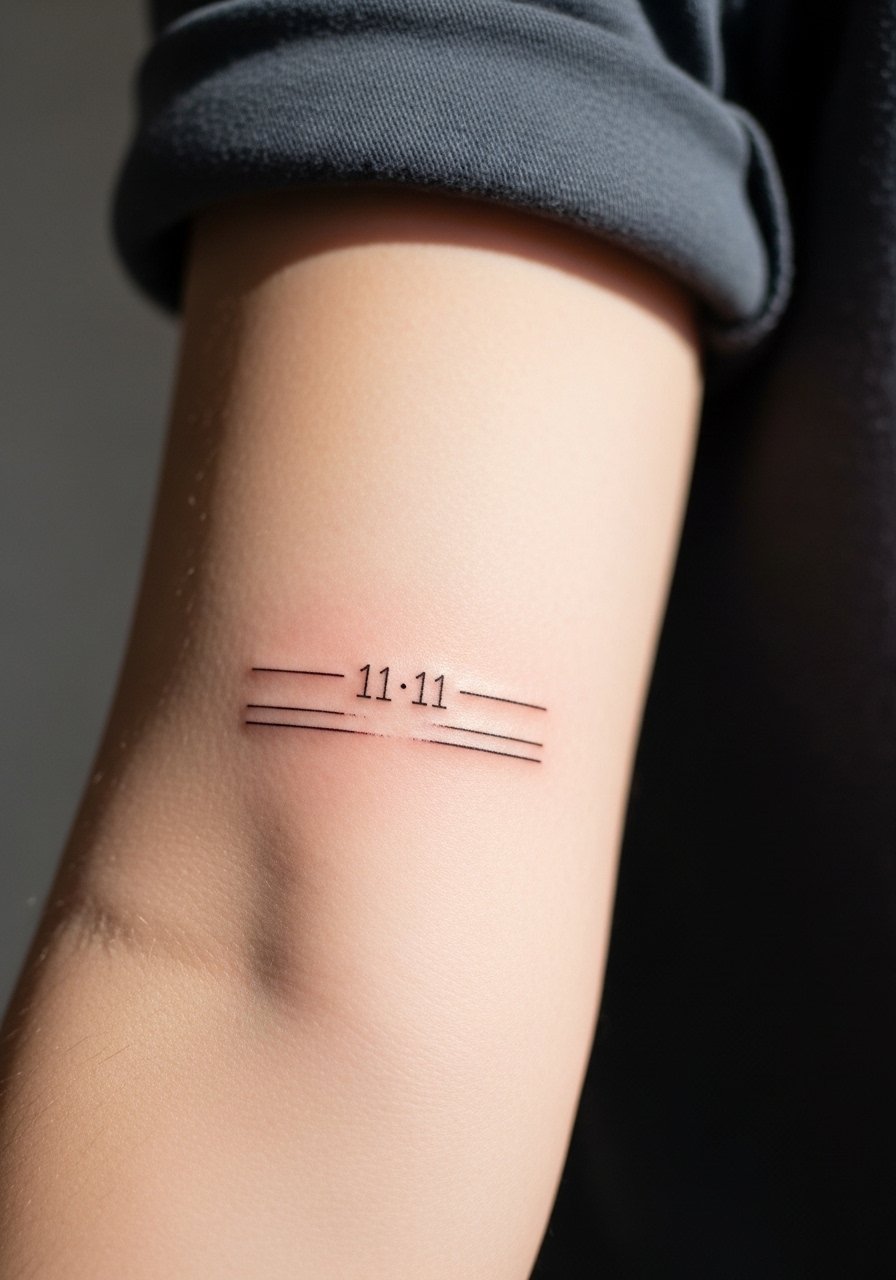
1. Fine Line Twin Bars on Inner Forearm
I’ve seen fine twin bars reading as two thin lines that flank "11 11" age better than heavy numerals for this placement. Ask your artist to space the bars at least 3–4 millimeters apart and to use a steady single-needle linework approach. Fair warning, the inner forearm is forgiving on pain but sunlight will wash thin work over time, so plan for a touch-up around year three. A common mistake is asking for numbers too small and packed. For the session wear a loose button-down shirt you can pull aside so the artist has clear access while the rest of the arm stays covered. Healed look stays legible if you prioritize spacing and avoid heavy shading near the digits.
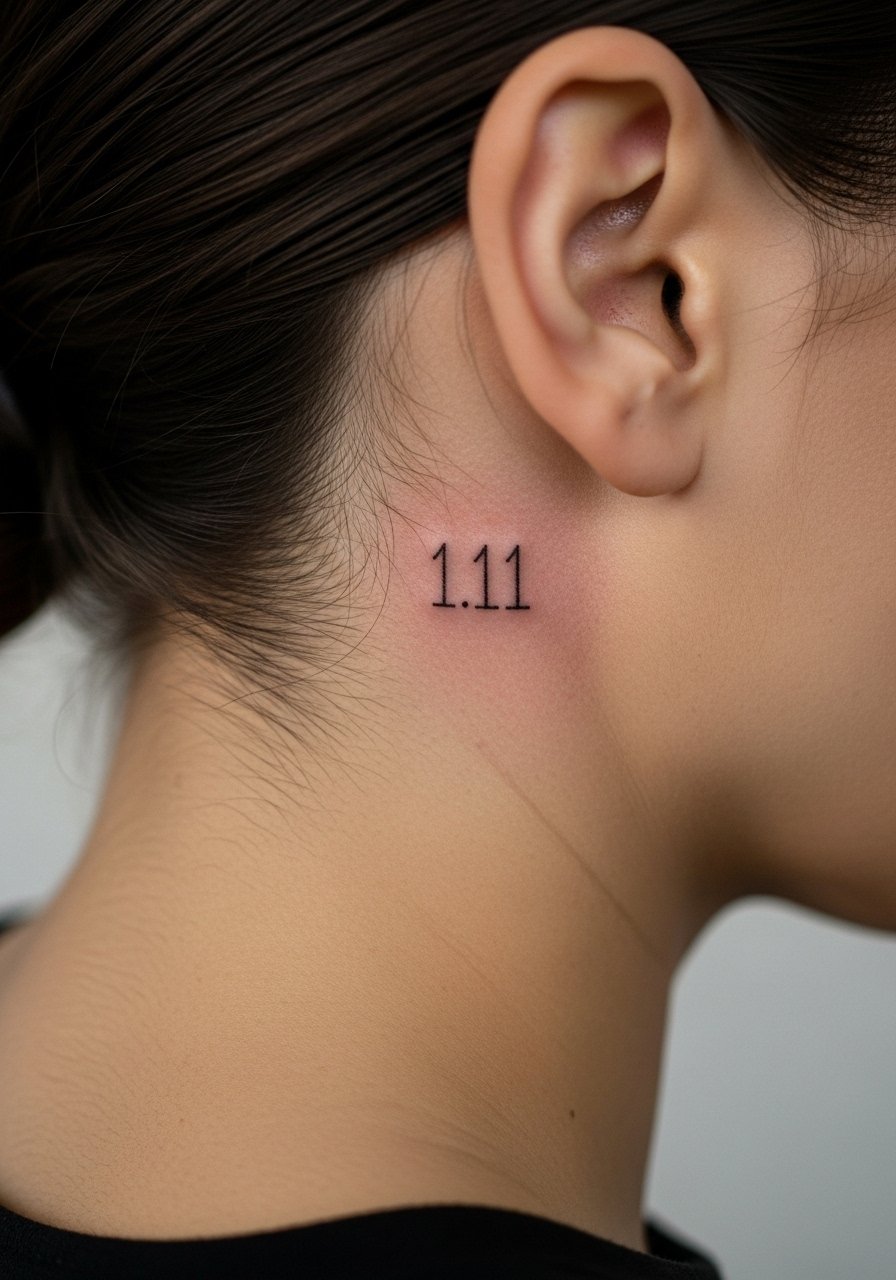
2. Tiny "11 11" Behind the Ear in Minimal Script
Consultation lead: when you bring this one up, say you want the numbers tiny and set into the hairline rather than on the ear itself. The skin behind the ear is thin and moves with jaw motion, so expect the lines to soften faster than on the forearm. Artists split on this placement. One camp says micro script there blurs within two years because of constant motion and thin skin. The other camp argues careful depth and very light linework can settle gracefully. For the session wear a hairstyle or clothing that lets the artist access the neck skin below the hairline. Keep expectations realistic for touch-ups and ask about long-term spacing.
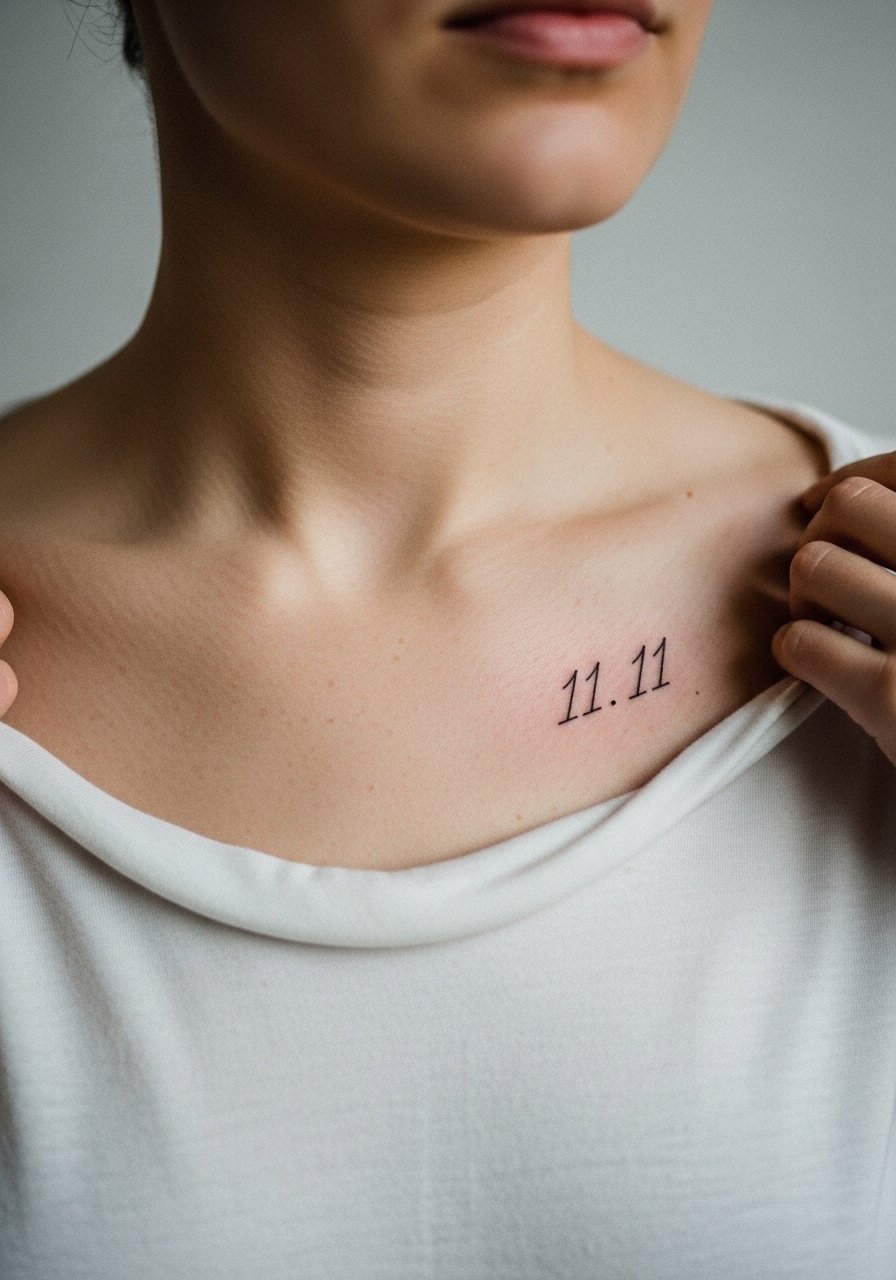
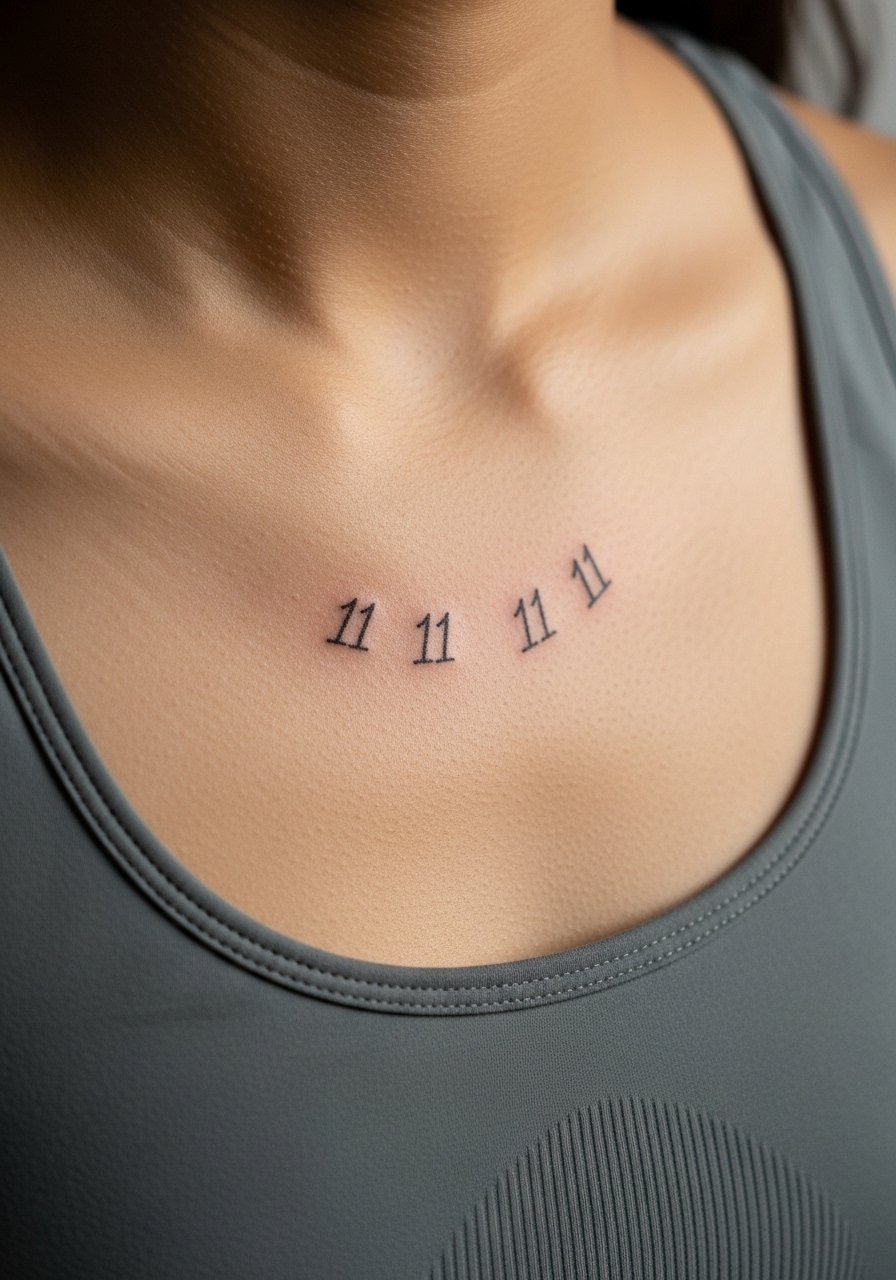
3. Collarbone Script "11 11" in Whisper-Thin Type
Visual impact lead: a collarbone placement reads as delicate and personal when set in a whisper-thin script a finger-length long. The upper chest needs a slightly bolder initial weight than you think so the lines do not vanish into natural creases over time. Wear a wide-neck shirt pulled slightly aside for the session so the artist can line the collarbone without stretching the skin. The pain is mild to moderate and the session is short. A common mistake is asking for a size smaller than recommended, which causes the characters to merge by year three. Plan for a light touch-up to maintain crispness, especially if you spend a lot of time in the sun.
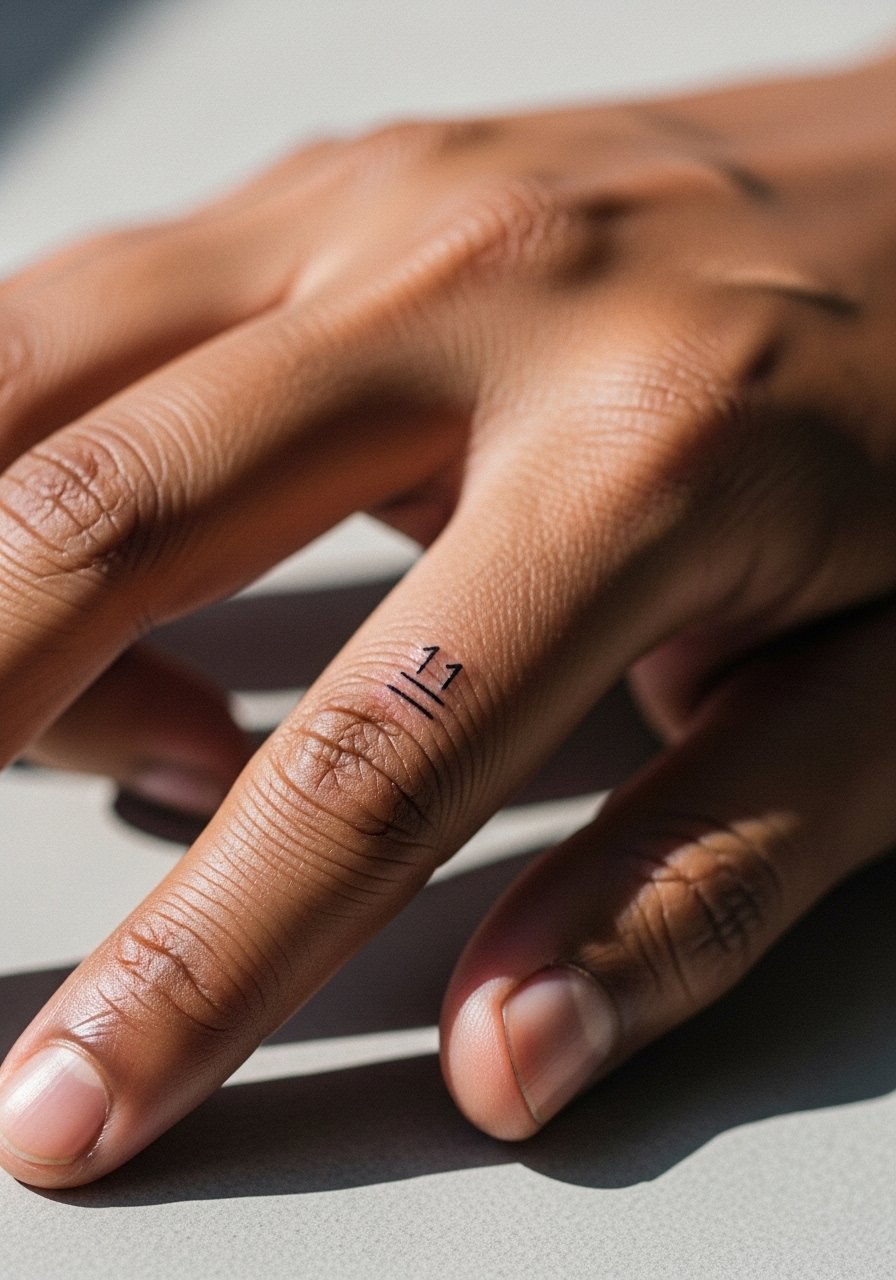
4. Single-Finger Micro "11 11" Along the Side of the Index
Mistake lead: the biggest mistake with finger numbers is going too small or too close to the joint. The skin on the side of the index is thin and endures constant friction. Ask for slightly thicker linework than you would on the forearm and avoid placing any part of the digits directly over the joint. Expect faster fading and a likely touch-up at year two. For showing it off, pair the design with a minimalist gold ring on the adjacent finger so the hand still looks intentional without crowding the tiny numerals. The image will age differently if you type a lot or wash hands frequently.
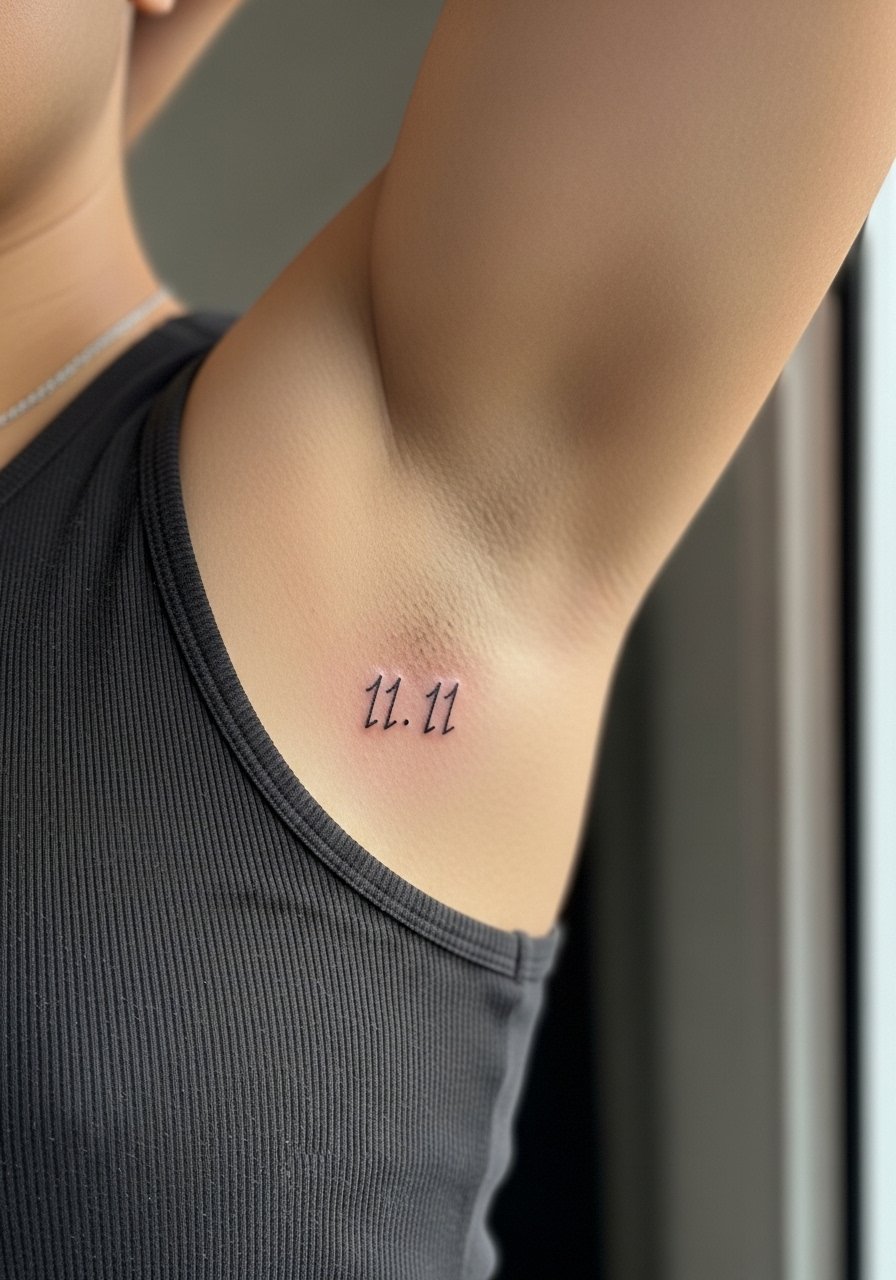
5. Inner Bicep Script "11 11" in Micro Cursive
Consultation lead: when you ask for micro cursive on the inner bicep, say you want medium lineweight and slightly stretched letter spacing. The inner bicep heals well but can stretch with muscle changes. Expect moderate pain for this spot and a session length under an hour. A common version that ages poorly is extremely thin script placed very close to the crease. This version holds because it gives the letters room. For the appointment wear a tank top with the arm raised so the artist has full access to the inner upper arm. Consider a touch-up if you bulk or lose a lot of weight later.
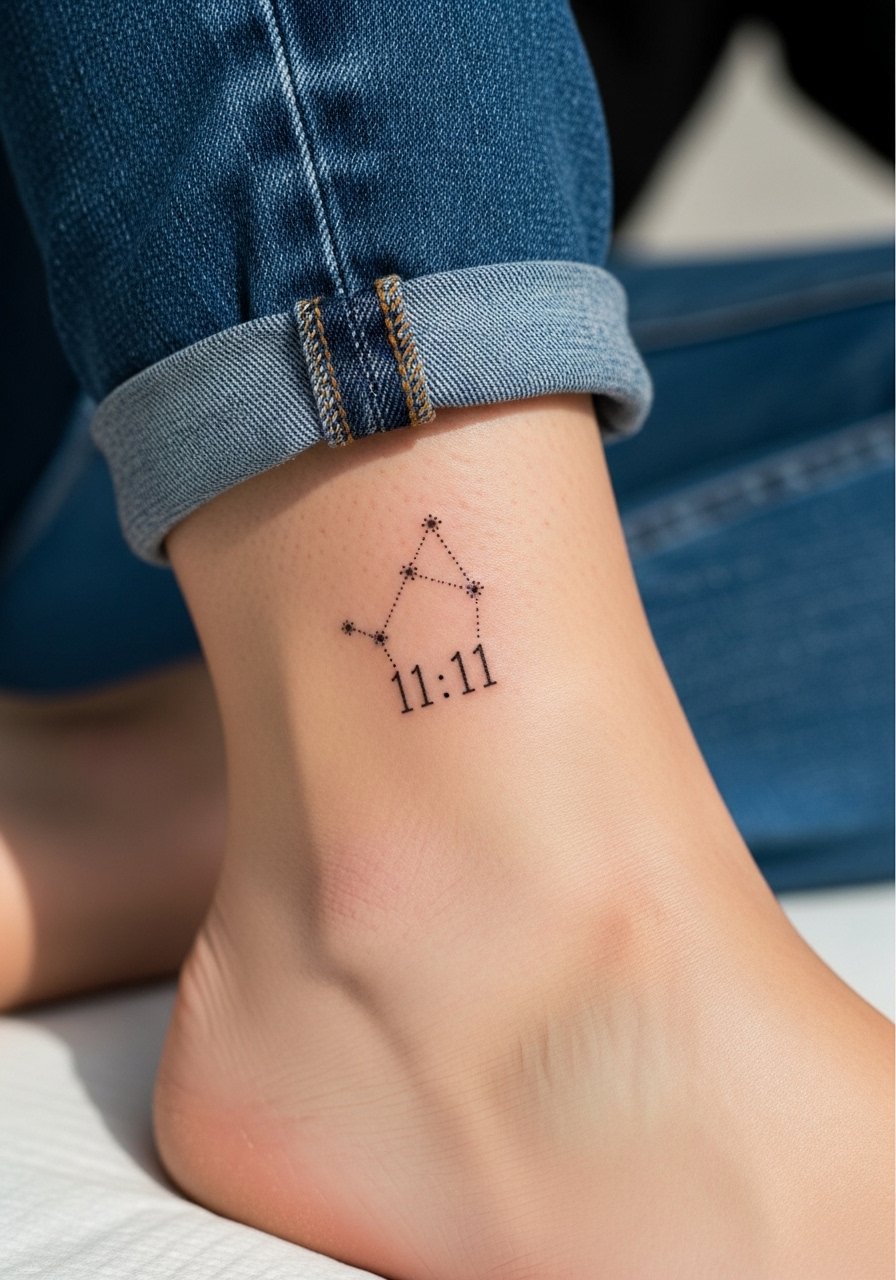
6. Constellation Dots with Hidden "11 11" at the Ankle
Visual impact lead: anklet-style dot work that forms a subtle constellation can hide the numbers inside negative space, so it reads symbolic instead of literal. The ankle sees friction from shoes and socks, so keep dots spaced and the main digits slightly inland from the lateral ankle bone. Session time is short but the area can be more painful than expected. For showing this piece off, roll your denim up and wear strappy sandals that keep attention on the ankle line. Expect a first-year touch-up because of constant rubbing from socks and footwear.
Pre-Session Essentials
These first six placements vary from high-exposure wrists to friction-prone ankles, so a few studio-day items make the session smoother and the first week easier.
-
Stencil transfer paper kit. Lets you preview placement on skin, which is helpful for collarbone and inner bicep alignment concerns.
-
Thin protective film roll. Useful for ankle and finger pieces to reduce friction during the first few days of healing.
-
Fragrance-free gentle body wash. Cleanses delicate fine line work without irritating the area for the wrist and chest designs above.
-
[Sensitive skin topical numbing cream](https://www.amazon.com/s?k=sensitive+skin+t tattoo+numbing+cream&tag=inkedqueen-20). Applied before short but sensitive sessions can ease ankle and inner bicep discomfort without affecting linework when used as directed.
-
Aquaphor healing ointment. Thin layers in the first days lock moisture for fine line areas without clogging the surface.
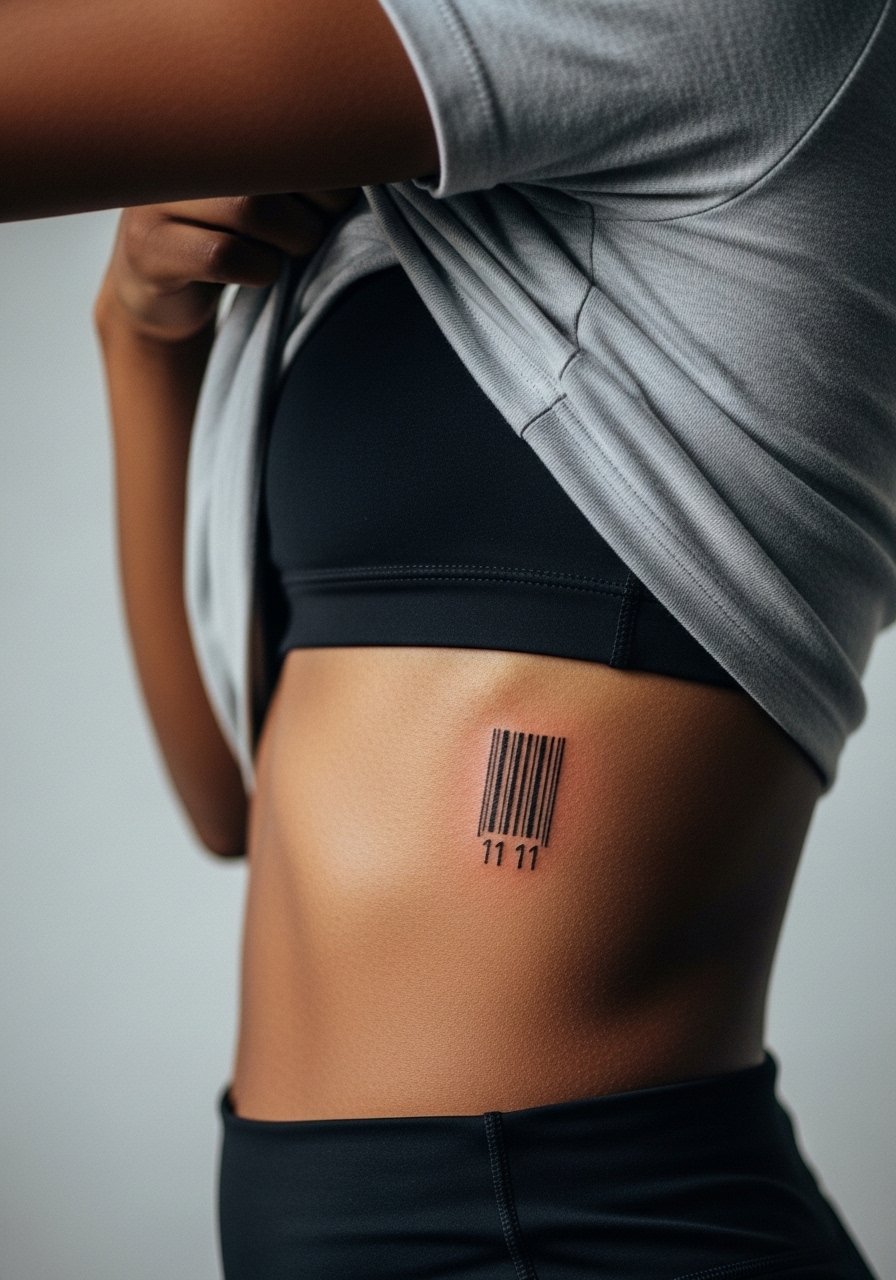
7. Vertical Barcode "11 11" Along the Ribcage
Controversy lead: fine vertical number work on the ribs divides artists into two camps. One says the skin stretch from breathing blurs micro lines within a couple of years. The other says with slightly heavier spacing and precise depth it can hold. I lean practical: avoid micro hairline numbers here. The ribcage is a high-pain zone but the elongated placement flatters the side torso. For the session wear a cropped top you can lift so only the rib area shows. Expect a three-year touch-up window if you want the numerals to remain crisp. The version that fails is tiny script packed into the curve of the rib.
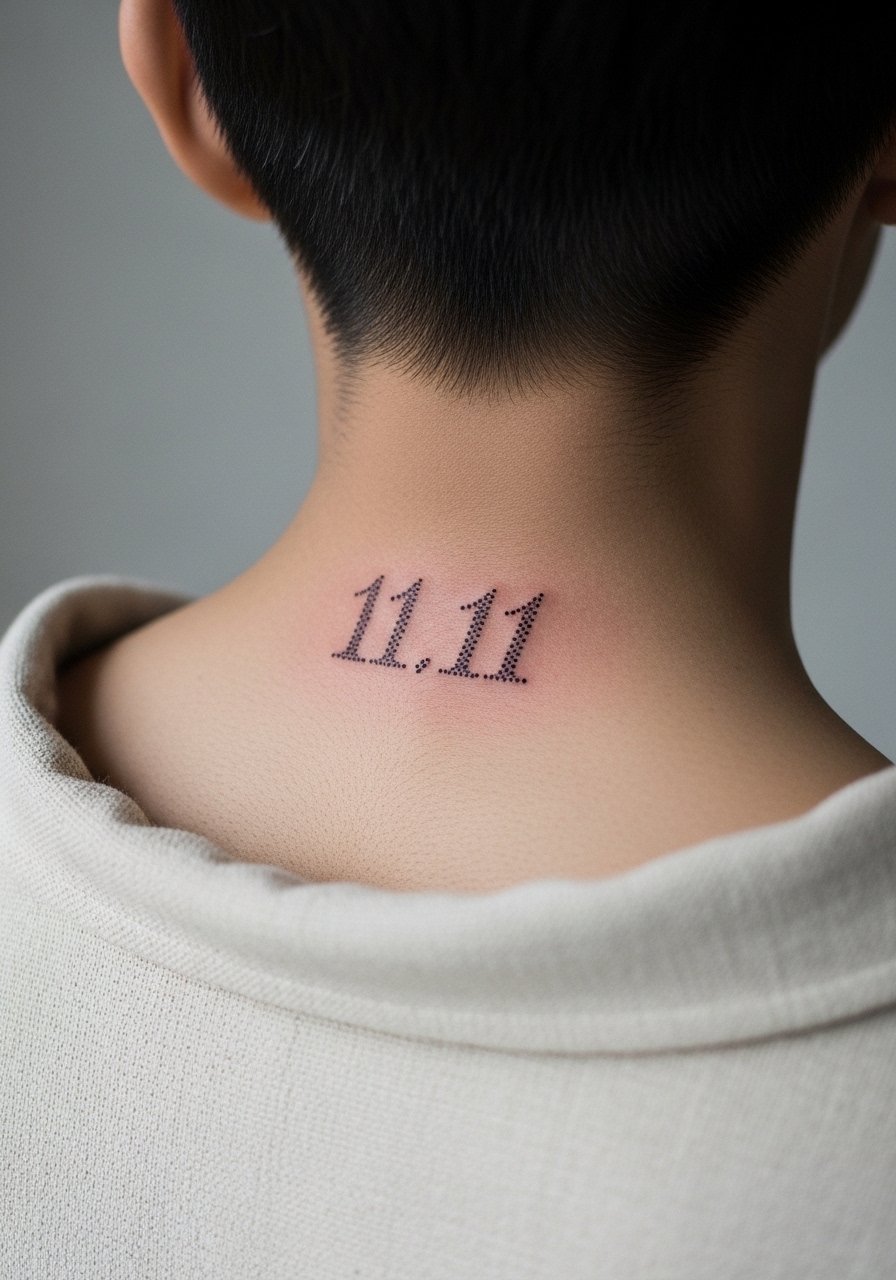
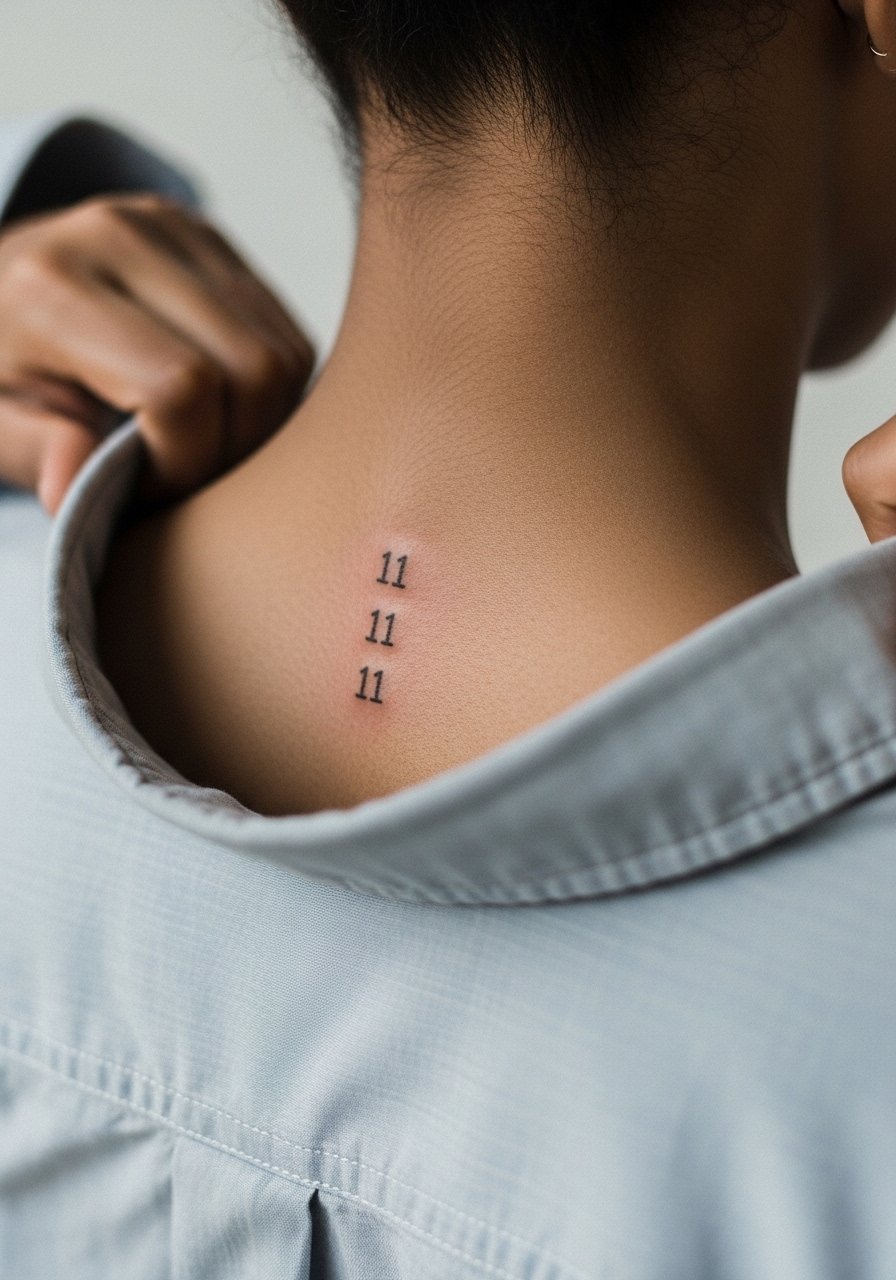
8. Nape Micro "11 11" in Dot-Work Under the Hairline
Pain warning lead: the nape is sensitive but the placement hides easily under hair. A dot-work numeric cluster set just below the hairline reads private and lasts if dots are slightly larger than micro pinpricks. Artists differ on needle depth for this area, so ask how they prevent migration. For the session wear a wide-neck shirt you can pull to one side for access. The aging pattern is friendly because the area sees less sun. If you reveal it often, expect a softer look over five years but generally stable dot-work that keeps the motif more discreet than bold numerals.
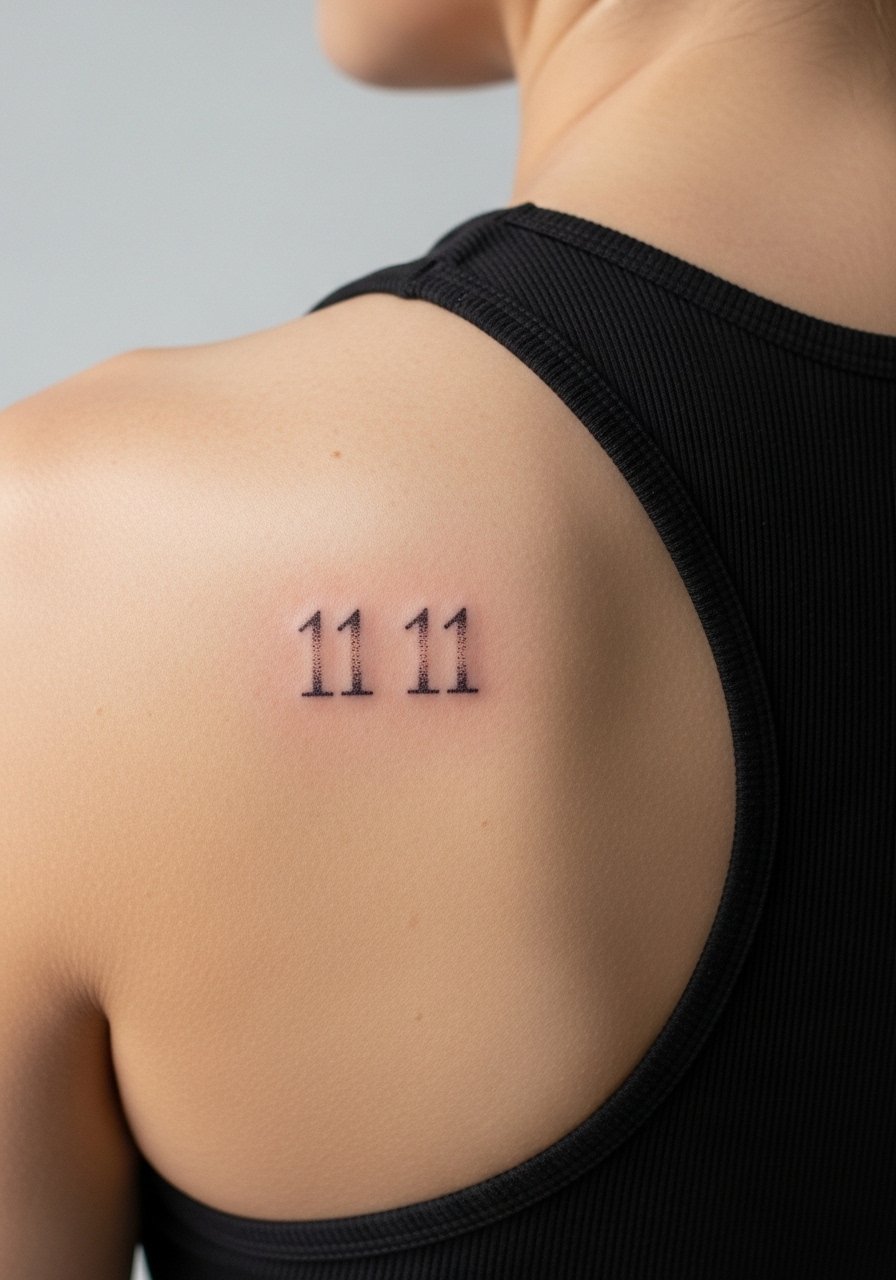
9. Shoulder Blade Minimalist "11 11" in Negative Space
Visual impact lead: shoulder blade designs benefit from a bit more scale. Negative-space digits carved into stipple or whip shading keep the numbers readable from a distance without heavy outlines. The shoulder blade is an easy-healing canvas that tolerates slightly denser work. For showing it off, a back-bearing top or a racerback tank complements the placement and frames the negative-space numerals. The session is moderate in length and pain is low. The common mistake is tiny digits that get lost in shading. Ask for subtle contrast and a test of how the negative space reads at a few feet away.
10. Sternum Arc "11 11" in Micro Script
Aging/healing lead: sternum pieces often look crisp for the first year and then the center can soften if the script is too fine. Doing a slightly bolder micro script in an arc follows the chest curvature and reduces the chance of letters merging. For the session wear a fitted sports bra so the artist can access the sternum while the rest of the chest stays modest. This spot is higher on the pain scale, so short sessions or breaks help. Think about clothing that will let you show the arc without tugging at the area. Expect a touch-up in two to four years depending on sun exposure and skin tension.
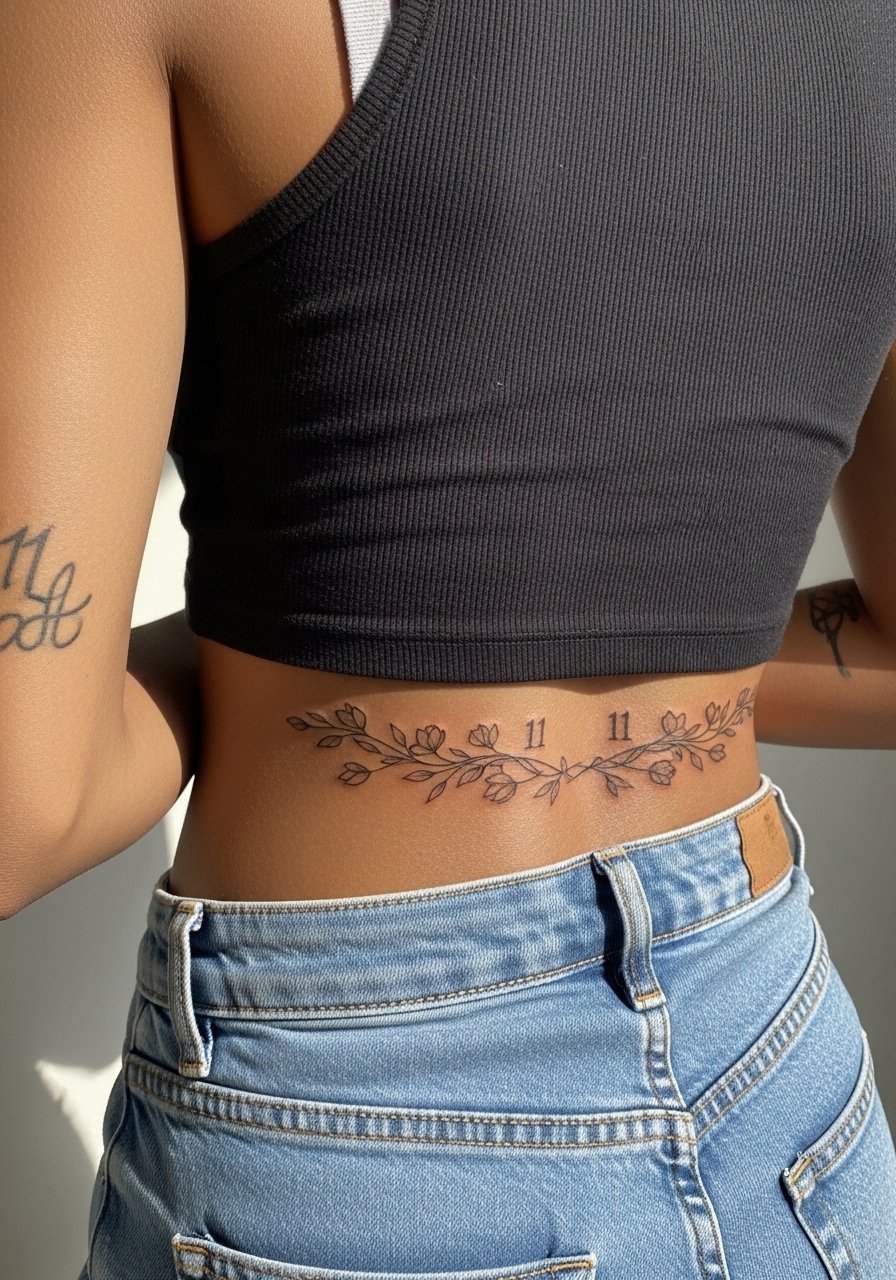
11. Lower Back Slim Line "11 11" Embedded in Floral Linework
Personal observation lead: lower back pieces can be subtle when the numbers sit inside a thin-flowing vine. The area tolerates slightly larger scale, which helps fine numerals survive longer. Frame the digits within negative space between leaves rather than tight script. For the session wear a tank top with high-waisted jeans pulled slightly low to reveal only the lower back area. This placement can be hidden for work or shown with low-rise silhouettes. The common mistake is centering tiny numerals on the spine where they meet natural movement and stretch. Embedded numbers age more gracefully when the surrounding linework maintains contrast.
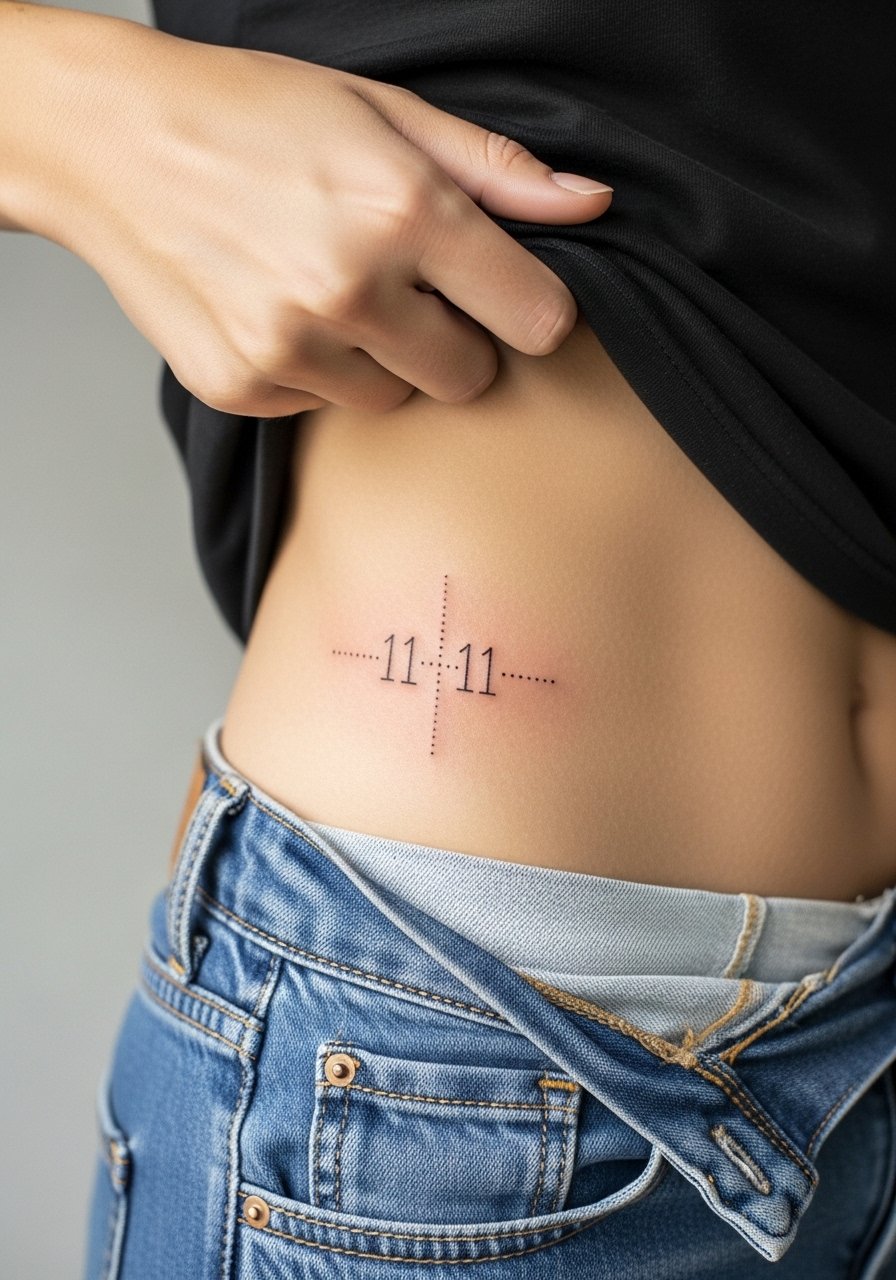
12. Hip Punctum "11 11" with Micro Dots and Negative Space
Mistake lead: placing micro numbers too close to the hip bone causes excess fade from clothing friction. Instead, set the digits slightly toward softer skin and add tiny dot-work punctuation so the motif reads like a symbol. For the session wear high-cut shorts or a swimsuit bottom to keep the area accessible and modest. A show-off pairing for warmer months is a high-waisted bikini bottom that frames the hip motif without rubbing the exact tattoo zone. Expect a first-year retouch if you frequently wear tight jeans or belts across that spot.
13. Inner Thigh Hidden Script "11 11"
Consultation lead: the inner thigh is a private canvas that can handle slightly larger script, which helps longevity. When you request this, say you want the spacing increased and the baseline slightly curved to match the leg's contour. The area heals slowly and can be sensitive, so expect a two-hour session depending on size. For the appointment wear shorts shifted up slightly or a swimsuit so only the inner thigh is exposed. Because of possible friction from clothing, consider looser bottoms for the first week. The common version that fails is a micro-line placed under tight seams that rub during daily movement.
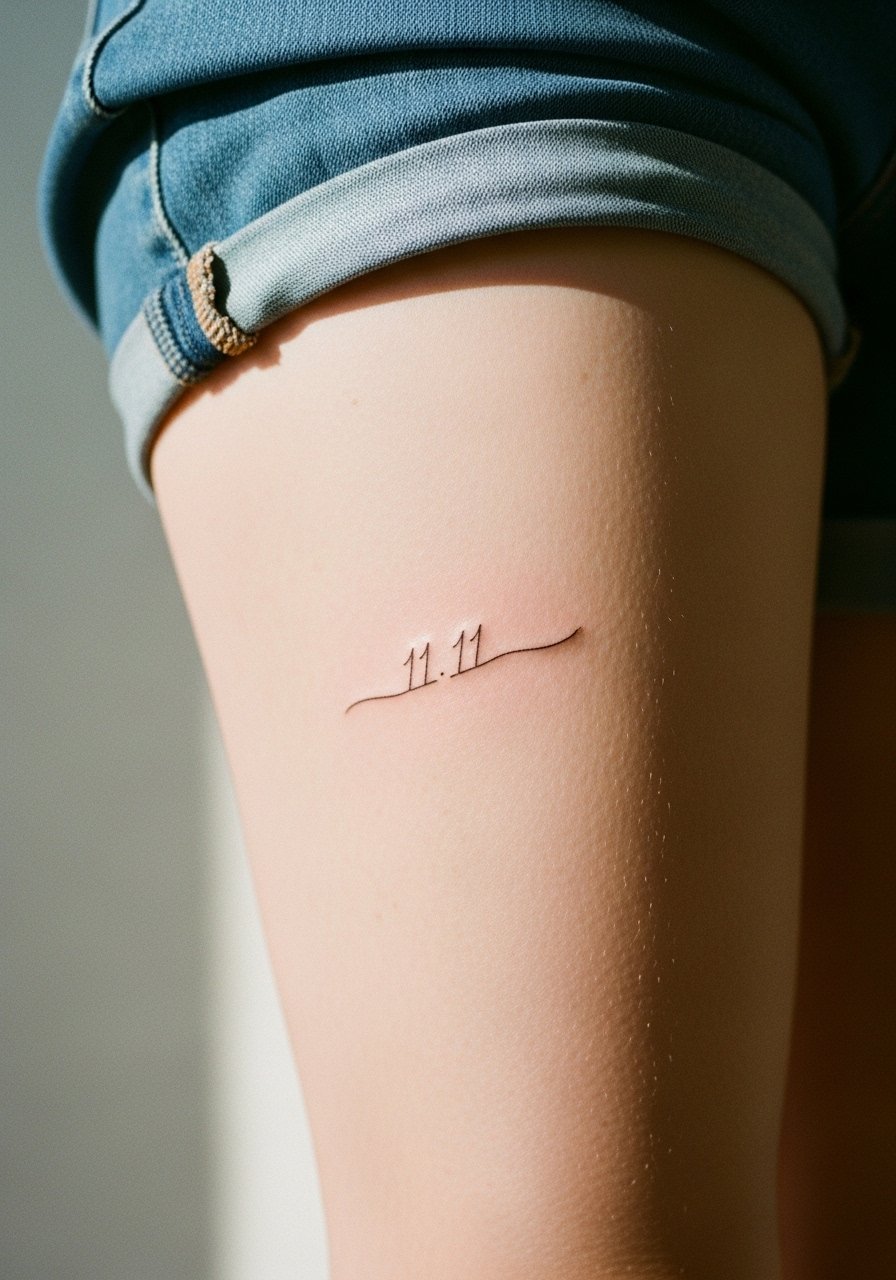
14. Calf Column "11 11" in Narrow Sans Typeface
Visual impact lead: the calf gives room to treat the numbers as part of a narrow vertical column in a clean sans type. The slightly larger scale reduces blowout risk and keeps the digits readable from a distance. The calf tolerates denser saturation so you can use a thin block font rather than micro script. For session wear loose drawstring linen pants so you can roll the leg up without pressure on the tattoo site. A show-off pairing with mid-calf boots or cropped trousers frames the column without interference. Expect touch-ups only if you subject the calf to heavy sun exposure over years.
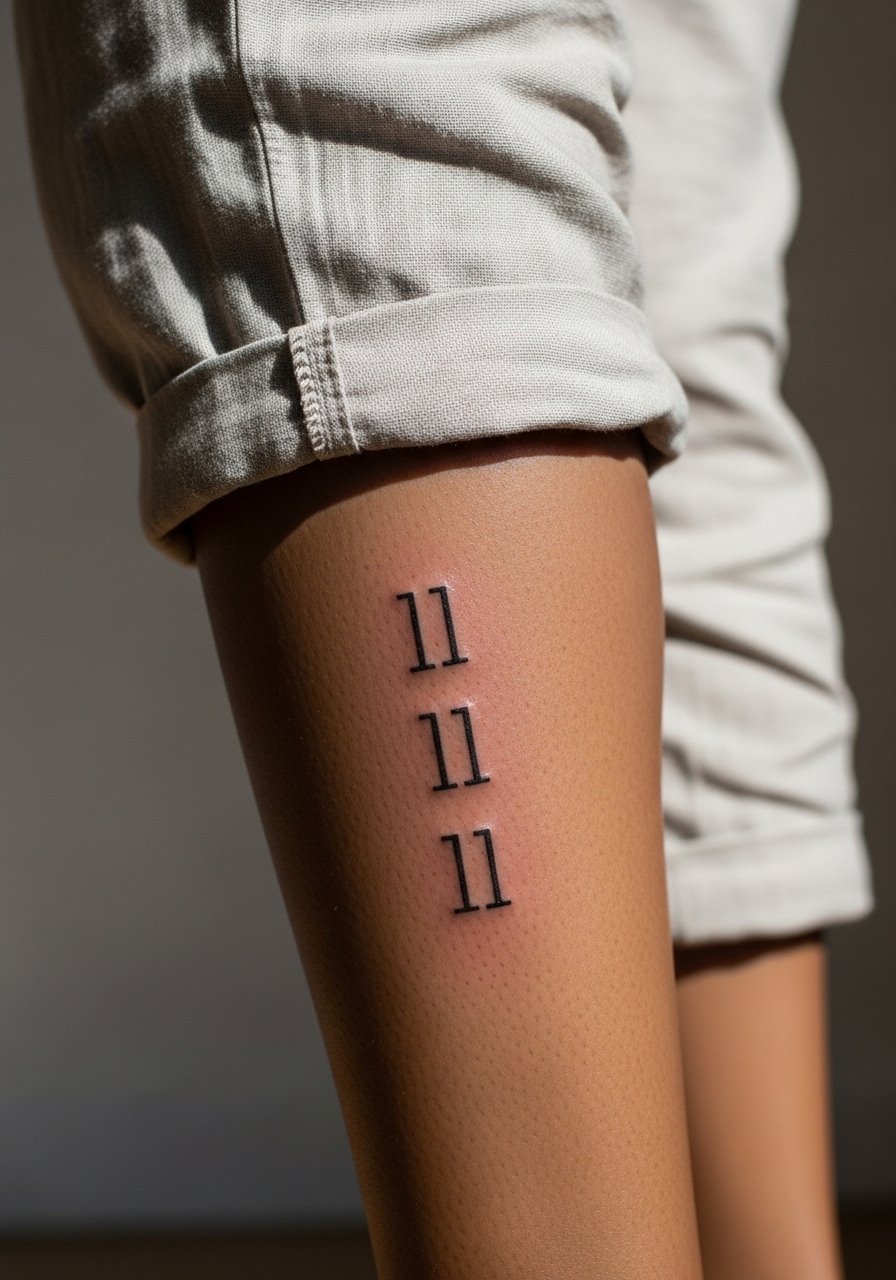
15. Small Rib-Side Morse-Style "11 11" Dots and Dashes
Mistake lead: Morse-style dot-and-dash renditions can look like a textured motif rather than plain numbers, which helps conceal slight blurring later. On the rib side, keep the dots slightly larger and the dashes short enough to avoid merging. Pain is higher here and sessions can be split. Wear a cropped top you can lift so the artist sees only the tattoo zone. Artists debate whether tiny dot work survives in this moving area. If you want longevity, aim for medium-sized dots and wider spacing. This adaptation makes the motif readable and less vulnerable to the breathing motion of the ribs.
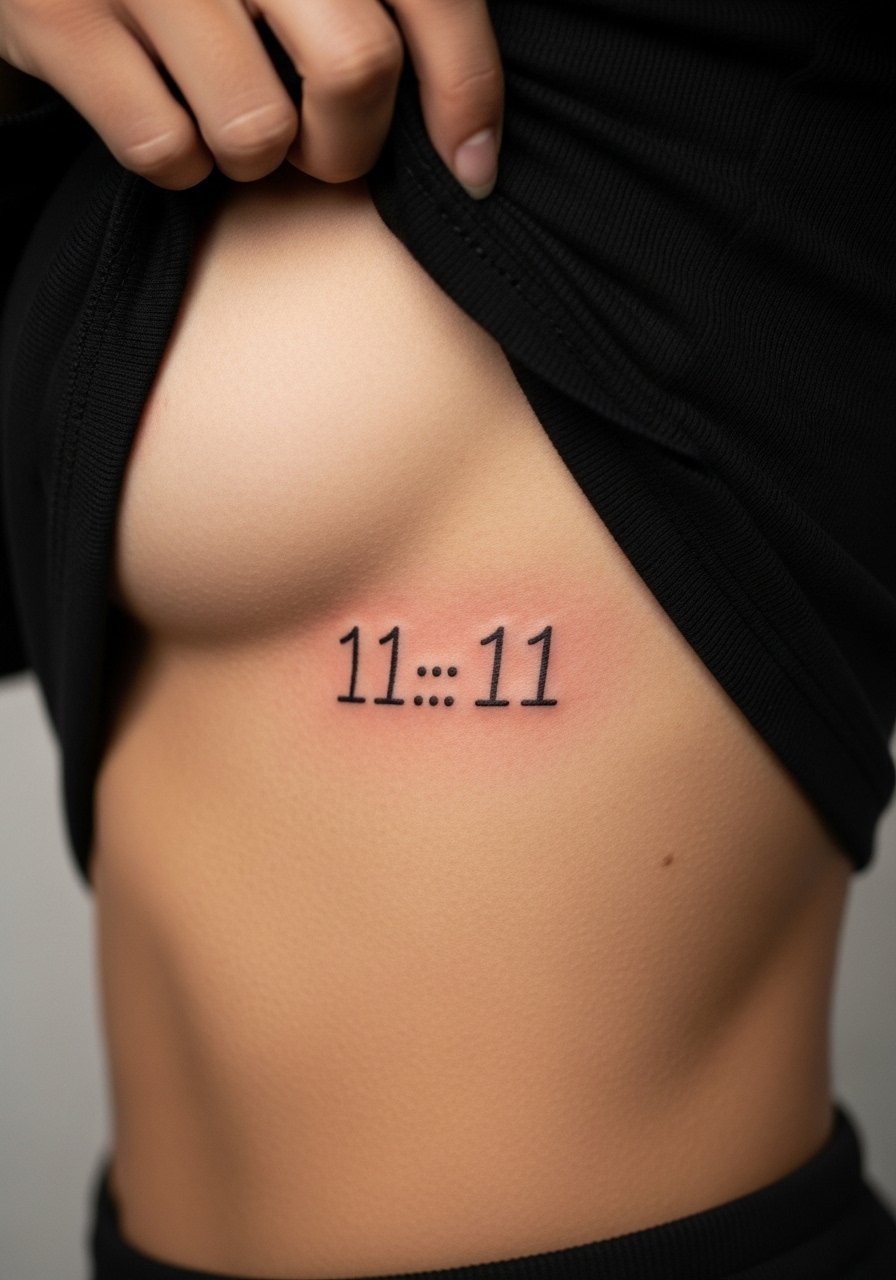
16. Tiny Wristband "11 11" in Negative Space Around a Minimal Cuff
Personal observation lead: wristbands work when the numbers are suggested by negative space in an otherwise thin cuff line. The wrist is high-exposure so the design needs enough contrast to remain legible. Tell your artist you want the numbers carved out rather than inked fully so the wrist still reads like jewelry. For showing it off, stacked bracelets can complement without obscuring, try pairing with a thin chain bracelet that layers without rubbing the fresh ink. Expect faster fading from frequent hand washing, and plan a touch-up in two years if necessary.
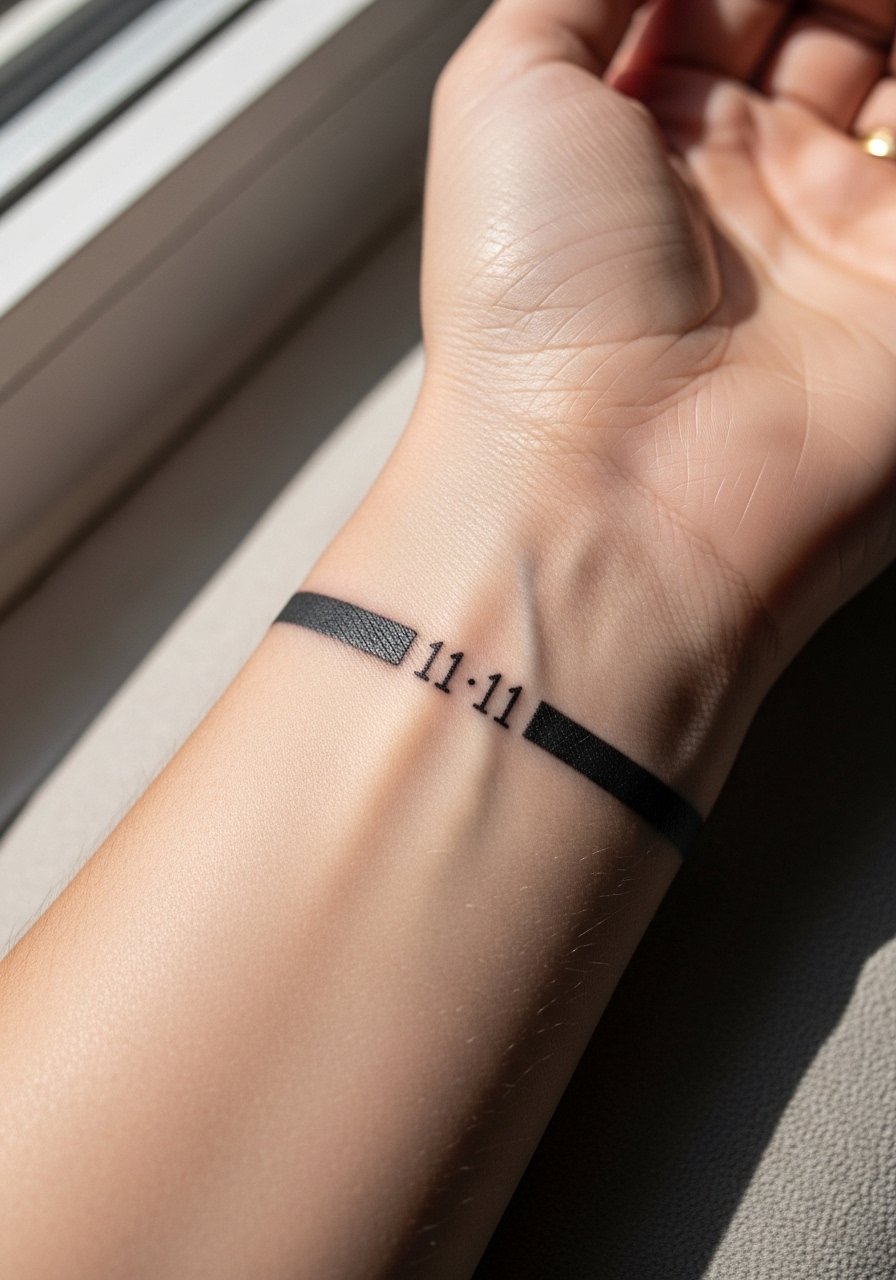
17. Subtle Spine Cluster "11 11" Between Vertebrae in Tiny Type
Consultation lead: aligning tiny numerals along the spine requires exact placement so they read straight when you stand. The center back tolerates slightly larger spacing, which helps avoid blowout between vertebrae. Ask your artist to mark vertical alignment with a long ruler and preview with the stencil while you stand. For session wear a loose button-down you can pull aside to reveal only the back column. This placement backs up the idea that scale preserves linework. Expect low sun exposure benefits here, but be prepared for a touch-up window if you do a lot of back-sunbathing.
Frequently Asked Questions
Q: Will micro "11 11" digits on fingers need touch-ups more often than the same design on the forearm?
A: Yes, fingers are workhorse zones. They see constant washing and friction so touch-ups are common at year two or sooner. The forearm usually keeps thin linework longer because it gets less daily abrasion. If you want longevity on fingers, ask for slightly bolder initial lines and a planned touch-up timeline.
Q: Is the ribcage a bad idea for fine "11 11" script given the breathing motion?
A: It depends. Tiny script packed into the curve often blurs, so many artists advise slightly larger spacing or choosing dot-and-dash alternatives. Two camps exist. One says the ribs blur micro lines quickly. The other believes careful depth and spacing can make it work. Ask your artist where they stand and request a stencil preview while you breathe.
Q: Can I wear jewelry that covers wrist or collarbone tattoos during the healing window without risking the ink?
A: Avoid tight jewelry that rubs directly over fresh ink for the first two weeks. Light, nonabrasive pieces are fine after day three if the area is closed. For showing off a collarbone piece later, a thin chain pendant necklace sits above micro script without crowding the numbers.
Q: How should I prepare clothing-wise for a sternum or rib session to keep modesty and access?
A: Wear a fitted sports bra or a cropped top you can lift and pull aside so only the tattoo zone is exposed. That setup helps the artist work cleanly while keeping you comfortable. Bring a loose hoodie for after the session to avoid fabric rubbing the fresh area.
Q: If I want a subtle piece that ages well, which placements should I prioritize for an 11 11 motif?
A: Forearm, shoulder blade, and calf are friendly for subtle numeric work because they tolerate slightly larger scale and see less constant friction. Fingers, ankles, and ribs can work but expect retouches sooner.
Q: Are there cultural sensitivity concerns with a small numeric design like "11 11"?
A: Numeric motifs are usually personal and uncomplicated, but if you pair them with symbols from specific traditions, note their origin and consider respectful variation. When in doubt, ask an artist experienced with that symbolism about respectful adaptation.
