
Fine line sun trends look great on saved boards, but what holds up is not always what racks up likes. Fading, line blur, and placement regret are the three worries I hear most when people are planning a lyric-based sun piece. This list walks through designs that age more reliably, what to say in consultation, and simple wardrobe swaps that show off the work from day one.
1. Radiant Scripted Sun on the Forearm
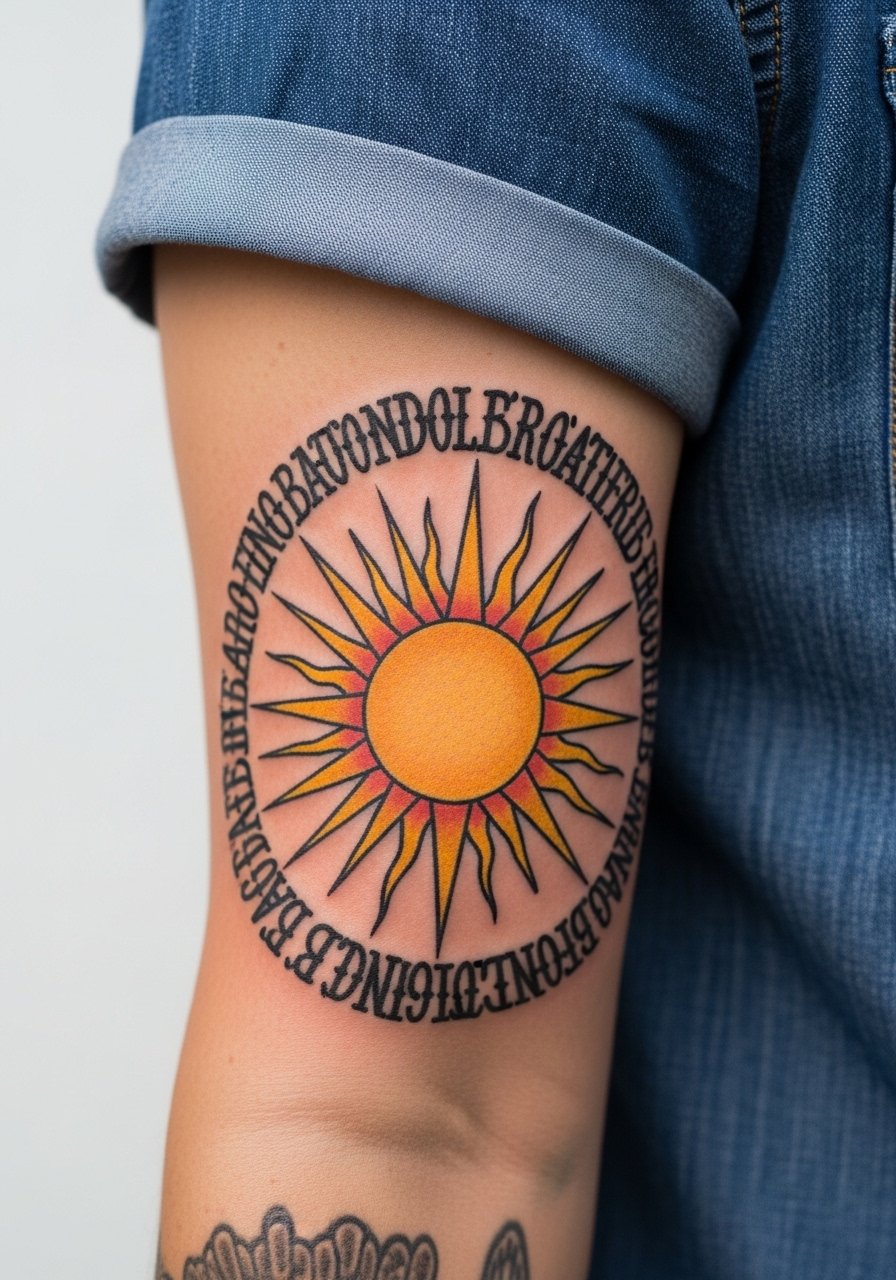
I see this forearm layout a lot because it reads like a small banner from across a room. Ask your artist for slightly heavier linework in the script so the letters hold over time, and request saturation checks during the session so color fills are even. The biggest mistake is squeezing too many tiny flourishes into the script, which softens into blur by year three. Session feel is moderate with the forearm, expect a one to two hour block. For showing it off, roll a sleeve up and wear a light blue button up shirt so the rays contrast against a clean background.
2. Minimalist Sunburst with Cursive Lyrics on the Wrist
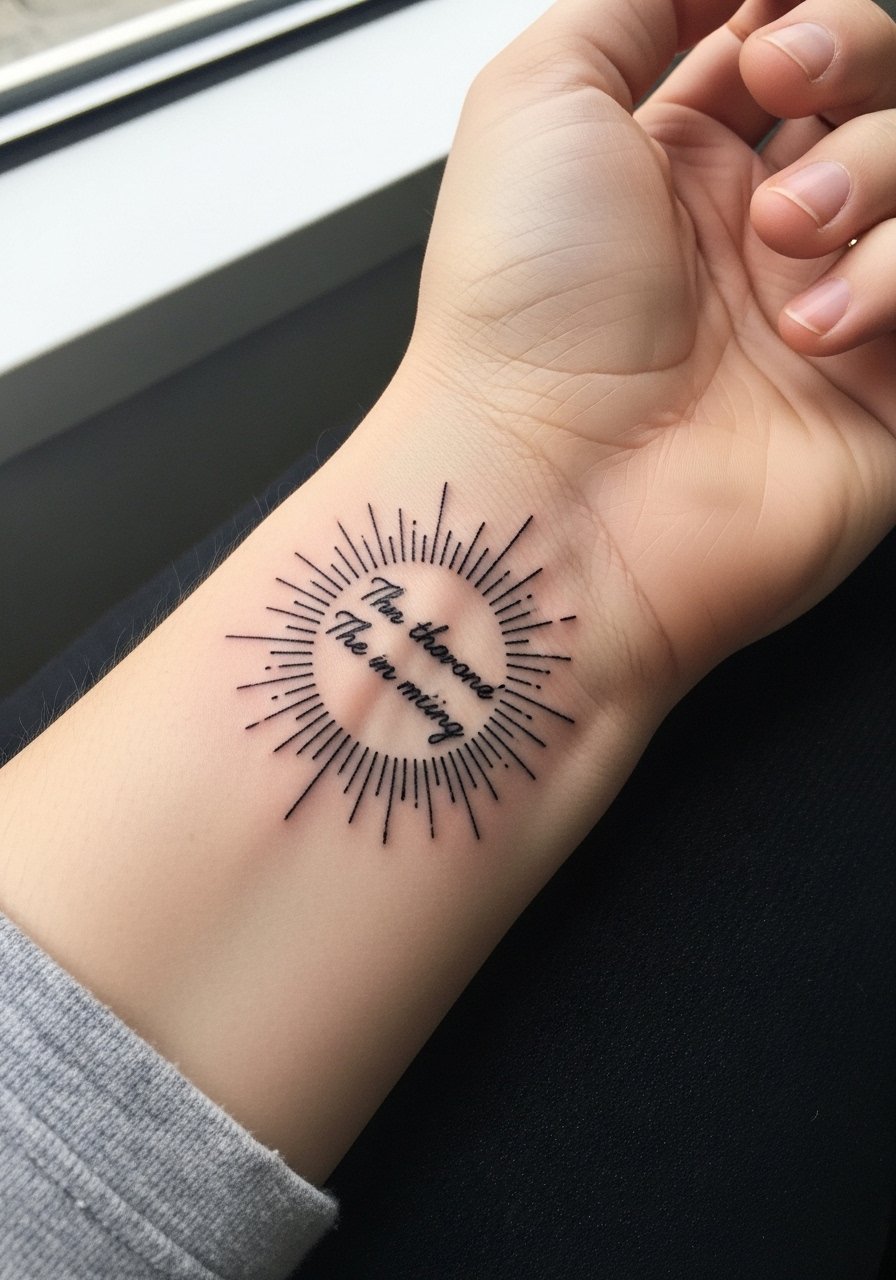
The wrist is a first-timer favorite because it keeps the design discreet and readable. For this small scale, tell the artist you want generous spacing between rays and the script to avoid merge over time. A common aging issue here is low line weight that fades into a ghost after heavy sun exposure. Expect a 30 to 60 minute session and a sharp but sensitive outcome. For session day, wear a sleeveless tank top so the artist has clear access. Stack a thin bracelet later to frame the piece without covering the script.
3. Watercolor Sunburst Blended into Florals on the Shoulder
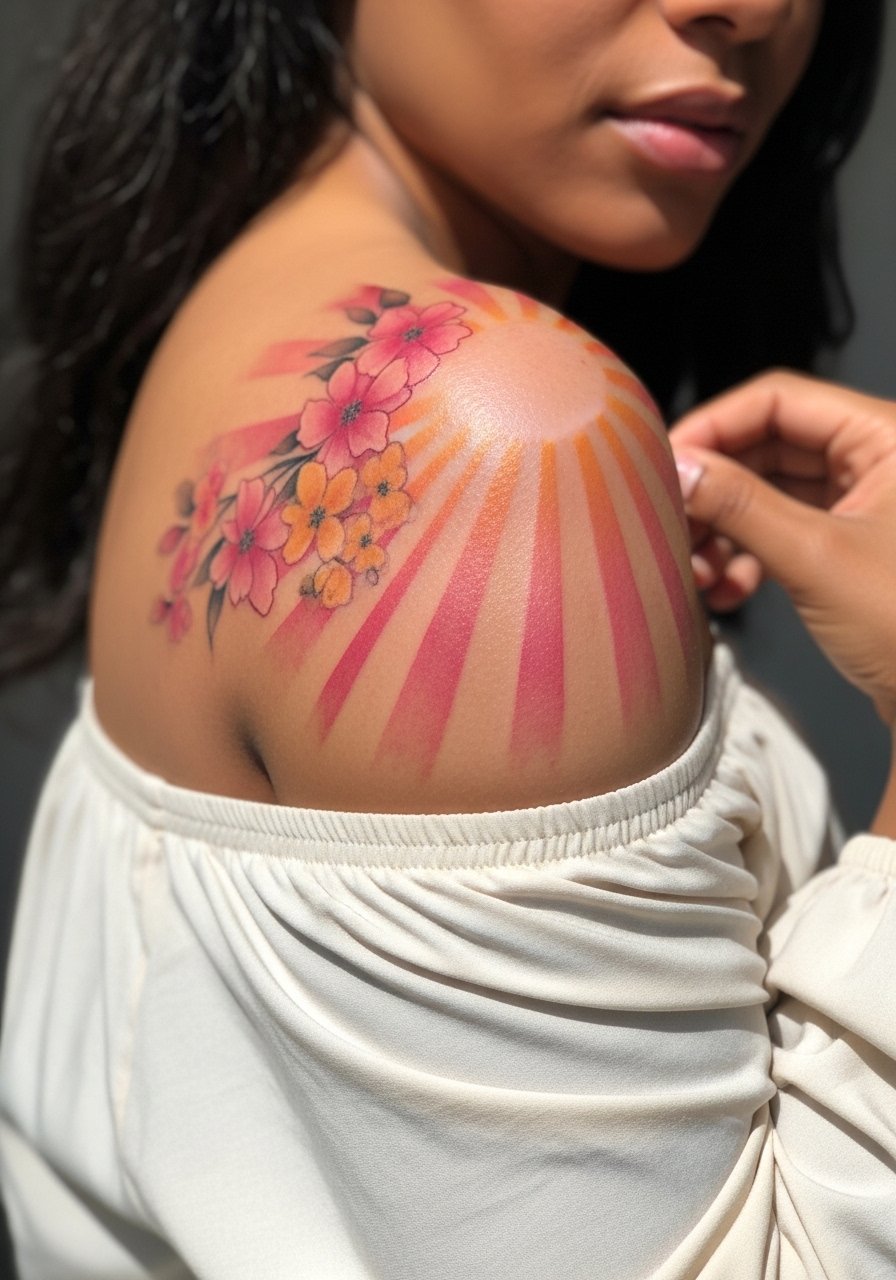
Watercolor creates that ethereal warmth but it asks for touch-ups more often than saturated color. For shoulder work, plan two sessions so the artist can layer color and let it rest between passes. The shoulder is forgiving for saturation, but the mistake is using tiny line details inside watercolor washes. That detail disappears faster than the color. Wear an off shoulder blouse cream to show off the hues after healing and bring a strapless top to the appointment so the artist has full access. Expect moderate discomfort near the bone but a relatively quick healing window.
4. Infinity Loop Script Near the Ankle
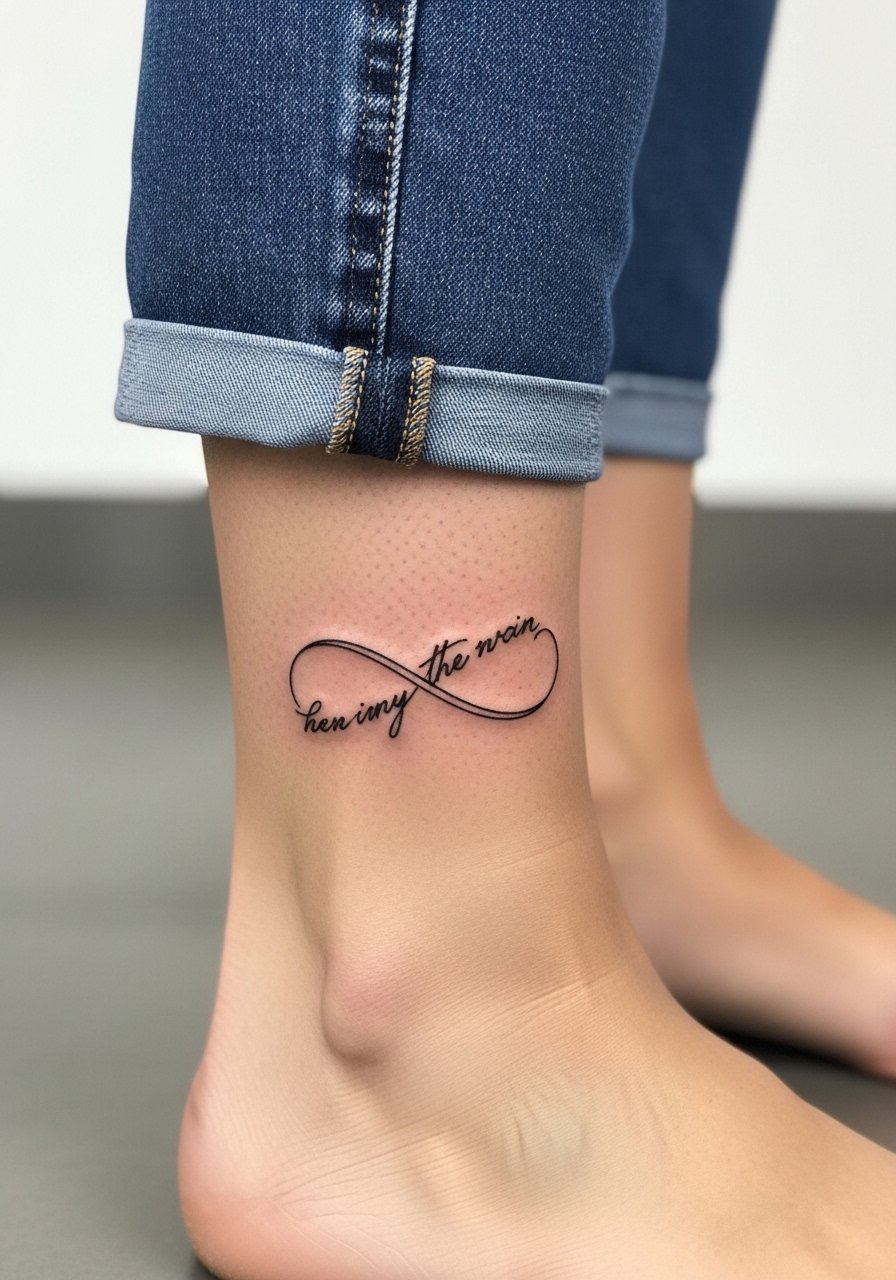
The ankle is small and moves a lot, so keep linework simple. Tell your artist you want slightly bolder loops in the infinity so the script inside it does not break up. A typical mistake is packing lettering tightly inside the loop, which blends after months of walking and friction. Session time is short, usually under an hour, but expect more touch-up requests than for arm pieces because of constant shoe rubbing. Showing the design works well with cuffed ankle pants so the piece is visible in summer.
5. Sunface with Ray Text Wraparound on the Outer Forearm
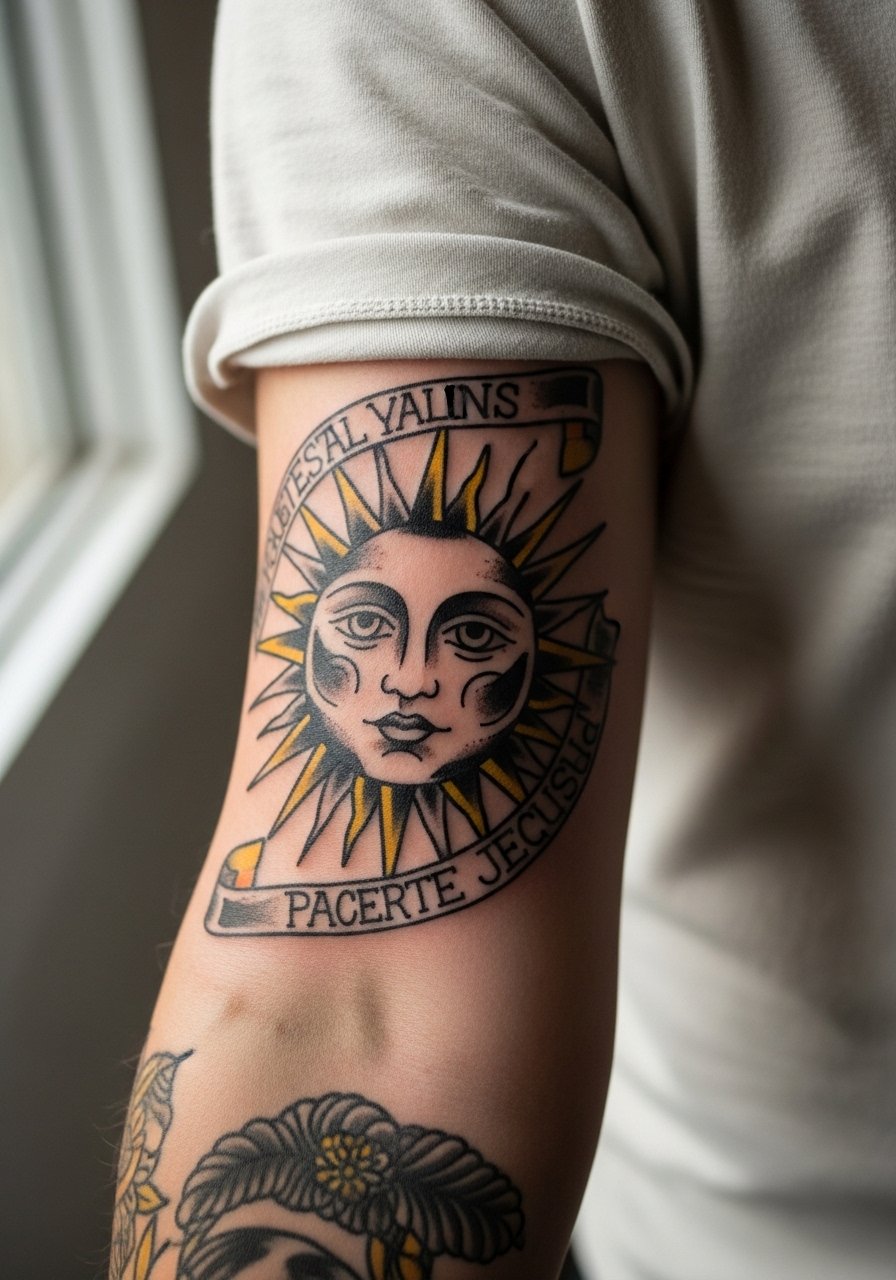
Traditional sunfaces age well when linework and saturation are solid. In consultation, ask for clear separation between the face detail and the rays so the facial features do not sink into the surrounding color. A common misstep is too-fine facial detail in a small piece, which becomes muddy at year two. Expect one to two sessions for color and touch-ups. For session wear, a loose short-sleeve button-up makes access easy. Pair the healed piece with a thin leather cuff bracelet opposite the tattoo to balance the look.
6. Blackwork Sun Motif with Bold Typography on the Upper Arm
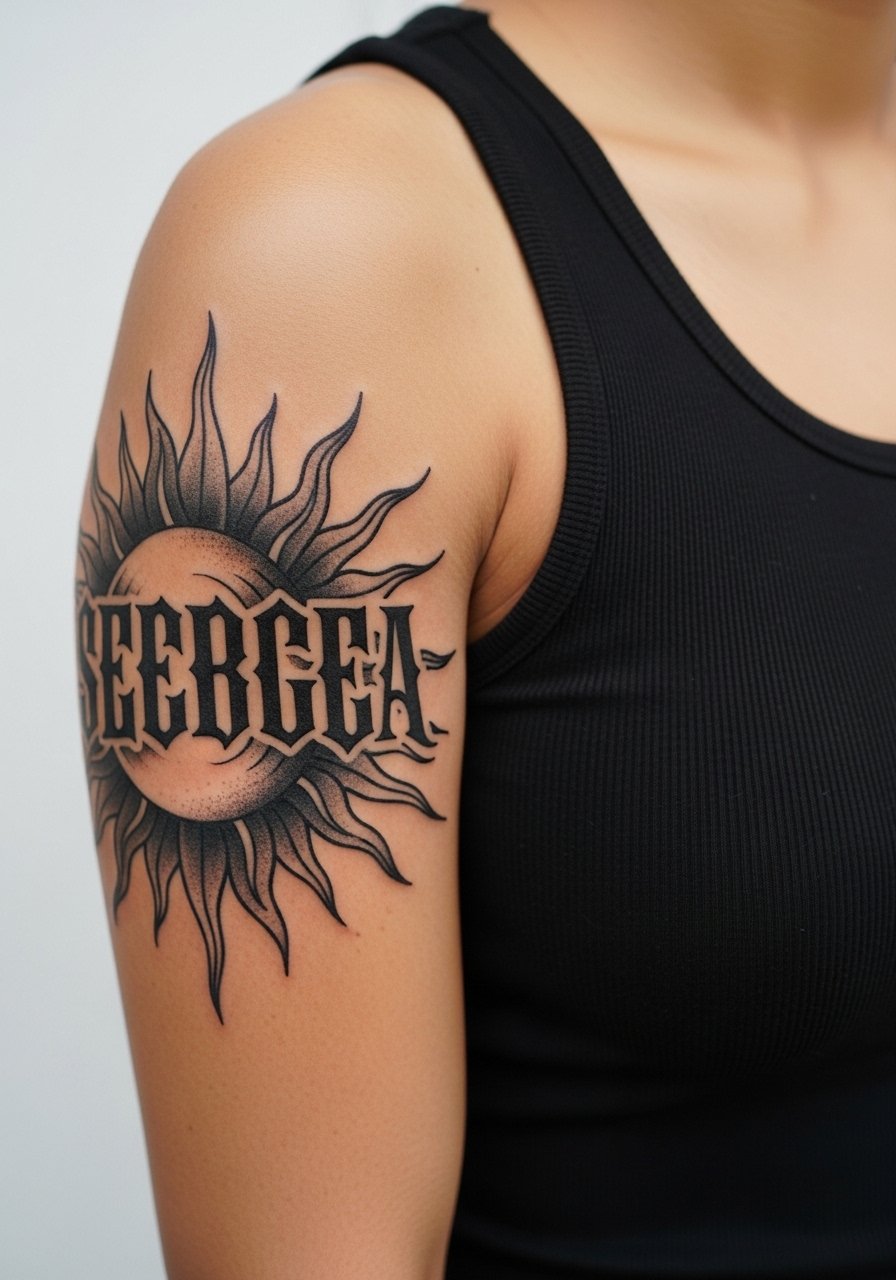
Bold blackwork is forgiving on skin that sees sun and movement. For upper arm placement, request deep saturation and clean negative space so the motif reads from a distance. One mistake is adding too many thin interior lines inside a bold piece, which vanishes into the black mass as it heals. Expect two sessions for a 6-inch piece, and low long-term maintenance compared with fine-line options. Wear a black fitted tank top to make the heavy lines pop. The upper arm tolerates strong saturation and usually needs fewer touch-ups.
Studio Day Picks
The forearm, wrist, and shoulder examples above need different prep than collarbone or ankle work, so these items smooth the session and the first week.
-
Stencil transfer paper kit. Lets you preview the placement on skin before finalizing the forearm and ribcage layouts, which helps avoid size regrets.
-
Topical numbing cream. Applied about 45 minutes before the appointment it takes the edge off sensitive wrist and ankle sessions without affecting linework.
-
Thin protective film roll. Useful to protect small wrist and finger pieces from friction during the first few days.
-
Fragrance free gentle body wash. Cleans the healing area without irritating delicate fine-line work on the collarbone or inner bicep.
-
Aquaphor healing ointment. A thin layer during the initial window helps prevent scabbing on lightly shaded watercolor shoulder pieces.
7. Micro Sun with Dotted Lyrics on the Collarbone
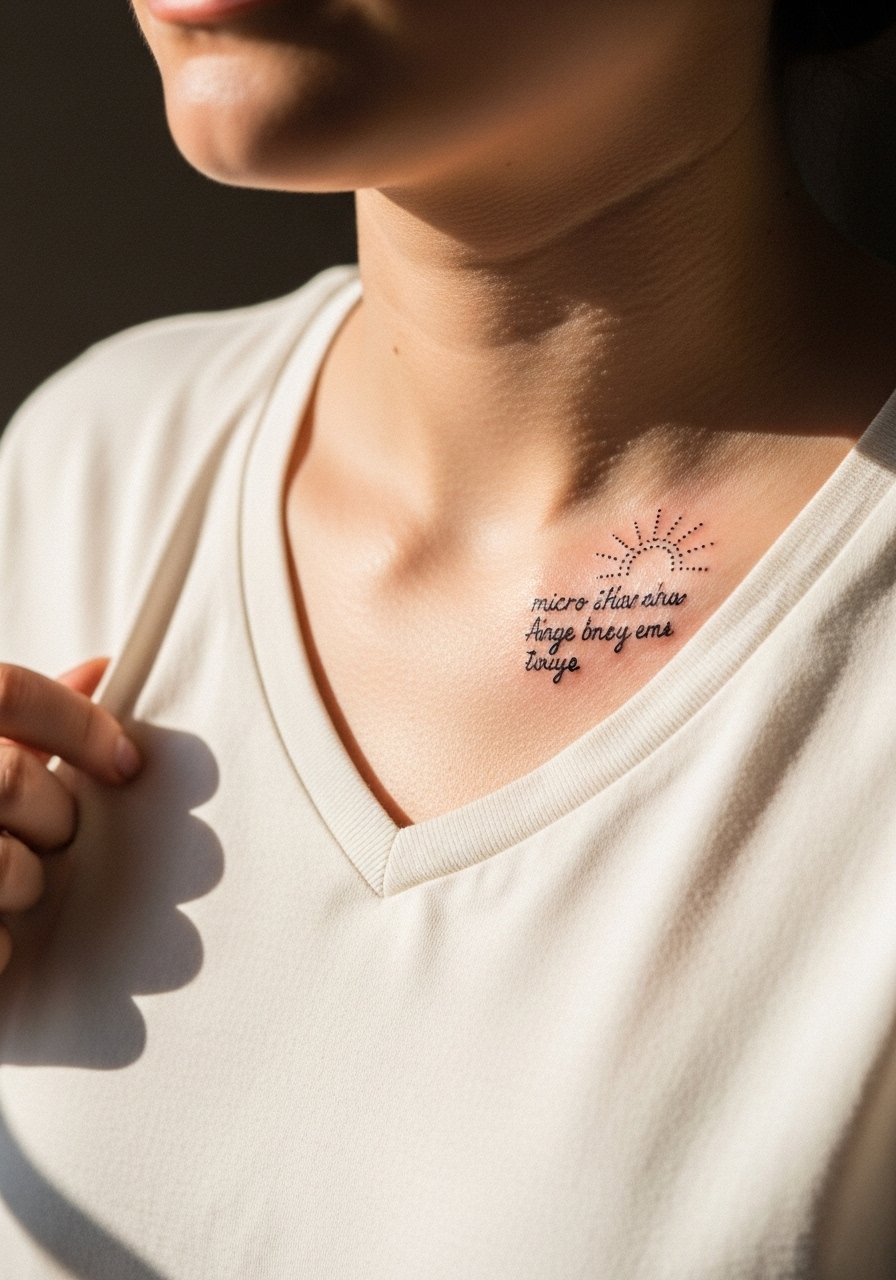
Collarbone pieces look delicate but the skin there moves and can flatten dots over time. Tell your artist to leave slightly larger grain in the dot work and to place the script just below the bone line for visibility. A common mistake is making dots too close together, which merges after six months. Session is quick, often under an hour, but the area can feel sharp during application. For showing it off, pair with an ivory v neck tee or a wrap top so the tiny lettering sits cleanly above clothing.
8. Neo-Traditional Smiling Sun with Script Banner on the Upper Back
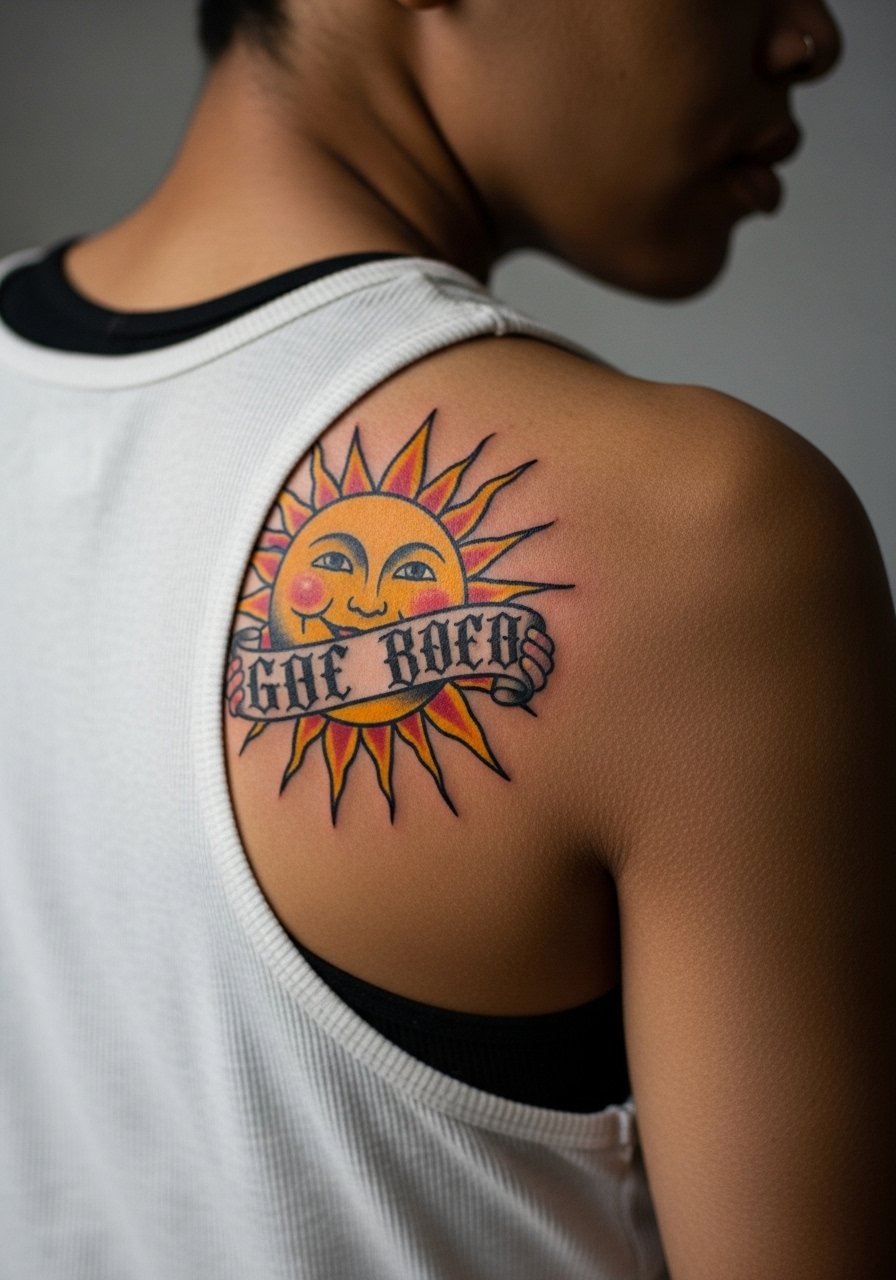
Back pieces let artists go bigger and play with composition. Plan two to three sessions for a colorful neo-traditional sun and banner, and bring reference photos of banner lettering you like. The biggest error is crowding the banner with names or dates in too-small type. Back skin tolerates saturation well but touch-ups are less convenient to reach. For show-off styling, pick a backless halter top for dramatic reveals. If you work a job where back exposure is rare, this placement offers privacy and impact when you want it.
9. Fine Line Sun Rays Curving Around Phrase on the Inner Bicep
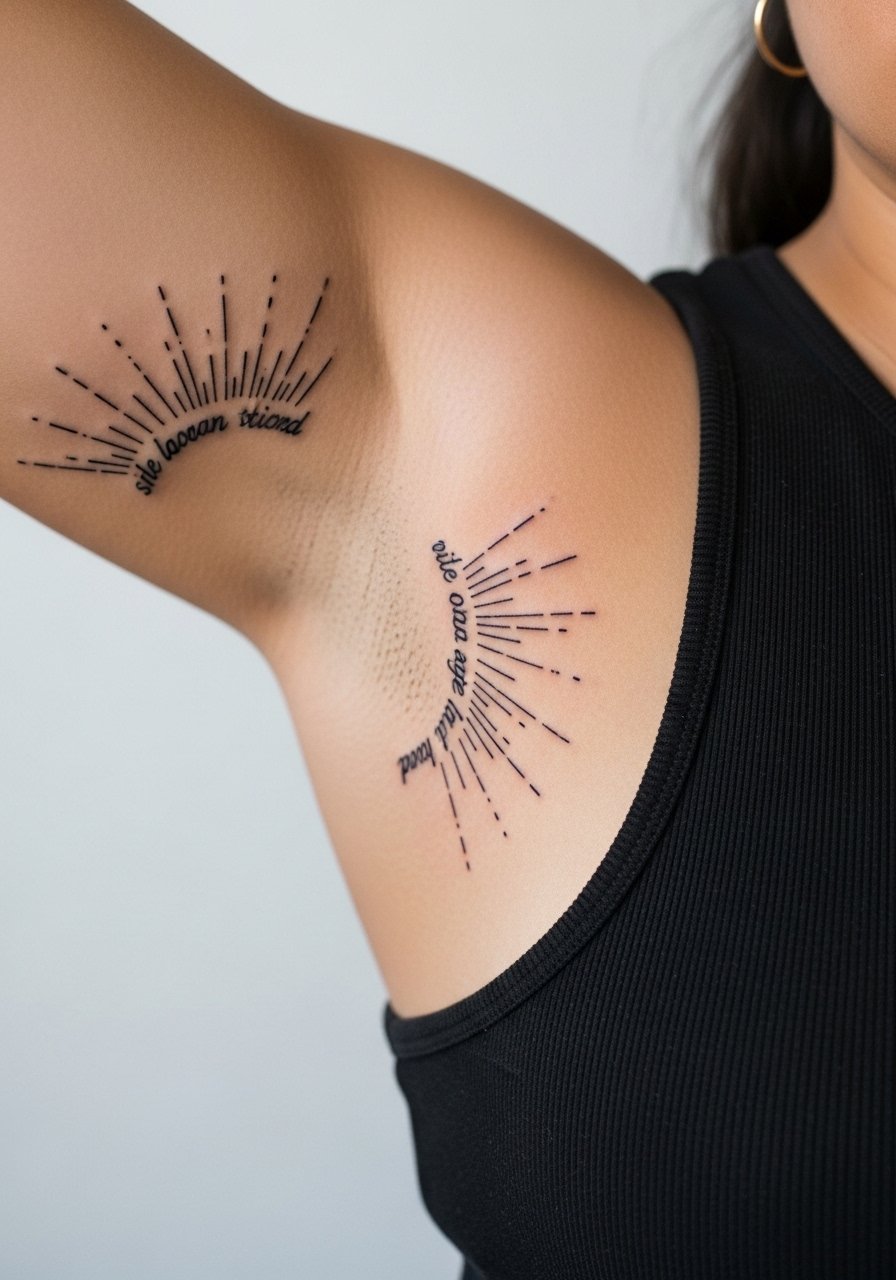
Fair warning, the inner bicep is a sensitive canvas and the skin there shifts a lot. One camp of artists avoids heavy fine line here claiming the stretch causes blur. The other camp says with proper needle depth and spacing fine line can hold. Ask your artist where they stand and look for healed inner bicep work in their portfolio. The common mistake is going too small, which leads to line softening by year two. Session time is moderate and may require breaks. For the appointment, bring a loose tank top so the arm position is easy to adjust.
10. Ornamental Sun Mandala with Embedded Text on the Thigh
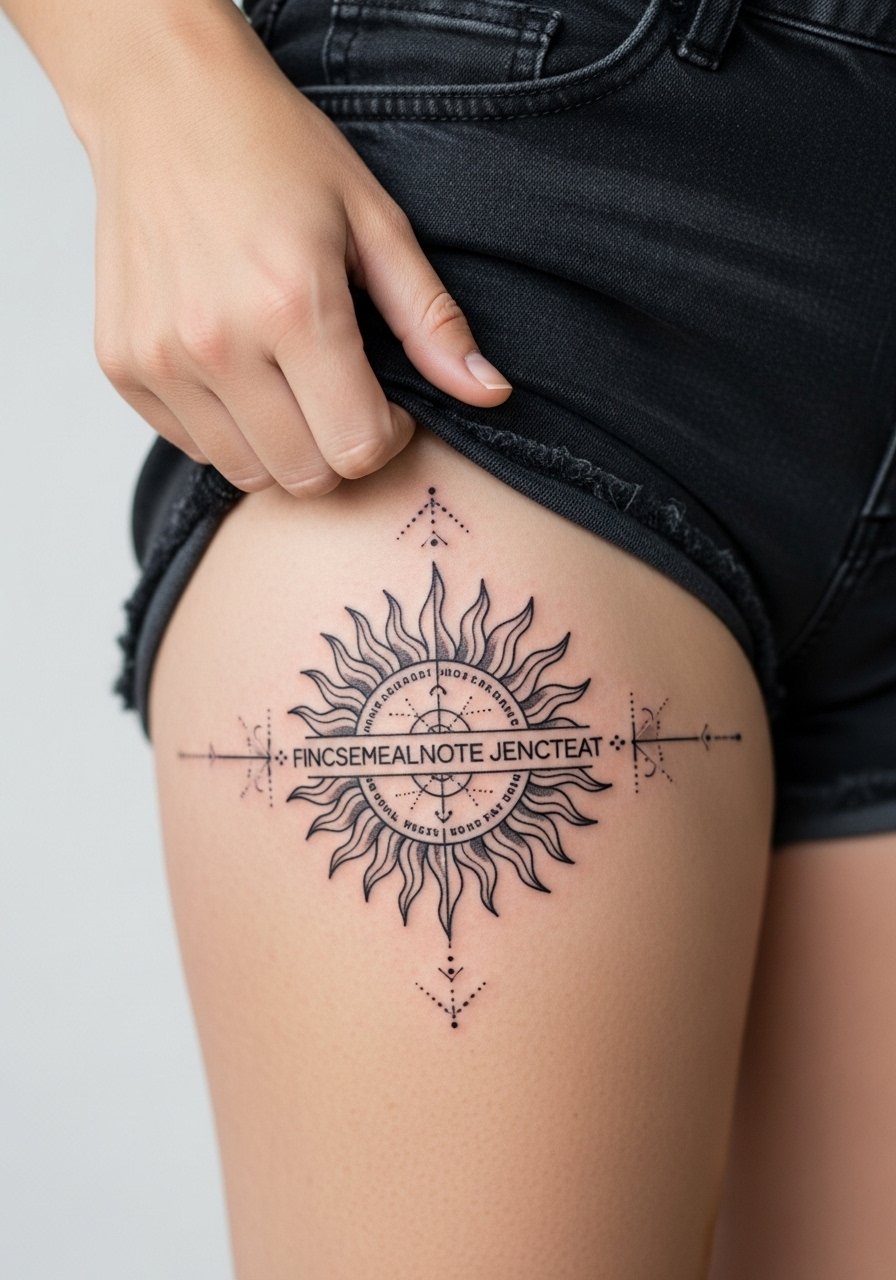
Mandala work needs room to breathe, and the thigh is forgiving for detail and size. Tell the artist to scale the negative space between petals so lines do not converge as the skin shifts. A frequent error is crowding fine dot work into dense areas where blowout risk increases. Expect multiple sessions for a six-inch ornamental piece and lower long-term fading than similar work on ribs. Wear loose shorts on session day for easy access. The thigh ages predictably and responds well to touch-ups when needed.
11. Script Lyrics with Subtle Ray Extensions on the Ribcage
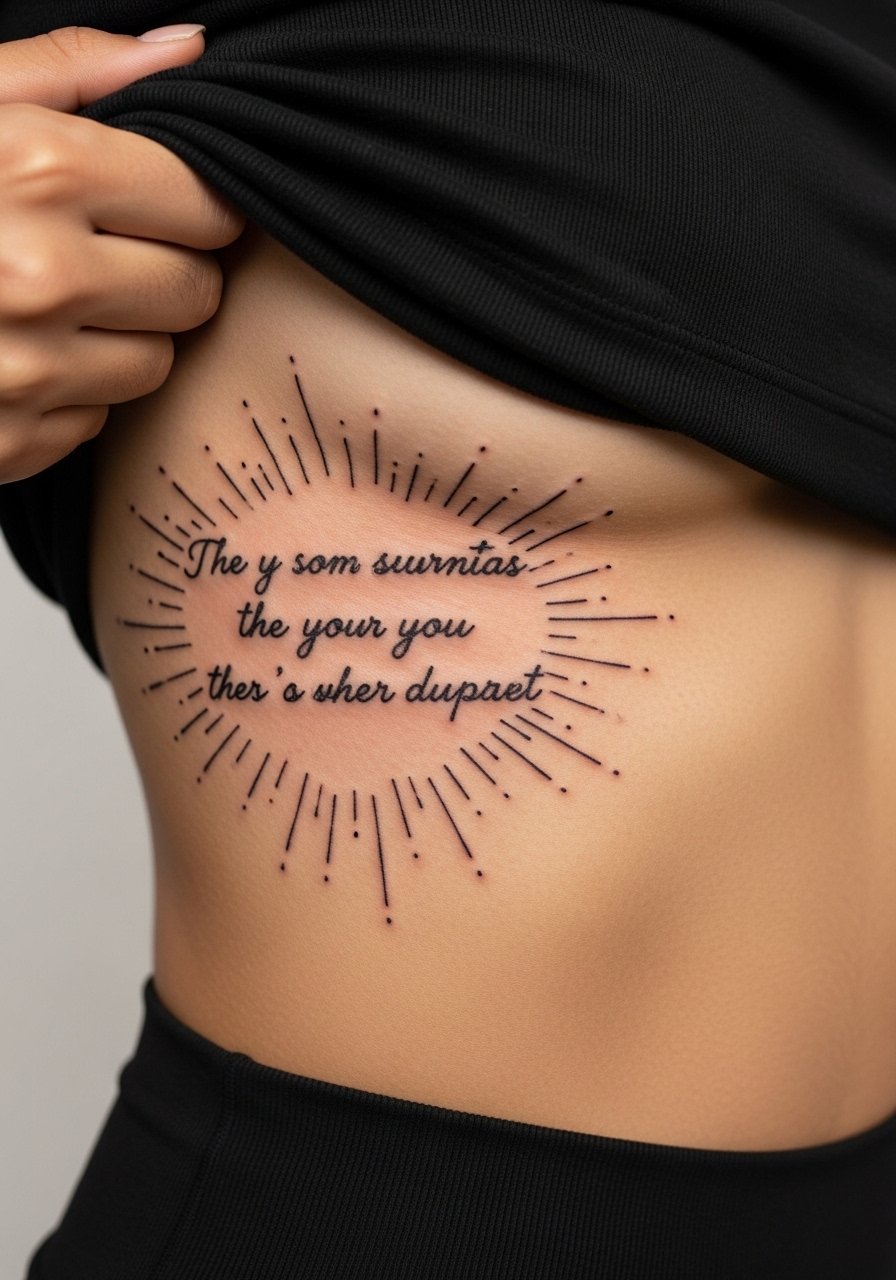
Fair warning, the ribcage rates high on most pain charts and it tests fine-line longevity. Artists are split on this placement. One camp argues the stretch and movement blur fine line within two years. The other camp counters that with correct depth and slightly larger letter spacing it can hold. Ask which side your artist practices and view their healed ribcage examples. Common mistakes include choosing script that is too tight vertically, which becomes unreadable. Bring a strapless top to the appointment so the area is exposed cleanly.
12. Vibrant Floral Sunburst on the Calf
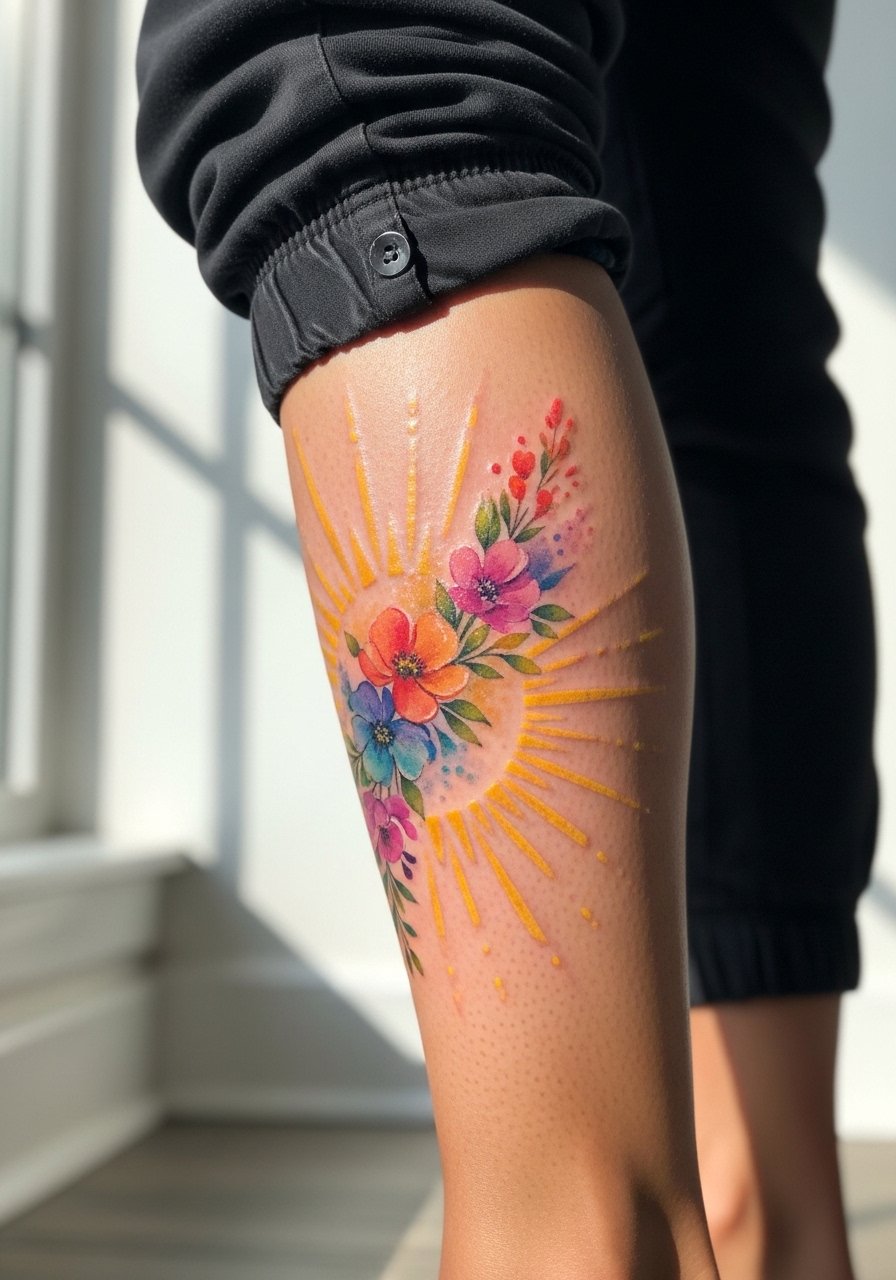
Calf pieces show well in summer and are low friction compared with ankle work. Watercolor florals need layered saturation and often a second session to stabilize pigments. The usual mistake is relying on only one pass of thin color, which appears patchy after healing. Expect two sessions and moderate aftercare attention. For showing off, wear rolled jogger pants or high-water shorts to put the burst on display. Calf flesh handles shading nicely and tends to hold color longer.
13. Tiny Sun Behind the Ear with Micro Script
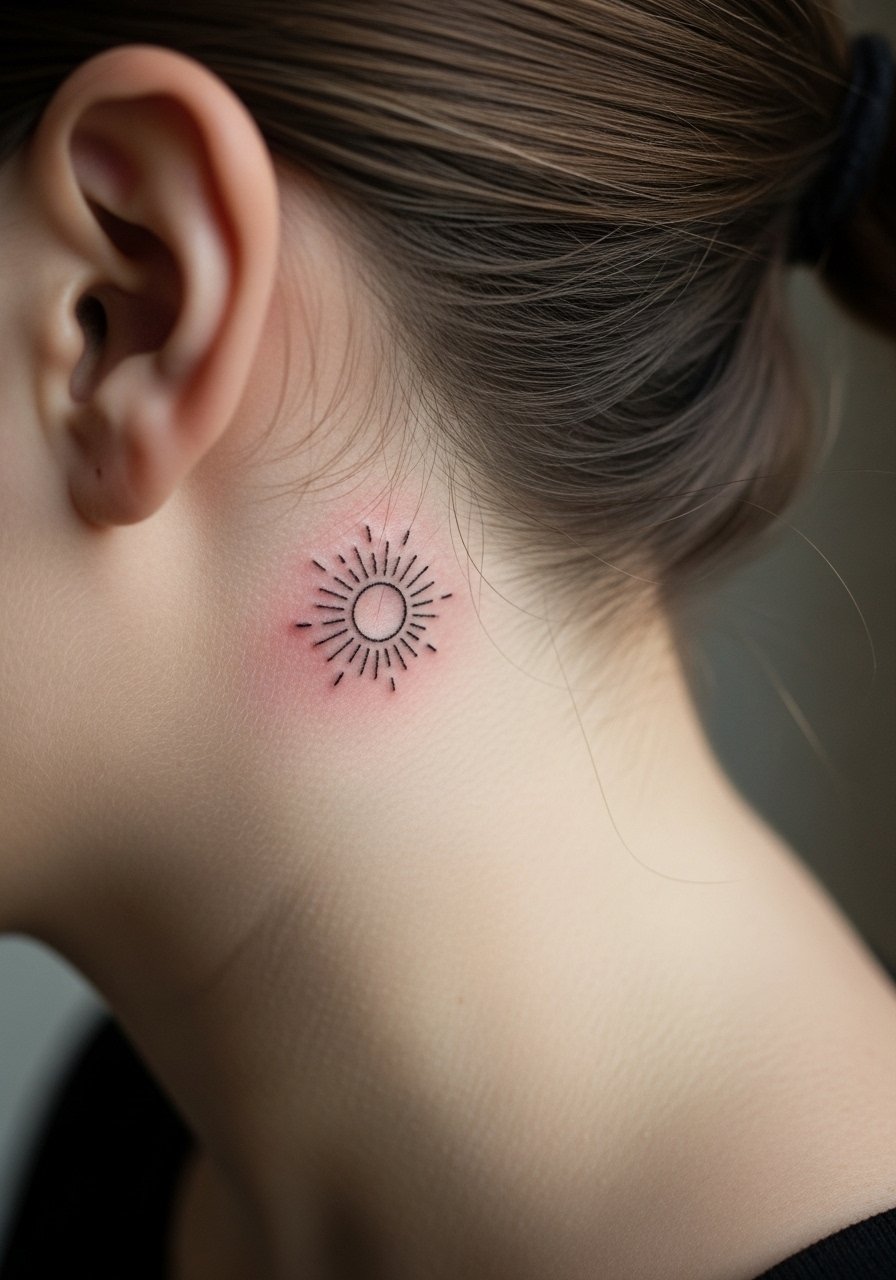
Behind-ear tattoos read intimate and they require a careful stencil alignment because the canvas is curved and moves when you talk. The main mistake is underestimating how visible it becomes once hair is up. Session time is quick but the area is sensitive. Ask for a slightly bolder outline to prevent loss of detail. Because of the location, expect periodic touch-ups if you regularly get sun or hair products on the spot. This piece pairs well with short hair or pulled-back styles for occasional reveal.
14. Blue Roses Framed with "You Are My Sunshine" for Contrast on the Forearm
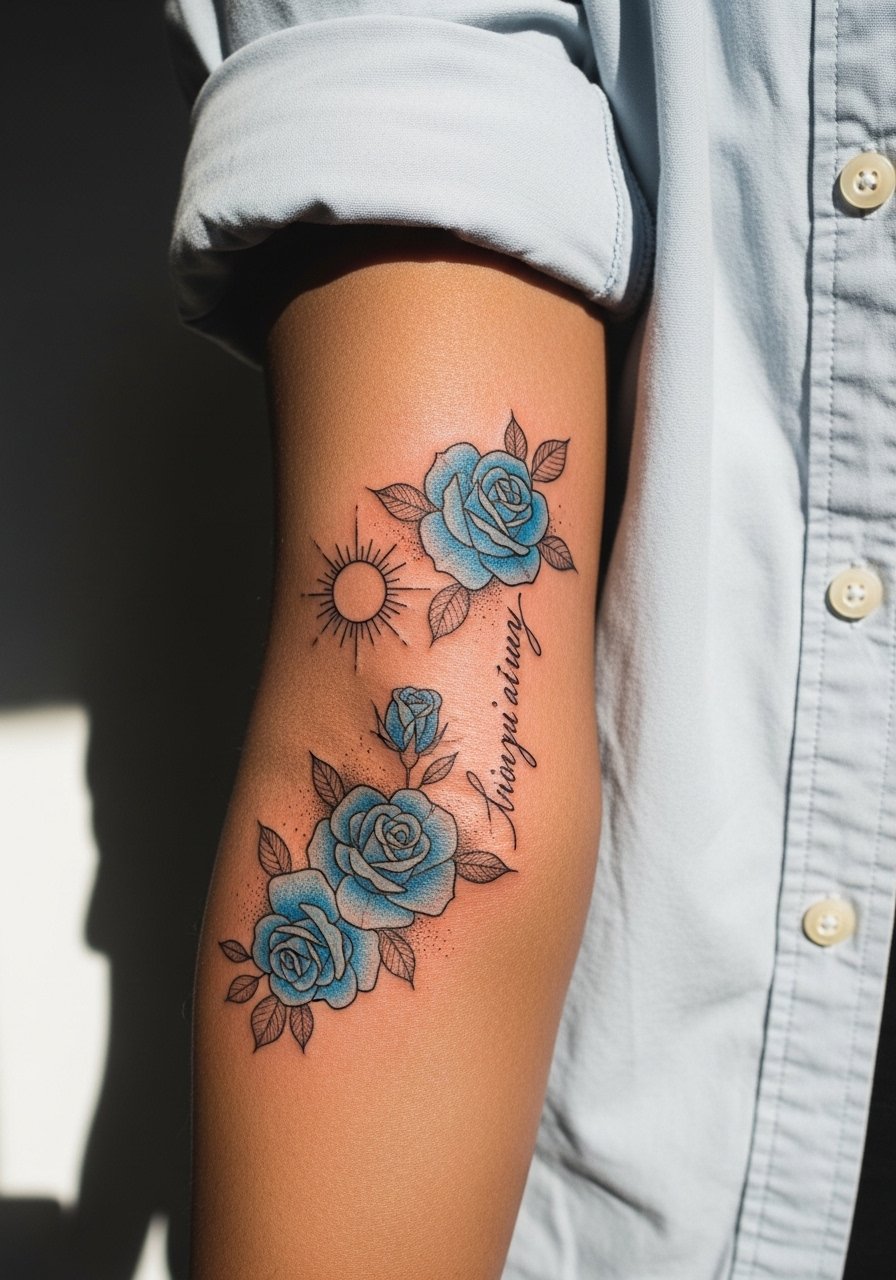
Blue roses create an unexpected contrast next to warm sun tones and that contrast helps the script stand out. When requesting this, specify the blue hue range and ask the artist to keep the rose edges slightly darker to retain shape over time. A common mistake is overblending blue into yellow, which can muddy the palette. Forearm sessions are moderate, and a single artist visit can often complete a compact composition. For showing off, roll a sleeve or wear a light blue button up shirt to echo the floral tones.
15. Kitchen-Table Stick-and-Poke Style Sun for Nostalgia on the Hip
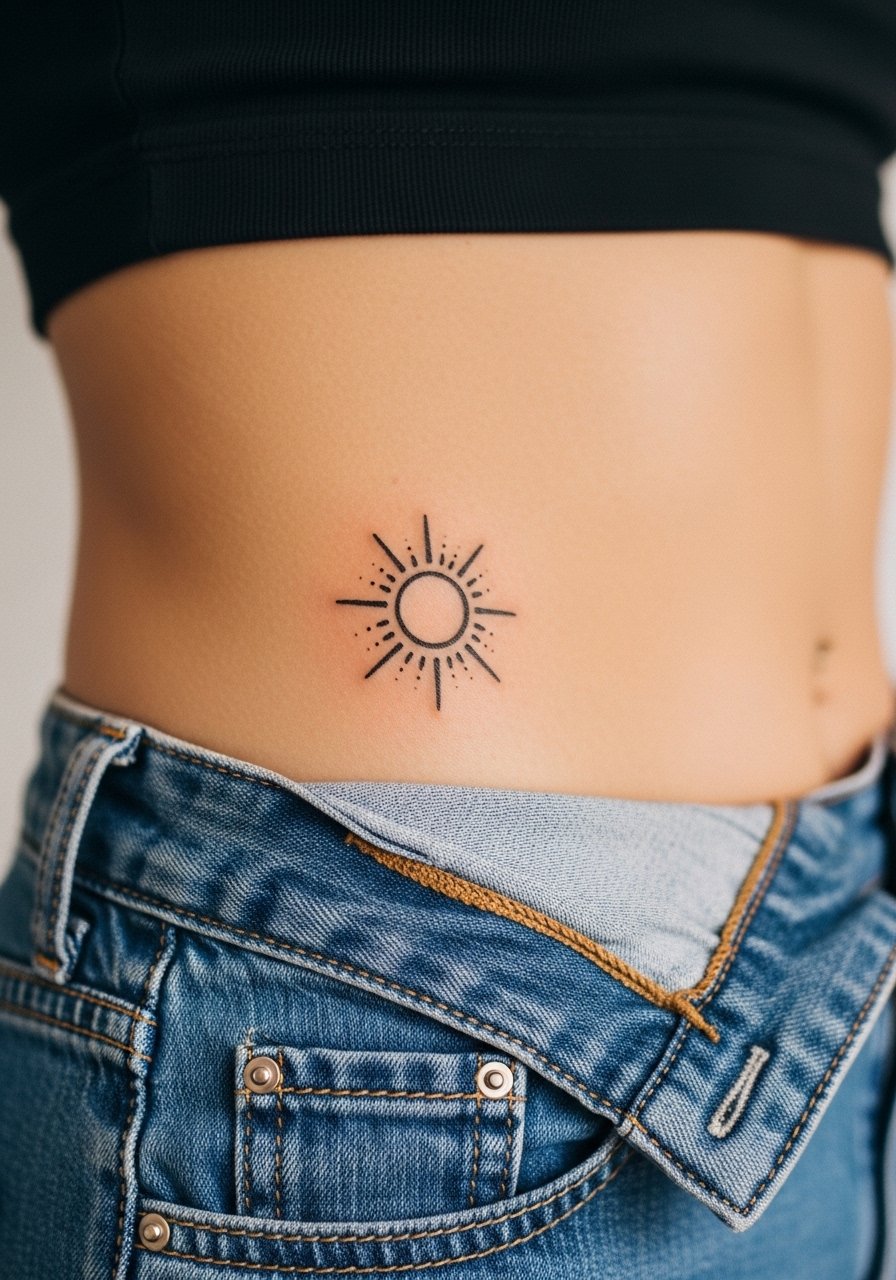
The DIY aesthetic can be a deliberate choice to evoke home-made nostalgia, but it carries risks if not done by a professional. If you want that kitchen-table feel, ask for authentic irregularities that are intentional rather than accidental. The hip allows privacy and larger spacing for dot work. Common mistakes include mimicking amateur technique without accounting for blowout risk, which looks blotchy after healing. Wear high-waisted shorts for the session so the artist can expose just the area needed. Expect a short session and occasional touch-ups to tidy dots.
16. Sun and Moon Yin-Yang with Small Script on the Lower Back
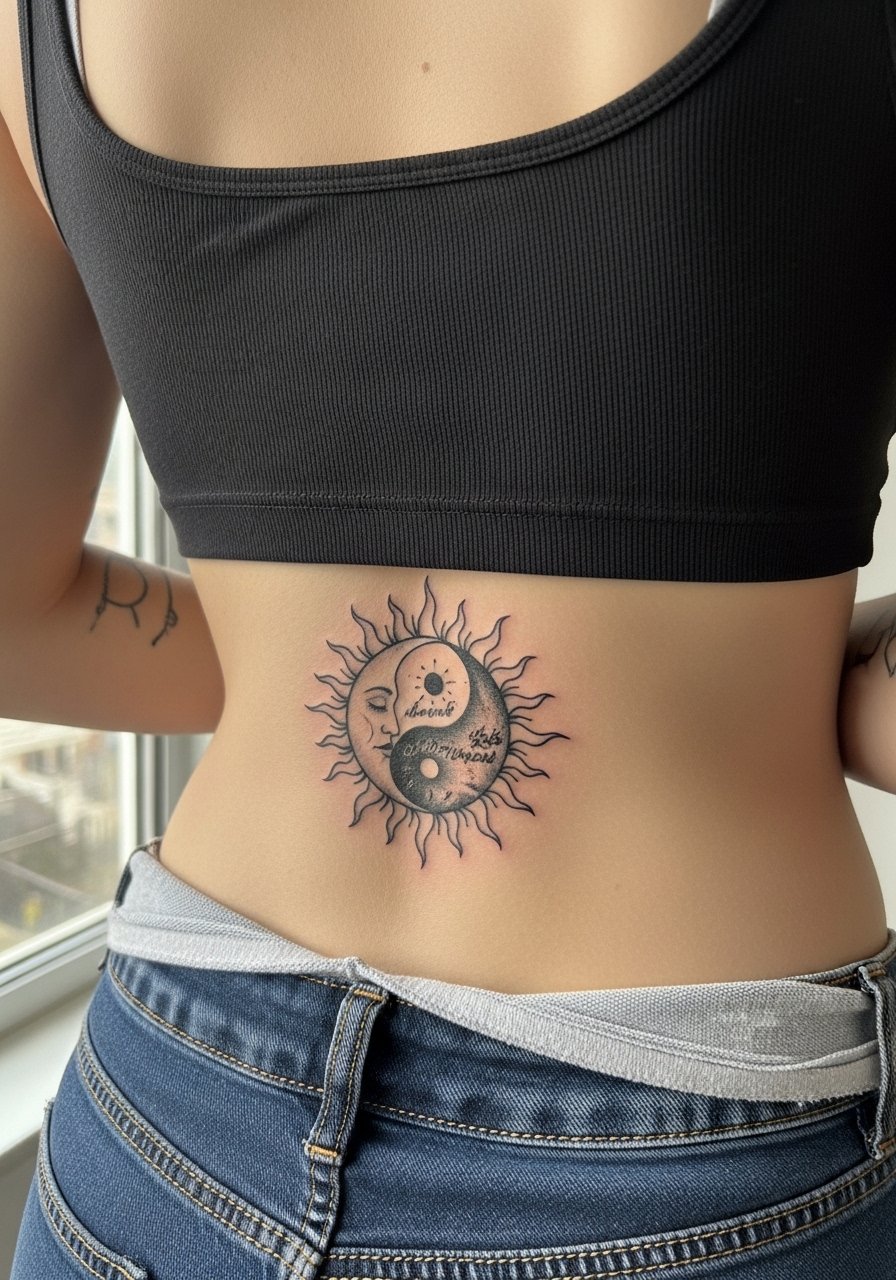
Lower back pieces let you play with symmetry and negative space. Request a balanced composition so the curve of the spine does not warp the yin-yang when you bend. The common error is placing text too close to the center, which becomes distorted with movement. Schedule a sitting where you can stand and sit during layout checks so the artist adjusts for natural posture. For sessions, a loose tank top helps with access, and the piece pairs with low-rise or high-waisted styling depending on how often you plan to reveal it.
17. Micro Finger Sun Accent with Tiny Lettering
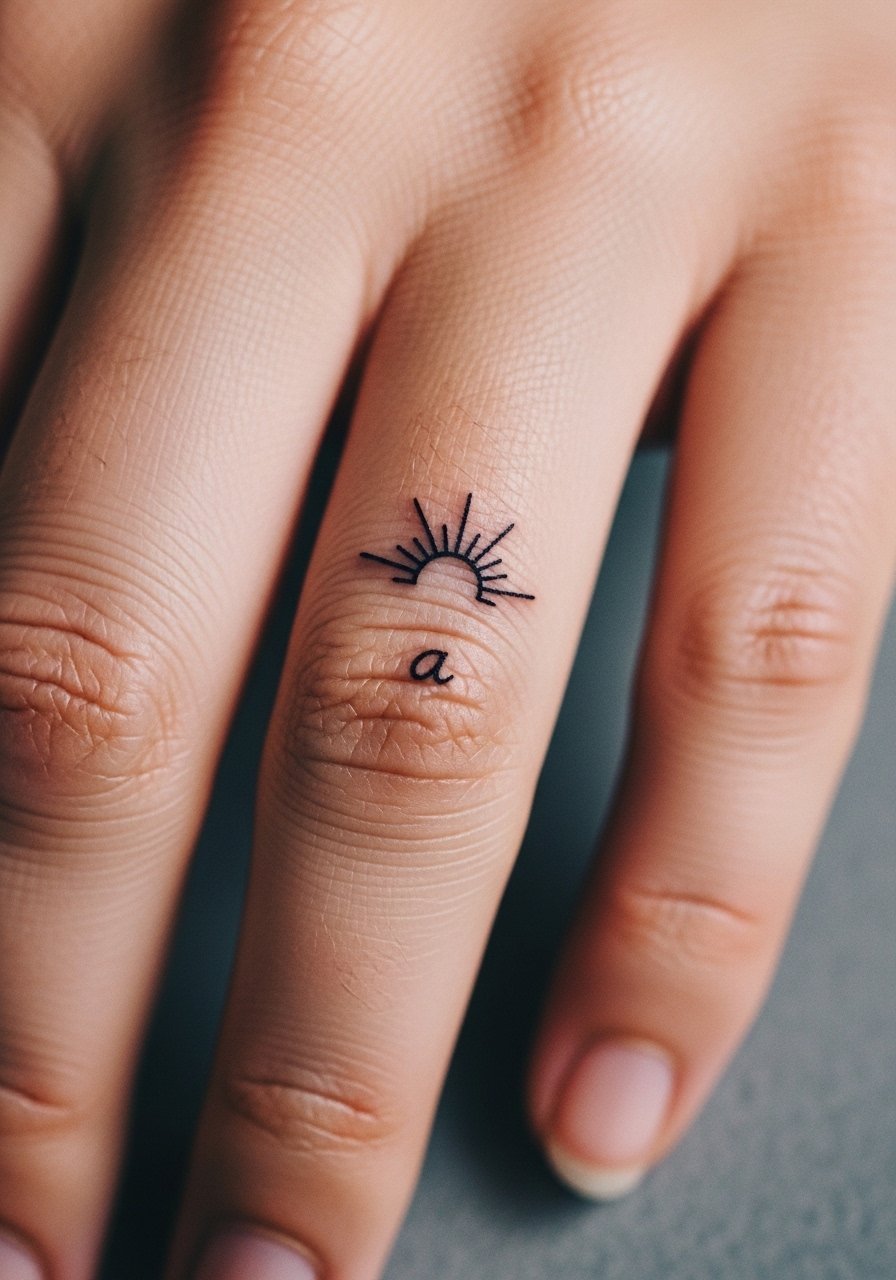
Finger placements are high maintenance because daily washing and abrasion accelerate fading. Ask your artist for simpler forms and slightly thicker linework that still reads small. The mistake is expecting long-term crispness without planning for touch-ups; fingers often need refreshes by year one or two. Session time is brief but the area can sting more because of nerve endings. For show-off styling, minimalist rings or a thin chain bracelet on the opposite wrist complement the tiny sun without overcrowding the hand.
Frequently Asked Questions
Q: Do watercolor-style sun tattoos need different aftercare than traditional blackwork?
A: In my experience, watercolor pieces benefit from gentler initial hydration and sun avoidance because the pigments sit more thinly in the skin. Blackwork tolerates a bit more aggressive touch during healing because of density, but both need clean, gentle washing and sun protection once healed.
Q: Will fine-line script on the ribcage blur faster than on the forearm?
A: From what I have seen, ribs can blur sooner because of skin stretch and movement. Some artists say depth and spacing solve that, and others avoid fine line on ribs. Ask to see healed ribcage examples from your artist before booking so you know which approach they use.
Q: How often should I expect to touch up a minimalist wrist or finger sun?
A: Plan for touch-ups at year one to two for fingers and around two to three years for wrists, depending on sun exposure and friction. Keeping the area protected and avoiding abrasive products helps extend time between sessions.
Q: Are back and thigh sun mandalas better for longevity than chest or collarbone pieces?
A: Generally yes, thicker skin areas like the back and thigh hold pigment and detail longer. Collarbone and chest see more movement and sun exposure, which can speed fading. If you want long-term detail, pick a denser line weight or a slightly larger scale for those zones.
Q: What should I wear to a shoulder or upper-arm session to make it comfortable for both of us?
A: Bring a removable or loose top like a loose button down shirt you can pull aside, or an off-shoulder blouse for shoulder access. Comfortable clothing keeps the artist focused on the work and makes positioning easier.
