
Watercolor back tattoos often look effortless in photos, but the gap between the fresh shot and how pigment behaves over years is wider than most expect. Color can bloom, edges can soften, and placement makes the biggest difference for longevity. Read these 21 ideas with pragmatic notes on consultation, aging, session feel, and how to wear or prep for each design so the finished piece looks intentional long after the first week.
1. Vertical Spine Watercolor Garden
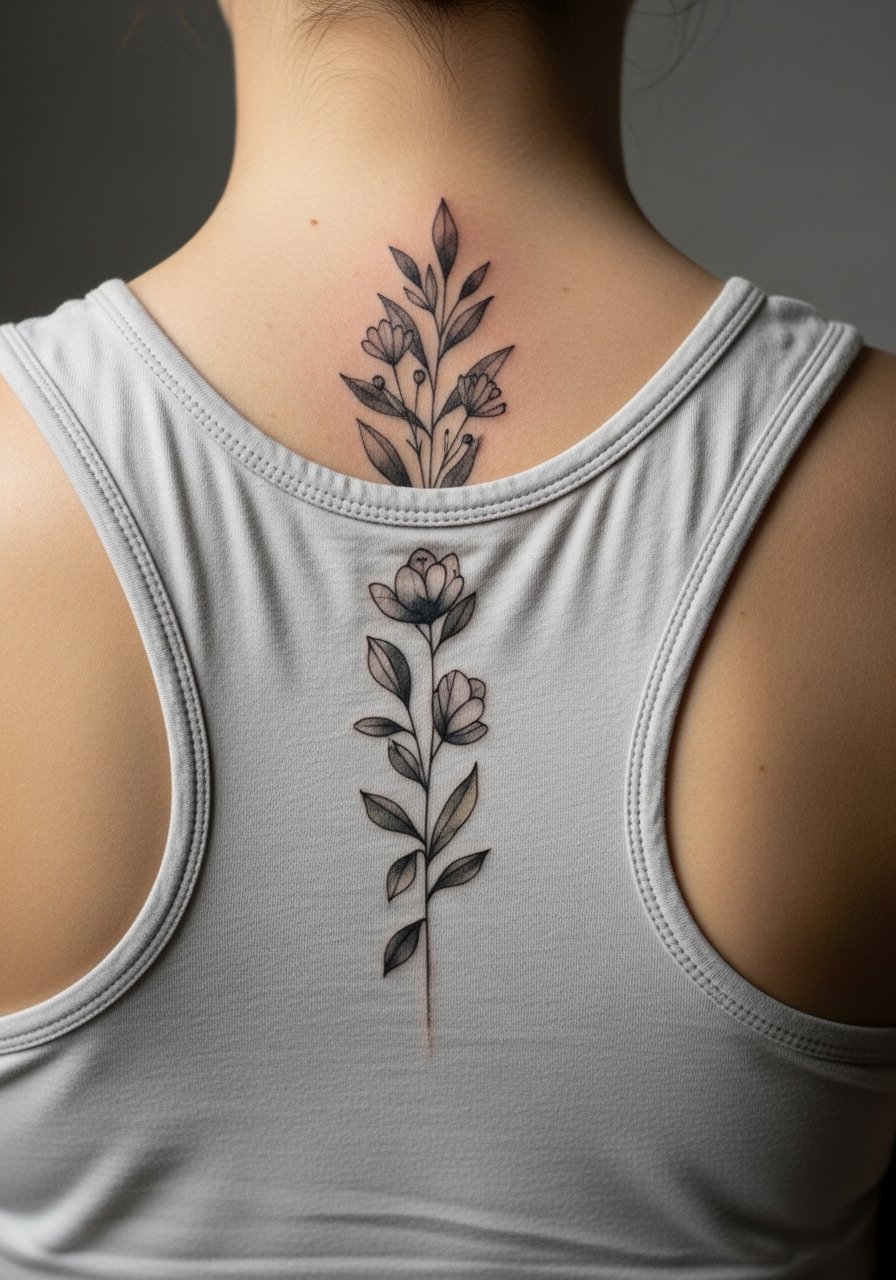
Fair warning, spine work is striking and can be sensitive. Expect a 6 to 8 out of 10 on the pain scale and session blocks around two to four hours depending on size. Tell your artist you want soft washes rather than saturated blobs so the color ages into a gentle painterly strip instead of patchy spots. A common mistake is compressing too much detail into narrow vertical space, which reads messy at year three. Ask for slightly heavier linework at anchor points so the composition keeps its ribs of structure as the color softens. For the session wear a racerback tank you can remove easily without dragging across fresh ink.
2. Shoulder Blade Watercolor Bloom
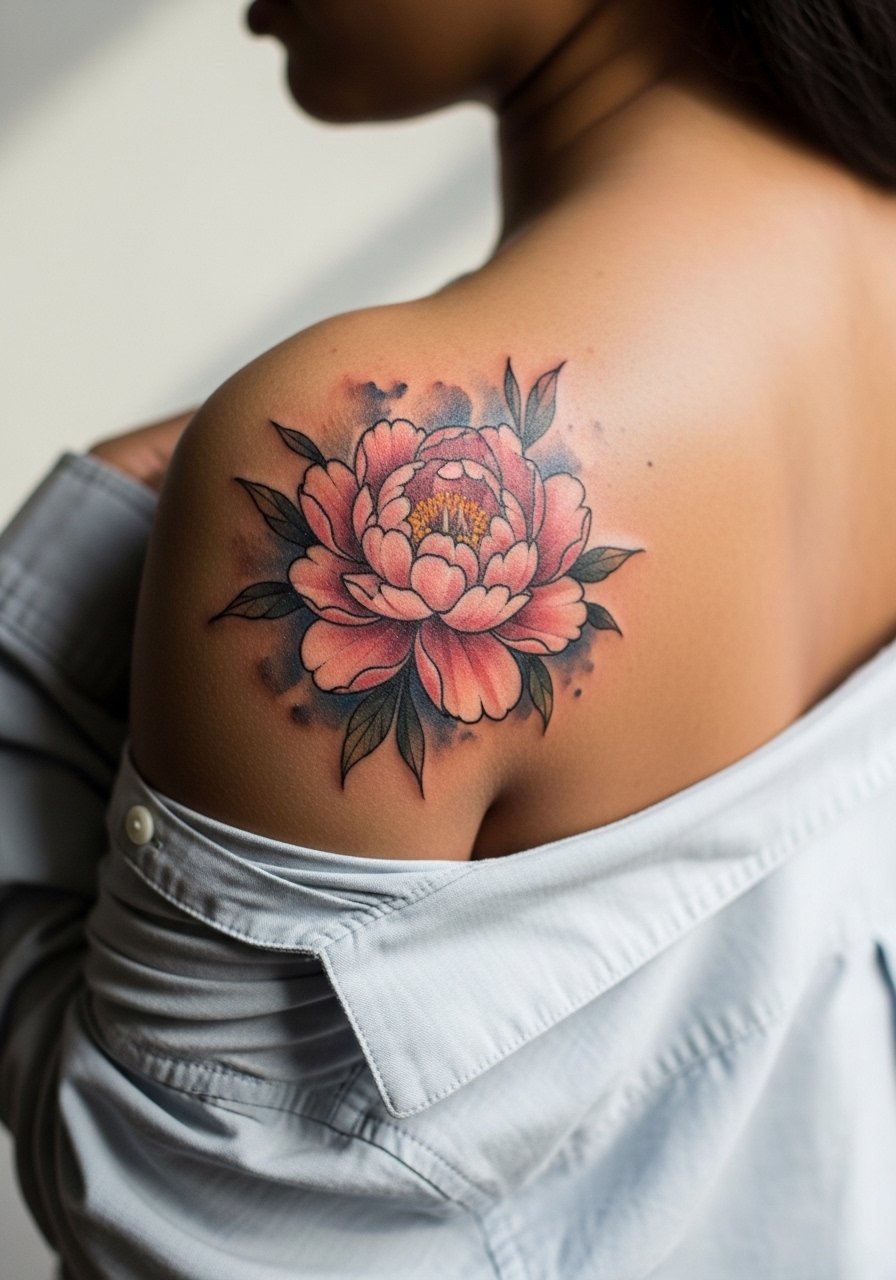
I've seen shoulder blade pieces age well because the skin there moves less during daily life. Sessions are usually one to two hours for medium-sized blooms and pain is low to moderate. During consultation, ask for a mix of wet-on-wet color fills and thin linework accents so the piece reads like a painting from farther away and like a tattoo close up. Beware of going too pale with color washes, those can vanish into a bruise-looking halo as the pigment disperses. For showing this off, pair the piece with an open-back button-down shirt that you can pull aside at the studio and wear out to highlight the tattoo without overexposing skin.
3. Upper Back Watercolor Sunset Panel
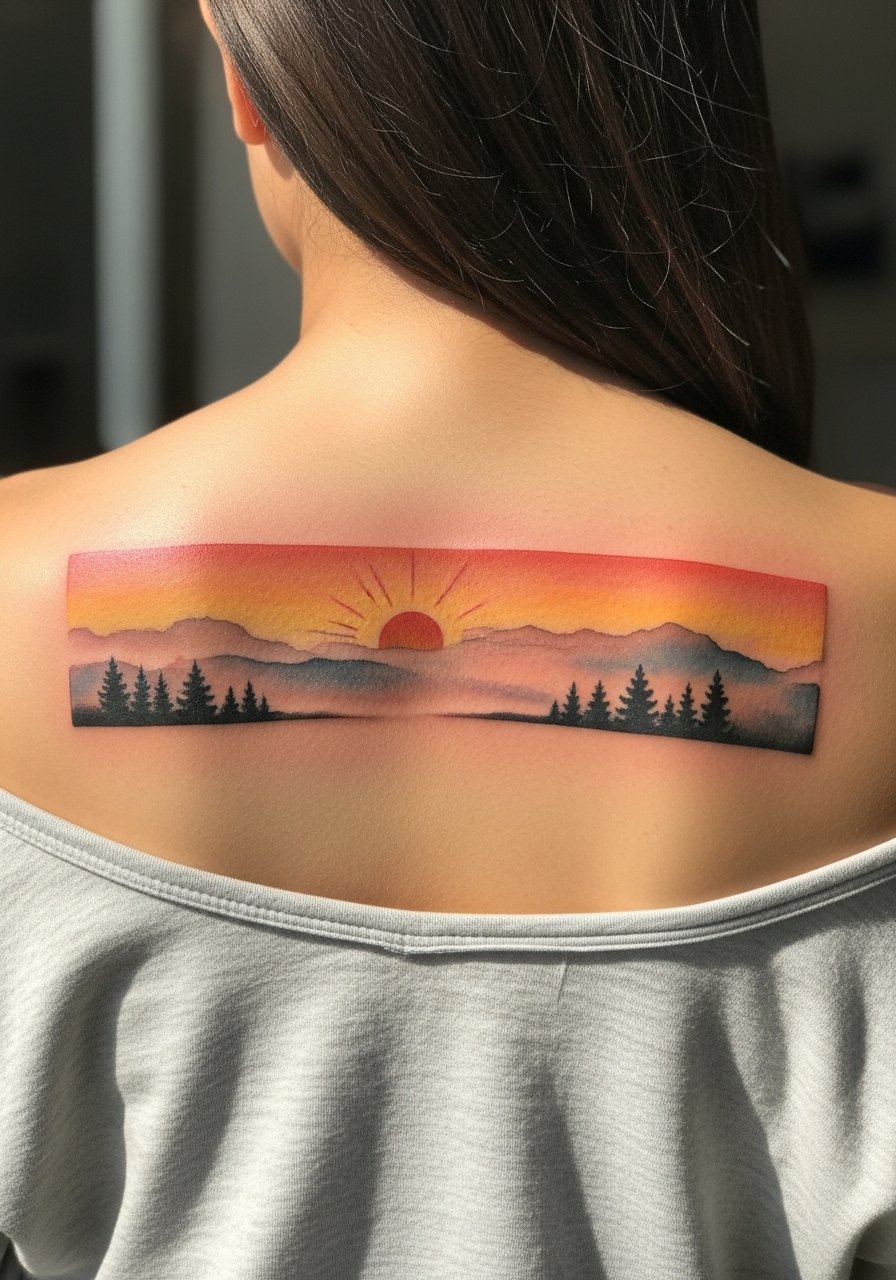
There's something cinematic about a horizontal wash across the upper back. The area tolerates broader color fields, so session time can run longer, often three to five hours split across appointments. Tell your artist you want intentional bleeding edges so the wash feels coherent as it fades. A frequent error is using overly fine stipple within broad areas, which disappears faster than saturated fills. Expect softening at six months and mellowing at two years. If you like to wear halter or wide-neck tops, this placement pairs well with open-back midi dresses that frame the artwork without rubbing it.
4. Lower Back Watercolor Crescent
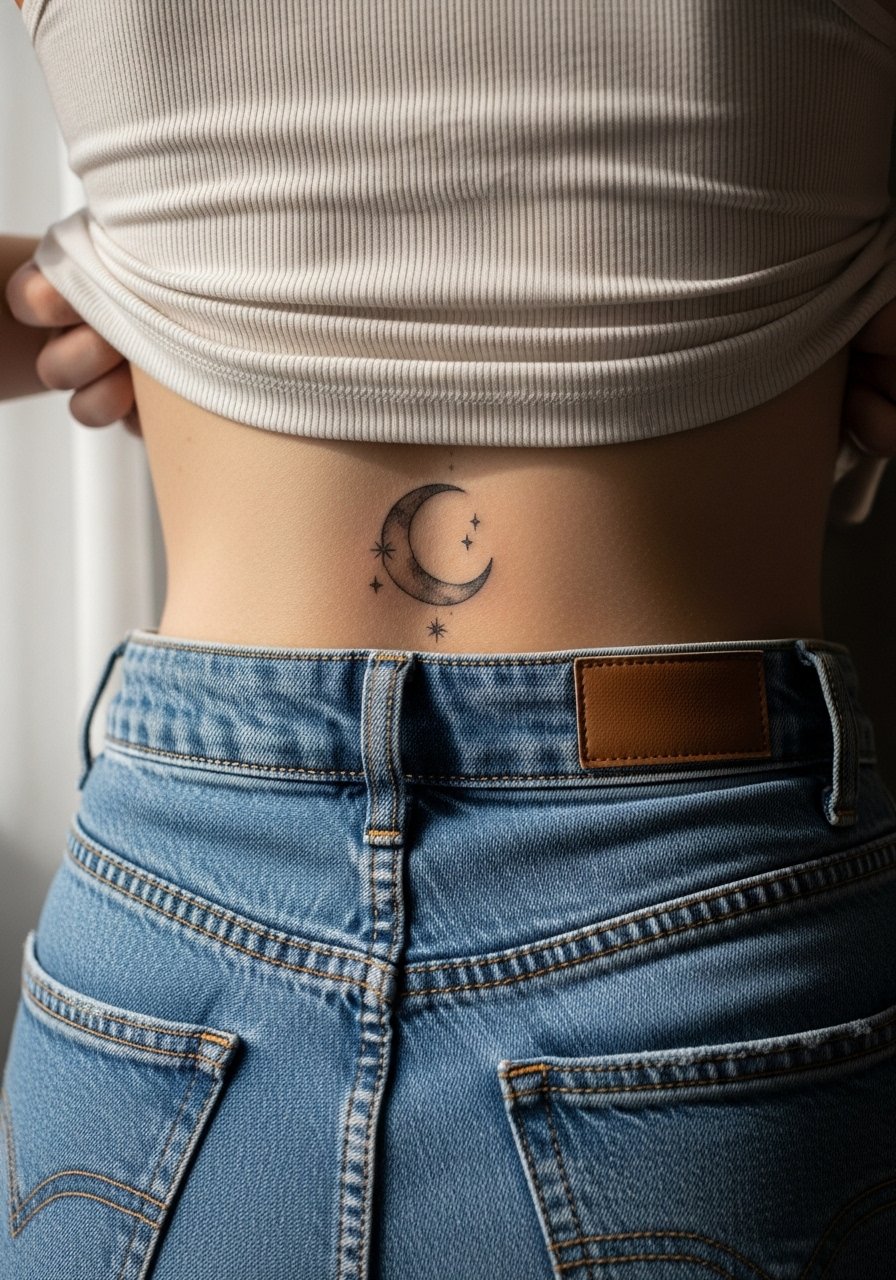
Lower back watercolor has a reputation for both flirtiness and friction. The skin sees waistbands and movement, so keep the design compact and avoid tiny detail. Pain is moderate and sessions typically run one to two hours. The common mistake is making the piece too intricate for the site. That detail softens into a mottled look after a couple of years. For the session, wear high-waisted bottoms you can lower without stretching the area and a bandeau top or fitted sports bra so the artist has a clear, stable canvas.
5. Scapula Watercolor Feather
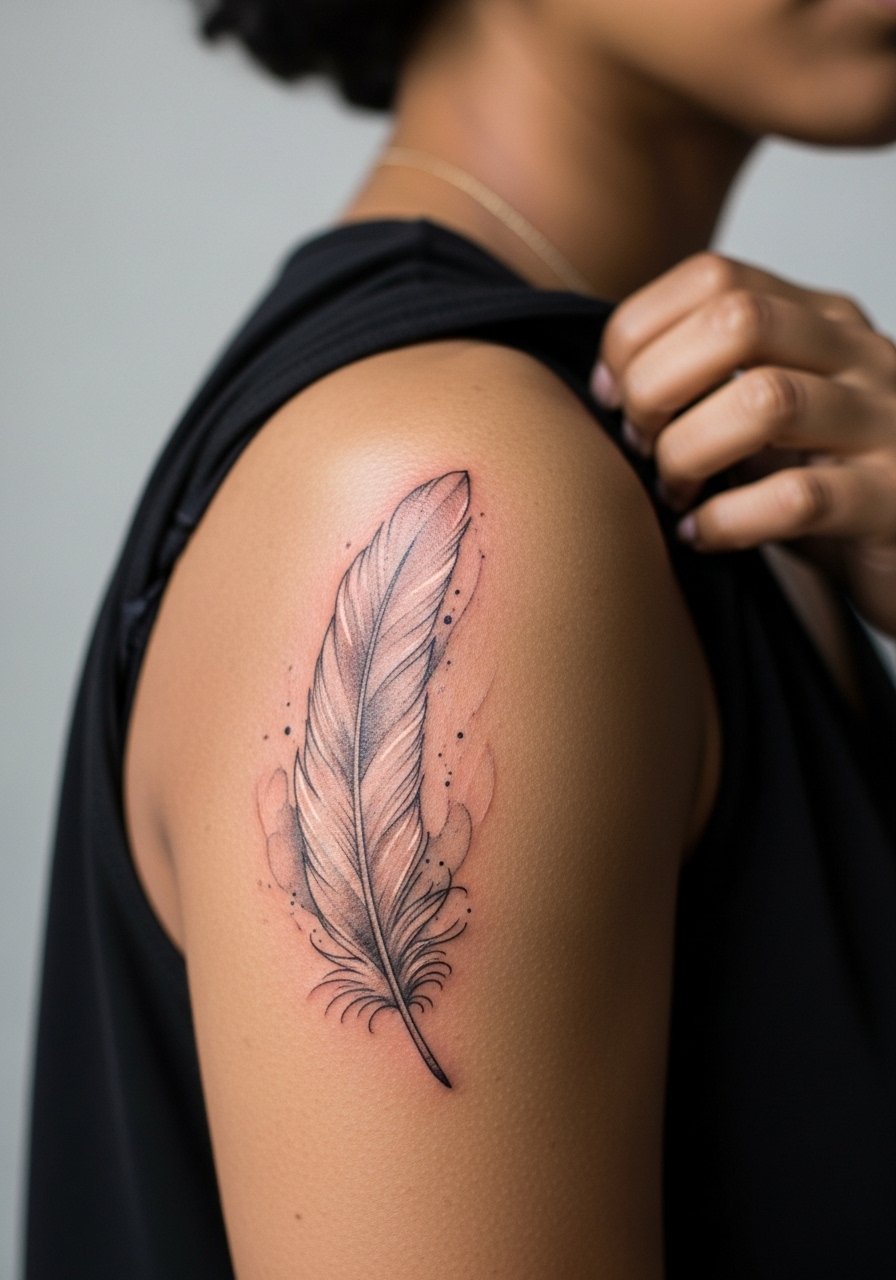
The scapula is a great canvas for feathered washes and one-sided compositions. Pain is low to moderate and you can usually handle sessions of one to three hours. During consult, describe how you want edges to feather into skin so the artist spaces pigments for a soft transition instead of a harsh border that will look off as it fades. A mistake I see is asking for ultra-light pastels with no dark anchor points. Those pale tints can vanish. For showing it off, a loose tank top that can be shifted without rubbing will keep the skin calm during healing.
6. Full-Back Watercolor Landscape
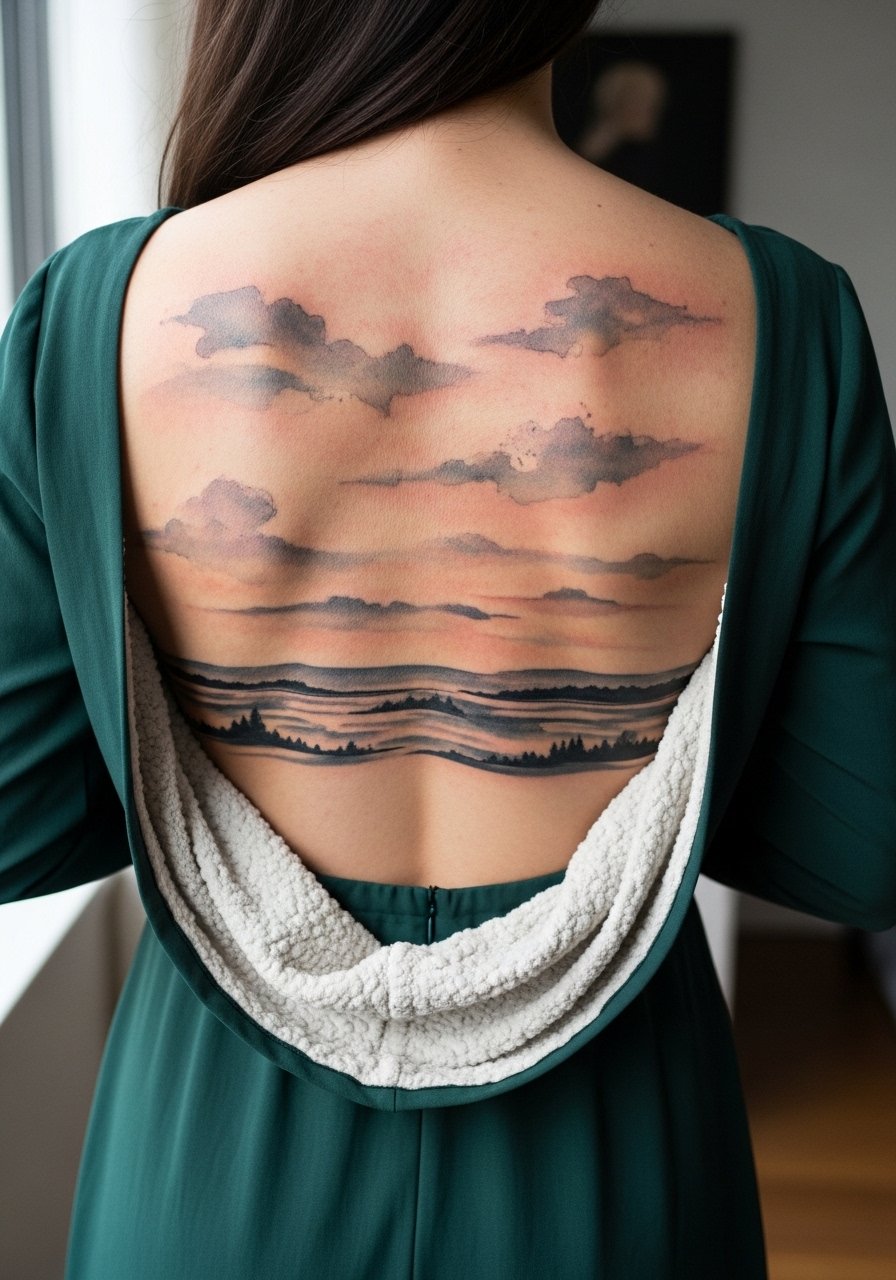
Full-back watercolor demands time and planning. Sessions often spread across multiple long visits. Expect a range of sensations from tolerable to more intense on bony areas. During consultation, map the composition to body contours so color falls naturally across the shoulder blades and lumbar curve. One camp in the community favors bold underlayers to lock color, and the other favors delicate layering to preserve the watercolor feel. Name which camp you prefer and ask how the artist balances saturation versus painterly texture. Touch-ups are common at year two for large washes. For post-session comfort bring a loose button-down shirt you can slip on without rubbing the fresh work.
Studio Day Picks
The spine to lower-back pieces above have different prep needs from shoulder blade or scapula work, and a few targeted items smooth the session and early healing.
-
Stencil transfer paper kit. Lets you preview placement on skin before inking, which is handy for vertical spine and full-back layouts.
-
Topical numbing cream. Applied about forty-five minutes before can ease the sharper sensations on the spine and ribs without affecting most artists' linework.
-
Thin protective film roll. Useful for lower back work that will rub against waistbands during the first days.
-
Fragrance-free gentle body wash. Cleanses the healing back without stripping pigment from delicate watercolor washes.
-
Saniderm protective film. A breathable protective layer that some people use in the first 24 to 48 hours to reduce friction on larger back pieces.
7. Watercolor Spine Script with Faint Wash
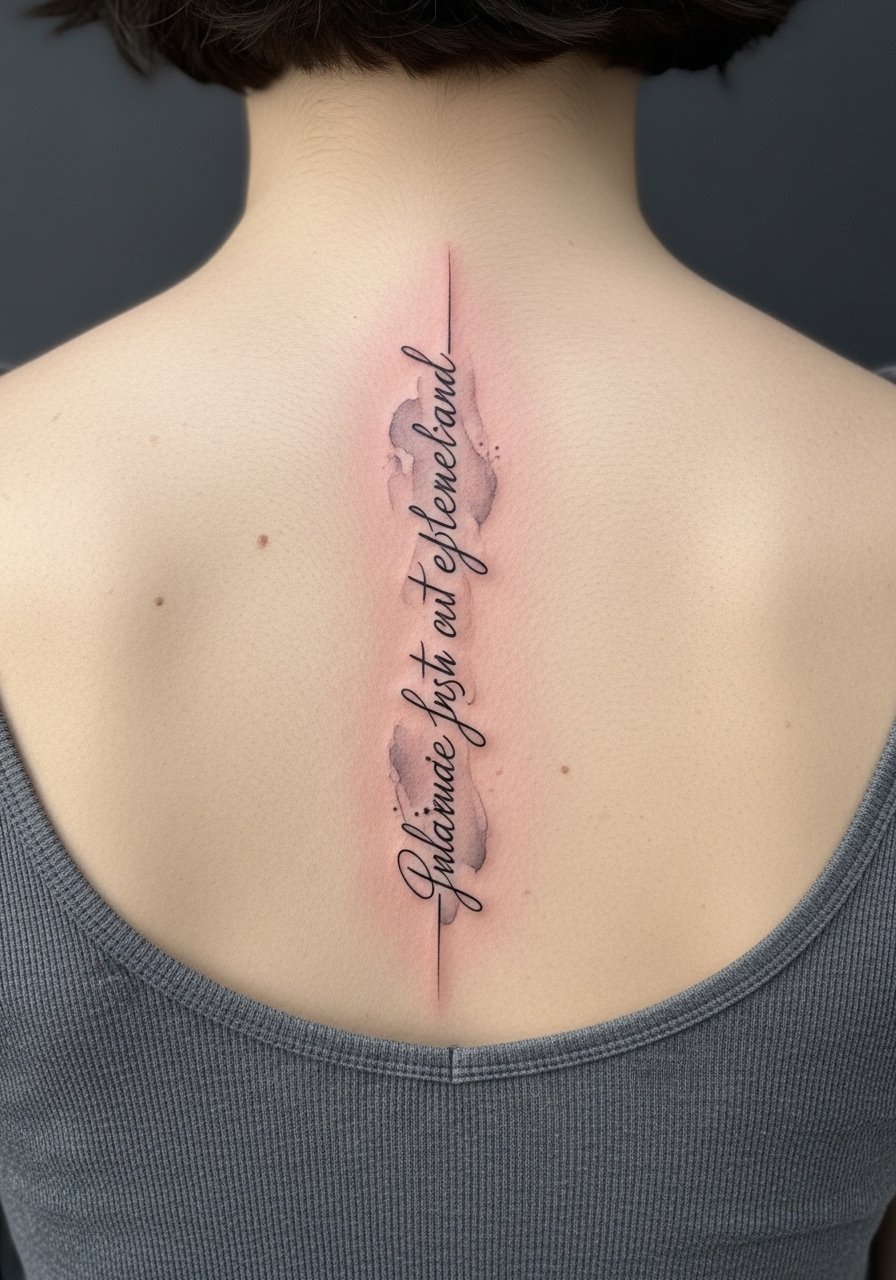
When you want text down the spine, prioritize scale so letters stay legible as the skin moves. Expect medium pain and sessions often under two hours for short phrases. Tell your artist the exact lettering size and font you want and specify how far the wash should extend from the letters. A common misstep is asking for tiny script with broad washes. The ink can blur into the wash and the text loses clarity over time. The session feels more sensitive near vertebrae, so plan for short breaks. For styling, a thin chain pendant necklace sits above the upper spine script without stealing focus.
8. Watercolor Floral Along the Shoulder-to-Back Sweep
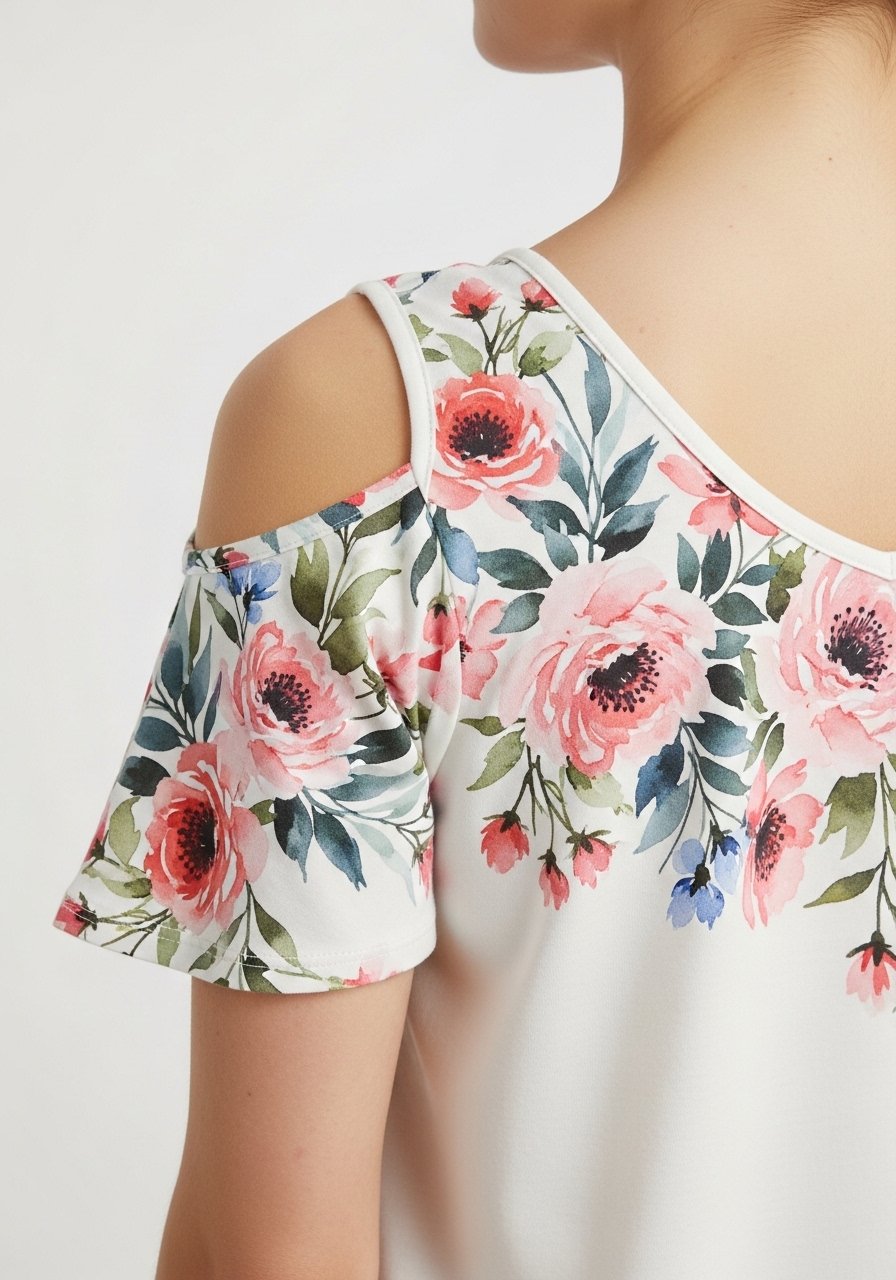
I've seen wraparound shoulder pieces read especially well when the composition follows muscle lines. Sessions for a medium sweep are typically two to three hours. During consult, show images that match the curve you want and ask the artist to sketch directly on the skin so you can see motion. The mistake is forcing a symmetrical floral on an asymmetrical shoulder, which looks off when you move. Expect softening in the petals by year two, with darker anchor points holding the form. For the session wear a loose button-down you can slip on easily after the artist finishes.
9. Lower Scapula Watercolor Crescent with Stars
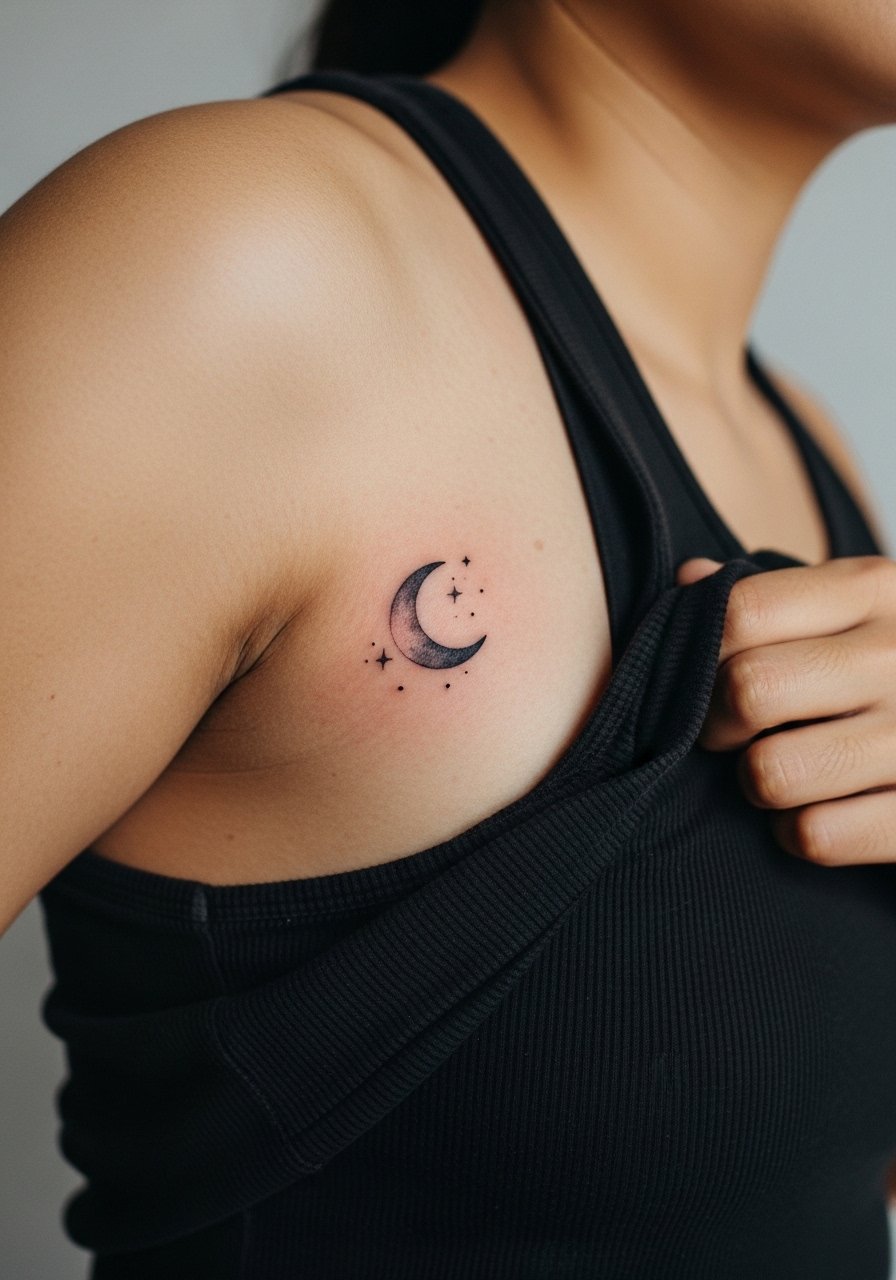
This smaller scapula placement is forgiving for watercolor detail but watch for tiny stars losing crispness. Sessions are short, often under 90 minutes, and pain is mild. Ask for slightly bolder dots for the stars so they stand up over time. The common mistake is relying on ultra-faint dots that blur into the wash at six months. The piece wears well with minimal touch-up need if you include anchor contrast. For showing off, backless or low-back evenings pair naturally, but during healing try a loose tank top that minimizes fabric friction.
10. Rib-Adjacent Watercolor Wave
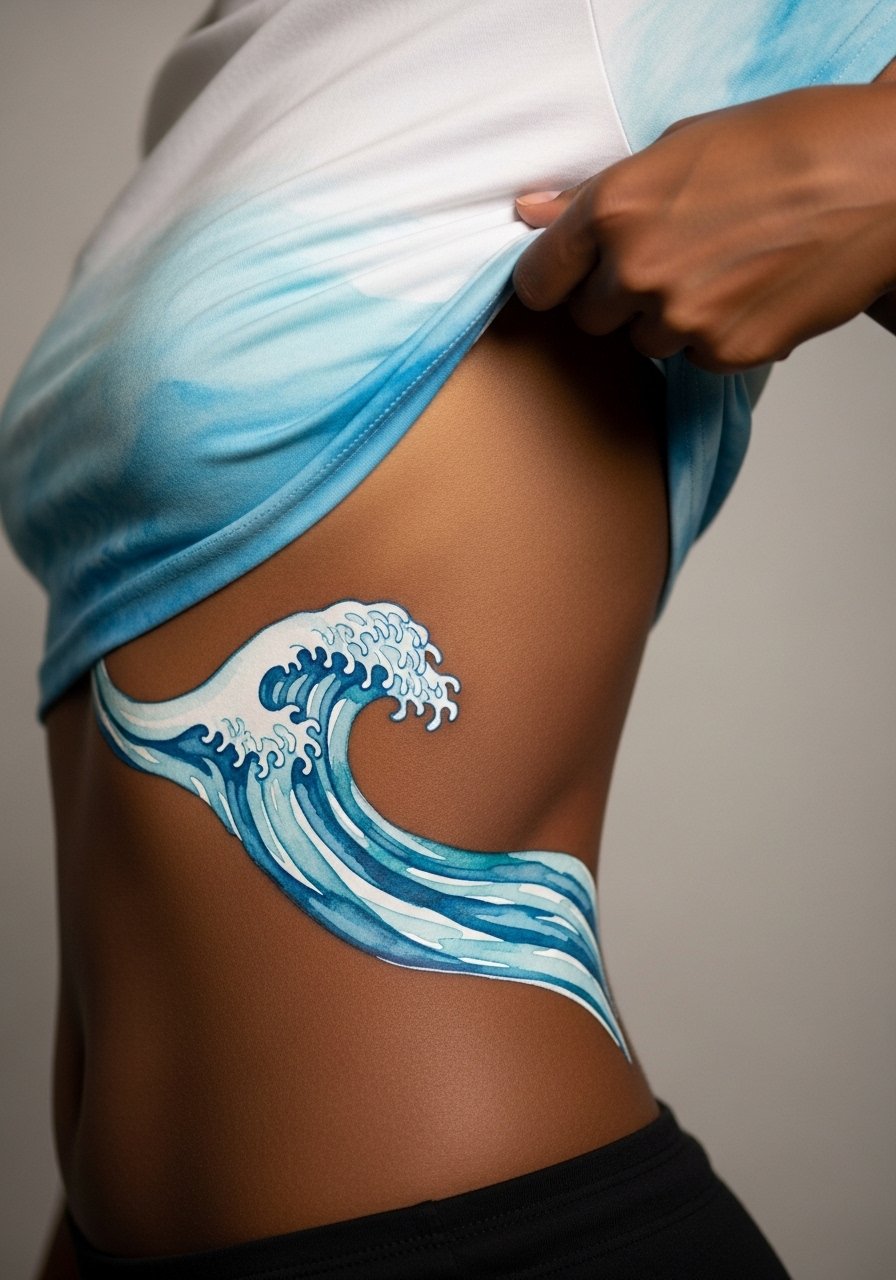
Fair warning, rib-adjacent placements cause one of the stronger sensations during a session. Pain can be high along the lower ribs. The trade-off is a gorgeous wrap that sits partly on the back and partly on the side. During consultation, clarify how far onto the ribs you want the color to go and whether you prefer overlapping dark anchors. A controversy arises here. One camp says watercolor near the ribs blurs quickly because of frequent movement and thin skin. The other camp argues careful depth and spacing solves that problem. Ask your artist where they stand and how they manage pigment migration. For the appointment wear a cropped top you can lift easily, such as a cropped athletic top.
11. Upper Back Watercolor Mandala Accent
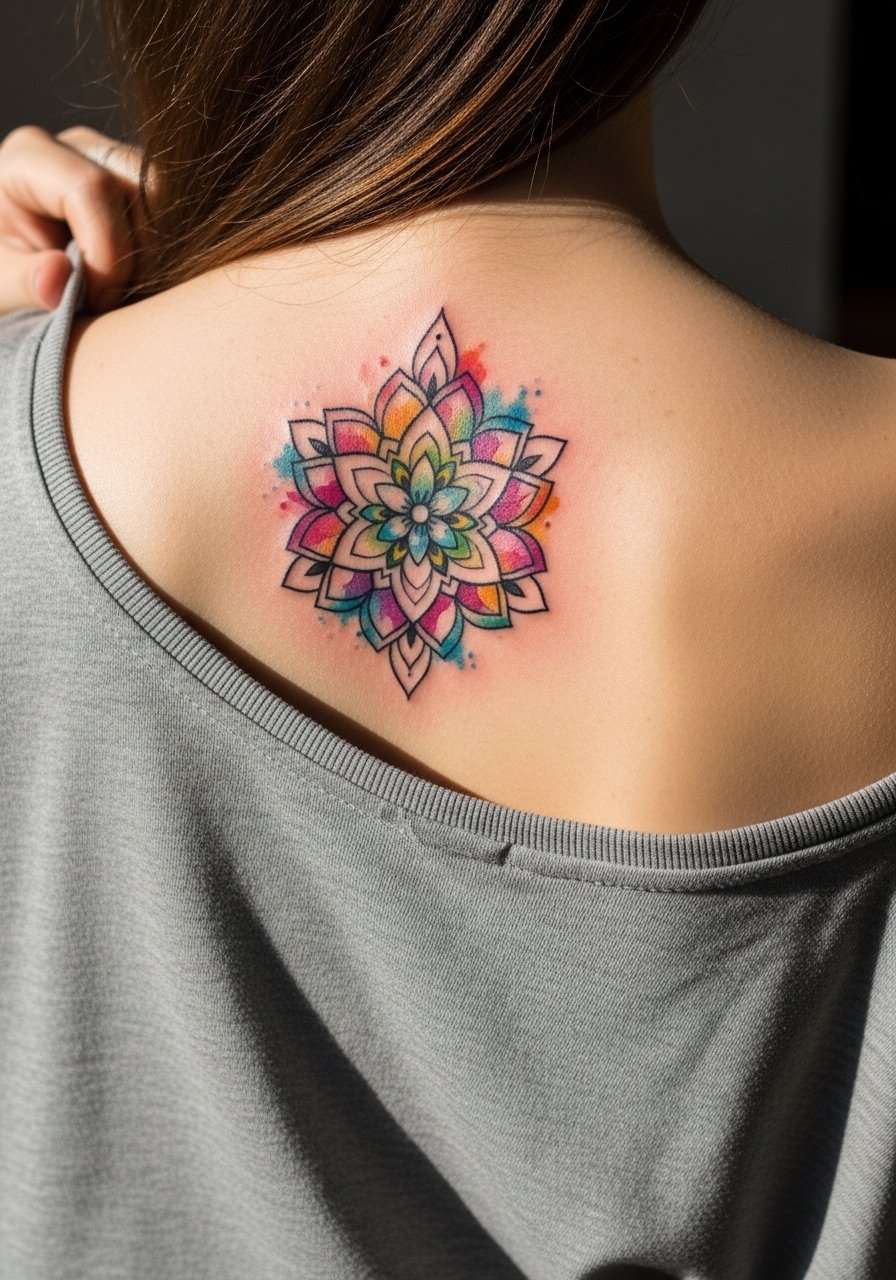
A watercolor mandala brings color into a traditionally high-contrast form. Sessions can take two to three hours for medium sizes. Tell your artist you want bold linework at structural points and softer color fills in the mandala arms. The mistake is relying purely on pale washes with no dark anchors. That version looks patchy after a year. Expect the color to mellow into the design while linework continues defining the shape. If you plan wardrobe around it, open-back or wide-neck tops work well for evenings, and a thin chain pendant will sit above without competing.
12. Mid-Back Watercolor Koi Pool
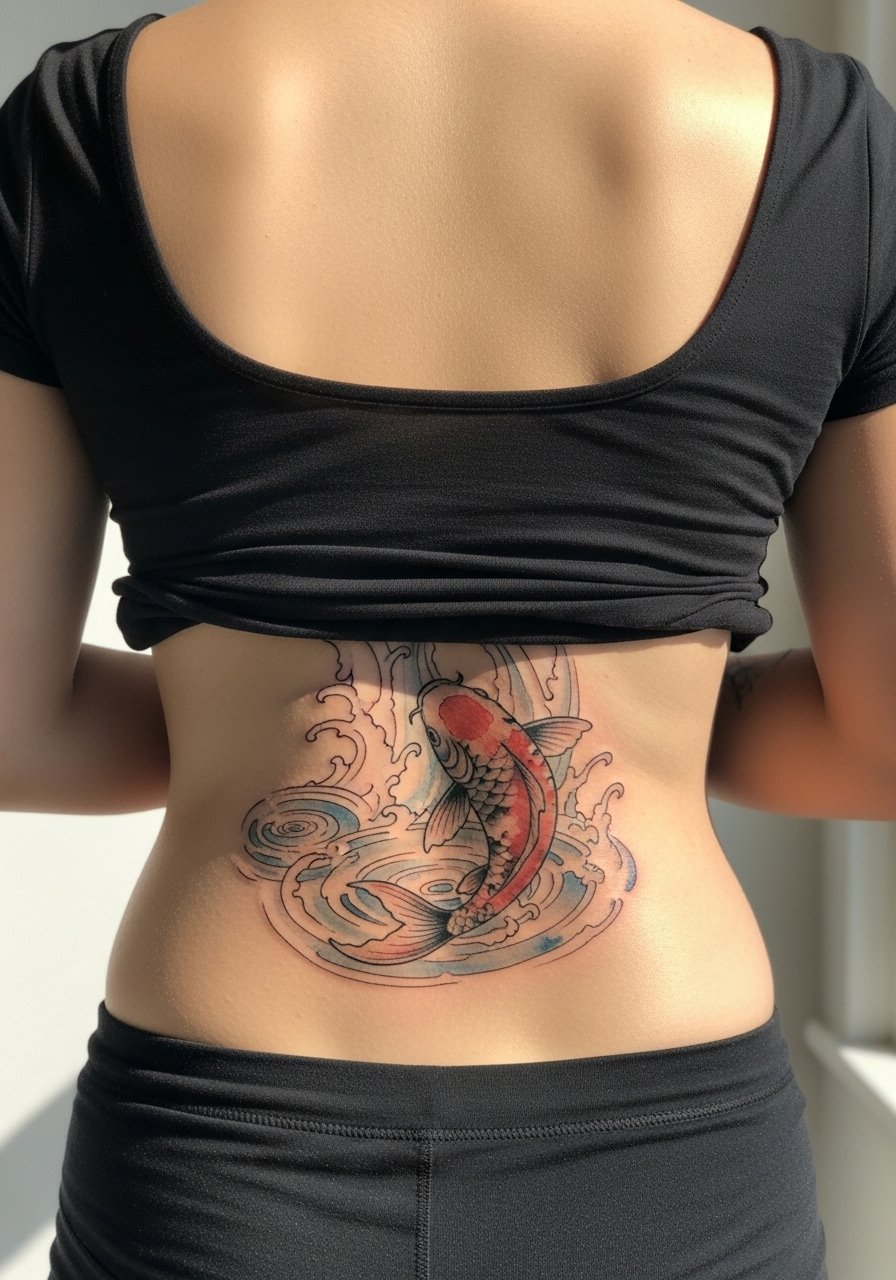
Koi motifs translate nicely into watercolor because their motion fits flowing washes. Sessions for a medium mid-back koi are often two to three hours. During consult, focus on how the scales will be suggested rather than fully rendered. A common mistake is tiny scale detail that vanishes as the piece heals. For longevity, ask for a couple of darker contrast points within the body of the koi. The skin on the mid-back is forgiving, so touch-ups happen mainly for color refresh at year two or later. Wear a scoop-back top you can remove or shift without tugging.
13. Watercolor Spine Botanical with Negative Space
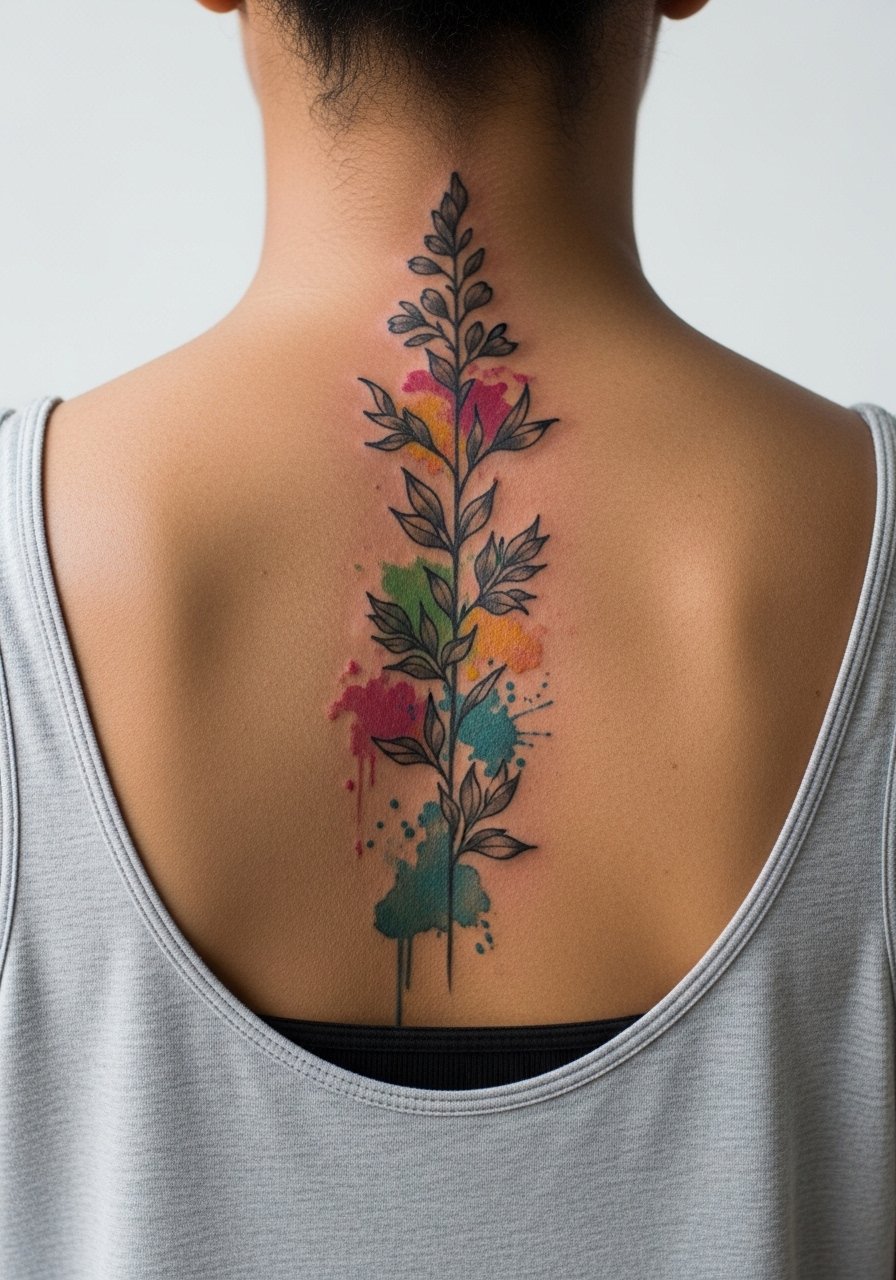
There is a visual clarity when watercolor uses negative space on the spine. Sessions are moderate in length and sensitivity is higher near the lower spine. Tell the artist which areas you want left as skin so the piece breathes as it heals. One mistake is filling everything and losing the spine punctuation. Over time the washes will soften and the negative space keeps the piece readable. Expect a touch-up at year two to refresh the softer edges. For the session, a racerback tank gives access without exposing more skin than needed.
14. Watercolor Collage Across Shoulder Blades
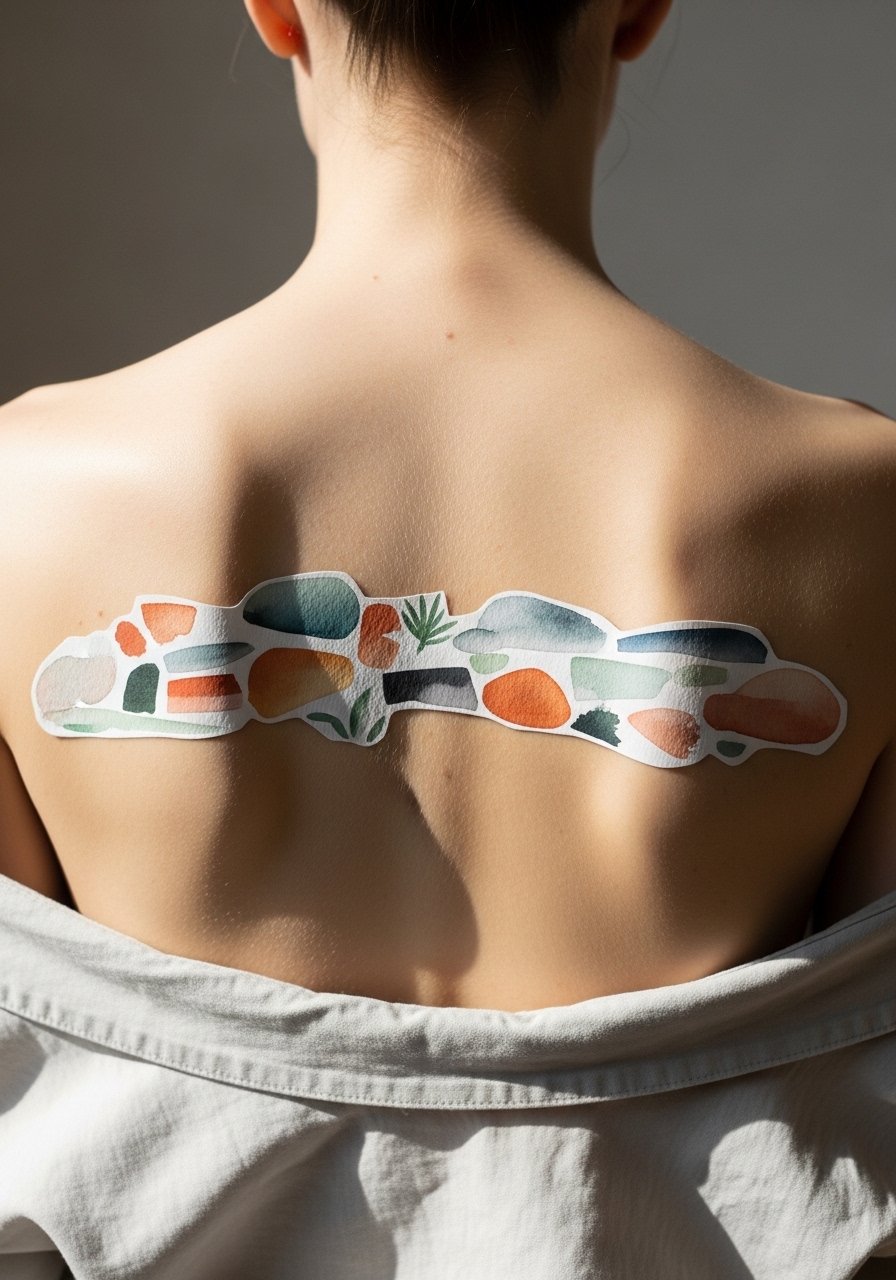
Symmetrical collage across the shoulder blades plays well with clothing that reveals the top back. Sessions often take multiple shorter sittings to layer washes without overworking the skin. During consult, confirm symmetry points and ask for a mock transfer so you can assess balance. A mistake is insisting on exact mirror symmetry which can look stiff on the natural asymmetry of shoulders. Over time expect the color to even out and the composition to soften. Pair this with an open-back dress for show or keep it casual with a wide-neck shirt while it heals.
15. Watercolor Lower-Back Script Swash
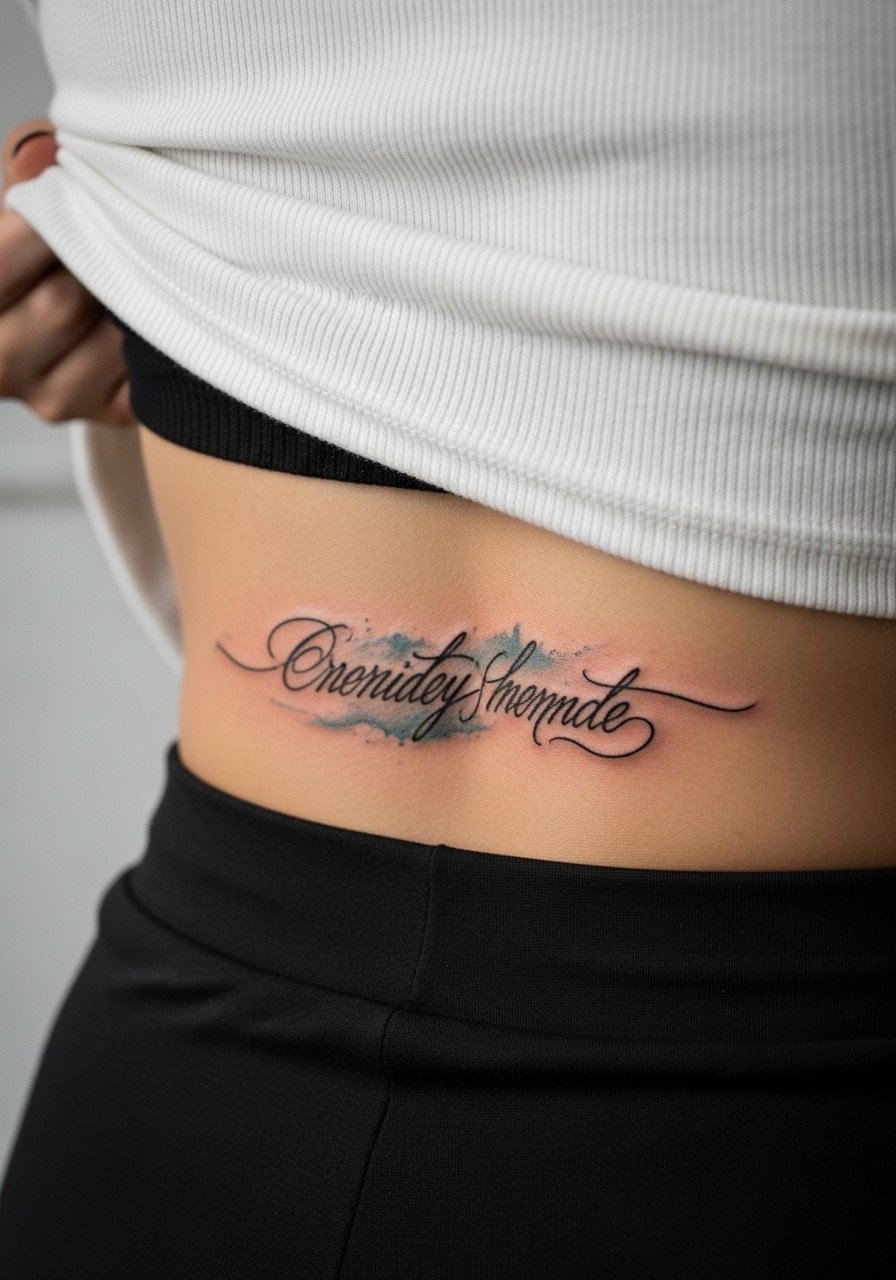
Script with a watercolor swash at the lower back can look delicate and private. Pain is moderate and sessions for short phrases are under two hours. The biggest mistake is making the script too small. Movement and waistband contact can blur fine lettering. Ask for slightly larger letterforms with a modest wash that does not cross too far under clothing lines. For the session, wear high-waisted bottoms you can lower without stretching and a bandeau top to keep exposure minimal.
16. Watercolor Scattered Constellations on Upper Back
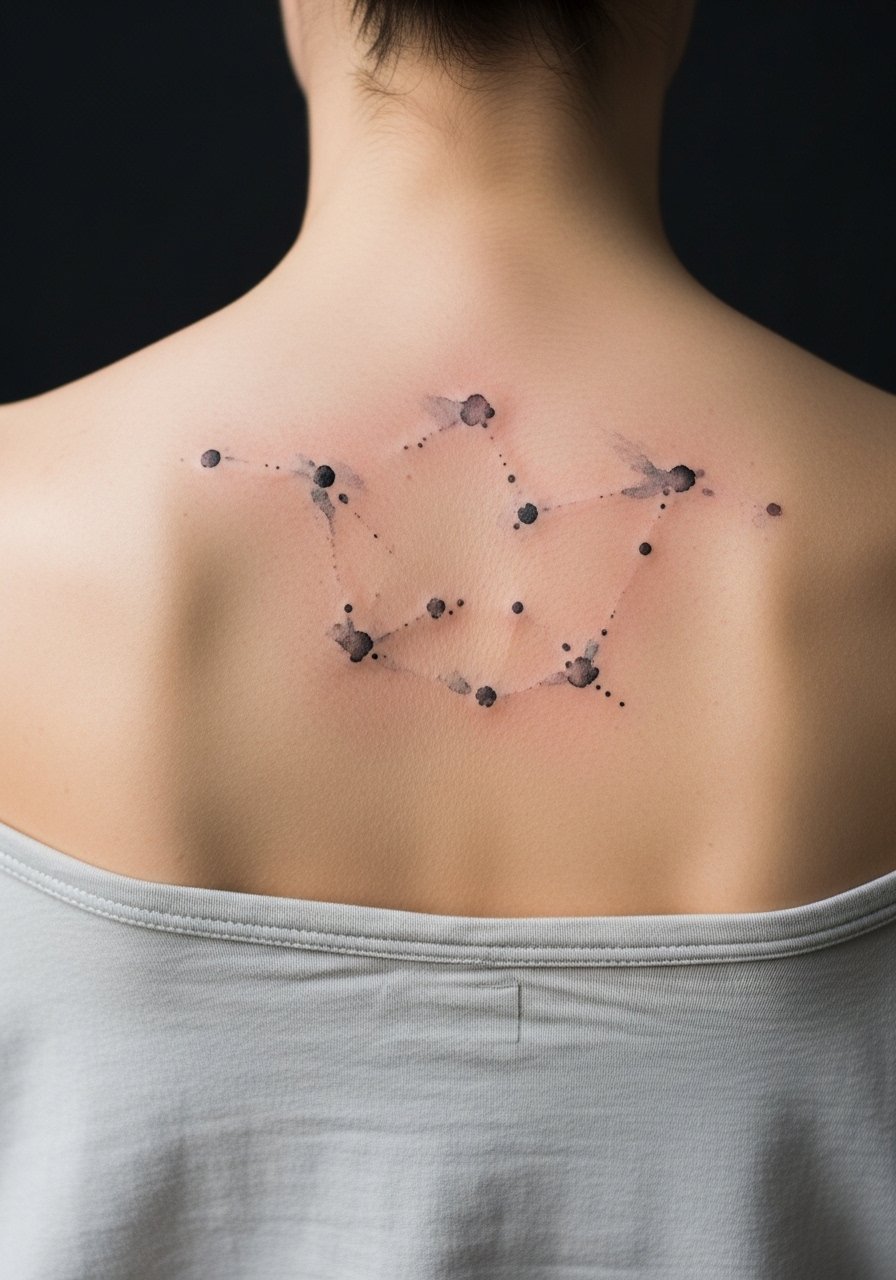
Tiny scattered constellations are charming but need proper spacing to stay distinct. Sessions are quick, often under ninety minutes, and pain is low. Tell your artist to leave breathing room between dots and to make the star points slightly bolder than you think necessary. A common error is clustering too many small marks, which blend by year two. For wearing, a wide-neck shirt shows off the scatter without overstressing the area.
17. Watercolor Peacock Sweep Across Upper Back
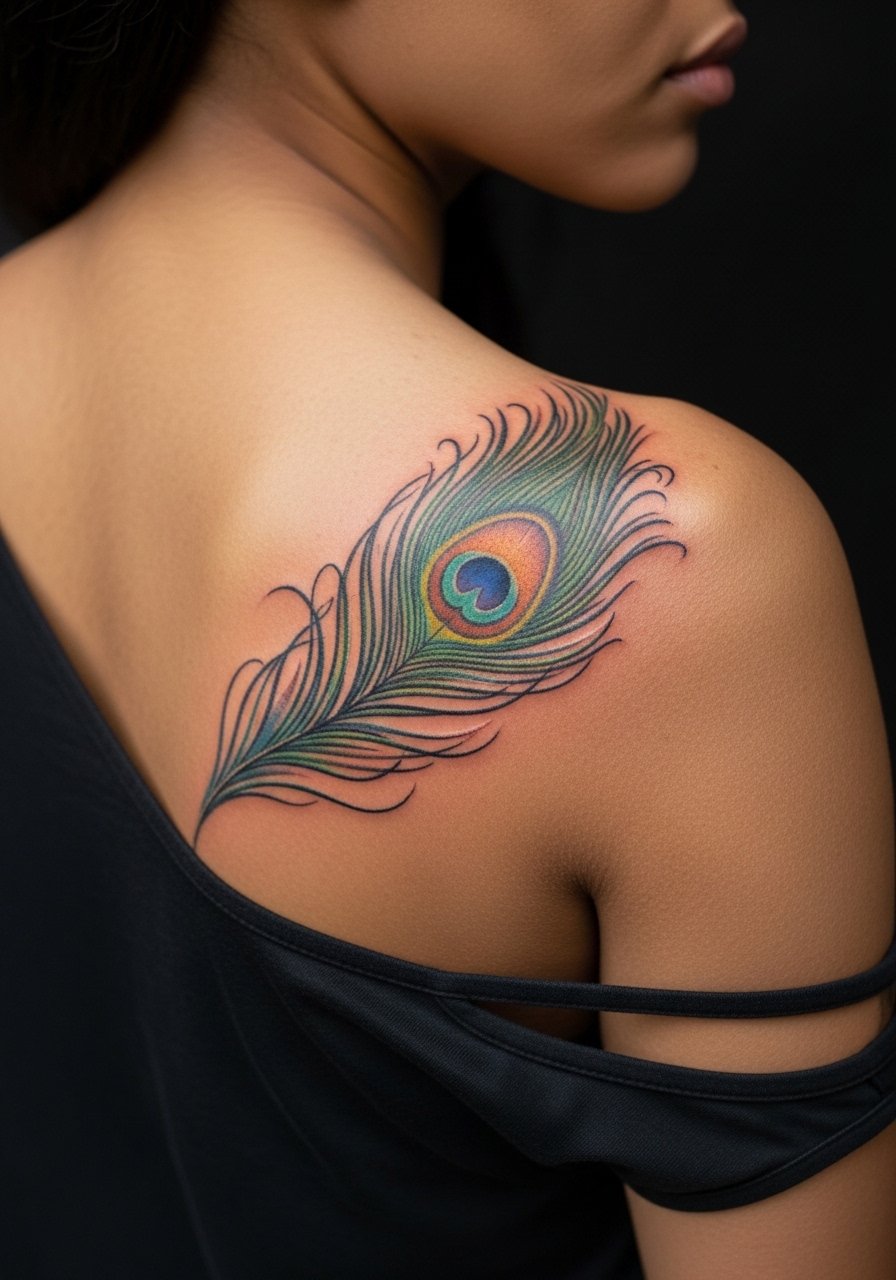
A peacock sweep uses long strokes and layered color. Sessions are medium to long depending on scale. During consult, ask how the artist builds feathers and whether they plan darker anchors in the quill to hold form. Mistakes happen when artists layer many light washes without contrast. That causes the detail to vanish into a single-toned wash. Expect a gentle mellowing at year two and a possible touch-up to restore contrast. For showing off, a strap-shifted sleeveless dress frames the sweep, and for the studio wear a sleeveless top that can be moved without rubbing.
18. Watercolor Rib-to-Back Floral Band
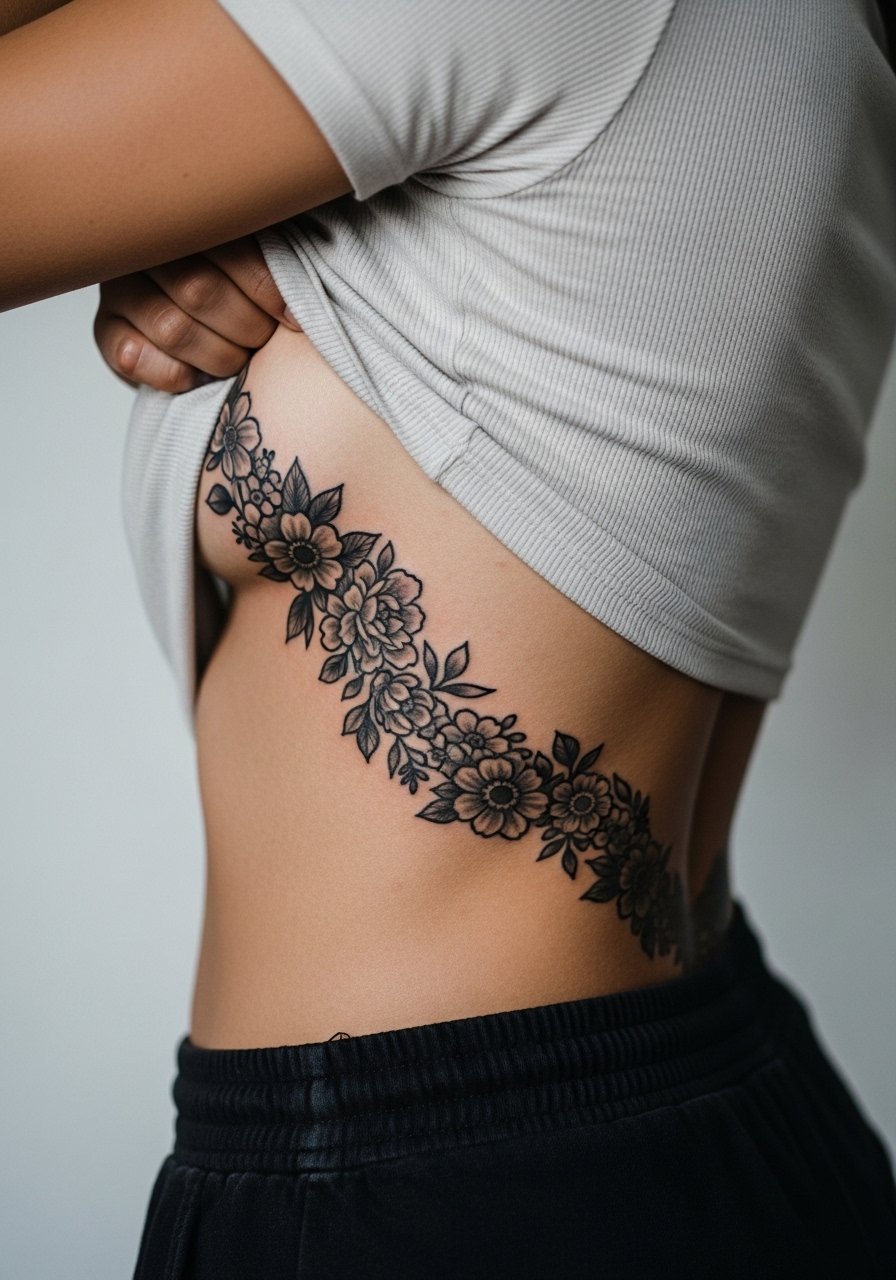
This wrap places watercolor across two motion zones, so session planning matters. Pain along the ribs can be high. The two camps on rib work apply here. One side warns that rib placement ruins fine detail because of frequent breath-driven motion. The other side believes skilled depth control and spacing prevent early blur. Be direct with your artist about how far onto the ribs you want color. Avoid tiny details at the rib edge. For the appointment, wear a cropped top you can lift easily such as a cropped athletic top.
19. Watercolor Minimalist Lower-Back Dot and Wash
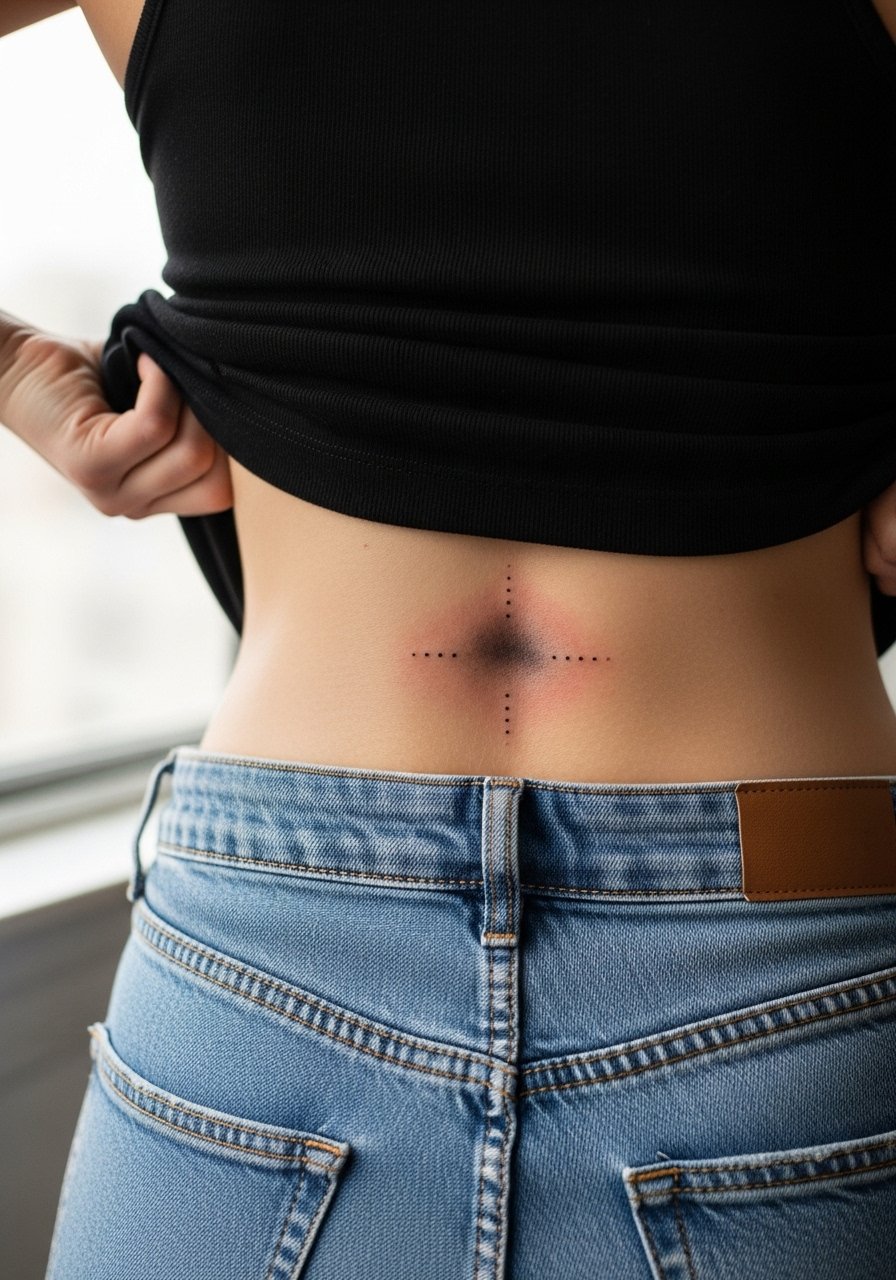
Minimal lower-back watercolor works when scale is respected. Sessions are short and pain is moderate. The mistake is pushing for a whisper-light wash with no dark center. That tends to look like a bruise after healing. Ask for a modest anchor dot and a wash that falls off quickly. For sessions where you want minimal fabric contact, wear high-waisted bottoms and a loose tank top you can lower without stretching.
20. Watercolor Scapula Crest with Fine Line Accents
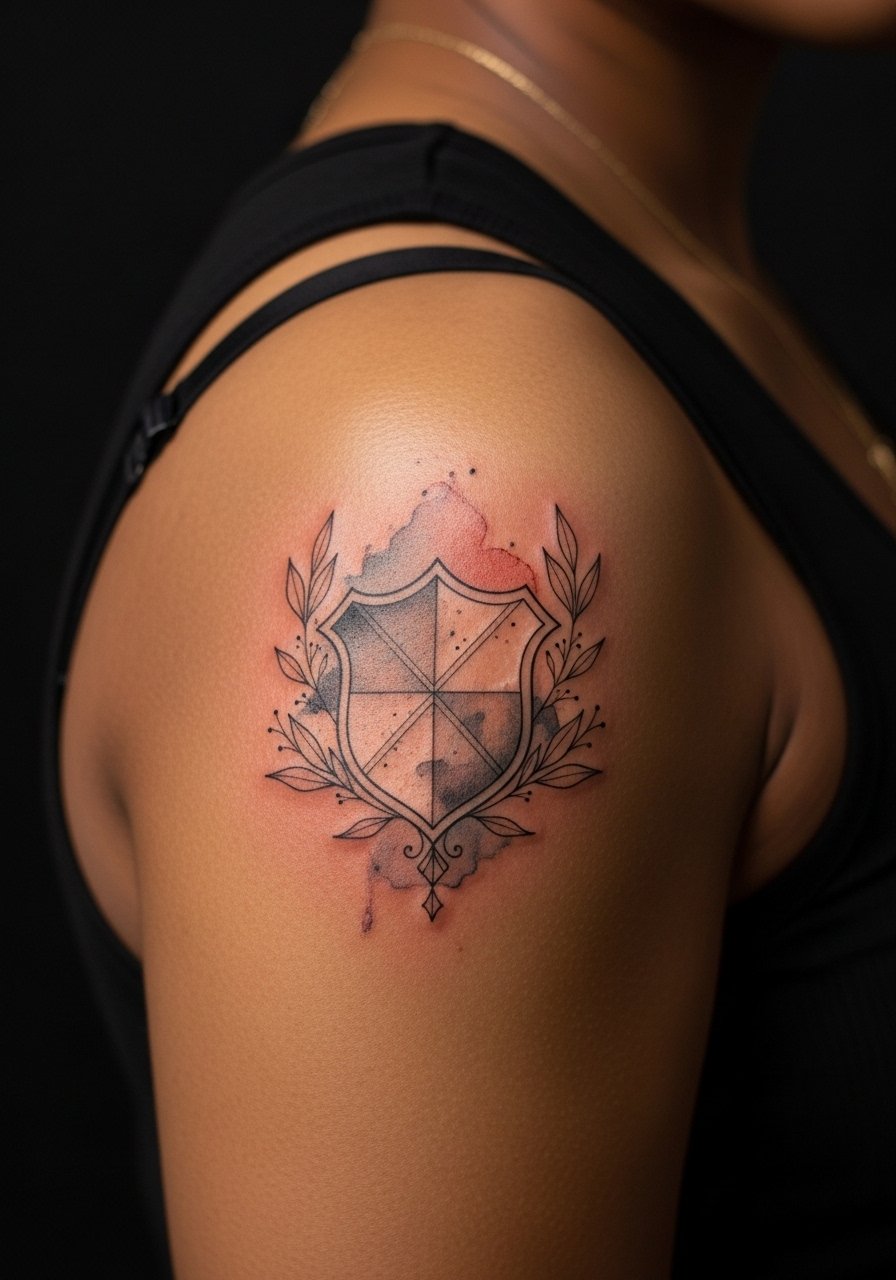
Combining fine line with watercolor adds structure. Sessions vary between one and three hours and pain is low to moderate. Tell your artist you want the fine line to act as delicate scaffolding and the color to sit behind it. A mistake I see is matching ultra-fine line with heavily saturated washes that obscure the detail. Over time the fine line holds if placed slightly deeper, and the wash will mellow. For studio comfort bring a tank top you can shift without rubbing the area.
21. Full-Lumbar Watercolor Wave Panel
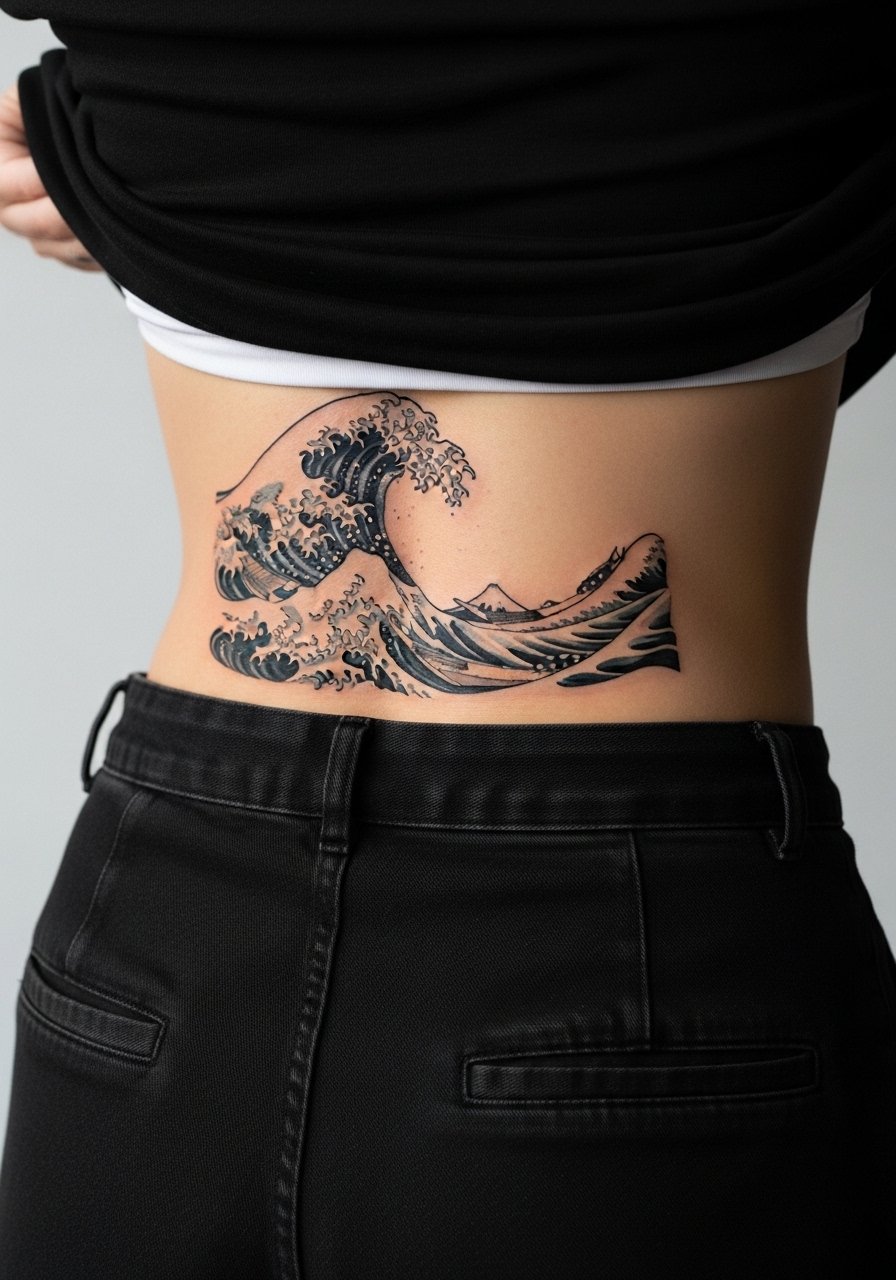
Full-lumbar panels read as a statement and demand careful placement relative to clothing lines. Session time can be long so many people split it into two appointments. During consult, map the artwork to where pants sit so the wave does not chronically rub against waistbands. A common error is ignoring how daily clothing will interact with the bottom edge of a lumbar piece. Expect the color to mellow and plan for a touch-up in a couple of years if you want to maintain vibrancy. For the session, wear high-waisted bottoms and a cropped tee you can shift without stretching the canvas.
Frequently Asked Questions
Q: How long do watercolor back tattoos typically keep their color on different parts of the back?
A: It depends on placement, color saturation, and sun exposure. Broader fields on the upper back and scapula usually age more gracefully than tiny, detailed washes on the lower back or ribs. Expect noticeable mellowing by year two and plan touch-ups based on how much vibrancy you want to keep.
Q: Will fine line details in watercolor pieces blur if I put them on my spine or ribs?
A: There is debate among artists. One camp says the spine and ribs cause lines to spread faster because of movement and thin skin. The other camp says careful spacing and slightly firmer anchor lines prevent early blur. Ask your artist which approach they use and request a mock transfer so you see how the scale will hold on your anatomy.
Q: What should I wear to a back tattoo session to make access easy and avoid irritating the new ink?
A: Wear clothing that exposes just the tattoo zone. For shoulder blade work a loose button-down or tank is handy. For lower back or lumbar pieces choose high-waisted bottoms and a cropped top to avoid stretching. Pick fabrics that you can remove or shift without rubbing fresh ink.
Q: Do watercolor back tattoos require different aftercare than traditional blackwork?
A: The core aftercare steps are similar, but watercolor often benefits from gentle cleansing and less aggressive rubbing because the pigment can be more delicate in early healing. Use a fragrance-free wash and follow your artist's timing for moisturizing. Aftercare product specifics are often discussed during booking and the right protective film can help during the first days.
Q: How can I find an artist who understands watercolor on backs without naming anyone directly?
A: Look at portfolios on gallery platforms and local shop listings, search hashtag collections for recent healed work, and ask for healed photos rather than only fresh shots. Use directories and convention guest lists to find artists who showcase healed back pieces. During consultation, ask to see healed photos of similar placements.
Q: Are there wardrobe choices that help watercolor back tattoos look better year after year?
A: Yes. Clothing decisions that reduce chronic friction on the tattooed zone help longevity. For lower-back work avoid tight waistbands that ride the same line every day. For upper-back and shoulder pieces prefer breathable fabrics and occasional open-back styling so the area spends less time rubbing against straps.
Q: If I plan on touch-ups, when should I schedule the first one for a watercolor back piece?
A: Touch-up timing varies by skin type and exposure. Many people opt to check at around eighteen months to two years and then schedule based on how the color held. Discuss a realistic refresh plan with your artist during the booking so you both agree on the expected timeline.
