
Fine line trends dominate saved boards, but when two people want a matching piece the goal is more than pretty photos. Matching traditional pieces age together, read as a pair, and make sense with daily wear. Below are 21 traditional matching tattoo ideas that feel personal, with notes on how they heal, what to ask your artist, and small styling choices that actually make a difference.
1. Twin Mini Roses on the Inner Wrist

These are classic matching pieces that read clearly in small scale when the linework is bold and the petals have simple shading. Tell your artist you want slightly heavier linework than a fine-line piece so each petal keeps separation as the ink settles. Pain is mild for most people. Expect a short session and a likely touch-up around year two if you both wash hands a lot. A common mistake is requesting micro detail in a tiny rose. Ask for simplified petals instead. Pairing tip for showing them off: wear a thin chain bracelet that sits above the wrist tattoo so the piece is framed without crowding.
2. Matching Sailor Swallows on the Upper Chest
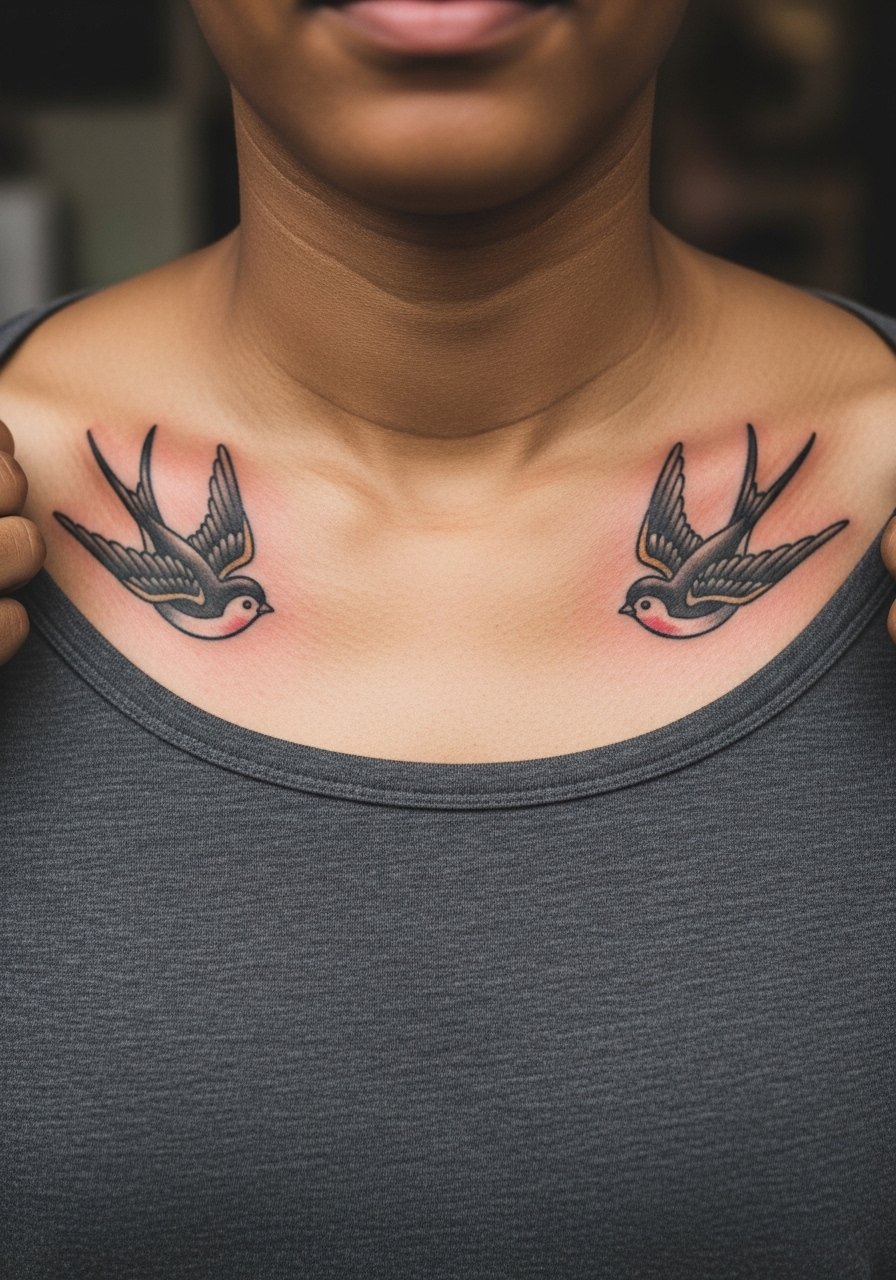
Upper chest work sits near the collarbone and moves with breathing. Tell your artist you want the birds mirrored rather than identical so they read as a pair in motion. Expect moderate pain and a session that can be done in one appointment for small birds. Artists split on how tight fine detail holds on chest skin. One camp says chest stretch makes tiny lines merge over time. The other camp says proper needle depth and spacing keeps lines crisp. Ask where your artist stands before booking. For showing off, an open-neck shirt or wide-neck top frames the birds cleanly.
3. Anchor Duo on the Outer Forearm

Anchors are durable in traditional style because heavy linework and saturated black age well. I suggest slightly larger anchors for forearms so the shank and flukes do not blur with time. During consultation say you want bold outlines and solid black fill in shadowed parts. Forearm sessions are low pain and touch-ups are uncommon if saturation is strong. A typical mistake is scaling anchors too small for wrist-width forearms. On casual days wear a rolled sleeve linen shirt to show the piece without overexposing sun-sensitive skin.
4. Matching Nautical Stars Behind the Ear

Behind-the-ear placements are subtle and work for matching friends who want a low-visibility signal. Book an artist comfortable with tight spaces since blowout risk rises near thin skin. Tell them you want the star slightly larger than a micro dot so the points keep separation. The area is sensitive but quick. For sessions, wear hair up and a wide-neck tee so the artist can access the spot. Keep in mind that hair growth and hats can rub the site while it heals. No additional styling link here because the placement is usually hidden.
5. Matched Traditional Hearts on the Ribcage

Ribcage work is painful and intimate, which can make matching hearts feel meaningful. Pick a slightly simplified heart with bold outline and solid red saturation to prevent patchy fade. The biggest mistake is asking for super fine detail on the ribs. The skin stretches and breathes more there. Expect a longer session and a possible touch-up at year two. For session day wear a zip-up hoodie you can remove without stretching the chest area. If you are considering this location for both people, plan a shorter appointment with breaks so the result stays consistent.
6. Pair of Traditional Swallows on the Outer Wrist
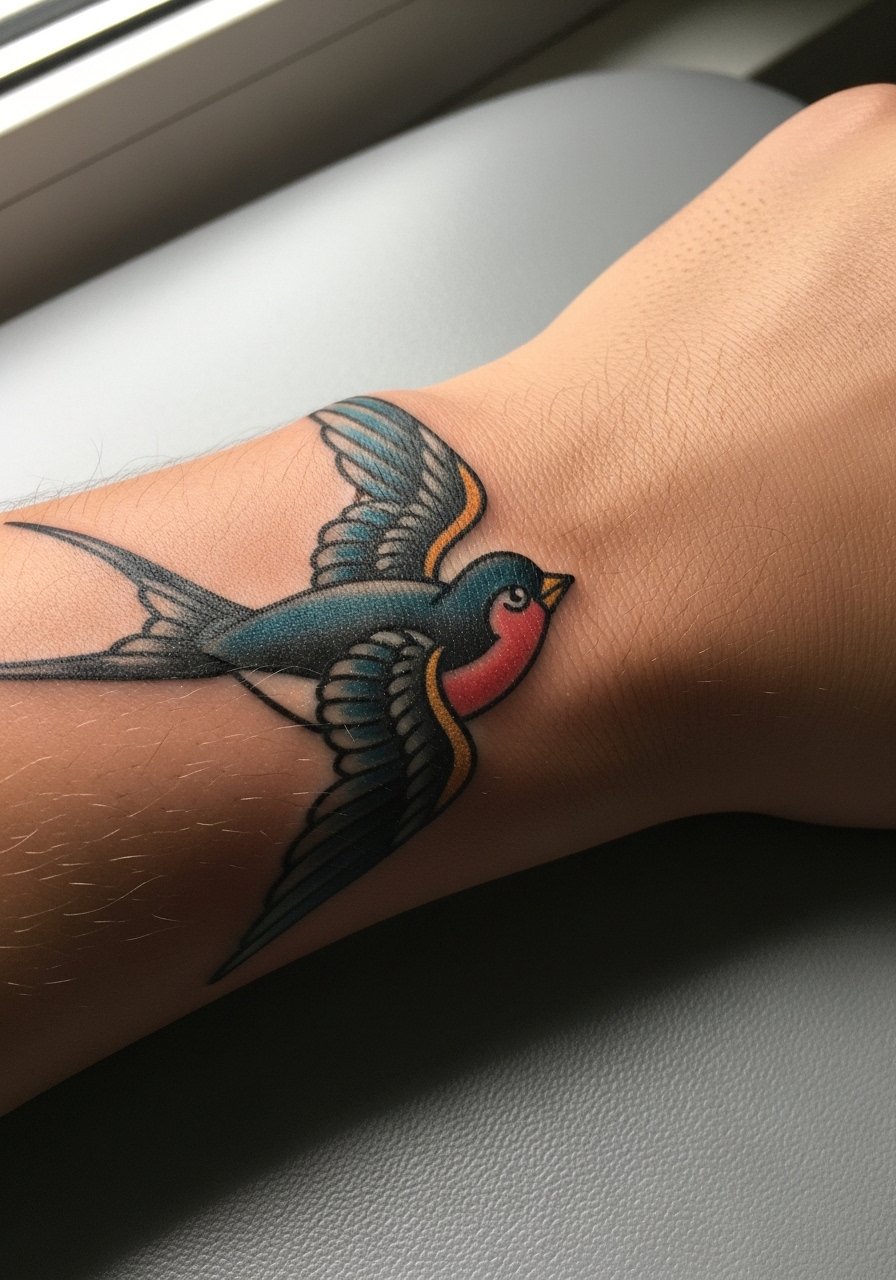
Wrist swallows look great matched because the curve of the forearm makes them read together. Ask for reinforced outer lines and a bit more spacing between wing feathers. Wrist ink faces frequent washing and sun exposure, so expect touch-ups earlier than upper-arm pieces. The common error is requesting tiny feathers with thin linework. For the session, wear a racerback tank so the artist can work without sleeve interference. Small, quick session. Plan light sun protection after healing.
Studio Day Picks
The wrist and chest pieces above have different prep needs, and a few small items smooth the session and the first week.
-
Stencil transfer paper kit. Lets you preview line placement on skin for pieces like the wrist roses and chest swallows before the needle hits, which reduces last-minute shifts.
-
Plant-based topical numbing gel. Apply as directed to take the edge off for sensitive rib and wrist work without interfering with line saturation.
-
Thin protective film roll. Helps finger and wrist pieces survive daily washing and friction during the first few days.
-
Fragrance-free gentle body wash. Cleans sensitive chest and rib areas without stripping newly deposited pigment.
-
Aquaphor healing ointment. Thin layers early on lock in moisture for small linework pieces without suffocating the skin.
7. Matching Traditional Daggers on the Bicep
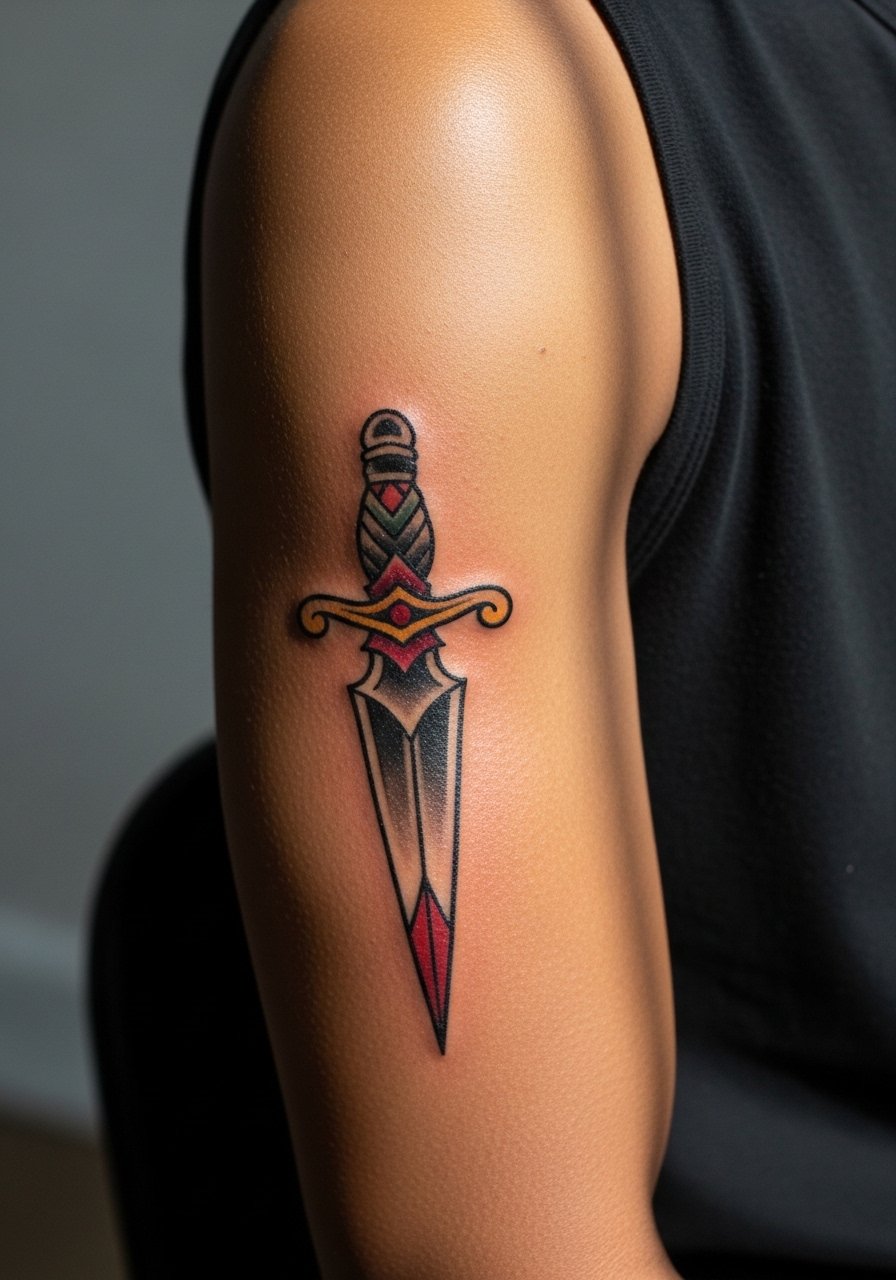
Daggers balance well on the bicep because the canvas lets the blade length read clean. Ask for bold contrast between blade and handle and avoid tiny crosshatching. This placement can be busy if you already have arm work, so discuss surrounding pieces with your artist. Bicep sessions are low to moderate pain and usually fit in a single appointment. A common mistake is wanting too much tiny detail on the handle. For showing-off days try a loose button-down shirt with sleeves rolled to mid-bicep so the dagger sits in view.
8. Matching Nautical Ropes Around the Ankle

Ankle rope bands age predictably because the thick line eases frictions. Request a small break in the rope pattern near the inner ankle to avoid bleeding into a solid band as the skin stretches. The ankle can be surprisingly painful for some people. Sessions are typically short. A mistake is asking for a fully closed band with no negative space, which tends to blur. For show-off outfits pick sandals or rolled jeans and consider a minimalist anklet that sits above the rope without rubbing the tattoo.
9. Matched Classic Pin-Up Silhouettes on the Thigh

Upper-thigh placements give room for iconic pin-up silhouettes in bold traditional shading. Tell the artist you want strong black anchors and straightforward color blocking rather than tiny facial details. Thigh sessions are moderate pain and the area heals well because of lower sun exposure. A mistake is placing too much fine shading against stretchy inner thigh skin. For the session wear high-waisted shorts or a wrap skirt so the artist can expose the site comfortably. This placement pairs well with summer skirts and heels so the matching pin-ups read like coordinated style statements.
10. Twin Traditional Compass on the Back of the Shoulder
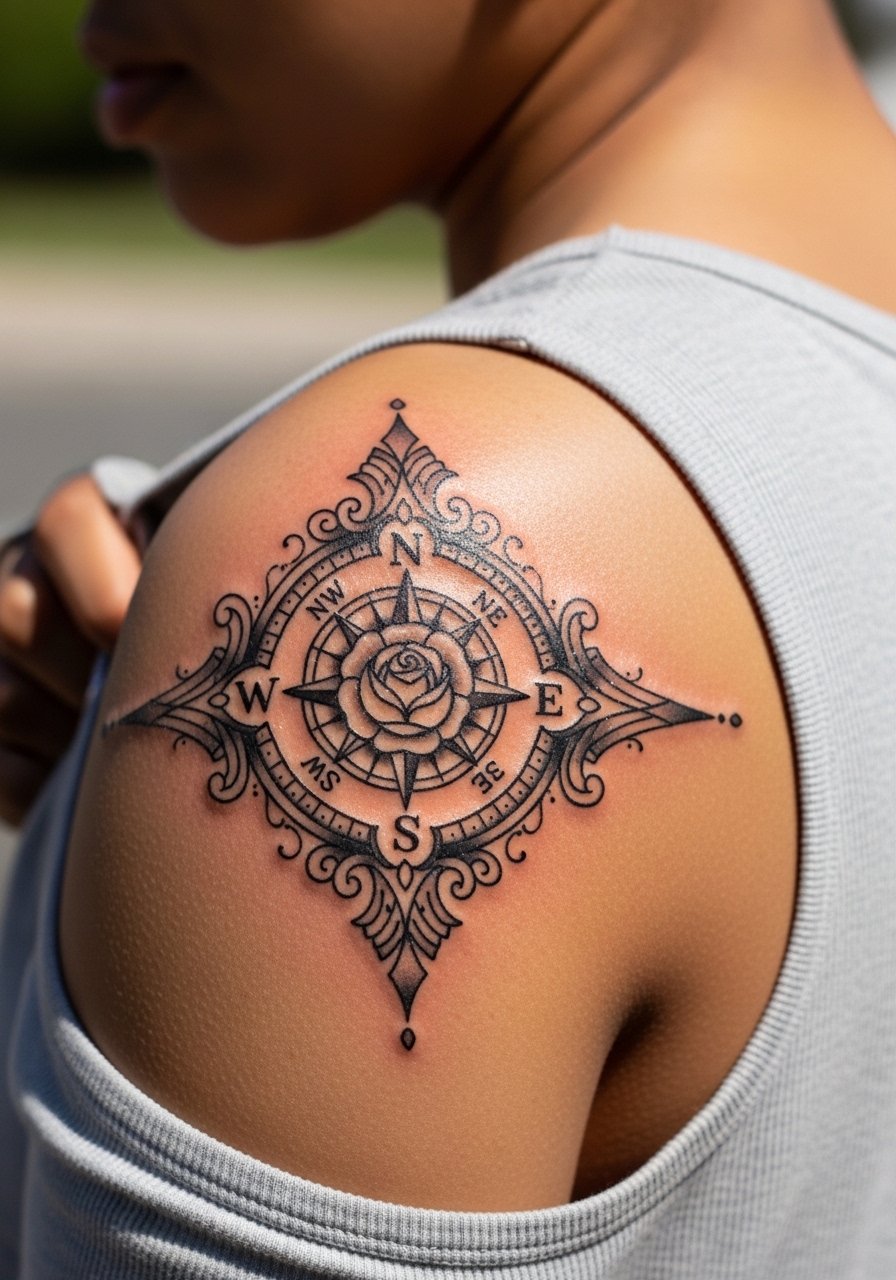
Shoulder blade compasses sit on an area that moves but does not stretch as much as ribs. Ask for a simplified face with bold cardinal points and minimal inner detail. That keeps the compass legible after a few years. Sessions are moderate and fit indoors if you book a longer appointment. The typical mistake is overloading the center with tiny script that blurs into the black. For wardrobe, a tank top that exposes the back complements the compass without constant friction from straps.
11. Matching Traditional Rose and Dagger Pair on the Calf

Calf placements carry saturation well and show nicely when walking. If one person wants a rose and the other wants a dagger, match the linework and color palette so they read as a pair. Tell your artist to match outline thickness across both pieces for visual cohesion. Calf sessions are low pain for many and usually done in one sitting. Mistakes include mismatched color tones between the pair. For shoes, a low-top sneaker or sandals keeps the calf visible without rubbing the area during healing.
12. Matching Small Traditional Script on the Inner Forearm
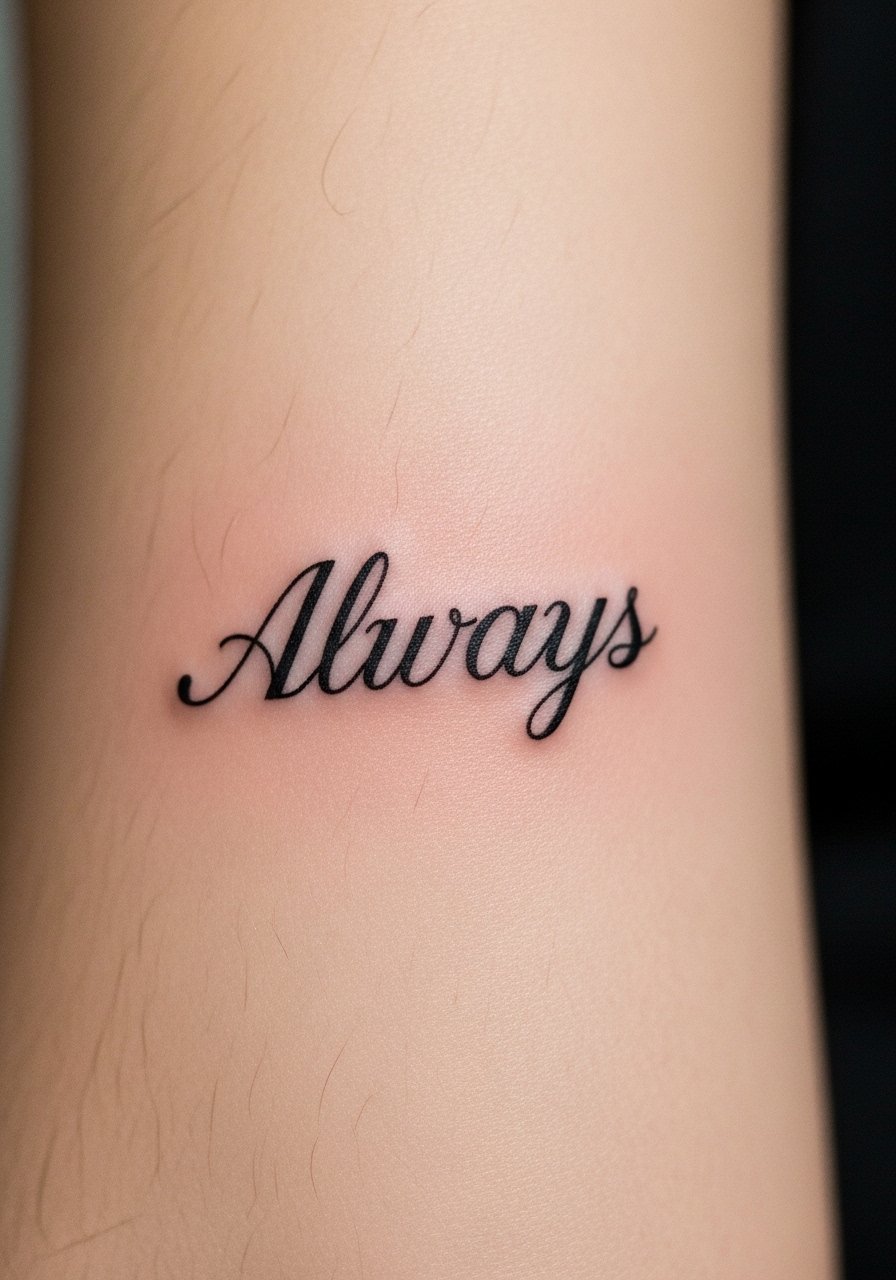
Script can feel private and pairing the same word looks cohesive when both people use identical spacing and letter weight. Specify exact font size and letter spacing in consultation and provide printed stencils so the artist can match the other person's work. Inner forearm is low pain and great for visibility, but fine script can blur if filed too thin. Common mistake is asking for a very thin type that reads as a smudge later. For everyday styling, a thin chain pendant necklace sits above the forearm tattoo when sleeves are rolled and keeps the look deliberate.
13. Twin Traditional Suns on the Upper Back
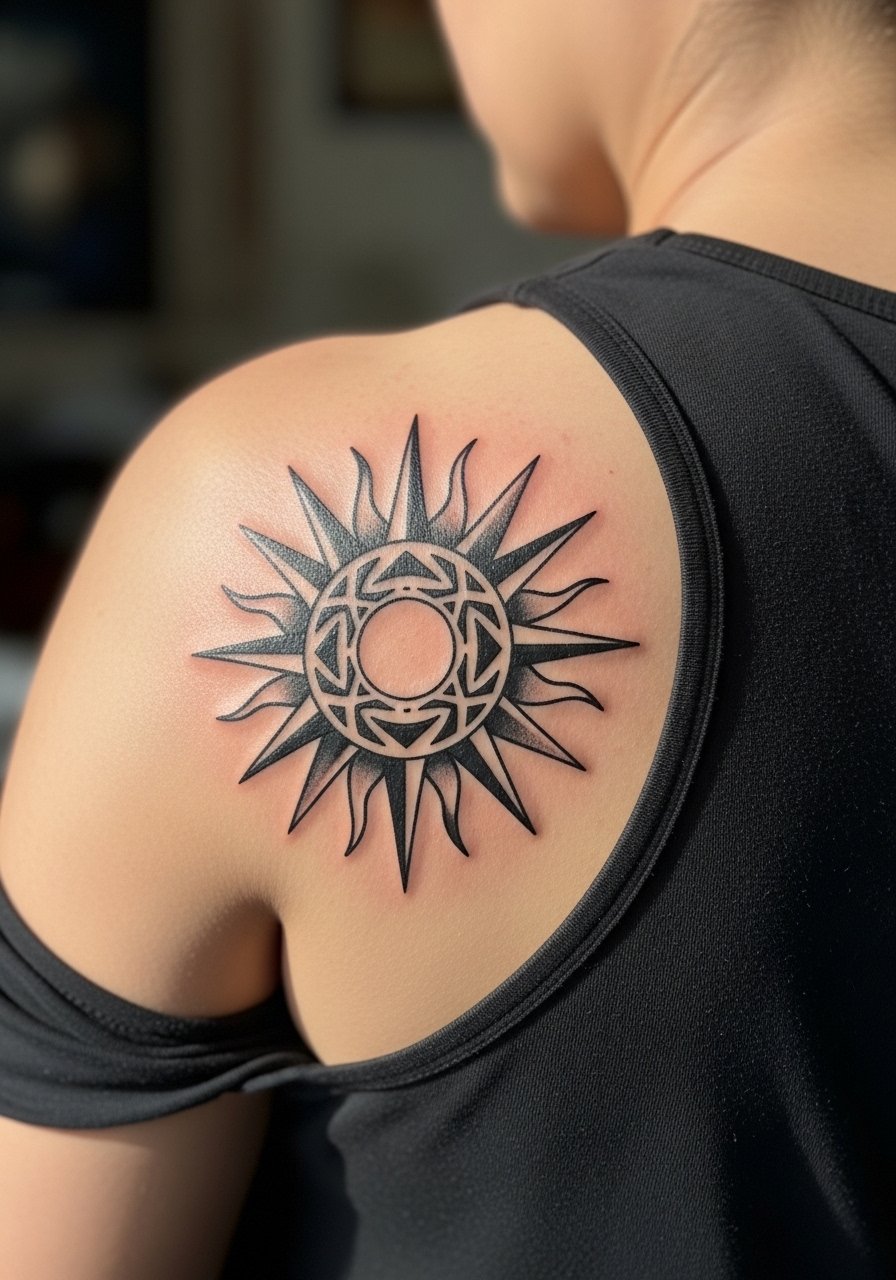
Upper-back suns look like a pair when placed symmetrically. Ask for bold rays and a heavy circular outline so the sun face remains readable as the pigment ages. Back pieces may need a touch-up if you spend a lot of time in direct sun with no protection. Mistakes include too much delicate stippling inside the circle. For session comfort, wear a shirt you can remove without stretching the shoulders and consider bringing a cushion. For showing off choose tops with open backs when the weather allows.
14. Matching Traditional Anchors on the Side of the Neck

Side neck placements are bold and visible, and traditional anchors read clearly with strong linework. This spot can be contentious with employers, so think about visibility. Pain is moderate to high. Tell your artist you want thicker lines and minimal inner detail. Artists disagree on the neck because skin there can stretch and blur more quickly. One group recommends larger, heavier work. The other believes precise depth keeps detail longer. Ask your artist their approach. For style, a wide-neck tee frames the anchor when you want it visible without exposing too much.
15. Matching Traditional Snake Wraps on the Wrist
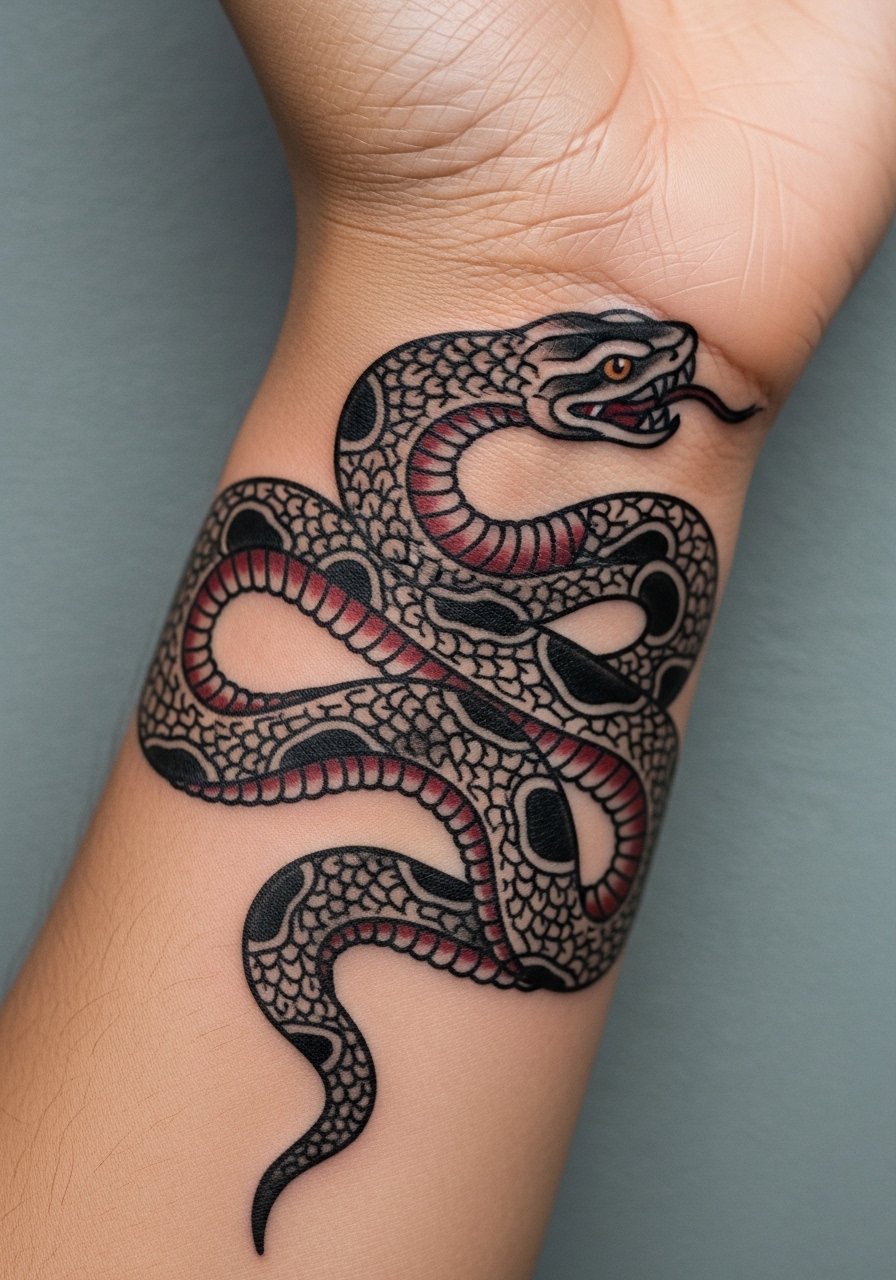
Snake wraps on the wrist make a clear matching statement when both pieces mirror each other. Request that the tail and head not meet in a closed loop to prevent the band from blurring into a solid ring. Wrist tattoos see a lot of movement and washing so ask about heavier outlines and a touch-up window. A common mistake is asking for tiny scale texture that will soften in the first year. For showing off, pair with a minimalist watch worn above the snake so both elements have space.
16. Twin Traditional Mandala-Inspired Flowers on the Sternum

Sternum work reads beautifully in symmetrical mandala forms when done with heavy outlines and open negative space. This placement can be sensitive and healing needs care. Mandala designs cross cultural lines and opinions vary about direct replication. One camp says adapting motifs shows respect when used outside the culture. The other insists on full cultural context before copying sacred patterns. A simple, respectful route is to ask the artist for a custom piece inspired by the pattern rather than an exact replica. For the session wear a strapless or fitted sports bra and plan for breaks during shading.
17. Matched Traditional Horseshoes on the Ribcage

Ribcage horseshoes are striking paired pieces, but the ribs are a challenging canvas. Ask for a bold outline and minimal interior shading to prevent lines from merging. Pain is high and sessions may need breaks. The frequent mistake is asking for tiny internal details. For session day wear a zip-front hoodie you can remove without raising your chest, and plan a shorter appointment if you both prefer less time under the needle. Expect a touch-up option after initial healing.
18. Matching Traditional Swallows on the Collarbone

Collarbone swallows feel classic and are visible for coordinated outfits. Ask for the birds to be placed slightly off-center from the bone so the linework avoids movement that comes from shrugging. The collarbone area is sensitive but short sessions are possible. A common error is placing too low and letting straplines from bras rub the piece during healing. To show them off wear an open collar blouse that frames the birds without constant friction.
19. Matched Traditional Rose Anklets Above the Heel

Ankles that sit just above the heel survive footwear friction better than inner ankle bands. Ask for compact but bold roses with clear negative space beneath to keep the petals readable. The ankle sees repeated rubbing from shoes and socks so expect touch-ups sooner than thigh or arm pieces. The usual mistake is overpacking the rose with small dots that fill in. For footwear, sandals or low-top shoes keep the area visible while minimizing pressure.
20. Twin Traditional Compass Points on the Fingers
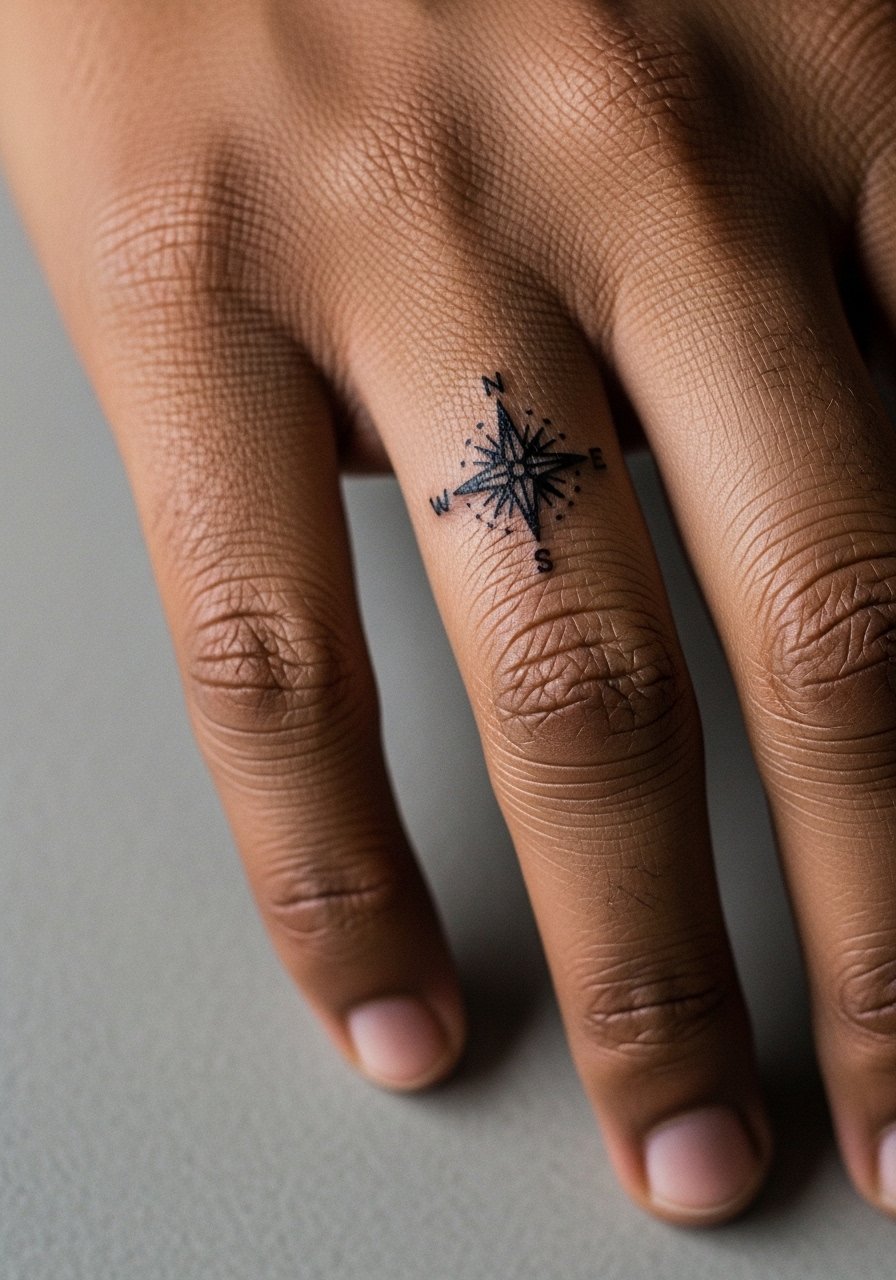
Finger tattoos are a statement and matching compass dots require thicker tiny lines so the points do not bleed into each other. Fingers heal differently and are prone to faster fading from hand use. Expect touch-ups as the norm. A common mistake is choosing an overly detailed compass face. Keep it simple with bold cardinal lines. For showing off, stacked dainty rings avoid rubbing the tattoo and draw attention to the fingers. Consider a delicate band ring worn above the piece.
21. Matching Traditional Phoenix Arcs on the Side Rib

Side rib phoenix arcs are dramatic and symbolic for a matched pair. This area stretches more with breathing and body changes so request bold outlines and open negative space inside feathers. The session is painful and may need breaks. Artists have differing views on fine detail for ribs. One approach favors heavy lines and low interior detail to preserve the image. The other suggests cautious fine work with planned touch-ups. If both people choose this, match line weight and overall scale rather than copying tiny internal flourishes.
Frequently Asked Questions
Q: Will fine line matching tattoos age differently than traditional saturated pieces on wrists and fingers?
A: From what I've seen, fine line work tends to blur faster on high-motion spots like wrists and fingers. Traditional saturated pieces with heavier outlines and solid fills usually hold up better. If you want a delicate look, ask your artist to thicken key outline strokes so it reads delicate at first but survives a few years.
Q: How do I coordinate sizing so both matching designs read the same on different body shapes?
A: Talk size and proportion with your artist rather than exact dimensions. Ask them to scale the design to the natural plane of the body part, for example wider on a broad forearm and slightly taller on a narrow wrist. Bring a photo of both arms or legs so the artist can match composition visually.
Q: Are hand and finger tattoos still risky for professional settings?
A: Hand and finger visibility can affect hiring in some fields. If career paths matter, consider placements that are easy to cover like the upper arm or thigh. If you both want hands, discuss discreet placement on the side of the finger or choose small symbols that are less likely to draw attention.
Q: How soon should matched tattoos be touched up if they are small traditional pieces?
A: Expect small, visible pieces to need touch-ups around year two to three in many cases, depending on sun exposure and friction. Bold outlines delay that timeframe. Booking a touch-up window with your artist during the initial appointment keeps the pair consistent.
Q: I want a culturally inspired mandala for both of us. How do we do this respectfully?
A: Opt for a custom design that references patterns you admire while avoiding direct copies of sacred or ritual imagery. Ask your artist to explain influences and offer a variation that acknowledges origin. That approach keeps the design personal and reduces the risk of appropriation.
Q: Should we match our clothing when we want to show off matching tattoos at events?
A: Coordinating simple pieces helps the tattoos read as a pair. For wrist and forearm work, matching rolled sleeves or similar bracelets highlights the ink. A thin chain pendant necklace can also pull the look together when collarbone or chest pieces are involved.
