
Fine line and traditional ink lovers are chasing looks that pay homage while still holding up. Trends push tiny faces and delicate script, but the best fan pieces start from a simple concept that reads at a distance and keeps its integrity after healing. Below are 21 ways to turn Han Jisung inspiration into traditional-leaning tattoos that age better and read like a thoughtful homage.
1. Miniature Traditional Portrait on Inner Forearm
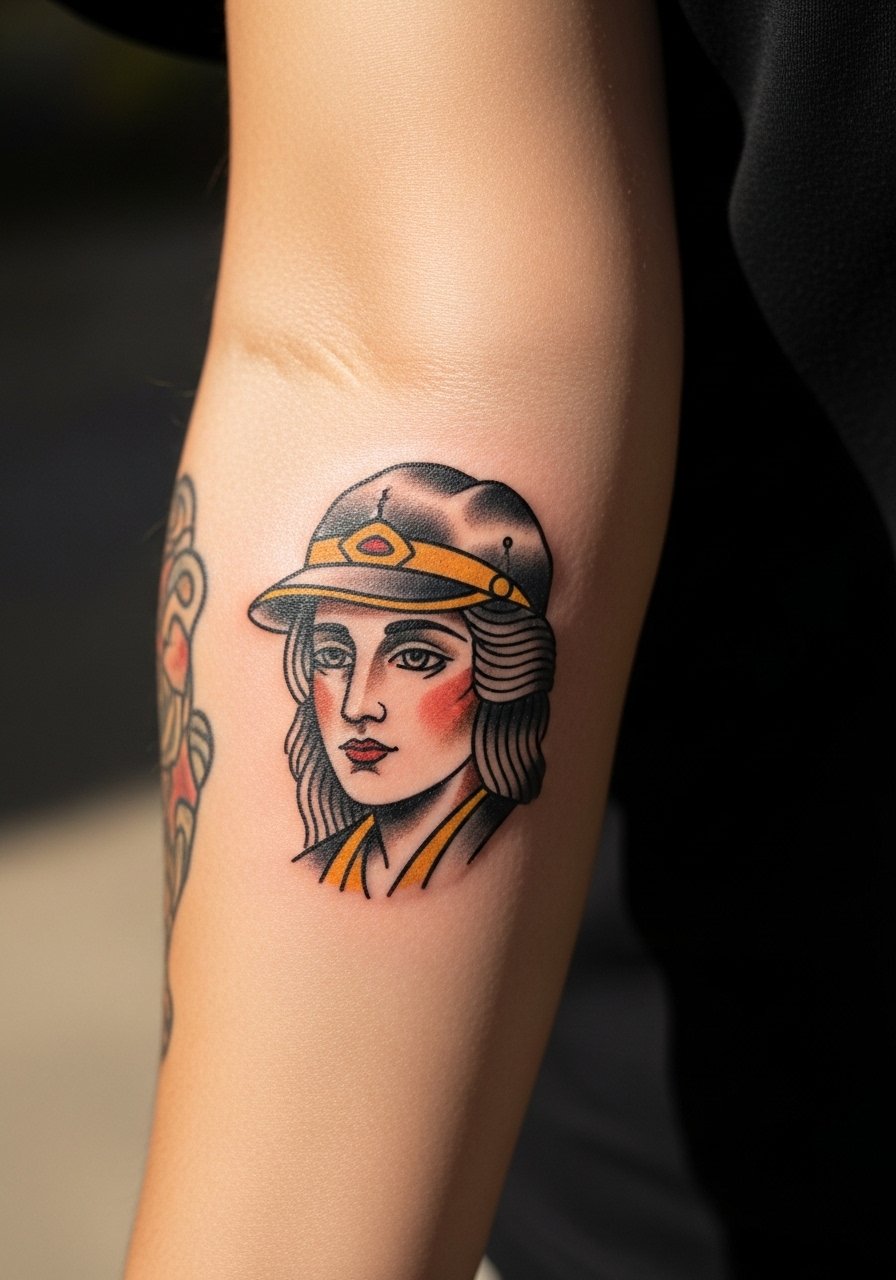
I recommend a compact traditional portrait for the inner forearm when you want a visible, personal tribute that still reads from a short distance. Fair warning, the inner forearm is forgiving on pain but the area sees frequent sun exposure. Tell your artist to prioritize bold contour lines and simple shading rather than ultra-fine facial detail. The common mistake is asking for photorealism at a micro scale, which blurs into a smudge by year three. Expect one longer session or two short sessions totaling around two to three hours. For showing it off, roll up sleeves and wear a rolled+linen+shirt so the design sits neatly in view.
2. Classic Rose and Script on Upper Bicep

I've seen this pairing carry sentimental names or lyric snippets well. The upper bicep gives room for saturated color and strong linework, which ages into a solid, readable piece. During consultation ask the artist for slightly thicker outline weight and spaced petals to avoid dense areas merging. A mistake is cramming the script into the bloom; keep the lettering separate or arcing below. Sessions feel medium, expect an hour or two. For session comfort wear a loose button-down shirt you can pull aside so the artist has clean access and you stay comfortable.
3. Collarbone Lyric Band with Traditional Flourish
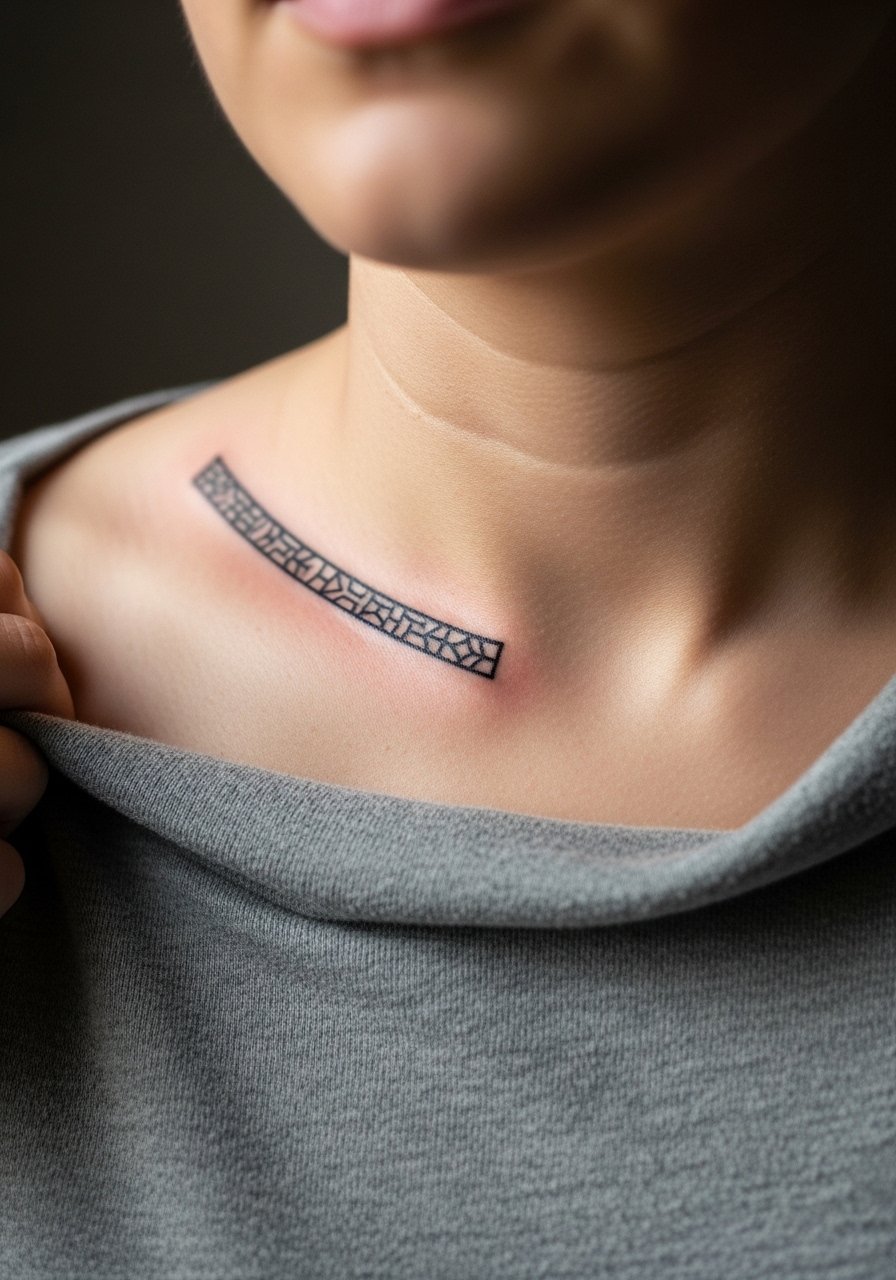
The collarbone is a great place for a short lyric line framed by small traditional motifs. Fair warning, the area is bony and sharper to sit through, but the result is high impact when done with confident spacing. Tell your artist to use open letterforms and to leave breathing room between glyphs and nearby flourishes. People often ask for very thin script here. That tends to vanish into the bone silhouette over time. Expect a single shorter session and a likely touch-up by year three depending on sun exposure. Pair this with a thin chain pendant necklace that sits above the line without crowding it.
4. Ribcage Traditional Fan Motif with Floral Backing
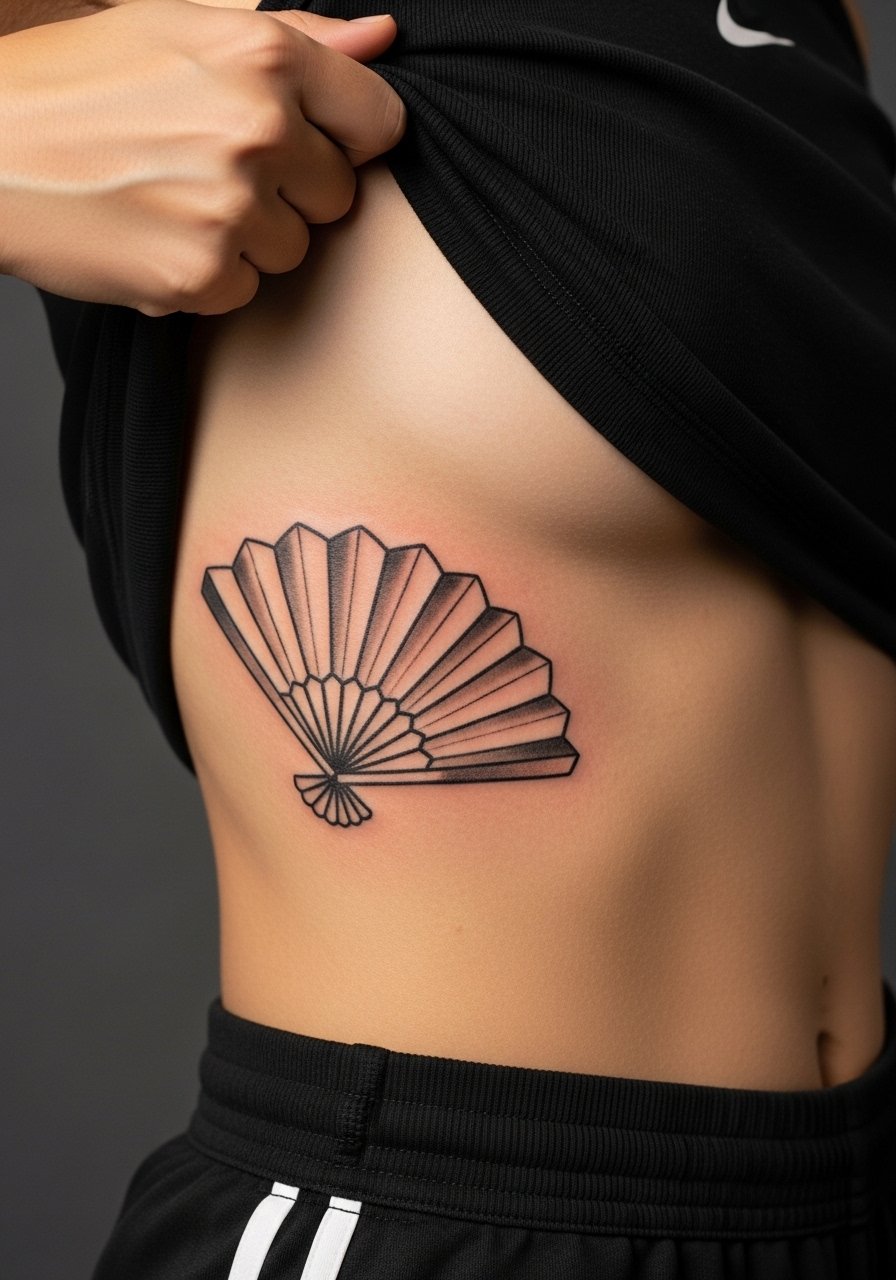
Ribcage pieces split artists into two camps. One group says fine line on ribs blurs fast because skin stretches with breathing. The other group says proper needle depth and spaced composition settles fine. I recommend leaning into bolder outlines for a fan motif and using dot work for interior texture. The pain is higher here, so session time depends on size. Common mistakes include overly dense dot shading that thins into a bruise-like patch. Dress for the session in a cropped athletic top you can lift without exposing more than the area being worked.
5. Small Wrist Lyric with Traditional Star Accent
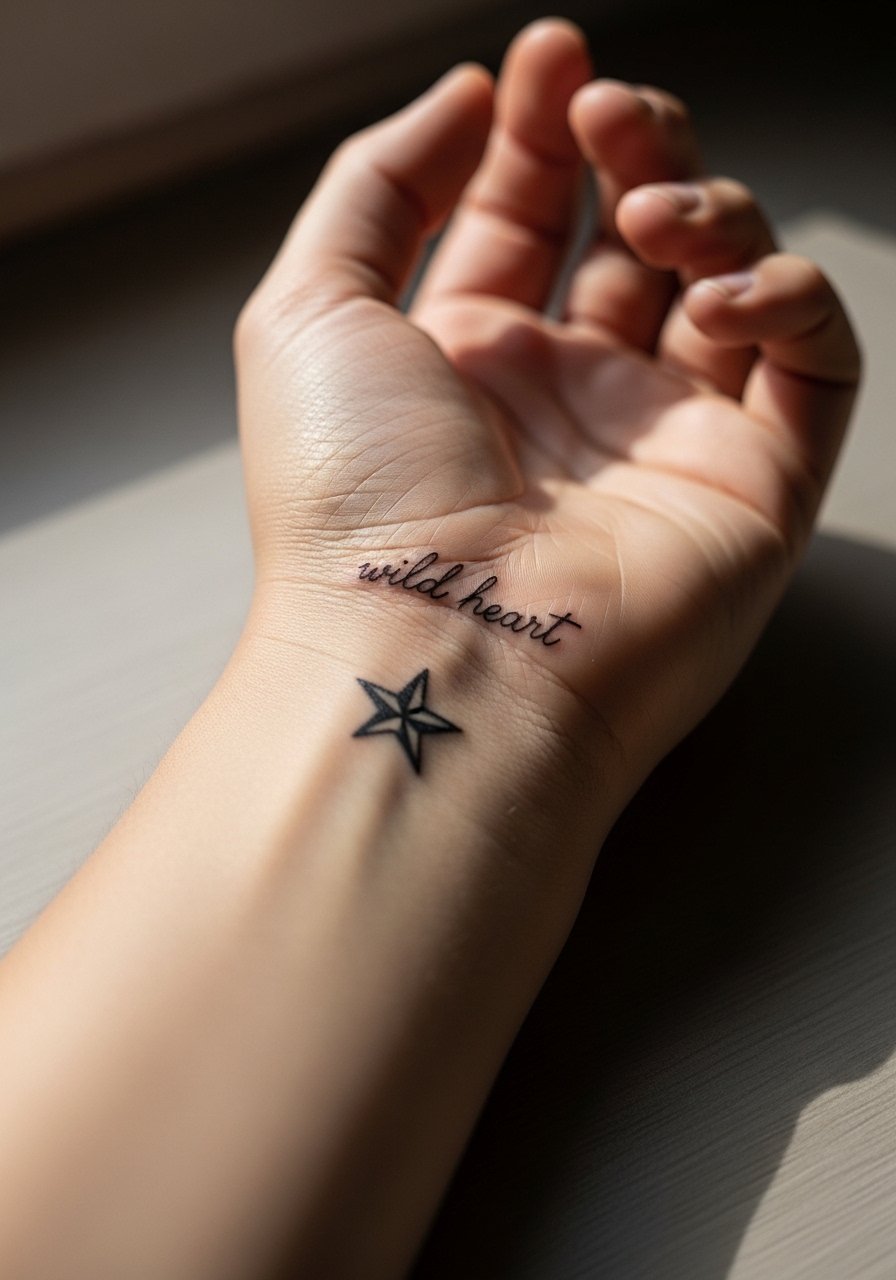
Wrist tattoos are visible daily but face friction and sun, so choose letter height with longevity in mind. A tiny lyric may look delicate but expect faster fading. Tell your artist to balance lineweight and to set letters slightly larger than you think. A common mistake is choosing ornate script at micro scale. Sessions are usually short and low pain. For the session wear a racerback tank top so sleeves do not restrict the wrist area. Keep in mind workplace policies if you are in a conservative field.
6. Ankle Constellation with Small Portrait Accent
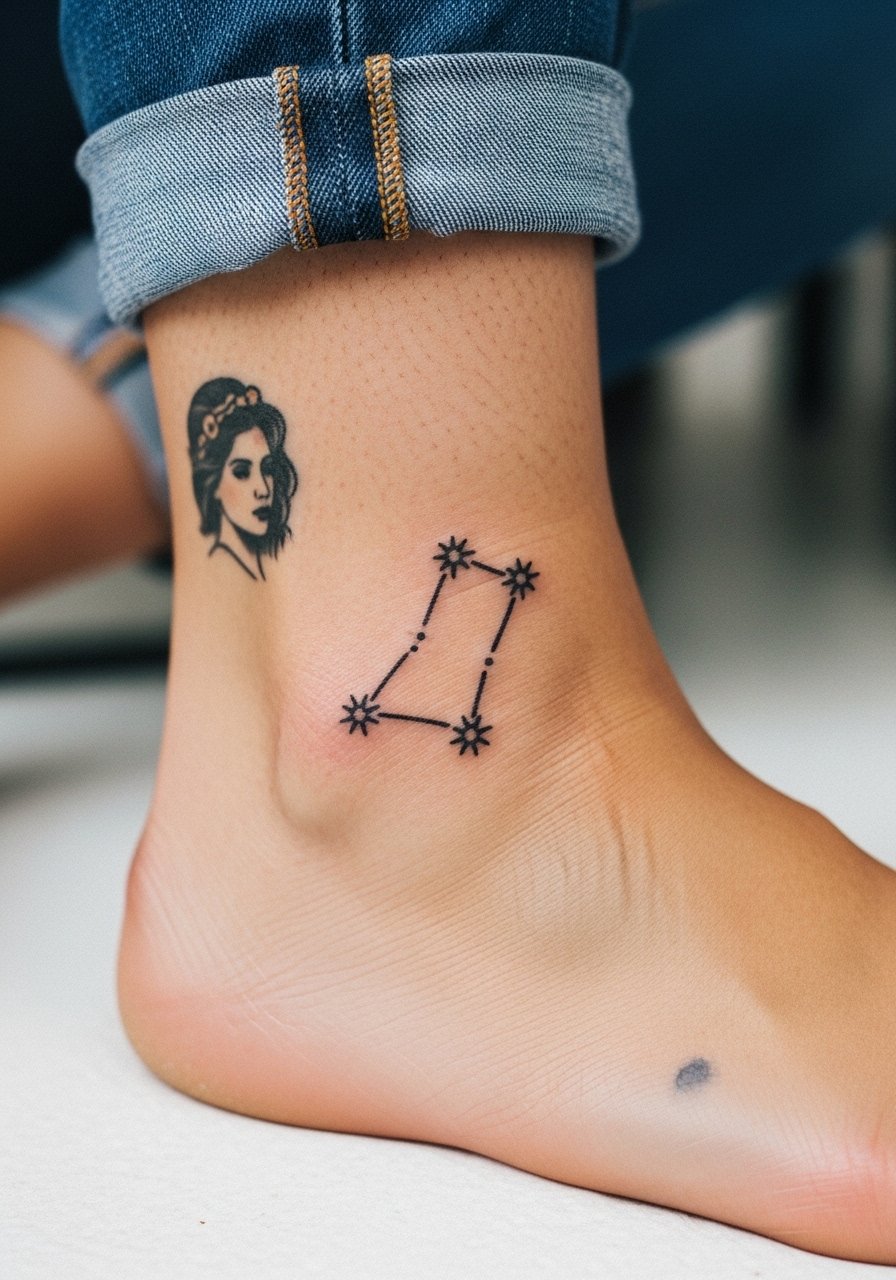
Ankle work photographs nicely but endures a lot of rubbing from shoes and socks. For a constellation plus portrait pair, ask for slightly bolder anchor points and less micro-detail in the face. Many people request ultra-fine stars that fade quickly under friction. Session time is short but expect a touch-up window at year two. For showing it off, low-cut sandals or rolled jeans work best and you can plan outfits around the piece with a minimalist ankle bracelet. Note that mobility and swelling after a long day on your feet can feel uncomfortable, so plan recovery time.
Studio Day Picks
The small, visible pieces above from forearm to ankle need different prep than chest or ribcage work, so a few targeted items make the session and first week much smoother.
-
Stencil transfer paper kit. Lets you preview the exact placement on skin, which helps avoid surprises on forearm and collarbone pieces.
-
Topical numbing cream. Applied before ribcage or collarbone sessions it takes the edge off without changing how the artist works.
-
Thin protective film roll. Keeps ankle and wrist tattoos cleaner during the first week when friction from socks or sleeves is highest.
-
Fragrance-free gentle body wash. Cleans healing skin without irritating delicate linework on the forearm or wrist.
-
Aquaphor healing ointment. A thin layer for the first few days helps keep fine line pieces moist without clogging the channels on small portraits.
7. Traditional Sleeve Motifs Anchored by a Portrait
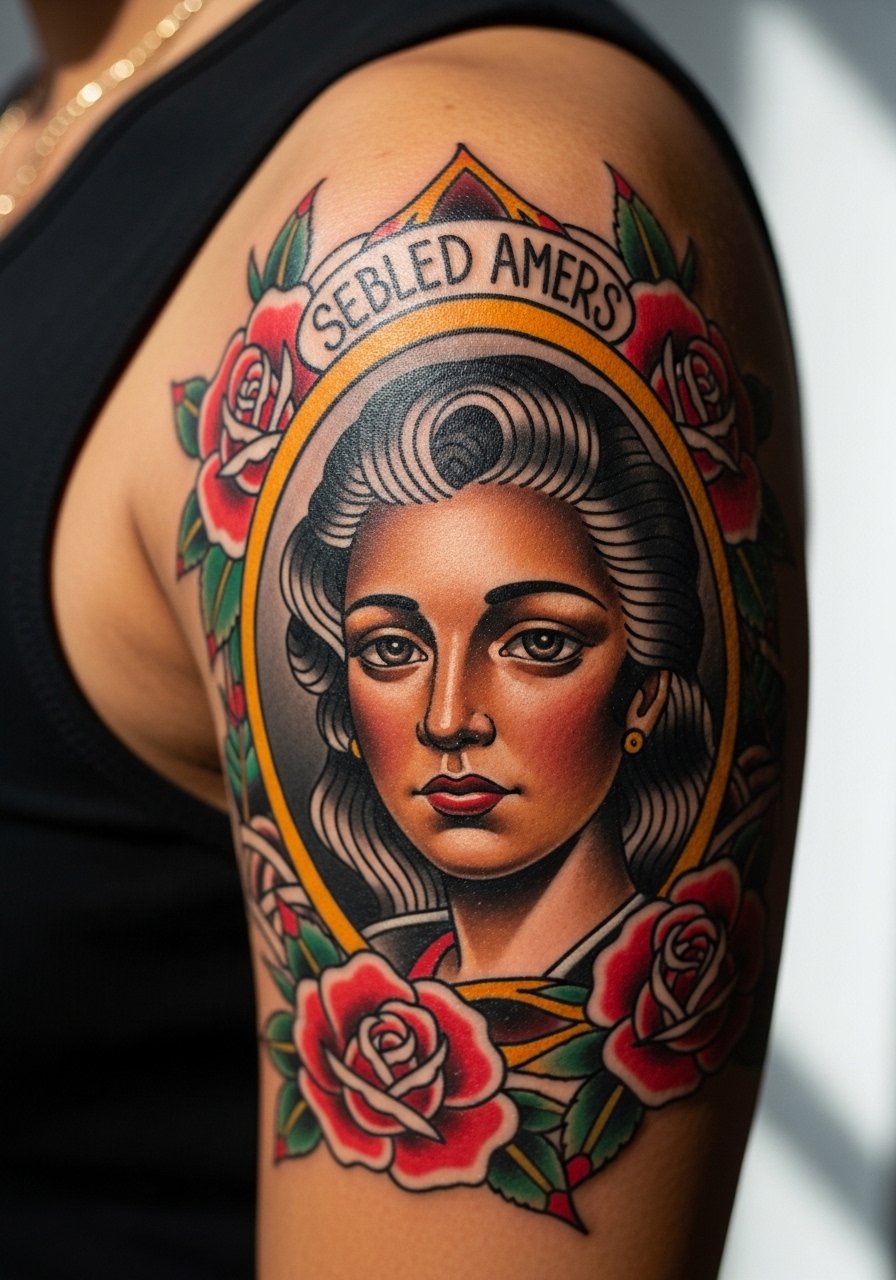
A half-sleeve lets you frame Han Jisung-inspired iconography with classic motifs so the portrait never feels isolated. My observation is that sleeves age well when artists plan negative space between elements. During consultation ask for bold anchors and more open filler in tight spots. A mistake is stacking too many tiny motifs that blur together over time. Sessions vary from several shorter visits to a full-day marathon if you prefer fewer appointments. For showing off layered sleeves, roll your sleeve to the elbow and pair with a short-sleeve casual shirt that frames the piece.
8. Collar Tattoo with Traditional Crest Motif
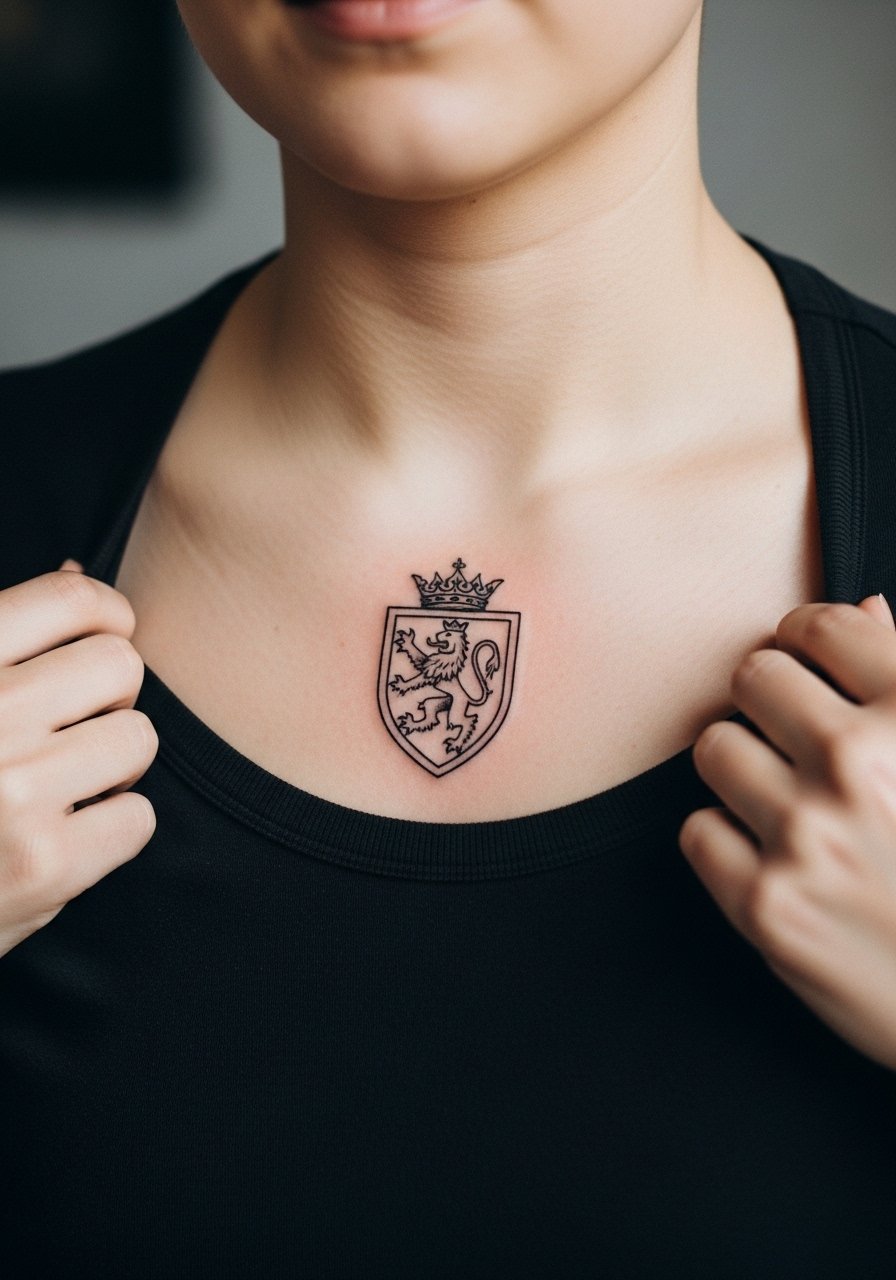
A crest on the upper chest reads as a badge of fandom when paired with a small motto or symbol. The chest skin moves and stretches, so bolder lines and moderate scale protect the detail. Tell the artist to avoid ultra-fine interior shading. People often request tiny crests that lose personality after the first touch-up. Expect medium pain and one to two sessions. For nights out, an open-back midi dress or a wide-neck top shows the crest without exposing more than intended. Be mindful that chest pieces are more intimate and may require a specialized portfolio from your artist.
9. Sternum Script with Traditional Symmetry

Sternum tattoos are striking but require an artist comfortable with central chest curvature. The common issue is asking for dense, dark fills too close to the center. That can pill or pool in healing. I advise script with symmetric flourishes and moderate line weight. Expect higher pain and possibly shorter sessions spaced out. For the appointment wear a fitted sports bra so you can reveal only the sternum area and stay warm. Also note that some people prefer slight stylistic variation rather than direct replicas when referencing cultural patterns.
10. Back-of-Neck Micro-Traditional Emblem
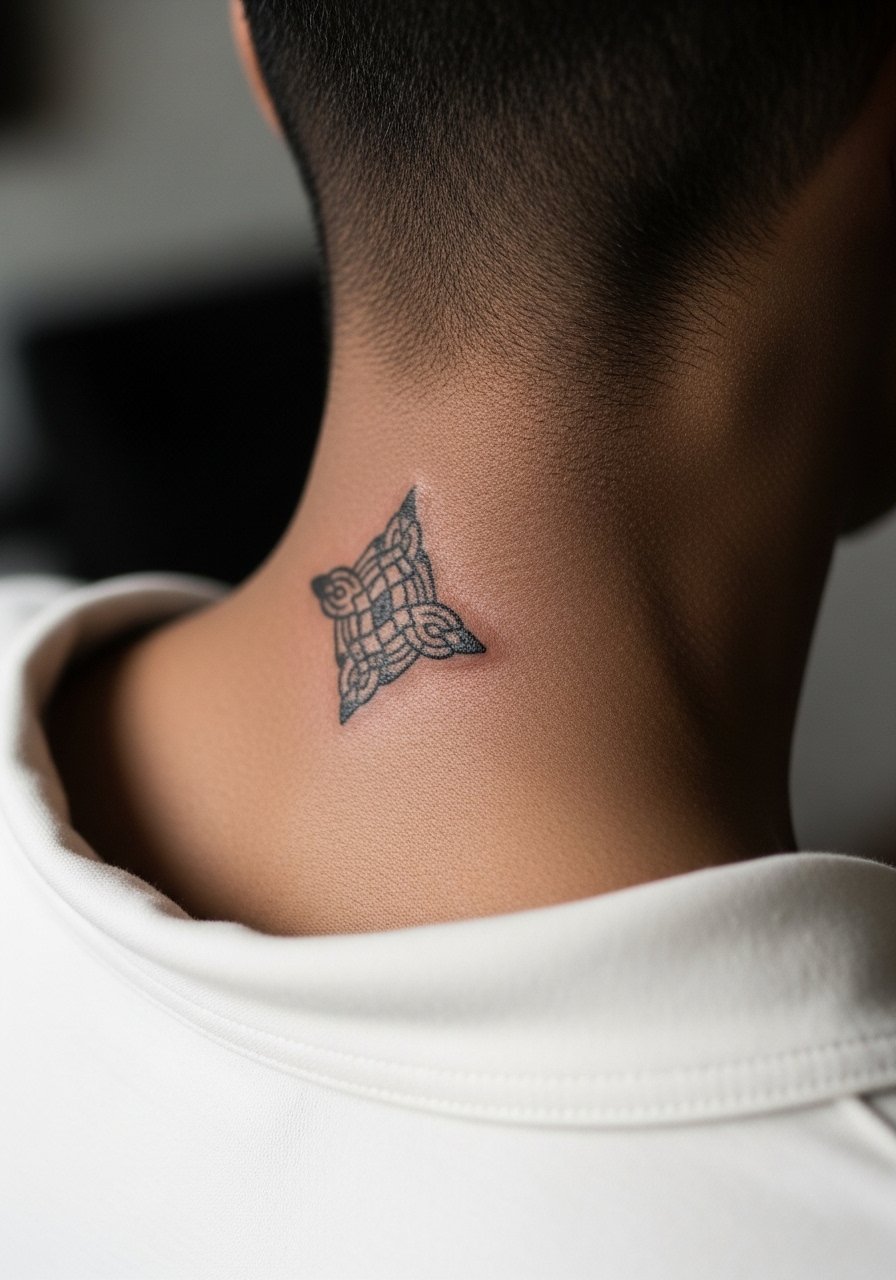
Neck tattoos are highly visible and can influence job considerations. A small emblem at the nape reads like a discreet nod when you wear hair up. Tell your artist you want thicker outer lines and minimal internal detail. The mistake is trying to pack intricate shading into a tiny neck emblem. Sessions are short but the area can feel sensitive. For the session wear a wide-neck shirt you can pull aside or a button-down to keep exposure minimal. Think through how often you will want it visible before you commit.
11. Hand Landmark in Traditional Style

Hand tattoos still affect hiring in some industries, so think about your career path before committing. The skin on the hand wears quickly from washing and movement, so traditional pieces with bold outlines and solid black anchors hold up better than fine detail. Tell your artist to prepare for more frequent touch-ups and to place heavier outlines where friction is highest. Many people underestimate how fast knuckle and hand ink fades. Sessions are short but often uncomfortable. For showing hand art, keep jewelry minimal so the piece reads; a slim ring or two can complement without covering the design.
12. Thigh Panel with Traditional Scene

Upper thigh panels let you go larger without constant public display. The area tolerates detailed work and saturation well, and it is a smart choice for fans who want a narrative piece. During consults ask for spaced elements and bold anchors to avoid dense saturation that can heal blobbed. A common mistake is packing tiny script into the scene. Sessions feel medium with less pain than ribcage. For the appointment wear high-waisted denim or loose shorts so the artist can access the area easily.
13. Calf Traditional Portrait with Banner
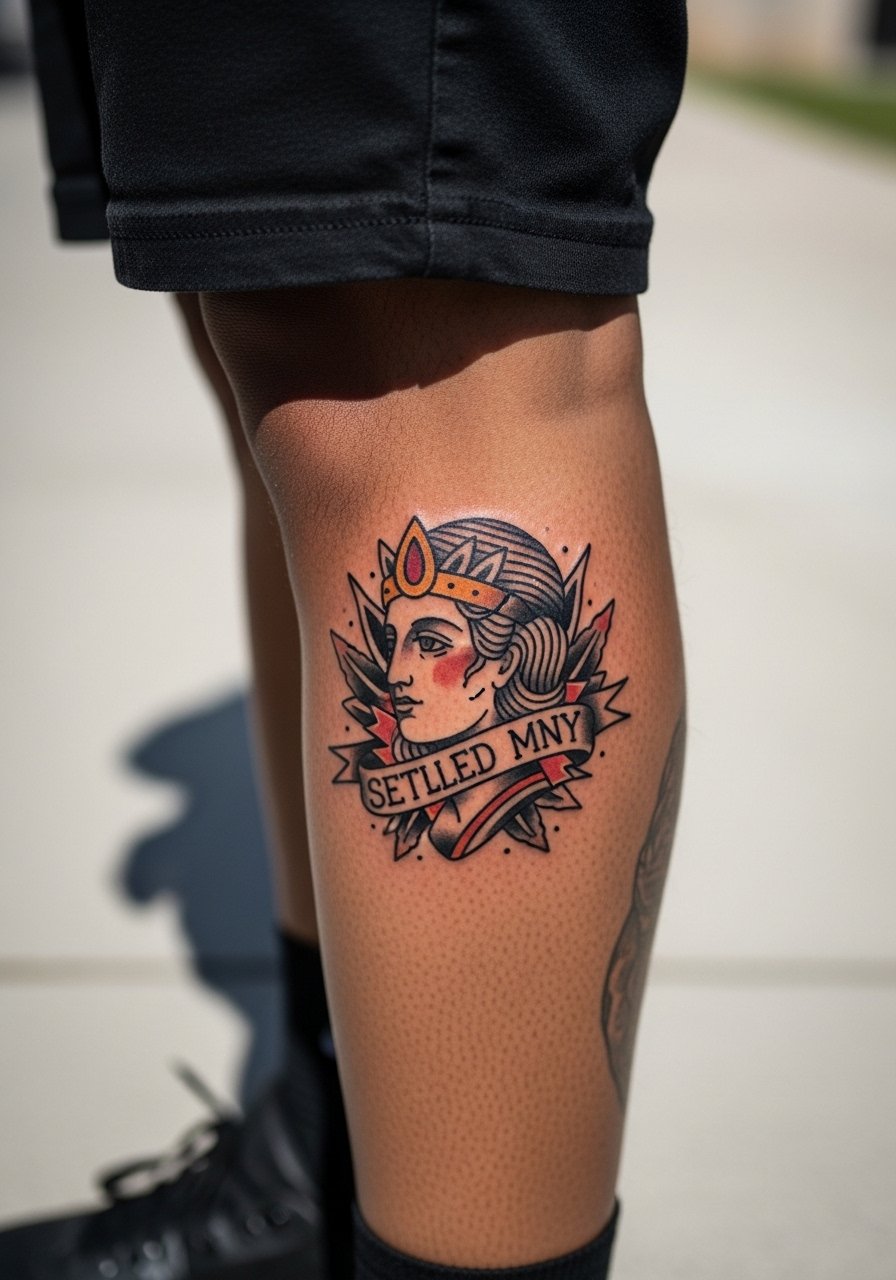
The calf is great for a vertical portrait plus banner because leg skin holds saturation and spacing well. I recommend a slightly elongated composition and negative space behind the banner so the wording stays legible. People often pick banners that wrap too tightly, which makes the text curve oddly as muscles flex. Sessions are comfortable and can be done in one longer visit. For show-off shots, pair with cropped shorts and a loose drawstring linen pant for recovery days.
14. Shoulder Blade Traditional Emblem
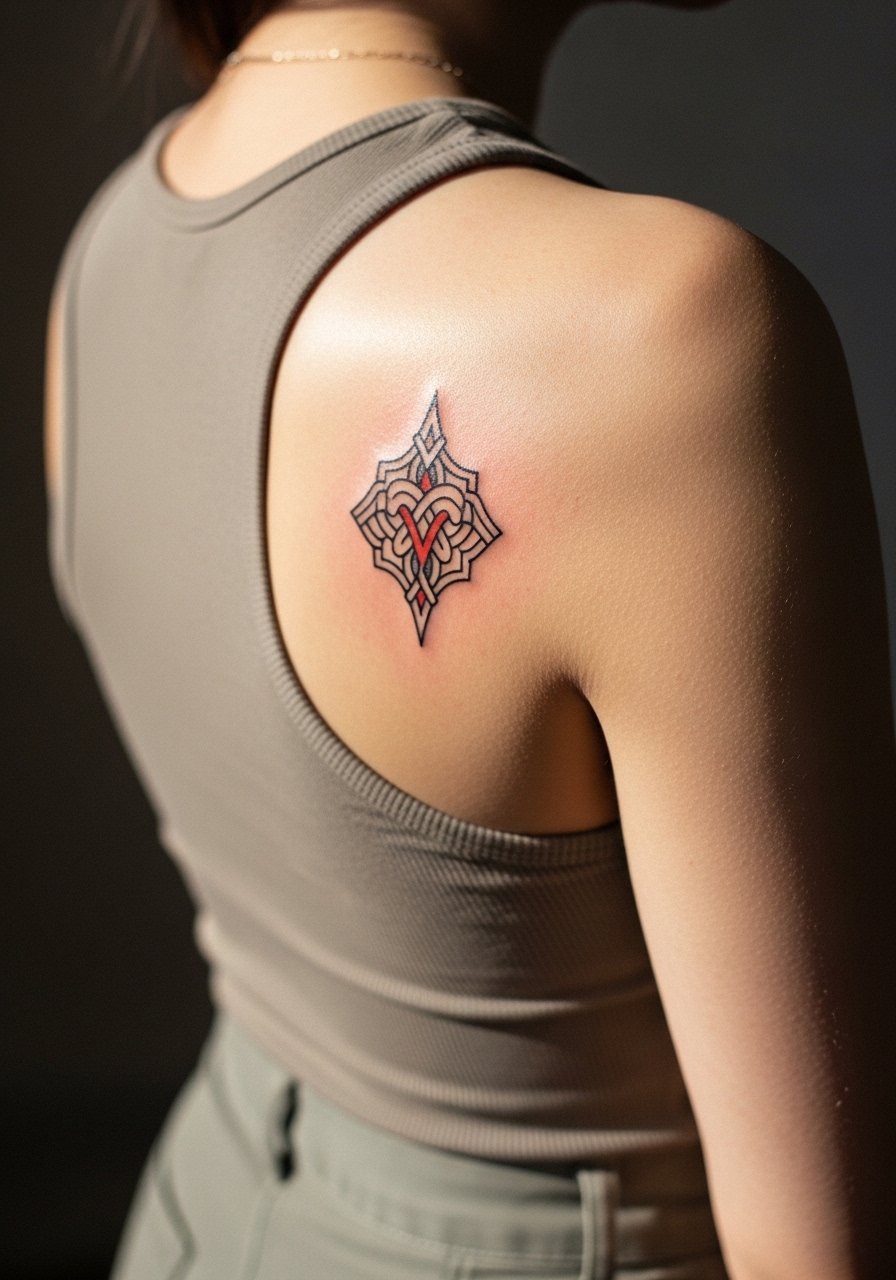
Shoulder blade pieces age well because the skin does not stretch as much and clothing rarely rubs directly against the spot. Ask your artist for contained, bold edges and minimal internal micro detail. The mistake is designing overly intricate centerpieces that lose clarity. Sessions are medium and easy to schedule. For the session wear a tank top you can drop the strap of so the artist has clean access while you stay covered elsewhere.
15. Spine Column with Traditional Motifs
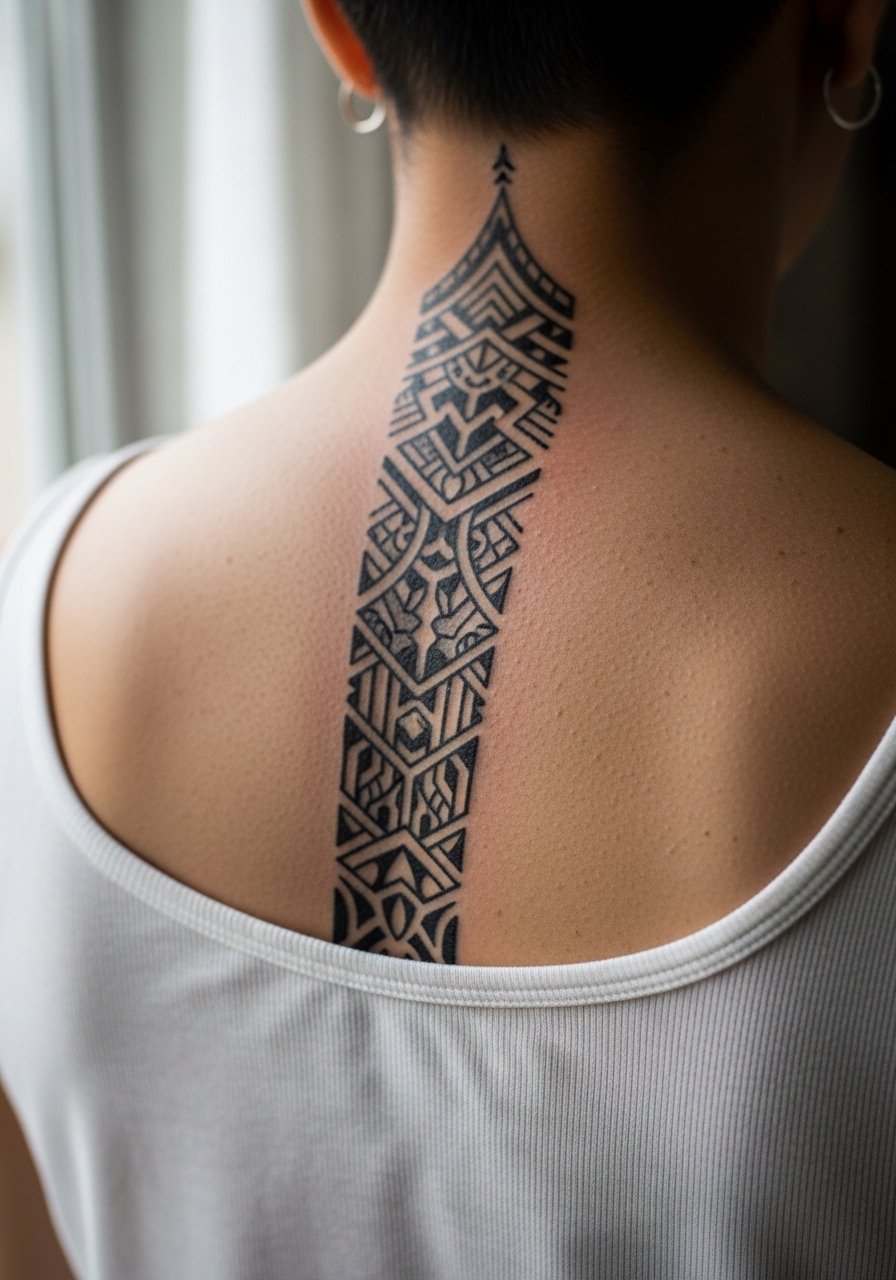
Spine pieces demand an experienced hand because the column interacts with movement and posture. I have noticed that spacing is everything here. Tell the artist to leave breathing room between stacked elements. The mistake is compressing too many motifs into a short vertical span. Sessions are higher on the pain scale but visually rewarding when framed by open-back tops. For revealing the spine wear an open-back top for nights out while keeping coverage day to day. If the design references traditional cultural patterns, opt for respectful variation rather than direct replicas.
16. Hip Floral with Small Portrait Accent
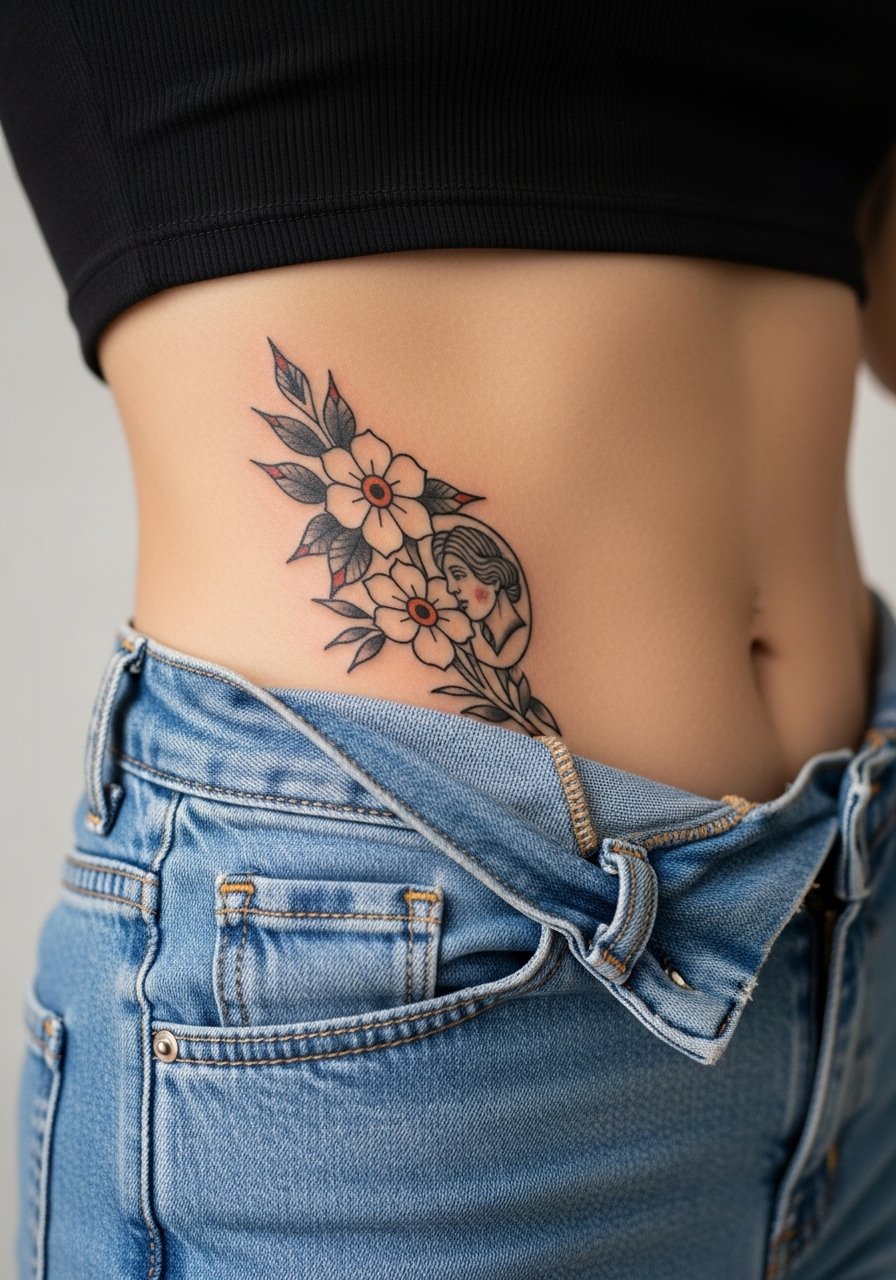
Hip tattoos sit in a private spot that is easy to hide and show selectively. For a floral plus portrait keep the face slightly larger than expected and frame it with spaced petals so heat and movement do not soften detail. A common error is choosing pale washes on the hip that disappear against the skin tone. Sessions are medium and often done in one visit. For the appointment choose high-waisted denim or swim bottoms you can shift slightly so the artist only exposes the area needed.
17. Inner Bicep Micro-Traditional Piece
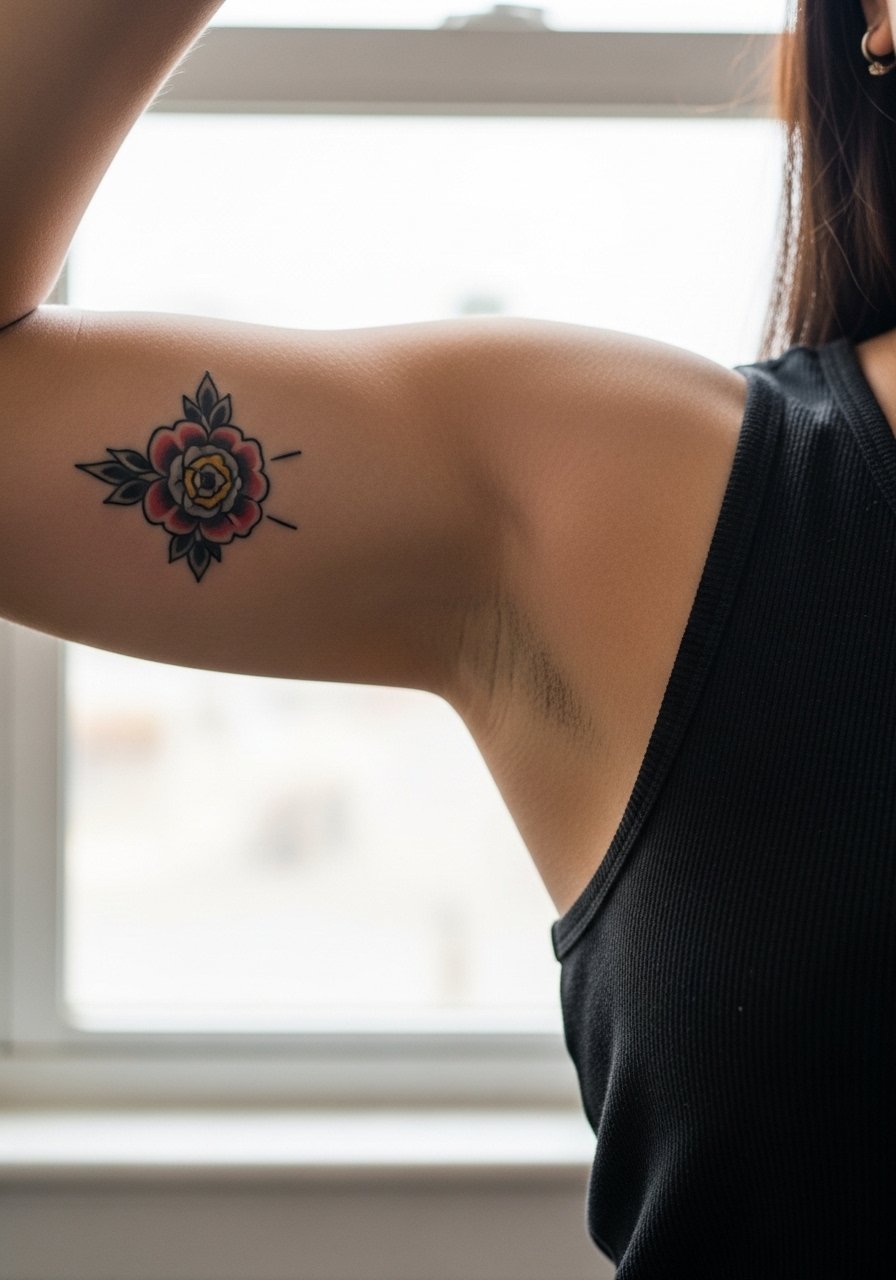
The inner bicep can hold surprising detail but it heals differently because of sweat and motion. For micro-traditional work place bolder outer lines and keep interior shading light. Artists disagree on longevity here, with one camp warning about softening and another pointing to careful placement and depth as the solution. Ask about touch-up plans during booking. Sessions feel sensitive but short. For the appointment wear a loose tank top so the arm is easy to reach and you stay comfortable.
18. Behind-the-Ear Tiny Emblem

Behind-the-ear tattoos are subtle when hair is down and personal when it is up. The skin there is thin and contours near cartilage, so keep compositions small with clear bold lines. Tell your artist to position the piece just below the hairline to avoid ear cartilage edges. Many people underestimate how often that spot is visible in profile. Sessions are short and the area is sensitive. For the session tuck hair behind the ear or bring a hair clip. Consider discovery pathways like local shop walk-ins, tattoo convention flash tables, or community forum threads to find someone comfortable with this placement.
19. Finger Tattoo with Traditional Accent
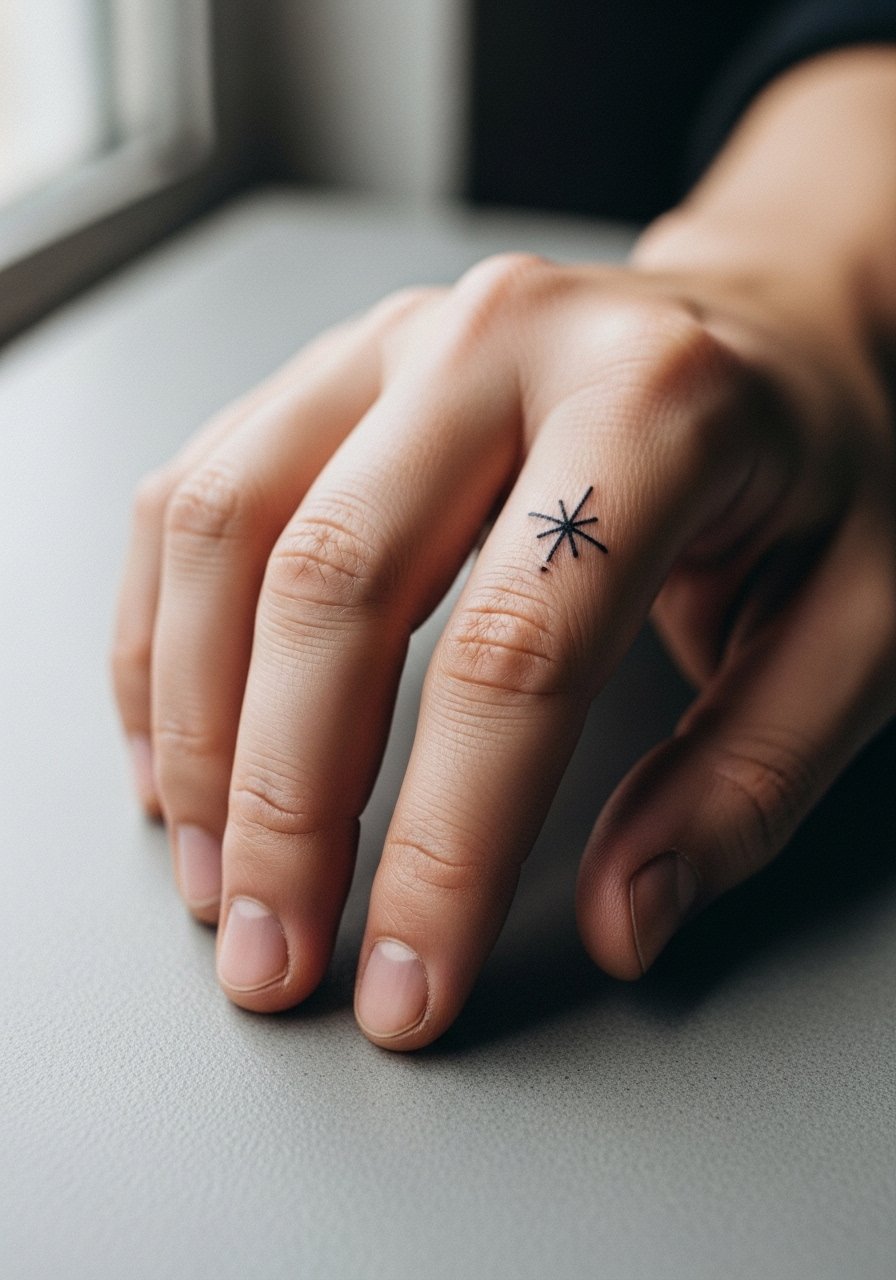
Finger tattoos are notoriously high maintenance. They face constant washing and friction so simple, bold shapes and small black anchors survive longest. A common mistake is requesting thin script on a finger which disappears quickly. Expect touch-ups more often than for arm pieces and plan for a short, possibly uncomfortable session. For wearing the piece pair it with minimal rings or stackable thin bands that do not rub the ink. If you want help finding artists who accept finger work, search walk-in clinics and directory listings which often note finger experience.
20. Upper Chest Mandala with Traditional Frame
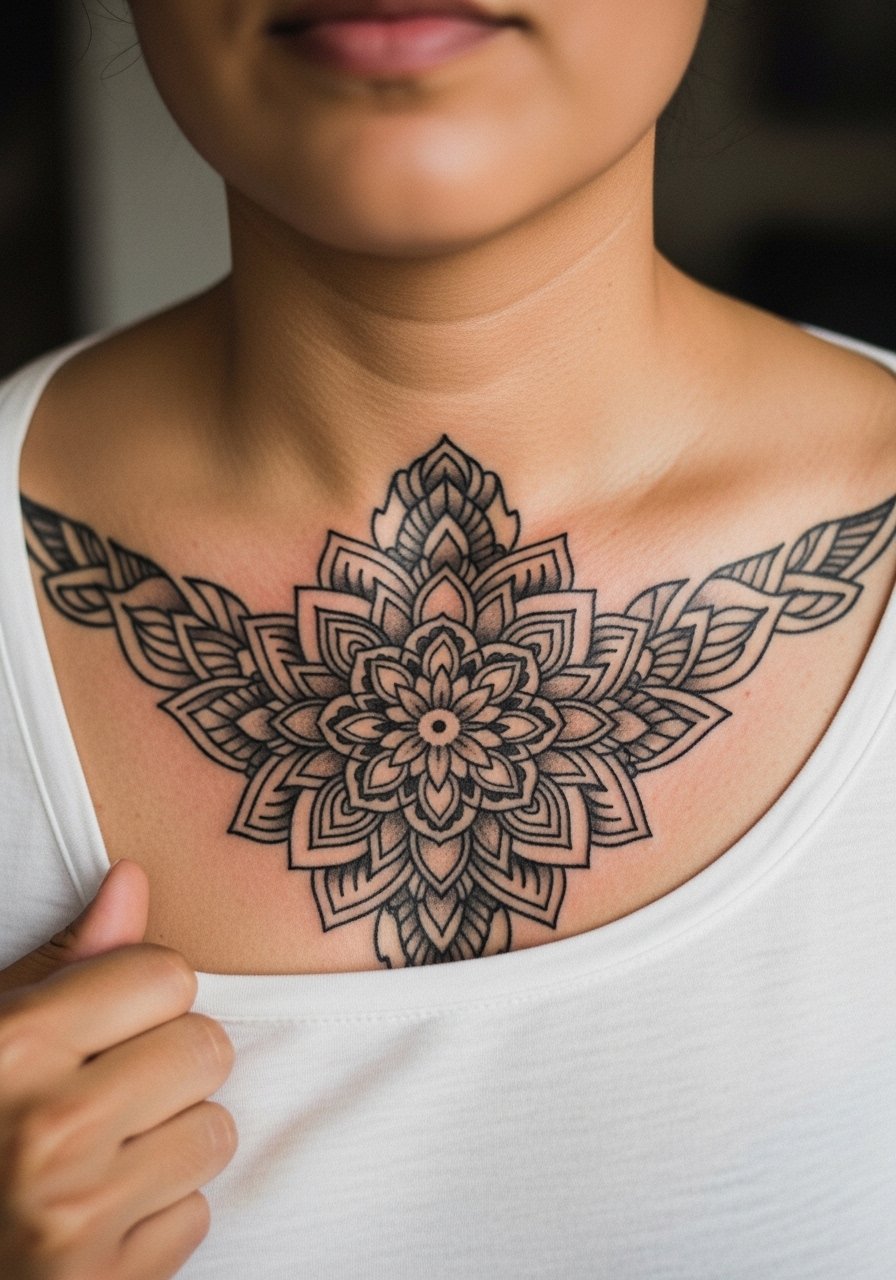
Mandala work on the upper chest can be beautiful but dense linework near the collarbone risks merging over time. For a traditional frame, ask for balanced negative space and slightly heavier outer rings. The mistake is inserting too many tight concentric details. Sessions are medium to long depending on size. For the appointment wear a wide-neck shirt that you can pull aside. Because mandala patterns can have religious and cultural origins, consider respectful stylization if the design references spiritual symbology.
21. Vintage Microphone Portrait on Lower Rib
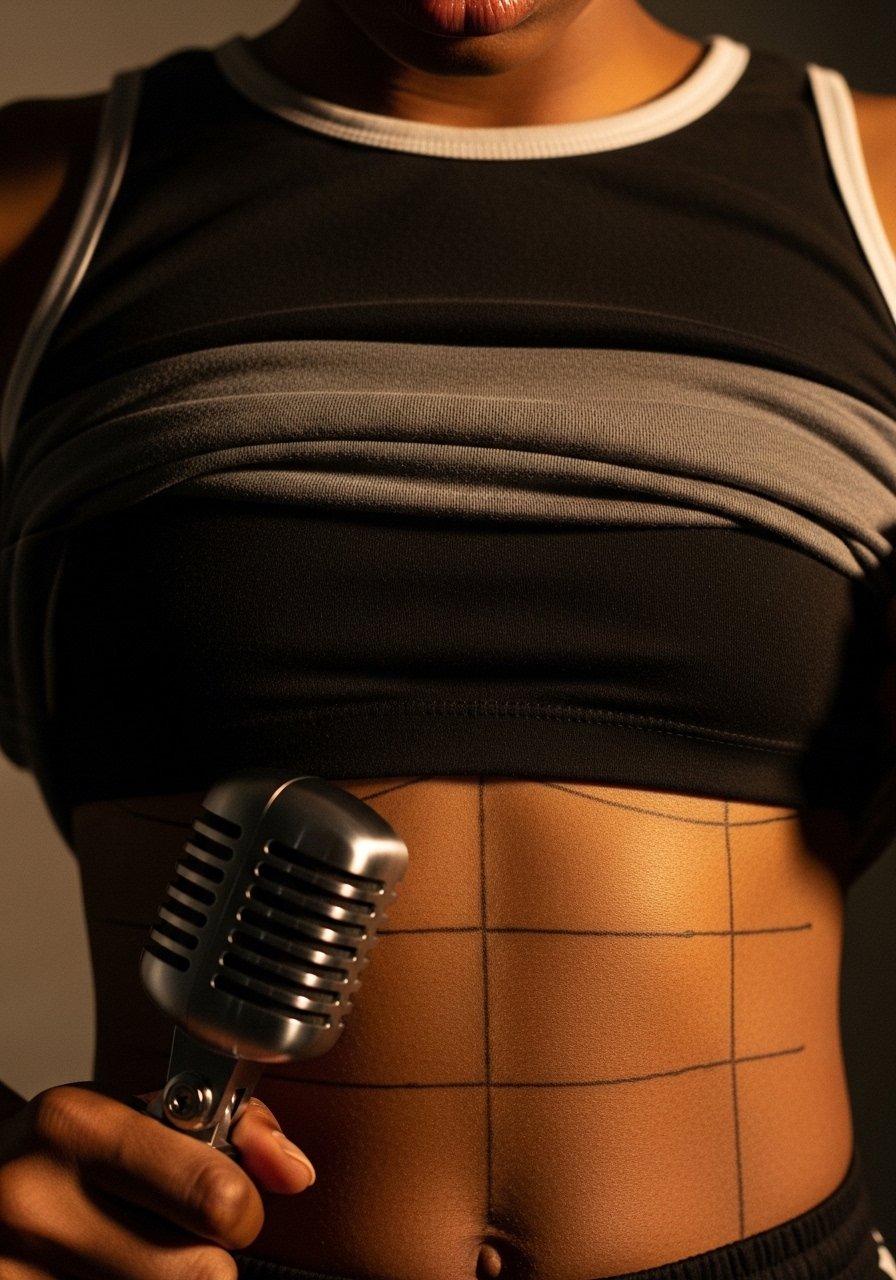
A lower rib microphone or instrument motif reads like a direct nod to musical fandom. The rib is a high-pain area and breath affects the linework, so schedule a session when you can relax. Tell the artist to keep the silhouette bold and to avoid micro-fine grill detail that will soften. The common error is packing too much tiny shading into the grill. Expect a shorter initial session with a likely touch-up after healing. For the appointment wear a cropped athletic top you can lift to reveal only the area being worked.
Frequently Asked Questions
Q: Will a tiny portrait inspired by Han Jisung blur faster than a traditional bold portrait?
A: In my experience micro portraits blur sooner because skin movement and sun exposure break down tiny details faster. Opting for slightly bolder contour lines and simplified shading slows that process. Expect a touch-up around year two to three for very small faces.
Q: Are chest and sternum pieces riskier than forearm or calf placements?
A: They can be. Chest and sternum interact with breathing and clothing and sometimes heal with more irregular scabbing. I recommend a shop that has solid portfolio examples for those specific areas and to plan for longer sessions or two visits.
Q: How visible should script be on the wrist or collarbone to last more than a couple years?
A: Larger letter height and moderate lineweight help longevity. Tiny ornate scripts look beautiful fresh but often need touch-ups. Ask your artist to show healed examples of similar size on comparable skin tones.
Q: Does a hand or finger tattoo affect job prospects?
A: Yes, in some fields. Hand and finger ink remains more visible and may influence hiring in conservative sectors. Think through visibility and whether you want an easily concealed alternative like a forearm or upper thigh.
Q: How should I prepare clothing-wise for a ribcage or sternum session?
A: Wear a fitted sports bra or a cropped top you can lift so only the required area is exposed. That keeps you covered and helps the artist work efficiently.
Q: Is it okay to get direct replicas of cultural designs for fan tattoos?
A: Many people prefer subtle variation out of respect. If a pattern or symbol has religious or cultural meaning, consider adapting elements rather than copying directly. Asking your artist about respectful approaches is a practical way to handle it.
