
Fine line tattoos dominate saved boards and short-form feeds, but the reality is messier when scar tissue gets involved. Scarred skin soaks ink differently and placement often matters more than the design. This list focuses on tiny ideas that actually camouflage or work with old marks, plus what to ask your artist in the consult so the result still looks crisp at year two and year five.
1. Fine Line Lotus on the Inner Wrist
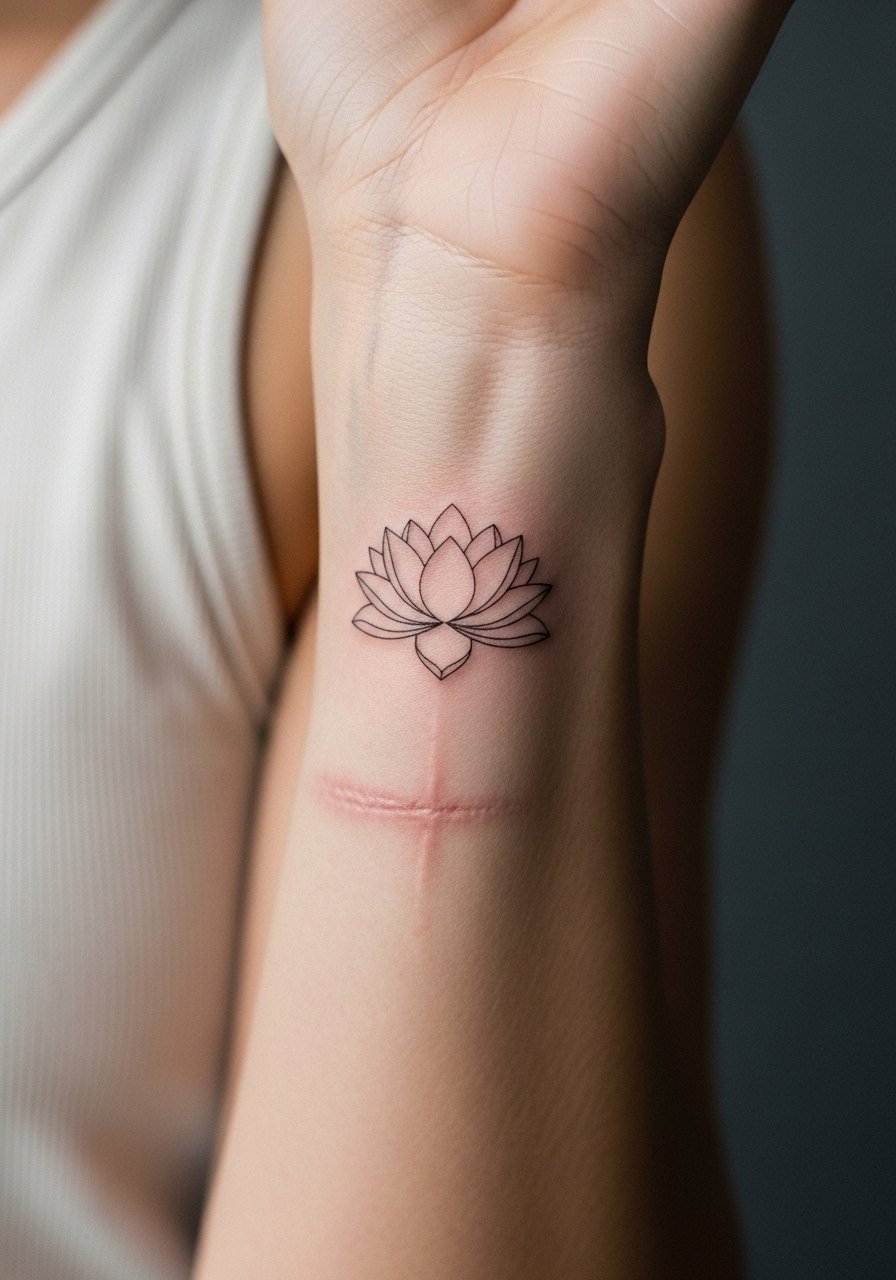
A tiny lotus reads delicate and symbolic over a linear wrist scar. I recommend keeping the petals 1-2 cm across and asking your artist to build slightly heavier outer linework where the scar runs. That thicker anchor helps the design hold when the scar fades unevenly. Fair warning, wrists move a lot so expect a touch-up at year two for small, fine lines. For the appointment wear a sleeveless tank you can push up comfortably. The session is quick and it feels like a focused pinch with short breaks. A common mistake is asking for hairline filigree over raised scar tissue. Give the petals breathing room and the ink will read cleaner over time.
2. Blackwork Mandala That Tiles Over an Irregular Forearm Scar
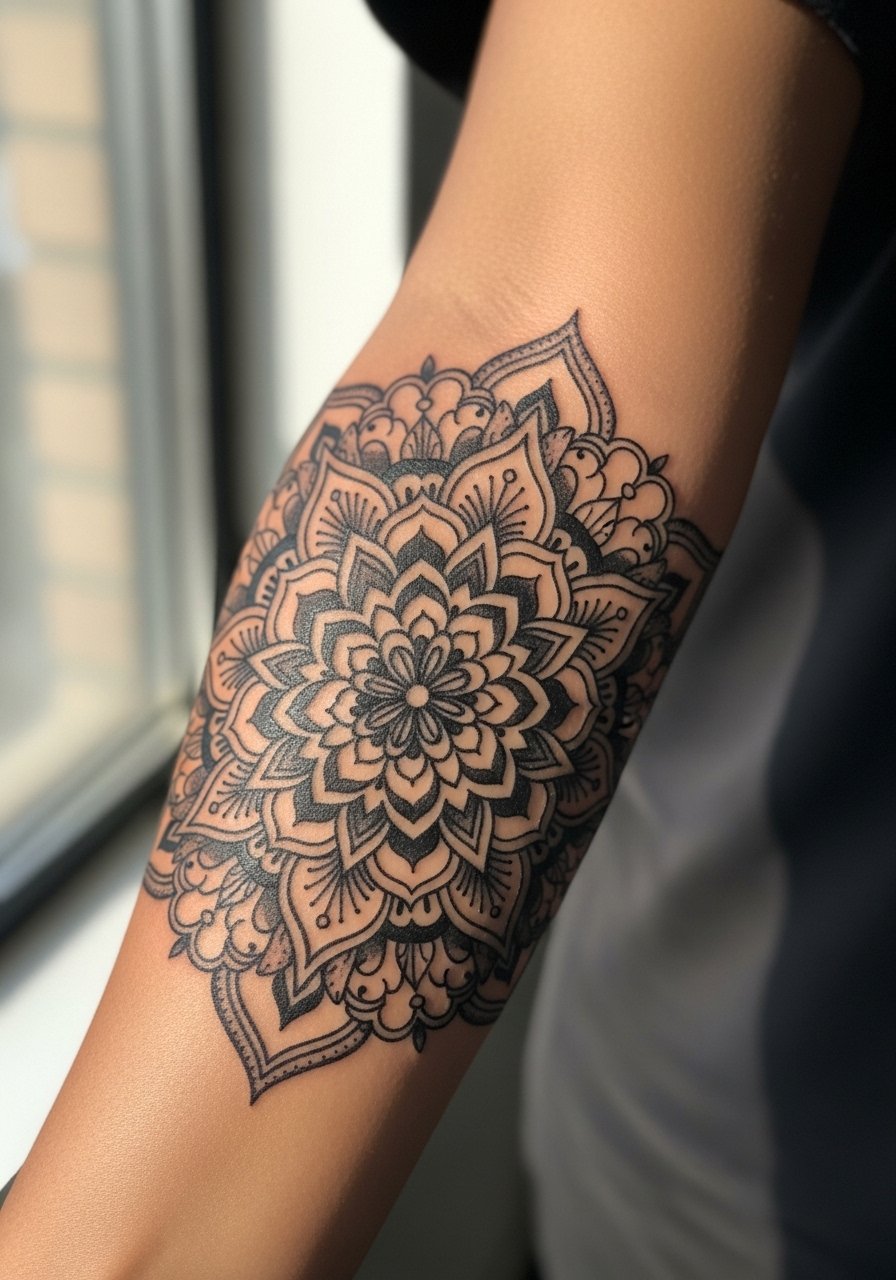
Blackwork is the go-to when opacity matters because the solid fill obscures texture irregularities. Artists split on fine line versus bold coverage. One camp says fine line keeps designs subtle and still works if the scar is fresh and tight. The other camp argues bold saturation is the only reliable way to hide pale or sunken scars long term. Tell your artist you want patch testing for saturation and bring images of healed blackwork you like. Plan for two sessions when the scar is uneven. For showing this off, roll a fitted crewneck tee to the elbow so the mandala sits framed without distraction. Expect moderate pain and a slow build of ink into the scarred texture.
3. Neo-Traditional Phoenix Rising on the Shoulder
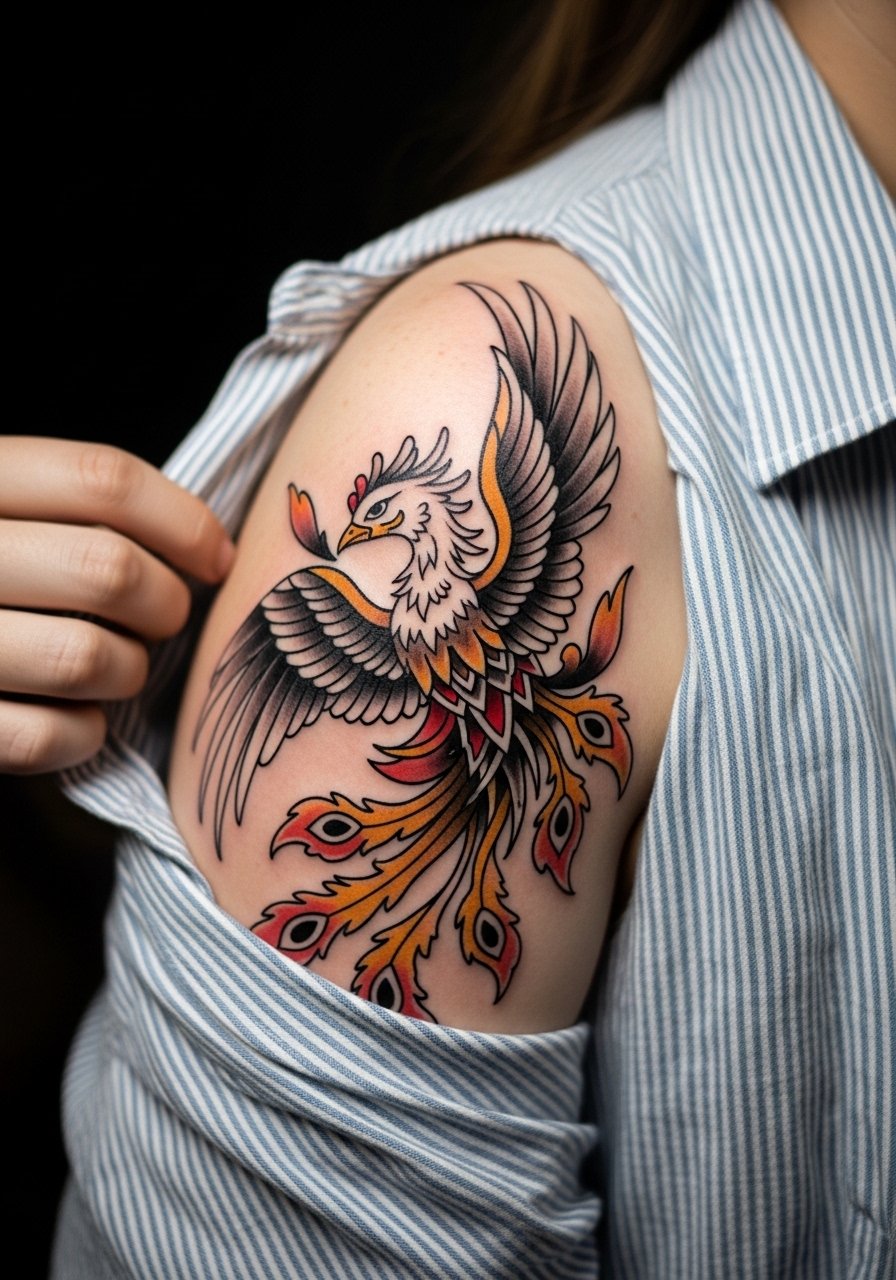
Shoulder scars from surgery or burns often have enough flat real estate for a small neo-traditional phoenix that reads like movement. The thick outline and color accents disguise jagged lines while the motif offers symbolic energy. When you consult, ask for the outline to follow the scar direction so the bird seems to lift out of it. Shoulders are forgiving for saturation and age well if the piece is sized 5 to 8 cm. Session wear should be a button-down shirt you can slide aside for the artist. This placement is a mid-range pain on most scales and usually needs two sessions if color layering is involved.
4. Micro-Realism Feather Over Collarbone Scars
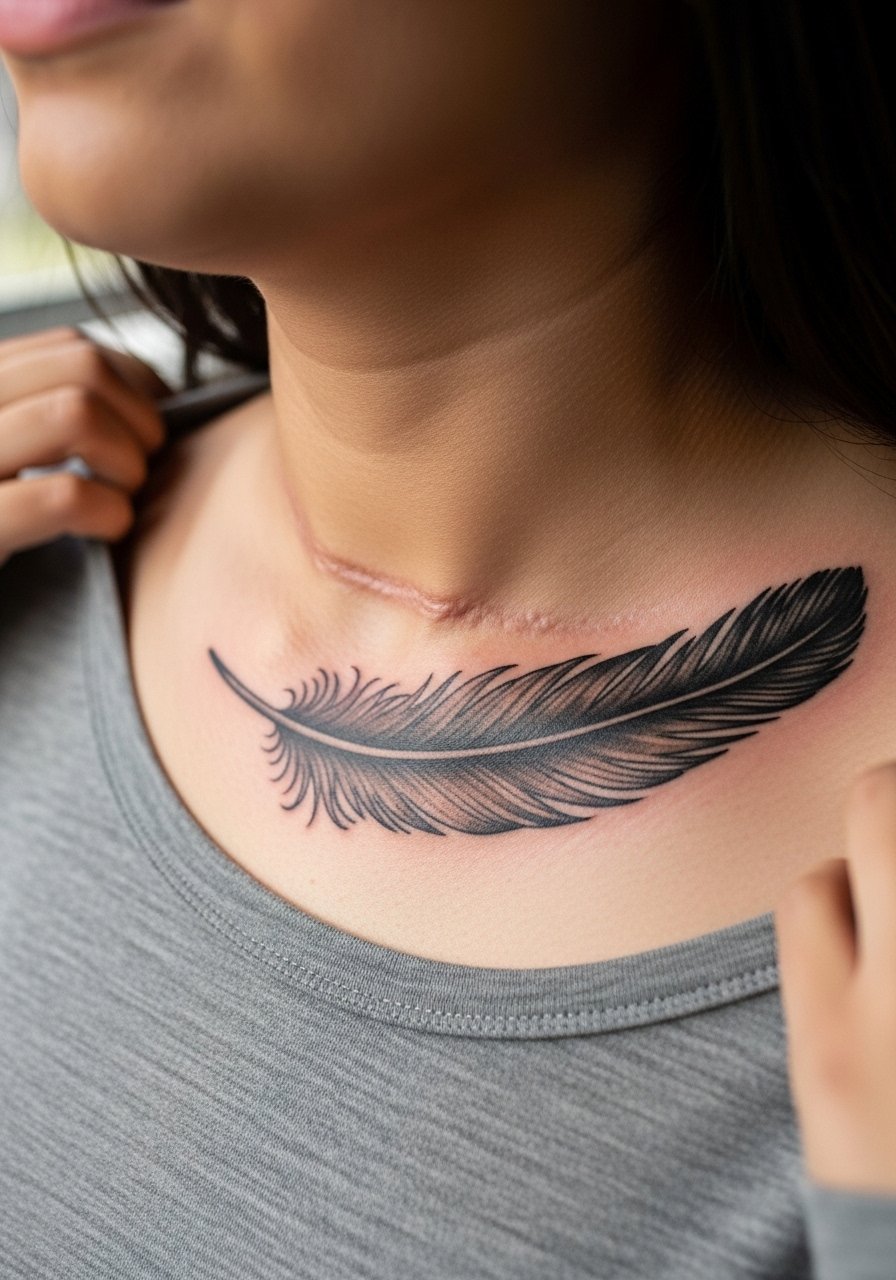
Micro-realism does a convincing job at blending a surgical line into soft shading if the piece sits just above or beside the scar. The trick is controlled graywash and tiny contrast points that make the feather read from a distance. There is debate about needle depth and fine detail on scar tissue. One group says the feather must be rendered with a heavier tip to sink past scar tissue. The other group insists on ultra-fine needles for feather barbs to keep the look delicate. Ask the artist how they handle detail on scar texture and whether they do a test patch. For evening outfits, a v-neck linen tee pairs well without competing with the tiny realism.
5. Watercolor Waves That Soften Thigh Scars
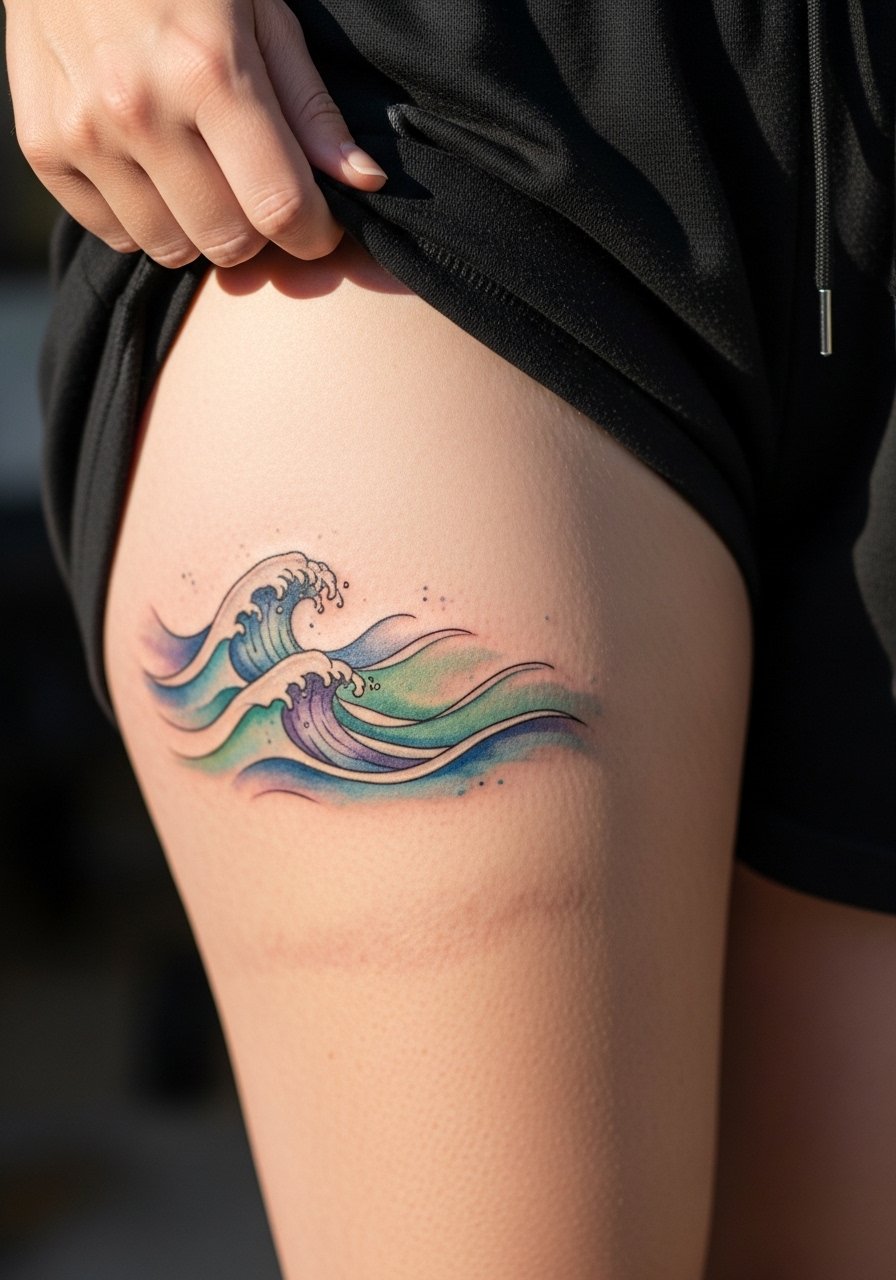
Stretch marks and irregular thigh scars respond well to watercolor because the soft gradients distract the eye from linear texture. Keep the piece about 4 cm wide and use colors that fade to skin tones at the edges so there is no hard border sitting on scar tissue. The inner thigh can bruise more, so expect a tender couple of days after the session. For the appointment wear loose cotton shorts so the artist can access the area without pulling. The common mistake is oversaturating color in one pass. A staged build of washes gives a much smoother healed result.
6. Traditional Anchor with Rope on the Calf
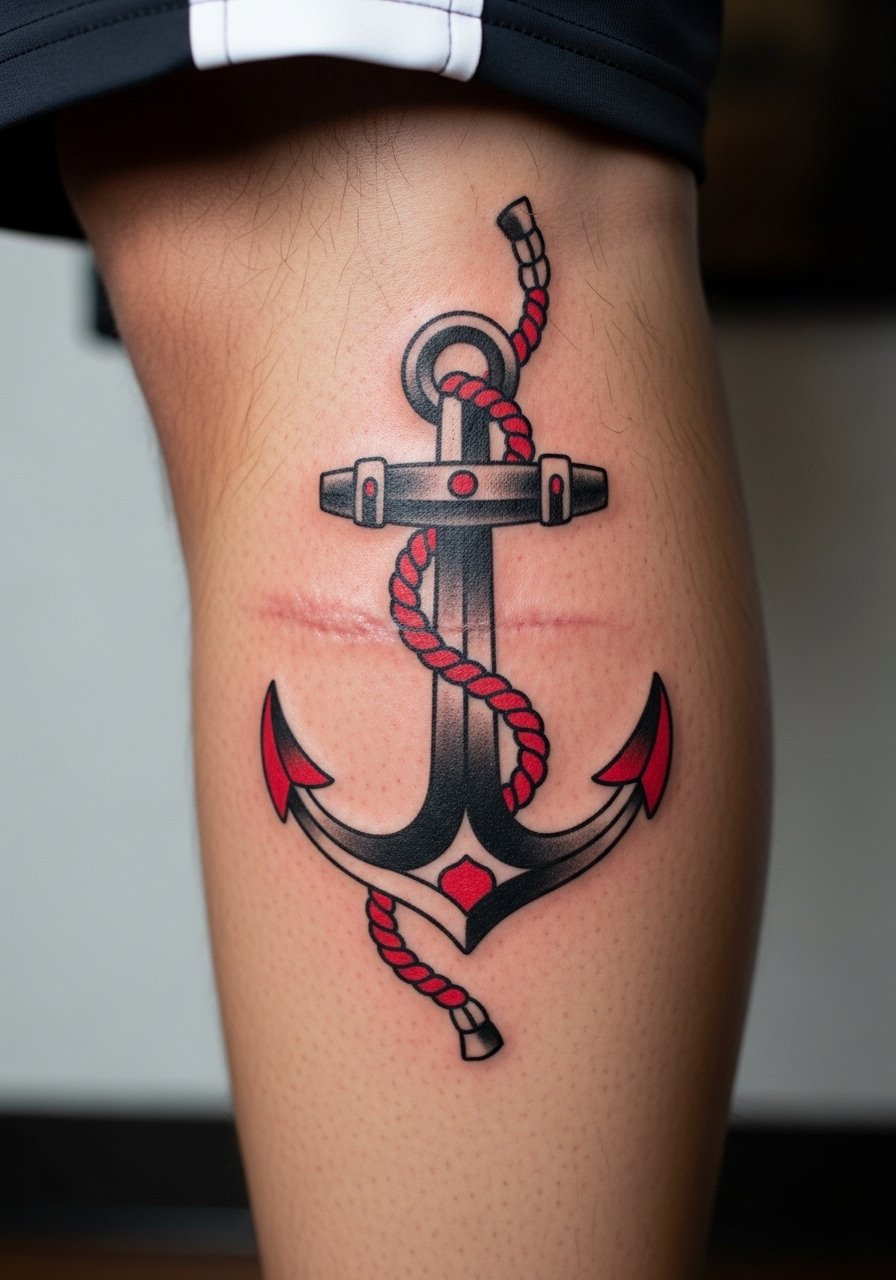
Calf scars are ideal for bold, small traditional motifs because the skin there holds saturation nicely. A compact anchor with thick rope linework will mask straight surgical lines and last without frequent touch-ups. Calf sessions are surprisingly comfortable in most cases. Ask for a single-session focus and for the artist to overdraw the rope where the scar runs so the knot distracts from texture. For casual show-off style, roll bootcut or straight-leg pants and pair with shorts in summer. Expect the tattoo to settle solid by six months with minimal blurring at year three.
Before You Book
The wrist, forearm, and calf pieces above ask for different prep than ribs or inner thigh work, so a few targeted items make the session smoother and the first week easier.
-
Stencil transfer paper kit. Lets you preview placement and line weight, which matters for tiny lotus and arrow pieces.
-
Topical numbing cream. Useful before sensitive wrist or inner thigh sessions to ease the first 30 to 45 minutes.
-
Thin protective film roll. Keeps hand and finger tattoos cleaner during early wear and constant washing.
-
Fragrance-free gentle body wash. Good for cleansing the area without irritating freshly inked fine line work.
-
Aquaphor Healing Ointment. A thin application in the first few days locks in moisture for small linework without over-suffocating the area.
7. Minimalist Arrow Cluster for Tiny Finger Scars
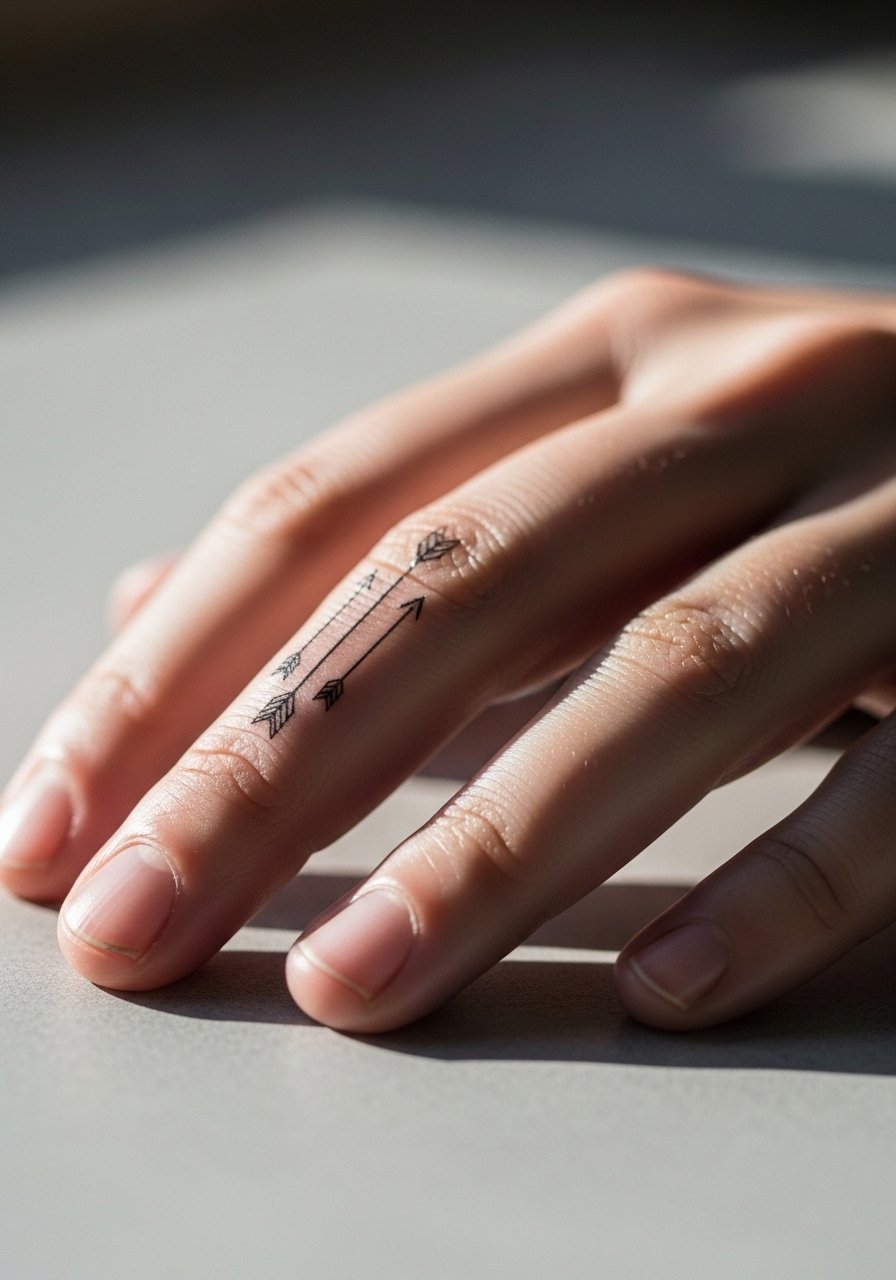
Finger scars need more than dainty ego-pleasing lines. The skin is thin and experiences constant friction from washing and typing. Go slightly bolder than you would on the forearm and expect to plan touch-ups annually. For session day avoid rings and wear a sleeveless top so the artist can position the hand comfortably. The needle feel here is sharp and localized. A frequent error is requesting hairline script across several knuckles. Tiny clusters that sit perpendicular to the scar will maintain shape better over time.
8. Ornamental Geometric Triangle at the Ankle
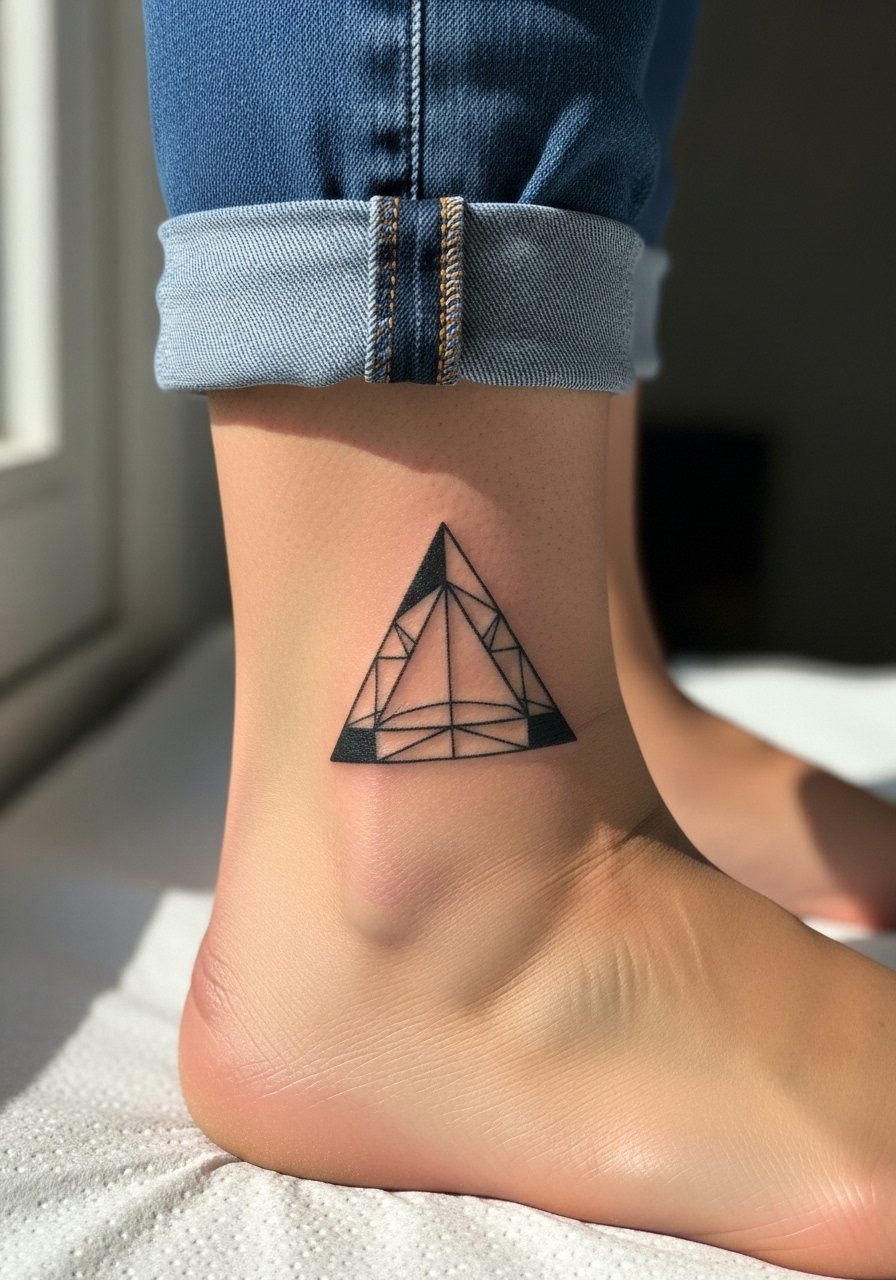
Ankle scars are small and angular, and geometry can tile over those nooks to create hypnotic coverage. Do not go too small. The lines need space to avoid merging with motion and friction from shoes. Mention to your artist that the design must accommodate a 2-3 cm canvas. For sessions wear joggers or shorts that can be rolled up so the ankle rests comfortably. Expect the area to be sensitive but quick to heal. A common mistake is requesting dense dot work right on a tight scar. Give the pattern breathing room and the triangle will remain crisp.
9. Layered Patchwork: Start with Blackwork, Add Fine Detail Later on the Forearm
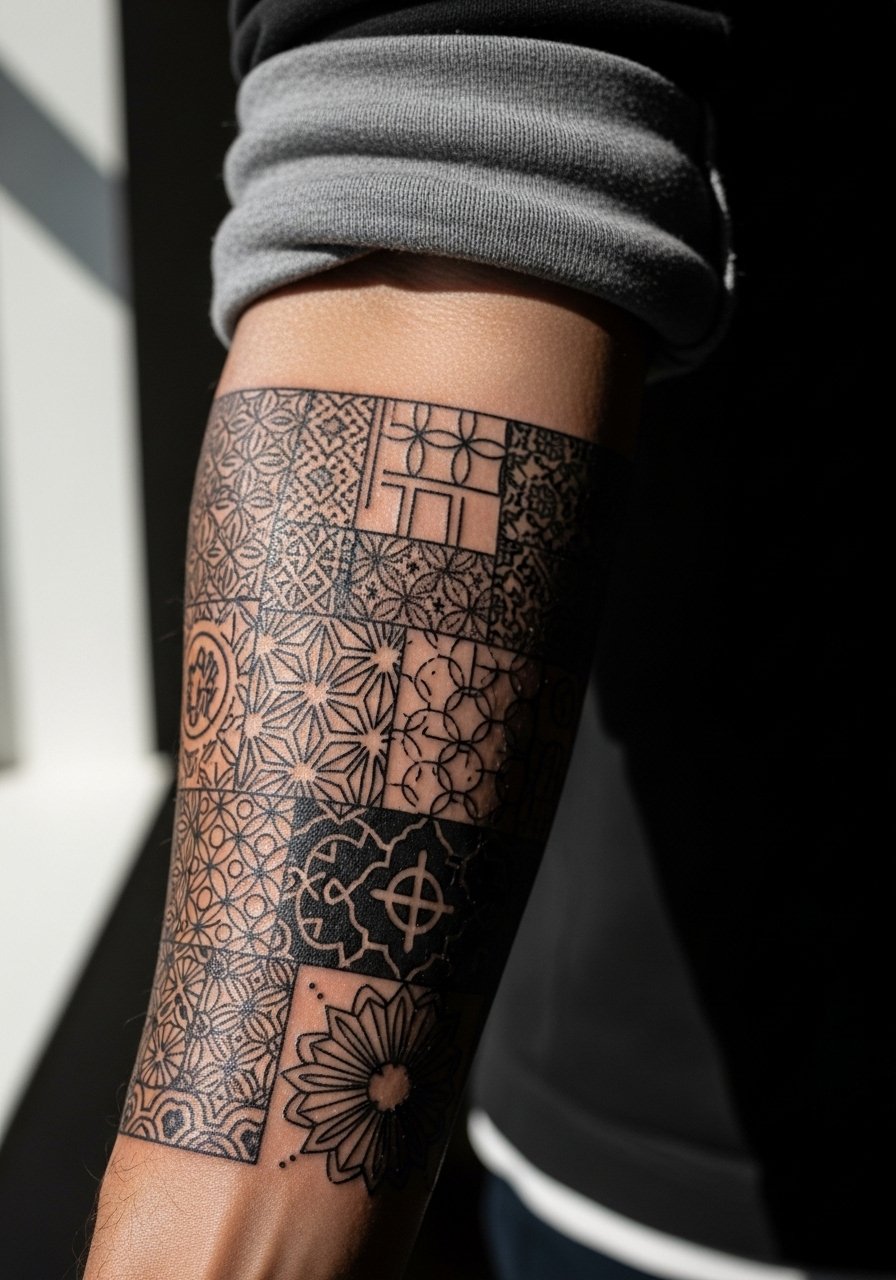
One idea competitors miss is staging a cover-up. Start with a base of bold black where the scar sits and after it has settled add fine line elements and dot work to soften the edges. I have seen this two-step approach hide pale, stubborn scars without sacrificing delicate details long term. Tell your artist you want a phased plan and reserve a touch-up slot at six months. For showing off the final piece, roll a loose button-down sleeve to mid-forearm so both texture and linework read together. The initial session is more intense because of saturation but the follow-up is quick.
10. Ignorant Style Mushroom Cluster on the Rib
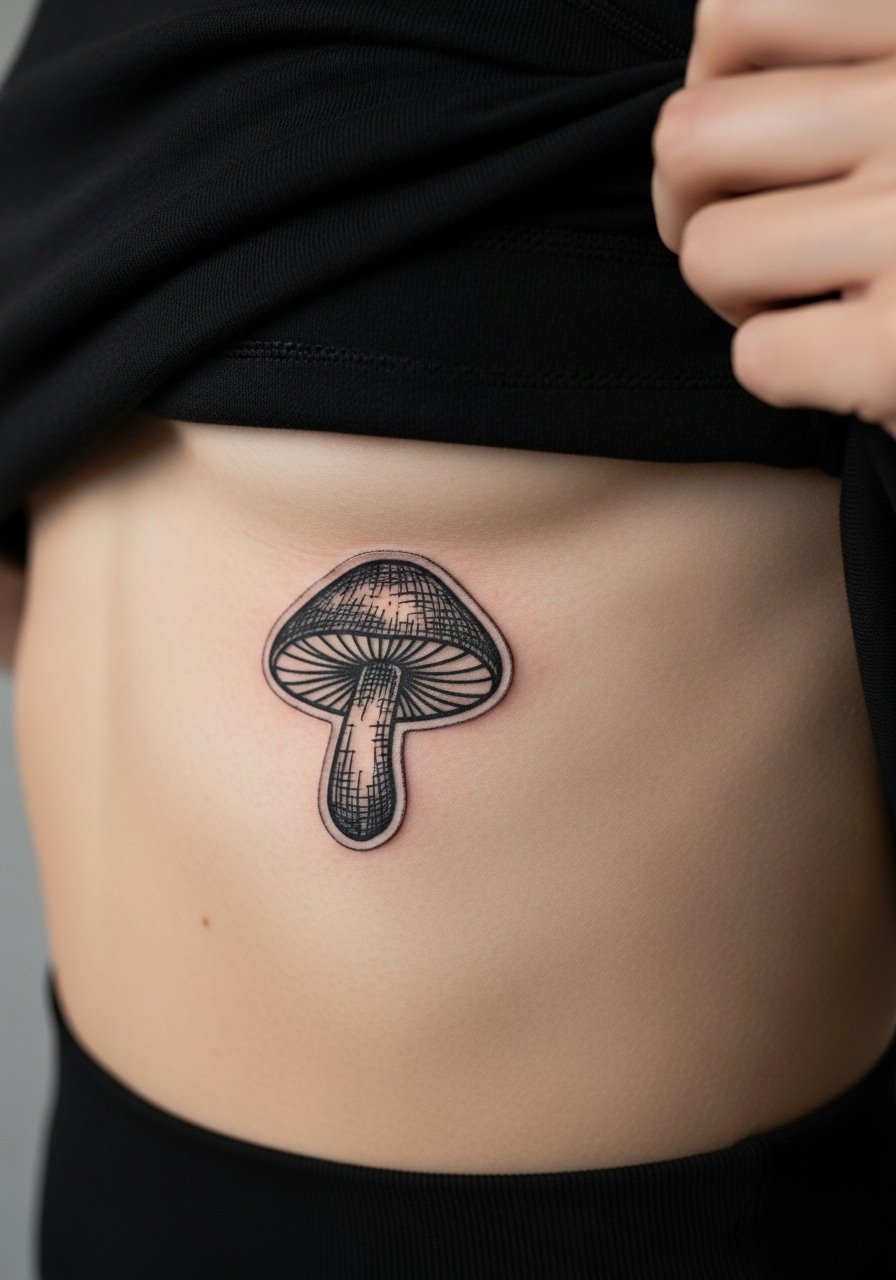
Rib tattoos are higher on the pain scale, but the side torso offers a broad canvas for playful, hand-drawn patches that mask vertical self-harm tracks. Keep the cluster moderate in size, around 4 cm, and avoid overly intricate linework that will distort with breath and movement. During the consult note whether the scar is raised or sunken so the artist can plan depth. For the appointment wear a cropped top you can shift for access. The biggest misstep is trying to cram a photo-realistic scene into a small rib patch. The ignorant style thrives on looseness and sketchy charm.
11. Black and Gray Rose Vine That Wraps an Elbow Scar
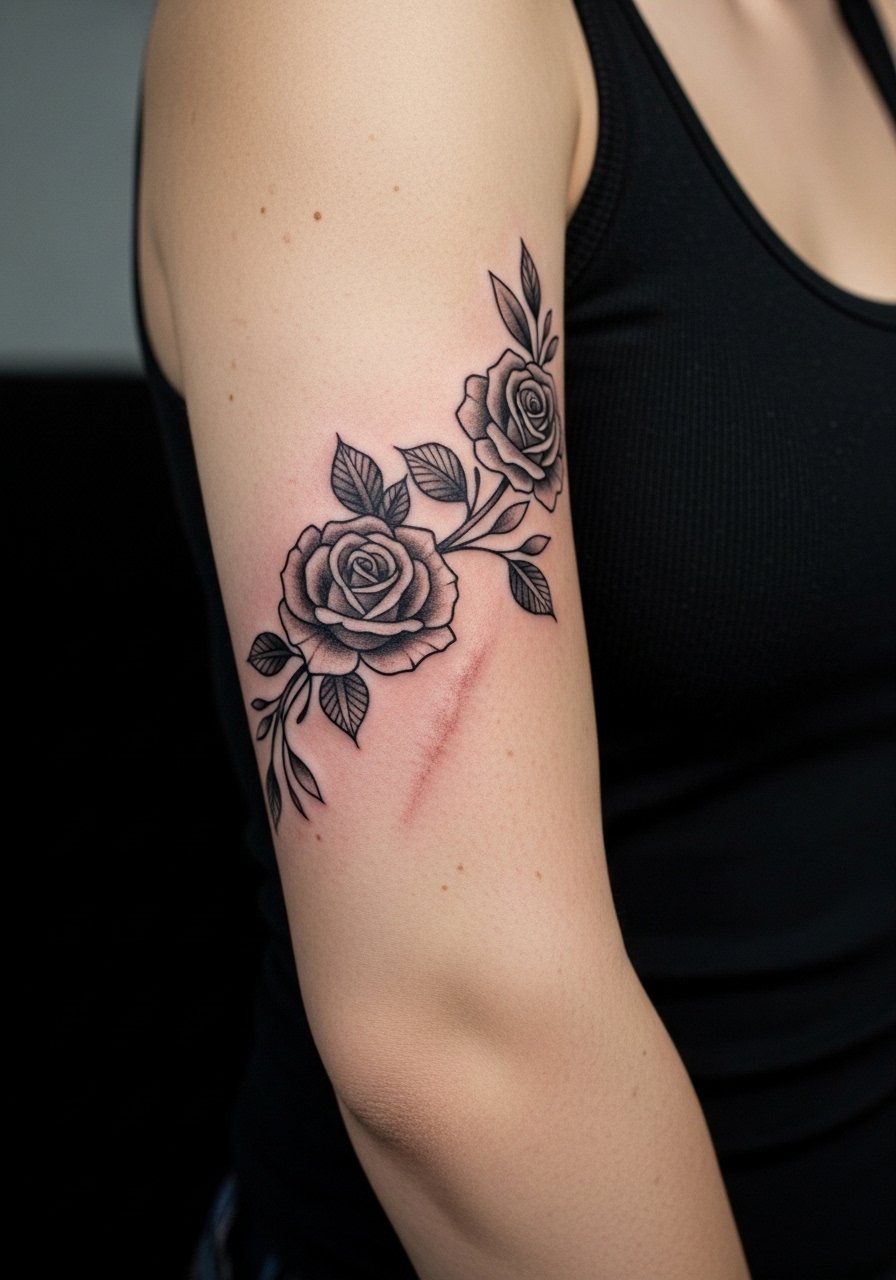
Elbow areas flex constantly so pick flowing designs that move with the joint. A rose vine that arcs around the crease uses shading to obscure the scar without sitting directly over high-tension zones. Ask for stipple shading and gray wash to blend the vine into surrounding skin. For session wear a tank top you can lift the arm in. Expect patchy healing near the crease and plan a touch-up at nine to twelve months. The common error is placing a rigid motif right across the joint where lines will stretch and blur.
12. Fine Line Butterfly Emerging on the Back of the Knee
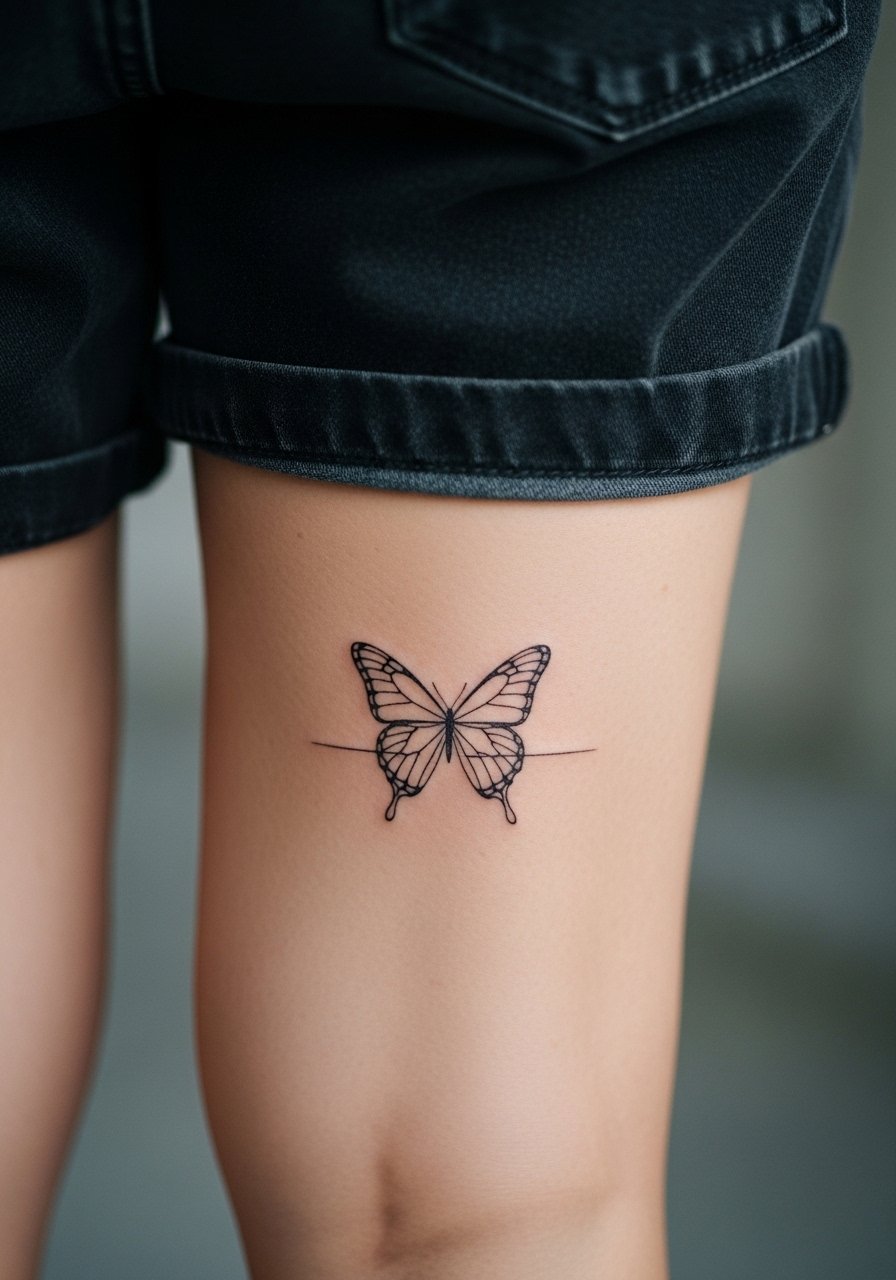
Knee scars move and crease and that makes tiny detail a gamble. If you want a butterfly, keep the wingspan to 3-5 cm and favor bolder outer contours with delicate interior details. Most tiny knee tattoos soften faster than forearm pieces. Tell your artist you prefer heavier outer lineweight to preserve shape. The session is a medium pain and you should avoid long periods with the knee bent straight after. A mistake I see often is pushing for extreme micro-detail across the joint. Scaling the piece slightly up preserves the motif longer.
13. Minimal Script Patchwork Over a Spine Scar
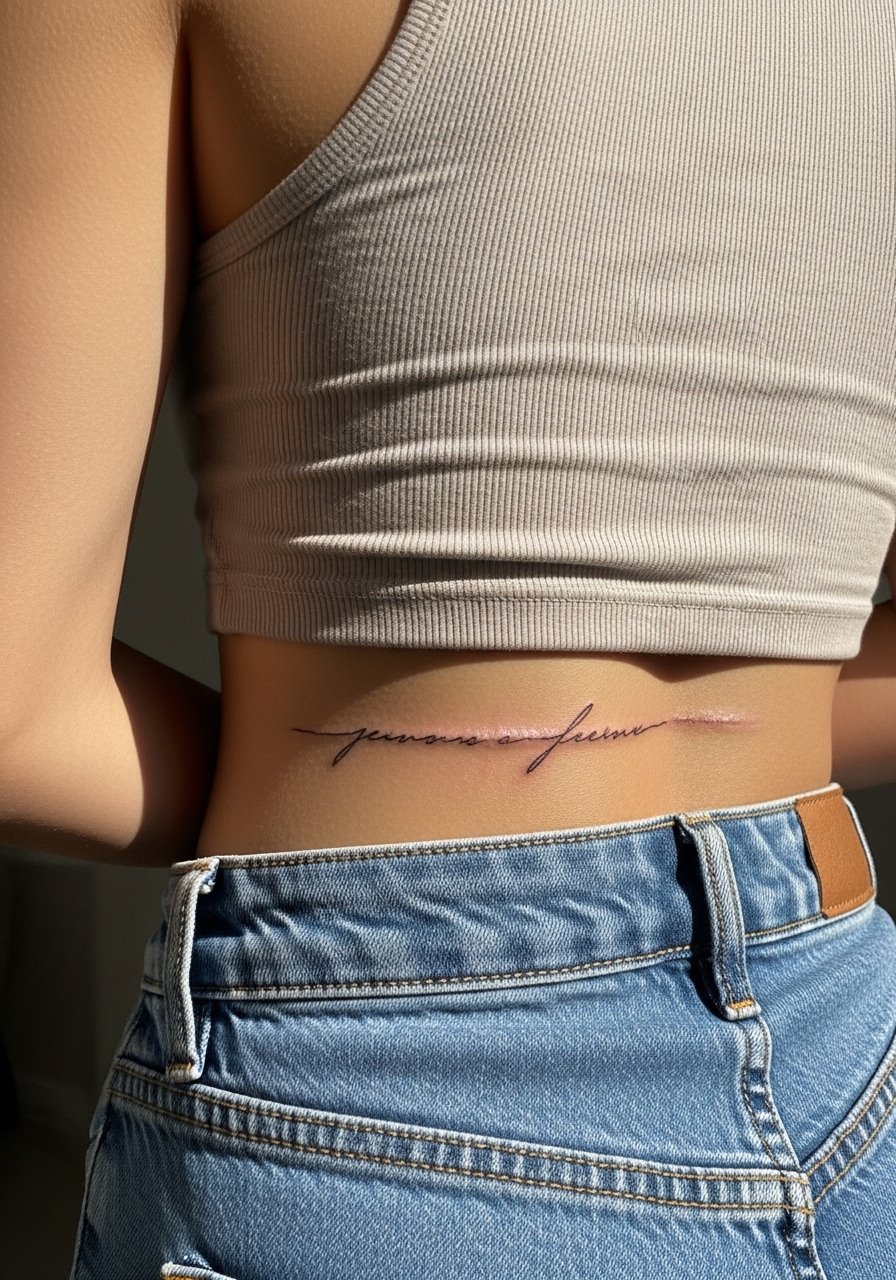
Spine scars respond well to vertical script when the lettering follows the scar line and spacing is generous. Keep letters around 4 cm vertical height overall and ask for a slightly darker stroke where the scar appears pale. If you want a subtle narrative, plan for the lettering to be spaced and not crowded. For the session wear a tank top you can pull aside. The main pitfall is asking for dense cursive over ridged scar tissue. A clean, spaced sans-serif or thin serif often settles more predictably.
14. Tiny Knot or Constellation on Knuckles for High-Movement Scars
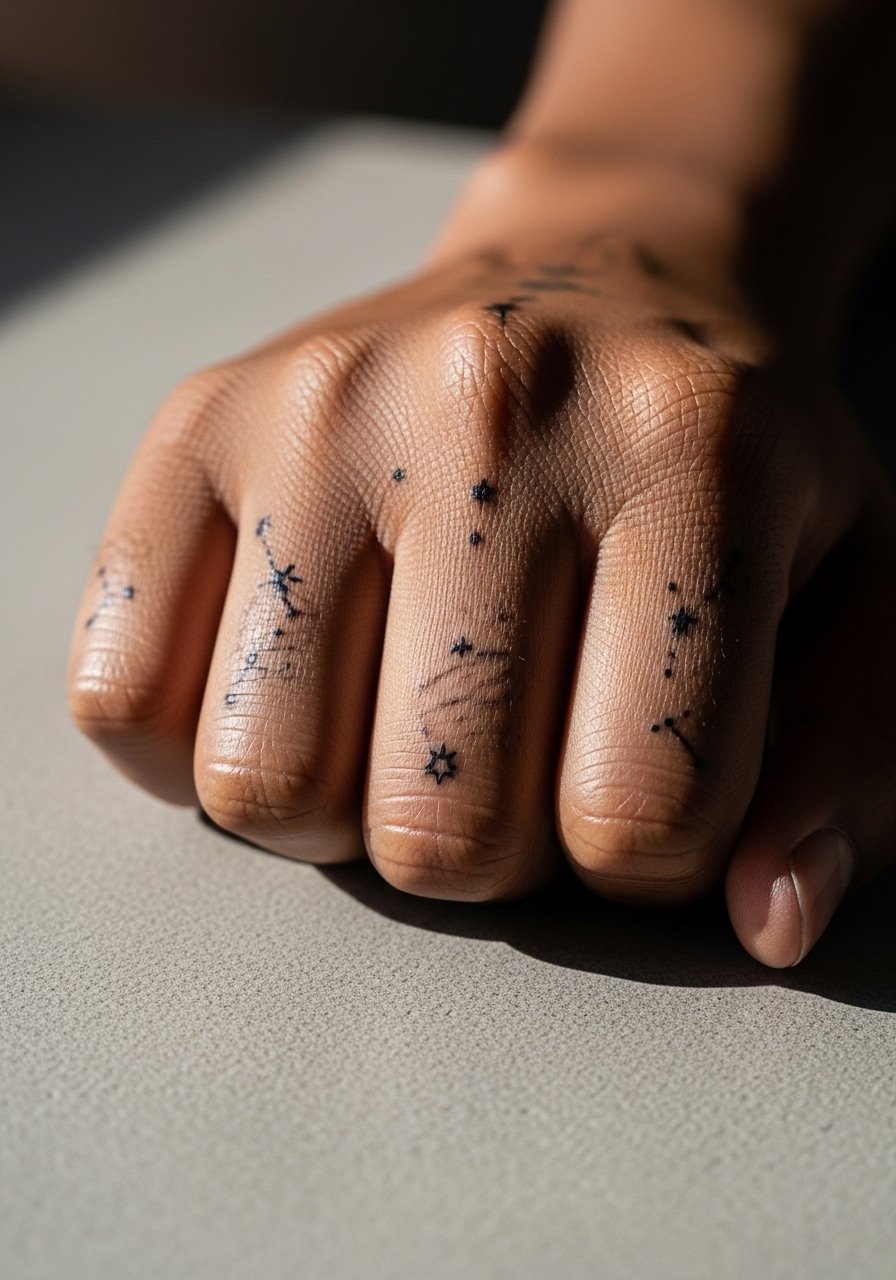
Knuckle and high-motion hand scars are brutal for longevity, but small knot symbols or minimal constellations can sit perpendicular to scars and minimize distortion. Expect yearly touch-ups. Keep the elements tiny and avoid long script. The session feels sharp and fast. A typical blunder is trying to use ultra-fine detail that the hand will erode. For a discreet look, place the cluster on the side of the finger rather than the pad or knuckle crease.
15. Micro-Realism Feather That Uses the Scar Texture as a Design Element on the Chest
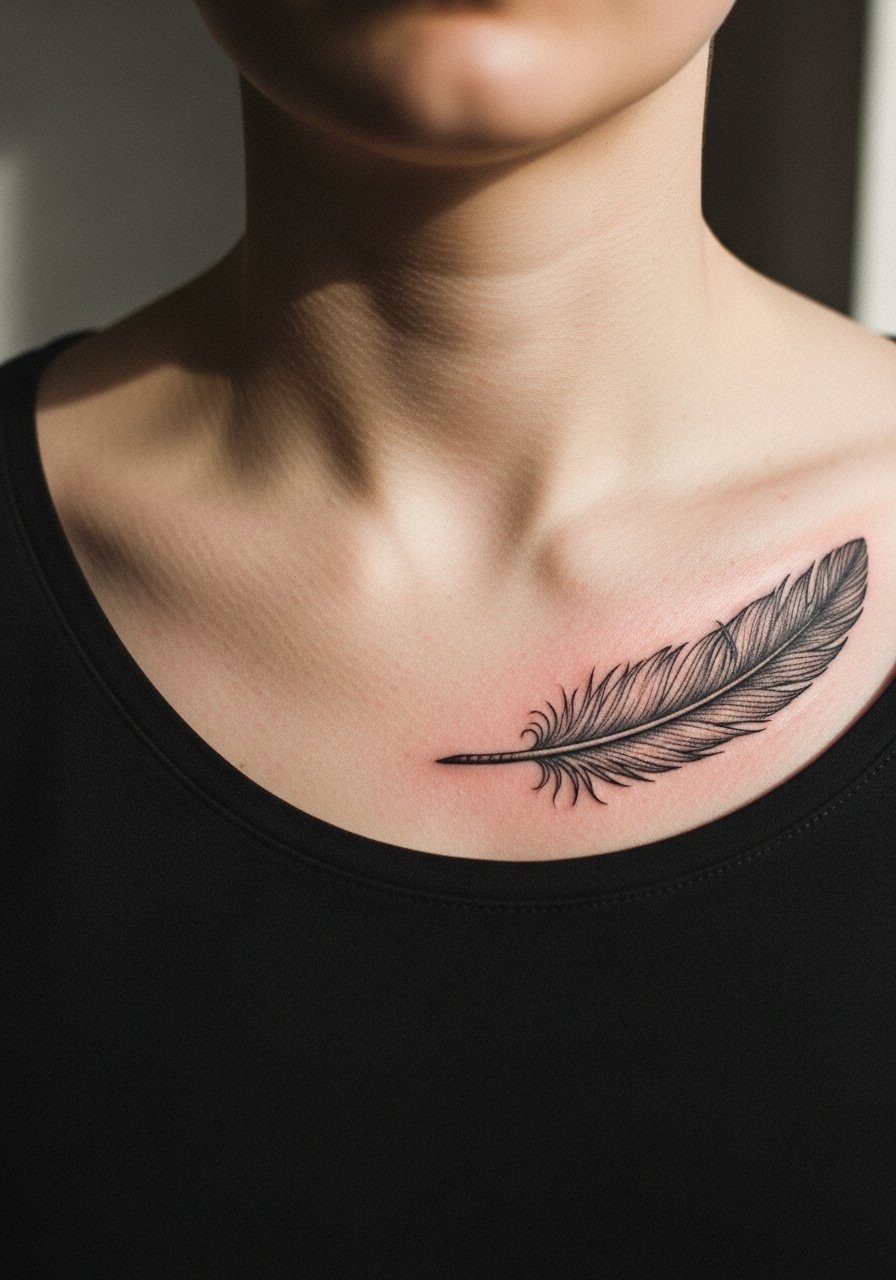
One under-covered approach is to let the raised or sunken scar become part of the feather's vane. Micro-realism can emphasize the tissue's ridges as texture in the barbs so the scar looks intentionally worked into the composition. This requires an artist experienced in shading on uneven skin. For the session wear a wide-neck shirt you can pull aside. The trade-off is higher skill demand and potentially a longer touch-up if the scar changes. The payoff is a piece that truly reads cohesive instead of simply plastered over the mark.
16. Geometric Dot Work to Tile Tiny Irregular Scars on the Ankle or Lower Leg
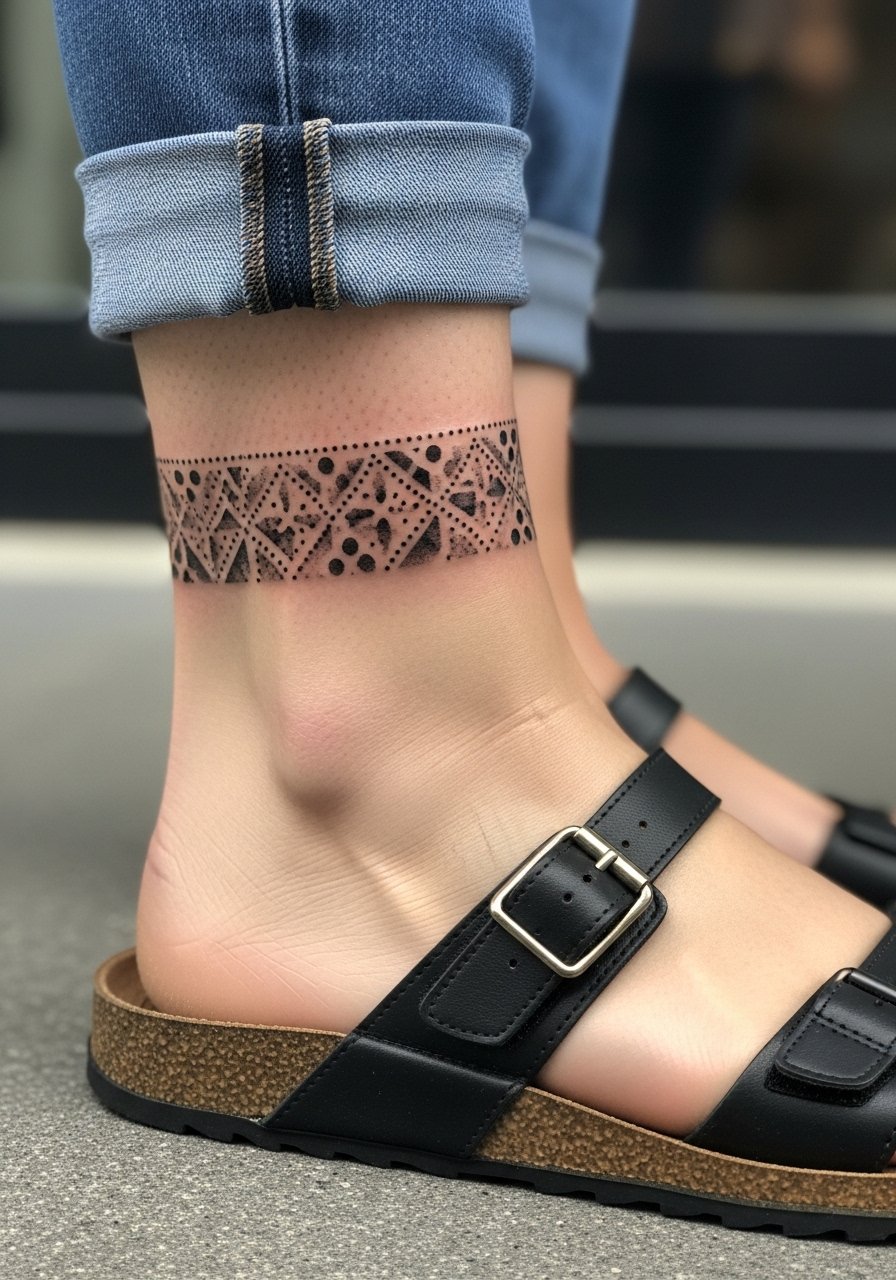
Dot work and small tessellated shapes can distract from tiny irregular scars by creating a patterned surface. The key is spacing. Too dense and the dots will merge with motion and footwear friction. Tell your artist to sketch the pattern with the exact ankle position in the chair so the design avoids high-wear contact points. Ankle sessions are sensitive but brief. The usual mistake is scaling the pattern too tightly for the ankle's available skin. Leave breathing room and the geometry will age more predictably.
17. Patch Script Quote That Weaves Around a Small Sternum Scar
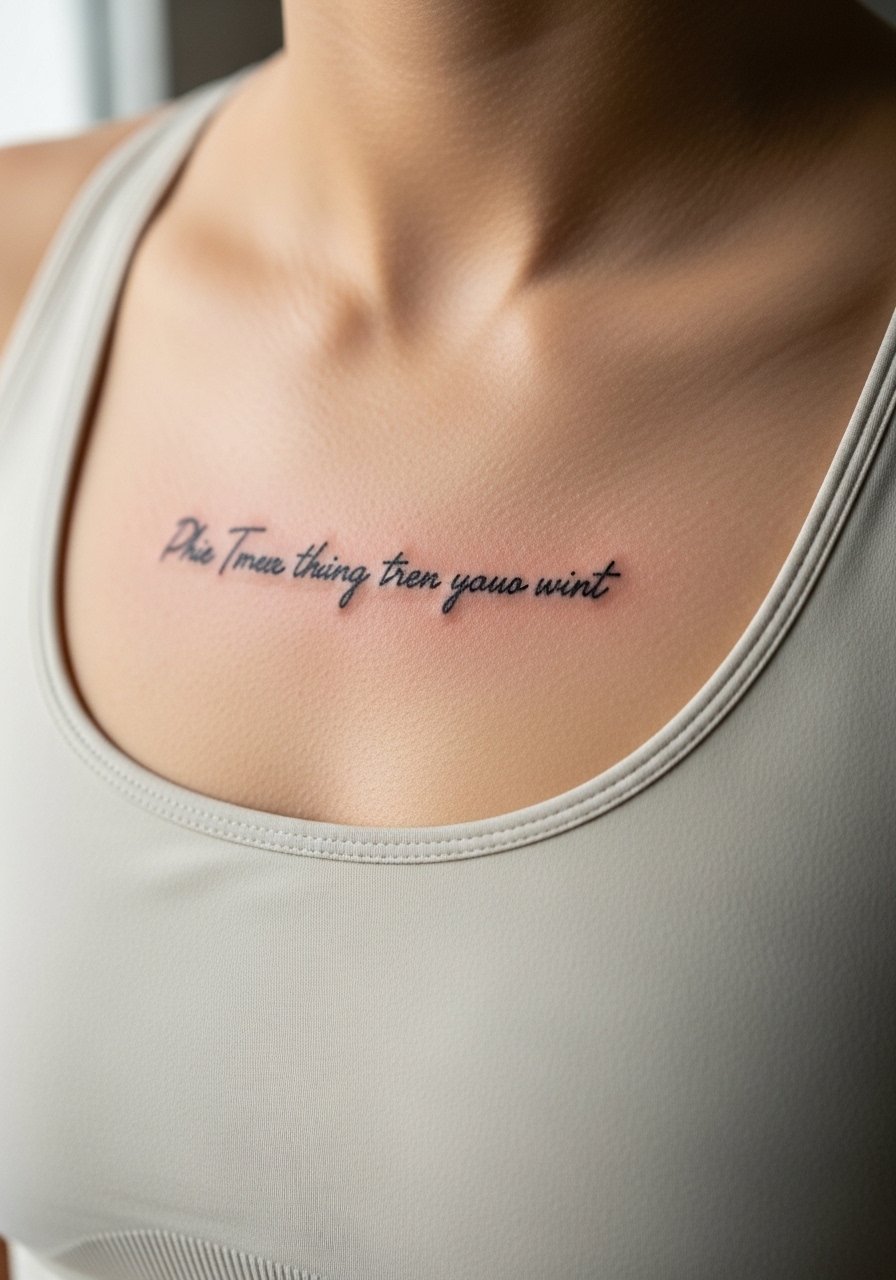
Short vertical script suits a narrow sternum scar and keeps the message focused. Use a simple, readable type and avoid dense flourishes that catch on clothing. Ask the artist to place the line so fabric edges do not rub directly on fresh ink. For the appointment pick a fitted sports bra that you can easily remove without dragging across the area. Sternum work can be painful but the sessions are short. The most common error is crowding several words into a tiny vertical space. Keep it spare and legible.
Frequently Asked Questions
Q: Will fine line tattoos stick to faded self-harm scars or do I need bold blackwork?
A: It depends on the scar texture. Faded, atrophic scars often let ink sit more superficially so fine line work may fade faster. Bold blackwork offers opacity that hides uneven tone better. One approach is a small test patch or a staged black base with fine overlays later.
Q: Do rib and sternum designs need different aftercare than forearm pieces?
A: Not different products. They need different handling. Ribs and sternum suffer from clothing friction and breathing movement so looser tops and soft, nonabrasive layers help the wound settle. Avoid tight straps during the first week and follow the care plan your artist recommends.
Q: How many touch-ups should I expect for tiny scar cover-ups on hands and fingers?
A: Plan for at least one touch-up within 12 months and maybe annual adjustments after that. Hands and fingers see constant washing and friction so small designs rarely remain untouched for long.
Q: What should I ask an artist in the consult if I have a surgical scar on my collarbone?
A: Ask whether they have experience with micro-realism on scar tissue and if they do test patches. Request to see healed examples on similar placements and skin tones. Also ask about a staged plan if you want fine detail over a textured area.
Q: Can I use the scar texture itself as part of the design safely?
A: Yes, but it requires an artist who deliberately maps the scar into the composition. You should discuss how much texture will be embraced and schedule a follow-up to refine shading once the base work has healed.
Q: Where can I find artists who list scar cover-up work without following specific accounts?
A: Search community tags and directories like relevant hashtags, filter in portfolio apps, and read threads in tattoo forums for recommendations. Look for before and after photos that show healed work on similar scar types and skin tones.
