
Fine line tattoos are everywhere on feeds right now, but what you see in a fresh photo rarely tells the whole story. I have seen crisp mandalas and tiny scripts soften fast from constant hand washing, hiring the wrong artist, or picking the wrong placement for your skin tone. This guide walks through hand-first designs that read well fresh and age better, what to tell your artist, and how to dress on session day so the piece actually holds up.
1. Fine Line Geometric Mandala on Back of Hand
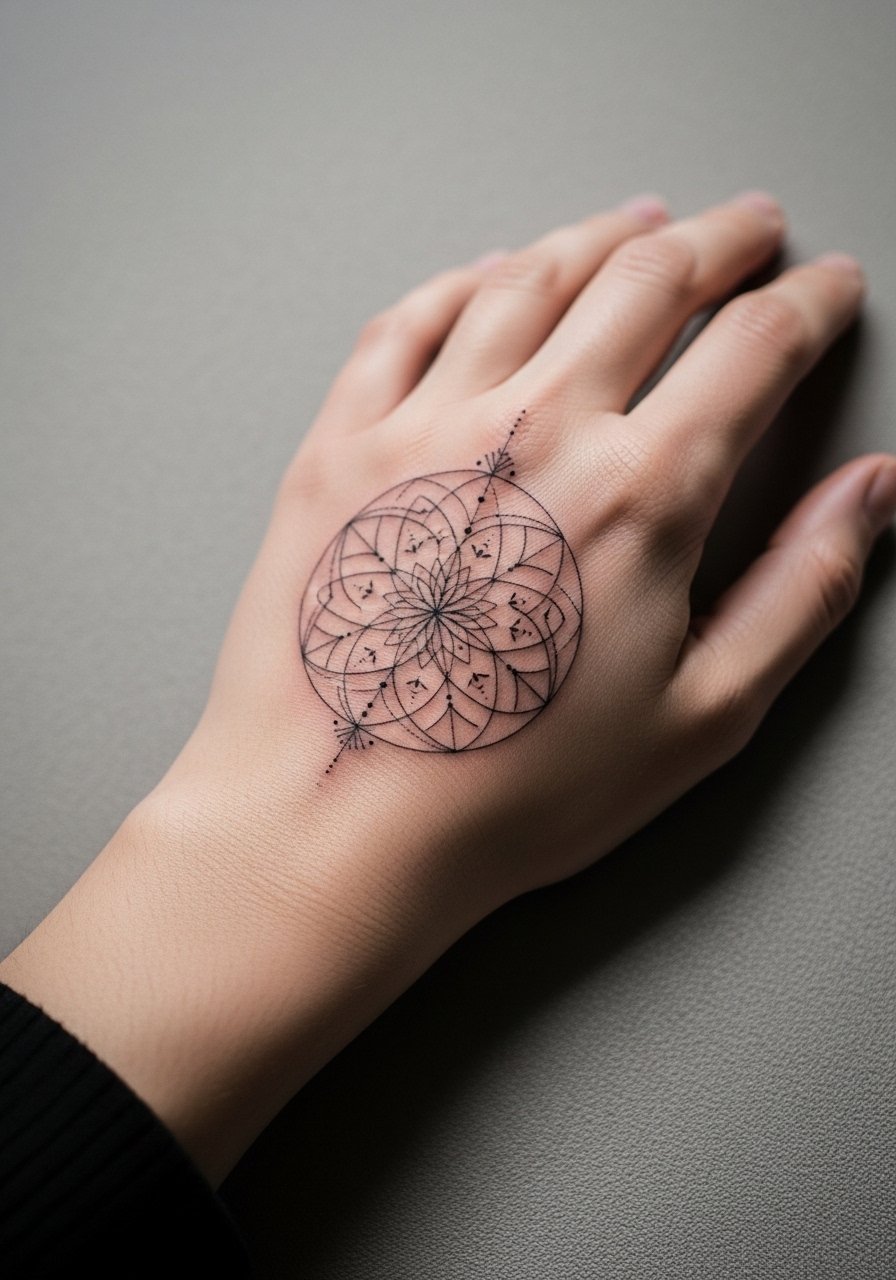
I pick this design when someone wants ritual or balance imagery without a bulky piece. Fair warning, fine line on the back of the hand has two clear failure modes. One camp says fine line fades and blurs faster on hands because of friction and washing. The other camp says correct spacing and shallow but consistent needle depth makes it settle. When you consult, ask for increased spacing between concentric lines and a slightly heavier outer ring so the mandala reads at year three. Pain is moderate. Plan for a 45 to 90 minute session and touch-ups at the one to two year mark. For showing it off, roll up a chambray rolled cuff shirt so the hand sits exposed without bulky sleeves.
2. Minimalist Wolf Paw on Top of Hand
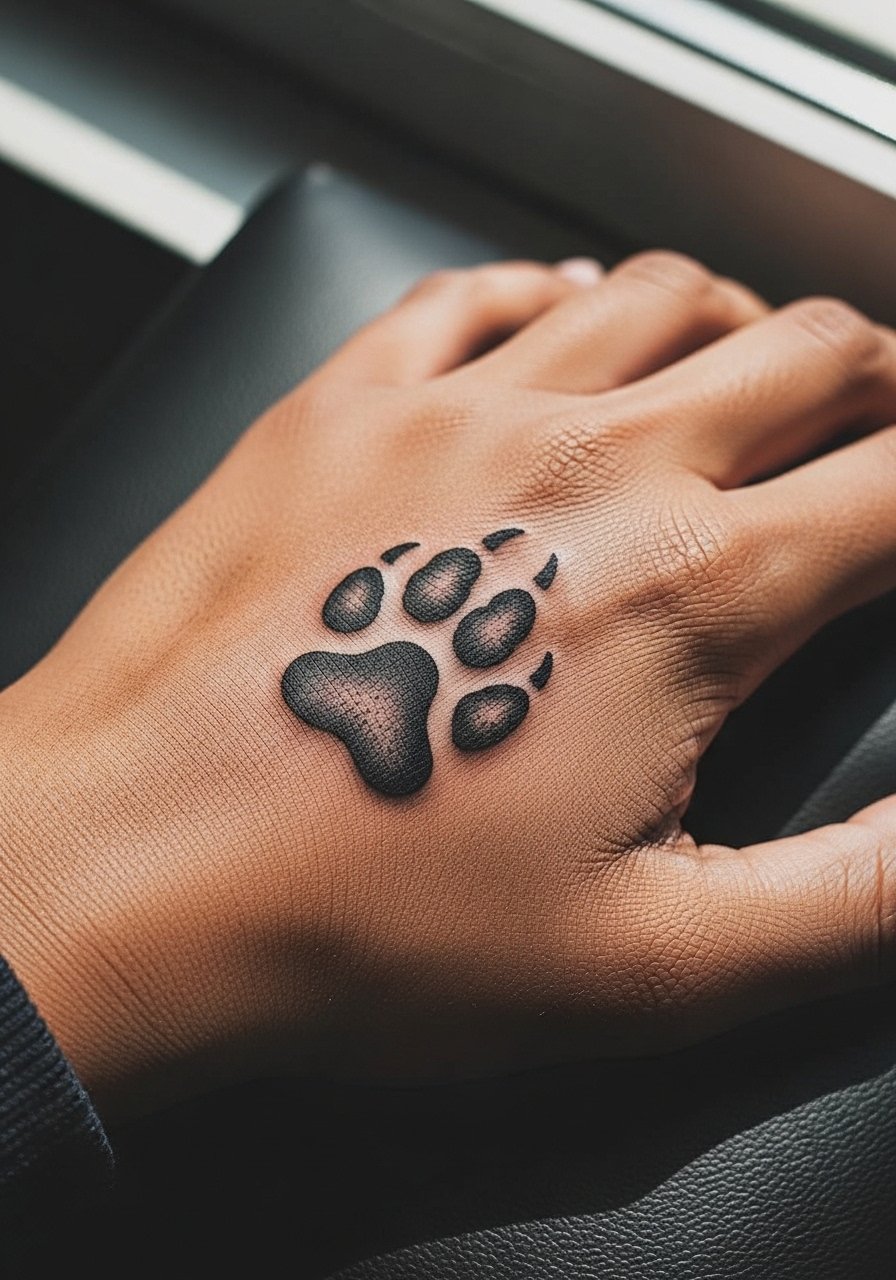
I recommend the small paw when someone wants a compact symbol of loyalty and grit that can be concealed with gloves if needed. Common mistake is asking for micro shading that disappears after heavy hand use. Tell your artist to keep the pads bold with small negative-space gaps between toes for definition. Expect a single, short session and a sharp fade in six to twelve months if the linework is too thin. The top-of-hand placement is high-pain for some, but worth it if you want something readable at a glance. For session wear, go with a linen short sleeve shirt you can pull sleeves up easily.
3. Blackwork Anchor on Knuckles
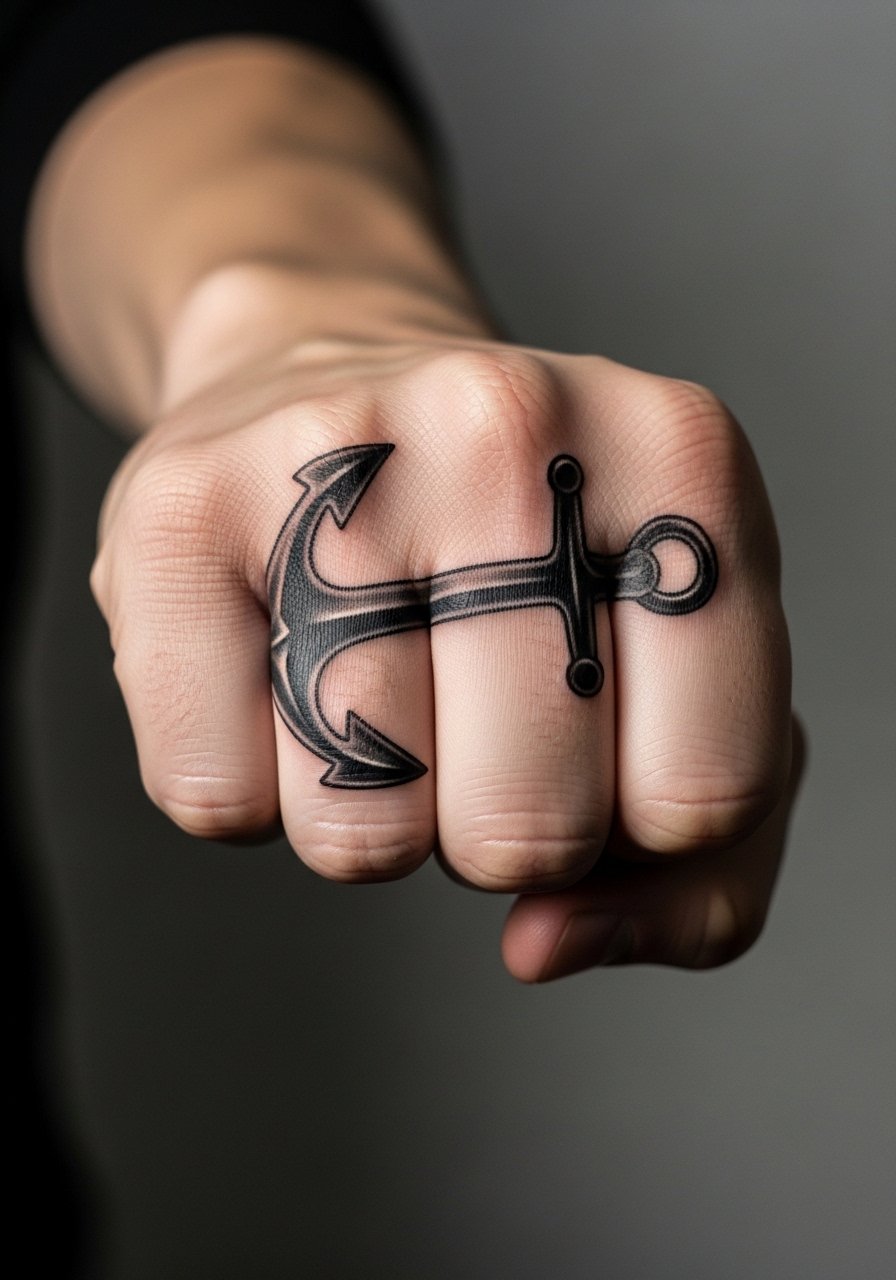
Knuckle work reads loud and holds up when the lines are thick and saturated. The main mistake is lettering or thin line details across moving knuckles. Ask for simple forms with heavy saturation and strong edges so the anchor keeps contrast after repeated hand washing. Pain is high because the knuckle bones are shallow. Sessions are quick. Expect the need for touch-ups every 12 to 18 months for heavy-use palms and fists. To frame this style, wear a fitted henley shirt with short sleeves so your fists do the talking.
4. Neo-Traditional Skull with Roses on Palm Side
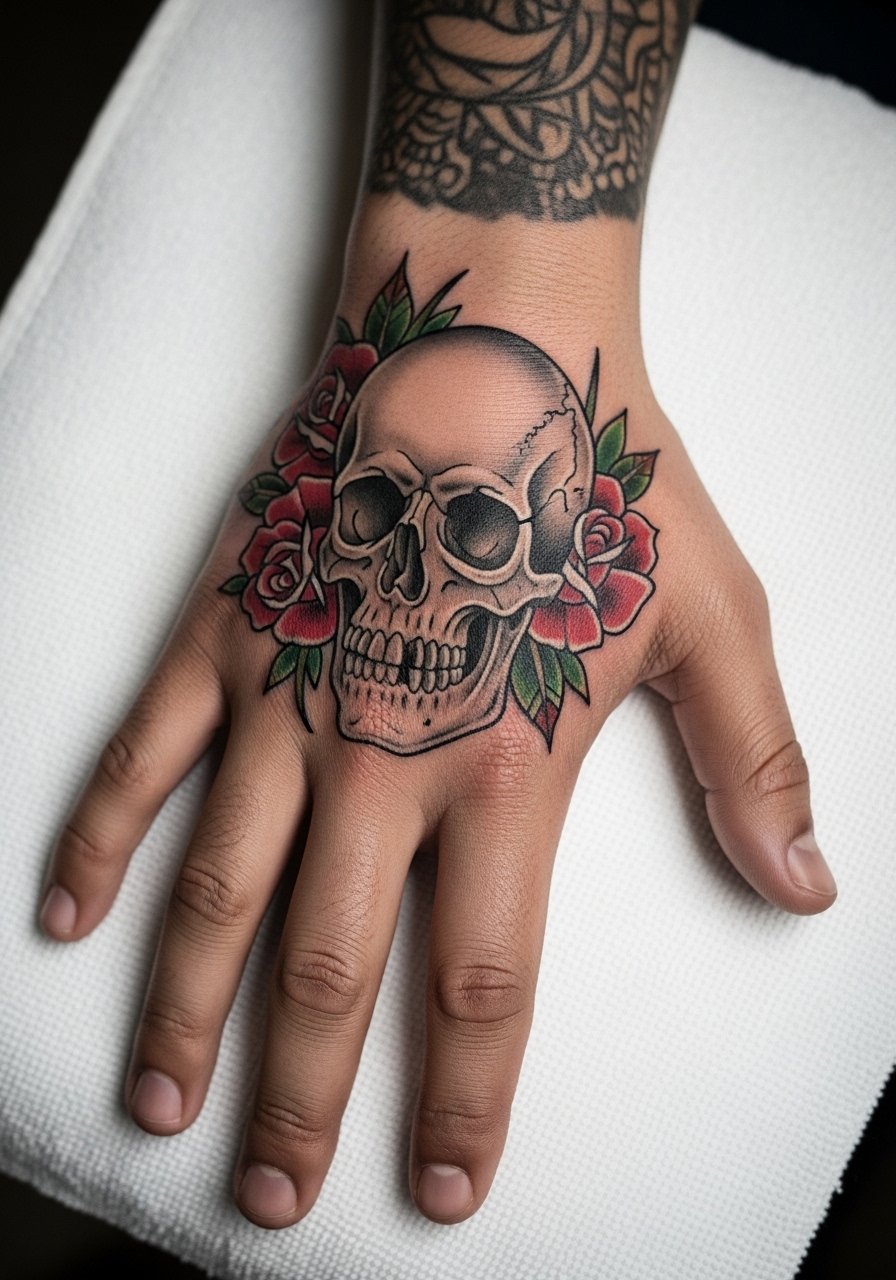
Palm tattoos demand respect because the skin there moves and sheds faster than other zones. The usual error is cramming too much detail into the palm where it will soften into mottled patches. Ask for thicker outlines and bold color blocks rather than tiny stippling. Healing can be fussy. Artists also split on Saniderm versus dry healing. One camp argues that protective film speeds clean healing on sweaty palms. The other camp says leaving the skin breathable prevents trapped bacteria. Similarly, some prefer thin balms to Aquaphor for breathability and reduced clogging. Mention the palm condition up front so your artist can advise on film or open care. Session feel is sharp and brief.
5. Micro-Realism Compass from Wrist to Hand
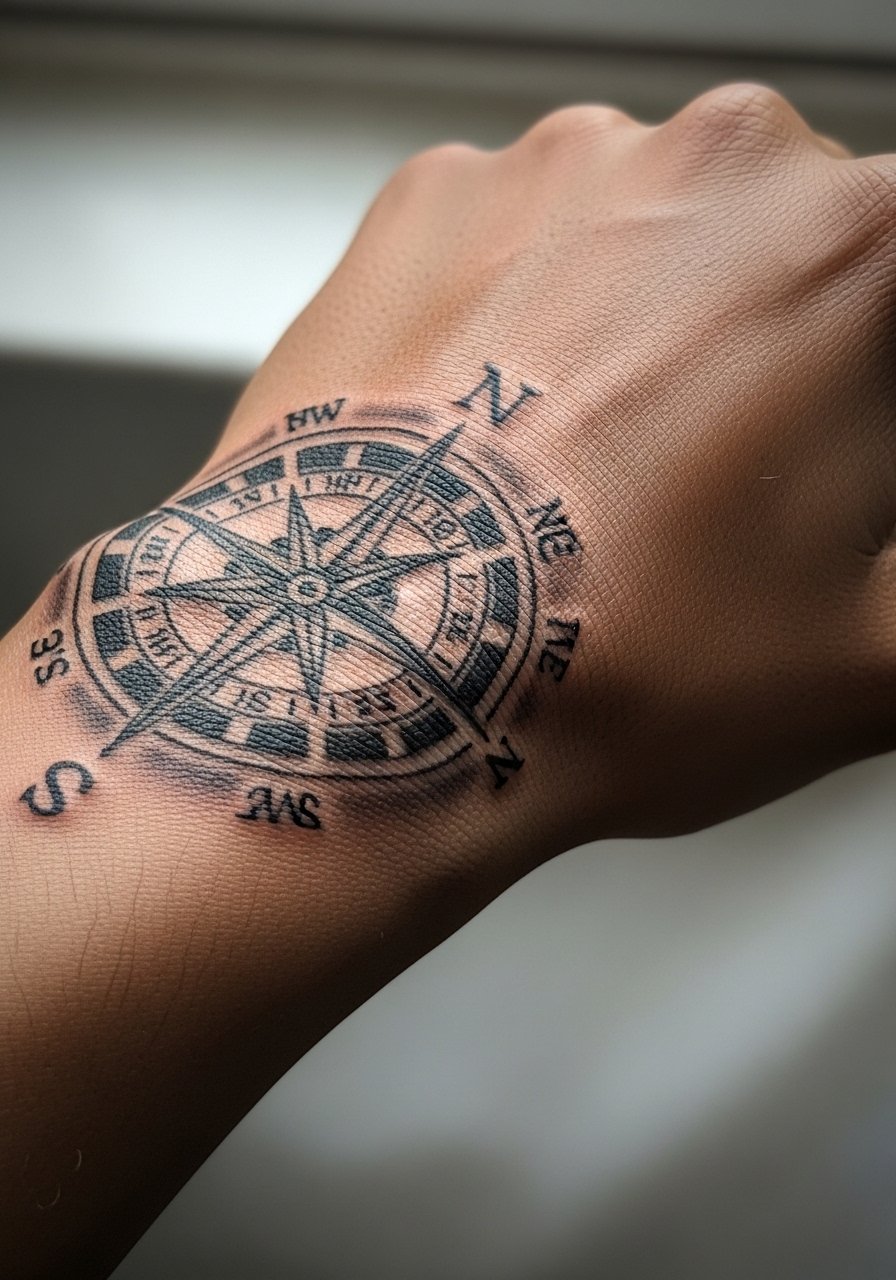
This is my go-to for travelers who want something small with precise shading. The trick is to simplify the tiny compass points and avoid overly fine crosshatching that disappears with frequent hand motion. Tell your artist you want heavier contrast in the needle and outer ring so the compass still reads at a distance. Expect two sessions for fine shading and a touch-up window at year two. Pain is moderate near the wrist bone. Pair the finished piece with a cuffed denim jacket so the compass peeks out when you roll the sleeve.
6. Ornamental Tribal Band Around Thumb Base
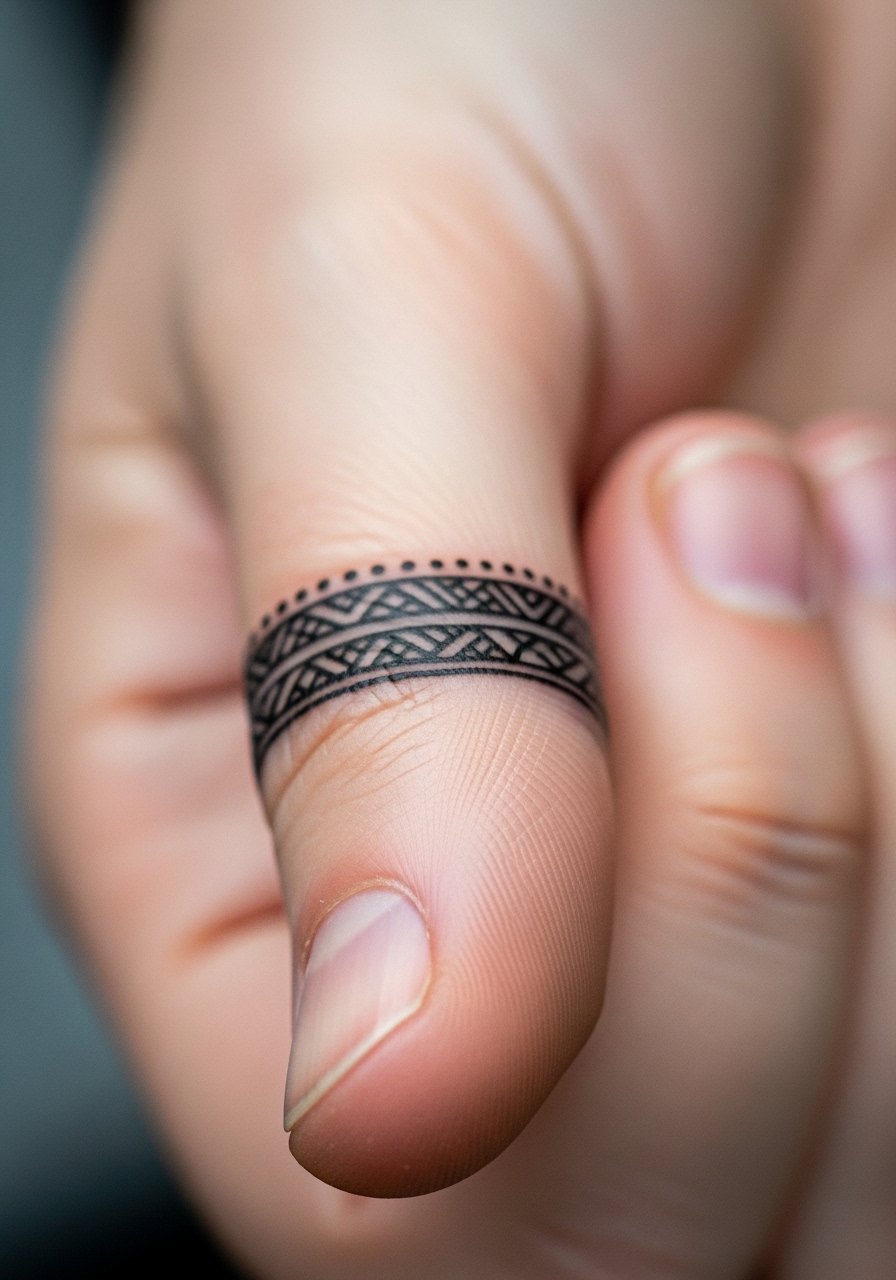
Thumb base bands are compact and age relatively well because the area stretches less than the knuckles. The mistake is making the band too thin or adding tiny repeating dots that spread. Ask for a slightly wider motif and a clean negative-space repeat for longevity. Session time is short and pain ranges low to moderate. This placement hides well when you make a fist and is ideal for someone testing hand visibility. For showing it off, keep it casual with a neutral crewneck tee and thumb-forward poses.
Heal Smart
The first six hand pieces above include delicate lines and high-friction zones, so a few targeted products smooth the session and early healing.
-
Tea tree salve tattoo aftercare. Lightweight salves with tea tree can help keep palms breathable while calming irritation from dense palm work like the skull and mandala options above.
-
Australian aftercare spray. A fast-drying spray is useful for web-space pieces and finger scripts where sticky films feel uncomfortable.
-
Japanese rice bran balm. This lighter balm soaks in without heavy residue, which helps wrist-to-hand micro-realism and thumb base bands during humid weather.
-
Mushroom extract soothing lotion. Anti-inflammatory lotions are handy for knuckle work and compact palm pieces that swell in the first 48 hours.
-
Hustle Butter. A thicker option for saturation-dependent blackwork, but note it needs more frequent reapplication than thinner balms and can feel greasy for desk jobs.
7. Watercolor Feather Quote on Finger Knuckles
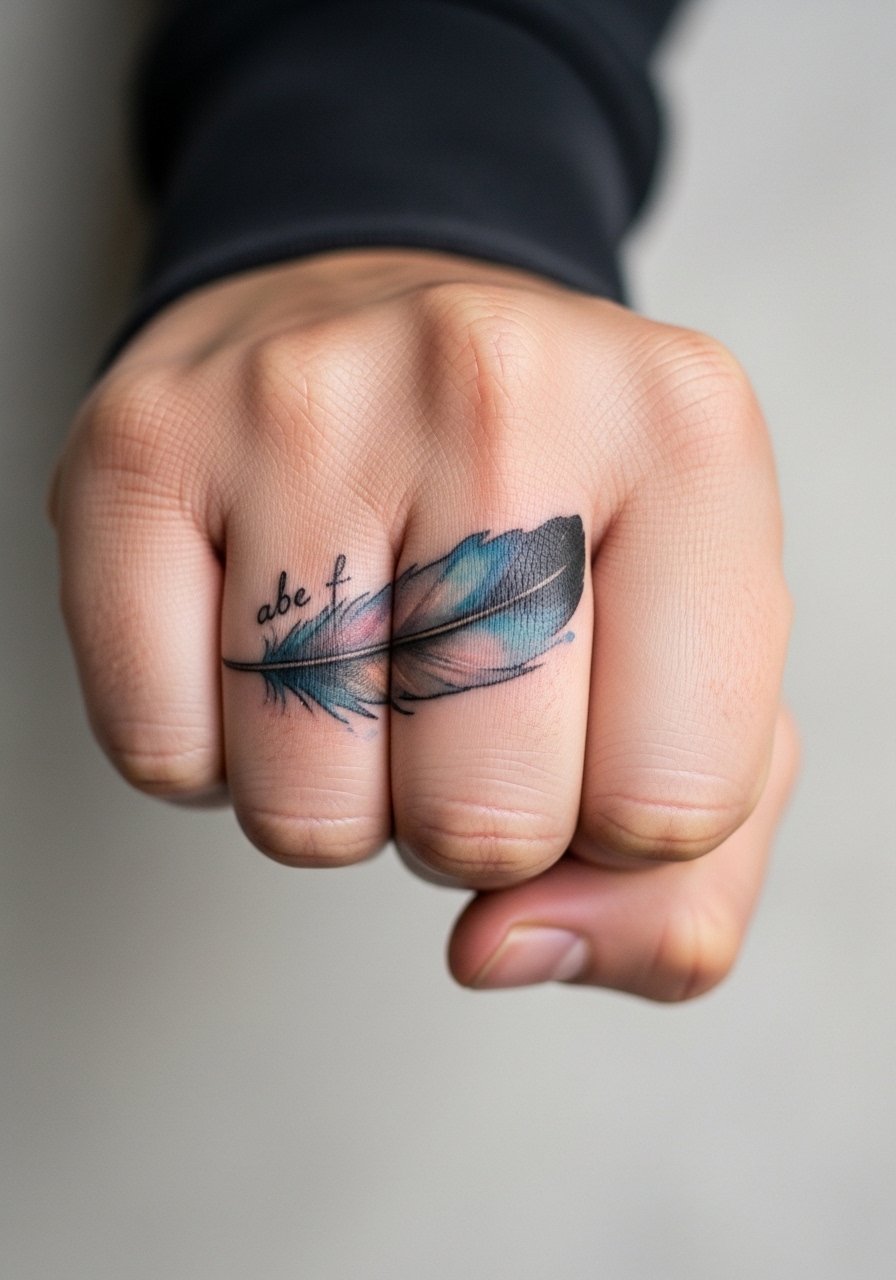
Finger scripts and watercolor washes are visually poetic but fragile. The most common error is asking for blended washes across joints. I recommend a tiny feather in muted color with the quote reduced to one or two words in a compact script. Tell the artist you want thicker script strokes rather than hairline lettering. Finger work heals quickly but fades fast because of friction. Plan touch-ups at the one-year mark. For visibility, a slim-fit hoodie keeps fists unobstructed while offering a neutral backdrop for the color.
8. Ignorant-Style Arrow Through Hand Web
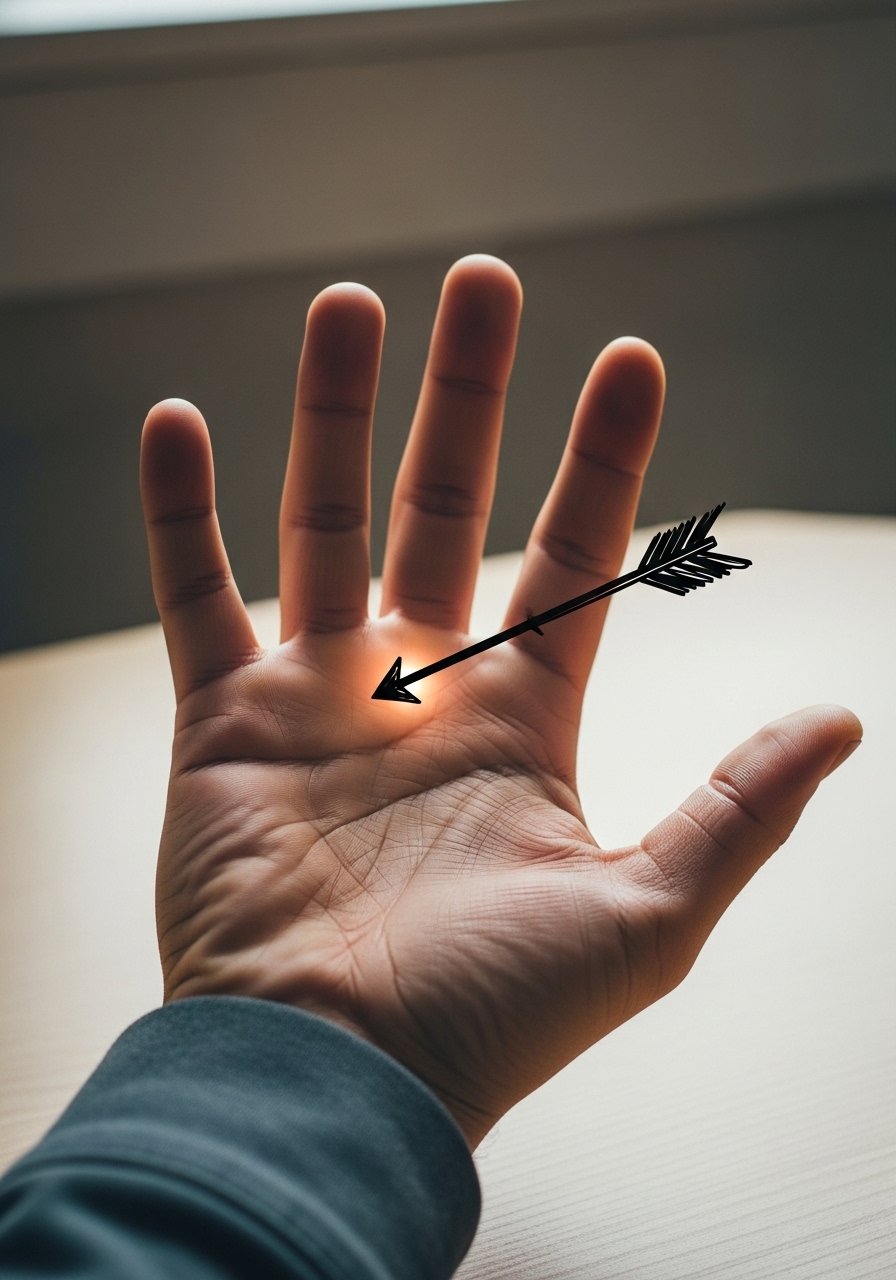
The hand web is perfect for a raw, graphic mark. Ignorant style favors thick, unapologetic lines that age better on high-touch skin. Avoid tiny cross-hatching across the web because it will soften into a smudge. Tell your artist to anchor the arrow with a strong head and shaft and leave negative space around the point. Pain is sharp but short. This slot is an anti-fade hack, and touch-ups are expected at year two for heavy-use hands. Because the web is visible in handshake and gestures, think about workplace impact before committing.
9. Traditional Cross with Dates on Side of Hand

Memorial pieces placed on the side of the hand are intimate and clear. The frequent mistake is overloading the area with tiny numerals or flourishes. For longevity, ask for a bold outline around the cross and keep dates in a simple serif so they remain legible. Pain is moderate. Sessions are usually single visits. Because the side of the hand sees moderate movement, expect a touch-up after a year or so. For session day, a short-sleeve polo shirt with folded sleeves keeps the area easy to access without being fussy.
10. Fine Line Tree of Life Roots on Palm
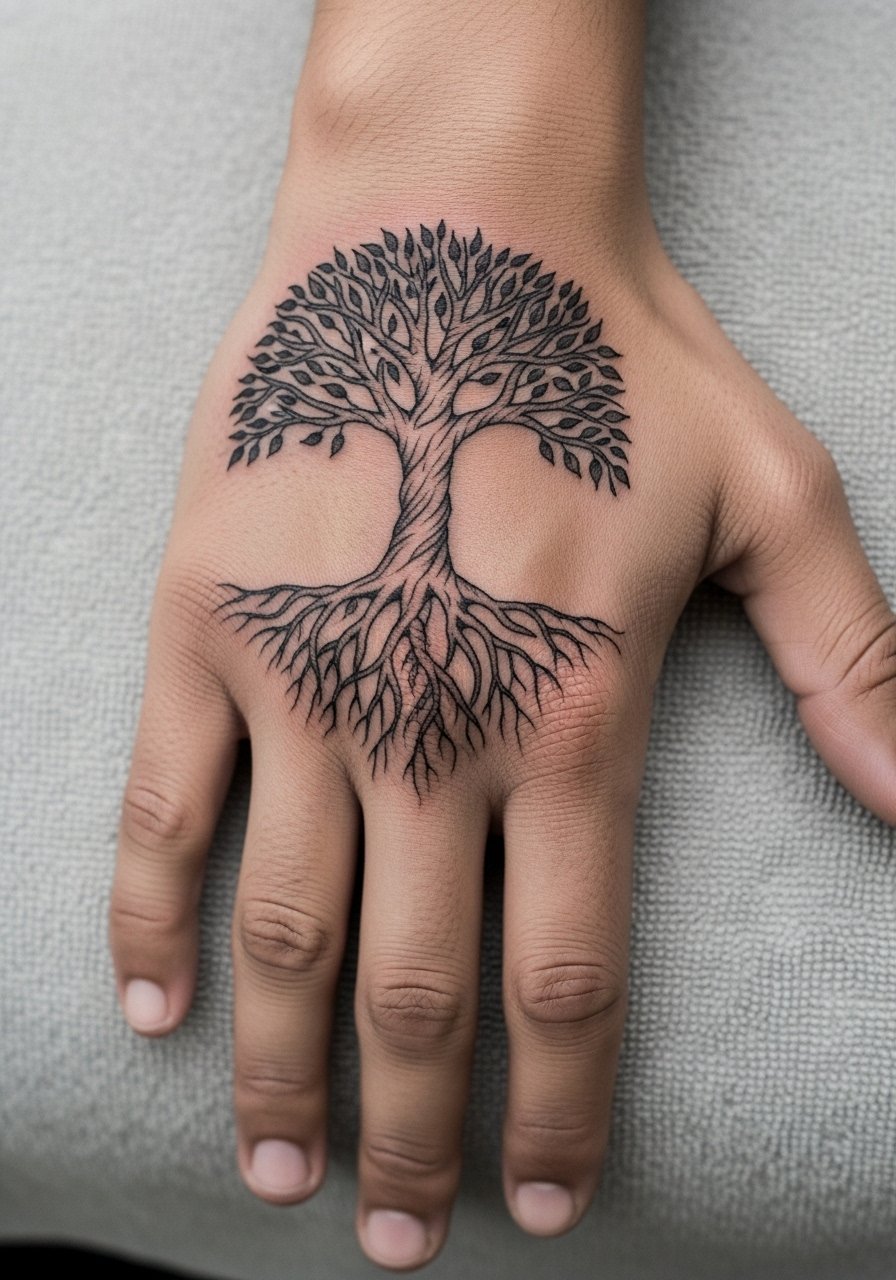
Palm-side root designs look meaningful but they test the limits of healing. A lot of people want sprawling root detail that simply will not survive the palm's friction. Ask for a compact root spread with bold primary branches and open negative space at the tips. The initial session is short and the touch-up window can be sooner than back-of-hand work. Pain is sharp and local. This piece suits someone who wants the symbolism for themselves, not necessarily for public display. If you plan to photograph it, remember palm ink often photographs duller than back-of-hand pieces.
11. Blackwork Hourglass on Back of Wrist
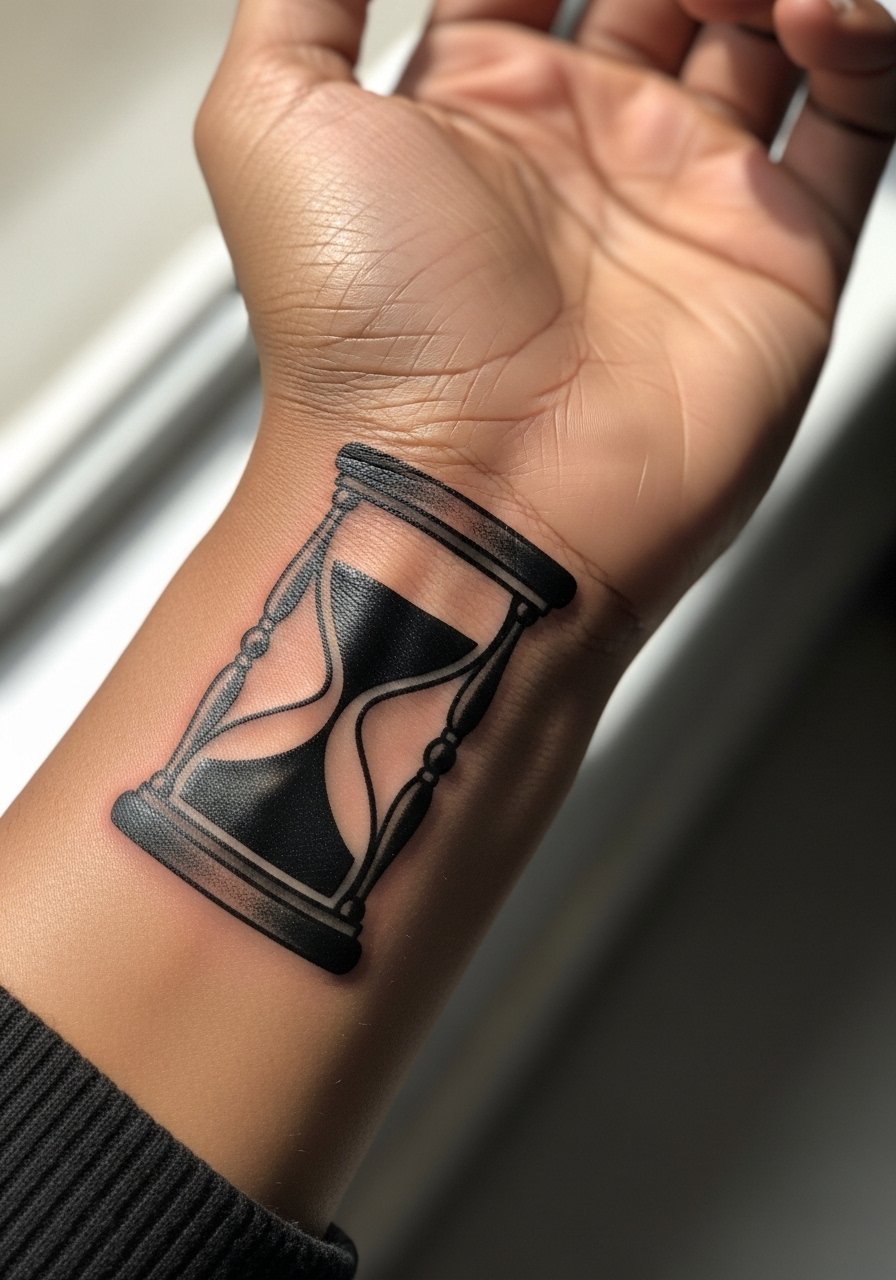
Small blackwork icons like an hourglass survive hand wear when saturation is dense. A common mistake is fine internal lines and thin glass detail. Ask the artist to lean into silhouette and negative sand shapes so the concept reads even after some fade. Expect a single session and periodic touch-ups every 18 months for heavy wash hands. Pain is low to moderate at the wrist bone. Pair with a minimalist leather watch or leave the wrist bare to let the silhouette pop. For showing it off, roll the sleeve of a denim jacket.
12. Minimalist Mountain Outline on Finger Side
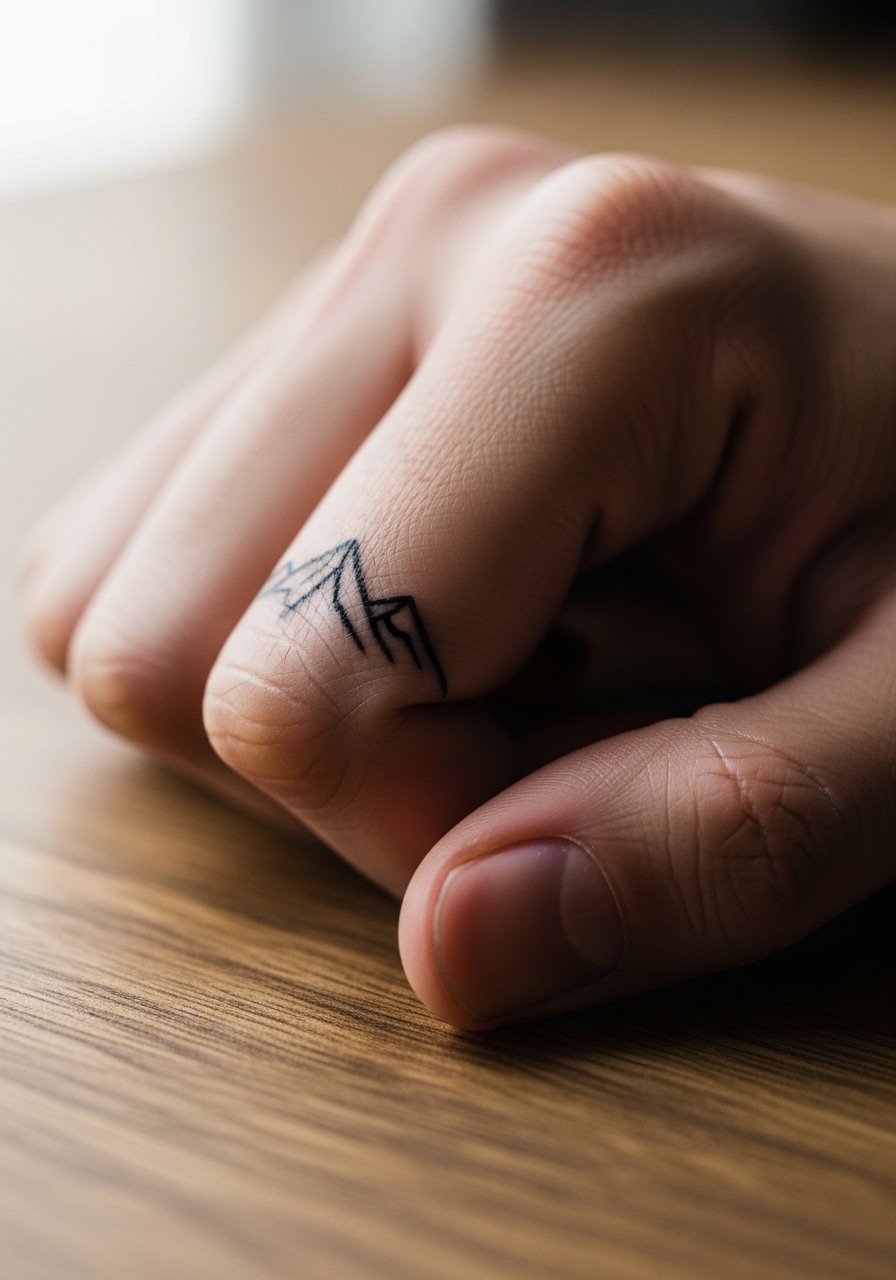
Tiny side-of-finger work is discreet and low-commitment. The mistake is trying to include too many peaks or tiny trees. Keep it to a single clean outline so the silhouette does not collapse with wear. This placement is sensitive but quick. Expect a brief touch-up at the one-year mark. It suits people who want a subtle nature nod that can be hidden by rings or glove work. For visibility and comfort during the session, wear a loose fit crewneck tee so sleeves do not ride down onto your hands.
13. Neo-Traditional Lion Head Profile on Thumb Pad
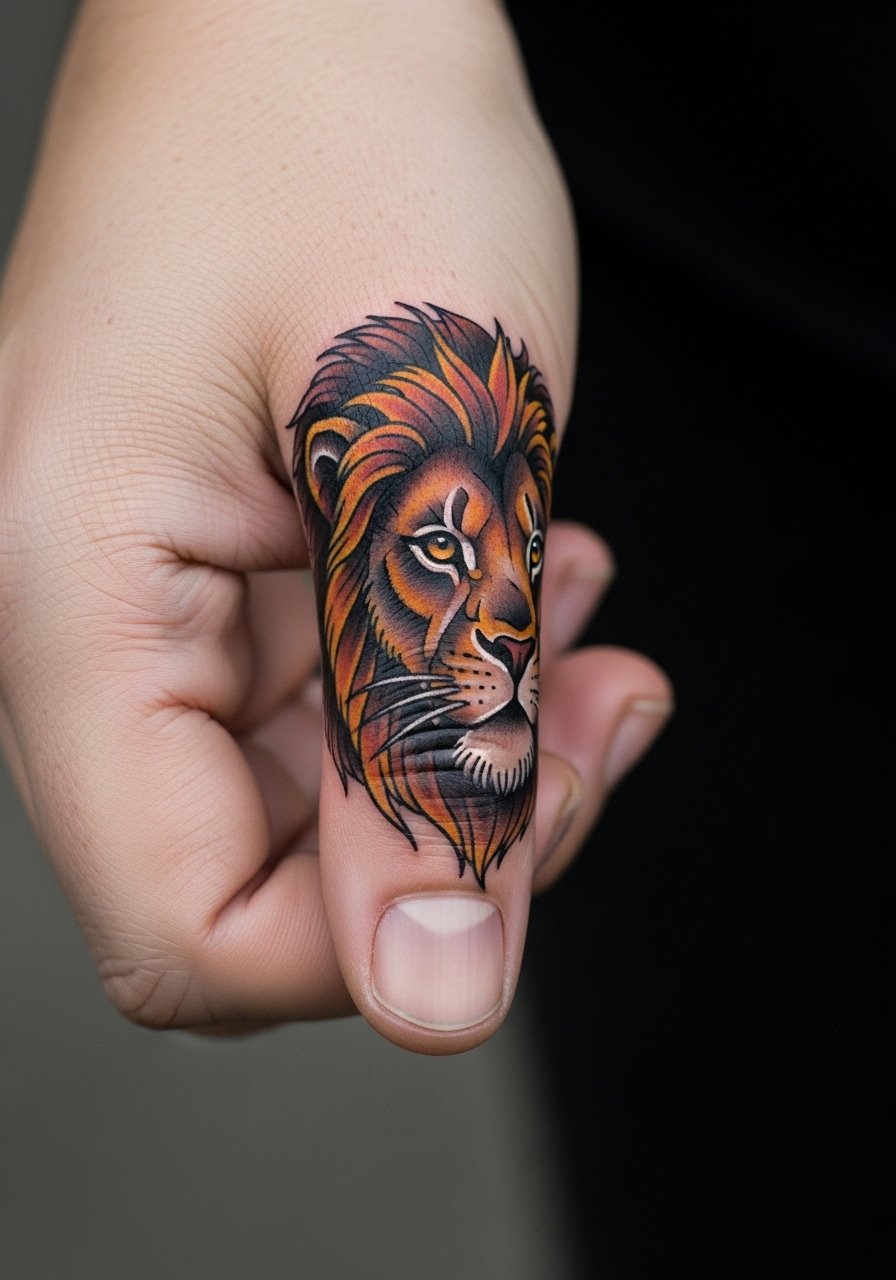
Thumb pad details need bolder elements to survive repeated grip and movement. The common error is trying for tiny fur lines. Tell your artist to emphasize the jawline and mane blocks with selective color fills instead of micro stippling. Expect two shorter sessions and a touch-up window at year two. Pain is moderate. This location conceals when you make a fist so it helps with job concerns. Show it off with thumb-forward poses and a neutral canvas sneaker.
14. Small Dagger Along Finger Bone
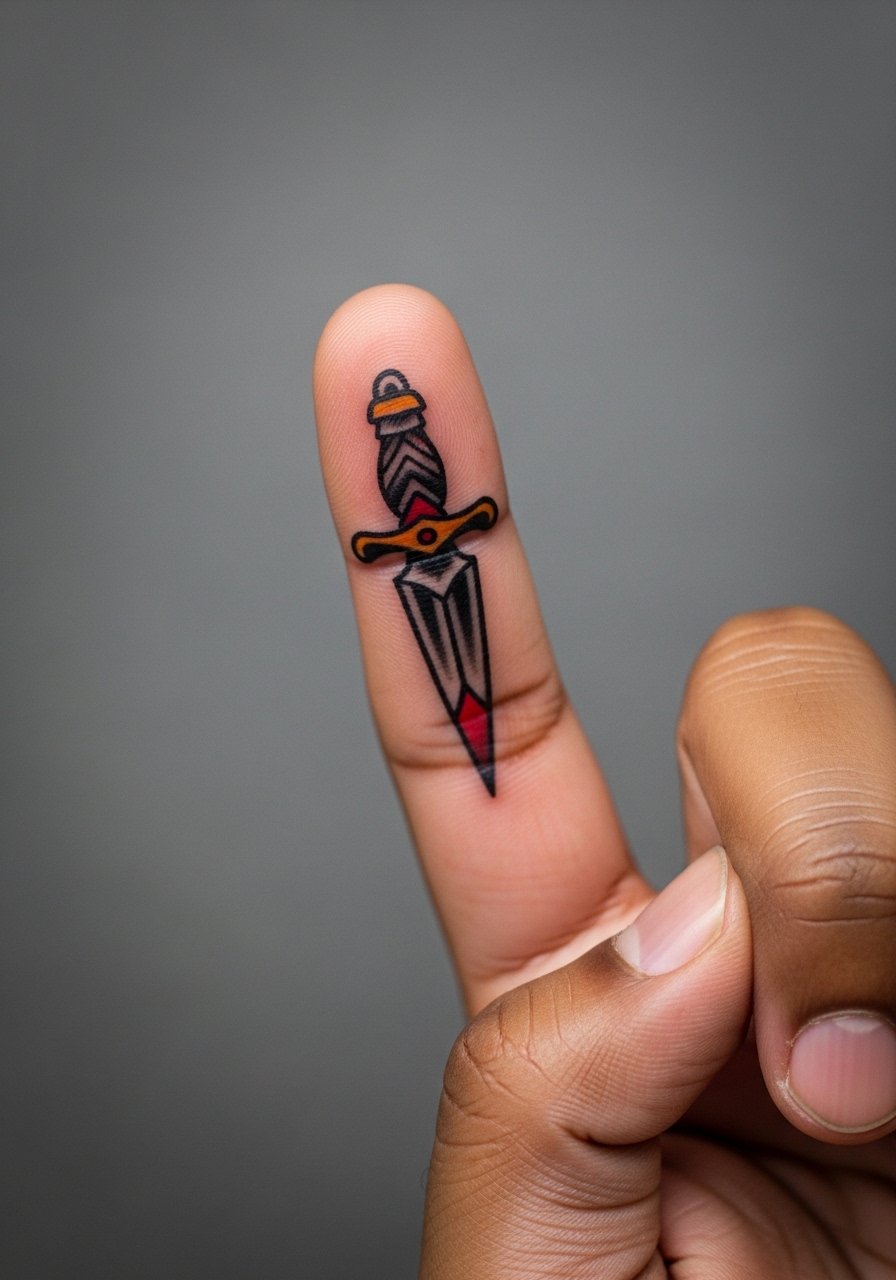
Edge-of-finger daggers read sharp when the outline is thick and the tip is open negative space. The typical mistake is over-detailing the hilt, which blurs against skin folds. Ask for a strong point and a bold guard so the shape remains readable for years. Expect quick sessions and annual touch-ups. Pain is concentrated. For session comfort, remove rings and wear a short-sleeve top so the artist can work unobstructed.
15. Palm-Side Tree Roots Wrapping Fingers
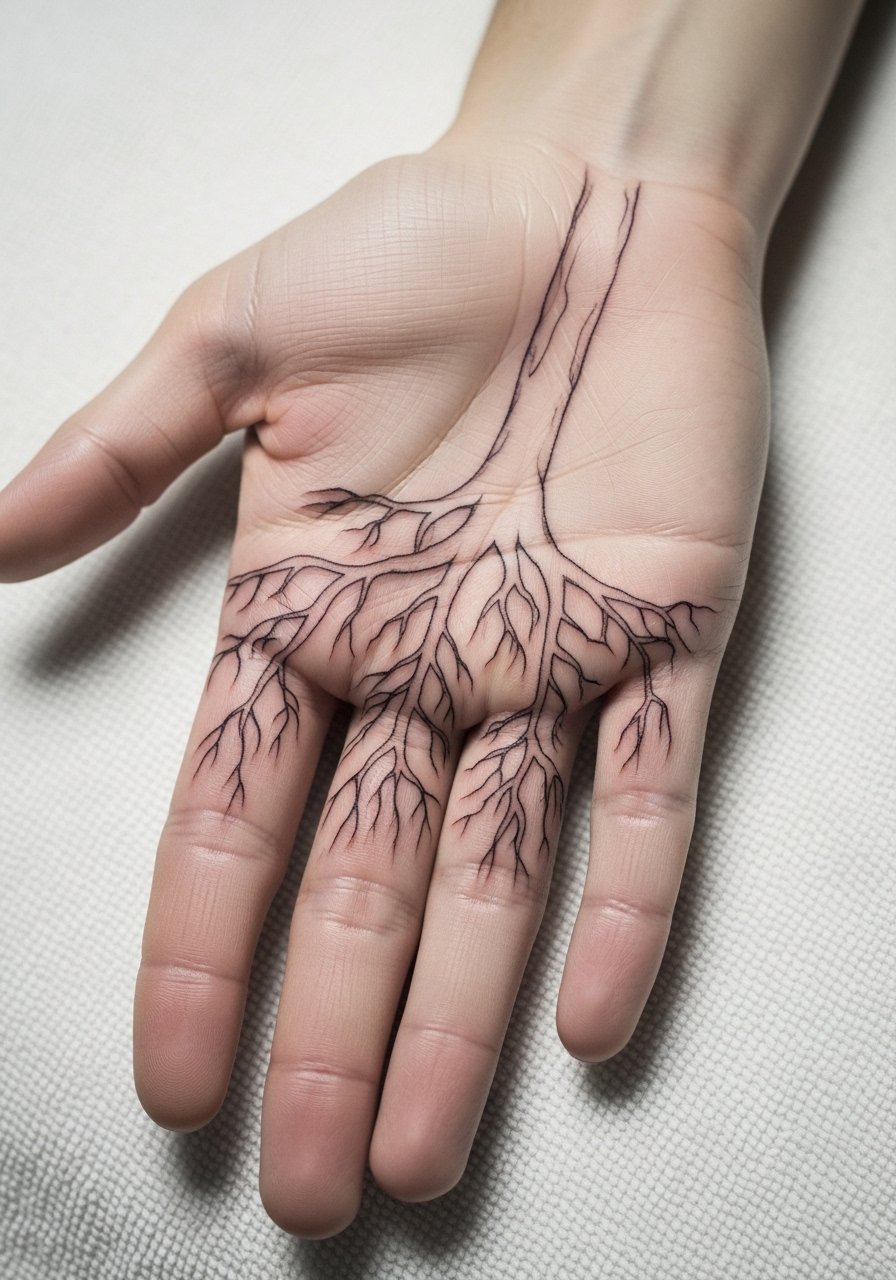
This is one of the under-covered options people request when they want an intimate family or ancestry mark. The frequent error is over-extending detail onto the finger pads. Keep the main root mass on the palm and allow simple tendrils to meet the finger bases. Healing is fussy and needs attentive care. Expect a two-session plan and early touch-ups if you use your hands heavily. Mention career implications because palm work is highly visible when open handed. For session wear, a sleeveless top with a loose arm opening prevents fabric rubbing.
16. Micro-Realism Animal Eye Near Thumb Web
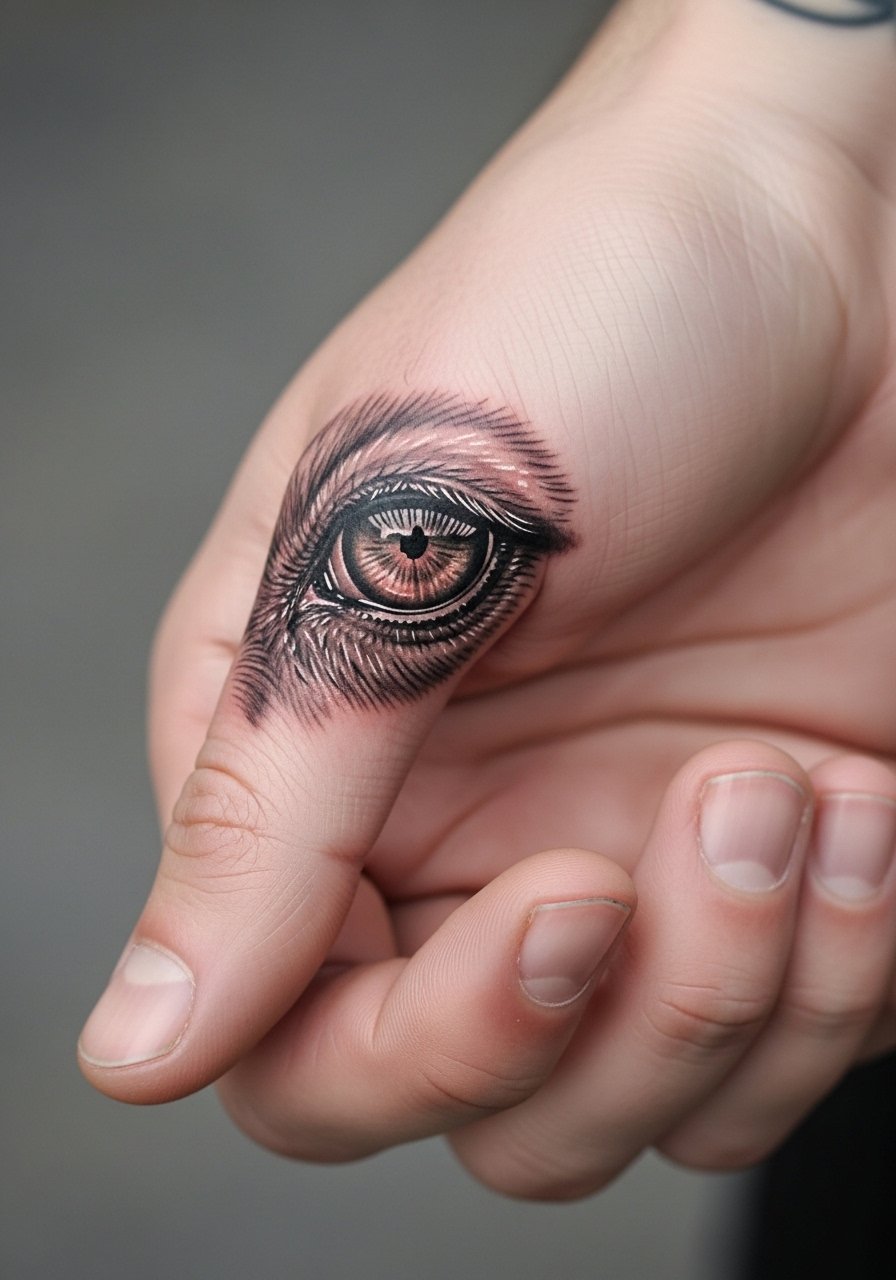
Micro-realism near the web can be striking but needs simplified composition. Tiny crosshatching often fills in with blowout. Ask for a single focal point with heavier perimeter contrast so the eye remains readable after settling. Sessions usually require two passes for fine shading and touch-ups at year two. Pain is sharp in the web area. This piece suits someone who wants a discreet focal point that appears during certain gestures.
17. Compact Norse Rune Cluster on Side of Hand

When adapting mythic symbols to the hand, scale matters more than accuracy. The mistake is cramming many runes into too small a patch. Pick two to three symbols with intent and ask the artist to space them with small gaps. Sessions are quick. Expect occasional touch-ups if you use heavy hand motions. Consider cultural sensitivity and avoid direct tribal insignia. For bookings, mention the exact runes you want and confirm the modern meaning before inking.
18. Constellation Palm Accent
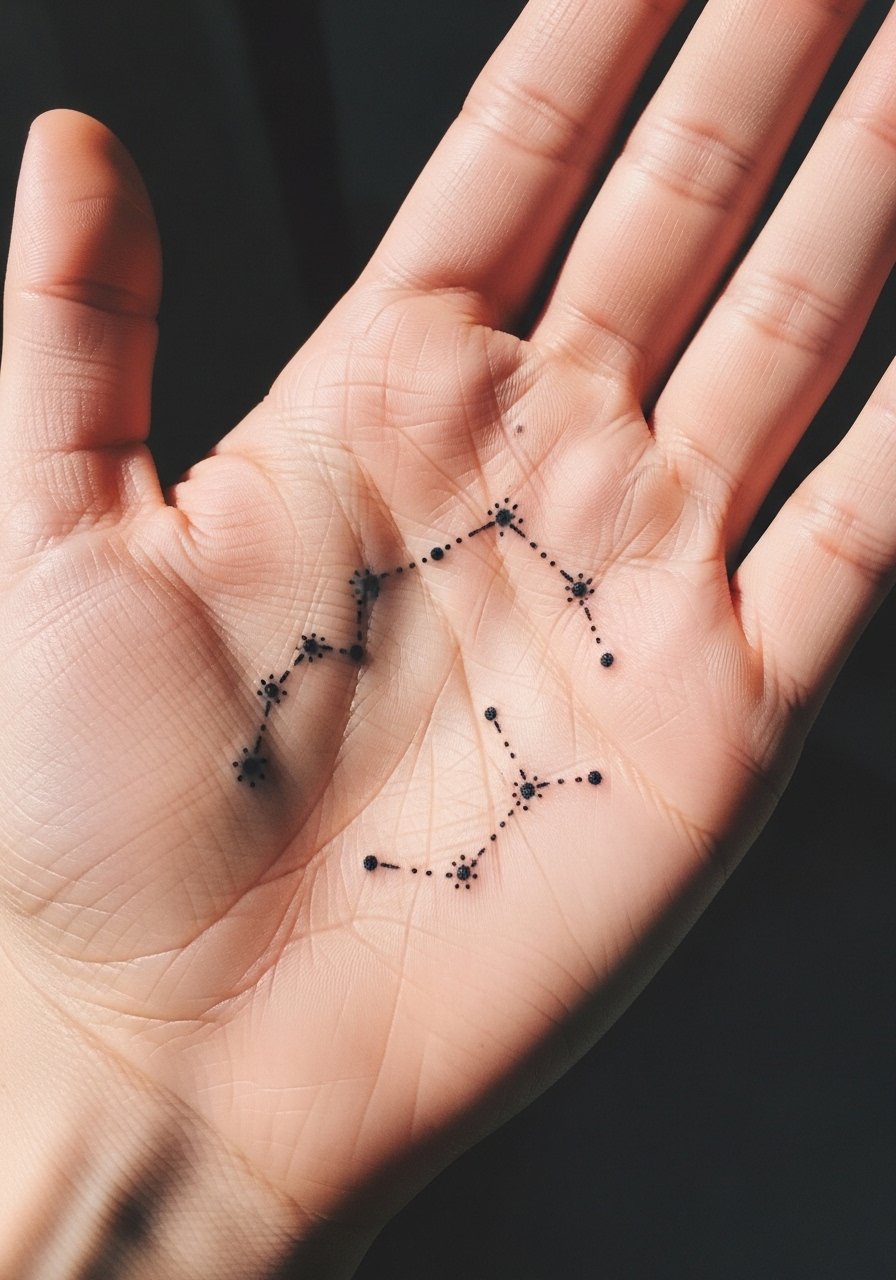
Constellation dots on the palm are subtle and personal. Tiny dots can heal unevenly if placed near deep creases. Ask the artist for slightly larger stipple dots with consistent spacing so the pattern survives the first year. Pain is sharp but localized. This piece is best as a small private reminder rather than a showy piece. For session access, wear a shirt with a sleeve you can pull up without tugging the palm area.
19. Keyhole or Lock Symbol on Web Space
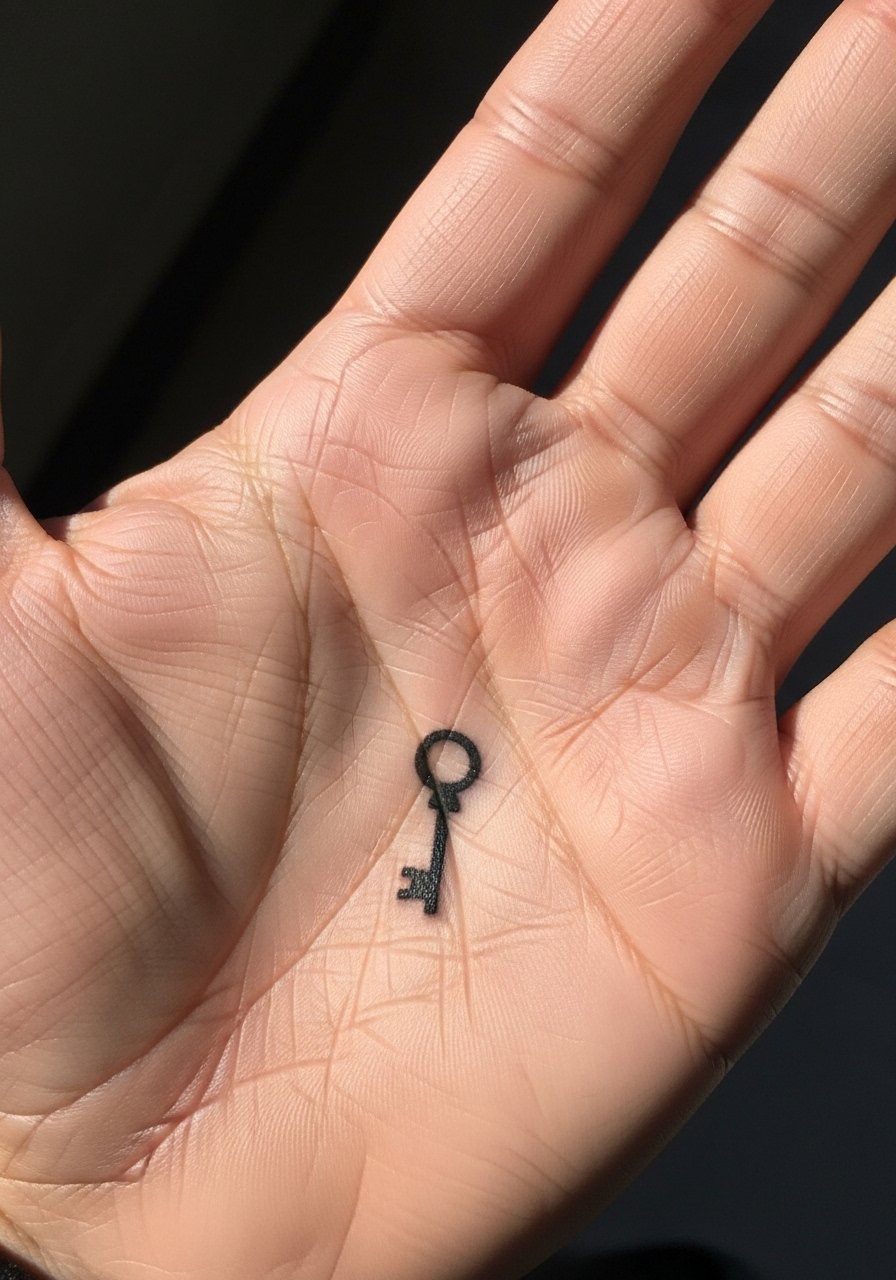
Small symbolic marks like a keyhole are minimalist and benefit from strong silhouette. The usual mistake is detailed filigree around the keyhole that blurs. Tell the artist to keep the opening clear and allow the surrounding skin to sit mostly untouched. Sessions are quick and touch-ups periodic. This placement reads well in small doses and helps with concealing when needed.
20. Chain-Link Ornamental Across Top of Hand
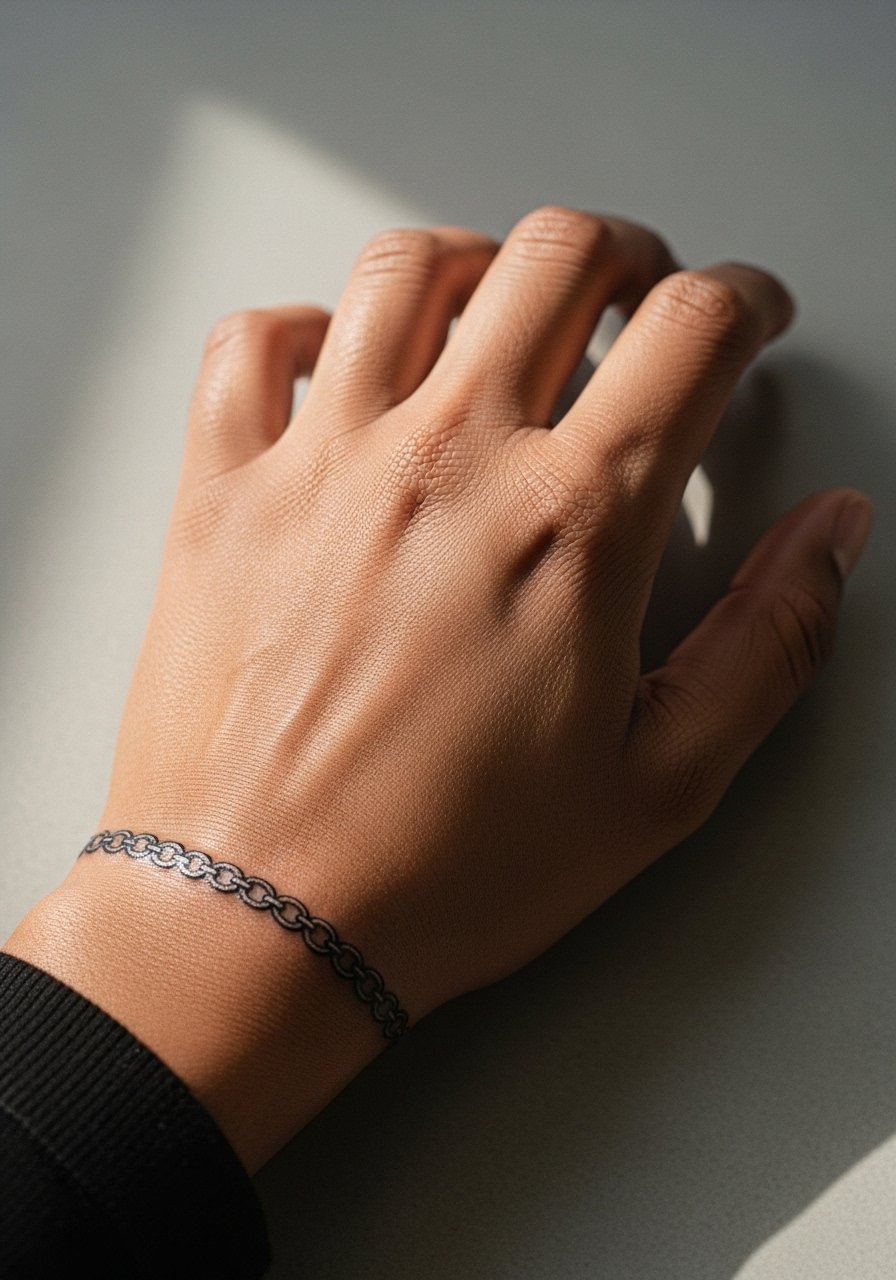
Bands that cross the top of the hand work when the links are slightly chunky. The common error is making the links too delicate which causes the pattern to merge. Ask for repeating links with a touch of negative space for separation. Pain is moderate. Expect touch-ups every 12 to 18 months. For session day ease, wear a short-sleeve tee and bring a light jacket you can remove without brushing the fresh ink.
21. Small Sailor Swallow on Back of Hand
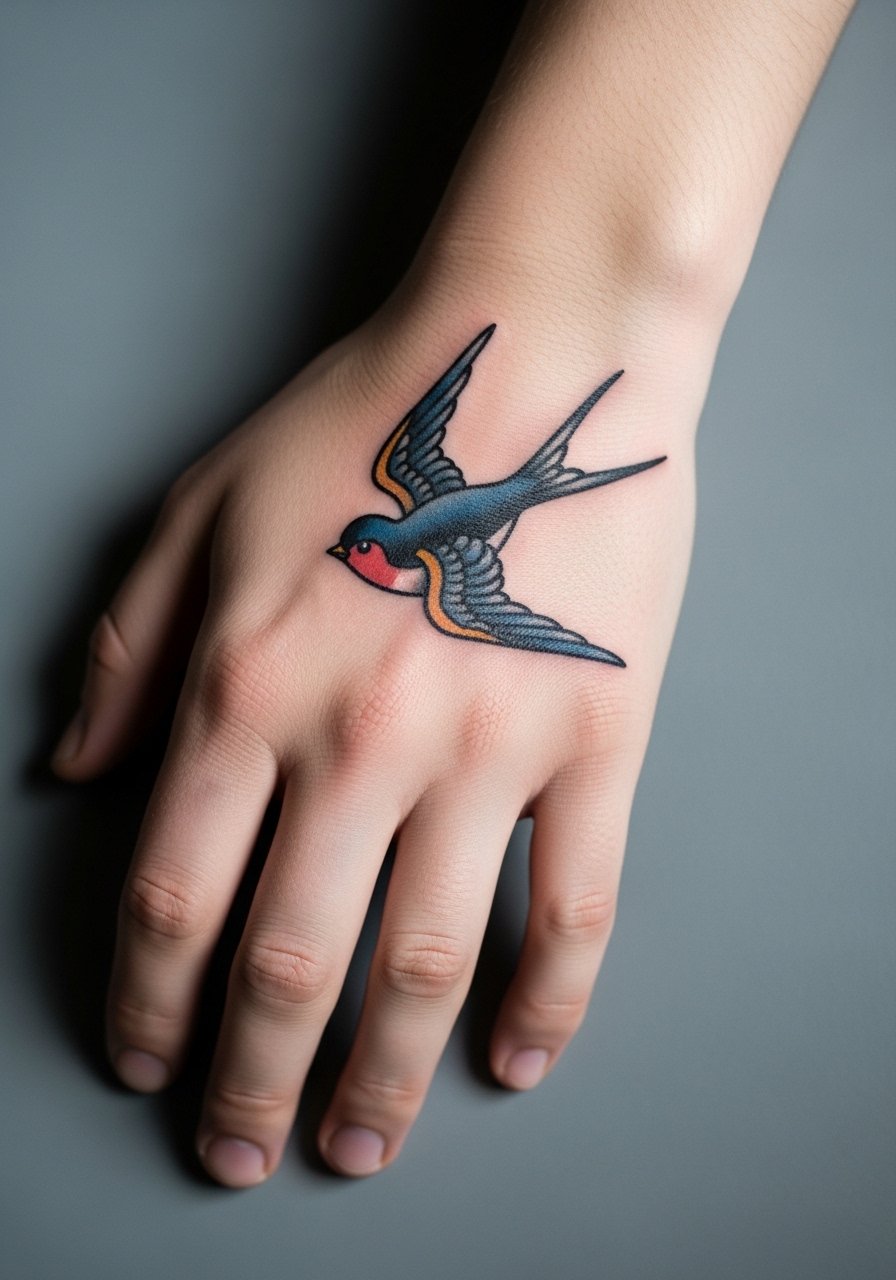
Classic swallow shapes age well if executed with bold outlines and simple color fills. Avoid over-texturing the wings or tiny feathers that will soften. Tell your artist to prioritize a clean wing silhouette and punchy beak. Sessions are fast. This kind of traditional piece benefits from saturated color and will hold up better than delicate scripts. For showing it off, roll up sleeves of a chambray shirt or wear a fitted henley.
22. Palm Constellation with Coordinates
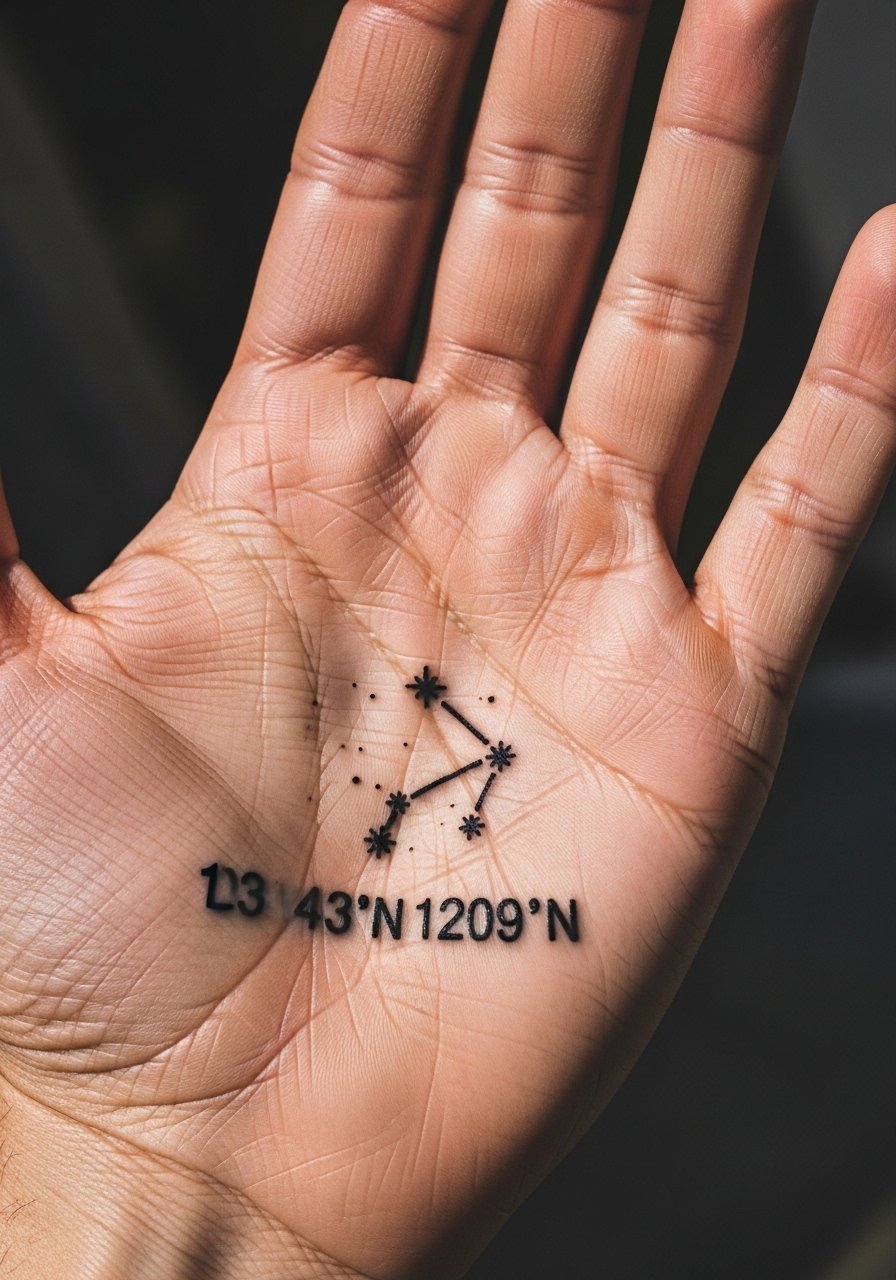
When text appears on palms, the prompt must be intentional because numerals can blur if too small. Provide the exact coordinates and request slightly larger numerals in a monospaced tiny font. Most artists will caution that numerals may need touch-up sooner than letters elsewhere. Pain is sharp and short. This layout works for memorial or place reminders that you want private.
23. Small Key Tattoo Near Thumb Base
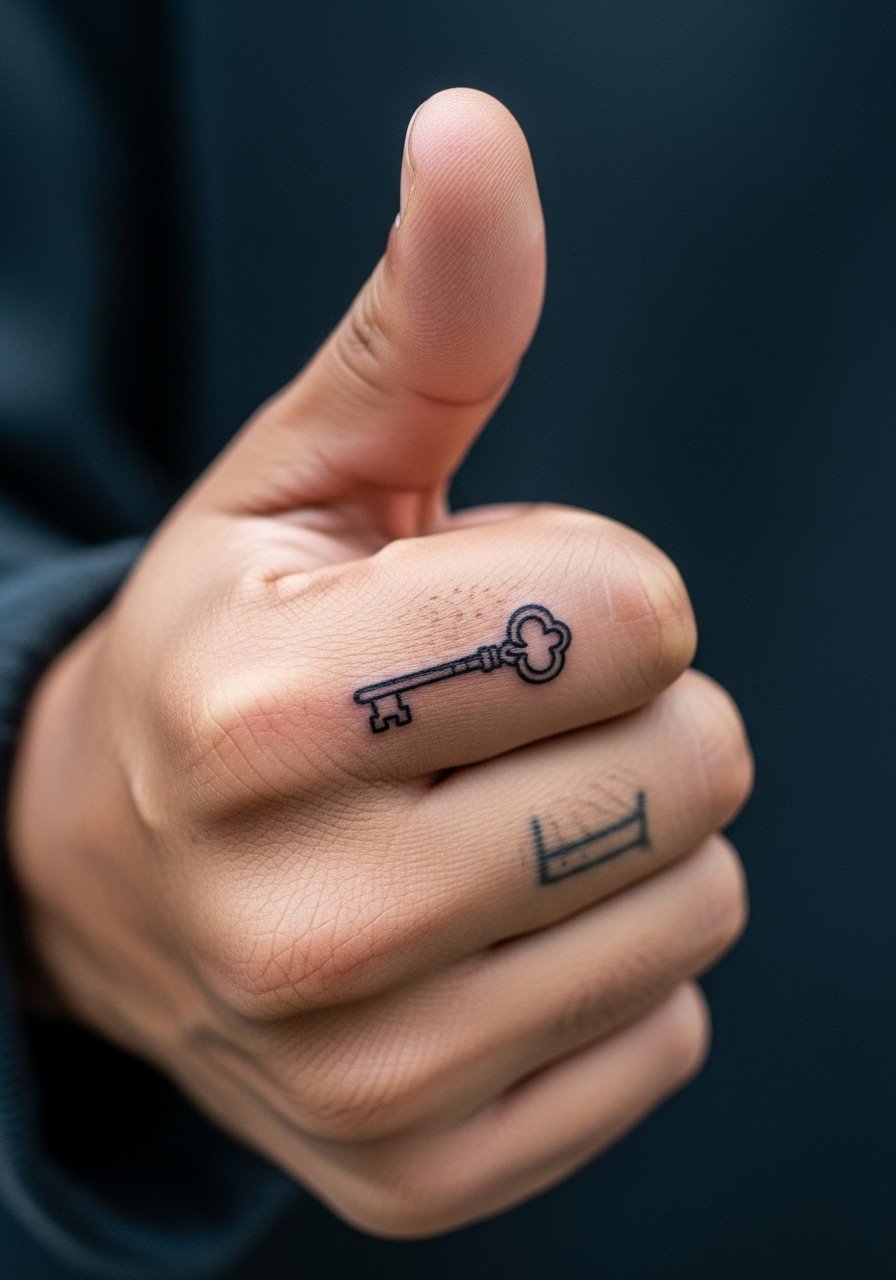
Keys read well at compact scale if the shaft and teeth are simplified. Mistakes happen when artists attempt ornate heads with tiny detail. Ask for a clean shaft and a bold silhouette for longevity. Expect a short session and a potential touch-up within 18 months depending on use. This spot conceals with certain grips and is good if you want a personal yet visible mark.
24. Dotwork Sunburst on Hand Web
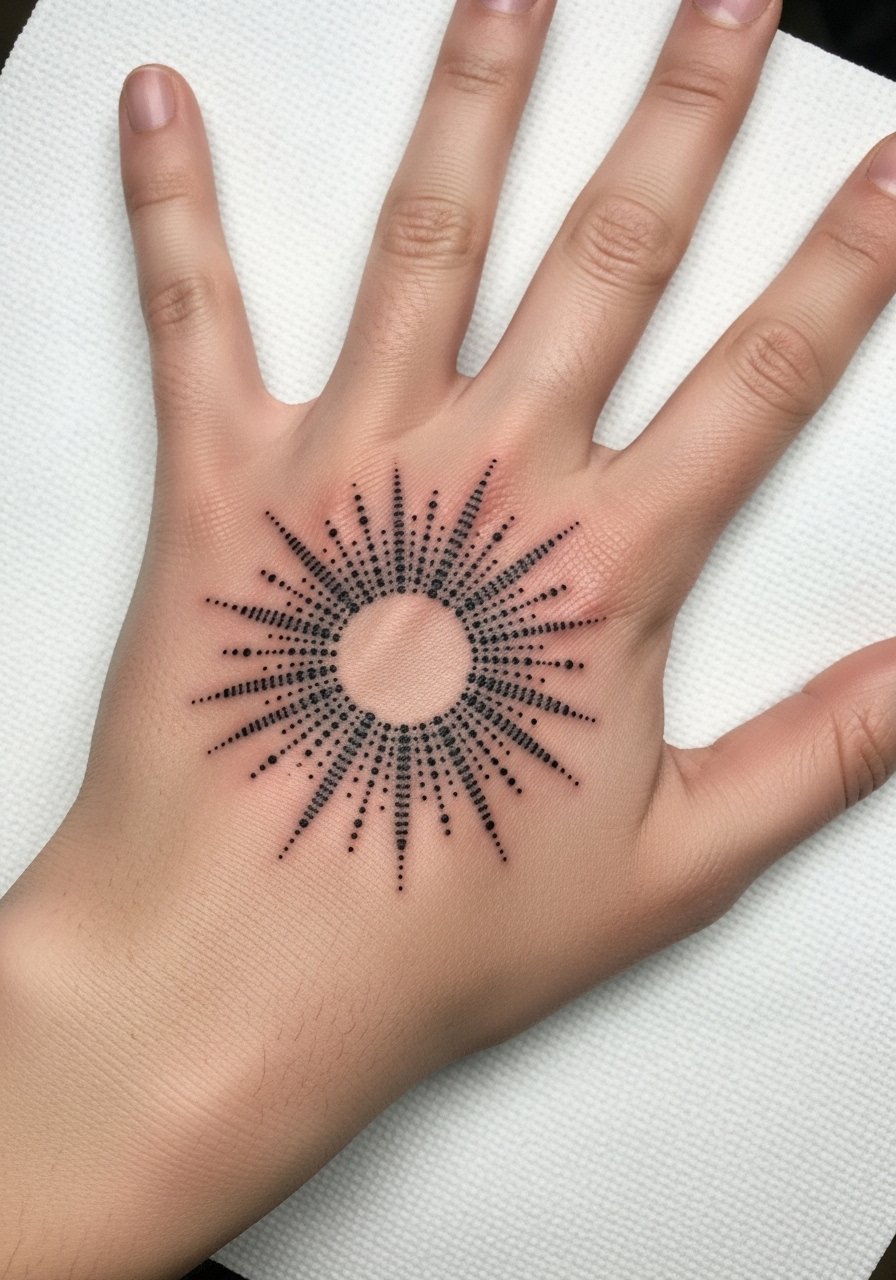
Dotwork can be durable on the web when dots are slightly larger and spaced evenly. The usual error is micro-dots that merge over time. Ask for a denser outer ring and looser center dots to keep the burst readable. Expect a short session. Pain is sharp. This style pairs with minimalist hand jewelry or a thin chain on the opposite wrist.
25. Micro-Realism Tiny Koi Near Thumb Web
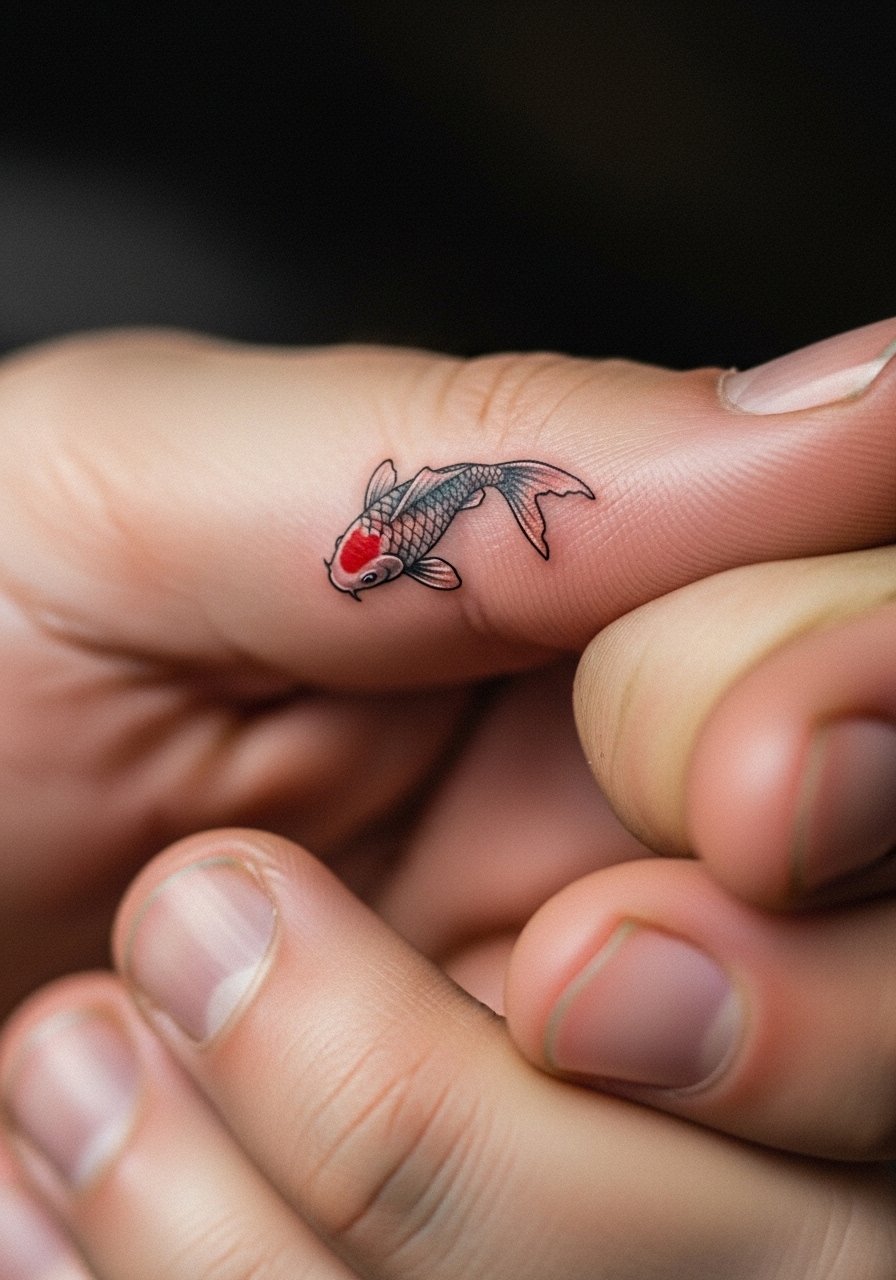
Micro-realism in the web needs simplified contrast so the fish silhouette survives. The problem is overworked scales that fill in. Ask the artist to pick one focal highlight and keep the rest as soft shading. Two sessions may be necessary for color layering and a follow-up touch-up. This is a quietly personal piece that looks strong in close-ups.
26. Scripted Initials Along Thumb Edge
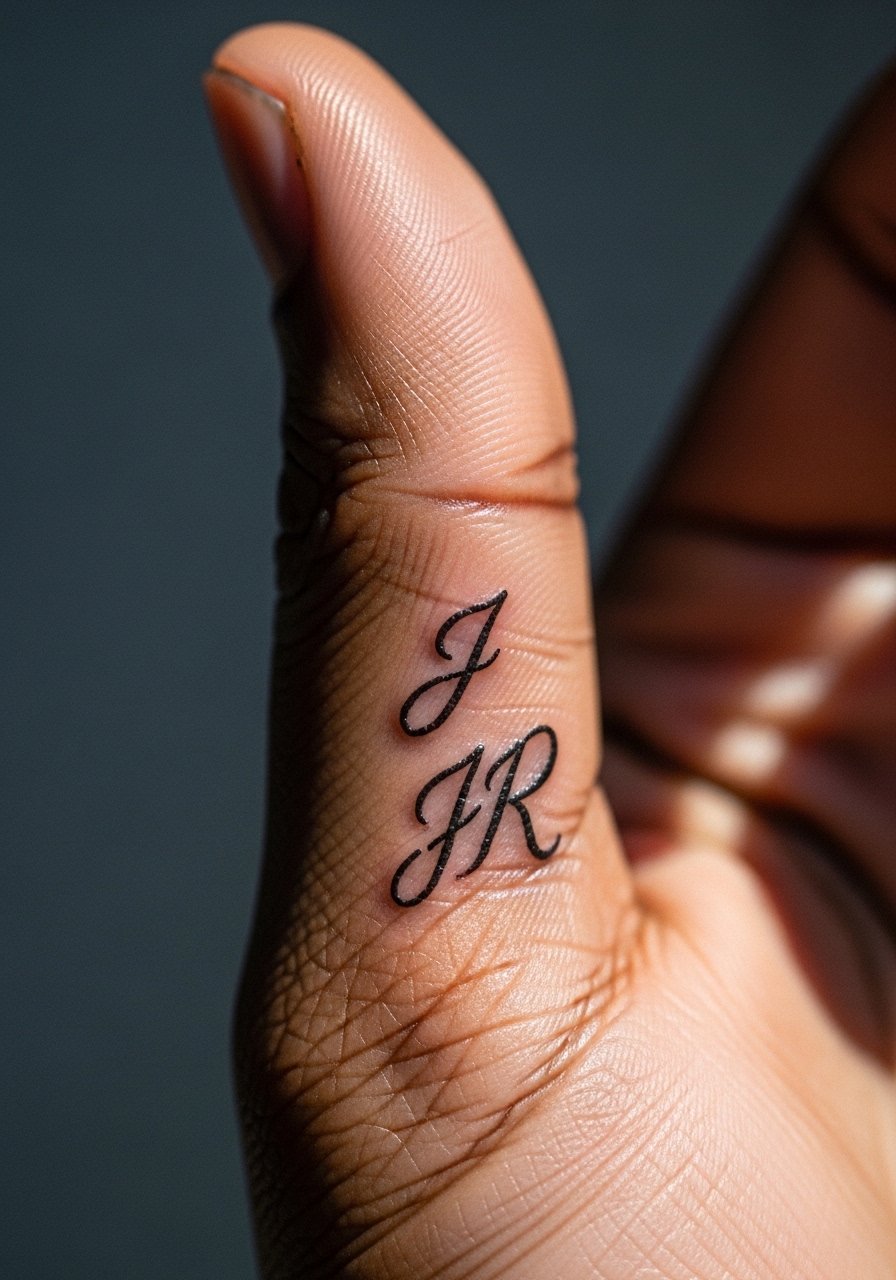
Initials on the thumb edge are simple but require bold script strokes. Tiny looping scripts disappear quickly under friction. Request slightly thicker strokes with open counters so letters remain distinct. Pain is low but the area moves a lot. Plan for a quick touch-up the year after. This is a discreet way to carry a name without a large visual commitment.
27. Palm Centered Mandala with Negative Space
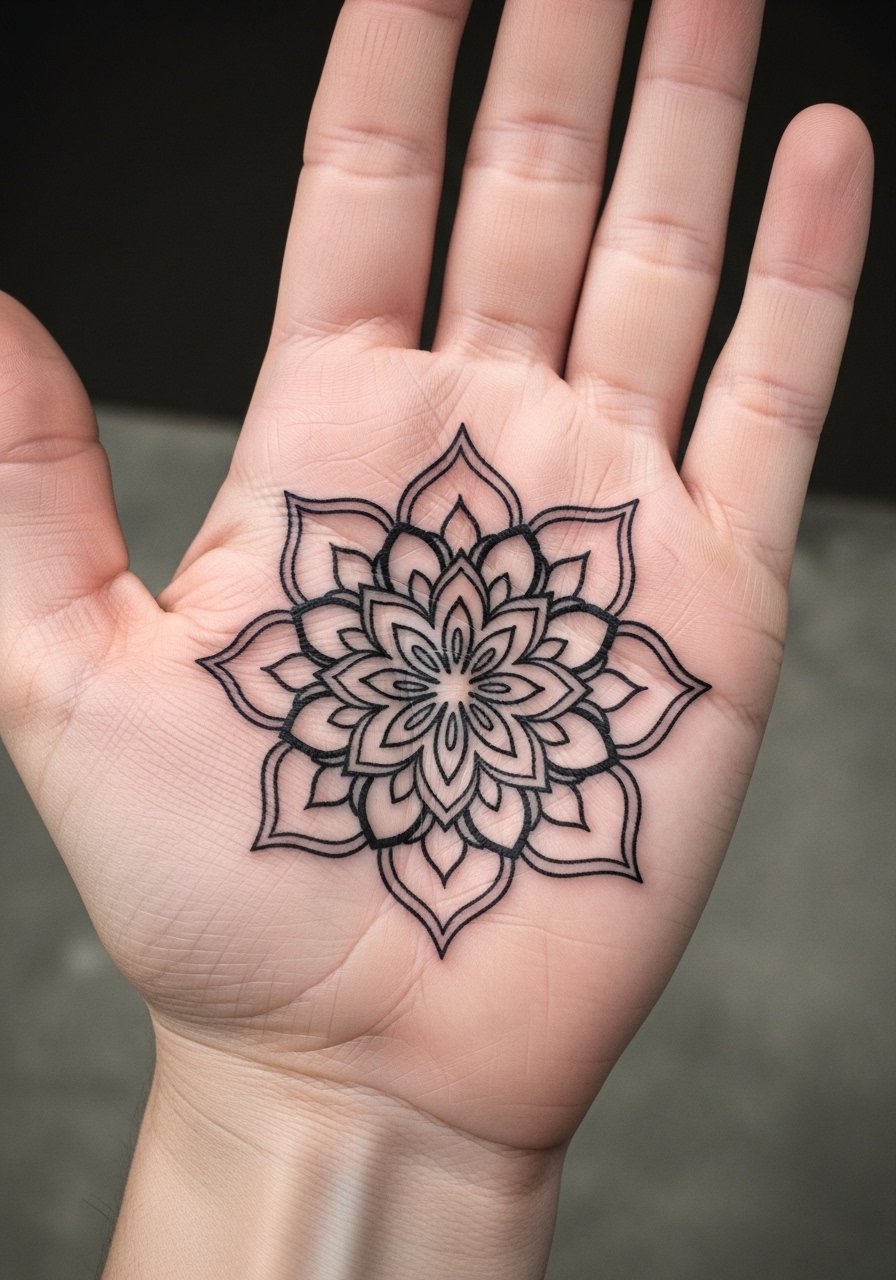
A palm-centered mandala reads intimate and ritualistic. The easy mistake is over-detailing the interior with fine stipple that the palm will not hold. Opt for wider petal separations and bold anchor lines so the pattern reads even as small touches fade. Expect the palm to need early touch-ups. Mention career visibility during consults because palm designs show every time you open your hand. Pain is sharp but the session is short.
Frequently Asked Questions
Q: Why do fine line mandalas fade faster on hands than on forearms?
A: Fine line fades on hands mainly because the skin there moves and is washed more often. Lines placed too close together merge over time. For a mandala, ask for larger spacing between lines and a slightly heavier outer ring so it keeps its form after a year.
Q: Can dark skin hold detailed geometric work on the back of the hand?
A: Yes, but contrast matters more than micro-detail. Seek bold blackwork and simplified negative spaces so the geometry reads after healing. Mention your skin tone during the consult and ask to test a small flash on a similar area first.
Q: What should I wear to a wrist-to-hand micro-realism session?
A: Wear clothing that gives clear access to the wrist and hand. A rolled-sleeve denim jacket or a short-sleeve button down makes it easy for the artist to work without fabric interference.
Q: How do I avoid being ghosted after paying a deposit for a hand piece?
A: Use booking platforms that offer verified appointments and keep written confirmation of the deposit terms. If an artist needs to reschedule, get a clear timeline for the session and a refund policy in writing.
Q: Will weight changes stretch knuckle tattoos?
A: Significant weight fluctuations can alter skin around joints. Knuckle tattoos are most at risk because the skin shifts when fingers flex. If you anticipate changes, choose top-of-hand or thumb-base placements that tolerate stretch better.
Q: Are there special aftercare needs for palm and web-space tattoos?
A: Palm and web areas sweat and flex more than other spots. Many people use lighter balms or fast-dry sprays rather than thick ointments. If you want a protective film approach, check how your skin reacts since some prefer open healing for palms.
Q: Do numbing creams affect fine line work on hands?
A: Numbing creams can blunt pain for first-timers but they may change skin feel during the session. Some artists use them and others avoid them. Discuss this in the consult so the artist can adjust technique if you plan to use a topical.
