
Fine line work looks gorgeous in photos, but what stays true after years is a different story. The sketch style that reads emotional now can soften into a whisper if you pick the wrong placement or go too small. These 27 sketch-style dad and daughters tattoo ideas focus on designs that hold up, what to ask for in the consult, and how to wear them so the memory stays visible and intentional. Start with a forearm piece that reads like a sketch on skin.
1. Sketch-Style Portrait Strip on Inner Forearm

I recommend the inner forearm when you want a linear portrait that reads like a pencil sketch. Tell your artist to plan for slightly heavier linework around facial contours so the eyes stay readable at two years. Fair warning, the biggest mistake is asking for the thinnest possible lines. They look fragile fresh and often blur into one another after sun exposure. Session time runs around an hour for a single small portrait and the pain is low to moderate. Pair the finished piece with a rolled sleeve linen shirt for everyday showing without overexposing the ink.
2. Father-Daughter Coordinates on Wrist

Wrist tattoos heal under constant motion and hand washing. Choose a slightly larger, airy script so the numbers do not merge with time. Tell your artist to space the digits and keep the dots minimal. Expect a touch-up window at year two for fine wrist work. The pain is brief but sharp. For the session, wear a loose button-down shirt you can pull aside so the artist has clean access. Also plan on avoiding wrist bracelets the first week to limit friction.
3. Linked Sketch Hands on Collarbone
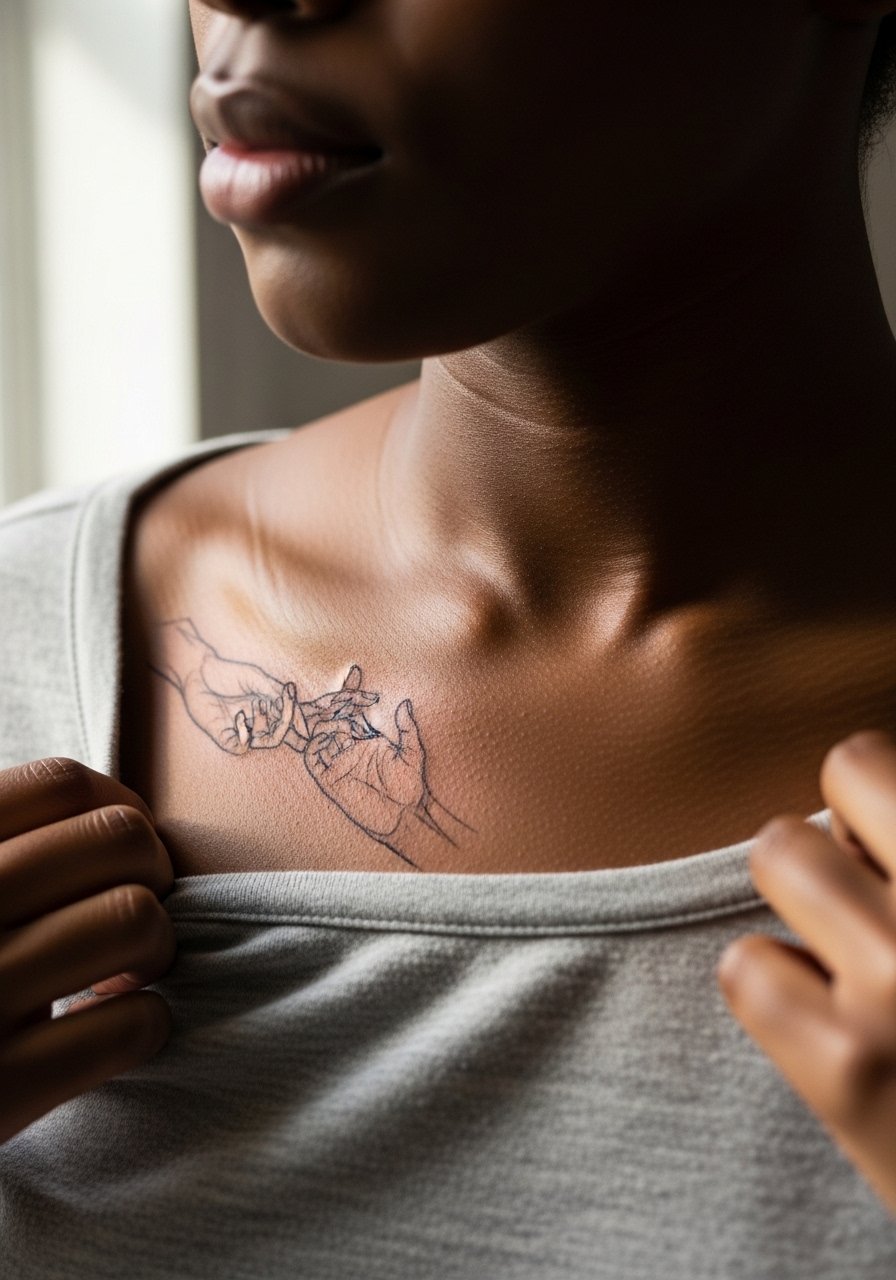
Collarbone ink reads like a delicate sketch when spaced properly. Artists split on whether ultra-fine lines work there. One camp says the bony area holds crisp detail. The other camp says movement and low soft tissue make lines spread. My take is to aim for balanced line weight and slightly more negative space. The session feels quick but the area is sensitive. Wear a thin chain pendant necklace above the piece to frame it without crowds. Avoid requesting tiny, dense shading, which tends to soften with time.
4. Scribbled Heart Outline on Chest Sternum
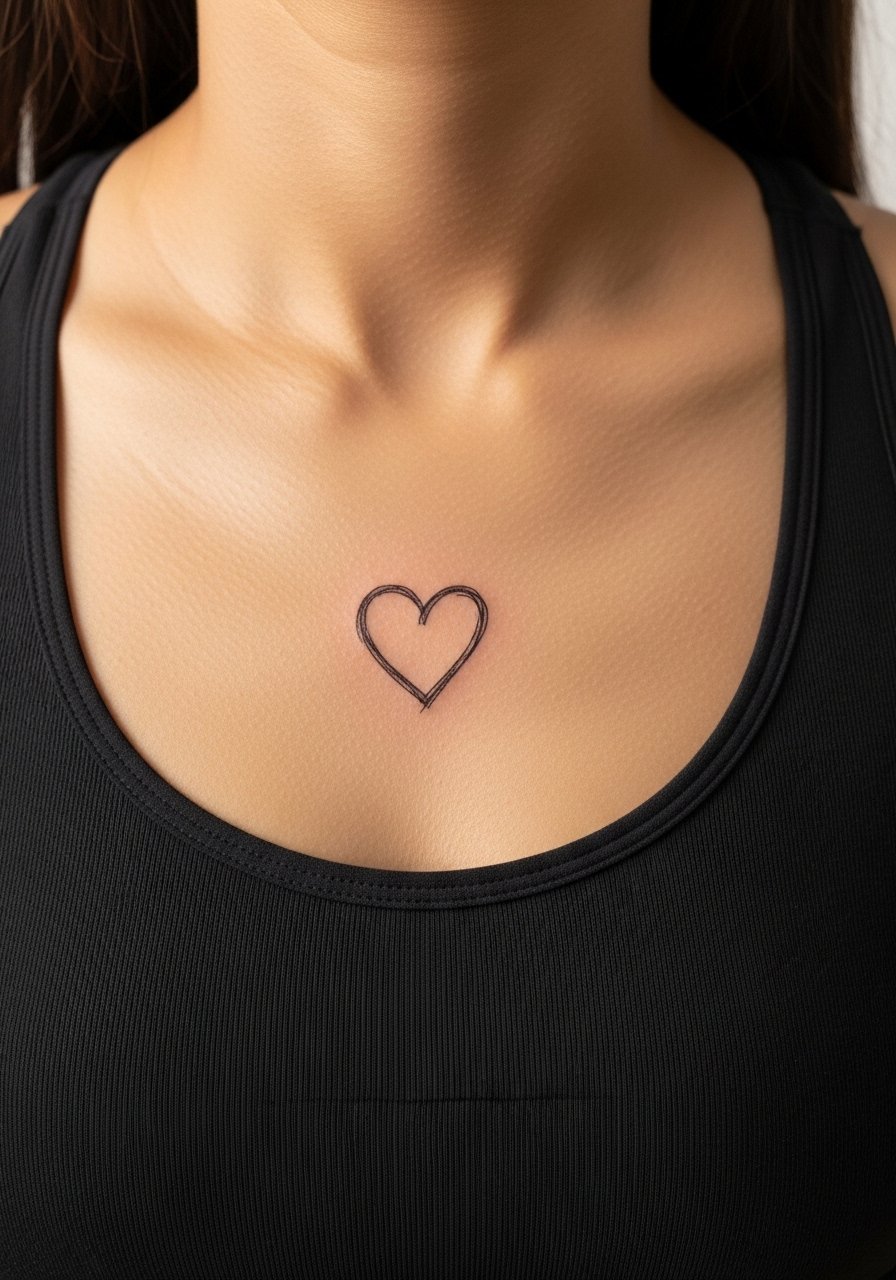
Sternum placements are intimate and sensitive. The session will be more uncomfortable than an arm piece, but the result sits close to the center of a look. Ask for a slightly looser sketch stroke to prevent lines merging as the skin moves. The common mistake is requesting dense cross-hatching over the sternum, which can age into muddiness. This design often needs a touch-up at year three for line crispness. For the appointment, wear a fitted sports bra so the artist can access the area without you having to remove clothing entirely.
5. Small Sketch Balloon on Ankle
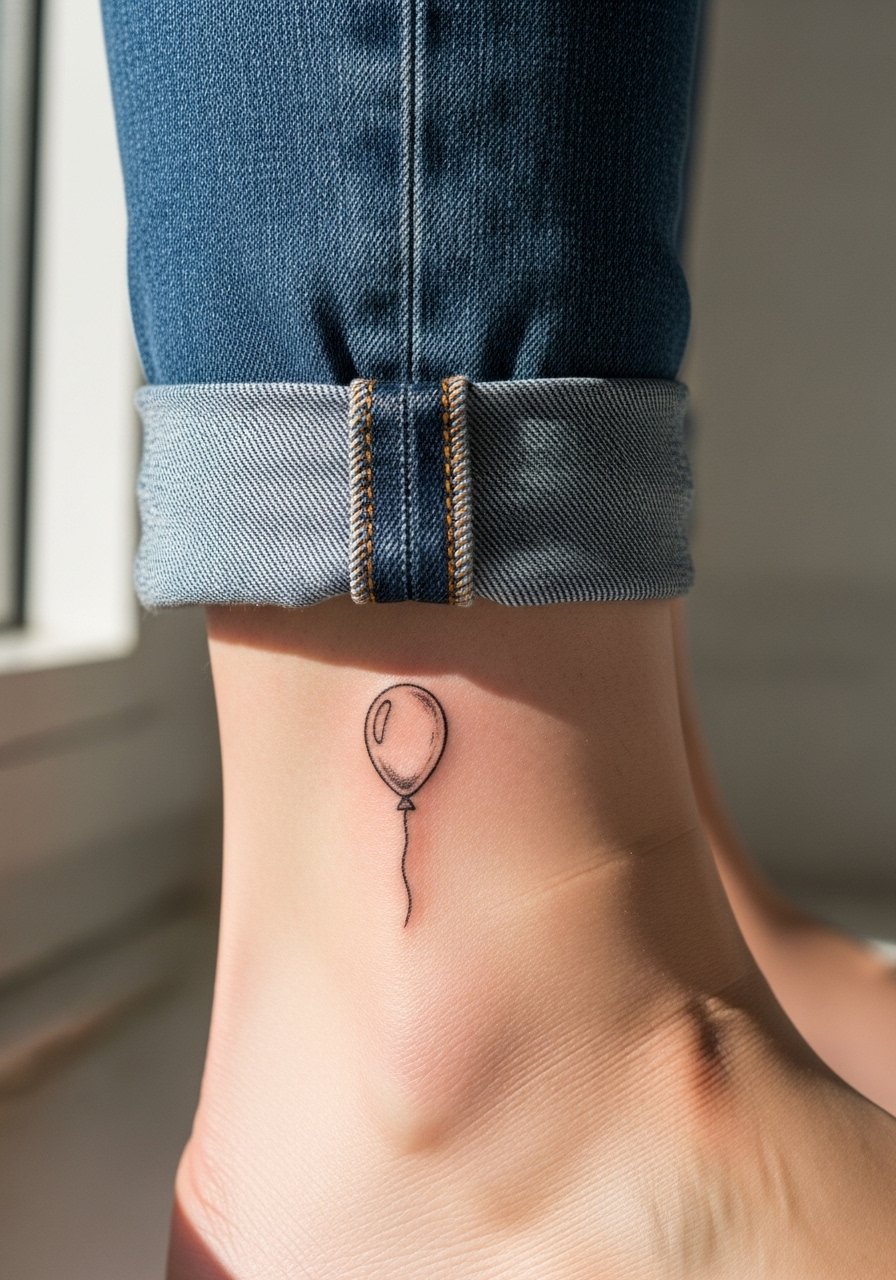
Ankle tattoos sit in a high-friction zone from shoes and socks. I suggest slightly bolder outline in this sketch style to hold through abrasion. Tell your artist about your wardrobe so they can plan spacing away from shoe lines. The session is short and stingy, expect moderate pain. A common version that ages poorly uses whisper-thin lines that break down at year two. Pair the tattoo with low-cut sandals or roll-up jeans for showing it off, and consider sliding a pair of ankle strap sandals into rotation to reduce rubbing.
6. Contour Line Dad Silhouette on Upper Arm
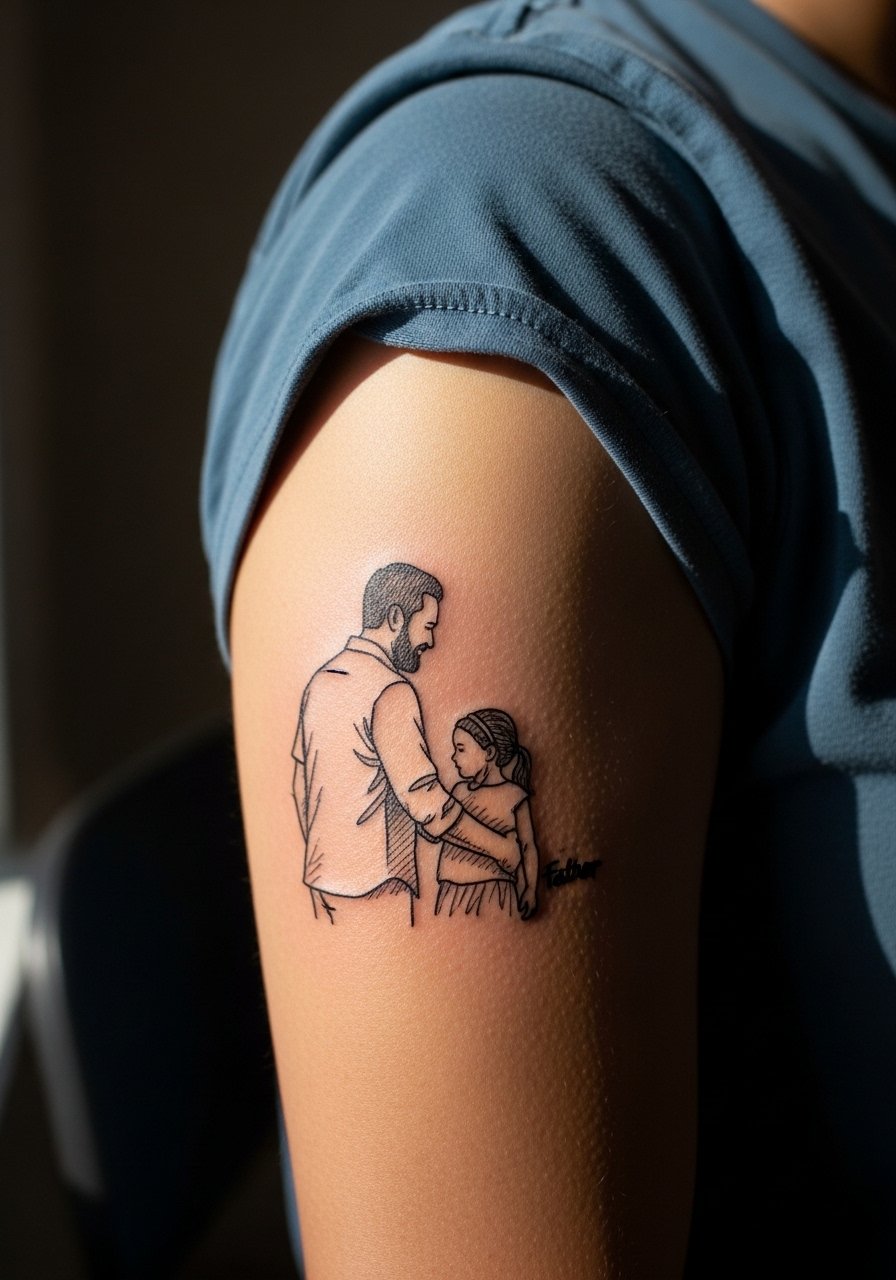
Upper arm pieces handle fine line detail well because of thicker tissue. For a silhouette that reads like a sketch, ask for a slightly staggered line weight so the form keeps contrast as it heals. The session is comfortable and often done in one short sitting. Avoid requesting tiny internal detail inside the silhouette that will disappear, especially if you plan on sun exposure. This placement pairs well with short sleeve shirts that stop above the bicep, and wearing a short sleeve cotton tee to the session keeps the artist's access simple.
Studio Day Picks
Those forearm, wrist, and ankle pieces above need different prep than chest and sternum work, so bring clothing and a few small items that smooth the session and first week.
- Stencil transfer paper kit. Lets you preview the linework on skin before committing, which is helpful for the portrait and coordinates pieces above.
- Portable cooling gel pack. Eases swelling on sensitive chest and sternum sessions without numbing the skin.
- Thin protective film roll. Keeps ankle and wrist tattoos cleaner during the first week of friction from shoes and daily washing.
- Fragrance-free gentle body wash. Cleanses healing areas without disturbing fine sketch linework on the forearm.
- Aquaphor healing ointment. Thin layer for the initial days locks in moisture for fine line pieces and is widely recommended for sensitive spots.
7. Sketchy Dad-and-Kite on Outer Calf
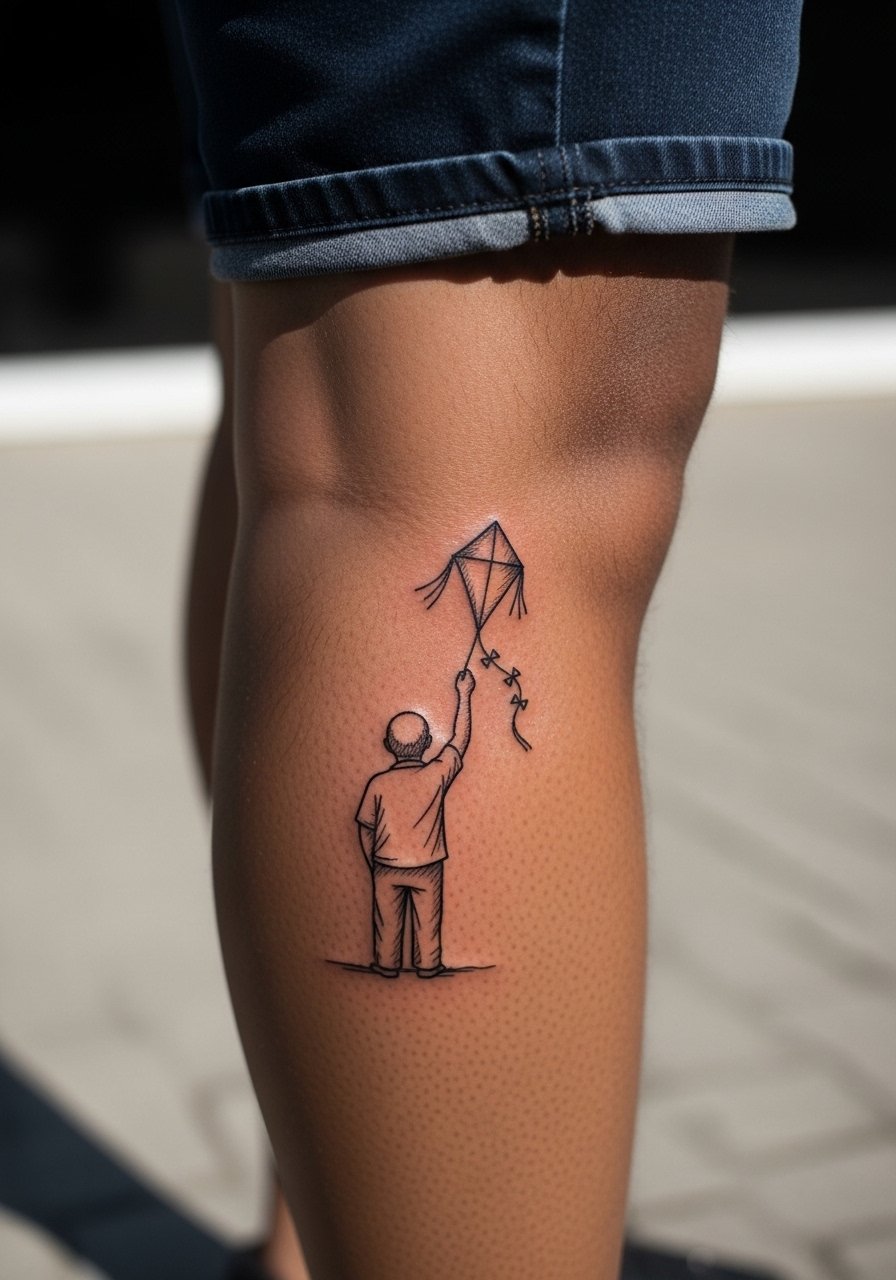
Calf pieces tolerate motion and time well and they age predictably. For a sketch-style scene, plan for open negative space under the kite tail so the lines do not crowd. When you consult, ask the artist to map the scene with the calf muscle relaxed and then with the foot flexed to see how it distorts. Sessions can run 1-2 hours depending on detail and pain is moderate. Show it off with cropped shorts and a pair of everyday shorts that sit above the design to keep the area visible.
8. Mini Sketch House on Ribcage
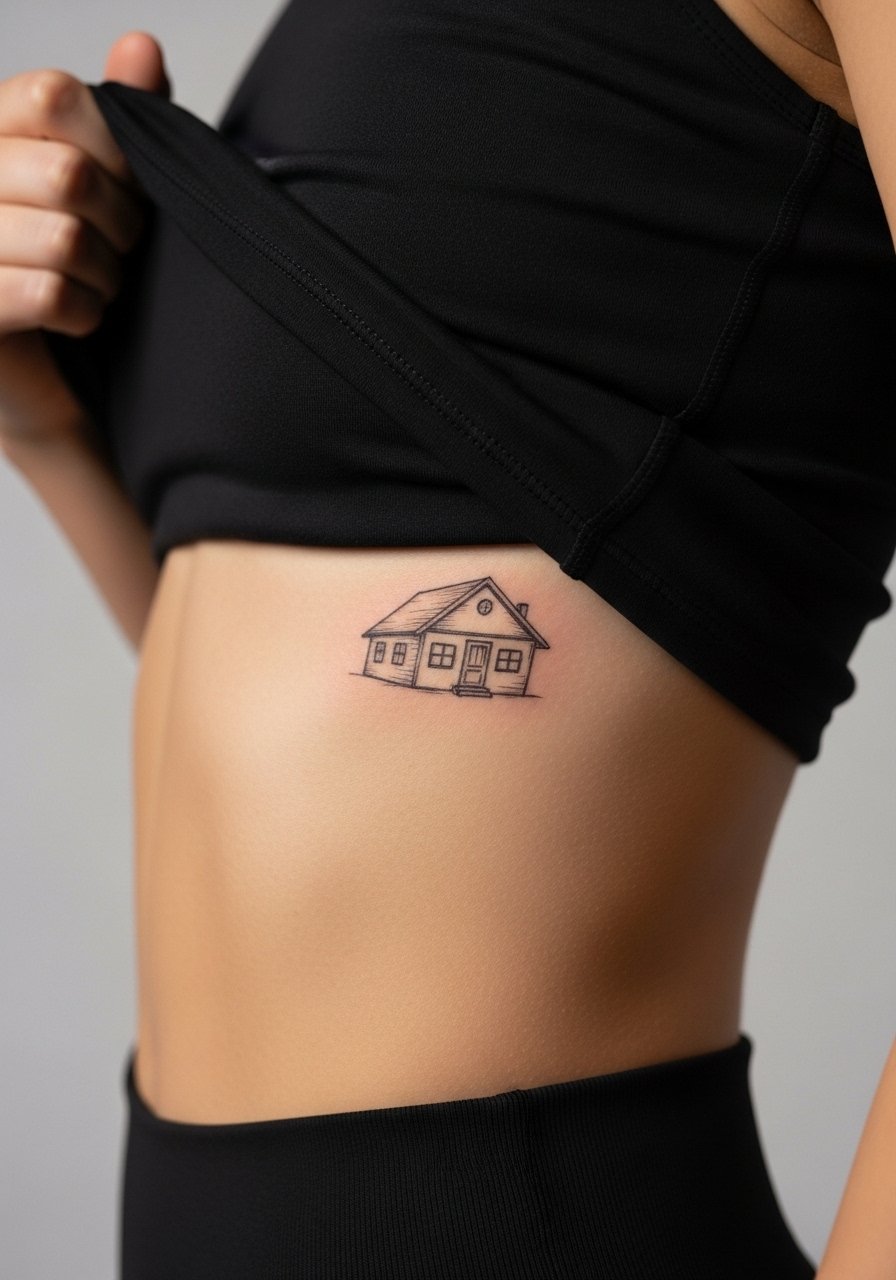
Ribcage sessions are painful and require planning. Artists divide into two camps on fine line there. One camp believes the skin movement smudges lines quickly. The other camp says proper depth and spacing make fine line last. Say where you want the piece and ask how they adjust depth for ribs. Expect a longer initial session and a realistic touch-up around year two. For the appointment, wear a cropped top you can lift so access is simple during the session. This placement reads private and pairs well with high-waisted skirts when you want to show a hint.
9. Scribbled Galaxy on Upper Thigh
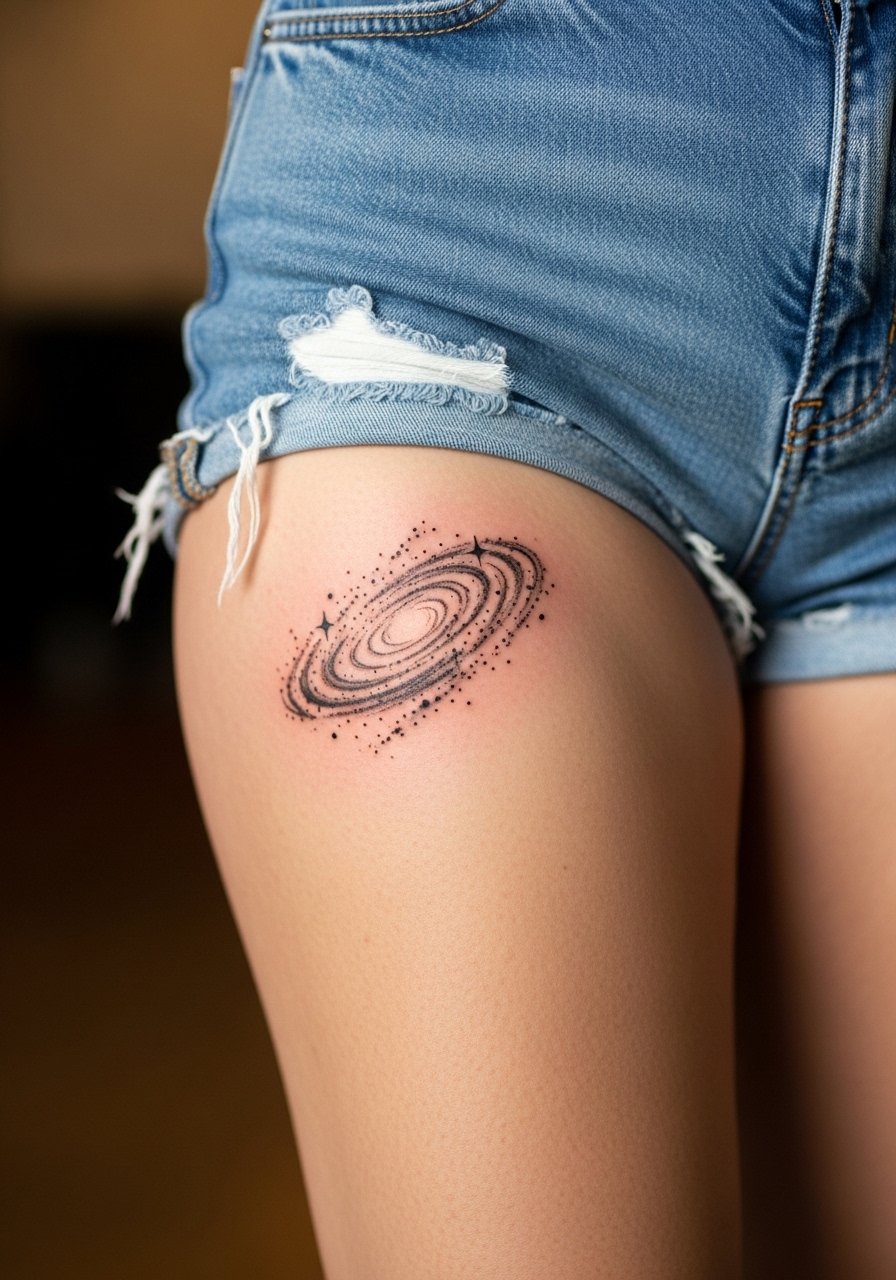
Upper thigh gives room for airy sketch textures that do not suffer as quickly from sun. Ask the artist for stipple shading rather than dense fill to preserve that sketched look at year five. The session is low on the pain scale for many and can be relaxed. Mistakes here come from overworking the area with dense shading that flattens the sketch. For the session, wear loose shorts or a wrap skirt and consider a pair of high-waisted shorts so the artist can work without you getting cold.
10. Lettered Sketch: Dad’s Handwriting on Inner Bicep
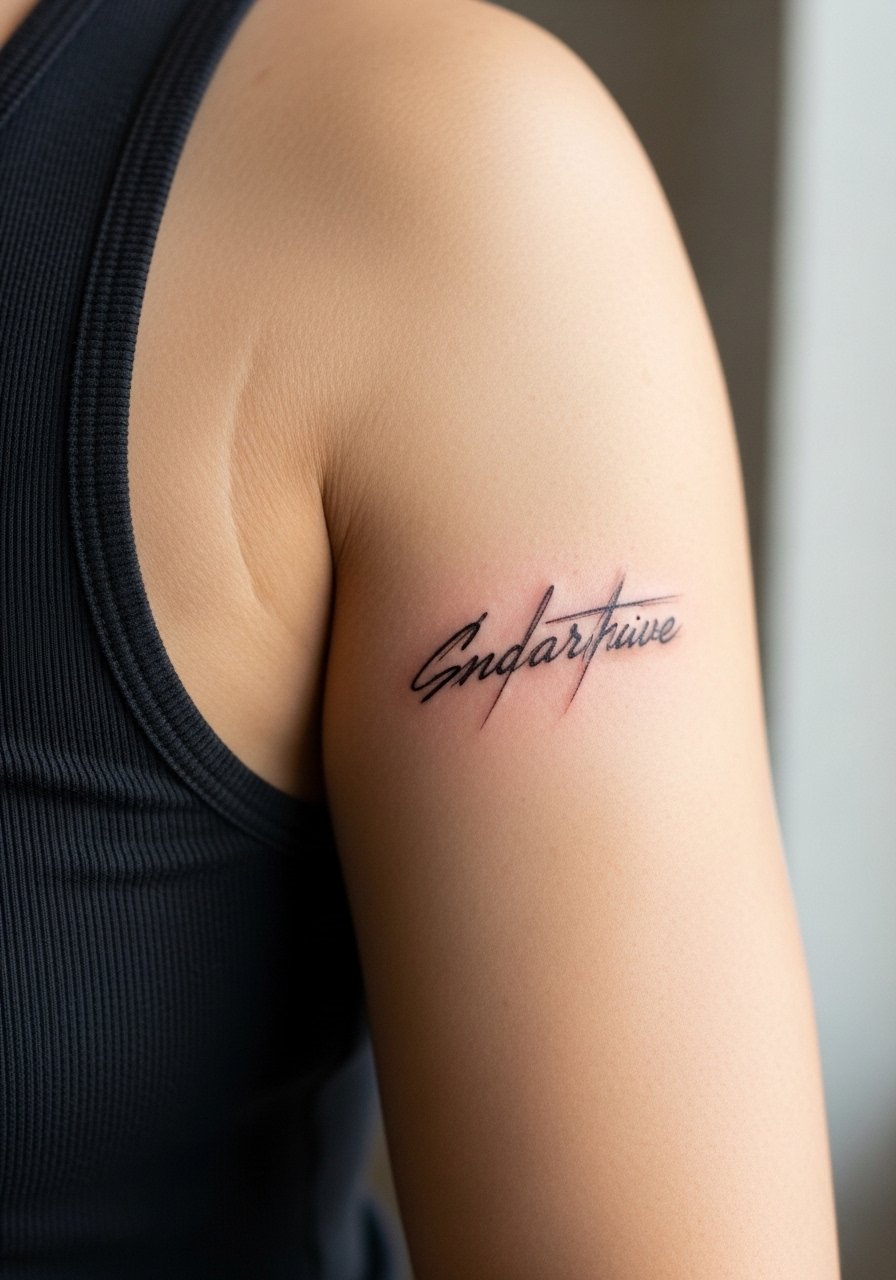
Inner bicep is soft and holds script well if line weight is adjusted. If you want a dad's handwriting look, bring a clear scan and ask the artist to simplify flourishes that will blur over time. The session will be more sensitive than the forearm and you should expect moderate pain. Plan for a touch-up at two to three years on delicate scripts. For showing it off, a sleeveless tank top keeps the arm visible and frames the script.
11. Sketchy Silhouette Behind the Ear

Behind-the-ear placements are small and discreet. Keep the design minimal so details do not compress into a smudge. During consults, mention hairline and regular styling so the artist knows how often the area will be exposed to shampoo and friction. The session is short but can be sharp. This placement often needs a light touch-up at year two. Consider hair styling that subtly reveals the piece rather than always covering it.
12. Pencil-Sketch Anchor on Wrist
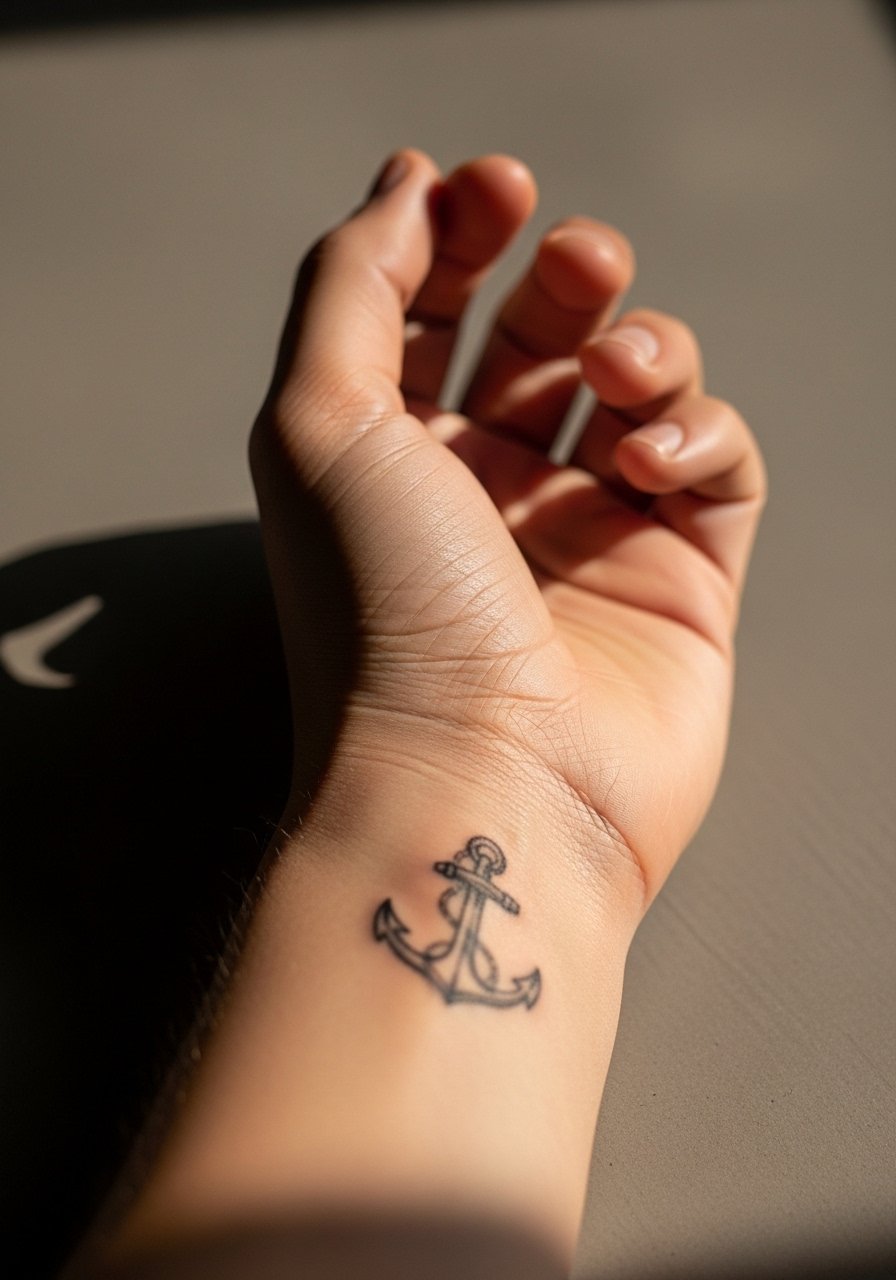
Wrist pieces are constant companions in day-to-day life and their healing is affected by washing and movement. Ask for slightly heavier terminal strokes at junctions so the anchor holds its shape. The most common error is excessive tiny cross-hatching that ages into blurring. Sessions are brief. For showing it off, stack with a minimalist watch strap that does not rub the ink directly.
13. Sketch-Style Dad and Daughter Silhouette on Back of Shoulder
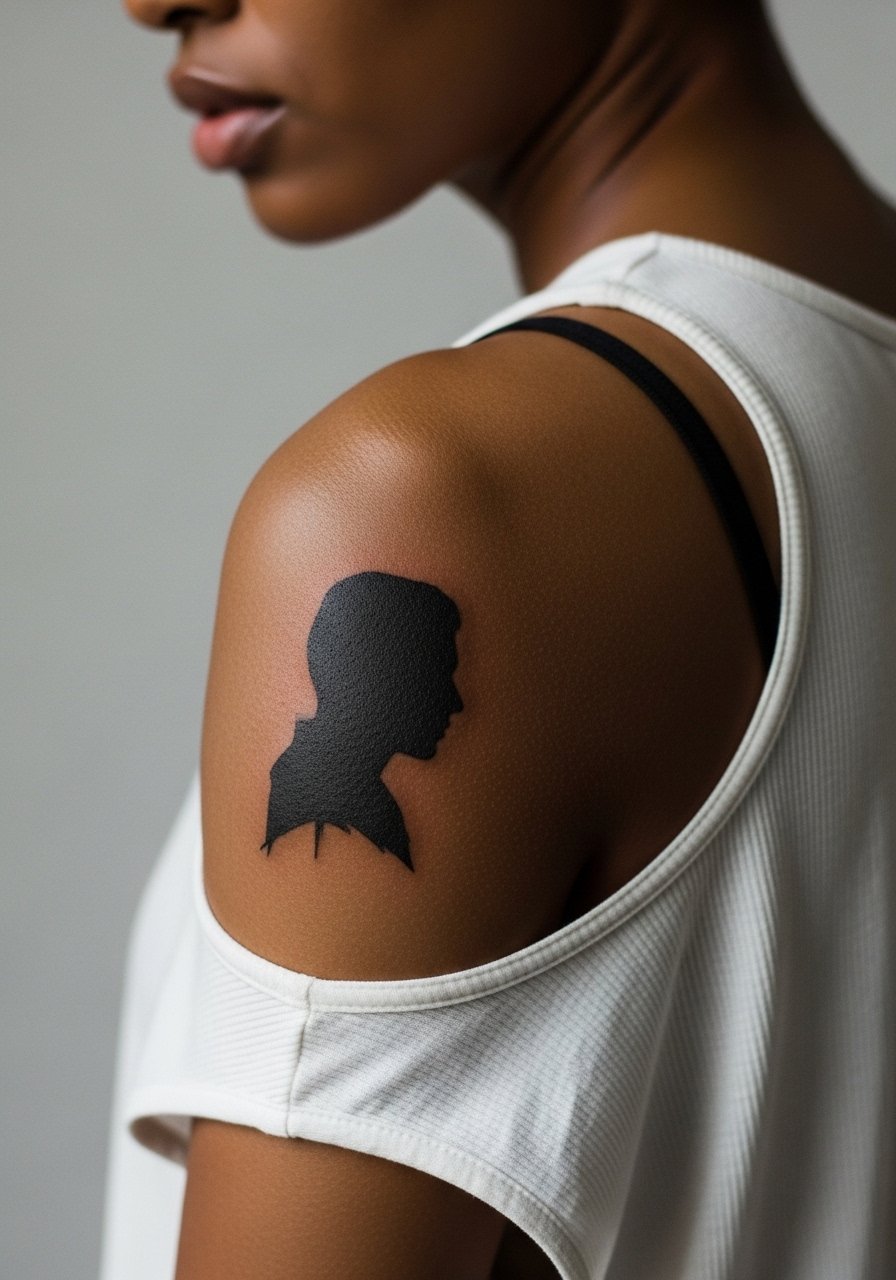
Back of shoulder work is forgiving and photographs well. When you want a small duo silhouette, ask the artist to keep the figures slightly apart to avoid merging as the skin moves. The session is comfortable and often finished quickly. A common mistake is cramming too many details into a small area, which fades into indistinct shapes at two to five years. For the session, wear a loose tank top you can slide to expose just the shoulder.
14. Sketch Ribbon with Names along Collarbone
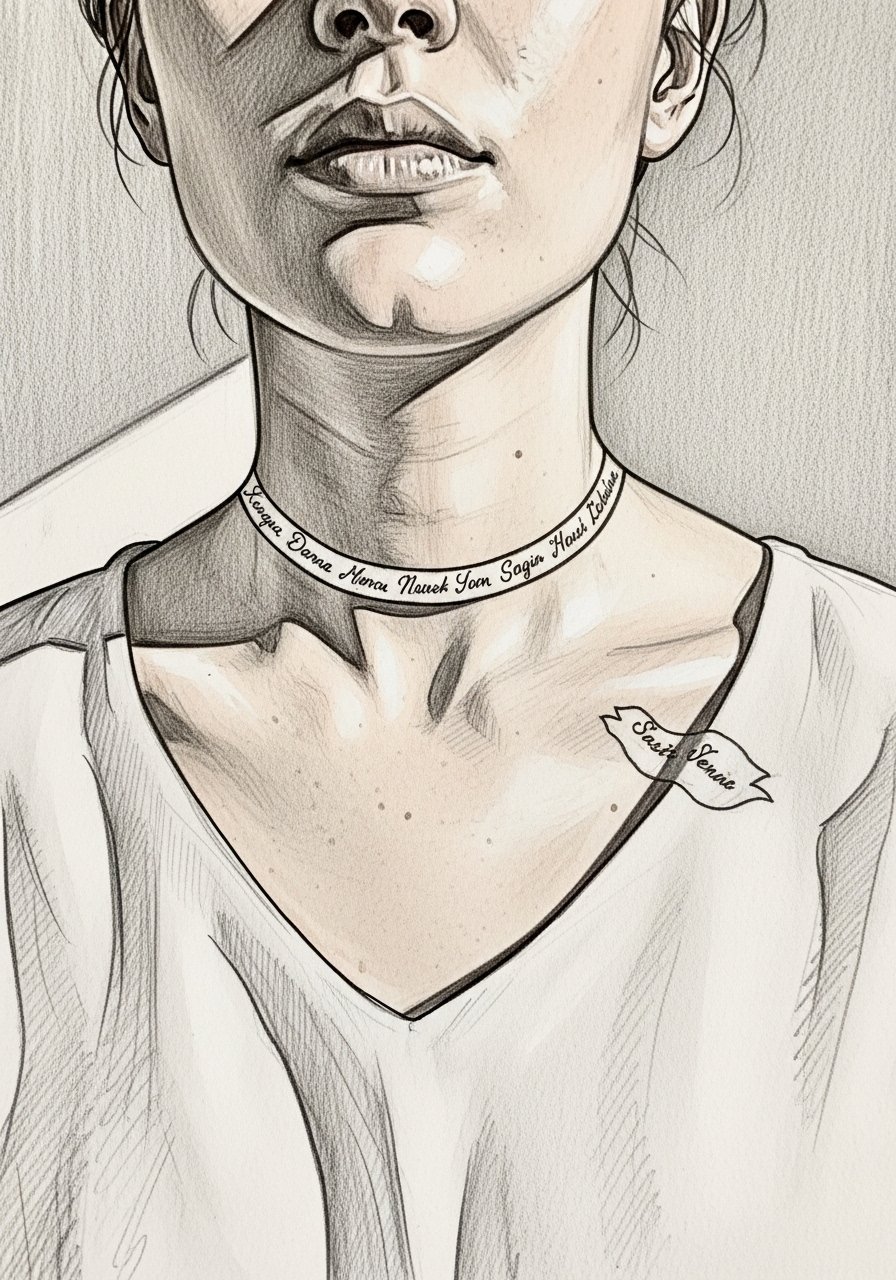
Name tattoos along the collarbone need legible spacing. Tell your artist to test letter spacing on the stencil so the ribbon flows across the bone without crowding. The area is sensitive so expect moderate discomfort. The wrong move is fine, tightly packed lettering that merges at year three. For dressing, a wide-neck blouse frames the ribbon without covering it.
15. Sketchy Tree with Small Figures on Side Torso
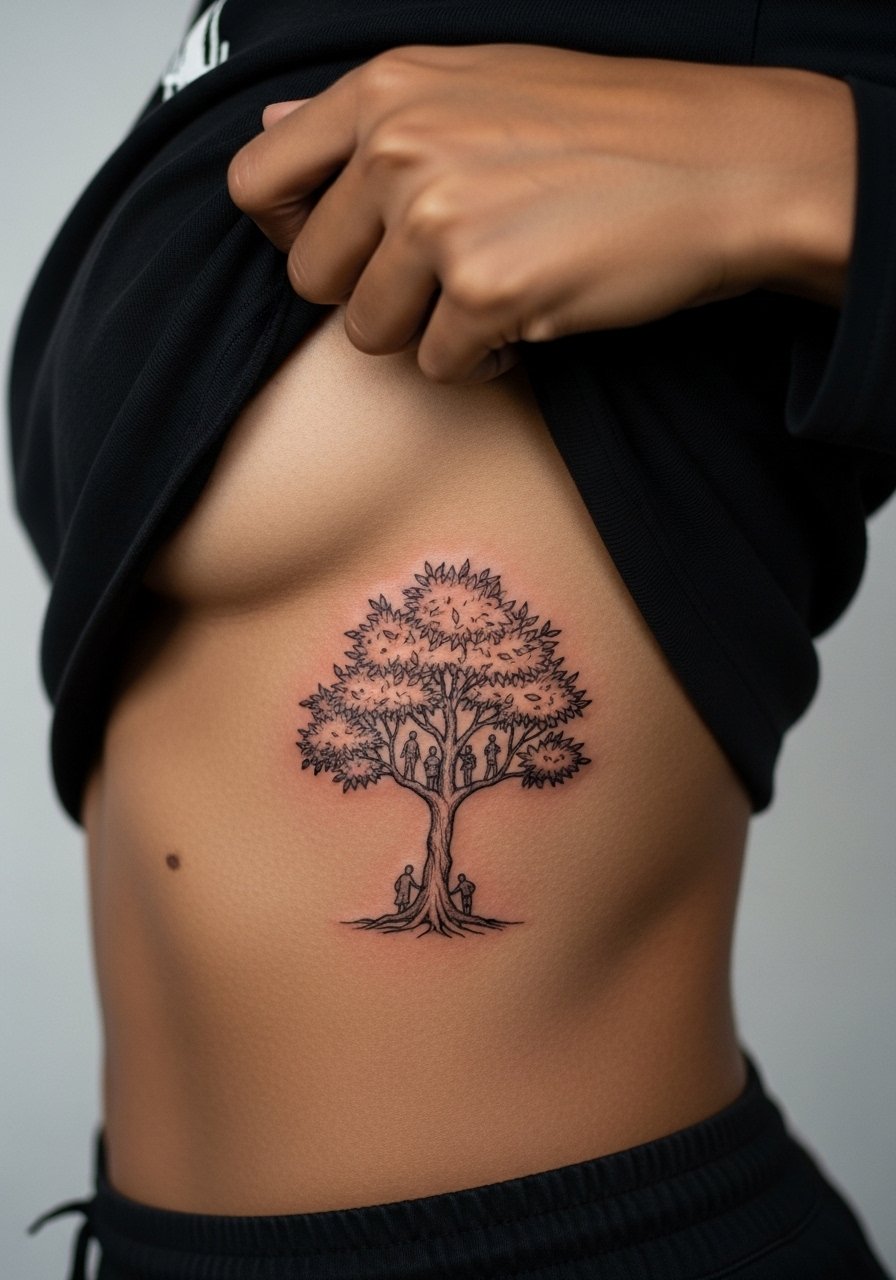
Side torso pieces move a lot with breathing and posture. Ask for additional negative space around branches so the sketch remains readable. The session will be more involved and painful than arm work. One mistake is insisting on dense stipple in tight areas, which can become a gray patch. For aftercare planning and the session, wear a cropped top so access is simple and you stay comfortable while the artist works.
16. Minimal Sketch Portrait Behind the Knee
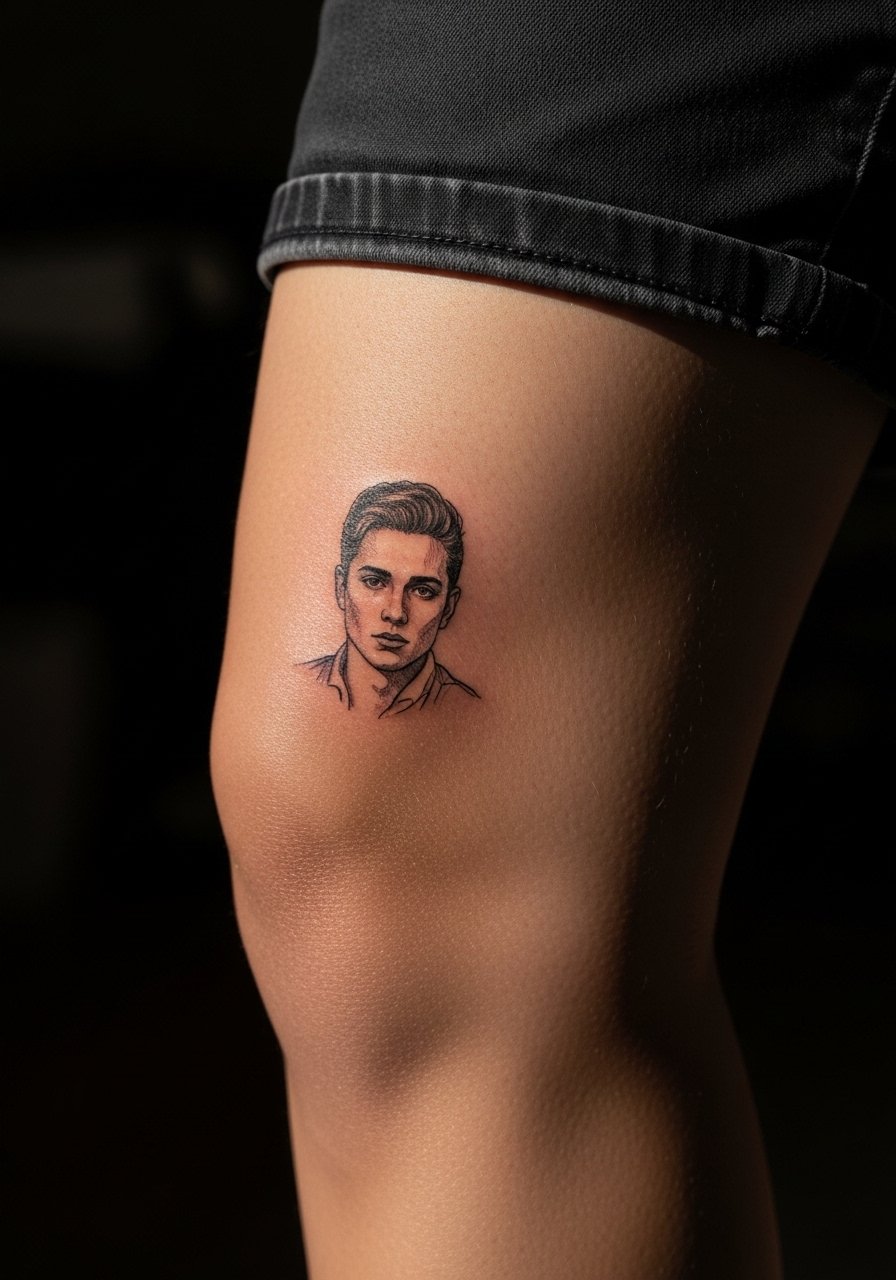
Behind-the-knee tattoos sit in a tricky motion zone and need stronger outlines to survive years of bending. Tell your artist to test how the portrait deforms when the knee bends. Pain spikes can happen during the session when the skin stretches. The common error is believing small, whisper-thin portraits will look the same at year three. Show it in summer with rolled shorts and consider a pair of breathable shorts to reduce friction while healing.
17. Sketch Script on Side of Hand
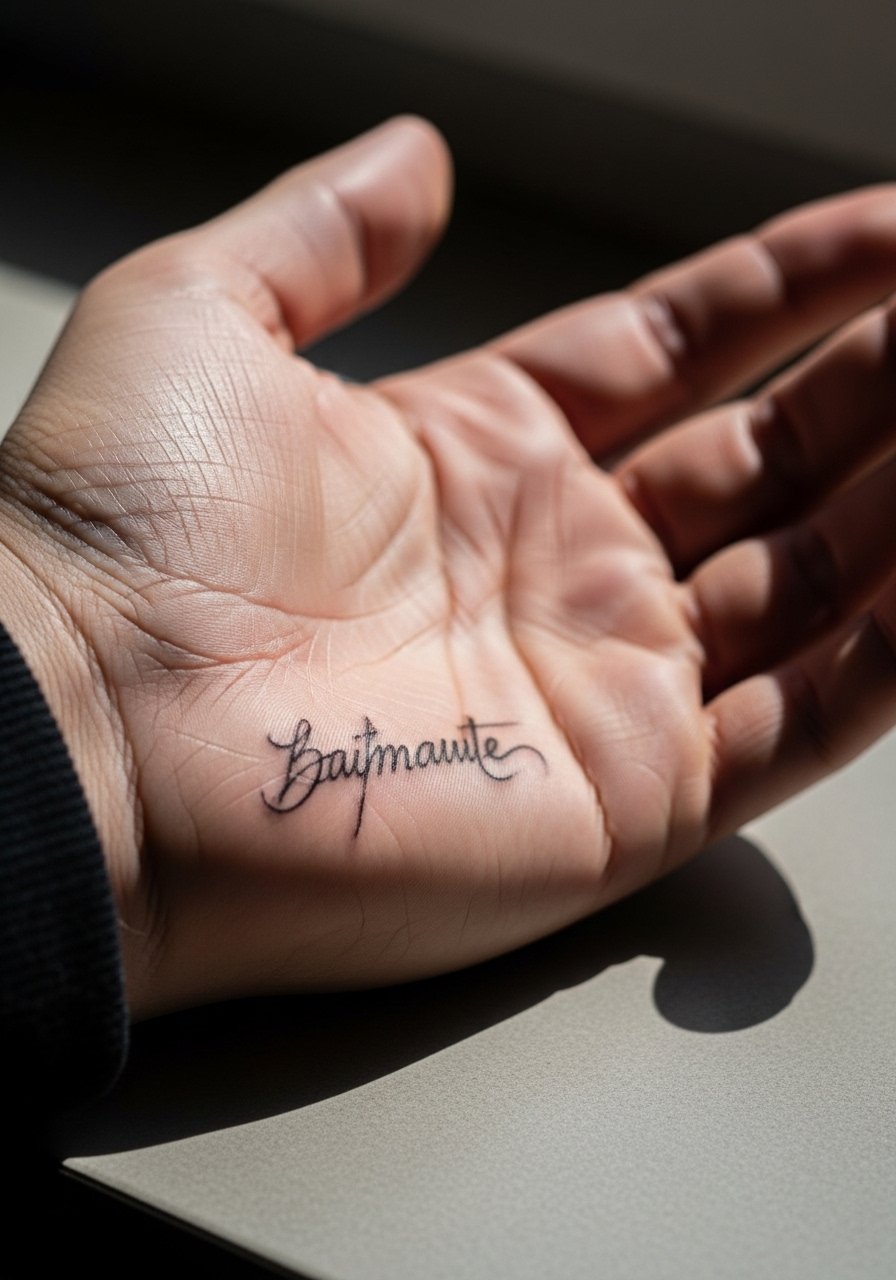
Hand side placements are visible and prone to faster fading. Artists debate whether any fine line holds on hands long term. One camp accepts frequent touch-ups as part of hand work. The other recommends bolder, simpler strokes that last longer between sessions. Ask where your chosen artist stands. Expect years where touch-ups are routine. For showing it off, choose jewelry that does not rub directly over the script.
18. Sketch Kite Flight across Upper Back
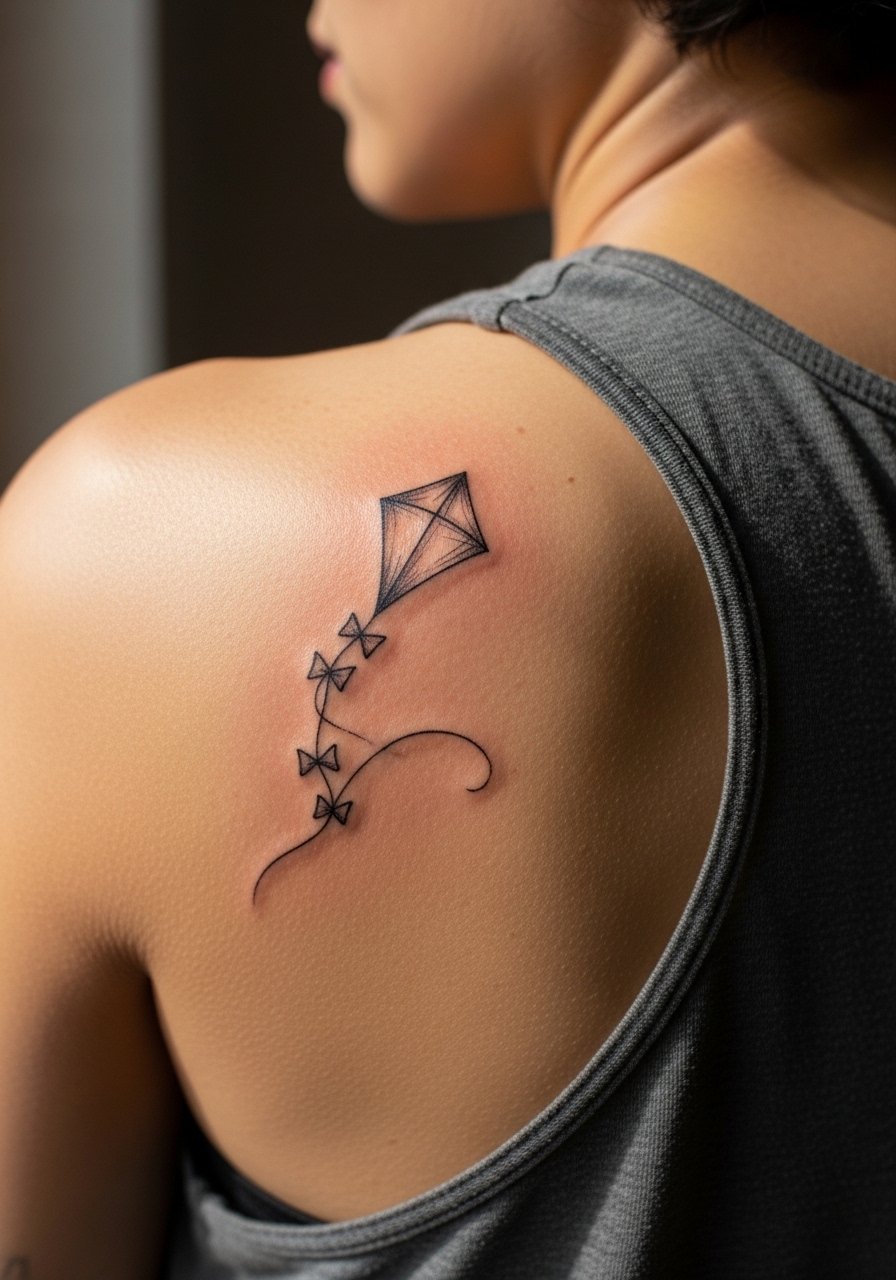
Upper back offers real estate for airy sketch motifs that breathe. Ask for light stipple and plenty of negative space so the kite tail never merges into the background. The session is manageable and multiple small elements can be done in one sitting. The frequent mistake is cramming elements without spacing, which looks busy quickly. Wear a loose button-up backwards or tank top to the session for easy access.
19. Rough Pencil Dad Silhouette on Ribcage with Shaded Ground
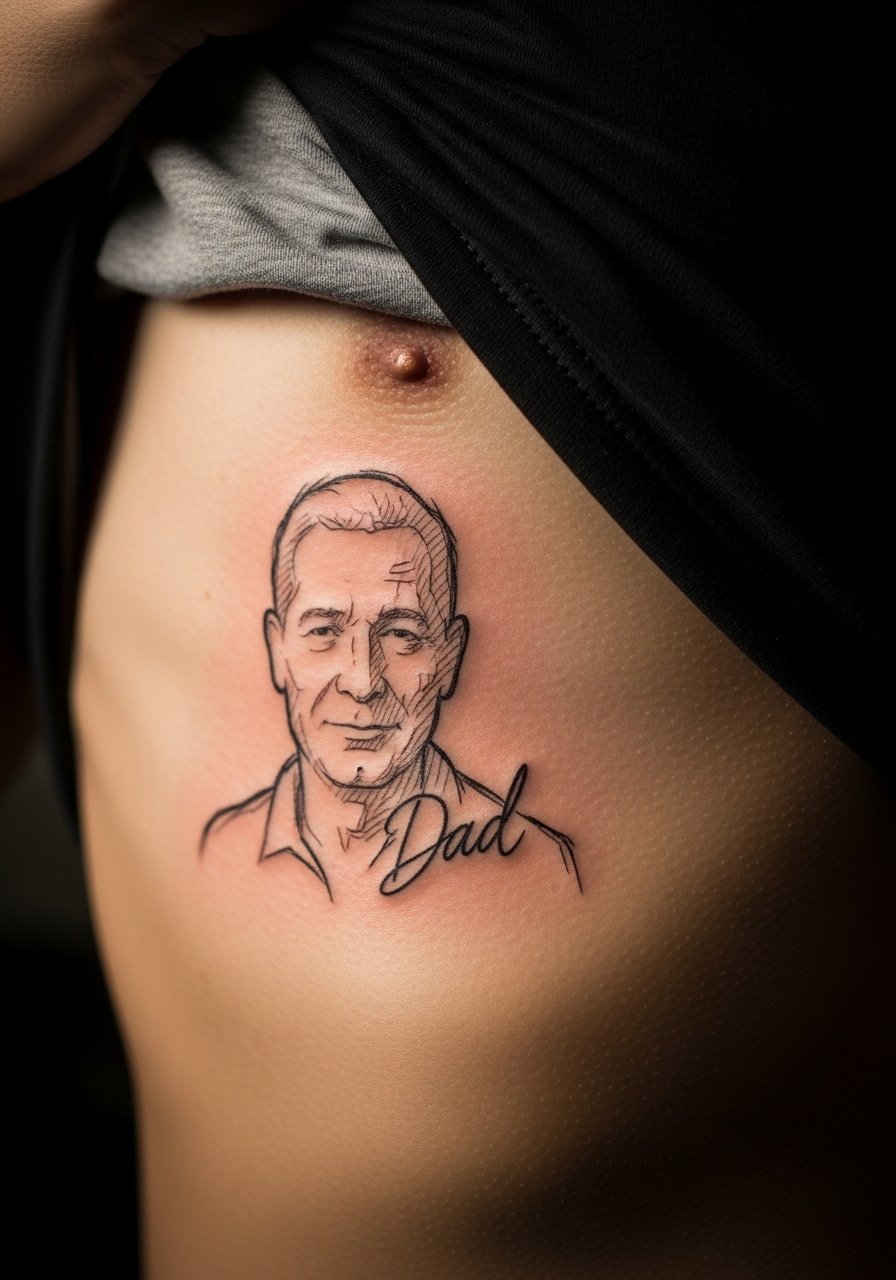
Ribcage shading can add depth but risks softening into a dull gray. Artists split on whether fine shading should be used on ribs. One group opposes dense shading there. The other uses airy stippling and says it holds. If you want shading, request stipple shading and ask how much the artist expects to keep crisp. The session will be long and painful. Plan clothing that allows easy access and keeps you warm during breaks.
20. Tiny Sketch Compass on Ankle Bone
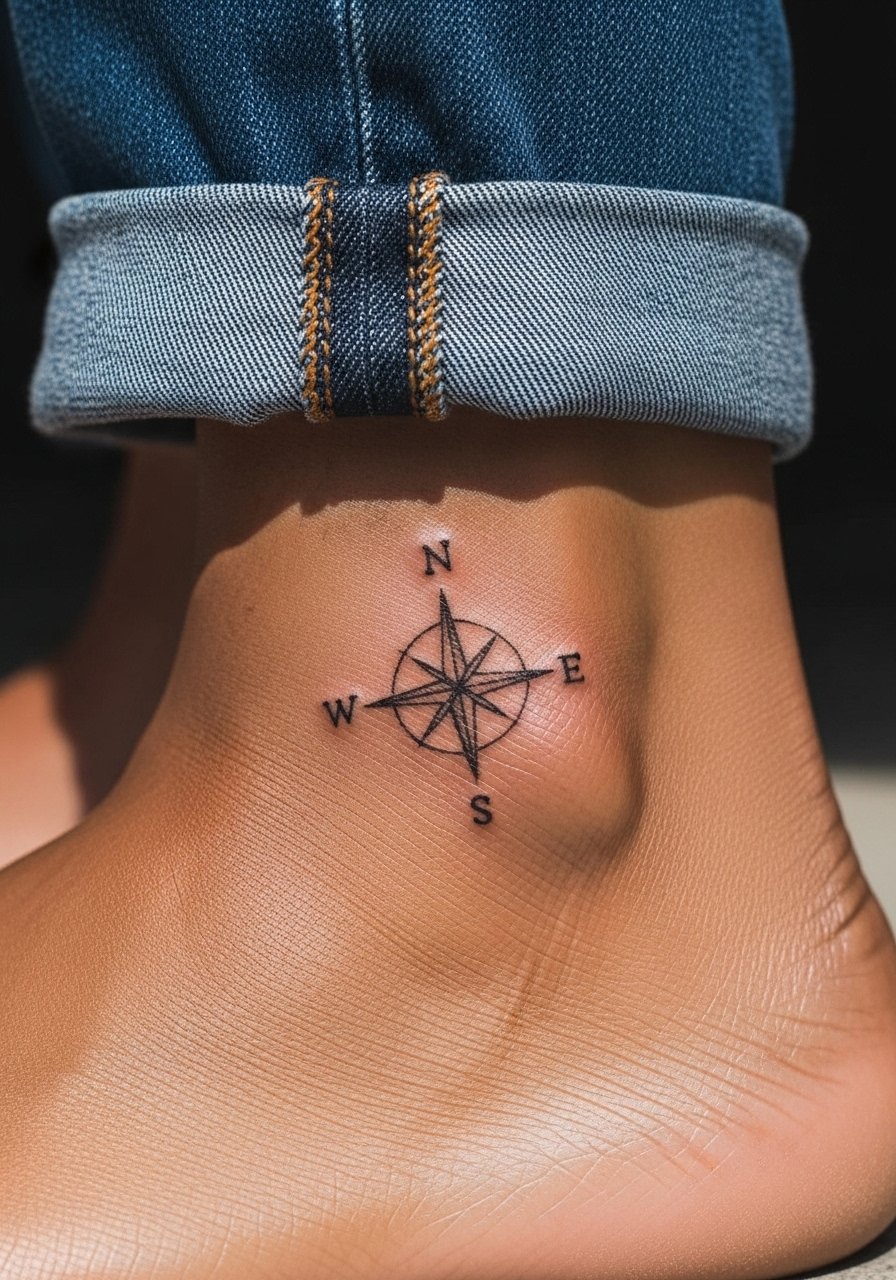
Ankle bone town is exposed to shoe friction. For a compass that lasts, increase the negative space between cardinal points and avoid tiny interior dots. The session is quick and the pain is a sharp pinch. A mistake is asking for intricate internal filigree that will disappear under moving skin. Show the piece with rolled jeans and think about sandals when you want the tattoo visible.
21. Loose Sketch of Two Figures on Thigh Side
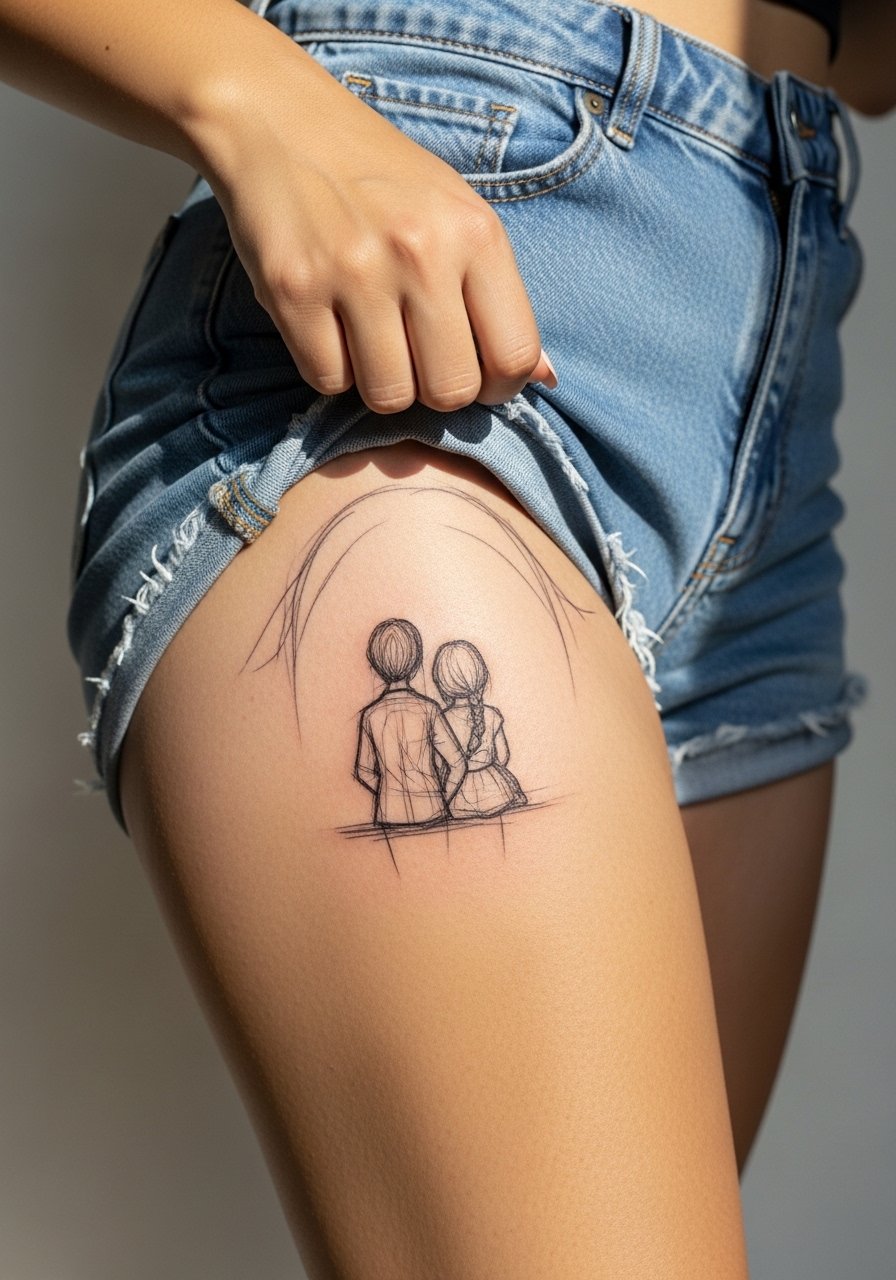
Outer thigh keeps sketch details well and is forgiving for larger silhouettes. Ask for a model of spacing before inking so the figures do not compress when you sit. The session is comfortable and allows longer sittings. Common errors are over-detailing within tiny figures. Dress for the session in loose shorts and consider a high-waisted skirt or shorts so the artist can reach the area cleanly.
22. Sketch Map Lines on Side of Foot
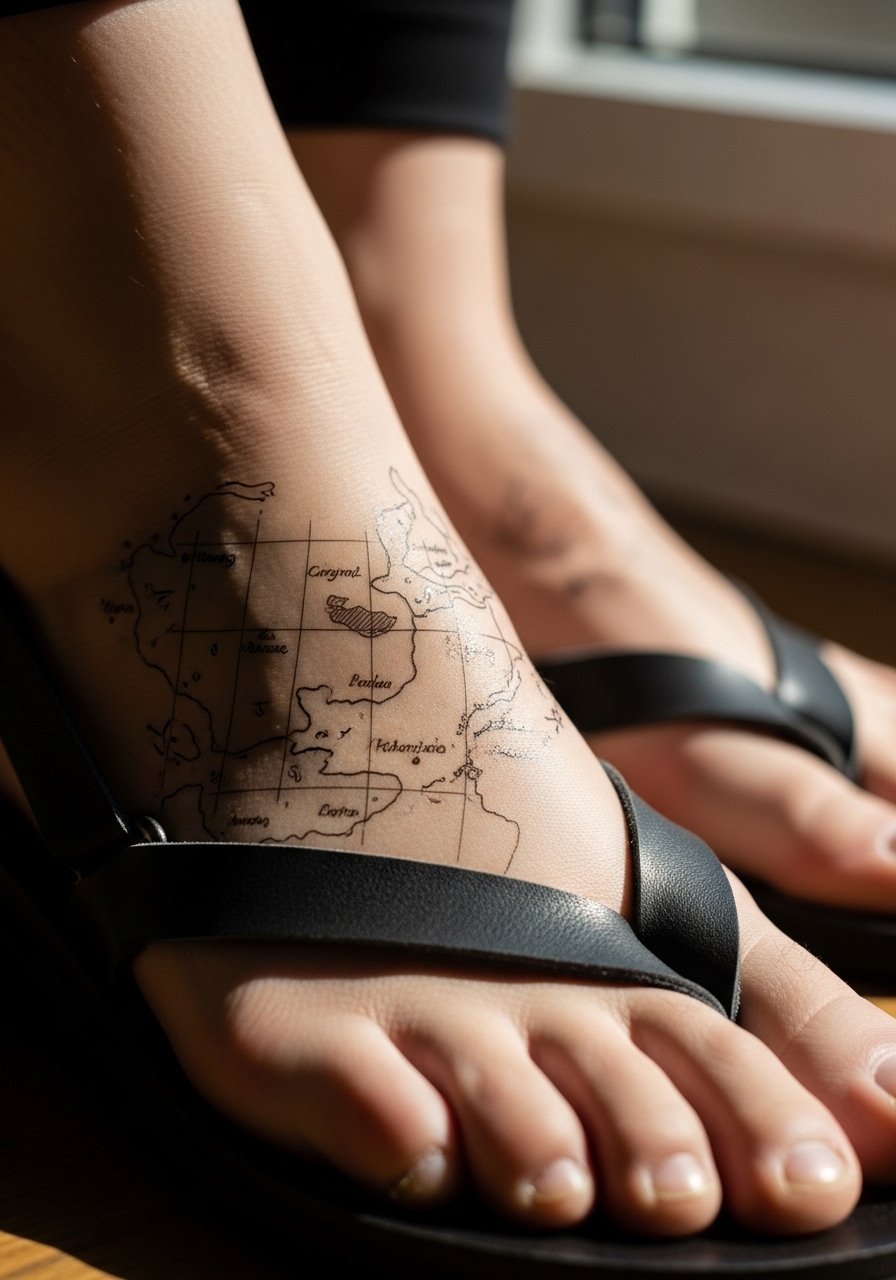
Foot tattoos face high wear from shoes and moisture. Keep the map lines bold and avoid tiny symbols that will blur under pressure. The session is quick but can be painful on bone. Mistakes come from detailed microscopic work that the foot will not preserve. Choose open footwear while healing to reduce rubbing.
23. Loose Charcoal-Style Portrait on Outer Forearm
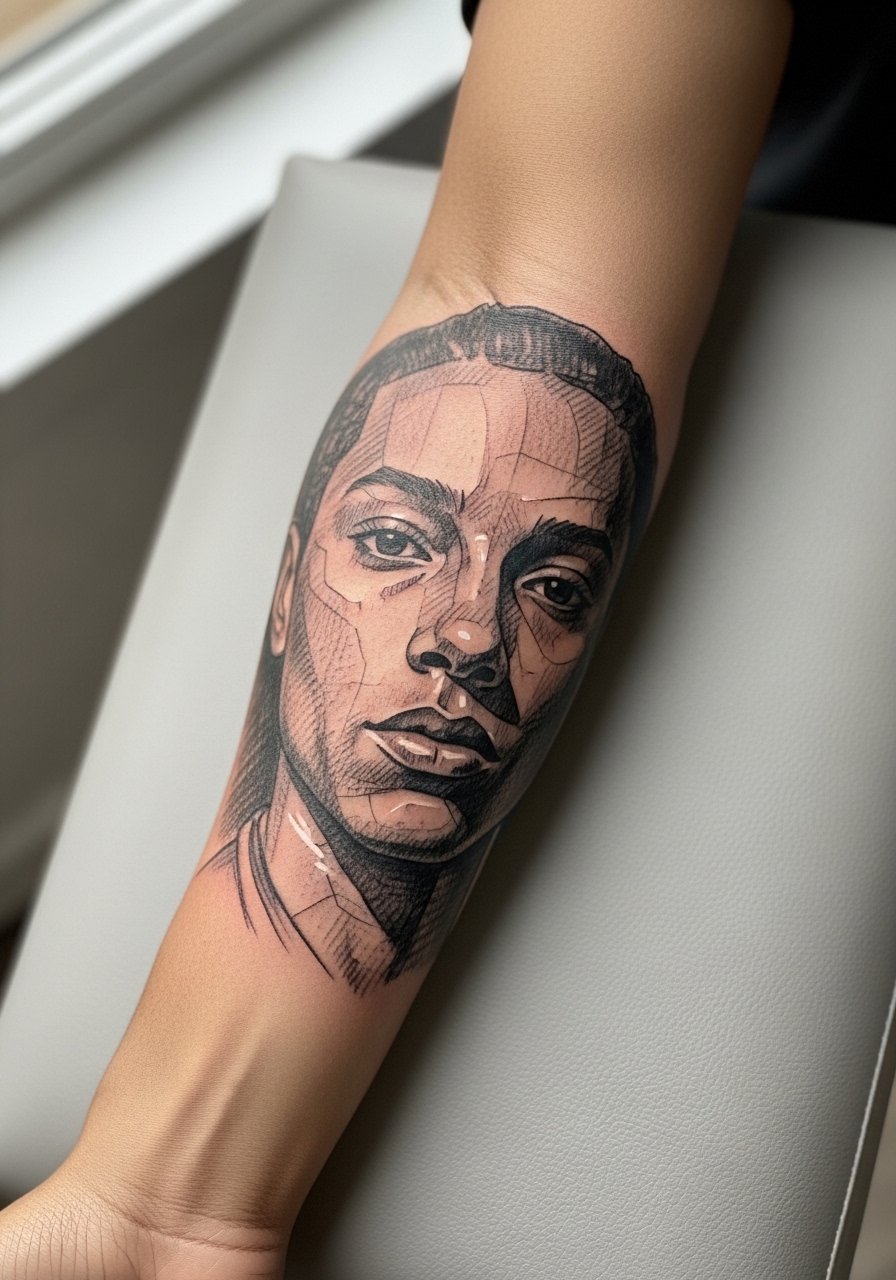
Outer forearm is one of the most durable spots for sketch-style portraits. Ask the artist to use a mix of stipple and whip shading to mimic charcoal without dense fill. The session is moderate in length and low in pain. Avoid asking for too much tiny tonal work in small pieces, which fades into a gray wash. For casual showing, roll sleeves to mid-forearm and match with a lightweight long-sleeve linen shirt.
24. Sketch-Style Chain Link Holding Fingers on Hand Top
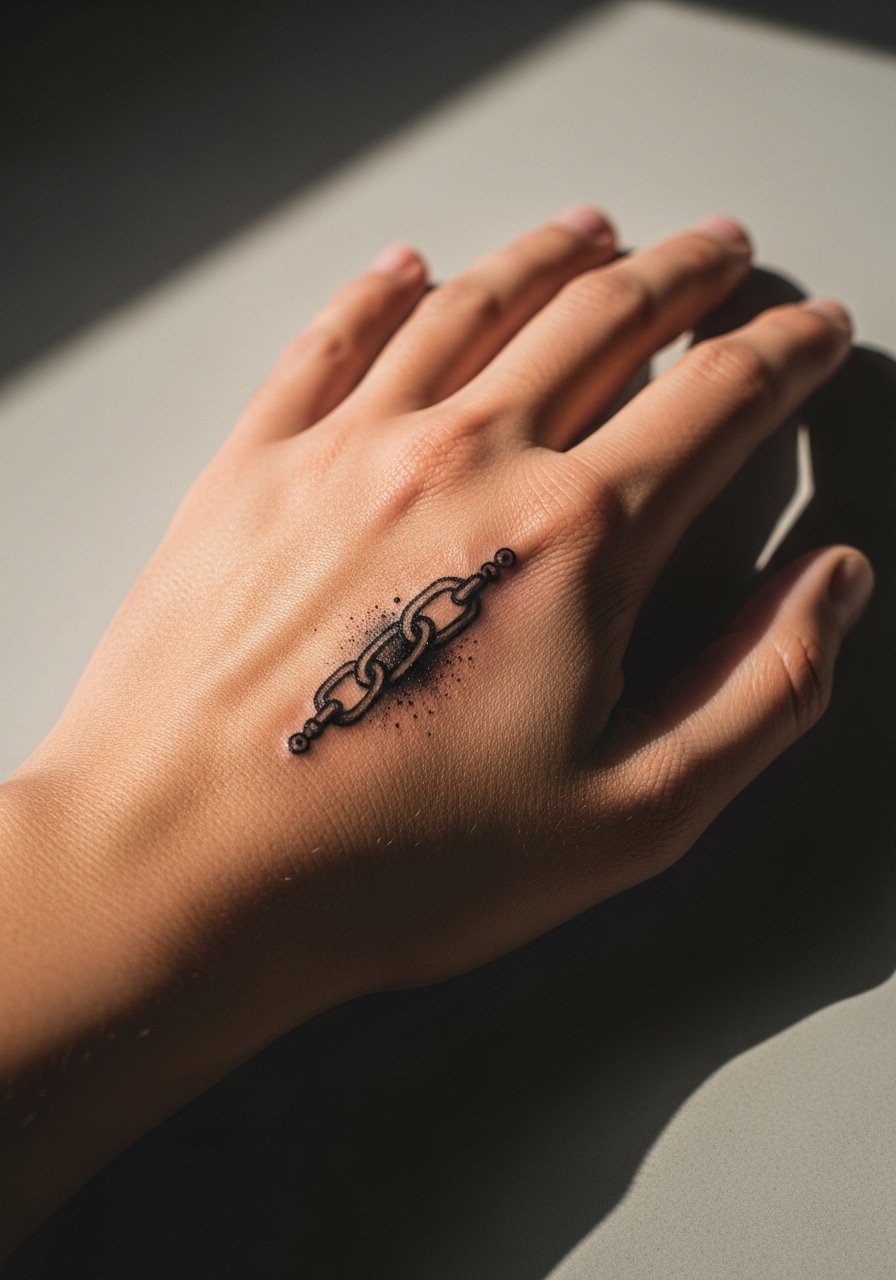
Top-of-hand placements are visible and touch-prone. Ask for a bolder, graphic version of the chain link to survive daily tasks. One common mistake is wanting super-fine detail that breaks down within a year. The session is short but the healing is ongoing and you should expect periodic touch-ups. Keep rings away from the area while it heals.
25. Sketch-Style Father Figure on Outer Calf with Minimal Background
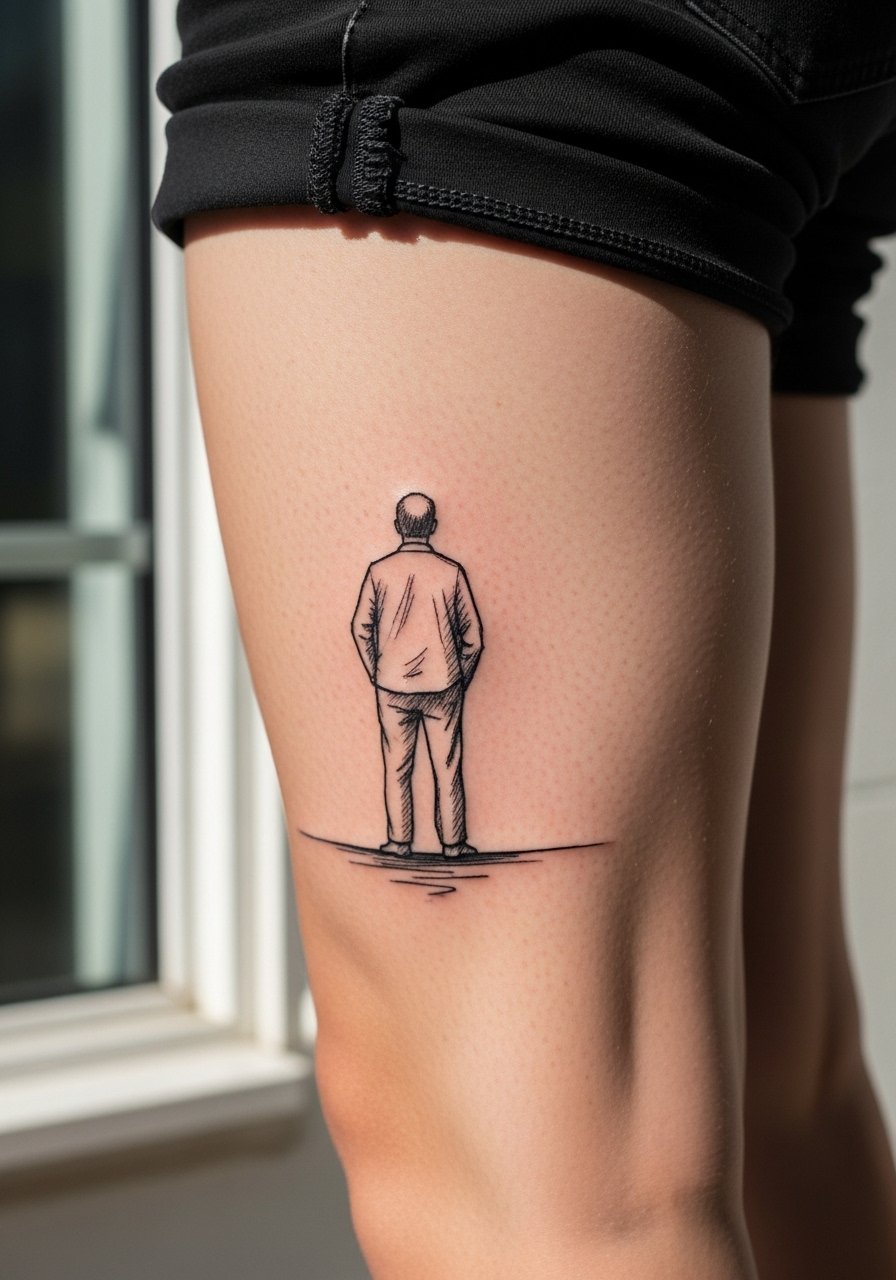
Calf allows larger gestures and airy backgrounds. Ask for minimal ground lines rather than heavy fill to keep the sketch character. Sessions are comfortable and can handle longer runs of linework. Mistakes happen when people request the sketch to be packed with tiny marks that lose separation over time. Pair with summer shorts and a casual short pair of shorts for maximum visibility.
26. Tiny Sketch Coordinates Behind Collarbone
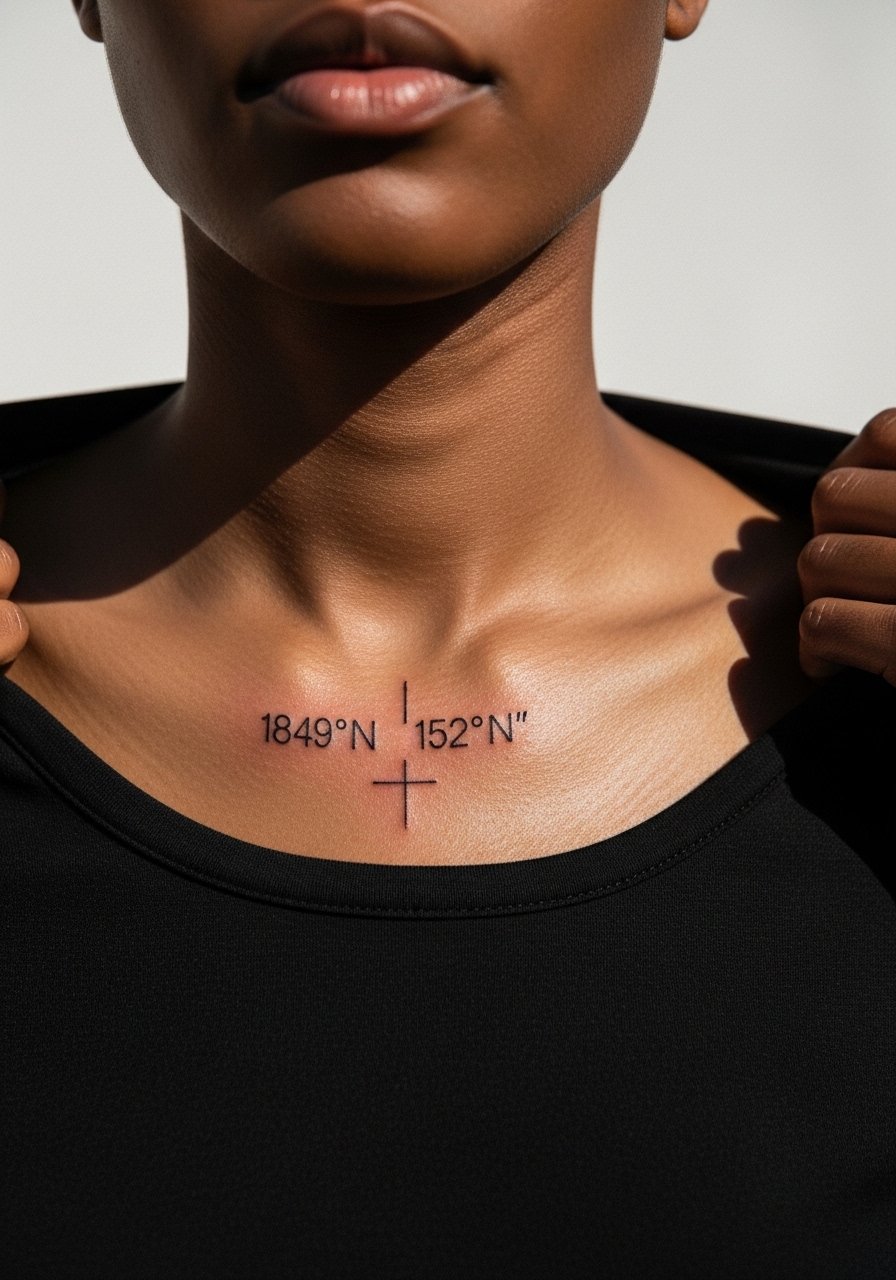
Coordinates above the collarbone are delicate and visible. Ask for slightly heavier dots and spacing so the numbers do not blur. The area can be sensitive and may need a short break during the session. The frequent error is wanting overly tight type that becomes unreadable at year three. Frame the piece with necklaces that sit above the tattoo for a refined reveal.
27. Sketch-Style Dad Holding Daughter on Hip Line
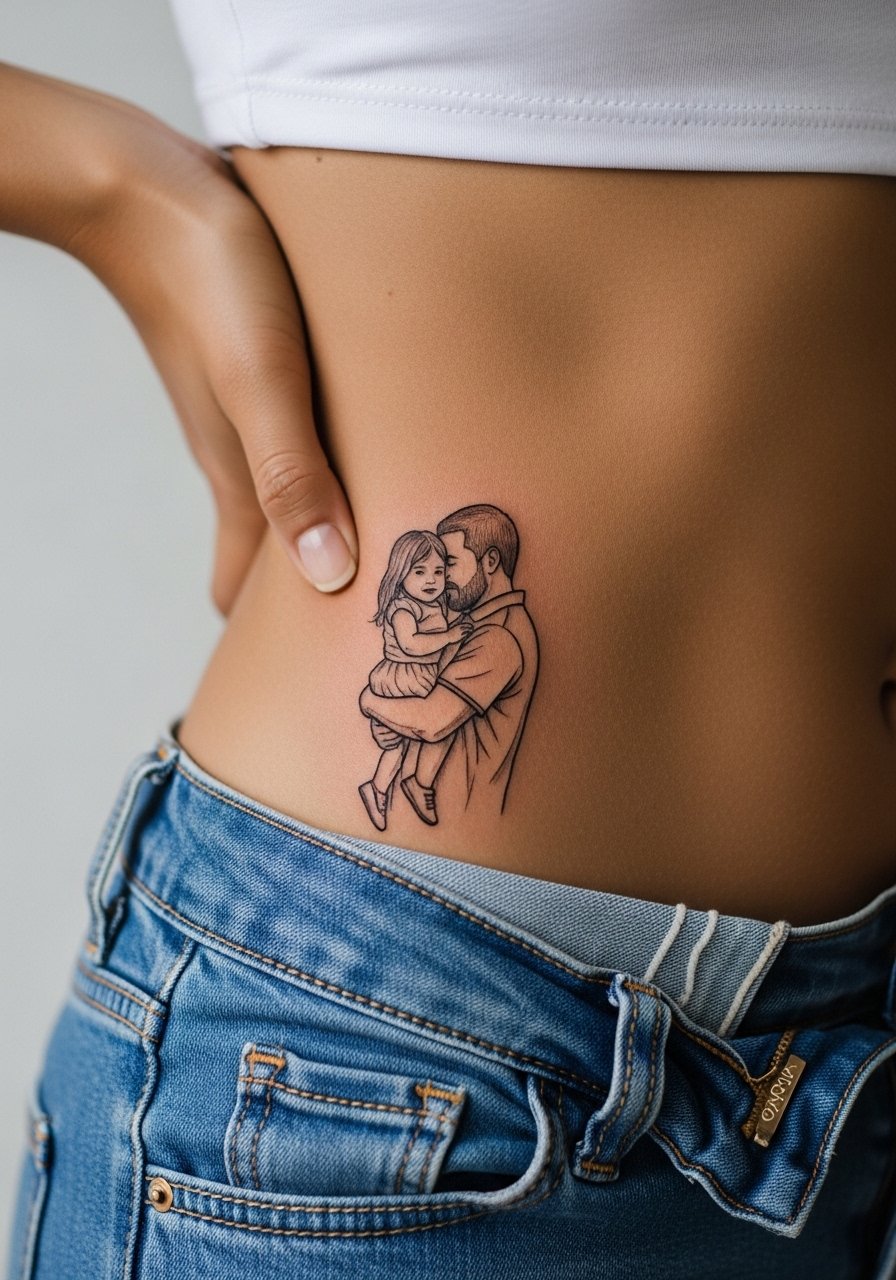
Hip tattoos are intimate and move with clothing. For a sketch-style duo, ask the artist to position the figures so they are not cut by waistband lines. Sessions are moderately uncomfortable and you should expect breaks. A common mistake is placing the design where jeans usually rub, which accelerates fading. During the session, wear high-waisted bottoms you can shift and consider a pair of high-waisted jeans so the artist can work without full removal.
Frequently Asked Questions
Q: How long do sketch-style fine line portraits last before needing a touch-up?
A: It depends on placement and sun exposure. On forearms and outer calves, many hold well for three to five years with minimal touch-up. On wrists, hands, and ribs, expect touch-ups around year two to three if you want crisp linework. Ask your artist what they expect for that specific placement.
Q: Should I pick stipple shading or solid fill for a sketch-style dad-and-daughter scene on ribs?
A: Stipple shading preserves the sketched feel longer on ribs because it avoids dense patches that turn muddy. If you prefer more depth, discuss airy stipple and light wash options during the consult. Also mention how you sleep and move so the artist can plan spacing.
Q: Will a sketch-style tattoo look different on darker skin tones?
A: Yes. Fine line sketches often need slightly bolder outlines and thoughtful negative space on darker skin to read the same way they do on lighter tones. Tell your artist your skin tone during the consult and ask to see healed examples they have done on similar skin.
Q: Can I wear jewelry while a wrist or hand sketch piece heals?
A: Avoid rings and bracelets that touch the fresh skin for at least the first week to limit friction. For showing off later, pick slim pieces that do not contact the tattoo directly, like a minimalist thin band that sits above or below the ink.
Q: Are there any design choices I should avoid if I want the tattoo to age well?
A: Avoid overly dense cross-hatching, tiny internal filigree, and whisper-thin lines in high-motion or high-friction spots. Favor spacing, slightly stronger terminal strokes, and stipple shading for depth. Ask the artist for an aging plan during your consultation.
