
Fine line work is everywhere on saved boards, and the truth is the pieces that still read clean at year five are rarely the tiniest ones. Placement and line weight matter far more than the initial likes. Below are 27 sketch-ready ideas that balance fresh aesthetics with realistic aging, plus what to ask for in the consult so your reminder actually stays legible for years.
1. Fine line heart with blooming lotus on the inner forearm
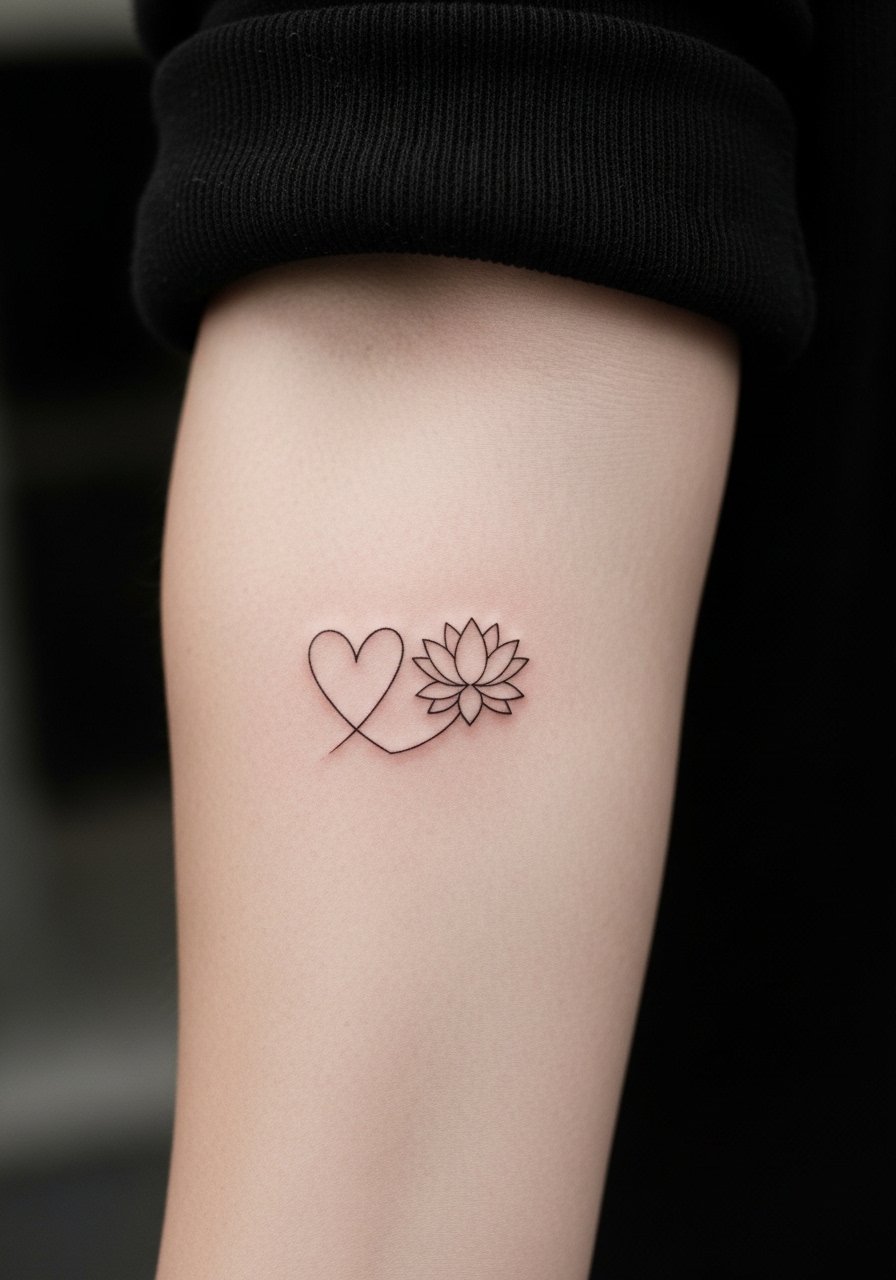
I've seen this tiny combo on clients at five shops across Brooklyn and it reads like a private mantra when done with slightly bolder contour lines. Ask your artist for one or two outer lines instead of single-needle hairlines to preserve the shape over time. Fine line fans argue for single-needle subtlety and say it is the point. Bold-line proponents argue that thicker contour keeps the motif visible on all skin tones after a year. The middle path here is a delicate inner detail with a firmer outer trace. For showing it off, stack dainty bracelets that sit above the wrist without covering the lotus. Expect a short session and a touch-up at year two for crisp heart edges.
2. Minimalist "I am enough" script on the collarbone
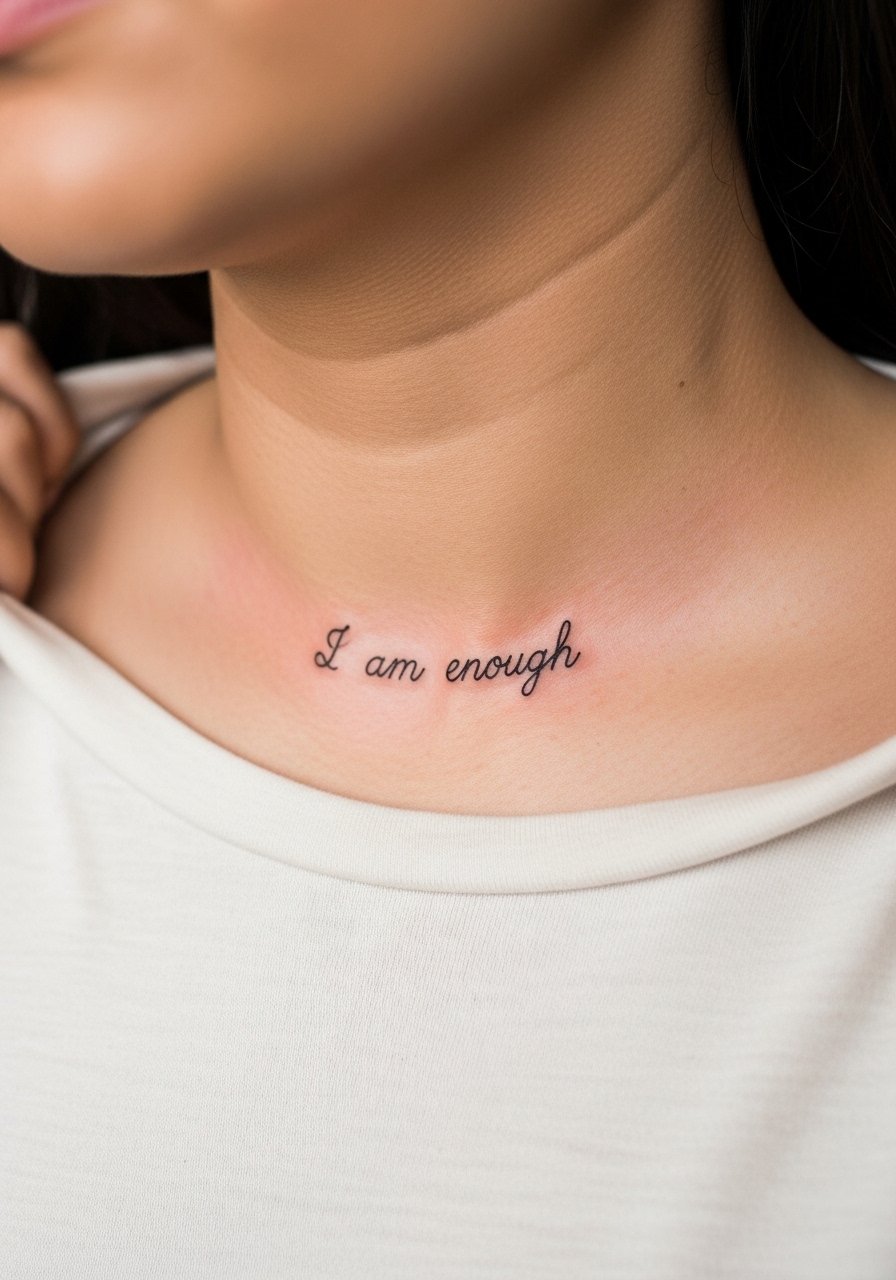
Collarbones catch attention without being loud, and this spot is perfect for an affirmation that peeks out with low-cut shirts. During consultation, specify exact spacing and show a font sample at actual size so the artist can scale legibility. This area can feel like a 4 out of 10 on the pain scale for most people, and the stencil may read larger on the skin than on screen. For session comfort, a thin strap top makes access easy and keeps straps from rubbing afterward. A thin chain pendant can sit above the line and complement it without crowding.
3. Watercolor butterfly emerging from chrysalis on the shoulder blade
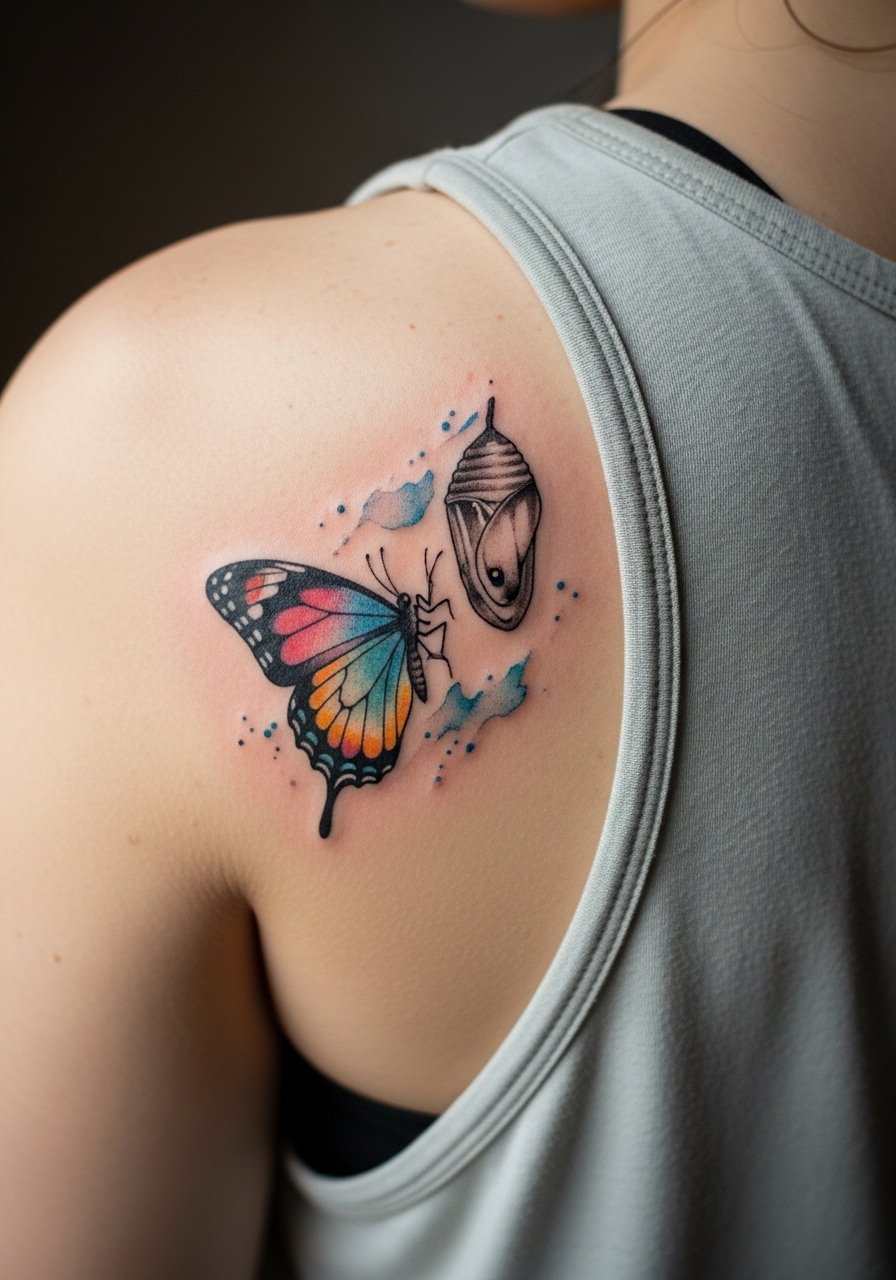
Watercolor shines here because the shoulder blade gives room for soft washes and gentle gradients. Ask for saturated edges near the wing roots to avoid color disappearing into the skin over a few years. Most artists prefer to layer watercolor in two short sessions so the color has room to sit without overworking the skin. For the session, bring a loose tank top so the artist can work with the shoulder exposed without full upper-body exposure. Over time the airy color softens; plan a color refresh if you want the original pop past year three.
4. Blackwork mandala with central rose on the upper arm
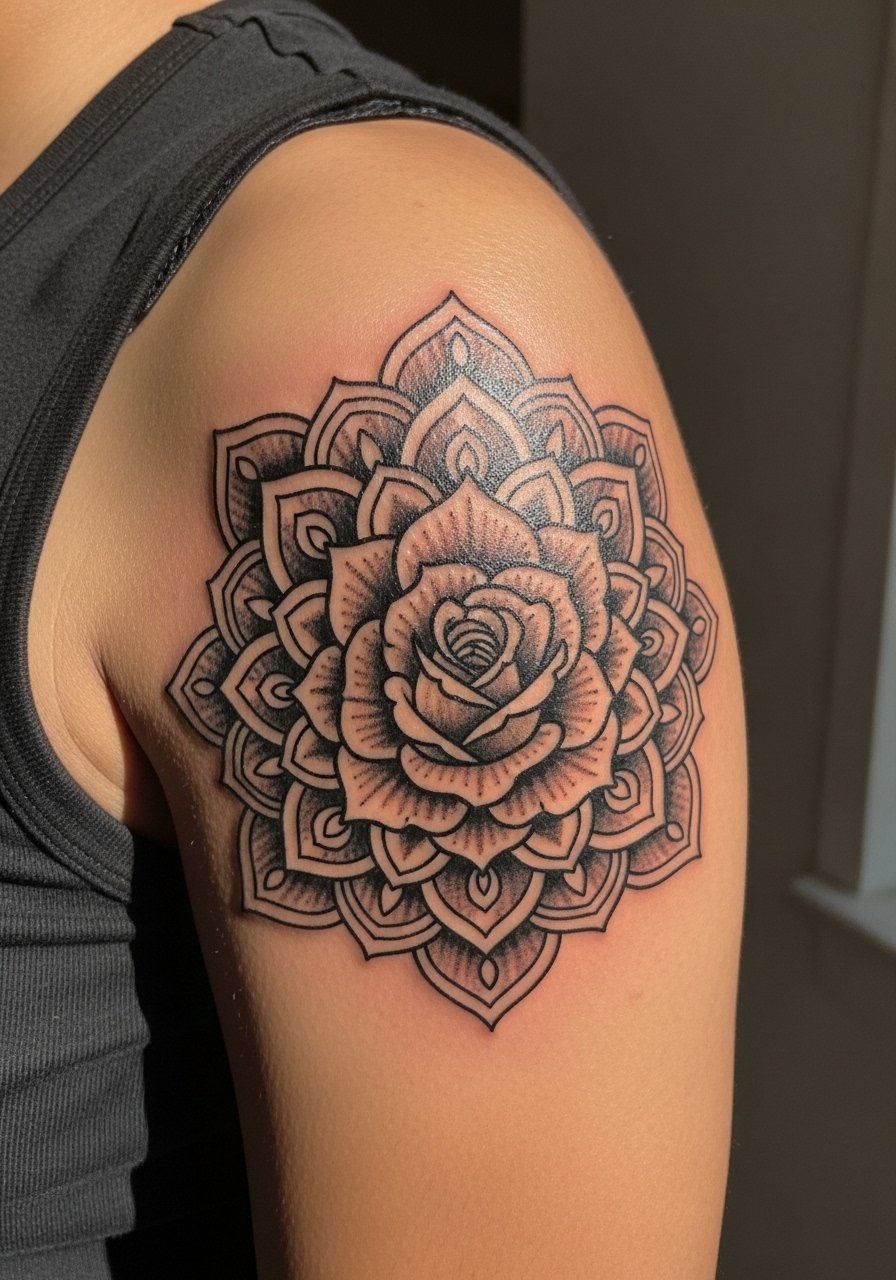
This design ages well because saturation is the protective factor against fade. Tell your artist you want solid black saturation and negative-space petals to keep the mandala readable from a distance. It takes longer than a fine line wrist piece, expect multiple passes and two sessions depending on size. The upper arm tolerates strong saturation without severe blowout risk when spaced correctly. For everyday style, roll-up sleeves or a linen button down frames the art without competing with the bold blackwork. If cultural motifs are part of the mandala, ask about respectful adaptation rather than direct replication.
5. Micro-realism phoenix rising on the inner bicep
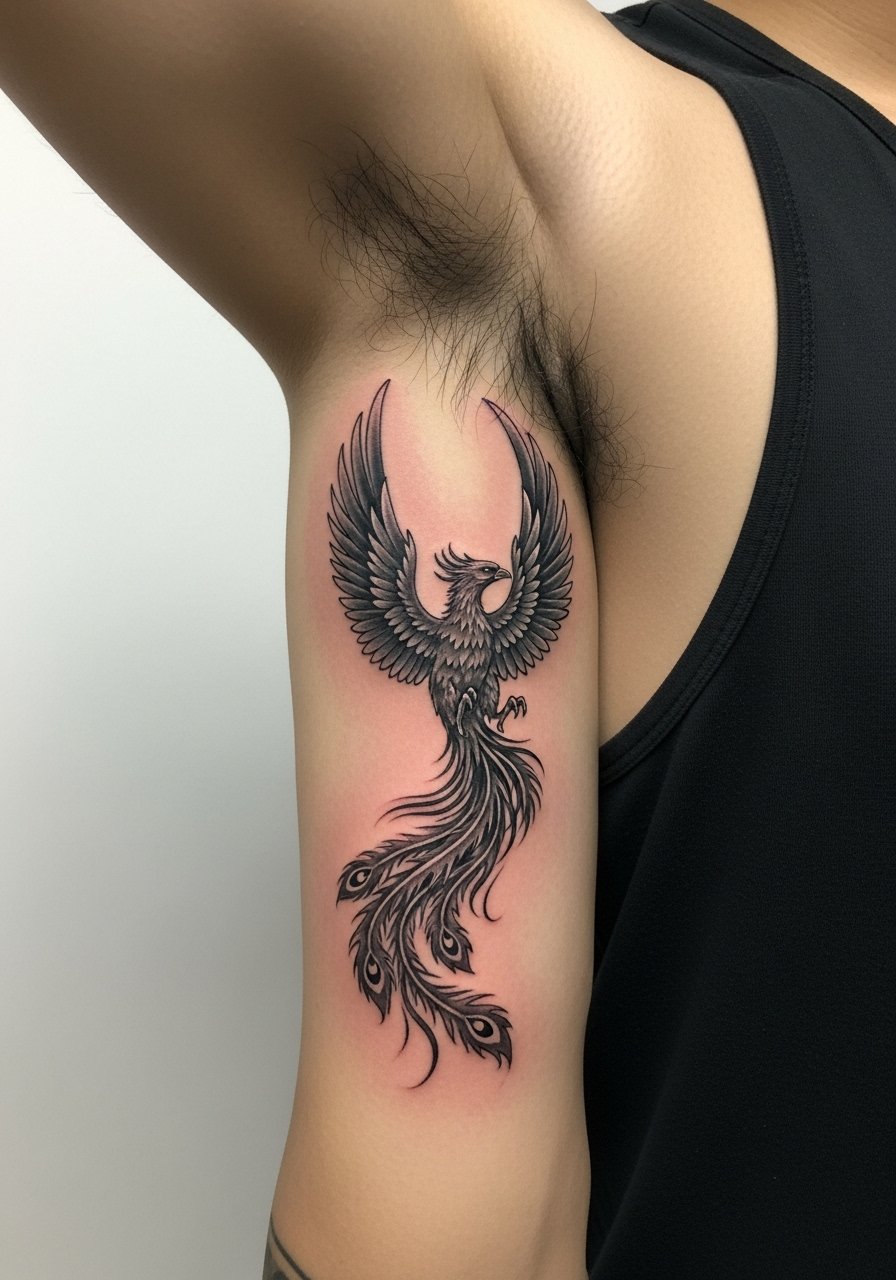
Inner biceps can be tender, and people often say this placement is a 6 or 7 on the pain scale. The micro-realism phoenix needs crisp contrast between highlights and shadow to read as feathers, so request strong black anchors and soft gray washes. Watch for blowout risk if the phoenix is placed too close to thick muscle creases. Expect one solid session and a possible touch-up at year two where feathers may soften. For career-sensitive placements, remember that an arm shirt sleeve covers this easily when needed.
6. Neo-traditional sunflower with dripping "love yourself" on the outer forearm
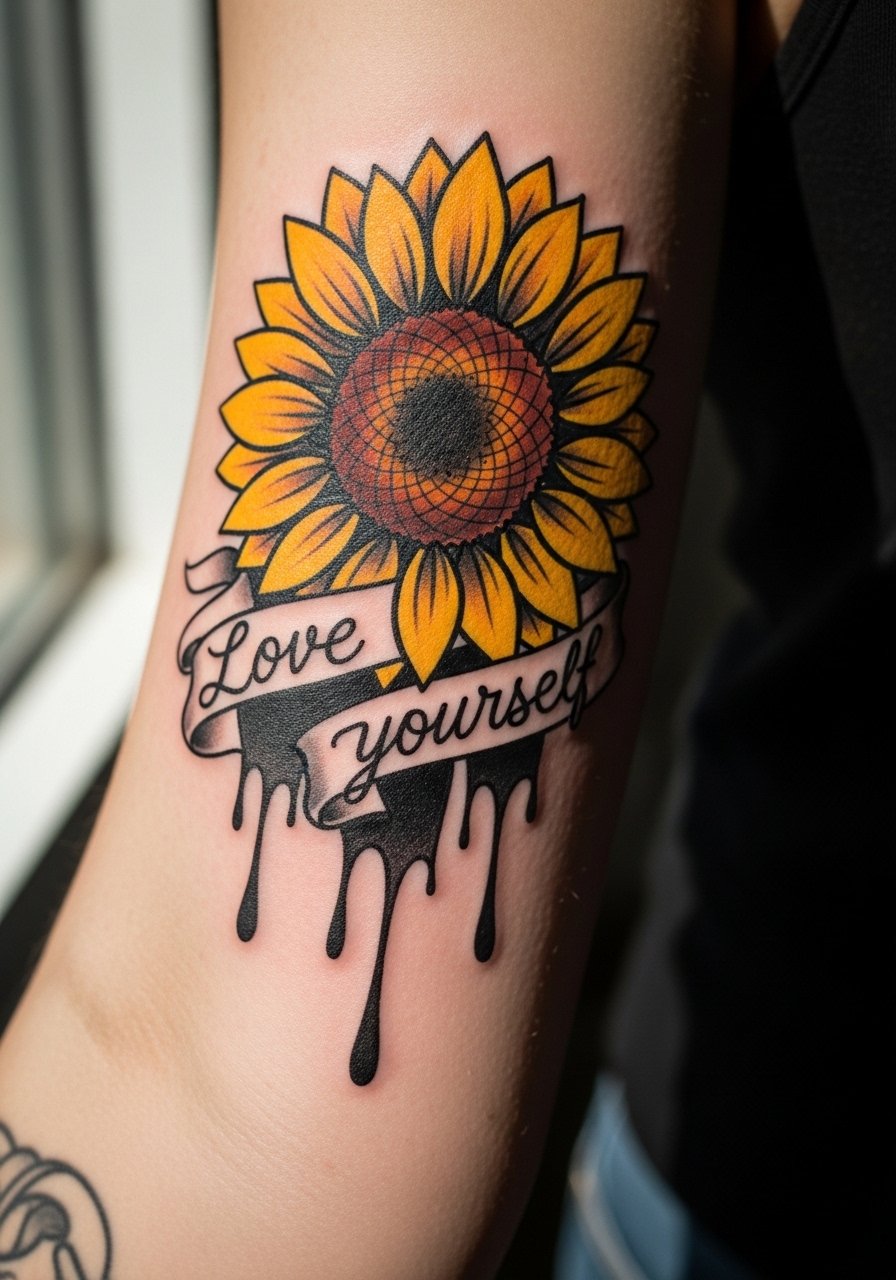
Neo-traditional color holds up because of its strong outlines and saturated centers. Ask for a bold outline and dense color packing in the sunflower center so the yellow does not wash out quickly. The outer forearm is forgiving for size changes and shows well with short sleeves. For showing it off, pair with a minimalist gold watch that sits lower on the wrist so the sunflower remains the focal point. Expect one to two sessions depending on color layering and a touch-up option after a year if the yellow softens.
Studio Day Picks
The wrist, collarbone, and shoulder blade pieces above each require different prep and session wear. A few well-chosen items smooth the day and the first week of healing.
-
Stencil transfer paper kit. Lets you test placement on skin and reassess size before the needle touches down, which is especially useful for collarbone and wrist scripts.
-
Topical numbing cream. Applied 45 minutes before can ease the sting on rib or inner bicep sessions without dulling fine detail for most people.
-
Thin protective film roll. Keeps wrist and forearm pieces clean during the busiest first days when washing and typing cause friction.
-
Fragrance free gentle body wash. Gentle cleansing matters for freshly inked shoulder blade and forearm areas that rub against clothing.
-
Aquaphor healing ointment. Thin layers can help the first 48 hours for small fine line work on the wrist without over-suffocating the skin.
7. Ornamental "self love" in cursive within a geometric frame on the ankle
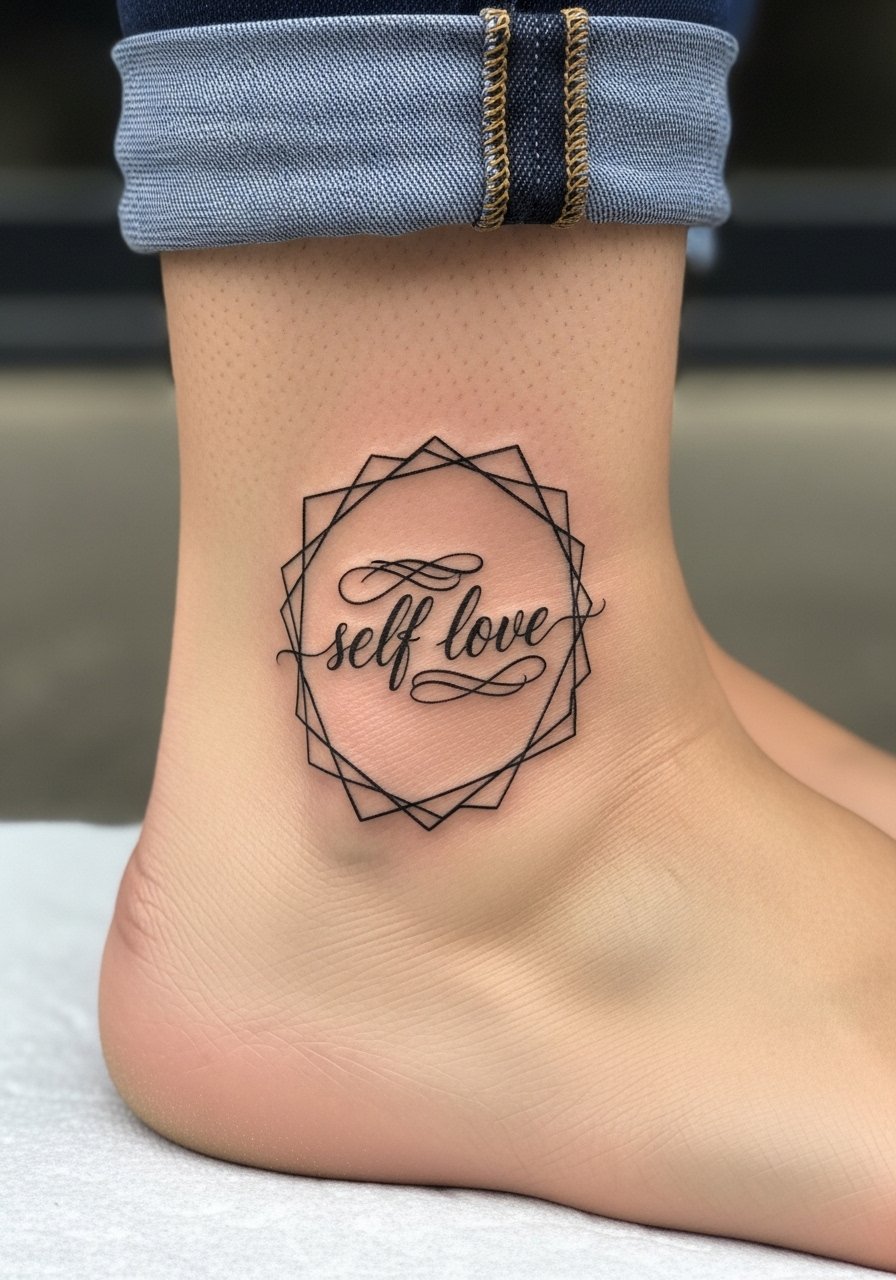
Ankle tattoos are great for personal phrasing that can stay private or be shown off with sandals. Ask for slightly thicker letter starts to keep thin script from softening into a smudge over the first two years. This placement handles small decorative frames well, though repeated rubbing from shoes can affect edges. For show-off outfits, a pair of strappy sandals brings focus to the frame and letters without covering the ink. During the session wear elastic-waist pants you can roll up to give the artist unobstructed access.
8. Ignorant style cartoon heart hugging itself on the thigh
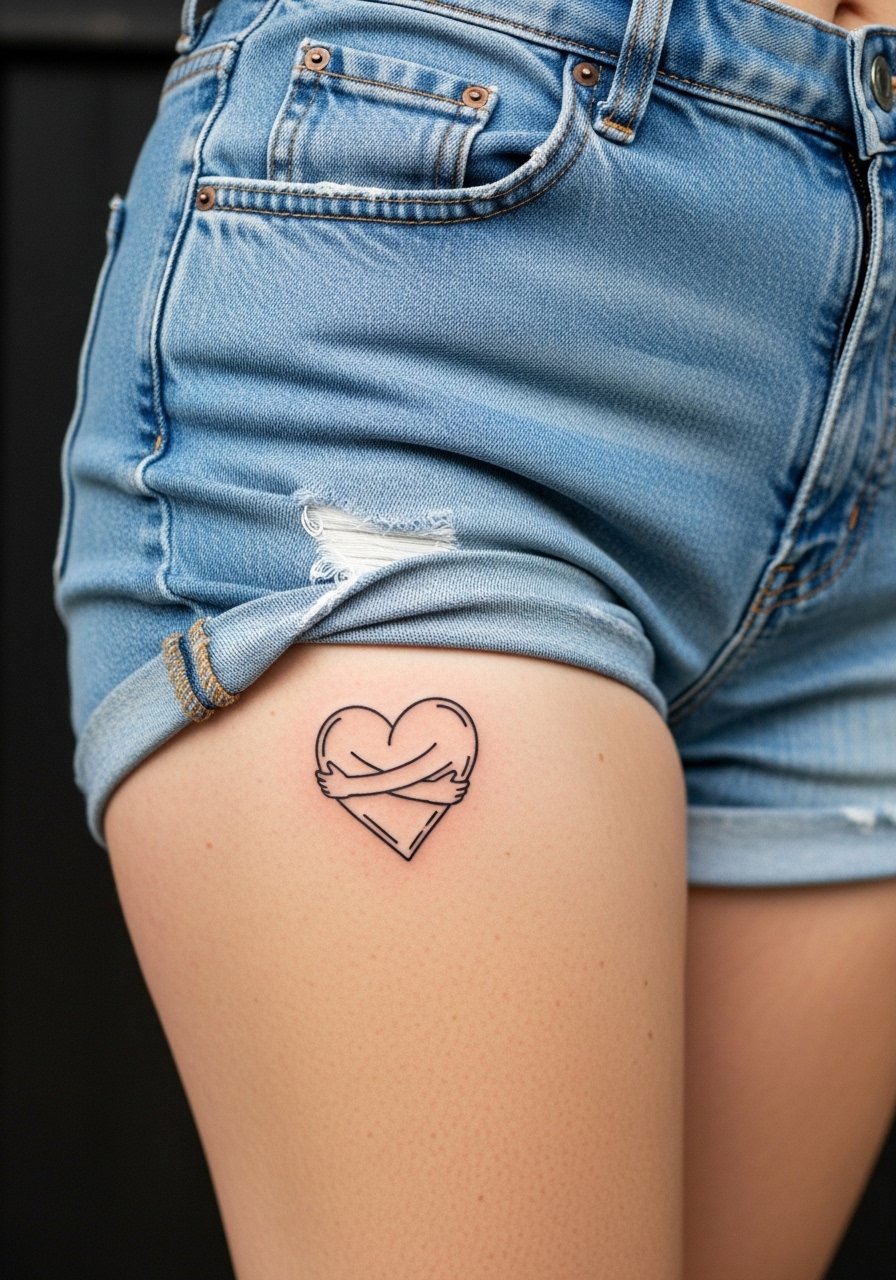
Thigh placements let playful, chunky ignorant style linework breathe and avoid the distortion that sometimes hits after body changes. This style is forgiving because bold single-line forms read well as the skin changes. For session comfort, wear loose shorts or a skirt so the artist can access the area without you feeling exposed. High-waisted denim shorts pair well for showing the piece off in summer. Because thigh skin can stretch, discuss future body changes with your artist if you expect major weight fluctuation.
9. Fine line semicolon with blooming vines on the wrist
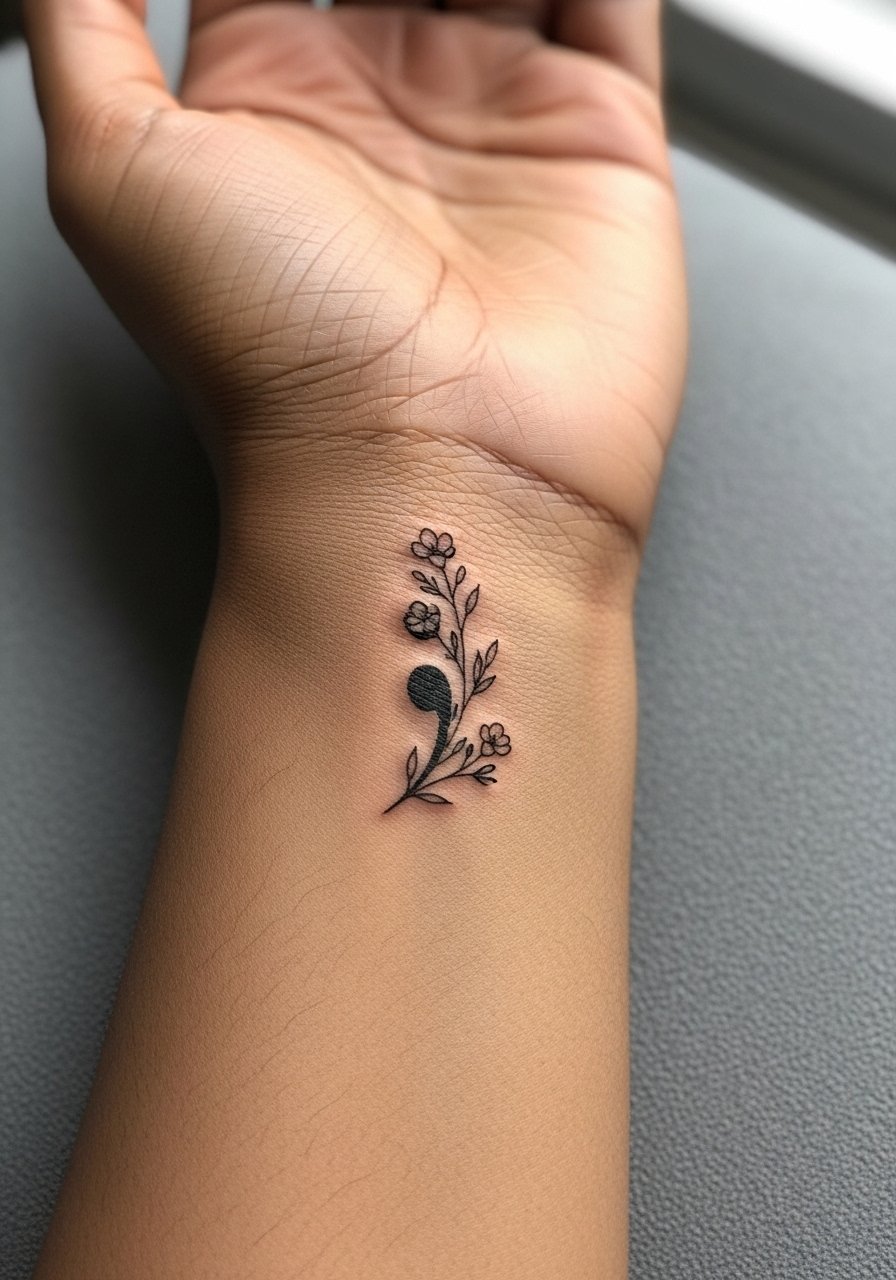
Wrist fine line work looks intimate but faces visibility challenges on darker skin tones. One camp of artists defends single-needle subtlety as the aesthetic point. The other camp supports bolder contour lines for year-long readability. Ask for a slightly firmer anchor line around the semicolon and delicate vine details inside that frame instead of relying purely on single-needle strokes. For the session, avoid bracelets that might rub the fresh ink and consider a dainty bracelet for after-healing wear. Expect a touch-up at year two if the vines soften.
10. Traditional anchor with "be you" banner on the calf
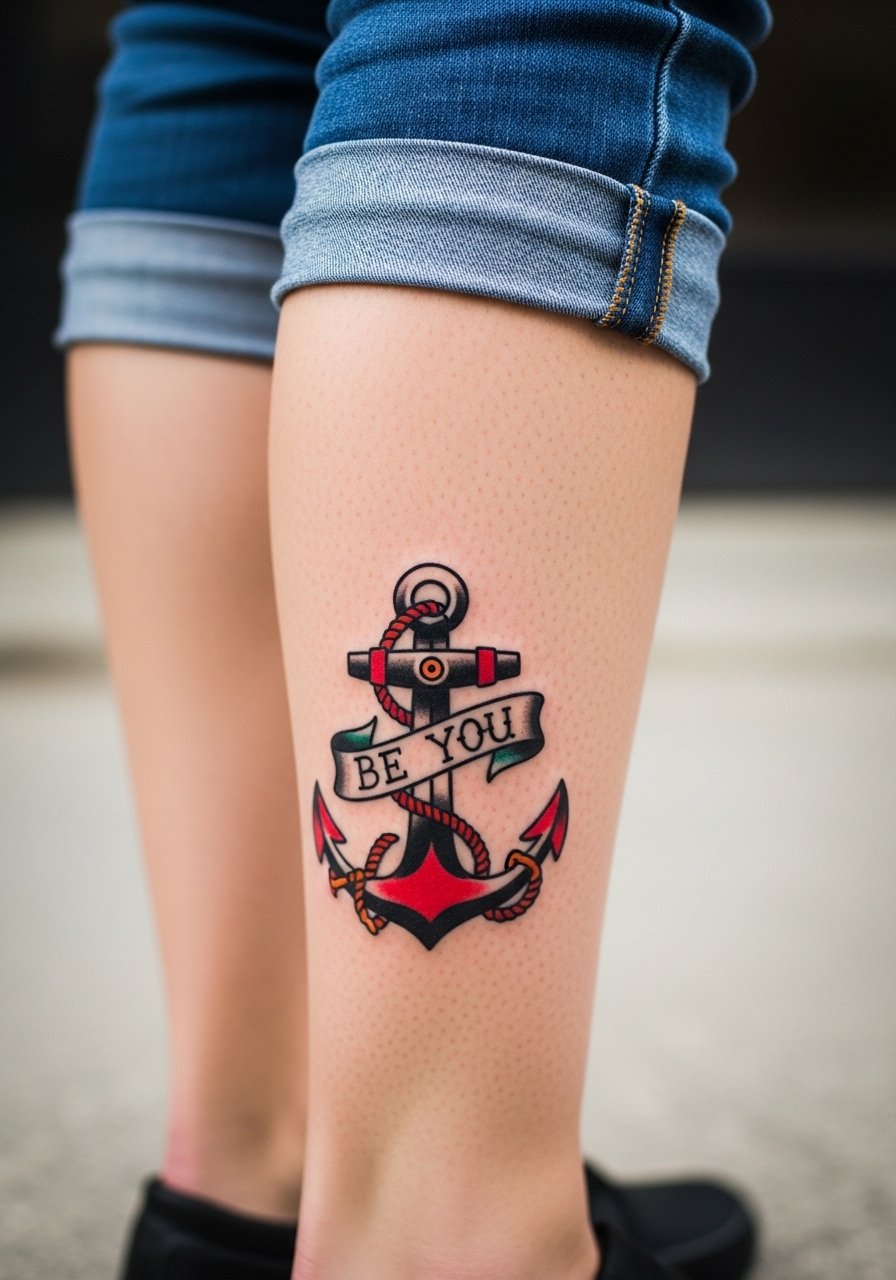
Calf placements are sturdy for traditional saturation and age into a readable silhouette. Tell the artist you want saturated blacks and a classic banner shape so the typography stays legible when the calf muscle changes with exercise. Sessions are comfortable for most people and generally done in one visit for a medium-sized piece. Pair the lower-leg art with cropped jeans or ankle boots to show the anchor without exposing too much skin. Traditional salt-of-the-sea motifs are timeless but ask if any historic elements have cultural ownership before copying directly.
11. Black and gray lotus unfolding on the ribcage
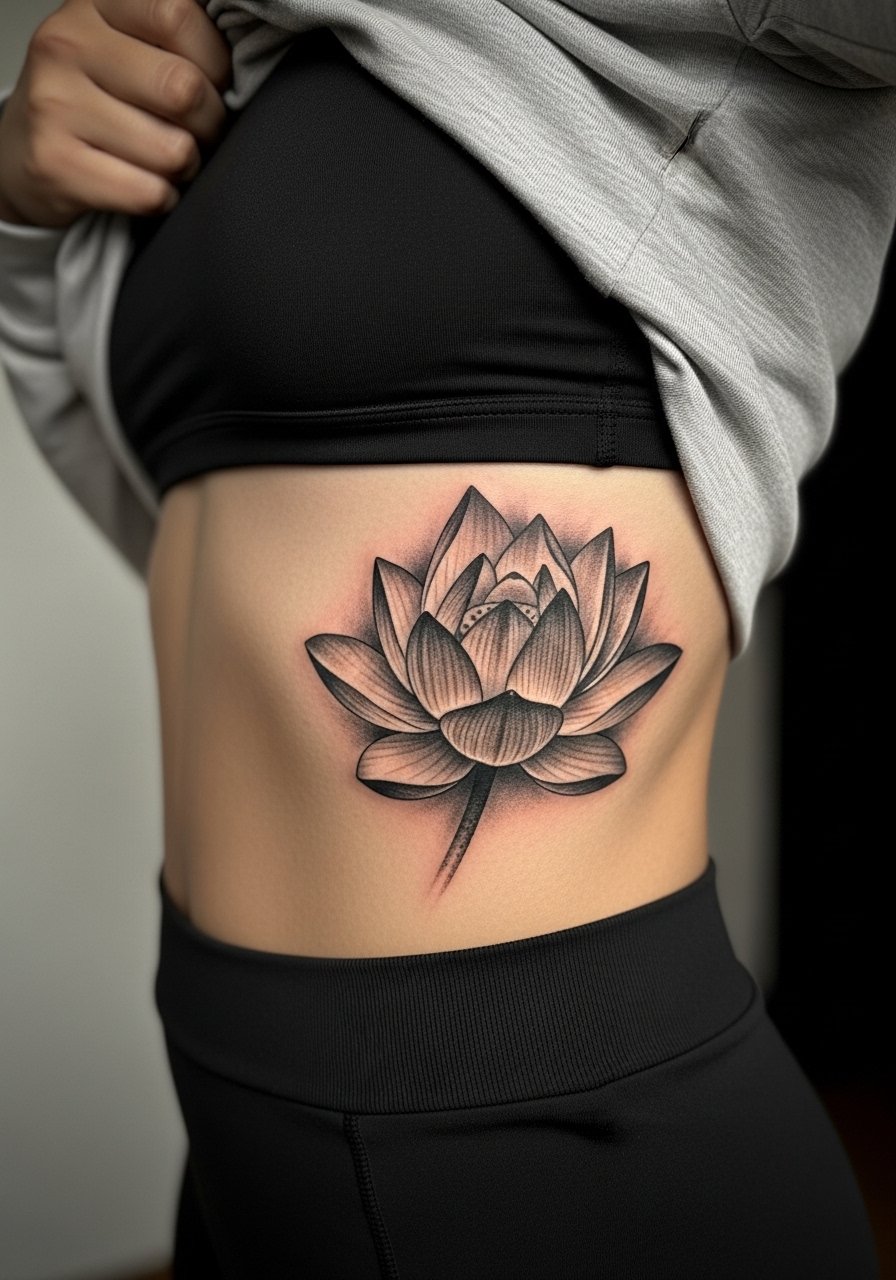
Ribcage work is honest about pain and body movement. Expect higher discomfort and longer breaks. For realism shading, request layered gray washes and a bold outline near the base so the lotus keeps form as the skin stretches. Artists are split on fine line on ribs because of skin movement versus depth control. Be prepared for longer sessions and a clear discussion about aftercare that fits this sensitive zone. For confidentiality and comfort, plan your session timing around easy clothing changes.
12. Minimalist infinity loop with heart knot at the nape
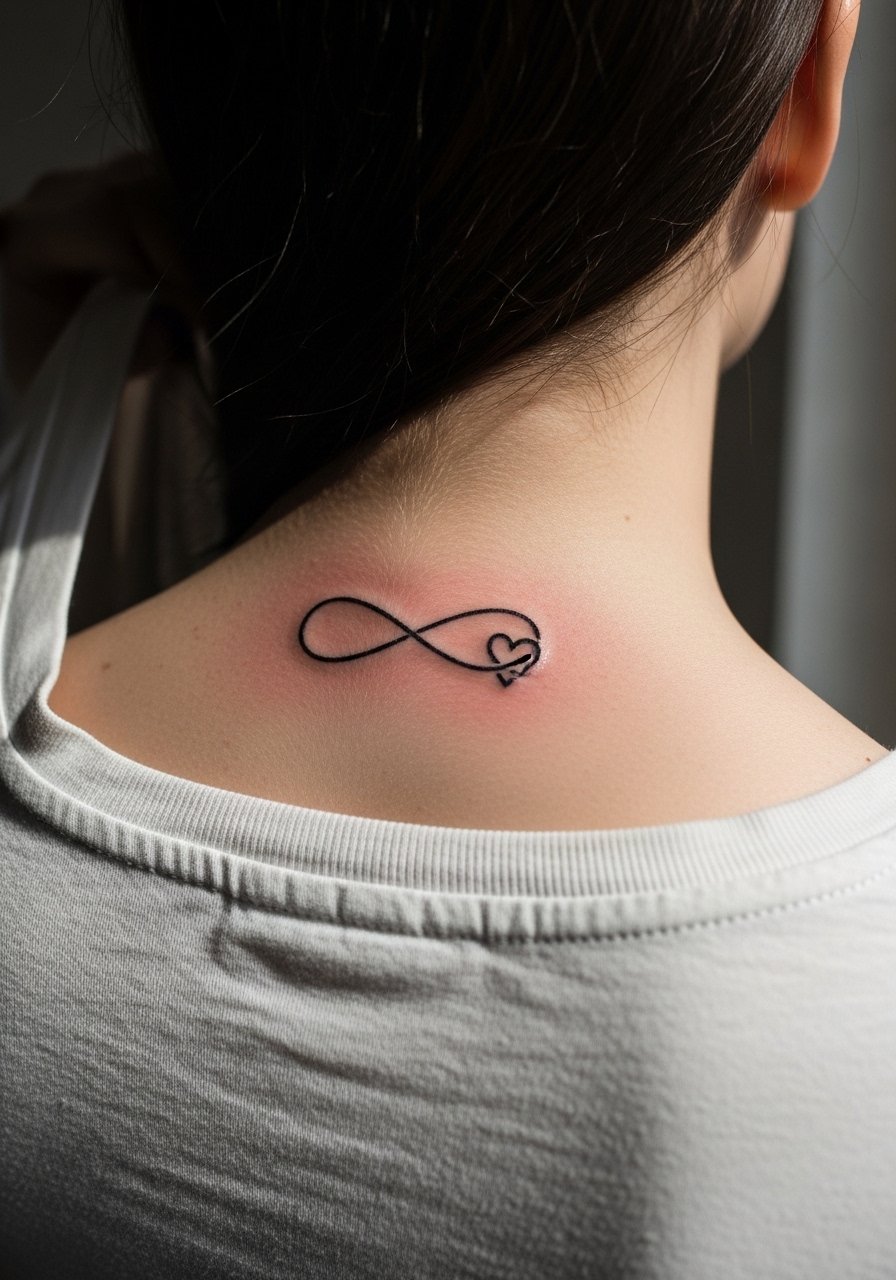
The nape is a discreet spot that shows with updos or open collars. Specify exact size so the knot reads like a heart and not a blob when healed. The session itself is a quick one, but the skin there can be finicky with hair and sweat during healing. For front-of-day comfort bring a loose shirt with a wide collar you can pull to the side. An open-back or updo pairs nicely for showing the knot without overexposure in professional settings.
13. Watercolor galaxy with "you are enough" stars along the collarbone
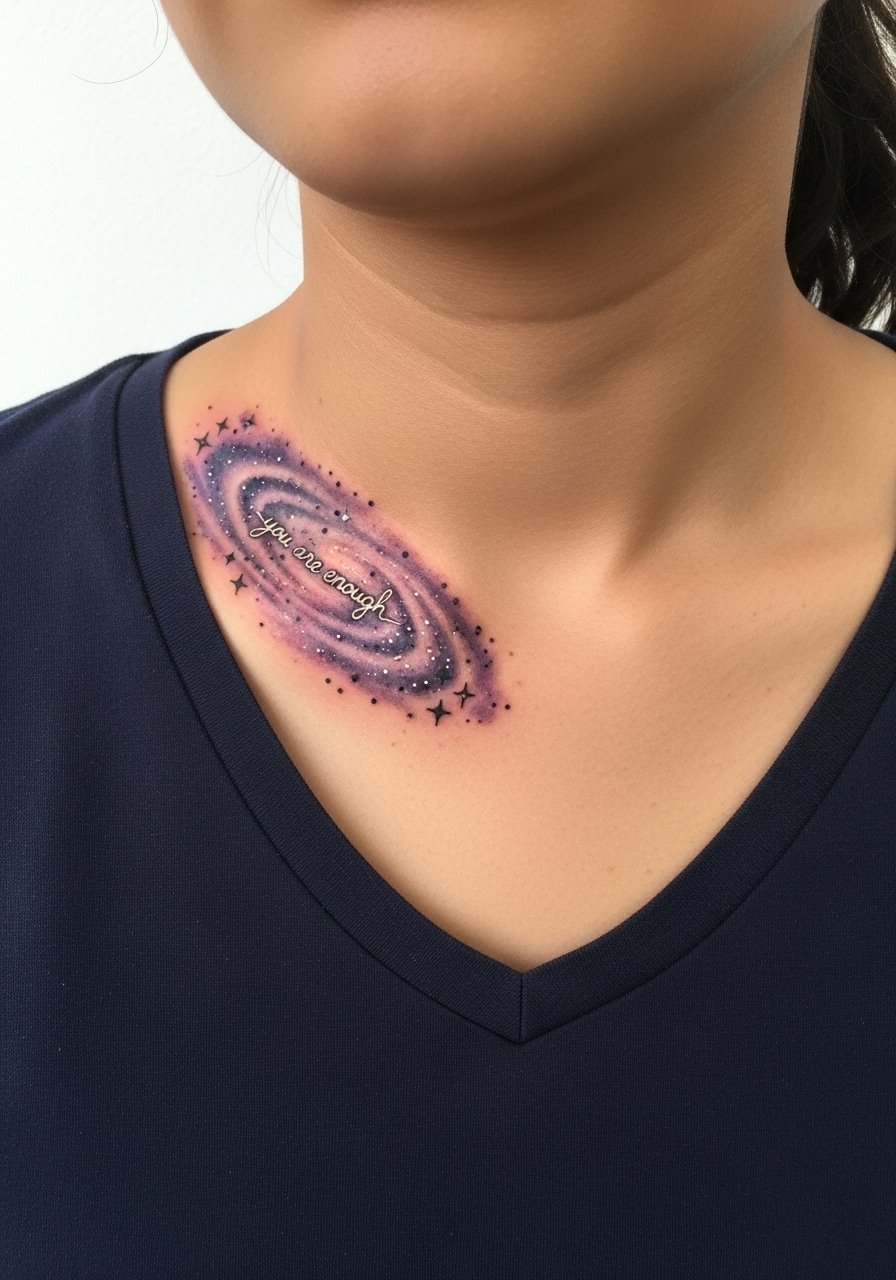
This cosmic script reads as a quiet reminder that can peek out in low-cut tops. For longevity, ask for a stronger ink anchor behind the script letters so the text does not blur inside the washes. Watercolor layers on collarbone respond well to a single careful session and a light touch of touch-up if colors lose punch. V-neck tops showcase the galaxy without competing with it. Be aware that watercolor looks different on varying skin tones so request mockups on your own skin tone in the consult.
14. Patchwork affirmations: add-one-word-a-year sleeve idea
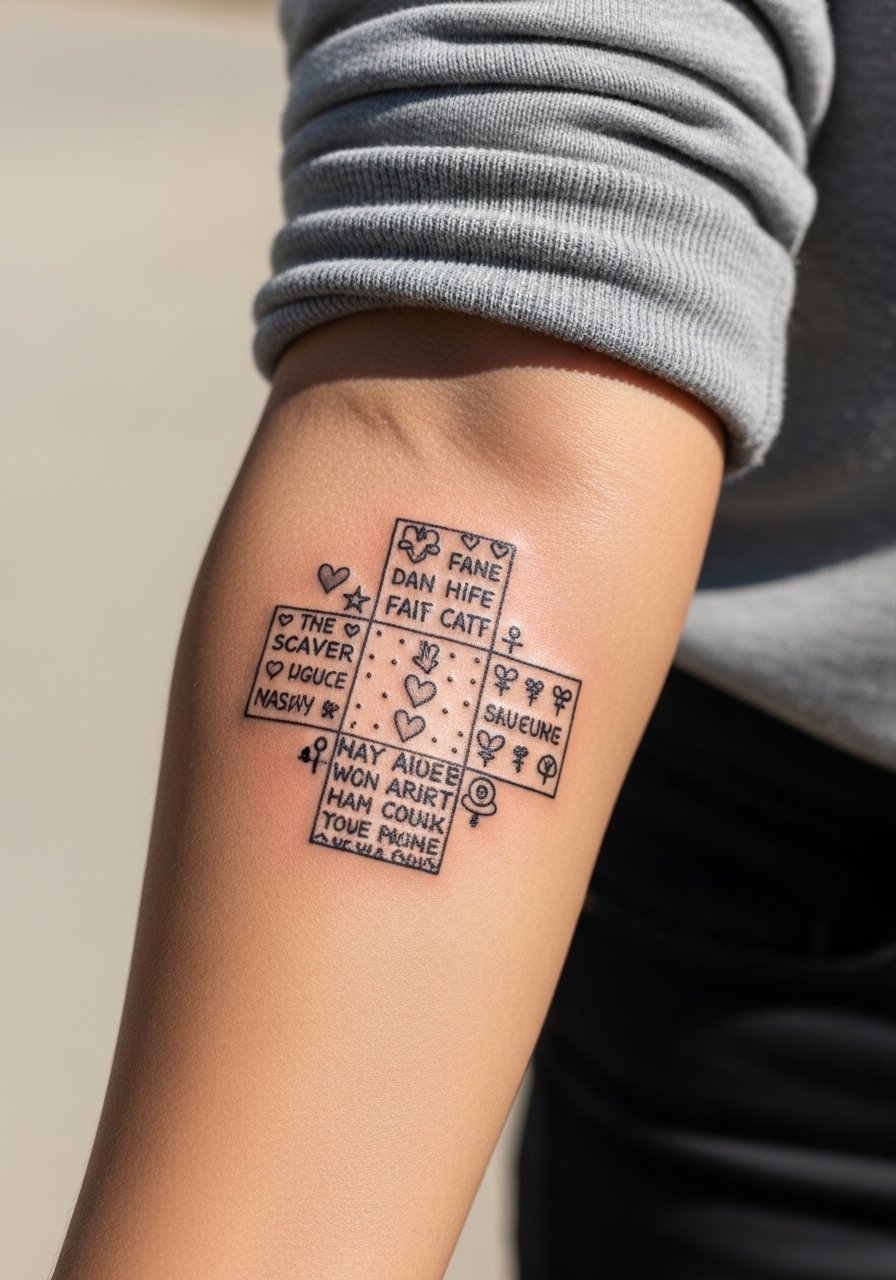
Building a sleeve with one word a year turns ink into a living timeline. Start with spacing and negative areas so future words slot in without crowding. Tell your artist you are planning incremental additions so they can map a flow now rather than graft pieces later. This approach solves first-timer anxiety because each session is short and intentional. Roll-up sleeves and layered bracelets help show off early stages while leaving room for future patches. Expect each new word to need only a single session when planned well.
15. Tiny knuckle reminders across finger knuckles
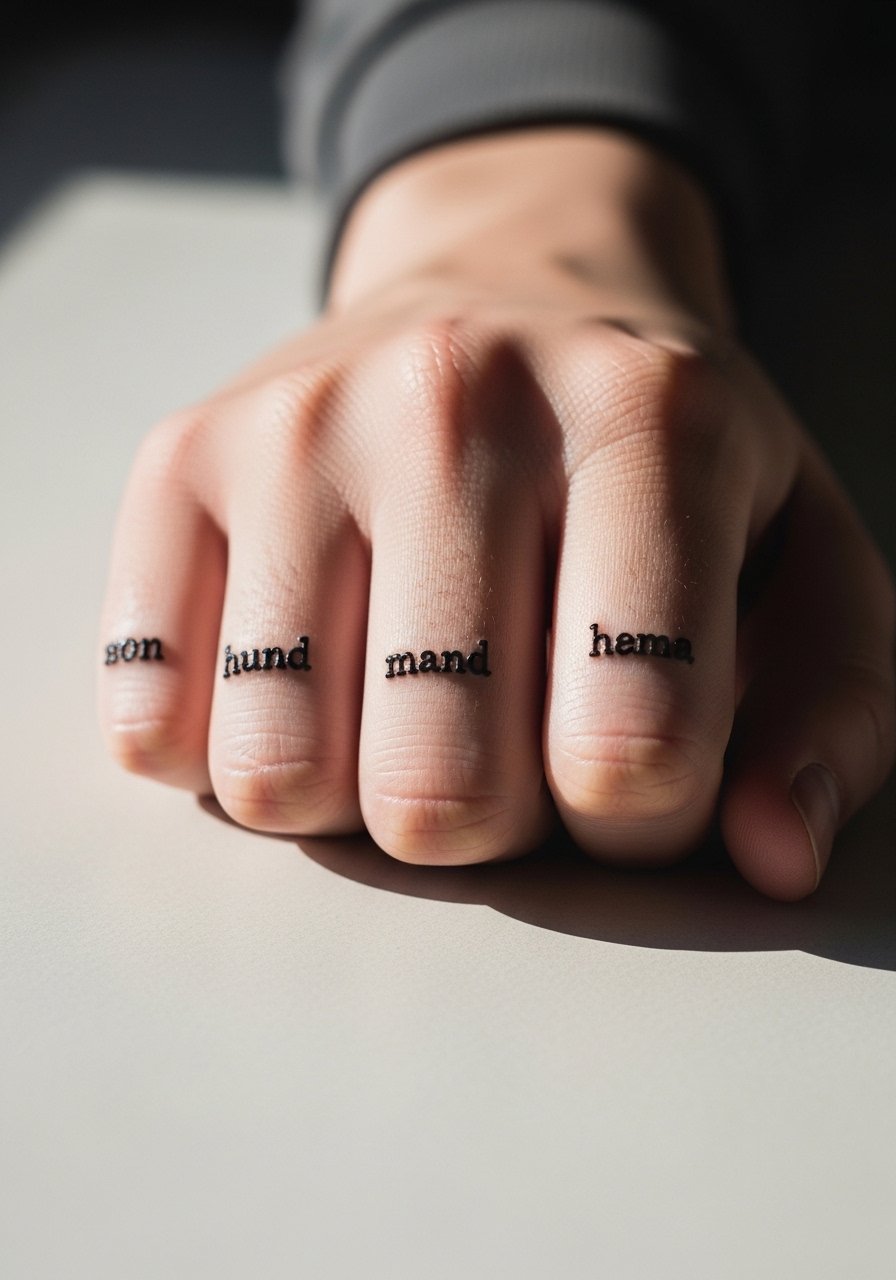
Knuckle letters hit daily and feel like a private billboard, but they fade faster due to hand washing and friction. Choose bold simple letterforms rather than thin cursive so the message remains legible. Ring choice matters for styling; minimalist stacking rings can complement without obscuring letters. For session wear, expect to take care with hand activity for the first weeks and plan touch-ups more frequently than wrist pieces.
16. Hybrid ignorant-fine line self-hug on the clavicle
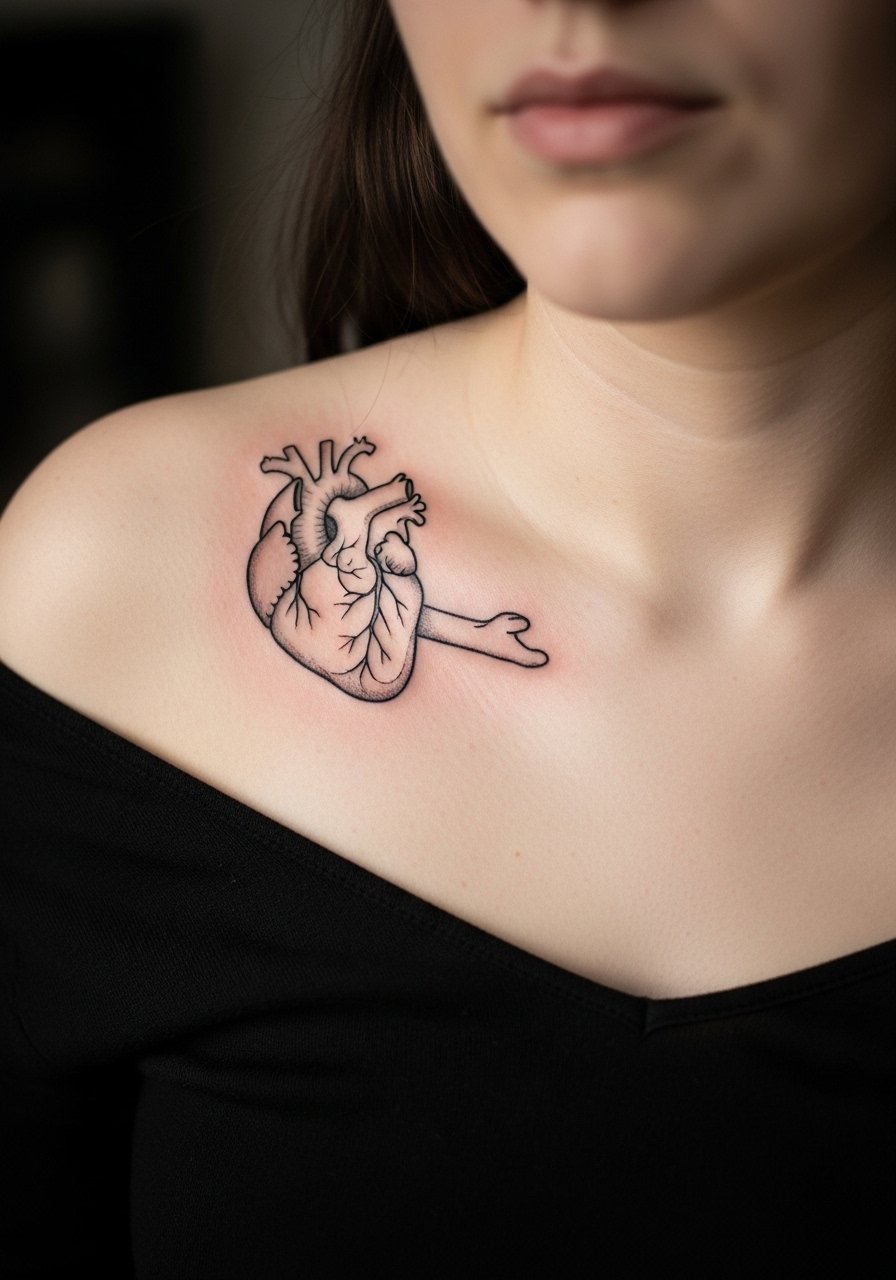
A hybrid approach gives the cartoon warmth with precise internal detail that holds over time. Ask the artist for bold outer strokes with single-needle inner textures so the hug reads on day one and at year three. This placement shows with off-shoulder tops and is personal enough to keep private when needed. For the session, an off-shoulder top that can be adjusted provides easy access without full exposure. Expect a short session length and a possible year-two touch-up on the inner textures.
17. UV-reactive "secret self-love" script under blacklight
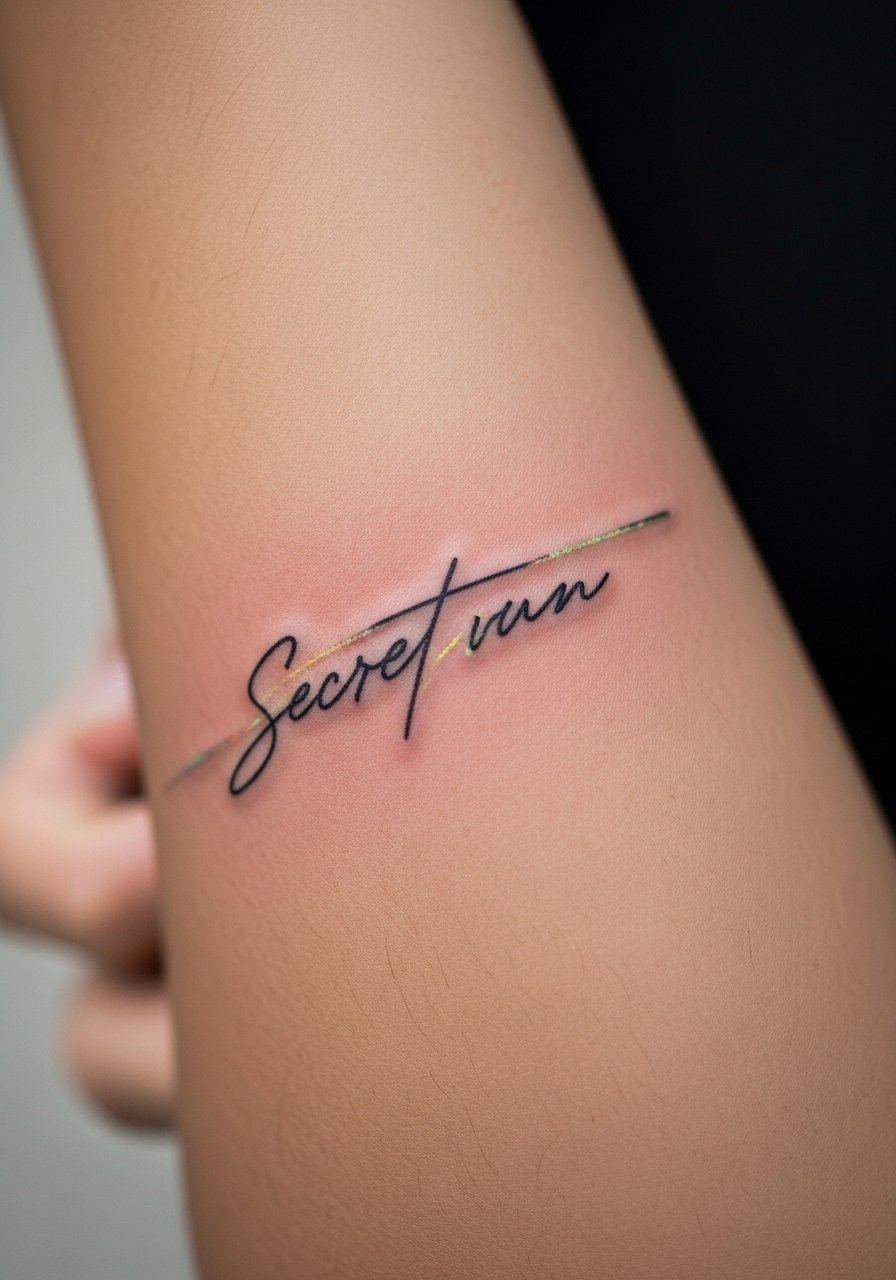
UV ink creates a discreet note visible only under blacklight. Not every studio uses or is comfortable with UV inks, and they can fade differently than standard pigments. If this intrigues you, discuss ink sourcing and long-term expectations with the artist. Consider combining a faint daylight-visible outline with the UV script so the sentiment remains legible as the specialty ink ages. This one is niche and best booked with someone experienced in UV work.
18. Birth flower plus affirmation for generational self-love on the forearm
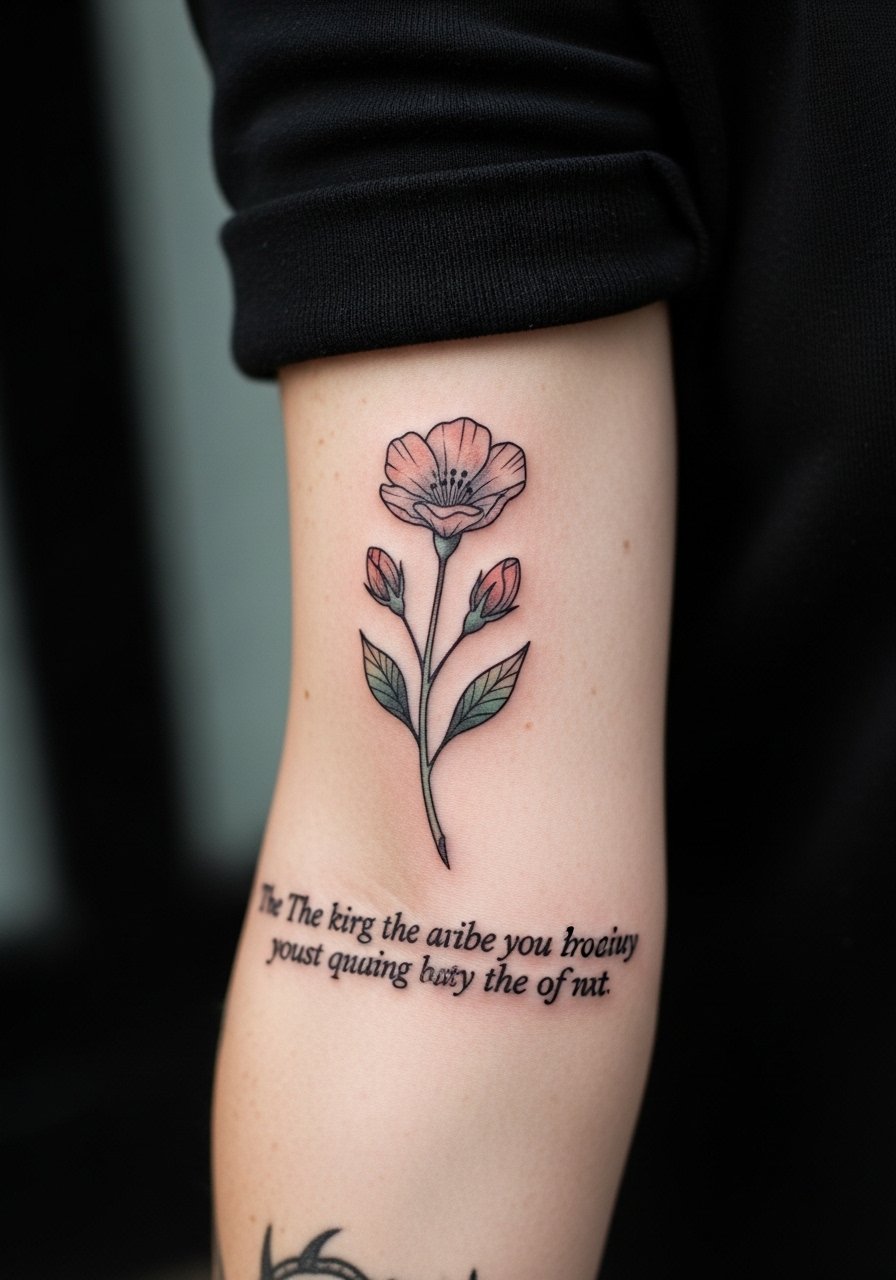
Combining a birth flower with a line of text creates multigenerational meaning without becoming literal. Ask your artist to simplify botanical curves so the flower reads at small sizes and to choose pigment saturation that wears well on your skin tone. For wardrobe, rolled sleeves or a short-sleeve linen top highlight the forearm art. This approach works well as a starting piece if you plan to add generational elements later.
19. Tiny micro-heart behind the ear for a whisper reminder
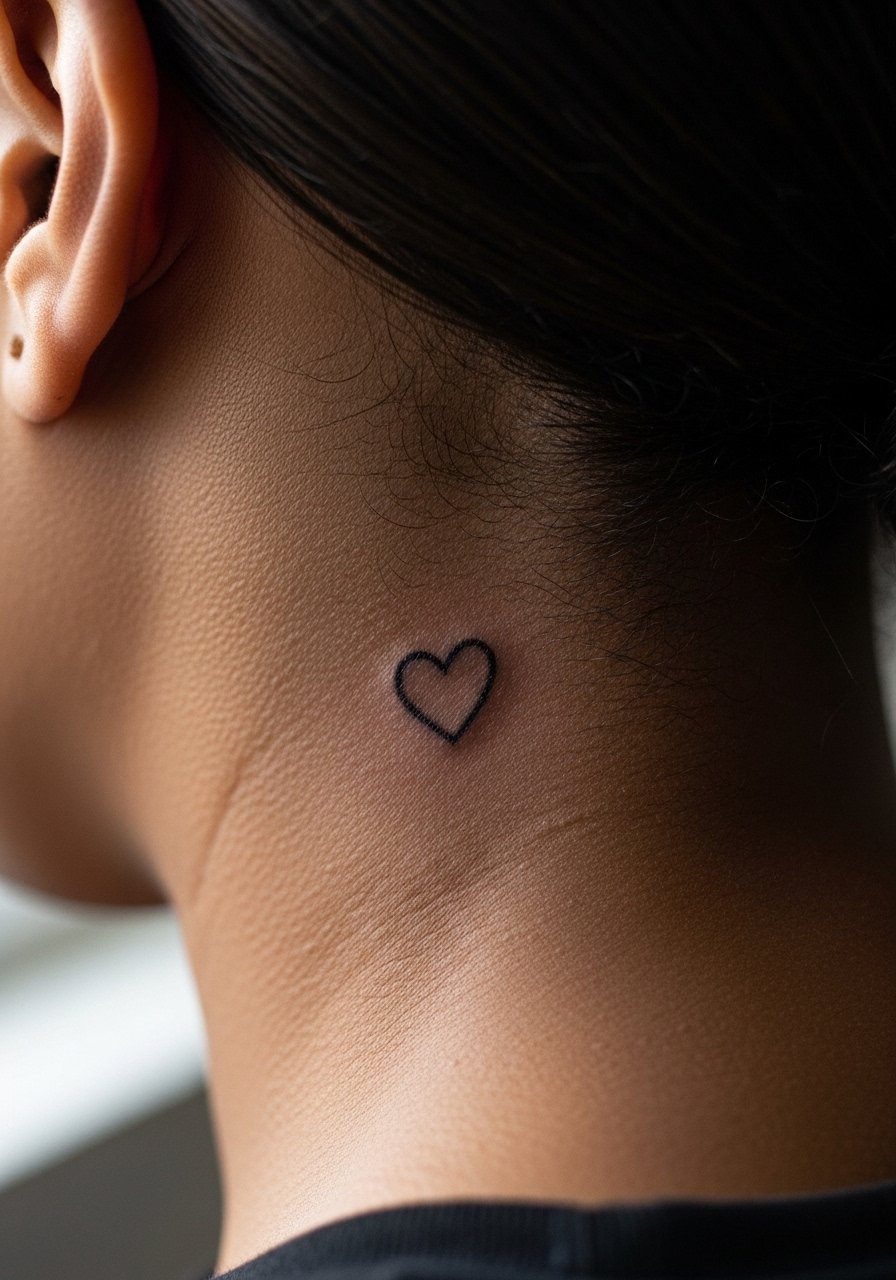
Behind-the-ear tattoos are discreet and intimate. The area requires an artist experienced with small placements near hair follicles and with careful sanitation. Keep in mind that hair grows and may cover or irritate the site during healing. This is a one-session quick piece, and many people report it feels like a brief pinch. Because of the location, ask about needle depth and aftercare specifics unique to hairline skin.
20. Geometric frame with script on the ankle
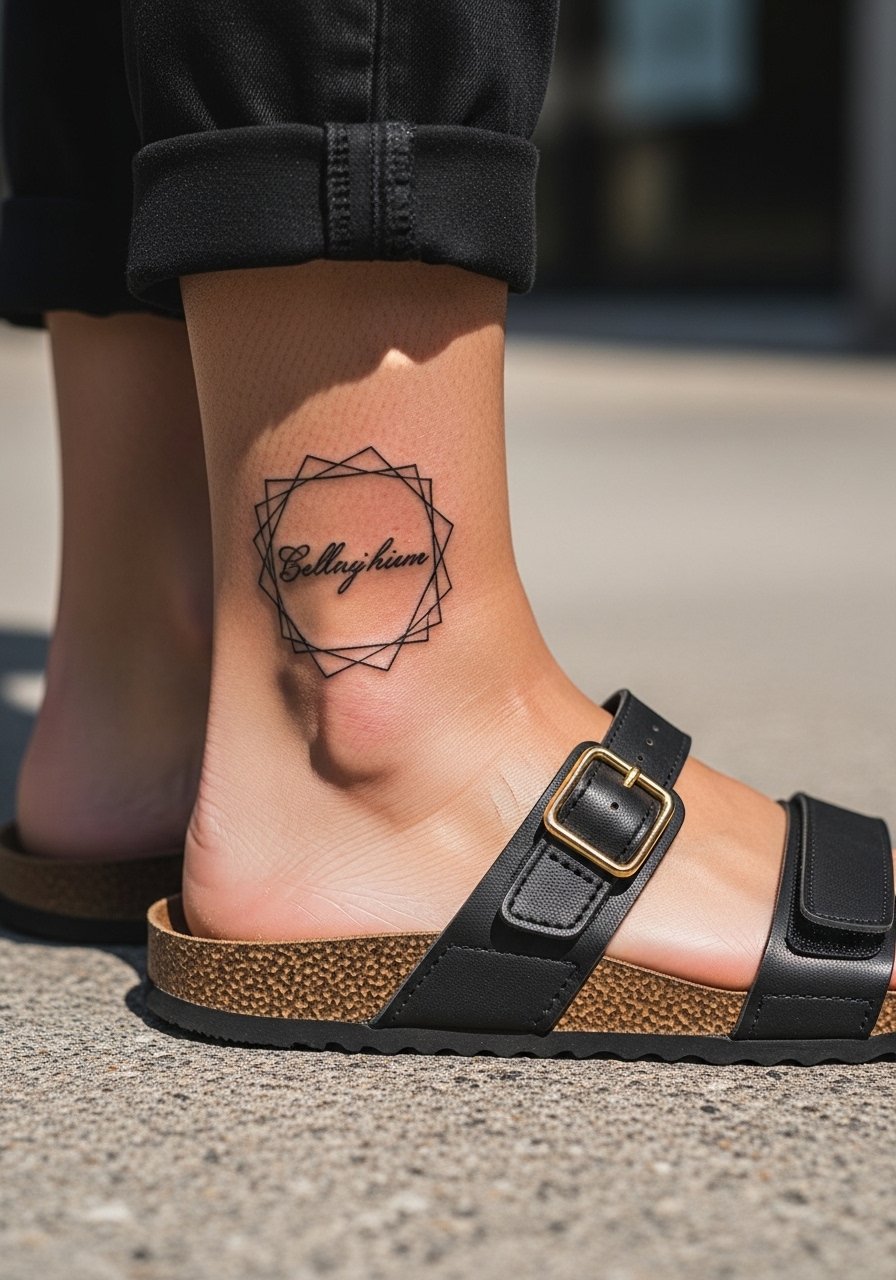
Ankle geometry needs breathing room so lines do not compress into muddiness over time. Ask for slightly larger negative spaces in the frame and thicker main strokes. Foot and ankle areas are close to friction zones, so plan footwear that minimizes rubbing in the first two weeks. Sandals or slides during summer highlight the motif without constant shoe pressure. The session is short but expect a touch-up if you routinely wear tight shoes.
21. Stipple-shaded small moon on the inner wrist
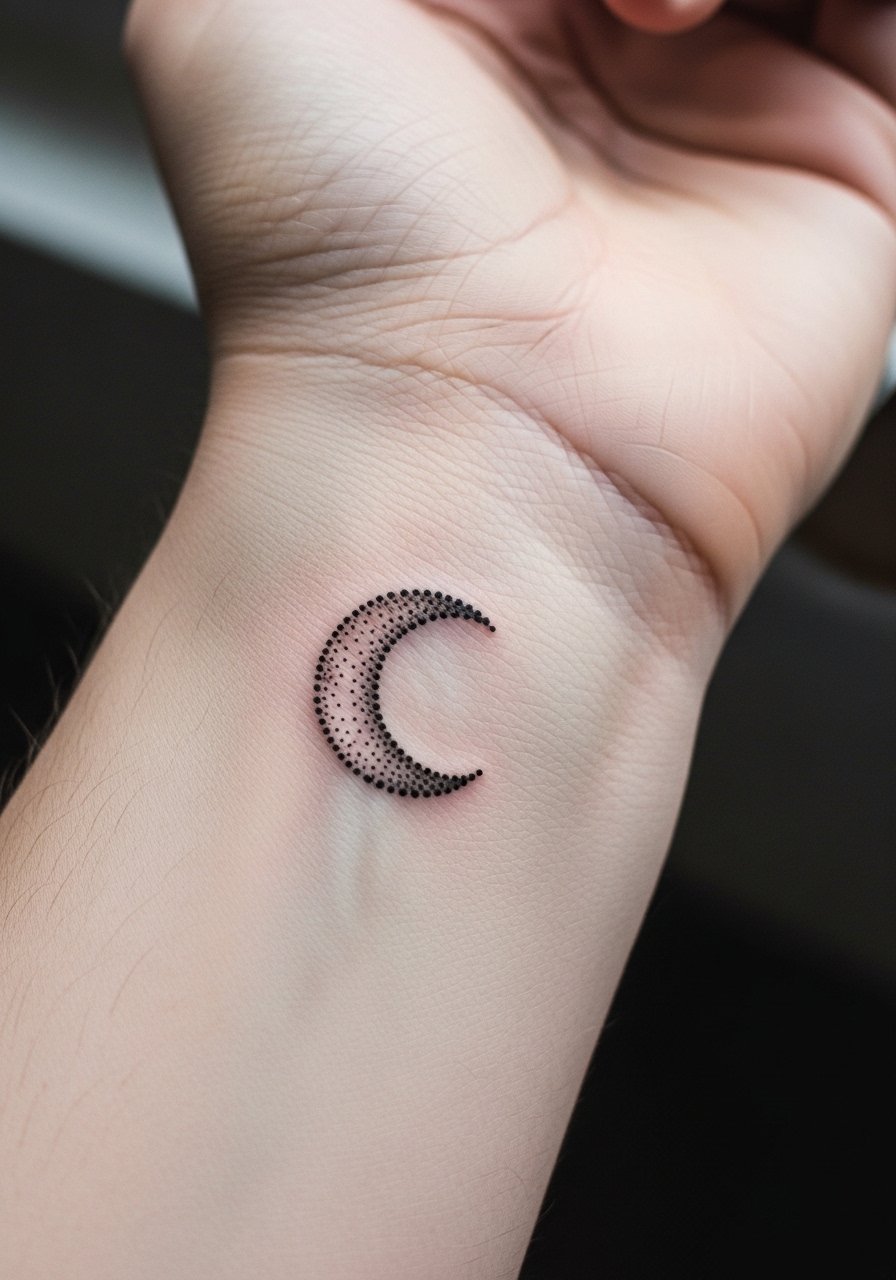
Dot work shines on the wrist when spaced thoughtfully. Ask for stipple shading rather than continuous gray so the moon keeps texture as it ages. Expect a low-pain, short session, but watch for ink fade if you wear bracelets that rub the area often. A thin chain bracelet can complement the moon after healing without overshadowing the dot work.
22. Dot work mandala behind the shoulder blade
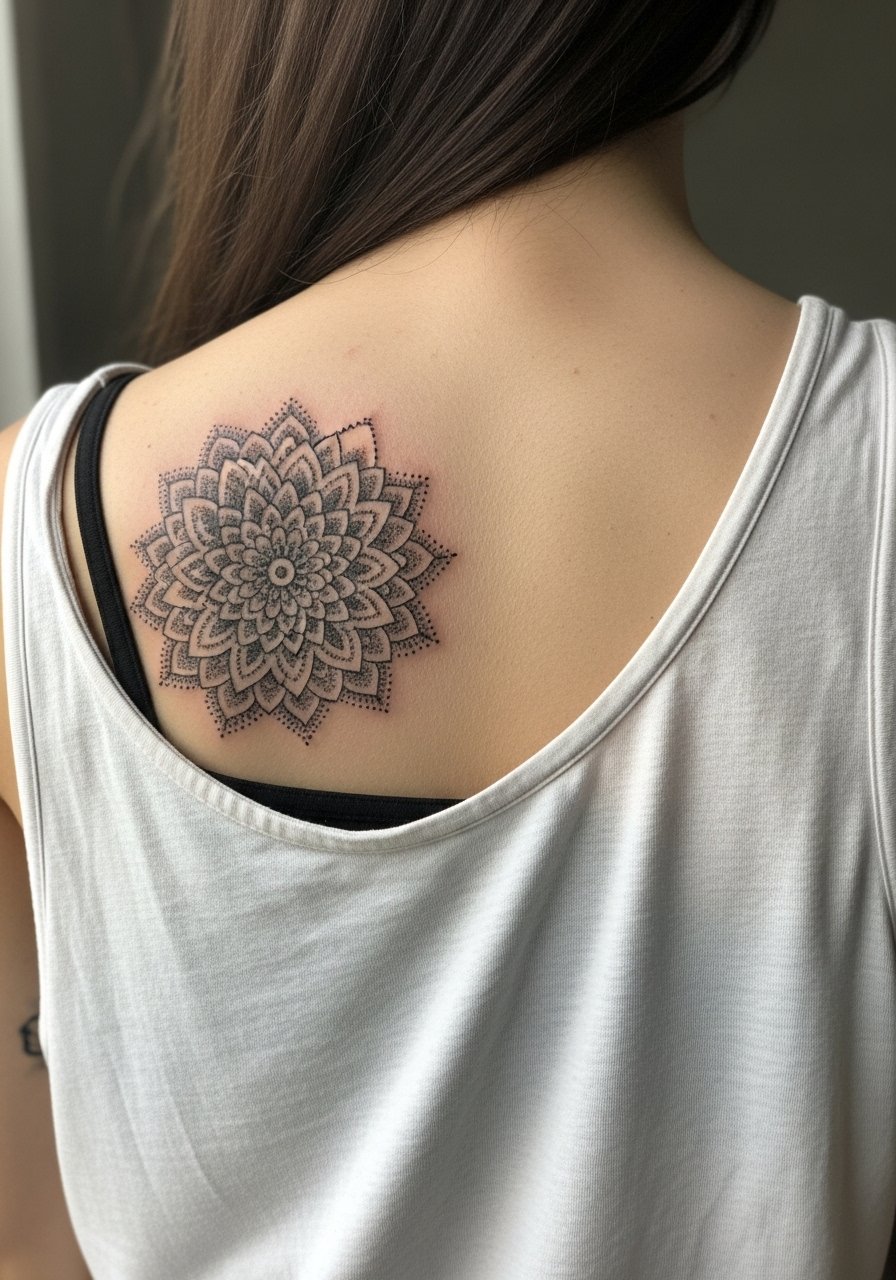
Back shoulder blade pieces have room for density and breathe visually when built with dot work. Tell the artist you want open centers and graduated stipple so the mandala does not compress into one dark spot over time. Sessions here are comfortable and allow for layering in a follow-up visit if you want deeper contrast. For evenings out, an open-back dress shows the mandala elegantly without full exposure.
23. Decorative script in a frame on the inner arm for subtle display
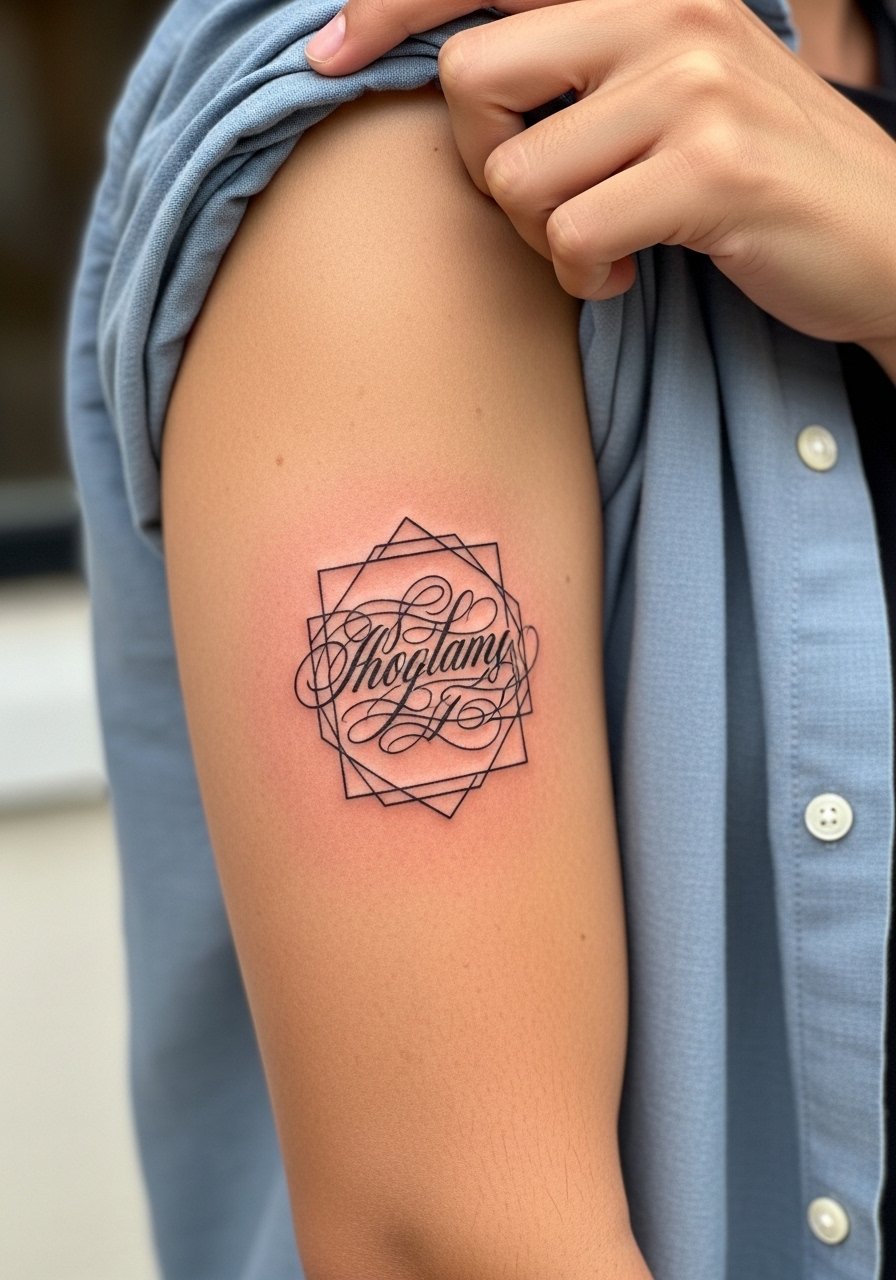
Inner arm placements are ideal for messages you want near your heart but not on your chest. When commissioning script, request exact letter spacing and test a size mockup on the skin. The inner arm heals well if you avoid tight sleeves initially. A loose button-down can be shifted to show the piece when desired and protects it during healing.
24. Micro semicolon on the finger pad for a subtle daily cue
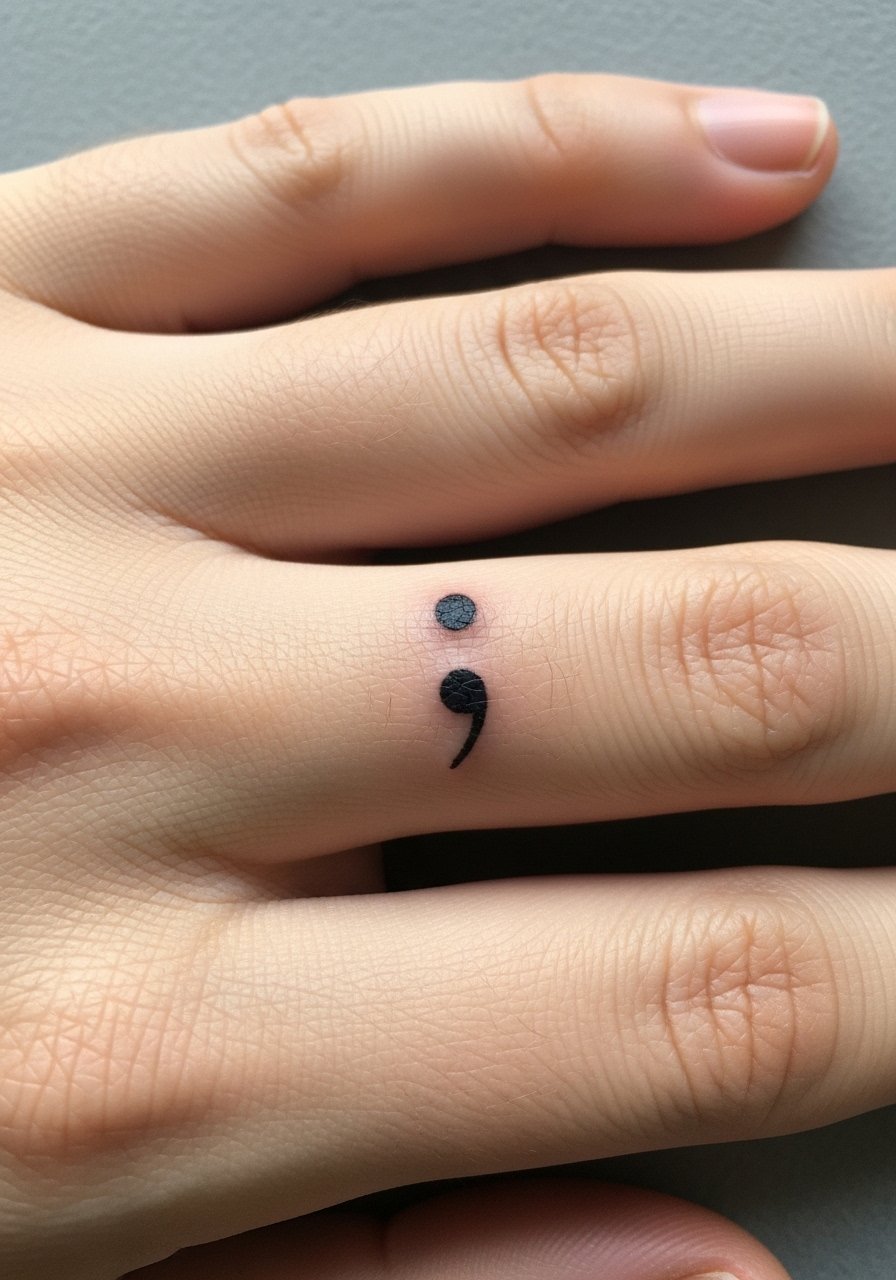
Finger pads are high maintenance and need frequent touch-ups because of skin turnover. If you still want the reminder, pick a bold tiny shape rather than flowing script. Stacking minimalist rings can pair with the semicolon but remember they may speed fading. Plan for touch-ups and use ring-free days during the first month of healing.
25. Phoenix cover-up turning an ex-name into rising wings on the shoulder
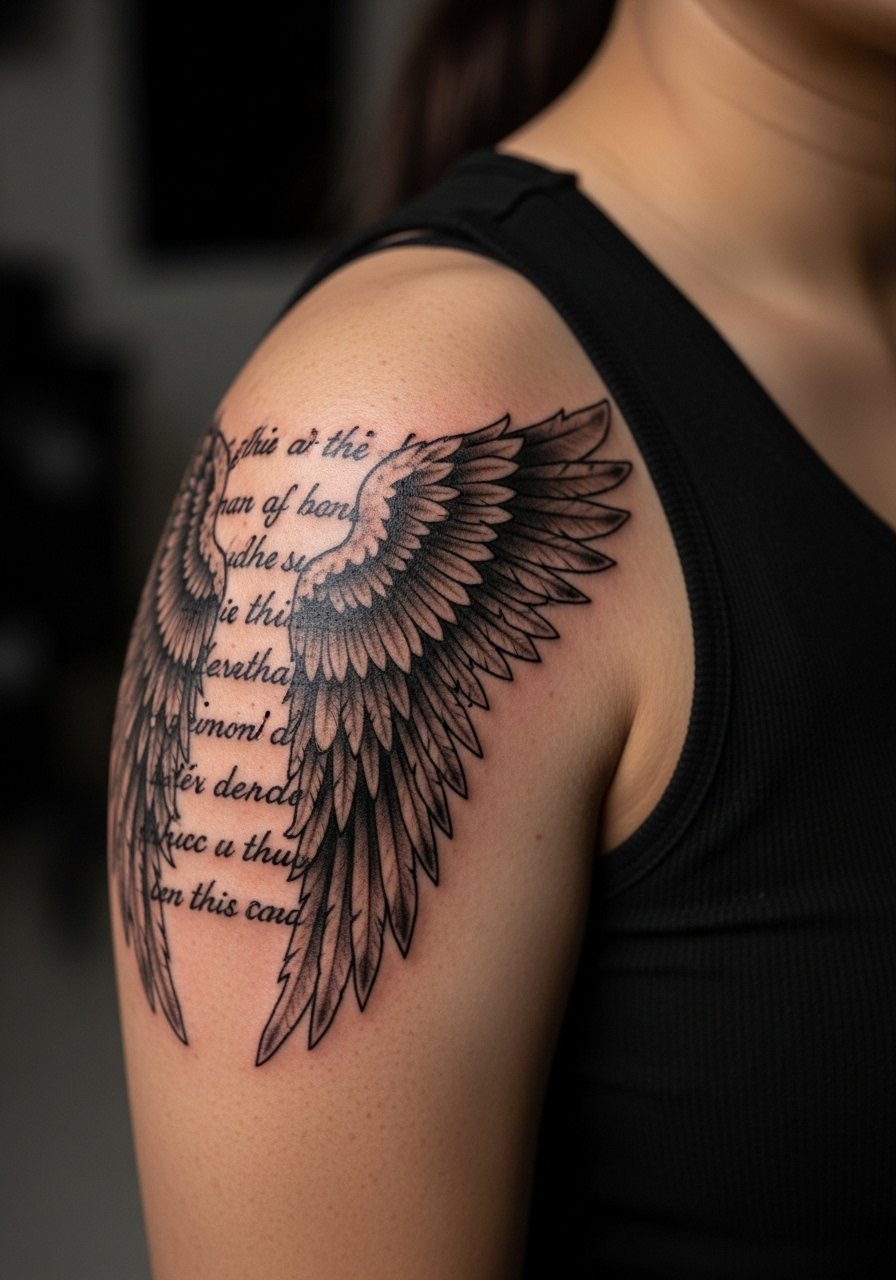
Cover-ups require more planning than fresh designs because the artist must neutralize previous pigment. For best results, bring the old piece photo and be open to scaling up so the phoenix has enough canvas to hide letters. Shoulder skin handles heavier saturation and layered shading well. Wear a tank top you can shift for the session, and expect potentially two visits if color blocking is needed.
26. Spine botanical that pairs with open-back dresses
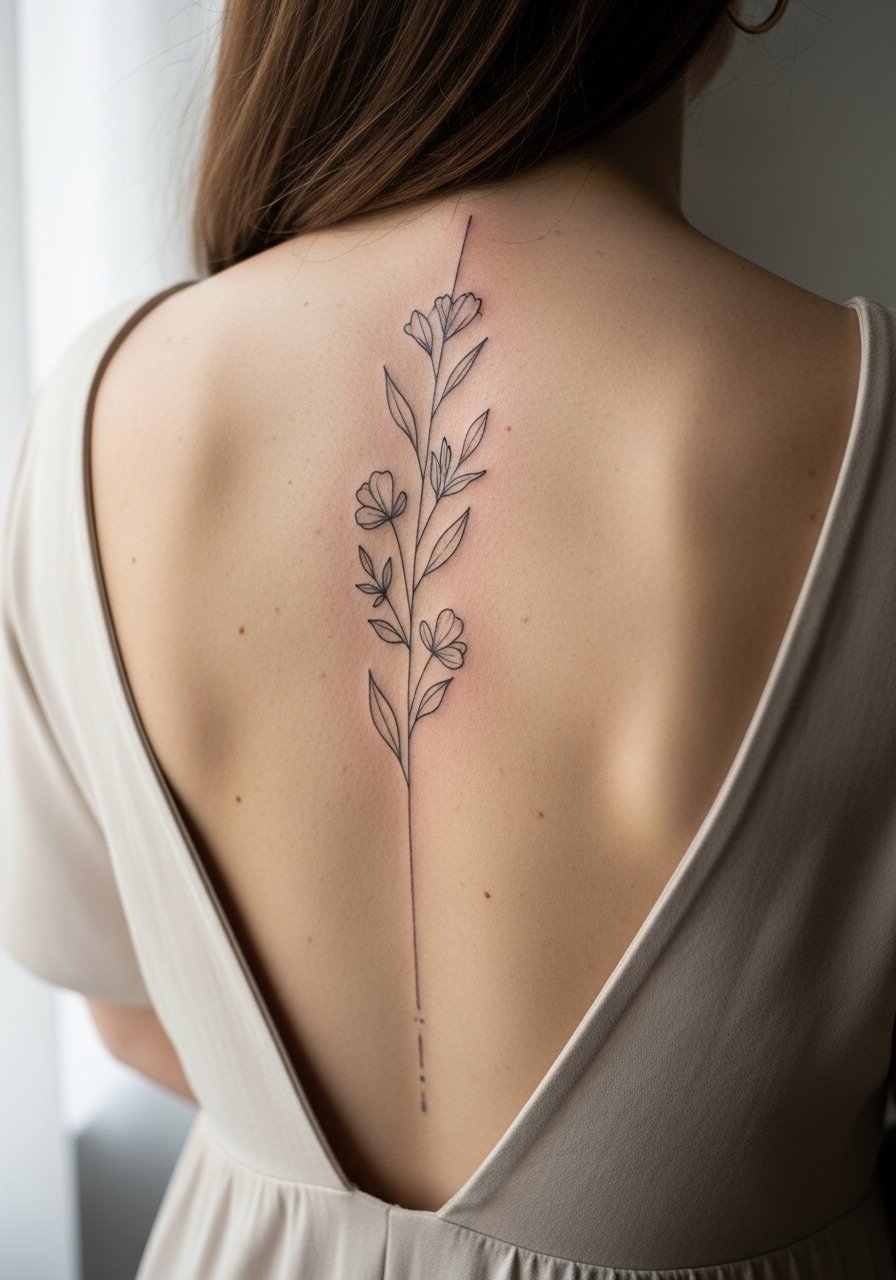
Spine pieces are dramatic and pair naturally with open-back garments. Ask the artist to space leaves and stems so the design keeps vertical clarity as the skin moves. Sessions here can be longer and require careful positioning. For showing it off, an open back midi dress frames the botanical while keeping coverage elsewhere. Expect a touch-up in the first two years if the fine stems soften.
27. Small travel compass with "be you" on the ankle
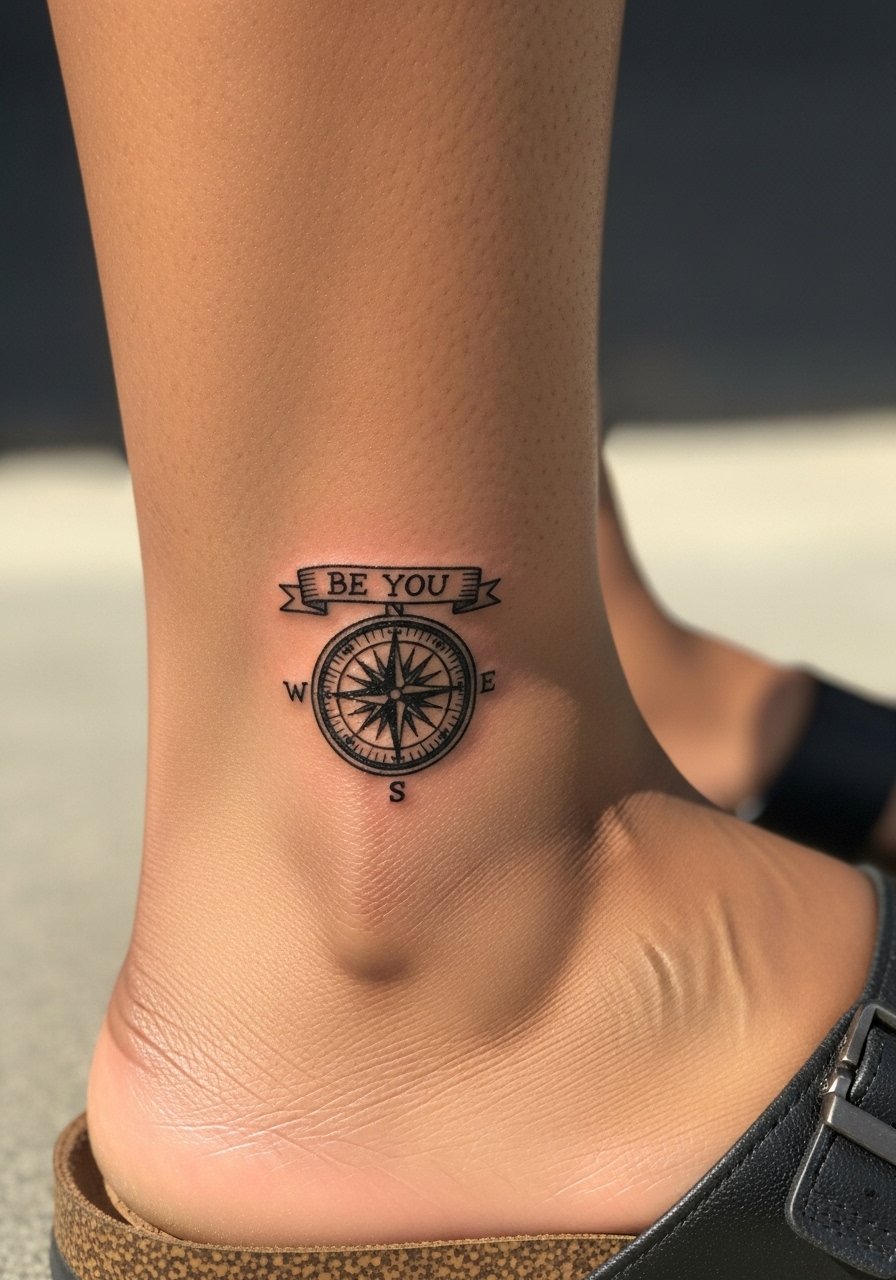
Travel-inspired smalls age well when kept simple. A compact compass with a bold dot center and thicker primary points reads longer than a hyper-detailed mini. Ankle placements see shoe friction so choose footwear that gives breathing room for the first weeks. Sandals work well for showing the piece. Expect occasional touch-ups depending on shoe habits and outdoor exposure.
Frequently Asked Questions
Q: Will a fine line heart or script fade faster on darker skin tones?
A: Fine line tends to read subtler on darker tones and can blur faster if the line weight is too thin. I recommend asking for a slightly firmer contour or a micro-outline so the form keeps contrast as it heals. Touch-ups are common at year two for single-needle work.
Q: How do I choose between watercolor and blackwork for a shoulder blade piece?
A: Watercolor gives airy color and suits shoulder blades when you want softness, while blackwork uses saturation that holds longer. Consider whether you want occasional refreshes for color or a lower-maintenance black piece. If you expect heavy sun exposure, blackwork will generally need less maintenance.
Q: Can a ribcage lotus distort after weight changes or pregnancy?
A: Ribcage skin can stretch and shift, so very tight fine line detail is at higher risk of distortion. Larger shapes with defined anchors and open negative space fare better. Talk to your artist about body changes you anticipate so they can plan scale and placement that will age more predictably.
Q: Is UV-reactive ink safe and will it last?
A: UV inks behave differently than standard pigments and can fade or shift in tone faster. Not all studios use them and not all artists recommend them. If you choose UV, combine it with a daylight-visible outline so the message remains even as specialty ink changes.
Q: What should I wear to a sternum or rib session to stay comfortable?
A: Wear a fitted sports bra or a bandeau you can shift slightly so the artist can access the sternum and rib area without you feeling exposed. A wide neck shirt that you can pull to the side also works for upper-chest access.
Q: How often will micro-realism pieces like a phoenix need touch-ups?
A: Micro-realism relies on contrast. Expect a possible touch-up at year one or two to refresh highlights and deepen shadows, especially in small feathered areas. Proper sun protection and minimal friction help extend the time between sessions.
