
Fine lines and delicate color are trending, but scar tissue changes the rules. Scar tissue often holds ink unevenly, old ink can peek through after months, and some surgical scars respond best to skin-tone pigments rather than floral detail. Pick styles that match the scar texture, plan for a touch-up window, and ask about a pigment test during consultation. Below are 21 cover-up ideas, each with what to say to your artist and how to wear it to the appointment.
1. Neo-Traditional Floral Mandala Over Forearm Scar
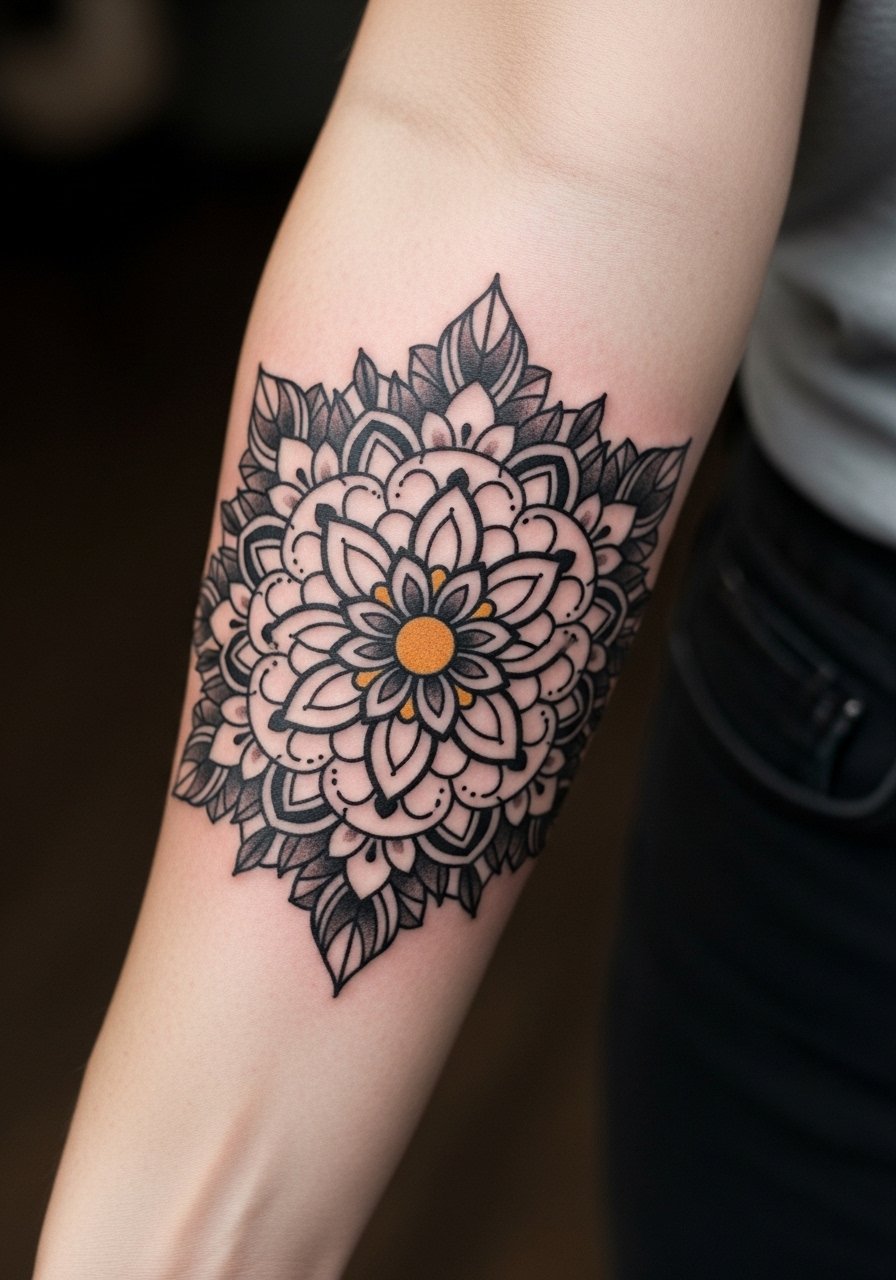
I've seen this one work on linear forearm scars because layered petals distract from raised texture and the bold outlines keep coverage consistent. Tell your artist you want 4–6 inch diameter petals with heavier outer linework and layered fillers, not ultra-fine vines. Common mistakes include asking for too small a mandala, which loses detail when healed. Expect a two-session plan with a touch-up at 3 to 6 months. For the session, wear a loose tank top so the artist can work the full arm without fabric rubbing the area.
2. Realism Animal Portrait on Upper Arm
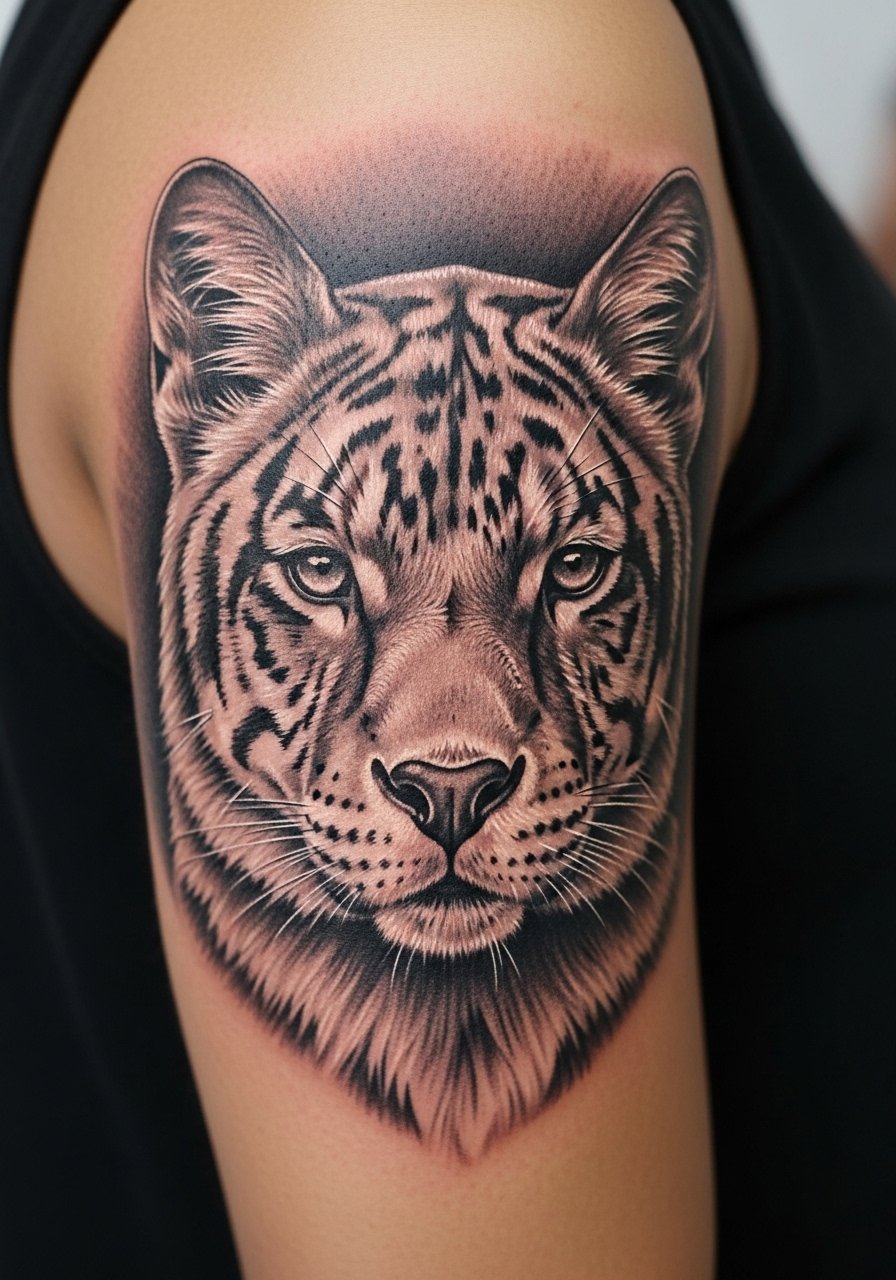
Upper arm scars often accept dense shading better than thin lines, so a medium-large realism portrait of an animal can mask uneven texture with fur detail and graduated value. During consultation say you want emphasis on mid-tone shading and whispered edgework around the scar to hide borders. The downside is longer sessions and higher touch-up likelihood on deep scar tissue. Plan for four or more sessions and realistic expectation of a touch-up after the first healed year. For appointment ease, roll up a loose button-front shirt so the artist can access the shoulder and bicep without tugging.
3. Blackwork Geometric Overlay on Thigh
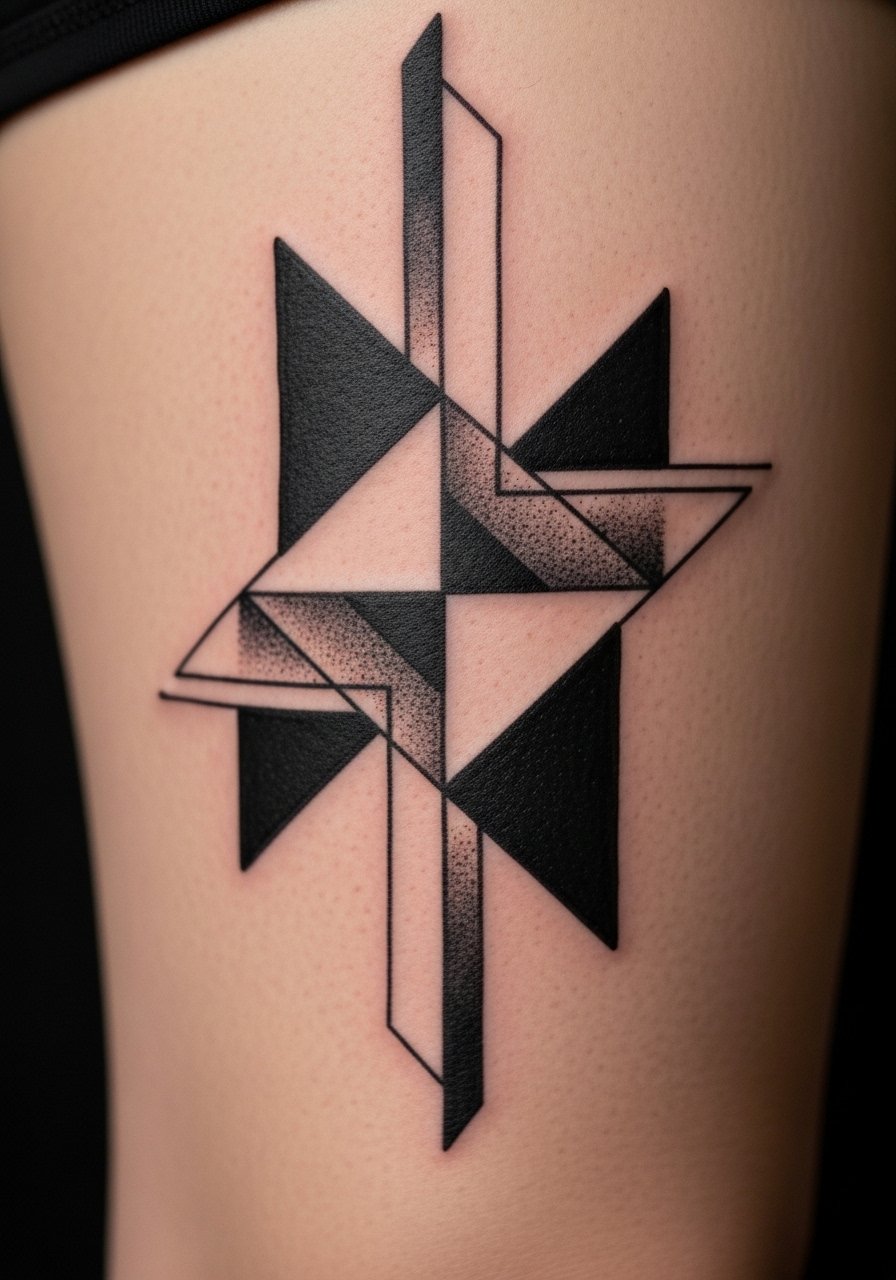
Blackwork covers darker, saturated scars best because solid fill reduces the chance of scar texture showing through. Ask for 5–8 inch panels that use repeating shapes so the design reads as pattern instead of trying to mask a single line. A common error is making elements too small. The thigh gives room for bold repetition and usually heals well with two sessions. For showing it off, pair the piece with tailored shorts and minimalist sneakers. For the appointment, bring loose athletic shorts you can pull aside to expose the area comfortably.
4. Watercolor Butterfly Wings on Shoulder
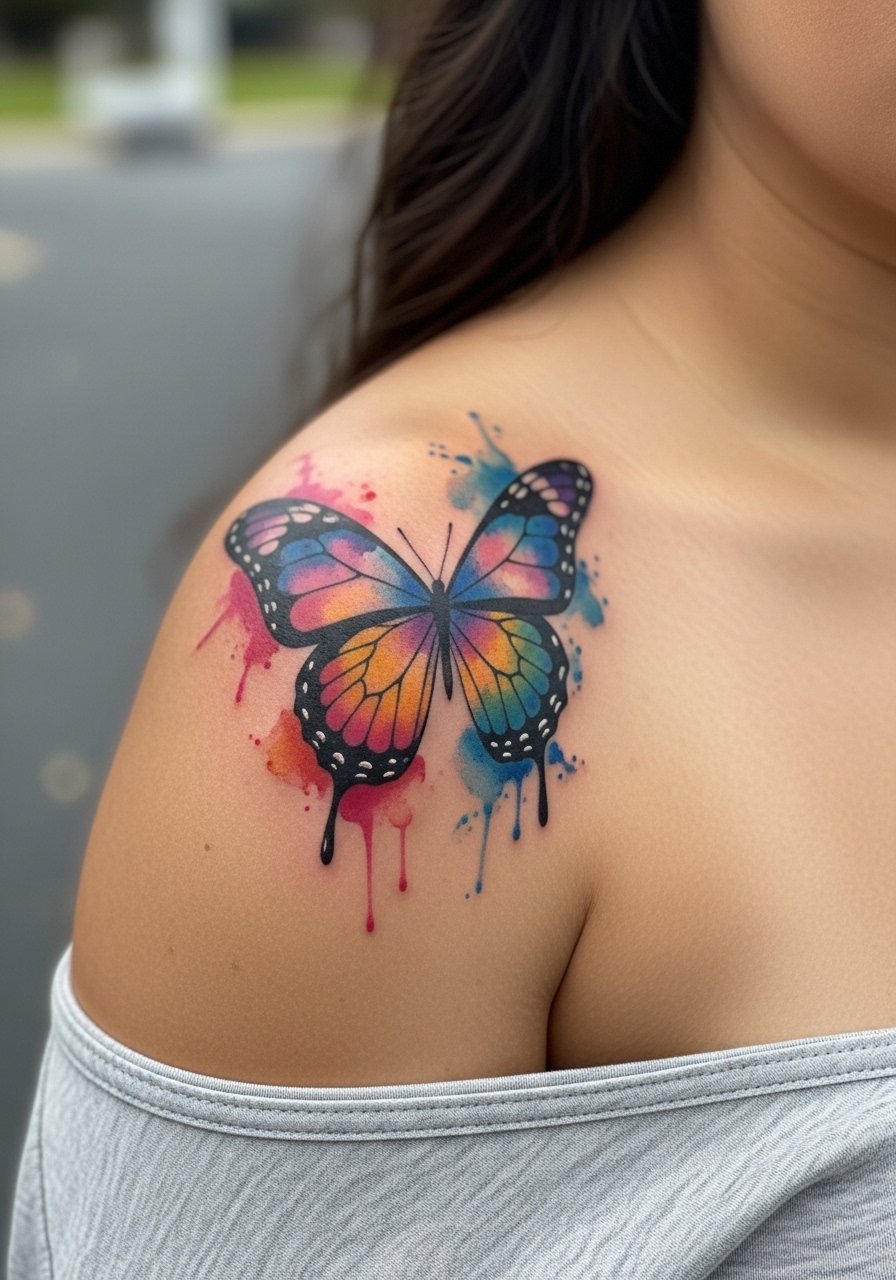
Watercolor helps disguise jagged scar edges by letting color spill beyond the scar margin. Be specific that you want color washes with defined black anchor points so the piece keeps structure as it heals. Watercolor tends to fade faster on scar tissue, so the trick is pairing it with small bold anchors. Sessions are shorter but you should budget for a 3–6 month touch-up and color refresh at year two. For the appointment, a button-front shirt you can pull aside is best so the artist has clear shoulder access.
5. Ornamental Vines Across the Upper Back
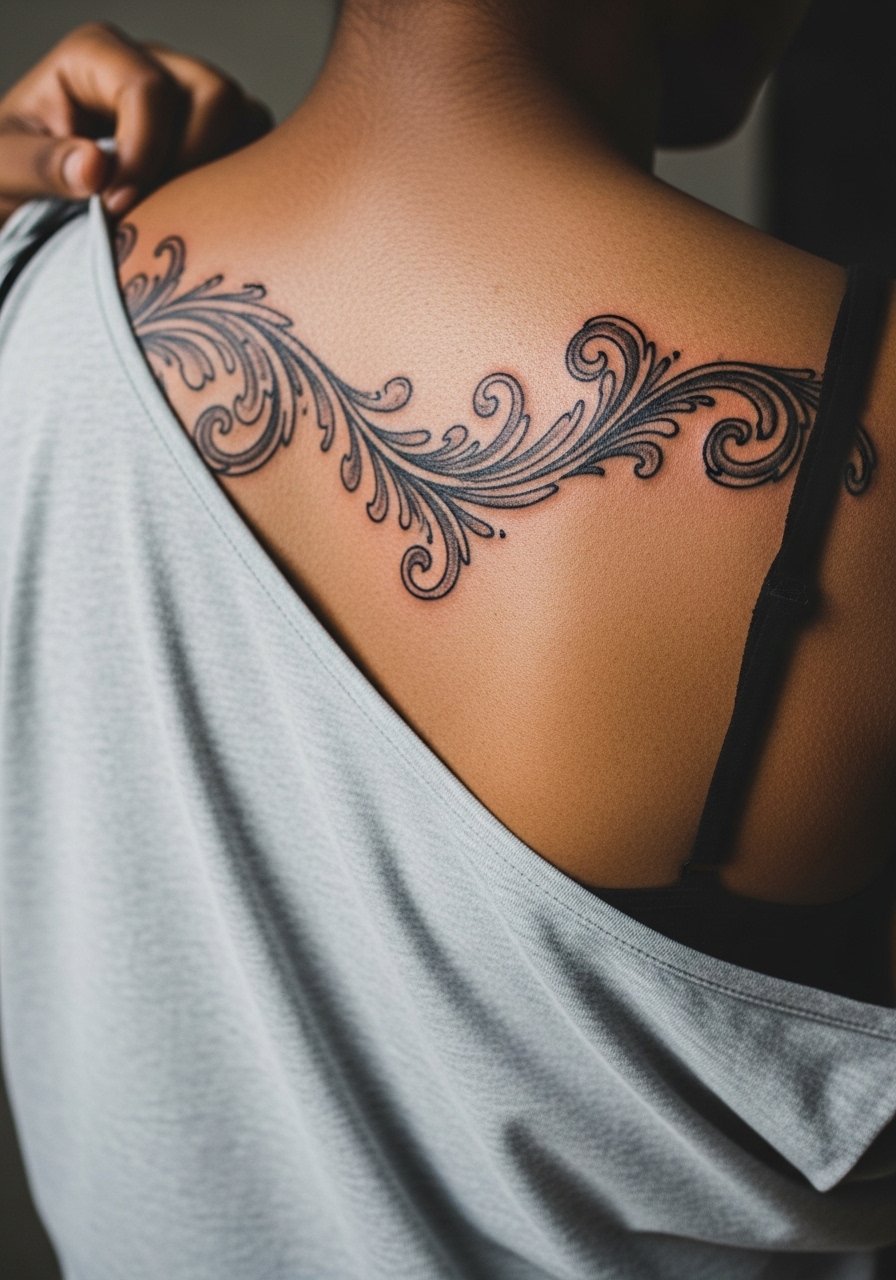
Vines are ideal for linear stretch marks and long scars because the organic flow masks changes in length or width. Tell your artist to anchor the vine with denser leaves over the raised sections and keep thin connecting stems where skin is smoother. The common mistake is a single repeating motif with no weight variance. This requires multiple sessions on large areas and touch-ups when body shape changes. For showing it off, a backless crop top works well. For the appointment, bring a front-open robe or loose tank so the artist can work the upper back without fabric pulling.
6. Micro-Realism Phoenix Rising on Calf
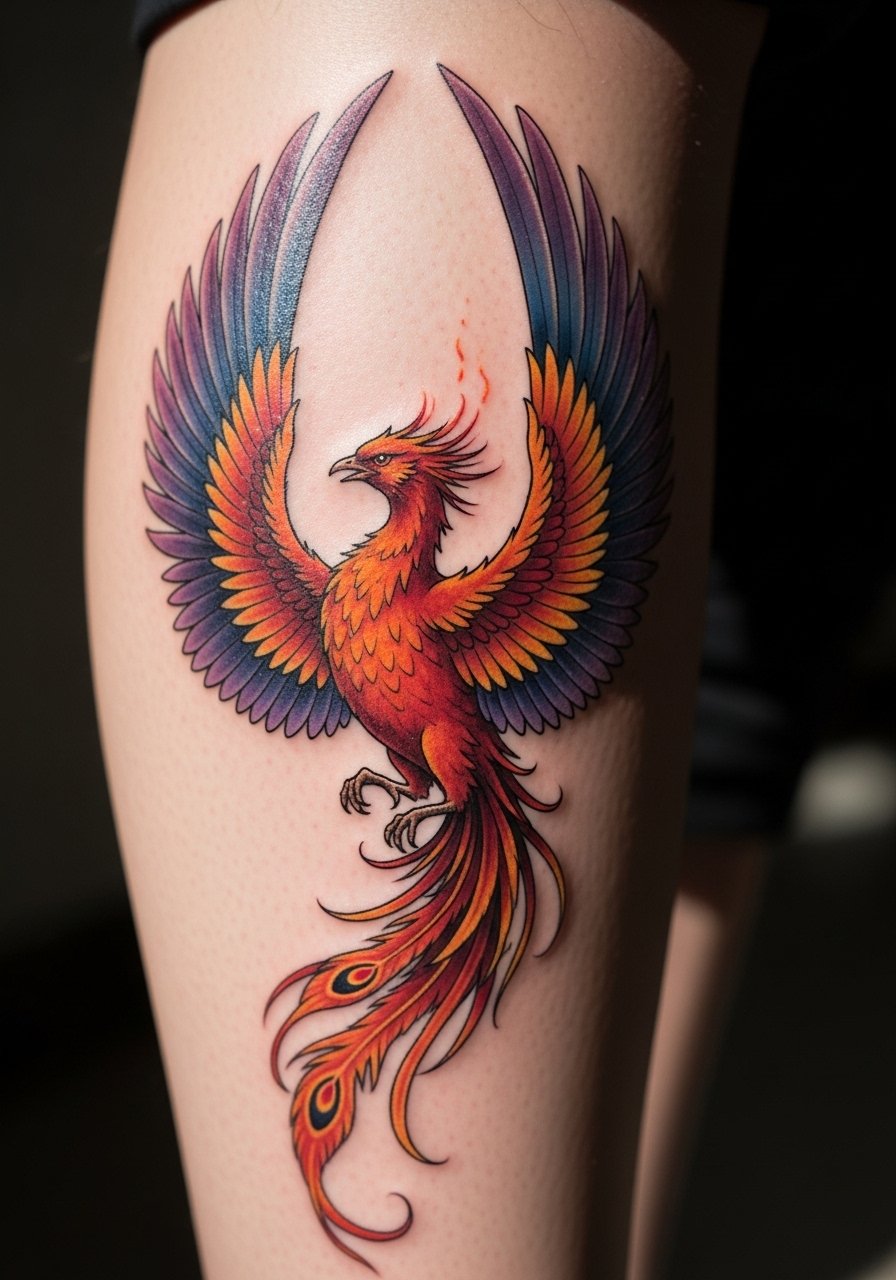
The calf is a stable canvas for medium-sized micro-realism, and detailed feather work hides irregular scar texture with tiny directional strokes. Ask for 2–3 layers of feather stippling and slightly saturated mid-tones rather than thin hairline strokes. Expect three sessions and a likely touch-up after healing because scar tissue can repel pigment. For show-off styling, cuffed slim jeans or capri pants highlight the peek of the phoenix. Wear cuffed slim jeans to your first session so the artist can easily work the lower leg.
Studio Day Picks
The forearm, upper arm, thigh, shoulder, back, and calf pieces above all ask for slightly different prep, so a compact kit will smooth the session and the first healing week.
- Stencil transfer paper kit. Lets you and your artist preview line placement on scarred skin so adjustments happen before the needle touches the area.
- Topical numbing cream. Used 30 to 45 minutes before a sensitive session it can take the edge off forearm and calf discomfort without affecting saturation.
- Thin protective film roll. Guards ankle and wrist pieces from friction during the first days when washing and clothing rub the area.
- Fragrance-free body wash. Gentle cleansing avoids irritation on large back and thigh work while keeping the healed linework intact.
- Aquaphor healing ointment. A thin layer in the immediate post-session window helps retain moisture without clogging tight needle channels on fine detail pieces.
7. Bold Line Abstract Waves on the Ribcage
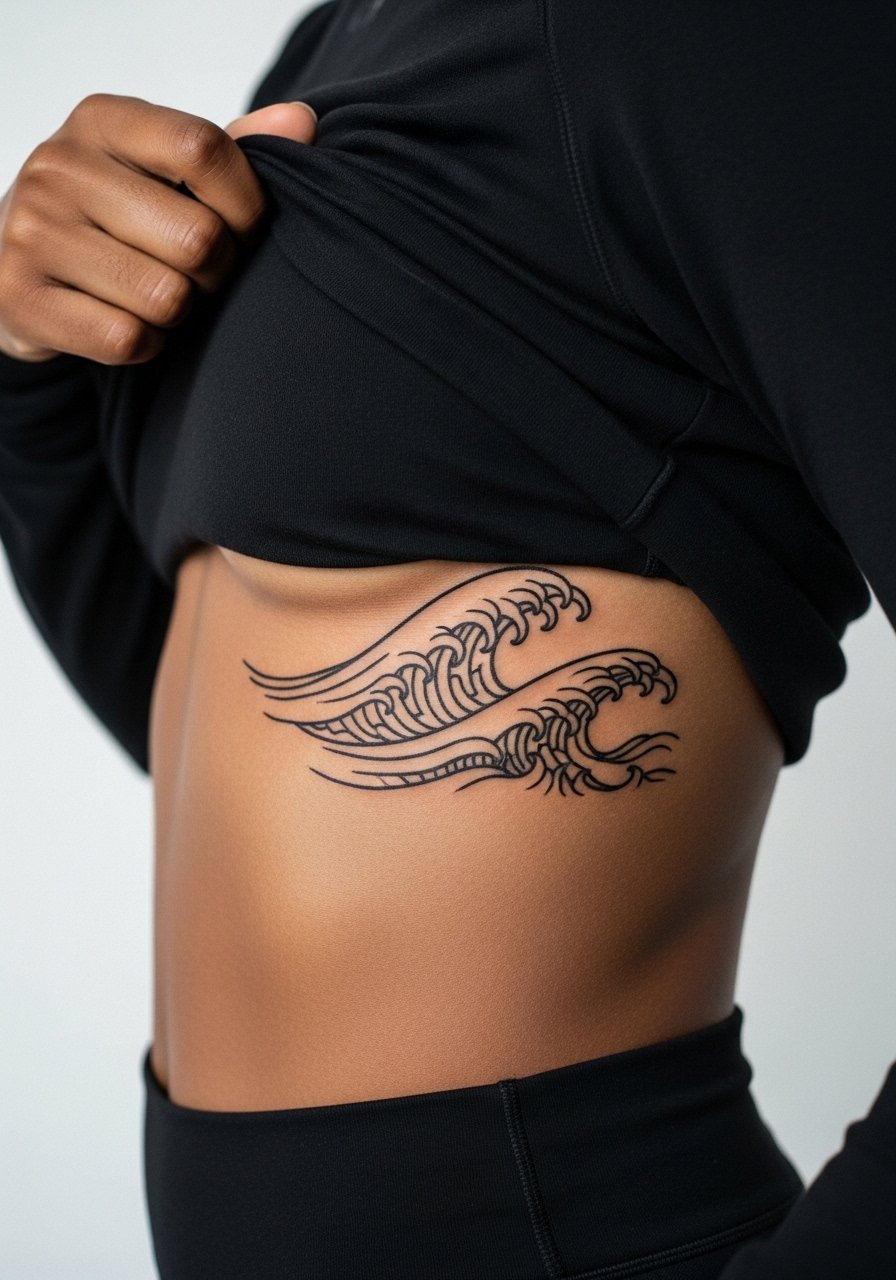
Fair warning, the ribcage rates high on most pain scales, but it is perfect for tall, vertical blackwork that redirects the eye from self-harm scars. Ask for varied line thickness and spacing to create motion and avoid dense packing that will blur. There is a live debate among artists about fine line here. One camp says skin stretch blurs fine work within two years. The other camp argues that proper depth and spacing let fine line hold up. Name this concern in your consultation and get their healed photos for similar placements. Expect two sessions and plan for a touch-up at six months.
8. Fine Line Botanical Stems on the Wrist
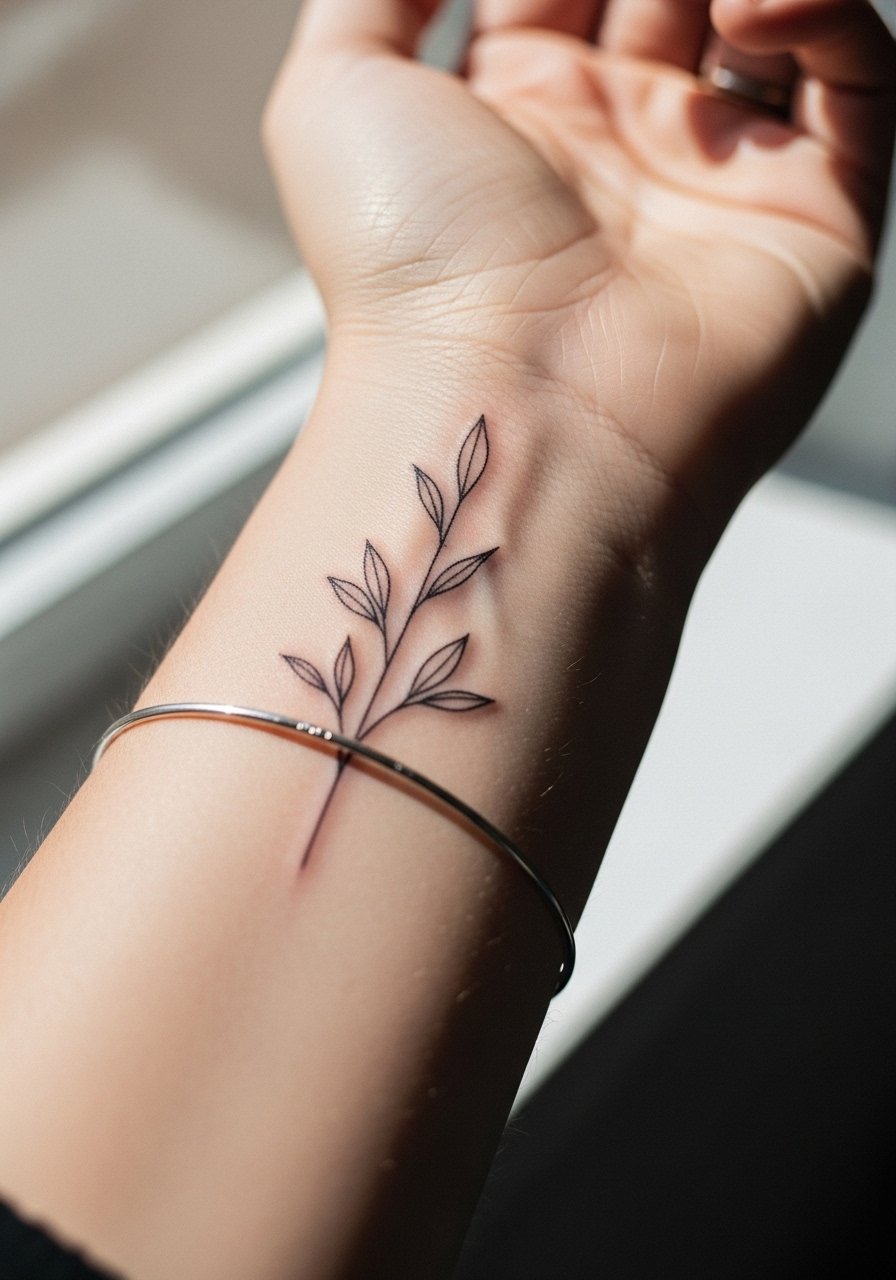
Wrist scars are tricky because the area sees constant motion and washing. Fine botanical stems work for small surgical scars when the design keeps breathing room between stems. Tell the artist to avoid hair-thin single strokes across scar tissue and instead use slightly stronger linework around the scar. A common mistake is asking for a script-thin stem that vanishes within a year. Expect one to two sessions with a tight touch-up schedule. Style suggestions include rolled cuff blouses and a thin silver bangle to frame the wrist without crowding the art.
9. Paramedical Skin-Tone Camouflage for Surgical Scars
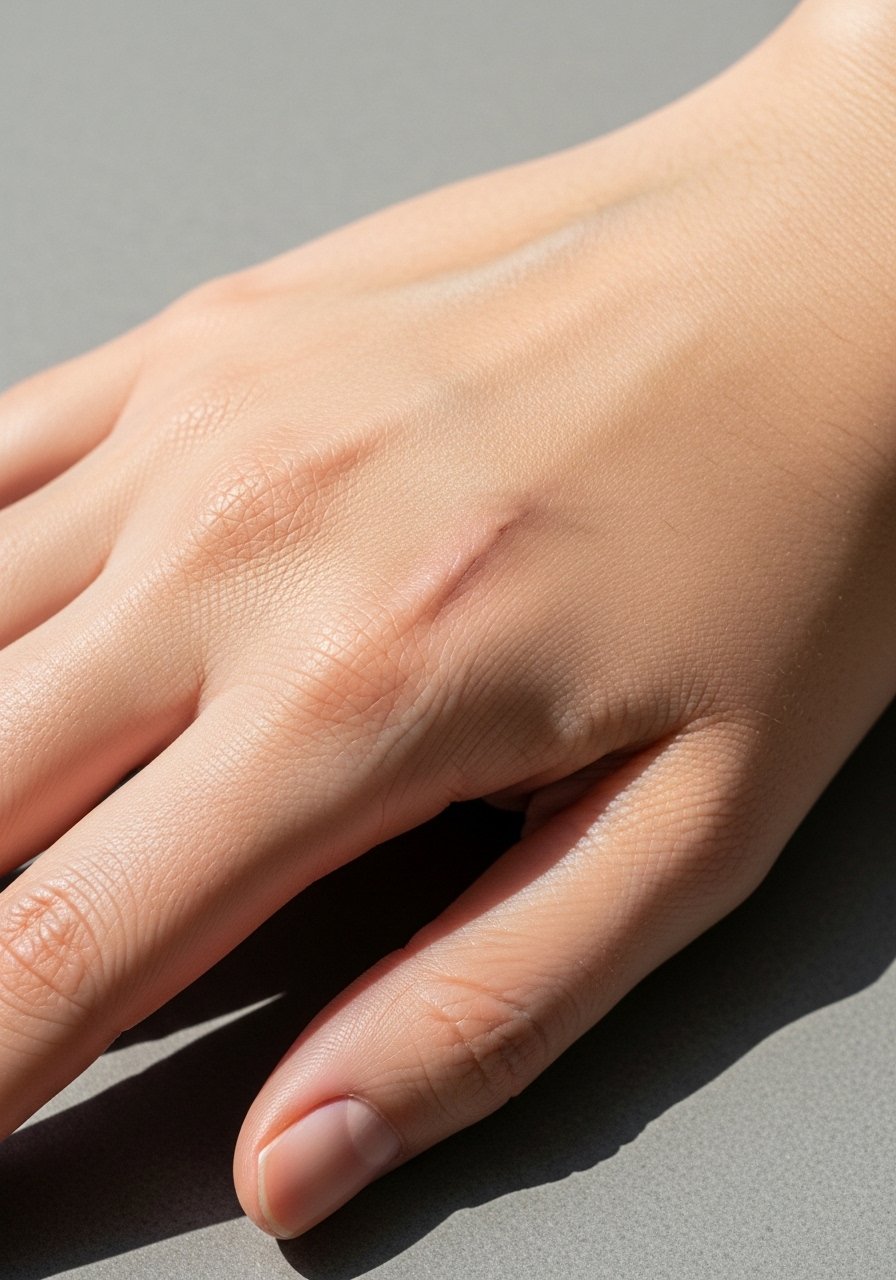
Paramedical work focuses on matching pigments to the surrounding skin to reduce contrast on white or hypopigmented surgical scars. During consultation ask if the artist mixes custom pigments and do a small patch test to see retention. There are two camps on effectiveness. One group values paramedical pigments for near-invisibility on smaller scars. Critics warn it can fade unevenly without planned touch-ups. If your scar sits on hands or face, find a technician with a portfolio of healed results on similar tones. Sessions are short but require multiple follow-ups for color maintenance.
10. Traditional Rose Cluster on Ankle
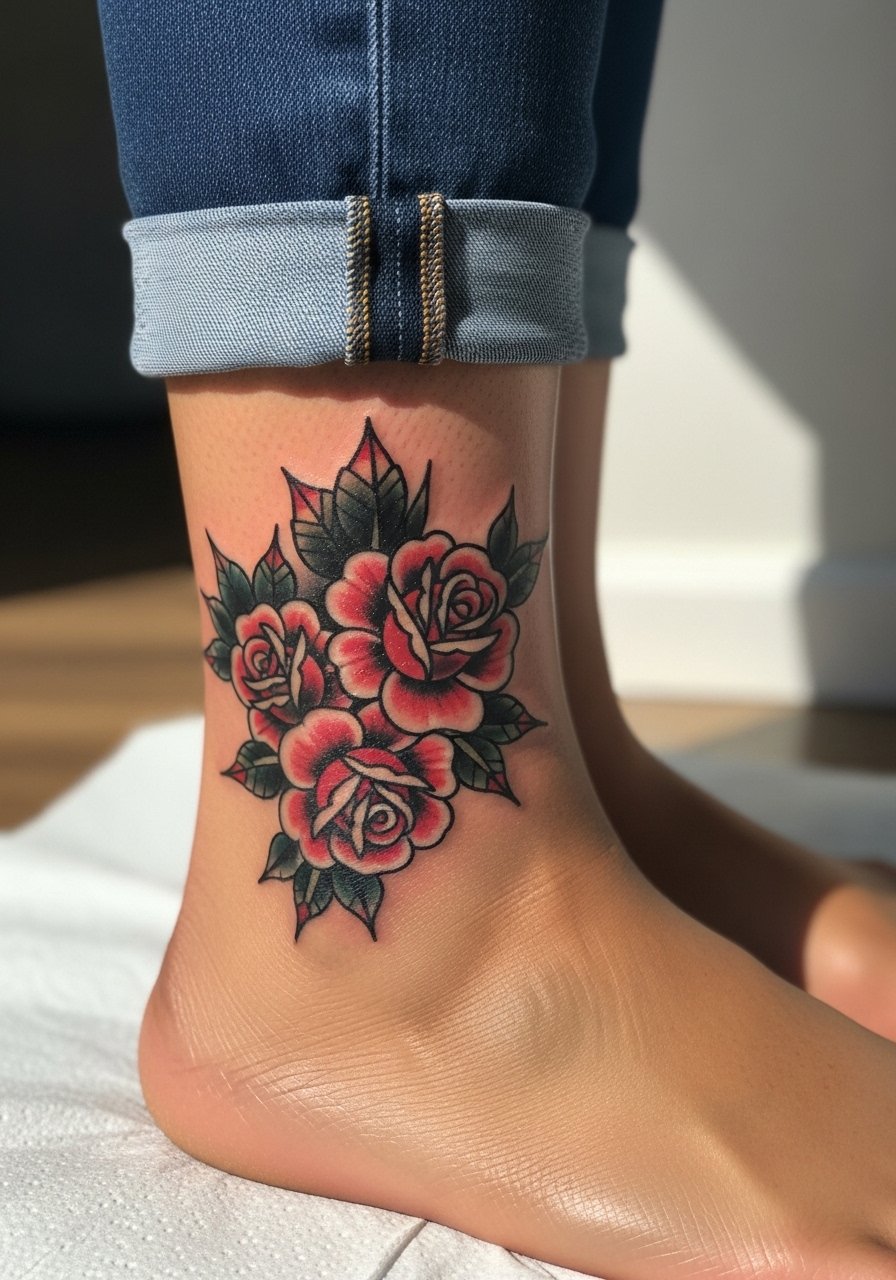
Ankle scars can be covered well with compact traditional clusters because dense petals and thorns create overlapping coverage that masks old outlines. Ask for heavier petal saturation over the scar and leave more skin between elements where the skin is smooth. Mistakes include asking for too much tiny detail that the ankle skin will blur. These pieces usually take one to two sessions. For show-off looks, tailored shorts or cropped pants work well. For the appointment, wear jeans you can roll up or tailored shorts to expose the ankle without pressure.
11. Ignorant Style Organic Blobs on Forearm
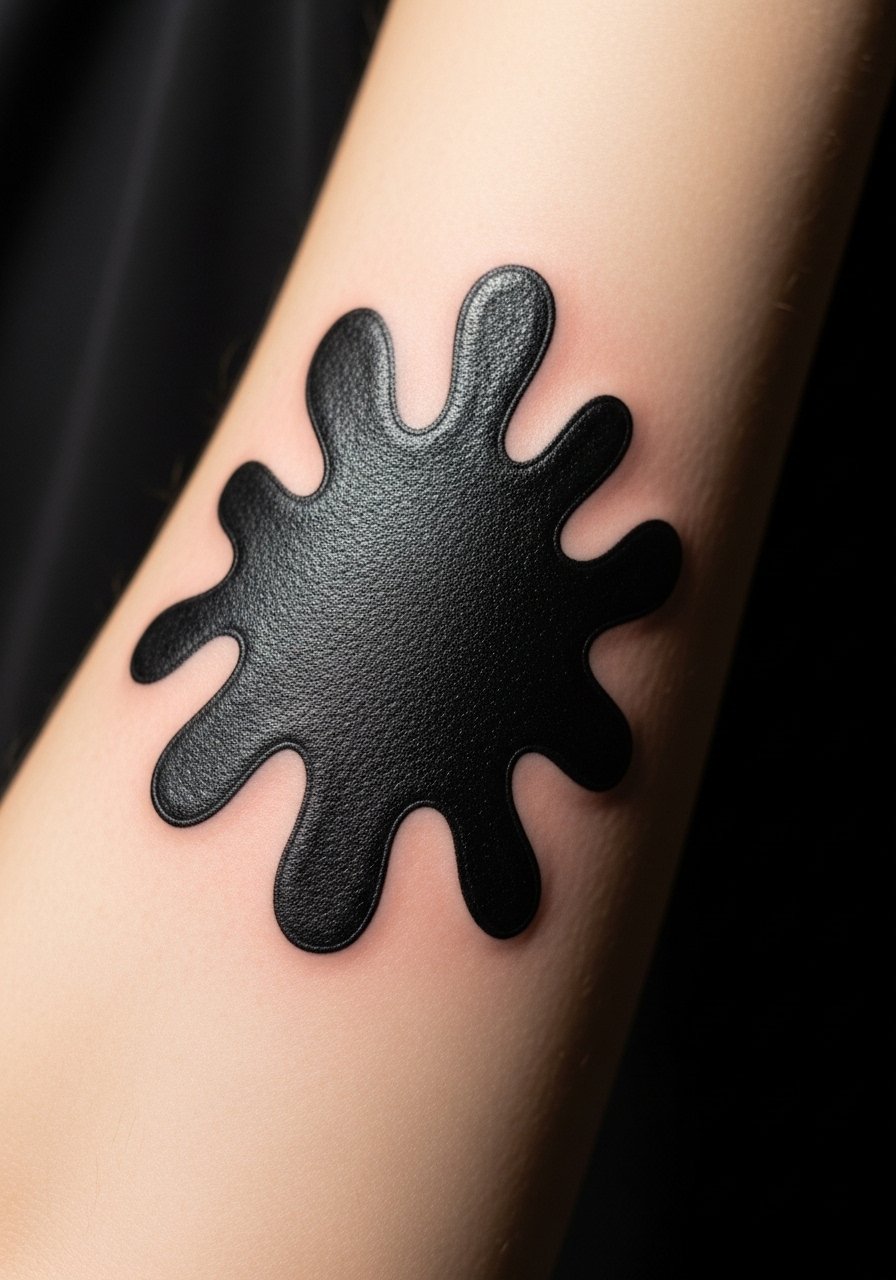
Ignorant style fills scar gaps with playful, nonrepresentational shapes, which is useful when the scar has irregular borders and you do not want a literal mask. Tell the artist you want confident solid fills and free-form placement that intentionally avoids matching the scar outline. The mistake is asking for precise alignment to the scar, which defeats the aesthetic. One session is typical. This is low-commitment and ages predictably because heavy black fills resist rapid fading. Wear a fitted short-sleeve tee or a short sleeve fitted tee for the session so the arm is fully accessible.
12. Water-Inspired Wavework for Burn Scars
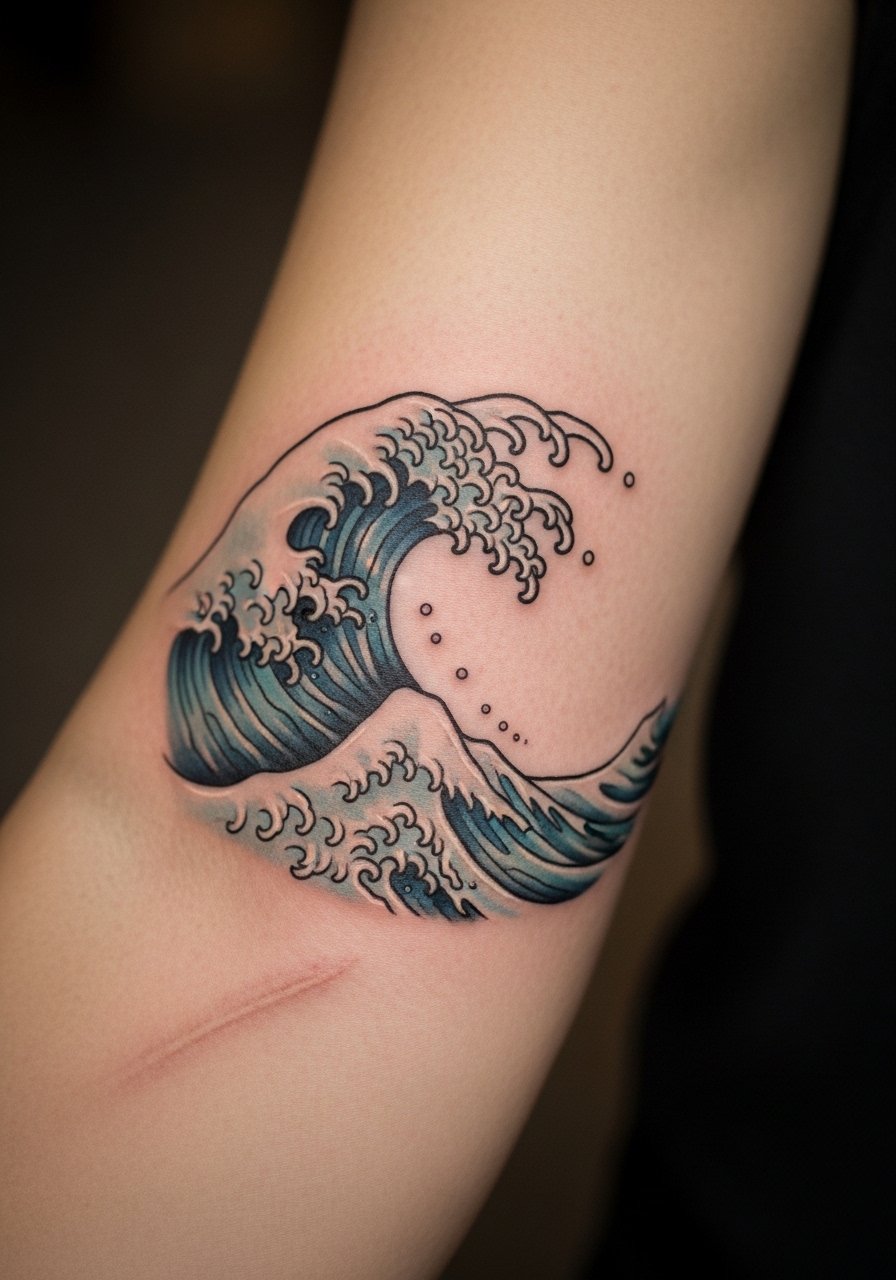
For burn scars with irregular texture, flowing wave motifs that follow the scar lines can make the area read like designed motion. In consult ask the artist to trace the scar subtly, then layer waves that break across raised zones. A key tip is to avoid forcing symmetry over a chaotic scar. This design ages well because motion distracts from small pigment loss. Sessions usually last one to two appointments. For the session wear a loose tank top so the artist can access the entire forearm without fabric rubbing the area.
13. Geometric Repetition to Mask Awkward Shapes
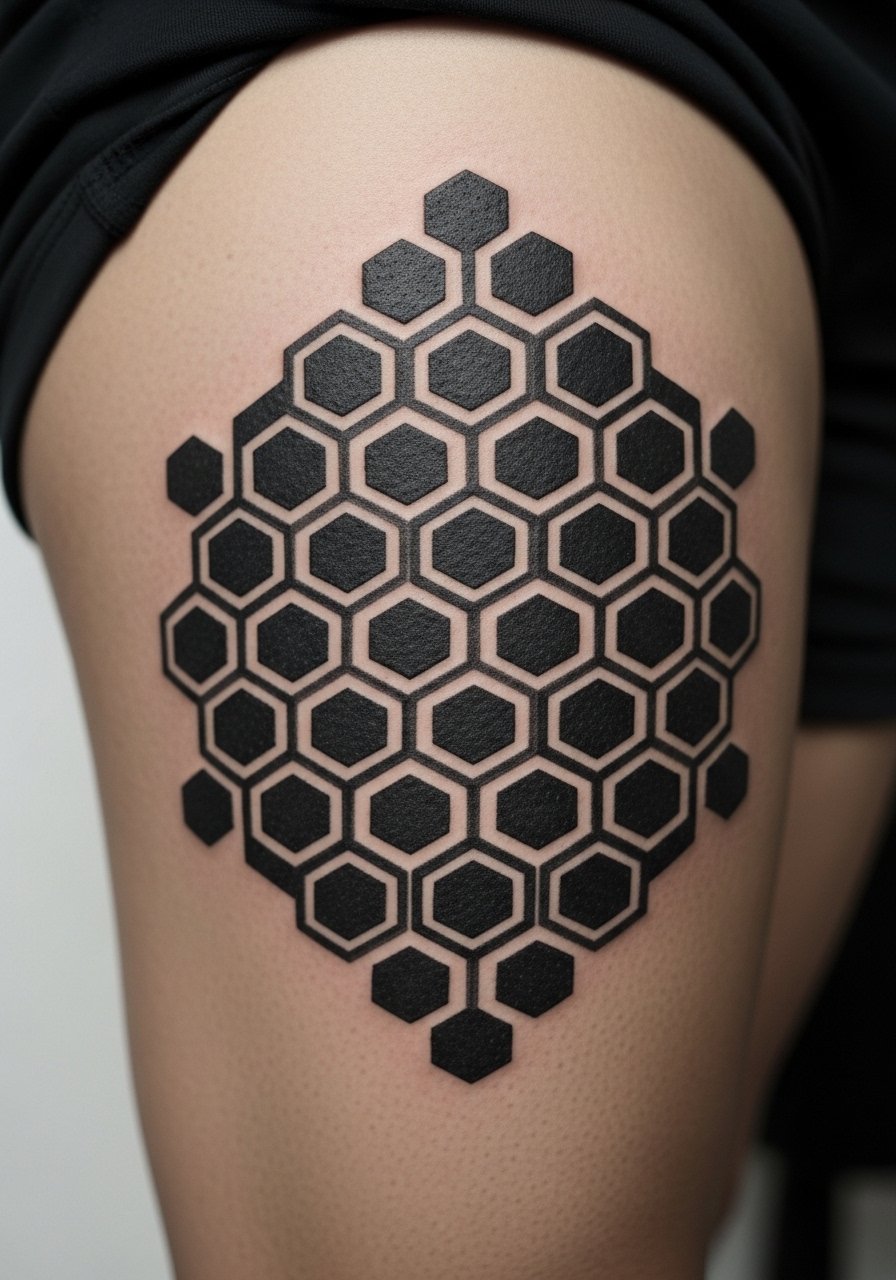
When a scar is an odd patch, repeating geometric motifs layered over it can make the shape feel intentional. Tell the artist to scale the pattern so each cell has room to age and to avoid packing too many lines into one small area. A common error is choosing high-density geometry that merges when healed. The thigh is forgiving and usually heals well with two sessions. This approach also works if you expect body changes because the pattern flexes with the skin. No accessory advice needed here because the placement is usually covered.
14. Scripted Band That Incorporates C-Section Scars
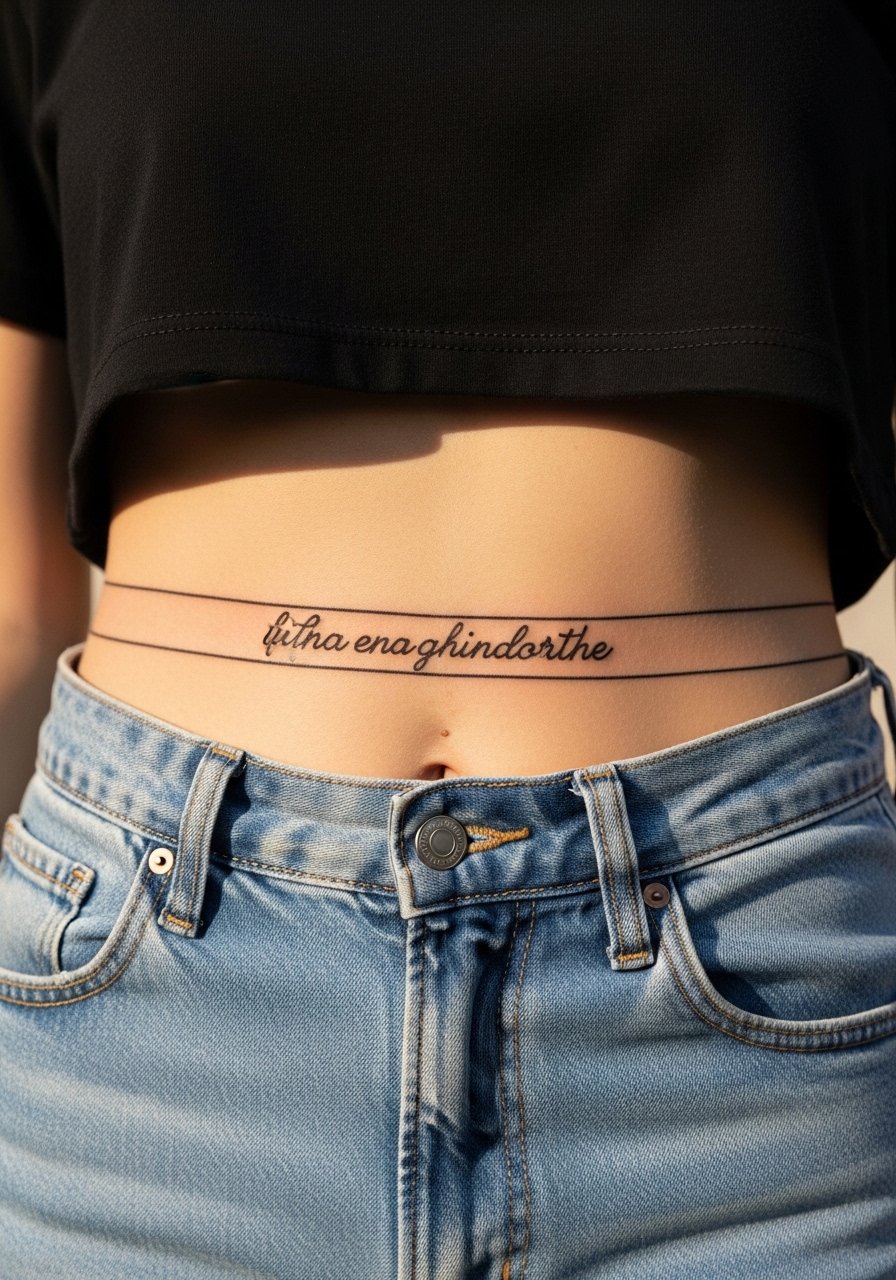
Horizontal script can sit above or along a C-section scar and turn the linear mark into a deliberate anchor line. Ask the artist to map the lettering around the scar so alignment looks intentional. Avoid ultra-thin scripts crossing scar tissue directly. Expect a conservative line weight and a follow-up touch-up because abdominal skin moves with weight change. For the session wear a cropped tee and high-waisted jeans so only a narrow strip is exposed. Sensitive placement note, the lower abdomen responds differently to pigment and benefits from an experienced hand.
15. Lace Mandala Over Sternum
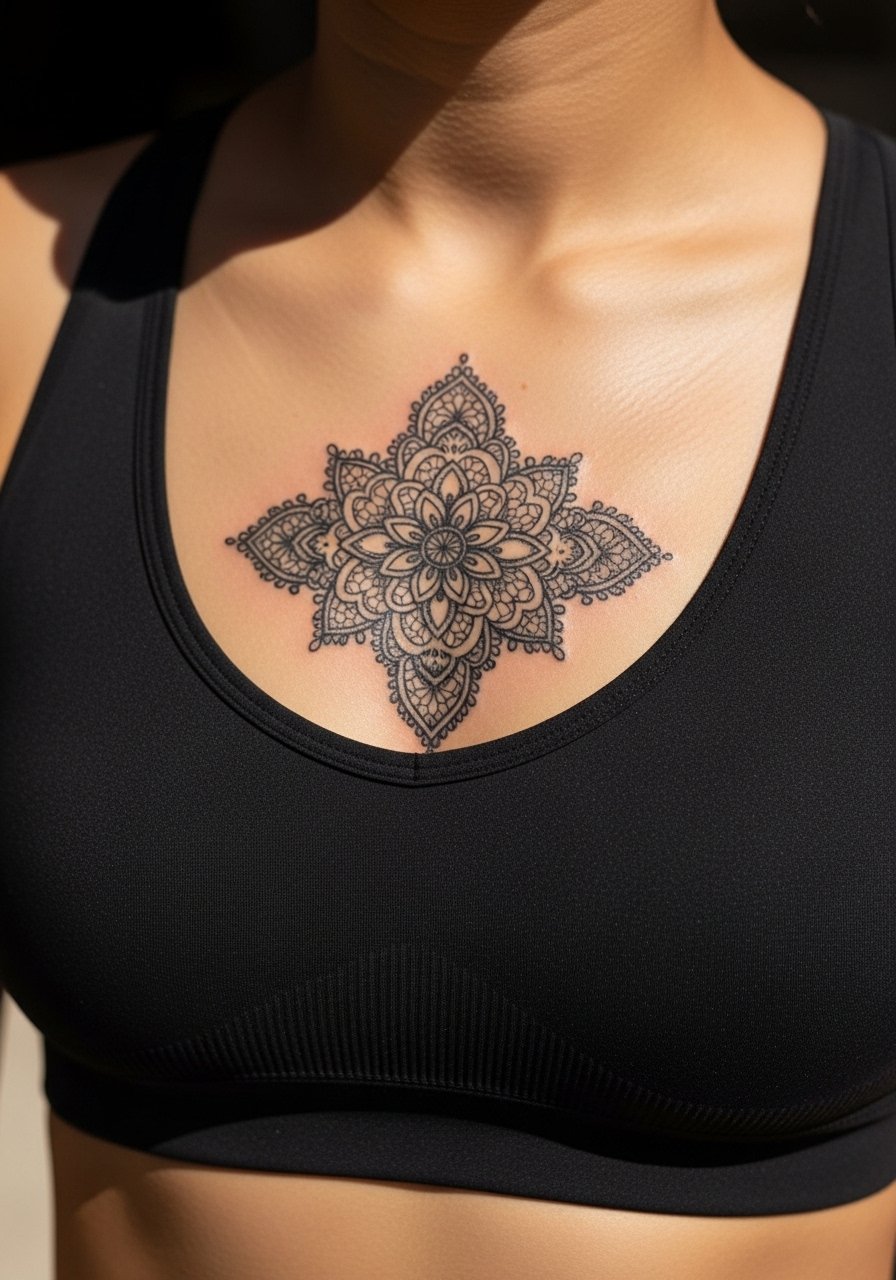
Sternum work needs respect for the area because of movement and potential sensitivity. Lace mandalas that sit just above the sports bra line use negative space to hide stretch marks or vertical scars. Ask for slightly heavier anchors near the center and airy filigree around the edges. Artists differ on Saniderm use for sternum work. Some swear by protective film for faster sealing. Others prefer dry healing to avoid trapping moisture on uneven surfaces. Discuss both approaches during booking. For the appointment, wear a fitted sports bra so the artist can reveal the sternum zone safely.
16. Micro-Realistic Feather Cluster on Inner Bicep
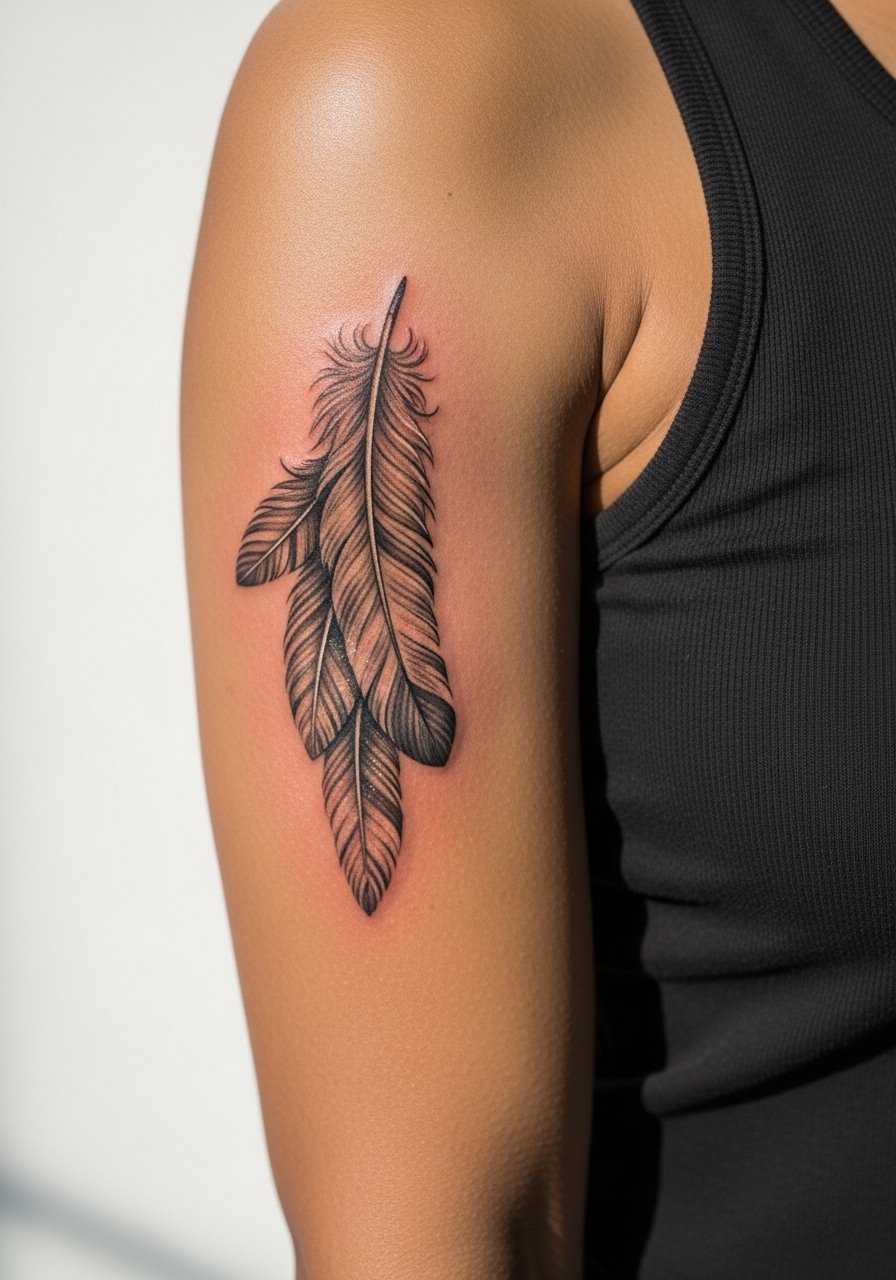
Inner bicep scars are unique because the skin is thin and moves a lot. Micro-realistic feather clusters can scatter pigment so scars look integrated rather than outlined. Tell the artist to use stipple shading and avoid long continuous strokes across the scar. The inner bicep can be a slower heal and sometimes needs a second session for saturation. For the session wear a sleeveless muscle tank so the artist can lift and work the arm without tugging on fabric.
17. Small Constellation Finger Pieces for Tiny Marks
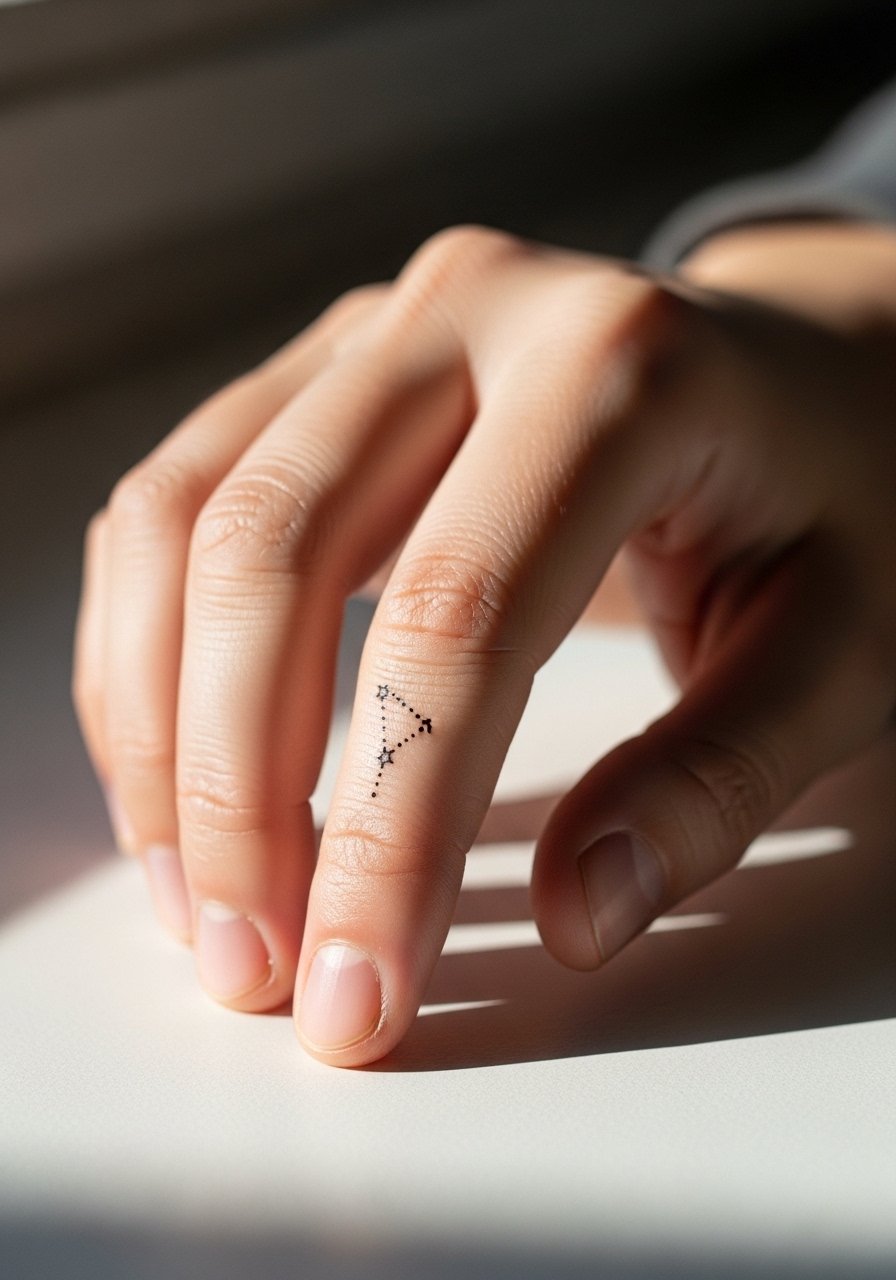
Finger scars are notoriously fussy because of constant washing and skin turnover. Tiny constellation dots and micro-stars can sit near small marks and make them feel intentional. Ask the artist about placement so the design avoids direct needle trauma through thick scar ridges. Expect a high fade rate and plan on touch-ups at year one or sooner. For sensitive career considerations, remember the visibility of hand tattoos matters in some industries. No affiliate styling needed for this tiny, visible placement.
18. Koi or Mythical Fish Flowing Across a Back Scar
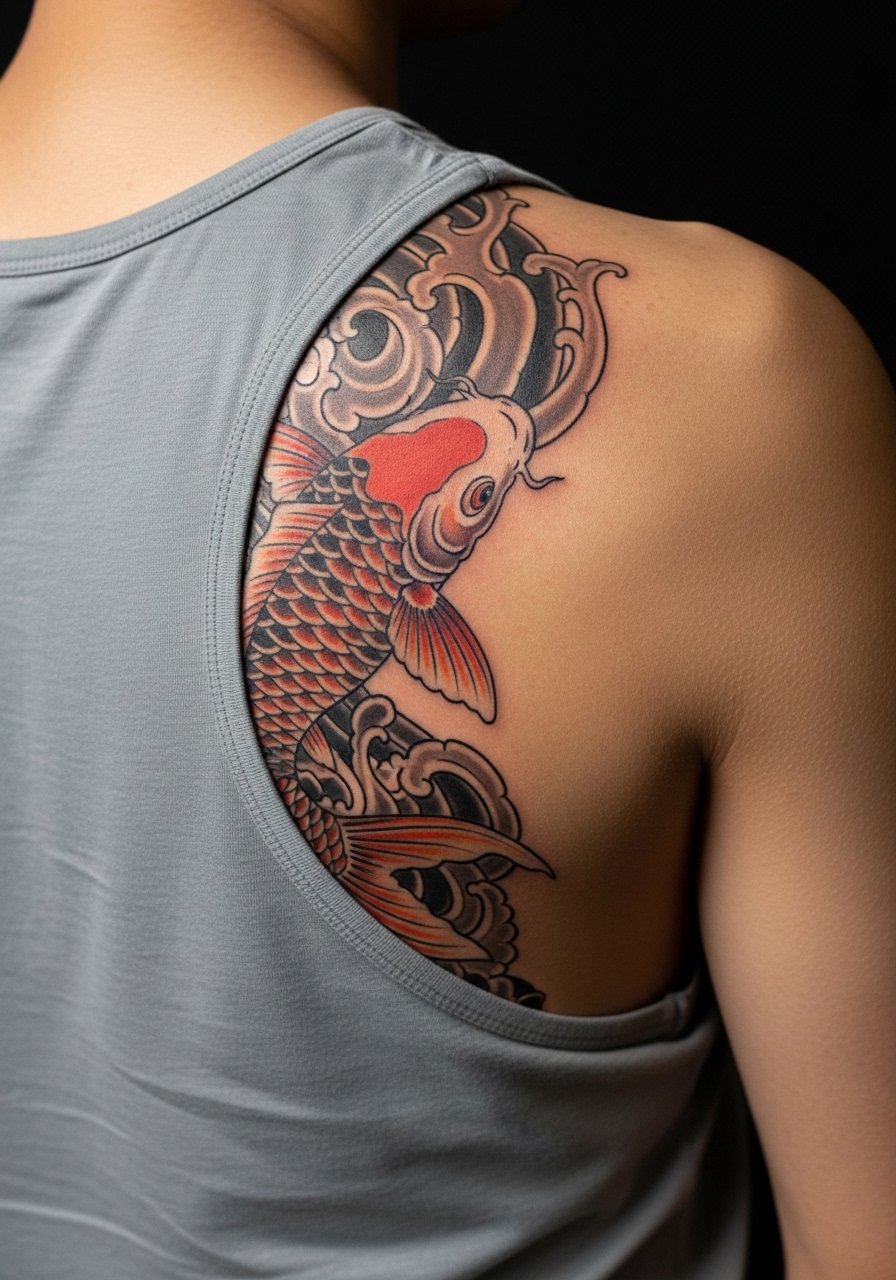
Large traumatic or surgical back scars can be visually redesigned by integrating a koi or mythical fish that follows the scar line. Tell the artist to let the body of the fish sit across the main scar and use scales and shading to obscure texture. The big risk is trying to force small details over deeply textured scar tissue. This approach needs multiple sessions and a touch-up plan over the first year. For showing it off, a low back dress or backless crop top highlights the flow. For the session, a front-open robe helps the artist access the entire back.
19. Stipple-Shaded Petals for Raised Scars
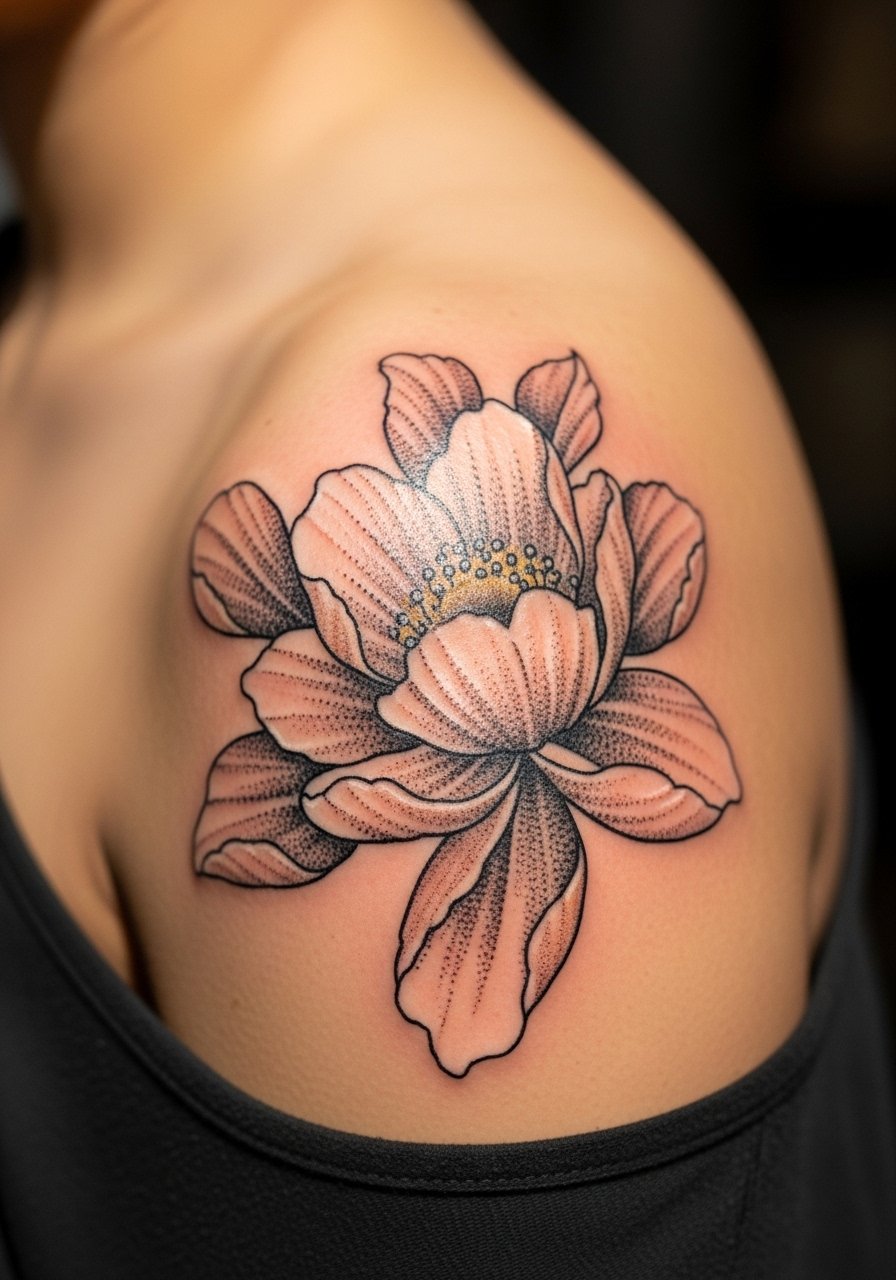
Raised scars can reject solid saturation but accept stipple shading well because the dot work creates texture that reads like natural skin variation. Tell the artist you want stippling density to increase over raised regions and softer dots where skin is smoother. The mistake is asking for dense solid fills in raised areas, which can heal patchy. Stipple ages neatly and often requires lighter touch-ups than solid color. No accessory link here since the shoulder style is usually paired with tank tops and the styling guidance was covered earlier.
20. Geometric Mandala Around a Knee Scar
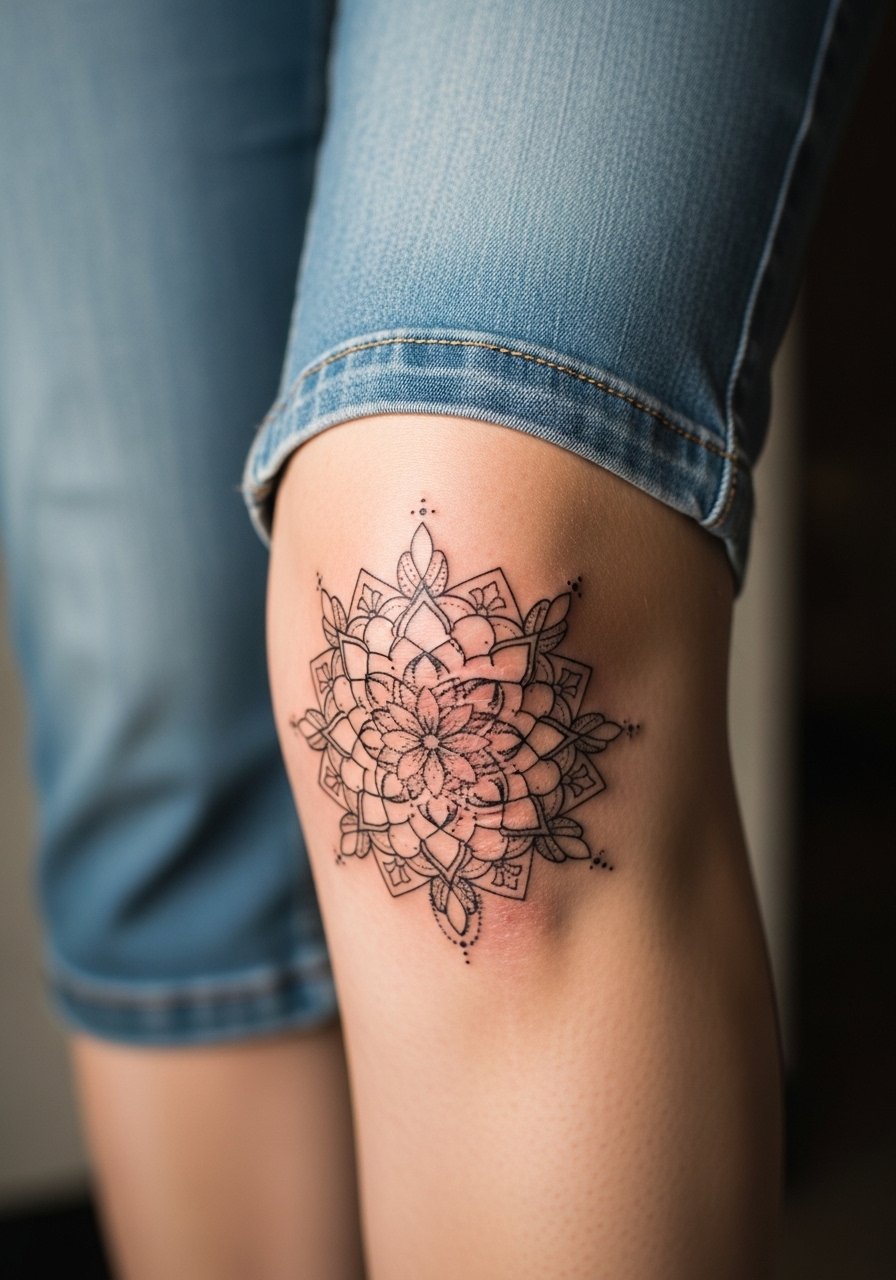
Knee scars move with every bend, so radiating geometry that sits around the joint rather than across it preserves pattern through motion. Ask for larger modules around the joint so lines do not compress when you bend. A common mistake is squeezing too much fine detail into the bend zone. Expect two sessions and touch-ups as the joint area can experience pigment loss. For showing it off, wear capri pants or rolled-up jeans so the mandala reads properly when you stand.
21. Small Scripted Line That Frames a Collarbone Scar
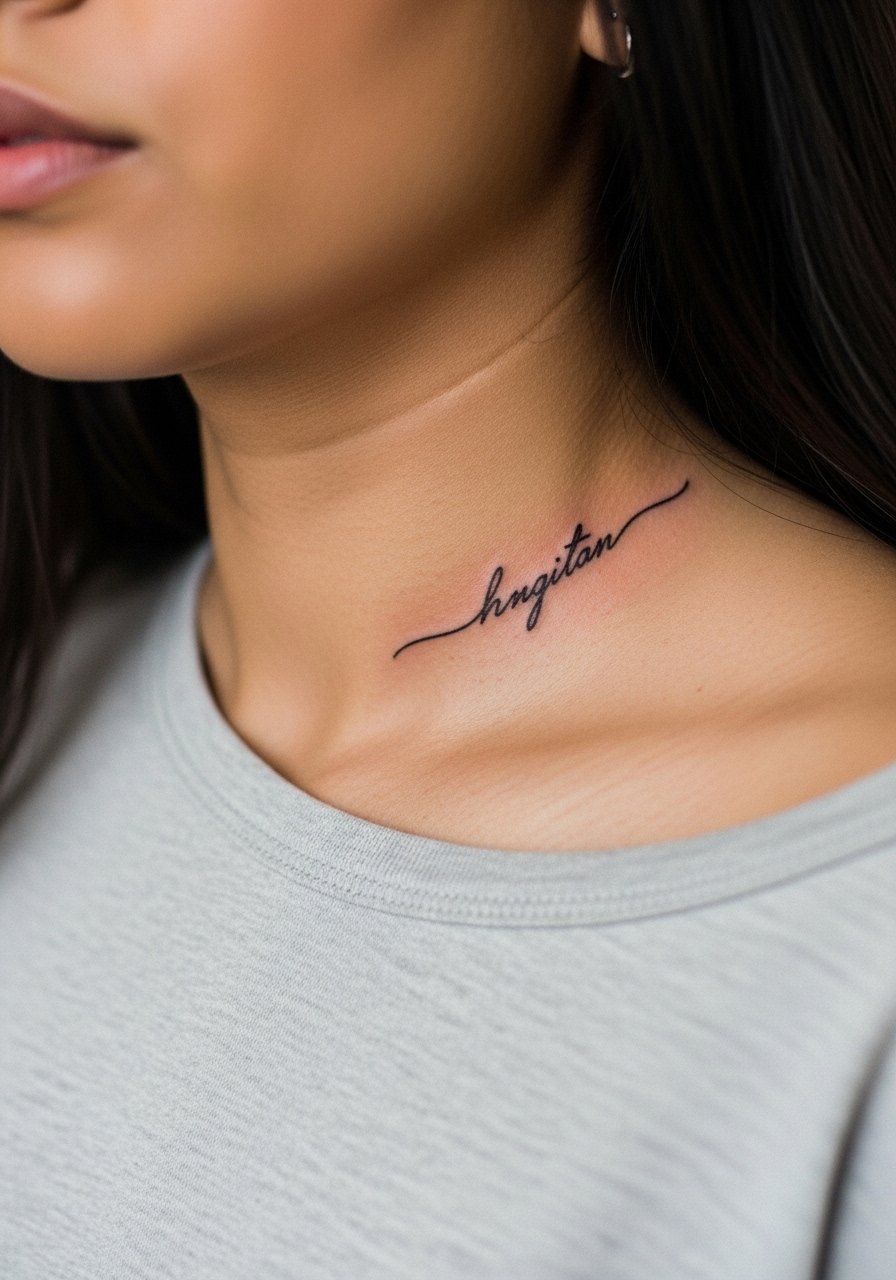
Collarbone scars like thin horizontal incisions respond well to short scripted lines placed parallel to the scar so the mark becomes part of the composition. Tell your artist to plan for slightly heavier downstrokes near the scar to prevent early fading. The big mistake is ultra-fine script crossing the scar without weight. Expect one session with a quick touch-up if a portion heals lighter. Wear a wide-neck shirt to the appointment so the artist can reveal just the collarbone zone.
Frequently Asked Questions
Q: Will cover-up tattoos on scar tissue hurt more than normal tattoos?
A: It depends on the scar type and location. Raised or newly formed scars can be less sensitive in spots and more painful in others. Expect variable session lengths, and ask about topical numbing cream during booking if you are anxious.
Q: How soon after surgery can I get a paramedical camouflage tattoo?
A: Most technicians want fully healed, stable skin before tinting surgical scars. That often means waiting months to a year depending on the scar. Ask for a patch test to confirm pigment retention before committing to a full session.
Q: Do fine line covers on ribs or wrists need a different aftercare plan?
A: Fine line pieces on high-motion or high-wash zones usually need attentive care and a planned touch-up. The aftercare itself is standard, but these placements often fade faster so prepare for maintenance at year one or sooner.
Q: If an old tattoo is showing through a scar cover, what are realistic next steps?
A: Most artists will plan a touch-up appointment after the first healing window to add saturation where the old ink or scar pulled pigment back. Sometimes reworking with denser blackwork or layered shading is the right answer.
Q: Where should I look for an artist who specializes in scar work?
A: Search hashtag feeds like #scarcoveruptattoo and check local directories for "scar cover up [style] [city]." Reddit communities and convention guest lists are useful for peer recommendations and healed portfolios.
