
Bold red hearts read loud on fresh skin, and they ask more questions than people expect. Fine line hearts on fingers fade fast, red ink can shift on darker skin tones, and flaky scheduling or surprise quotes leave first-timers steamed. This list pulls the designs people actually ask for, the spots that wear well, and what to say at the consult so your heart still looks like a heart in five years.
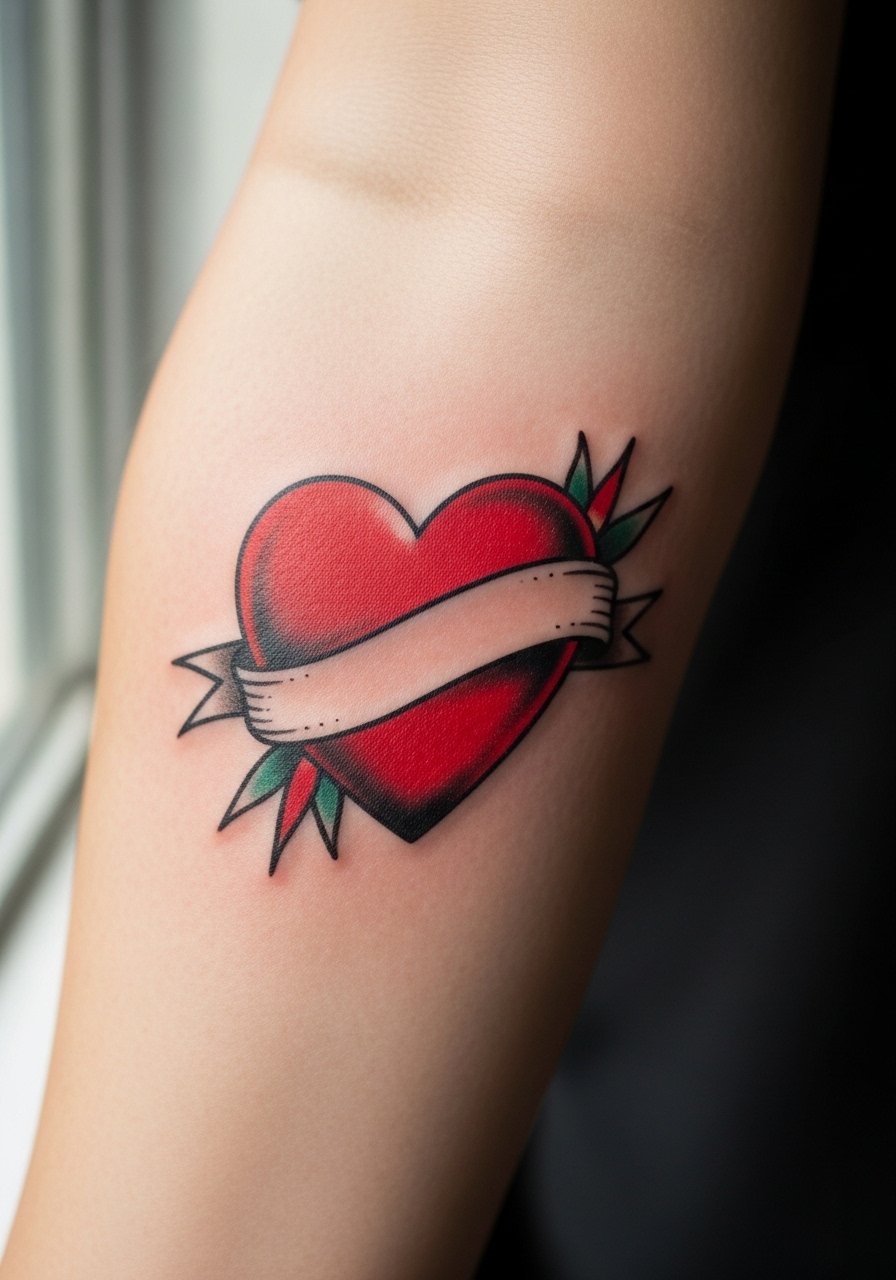
1. Classic Traditional Red Heart with Banner
I've seen these on forearms that have been through summer and winter and still read clean because of bold outlines and full saturation. Ask your artist for a slightly thicker outer line and solid red saturation rather than tiny shading so the fill ages without patchy spots. Fair warning, the outer forearm gets sun a lot, so plan for sunscreen after healed. For the consult bring a banner style you like and the exact script you want inside it, because lettering in small banners blurs if ink is shallow. Pair this with rolled-up short sleeves and a fitted crewneck tee when you want people to see it. The session is usually one quick pass, low pain, and a touch-up at year two is common for heavy daily sun exposure.
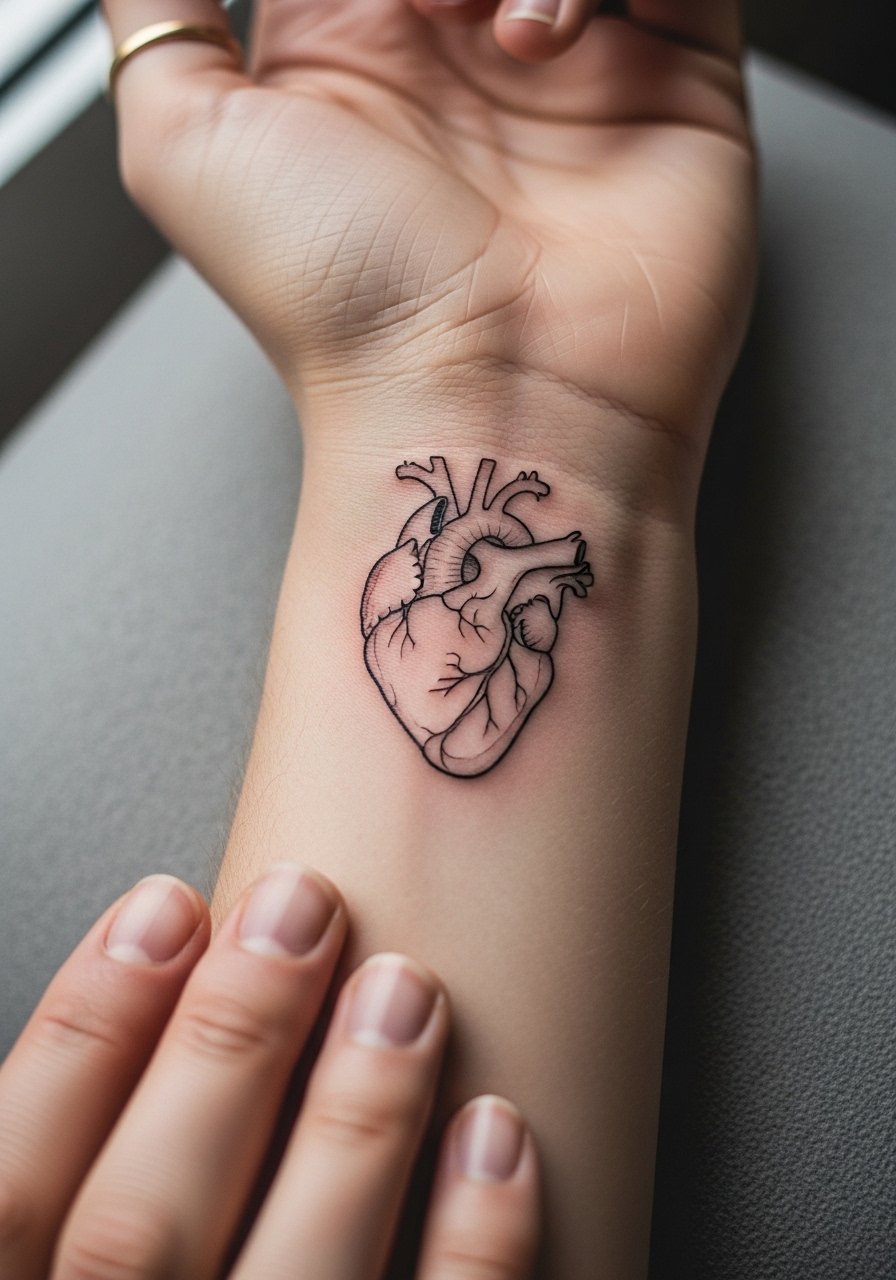
2. Fine Line Anatomical Heart on the Wrist
Fine line on the wrist looks fragile and precise at first. Expect more fading than a bold piece, especially if you wash hands a lot. Artists split into two camps on this one. One camp says fine line holds if needle depth and spacing are perfect. The other camp argues the wrist wears too much and lines blur within a year. Also there is the wrap debate for tiny wrist work. Some people prefer Saniderm to limit scabbing and keep things neat. Others dry heal because they believe ink settles better without occlusive film. When you book, ask the artist which camp they work from and whether they recommend touch-ups. For wardrobe, show it off with a thin silver chain bracelet on the opposite wrist during outings. The appointment feels quick but the area can sting more than the forearm.
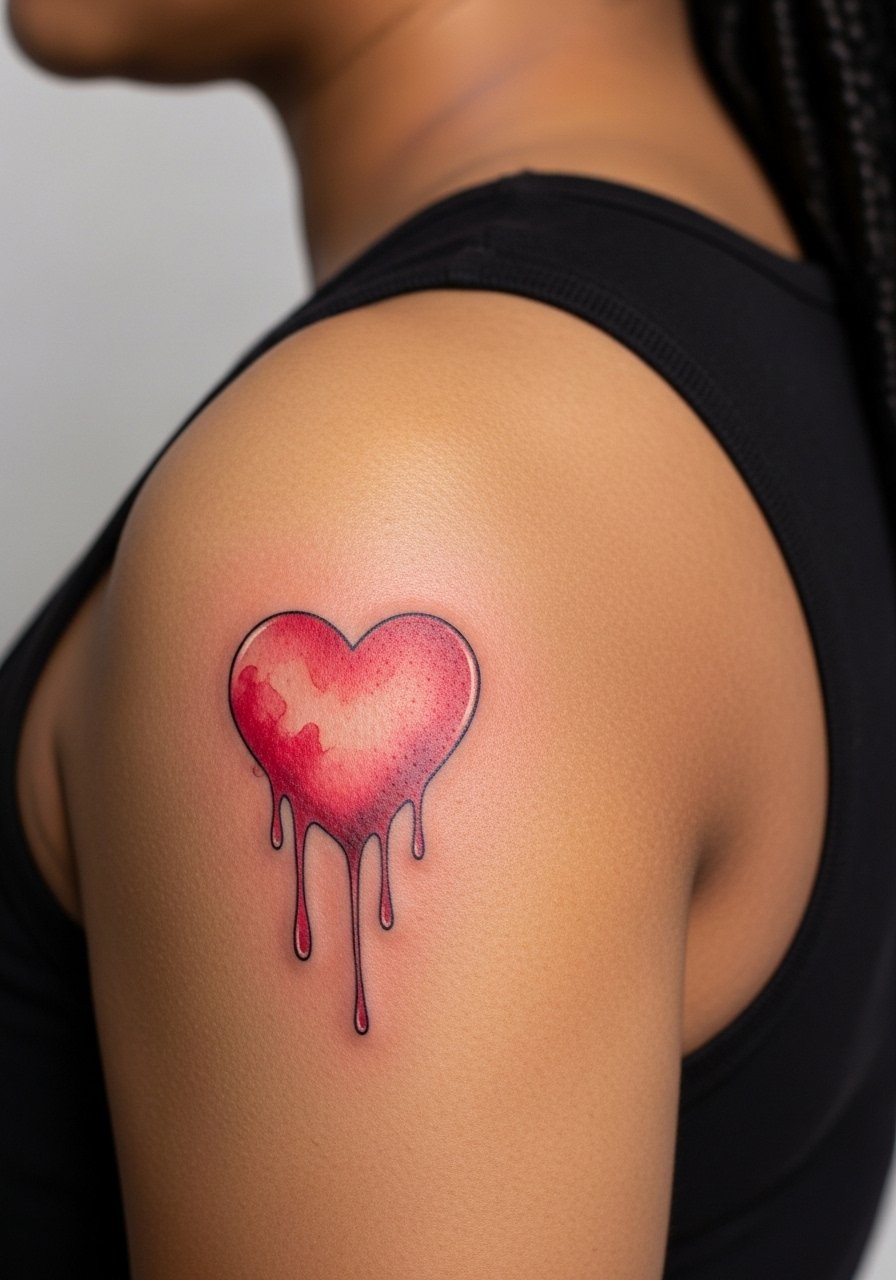
3. Watercolor Red Heart Drip on the Shoulder Blade
Watercolor heals differently than solid fill. Most watercolor hearts look dreamy fresh but the pigment can scatter in sun if saturation is thin. Artists disagree about sealing techniques. One side uses protective film to speed healing and reduce scabs. The other side dry heals and says color blends more naturally without trapped moisture. For shoulder blade placement wear a loose tank or a sleeveless crop top to the session so the artist can access the area without tugging fabric. Tell your artist you want concentrated reds at the core with soft outward washes, not washed-out splatters, and expect one longer session or two shorter sessions depending on saturation. Pain is low to moderate and color-retention depends on sun care after healing.
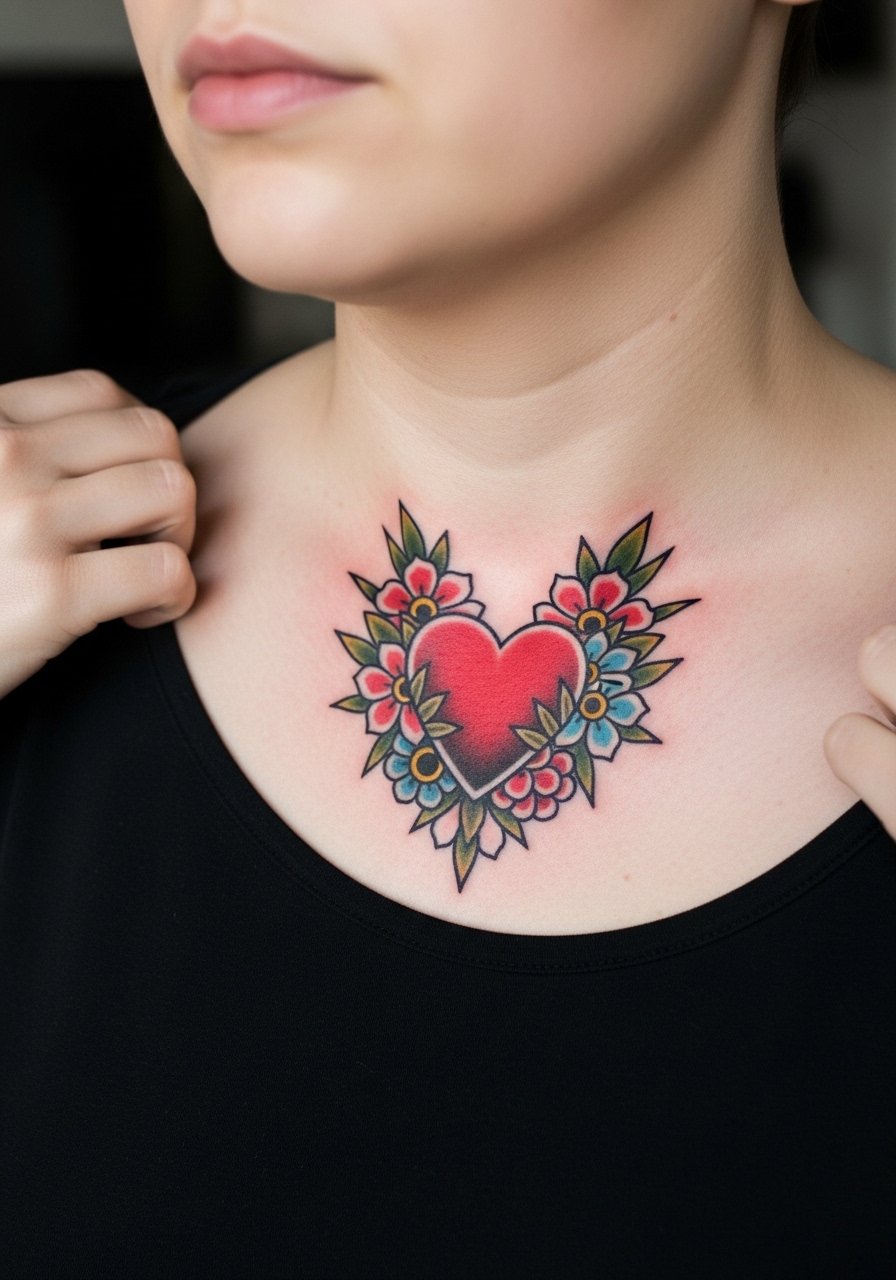
4. Neo-Traditional Heart with Flowers on the Collarbone
If you want romantic detail and longevity choose bolder outlines around petals and a saturated heart center. Collarbone work is visible and flat, so the lines read well for years if the artist balances saturation and spacing. For the session wear a strapless bra or a wide-neck shirt that you can pull aside, so the artist has full access without tugging. Bring clear references for flower types and exact color family because tiny floral details can blur if they crowd the heart. Pain on the collarbone ranges from moderate to high for most people, but the visual payoff is big and healed saturation tends to keep its character if you avoid heavy sun.
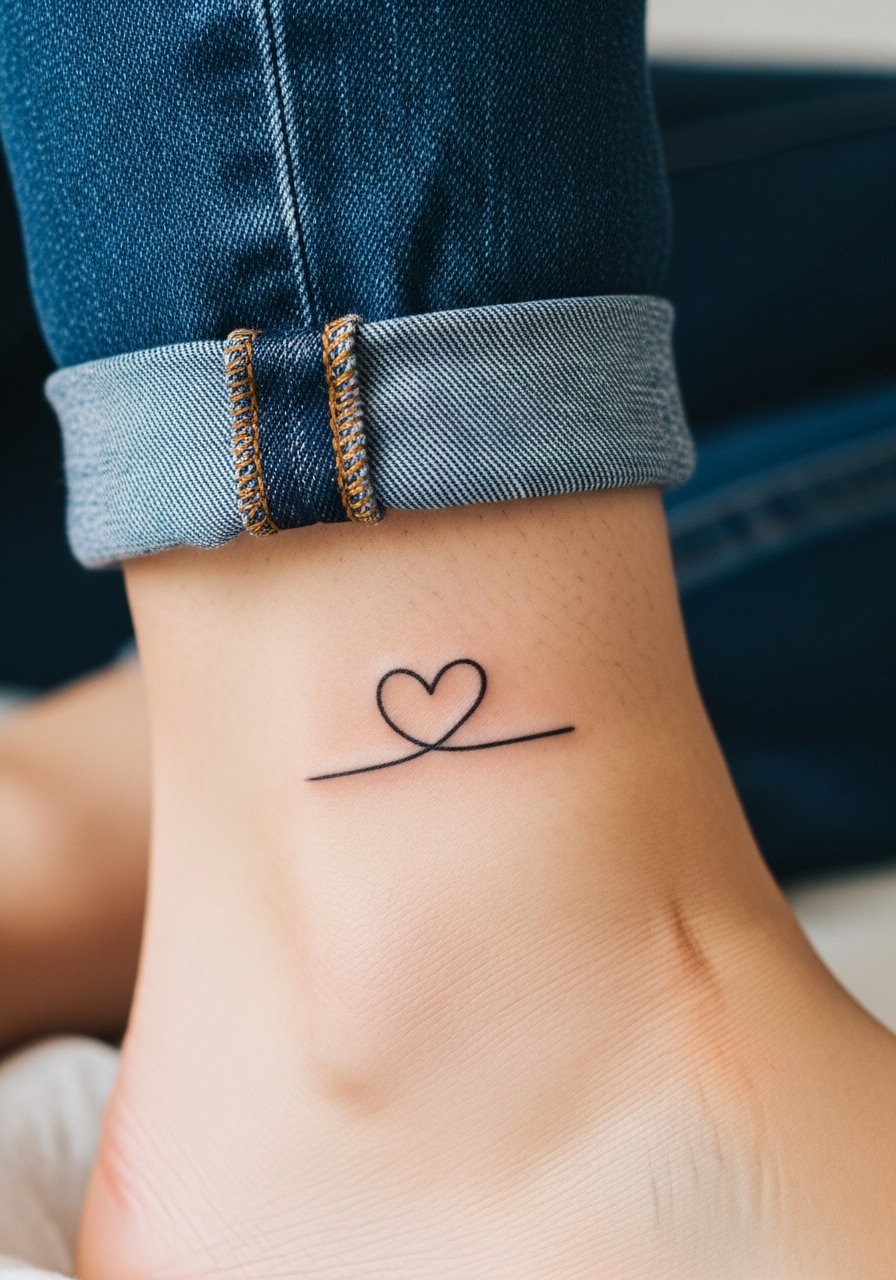
5. Minimalist Outline Heart at the Ankle
Ankle hearts are practical for first-timers who want options for concealment. The outline needs a little room to avoid feathering into soft skin near the bone. Expect slow stinging on the ankle because of low flesh, but the session is short. For showing it off, pair the design with strappy heeled sandals and cropped pants so the tattoo sits where shoes and cuffs do not rub it. During the appointment wear loose joggers or shorts so the artist can roll the pant leg without pressure on the area. Fine line here fades faster than on the arm because of friction from socks and shoes, so plan for a touch-up at year two if you wear it daily.
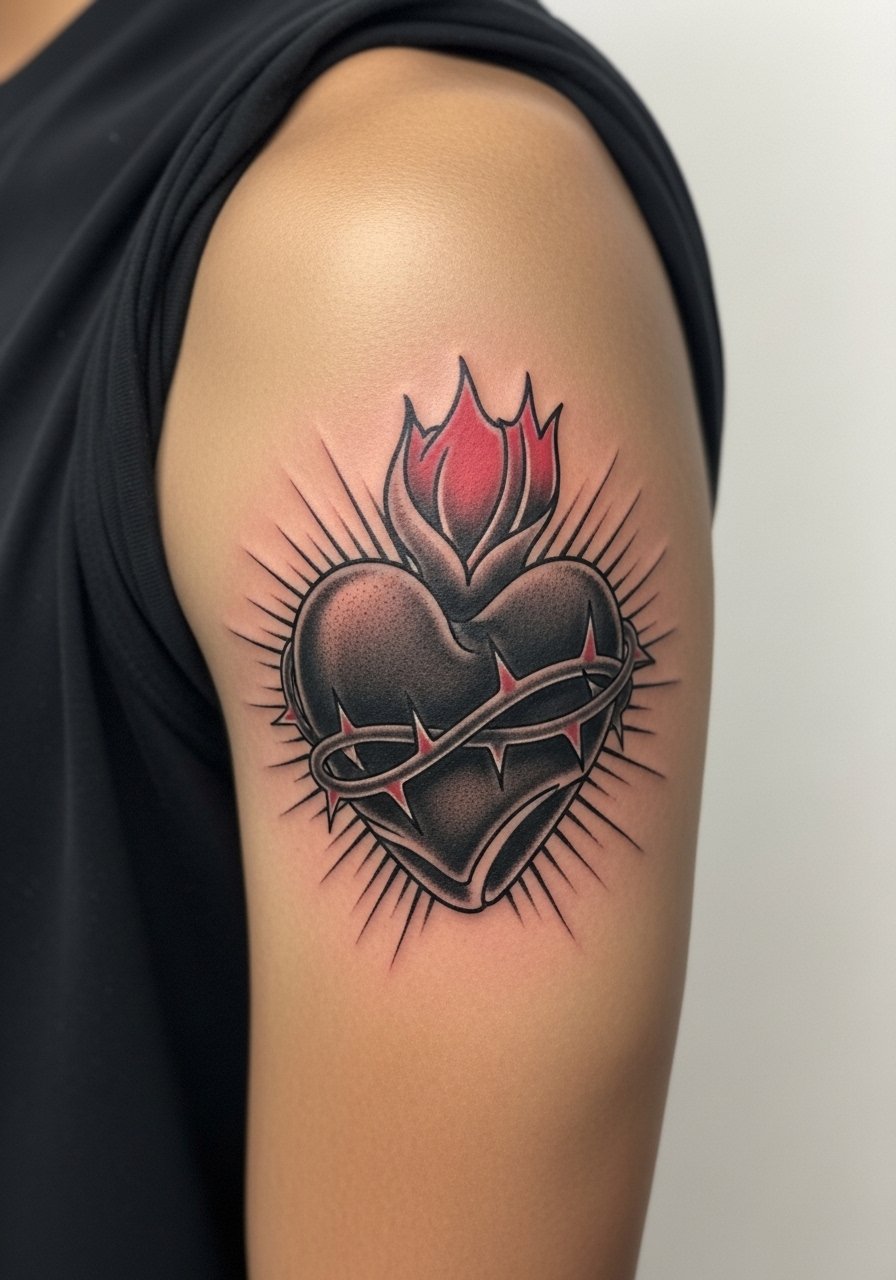
6. Blackwork Sacred Heart with Thorns on the Upper Arm
The upper arm tolerates solid blackwork well and the thicker fill helps red accents pop without washing out. This style suits people who prefer a heavier aesthetic with symbolic grit rather than soft watercolor fade. Ask for dense saturation and strong contrast between the thorns and heart so the silhouette stays clear from a distance. The session is one to two passes and pain is usually low. For viewers who care about origin, note the imagery borrows from religious iconography, so consider subtle variations if you want to nod to tradition without direct replication. This placement is forgiving for weight shifts and keeps blowout risk minimal when lines are properly spaced.
Studio Day Picks
The small spots above need different prep than larger chest work, so a few targeted items smooth the session and the first week.
-
Bepanthenol Plus ointment. Thinner than heavier gels, it helps sensitive skin avoid clogged pores during the earliest heal for wrist and ankle pieces mentioned above.
-
InkSafe balm. Chosen by people with color concerns, it can help red tones maintain vibrancy without heavy residue, useful for collarbone and shoulder washes.
-
Australian tea tree salve. A light option some dry-heal advocates reach for when they want minimal stickiness and no film over delicate fine line work.
-
Nerd Tattoo Balm. Low-grease formula that fans of fine line hearts pick for reduced shine during the initial two-week window.
-
Hustle Butter Deluxe. Thinner than petroleum gels and often recommended for humidity, it keeps saturated reds looking lively through the early fade period.
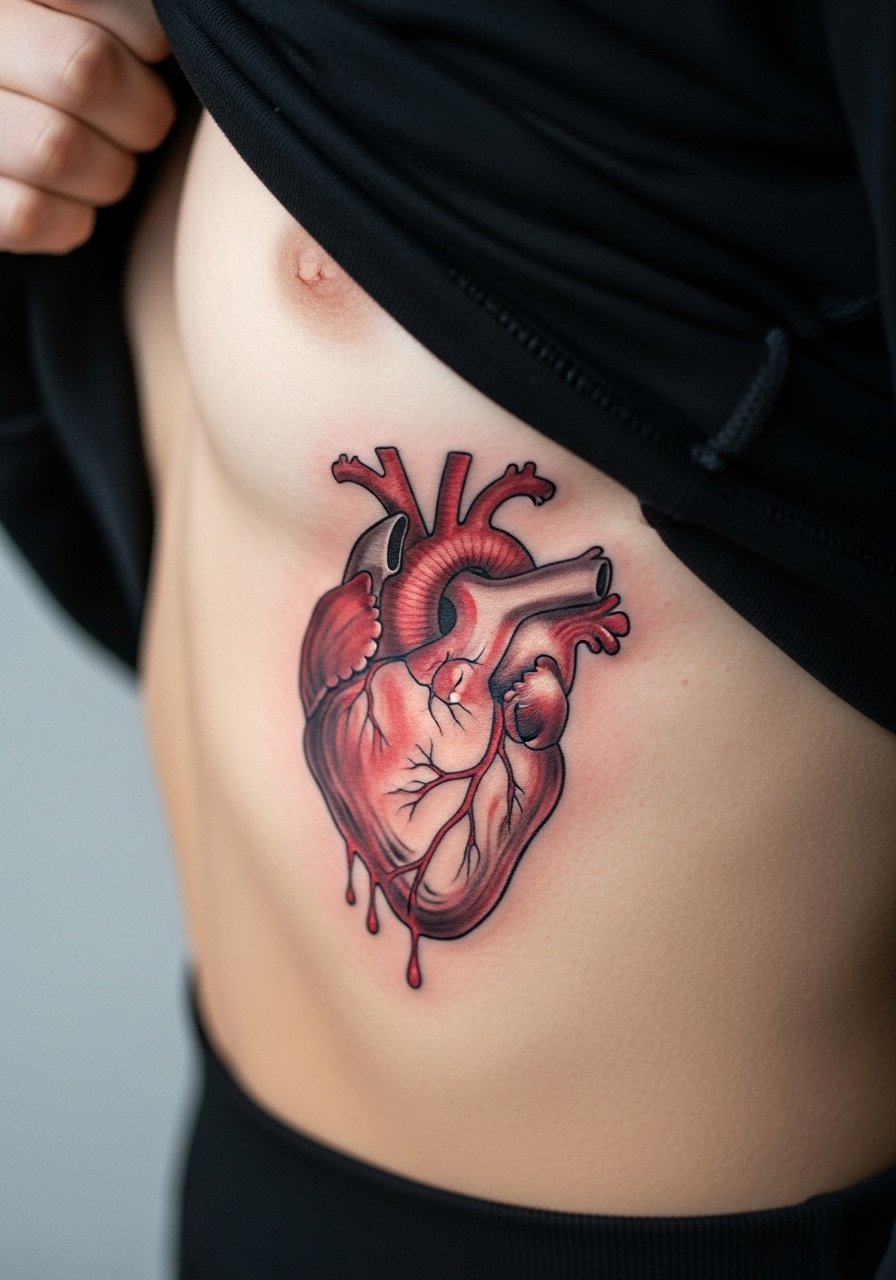
7. Micro-Realistic Bleeding Heart on the Ribcage
Fair warning, the ribcage is higher on the pain chart than most spots. The payoff is a small, anatomical piece that photographs like a painting when healed. Micro-realism needs tight layering of red and gray, so expect two sessions for depth and shadow. Because ribs move when you breathe, ask the artist to map the design with the exact body pose you plan to photograph in, so curves do not skew the anatomy. Sensitive placement note: bring a cropped top that the artist can lift slightly during the session. Touch-ups at year two are normal because movement and thin skin can soften tiny highlights faster than on flatter areas.
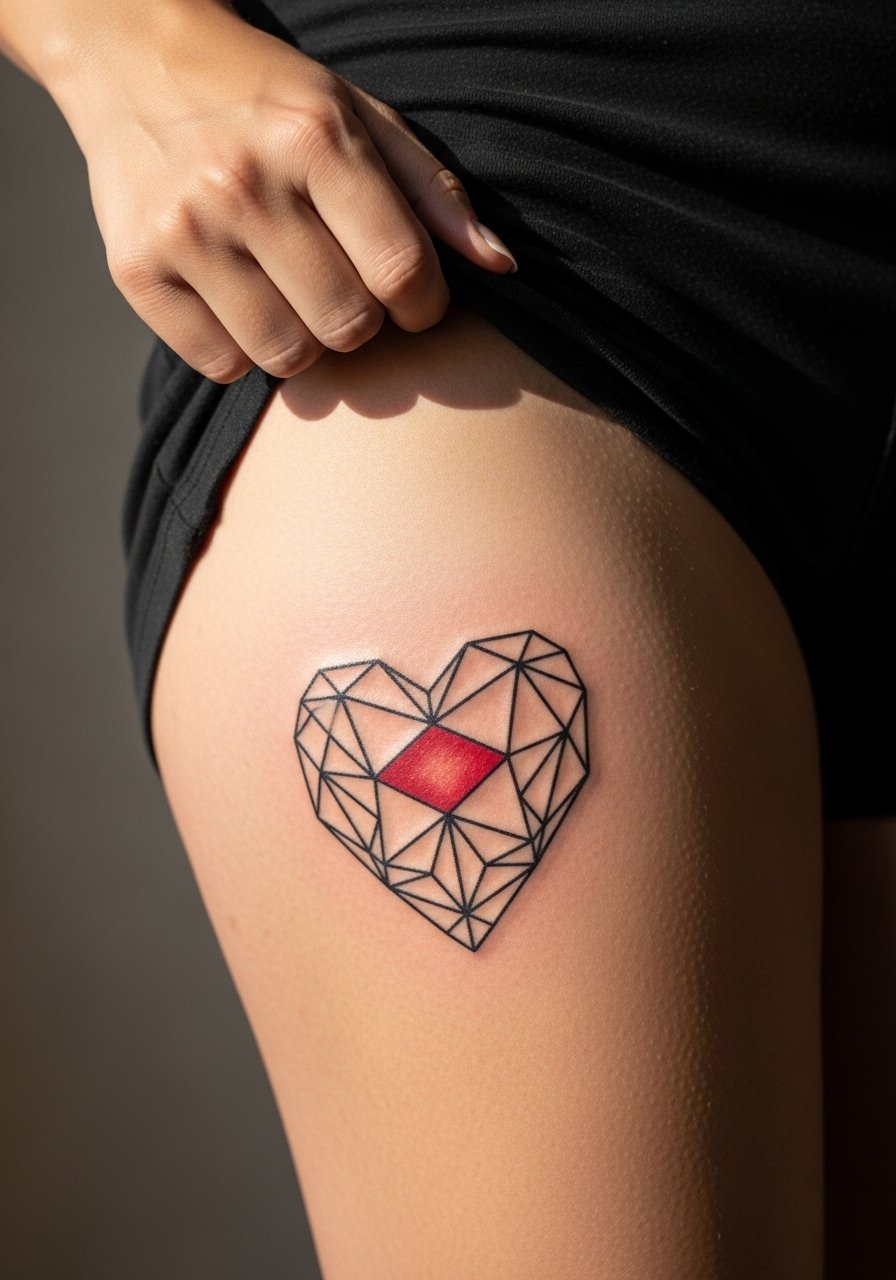
8. Ornamental Geometric Heart on the Thigh
Thigh placement gives linework room, so geometric patterns breathe and keep symmetry longer than on wrists. This spot is forgiving for weight fluctuation compared with the waistline. Tell your artist you want clear spacing between repeating elements so dense areas do not merge as the years pass. For showing it off, high-waisted shorts or a mini skirt in solid black frames the thigh without covering the work, and a high waisted shorts look is a go-to. Session comfort is high if you wear loose athletic shorts, and touch-ups are usually minimal unless the lines were packed too close.
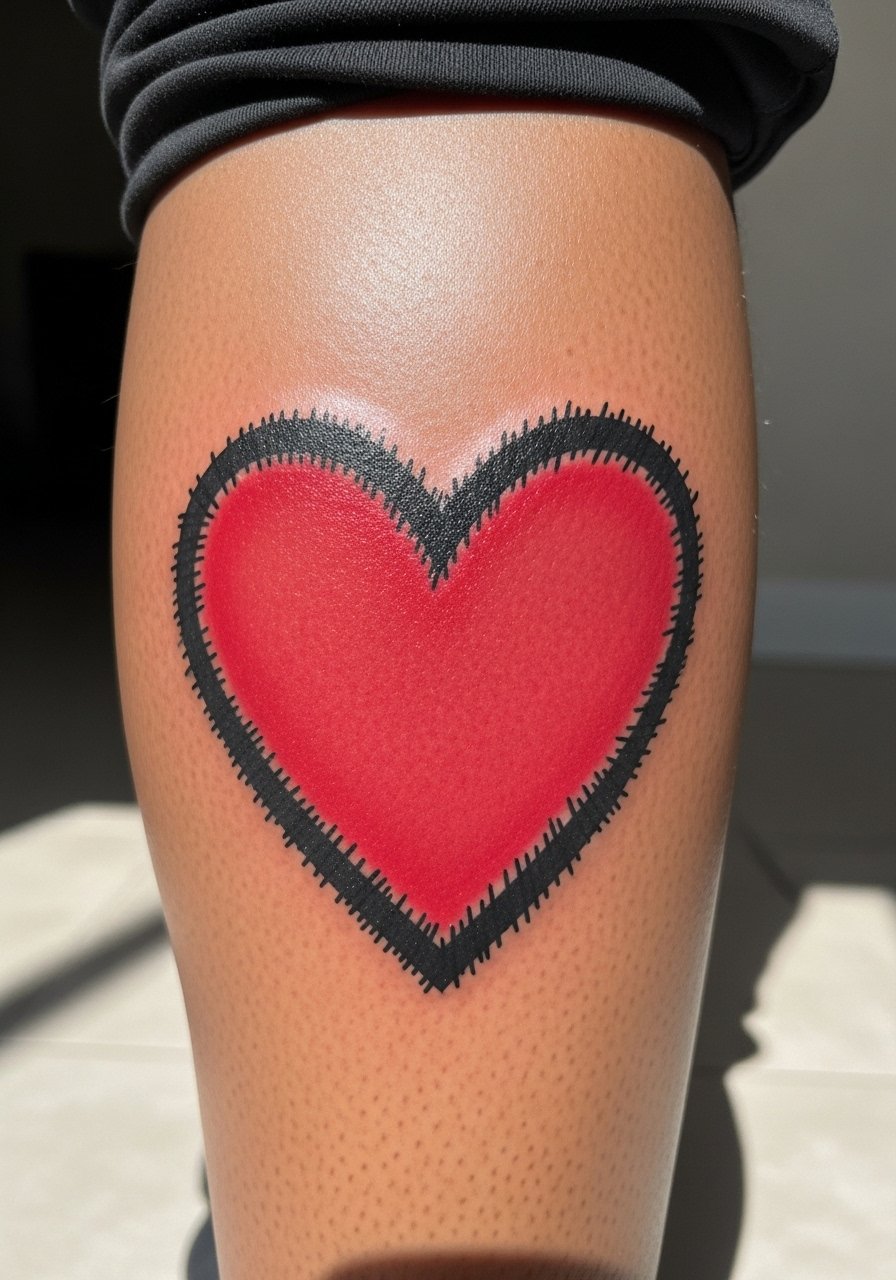
9. Ignorant Style Chunky Heart on the Calf
The ignorant style embraces imperfect strokes and chunky scribbles that age into character rather than regret. Calf placement lets the bold, playful marks breathe and the thicker black outlines help red fills keep their tone. This look is low-maintenance and the session is straightforward. If you pick a chunky heart, avoid asking for micro details that contradict the style. The biggest mistake is asking for both hyper-real shading and rough scribble lines at once. For session wear, shorts are ideal so the artist can access the calf without pressure. Expect minimal blowout risk with big, confident strokes.
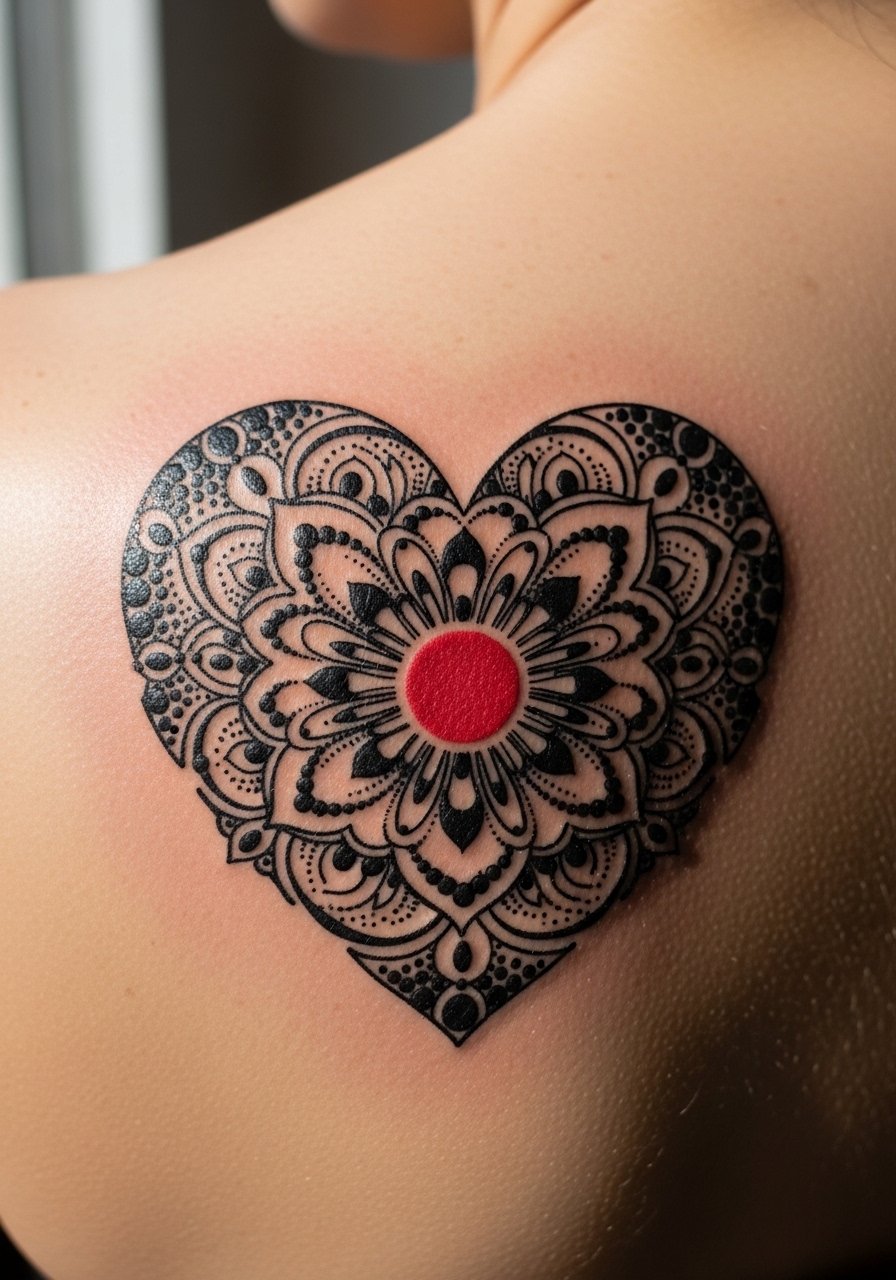
10. Dotwork Heart Mandala on the Back Shoulder
Dotwork relies on distance between dots and concentrated centers to read like texture rather than solid fill. Back shoulder placement offers a broad canvas that ages predictably. If dots are packed too close the area will look solid in a few years, so ask for deliberate spacing and a defined negative-space center. This style pairs well with layered shoulder exposure like sleeveless tops and a sleeveless crop top when you want to show it off. The session can be long because dots take time, and you may book two visits for full symmetry. Keep in mind cultural origin if motifs echo mandala traditions and consider subtle personal variations.
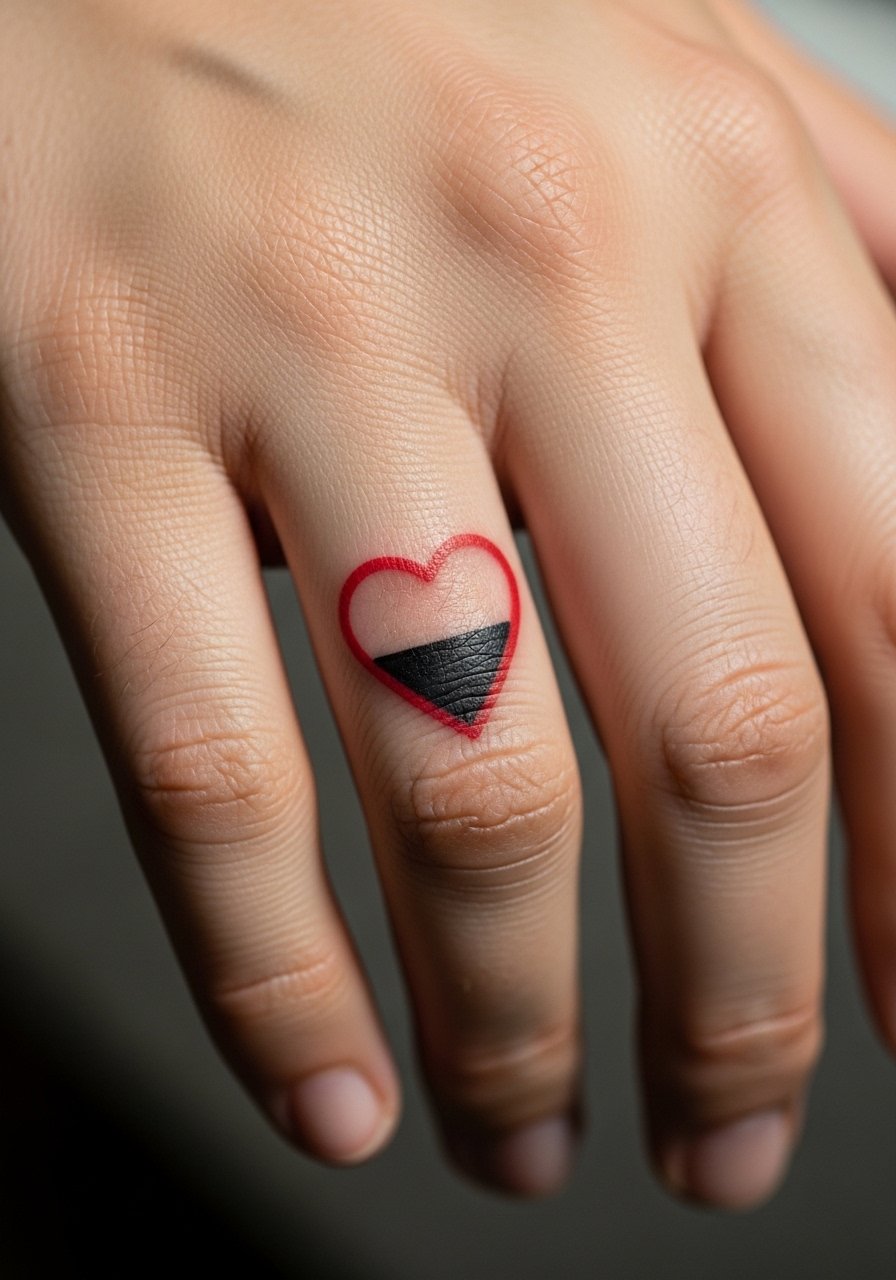
11. Negative Space Red Outline on a Finger
Finger tattoos face heavy wear from washing and friction. A red outline on a black-filled finger can create a cool optical effect early on, but fingers fade fastest, and touch-ups every 1-2 years are the norm if you want it crisp. The common mistake is asking for too small a motif. Give the artist breathing room in the design and accept that a finger piece is high maintenance. For the session, plan for shorter appointments and ask about their touch-up policy. Hand tattoos still affect some hiring situations, so weigh visibility against professional rules if that matters to you.
12. Red Heart Over Scar Tissue
Placing a heart over a healed scar can read as meaningful and offers texture the artist can play with. Scar tissue is unpredictable though; it may take ink unevenly and require a test patch or a loose session plan. The right artist will map the scar, discuss possible keloid risk, and suggest slight design shifts to accommodate thicker tissue. This placement is best for experienced tattooers who have worked on scars before. Expect a possible extra session for saturation and bring a reference image that shows the scar clearly in advance so you both agree on placement.

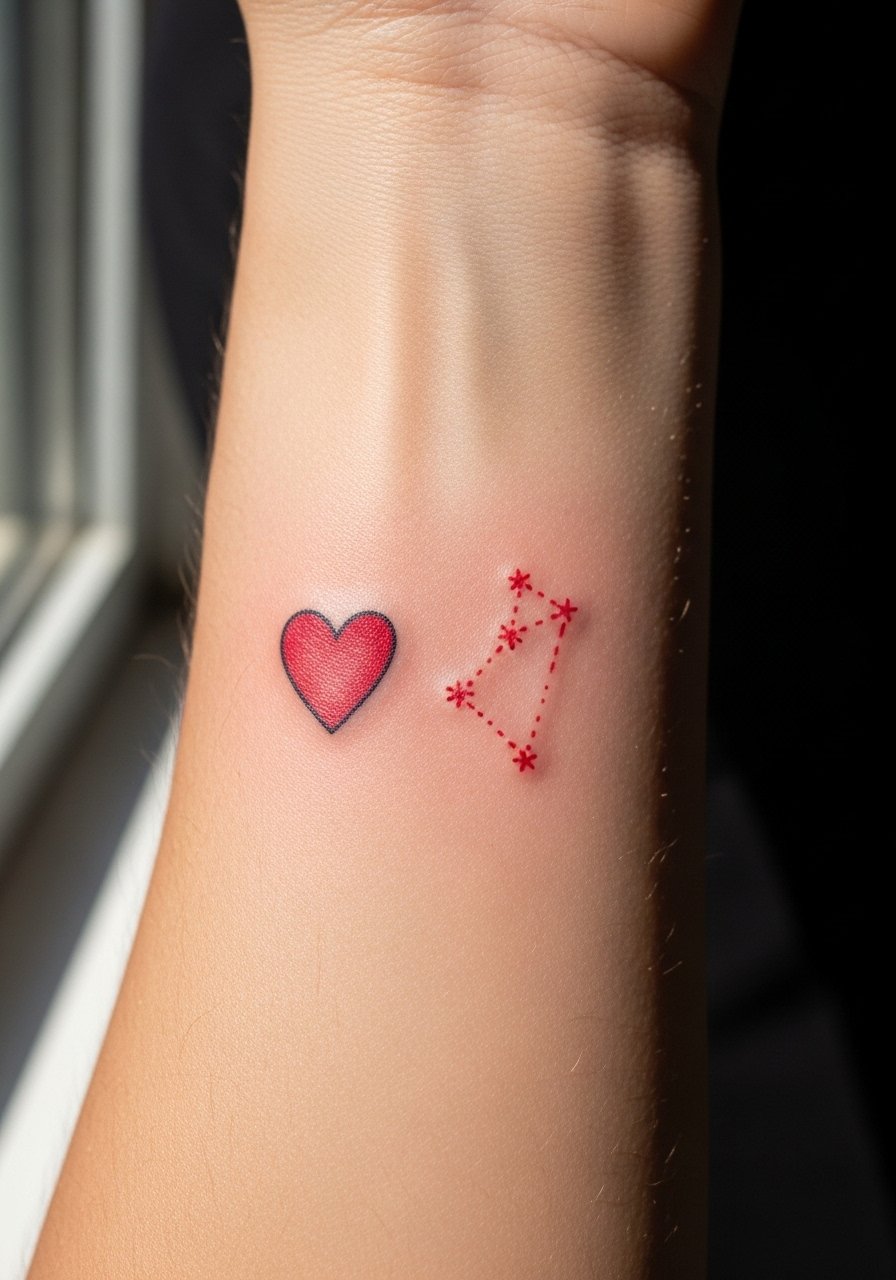
13. Constellation-Paired Red Heart
Pairing a small heart with surrounding tiny stars or a constellation creates a personalized map that reads like a subtle story. Thigh, shoulder, and forearm all work, but spacing matters. Tiny stars need negative space or they blend into the heart. Tell your artist the exact constellation or star placement you want because small positional shifts change the visual balance. For forearm pairing, a rolled sleeve and a vintage leather cuff on the opposite arm frames the piece without crowding the linework. Sessions are quick and low pain, but plan for a small touch-up if you wear tight bracelets near the area during healing.
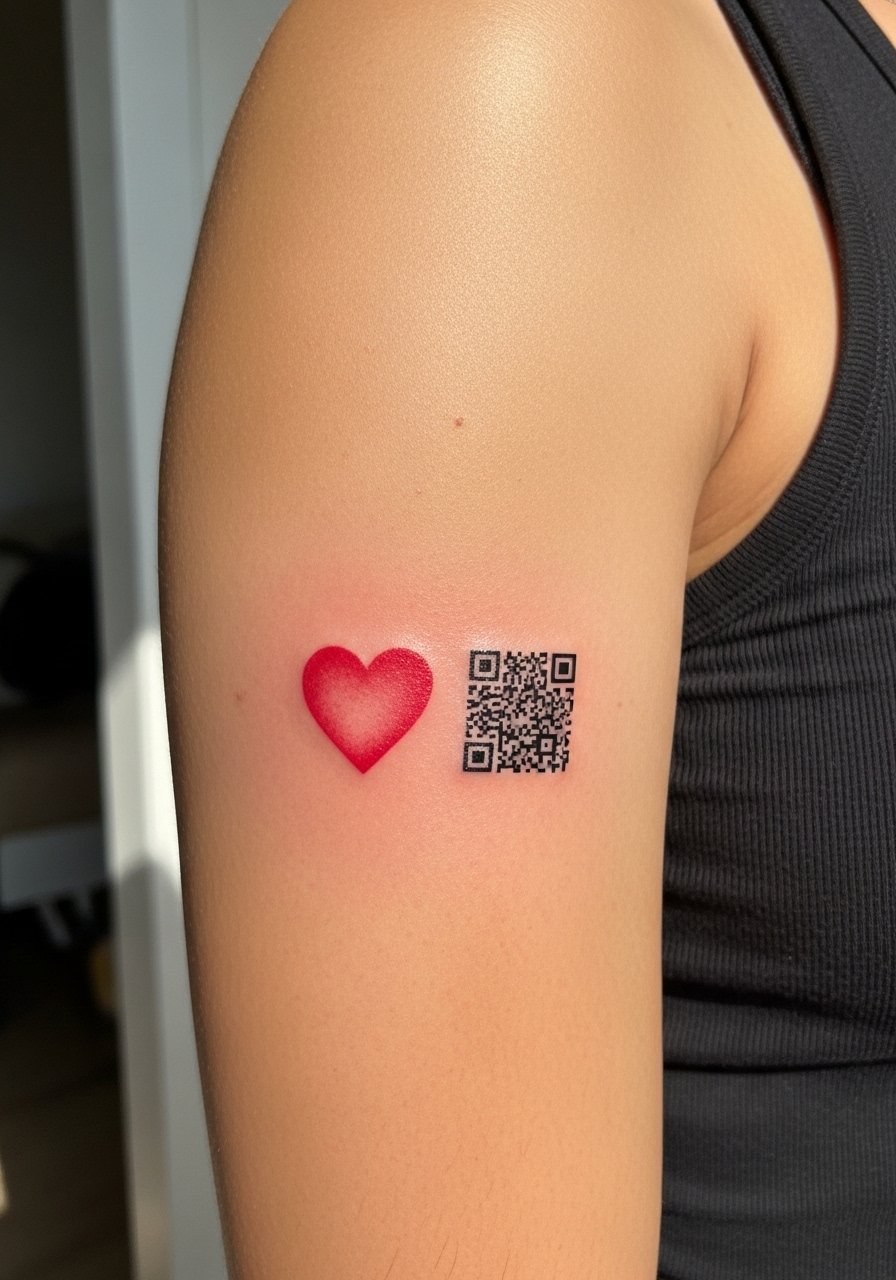
14. QR-Code Linked Heart
This is a modern twist that embeds a tiny QR grid inside or next to a heart so people can scan a tribute or a voice memo. Make sure the QR space is large enough and the artist uses solid black and high contrast. Small QR codes can blur when healed, so a printed mockup and a test scan after stencil placement are non-negotiable. Sensitive placements need caution because movement affects scanning reliability. For an upper arm or thigh version test scan the stencil on the skin before any needle touches. The tech angle is rare but effective for memorials and keepsakes.
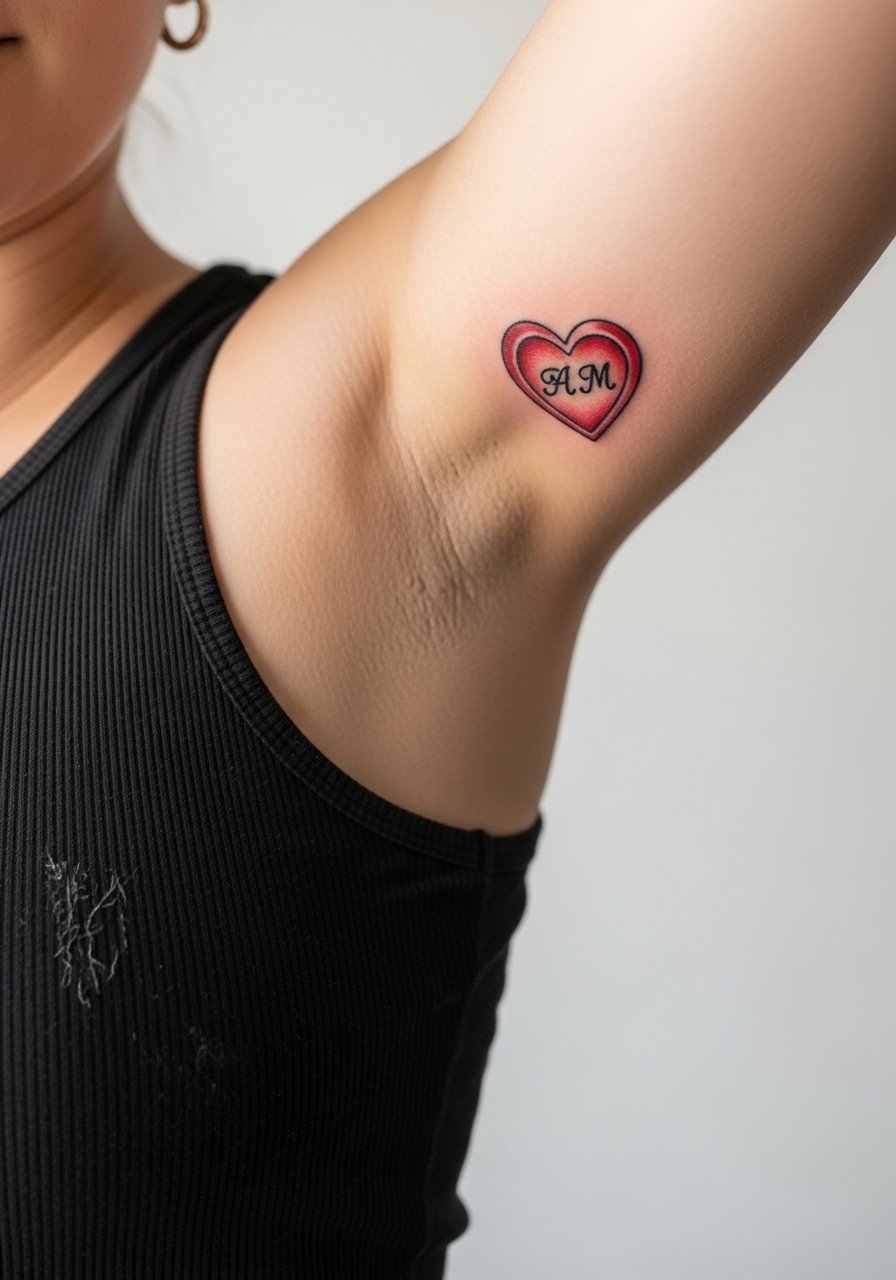
15. Heart Locket with Initials
Tiny lockets with initials inside are trending for memorial or couple motiffs. Use slightly larger script inside the locket so the letters remain legible at two years. When text sits inside a small shape, the common error is choosing micro cursive that blurs. Opt for simple serif or clean cursive with a test stencil. Place this on the inner bicep or collarbone for easy visibility. For appointment bands wear a loose button-down shirt so the artist can shift fabric without pressure. Expect low to moderate pain on inner bicep and a touch-up for crisp initials after healing.
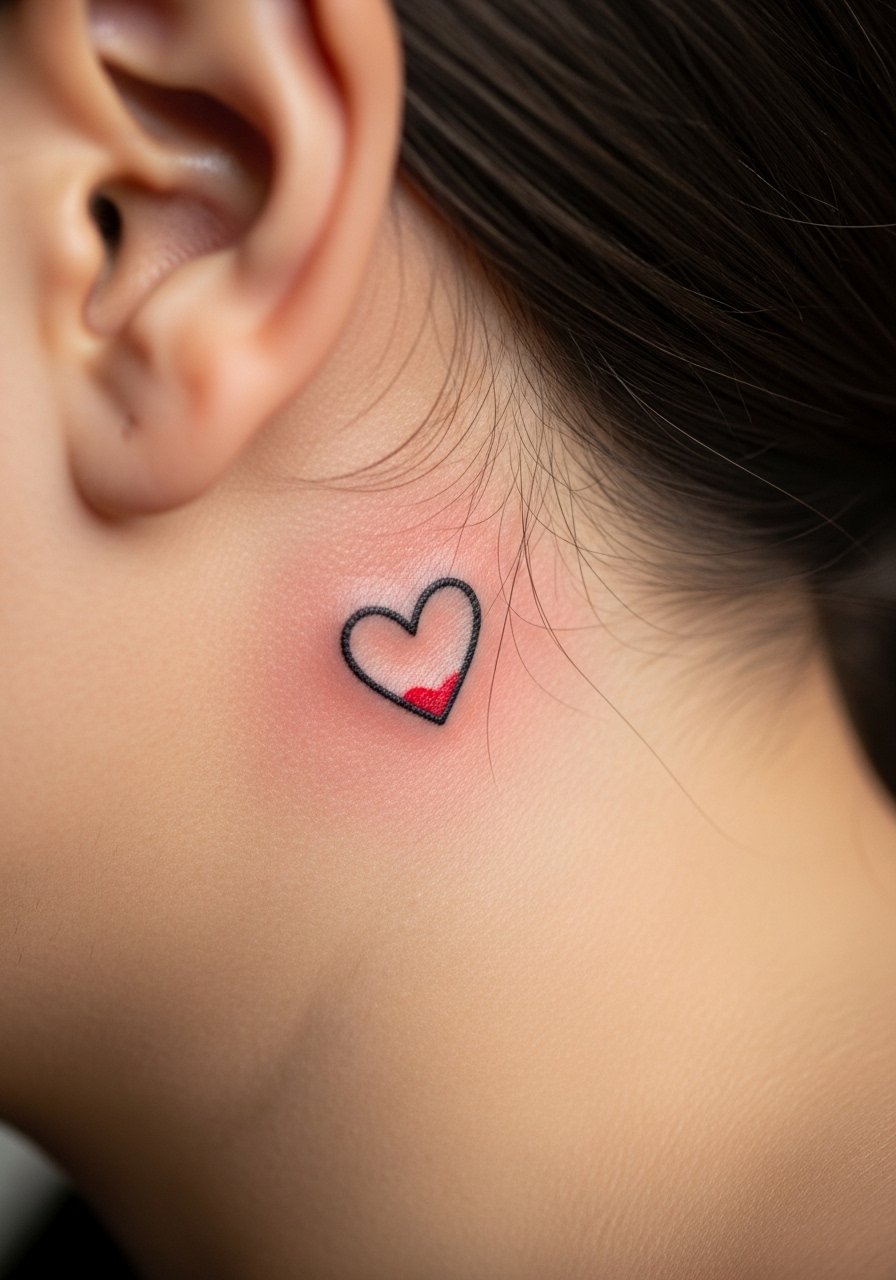
16. Tiny Heart Behind the Ear
Micro hearts behind the ear are intimate and mostly hidden unless you tuck hair up. Because of the small canvas bring exactly the word or symbol you want, and confirm the placement is on the skin just behind the ear below the hairline on the neck. The area heals fast with little swelling but requires an artist used to tight spots. Sensitive placement note: the image will show just the skin behind the ear and hairline. Expect quick sting and a tiny touch-up later if you wear heavy earrings that rub the area.
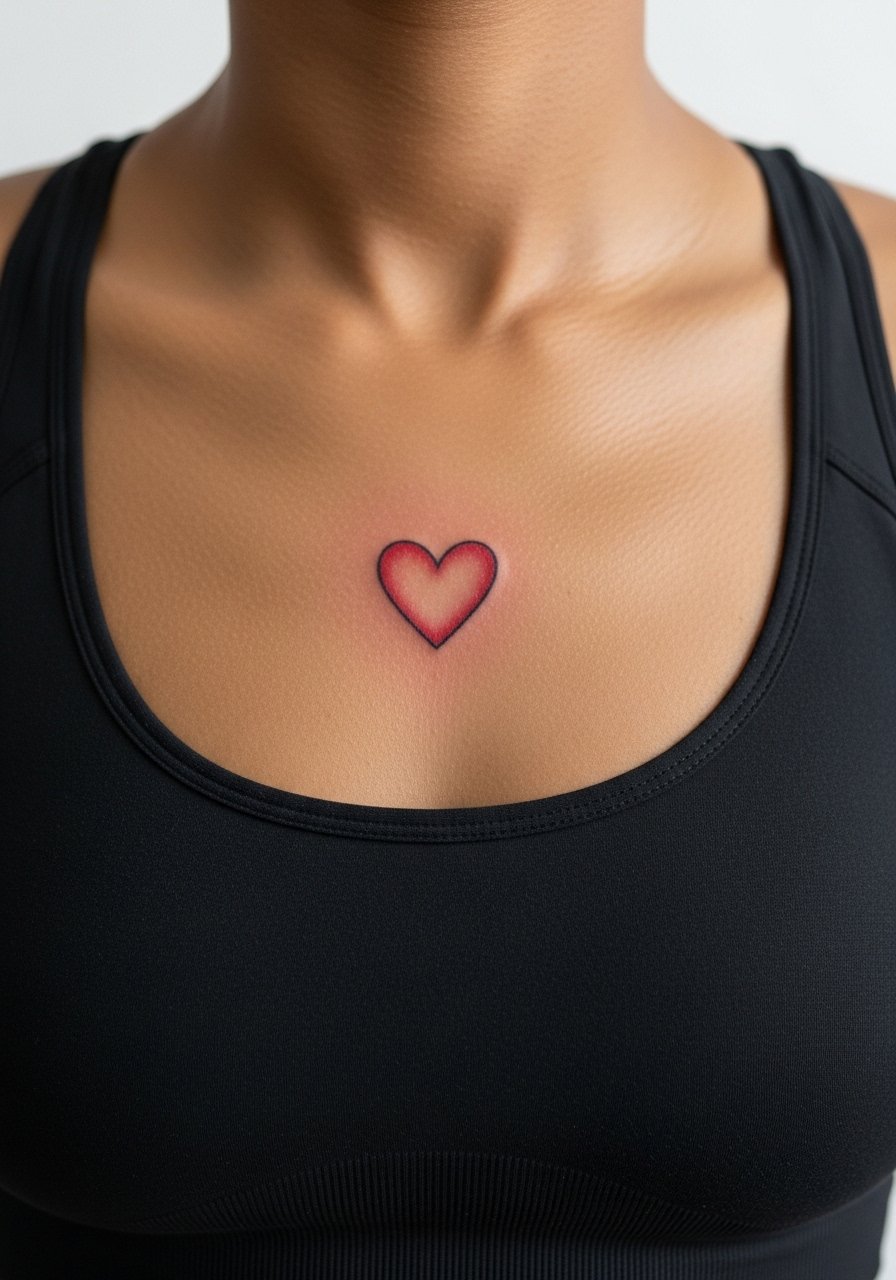
17. Sternum Heart with Subtle Shading
Sternum tattoos sit at the center of chest compositions and pair beautifully with necklaces when visible. Because the area is sensitive include a fitted sports bra or bandeau top in the appointment so the artist can expose only the immediate sternum zone. The steep curve of the sternum means shading needs to follow body topology or it will look warped in photos. Pain is higher than the arm but the chest keeps detail well if saturation and spacing are correct. Plan for at least one follow-up to even out shading once healed.
Frequently Asked Questions
Q: How long do fine line red heart tattoos really last before needing a touch-up?
A: Fine line pieces often need touch-ups sooner than bold work. From what I have seen, small wrist or finger hearts can show noticeable softening within 6 to 18 months depending on sun exposure and daily friction. Expect a touch-up window around year one to two for frequently used areas.
Q: Does red ink behave differently on medium and dark skin tones?
A: Yes, red pigments can shift toward warmer tones on medium to dark skin unless the artist pushes saturation or uses cooler red mixes. A patch test and a clear conversation about expected color shift are smart moves. Ask the artist for healed examples on similar tones during consultation.
Q: Should I wrap small heart tattoos or dry heal them?
A: The community is split. One camp uses protective film to cut scabbing and keep the area clean. The other camp dry heals to avoid trapping moisture that some say causes oxidation. The right choice depends on your skin sensitivity and the artist's technique. Ask what they recommend and how they support touch-ups if a particular method affects color retention.
Q: Are there design choices that make a small heart age worse?
A: Tiny, tightly packed script or micro shading inside a small heart tends to blur fastest. Avoid cramming letters or intricate motifs into a space under about one inch. Bigger line weight and deliberate negative space help the image remain legible years down the road.
Q: How much should I budget for a small red heart tattoo?
A: For a small single-session heart expect a range of roughly 80-300 depending on style and studio. Fine line micro pieces sit on the lower end if straightforward. More saturated or multi-session styles like watercolor or micro-realism push toward the upper end of that range.
Q: What should I wear to the appointment for a collarbone or shoulder heart?
A: Wear a strapless bra or a button-down you can pull aside for collarbone work. For the shoulder choose a tank or loose button-up so the artist can move fabric instead of you. A strapless bra is an easy session choice for collarbone pieces.
