
Fine line is everywhere online, but what actually keeps a small filler looking clean for years is placement, spacing, and realistic expectations about how skin moves. A tiny, well-spaced piece on the inner forearm will age much better than a cramped version on the side of the rib. Read on for realistic filler ideas with notes you can use in consultation, styling tips, and what to expect as they heal.
1. Fine Line Arrow on Inner Forearm

I recommend the inner forearm when you want a narrow, directional filler that reads clean over time. Tell your artist to scale up the main shaft slightly and leave breathing room around the fletching so the linework does not merge as the skin settles. Expect a low pain level and a 30–60 minute session for a simple piece. Common mistake is asking for ultra-thin hairline strokes with no spacing. At six months the arrow will retain crisp linework. At two years the lines will soften. Plan a light touch-up around year three if you want laser-sharp edges. For showing it off, rolled-up sleeves and a loose button-down shirt frame the forearm without competing.
2. Micro-Realism Bee on Outer Forearm
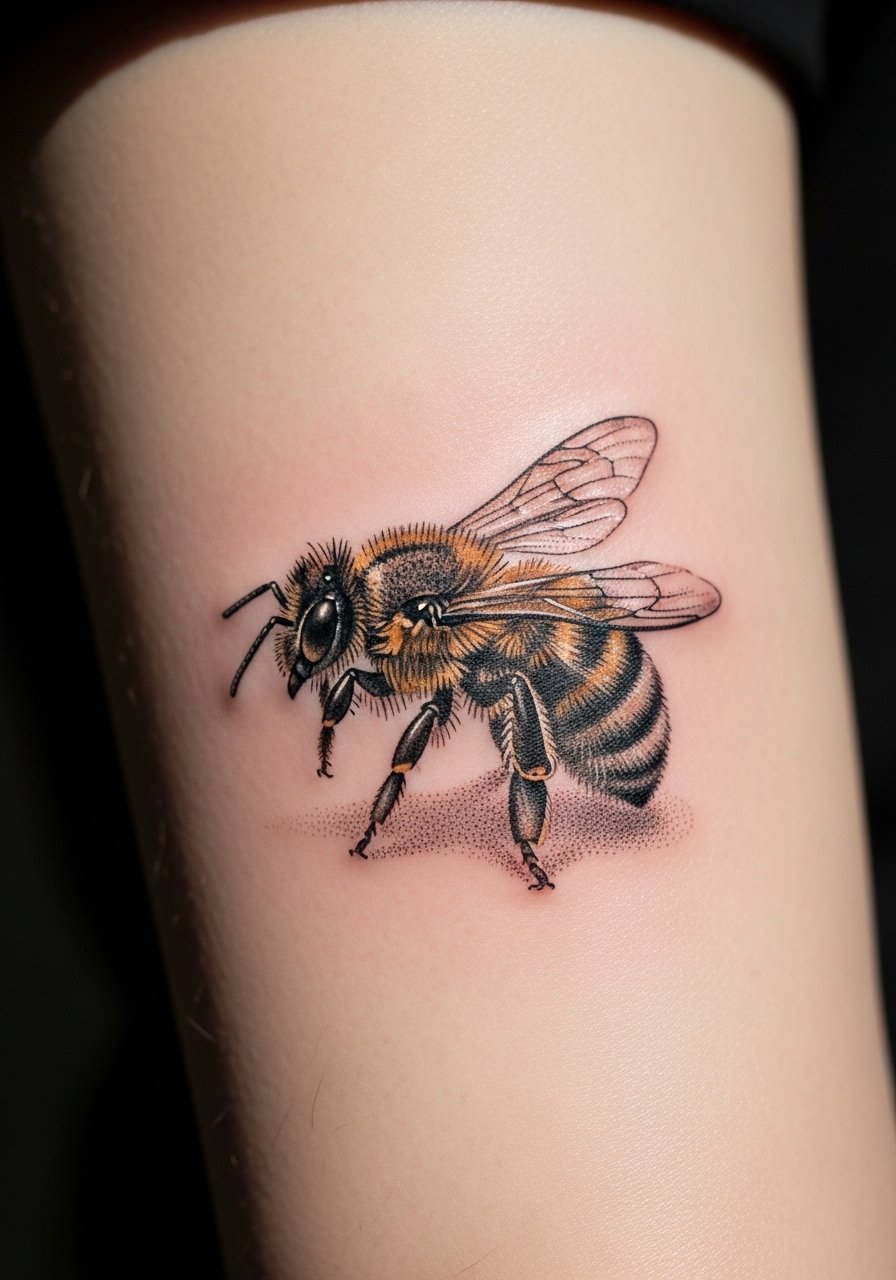
This tiny micro-realism bee works when you want detail without a dense fill. In consultation say you want stipple shading rather than packed color so the piece keeps texture as it heals. The outer forearm is forgiving on blowout risk compared with hands or ribs. Session time is usually 45–90 minutes depending on detail. A common mistake is asking for full tonal shading in a space too small, which ages into a muddy dot. At six months the stinger and wing lines are still readable. At two years expect slight softening of the dots. Wear a racerback tank when you want to show it without sleeve interference.
3. Tiny Script Along the Side of a Finger
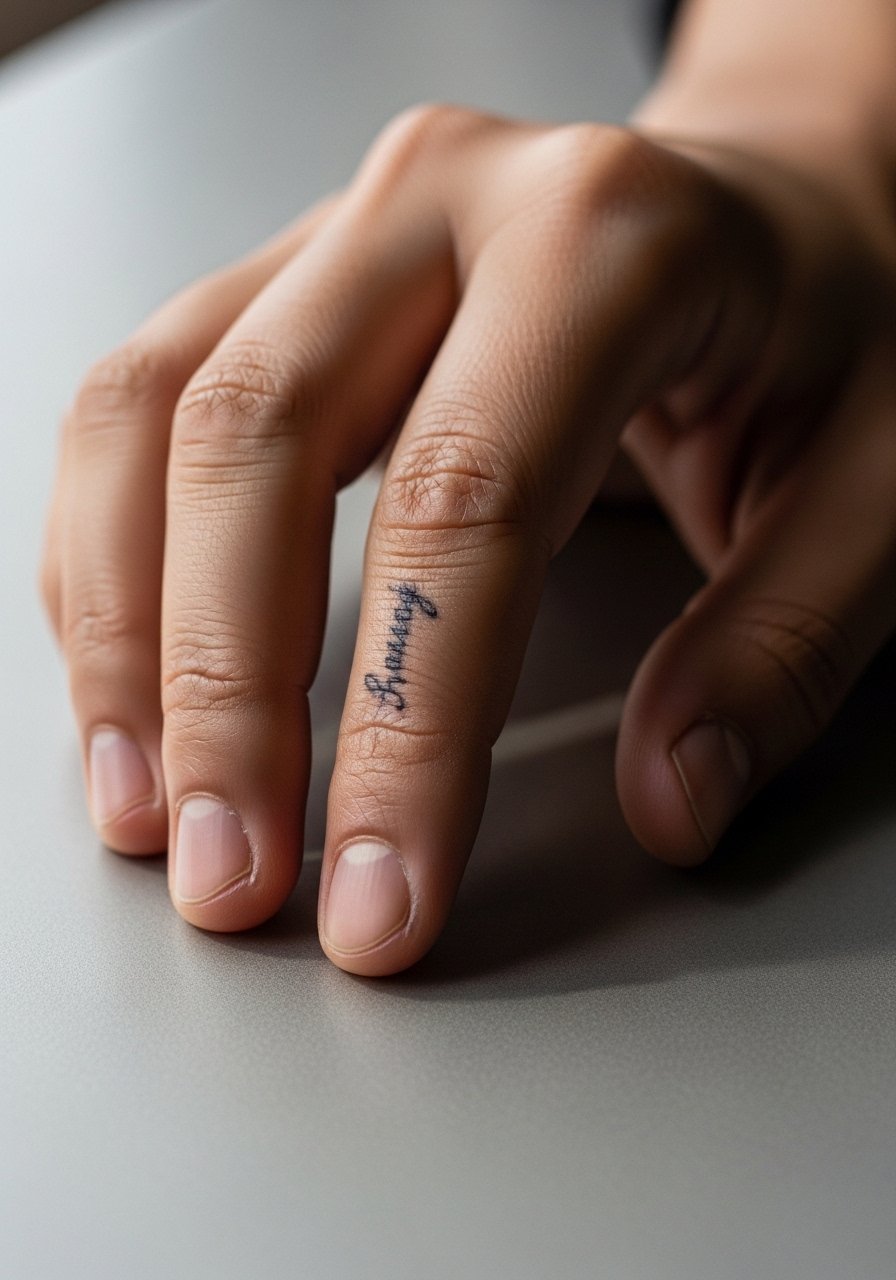
Finger script reads intimate and delicate, but the skin there sheds and rubs constantly. Tell your artist you prefer slightly bolder strokes than you think you need so the letters survive daily washing. Expect higher touch-up rates. The session is short, often 20–40 minutes, but plan for a likely touch-up at year one. Common mistake is requesting textbook-thin cursive in a cramped layout. At six months the letters may look fine. At two years some letters can blur or fade. One-sentence career note: hand and finger tattoos still affect hiring in some fields, so think through visibility before committing.
4. Botanical Ankle Band
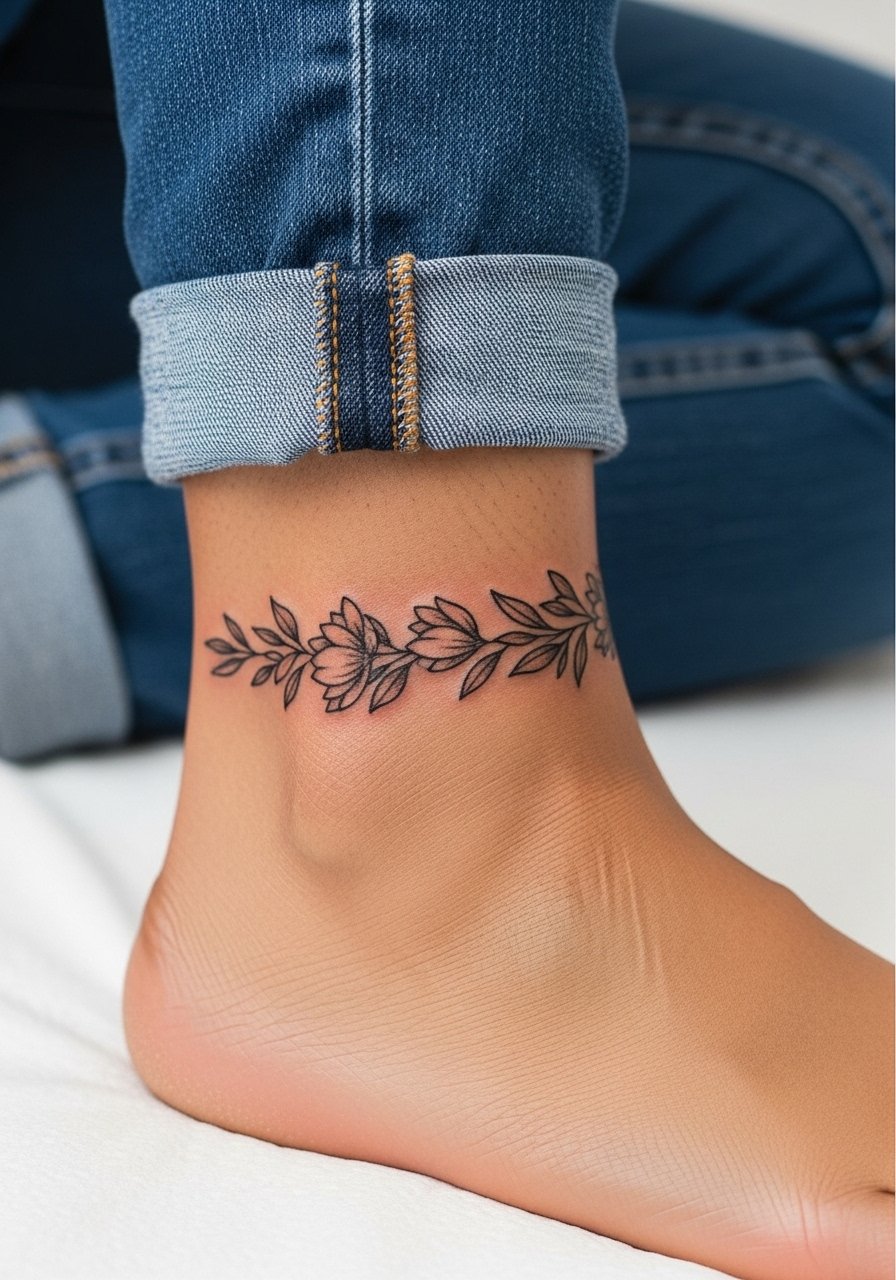
An ankle band that follows the bone line looks clean and intentional. Tell your artist you want negative space between leaves so the design does not become a solid line after a few years. Pain is moderate from the bone proximity, session time about 45–75 minutes. A regular pitfall is wrapping too tightly around the ankle, which accelerates ink spread where the skin creases. At six months the leaves hold shape. At two years expect some softening where the band sits against socks or shoe collars. For showing it off, pair with sandals or low-top sneakers and cropped pants to keep attention on the linework.
5. Micro-Realism Inner Bicep Portrait
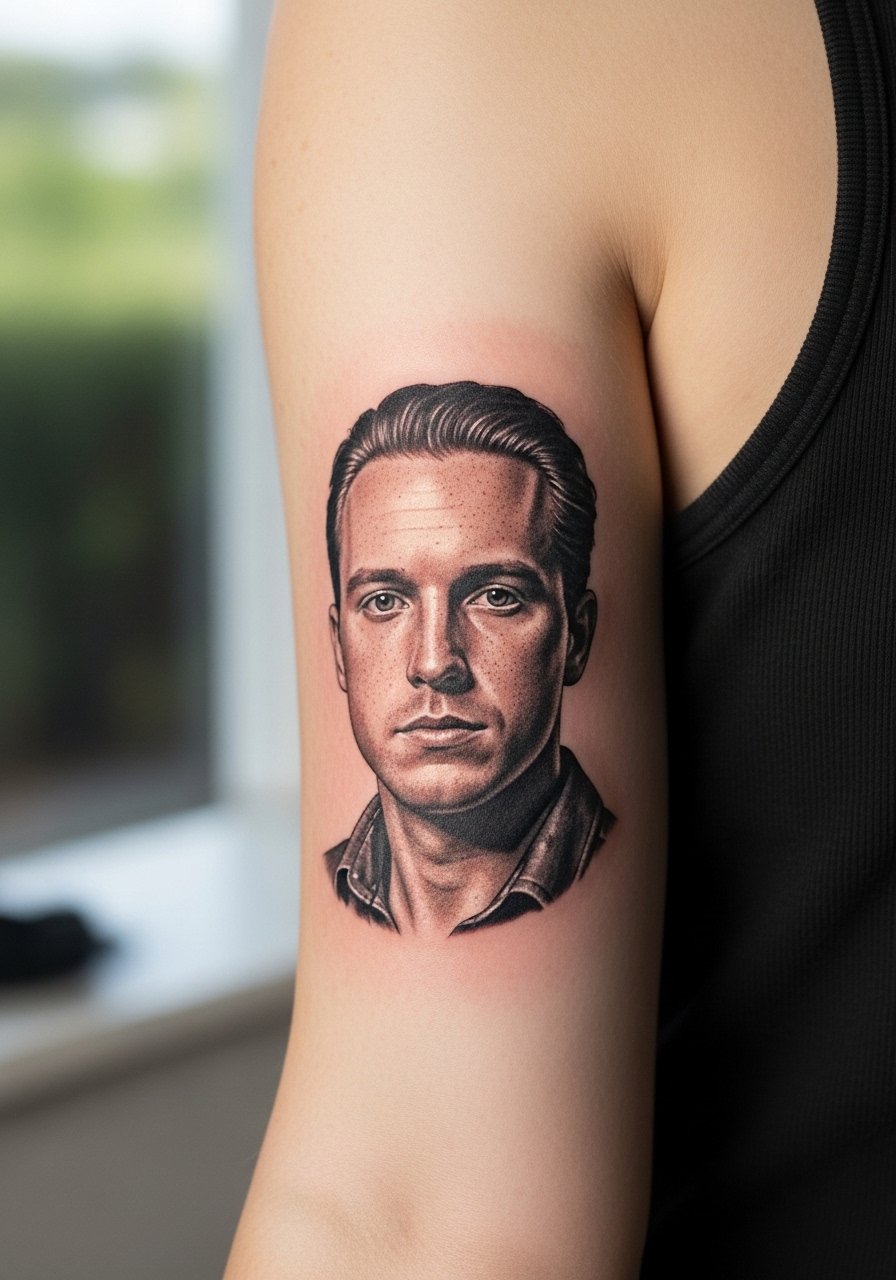
The inner bicep is a great canvas for micro-realism because the skin is stable and flat when the arm is relaxed. During consultation specify that the portrait use soft stipple shading rather than heavy saturation to keep texture around facial features. Expect a 1.5–3 hour session depending on size. A common mistake is compressing too many elements into a small area, which washes out over time. At six months the shading settles. At two years the image will keep its form if the artist spaced the highlights well. Session feel is easier than ribs or sternum and offers a reasonable healing window.
6. Minimalist Constellation on the Wrist
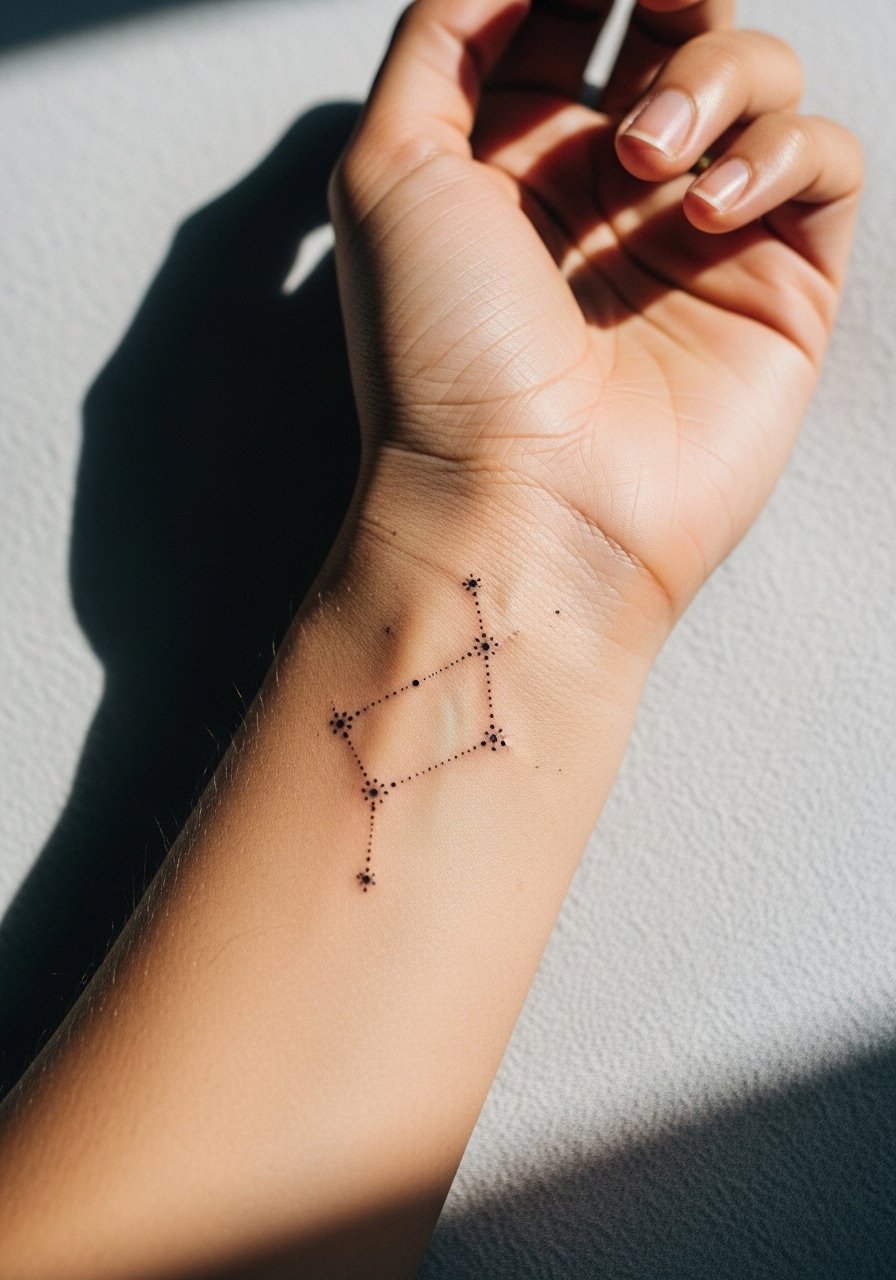
Tiny constellation pieces suit the wrist when you want a filler that pairs with bracelets. Tell the artist to space the stars as separate dots with slight negative gaps to prevent merging. Pain is moderate, session time 20–40 minutes. Common mistake is packing stars too close together. Expect a touch-up in 18–36 months for the faintest dots. For showing the piece, stacked dainty bracelets work best so the constellation remains visible. Try a thin chain bracelet set to highlight the wrist without crowding.
Studio Day Picks
The forearm, wrist, and inner bicep pieces above need different prep than denser chest or rib work, so a few thoughtful items make the day and the first week easier.
-
Stencil transfer paper kit. Lets you preview placement and lineweight on skin before the machine touches down, useful for the fine line forearm and wrist pieces above.
-
Topical numbing cream. Applied as directed before a wrist or inner bicep session eases sensitivity without affecting stencil clarity.
-
Thin protective film roll. Keeps small tattoos like finger and wrist fillers cleaner during the first week of washing and friction.
-
Fragrance-free gentle body wash. Cleanses healing lines without stripping the delicate ink channels that minimalist designs depend on.
-
Aquaphor healing ointment. Thin layers in the earliest days help avoid excessive scabbing on fine line work while keeping moisture balanced.
7. Geometric Mandala on the Ribcage
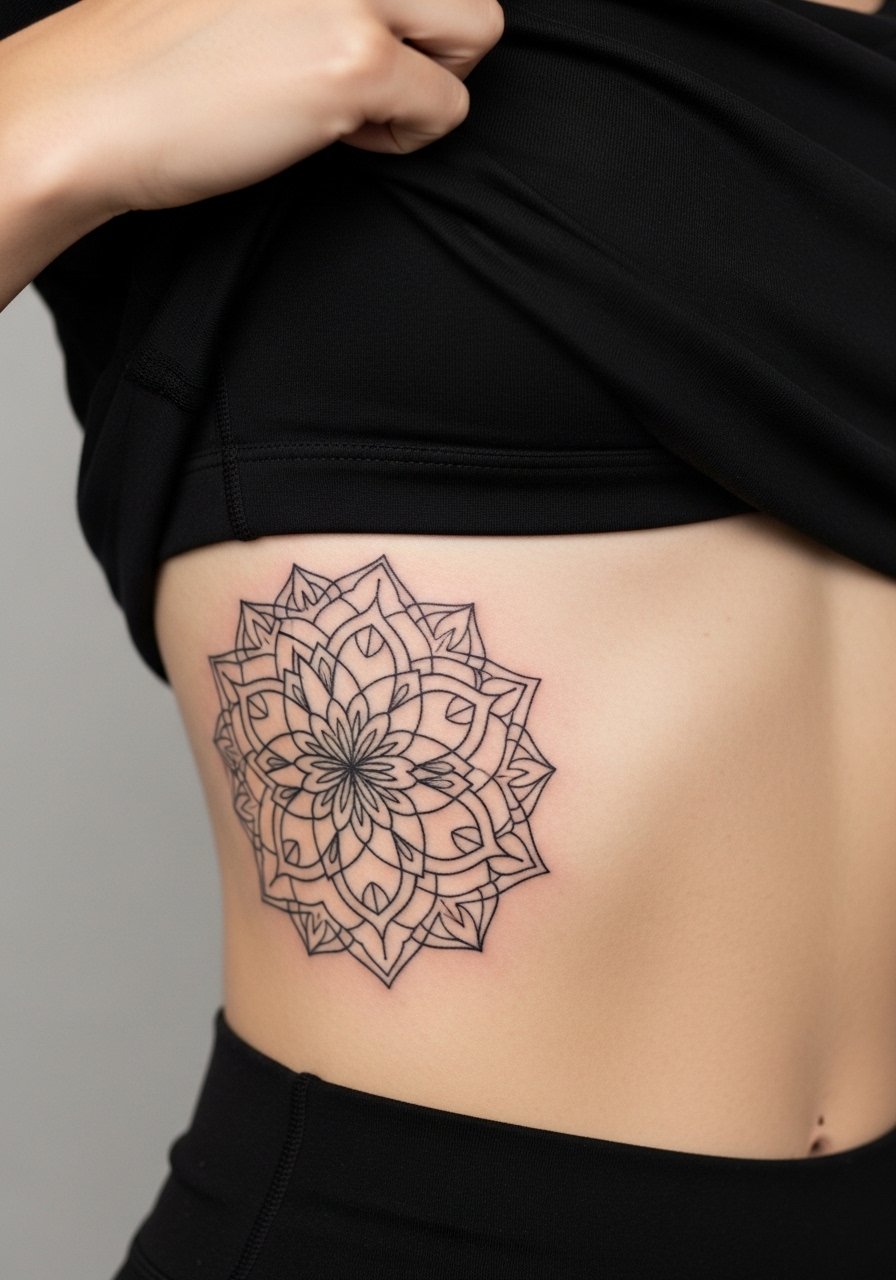
Fine-line mandalas on the ribs spark debate among artists. One camp says the skin stretch and breathing motion blur dense geometry within two years. The other camp argues that with correct needle depth and spacing mandalas can settle beautifully on the ribcage. I tell clients to pick a mandala with larger negative spaces and to accept that this area often needs a touch-up at three years. The session can run long and the pain is higher. Common mistake is asking for a highly detailed, tiny mandala that has no room to settle. For appointment day wear a cropped top so the artist can work without shifting clothing.
8. Classic Micro Rose on the Shoulder
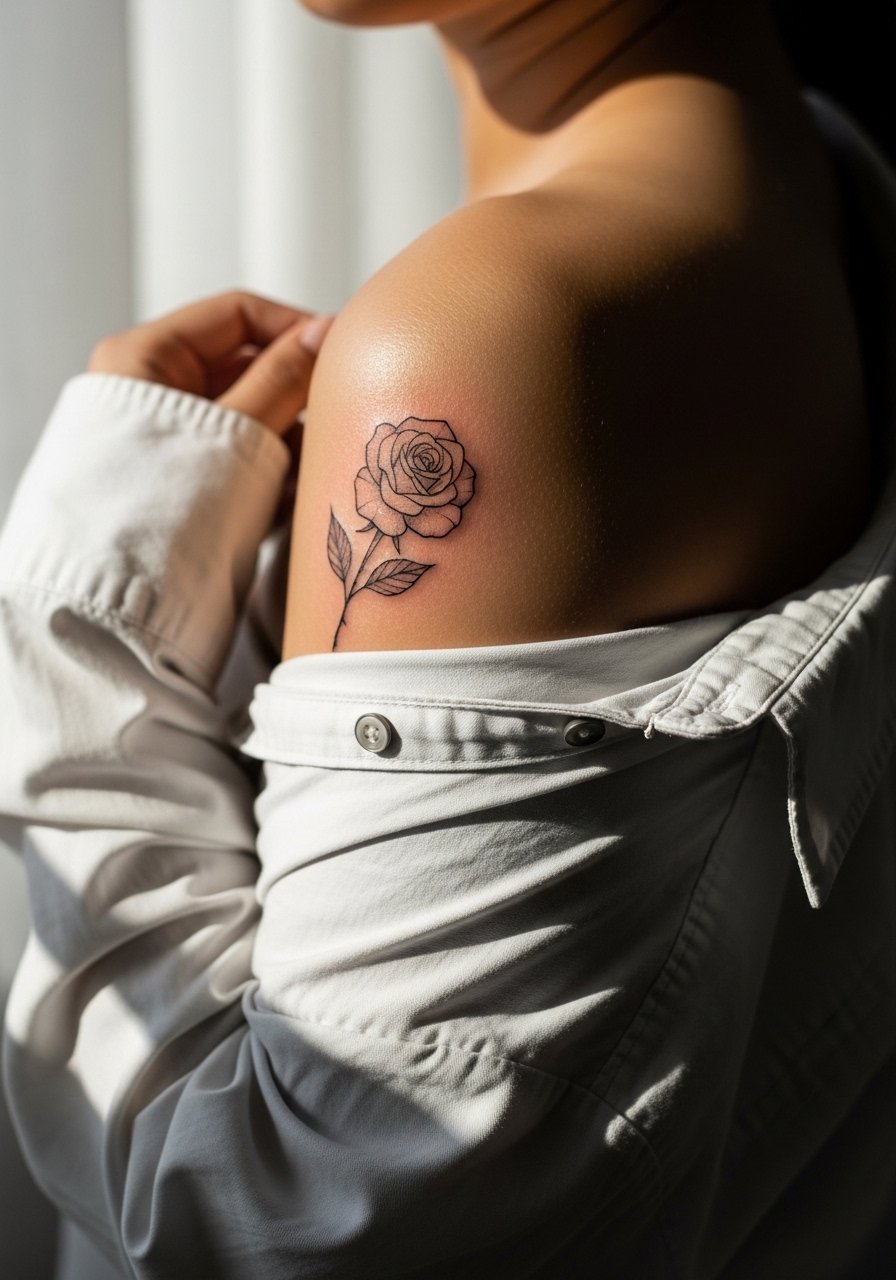
Shoulder skin takes saturation well and shoulders move less than some torso areas. Ask for a single outline with light stipple shading rather than dense fill if you want a long-lasting micro rose. Session time is 45–90 minutes and pain is low to moderate. A common error is requesting multiple overlapping petals in a very small area. At six months the rose looks soft and readable. At two years it will still have form if the artist avoided overpacking. For outfits, an open-shoulder top or a loose button-down shirt works well for both the session and showing off the piece.
9. Negative Space Lettering on the Collarbone
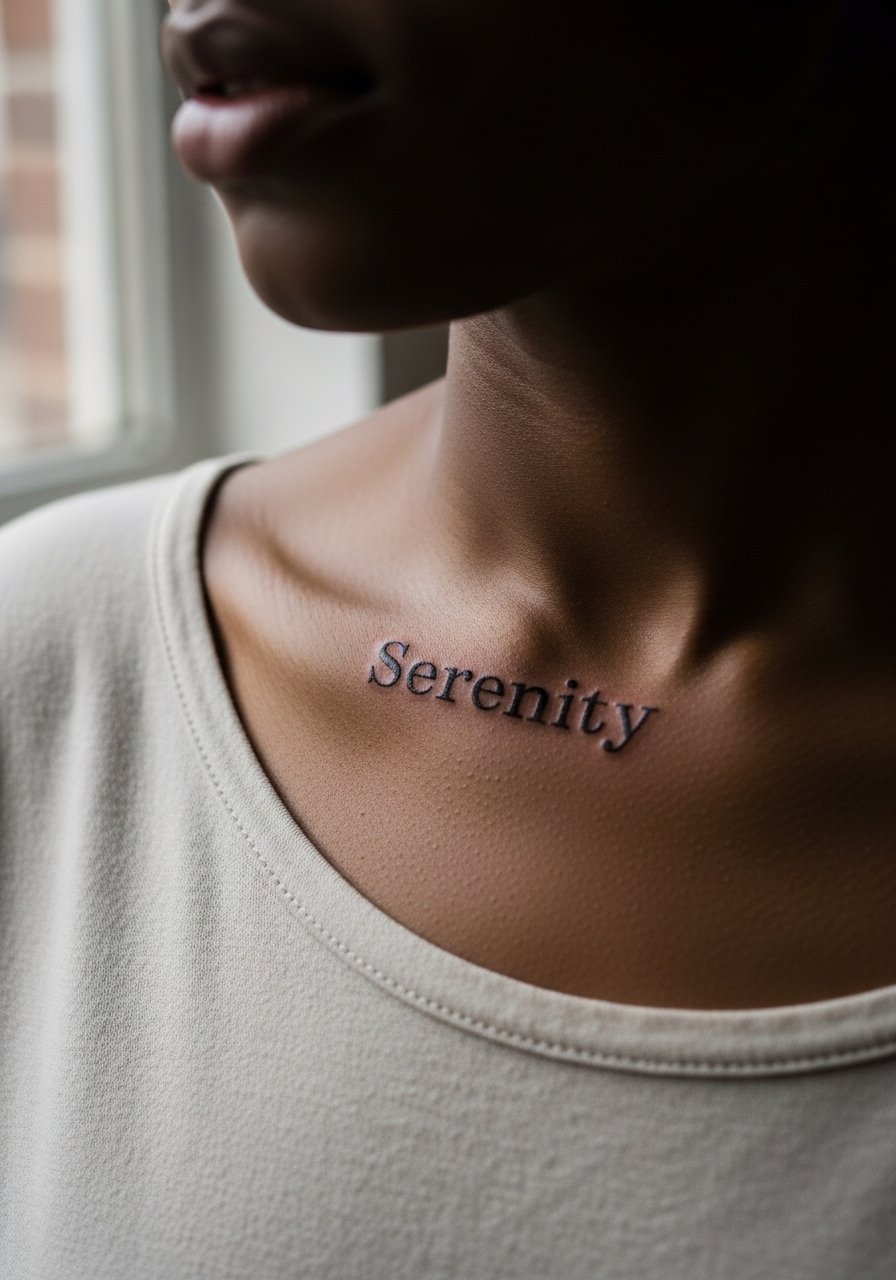
Collarbone pieces read elegant when letters use negative space and clean linework. Ask your artist for slightly thicker counters in the letters so the negative space holds over time. Pain tends to be moderate because of the bone. Expect a 30–60 minute session. A frequent mistake is choosing ultra-thin script that disappears into wash after a year. At six months the letters should be legible. At two years the negative space can close if the counters were too narrow. For showing the collarbone, a thin chain pendant necklace sits above the text without crowding.
10. Calf Micro-Landscape
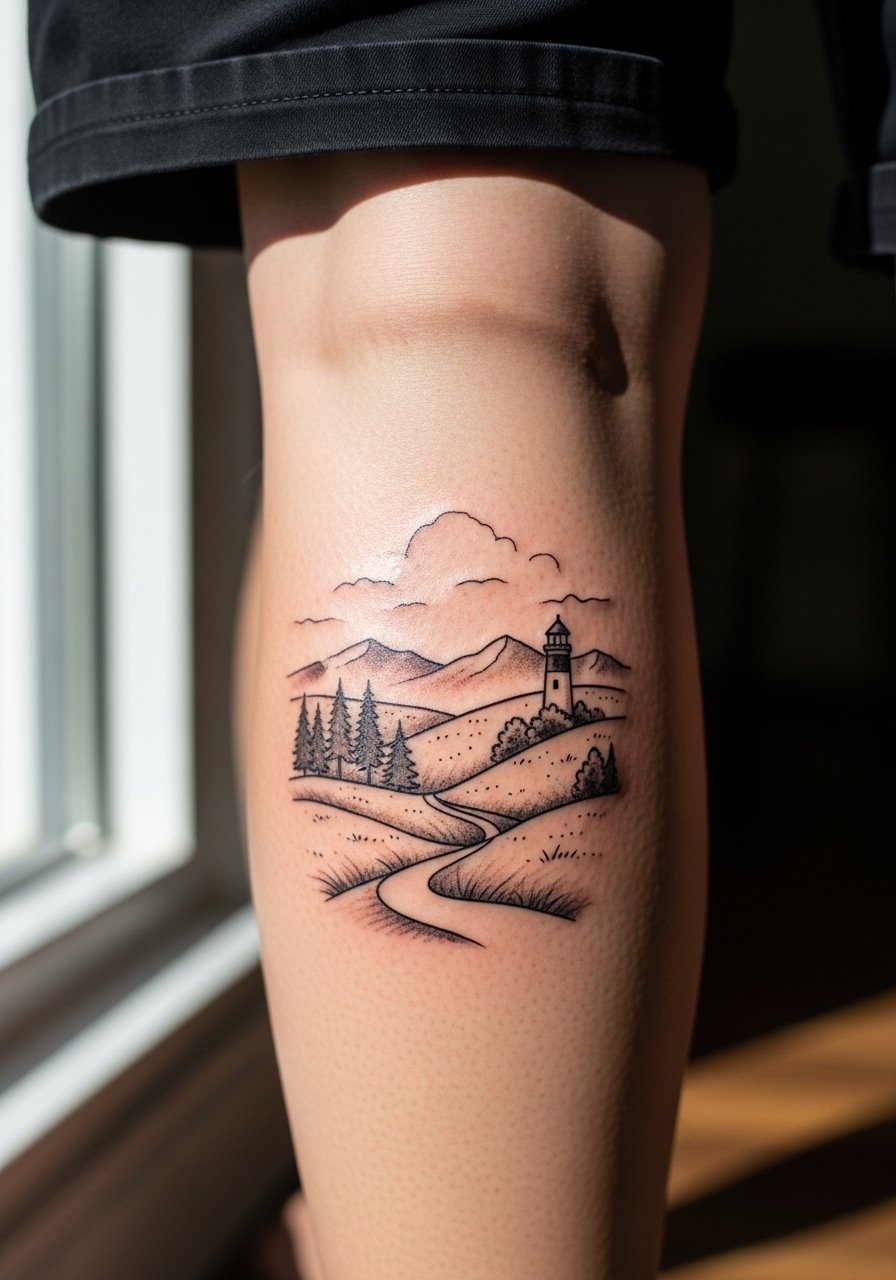
Calves provide enough flat surface for tiny scenes while staying out of friction zones most days. In consultation describe which elements must remain crisp and ask for stipple and whip shading to suggest depth rather than heavy saturation. Session time usually 1–2 hours. Common mistake is compressing horizon lines and tiny trees into too small a patch. At six months the scene keeps its shape. At two years the horizon may soften but still reads if the composition allowed breathing room. For display with shorts, pair the calf with mid-calf boots or a loose drawstring linen pant rolled up to show the art.
11. Thigh Botanical Cluster
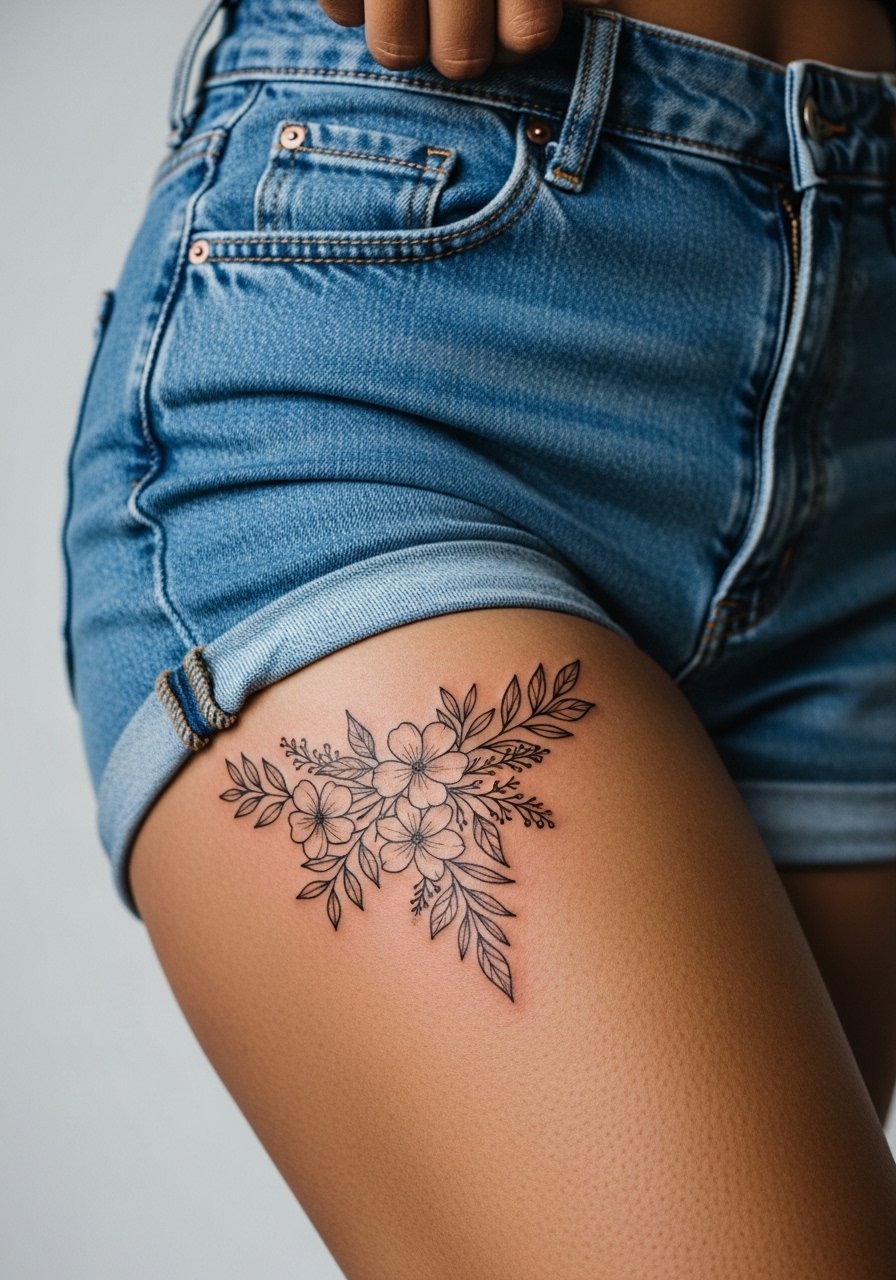
The thigh is forgiving and ages well for clustered botanical fillers. Ask for varied leaf sizes and intermittent negative space so the piece does not compact into a blotch. Sessions range 1–3 hours. A common mistake is packing too many tiny leaves into a small patch. At six months the contrast is soft. At two years the cluster will still read as long as the artist did not overwork saturation. For session wear bring loose shorts or a wrap skirt so the artist can access the area without tight fabric rubbing the fresh ink.
12. Tiny Script at the Nape
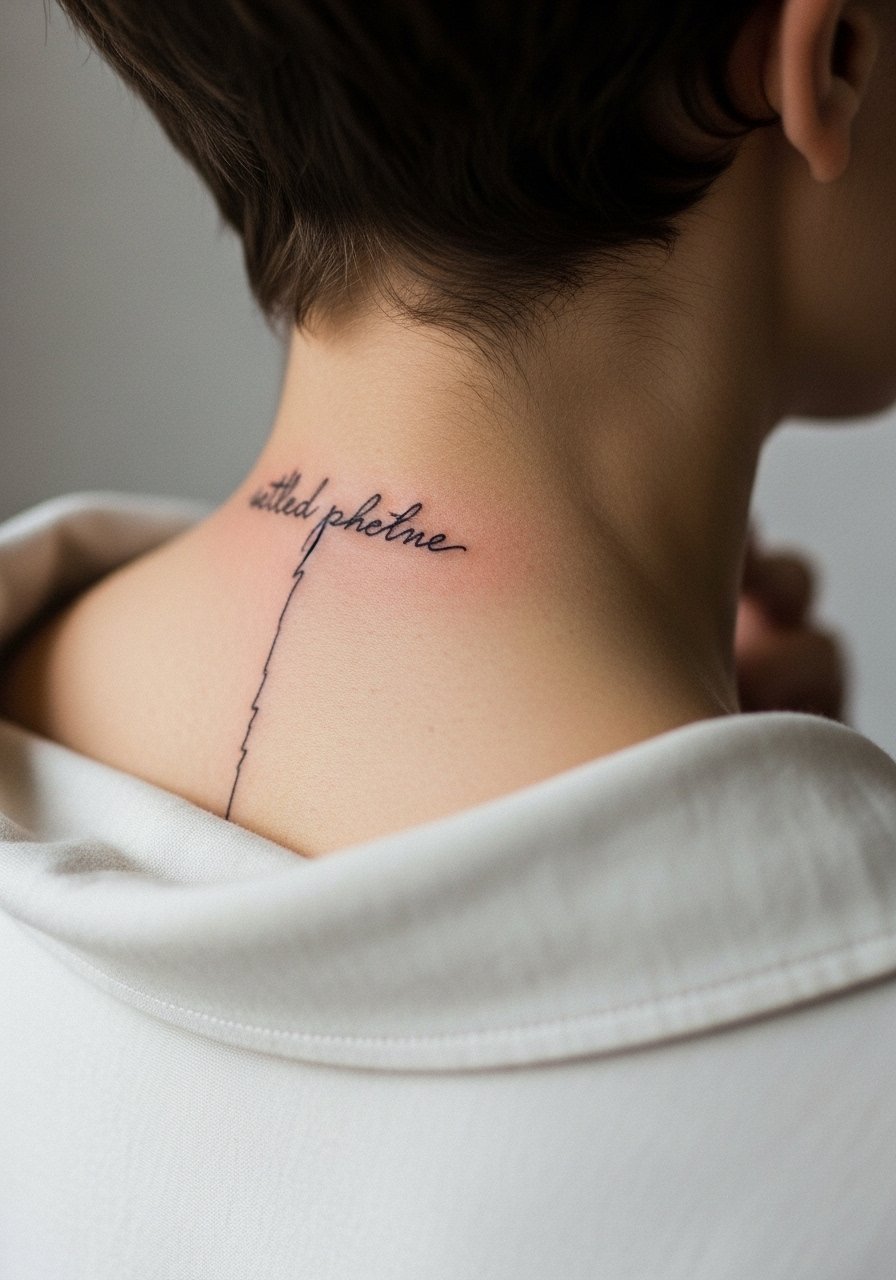
A little script at the nape looks discreet and frames necklines nicely. Request slightly bolder stroke weight than you imagine so the letters do not thin out as the skin renews. The session is quick and pain is low to moderate. A mistake is choosing extremely thin serif letters that blur after a year. At six months the letters read clean. At two years expect mild softening. For showing the nape, collars and low ponytails pair well. Consider a wide-neck shirt to reveal the piece without overexposure.
13. Sternum Dotwork Stem

Sternum work sits in a high-movement zone and healing is unique there. Request dotwork and light stippling rather than solid fills to avoid thick scabs. Expect higher pain and a session that may need breaks. Common mistake is asking for dense color over the sternum which scars unevenly on many people. At six months the dots soften but hold pattern. At two years the piece can still read well if spacing was prioritized. Note that sternum sessions require an artist experienced with chest movement and stretching.
14. Chain-Link Bracelet Tattoo on the Wrist
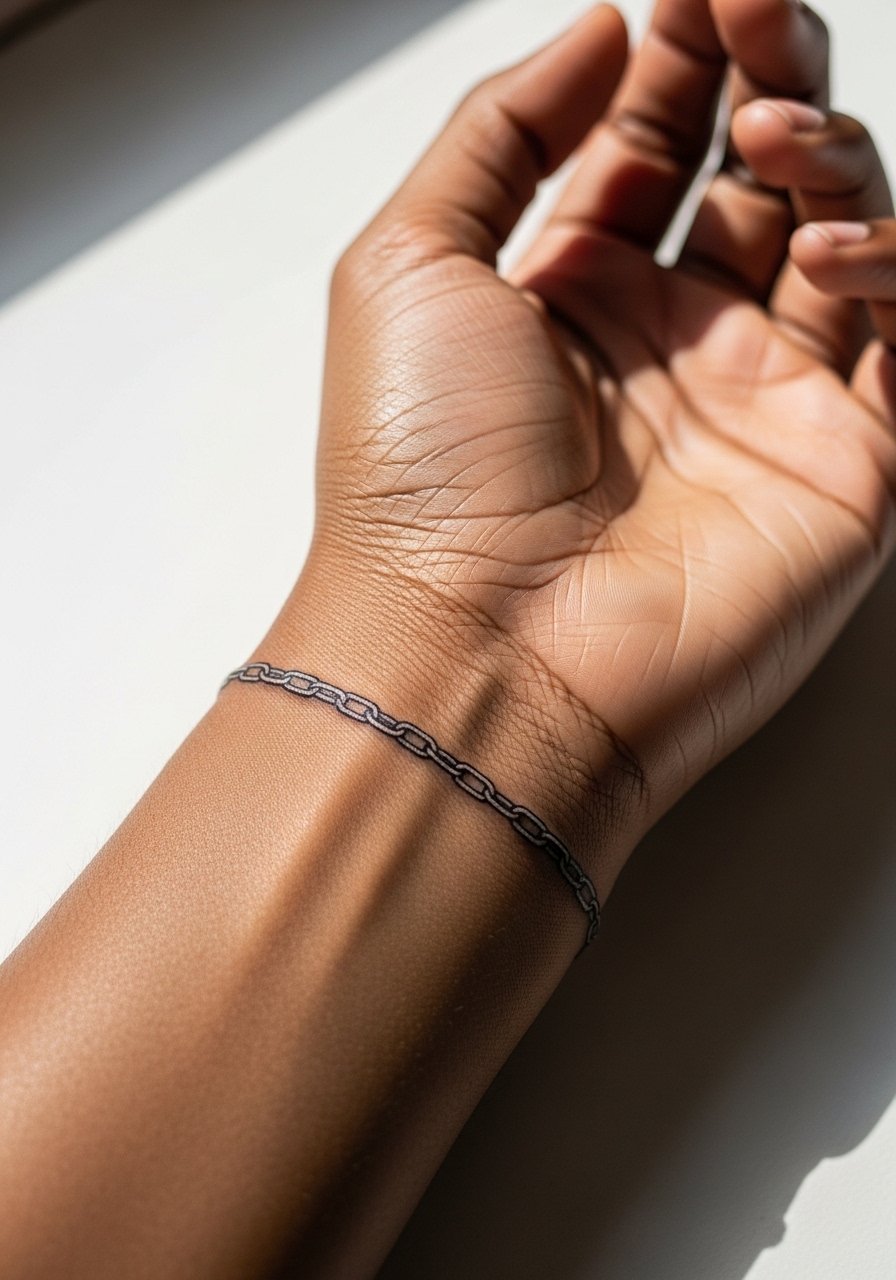
A thin chain-link around the wrist is a great realistic filler that doubles as jewelry. Tell the artist you want slight irregularity between links so the linework looks hand-drawn and avoids a mechanical repeat that disguises aging. Session time is 30–60 minutes and pain is moderate. Mistake to avoid is perfectly identical links which age into an indistinct ring. At six months the links should remain clear. At two years expect a need for a tiny touch-up where the bracelet rubs against watches or bracelets. Pair it with a minimalist watch or a thin chain bracelet set to keep the wrist curated.
15. Micro-Realism Eye on the Hand
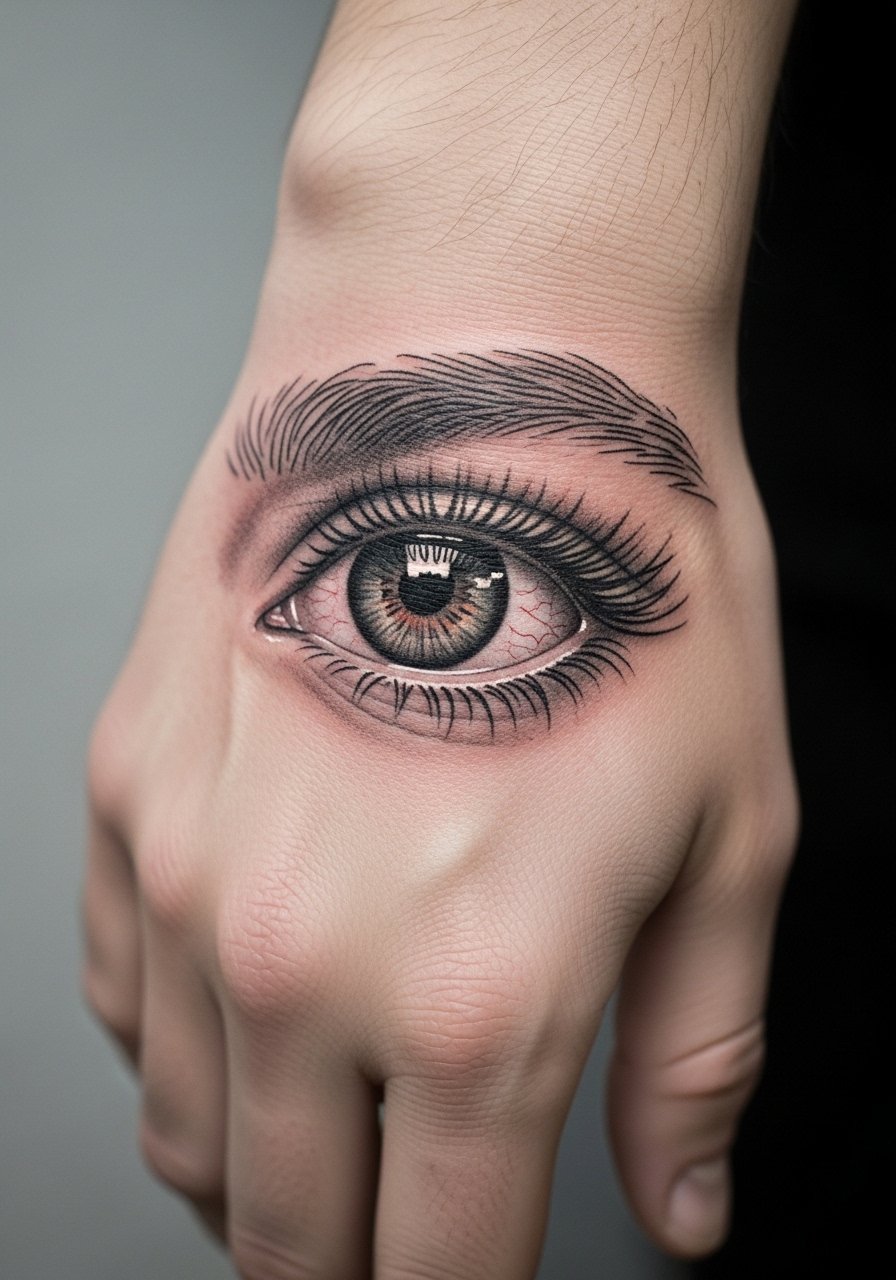
Hand tattoos are controversial for visibility and longevity. One camp argues hand pieces show character and wear well into a lived-in look. The other camp warns they fade and blur faster because of constant wash and sun exposure. I recommend only getting a hand filler if you accept likely annual touch-ups. The skin on the hand sheds more and blowout risk is real. Session time is short but painful. At six months the eye will likely look fine. At two years expect more pronounced softening and potential blur between lines. Think through career visibility before booking.
16. Small Geometric Back-of-Neck Glyph
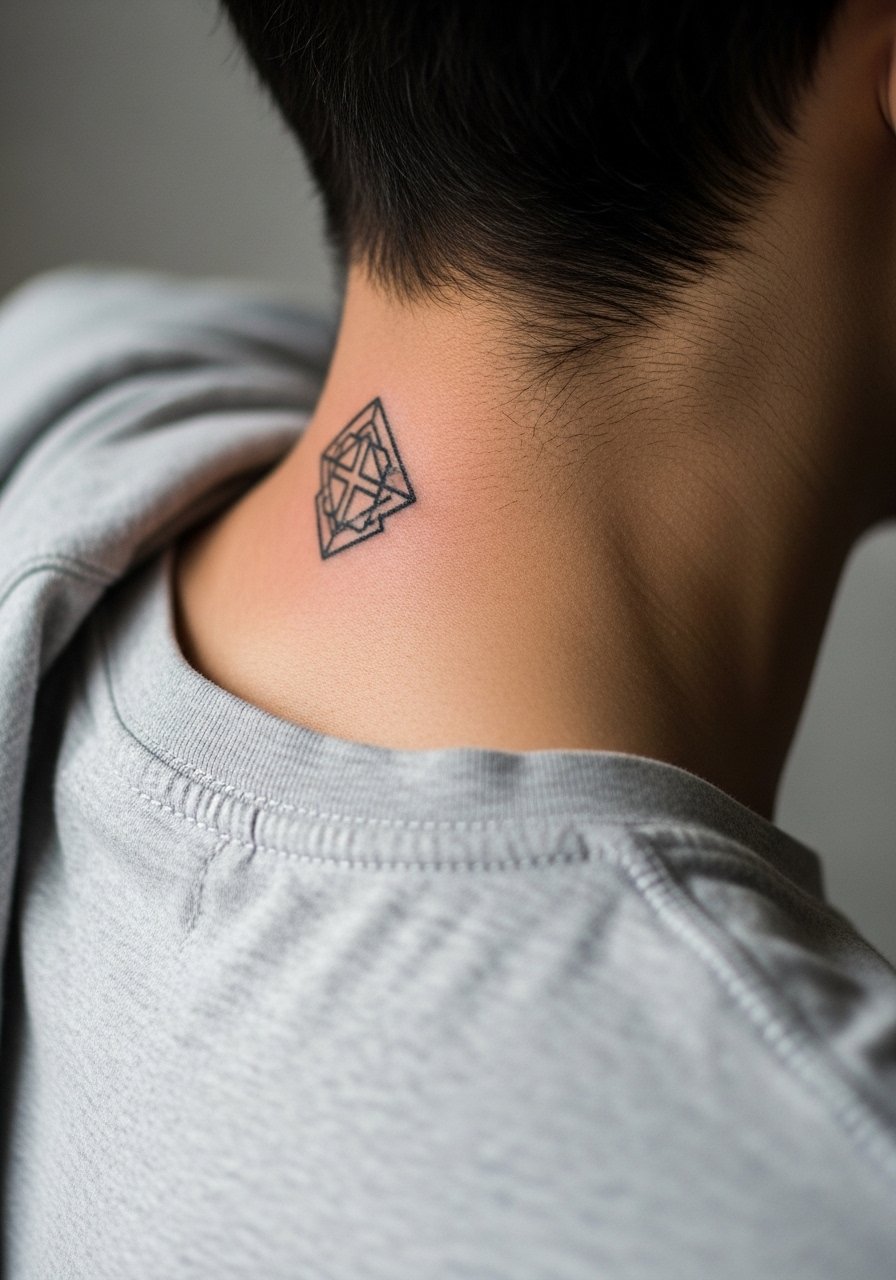
A small glyph at the nape can be a neat filler that peeks out from hair or collars. Ask for bold counters and slightly increased line weight so the symbol withstands friction from collars and hair. Pain is low to moderate and the session is brief. Common mistake is expecting ultra-thin lines to remain razor-sharp under constant movement. At six months the glyph keeps form. At two years the edges will soften if the initial lines were hair-thin. For showing the piece with neckline outfits try a crew or wide-neck tee you can shift when you want to reveal it.
17. Delicate Ankle Script with Tiny Symbols
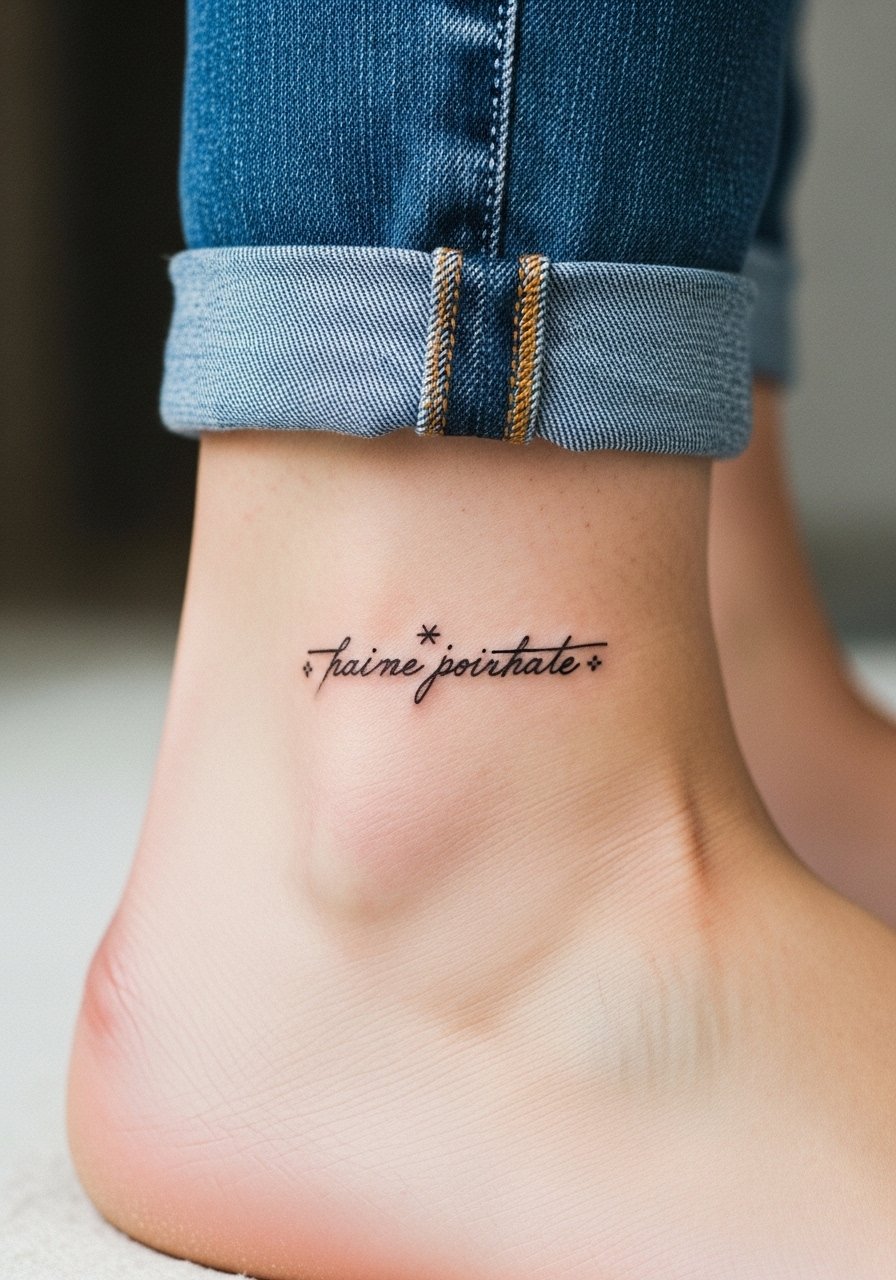
Ankle script with small glyphs makes a tidy filler that reads well if the letters have breathing room. Tell the artist you want the symbols separated by negative space and slight dot separators to prevent merging. Pain is moderate near bone and sessions are typically 30–50 minutes. A frequent error is crowding multiple tiny marks into the smallest strip of skin. At six months the script will still read. At two years expect mild softening in the smallest dots. For showing the ankle, low-top sneakers or sandals with cropped trousers work best and pair nicely with a women's low top sneakers.
Frequently Asked Questions
Q: Will fine line fillers like wrist constellations and forearm arrows need touch-ups often?
A: It depends on placement and sun exposure. Wrist and finger fillers usually need touch-ups sooner than inner forearm work because of constant hand washing and friction. Ask your artist about expected touch-up timelines and plan for a minor refresh at 18–36 months for the smallest dots.
Q: Are ribcage mandalas worth the risk if I want detailed geometry?
A: Artists are split. One camp says ribs blur fast because of breathing and skin stretch. The other camp says correct spacing and depth makes them last. If you want a mandala there, choose larger spacing, accept a likely touch-up, and ask the artist about their ribcage portfolio.
Q: How should I dress for a sternum, rib, or inner thigh session?
A: Wear clothing that gives the artist clear access while keeping you comfortable. For sternum pick a fitted sports bra or bandeau. For ribs a cropped top that you can lift is best. For inner thigh shorts you can pull up slightly work well. Loose, easy-to-shift garments reduce appointment stress.
Q: Do hand and finger tattoos affect job prospects, and how long do they last compared with other fillers?
A: Hand and finger tattoos remain more visible in professional settings, so consider workplace norms. They also fade faster and are prone to blowout because of constant use. Expect more frequent touch-ups and weigh visibility against maintenance.
Q: What should I ask my artist during a consultation to ensure a realistic filler outcome?
A: Ask them to show healed photos of similar placements, specify whether they plan stipple or whip shading, and request spacing that leaves negative areas around tiny elements. Also ask about their touch-up policy so you know how they handle small refinements later.
