
Fine line cover-ups look delicate in photos but they face a real test in daily life. Trends push tiny script and micro-realism, and then years of sun and friction reveal which choices were short term and which last. For cover-ups you want depth that hides old ink, spacing that keeps detail readable, and placement decisions that work with your wardrobe. The first idea below starts on a forearm so you can see how spacing and line weight make a cover-up hold.
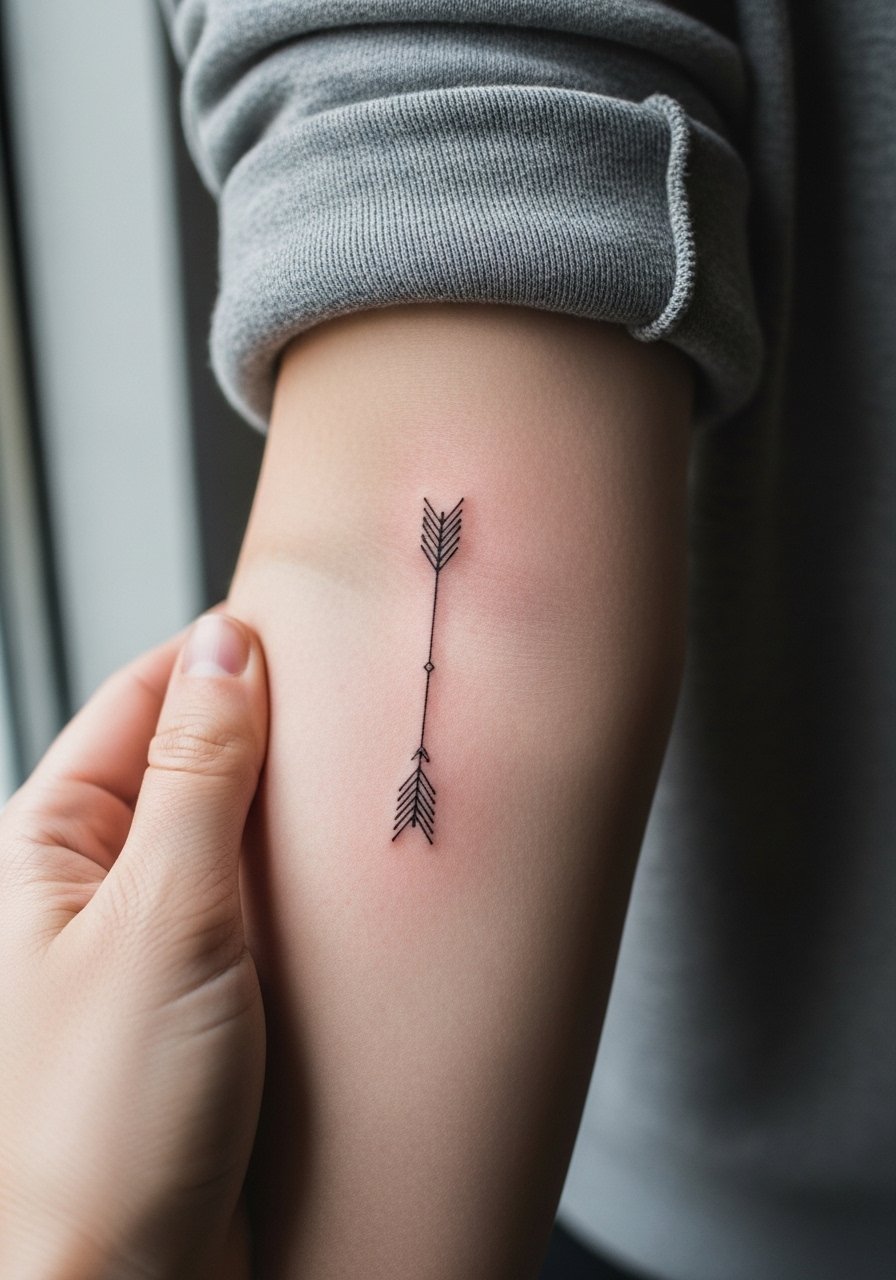
1. Fine Line Arrow on Inner Forearm
I've seen this exact cover-up on people who wanted something small but readable for years. For an inner forearm cover-up, ask your artist for slightly heavier linework than a fresh fine line piece, so the new lines mask old shadows without looking heavy. Expect a three out of ten on pain and a single 60 to 90 minute session for a neat size. Common mistakes include placing the arrow directly over darker pigment without layered shading to break up the old ink. At six months the linework should look soft and even. At two years expect some lightening. Pair with rolled sleeves or a loose linen shirt when you want to show the arm without glare.
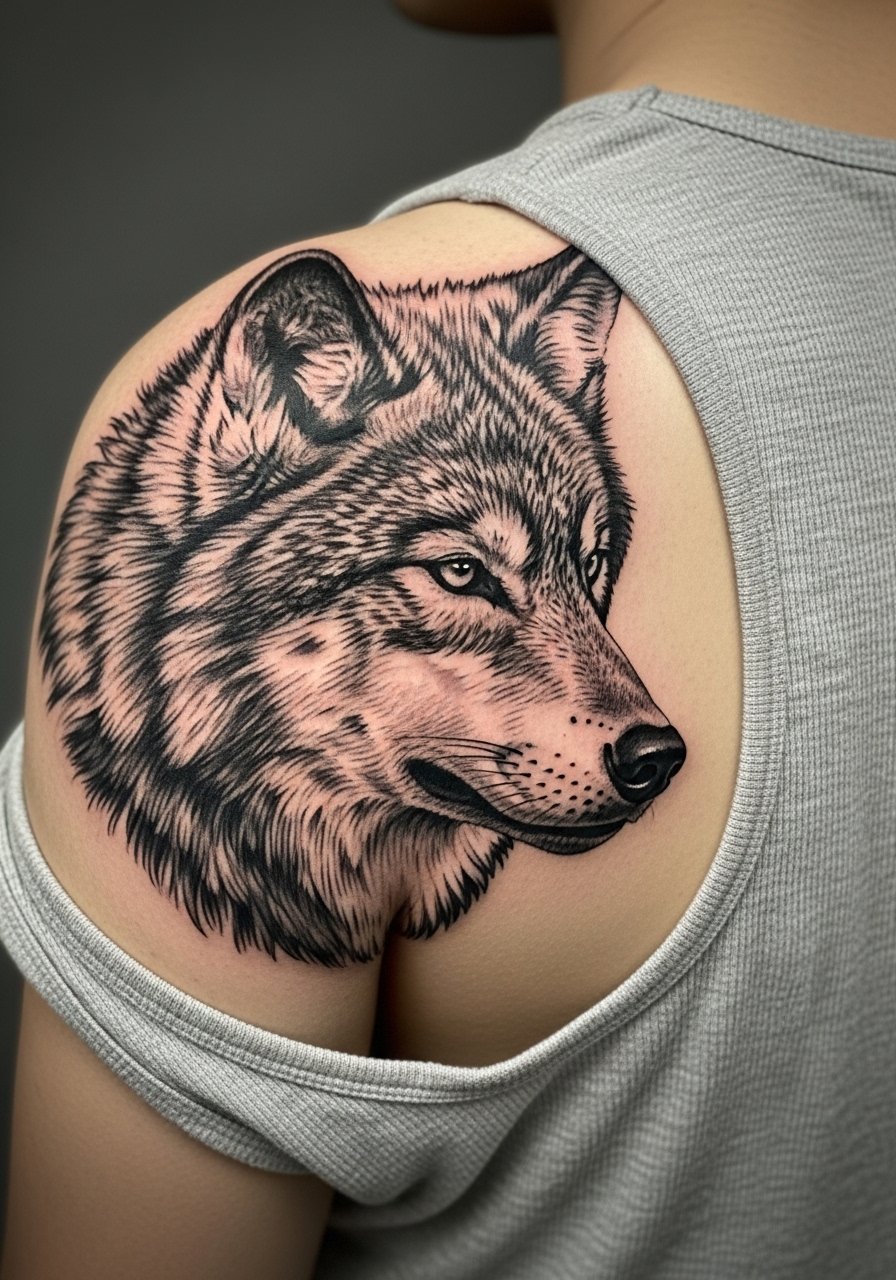
2. Micro-Realism Wolf Head on the Shoulder Blade
Fair warning, the shoulder blade sits on a bony surface and rates a five out of ten for pain for most people. For cover-ups here, micro-realism benefits from subtle stipple shading that breaks up dark patches under the skin. Tell your artist to layer dot work rather than rely on single flat fills. Session time is commonly two to three hours. A mistake is asking for too much tiny detail in a small patch. That detail blurs faster on a shoulder than on denser-skinned areas. Wear an open-back midi dress to show this placement, or bring a loose tank for the session so the artist can work without stretching your skin.
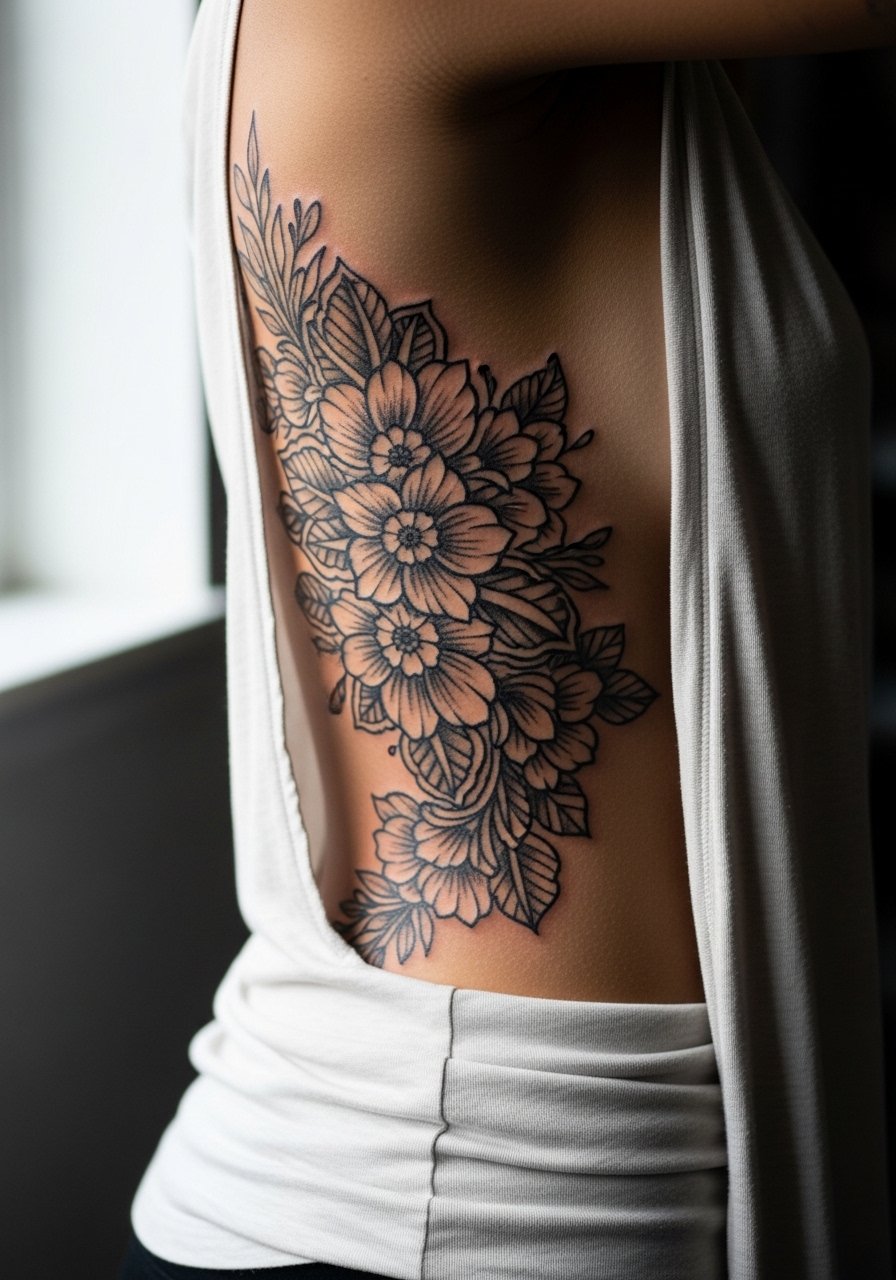
3. Blackwork Floral Over Old Script on the Ribcage
Most watercolor or faint script pieces on the ribs fade into patchy color after a few years. This blackwork option holds because it uses saturated fills arranged to interrupt the old letters. Tell the artist you want negative-space petals that sit over the darkest lines. Expect a seven out of ten pain rating and two or more sessions depending on how dark the old ink is. One camp of artists says heavy saturation here ages fine. The other camp worries about skin stretch making fills look uneven. Ask where they stand before booking. For the session wear a cropped top you can lift slightly so only the ribcage is exposed.
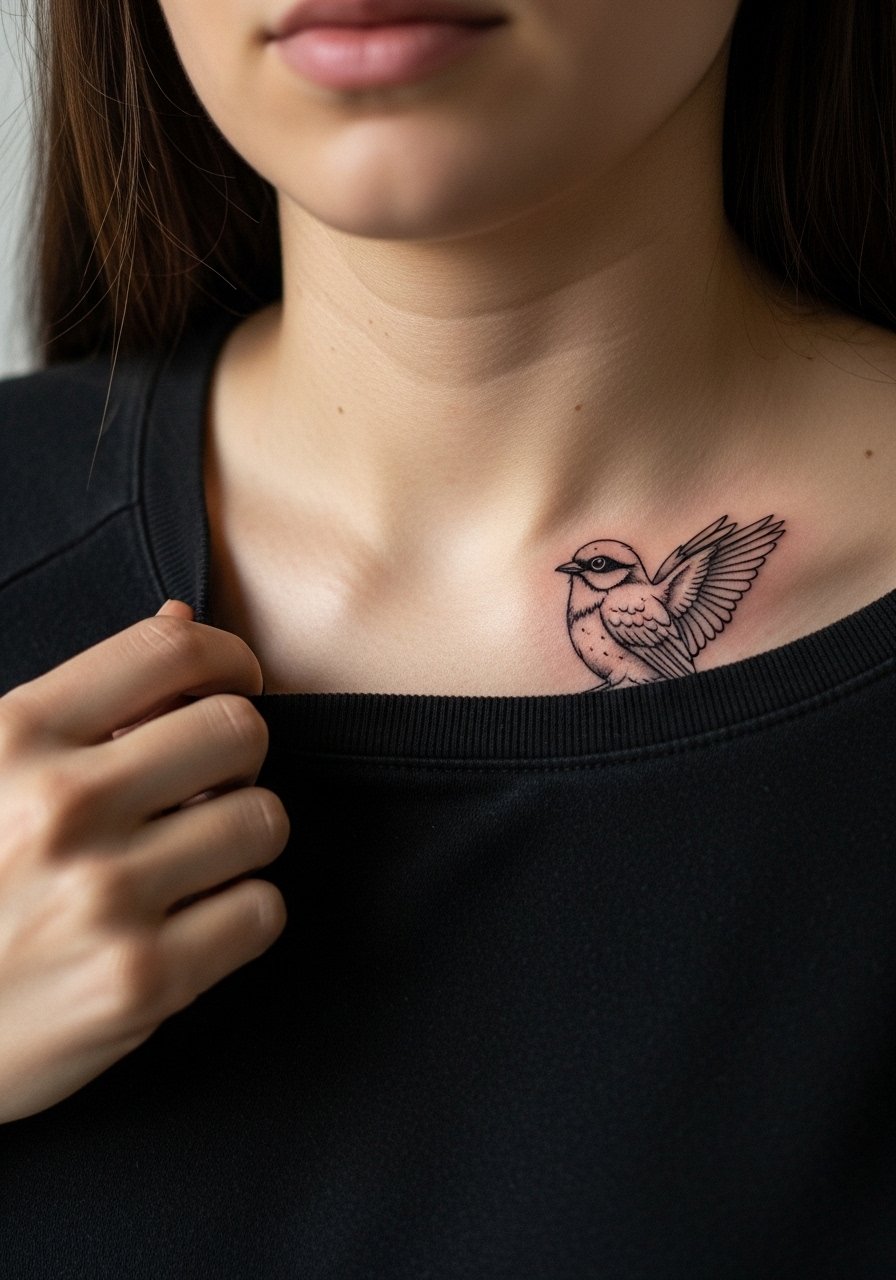
4. Micro-Realism Bird on the Collarbone
There is visual impact when a small micro-realism bird sits near the collarbone. It draws attention without dominating the chest area. Placement reads differently when you wear a wide-neck shirt or a thin chain. For cover-ups, tiny feathers are arranged to cross older dark strokes so the old lines break up visually. Pain is moderate. Typical session time is 60 to 120 minutes. A common error is requesting ultra-tiny feathers against dense old ink. If the old ink is saturated, push for slightly larger elements so the new shading can mask it. Style this with a thin chain pendant necklace that sits just above the artwork.
5. Botanical Sleeve Patch to Mask Heavy Linework
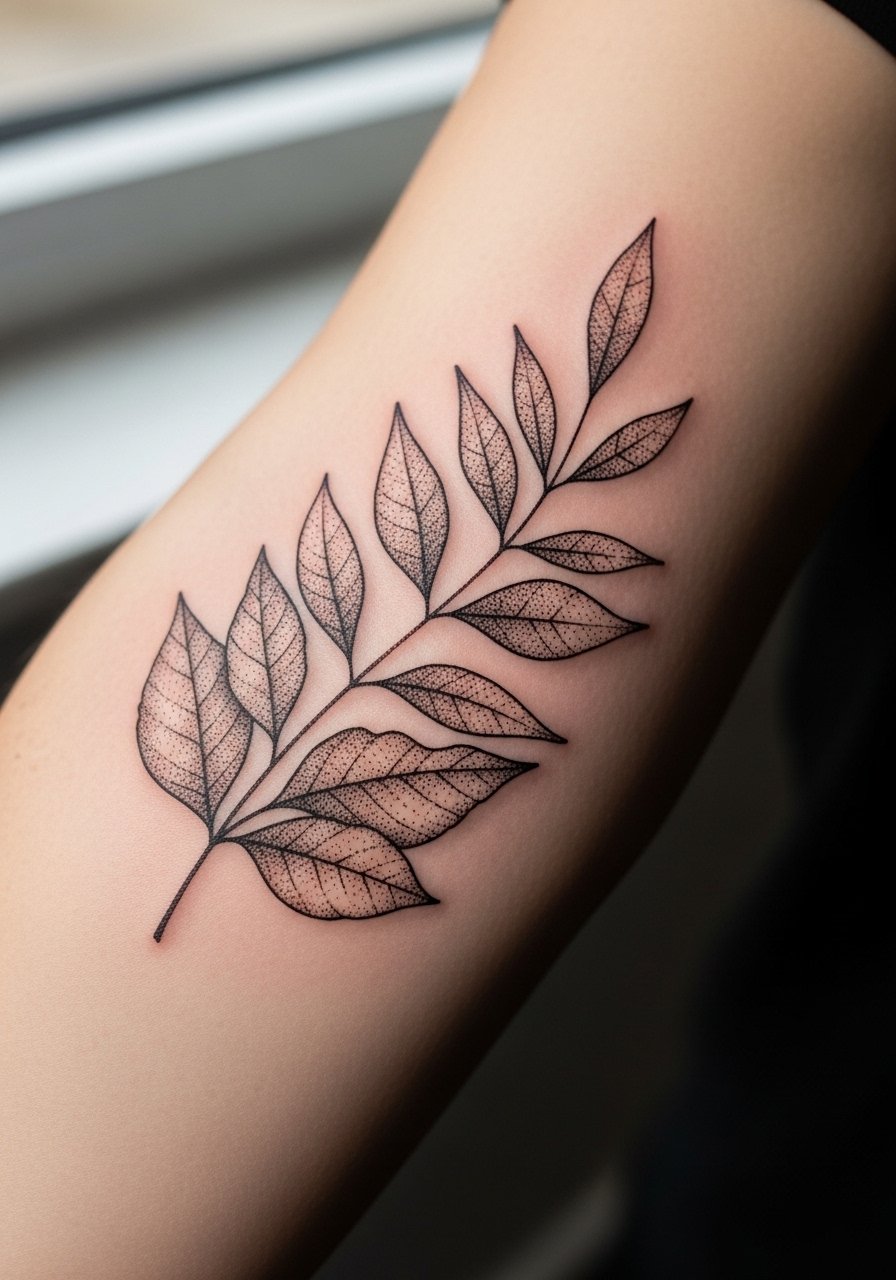
The biggest mistake with sleeve patch cover-ups is going too small for the scale of the old lines. Start with a larger botanical motif that borrows leaf clusters to break old strokes. In consultation ask for varied leaf sizes and stipple shading to avoid a flat block. Sessions vary from two to five hours depending on coverage and layering. Over time the stipple fades more evenly than one solid shaded block. For daytime styling, rolled-up sleeves or a button-down shirt frames the forearm while letting the patch breathe.
6. Geometric Mandala Over Blurred Black Lines on the Calf
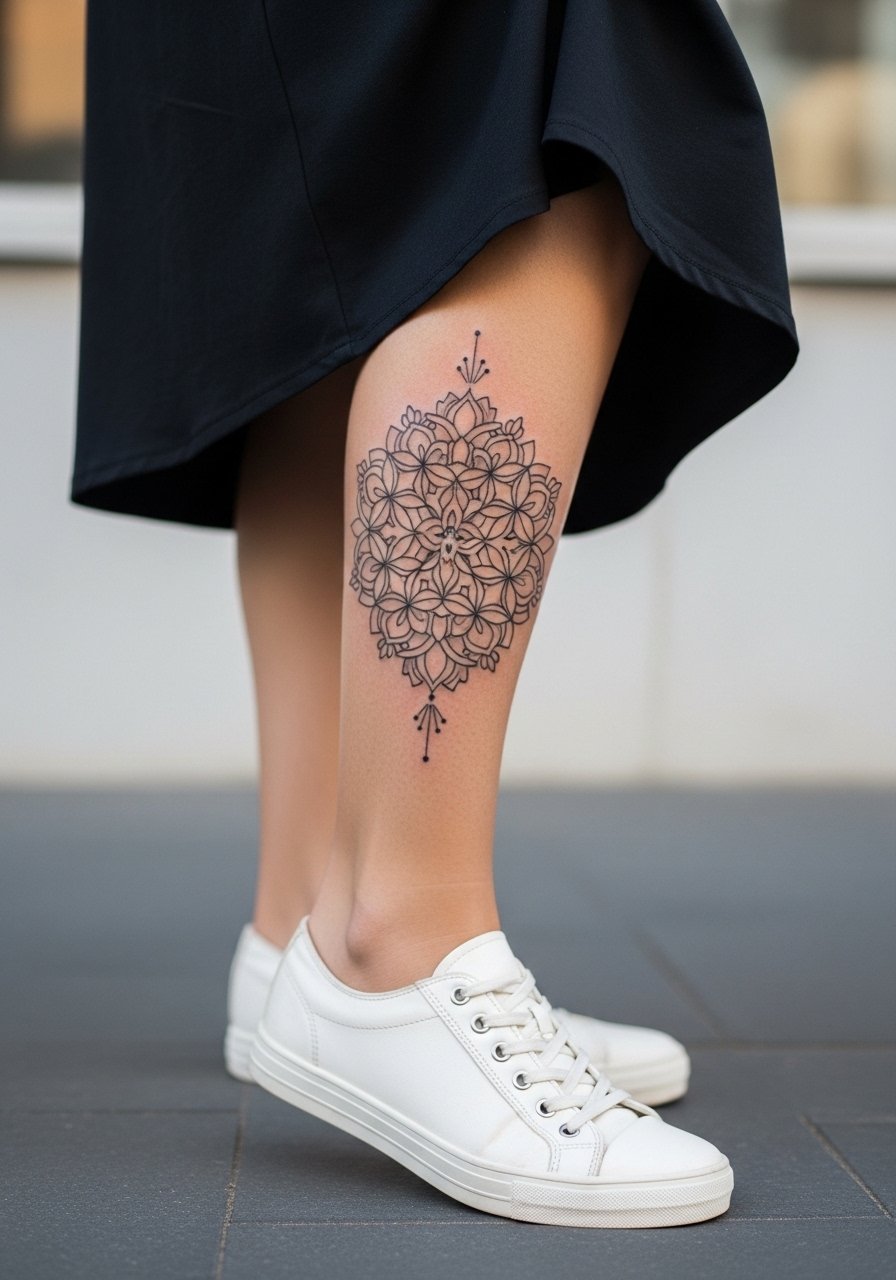
When you sit down with your artist for a calf cover-up, bring reference photos that show exact line weight and spacing you like. The calf accepts denser linework with lower blowout risk than thinner areas. Often a geometric mandala uses concentric spacing to overlay and break older blurred lines. Session time is usually 90 to 180 minutes. Mistakes happen when the circles are packed too tightly for the calf's movement. At two years expect softer edges along high-flex zones. Pair this with a mid-length skirt or sandals so the mandala gets daylight.
Studio Day Picks
The shoulder, forearm, and calf pieces above need different prep and first-week supplies than face or hand work. A few targeted items smooth the session and the initial healing window.
-
Stencil transfer paper kit. Lets you preview how a design sits over old lines so you can adjust scale and placement before the needles start.
-
Topical numbing cream. Applied 45 minutes before can take the edge off rib and sternum sensitivity for a more manageable session.
-
Thin protective film roll. Useful for low-profile areas like wrists and ankles where friction from clothing wears at new ink.
-
Fragrance-free gentle body wash. Cleans the area gently during showers without stripping pigments.
-
Aquaphor healing ointment. A thin layer in the first days helps lock in moisture for fine work while allowing the skin to breathe.
7. Traditional Rose to Cover Old Color on the Upper Arm
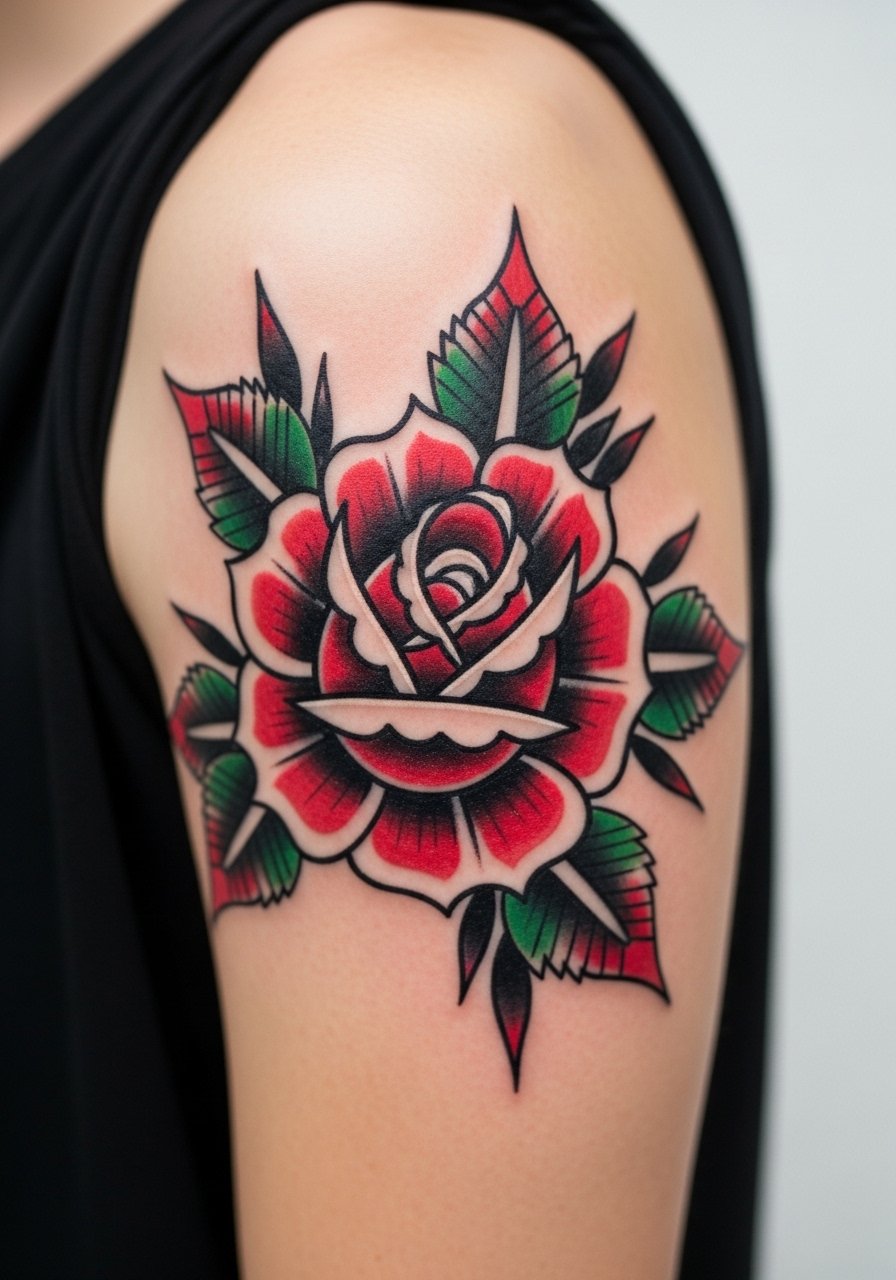
Artists split on how much color to use over older saturated tattoos. One camp recommends heavy, opaque pigments to fully hide the old ink. The other camp builds layered color with negative space so the new design reads lighter over time. I tend to favor layering when the old pigment is patchy and deeper saturation when the base is very dark. For an upper arm cover-up, traditional roses use bold outlines and thicker fills to obscure older shades. Pain is mild to moderate. Bring a shirt with a removable sleeve or wear a loose tank top so the artist can access the whole bicep without tugging.
8. Minimalist Script Reworked as Scripted Ribbon on the Wrist
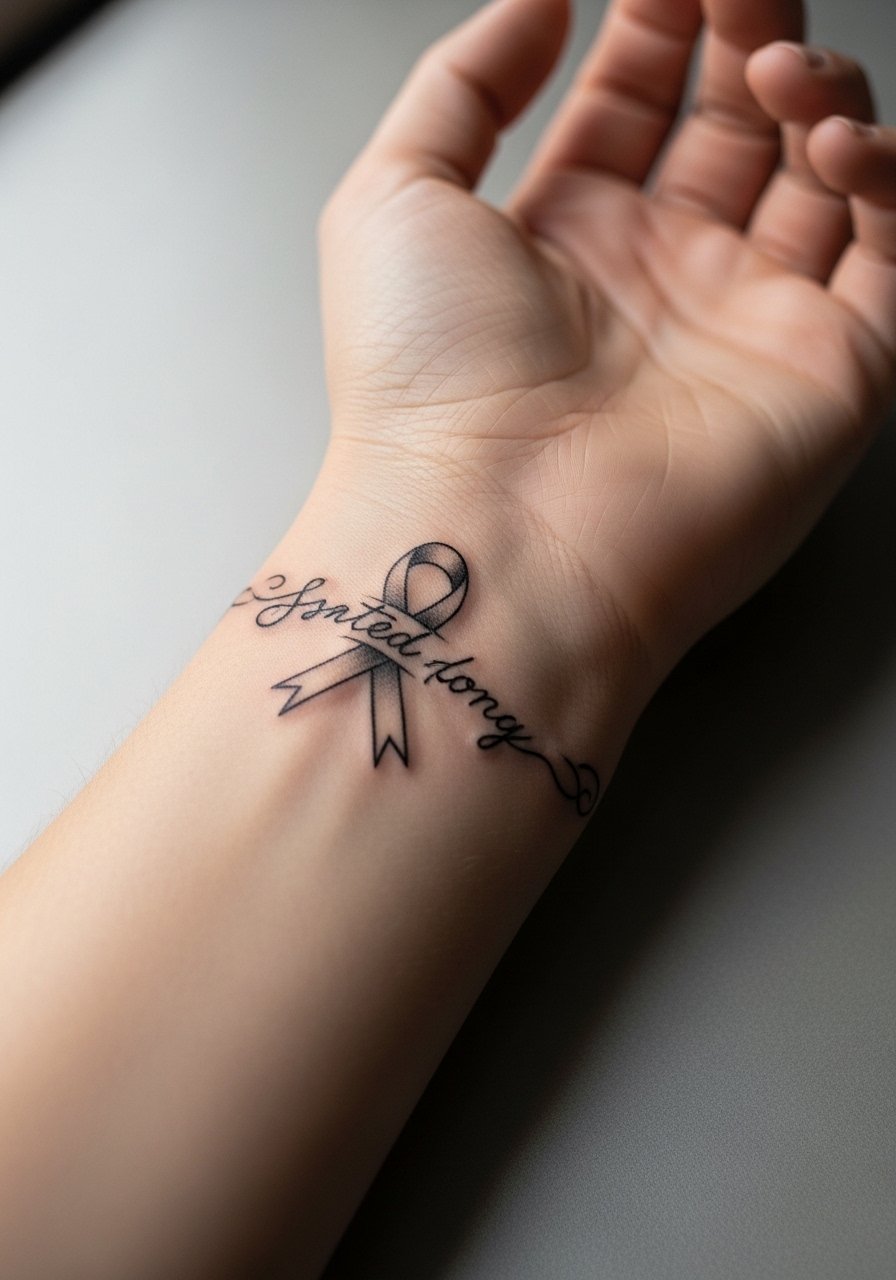
This placement looks its best paired with bracelets that frame the writing, and most people plan jewelry after the ink is done. For a wrist cover-up, reroute the old line into a scripted ribbon that flows around the wrist rather than sitting on top of the darkest pigment. The wrist is a high-friction zone and rates around a four for pain. Expect a short session under 90 minutes. During the first month expect faster fading from hand washing and sun. Pair it with a minimalist leather bracelet for evenings out and a simple watch for daily balance.
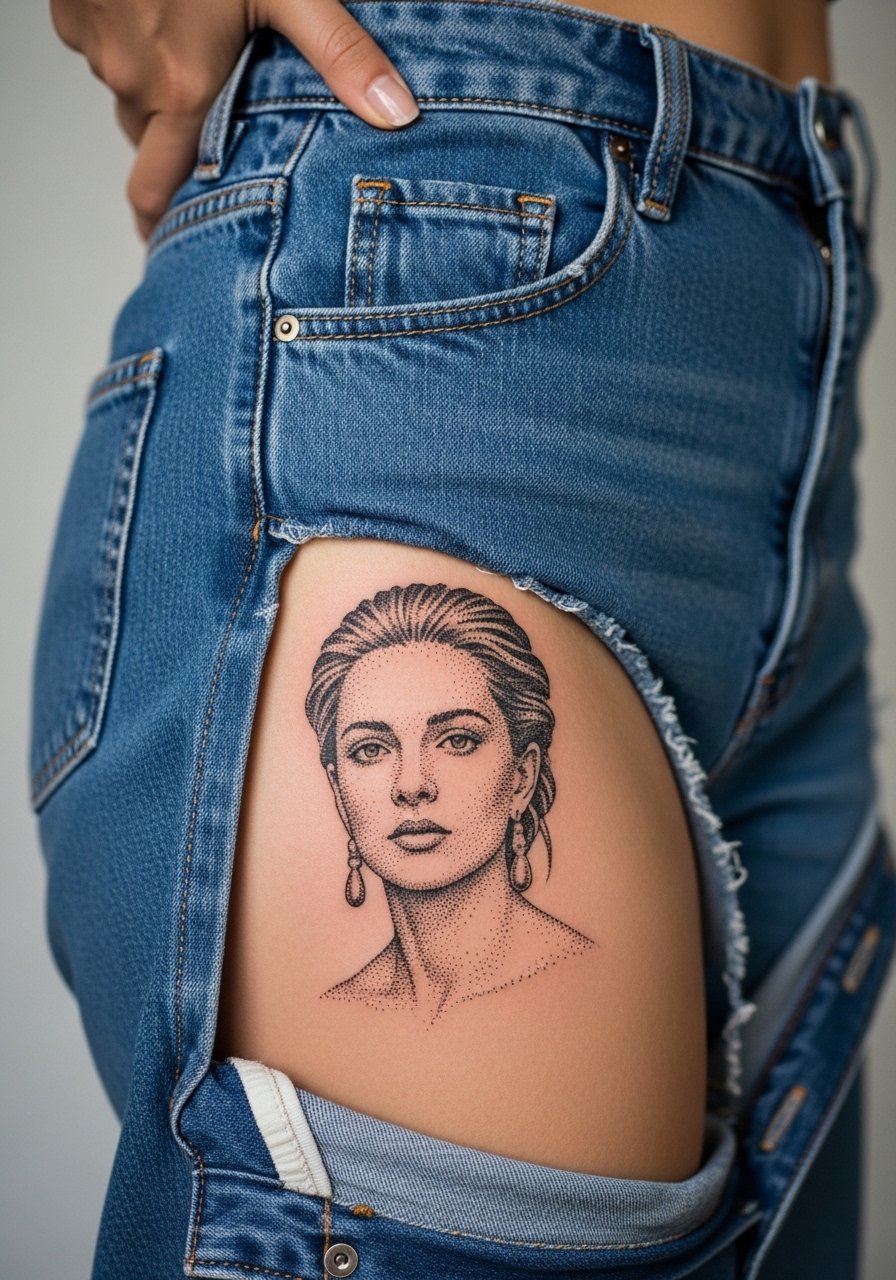
9. Stippled Portrait Patch on the Thigh
I've seen people hide bold, old motifs on the thigh by using stipple portraiture that scatters focus rather than masks everything with flat black. For inner or outer thigh work wear loose shorts or a wrap skirt to access the area during the session. The thigh handles larger sessions well and is lower on the blowout risk scale than hands. Common mistakes include asking for overly small portraits that get swallowed by dark base ink. Expect multiple sessions for buildup and touch-ups. For the appointment wear a wrap skirt or loose shorts so the artist can work without tugging clothing.
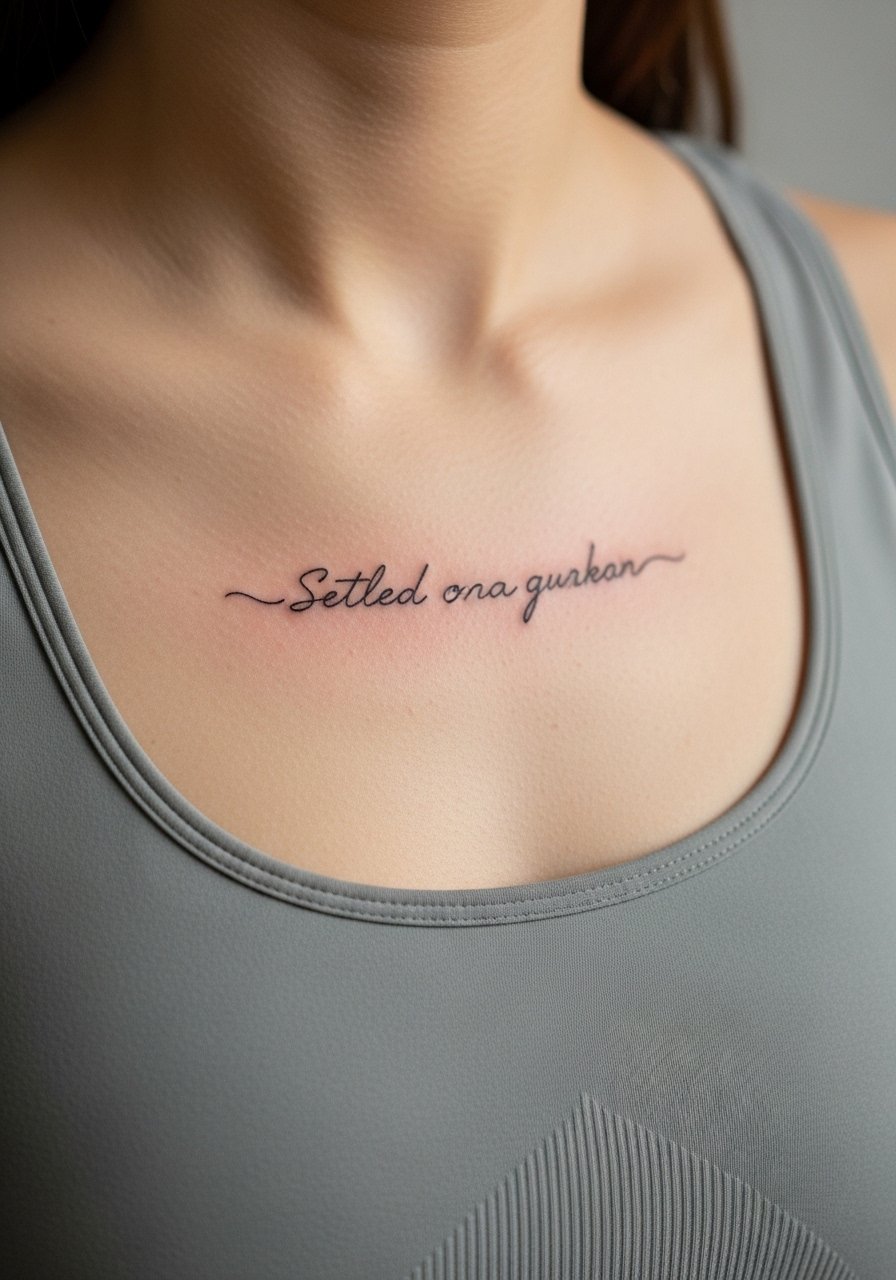
10. Single-Needle Script Over Faded Tribal on the Sternum
Fair warning, sternum placements hurt. Most people rate them a seven or eight. Single-needle script can sit elegantly over faded tribal lines if the artist uses precise spacing and couples the letters with micro-shading above old marks. Session time is often ninety minutes. A mistake is choosing extremely thin letters too close together over dark pigment. For the session wear a fitted sports bra or bandeau top you can unzip or pull down slightly so only the sternum area is exposed.
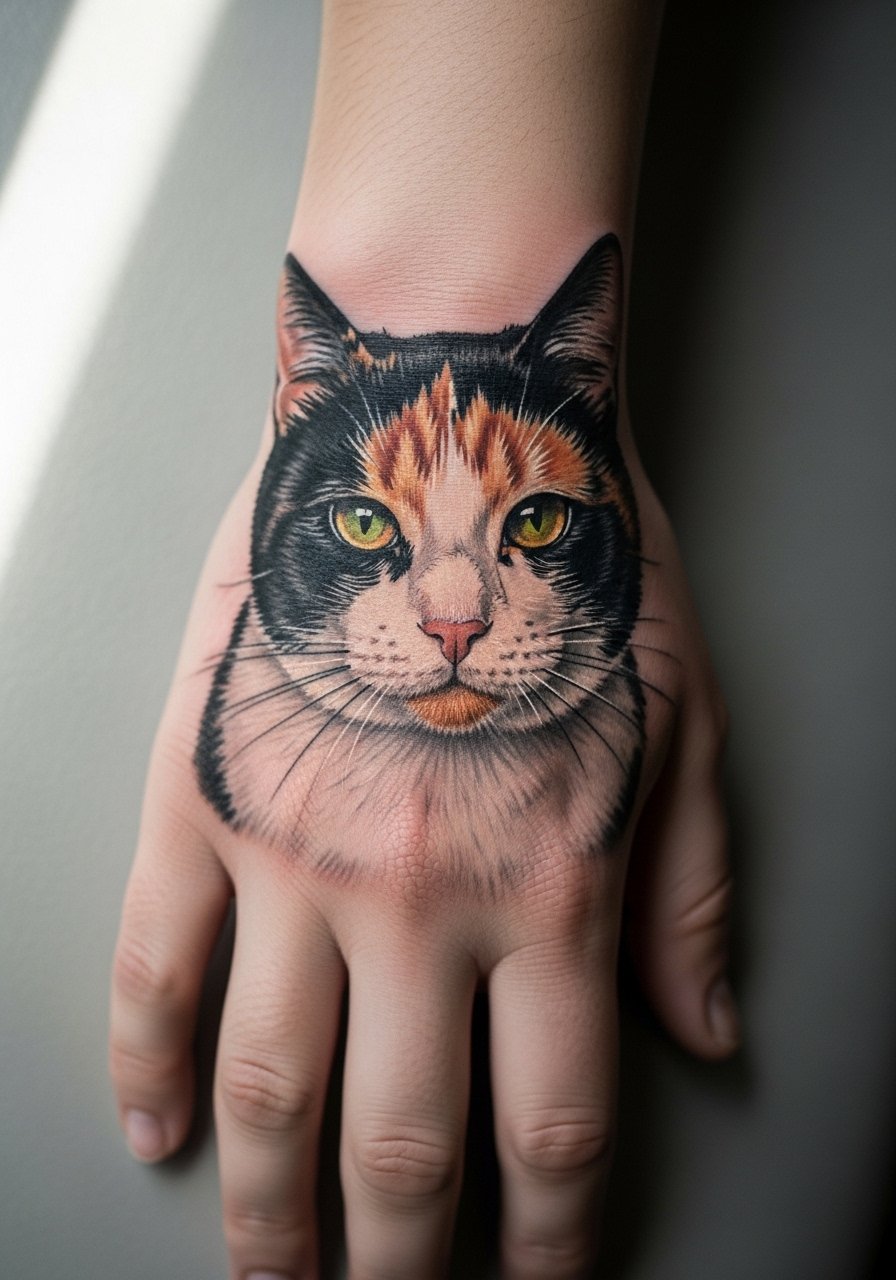
11. Calico Cat Micro-Realism on the Hand
Most hand tattoos face faster fading and industry visibility concerns. From what I have gathered, hand work needs bolder linework to avoid early softening. For a small micro-realism cat over old finger or hand marks, ask for simplified contrast rather than ultra-fine fur detail. Pain is higher because hands are thin skinned. Expect frequent touch-ups at year two or three. If your job tolerates visible hands, this can be a charming fix. Wear minimal rings for the session so the artist has clear access to the fingers.
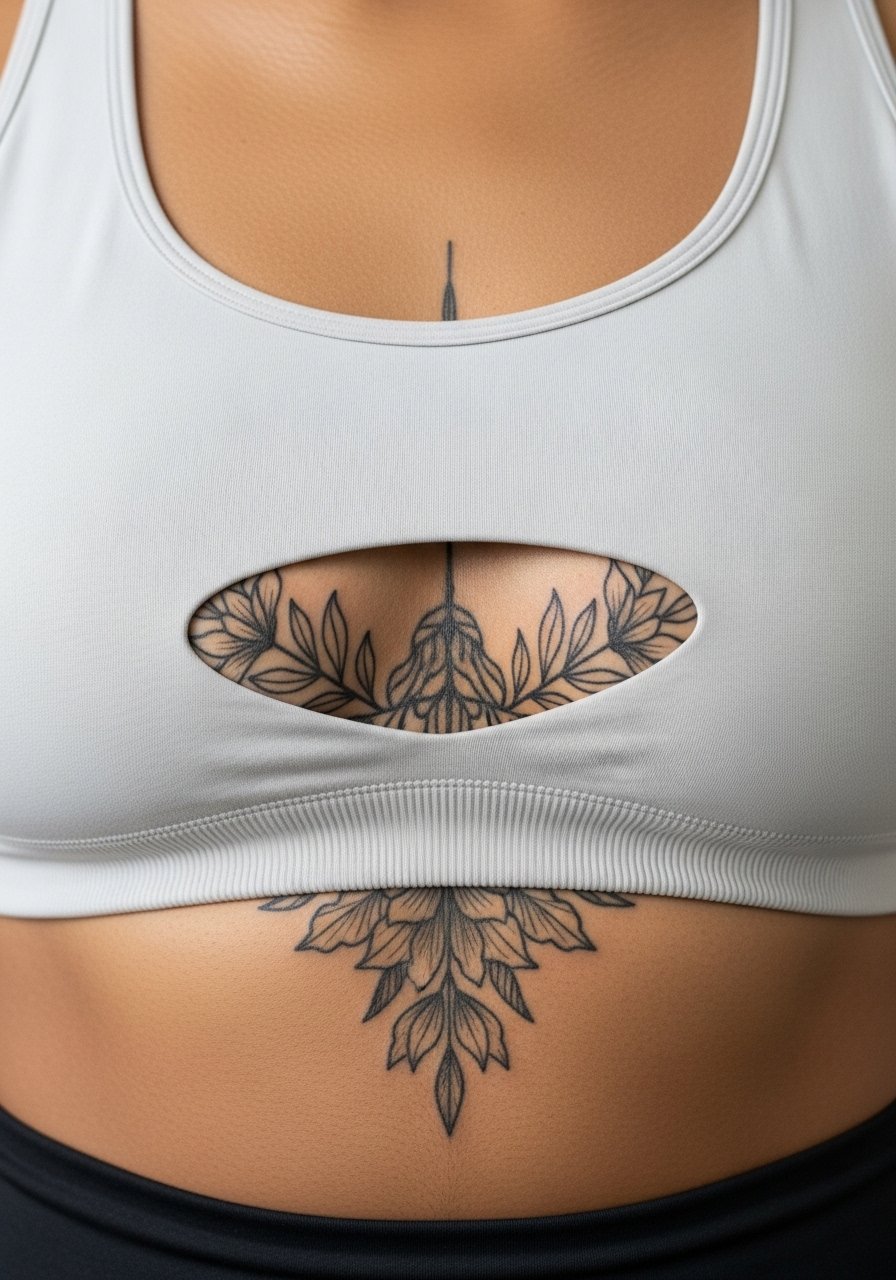
12. Botanical Sternum Band That Reframes an Old Centerpiece
There is visual impact when a botanical band reframes a faded centerpiece and pulls attention away from the old pigment. For sternum work avoid tiny leaves pressed too close to the center. Spread the motifs so they form a frame rather than a mask. Session time commonly ranges from 90 to 180 minutes. One error people make is expecting a single session to finish dense cover-ups in that area. For showing off, a strapless or bandeau dress works well, and for the session bring a zip-up hoodie or a front-zip sports bra so you can manage modesty while the artist works.
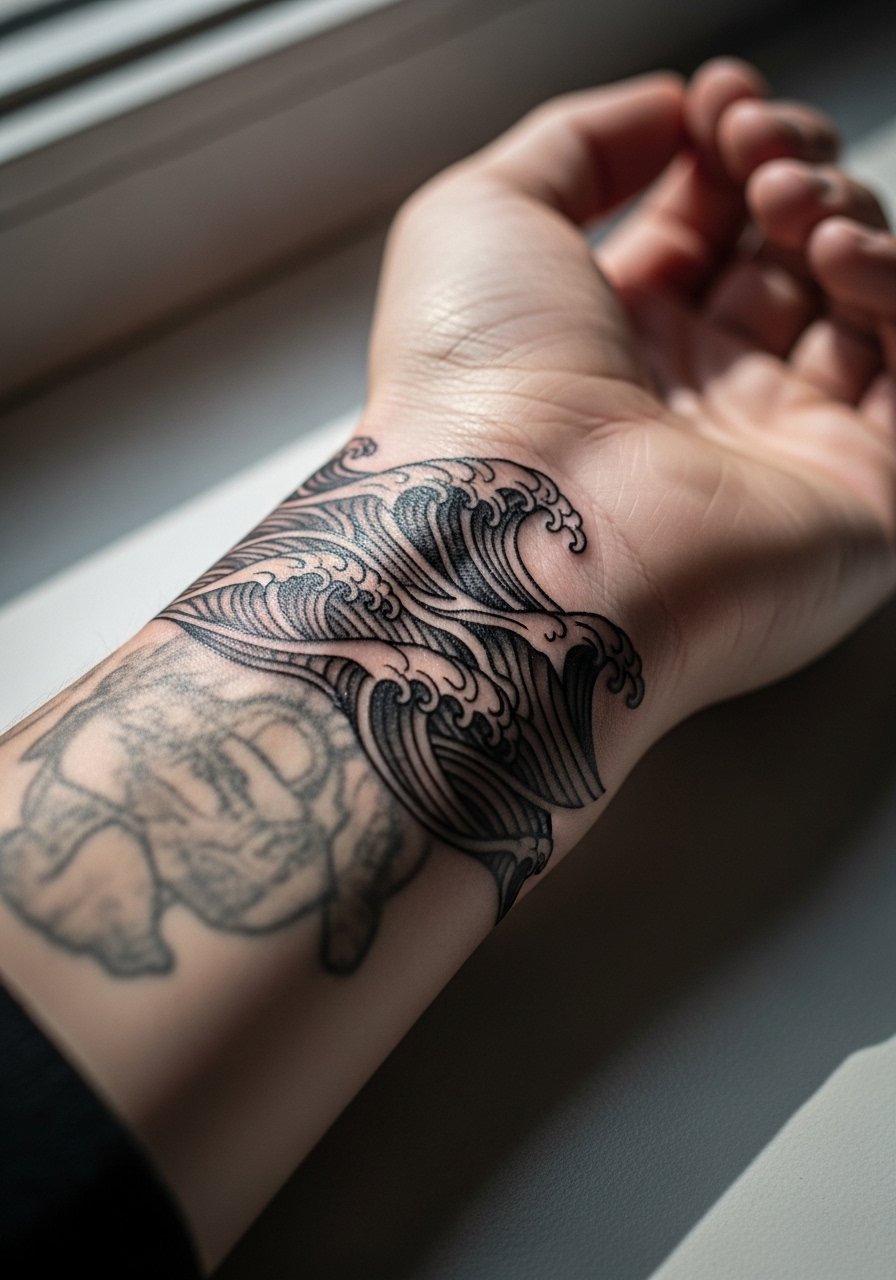
13. Negative-Space Wave to Hide a Wristband Tattoo
The biggest mistake with wristband cover-ups is trying to paint over without changing negative space. A wave that uses skin gaps will read cleaner than a flat block of color and it reduces the need for repeated touch-ups. Consultation should include tracing how the old band wraps around the wrist so the new pattern interrupts it. Sessions are short. The wrist experiences friction from daily activities so expect some early lightening. Pair with a racerback tank when you want a minimal athletic look that still shows your wrist art.
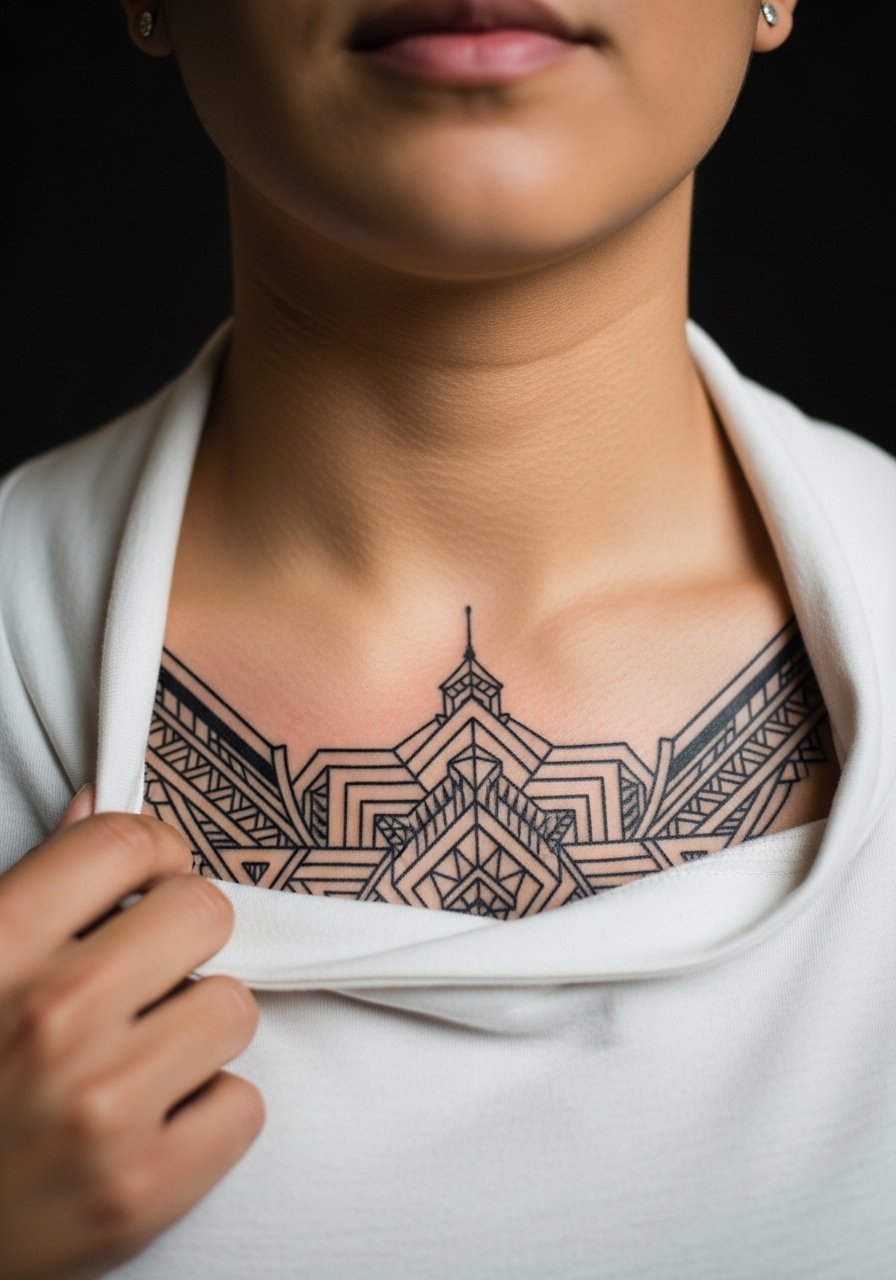
14. Geometric Chest Panel Over a Faded Centerpiece
When you sit down with your artist for a chest panel, bring photos of the old piece in both relaxed and flexed positions. Geometry on the upper chest needs symmetry and breathing room so it does not blur when you move. Pain varies but is generally moderate. A common error is compressing too many tight angles near the collarbone where the skin moves with breathing. For show-off wear an open-back top or an open collar shirt pulled aside in photos to preview how the panel sits.
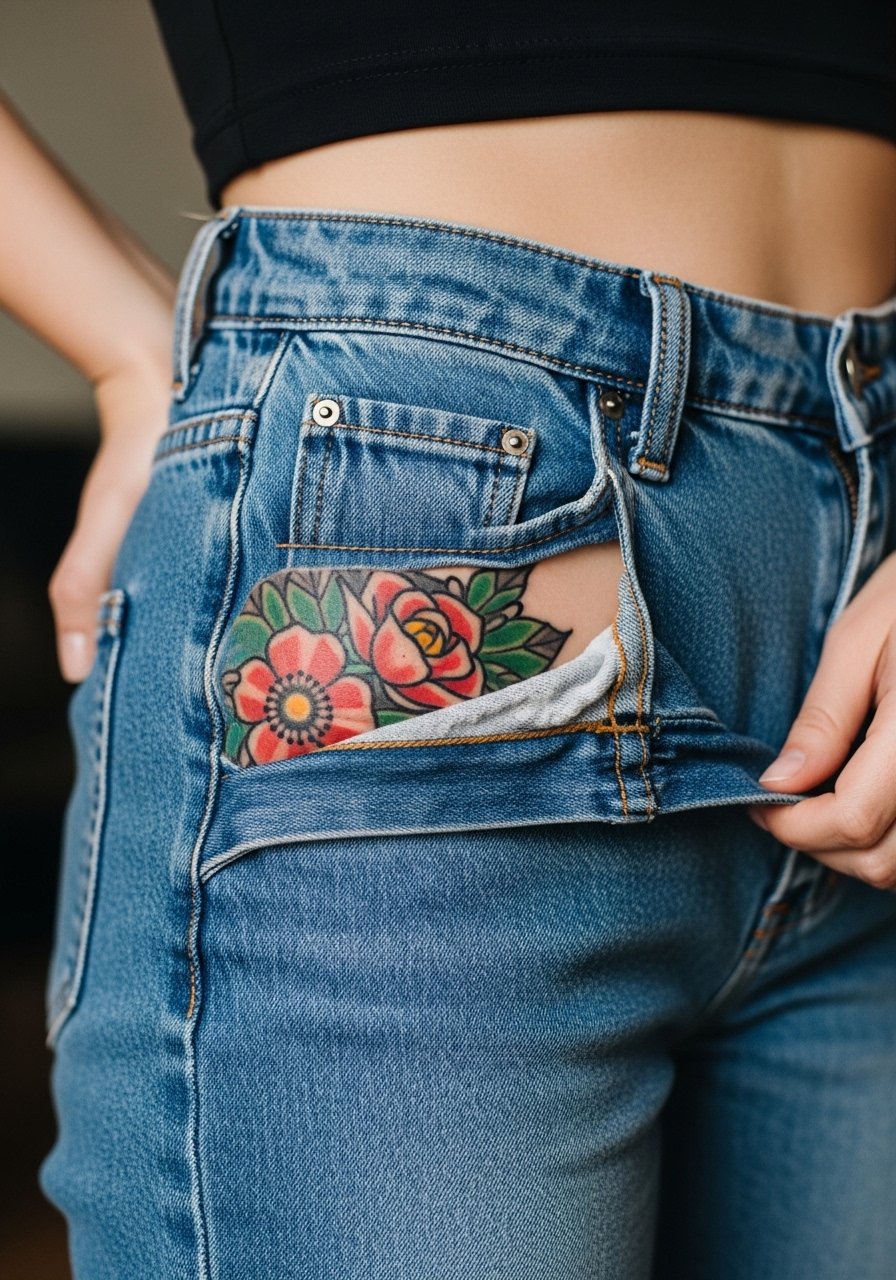
15. Watercolor Floral Reimagined as Layered Color on the Hip
Artists debate whether watercolor techniques work as cover-ups. One camp says watercolor lacks the opacity to hide heavy dark ink. The other camp uses layered translucent color over structured forms to suggest a watercolor effect while relying on opaque backing where needed. For hip placements the clothing choice for both session and reveal matters. Use high-cut shorts or a swimsuit bottom during the session so the artist has clean access. Session time can be two to three hours. Avoid asking for purely feathered washes over dark pigment unless you understand a touch-up plan.
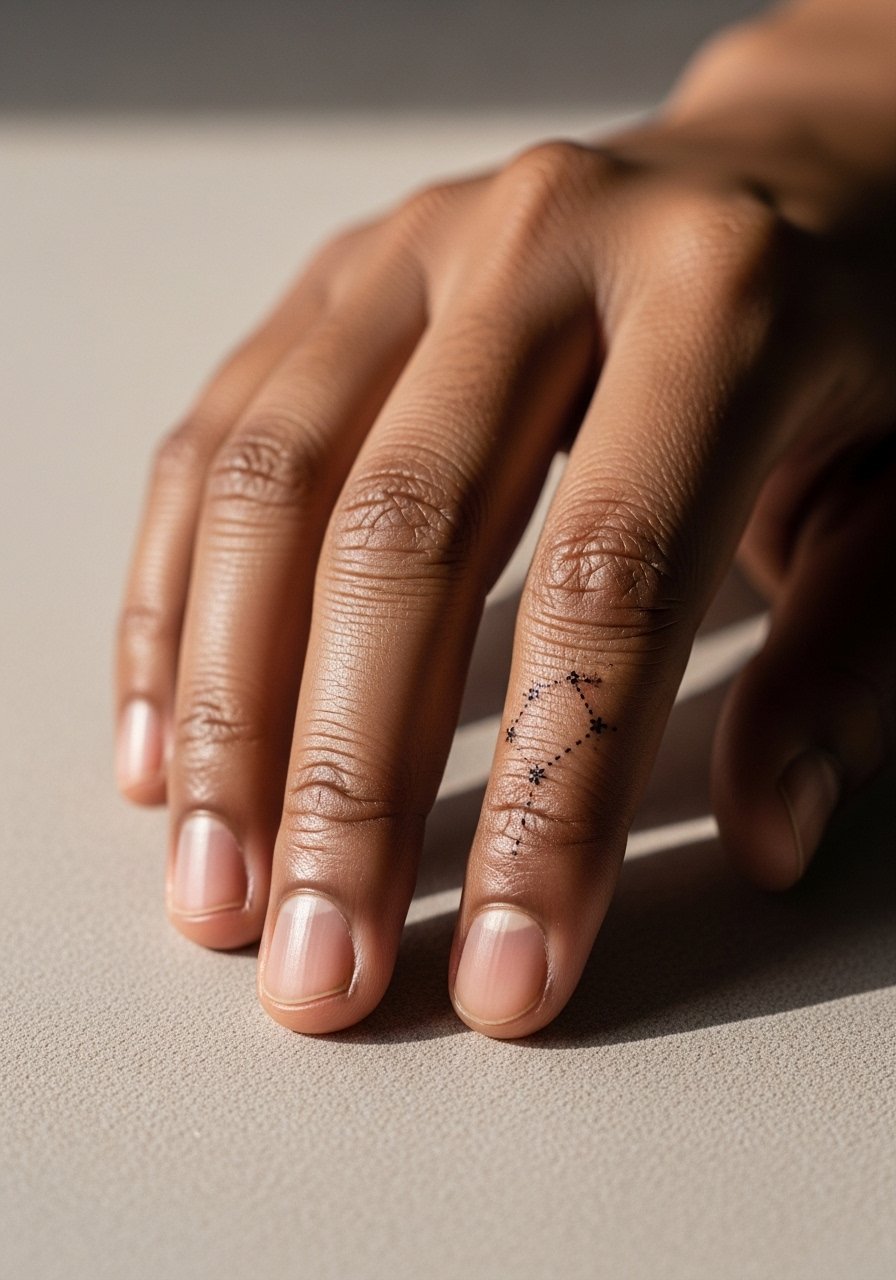
16. Small Constellation Over Finger Lines
This placement looks best with fine accessories that do not crowd the knuckle area. For finger cover-ups keep designs small but bold enough to resist daily washing. A tiny constellation that scatters dots and small stars can mask broken lines from older ink while still looking delicate. Expect touch-ups sooner than on lower-friction sites. For the session, remove rings and wear a thin ring dish at the station so the artist has an uncluttered workspace. Hands heal differently, so ask about realistic touch-up timelines.
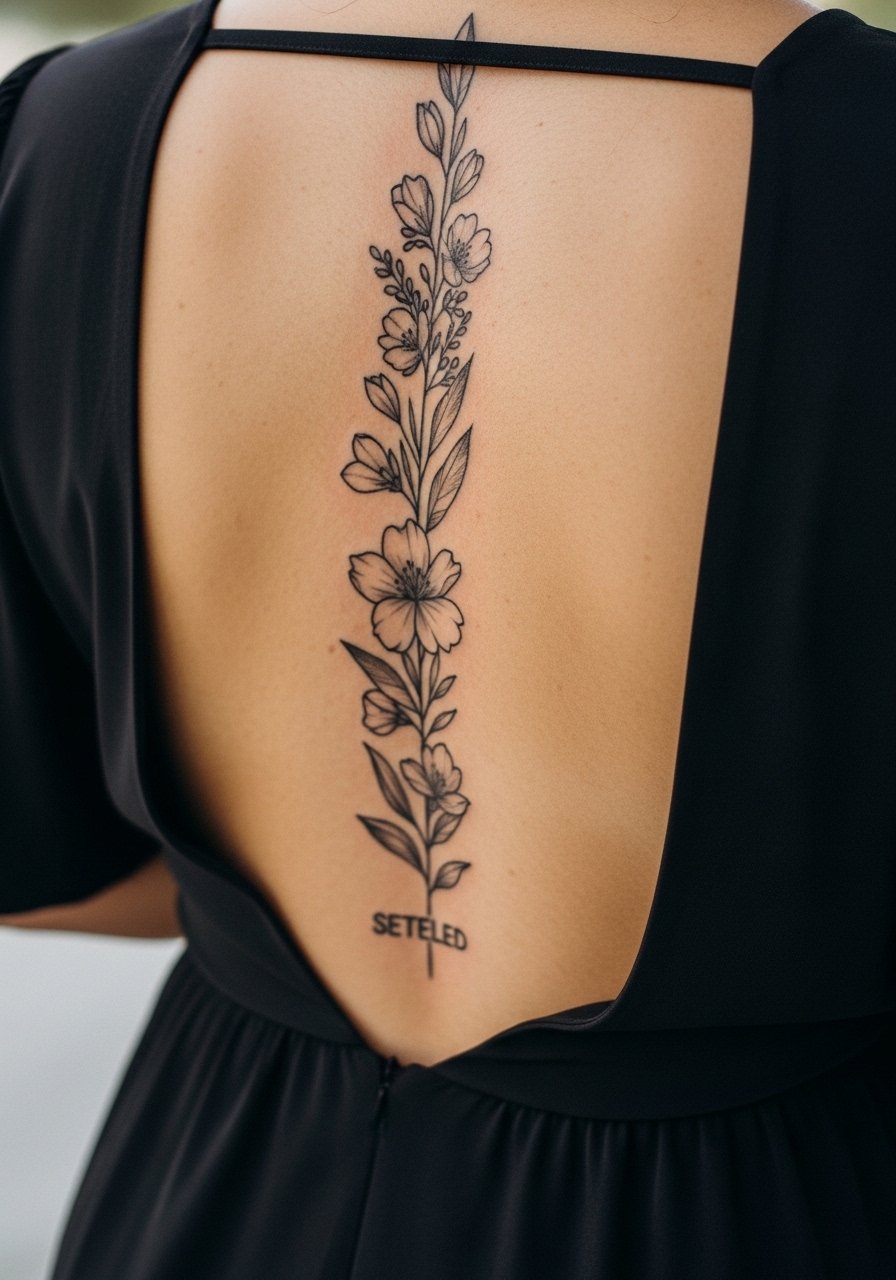
17. Spine Script Reworked into Vertical Botanical
I've seen spine scripts aged poorly when cramped. Reworking into a vertical botanical gives the eye natural breaks between words and lets the new design weave around old lines. The spine is sensitive so pain runs six to eight for many people. Sessions often are split to allow for breaks and accurate alignment. A common mistake is insisting on the exact same scale as the original script. Ask your artist to draft a version that lets leaves and stems interrupt old strokes. Open-back dresses showcase the vertical flow when you want to reveal it.
Frequently Asked Questions
Q: How do cover-ups differ between fine line work and saturated blackwork?
A: Fine line cover-ups rely on careful spacing and negative space to disguise old ink, while saturated blackwork uses opacity to block out darker pigments. Fine line is best when the old tattoo is faint. Blackwork helps when the base is very dark. Expect touch-ups sooner on fine line work, and ask your artist which route fits your existing ink.
Q: Will a mandala hide darker, blurred lines on the ribs long term?
A: A mandala can hide blurred lines if the artist uses spacing and mixes solid fills with dot work. The ribs are a high-movement area and one camp of artists warns of early softening. The other camp says correct depth and spacing avoids that. Ask the artist how they handle rib stretch before booking.
Q: What should I wear to a sternum or ribcage session to make the appointment easier?
A: Wear a fitted sports bra, bandeau, or a cropped top you can lift slightly so only the tattooed area is exposed. This keeps your comfort intact and gives the artist clean access without full chest exposure. Bring a zip-up hoodie for warmth after the session.
Q: How often do hand and finger cover-ups need touch-ups compared with forearm work?
A: Hands and fingers face constant washing and friction so they typically need touch-ups sooner, often within one to three years. Forearms usually last longer because the skin is denser and less exposed to repeated scrub cycles.
Q: Can layered color mimic watercolor while still covering dark ink effectively?
A: Yes, layered color can suggest a watercolor look while using opaque foundations where needed. The trick is to combine translucent washes with structured elements that sit over the darkest spots. Discuss a staged plan with your artist so you know where opacity will be used.
Q: Are there wardrobe choices that help a new cover-up heal or look better in the first month?
A: Yes. Loose sleeves and open collars reduce friction on fresh ink. For lower body work choose loose shorts or skirts that do not rub the site. For showing the tattoo, select tops that frame the placement such as open-back dresses or wide-neck shirts so the design reads clearly without competing fabric.
