
Fine line trends are everywhere, but the designs that still read sharp after a year are usually the ones planned with aging in mind. Expect subtle choices to change everything, from line weight to placement to what you wear to show it off. Below are 21 Noah Kahan–inspired designs that balance lyric nods with real-world wear, plus what to ask your artist and how each piece behaves over time.
1. Stick Season Script with Falling Leaves on Inner Forearm
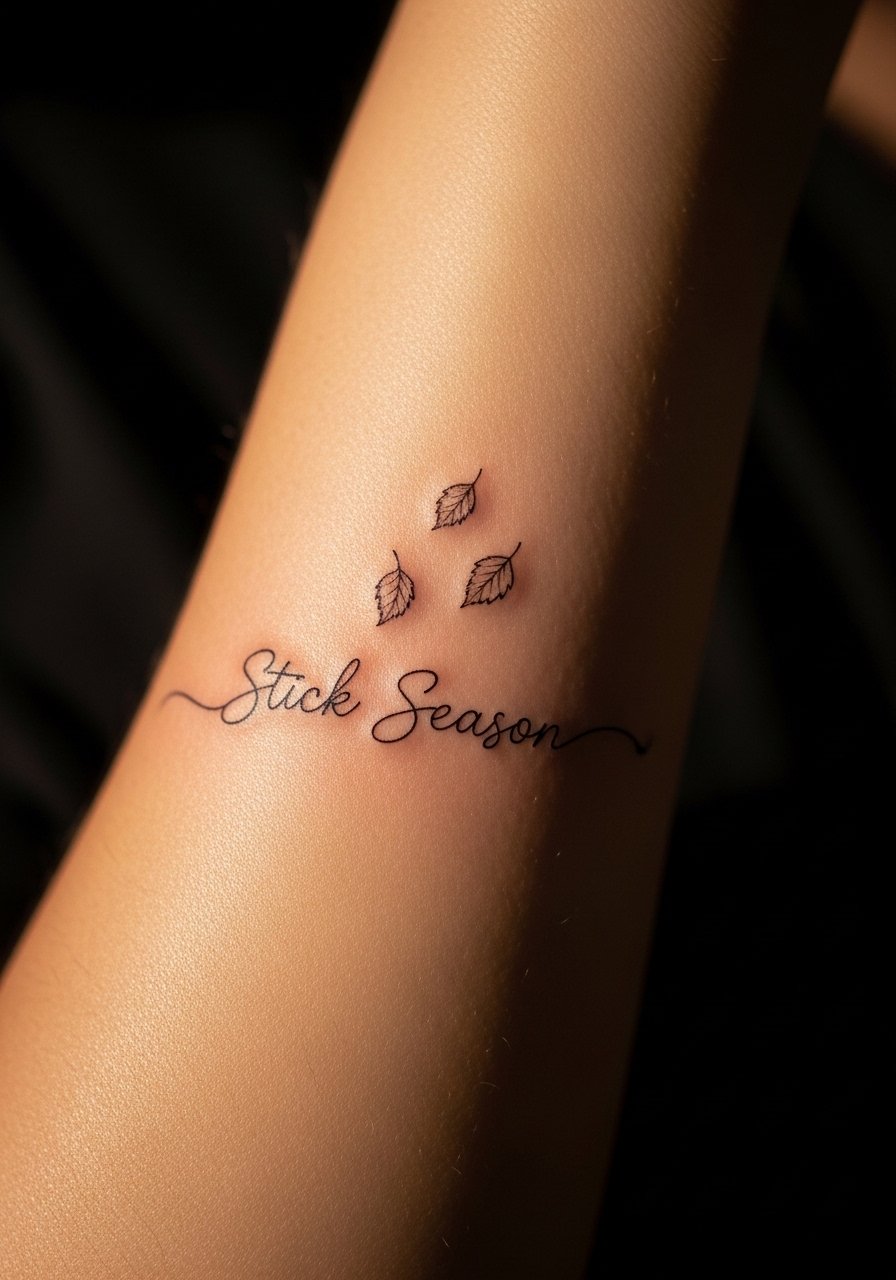
I've seen tiny script on forearms fade faster when the line weight started too thin. Ask for single-needle technique with slightly heavier primary strokes so the letters keep definition at year two. The big mistake is requesting hairline script and then placing it where sleeves rub every day. Expect the session to be short and tetchy on comfort, about 30 to 60 minutes depending on size. For the first year plan a touch-up window around month six to twelve if the ink softens. For showing it off, roll a sleeve up with a chambray shirt rolled sleeve in moss or rust so the script sits against a simple backdrop.
2. Minimalist Maple Leaf Outline with Collarbone Placement
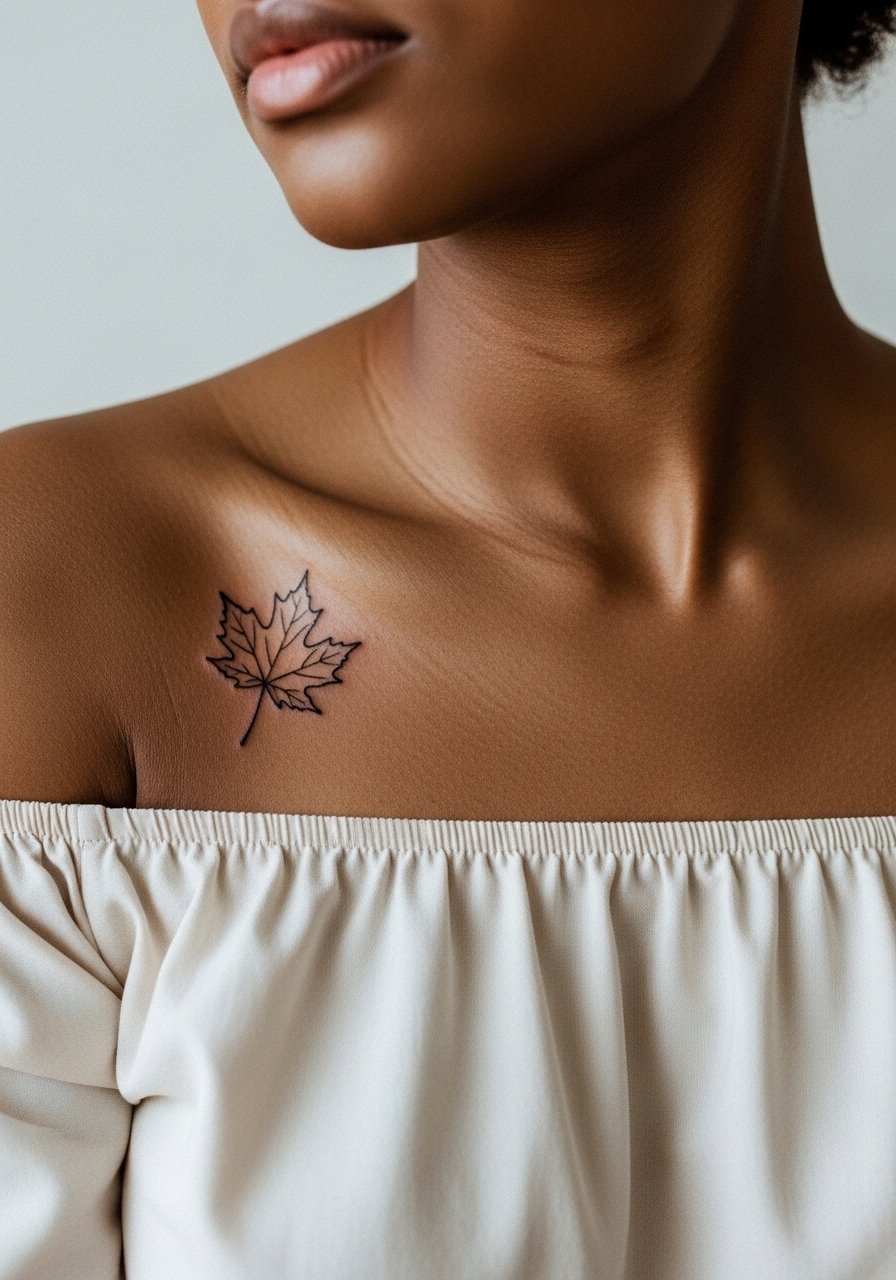
Fair warning, the collarbone skin shifts with clothing and movement so keep the motif small and the lines clean. Ask your artist to place the leaf slightly offset so a necklace can sit below without crowding. The mistake I see often is trying watercolor or heavy shading there, which competes with the bone and flakes more during healing. Session time is brief, usually under 45 minutes. To frame it on concert nights try an off shoulder blouse cream that exposes just enough skin for the outline to breathe.
3. Neo-Traditional Cabin Silhouette Under a Starry Sky on Outer Forearm
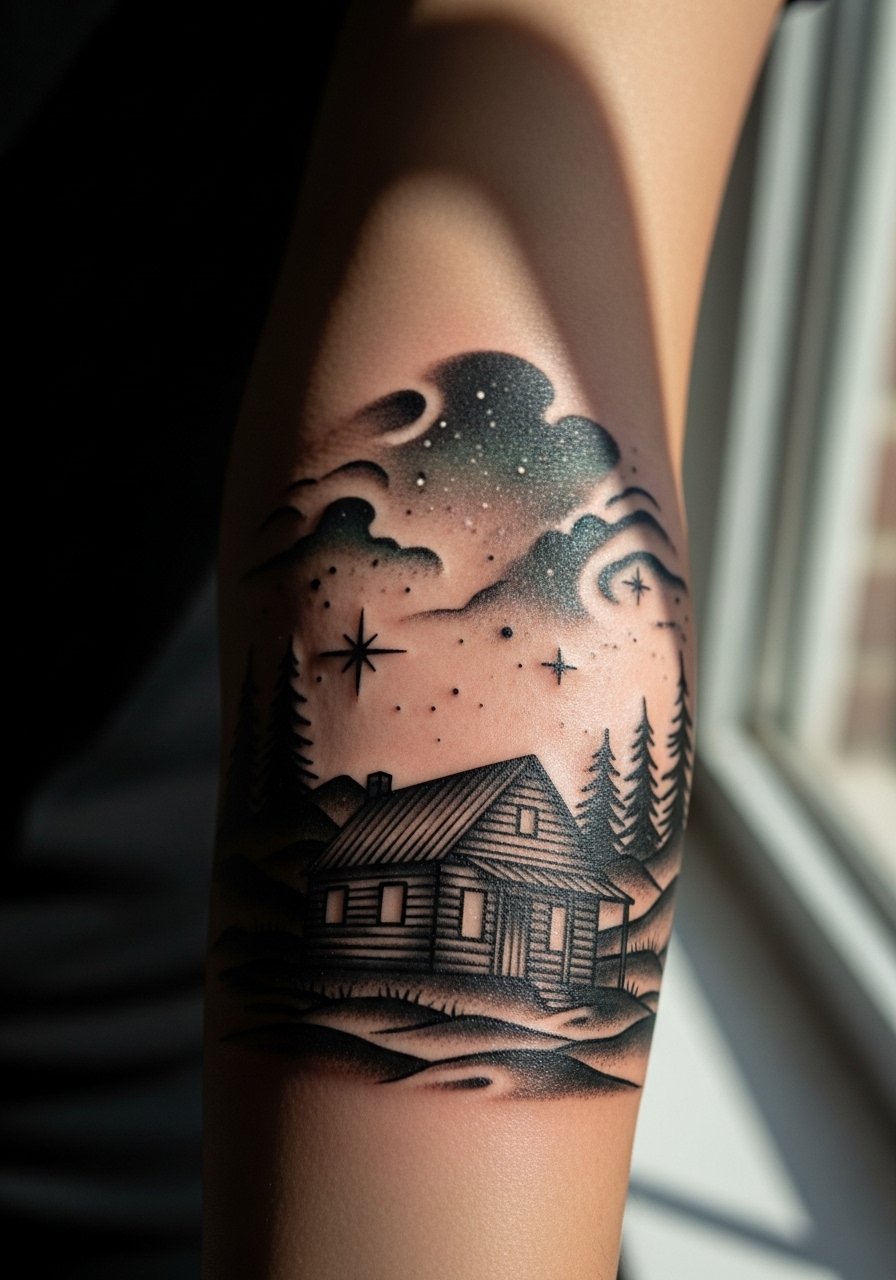
There is something about bold outlines and subtle color accents that still read from across a room. When you consult, bring night-sky references and point out where you want color saturation versus gray wash. The common aging issue is overworked color that splotches with sweat and summer exposure. Aim for two sessions so the artist can set the outline first and layer color later. For daytime wear, roll sleeves or pair with a loose button-down shirt you can pull aside without tugging the skin during the session.
4. Watercolor Autumn Forest Scene with "Homesick" Quote on Shoulder Blade
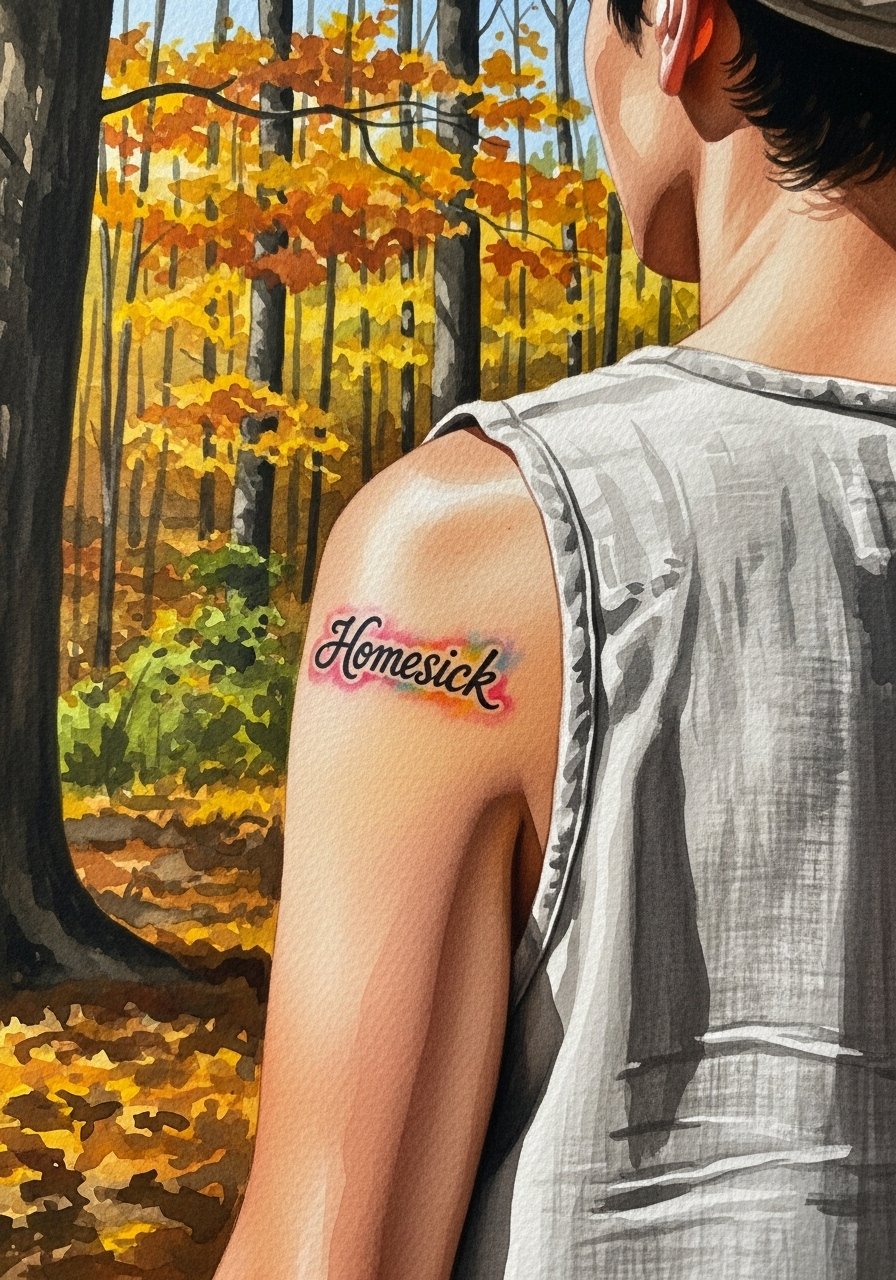
Most watercolor pieces age faster in friction zones because pigments sit differently than black ink. If you want vibrant fall tones, accept that touch-ups every few years help retain the look. A two- to three-session plan keeps saturation safer because the artist can layer pigments after initial healing. The session feel is gentle on the shoulder blade but expect a long healing window if the piece wraps toward the spine. For showing it off at shows wear a sleeveless linen tunic that keeps fabric from rubbing the fresh area.
5. Blackwork Pine Tree with Embedded Vinyl Record on Upper Arm
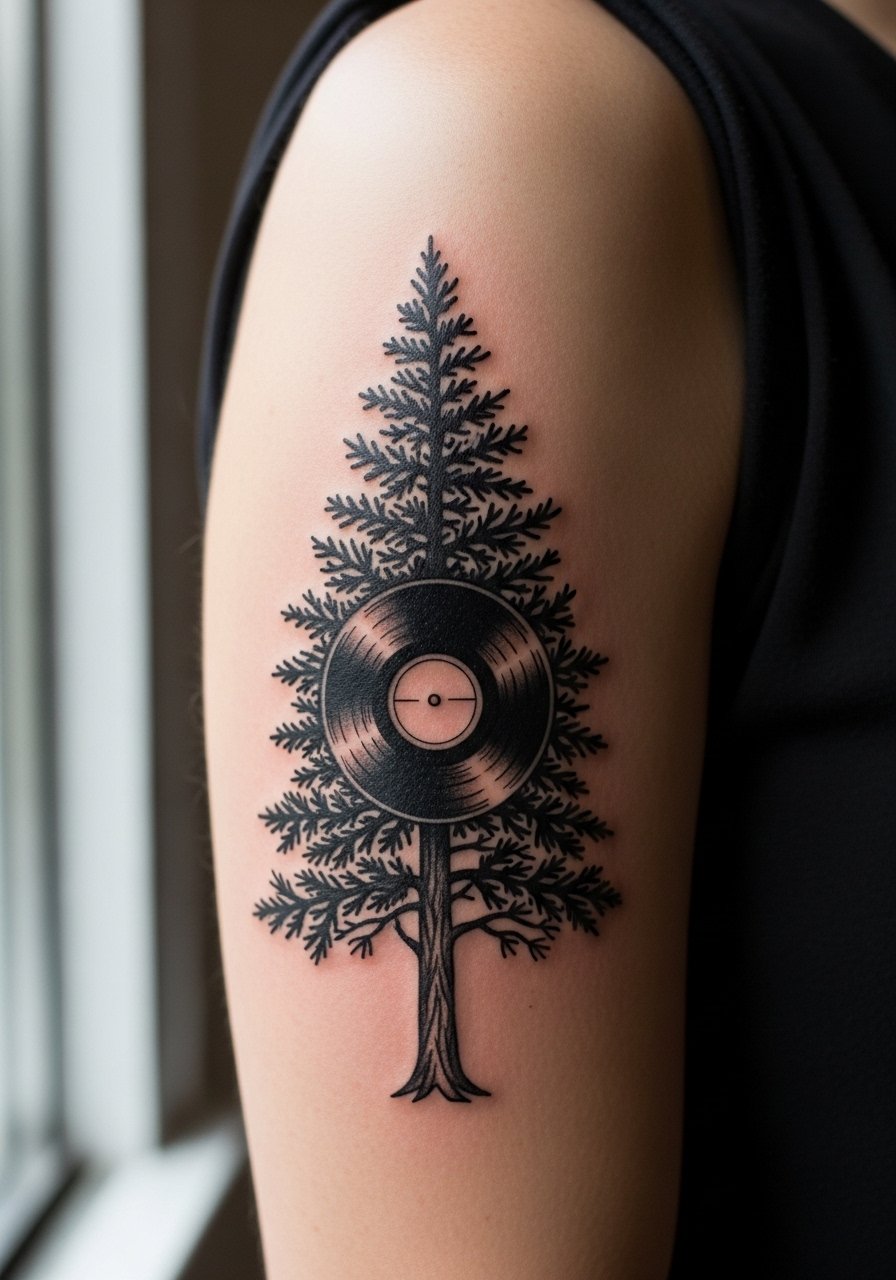
Most blackwork holds up better than watercolor on active skin tones, but dark skin photography sometimes flattens saturation. Ask for contrast edges around key shapes so the record detail stays visible in photos. People often err by requesting too-small negative space in blackwork, and then the block fills in over time. This is a multi-session piece for most artists. Pair it with rolled chinos or a short-sleeve tee when showing it off, and consider a thin leather wrap bracelet on the opposite arm for balance.
6. Micro-Realism Hay Bale Field at Dusk on Inner Bicep
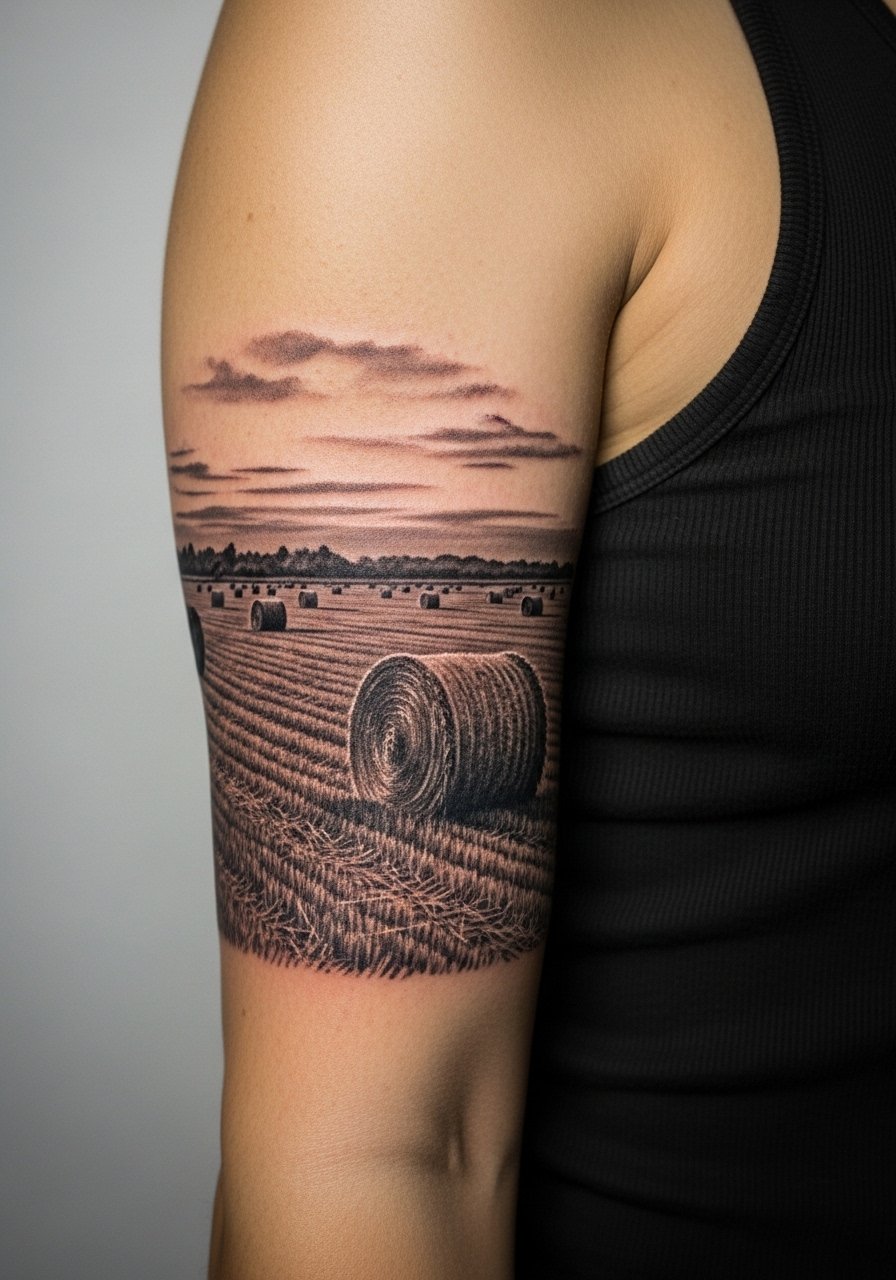
Consultation lead: bring healed landscape photos that show the level of detail you want at life size. Inner bicep skin can be soft and prone to slight stretching which affects tiny realism details. The common mistake is expecting photographic fidelity at 2 inches across. Ask the artist to simplify background gradients so the foreground hay bale keeps crispness after healing. Session time is roughly one to two hours. For the session wear a loose long-sleeve button-up you can roll without tugging the area.
Before You Book
The early pieces above include wrists, collarbones, forearms and inner biceps, and each of those zones asks for different prep and small supplies that smooth both session day and the first week.
-
Rabbit Hole Salve. A non-greasy balm some people prefer for darker skin tones because it avoids white cast while keeping fine line areas supple during the scab stage.
-
Australian Tattoo Goo. Lighter than heavy ointments, good for blackwork trees and pieces that need even drying without a thick film.
-
Cetraben Cream. Fragrance-free moisturizer that helps sensitive collarbone or ribcage skin stay hydrated without irritating fresh script.
-
Indie Pine Tar Balm. Natural-feeling salve some fans prefer for countryside motifs, useful if you want a scent that matches the design vibe.
-
Hustle Butter Deluxe. A thinner, fast-absorbing ointment that works well in humid climates where thick creams can trap sweat and soften fine lines too much.
7. Ornamental Lyric Wreath ("Dial Drunk") on the Neck
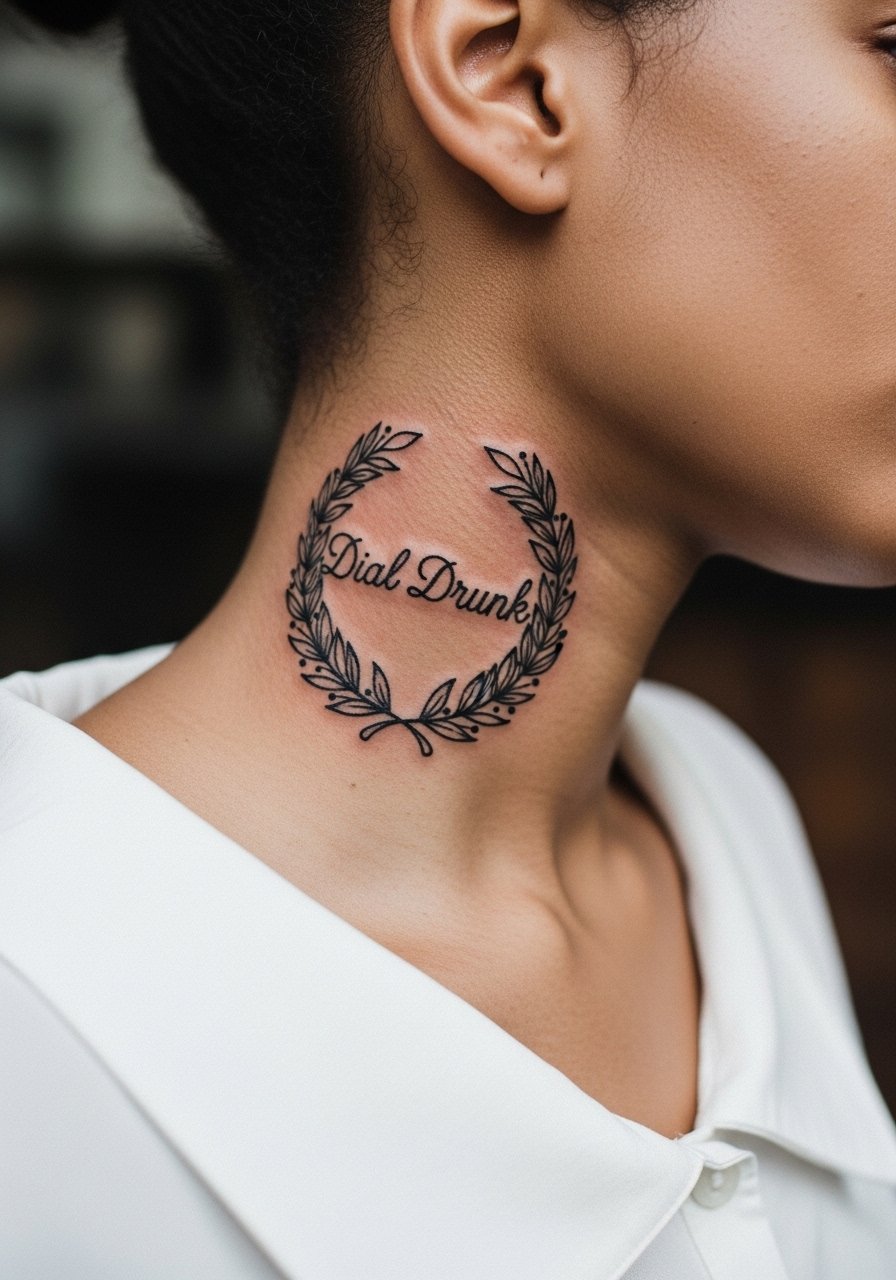
Mistake lead: crowding ornament lines into a tiny neck wreath is where most people lose legibility. The side neck skin can be unforgiving, so plan for 1.5 to 2 inches at least. Artists split on whether intricate neck linework heals better with heavier lines or with a fine but spaced approach. One camp argues the neck needs bold strokes to prevent early blur. The other camp says careful spacing and depth keeps fine detail intact. Ask where your artist stands and get healed photos for similar skin tones. For session access wear a wide-neck tee you can pull aside without showing more than necessary.
8. Ignorant Style Bonfire with Guitar Outline on Thigh Outer
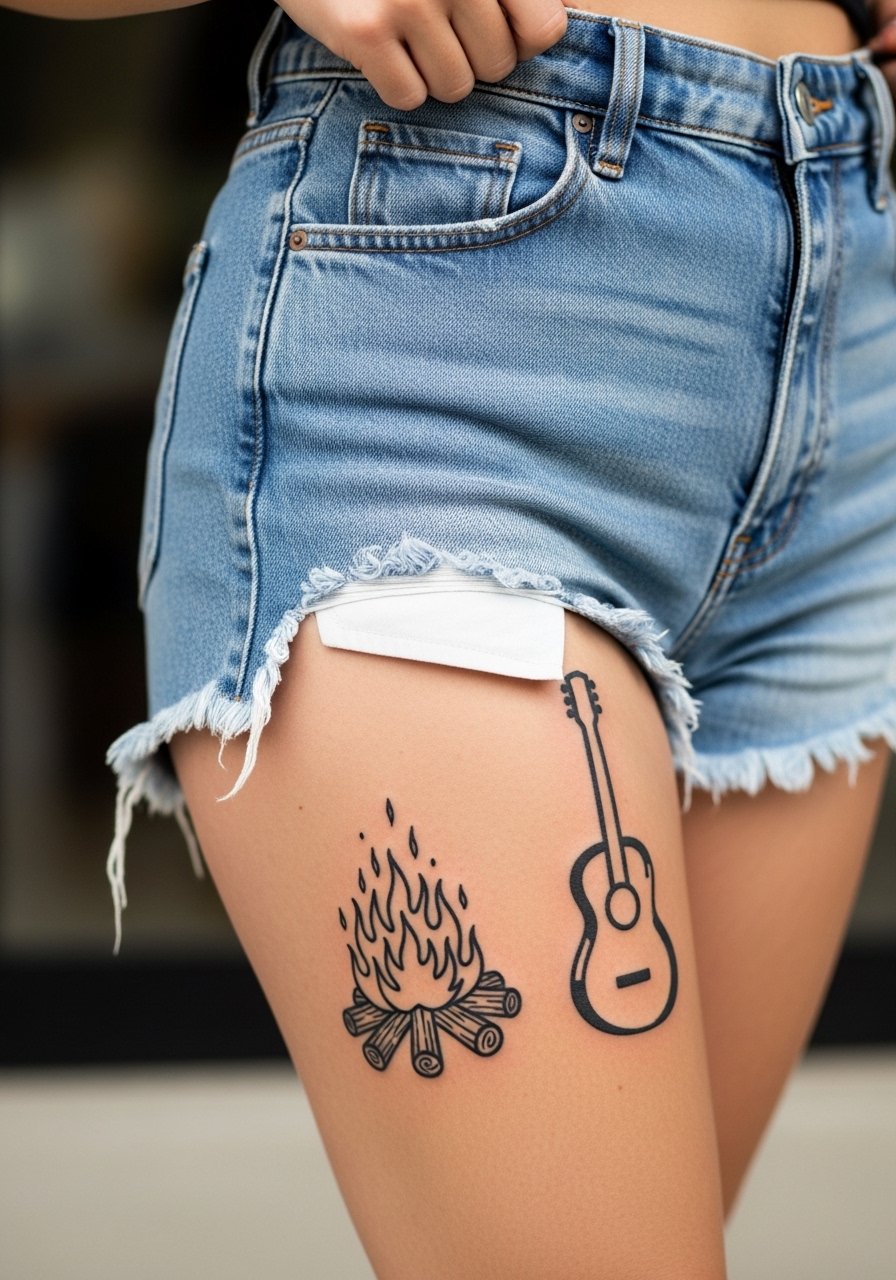
Pain warning lead: outer thigh is lower on most pain charts but can throb if the piece sits near the pubic line. Ignorant style thrives on bold, confident strokes, which also help the piece age into a graphic silhouette. The mistake is shrinking the design too small, which loses the energy that defines the style. Expect two sessions for clean fill and an initial outline check. For days you want to show the piece, high-waisted denim shorts frame the art without crowding. Try a high waist denim shorts look that keeps attention on the cabin or bonfire motif.
9. Fine Line Matching "Maine" Script for Couples on Wrists
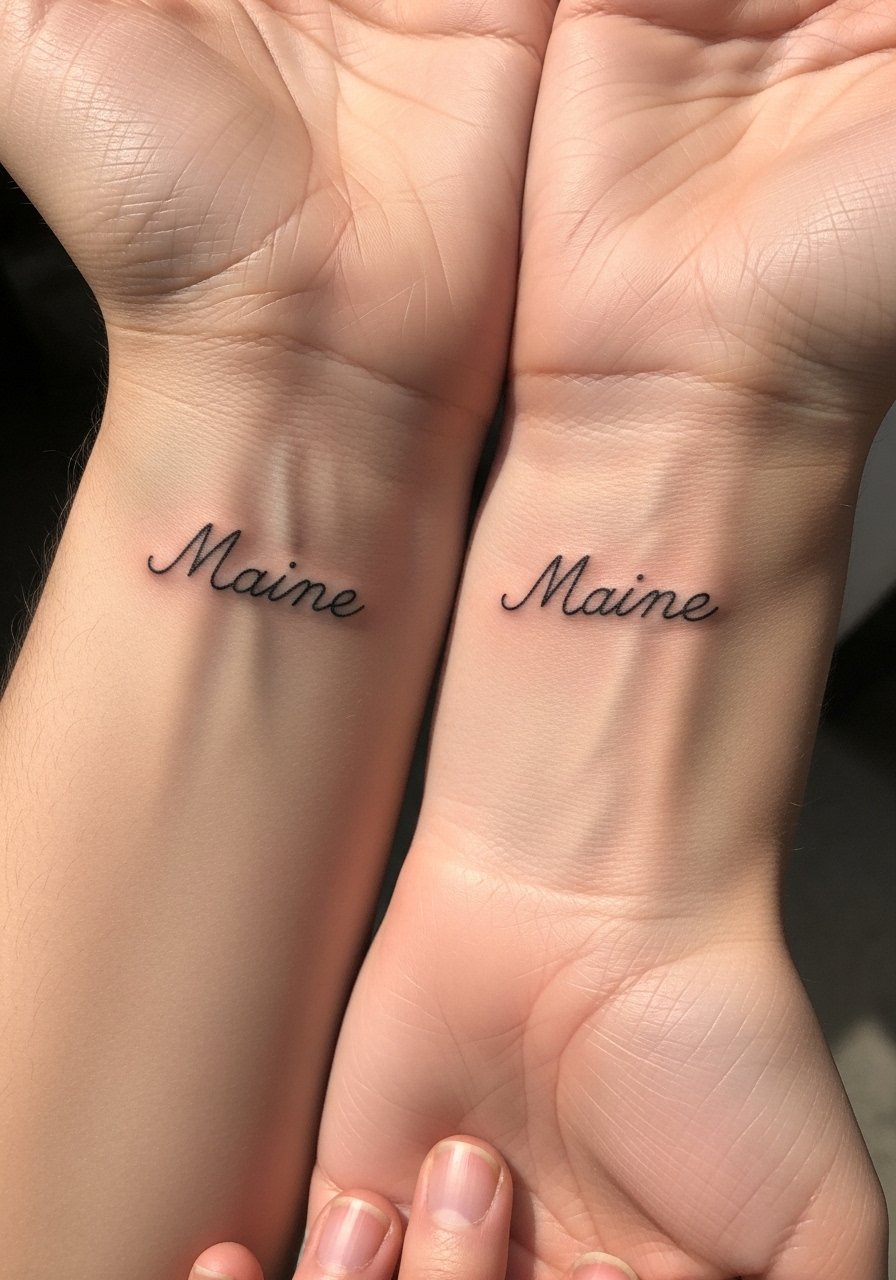
Personal observation lead: matching wrist scripts look crisp initially but need touch-ups sooner than larger pieces. For couples pick a size that reads at arm's length and avoid hairline weight or the letters risk merging after a year. Ask your artist to stencil both wrists and check symmetry under real light before tattooing. The biggest error is letting different artists ink the matching pair without matching line weight. Session wear is simple, a sleeveless tank for the tattooed arm helps access and avoids jewelry interference. Style the look with stacked thin silver cuffs on the opposite wrist and a linen tank top women for a summer flash.
10. Traditional Compass Rose with "Part Of Me" Lyrics on Upper Chest
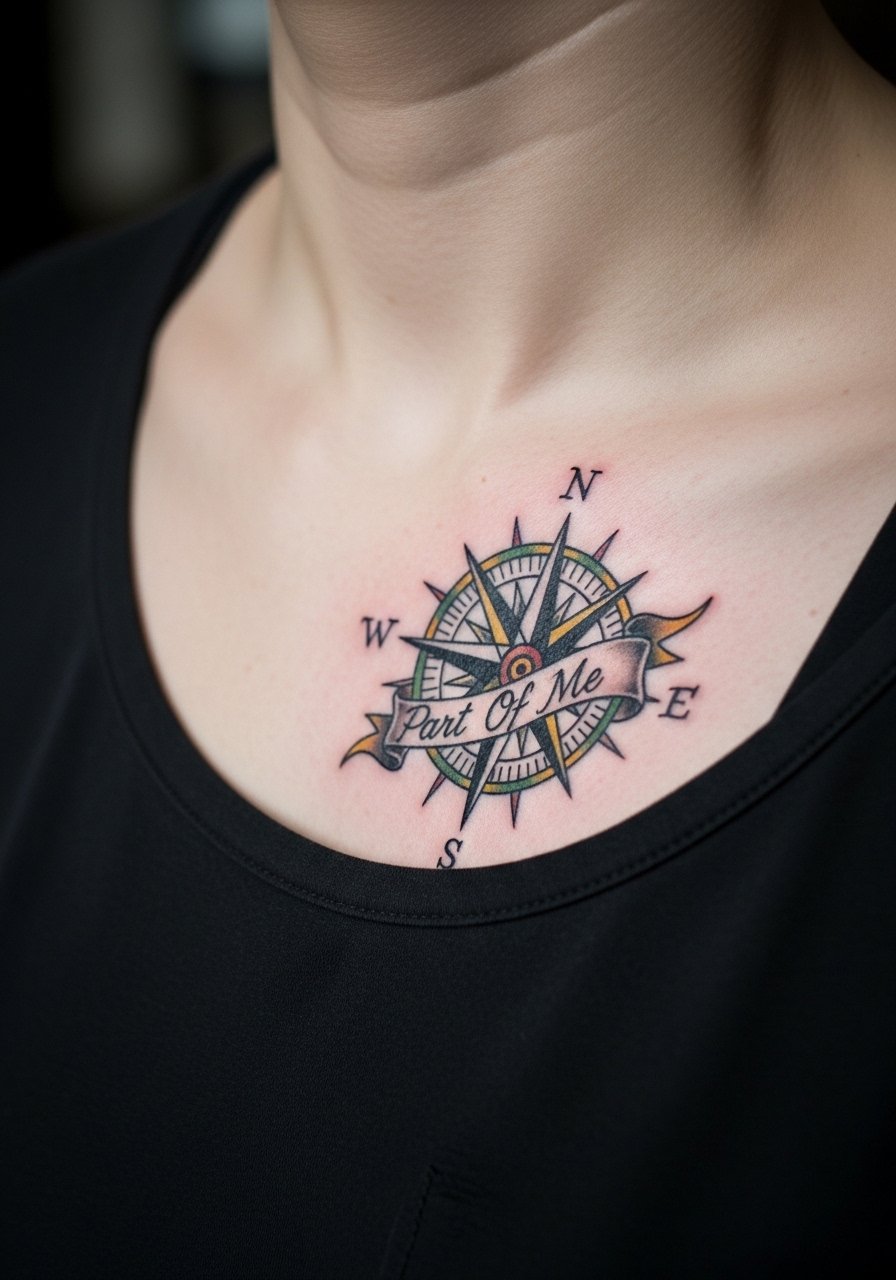
Aging lead: chest pieces with saturated color tend to hold shape but fade in vibrancy without sun protection. If you want crisp lettering plus color, place the script under a banner so the text sits inside negative space rather than on top of complex shading. The rib and chest skin vary in sensitivity. Plan on two to three sessions for a chest piece of this size. For the appointment wear a wide-neck shirt you can pull to the side and consider a delicate chain necklace that will sit below the banner when healed. Try a delicate chain necklace to complement the placement.
11. Tiny Finger Knuckle "Dial Drunk" Letters
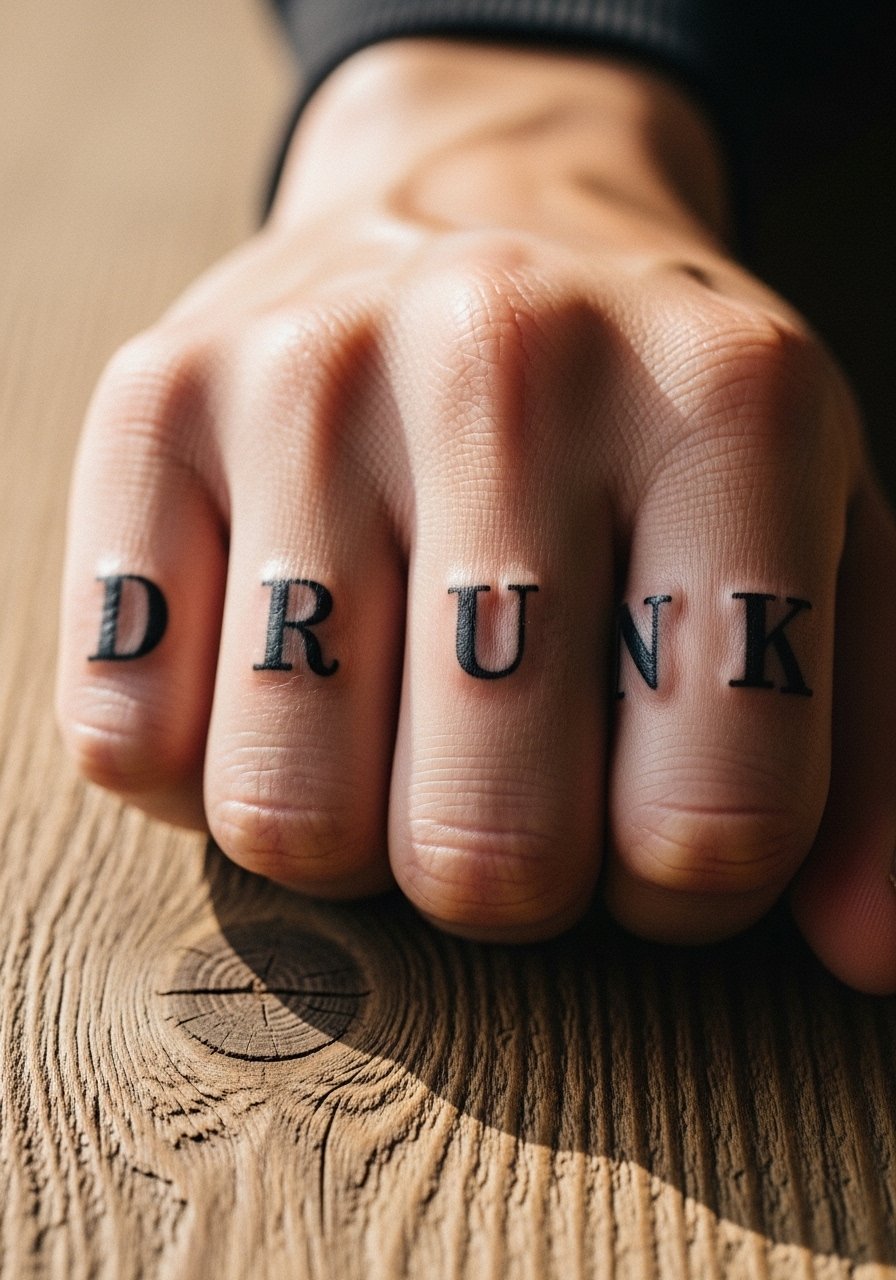
Mistake lead: knuckle tattoos are notoriously touchy for both longevity and job implications. The skin there is thin and subject to friction, so expect faster fading and more frequent touch-ups. The common error is choosing extremely thin strokes. Ask for compact, bold lettering and discuss repeal policies with your artist because touch-ups are likely. Session time is short but painful in short bursts. Also remember some workplaces still react to visible hand ink, so weigh the visibility trade-off before booking.
12. Stipple-Shaded Maple Cluster for Dark Skin on Calf
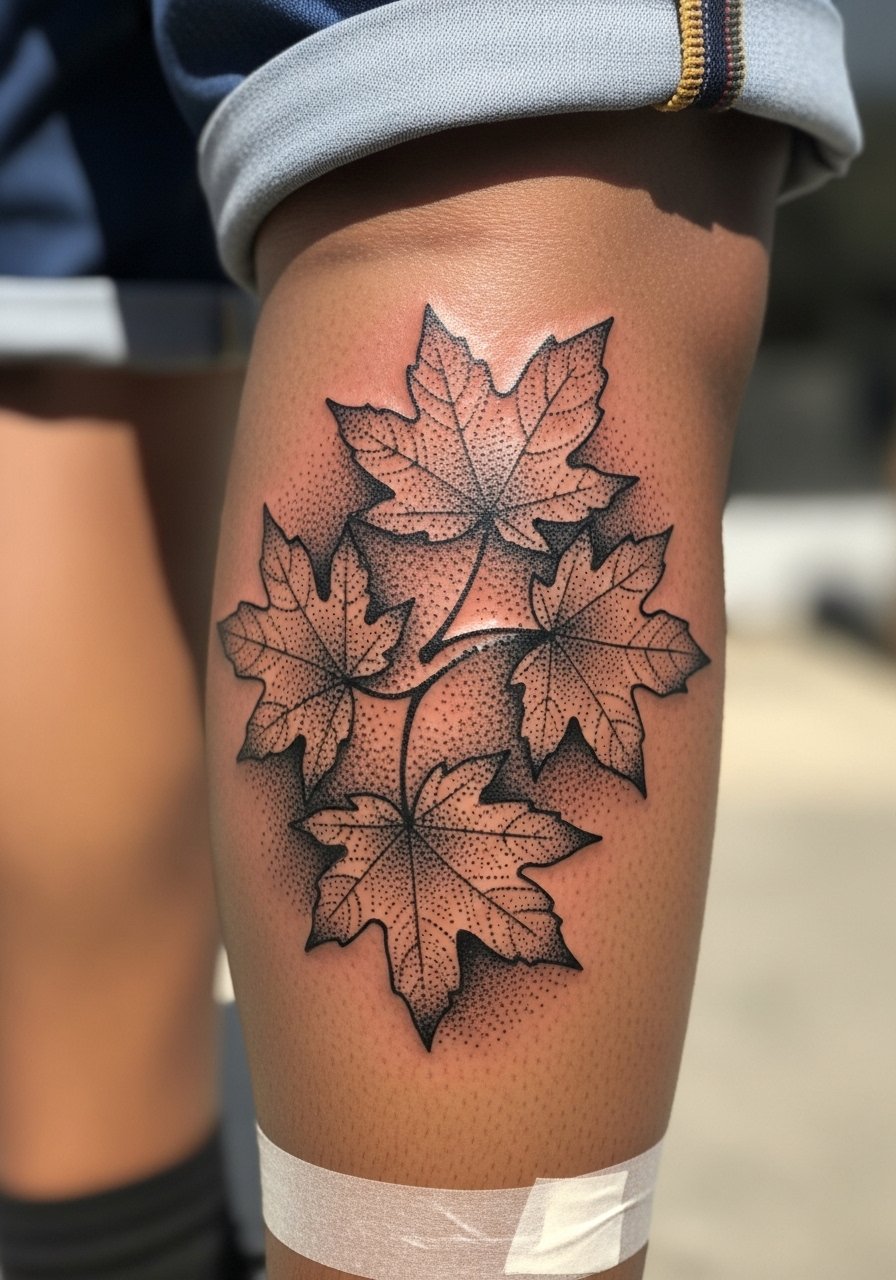
Consultation lead: dark skin adaptations often benefit from dot work or stipple shading to maintain contrast in photos. If you want a maple cluster, ask for negative space edges and stipple transitions so leaves keep shape on darker tones. The usual mistake is copying fine line examples from light-skin portfolios. Bring healed examples on similar skin tones to your consult. Calf pieces usually age well and photograph cleanly. For showing it off pair with slim chinos rolled to mid-calf and consider slim chinos olive for a casual framed look.
13. Matching Stick Season Half-Sleeves for Friend Groups on Outer Forearm
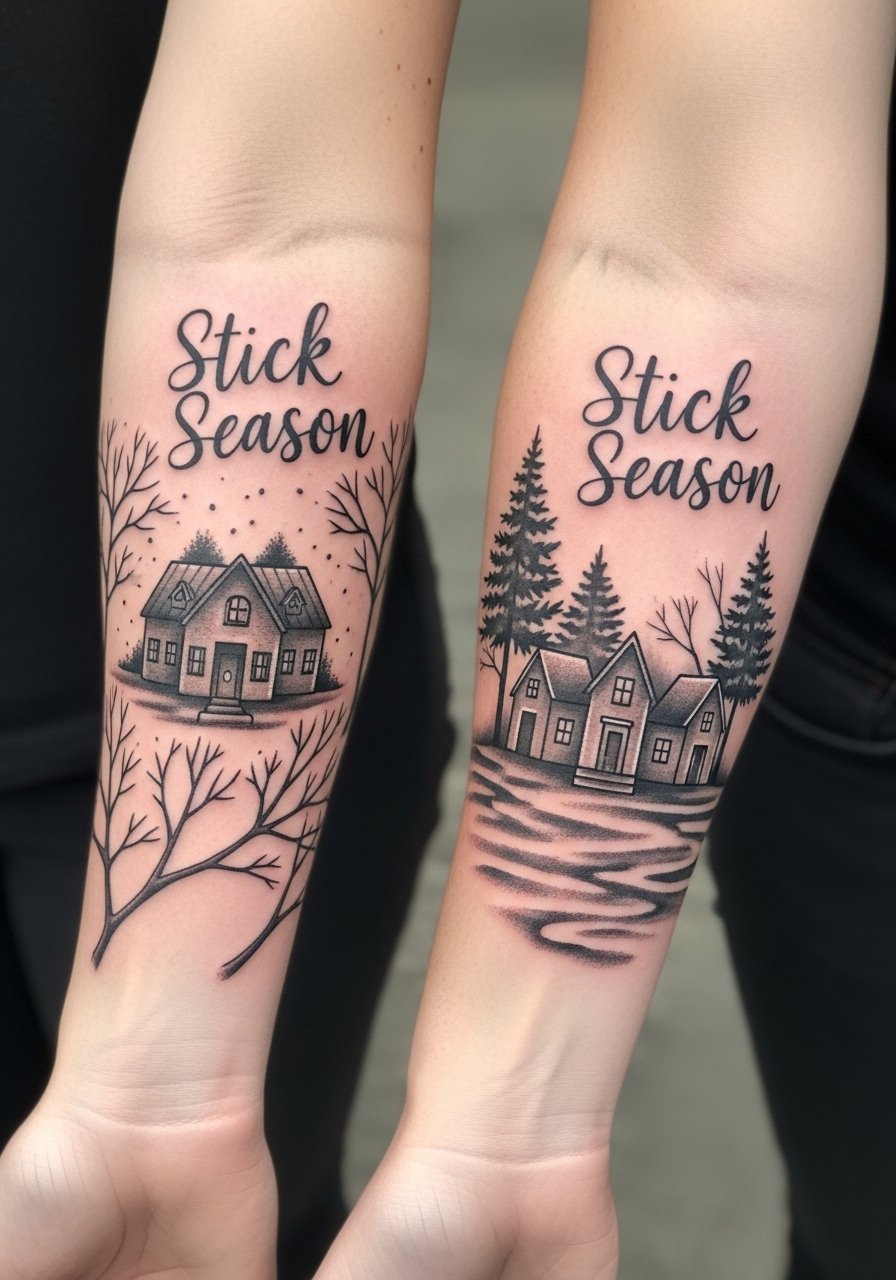
Decision-pressure lead: committing to a half-sleeve with friends means aligning on scale and touch-up expectations. The biggest mistake is mixing three different reference styles into one sleeve and expecting it to read cohesive. For group work, pick a consistent line weight and a shared motif like branches or small cabins. Expect multiple sessions spaced six to eight weeks apart. For session day wear, a loose long-sleeve you can roll is best. Show it at shows by rolling sleeves and wearing a thin leather bracelet on the other arm.
14. Micro-Realism Vermont Landscape on Ribcage with Quote Snippet
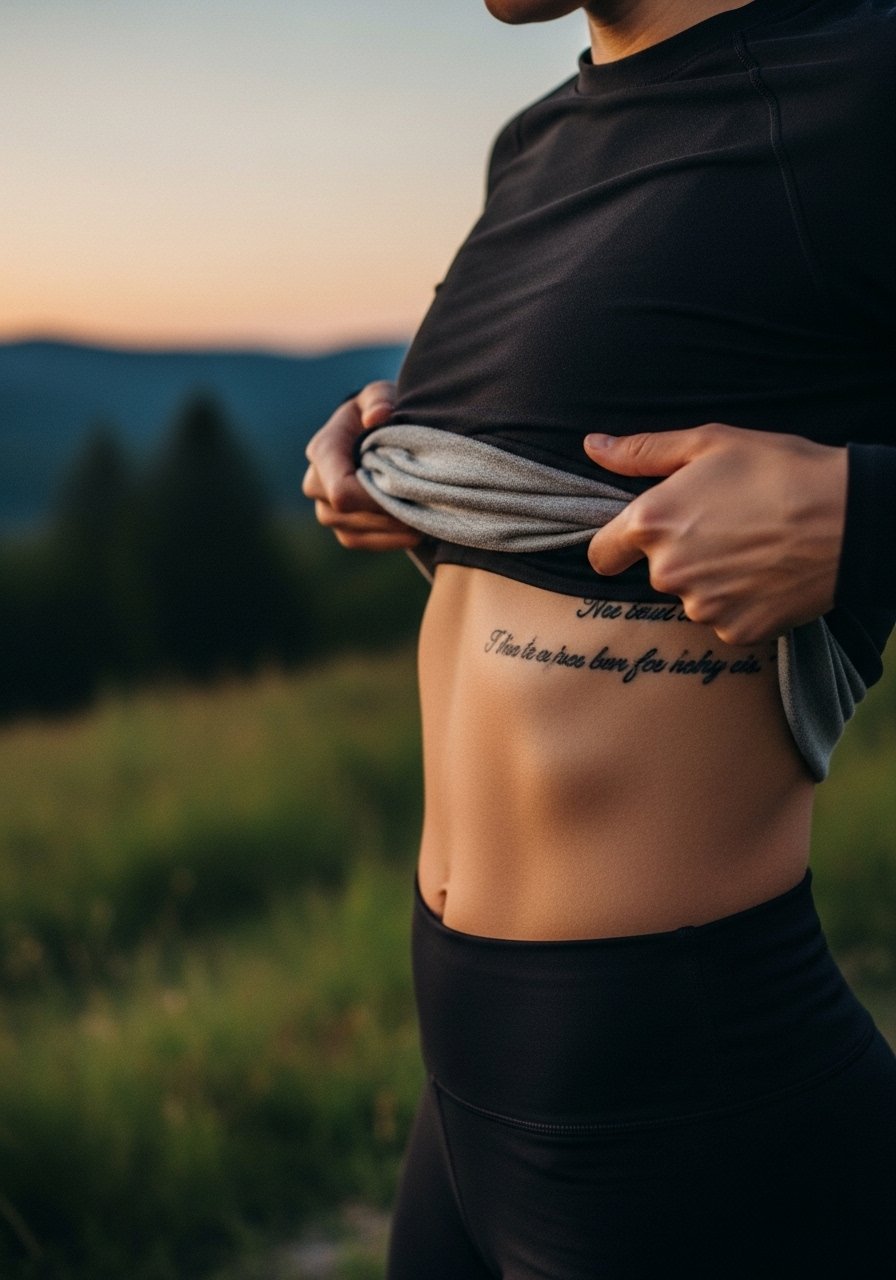
Aging/healing lead: ribcage pieces can be painful and they move when you breathe, which affects how steady the needle can be. The frequent mistake is asking for hyper-detail at too-small a scale. For a landscape, keep major contrast points bold and let the tiny textures read from a slightly larger canvas. This placement is excellent for privacy but it will stretch with major weight changes. Bring a cropped top that you can lift easily for the session without tugging on seams.
15. Vinyl Record Embedded Pine on Upper Back
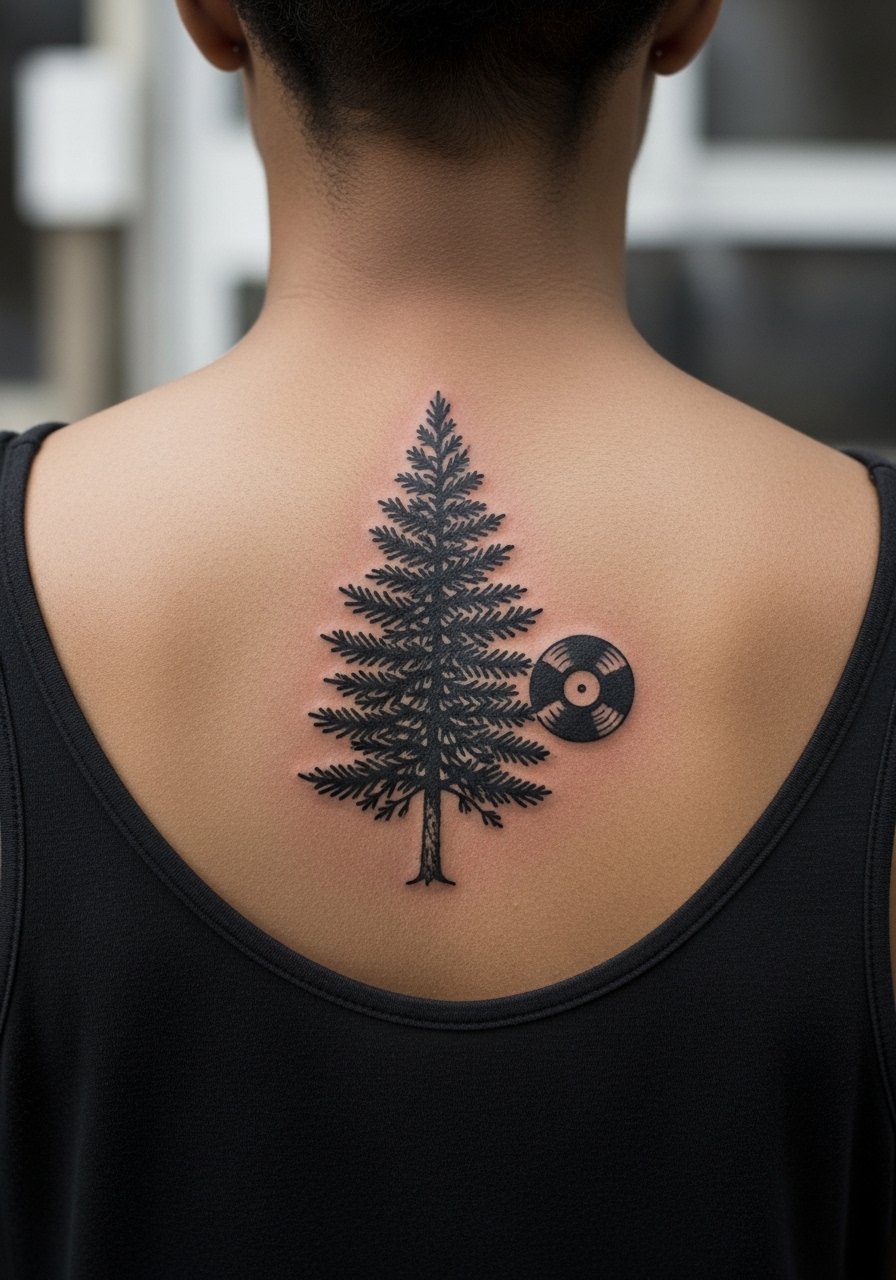
Visual impact lead: back pieces let negative space breathe which keeps embedded details legible for years. The risk is over-filling the background which can flatten the record detail. Ask for crisp negative space around the record and a defined edge where the pine meets the circle. Upper back skin tolerates saturation well. For showing it off at outdoor events try an open-back tank or a button camp shirt worn open. A sleeveless linen tunic also frames the scene without crowding the art.
16. Small "Maine" Coordinates on Ankle
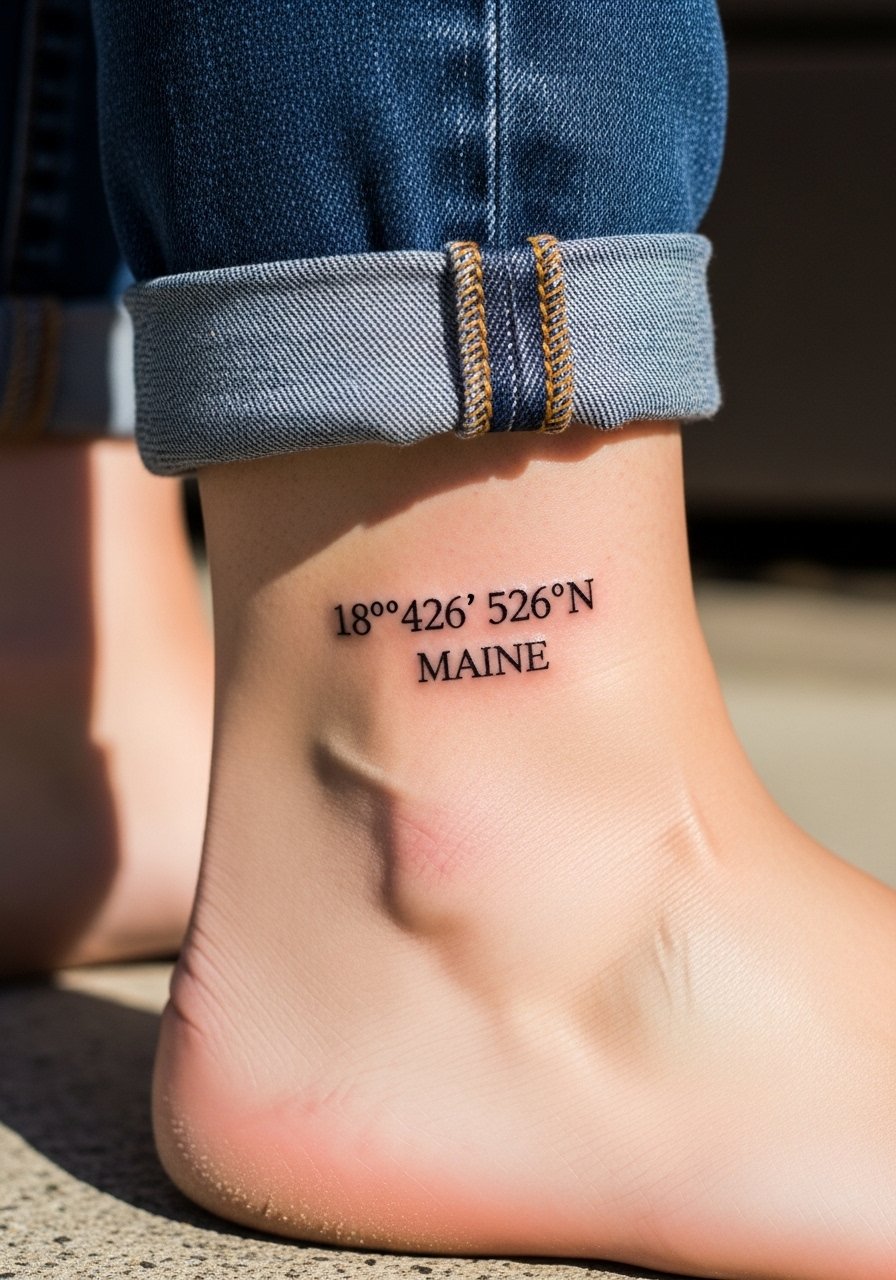
Mistake lead: ankles are exposed to shoe friction and moisture from walking which can blur tiny script. Keep proportions conservative and consider a slightly bolder typeface than hairline script. The session is quick but healing needs attention to reduce scabbing from sock friction. For display wear sandals or rolled jeans. A simple rolled cuff style works well with the coordinates motif.
17. Patchwork Sleeve Start: One Song Per Session on Outer Forearm
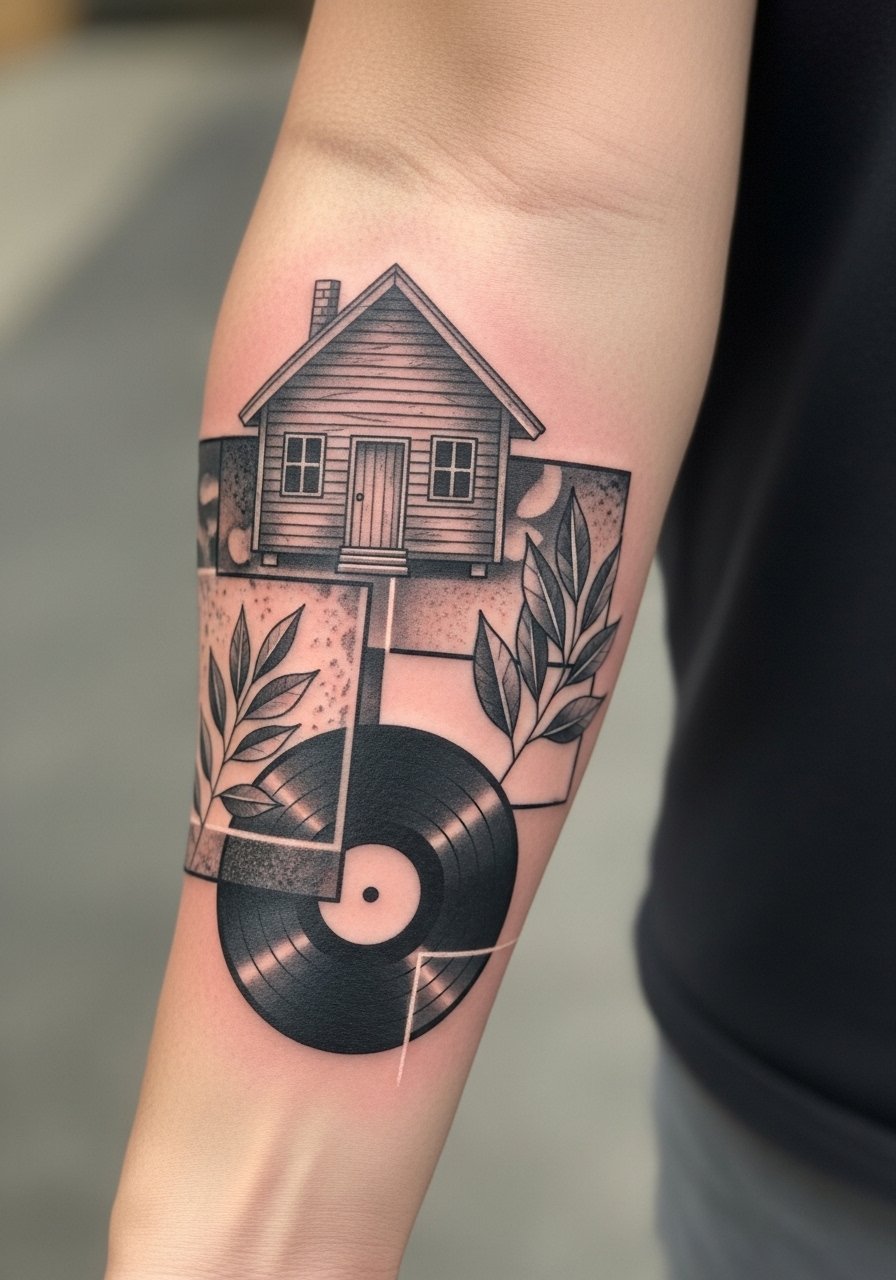
Consultation lead: starting a sleeve with patchwork keeps each session focused and allows the piece to age together. The common error is trying to force stylistic cohesion too early. Start with one motif and let the next sessions build a language. For forearm work expect multi-session scheduling and plan deposits accordingly. Session wear is a loose long-sleeve button-up you can roll comfortably so the artist has clear access.
18. Tiny Ornamental Finger Wreath for a Single Lyric Word
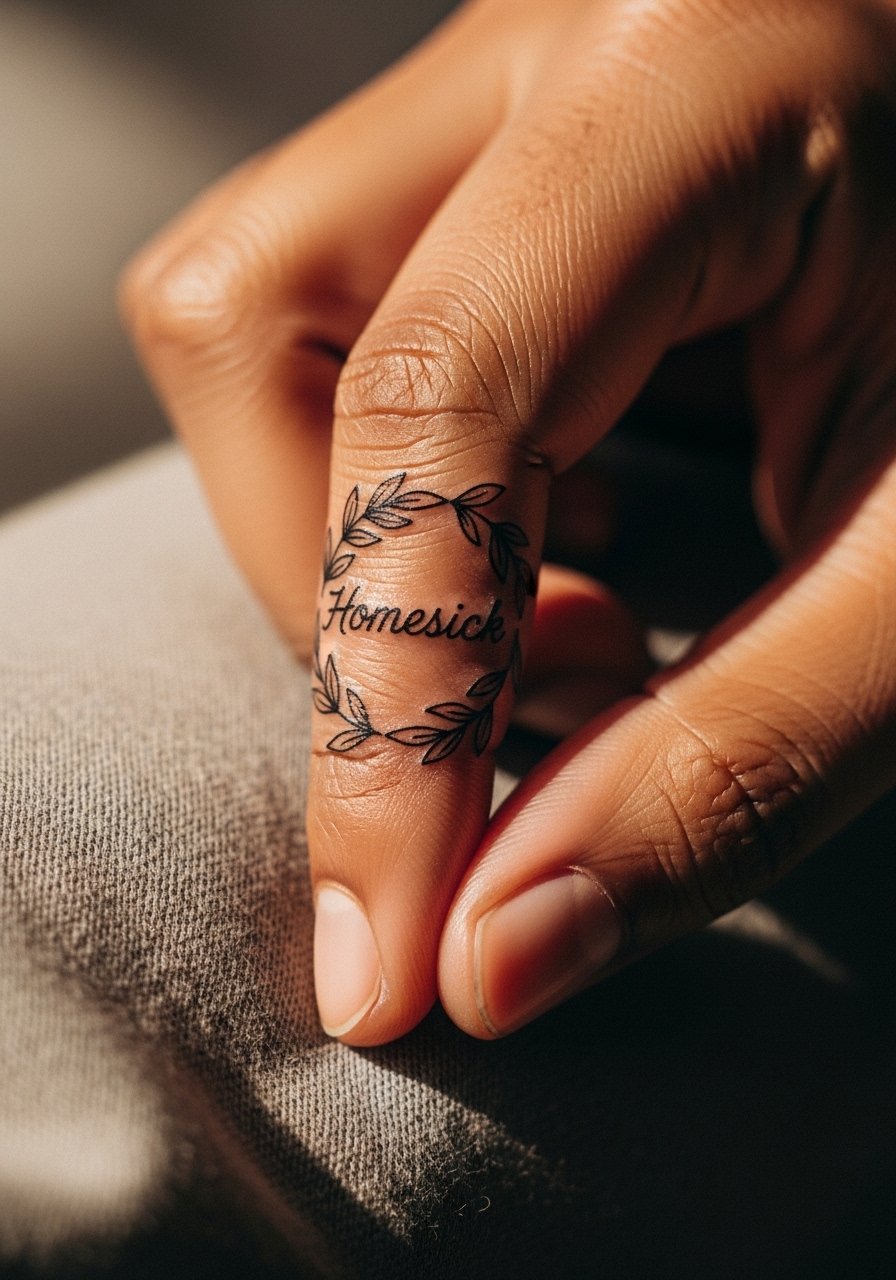
Mistake lead: finger skin is exposed and heals oddly compared to the forearm. Tiny ornamental elements often fade within a year if the lines are too delicate. Ask for slightly heavier outer lines and expect a touch-up in the first year. The session is short and sharp in sensation. If visibility is a concern later, remember knuckle and finger placement has industry implications in some workplaces.
19. Neo-Traditional Cabin with Starburst Accent on Thigh Outer
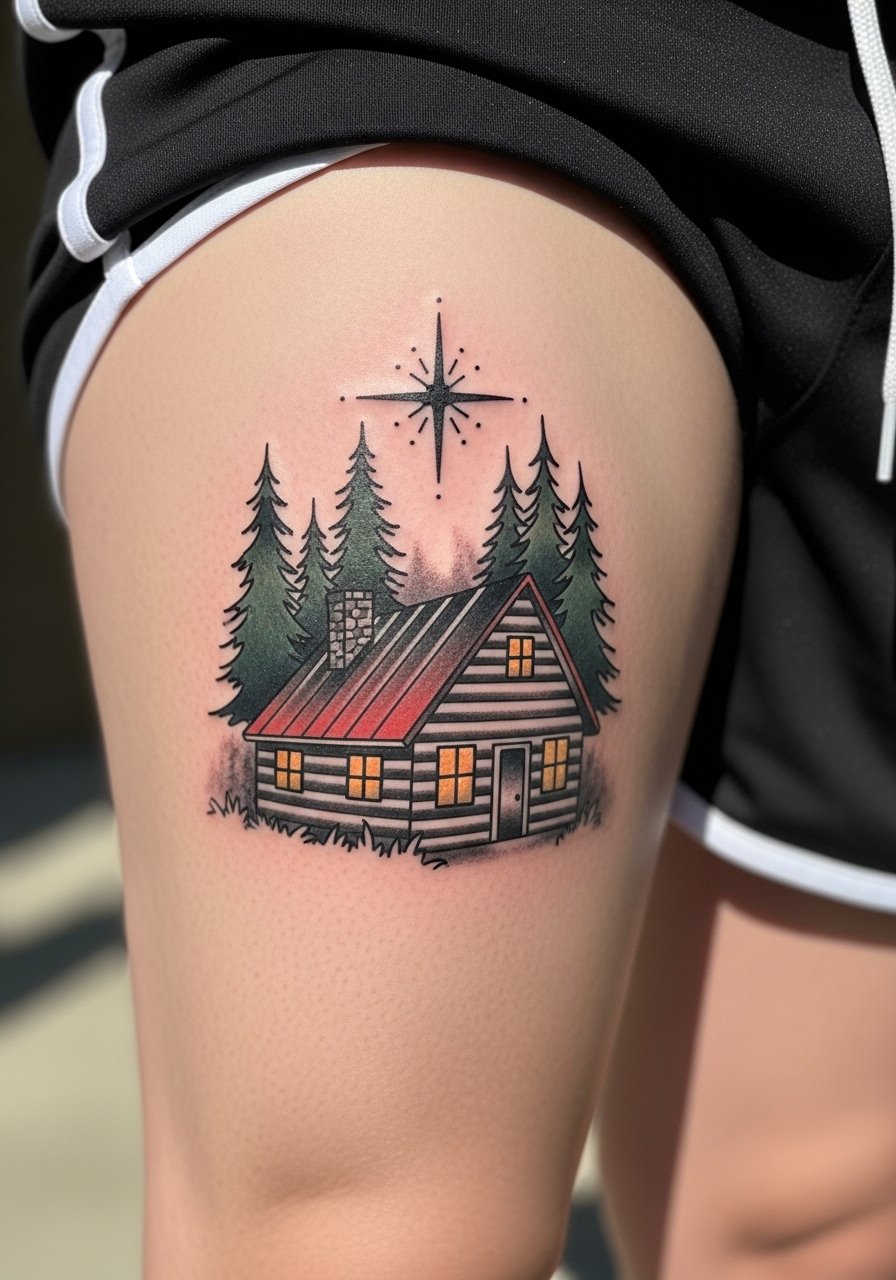
Personal observation lead: thigh outer tolerates saturation and larger compositions well, but rapid body changes can warp lines. The mistake I see is skipping the staged photos during consult. Ask to preview the stencil in the exact shorts you plan to wear so the piece sits where you expect. Two sessions usually do the job for a colored neo-traditional look. For summer framing try high-waisted denim shorts and a belt to give the composition a visual anchor. Consider faded wash shorts for casual styling.
20. Minimalist Vinyl Needle on the Wrist for Tiny Song Nods
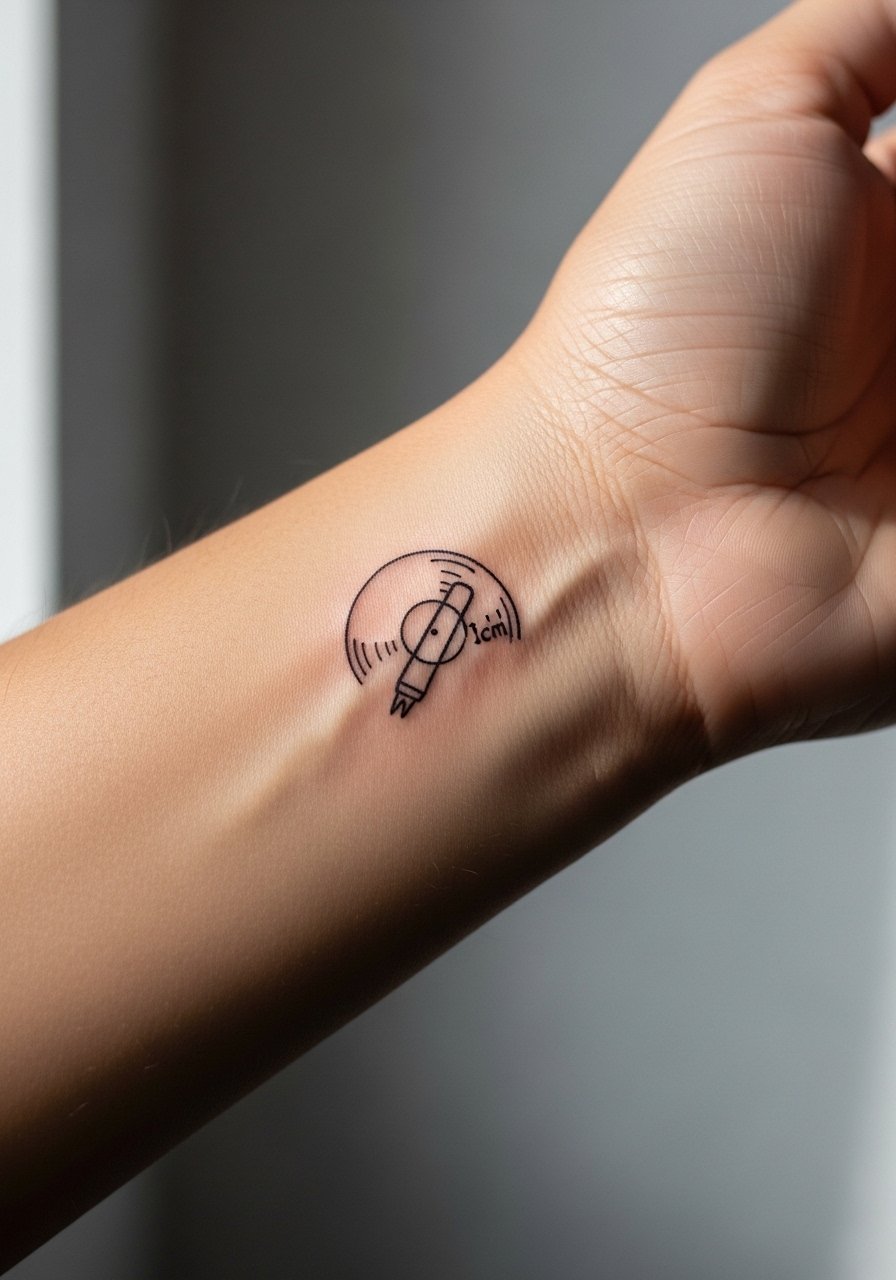
Mistake lead: wrists see constant washing and jewelry contact which accelerates fine line fade. Plan a slightly bolder icon and place it where a bracelet will not rub directly on the ink. The session is quick, under 30 minutes for a truly tiny mark. For showcases pair with stacked thin cuffs on the opposite wrist and a neutral linen top. A thin silver cuff bracelet complements a wrist icon without competing.
21. Traditional Compass Rose Start for a Forearm Sleeve Anchor
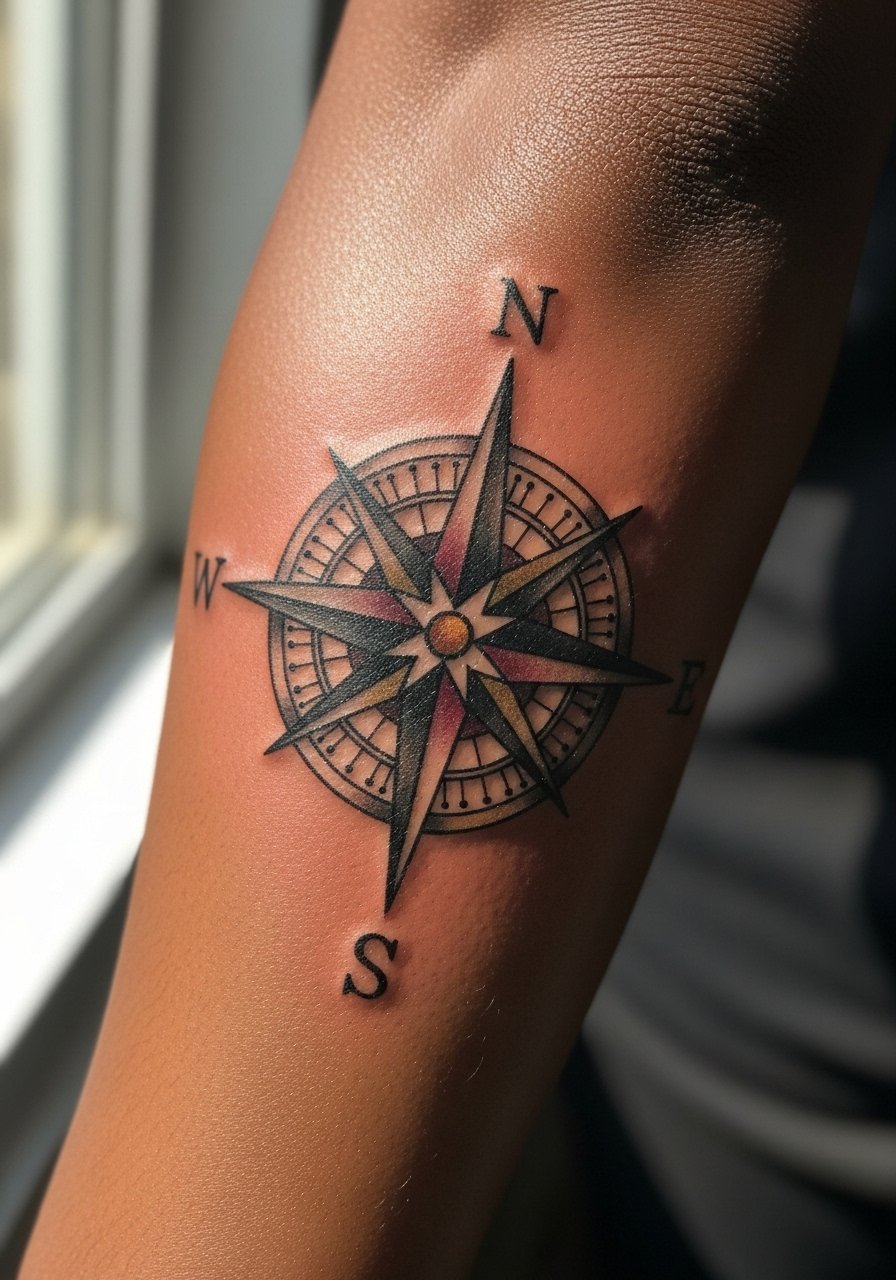
Mistake lead: starting a sleeve with a compass that is too small makes future composition harder. Go larger and balance color accents so it anchors later additions. Forearm skin is one of the more stable places for long-term linework. Expect two sessions for a solid anchor and a check-in touch-up at six months. For session comfort bring a loose short-sleeve shirt you can roll without yanking the area.
Frequently Asked Questions
Q: Will fine line "Stick Season" script blur faster on the wrist than on the forearm?
A: It depends on placement and daily abrasion. The wrist gets constant movement and contact from watches and sleeves, so a slightly heavier single-needle approach helps. If you want minimal maintenance pick inner forearm or collarbone for similar aesthetics with less daily rubbing.
Q: How should I prep for a ribcage micro-realism session to reduce pain and movement issues?
A: Hydrate well the day before and wear a loose cropped top so the artist can access the ribs without tugging. Some people use topical numbing creams approved by their artist. Budget enough time between breathing breaks because steady breathing helps crisp detail.
Q: Are blackwork trees a better option than watercolor forests if I have darker skin?
A: In my experience blackwork with strong negative space reads more reliably in photos on darker skin. If you want color, ask for high-contrast accents and bring healed examples on similar skin tone so the artist can match saturation choices.
Q: If my tiny script fades in six months what is the realistic touch-up timeline?
A: Expect to visit for a touch-up anywhere from six months to a year for fine line wrist or finger work. Larger pieces usually wait longer. Plan for a touch-up window in that first year and tip accordingly to build rapport.
Q: Do watercolor shoulder blade pieces need different aftercare than black and gray shoulder pieces?
A: Watercolor pigments can sit closer to the surface, so avoiding sun exposure for longer helps preserve vibrancy. The basic cleaning and moisturizing routine is the same, but be ready for color-top-up sessions if you want the tones to remain vivid.
Q: Where can I find artists who specialize in Noah Kahan lyric work and guest spots?
A: Search tags like #NoahKahanTattoo and #StickSeasonInk on social platforms and filter by location. Use apps that list guest spots and convention calendars to catch artists at a lower walk-in rate. Also check thread discussions on community forums that share healed photos and booking tips.
