
Fine line You Are My Sunshine pieces look effortless on a feed, but the reality is that tiny script and single-line suns behave very differently on skin than they do on a screen. Placement, line weight, and spacing decide whether the phrase stays readable at year three or needs a touch-up. Below are 17 careful minimal line interpretations that favor longevity, clear consultation notes, and wardrobe pairings so you know what to ask for when you book.
1. Tiny Script "you are my sunshine" on Inner Forearm
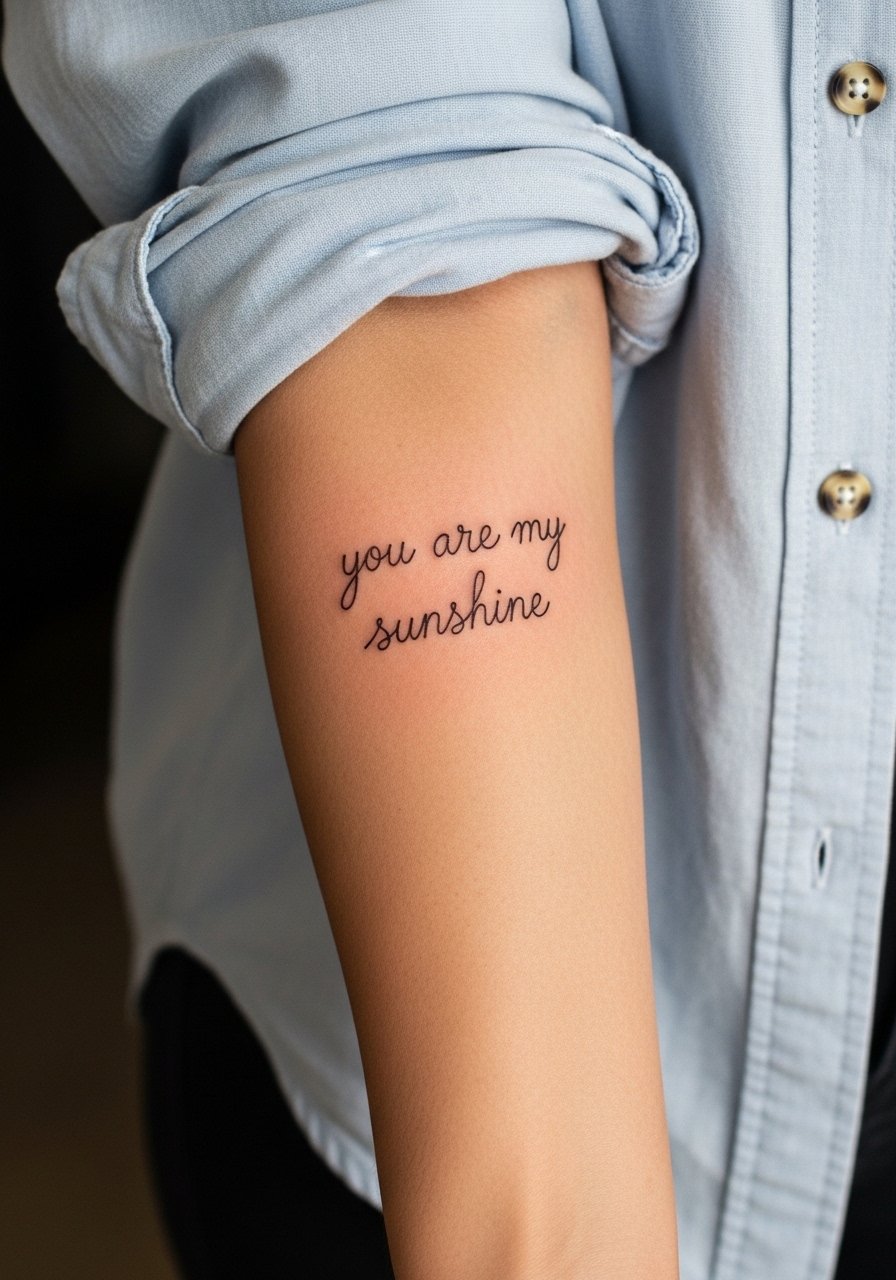
I've seen this placement hold the phrase best when the lettering is spaced slightly wider than people expect. Ask your artist for single-needle linework with a tiny pause between letters so the words do not merge as the skin ages. Pain is moderate, and a single short session usually does it. The common mistake is asking for ultra-tiny lettering that looks crisp in a photo but blurs at year two. For showing it off, roll sleeves or try a loose button-down shirt you can pull aside during the session and on casual days.
2. Micro Sun Glyph Above the Wrist
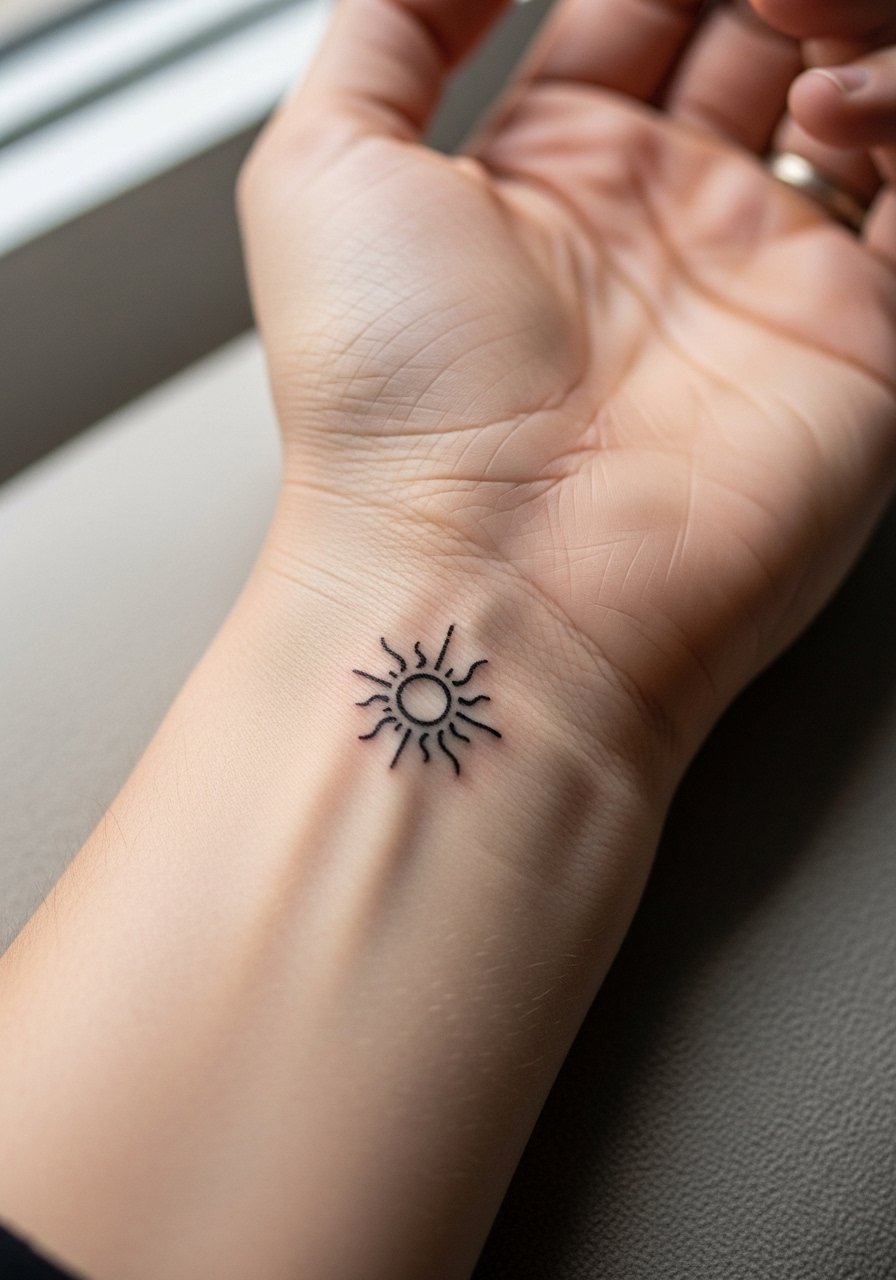
Personal observation: tiny symbols above the wrist live or die by spacing and line weight. I recommend a single-ring sun with four radiating ticks rather than dozens of rays. That reduces blowout risk in this high-friction zone. Session time is short, pain is low to moderate, and a light touch-up at year two is common. Bring up exactly how wearable you need the piece to be in everyday life. For the appointment, wear a racerback tank so the artist can access the wrist without you pulling layers up and down.
3. Minimal Sunburst Behind the Ear
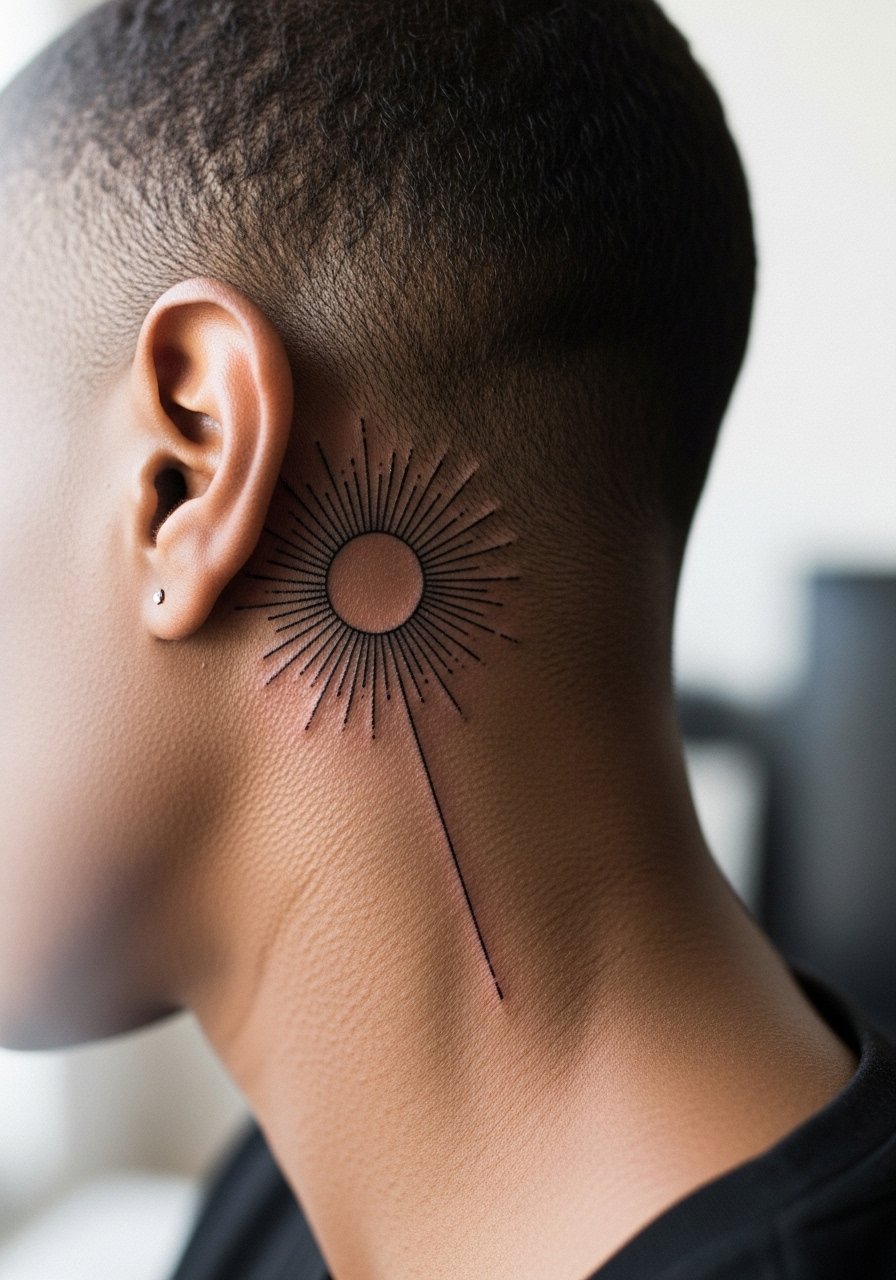
Fair warning: behind-the-ear work needs a confident stencil placement and an artist who has done subtle curving linework in that zone. The area is small so a simplified sunburst with open space between rays ages better than dense rays. Pain is low but the session can feel sharp because of the bone close to the skin. For discretion, the hair covers it when you want; for showing off, a short bob or tuck reveals it. If you plan to photograph it, put your hair up or use a thin chain pendant necklace to frame the area.
4. Collarbones Script with Mini Sun Accent
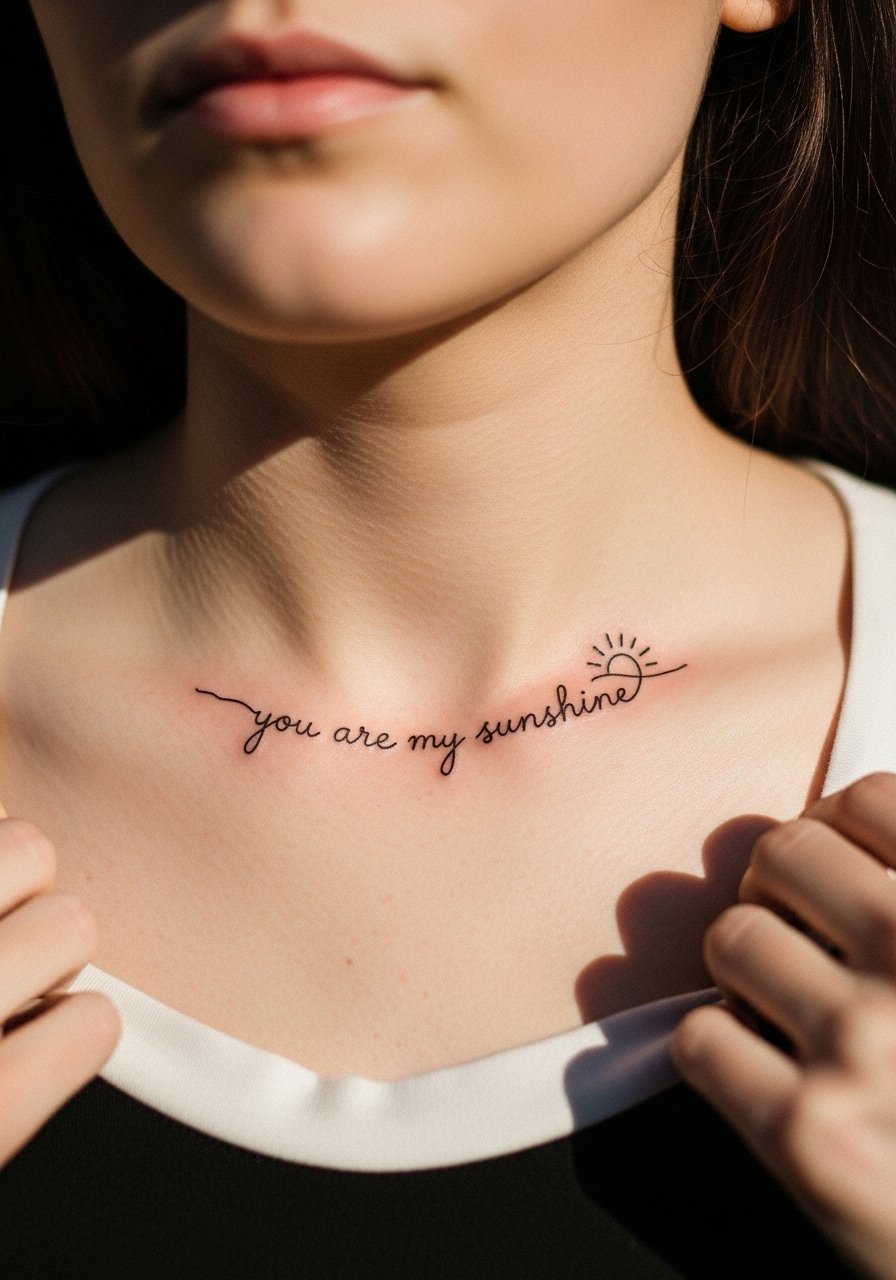
Most people choose the collarbone for visibility. If you want the phrase to read across clothing lines, ask for slightly bolder linework than a pure single-needle so the letters survive friction from necklaces and straps. Pain is moderate and the session usually fits into one short appointment. Pair the piece with open-neck blouses for evenings out. During the consult, mention if you wear necklaces often so the artist can set the text a touch higher or lower.
5. Tiny Sun Outline on the Ankle
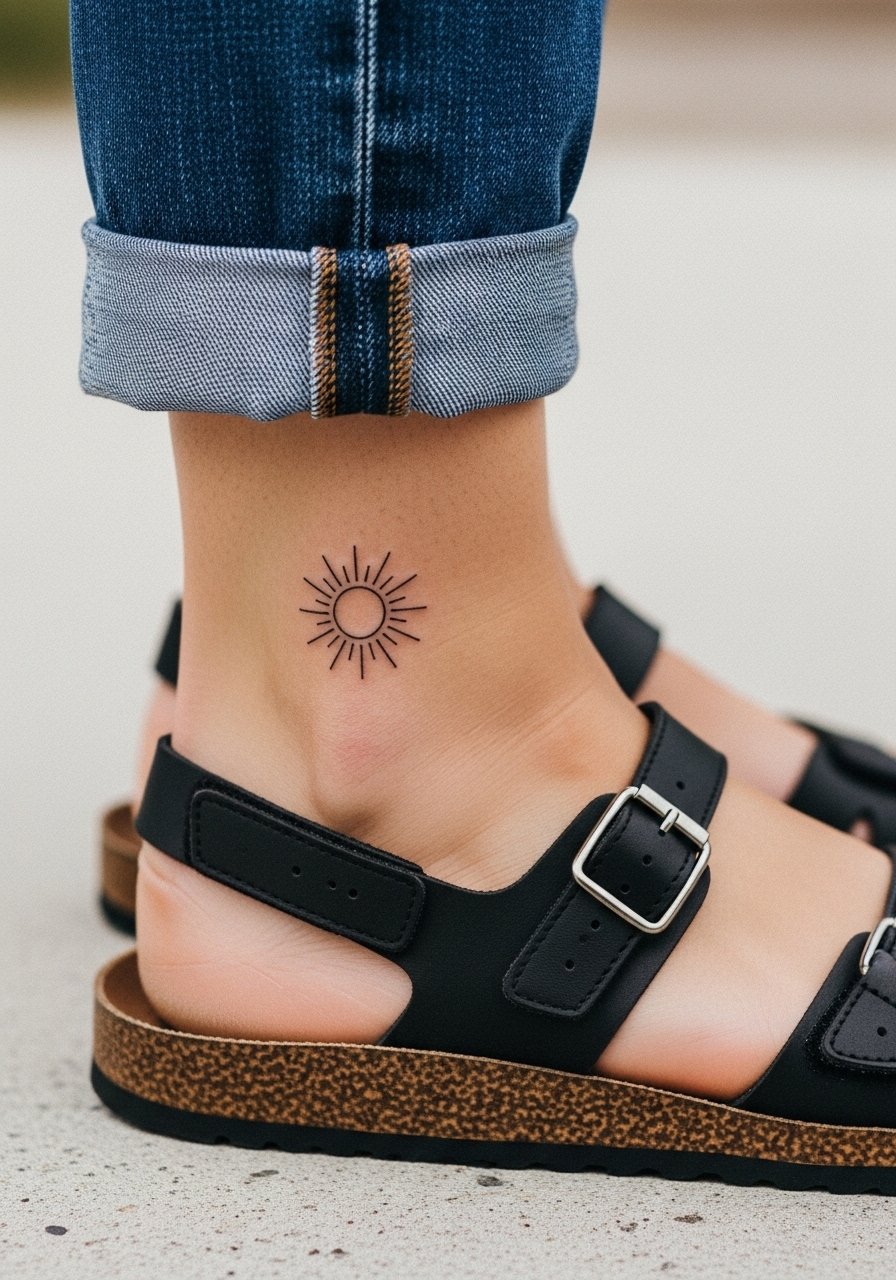
The ankle is forgiving for small iconography if you keep the sun simple and the rays short. Blowout risk increases if the artist tries to cram too many fine rays into a very small circle. Expect more rubbing from socks and shoes during the first two weeks so plan footwear accordingly. For session ease and show-off outfits, jeans rolled up to reveal the area pair well with a pair of simple sandals.
Studio Day Picks
The inner forearm, collarbone, and ankle pieces above need different prep and first-week approaches, so a few items make the session and the healing window easier.
-
Stencil transfer paper kit. Lets you preview exact placement on skin before committing, which is crucial for the collarbone and forearm word marks.
-
Thin protective film roll. Useful for ankle and wrist pieces that face friction from shoes and watches during the first few days.
-
Fragrance-free gentle body wash. Cleanses healing linework without stripping the tiny channels that single-needle work relies on.
-
Natural healing balm for tattoos. A thin layer during the first 48 hours calms dryness around fine lines without suffocating the skin.
-
Aquaphor healing ointment. A trusted option for the first day on small linework when a thin, controlled layer of moisture is needed.
7. Minimal Script Ring on the Finger
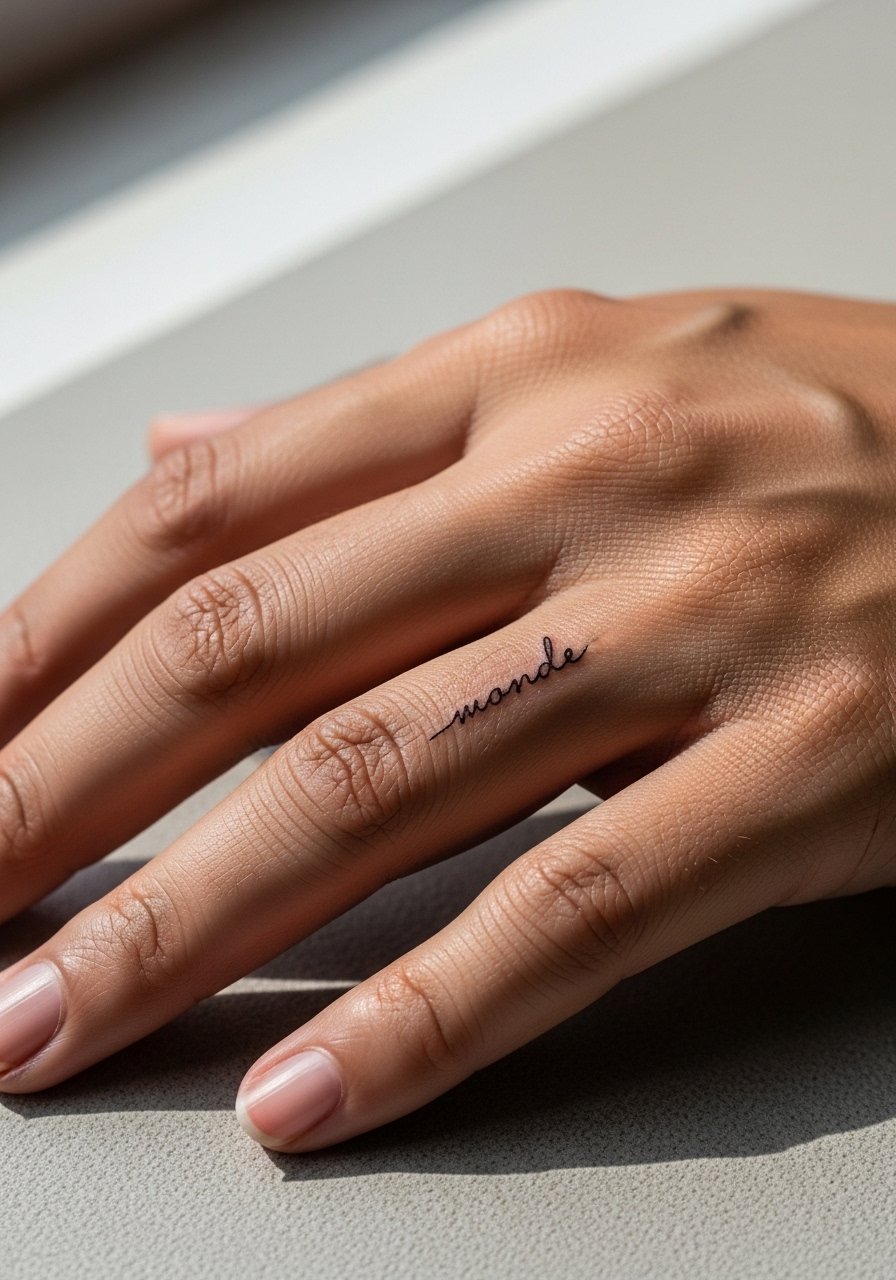
Finger work is polarizing in the community. One camp accepts that hands and fingers need frequent touch-ups and treat them as temporary adornment. The other camp argues microscopic linework can last if the ink is placed deeper and thicker. Name both camps to your artist and ask where they land. Realistic expectation: expect fading and touch-ups at year one to three. Pain is high for such a bony spot and the session is short. For showing off, stack with a minimal band or a delicate midi ring set that complements the tiny script.
8. Single-Line Sun on the Back of the Arm
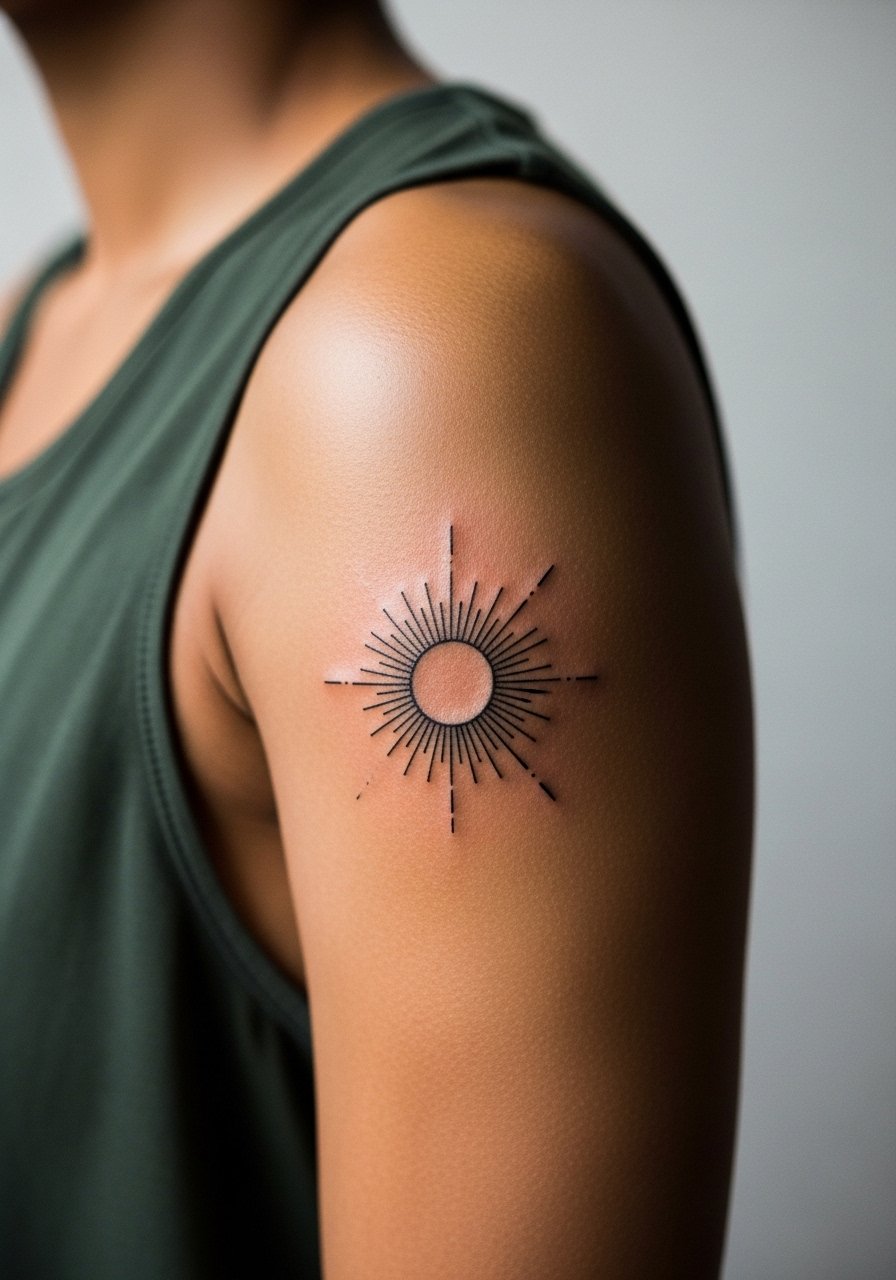
This placement reads quietly when your arms are down and looks deliberate when you wear sleeveless tops. I suggest slightly thicker single-line strokes than the ultra-fine needle so the sun retains shape after two years. Pain is low to moderate and the session takes under an hour. A common mistake is asking for a dense ray pattern that ages into a shaded blob. For the session, wear a loose tank top so the artist can work with the arm relaxed.
9. Micro Sun and Script Curving Along the Ribcage
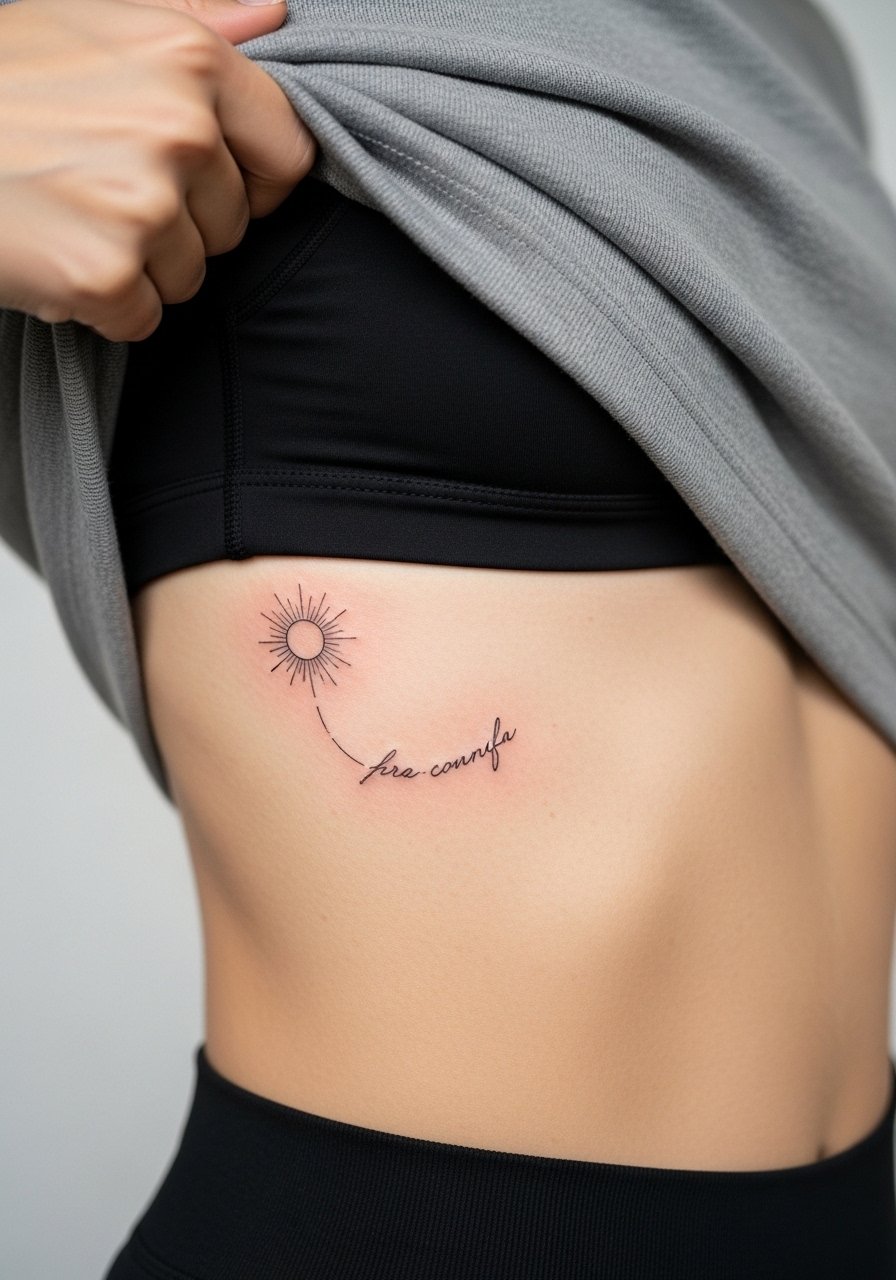
Controversy alert. Fine line on ribs divides artists. One group says thin lines blur there because the skin stretches during breathing and movement. The other group believes careful needle depth and spacing keeps lines crisp. I advise treating this as a conditional choice. If you love the ribs, ask for a slightly bolder outline and extra spacing between letters. Expect higher pain and a longer sit. For the session, wear a cropped top you can lift without exposing more than necessary.
10. Minimal Sunburst Shoulder Cap
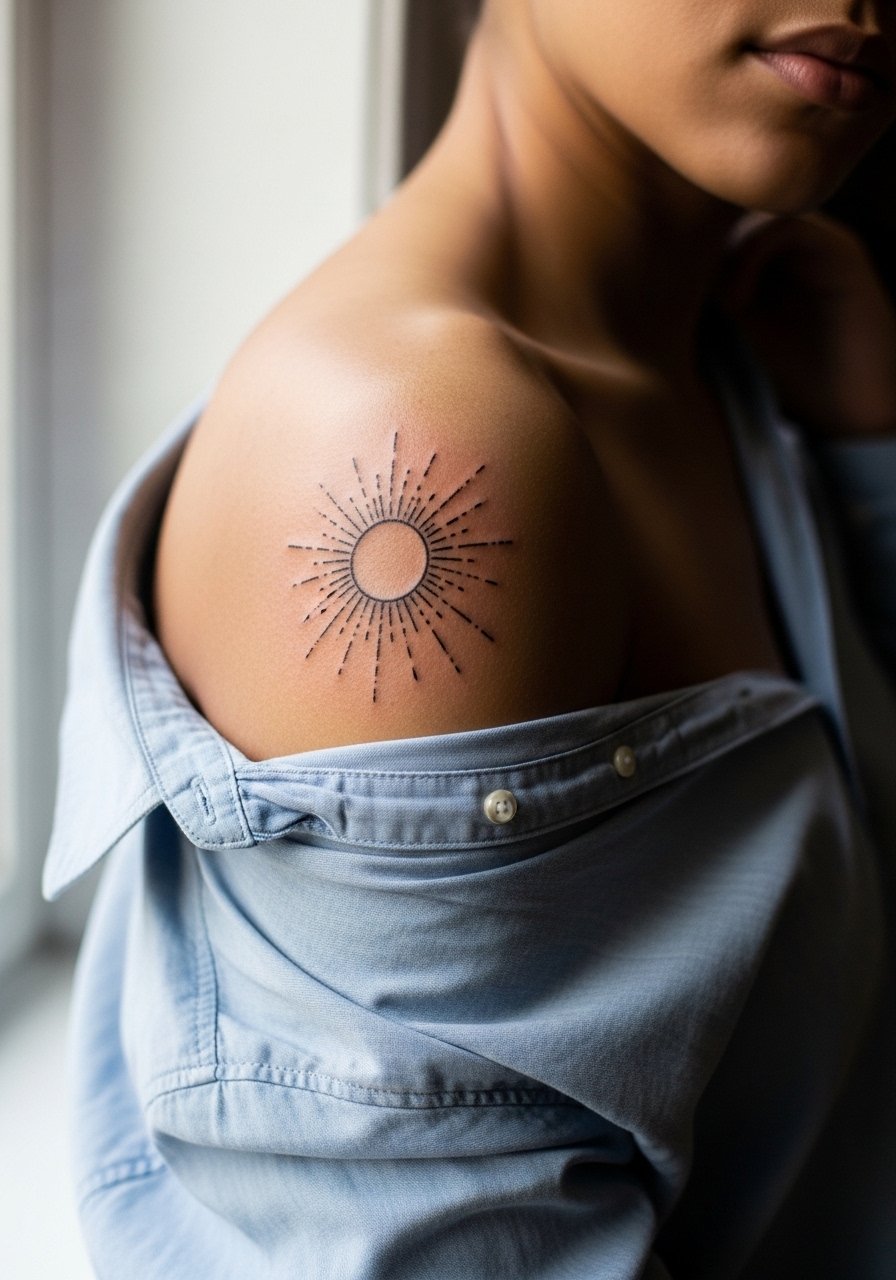
The shoulder cap holds single-line icons well because the skin there moves less and receives lower friction from clothing. I recommend a shallow dome of rays with open negative space. Pain is low and the session is quick. A common mistake is placing the sun too close to the shoulder seam where t-shirt edges rub. For showing off wear, an off-the-shoulder top frames the piece without covering the linework.
11. Minimal Solar Script Across the Sternum
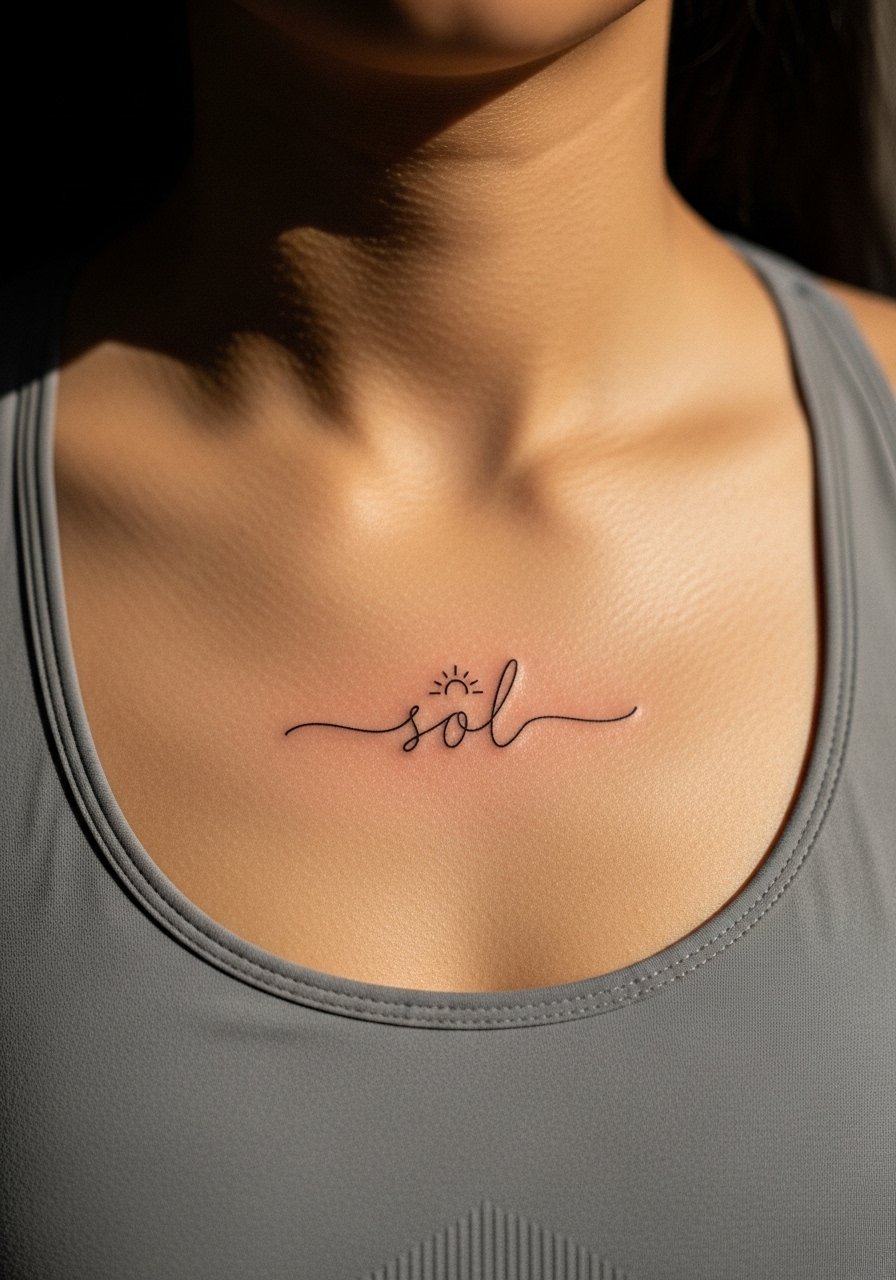
Sternum pieces read intimate and highly visible. The skin there can be finicky so many artists recommend slightly thicker script. From what I've seen, the most durable approach is to keep the script short and the sun minimal. Pain is higher and the session can take longer because of the sensitivity. If you wear necklaces often, mention that at consultation so the artist positions the text with that in mind.
12. Tiny Constellation Sun on the Calf
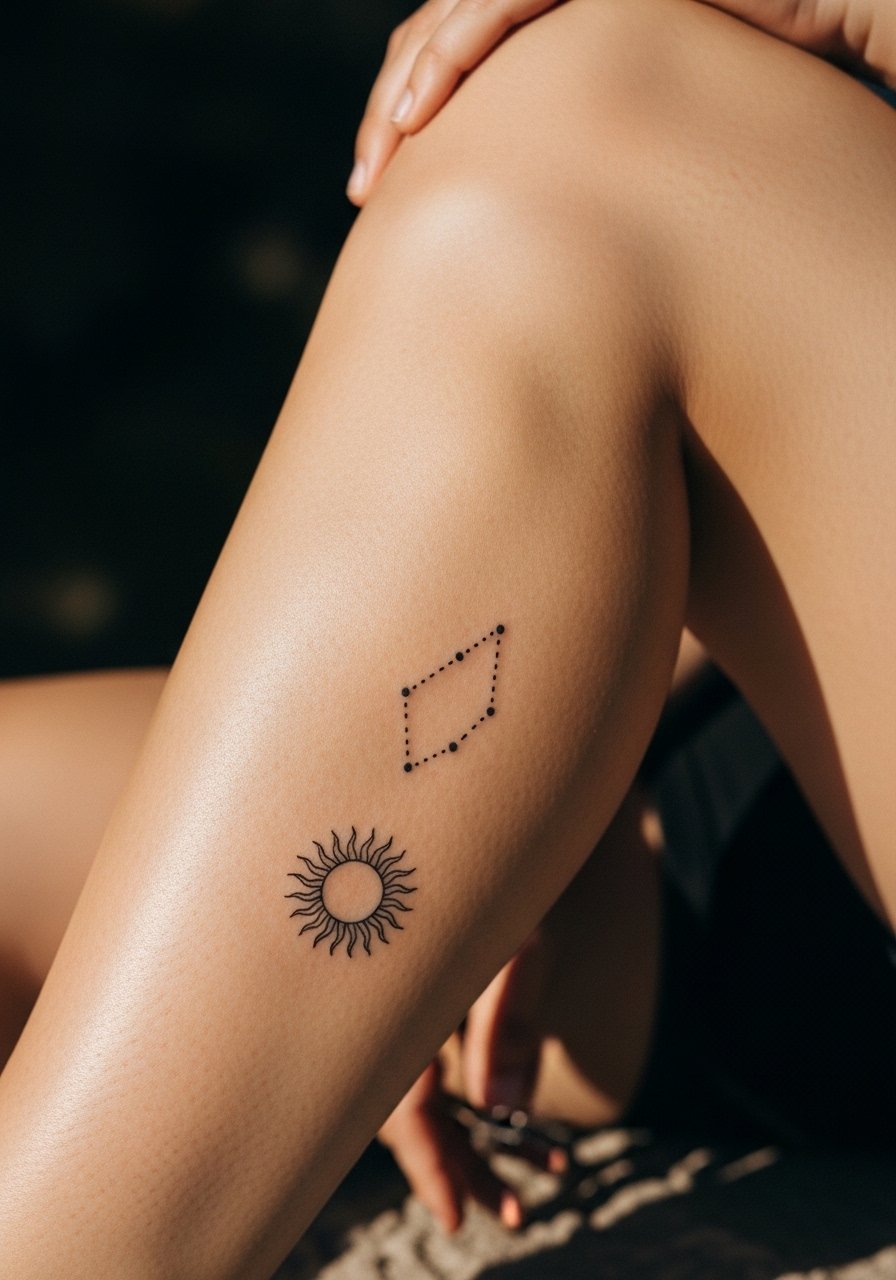
Calf placements are forgiving for tiny motifs because the skin is thicker and sees less constant friction. A micro constellation of dots around a tiny sun reads well for years. Session pain is low to moderate and you get a smooth healing window. For the session and recovery, wear loose drawstring linen pants you can roll up without pulling on the area.
13. Minimal Script Curving Along the Hip
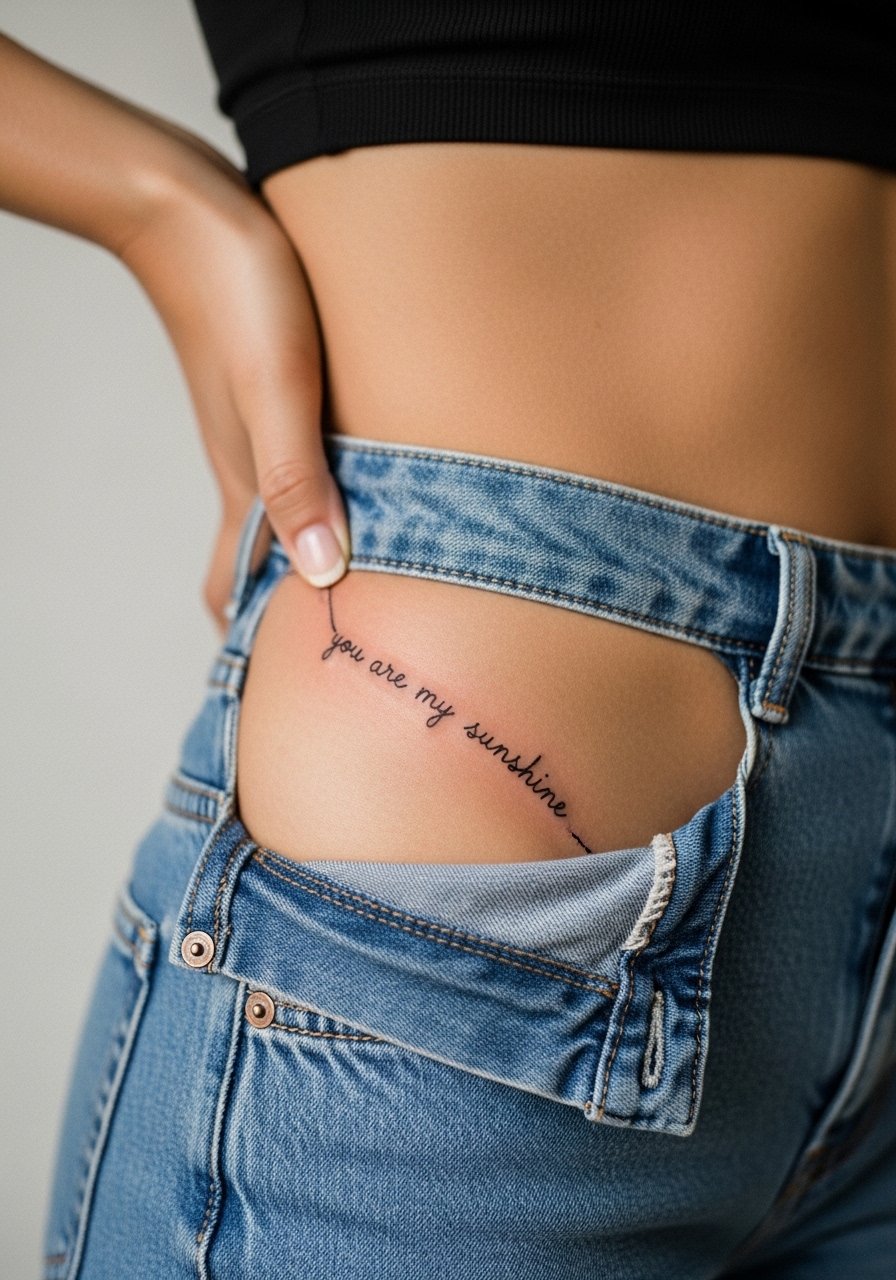
Hip work gets occasional stretching from clothing and body movement. I prefer recommending slightly increased letter spacing and a light hand in shading to ensure letters remain legible. Pain is moderate and the session fits a single appointment unless you want accompanying dot work. For the appointment, a pair of high-waisted jeans that you can shift down a touch is the easiest choice.
14. Minimal Sun Motif on the Shoulder Blade
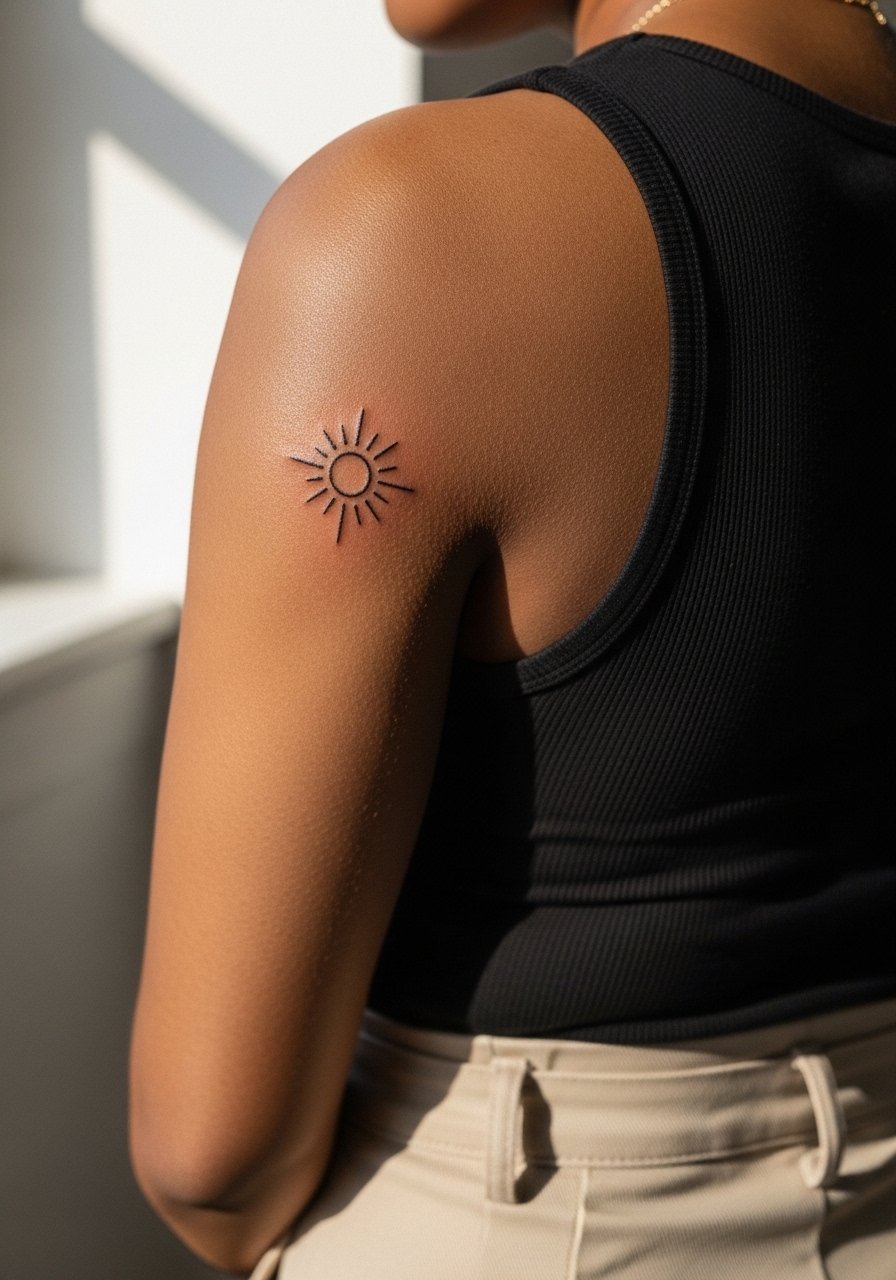
Shoulder blade tattoos age nicely if given breathing room. The trick is not packing rays into a tiny circle. Expect low pain and a short session. If you plan to photograph the piece, open-back dresses work well. For showing it off, an open-back midi dress frames the work without competing with its simplicity.
15. Single-Needle Sun on the Nape of the Neck
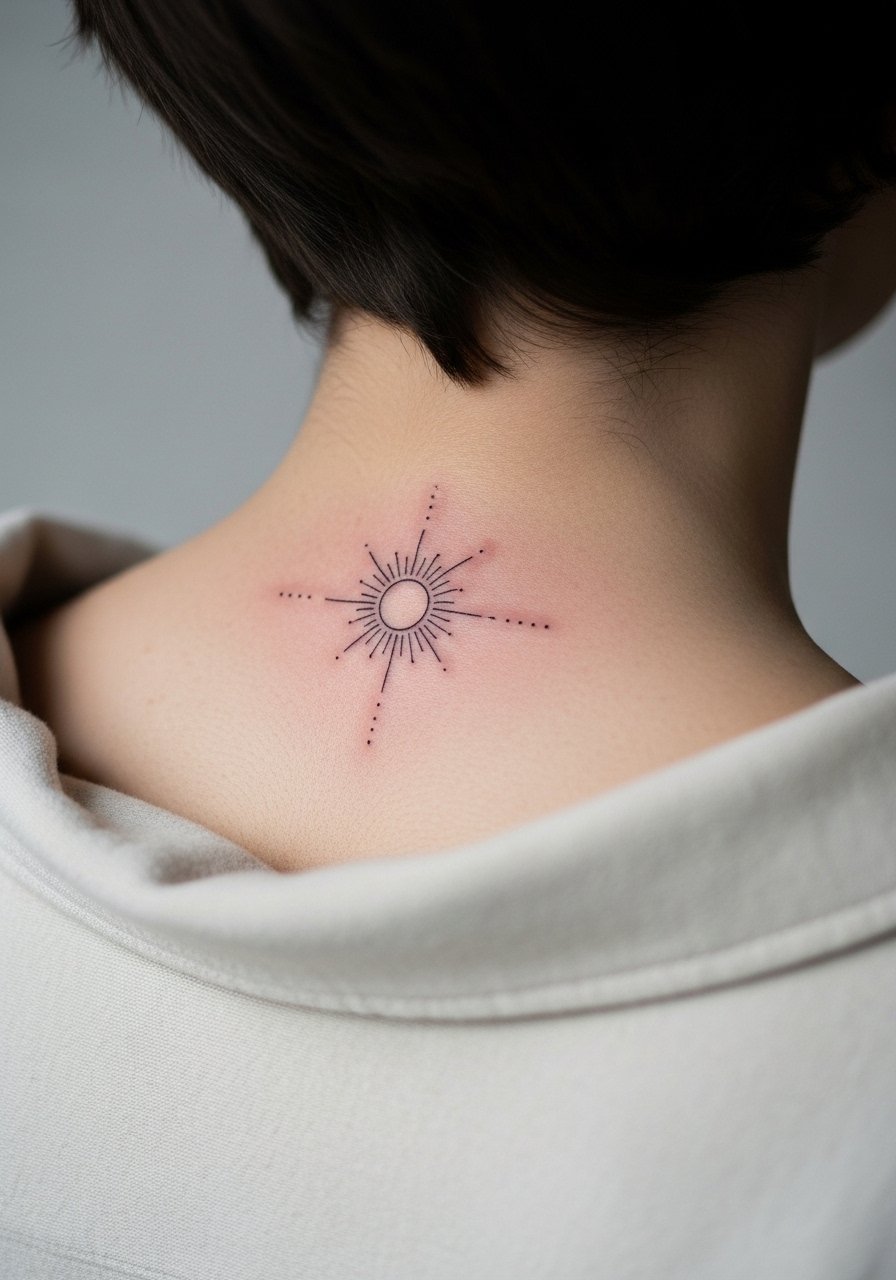
Nape pieces are discreet and sweet. They tolerate single-line work better than the fingers because the skin is less exposed to daily abrasion. Pain is moderate and the session is brief. If your workplace has visible tattoo policies, consider placement carefully. For consults, ask your artist about how the line thickness they plan translates to long-term clarity.
16. Under-Ankle Tiny Sun Next to a Minimal Script
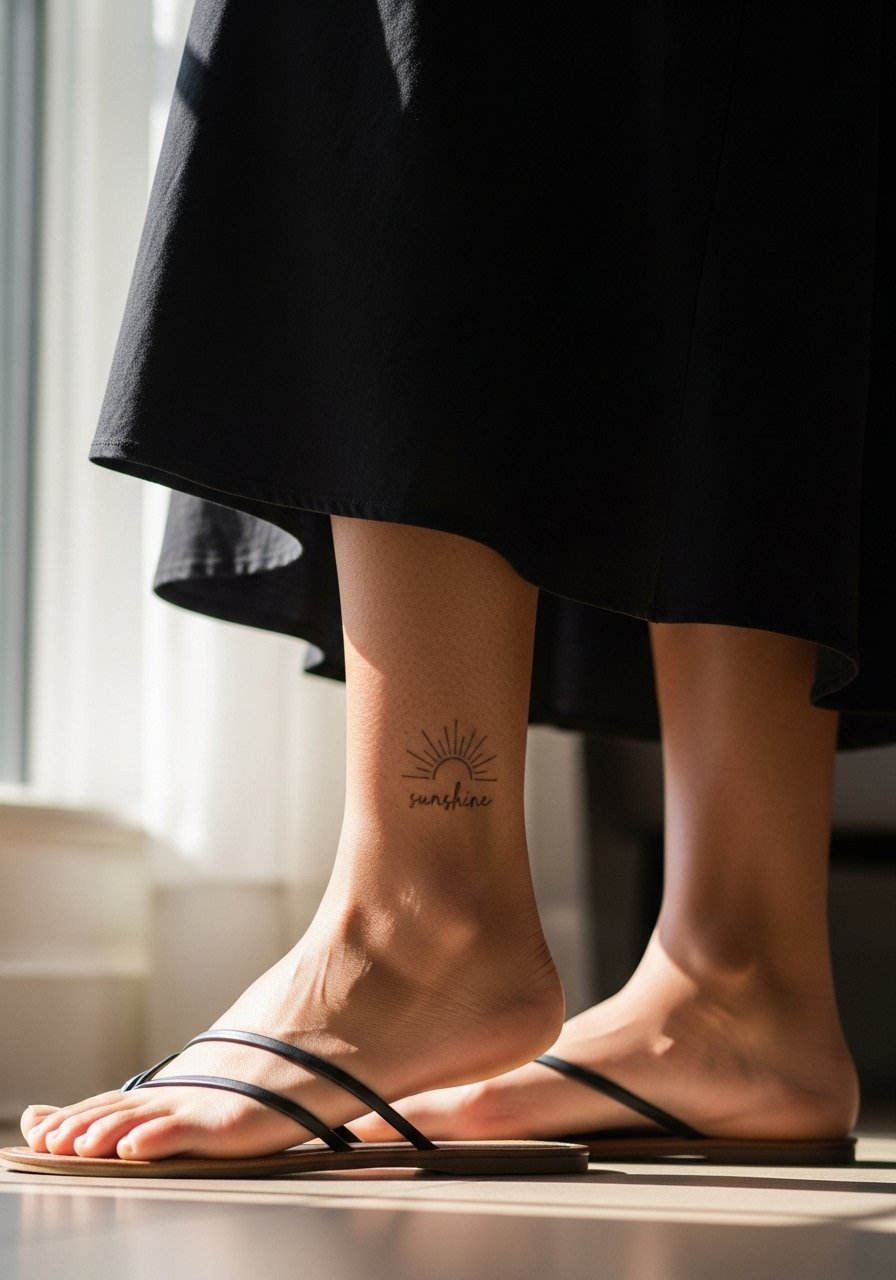
Under-ankle spots face a lot of friction from footwear. I suggest keeping the sun simple and the script short. The typical mistake is over-detailing in a spot that will rub daily. Pain is low and healing needs a little extra protection from socks. A simple sandal or rolled jeans shows the linework best. Pair with neutral summer footwear like a simple flat sandal.
17. Micro Sun Accent Near the Inner Thigh
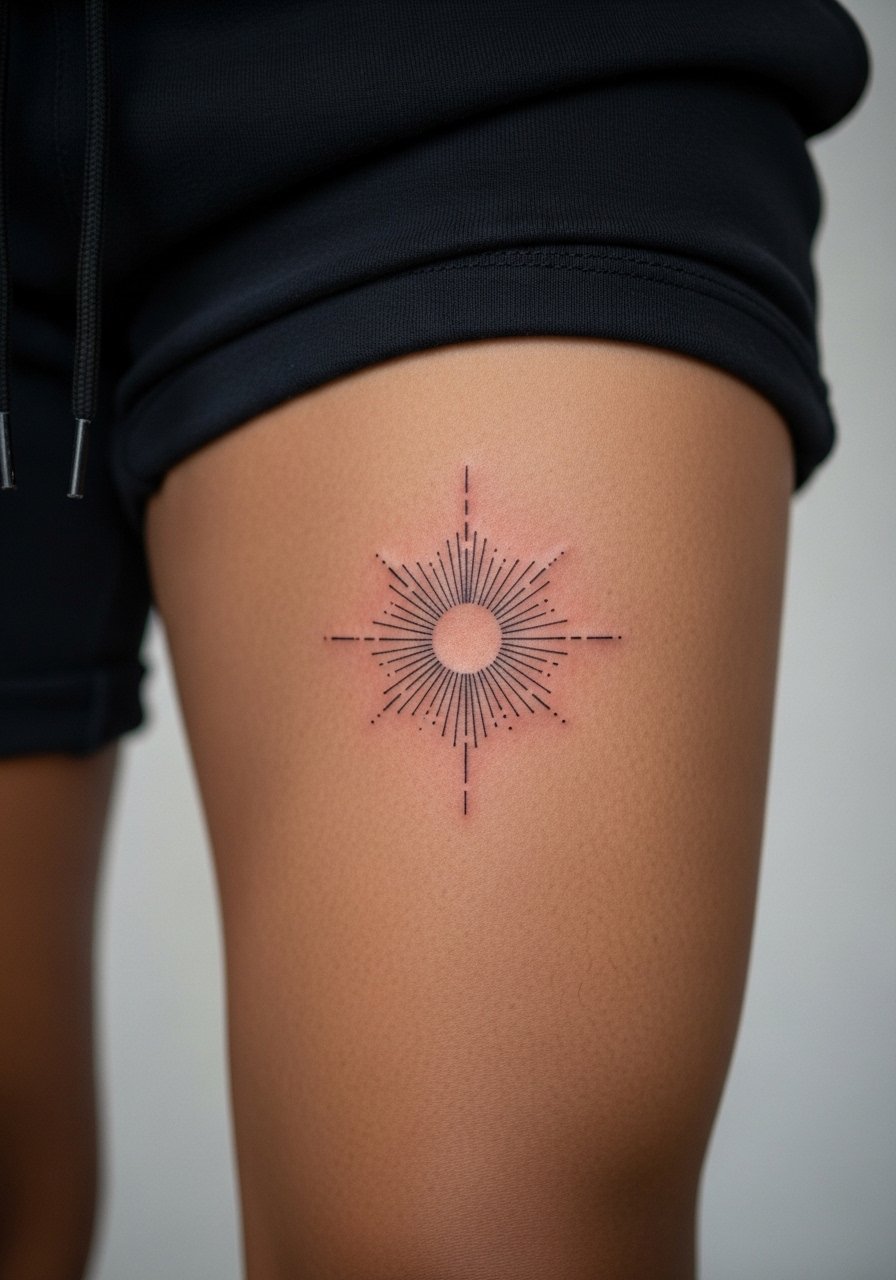
Inner thigh pieces are intimate and need an artist used to working in that zone. Pain is higher but tolerable for short sessions. The skin there heals differently and the piece benefits from extra spacing and slightly bolder outlines than you might assume. For the session, wear shorts you can shift without exposing more than the area needed. If you plan to share photos, a wrap skirt frames the area nicely.
Frequently Asked Questions
Q: How small can the "you are my sunshine" script be without blurring over time?
A: In my experience a line height under 3 millimeters is risky for single-needle script. Ask for slightly wider spacing and a modest line weight. If you want a very tiny look, accept that touch-ups at year two to three are likely.
Q: Should I avoid ribs or sternum if I want fine line to last?
A: Not necessarily. Artists split into two camps on this. One camp warns that ribs and sternum blur sooner because of skin movement. The other camp says careful depth, spacing, and slightly bolder lines make it work. Ask potential artists how many rib or sternum pieces they have in their healed portfolios and pick the answer that matches your longevity goals.
Q: Will a wrist or finger "you are my sunshine" need more touch-ups than forearm work?
A: Yes. Hands and wrists face constant washing and friction, which accelerates fade. Expect touch-ups sooner than forearm or shoulder pieces. If you want lower maintenance, consider inner forearm or shoulder cap placements.
Q: How should I find an artist who specializes in minimal line work without naming names?
A: Use hashtags that match the style and your city, check online directories, browse convention guest lists, and read recent healed portfolios on community forums. I often find the clearest signals in healed photos posted by real clients rather than fresh flashes. Bring those images to a consultation and ask technical questions about line weight and touch-up policy.
Q: What should I wear to a session on the collarbone or shoulder so the artist has access?
A: For collarbone and shoulder work, a wide-neck shirt or a loose button-down you can pull slightly aside is easiest. For ribs or sternum, a fitted sports bra or cropped top you can lift briefly keeps exposure minimal and the artist comfortable.
