
Fine line LOTR tattoos dominate feeds right now, and the same pieces that get the most saves the day they go up often need touch-ups by year two. Trends look great fresh, but placement, skin tone, and line spacing decide what reads clean at year five. Below are 17 design ideas with real-world tradeoffs, what to ask in consultation, and wardrobe notes to help the design sit right on your body.
1. Elvish Tengwar Script Quote on Inner Wrist

Fine line Tengwar is a favorite for wrist quotes, but it splits artists into two camps. One camp says fine line holds up if the spacing is generous and the artist spaces characters for long-term clarity. The other camp argues that wrists wear fast and that thicker linework is more reliable. There is a second debate about Saniderm versus dry healing. The Saniderm camp points to cleaner short-term healing. The dry healing camp worries about trapped moisture on hands and wrists. If you want Tengwar that still reads at year three, ask the artist to space the letters and use slightly bolder linework than the thinnest needle. For showing it off, roll up a linen button-down, and wear a rolled cuff linen shirt the day after your session so the wrist sits exposed without harsh contrast. Expect a sharp look at six months, softening by year two, and a likely touch-up timetable around year three.
2. One Ring Inscription as Forearm Band
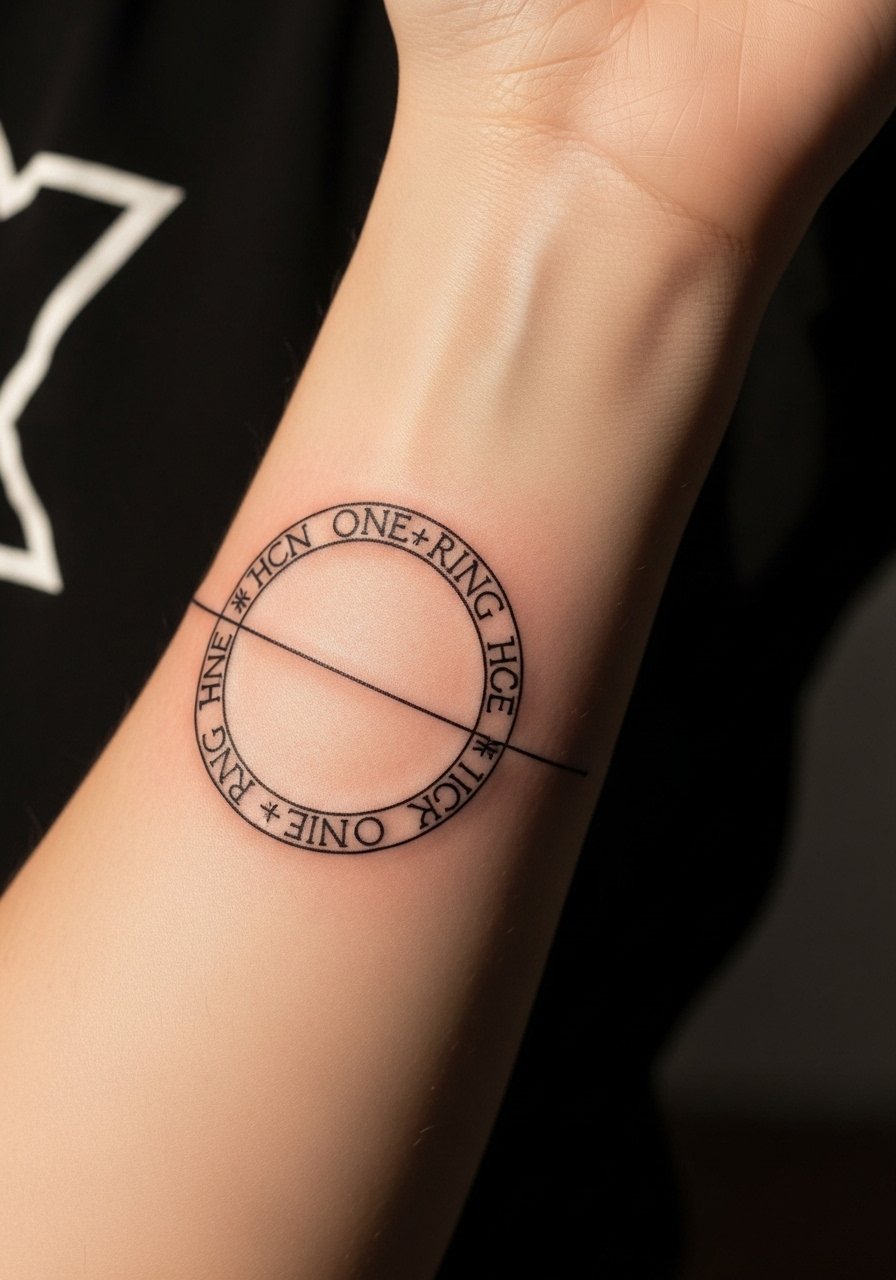
Finger bands fade fast from daily washing and friction. For the same inscription that lasts, ask for a forearm band one inch wide in bold blackwork. Tell your artist you want legible characters, not a fine script scaled down, and ask how the ring will sit when your arm flexes. Common mistakes include placing the band too close to the wrist or using a too-fine needle on the finger version. Session pain is low to moderate and usually finishes in one appointment for a 1- to 2-inch band. When you want to show it off, pair it with a loose linen short sleeve shirt rolled to the elbow so the band reads clean against neutral fabric. Expect bold black to photograph well in summer and hold up longer than gold-shaded color.
3. White Tree of Gondor on Outer Forearm

The White Tree reads well as a mid-sized forearm badge. I recommend a 3-to-5 inch treatment with clear negative space around the branches so the silhouette ages clean. A common version that ages poorly uses too many thin internal lines and tiny leaves. Tell your artist to emphasize silhouette and moderate shading rather than micro detail. The session usually takes one to two hours and sits at medium pain for most people. For appointment-day comfort, wear a loose button-down shirt you can pull aside to expose the forearm without fabric bunching. Over the first six months the trunk reads crisp, then softens slowly, and a touch-up after a year can tighten gaps if needed.
4. Eye of Sauron Mandala on Calf
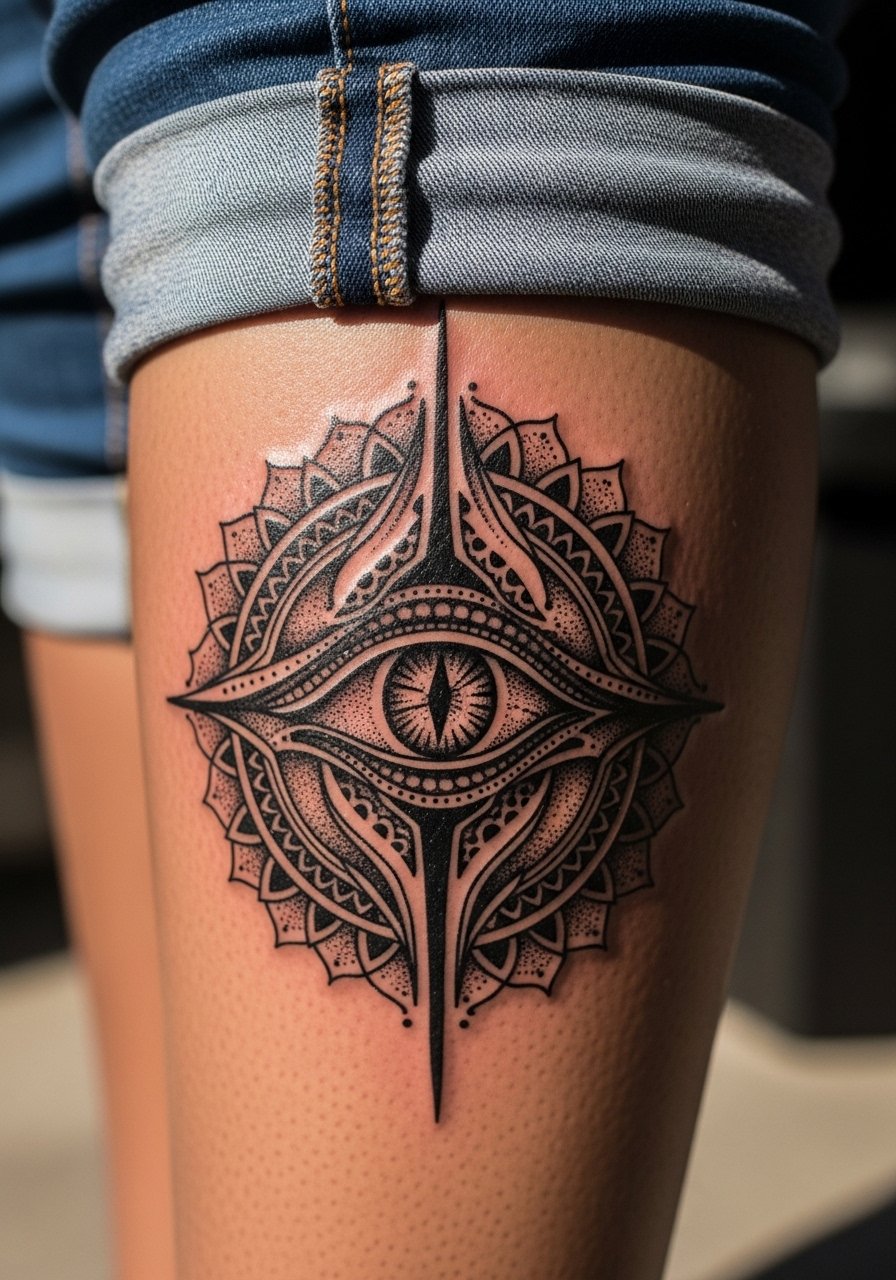
A mandala-style Eye of Sauron suits the calf where it has room to breathe and avoids blowout. Ask for pronounced spacing between rays and strong black saturation inside the pupil to keep the central eye readable as the stipple ages. The usual mistake is cramming a dense mandala too small, which merges over time. Calf sessions are comfortable and take two shorter sittings for 4-to-6 inch pieces. For showing it off, roll your bootcut jeans at the ankle or pick athletic shorts and add a leather cuff on the opposite ankle. I like the look with rolled ankle bootcut jeans that frame the lower calf in summer. Expect strong contrast at six months and gradual softening in stipple areas by year two.
5. Evenstar Pendant Outline at Collarbone
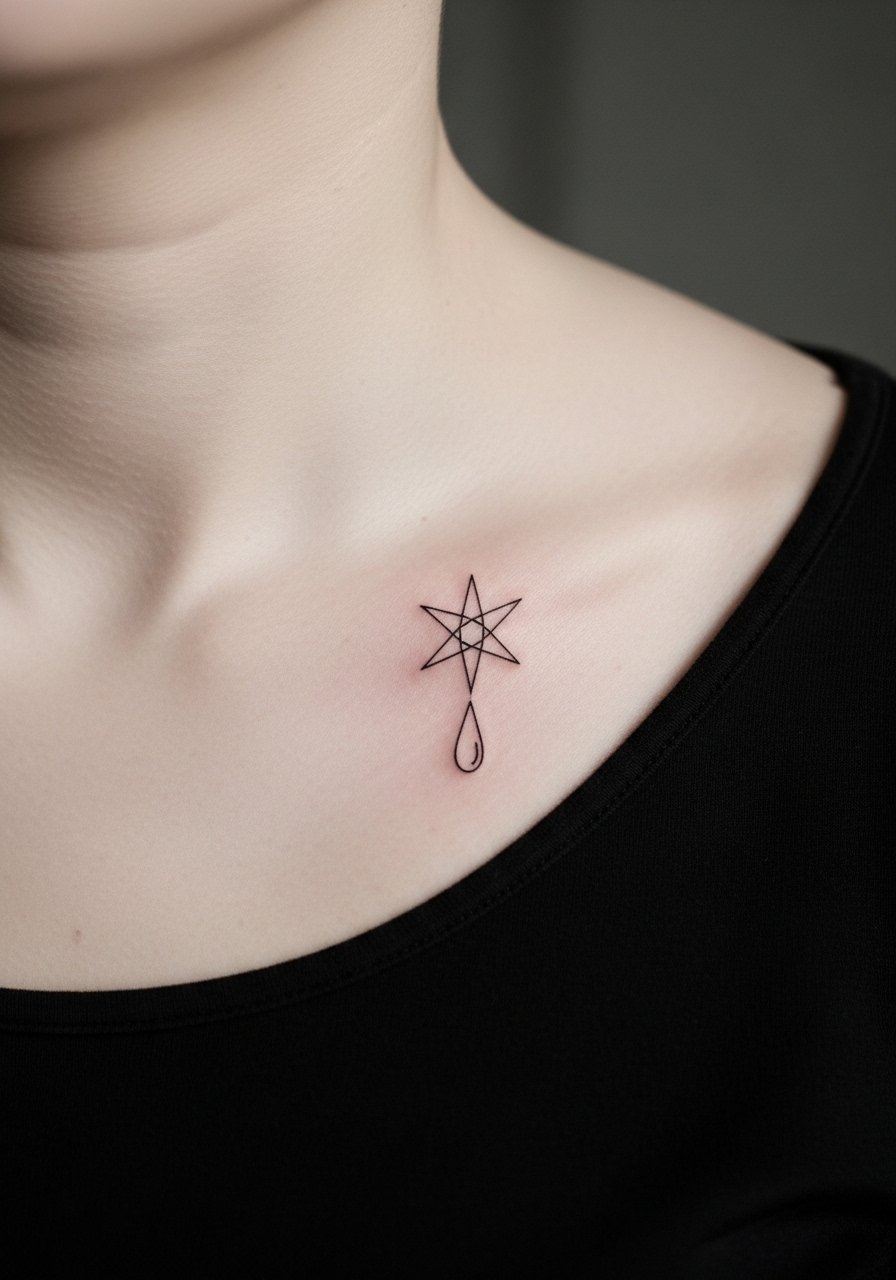
The Evenstar is an elegant collarbone pick that benefits from crisp single-line work and simple negative-space detailing. Avoid ultra-thin lines on deeper skin tones without testing first, because light delicate lines can disappear in photos. Tell your artist you want the pendant to sit just above the clavicle and to keep the bail small so necklaces do not compete. A common mistake is placing it too high into the neck, which distorts with movement. For session comfort, wear a loose V-neck tank or a shirt you can pull aside. For evenings out, a strapless midi dress or a dainty pendant on the opposite side keeps attention on the collarbone piece. Healing is usually fast and a single session suffices for a 2-inch outline.
6. Gandalf Portrait Silhouette on Shoulder
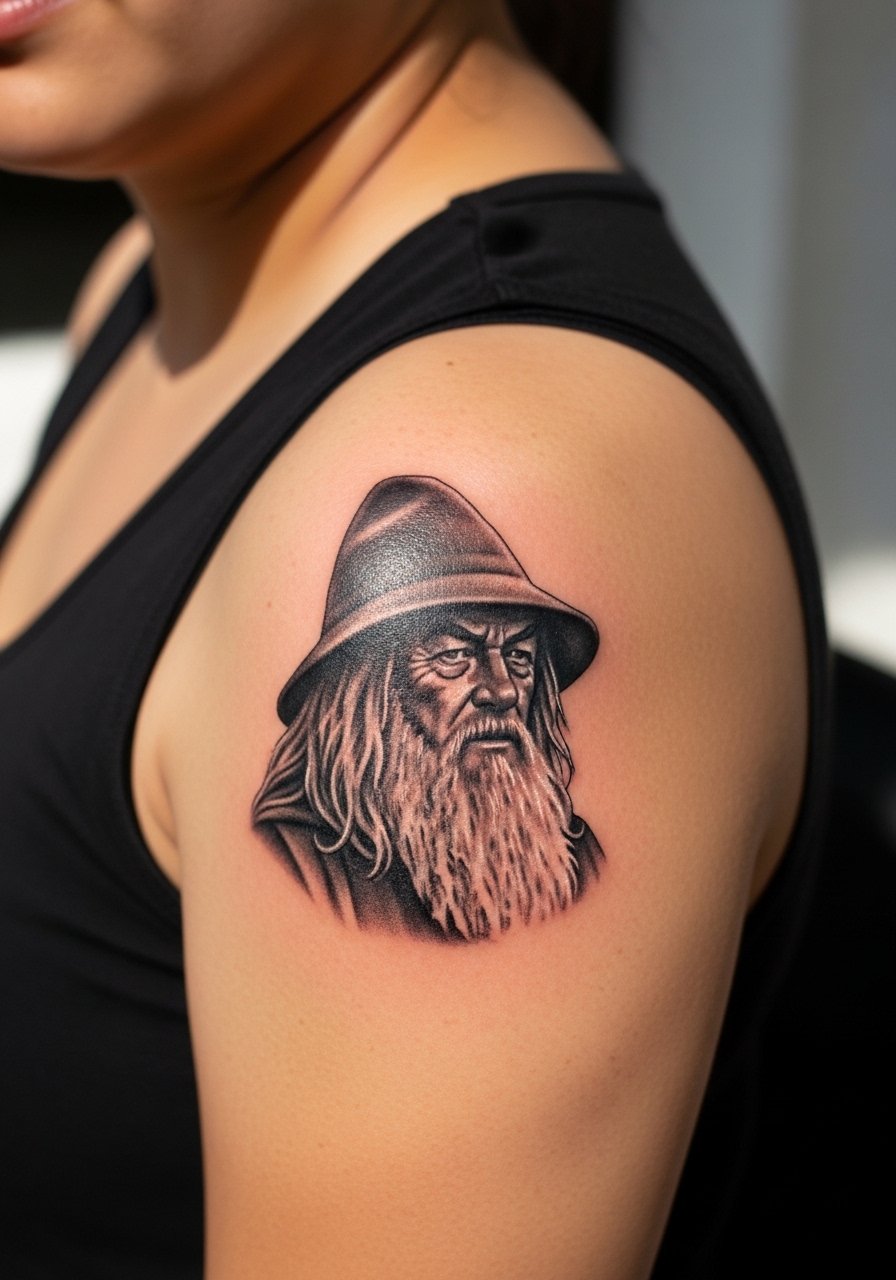
Portrait silhouettes need space and contrast to age well, which is why the shoulder is a practical spot. Expect two to three sessions for a 4-inch micro-realism silhouette and a medium pain level on the shoulder. Tell your artist you want simplified shapes, not tiny facial detail, and request healed reference photos of similar silhouettes on matching skin tones. Artists debate how shading reads on darker skin tones, so ask for a small healed patch or look at similar portfolio pieces. For showing it off, pair the shoulder piece with an off shoulder top gray that frames the outline. Expect crisp contrast after the first session and touch-ups later to maintain shadow edges over time.
Studio Day Picks
The wrist, forearm, collarbone, calf, and shoulder pieces above each ask for different prep and first-week products.
- Hustle Butter Deluxe. Lightweight non-petroleum balm many people prefer for early moisturizing without a greasy film on small script and collarbone work.
- Green Sheep Tattoo Balm. An indie option that some artists report helps color pop in gold-shaded work like ring accents.
- Australian Tea Tree Salve. Useful for anti-itch on larger blackwork calf pieces without heavy occlusion.
- Saniderm Protective Film. For small wrist or finger areas, a short-term film can reduce friction during the first 48 hours.
- Fragrance Free Gentle Body Wash. A soft cleanser that helps keep linework clean during showers without irritating fresh ink.
7. Aragorn Sword Emblem on Outer Forearm
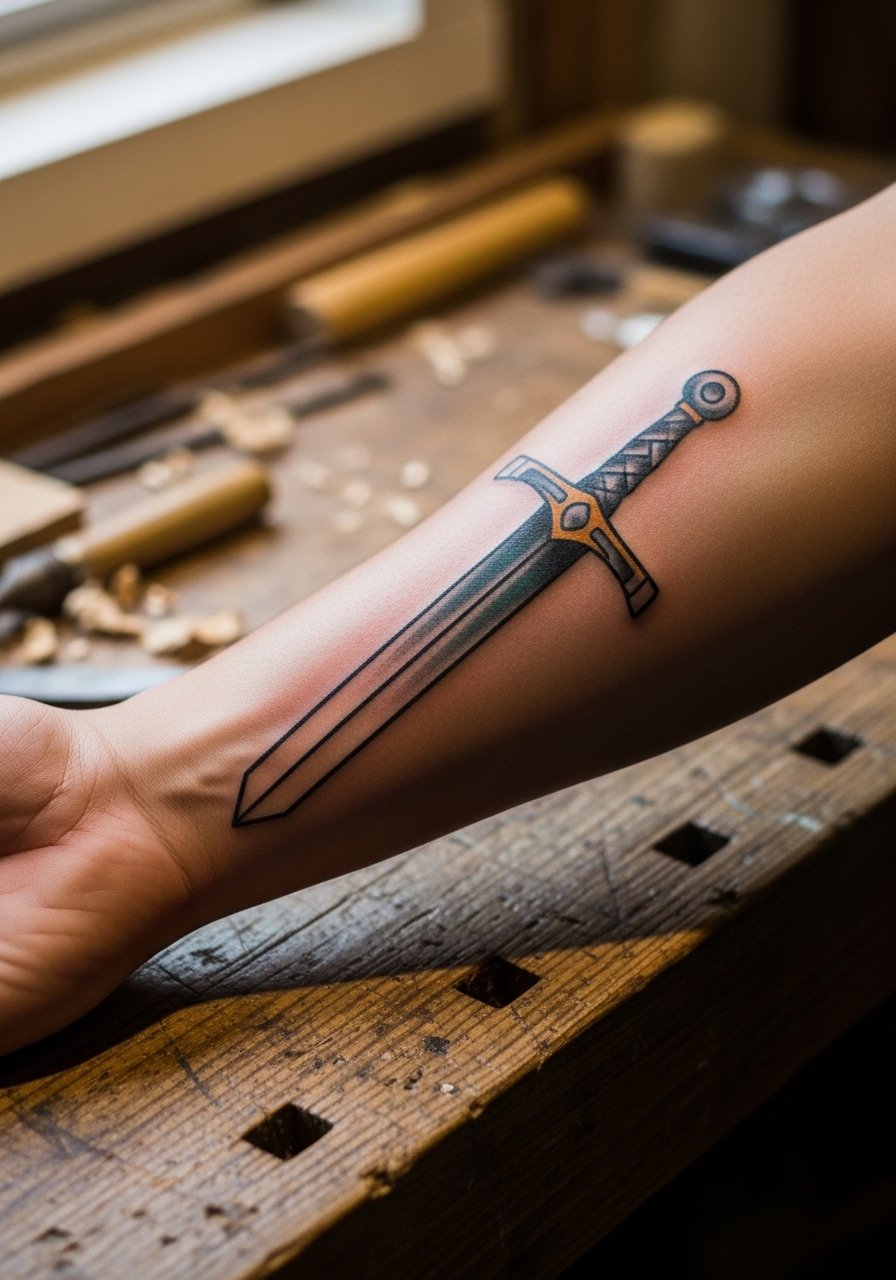
A sword emblem reads well on the outer forearm where the blade follows the arm's natural line. Ask for a strong central spine line on the sword so the design does not blur into the forearm muscle over time. Common mistakes include over-detailing the hilt when the piece is only 3 inches tall. Expect one to two sessions and a moderate pain level. If you are showing this off, short sleeves or rolled cuffs work best. For finding artists who do neo-traditional weapons without named referrals, search #LOTRWeapons and filter by location on Tattoodo or TikTok healed clips. The piece keeps its form if the blade uses clear contrast and moderate saturation.
8. Legolas Bow and Arrow Motif on Shoulder Blade
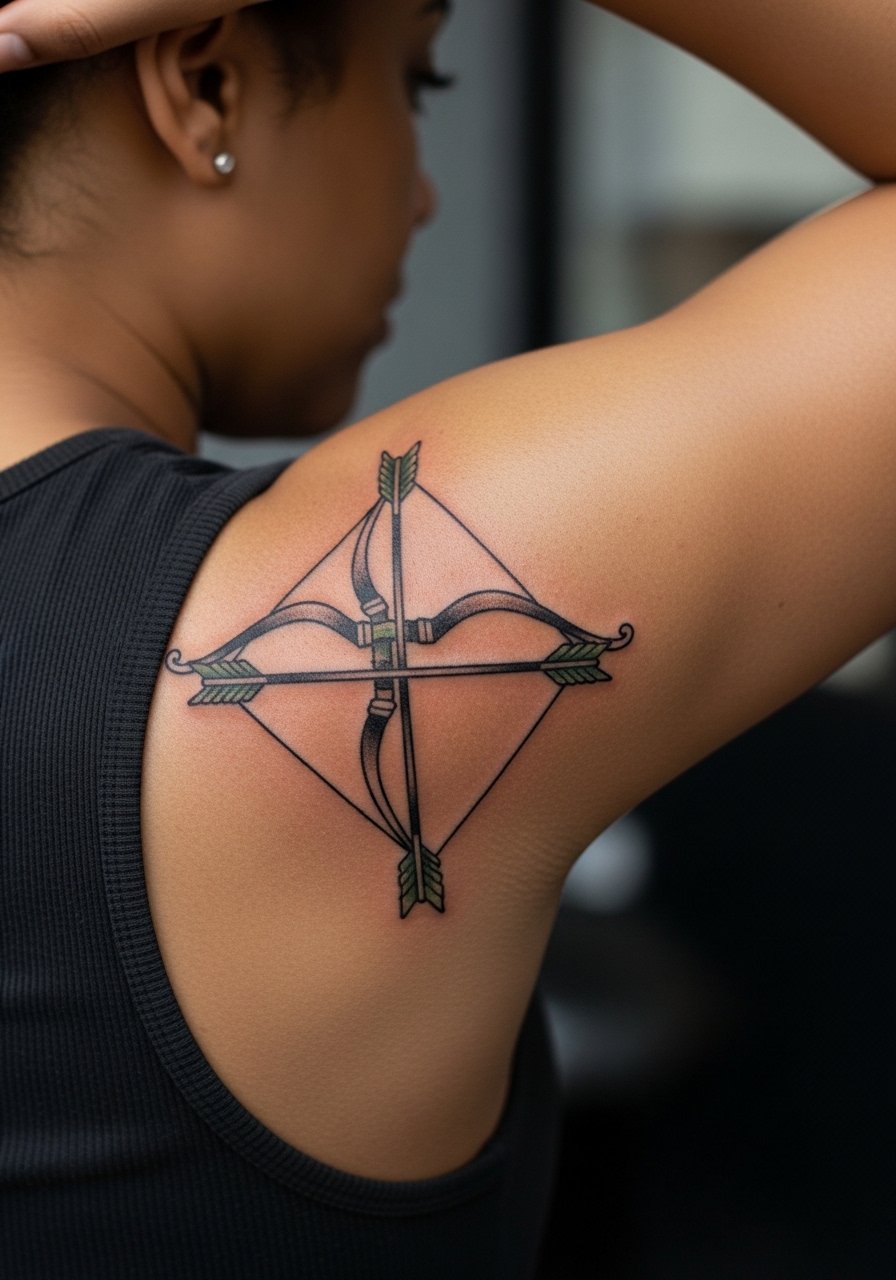
The shoulder blade gives space for a dynamic bow in motion and keeps blowout risk low. Tell your artist you want the arrow to track with muscle lines so the image reads even when you move. A standard error is shrinking the bow too small and losing tension in the curve. Sessions run in two parts for 4-to-5 inch pieces and the pain is milder than ribs. Wear a sleeveless top the day of the session so the artist can access the whole blade. The green shading for leafy accents should be saturated enough to photograph well on darker skin tones.
9. Shire Hobbit Hole Scene on Thigh

Watercolor scenes look lovely but demand commitment. The thigh is ideal because it offers space and hides stretch from daily activity. Expect multiple sessions for a 6-inch piece and moderate pain during longer sittings. A common regret is choosing a scene with tiny details that blur after weight changes. If you want longevity, ask the artist to anchor the watercolor with crisp black linework at key edges. For showing the Shire, high-waisted olive shorts frame the scene so it reads as a tucked-in vignette. Wear loose drawstring shorts to the appointment so the artist can work without tight waistbands. Plan for seasonal showings rather than year-round daily display.
10. Fellowship Ring Stack on Ankle or Finger
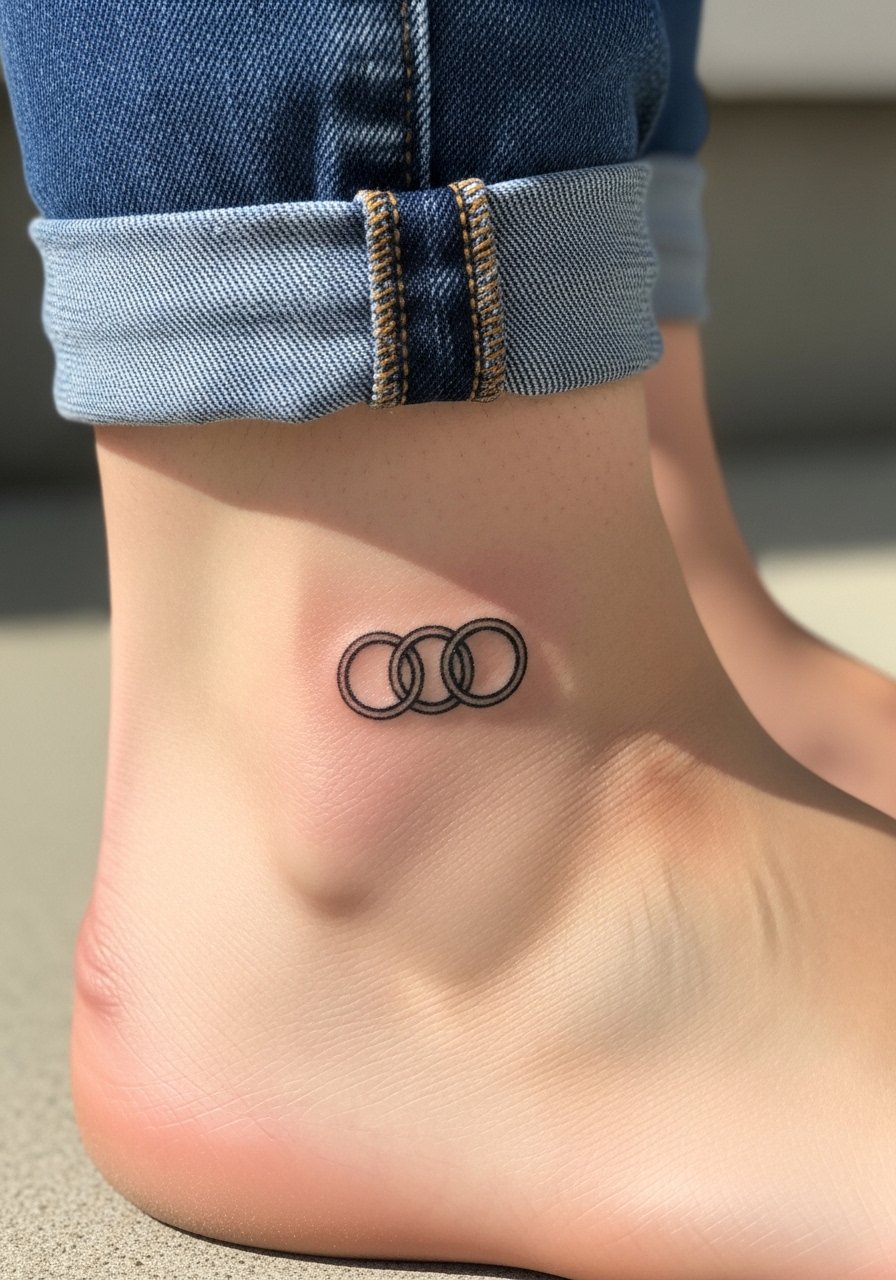
Stacked rings are clever for commemorating the nine travelers. Fingers fade fastest due to hand use, so an ankle stack or a slightly thicker finger ring works better long term. Ask the artist for consistent ring spacing and moderate line weight rather than razor-thin circles. The usual mistake is tiny gaps between stacked rings that merge as the skin settles. Ankle stacks heal with low pain and are easy to conceal for workplaces. Show the stack with ankle-grazer pants or a thin anklet to echo the circle motif. A touch-up at year two is common for finger versions and less frequent for ankle placements.
11. Mordor Mountain Landscape as Calf Panel

Large landscapes benefit from the calf or back panel because they need gradient work and room for perspective. Expect multiple sessions and a higher pain budget for an 8-inch panel. Tell your artist you want strong foreground contrast and softer distant shading so the massif stays readable when scaled. A frequent misstep is packing too much detail into distant elements that disappear after healing. The calf is forgiving for touch-ups, and seasonal sun protection helps retention. Plan session pacing and ask about the artist's timeline for multi-part realism pieces.
12. Leaf of Lothlórien Brooch at Ankle
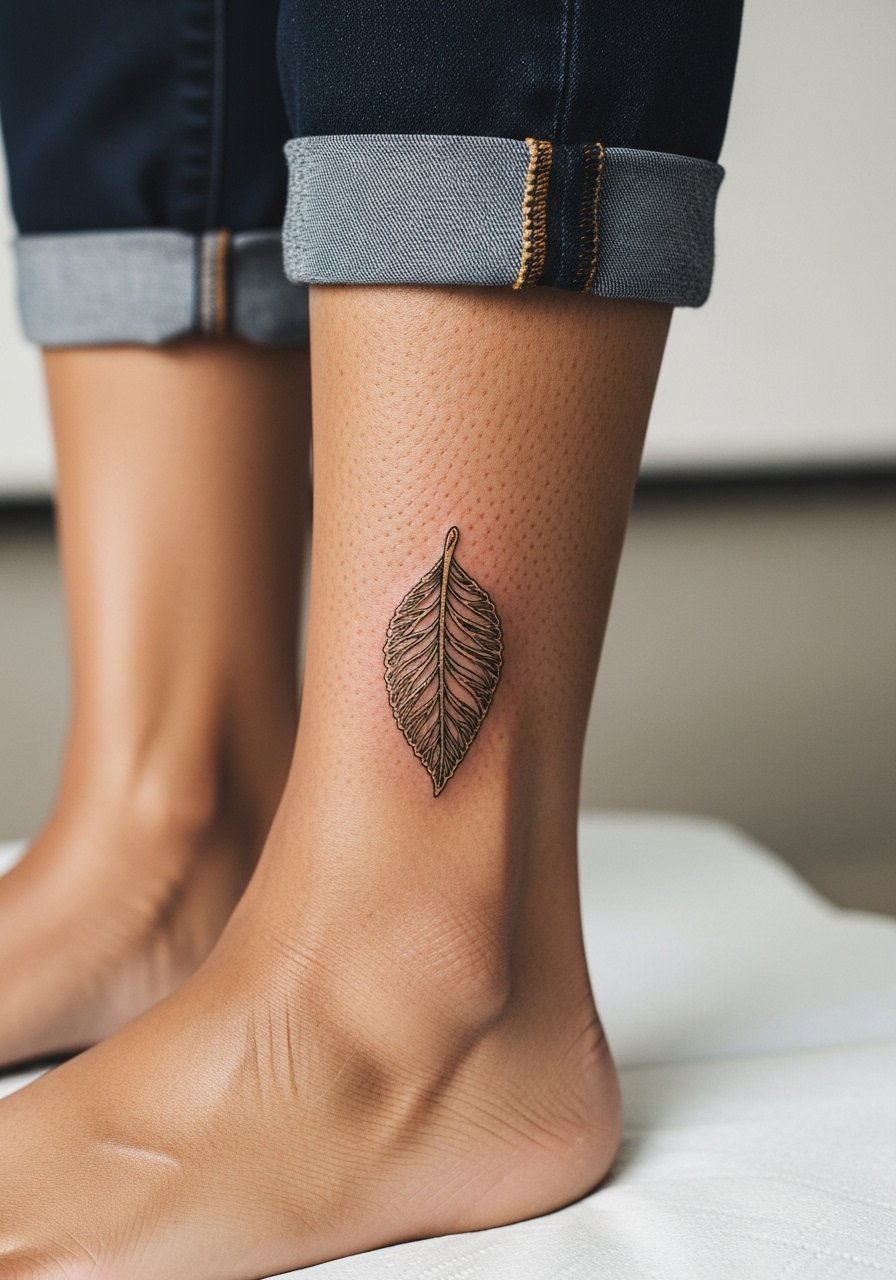
The Lorien leaf works as a discreet ankle or neck piece and benefits from intentional spacing and a slight gold shade for depth. On darker skin tones, testers or bolder black outlines help read the pattern in photos. A common mistake is making the leaf too small to hold the brooch detail. An ankle placement is low pain and easy to cover for winter. When showing it, ankle-grazer pants or a thin chain anklet complement the motif. Wear capri-style session clothing so the artist can access the area without sock interference.
13. Fellowship Finger-Stack Progression

A progression that stacks ring motifs up one finger is a playful nod to the fellowship narrative and requires strict sizing discipline. Fingers are high-friction zones so ask for slightly thicker bands and prepare for touch-ups sooner than ankle versions. The biggest mistake is using ultra-fine script or tiny dot work on fingers. Session comfort is short but recurrent if you need touch-ups. If you want the look but are wary of finger fading, consider the same visual language on the side of the hand or the ankle instead.
14. Glow-In-The-Dark Tengwar Spine Quote
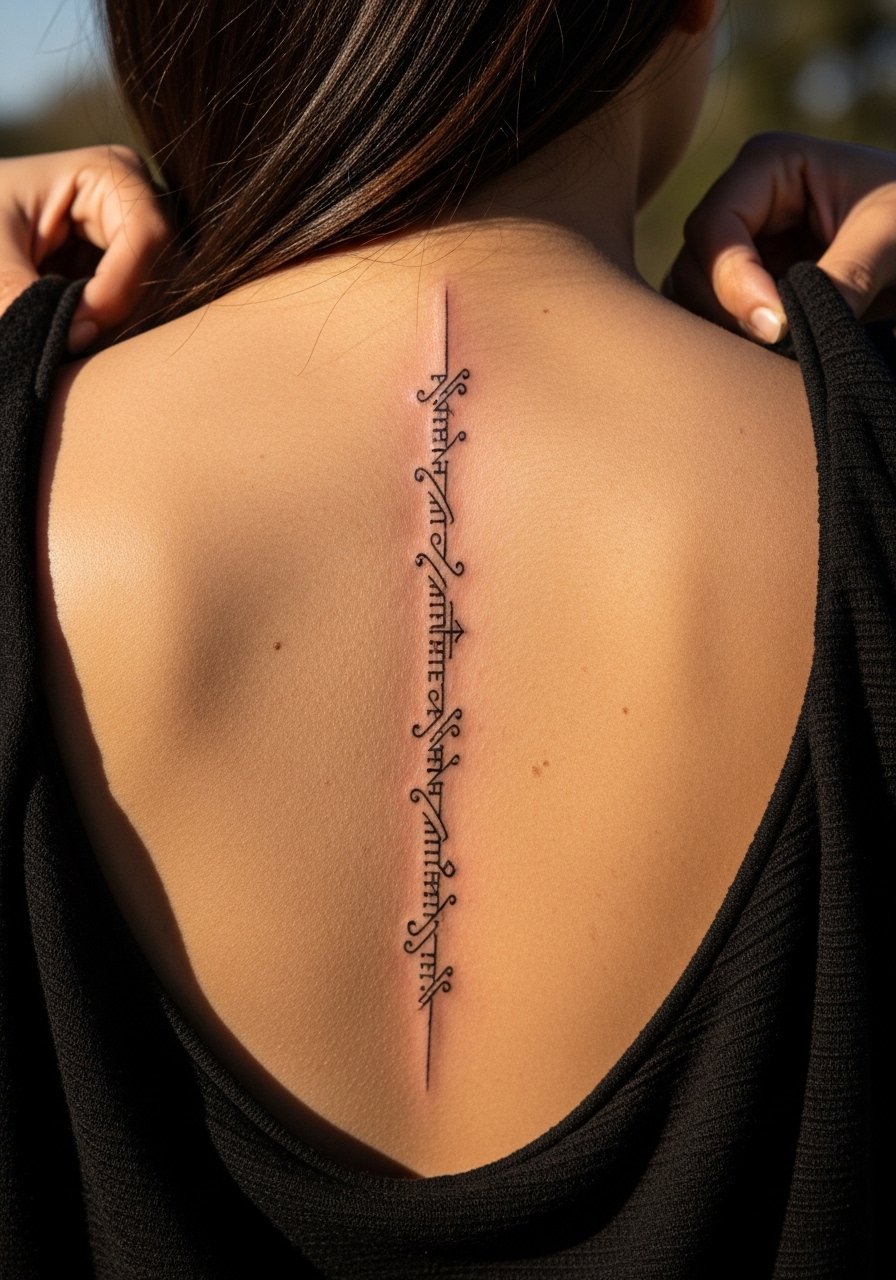
Glow-in-the-dark ink is an underused angle for an Elvish spine quote. It calls for two sessions and careful pigment selection because not all glow pigments blend well with black linework. Tell your artist you want the main letters in solid black with minimal glow accents inside the bowls so daytime legibility is preserved. The spine will be more painful than chest work, and artists debate the longevity of luminous pigments. A practical mistake is relying on glow only for day visibility. For the session, wear a low-back top so the artist can reach the area without full undressing. Expect a striking healed photo in low light and a normal black script look in daylight.
15. Hidden QR-Embed Blackwork Sleeve Accent
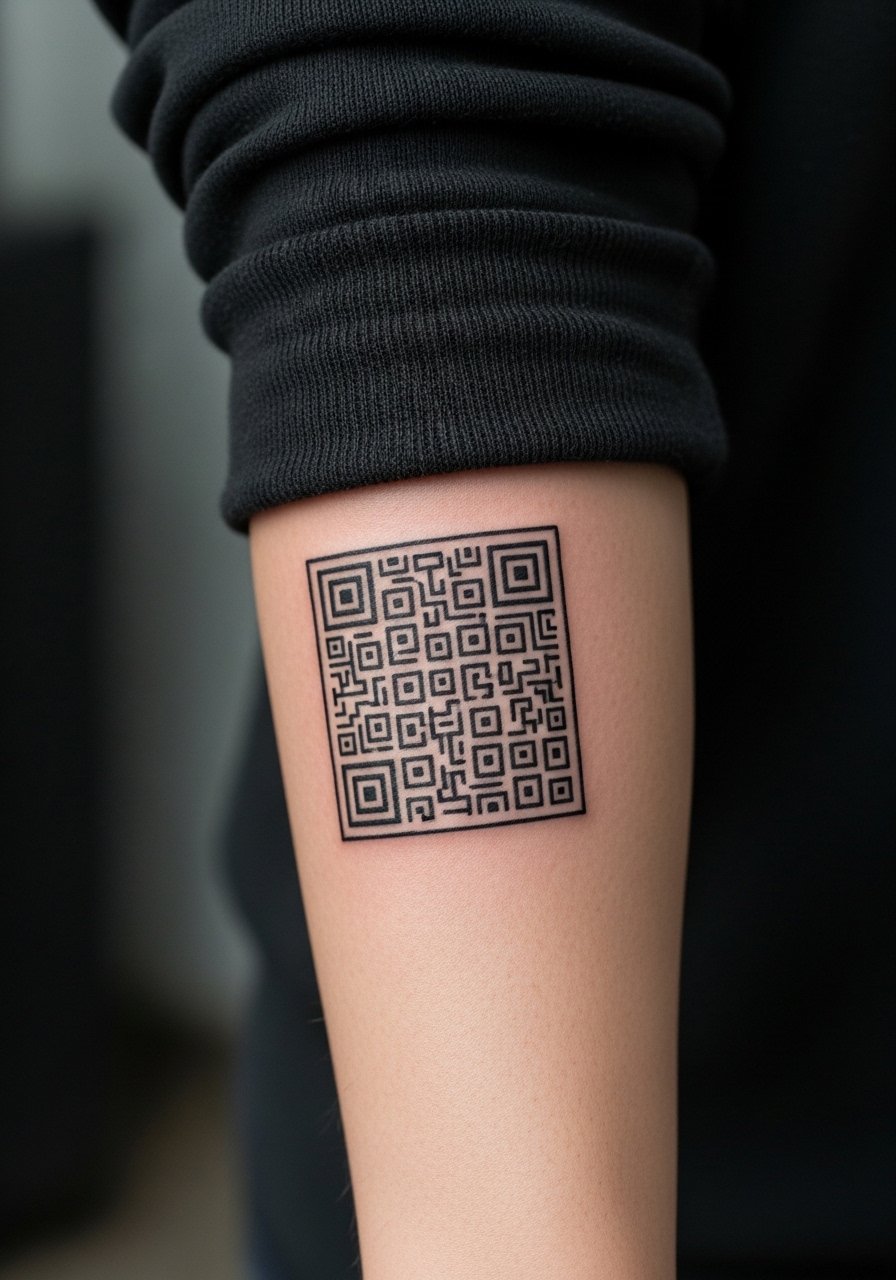
Embedding a scannable QR-style block inside blackwork is a modern twist for linking to a favorite quote or a digital map. It needs to be large enough and high-contrast to scan after healing, so this approach favors forearm or calf placements. Tell your artist early so they can plan the negative space and dot work around the block. Mistakes happen when people scale the QR too small or add textures that break the code. This idea doubles as a conversation piece and a practical pointer to a private quote or playlist on a site you control.
16. Hobbit Footprint Minimalist Ankle Mark

A small footprint is a low-commitment nod to home and travels and is forgiving on the ankle when kept simple. Ask for a slightly bold line so the tiny toes do not blur over time. The main error is making the print too intricate at this scale. Ankle pain is low and healing is straightforward, though socks and shoes can irritate the site during the first week. For showing it off, ankle-grazer pants or sandals keep the area visible and styled. A thin ankle chain echoes the footprint without competing.
17. Runic Map Fragment on Ribcage

Ribcage placements give a tactile canvas for map fragments but come with higher pain and stretching considerations. Artists split on fine line ribs. One camp says the skin stretch blurs lines within two years. The other camp argues that with correct needle depth and spacing it holds up. The Saniderm versus dry healing debate is active here too. Some artists recommend a short Saniderm window to reduce friction during the first night. Others prefer dry healing to avoid trapped moisture on the torso. If you choose a runic fragment, ask for spacing and ask how the artist handles ribs for long-term clarity. Wear a cropped top that lifts up for the appointment and plan for a patient, two-session timeline.
Frequently Asked Questions
Q: Will a Tengwar wrist quote need touch-ups more often than a forearm version?
A: Yes, wrist placement endures more friction and washing so Tengwar on the wrist usually needs a touch-up earlier than the forearm. If longevity matters, pick a slightly bolder line weight and plan for a touch-up around year three depending on how your skin heals.
Q: Can a One Ring inscription be done on the finger and still last?
A: Finger inscriptions can work but they fade faster because of constant friction and hand washing. A thicker band or moving the inscription to the inner forearm preserves the look longer. If you insist on a finger placement, expect a higher chance of touch-ups within 12 to 24 months.
Q: How does skin tone affect micro-realism like a Gandalf silhouette?
A: Darker tones can still showcase micro-realism but you and your artist should look at healed photos on similar skin tones first. Ask for stronger contrast in shadows and simplified detail to ensure the silhouette reads well in photos and at a distance.
Q: Are glow-in-the-dark inks safe and visible after healing on a spine quote?
A: Glow pigments can be safe when the artist sources studio-grade luminous inks, but they vary in visibility and longevity. Use glow as an accent inside black letters rather than relying on it for daytime legibility, and ask the artist about past healed examples.
Q: What should I wear to a thigh session for a watercolor Shire scene?
A: Bring loose drawstring shorts or a wrap skirt so the artist can access the upper thigh without tight waistbands. A session-friendly outfit keeps the area exposed and comfortable during a multi-hour appointment.
