
Fine line tattoos look effortless in photos, but the real test is how they read after a few summers of sun and daily wear. They reward careful placement, honest conversation in consultation, and outfit choices that actually show them off. Expect touch-ups, think about skin type and friction zones, and plan session clothing so the artist has clean access. Start with idea one and work through options that hold their shape longer.
1. Delicate Script Ring on a Finger
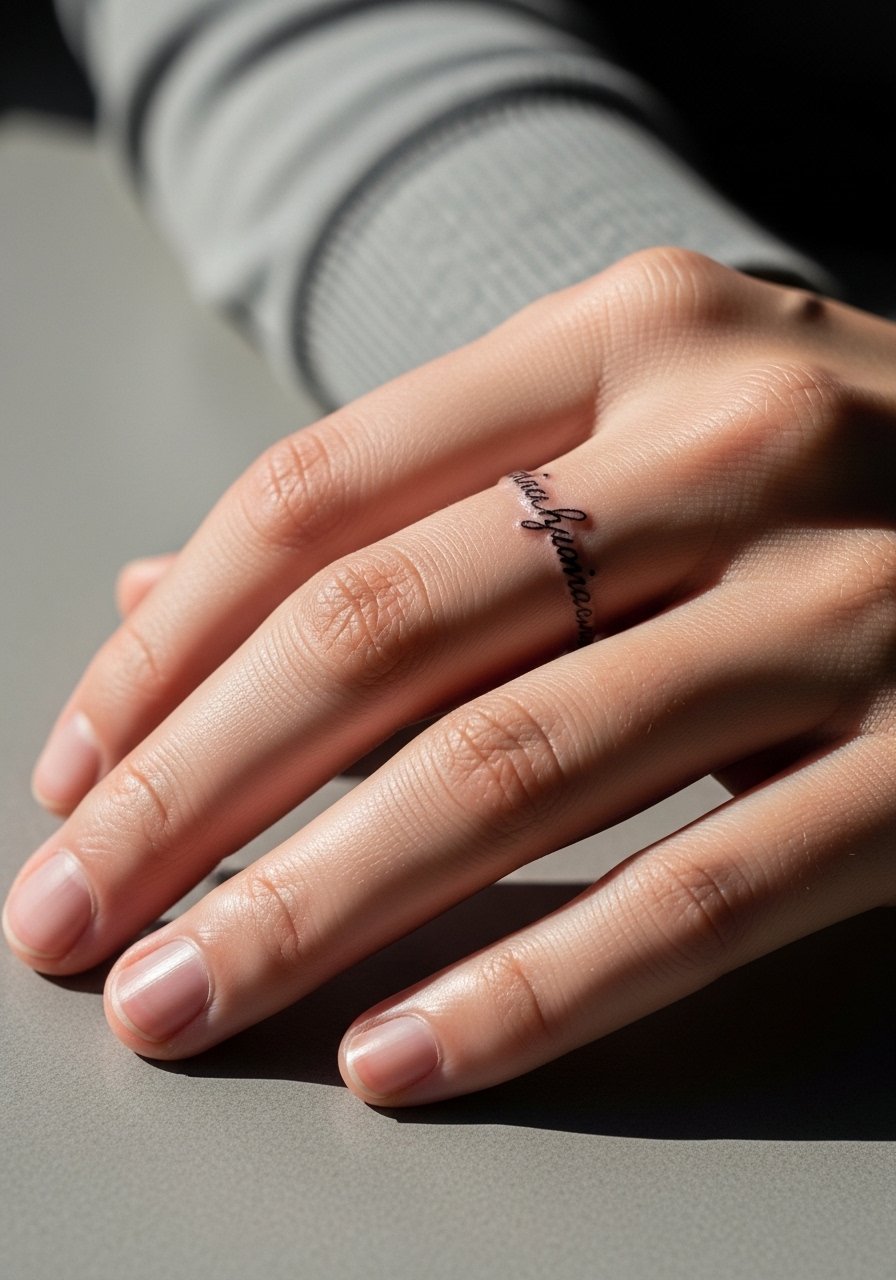
Finger work reads intimate and intentional, but it's also one of the highest touch zones. Expect faster fading and touch-up checks around year one, especially if you type a lot or wash hands frequently. Tell your artist you want single-needle linework with slightly more spacing between letters to avoid the common mistake of crowding the script, which turns fuzzy as the skin flexes. Session pain is brief but sharp, and appointments are usually 20 to 40 minutes. For showing it off, stacked dainty rings and a thin bracelet draw the eye without crowding the linework, try stacking dainty rings that sit flush on the finger.
2. Micro Script on the Inner Wrist
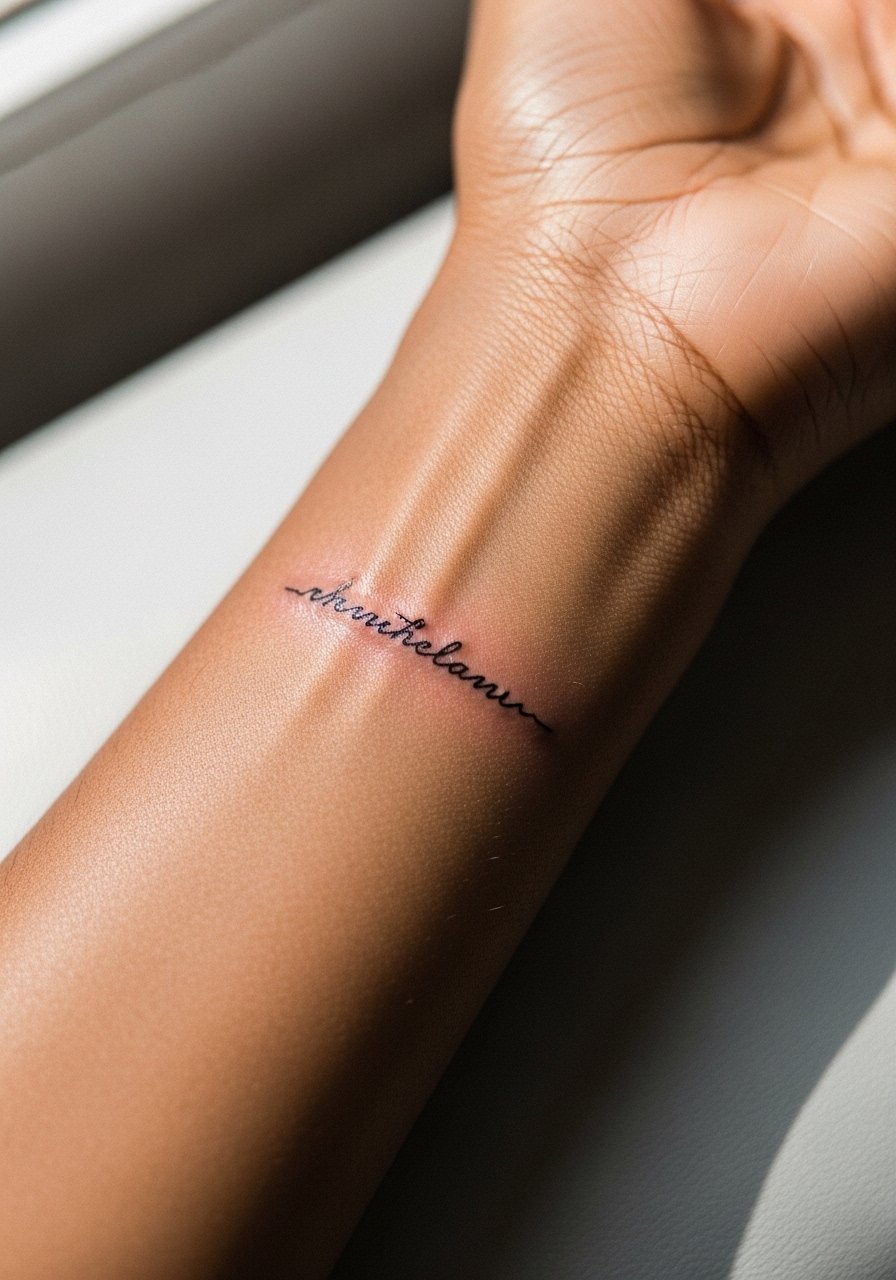
The inner wrist is a go-to for readable script that sits in daily view. I recommend keeping letters taller than you think so the negative space holds up at six months and beyond. Tell your artist you want a slightly bolder single-needle line at the anchor points, not thick outlines, to preserve the delicate look without inviting blowout. Expect a 30 to 60 minute session and moderate pain. A common mistake is asking for dense flourishes that merge over time. For everyday wear that frames the piece, a minimalist watch or thin cuff works well, like this minimalist watch that keeps attention on your wrist.
3. Single-Needle Arrow on the Inner Forearm
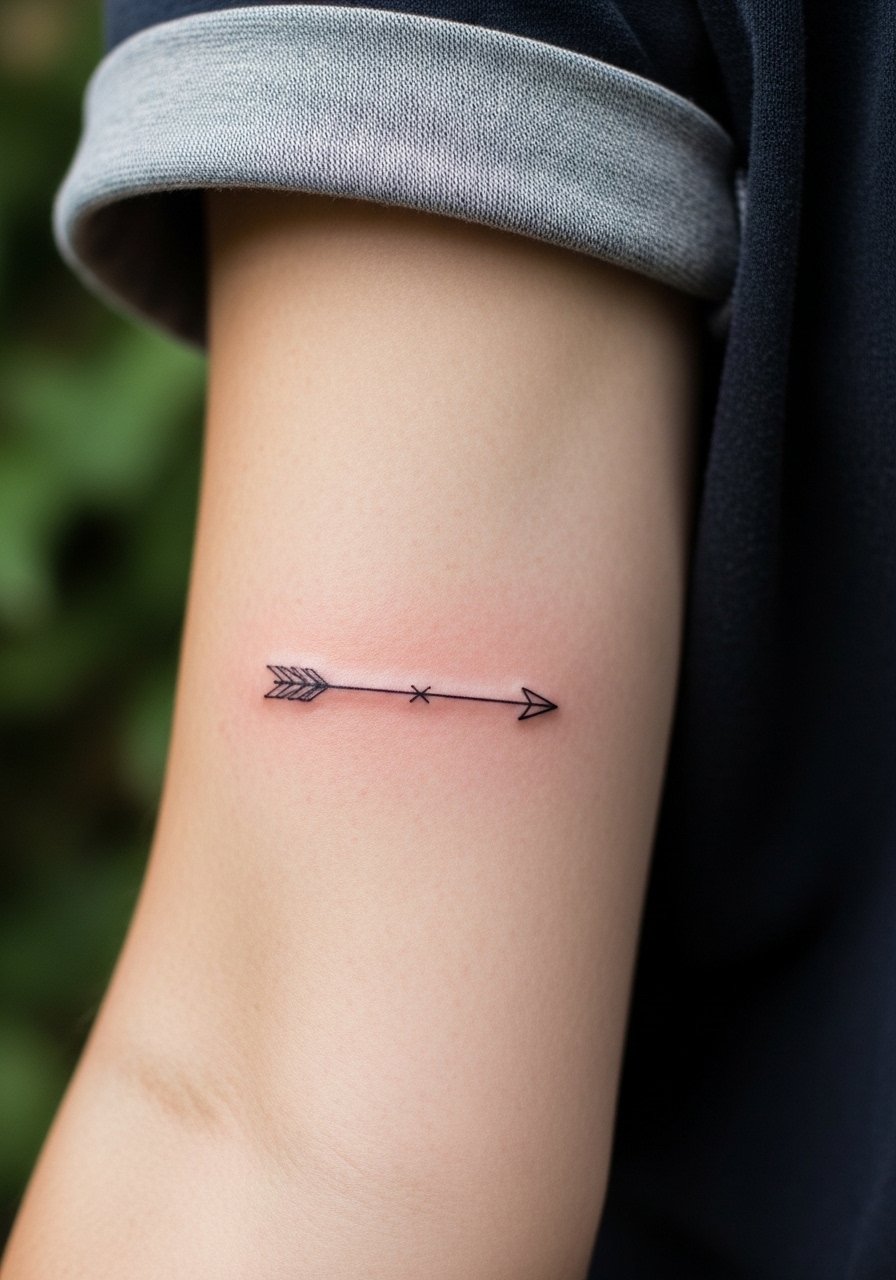
The inner forearm is forgiving and ages predictably for fine line work. For a clean arrow, ask for a single-needle shaft with a slightly tapered tail to prevent the common mistake of tiny filled arrowheads that blur. Most of these sessions are 30 to 90 minutes depending on length and shading. Pain is low to moderate and touch-ups are often only needed around year three if you get regular sun exposure. If you want to show it off, roll up sleeves or go with a rolled-up linen shirt in neutral tones so the linework has contrast without competing with prints.
4. Tiny Serif Name Near the Collarbone
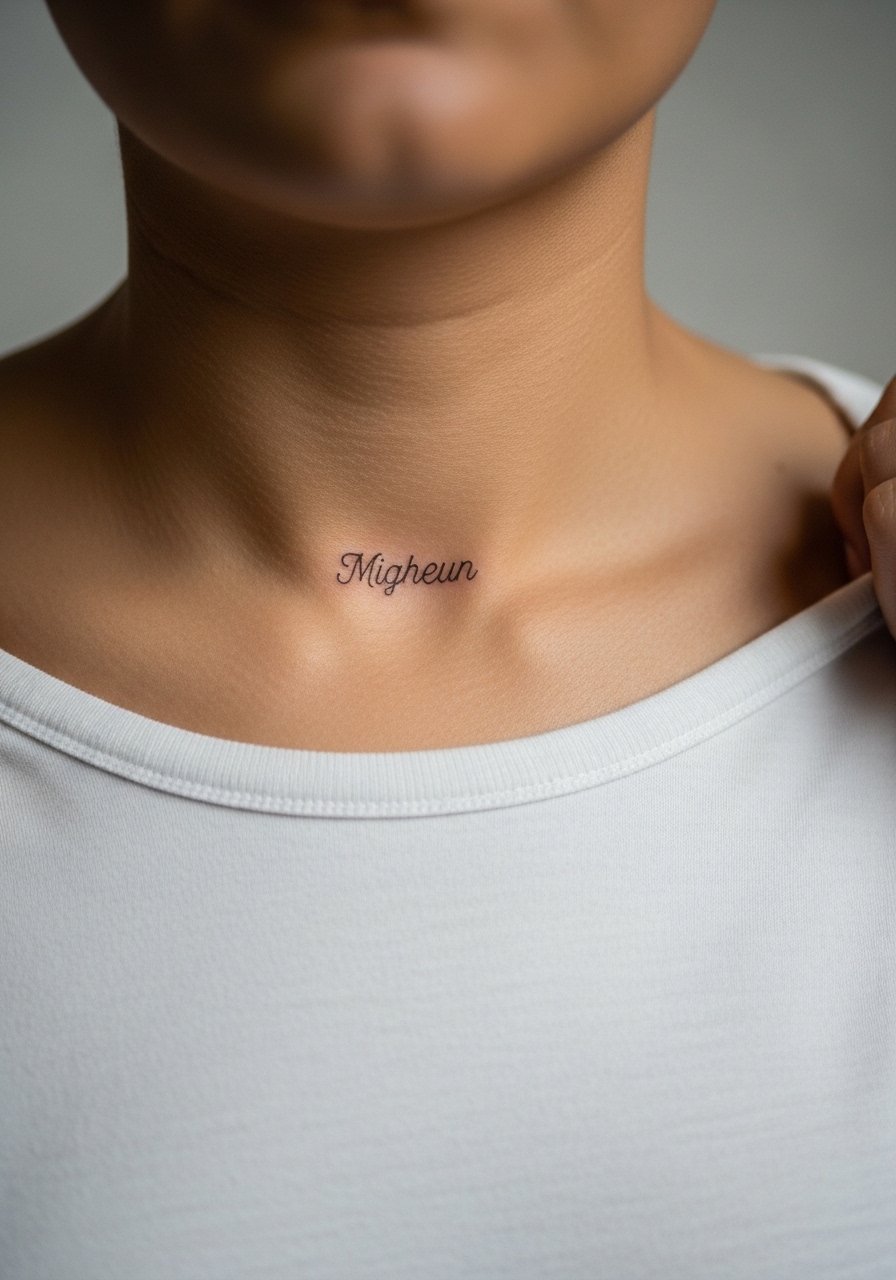
Collarbone script has an elegant placement but is sensitive to movement and jewelry. The artists who do best here use slightly more spacing and a confident single-needle hand so letters do not smudge as skin stretches. Tell your artist if you sleep on your side a lot, because friction can affect early healing. Sessions run 30 to 60 minutes and pain ticks up near the bone. A common mistake is asking for tiny cursive that becomes unreadable when healed. A thin chain pendant sits just above the line without crowding it; consider a thin chain pendant necklace for evenings when you want a clean frame.
5. Stipple Botanical on the Ankle
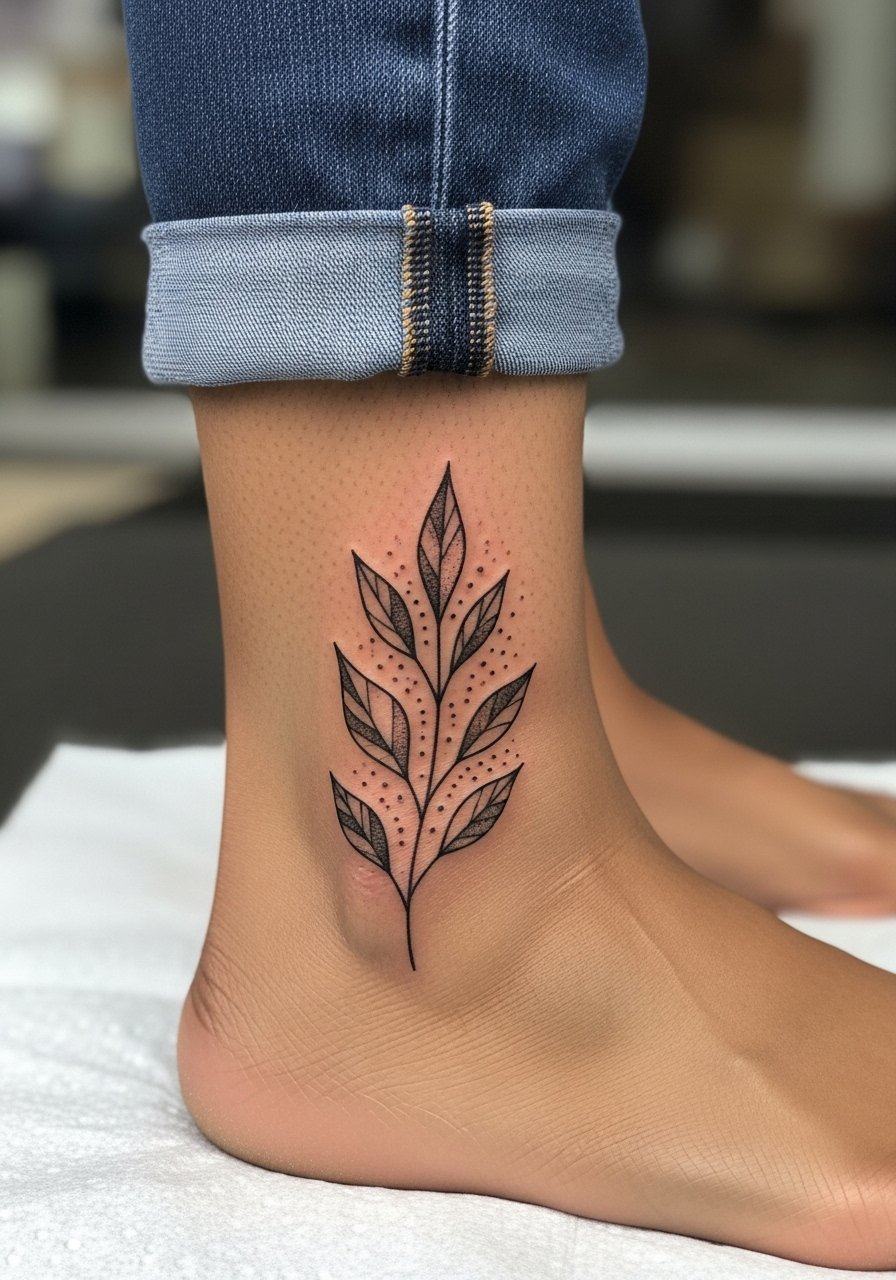
Ankle pieces are delicate and visible, but they live in friction zones from shoes and socks. Stipple shading keeps the piece airy while giving it texture that wears gracefully. Ask for slightly higher contrast in the dots near edges so the silhouette holds up as the dots soften. Sessions are usually 45 to 90 minutes and the ankle is a moderate pain area. Mistakes include packing in too many tiny leaves that blur together. For showing it off, sandals or slides with thin straps highlight the ankle nicely; try a simple strappy sandal to frame the tattoo.
6. Constellation Behind the Ear

Behind-ear placements read intimate and peek out from hair. The skin there is thin and mobile, so artists split on durability. One camp argues it blurs quickly because of constant movement and hair friction. The other camp says precise depth and slight spacing between stars make it settle fine. Ask your artist where they land on that debate before booking. Sessions are short, often under 30 minutes, and pain is sharp but brief. For the appointment, wear your hair up and bring gentle hair ties; a simple silk hair tie keeps the area clear without creasing the skin.
Studio Day Picks
The small, high-contact pieces above need different prep from upper arm or chest work, so a couple of session-day items and gentle healing aids make a real difference.
-
Stencil transfer paper kit. Lets you preview exact placement on fingers, wrists, and collarbones so you can confirm spacing before the needle hits skin.
-
Sensitive skin adhesive bandages roll. Useful for finger and ankle spots that rub against shoes and jewelry in the first 48 hours.
-
Thin protective film roll. Keeps small wrist and hand pieces clean during the busiest week of washing and contact.
-
Fragrance-free gentle body wash. Cleans healing areas without irritating delicate linework on the forearm and ankle.
-
Aquaphor Healing Ointment. A thin layer in the first days helps lock in moisture for tight needle channels typical of single-needle work.
7. Single Stem Floral on the Ribcage
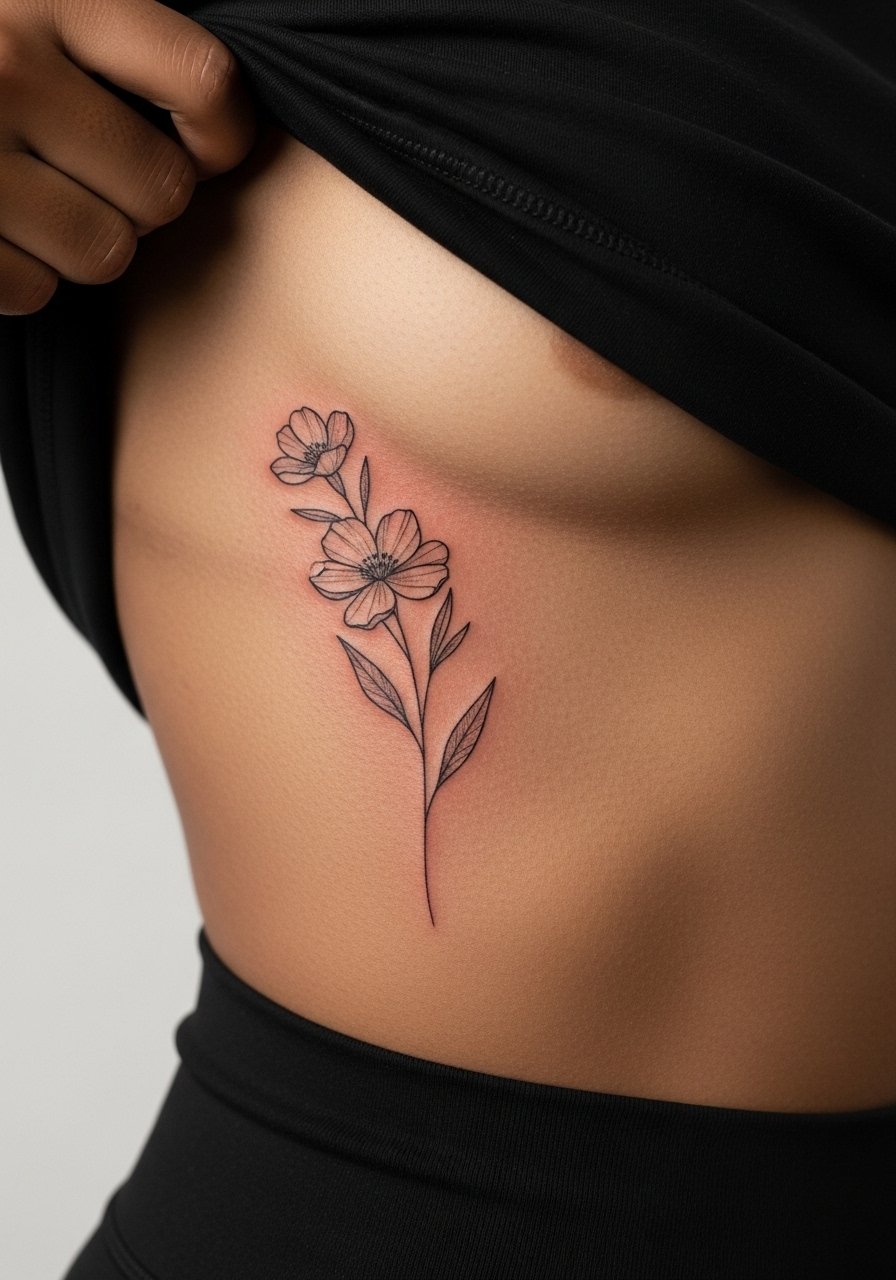
Ribcage placements have a known longevity debate in the fine line world. One group says the constant stretch from breathing and weight shifts causes early blurring. The other group insists precise depth and slightly increased spacing will keep lines readable for years. I tell people to expect a sharper-looking healed state at six months and a touch-up window around year two to three, depending on sun exposure. Sessions can be long and the pain is high, so bring loose clothes and plan breaks. For the appointment, a cropped top you can lift briefly makes access simple and comfortable for both of you.
8. Chain Bracelet Tattoo Around the Wrist

A linked bracelet tattoo reads like jewelry without the weight, but fine line chains need breathing room between links. The most common error is requesting tiny, tightly packed links that turn into a gray band over time. Ask your artist for slightly open link spacing and consistent linework at the joint points to avoid early merge. Sessions are usually 45 minutes to an hour. The wrist is exposed and takes more sun, so plan for touch-ups later. For styling, a thin cuff or braided bracelet layered with the tattoo complements it; try a thin braided cuff to keep the look balanced.
9. Minimal Mountain Range on the Outer Arm
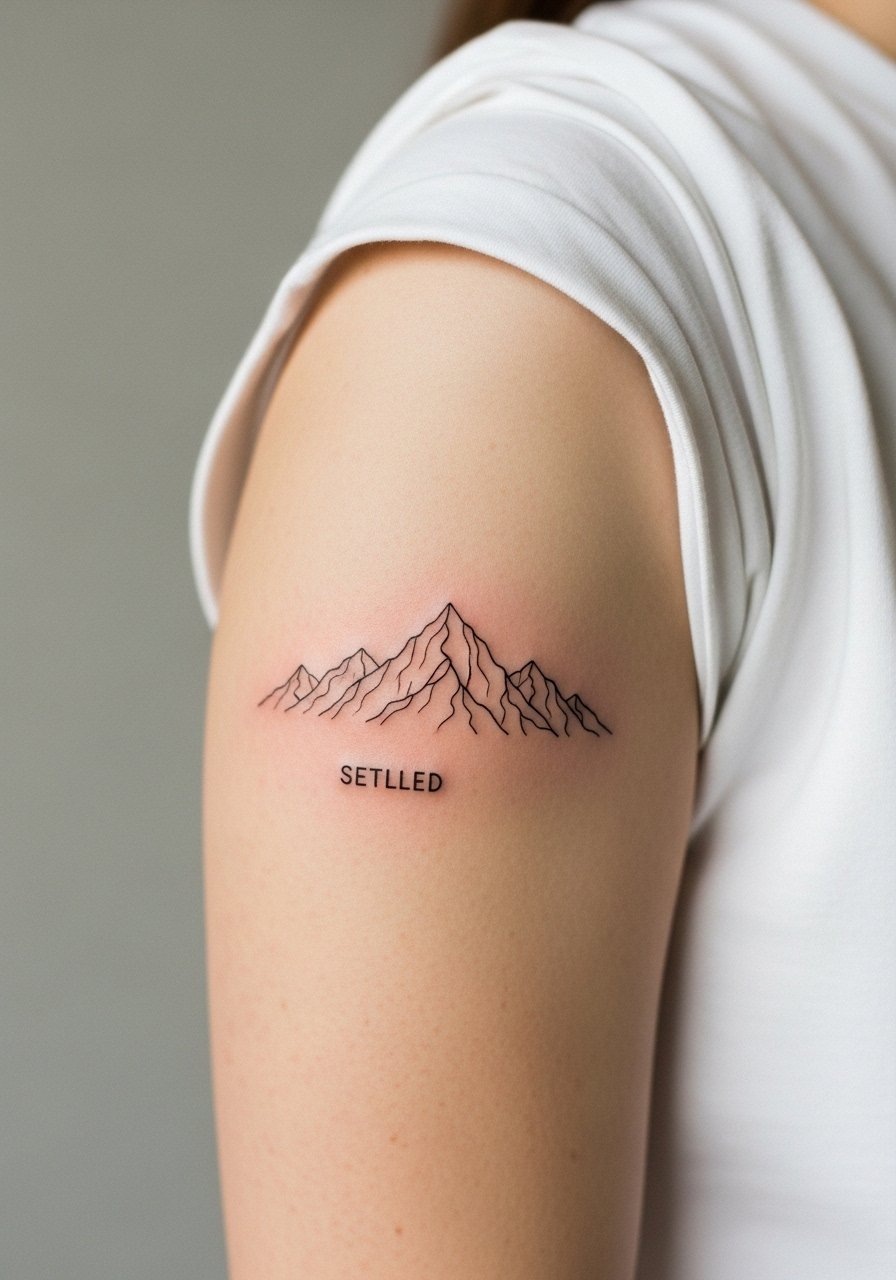
Outer arm placements are forgiving and display nicely. A minimalist mountain looks best when the peaks have slightly varied line weight and the valley lines are spaced so stipple shading can be added later if desired. Tell your artist you want room for light stipple shading if you foresee expanding it into a small scene. Sessions are low to moderate pain and often under an hour. A common mistake is getting all peaks the same size, which flattens the composition when healed. For casual wear that shows off the piece, a short-sleeve tee with rolled sleeves frames the arm cleanly.
10. Micro-Realism Portrait on the Inner Bicep
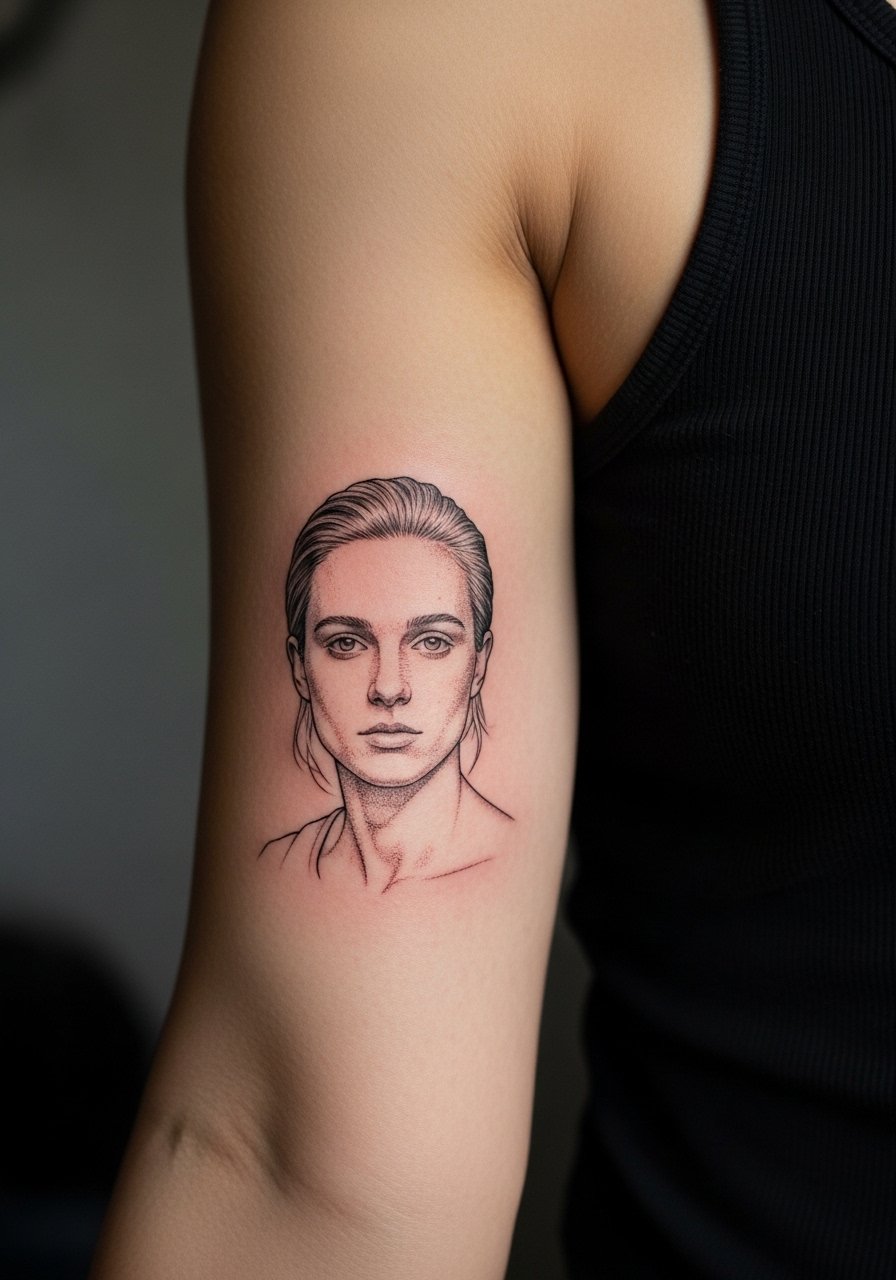
Inner bicep skin is different from outer arm skin, thinner and more elastic, which affects how delicate portraiture reads over time. Ask for slightly bolder anchor points and skip ultra-fine hairline shading that can wash out. Sessions are moderate in pain and often require a longer appointment because of subtle tonal work. A common mistake is expecting a tiny headshot to hold the same detail as a larger piece. For the session, wear a loose tank top so the artist can elevate your arm without tugging at clothing.
11. Minimal Floral Sternum Piece
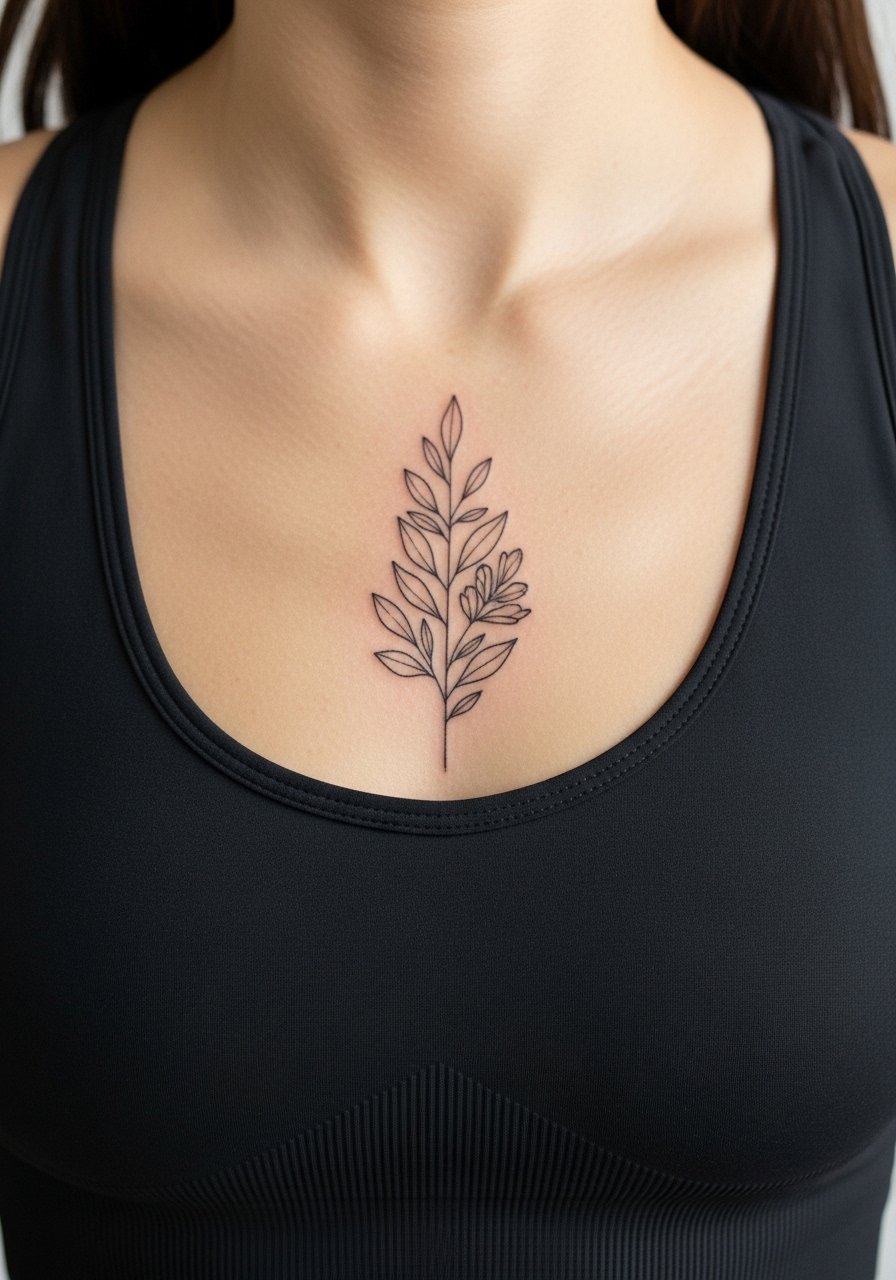
Sternum tattoos are striking but demand an artist experienced with chest contours. The skin here shifts and the wrong line spacing can cause middle areas to merge within a few years. Expect a terse session and high sensitivity during the procedure. A common mistake is over-detailing dense petals close to the sternum. If you're considering this placement, look for portfolios showing healed sternum work and discuss touch-up plans up front. Professional considerations come into play for intimate placements, so choose clothing that allows easy access without exposing more than the tattoo zone during the appointment.
12. Thin Script Along the Side of a Hand

Hand-side script is visible and vulnerable to daily wear, and in some industries it still affects hiring decisions. Expect faster fading and frequent touch-up conversations. The skin on the side of the hand moves a lot, so ask your artist to space letters and avoid filled-in dots. Sessions are short but painful. People often mistake hand script for low-maintenance when it is not. For showing off the placement without overdoing it, try thin stackable rings or a minimal hand chain; a thin hand chain can be a subtle frame.
13. Tiny Geometric Mandala on the Hip
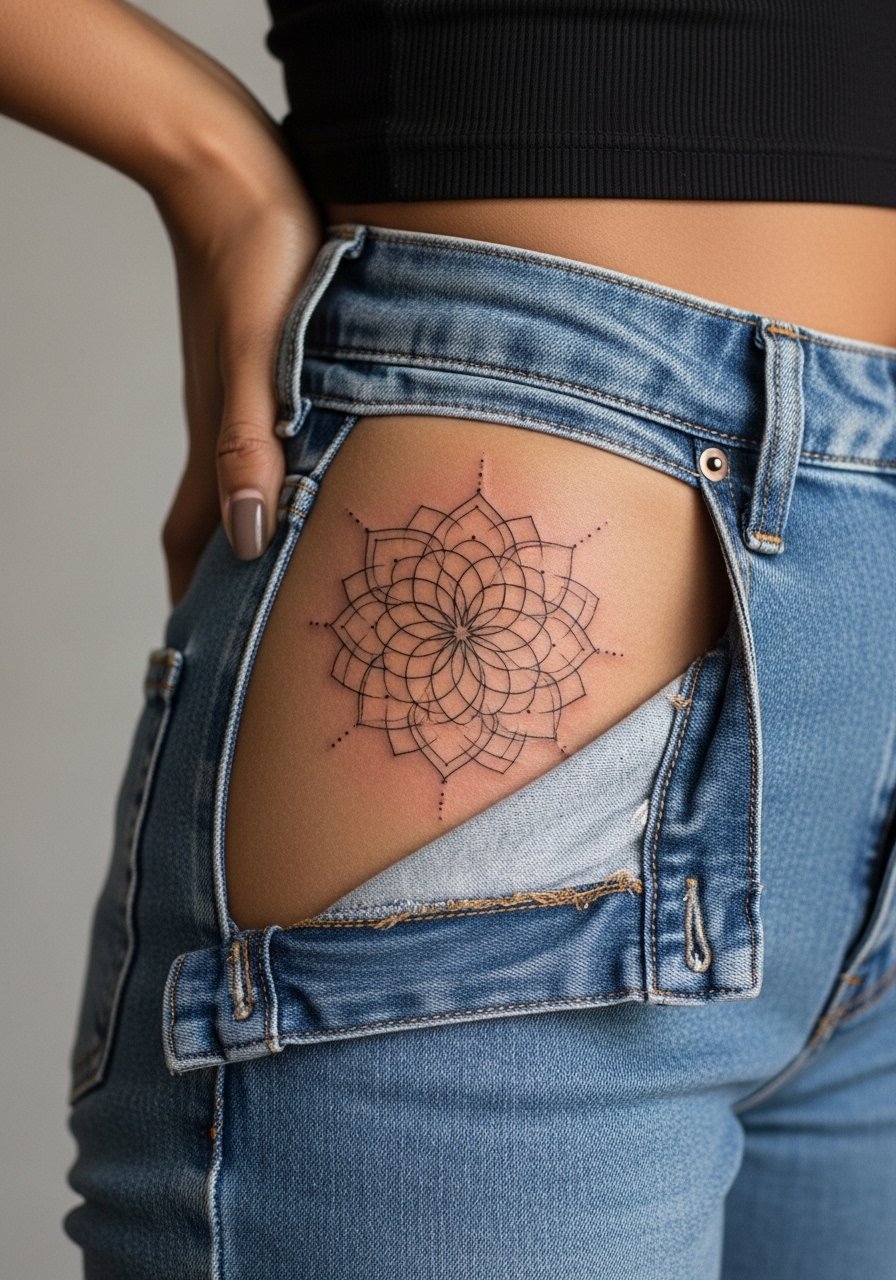
Hip placements are intimate and look great with fine geometry because the skin tends to stay stable if you maintain consistent weight. Tell your artist you prefer slightly larger negative areas in dense patterns to prevent the common problem of tight dotwork evening out into a gray patch. Sessions are moderate and you will want loose bottoms for healing. For cultural patterns, mention origins to the artist and ask about respectful adaptation rather than direct replication. Many people choose a slightly simplified mandala here so the symmetry holds up after healing.
14. Single-Needle Spine Dots
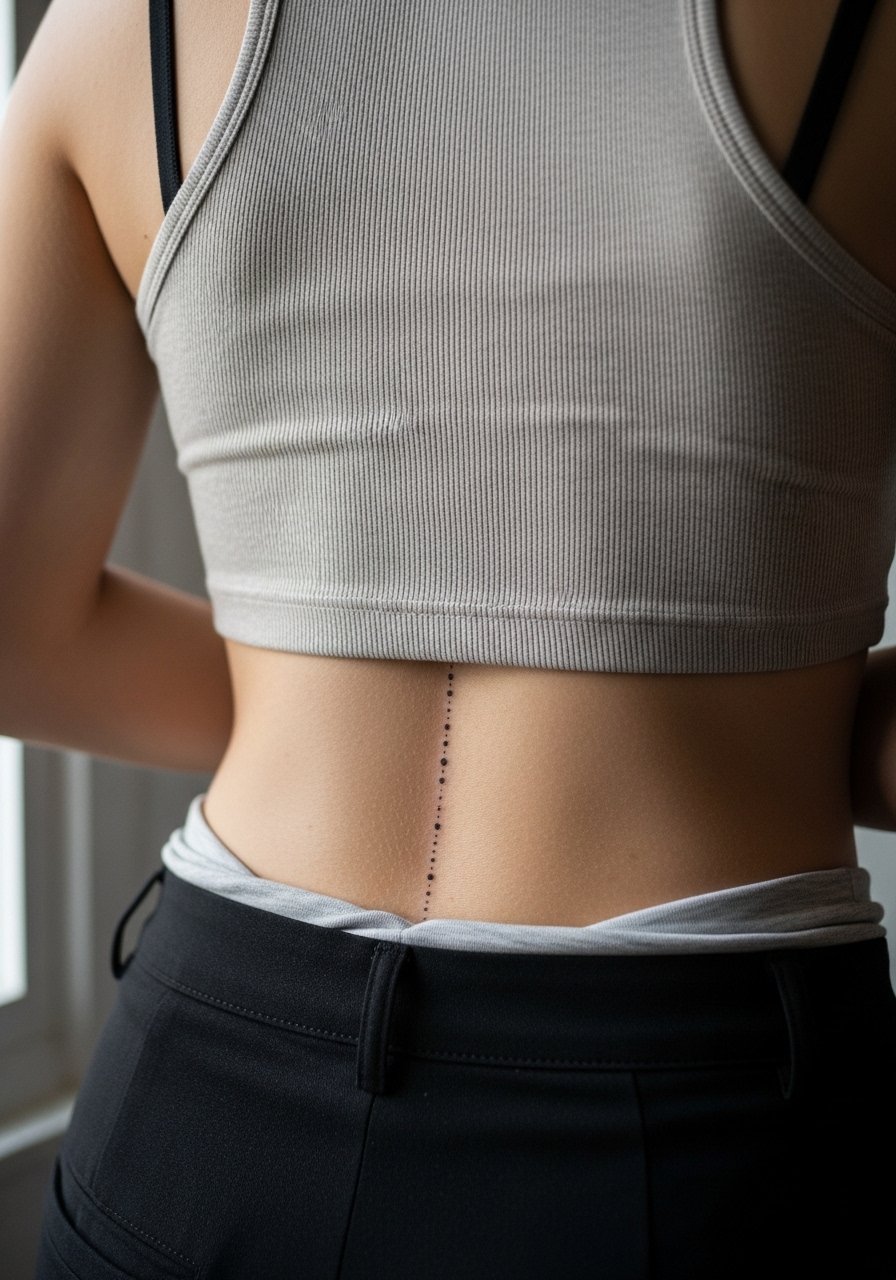
A row of tiny spine dots reads like a discreet signature and sits well on the lower back. The lower back tolerates fine dotwork because friction from clothing is predictable, but tight waistbands can blur the lowest dots if they sit directly under elastic. Tell your artist where your waistband typically falls so they can place the bottom dot safely. Sessions are usually short and pain is moderate. For showing it off, open-back tops or low-rise waists can frame the vertical line nicely; an open-back midi dress complements the placement without exposing more than intended.
15. Minimal Compass on the Ankle Tendon
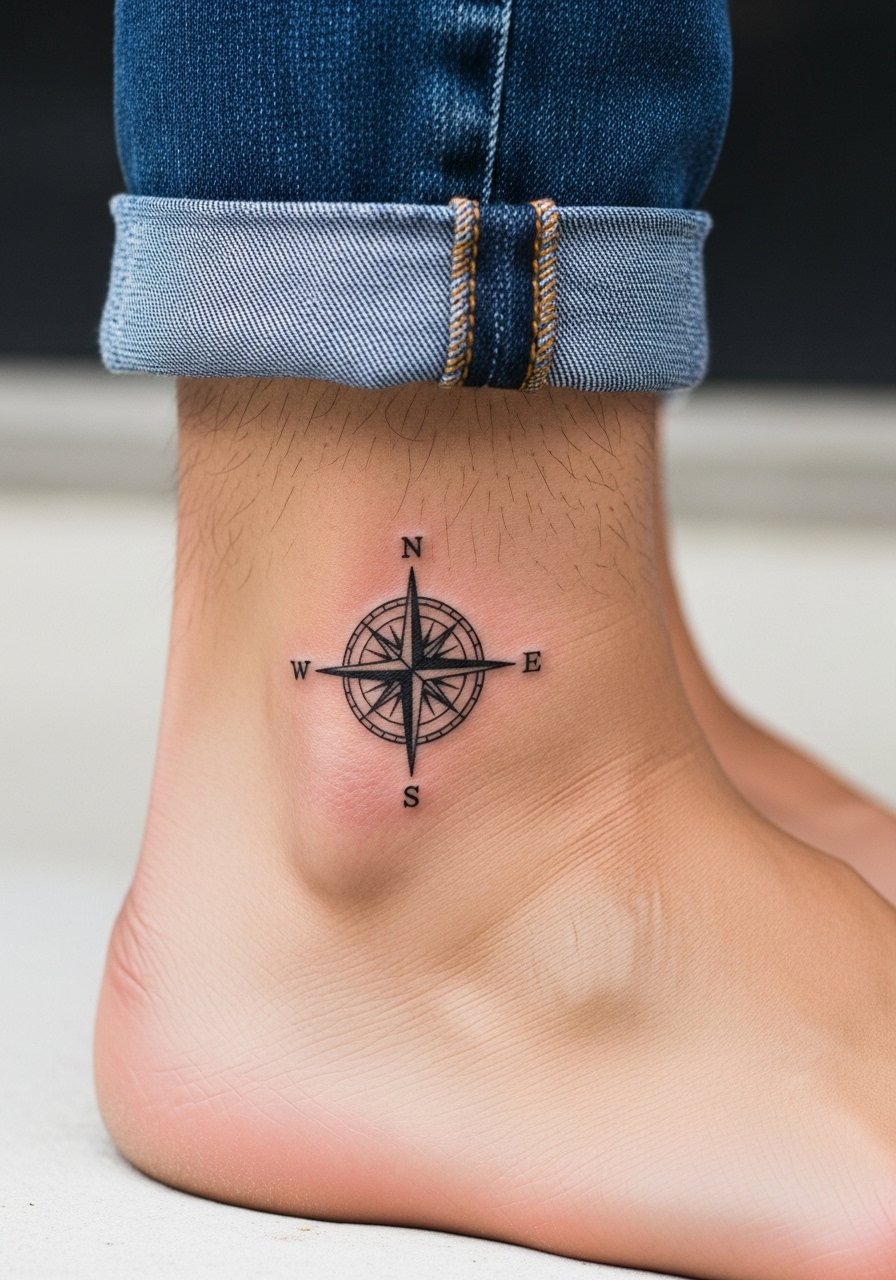
Ankle tendon tattoos sit over a high-mobility area that benefits from slightly thicker anchor points in the design so the central compass stays readable. The biggest mistake is mirroring a full compass with tiny tick marks that smooth out into indistinct shading. Sessions are brief and pain is manageable. For the session, wear loose pants you can roll without pinching the site. Sandals with a thin strap keep the area visible while dressing it down; consider a light gladiator sandal.
16. Fine Line Calf Piece with Subtle Shading
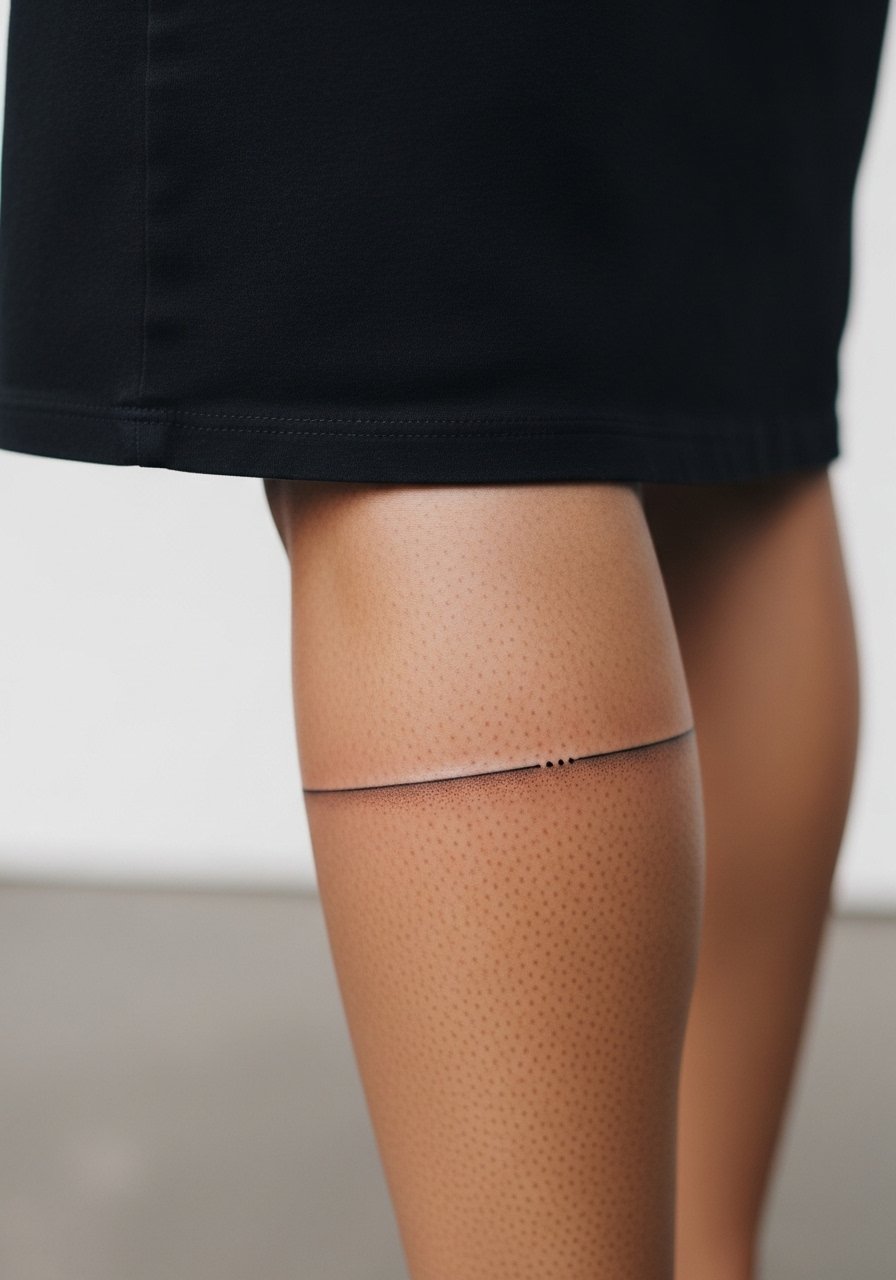
Calf pieces have room to breathe and are less prone to blowout than inner-arm spots. A fine line composition with subtle stipple shading ages well if the darkest values are placed around the contours. Tell your artist you want open spacing in shaded areas and avoid dense black fills that contrast with the delicate lines. Sessions can range from 45 minutes to two hours. For the appointment, wear shorts or a skirt so the artist can work without tugging fabric. For showing it off, midi skirts or elevated sneakers create a casual display that fits most wardrobes.
17. Tiny Dotwork Moon on the Nape
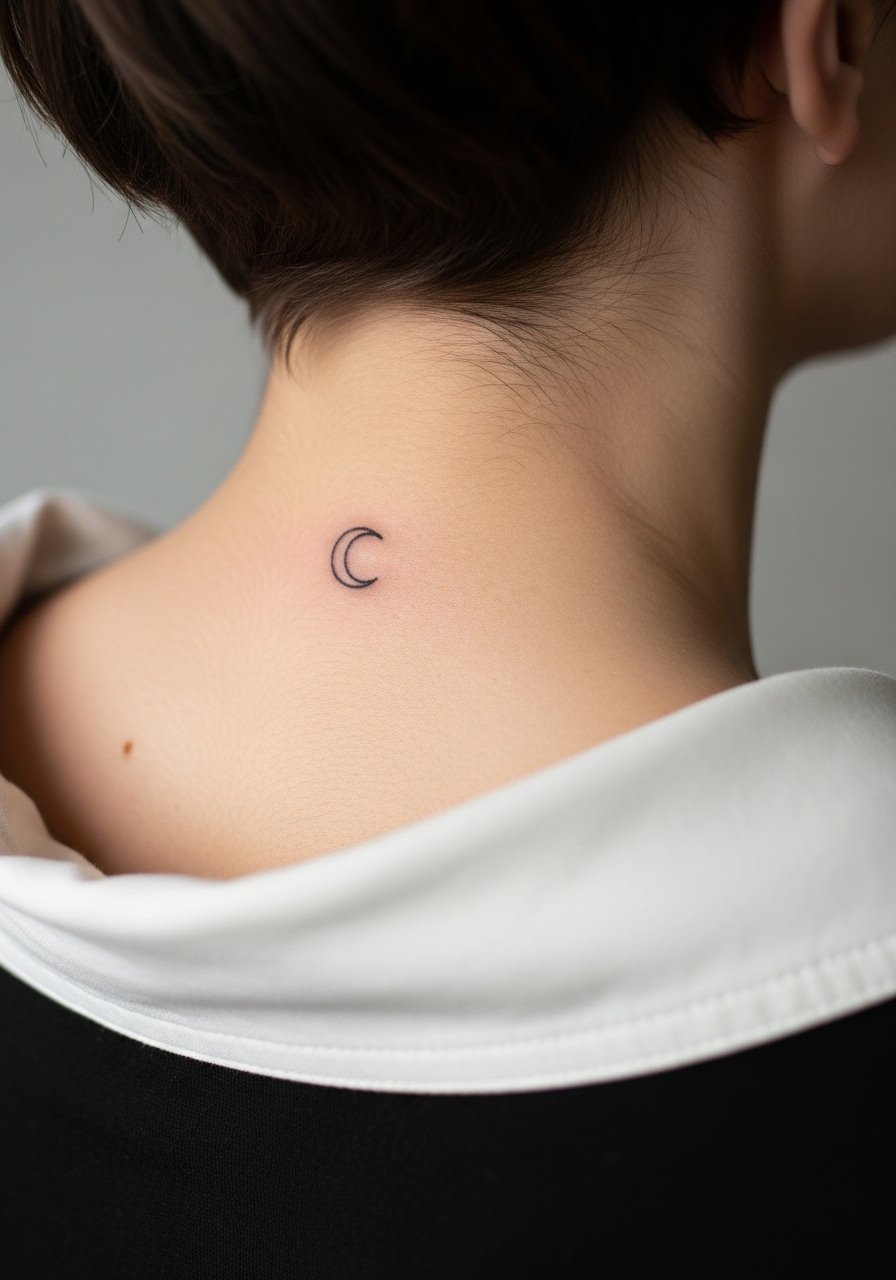
Nape tattoos are subtle and peek out from hair, so spacing and depth matter to keep a clean crescent shape over time. Ask for a slightly firmer outline and lighter internal dotwork to avoid a filled look as the skin moves. Sessions are quick but sensitive. A common mistake is requesting overly dense shading that looks great fresh and muddy after a year. For the session and photos, a wide-neck shirt you can pull aside easily protects modesty and gives the artist full access.
Frequently Asked Questions
Q: Will fine line tattoos on the ribs and sternum need more touch-ups than on the forearm?
A: Yes, from what I have seen rib and sternum work tends to need touch-ups sooner because the skin there moves and stretches more. The forearm usually holds single-needle linework longer. Discuss realistic timelines with your artist and ask about slightly increased spacing or anchor points if longevity is your priority.
Q: Do hand and finger tattoos still affect job prospects?
A: In some conservative industries they can, and in creative fields they are often accepted. Think about your career trajectory before committing to the side of the hand or fingers. If you want to reduce visibility while keeping the option to show it off, choose placements like the inner wrist or ankle instead.
Q: How should I dress for a sternum or ribcage session to make the process smooth?
A: Wear a fitted sports bra or a cropped top you can lift briefly so the artist can work without you feeling exposed. Loose bottoms help you stay comfortable during long sessions. A breathable layer you can easily step into and out of saves time.
Q: Can fine line anklet or wrist pieces be styled for formal occasions?
A: Absolutely. Thin bracelets, cuff-style jewelry, and strappy sandals frame small tattoos in formal wear without competing for attention. For wrist pieces a minimalist cuff or a thin watch pairs well; see options like this minimalist watch that keeps the look simple and elegant.
Q: How long is a realistic touch-up window for finger and wrist scripts?
A: Expect an initial touch-up conversation around year one for fingers and around year two or three for the wrist, depending on sun exposure and friction. Fine line work often needs a small refresh earlier than bold blackwork, so budget for occasional maintenance.
Q: Where can I find an artist who specializes in delicate fine line work?
A: Look at portfolios on tattoo directories, search niche hashtags for healed work, and attend local conventions to see healed pieces in person. Discovery pathways like community forums and walk-in nights help you compare healed examples without relying on staged photos.
