
Fine line work looks gorgeous fresh, but the surprise in the chair and the year-three touch-up reality are where most choices get made. Longevity, placement pain, and how a design reads with your daily wardrobe matter far more than the saved photo you hand the artist. These ideas focus on feminine "always and forever" motifs that balance how they look now with how they heal and live on your skin.
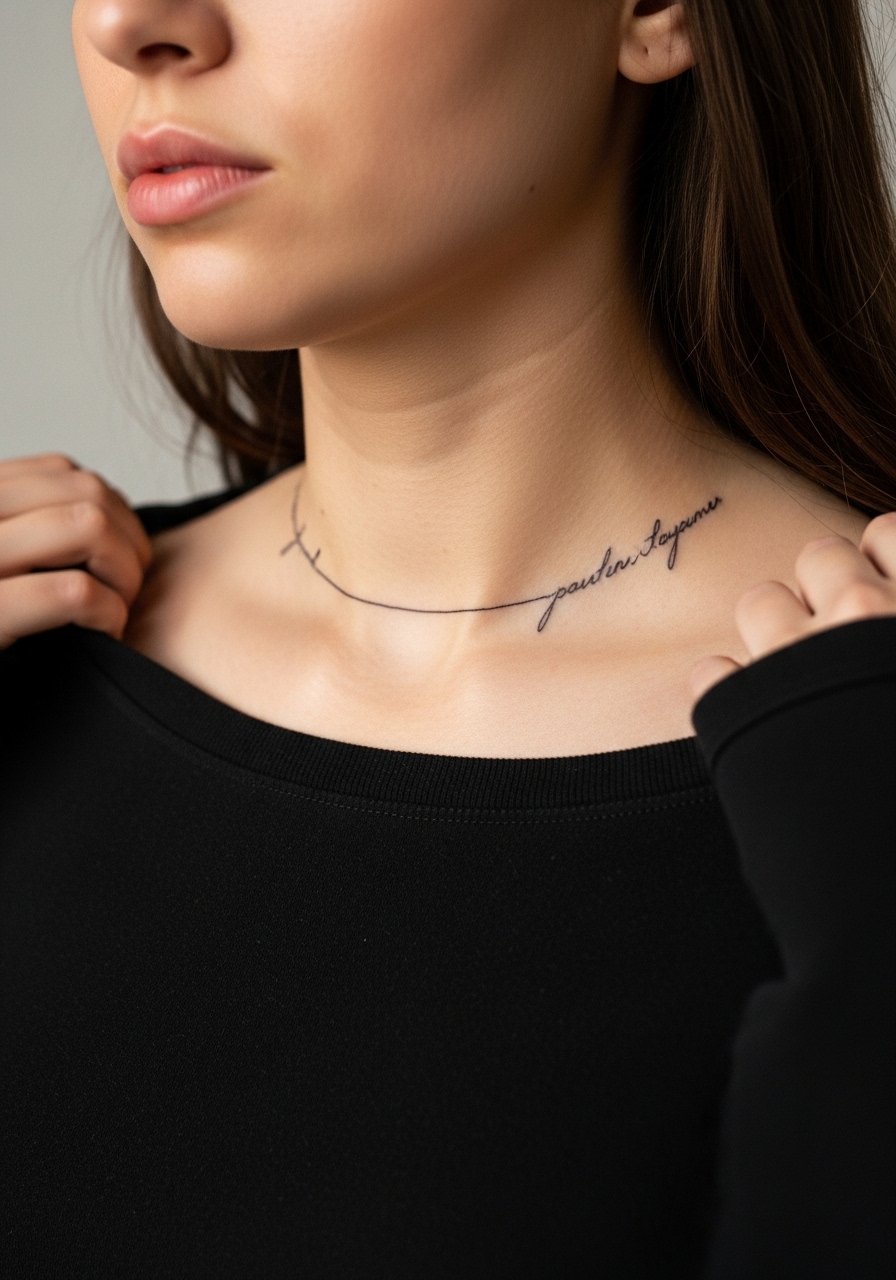
1. Tiny Script Along the Collarbone
I've seen delicate script across collarbones keep its personality when spaced and weighted for movement. Ask your artist for slightly heavier single-needle linework so the letters do not blur into each other as the skin shifts. Fair warning, collarbone sessions register as a 6 out of 10 on most pain scales, but they are short; expect a single one-hour appointment for a short phrase. The most common mistake is cramming long text into the space. For showing it off, a thin chain pendant necklace sits just above the script without competing for attention. Consider how open-neck shirts will frame the area when you plan placement.
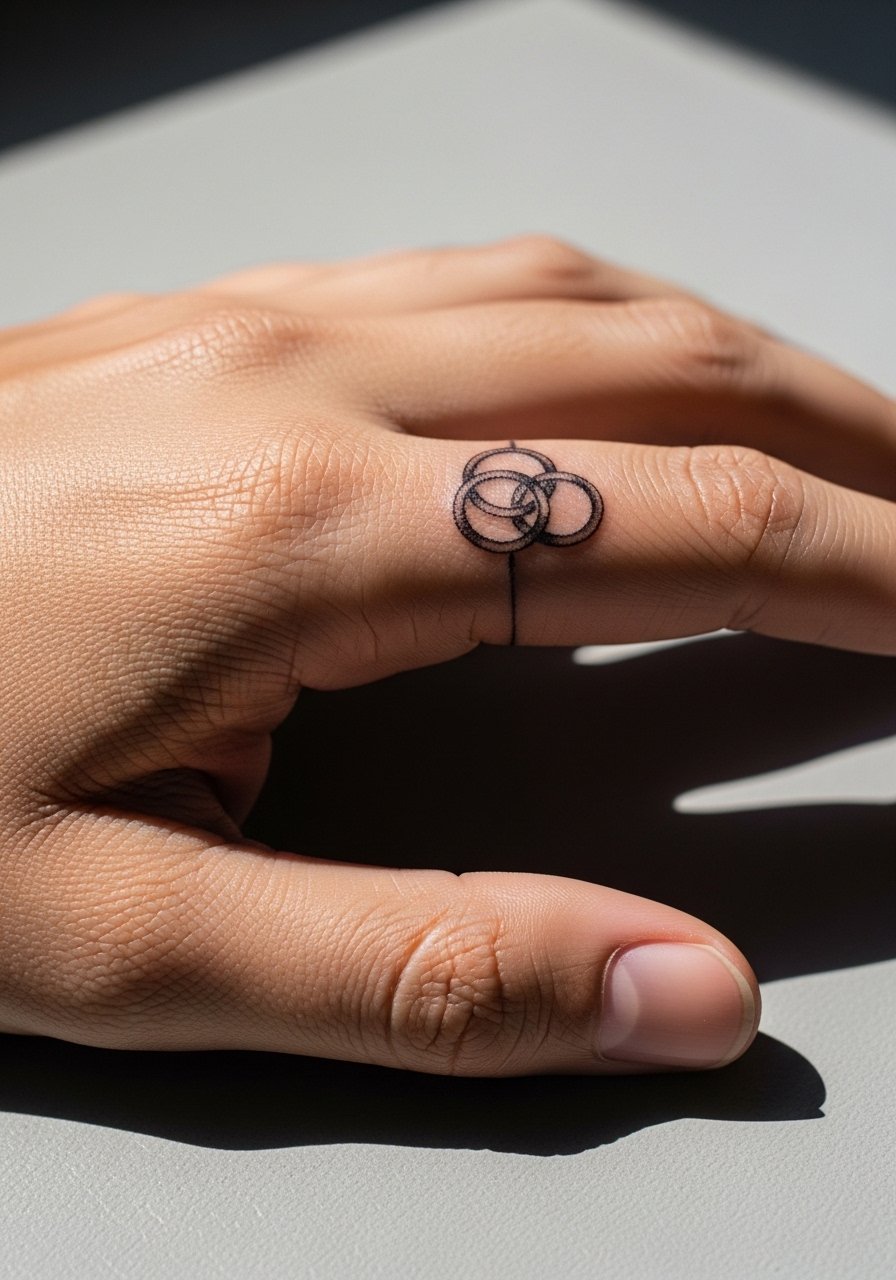
2. Interlaced Rings on the Finger
Finger pieces show instantly but live under constant friction. Most people want them small which raises the blowout risk. For these interlaced rings, tell your artist to keep moderate line weight and space between loops so the design ages into readable bands instead of a single blurred mark. Session time is short and the pain is high for such a small surface. Touch-ups are common by year two. For a subtle everyday look, stack with a minimalist ring set when dressing up. Remember that finger tattoos see washing and sun daily so expect extra maintenance.
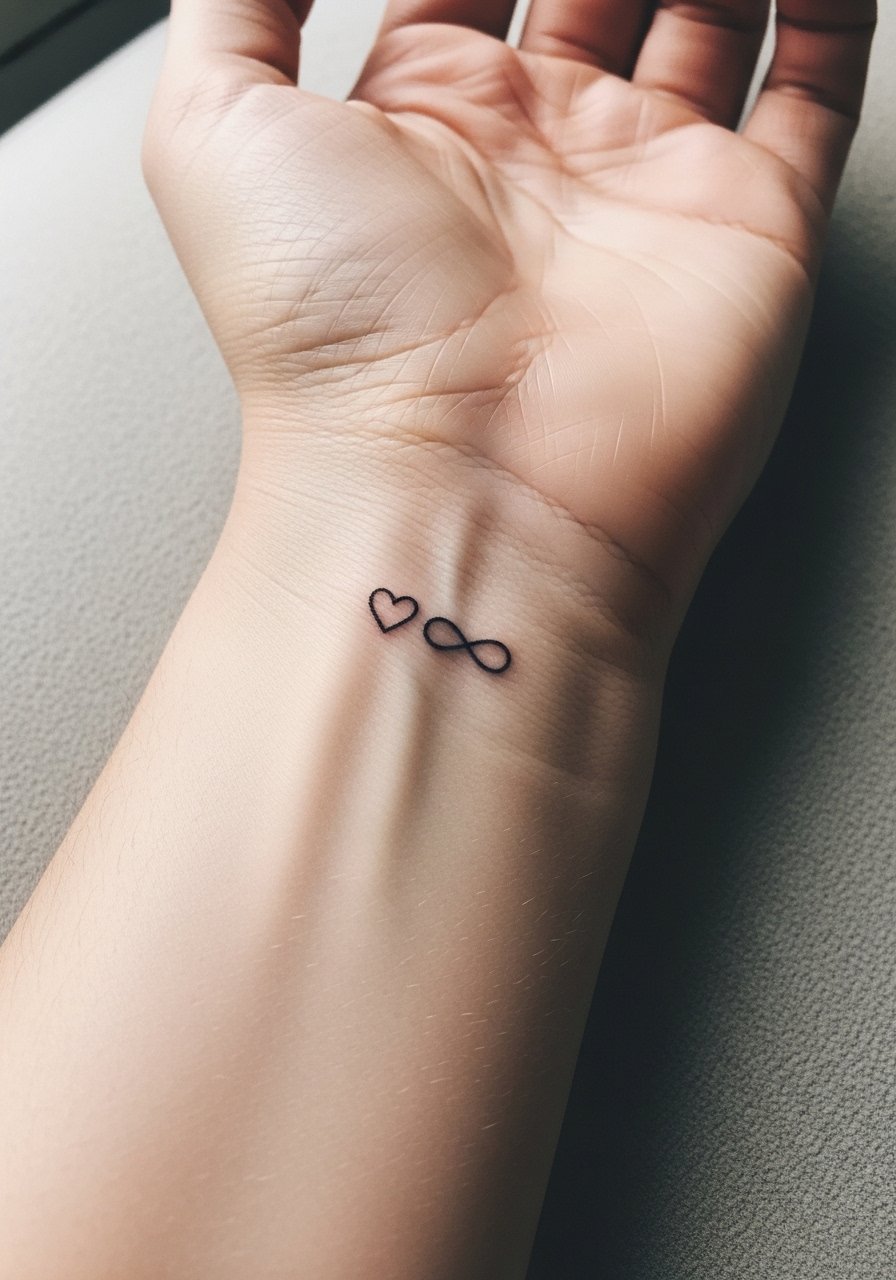
3. Tiny Heart and Infinity on the Wrist
Most wrist tattoos feel intimate because you see them all day. For a heart paired with an infinity loop choose slightly bolder linework than your initial instinct so the thin connections do not fade into a smudge. Expect a 30 to 60 minute session and a pain level around 4 out of 10. A common mistake is placing this too close to the wrist crease where movement accelerates fading. For easy show-off, pair with a minimalist watch or thin bracelet so the tattoo reads as a layered accessory. Plan a touch-up at year two if you wear bracelets daily.
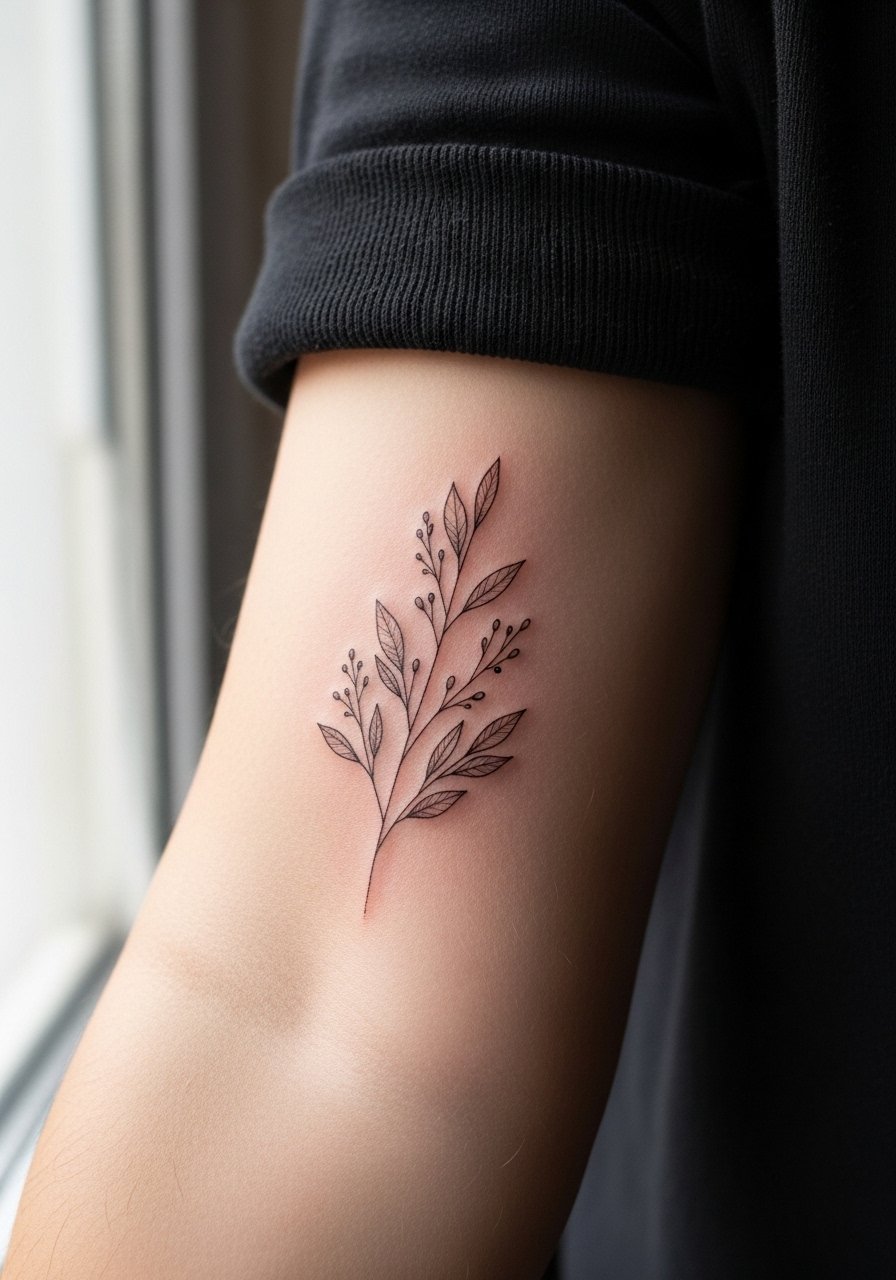
4. Botanical Sprig on the Inner Forearm
I've seen botanical sprigs settle beautifully on forearms when artists use light whip shading and leave plenty of negative space. Tell your artist you want stipple shading in the leaves and small gaps between veins so the piece breathes as the arm ages. Pain is mild and sessions run one to two hours depending on size. A mistake is cramming filler into the branch which accelerates softening. Wear rolled-up sleeves for showing off. A loose button-down shirt that you can roll to the elbow frames the piece without hiding it. Forearm work often needs a touch-up at year three if exposed to sun.
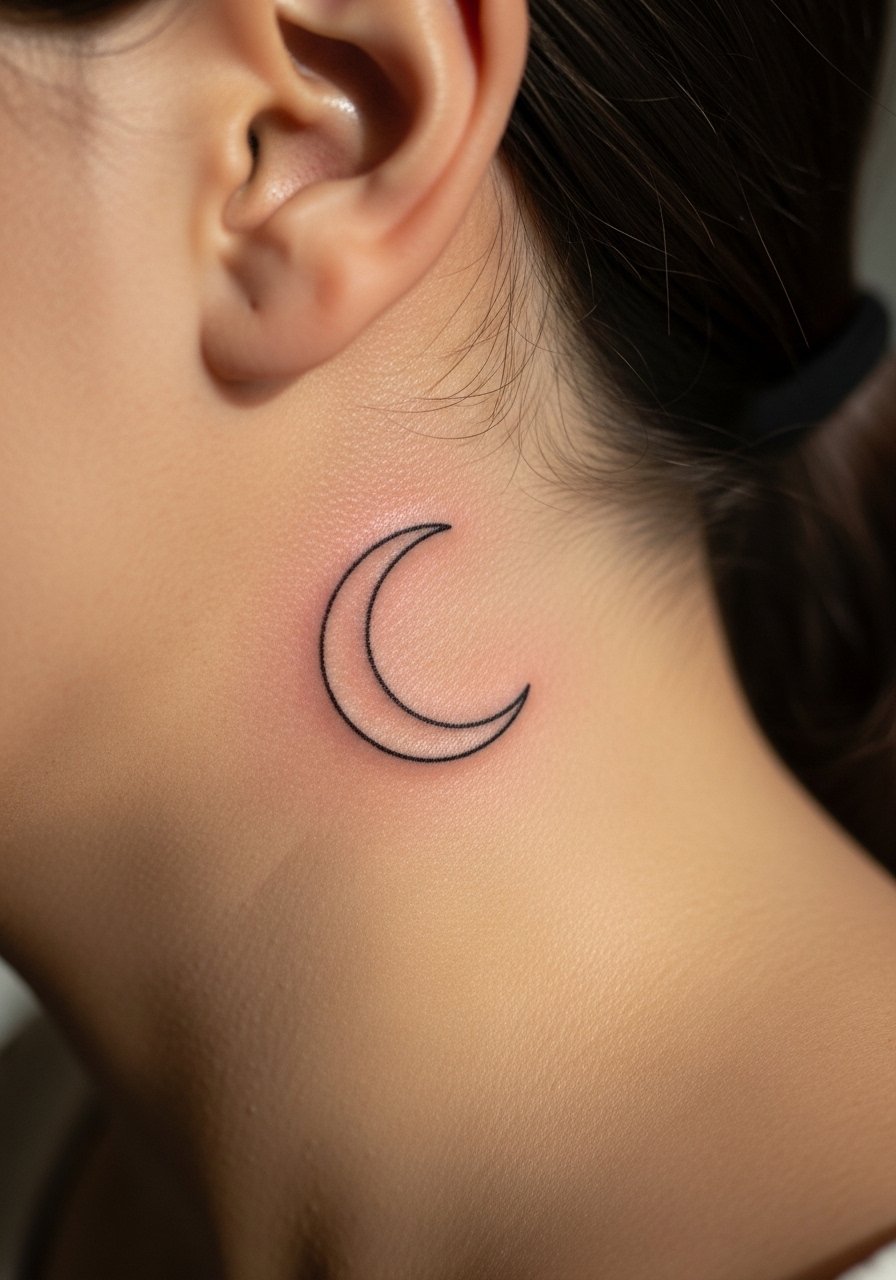
5. Small Crescent Moon Behind the Ear
The behind-the-ear spot reads private and delicate while still being revealable. Artists split on technique for this placement. One camp says the thin skin near the hairline blurs fine line faster. The other camp says with slightly heavier linework and shallow puncture depth it holds. Ask the artist which approach they use and why. Sessions are quick and pain is variable because of thin skin. Avoid overly intricate detail. For discrete showing, tuck hair behind the ear or wear a thin hoop earring that complements the curve. Expect a potential touch-up by year two depending on hair coverage.
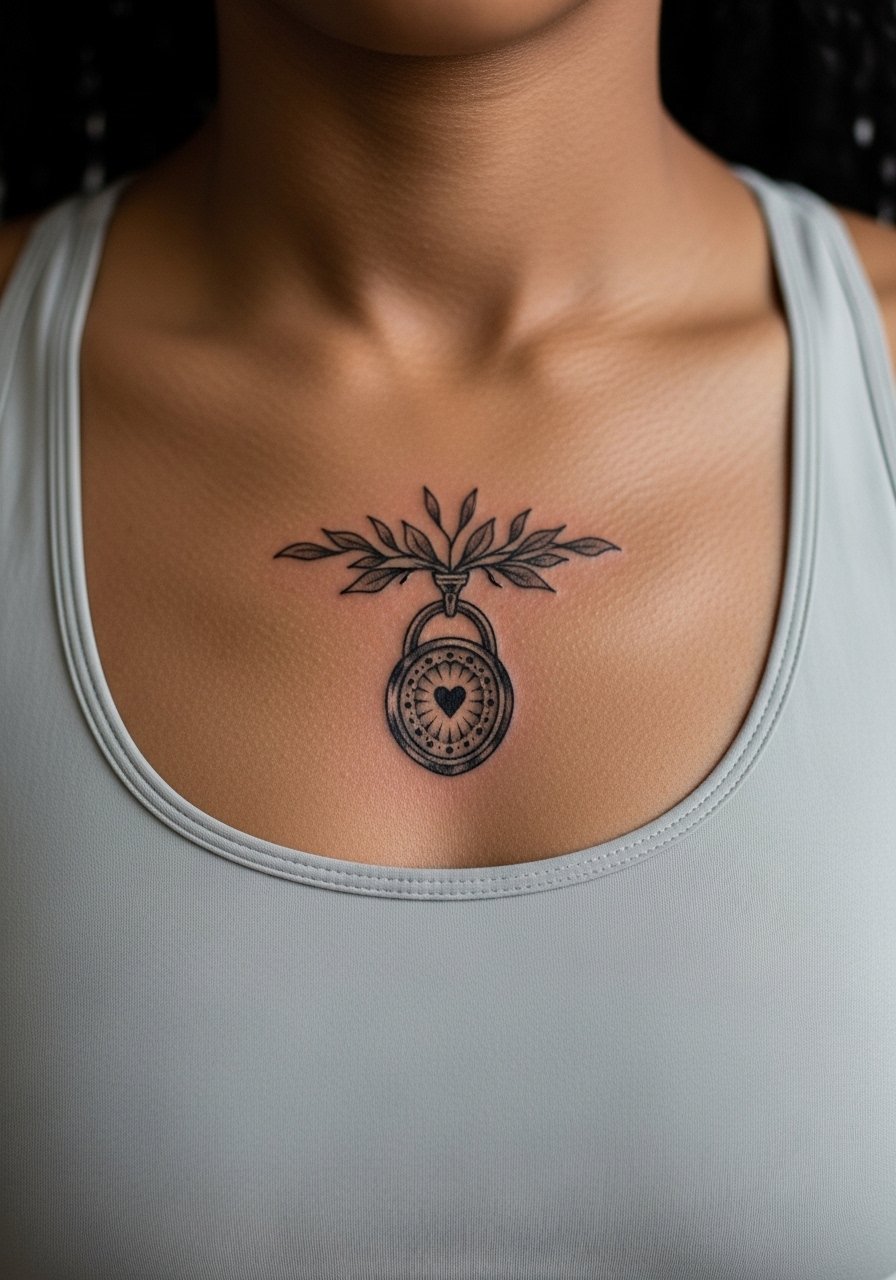
6. Miniature Portrait Locket on the Sternum
Sternum pieces can feel very personal and they require a different consultation. The biggest mistake is treating sternum space like flat canvas. For a locket-style micro-portrait choose a slightly larger scale than you'd pick for a wrist so the face reads after healing. Session pain rates around 7 out of 10 and sessions run longer. Wear a fitted sports bra to your appointment for access. For evenings out pair the piece with an open-back midi dress to show the central placement without overexposure. Ask about how the artist handles stretch and breath when the chest moves.
Studio Day Picks
The chest and ribcage sessions above ask more from the body than wrist pieces, and a few targeted items smooth the session and the first week.
- Stencil transfer paper kit. Lets you preview linework placement on the skin before the needle goes near the area, which is useful for collarbone and sternum pieces.
- Topical numbing cream. Applied about 45 minutes before helps with rib and sternum sensitivity on longer sessions.
- Thin protective film roll. Keeps ankle and finger tattoos protected from friction during the first week.
- Fragrance-free gentle body wash. Cleans healing areas without irritating fine line work on forearms and wrists.
- Aquaphor healing ointment. Apply a thin layer for the first few days to lock in moisture for small detailed pieces without clogging the skin.
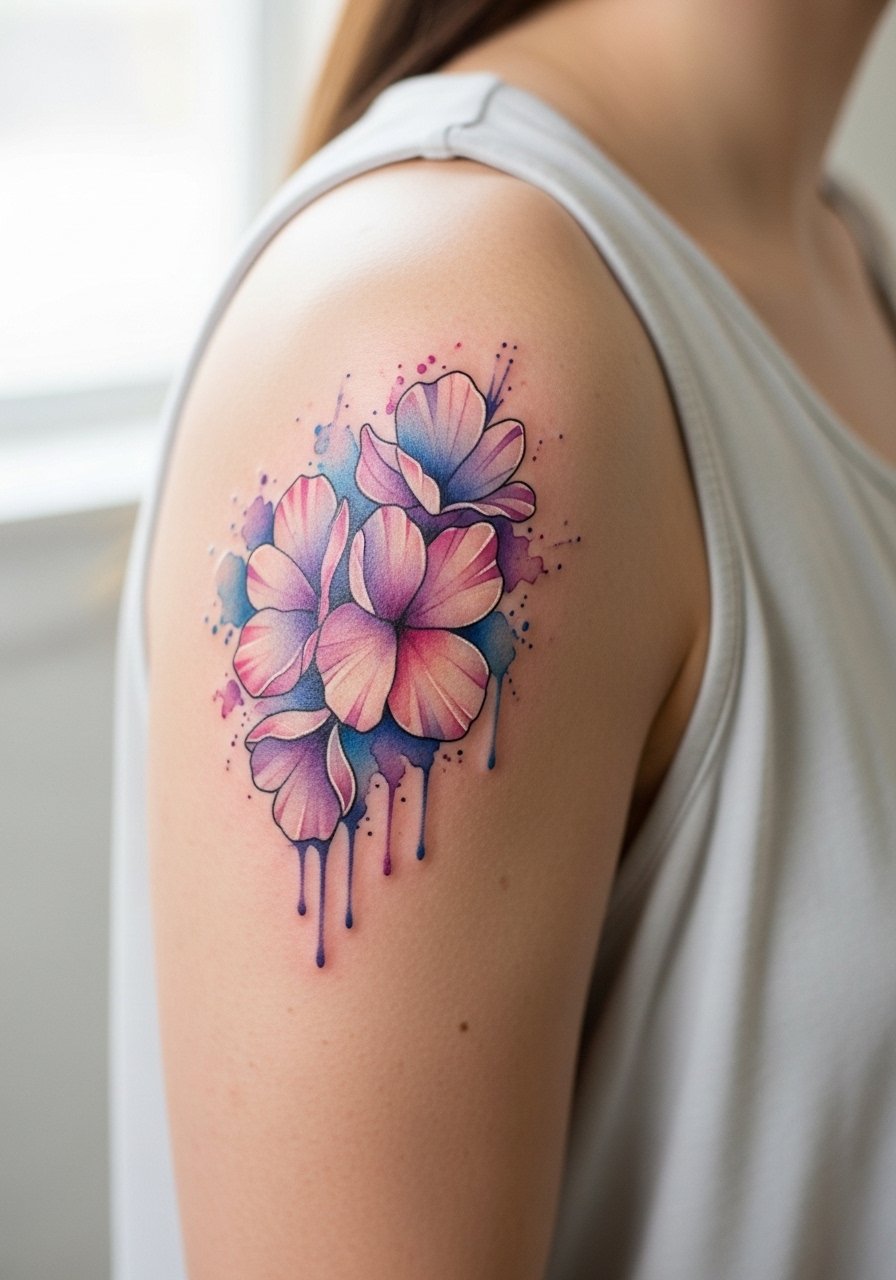
7. Watercolor Petal Cluster on the Shoulder Blade
There's something about soft watercolor washes that invites large surfaces. The shoulder blade lets color sit without constant sun exposure if you pick placement under typical shirt lines. Tell your artist to anchor watercolor with thin linework outlines so the petals retain shape as pigments diffuse. Sessions vary but expect two to three hours for a small cluster. A common error is choosing colors that fade quickly without pigment saturation. For showing it off, wear a backless top or a wide-neck tank. Shoulder blade pieces often blur less because they avoid constant rubbing.
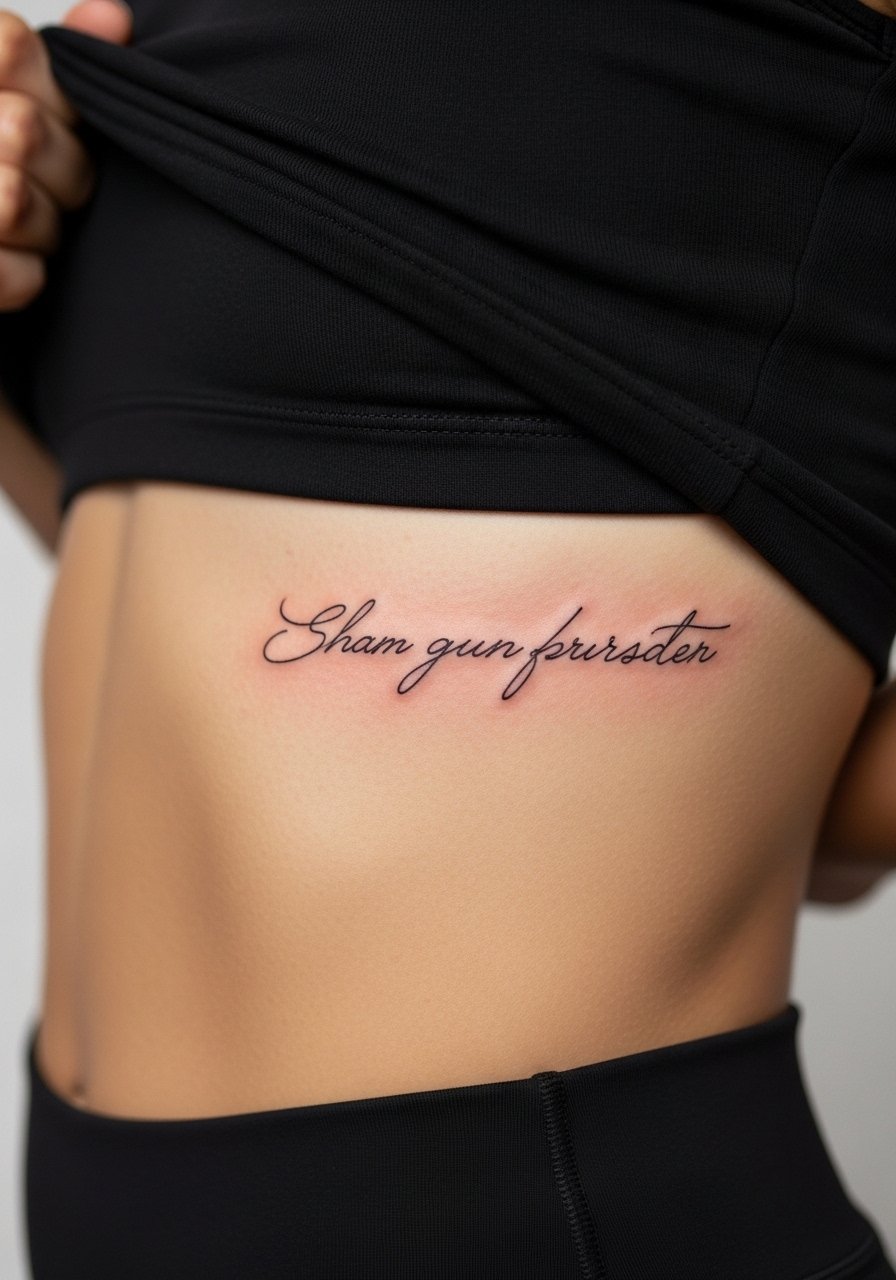
8. Script on the Ribcage That Flows With the Breath
Ribcage text looks intimate but ages differently because the area expands and contracts. One camp says thin script on ribs blurs within a year. The other camp argues that careful spacing and slightly deeper placement settle fine. If you want a phrase here, ask for increased letter spacing and avoid tiny serifs. Expect a 7 to 8 pain rating and a longer session. The most frequent mistake is choosing dense fonts. For comfort wear a cropped top you can lift, for example a cropped athletic tank to the appointment. Plan for a touch-up around year two to three if the area sees weight fluctuation.
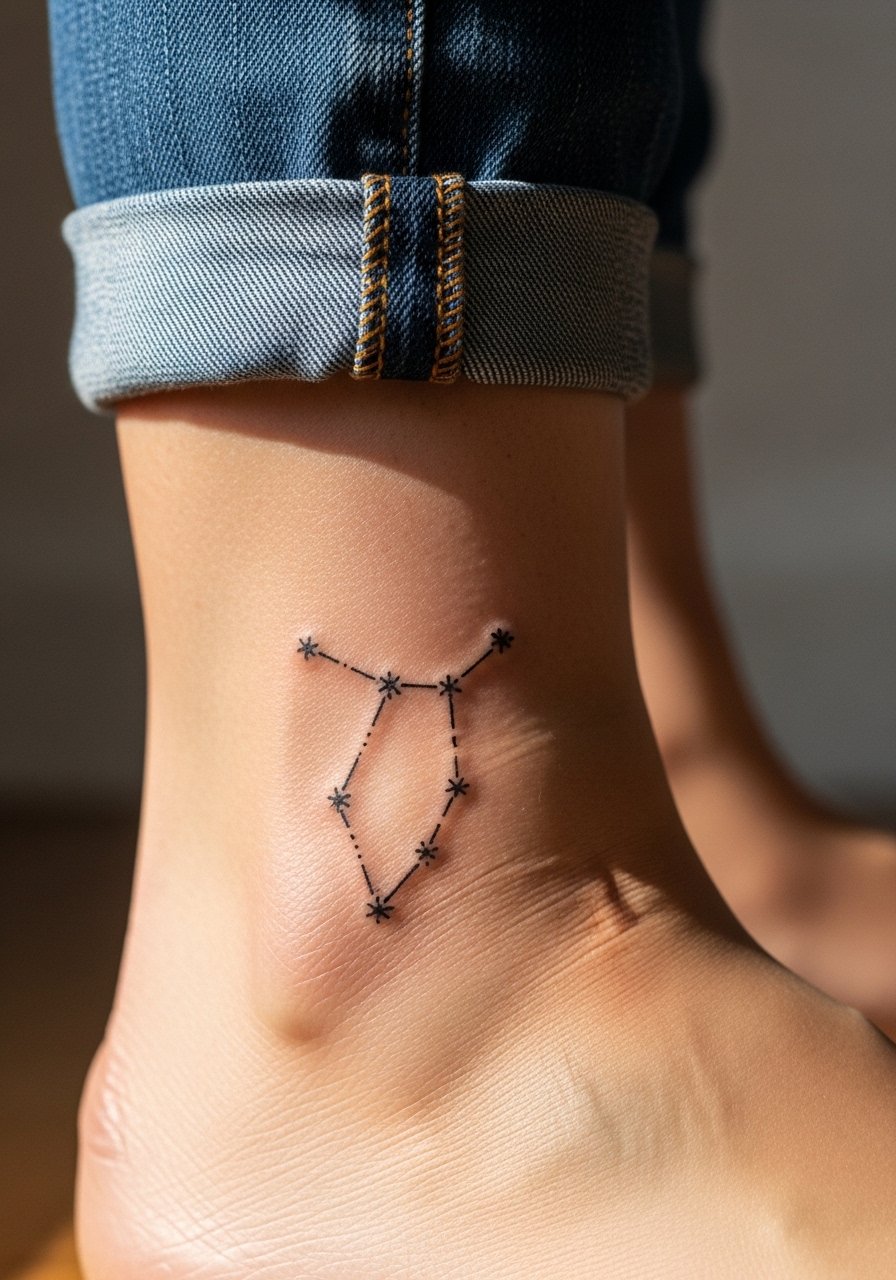
9. Tiny Constellation on the Ankle
Ankle constellations age well if given space between stars and a touch of stipple shading. Tell the artist to place the primary star away from the bone ridge so the lines do not warp with movement. Sessions are short and pain ranges from 3 to 5. The biggest mistake is over-detailing in a tiny area which becomes a single blur with time. Pair this piece with sandals or roll-up jeans to show it off during warmer months. A minimalist ankle bracelet can add context without overwhelming the tiny dots. Expect minimal touch-ups if you use sunscreen.
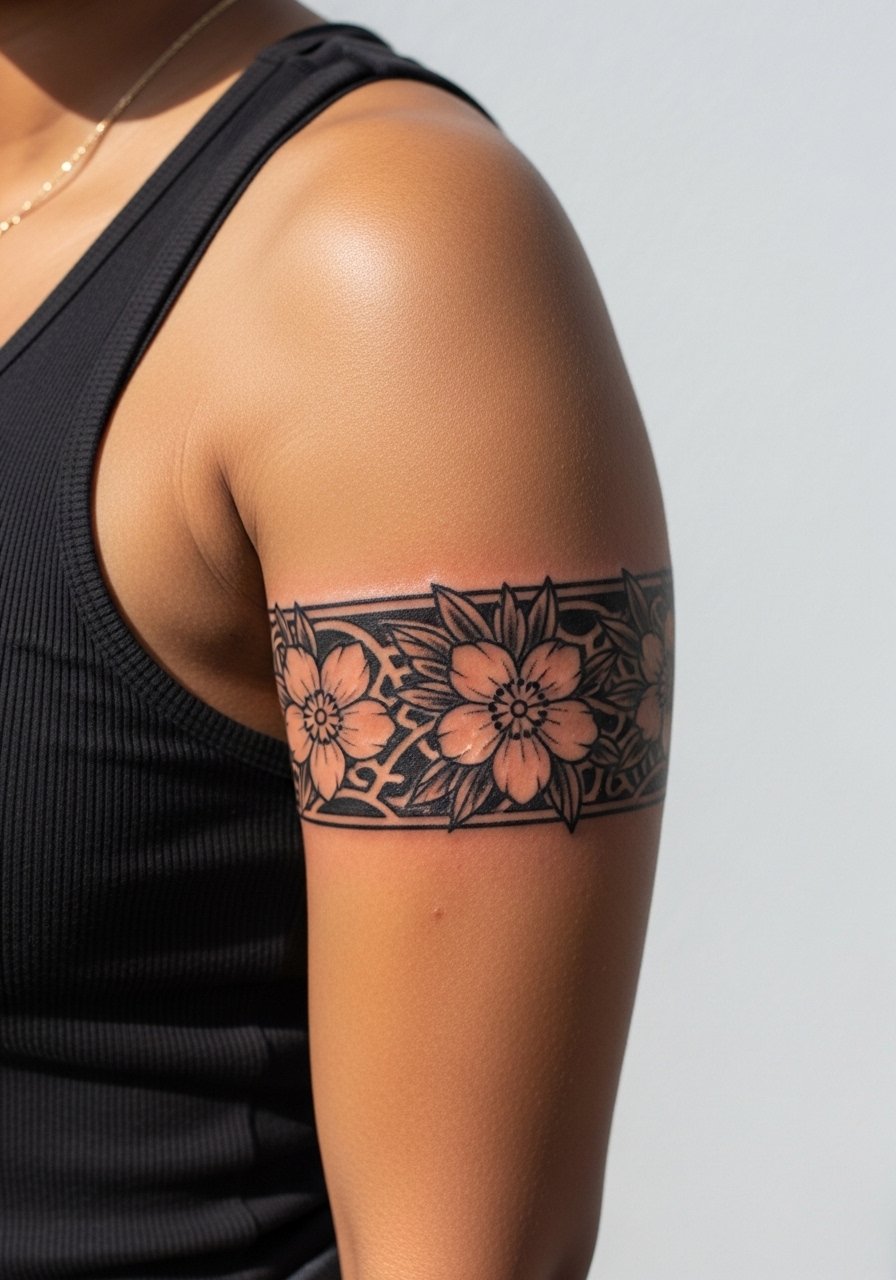
10. Floral Band Around the Upper Arm
A floral band wraps elegantly and holds because muscle movement there is predictable. When artists avoid tiny micro-details and favor bold petal outlines with stipple fill, the band lasts longer. Expect a session of one to two hours and a pain level around 5. People often make the mistake of tightening the band too much which stresses edges. During the session wear a loose tank top you can lift for access. This placement ages well and tends to need touch-ups at year four or later depending on sun exposure.
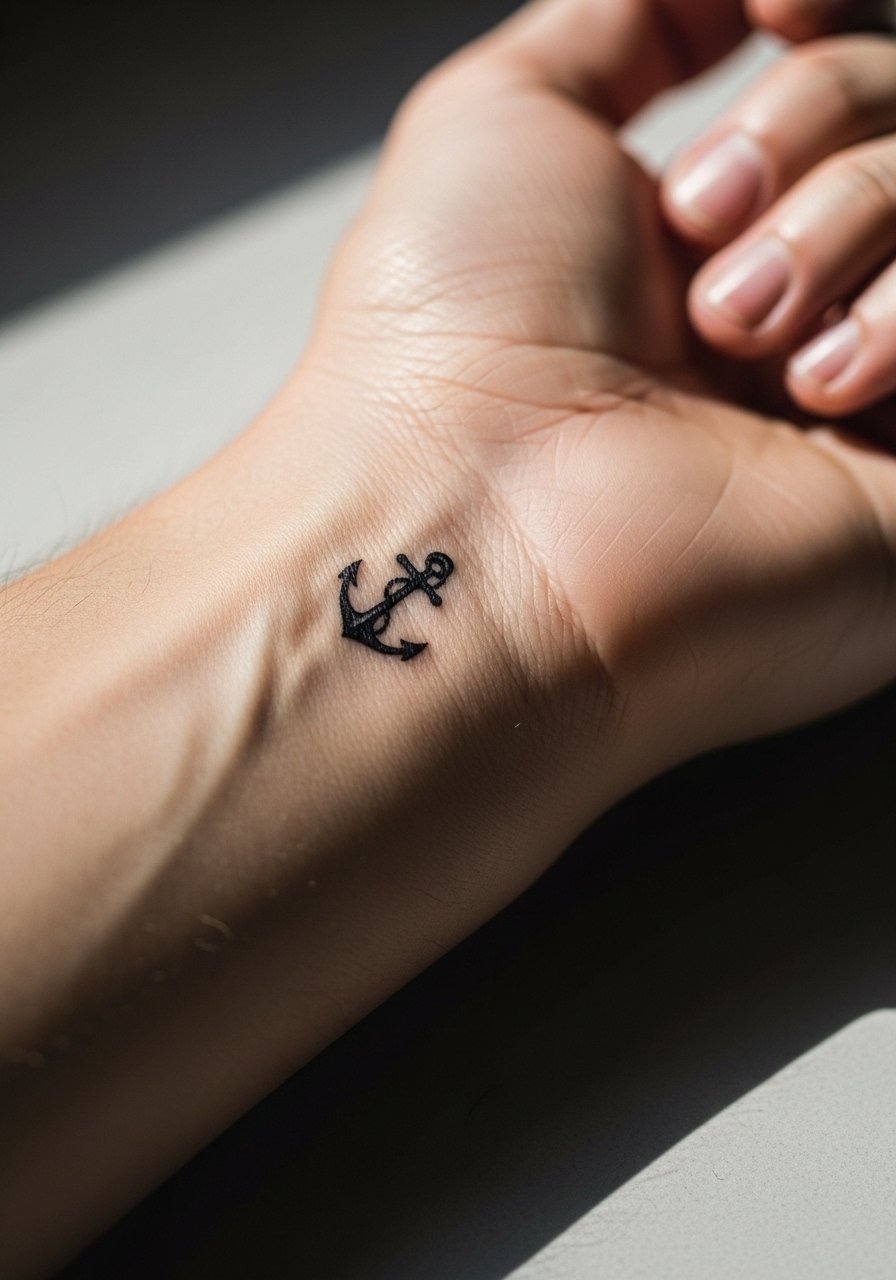
11. Tiny Anchor Behind the Wrist
Wrist-adjacent anchors read nautical and intentional when centered and sized for the tendons. Tell your artist to keep linework consistent and avoid filling in small solid areas which can bleed. Sessions are quick and the pain is a 4. A common misstep is placing heavy fill near the wrist crease. For daily style, pair with a thin leather bracelet on the opposite wrist so the anchor still reads as a deliberate styling choice. Expect touch-ups around year two if you wash hands a lot.
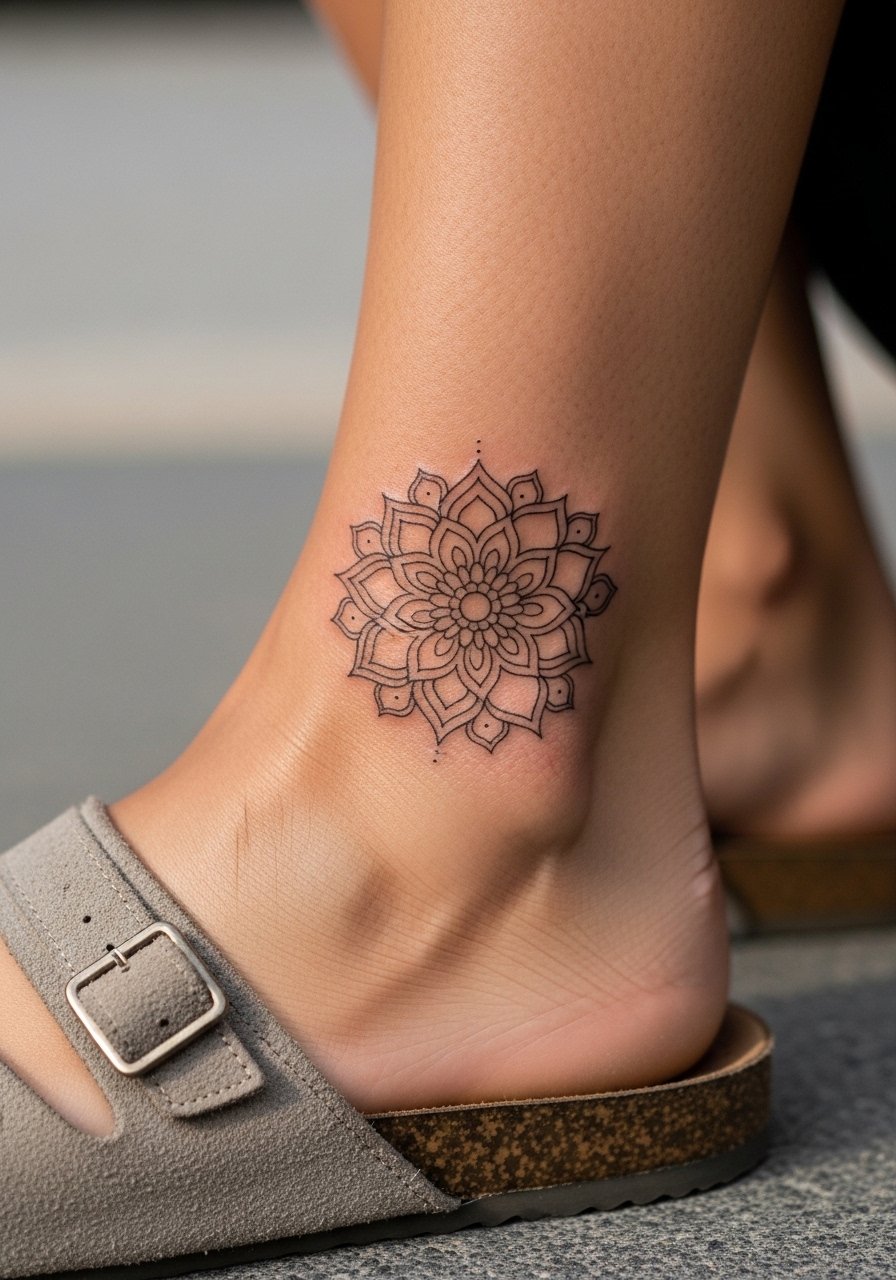
12. Delicate Mandala Above the Ankle
A small mandala above the ankle looks feminine and geometric when artists leave breathing room in radial lines. Most mistakes come from packing too many spokes into a small circumference. Ask for fewer radial elements and more negative space for longevity. Pain is moderate and sessions run an hour or so. For show-off pairing, wear strappy sandals to let the pattern sit against skin. If the piece sits over bone, expect subtle softening at the edges by year three with normal wear.
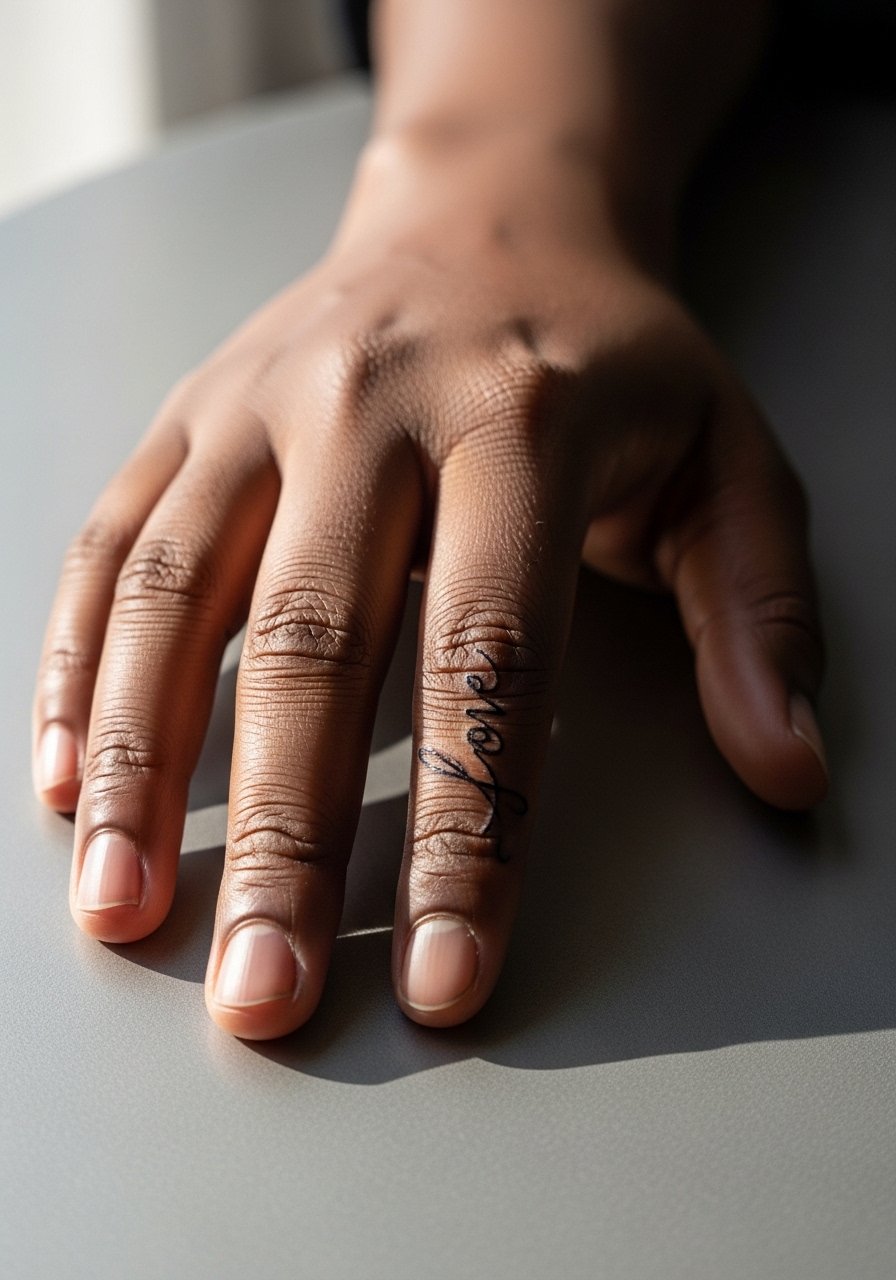
13. Romantic Script Wrapped Around the Finger Base
Band-like script around the finger base can age into a thinner line if ink sits too shallow. Request slightly increased saturation and avoid thin, ornate fonts that collapse. The session is short and pain is high for fingers. The typical error is selecting ornate serif fonts in too small a size. For display, pair with a dainty stacking ring on the adjacent finger rather than over the tattoo. You will likely need a touch-up within two years depending on hand usage and washing.
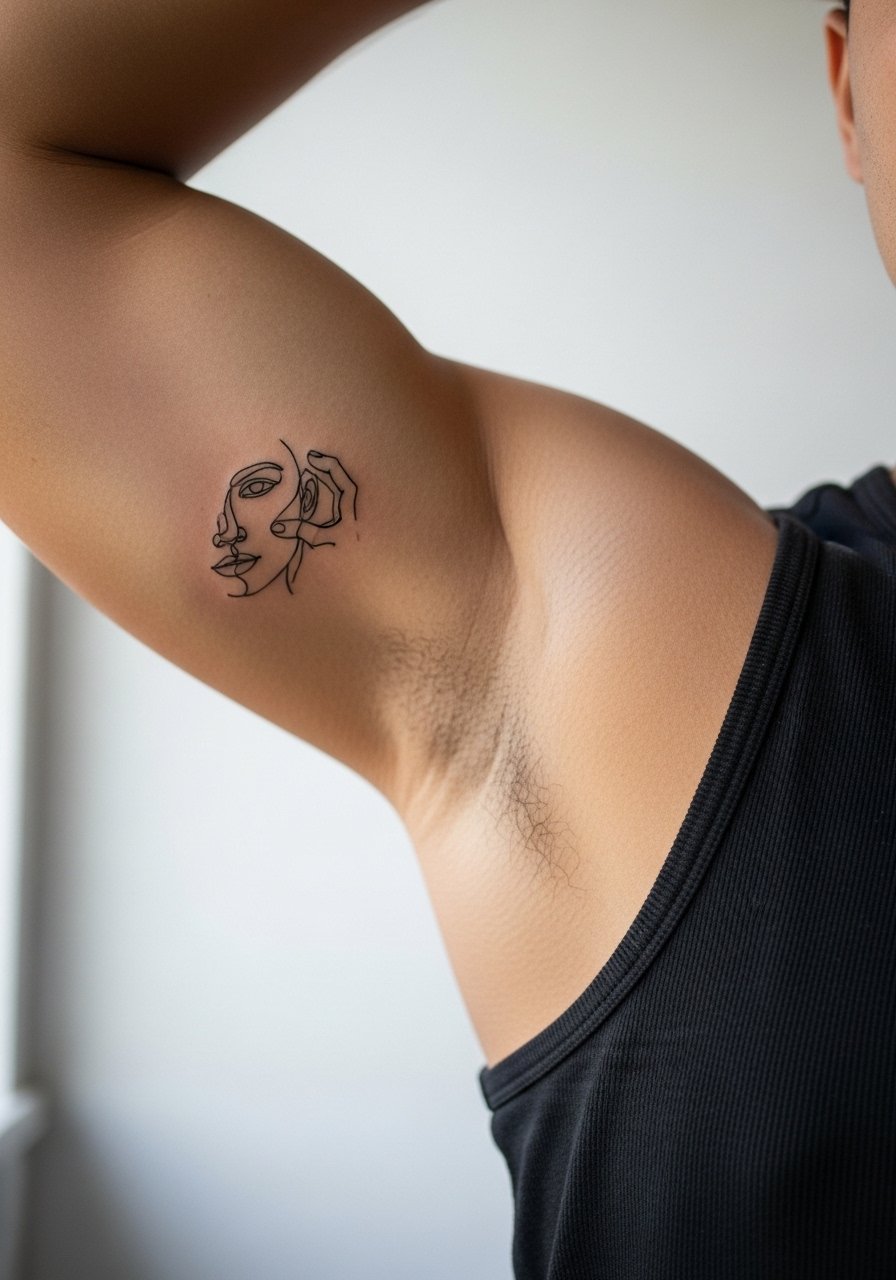
14. Single Line Portrait on the Inner Bicep
Inner bicep pieces sit in a high-movement area that benefits from slightly bolder contours. When artists use a single-line portrait approach with selective shading, the piece reads clearly after healing. Fair warning, inner bicep sessions can hit a 6 on the pain scale. Wear a tank top with the arm raised so the artist can access the zone. The common mistake is choosing tiny facial details that vanish. For session comfort, bring a loose sleeveless tank that you can lift without stretching. Touch-ups depend on muscle changes and weight fluctuation.
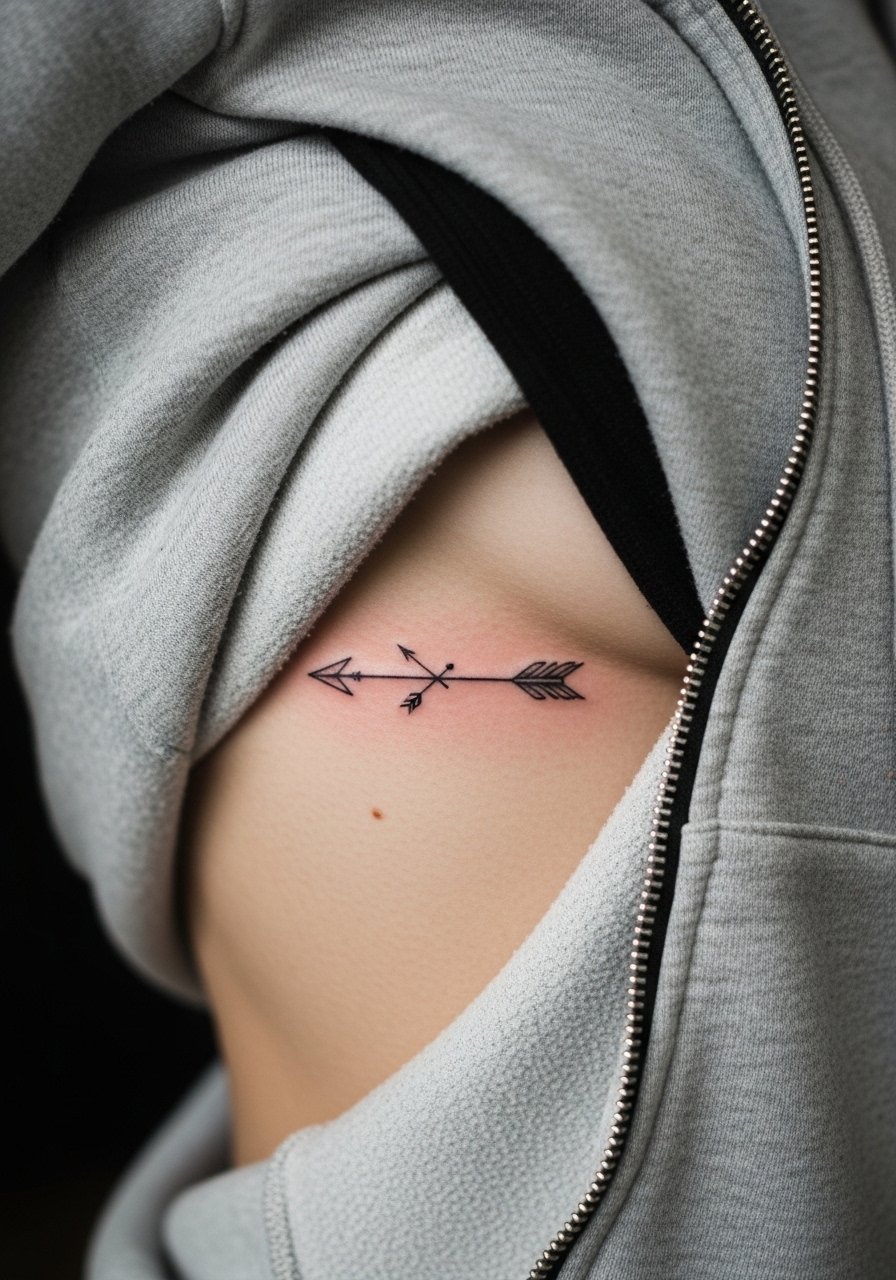
15. Minimalist Arrow Along the Ribcage
Ribcage arrows can look sharp for years if scaled up slightly and spaced away from the fold lines. The controversy over fine line on ribs appears here again. One camp says the constant expansion blurs lines quickly. The other camp says a little extra spacing and depth keeps the arrow crisp. Expect a 7 pain rating and a session of one to two hours. For the appointment, wear a zip-front hoodie you can pull aside easily. Avoid placing the arrow exactly on the bone ridge to reduce blowout risk. Plan a possible touch-up at year two to three.
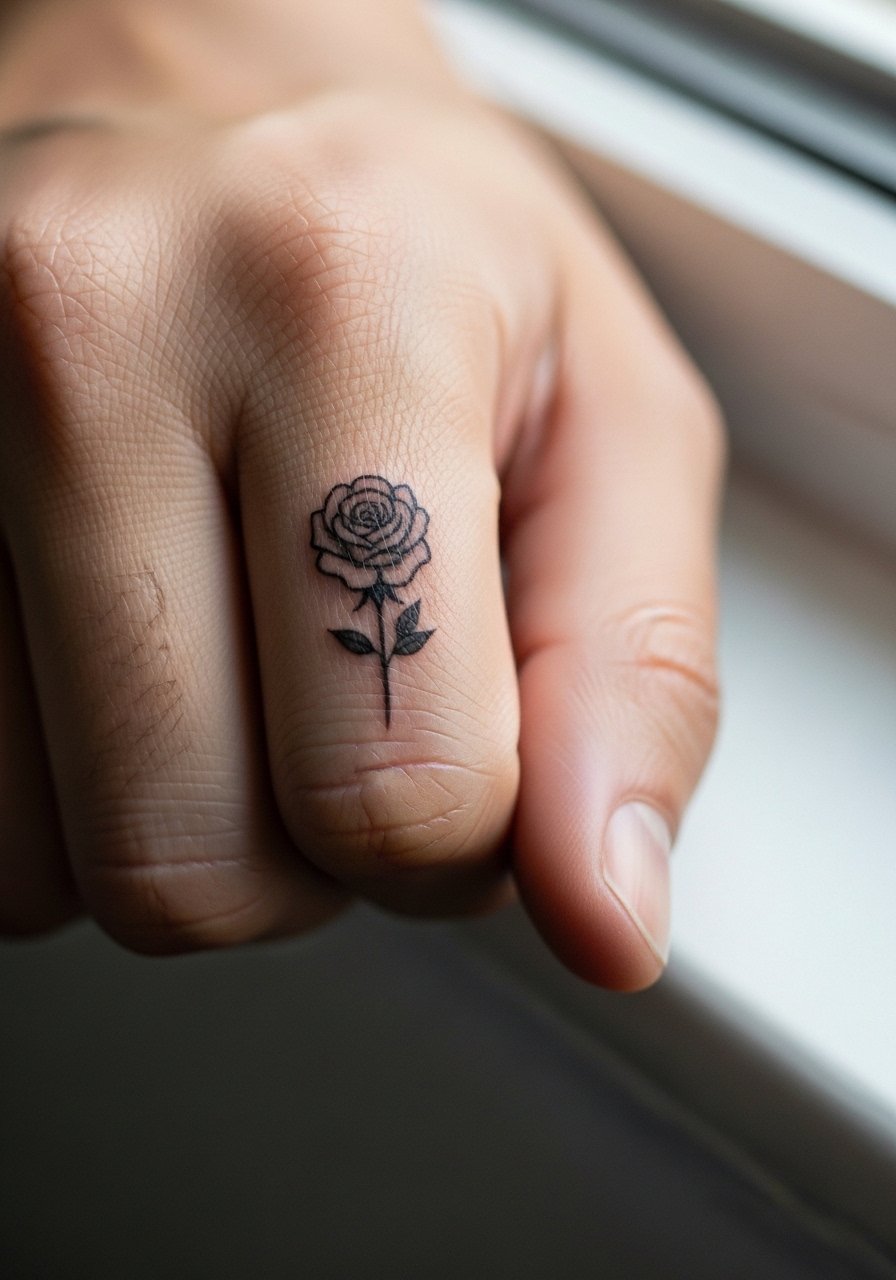
16. Tiny Rose on the Thumb Knuckle
Knuckle tattoos wear fast due to movement and washing. A tiny rose done with thicker outlines and minimal internal detail will often hold better than delicate petals packed into a small spot. Sessions are quick and pain is high. The common mistake is pushing micro shading into a knuckle field. For practical show-off, keep rings minimal and avoid constant pressure on the knuckle while it heals. A small adjustable ring on another finger can balance the look. Expect to need a touch-up by year two or sooner.
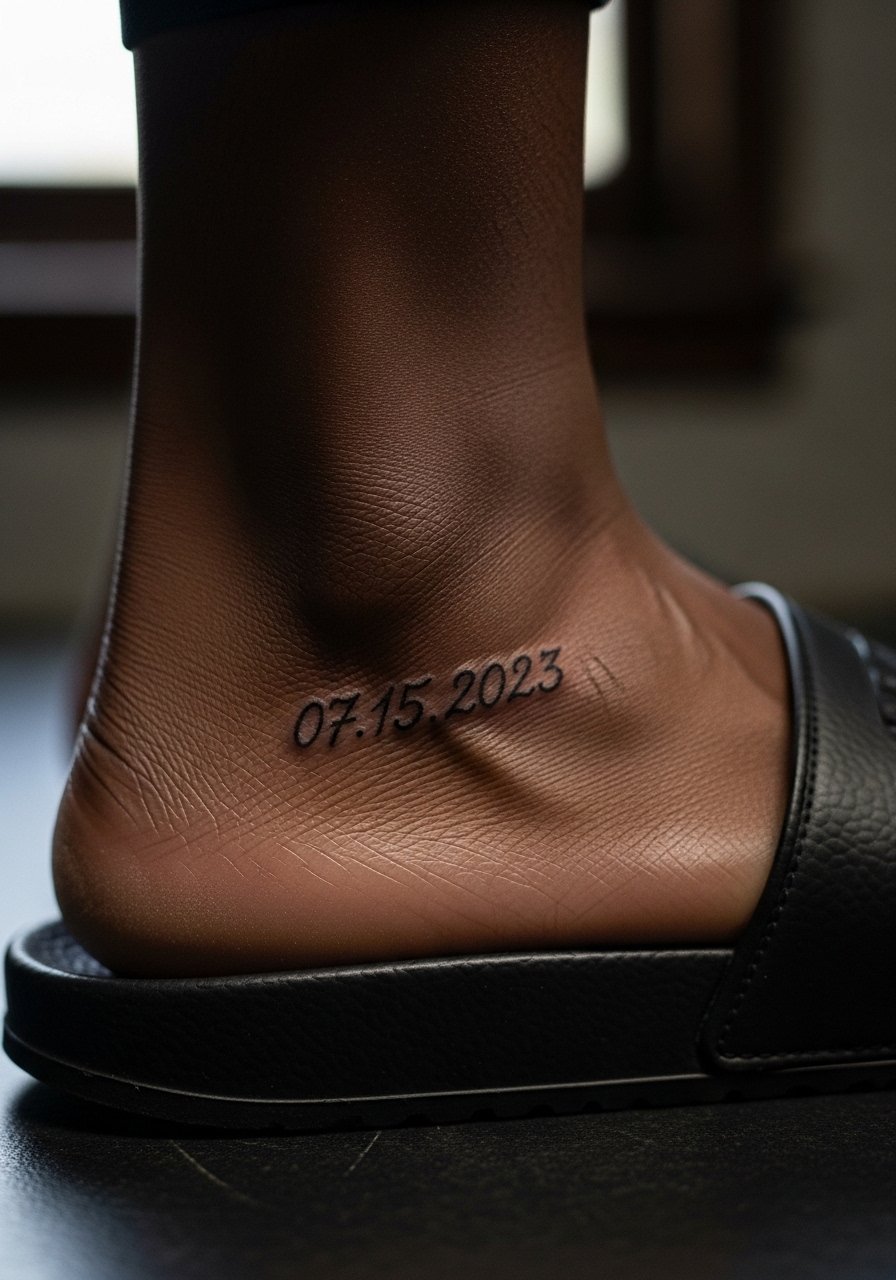
17. Scripted Date on the Side of the Foot
Side-foot text sits near areas that rub against shoes. For a date, choose slightly larger lettering and ask for seated placement that avoids seams. The session is uncomfortable and rates around 5. People often pick tiny fonts that fade under friction. For showing it off, wear slide sandals until it fully heals. Foot tattoos tend to need more touch-ups because footwear and movement accelerate fading, so plan accordingly.
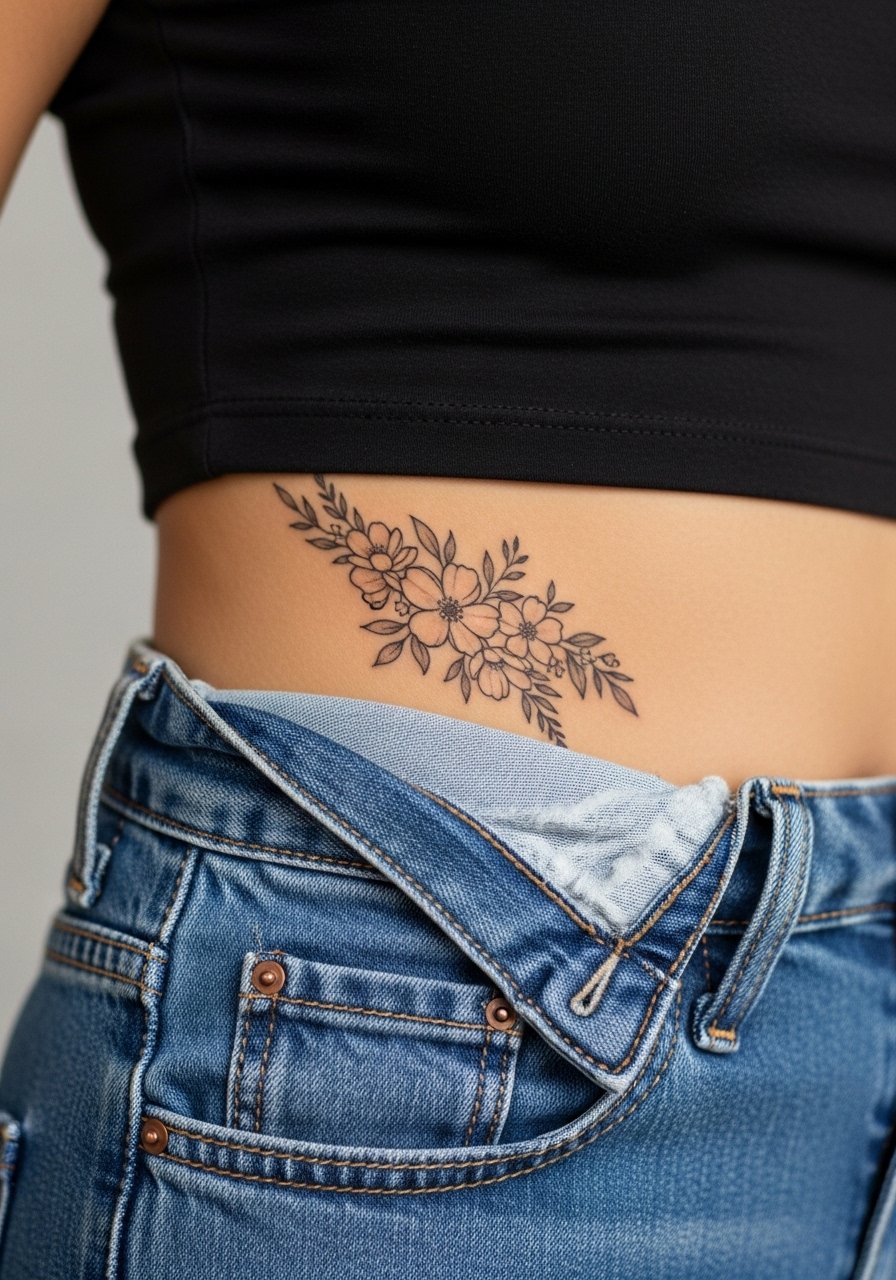
18. Tiny Botanical Cluster on the Hip
Hip tattoos hide well and age slower if not exposed to constant friction from waistlines. For a small botanical cluster, ask for open composition and leave gaps between blooms so the piece does not densify. Sessions are mid-length and pain varies. Avoid placing parts under tight waistbands. For the session, wear high-waisted bottoms or a [high-waisted denim] (https://www.amazon.com/s?k=high+waisted+denim&tag=inkedqueen-20) pulled slightly down so the artist can work without full exposure. Hip pieces are forgiving but expect subtle softening at the edges over several years.
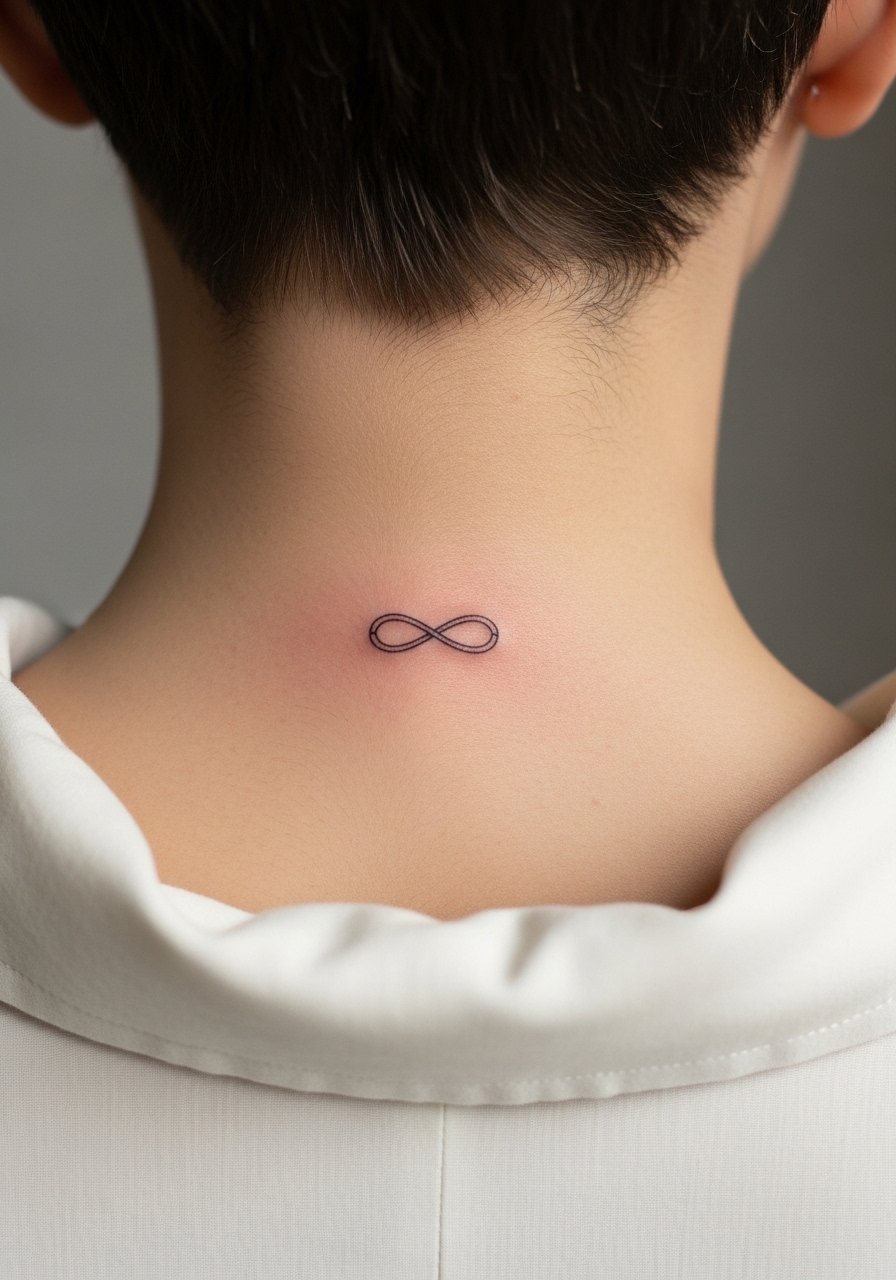
19. Tiny Infinity Knot on the Back of the Neck
Back of neck pieces are visible with shorter hair and hidden with longer lengths. For a knot design, ask for a compact motif with balanced spacing so the lines do not coalesce. Pain tends to be lower and sessions are brief. A common error is placing too-close lines that blur under hair oils. For easy display, wear a wide-neck shirt that shows the area selectively. Consider workplace visibility when choosing placement. Neck pieces can need touch-ups depending on hair coverage and sun exposure.
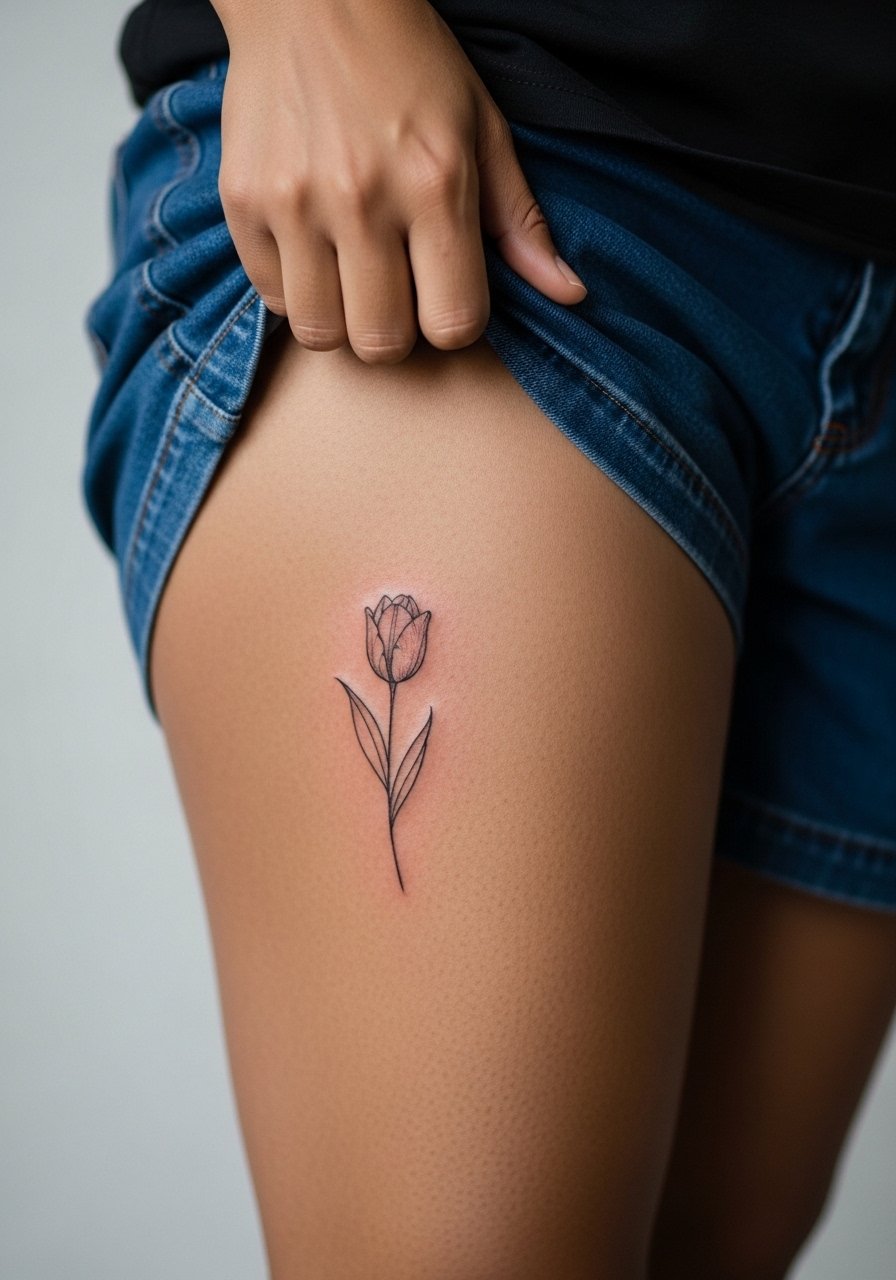
20. Single Stem Tulip Along the Side of the Thigh
Thigh placements let you choose scale for longevity. A single stem tulip with spaced leaves ages well because the skin is less exposed to friction daily. The session feels easier, and pain often sits at a 4. Mistakes include over-detailing small veins that become indistinct. For the appointment wear loose drawstring linen pants you can roll up so the artist can work without pressure on the area. Thigh pieces usually hold pigment longer and need fewer touch-ups.
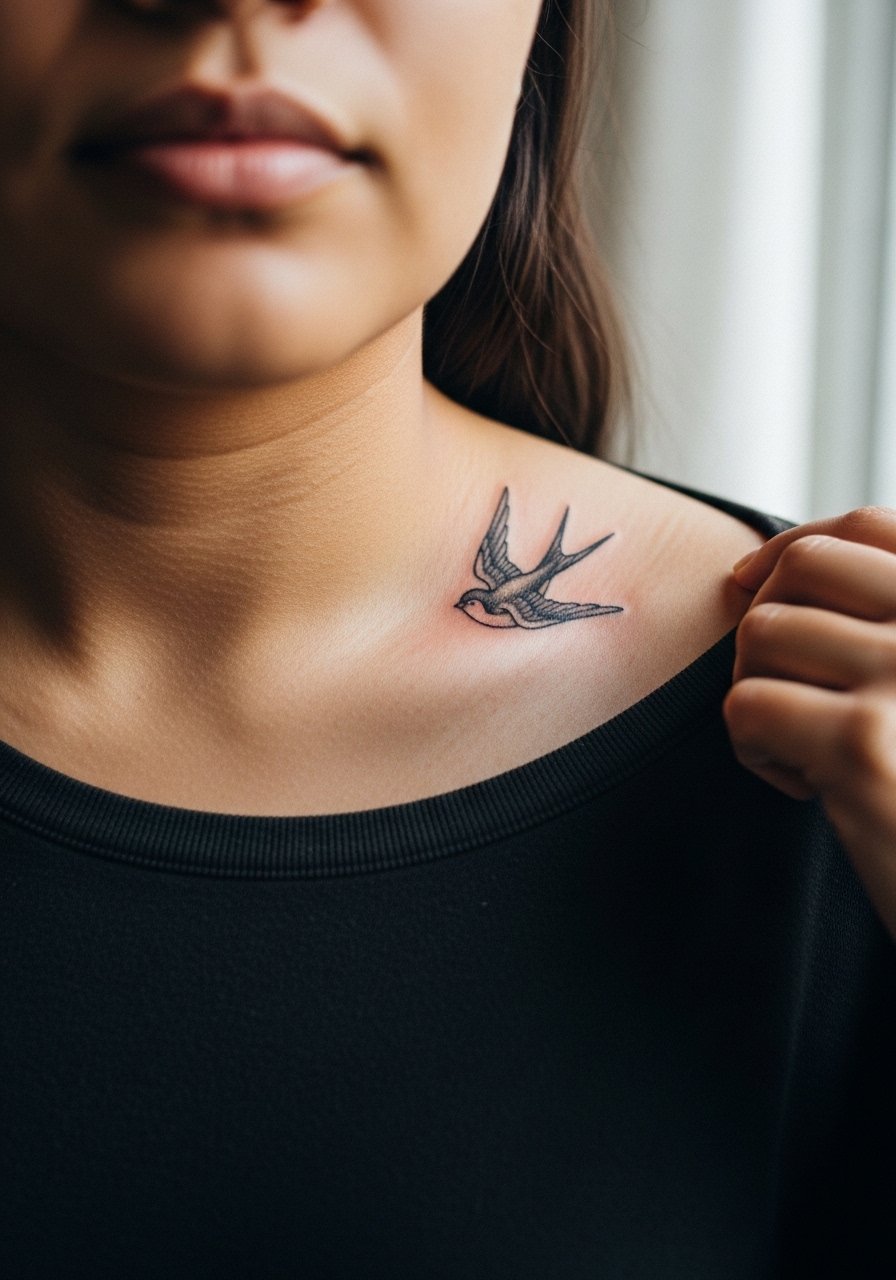
21. Tiny Swallow on the Collarbone Curve
A swallow perched along the collarbone curve reads classic and always-feminine when its wings are open enough to avoid merging lines. Ask for durable edge linework and avoid tiny feather strokes. Expect one short session and moderate pain at the bone. The most frequent mistake is centering the bird too close to the sternum. For styling, layer a thin chain necklace that sits above the bird to draw attention to the line. Maintain sunscreen to slow fading from sun on exposed collars.
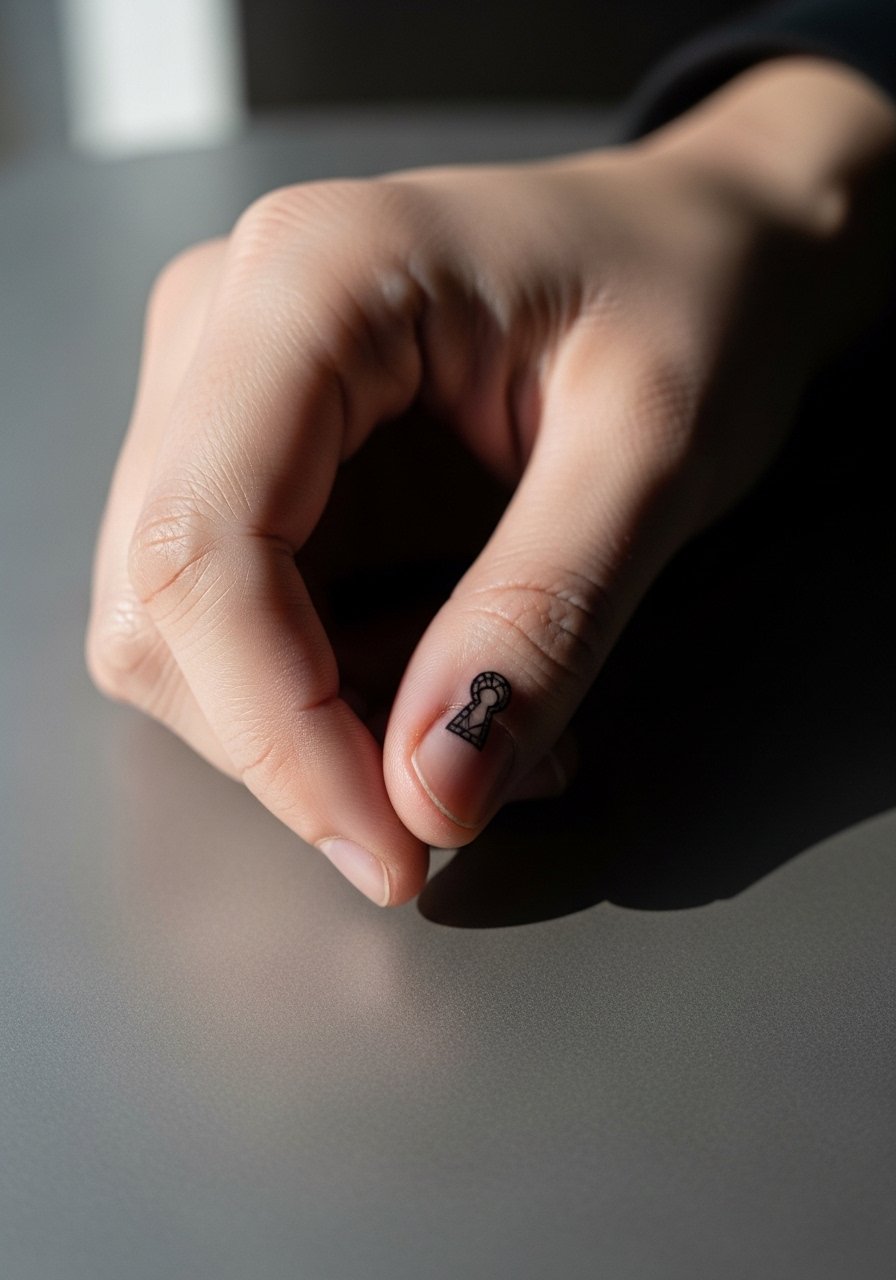
22. Tiny Keyhole at the Base of the Thumb
The base of the thumb sees a lot of movement and moisture. A keyhole motif with strong outline and minimal internal shading tends to hold better than tiny cross-hatching. Sessions are quick and pain hovers around 5. A common mistake is choosing delicate internal decoration that fills in. For daily styling pair with a slim band ring worn on a different finger to avoid pressure on the tattoo. Expect to book a touch-up at year two depending on hand wear.
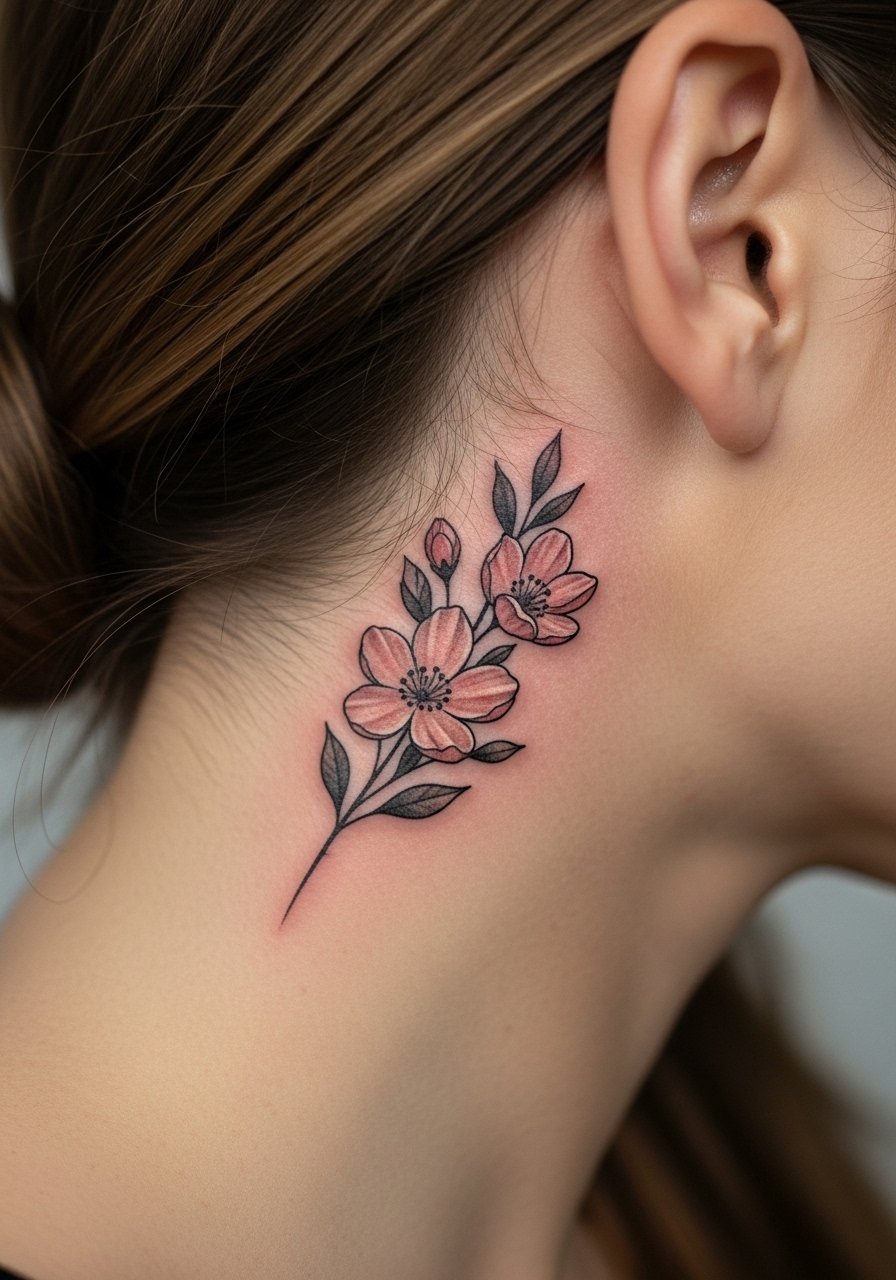
23. Micro-Realism Flower Near the Ear
Micro-realism near the ear requires artists experienced with fine contrasts. The key is avoiding tiny dots that vanish; ask for selective contrast and soft stipple work. The area is mildly sensitive and session length is short. Many fail by asking for photo-level detail at a scale too small to hold. For subtle styling tuck hair behind the ear or wear a thin hoop earring to complement the bloom. If you plan to wear headphones or use hair oils often, mention that to your artist because friction affects healing.
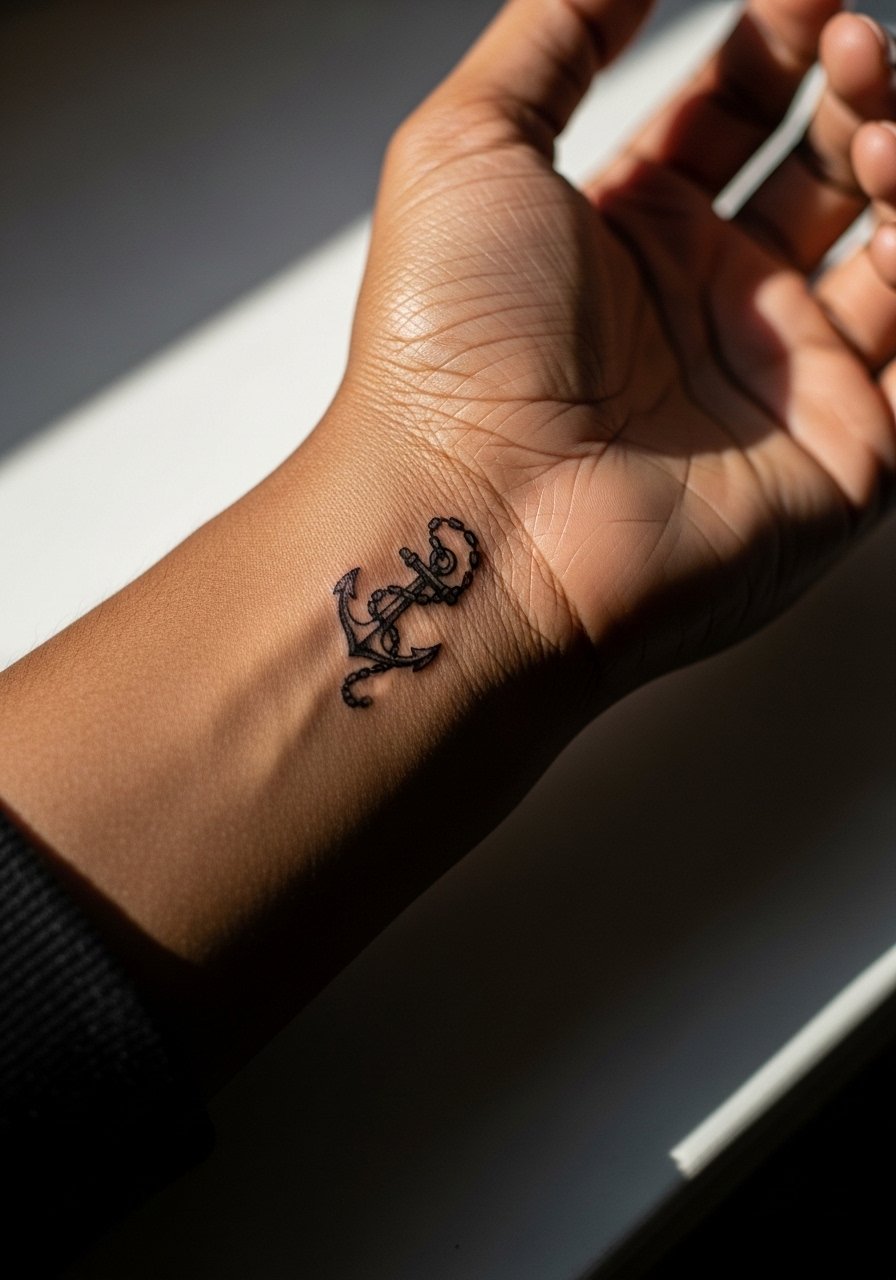
24. Tiny Anchor on the Inner Wrist With a Chain Link
Inner wrist anchors with a short chain link look delicate and deliberate when the chain has breathing space between links. Tell your artist to avoid thin, closely packed links. Sessions run under an hour and pain is low to moderate. The common error is packing chain detail too tightly. For daily wear try a thin bangle bracelet on the opposite wrist so the tattoo reads as jewelry. Expect touch-ups in year two to three if you wash hands frequently.
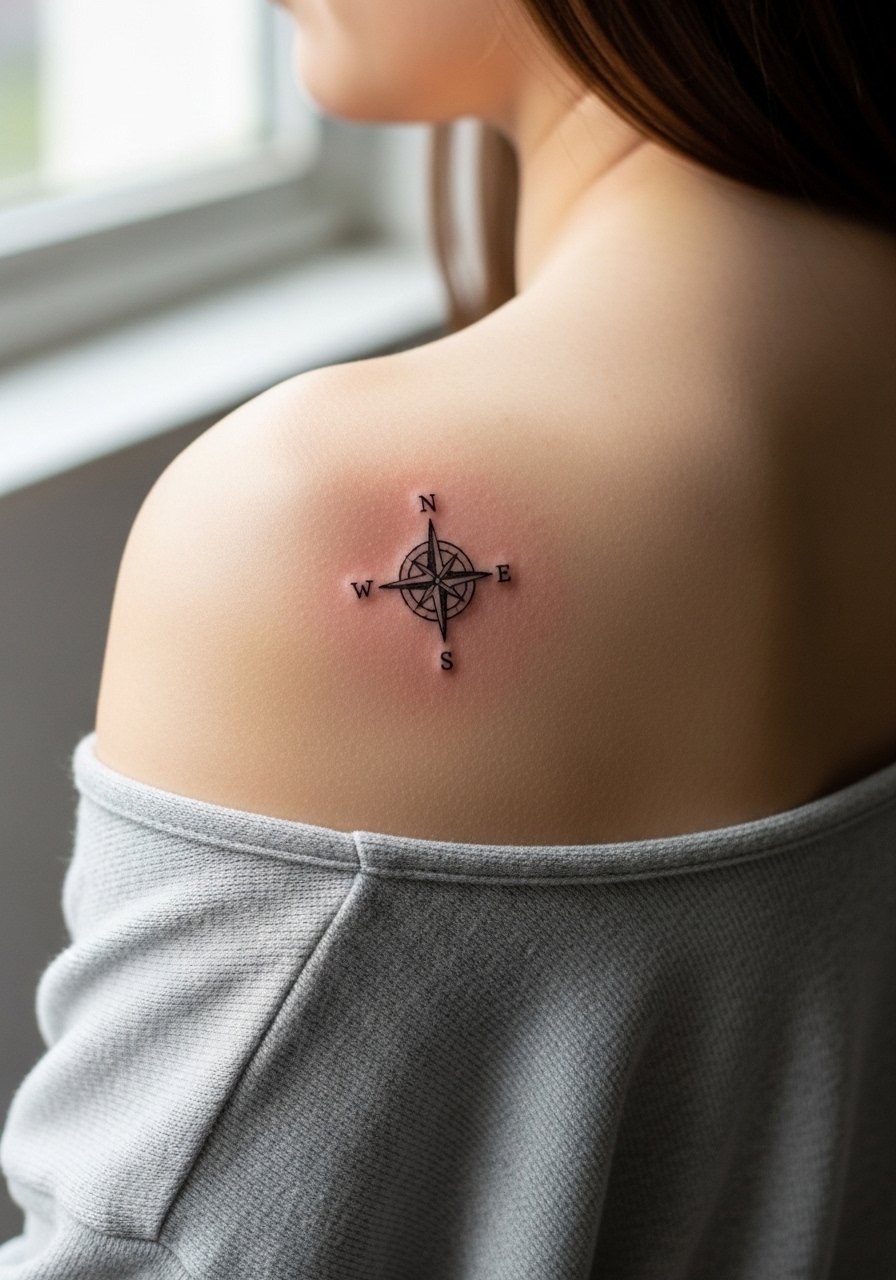
25. Tiny Compass on the Back of the Shoulder
Back-shoulder compasses sit in an area that stretches little with day-to-day movement so they age well. Ask for clear cardinal points and avoid tiny compass roses that collapse. Session time is moderate and pain is low. People often err by choosing too intricate a face for a small compass. For showing it off wear an open-back dress that lets the design become part of the outfit. Expect infrequent touch-ups unless you habitually sunbathe that spot.
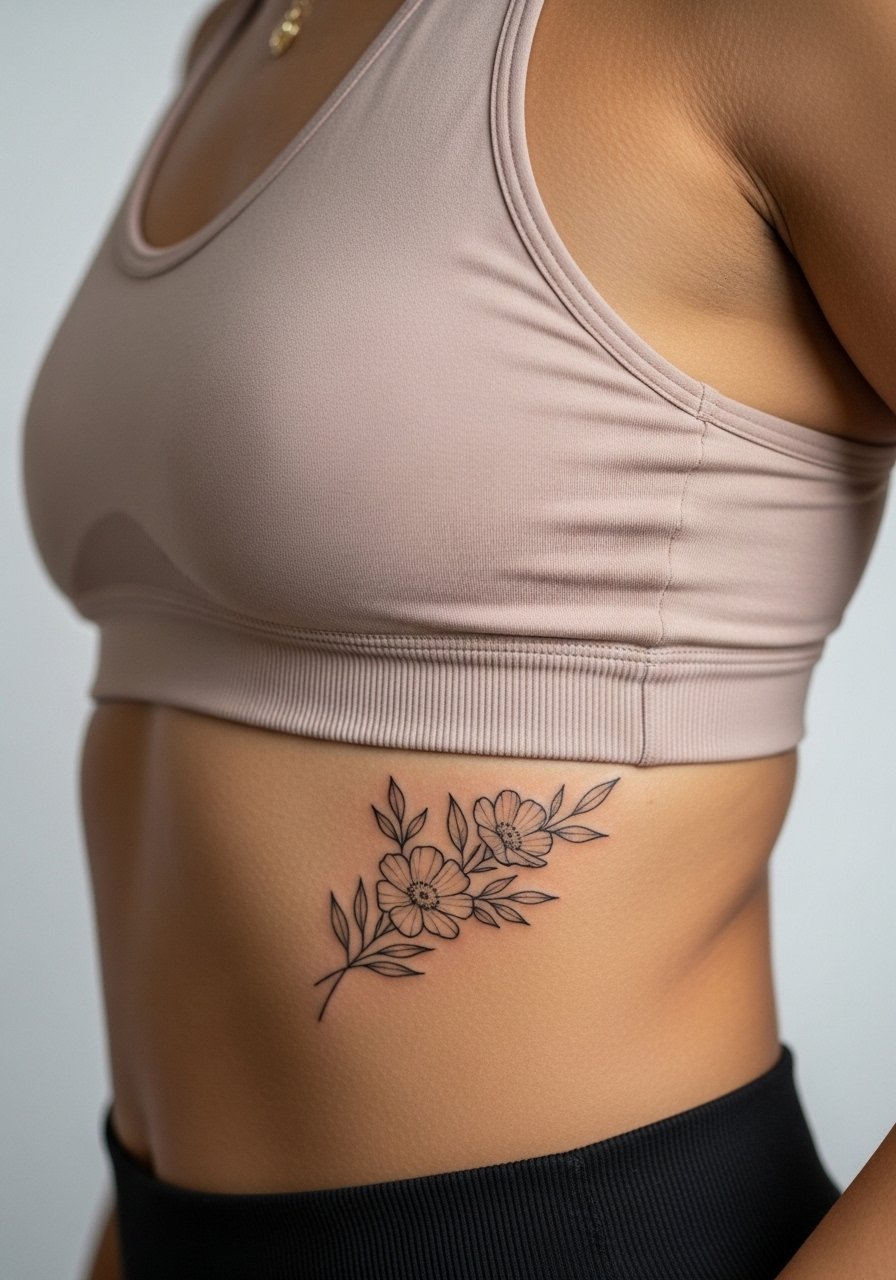
26. Little Bouquet on the Side Rib Under the Bra Line
Side rib bouquets sit under clothing and often enjoy less sun exposure, but they are sensitive during sessions. Choose a slightly larger scale and avoid tiny detail in petals so the bouquet reads after healing. Expect a higher pain rating and a longer session. A recurring mistake is placing the bouquet where tight bra straps will rub. For the appointment wear a bandeau or fitted sports bra you can adjust to expose the area without full torso exposure. Plan for a touch-up if weight changes alter skin tension.
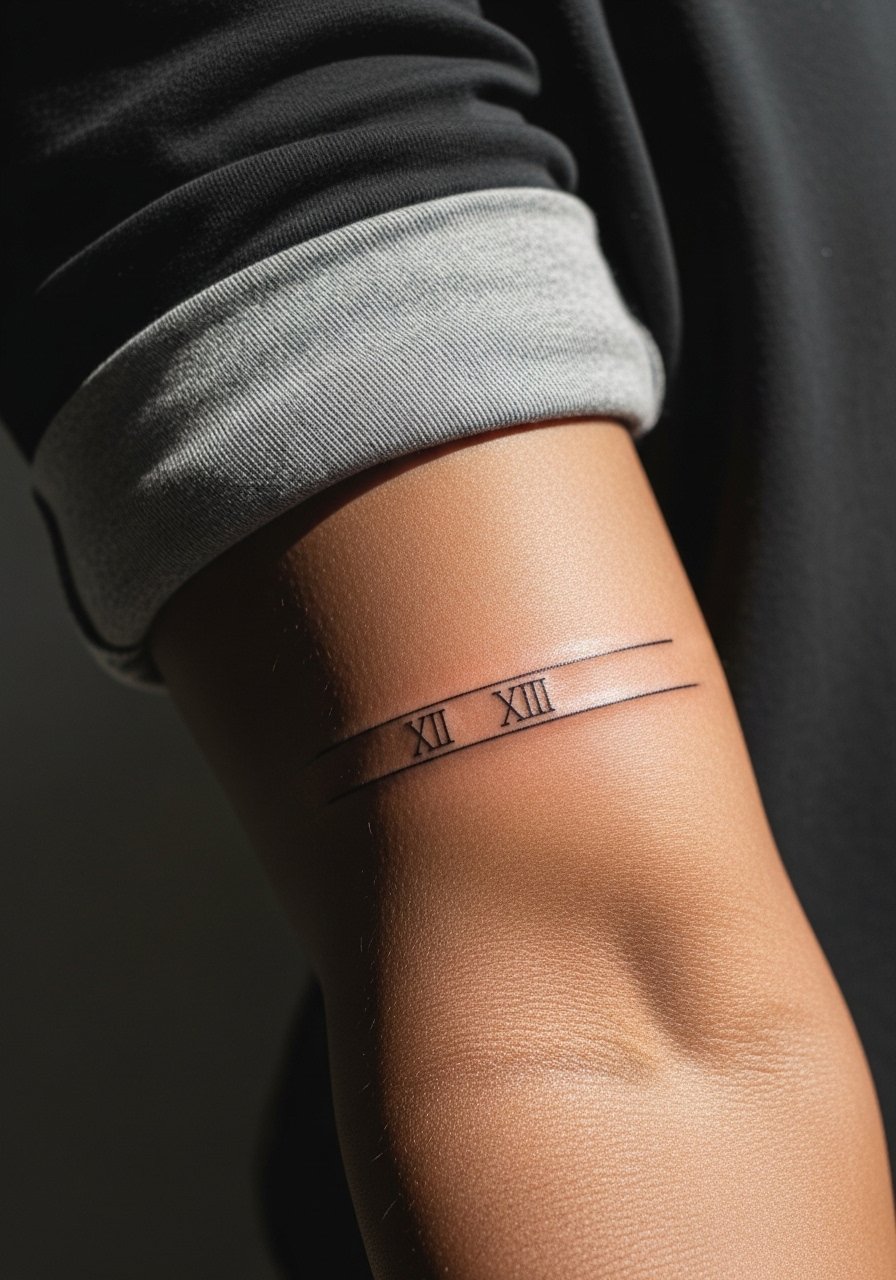
27. Tiny Script in Roman Numerals on the Inner Forearm
Inner forearm numerals hold well because the area is flat and easy to protect while healing. Choose slightly bolder numerals to avoid thin strokes filling in. Sessions are short and pain is low. The usual error is trying ornate serif numerals at tiny sizes. For display, pair with a minimalist leather bracelet that sits below the text for a composed wrist stack. Forearm script tends to need a touch-up at year three depending on sun exposure and topical care.
Frequently Asked Questions
Q: Will fine line scripts on ribs need more touch-ups than on forearms?
A: Yes, ribs move with breathing and are subject to stretch. From what I have seen, forearms usually need fewer early touch-ups because the skin there is flatter and easier to protect. Ask your artist about spacing and line weight to reduce the chance of early blurring.
Q: How should I dress for a sternum or chest session to stay modest and accessible?
A: Wear a fitted sports bra or bandeau so the artist can access the area without you having to remove clothing completely. A zip-front hoodie or button-down works well for shoulders and upper chest since you can pull it aside without full exposure.
Q: Do wrist and finger tattoos affect professional appearance?
A: Hand and finger pieces remain visible and some industries still consider them unprofessional. If career trajectory matters, choose placement on the inner forearm or thigh that you can cover during interviews and meetings.
Q: How often should I expect to touch up delicate pieces like ankle constellations or collarbone script?
A: Expect a possible touch-up around year two to three for delicate placements if they see a lot of sun or friction. Flat, sun-protected areas can go longer between touch-ups. Planning placement and line weight during the consultation avoids most surprises.
Q: Are there clothing items that help show off a collarbone or shoulder tattoo without being provocative?
A: Yes, wide-neck shirts and open-back tops frame shoulder and collarbone tattoos nicely. A simple open-back midi dress or a loose button-down works for evenings and keeps the look composed.
Q: Should I worry about blowout on the inner bicep or thigh?
A: Blowout risk is higher where skin is thin or where tissue slides over bone. Inner biceps are more prone to movement-related issues, so ask for slightly bolder contours and discuss touch-up timelines. Thigh pieces generally have lower blowout risk if the artist spaces elements properly.
