
Fine line tattoos are everywhere on saved boards right now, and the trend collides with practical realities fast. Fresh single-needle scripts look like delicate handwriting the day you leave the shop, then they can ghost out if the placement, line weight, or aftercare misses the mark. I’ll walk through 17 elegant Noah Kahan tattoo directions that balance lyric nods with durability, wardrobe pairing, and what to ask your artist in the consultation.
1. Fine Line "Daylight" Script on Inner Forearm
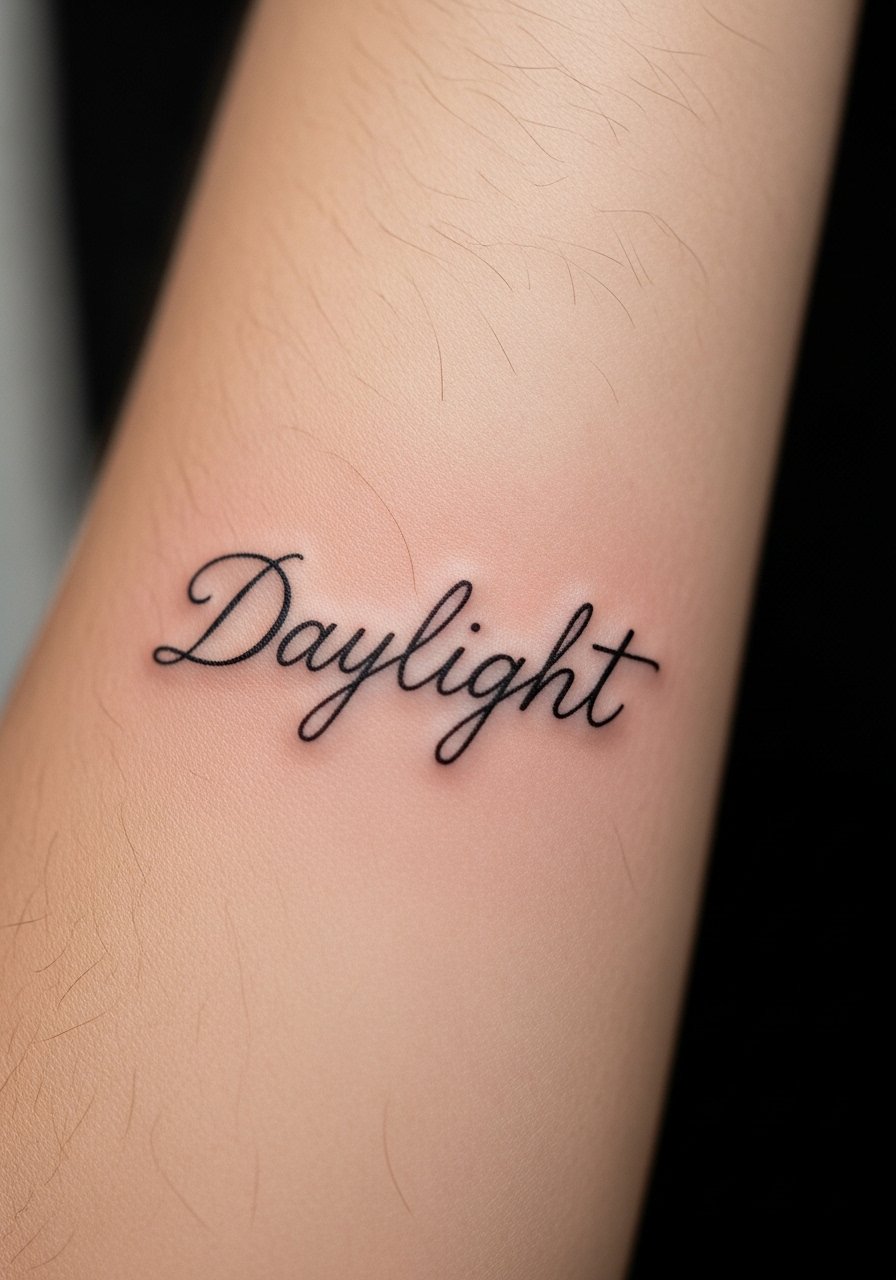
I've seen this exact lyric on forearms that looked perfect at one month and ghosted by year two. The safe move is to ask for slightly heavier line weight than a single needle, especially if you want the words to read in photos over time. Tell your artist you want clear counterspace between letters so the script does not blur together. Pain is low on the inner forearm and a single session often covers a small quote. Common mistake is insisting on the thinnest possible line for the photo moment. For showing it off, rolled linen sleeves frame the forearm well, and wearing a linen short sleeve shirt after healing keeps the area breathable.
2. Minimalist Pine Silhouette with "Northern Attitude" on the Wrist
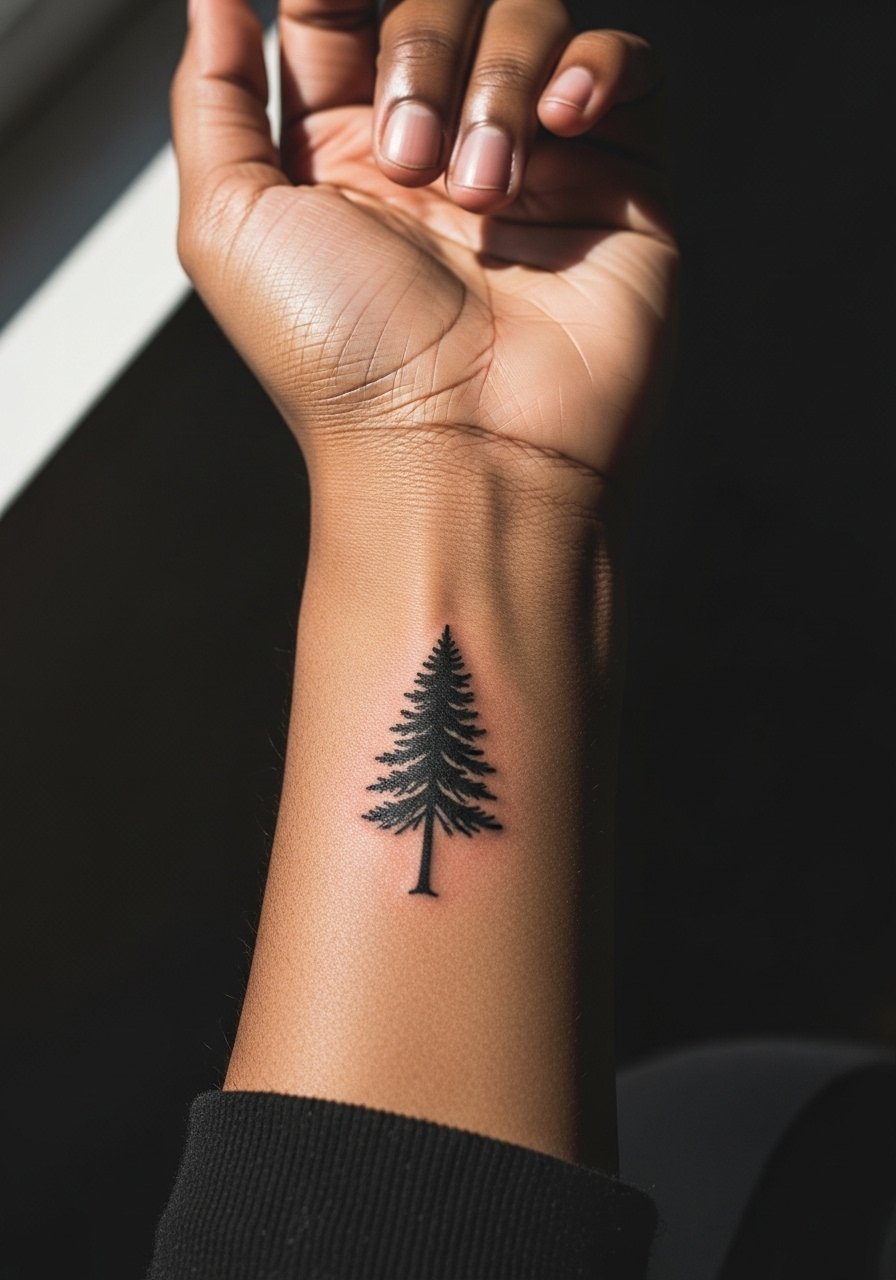
Wrist pieces are micro in scale and very visible day to day. Expect a six to eight week touch-up window more often than a larger piece. The biggest mistake is stacking bracelets over a fresh wrist tattoo during healing. Ask for solid black outline with a tiny fill rather than whisper-thin lines so the tree keeps shape in photos. For the appointment, skip jewelry and wear a sleeveless tank so the artist has clear access. Pair the finished wrist piece with a dainty chain on the opposite wrist to balance attention.
3. Blackwork Mountain Range with "Stick Season" Banner on Outer Forearm
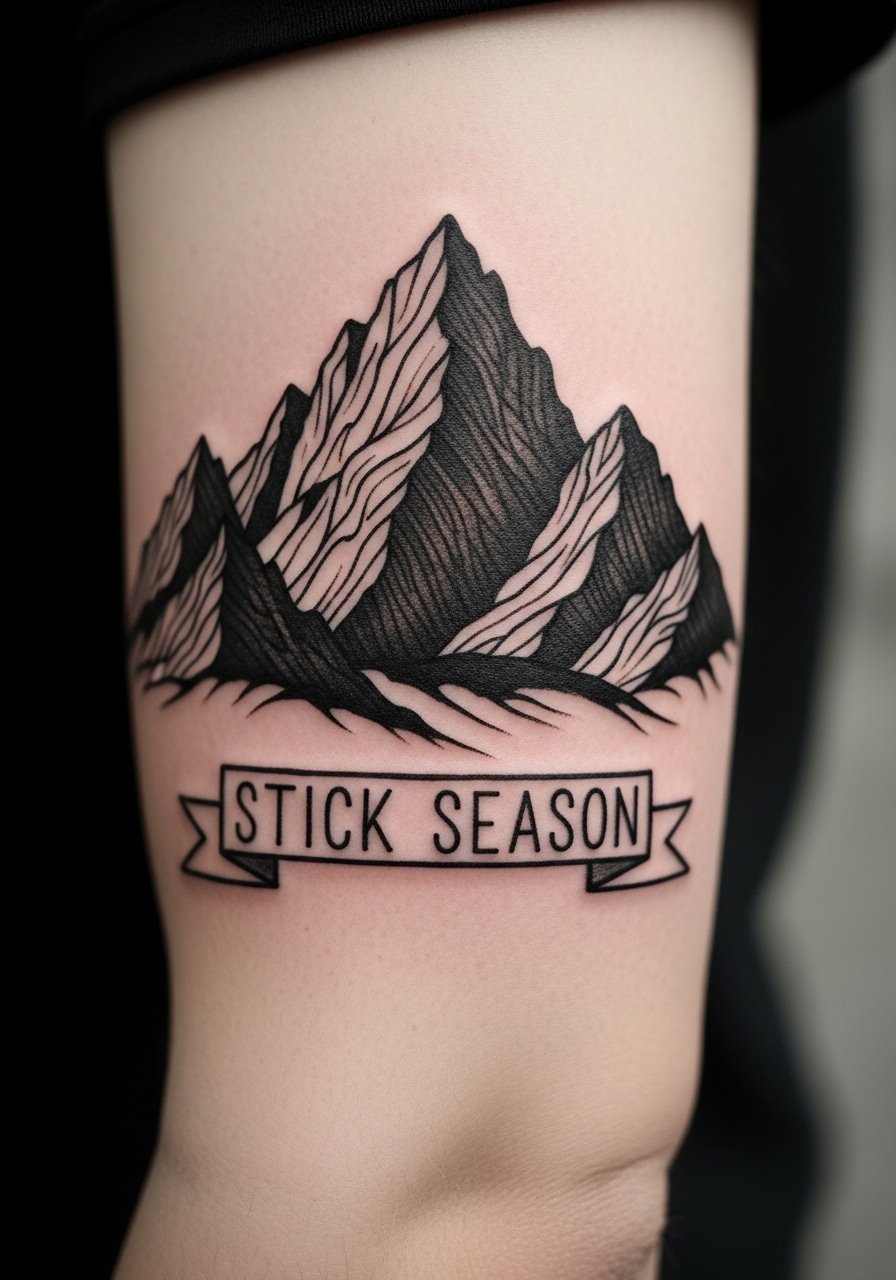
Bold black holds up far better than soft watercolor on busy zones like the forearm. If longevity matters, request heavier saturation and slightly wider peaks so the silhouette does not soften into a gray smudge over years. The outer forearm takes 1 to 2 sessions for medium pieces and heals predictably. A common error is asking for tiny peaks with thin shading. For showing it off, a fitted henley shirt rolled to mid-forearm creates a lived-in folk look while keeping the art visible.
4. Watercolor Maple Leaf with Hidden Lyric Fragment on the Collarbone
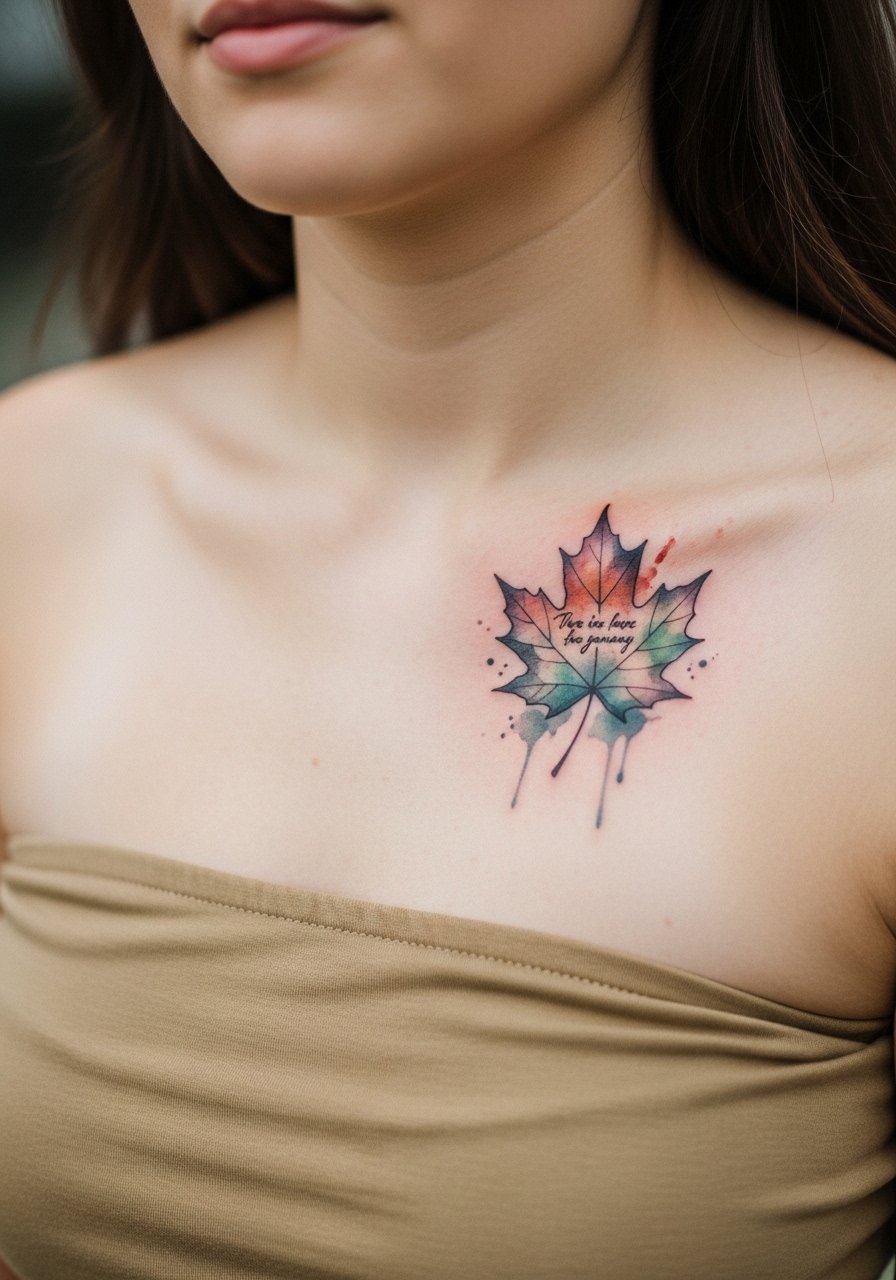
Watercolor is beautiful for autumnal Kahan motifs but tends to require touch-ups faster than blackwork. If you want color but more staying power, ask for slightly denser outlines where the leaf meets skin. Collarbone pieces sit nicely under chokers or boat-neck tops, and the session is easier if you wear a v neck linen top you can unbutton or pull aside. Expect moderate pain since the bone is near the surface. The trade-off is a soft wash that captures the album imagery at the cost of extra color care.
5. Neo-Traditional Acoustic Guitar Outline Scripted with "All My Love" on Upper Arm
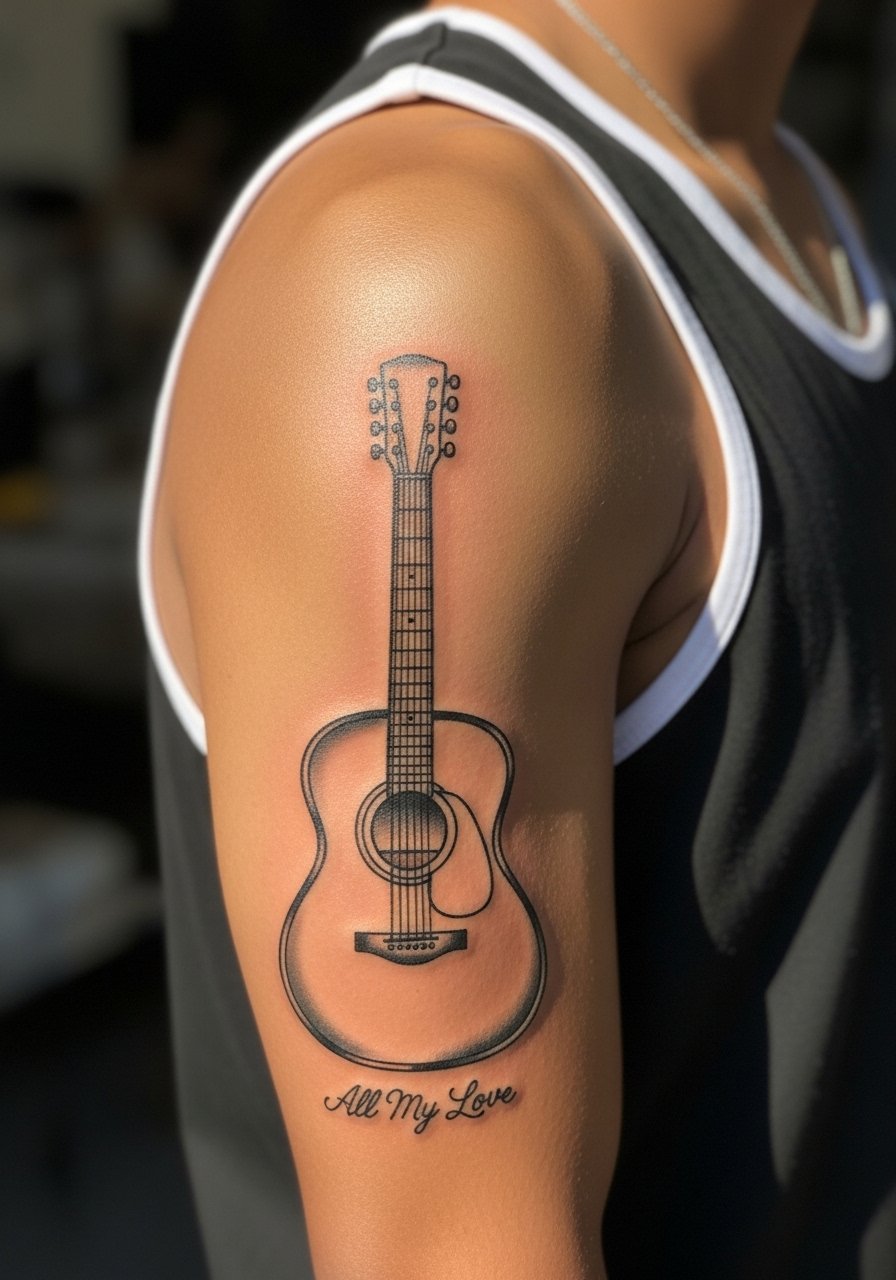
This placement is forgiving for size and detail. Neo-traditional line weight and conservative color blocks age more predictably than full watercolor. During the consult, show the exact guitar silhouette you want and request the script sit on a separate baseline to avoid crowding. Upper arm sessions are medium pain and often done in two sittings for layered shading. Off-shoulder sweaters or a thin chain necklace highlight the piece when you want to show it off.
6. Micro-Realism Cabin in Woods with "Homesick" on the Ribcage
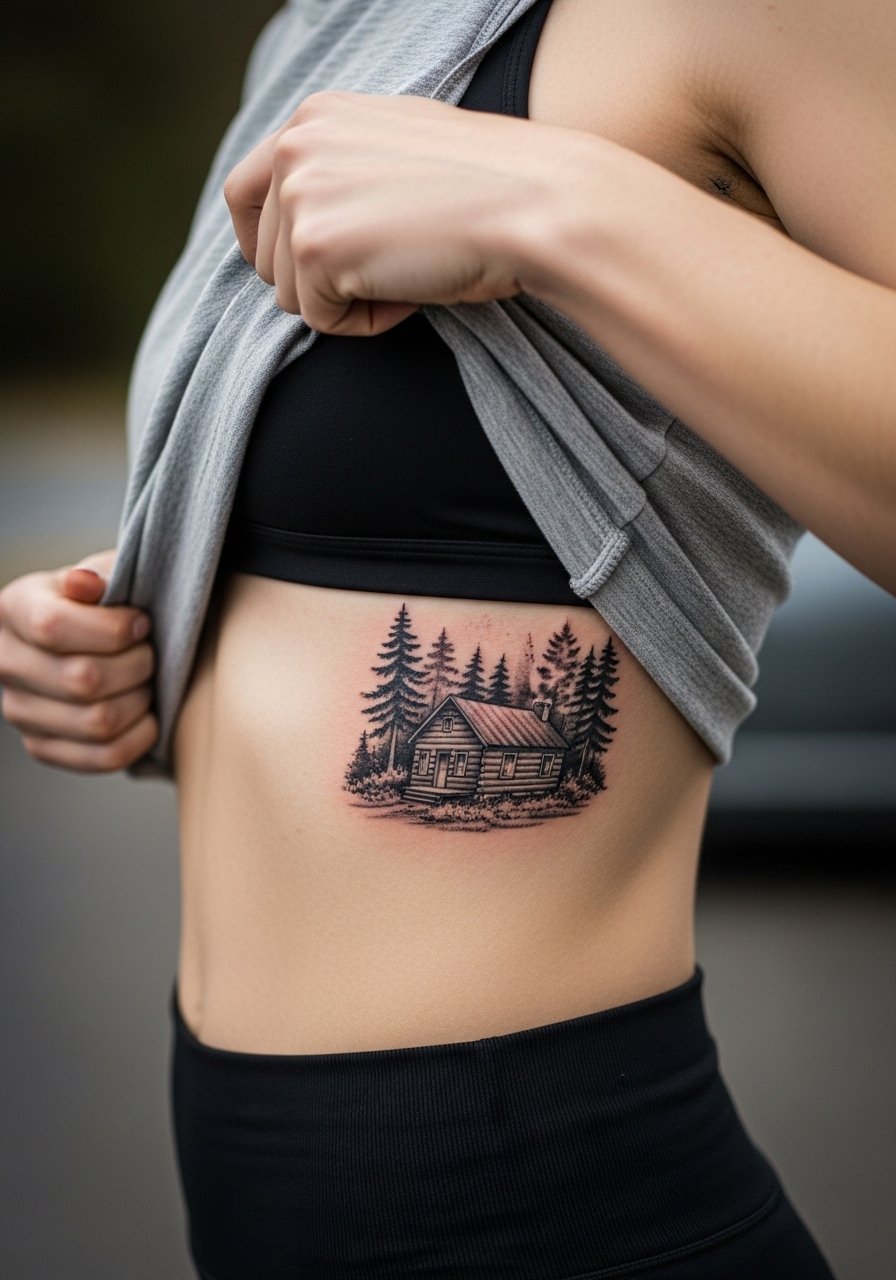
Fair warning: the ribcage rates high on most pain scales. The payoff is a hidden, intimate piece that breathes with your body. Micro-realism needs space to render tiny detail in black and gray. Ask your artist to design negative space for depth instead of relying on tiny lines that can blur with skin movement. Many artists disagree on fine line on ribs. One camp says the skin stretch blurs lines quickly. The other camp says with correct depth and spacing it holds. Decide which side you trust before booking. For the session wear a loose tank top so the artist can access the area without you being uncomfortable.
7. Ornamental Compass Rose Inscribed "Dial Drunk" on the Shoulder
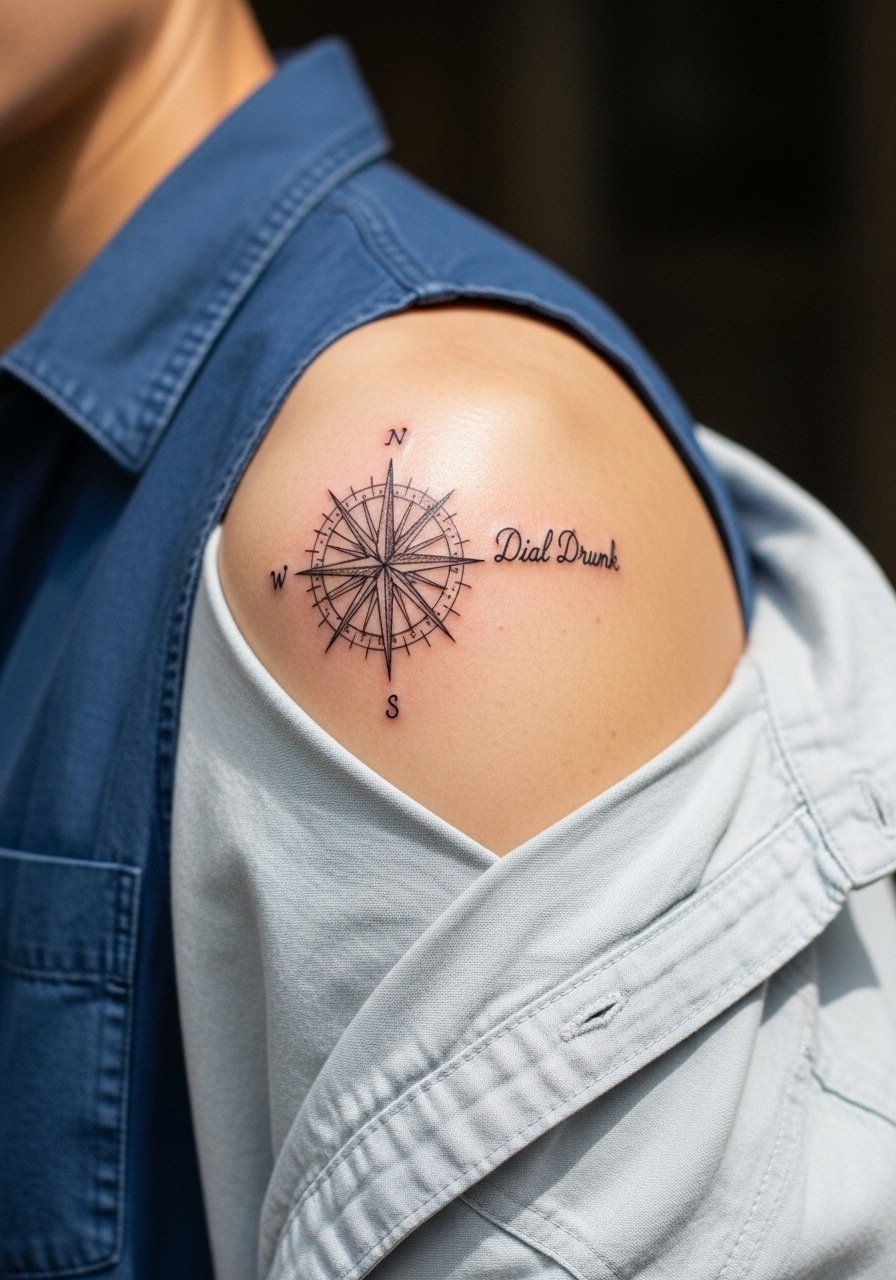
Shoulder placements are great for medium-sized ornamental pieces that travel well if you later expand them into a sleeve. Ask for clear beam lines in the compass points and conservative spacing in the filigree. A common mistake is overfilling the negative space, which ages into muddiness. Shoulder sessions are moderate in pain and allow more saturation than collarbone work. For the look, an off shoulder sweater in an earth tone frames the compass without competing.
8. Ignorant-Style Wave Crash with "Come Down" on the Calf
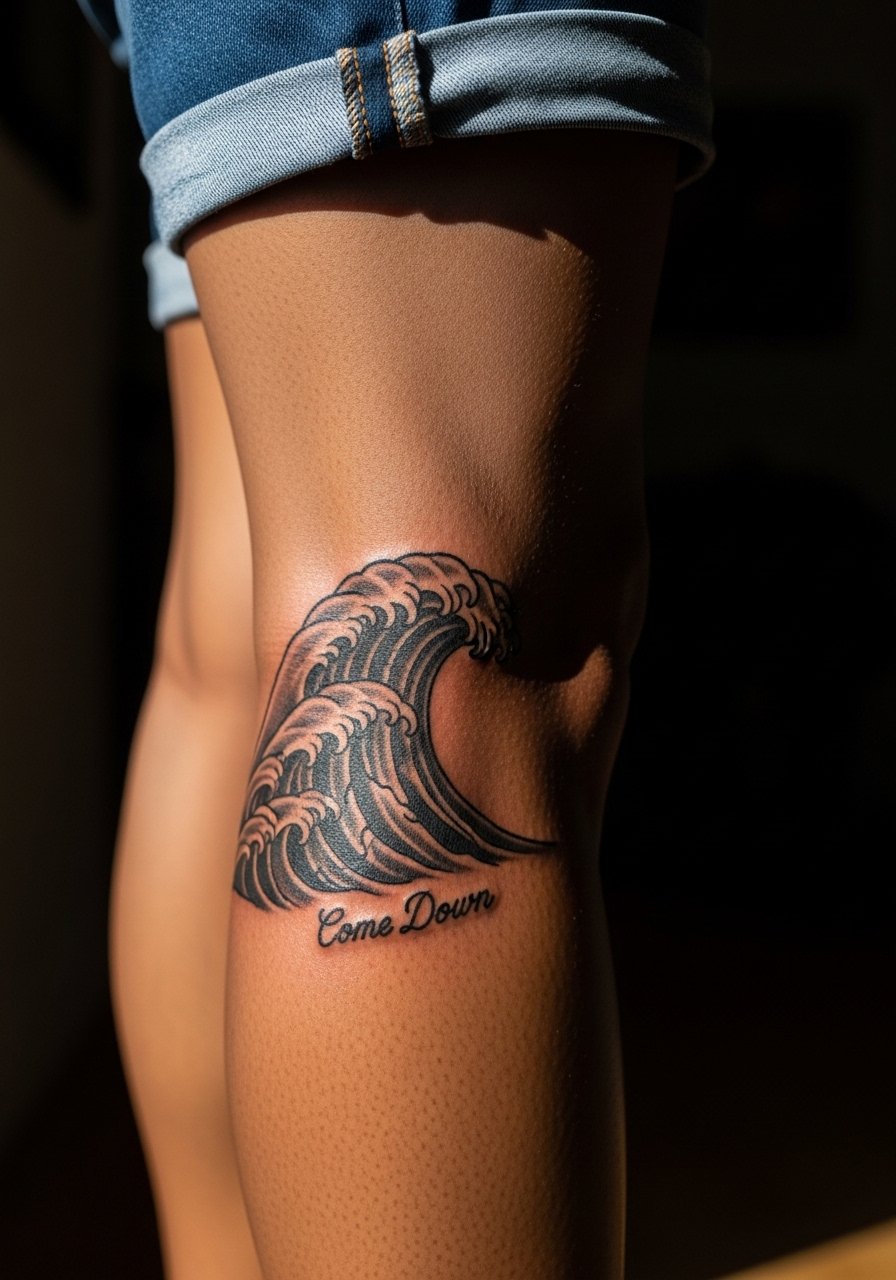
Calf pieces can handle bold texture and heavy black, which makes the ignorant style a strong longevity play. The motion reads as you walk, which is why calf placement suits this song theme. The common error is trying to translate a delicate reference into this heavy style. If you want movement, ask for exaggerated crest lines and dense black for contrast. For the session, wear loose joggers you can pull up and consider ankle boots or cropped slim jeans for showing the finished art.
9. Fine Line Constellation Map Linked to "Stars" on Inner Bicep
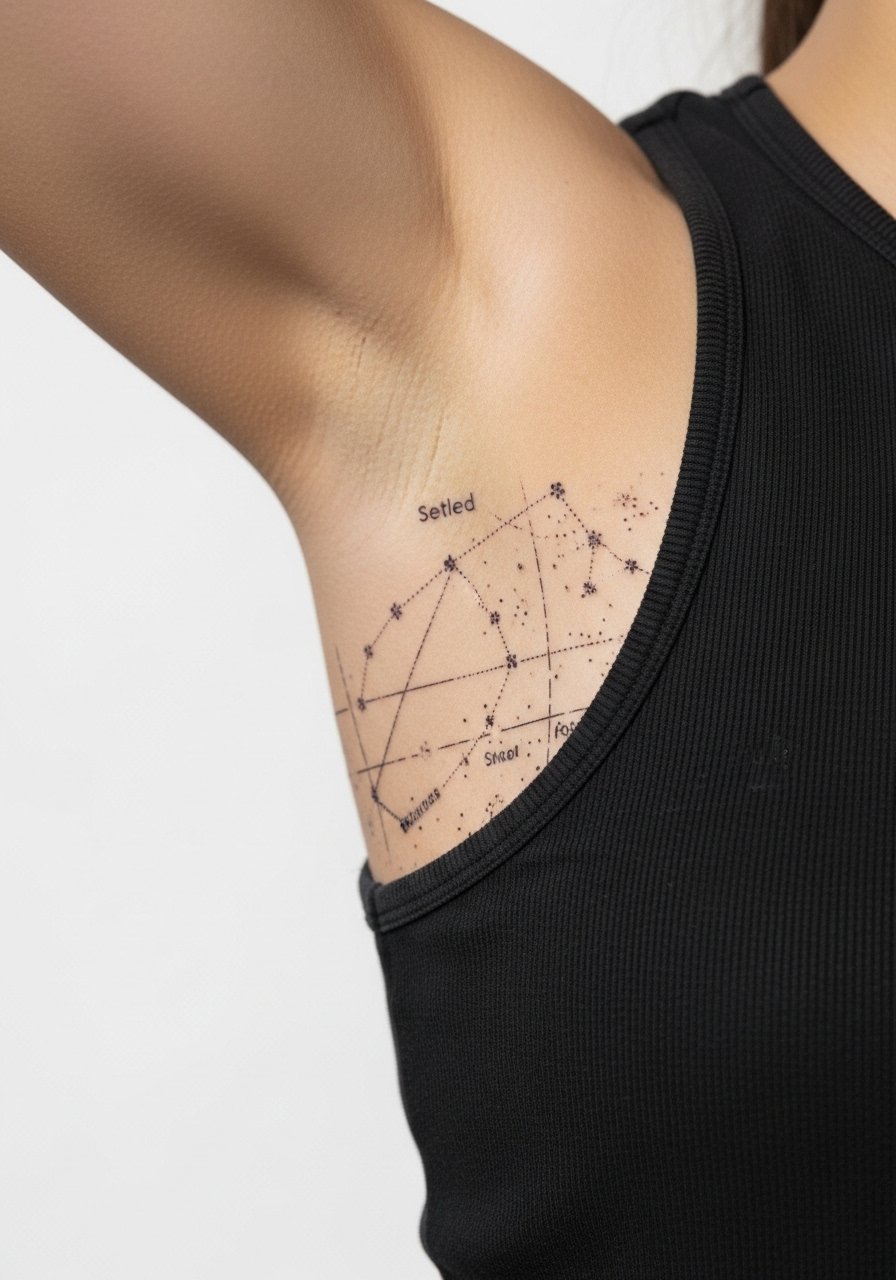
Inner bicep shows delicate dot work beautifully but the area can be tricky when it comes to blowout because of softer tissue. Ask for slightly heavier dots for the main stars and lighter connector lines so the map maintains readability after a year. This spot is moderate to high on pain depending on arm position. A common mistake is cramming too many constellations into a small patch. For appointments, bring a loose tank top you can move without pinching the arm.
10. Blackwork Lyric Banner "The Great Divide" on the Thigh
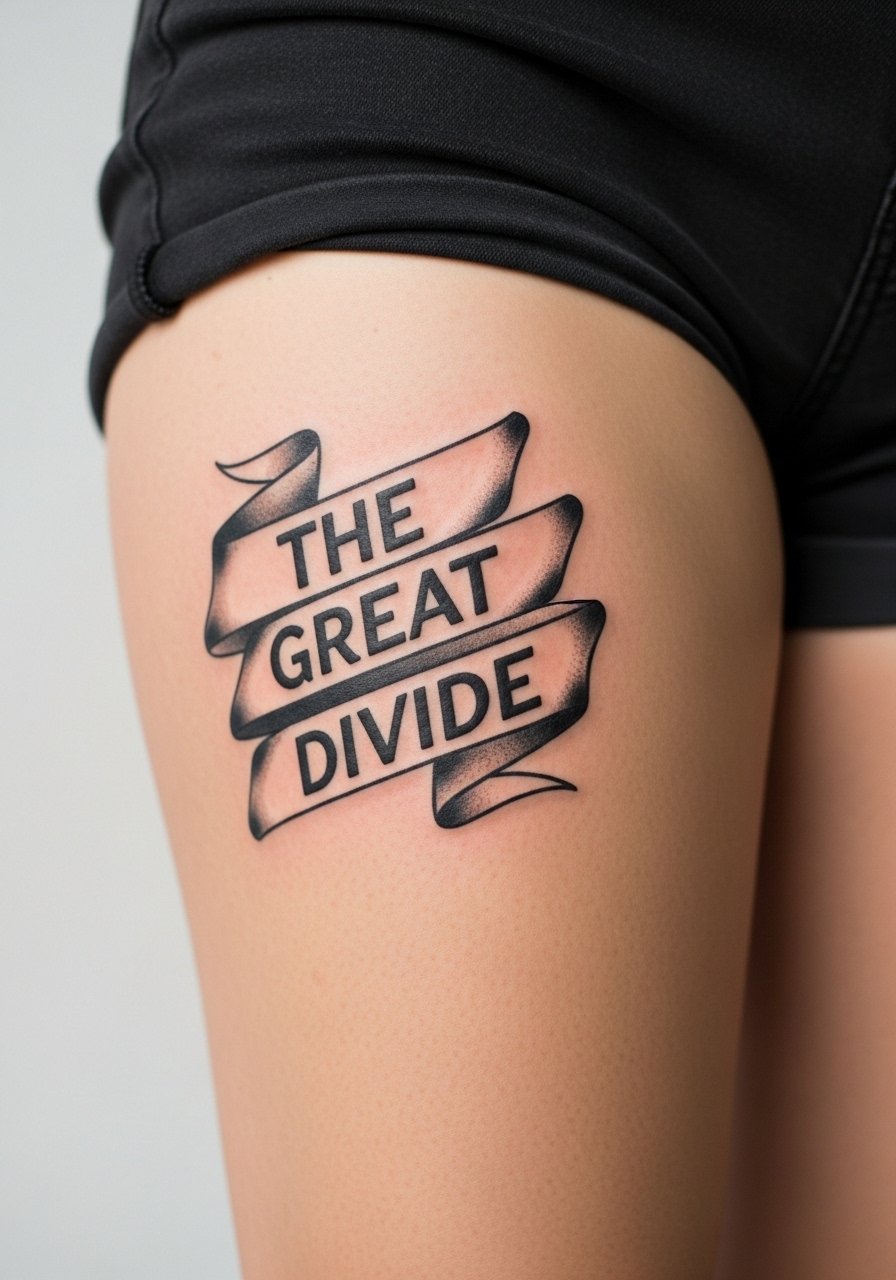
Thighs are forgiving on blowout and timing. Blackwork banners are resilient on this canvas and stand up to skin changes better than tiny scripts. A typical mistake is compressing long lines into a small banner. During consult, map the exact length of the lyric across the thigh and ask for a test stencil to confirm size. Thigh sessions are low to moderate on pain. For showing it, high-waisted shorts or a side-slit dress let the banner peek without being overt.
11. Tiny Pine Needles Micro Neck Tattoo Under Hairline
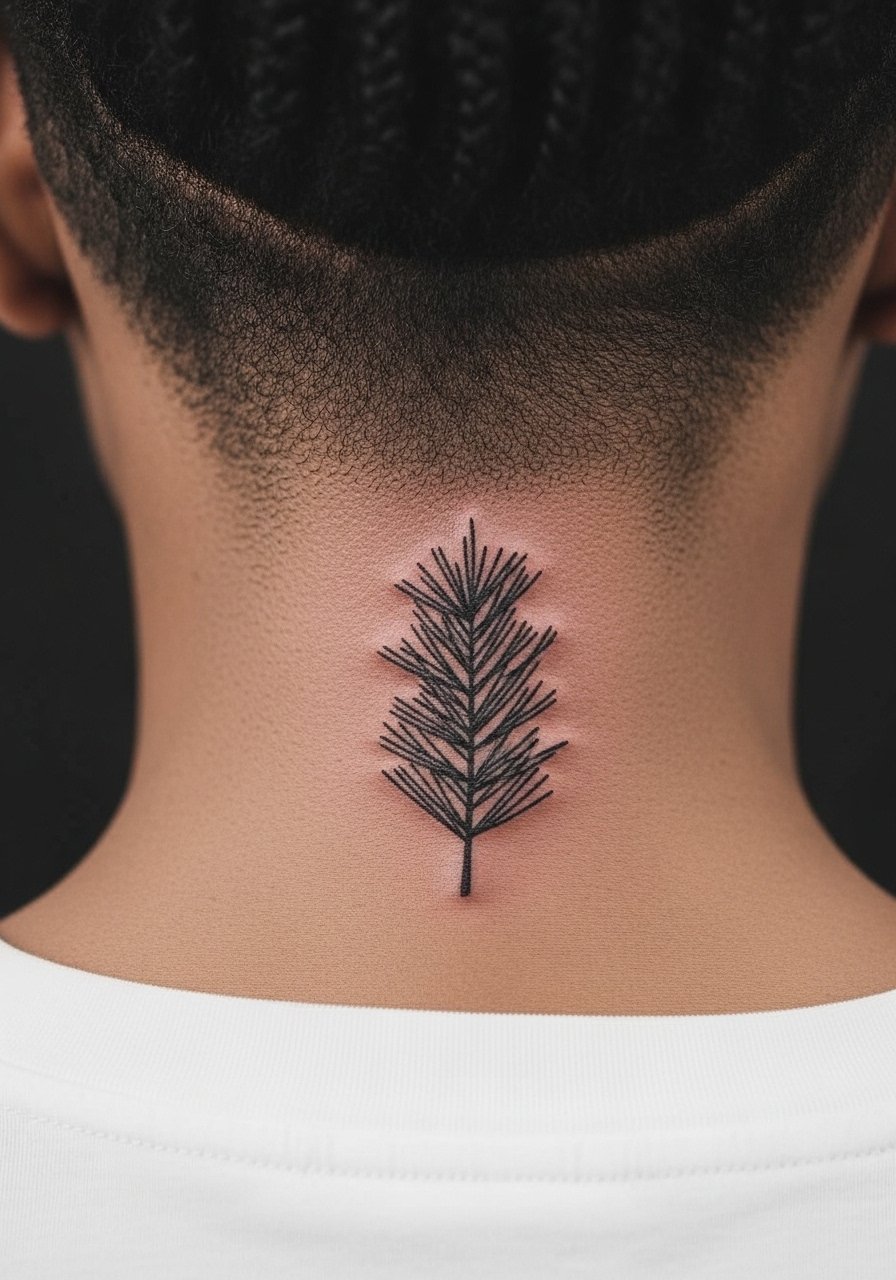
This is a very subtle nod for fans who want anonymity. Behind-the-hairline neck pieces must be designed to read at small scale. The real mistake is expecting a visible photo effect when the tattoo hides under hair most of the time. Pain is low to moderate and sessions are brief. Because this is a neck-adjacent placement, mention career visibility and pick a design you are comfortable having occasionally revealed. For discovery, check community tags and local pop-up calendars to find artists comfortable with micro neck work.
12. UV-Reactive Dotwork "Stars" Constellation on the Ankle
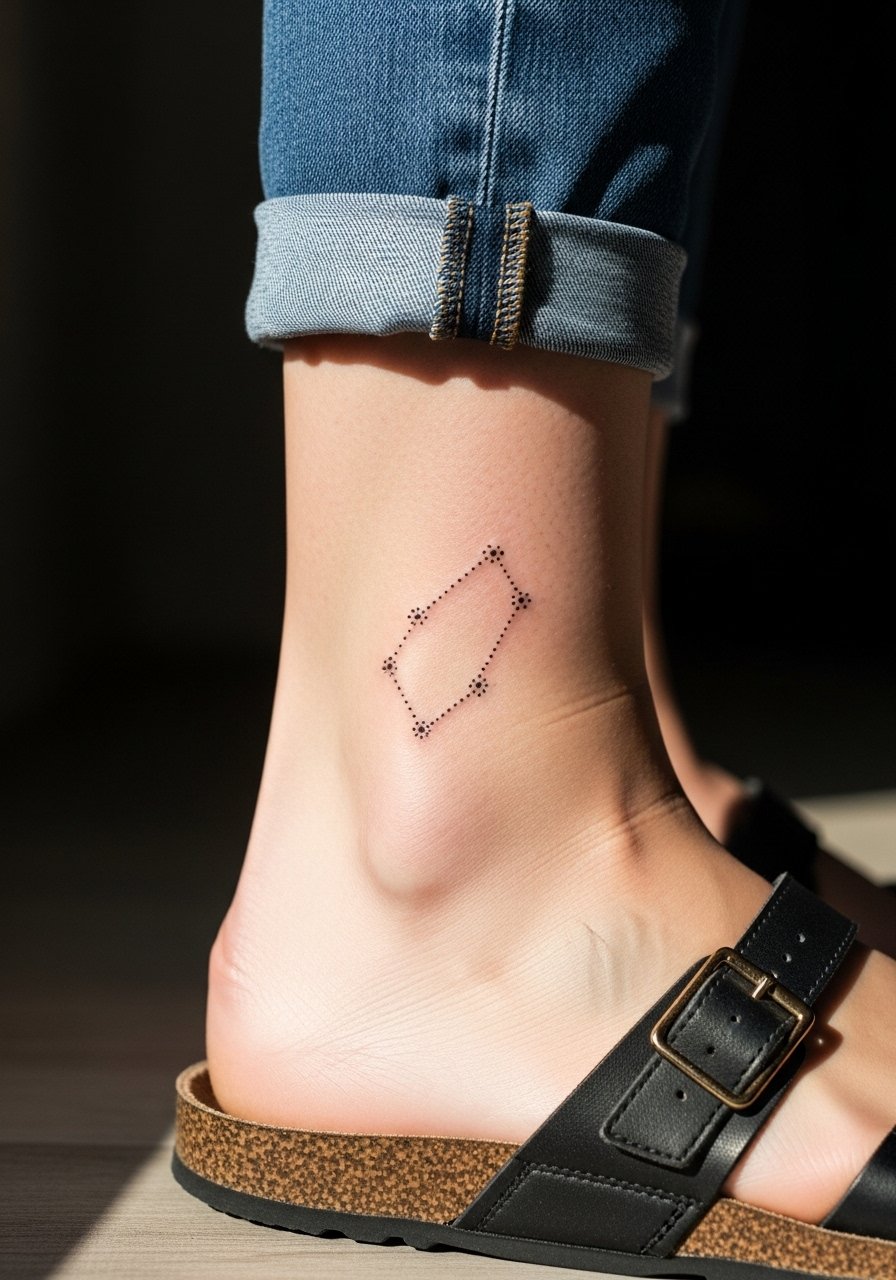
UV-reactive ink is a niche option for constellations meant to appear at night. The trade-offs are color stability and the need for specialized inks. Ask explicitly whether the studio has experience with UV pigments since they behave differently with sun exposure. Small ankle pieces see a lot of friction and may need touch-ups more often than ankle tattoos in the past. For showing off, sandals and rolled jeans are ideal and a pair of ankle boots can frame the piece for transitional seasons.
13. Pairing Lyrics with a Hidden Vermont State Outline on the Inner Wrist
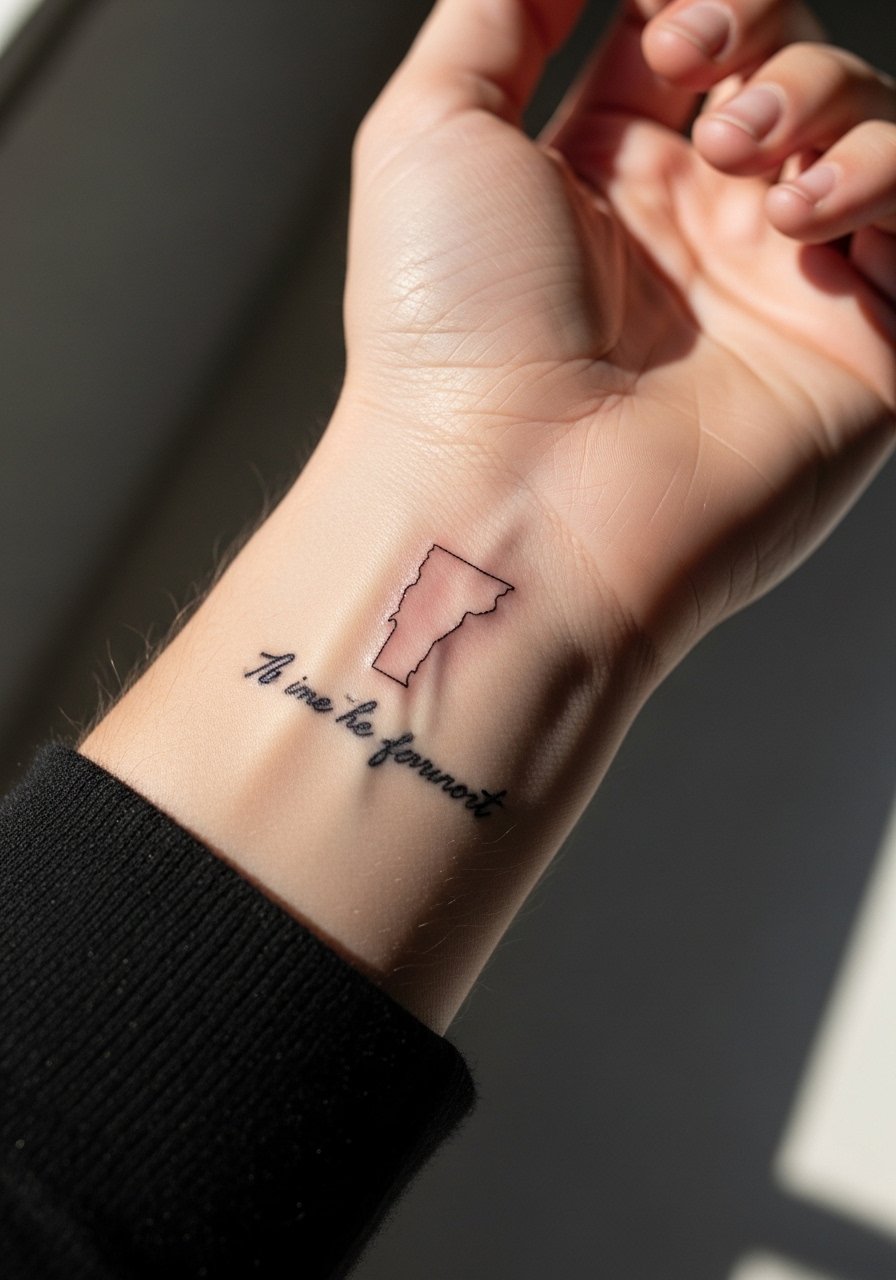
A hidden state outline pairs well with lyric fragments for a geo-specific nod. The inner wrist has swelling with movement and the common error is placing script too close to the crease. When you consult, mark the crease and test the wrist in motion to confirm spacing. For photos, dainty chain bracelets on the opposite wrist balance attention, and for the session wear a sleeveless tank so the artist can work without cuff interference.
14. Calf Waves That Move With Your Stride for "Dial Drunk"
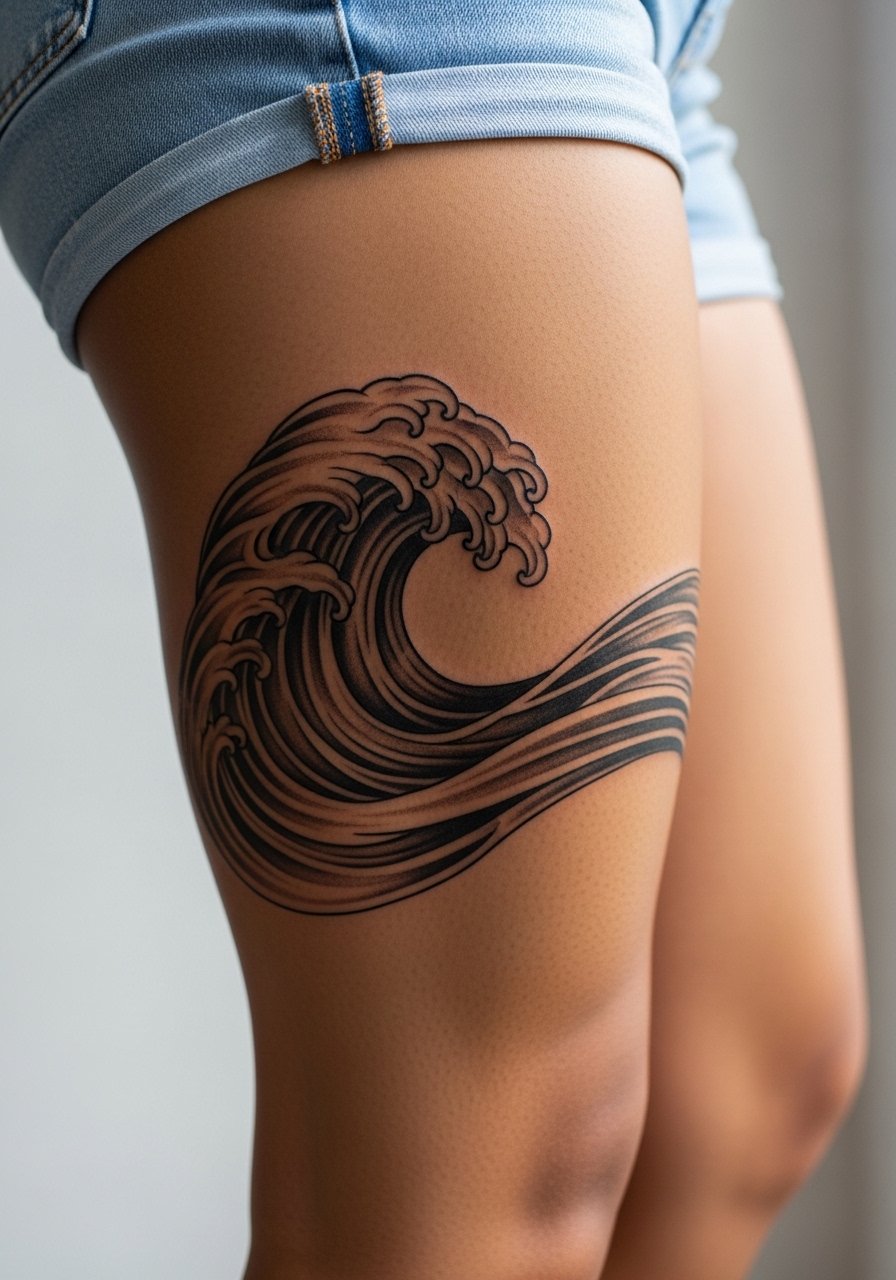
Designing waves to complement calf movement gives the piece kinetic energy. The error I see most is ignoring muscle lines and placing a symmetric motif that loses motion when you walk. Ask the artist to sketch the wave following your calf shape and test a temporary stencil while standing. Calf placement is tolerant of heavy black and texture, which helps the ignorant style to last. Pair with cropped jeans or a simple denim cutoffs look when you want to show the movement.
15. Micro-Realism Cabin with Negative Space on the Rib Side
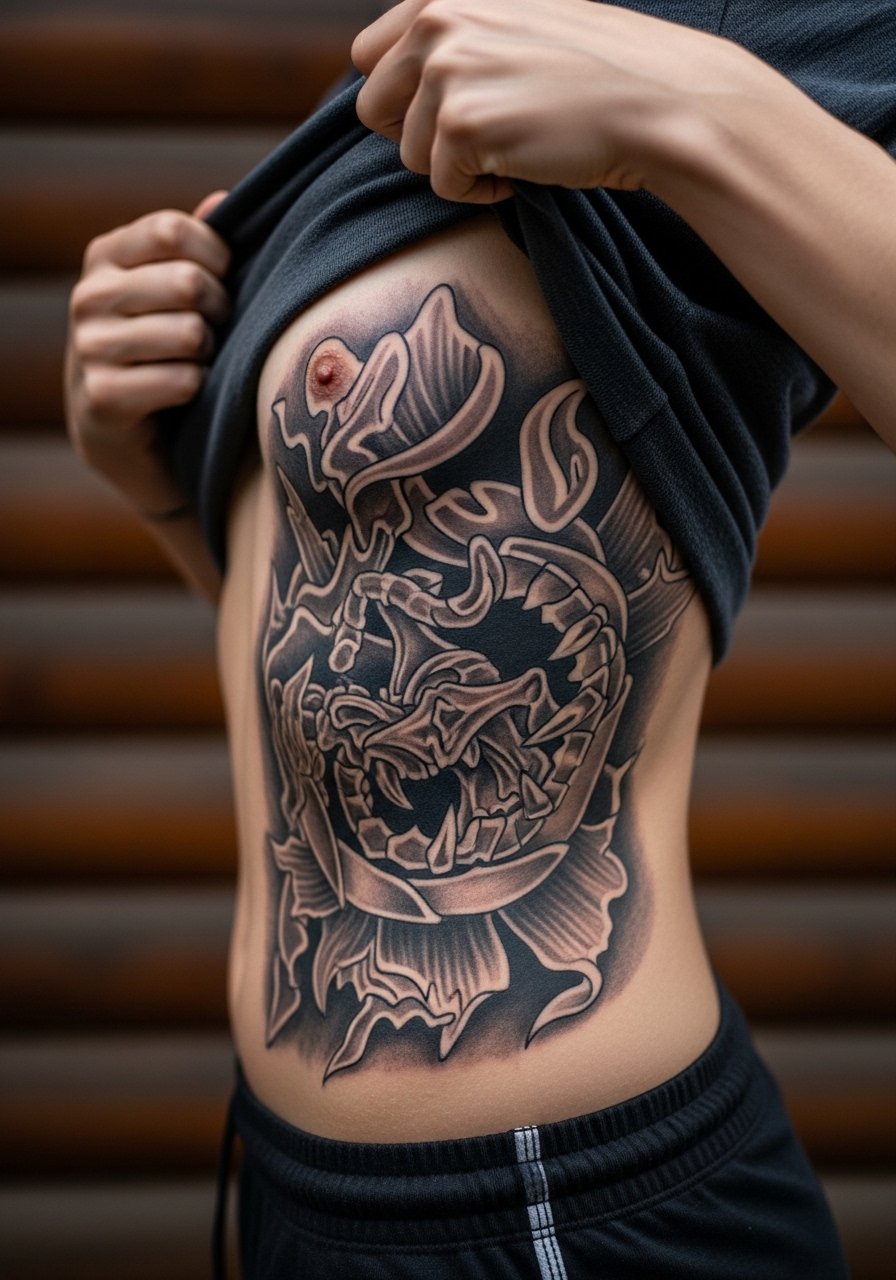
A cabin that uses negative space breathes more than dense filler, which is crucial on the rib area where skin moves. The common mistake is trying to cram high detail into a very small square. If you want the nostalgia without smudge, ask for simplified silhouettes and implied texture rather than tiny crosshatching. This placement is painful but intimate. For the session, a sports bra or loose tank that lifts easily helps the artist position the stencil.
16. Blackwork Lyric Banner on the Thigh with Subtle Dotwork Edging
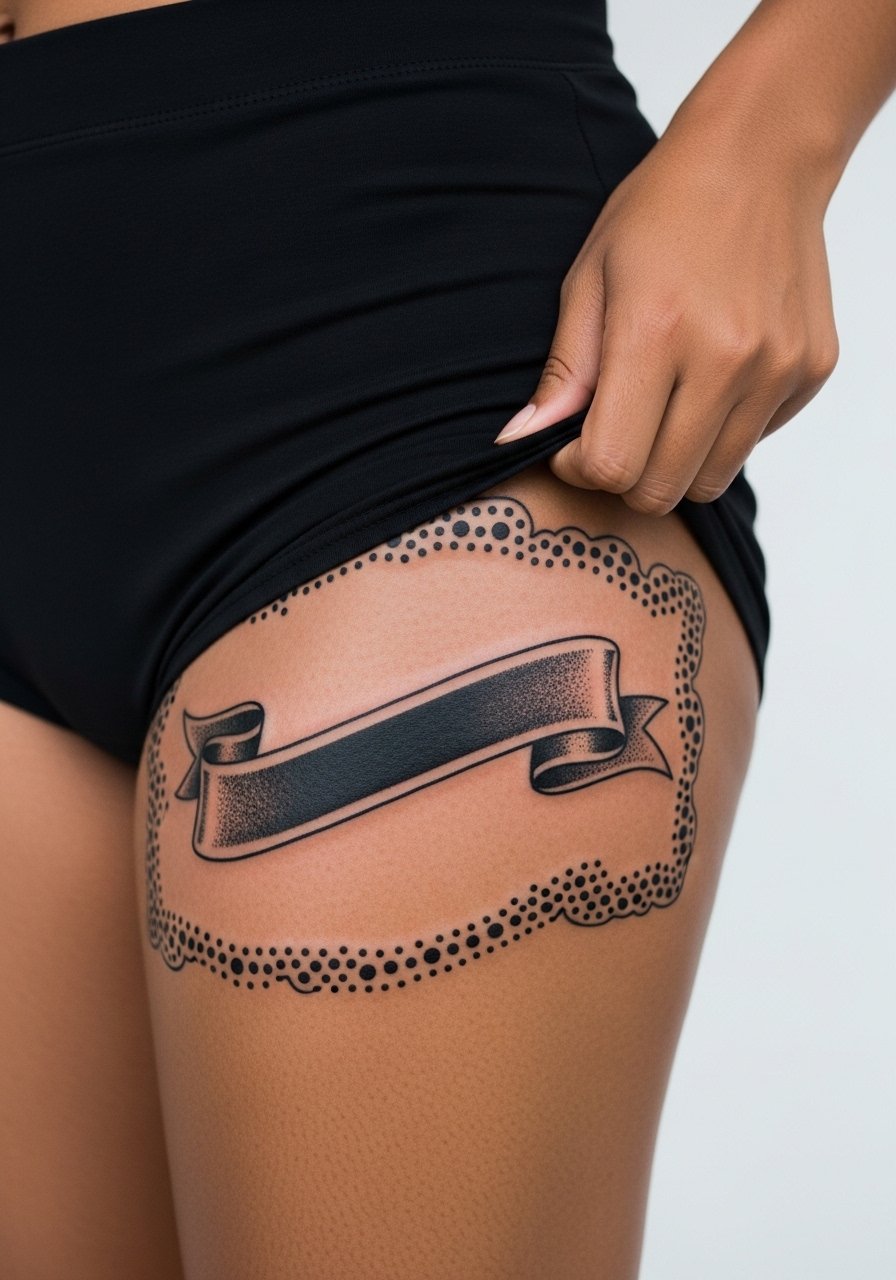
Combining bold banners with stipple edging gives a tattoo readable from a distance and textural up close. The mistake to avoid is making the banner too narrow, which shortens the lifespan of tight scripts. Thigh flesh allows for good saturation and low blowout risk. Ask for a test stencil at sitting to confirm proportion. For showing the piece, side-slit dresses or high-waisted swimsuits let the art appear naturally.
17. Ornamental Compass Small on the Outer Ankle
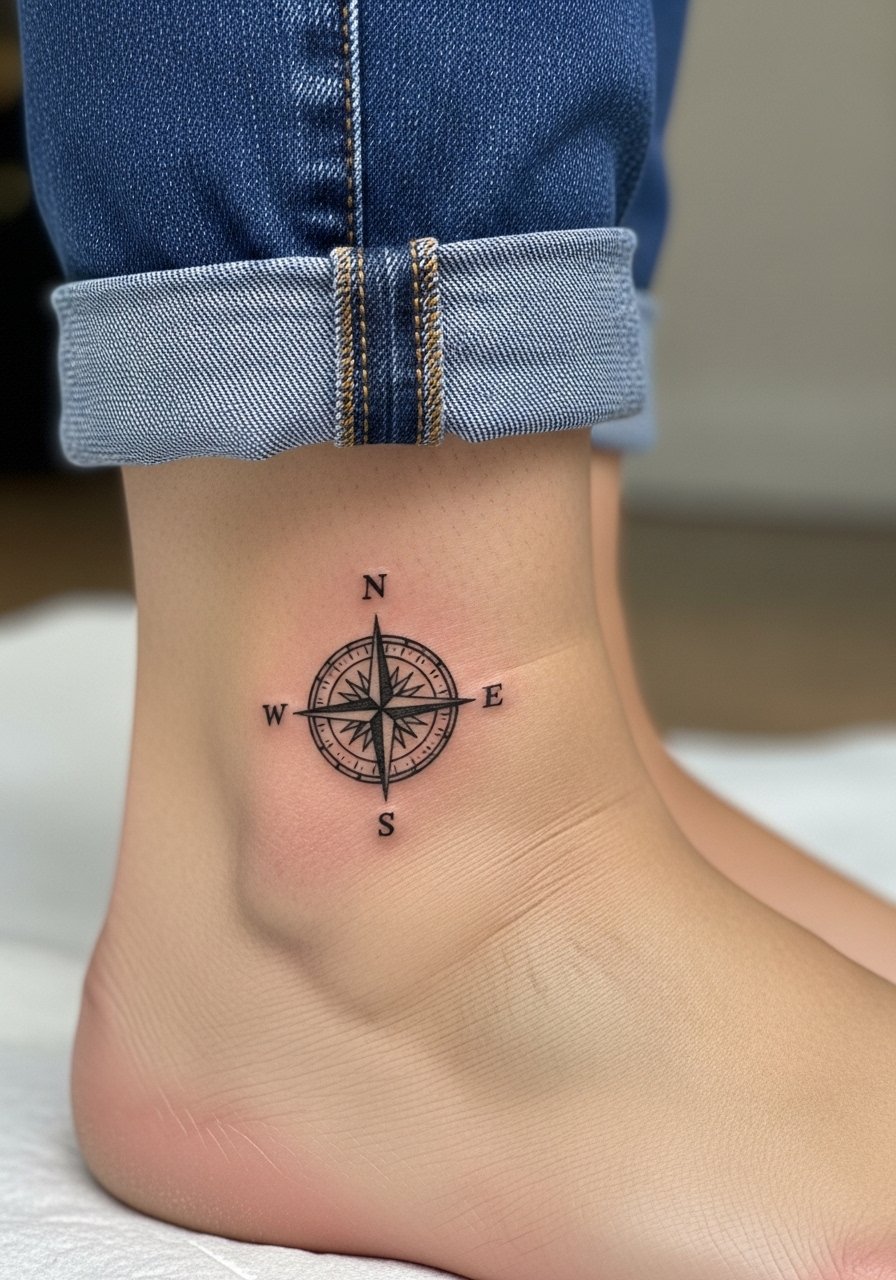
Ankle tattoos have high friction from shoes and socks. The trick is to ask for strong outer lines and minimal internal micro detail that will wash out with wear. One real mistake is asking for too much tiny lettering in the compass face. For the session, wear pants you can roll up or a pair of cropped slim jeans so the artist can work without tight fabric pressing on the area. Expect touch-ups earlier than mid-thigh pieces, but the placement reads clean in sandals.
Pre-Session Essentials
These first six ideas include delicate forearm, wrist, collarbone, upper arm, and a ribcage example, so a short kit helps the session and first week go smoother.
- Bad Tattoo Ink Balm. A non-greasy matte balm users have mentioned for blackwork mountains and banners that keeps saturation without heavy shine during early healing.
- Green Sheep Organics spray. Useful for drier winter healing on fine line collarbone or forearm pieces where over-moisturizing can blur thin lines.
- Aussie Manuka Honey Balm. Gentle and less occlusive than petroleum, a pick for itchy phases during micro-realism cabin or ribcage healing.
- Kizakura thin protective film alternative. A thin breathable film option for humid climates when the usual thicker wraps feel too heavy on fine line scripts.
- H2Ocean Aftercare Spray. Spray form helps clear plasma without clogging pores, handy for delicate script and dot work in the first few days.
Frequently Asked Questions
Q: Will fine line "Daylight" script on the inner forearm need touch-ups sooner than blackwork?
A: Fine line typically requires more frequent touch-ups than bold blackwork because the thin strokes rely on precise ink placement. If you want the same look but longer wear, ask for slightly heavier line weight and clear spacing between letters. Plan for a possible touch-up around year one to two depending on sun exposure and friction.
Q: How do I choose between watercolor maple leaf and blackwork mountains for Stick Season symbolism?
A: The visual choice comes down to how long you want the color to last. Watercolor reads soft and emotive but needs more maintenance. Blackwork mountains will keep their silhouette much longer. If you want color and durability, consider a hybrid with contained outlines around the color washes.
Q: Is Saniderm or dry healing better for small Noah Kahan lyric tattoos on the wrist or forearm?
A: Artists split into two camps on this. One camp favors Saniderm for its barrier and reduced infection risk during the initial days. The other camp prefers dry healing for fine line work, arguing that film can trap moisture and encourage blowout. Ask your artist which approach they use and why, and follow their process for the best outcome.
Q: Any advice for showing off a collarbone watercolor without it clashing with jewelry?
A: Keep necklaces minimal so they do not sit directly over the tattoo. A delicate choker can frame the leaf if it sits above the tattoo. If you want a linked shopping idea, a delicate choker necklace usually complements the collarbone without overlap.
Q: Where can I find artists who do Noah Kahan inspired work outside big cities?
A: Use the community discovery pathways. Look up #NoahKahanTattoo and #StickSeasonInk on social platforms and search "Noah Kahan tattoo [your city]" in tattoo apps or convention calendars. Reddit threads and guest spot lists on booking apps also turn up itinerant artists who travel through smaller towns.
