
Fine line hands are trending on feeds, and the same designs that score saves often need a touch-up sooner than people expect. Bold blackwork tends to survive repeated washing and typing better, while ultra-fine pieces look ethereal at first and soften over a couple of years. Below are 21 full hand tattoo directions that balance freshness with real-world wear, plus practical styling and session advice so you know what to ask for in the chair.
1. Fine Line Floral Mandala on Hand Back
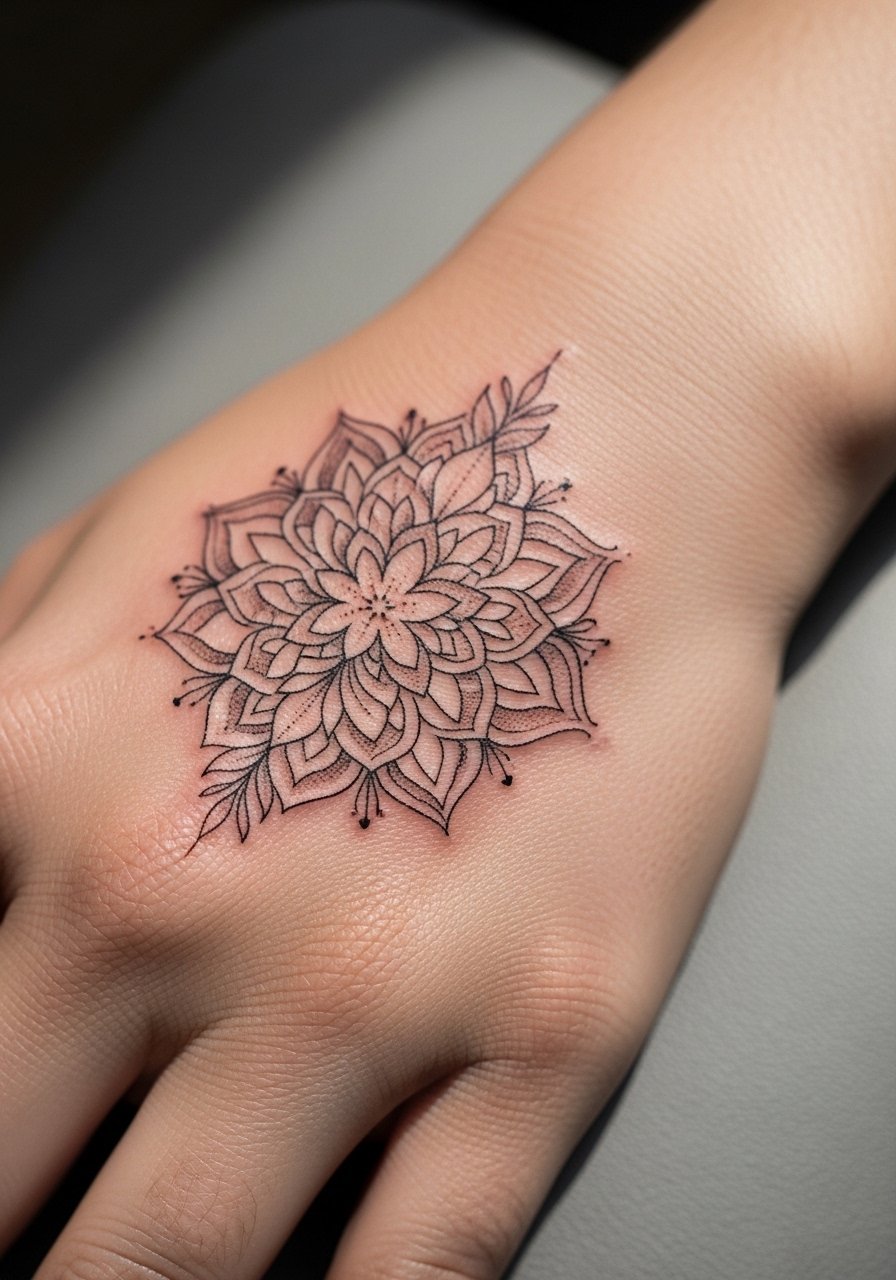
I recommend this when you want jewelry-like detail without color. When you consult, ask the artist to space the petals so dense knotwork does not collapse as it heals. Pain sits around a 5 out of 10 for the back of the hand, and expect 2 to 3 short sessions if you want crisp single-needle work. A common mistake is asking for too-tight detail that blurs under friction from washing. At six months the pattern will hold but soften, and by year three some touch-up is common. For the session wear a sleeveless tank so the artist has clear access and nothing rubs the area during setup. fingerless leather gloves work well for showing off the piece without covering it.
2. Blackwork Geometric Web Across Knuckles and Fingers
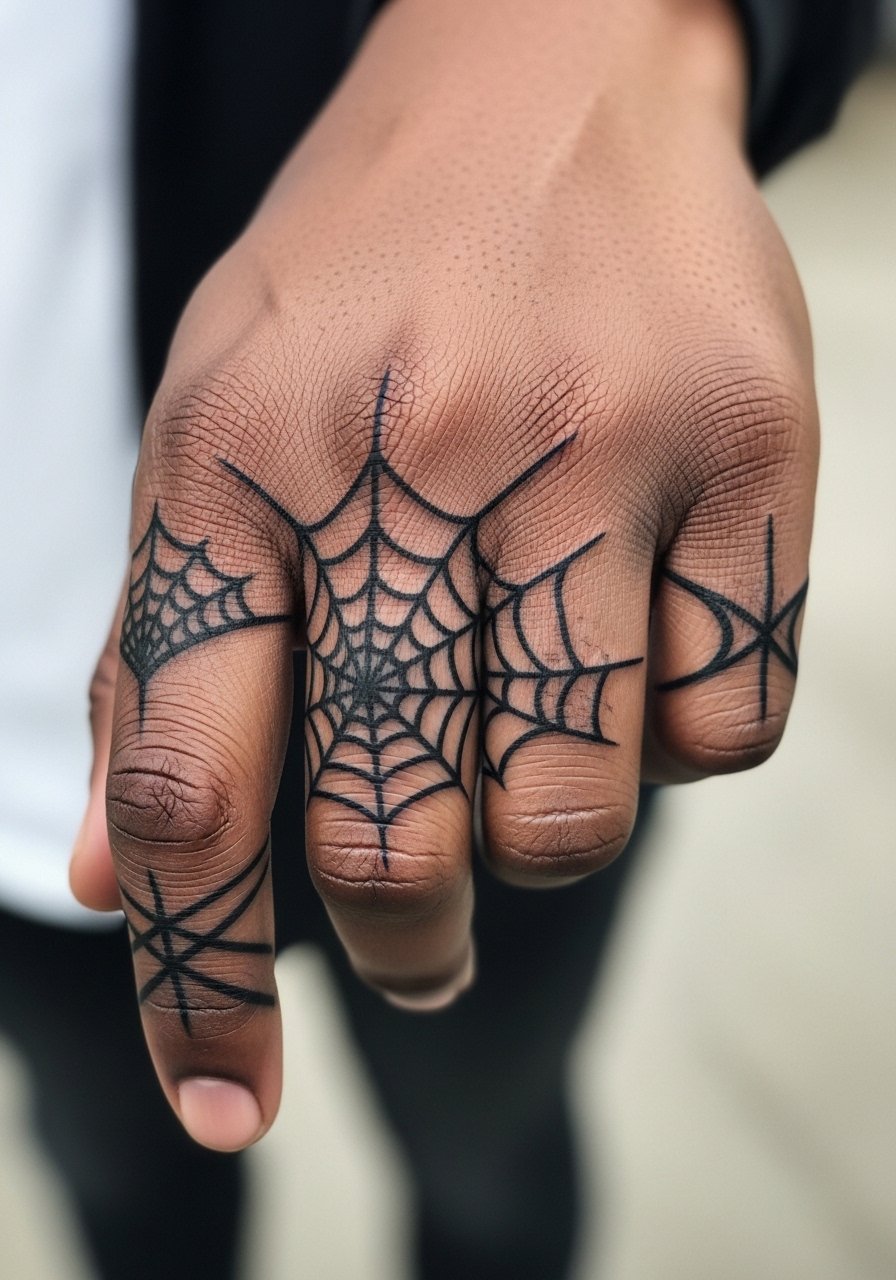
I've seen this style last longer than delicate scripts because heavy saturation resists fade from handwashing. Expect a 6 to 8 on the pain chart at the knuckles, and plan for 2 to 3 sessions for consistent fills. Tell the artist to leave intentional negative space so the design breathes and avoids a blown-out block. People who make it too small end up with merging shapes by year two. This design suits folks who want coverage that hides skin variations and who accept yearly touch-ups at most. For showing it off, a thumb hole hoodie creates a matte backdrop that contrasts the black ink.
3. Micro-Realism Portrait on the Palm
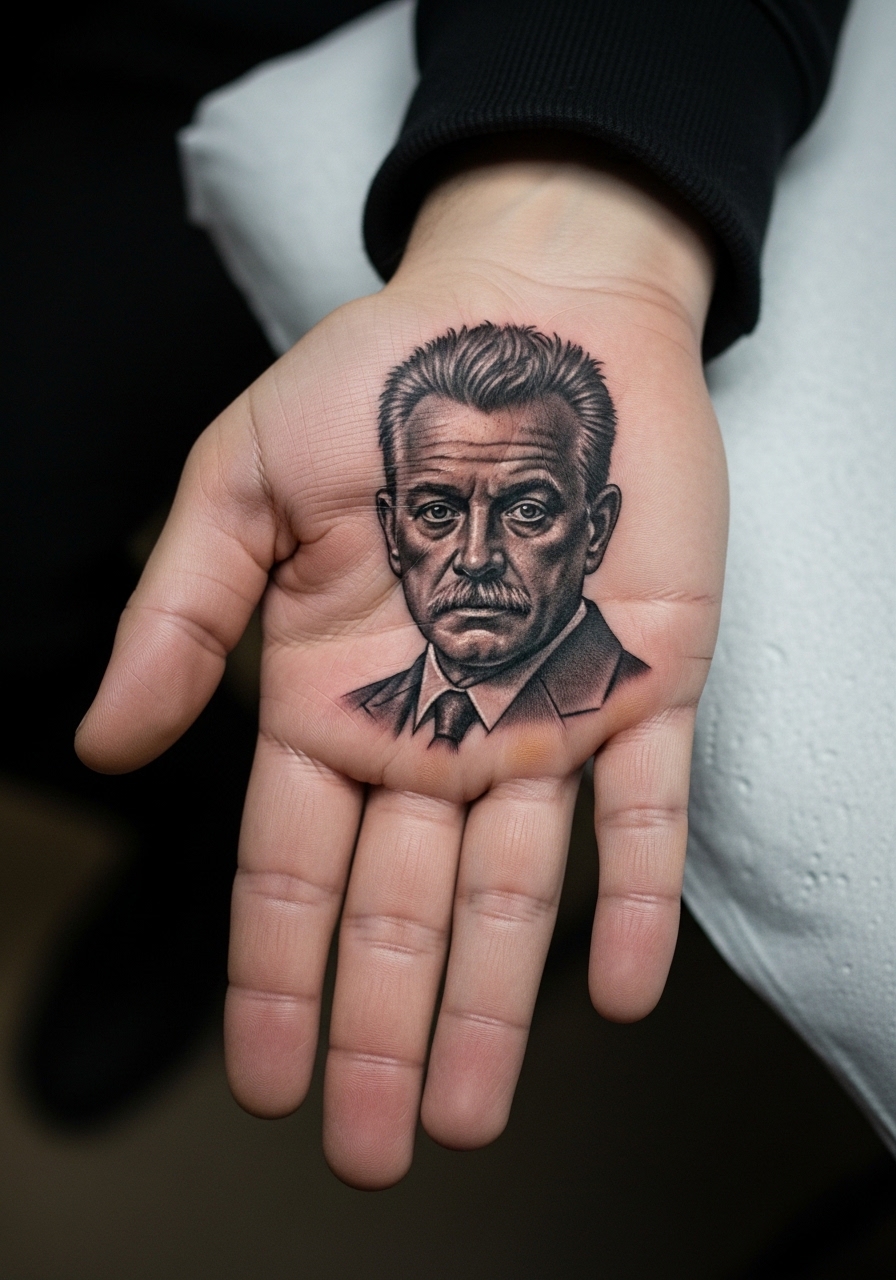
Fair warning about the palm. It is a high-motion zone so artists often book 4 or more sessions and require careful shading technique. The payoff is personal symbolism that appears only in gestures when you hold your hand open. In consultation, ask for an ink test patch and a plan for staged sessions to avoid excessive trauma. The palm can surprise with faster initial fade then good longevity if healed well. Some artists favor Saniderm for palms while others prefer dry healing. Name both camps and ask the studio what they normally use for palm work before you book. For showing it off, open-palm gestures in a fitted tee help, and a wide cuff bracelet gold on the opposite arm balances attention.
4. Neo-Traditional Rose Vine Wrapping Hand to Wrist
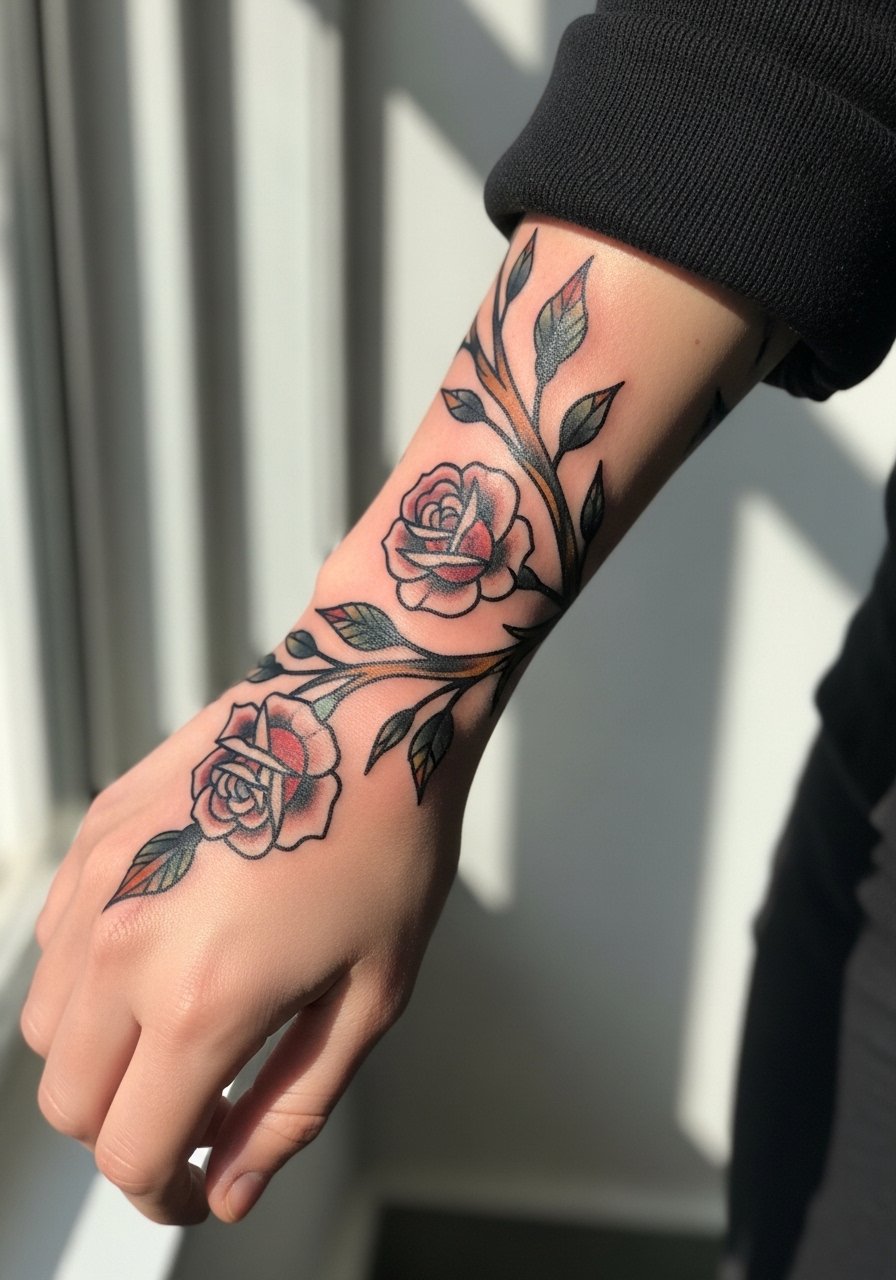
When you want a flowing piece that elongates the fingers, this is a solid pick. The knot of lines and color requires 2 to 4 sessions depending on how much wrist you include. In the chair, show reference photos that match the color saturation you want and ask for slightly thicker outlines near the knuckles to compensate for faster wear. The common error is choosing pale color accents that wash out on hands. Expect comfort to dip around the knuckle lines, so break sessions if needed. For evenings out, this wraps beautifully under a black mesh arm warmer or fingerless gloves that let the vine peek through.
5. Minimalist Script Quote Across Fingers
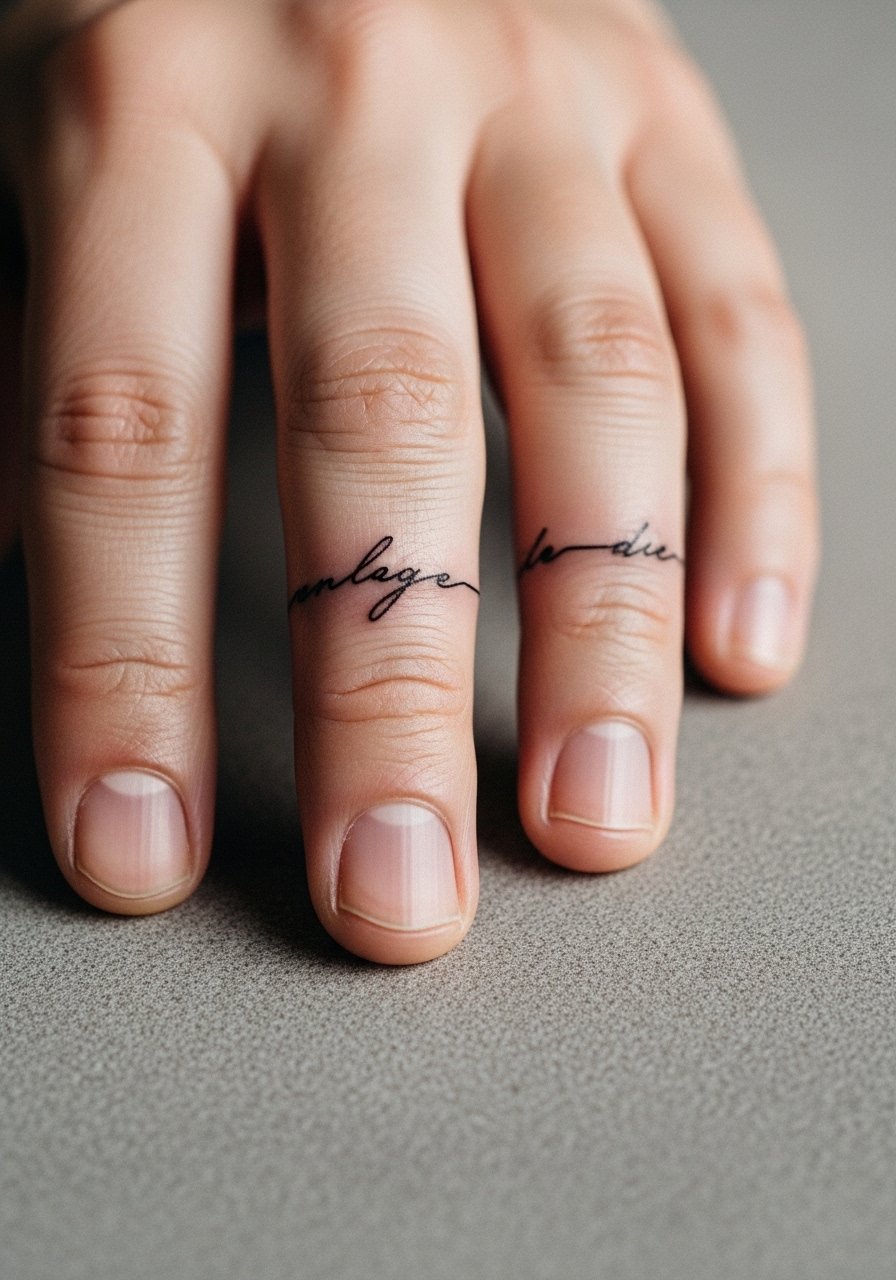
This one is popular with first-timers who want a daily reminder. Keep text short with spaced letters so the strokes do not bleed together as the skin ages. Pain on the finger joints ranks high, and most shops do this in a single short session. The usual mistake is too many words. Think initials or a one-word anchor instead. Healed at six months the letters will soften, and many folks book a touch-up at 6 to 12 months. For a showing option, combine bare hands with a metallic nail polish set that picks up the ink without crowding the knuckle space.
6. Ornamental Dotwork Lotus on Full Hand
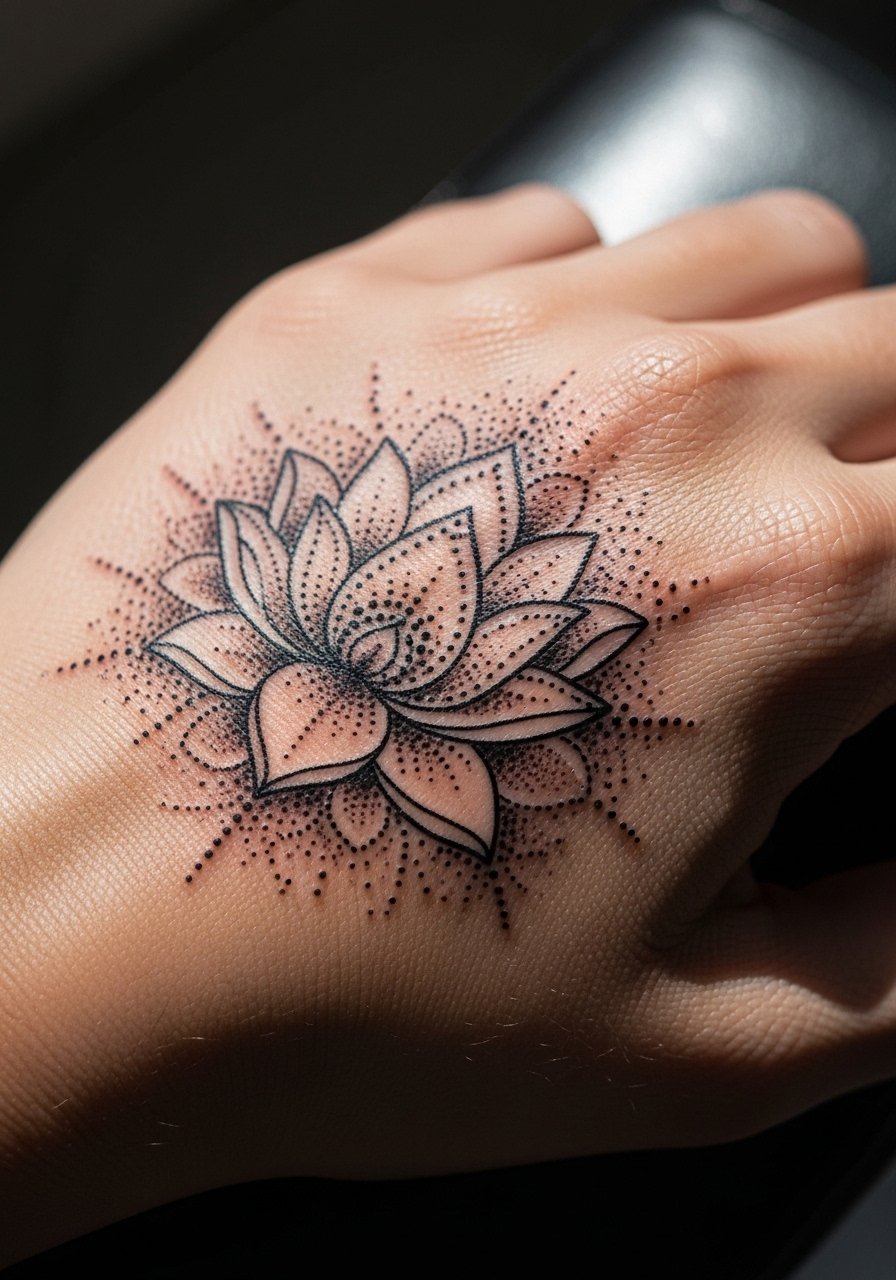
A stippled lotus uses dot work to age gracefully since shading sits as texture rather than thin lines. This style commonly needs 2 to 3 sessions for even stippling and to manage hand sensitivity. Tell your artist to plan spacing so stipple clusters do not merge under friction. There is a debate in the community about Saniderm versus dry healing for heavy dot work on hands. One camp says protective film speeds healing and reduces scabbing. The other camp prefers dry techniques to avoid trapped moisture. Ask which method the artist uses and why. For show-off styling, gesture-focused outfits like a loose silk blouse help the webbed extensions appear when you move.
Studio Day Picks
Hands and knuckles above need different prep than palm portraits, so these five items smooth the session and the first week of healing for ideas 1 through 6.
-
Frida Kahlo Ink Balm. A thinner balm option that Reddit users praise for not clogging pores during heavy hand sweat, useful for the dotwork and fine line pieces above.
-
Australian Tattoo Goo. A lighter ointment that hydrates knuckle and finger work without forming a greasy film, which helps delicate finger scripts.
-
Ink-Ice Cooling Gel. Apply before long hand sessions to ease the sting at knuckles and finger bones, particularly helpful for full-wrap blackwork.
-
Hada Labo Lotion. Alcohol-free moisturizer to soothe healing palms without irritation for micro-realism portraits.
-
Aquaphor Healing Ointment. Thin layer in the first days locks in moisture for fine line handwork and keeps delicate single-needle lines from scabbing hard.
7. Traditional Anchor on Knuckles with Banner
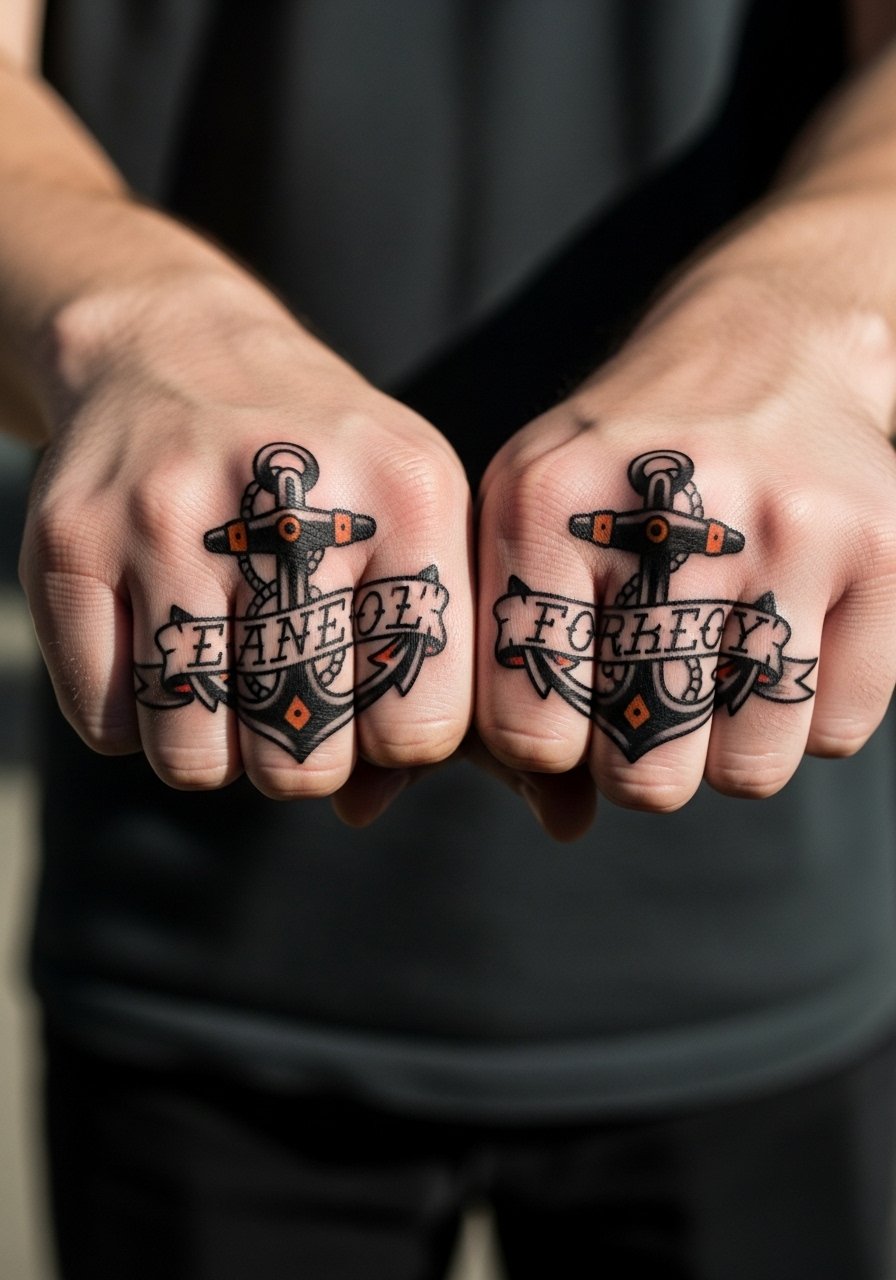
The knuckle classic reads well because it uses heavy lines that age predictably. Expect a sharp sting during the session since the bone is close to the surface. This is usually a two-session job if color is involved. Ask for bolder outlines on the banner edges to avoid softening over time. The mistake I see is trying to cram long phrases into the banner. Keep wording short and strong. For everyday styling, thin silver ring stacks on non-tattooed fingers frame the anchor without competing with the knuckle art. thin silver ring stack
8. Watercolor Galaxy Spanning Palm and Back
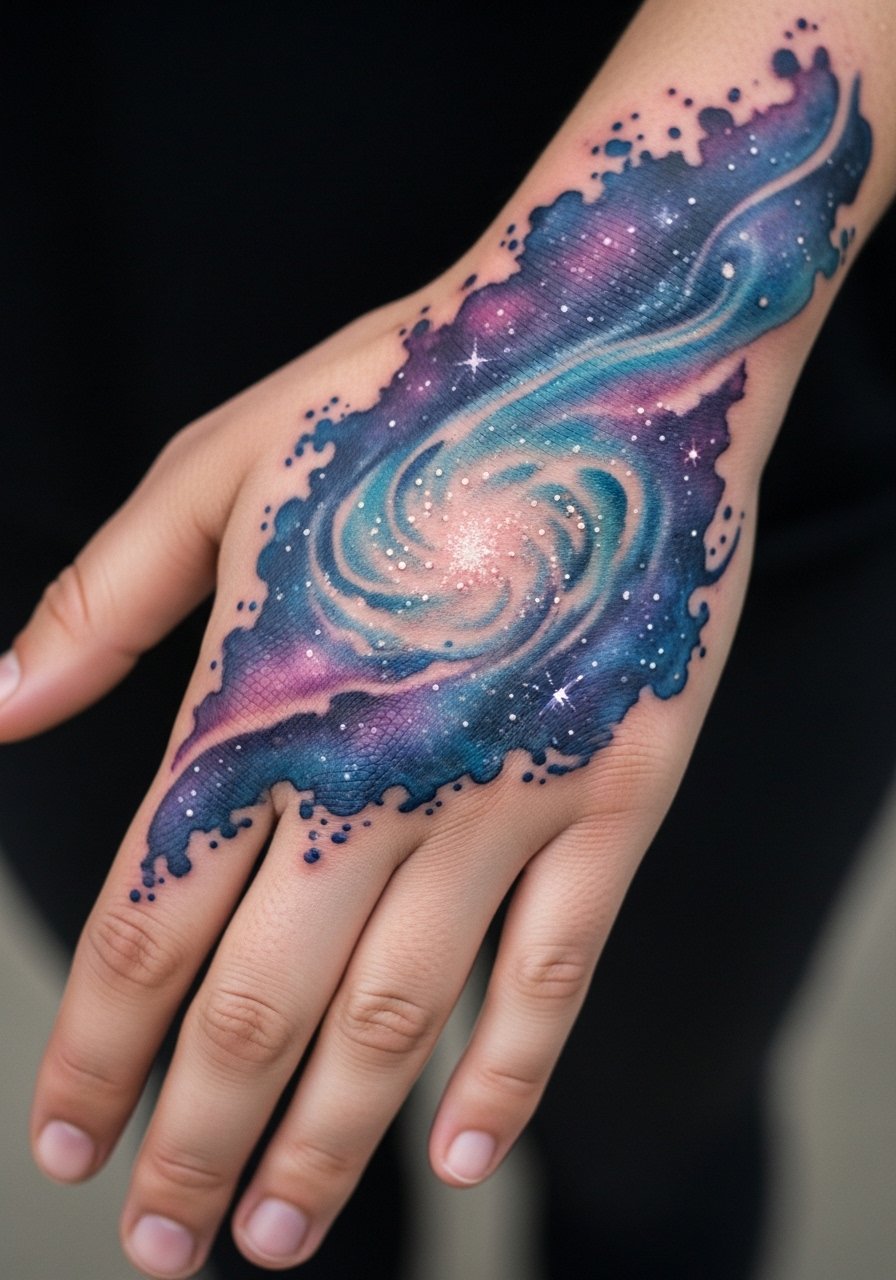
Watercolor on hands looks vibrant fresh but the style has a longevity debate. One group says watercolor washes fade and blur quickly on mobile skin. The other group prefers color washes and argues careful saturation and placement can keep pigment for several years. If you love the cosmic look, ask for a version with some dotwork or black anchors to hold the color. The palm-to-back flow needs three sessions to do smooth blends. For session wear, a loose short-sleeve button-up helps the artist access both palm and back without tugging fabric.
9. Ignorant Style Skull on Hand Web
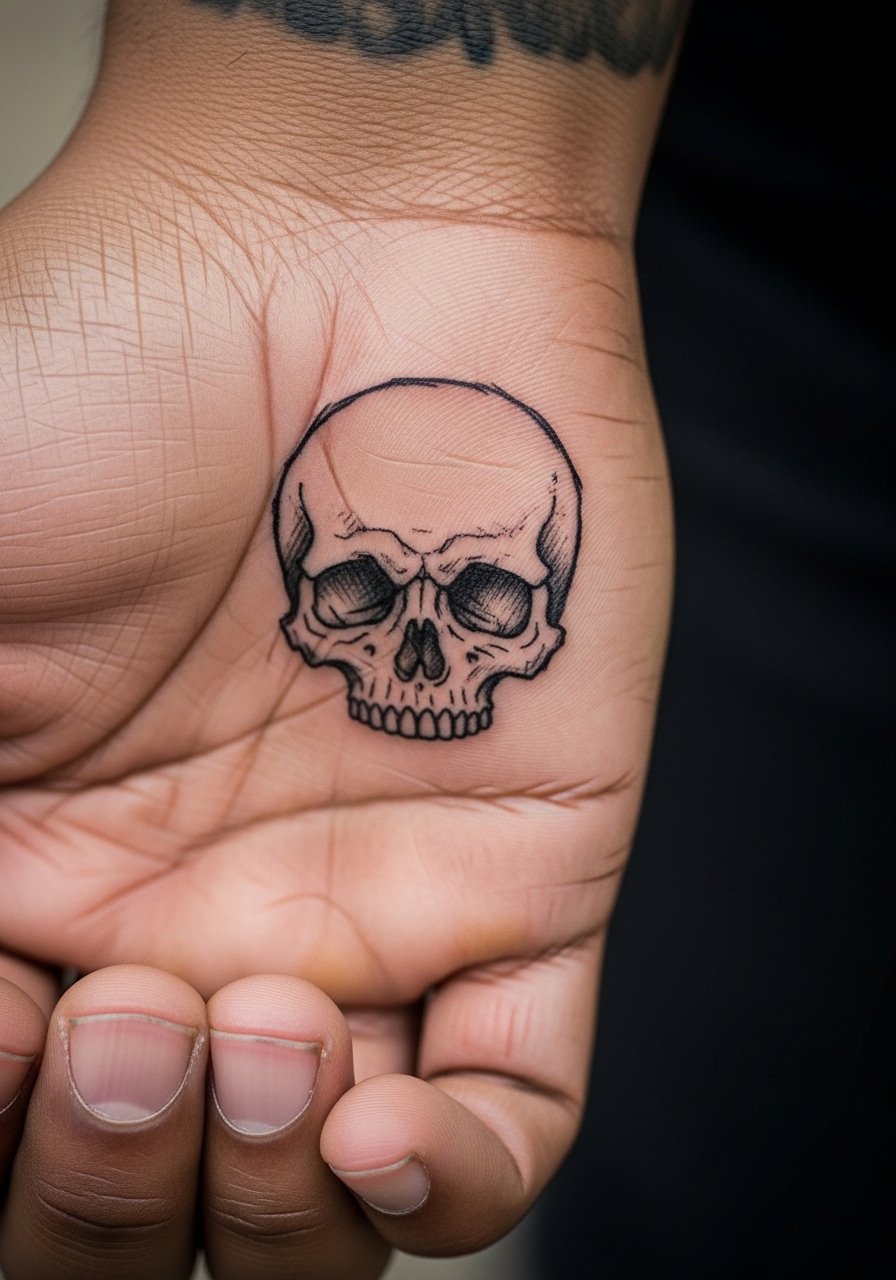
This raw, sketchy texture reads rebellious and ages in a way that suits the aesthetic. The hand web is a sensitive spot and often fits a single long session. Ask the artist to plan your design so it bridges fingers cleanly and avoids seams that split across joints. A fun under-covered idea is bridging the web to the ring area so the skull appears only in certain gestures. For outfits that emphasize that motion, draped silk shirts or a silk drape shirt create movement that highlights the web piece.
10. Fine Line Wave Pattern Full Hand Coverage
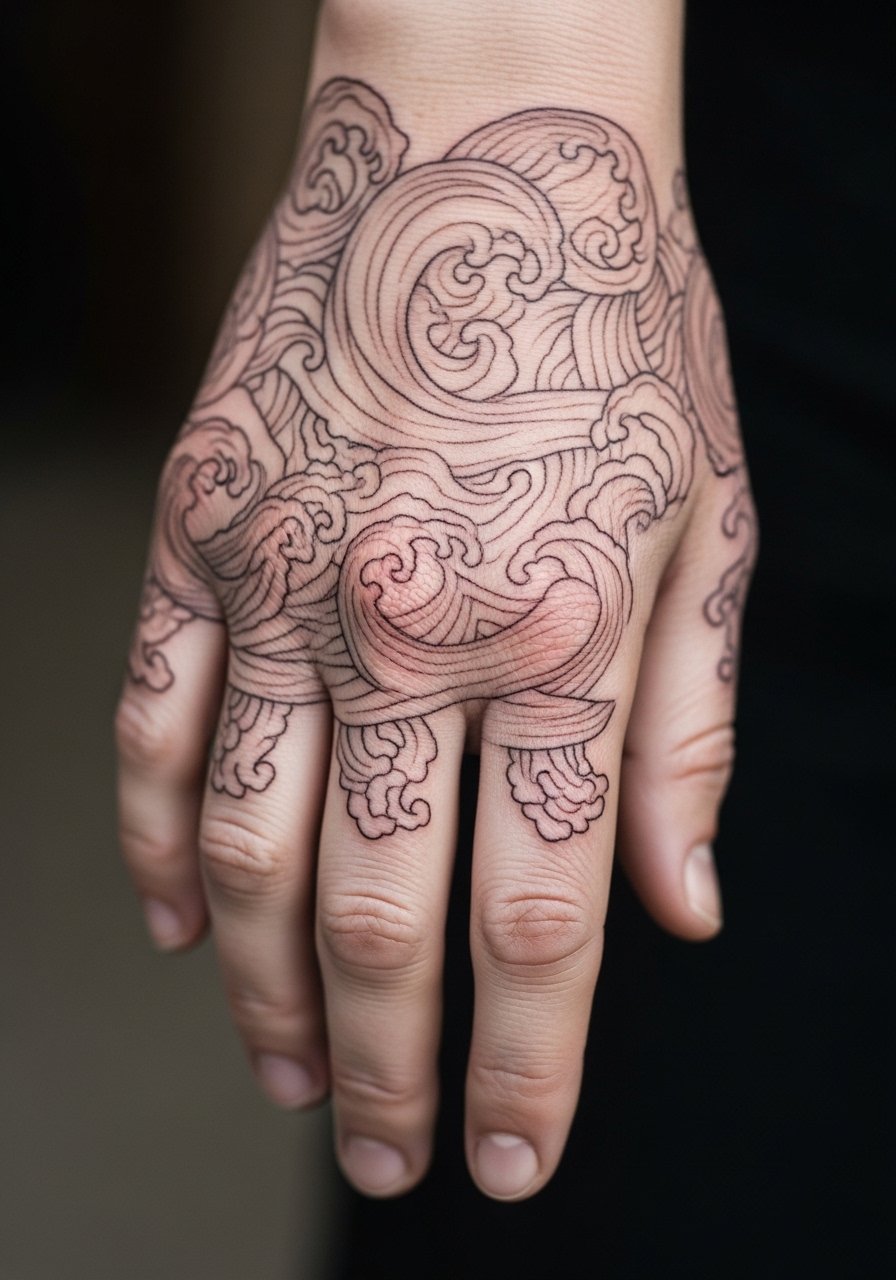
Most artists warn against tight wave motifs that are scaled too small. One camp in the community says fine line holds up with single-needle spacing and light touch. The other camp argues the constant abrasion on hands dissolves thin work within 18 months. My recommendation is slightly larger spacing, deliberate negative space, and planning for a touch-up at year one. Session time runs 2 to 3 appointments to let lines rest between passes. This design looks best with rolled-up linen shirts in neutral tones to keep the motion visible.
11. Palm-Under Gesture-Activated Motif
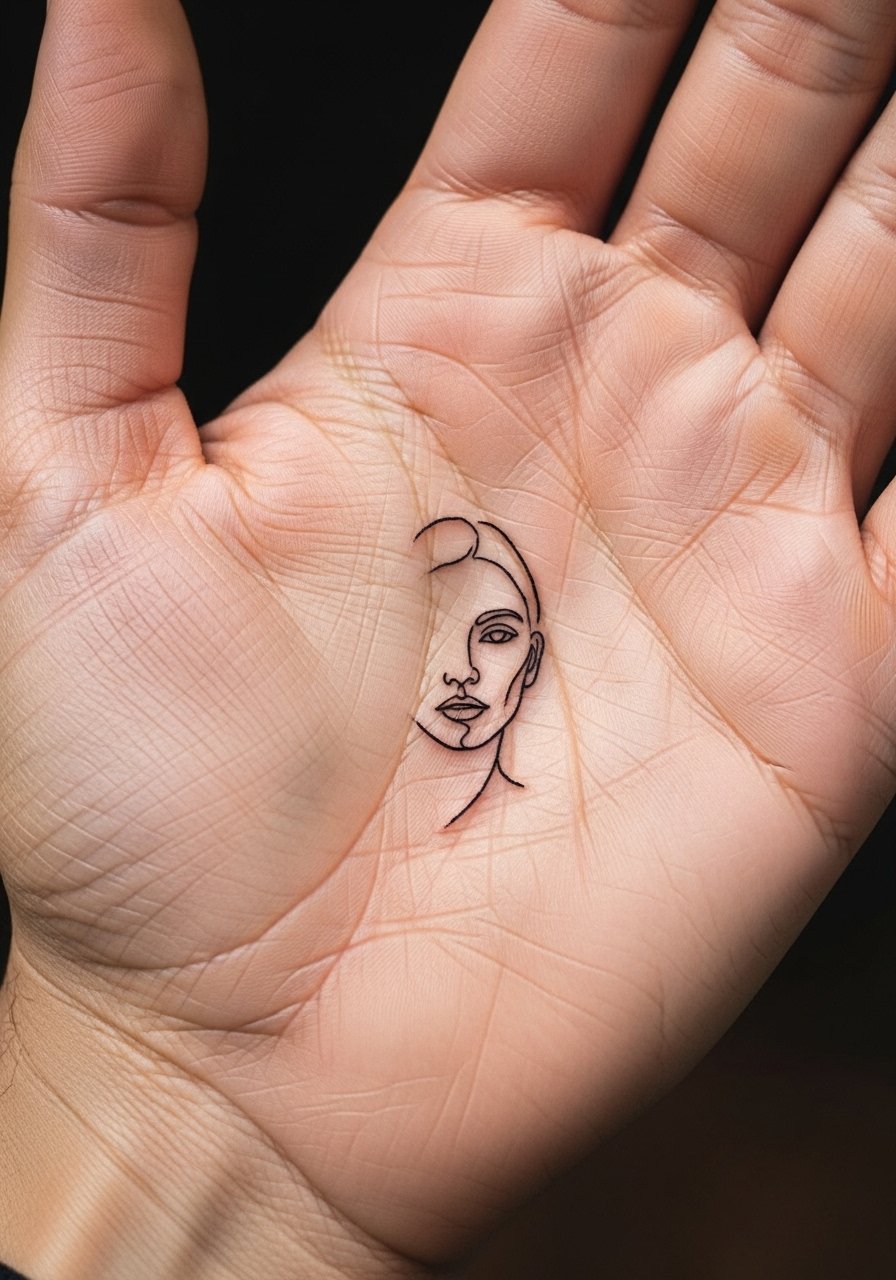
I love this one for privacy and surprise. The design sits on the palm so it is visible only when you make certain gestures. Session-wise this is a micro-realism or minimal line piece with multiple careful passes to avoid overworking. A common error is asking for too much detail that the palm cannot retain. Expect frequent touch-ups early, but some palm pieces settle nicely if not over-shaded. For showing it off, open-palm gestures in a fitted crew neck tee photograph well, and a fitted crew neck tee keeps the focus on the hand motion.
12. Knuckle-to-Palm Patchwork for Modular Additions
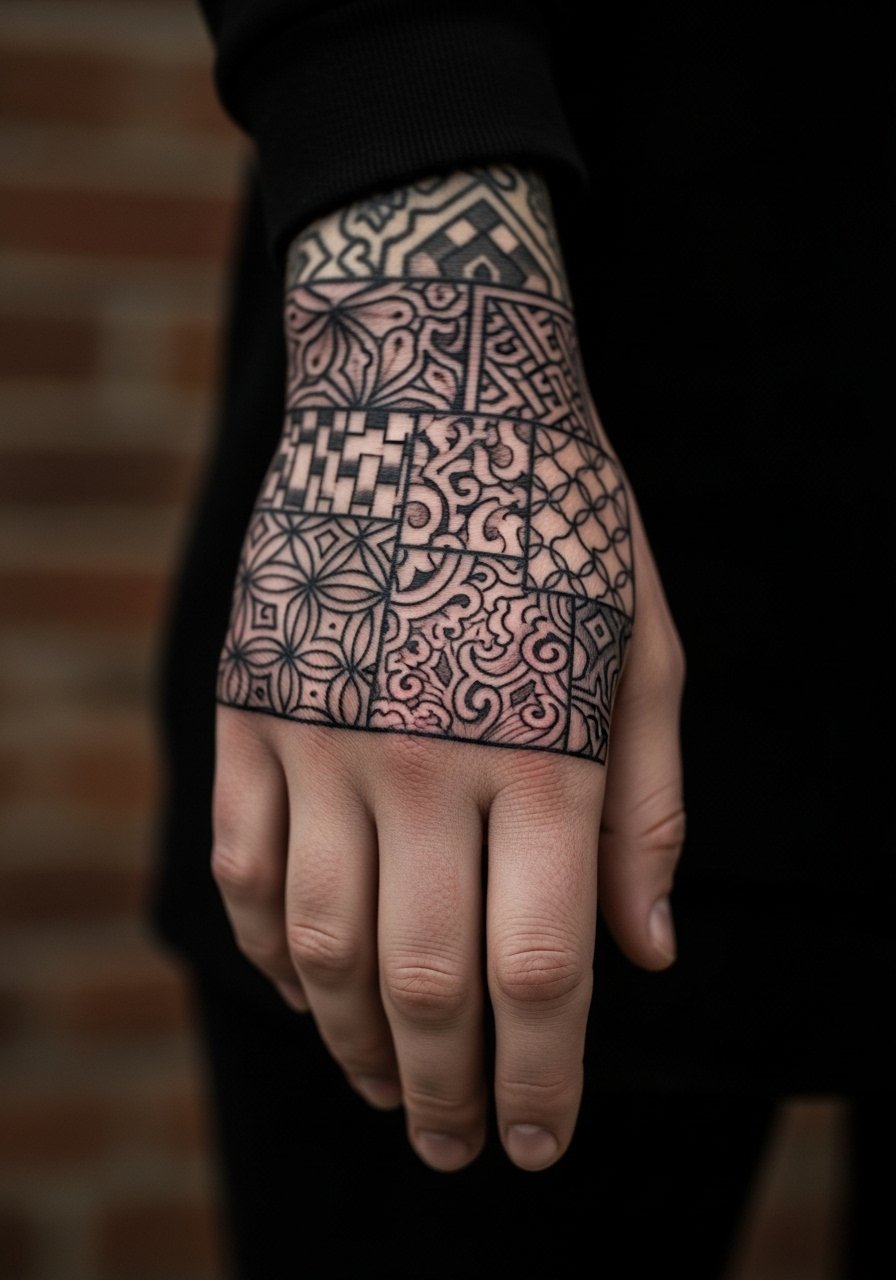
When you plan for future additions, modular knuckle-to-palm patches are smart. Start with anchor motifs sized to accept later elements so the hand does not become overcrowded. The pain on knuckles is intense so stagger sessions. A frequent mistake is committing to a single dense piece without leave for breathing room. In five years, well-spaced modules look intentional. For accessories that complement modular layouts, try thin stack rings and avoid chunky pieces that obscure new additions. A thin silver ring stack helps frame early modules.
13. Dark Skin Contrast Blackwork Test Patch
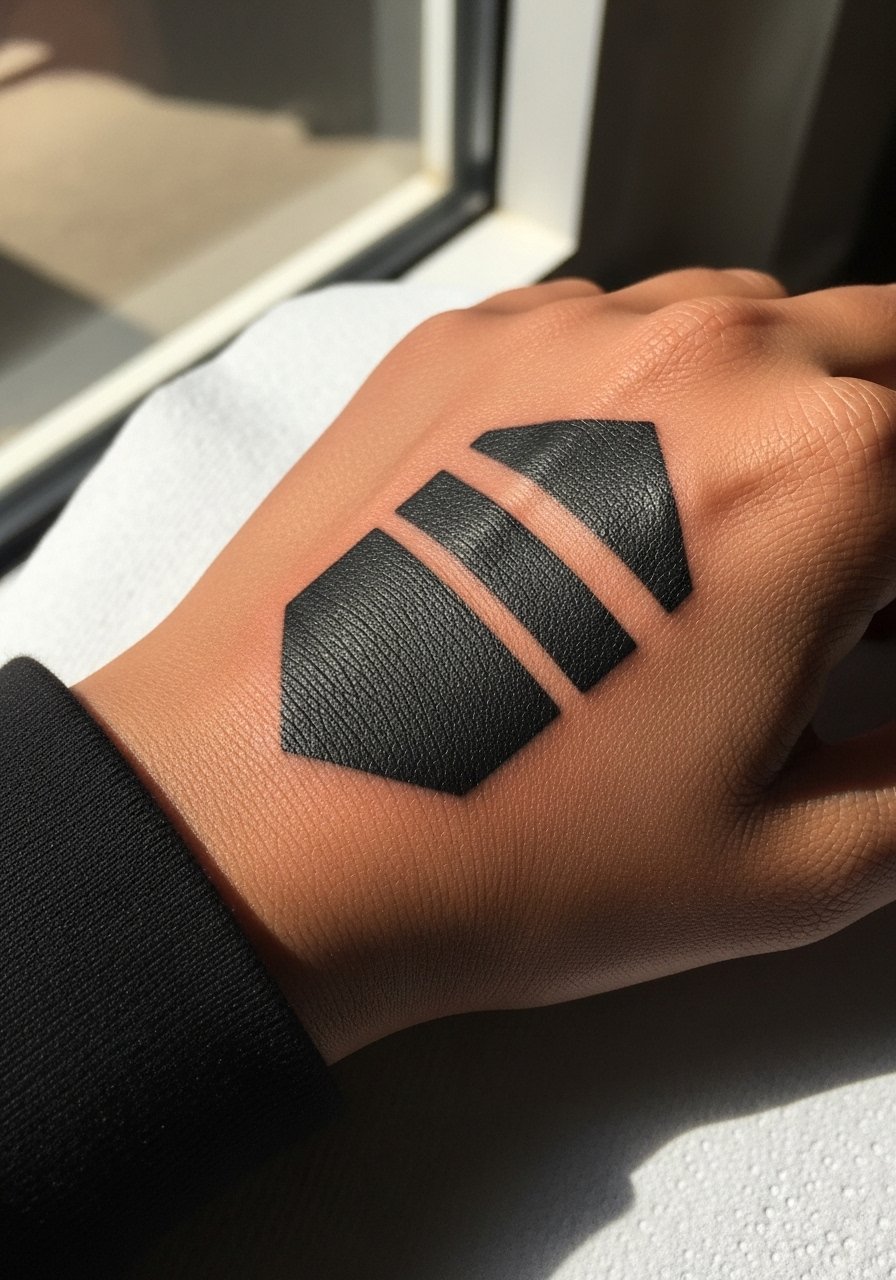
If you have darker skin, run a contrast test before committing to full-hand fine line. Bold blackwork tends to pop longer on darker tones, while single-needle work can disappear faster. Ask your artist for a small test patch in the same style and check healing at the one-month mark. A common regret is assuming thin scripts will perform the same on all skin tones. Plan for bolder lines or increased saturation to keep the design visible over time. This approach avoids surprises and lets you decide on touch-up needs with real evidence.
14. Stipple Shading Mandala with Finger Extensions
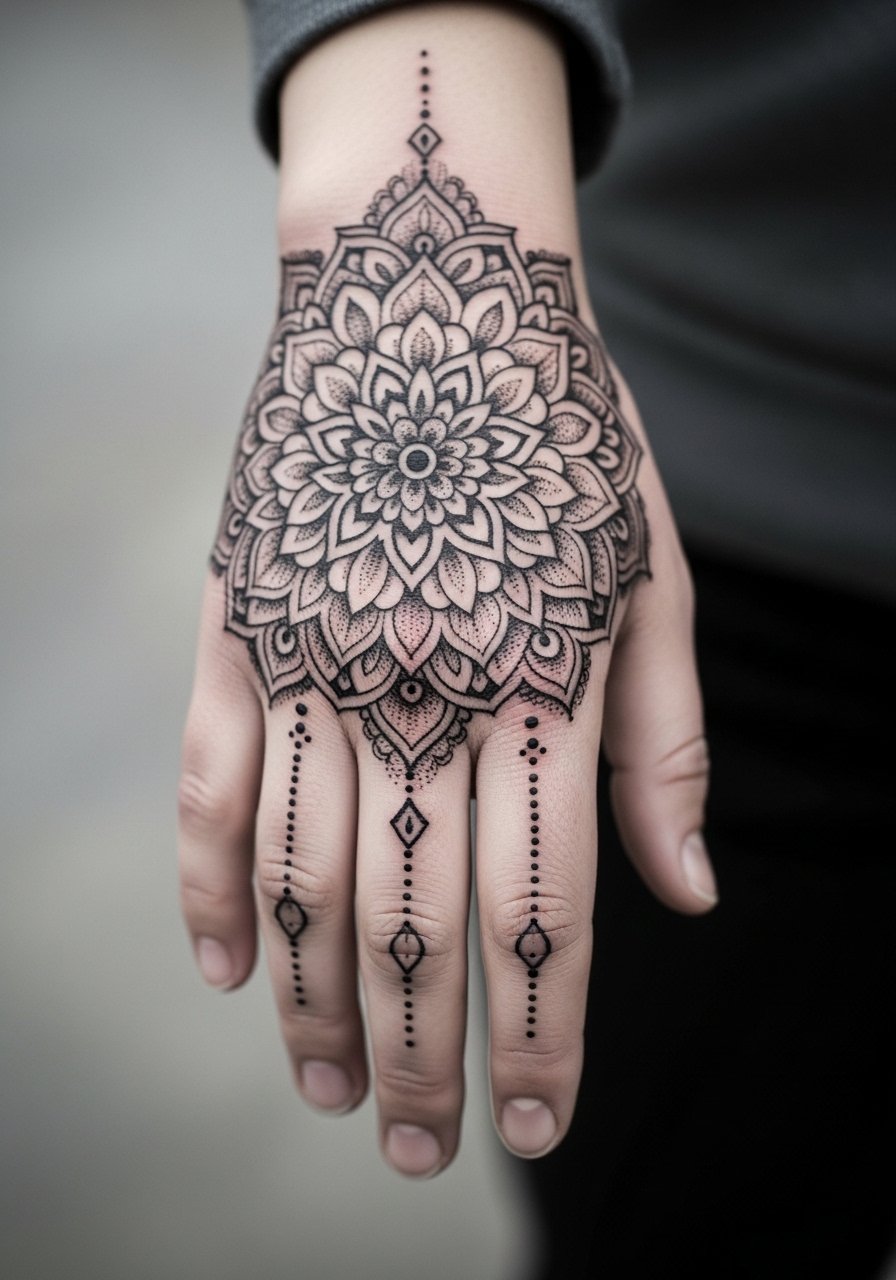
A stipple mandala ages well because the texture reads as pattern instead of single lines that can blur. I tell clients to expect 3 sessions for even dot distribution and to avoid dense clusters that merge under constant friction. The mistake is asking for a high-density center with tiny dots. Over time the center can look muddy if dots are too close. For wardrobe pairing, sheer mesh long sleeves rolled to the elbow frame the mandala like a cuff. Try a sheer mesh sleeve to highlight the radial work.
15. Fine Line Wave Bands That Follow Tendons
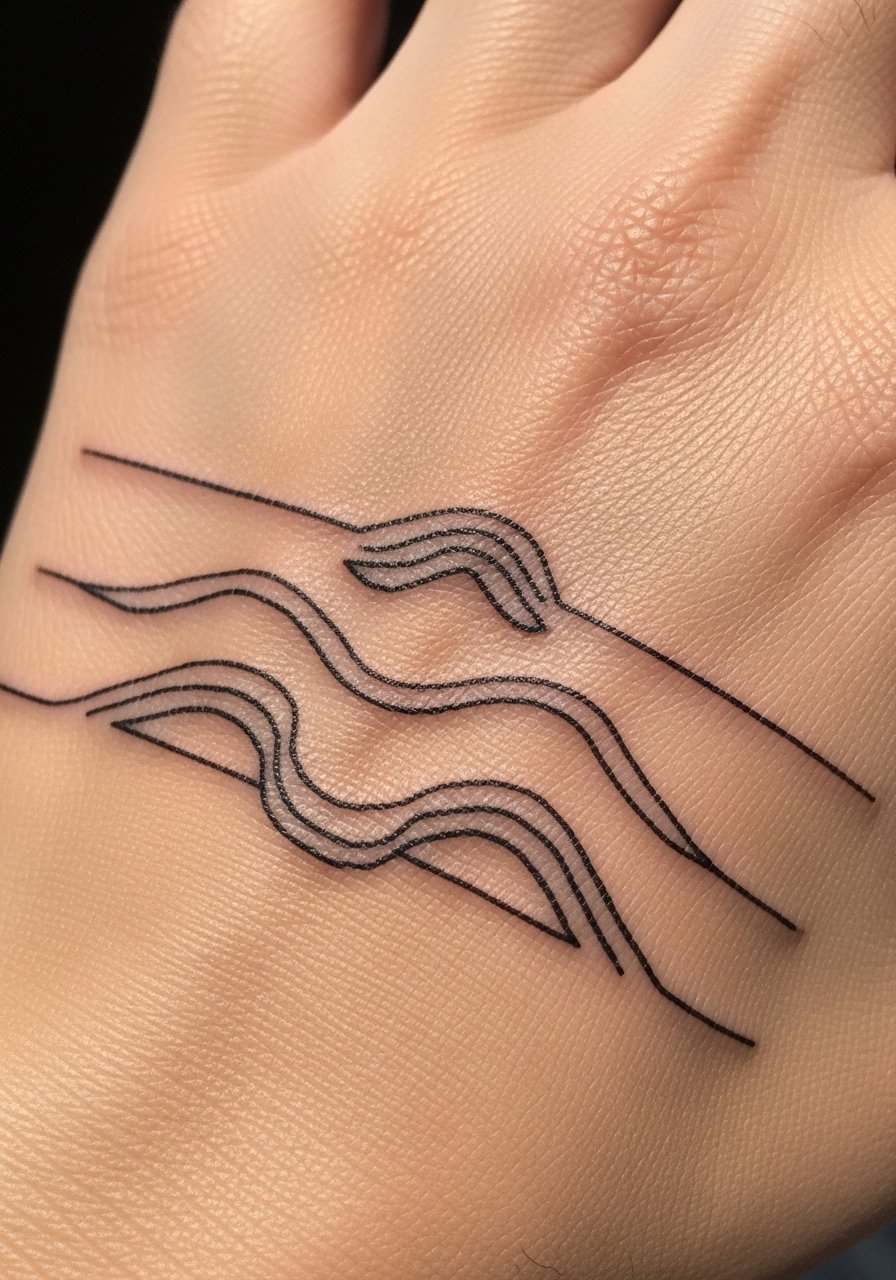
This visual trick uses the hand's natural movement, so it reads differently in motion. In the chair, ask the artist to map lines over tendons to create fluid interplay. Pain is moderate across the hand, and sessions run 2 to 3 passes. A common error is making bands too tight to the tendons, which can blur into shaded strips later. Expect softening at the one-year mark and plan touch-ups accordingly. This style looks great with rolled-up sleeves or short-sleeve button shirts to keep the motion unobstructed.
16. Geometric Full Hand with Negative Space
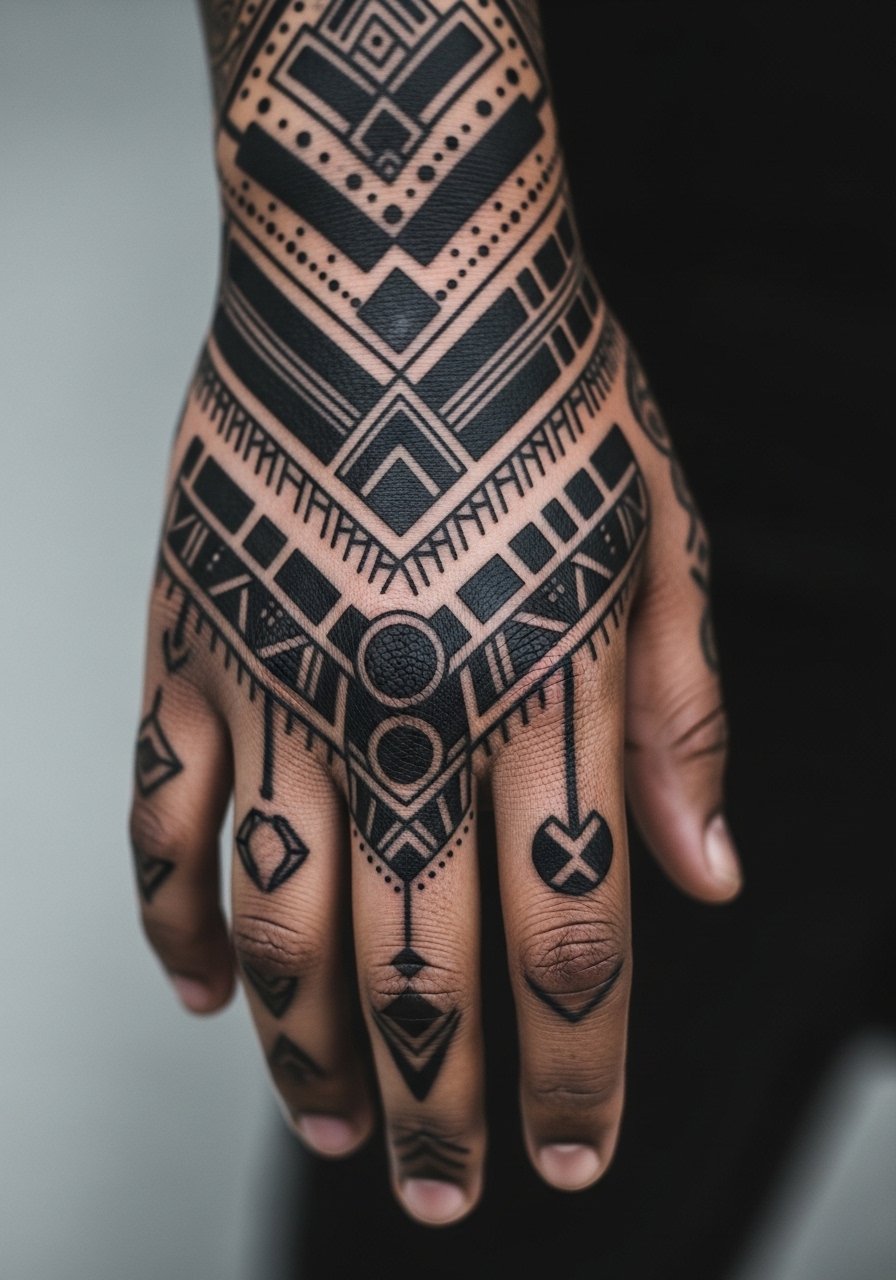
There is something about negative space geometry that reads from a distance. I advise clients to design with larger shapes and consistent spacing so the hand does not turn into a single black mass. Sessions are typically 3 passes for solid fills and transitions. A frequent mistake is underestimating how much contrast you need on darker skin tones. For casual wear, pair this with a black leather jacket or matte fabrics that make the geometric forms stand out.
17. Micro-Realism Tiny Portrait Beside the Thumb
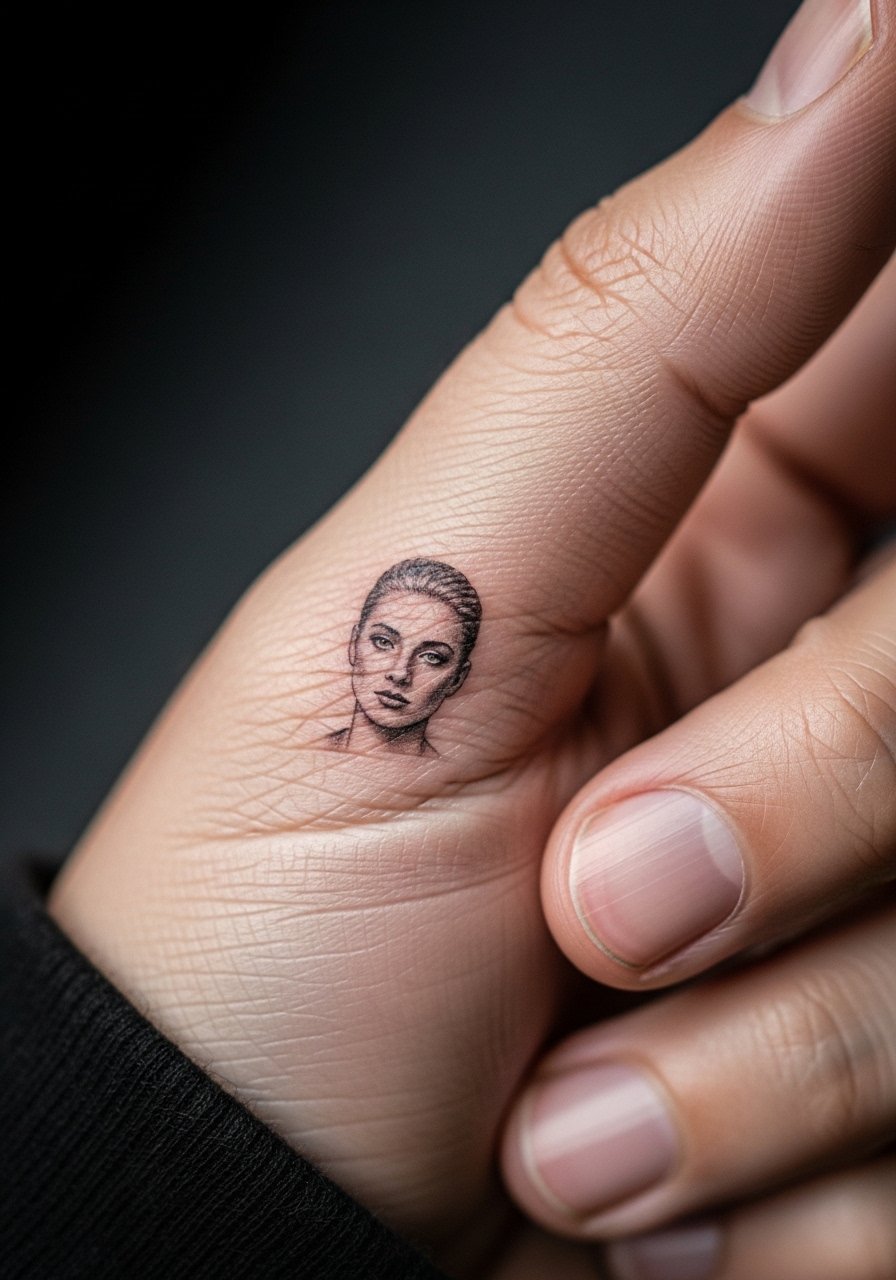
This compact portrait is ideal for a personal emblem without full palm coverage. It needs very careful shading and often multiple short sessions to preserve detail. The inner hand location can be sensitive but less volatile than the palm center. Mistakes include overworking tiny highlights that disappear in healing. Ask for a staged plan during the consultation to preserve contrast. Wear a loose button-down shirt the day of the session so the artist can access the inner thumb without tugging. loose button down shirt mens
18. Ornamental Chain-Link Lace Across Knuckles and Wrist
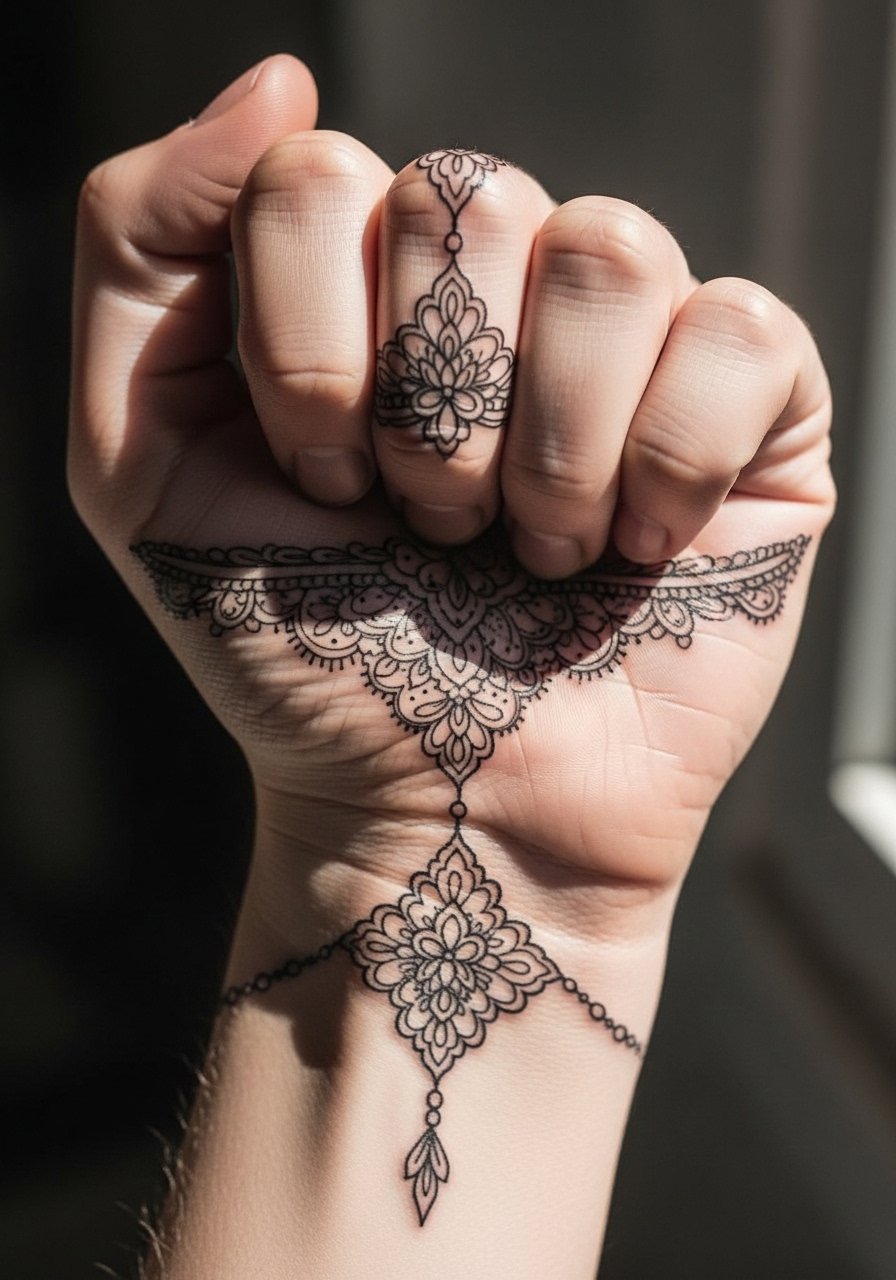
There's visual elegance to lace motifs when they are scaled right. For durability, ask the artist to thicken connection points so the pattern holds through frequent hand use. Pain spikes at the knuckles, and most artists break this into two sessions. People often request overly intricate lace that does not translate well to hand skin. For accessories that pair without competing, try a thin chain pendant necklace or minimal bracelets so the lace remains the focal point. thin chain pendant necklace
19. Minimalist Constellation Across Fingers and Hand Web
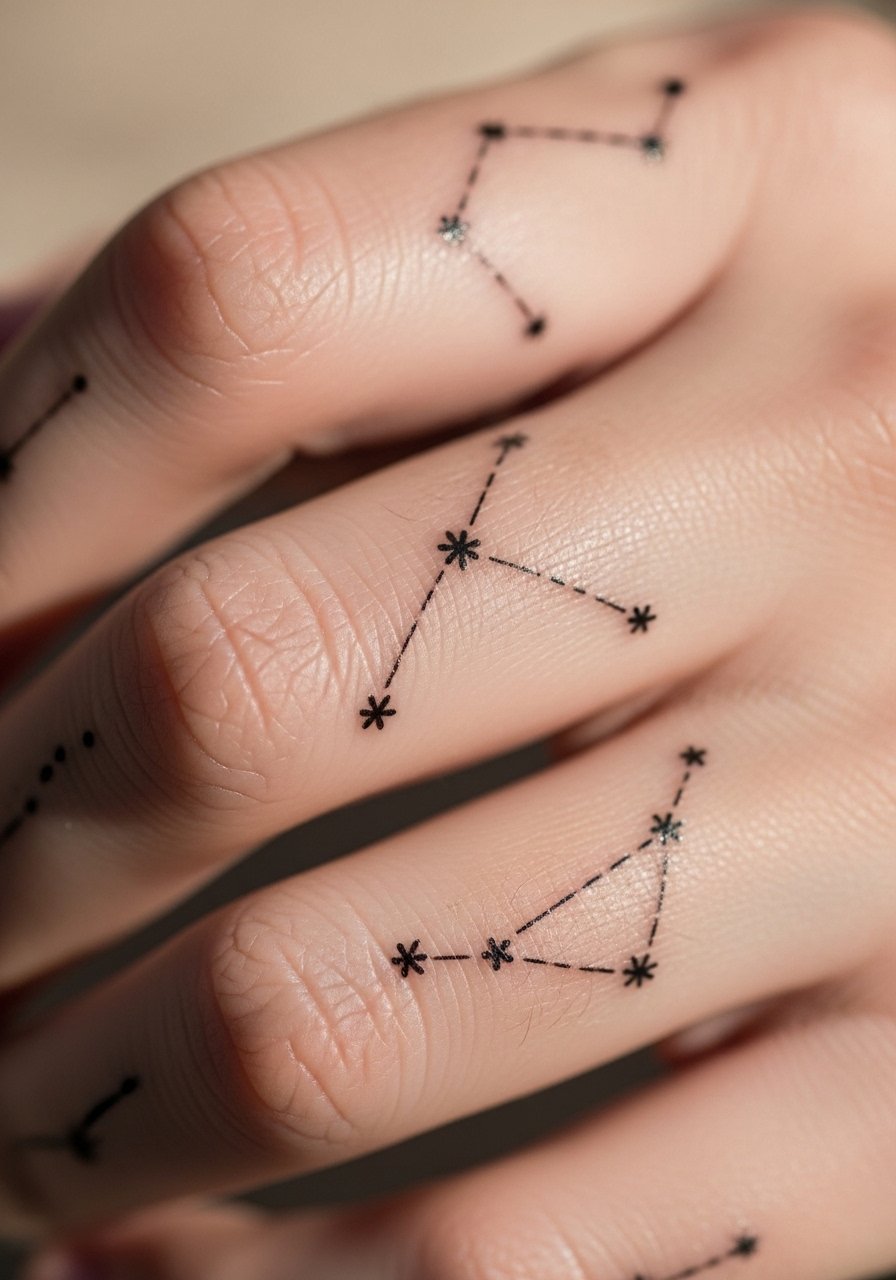
Constellation pieces are low-profile and age reasonably well if dots are sized for longevity. The hand web is a unique placement that activates with certain gestures, so design the path with movement in mind. Expect a single session for small constellations, but plan a touch-up at one year. The main mistake is using dots so small they vanish on darker skin. For polished hands, pair the constellation with a metallic nail polish set that accentuates tiny star points.
20. Irezumi-Inspired Koi Wrap That Skips the Fingers
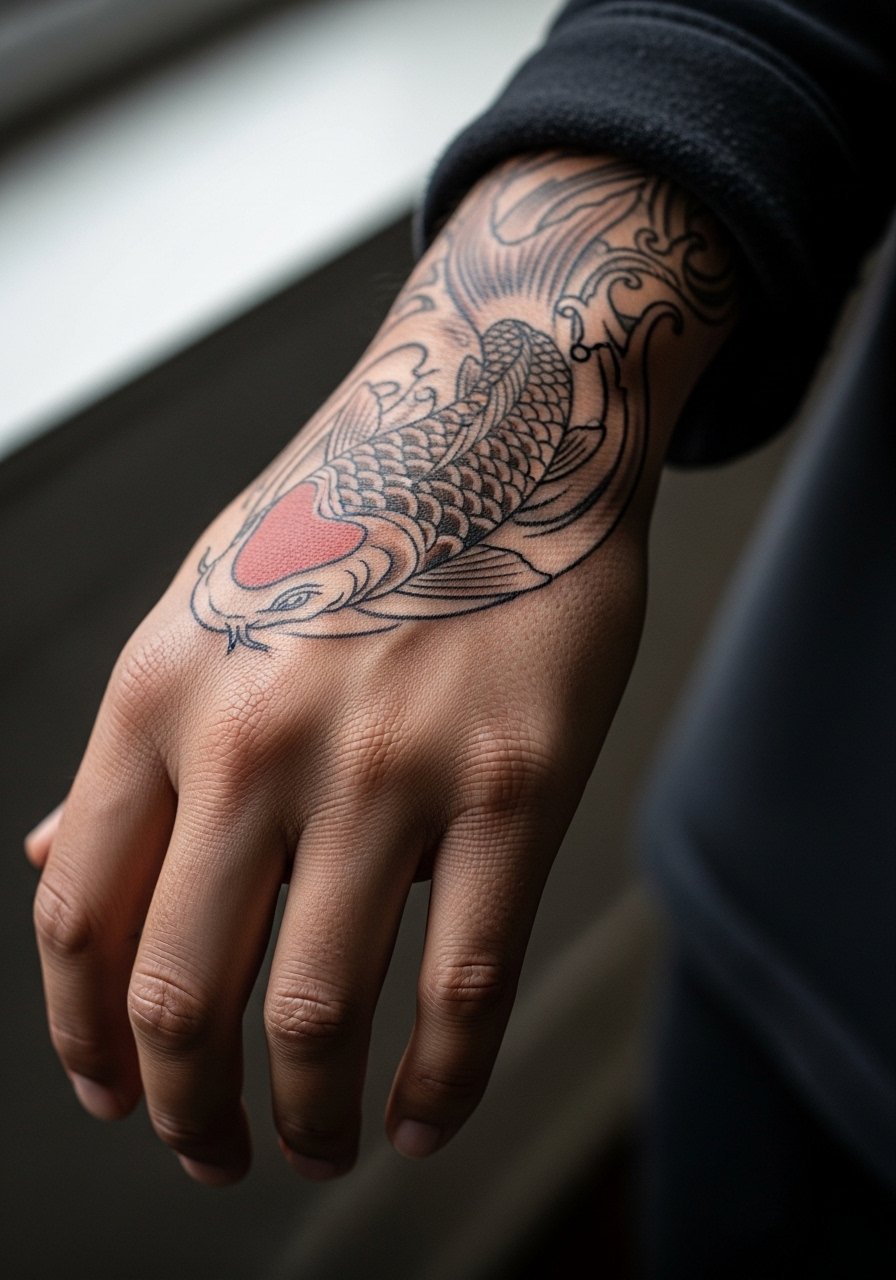
This traditional-inspired wrap borrows elements from larger Irezumi but adapts them for hand scale. Include a sentence about origin respect when booking. Ask the artist to avoid direct cultural symbols unless they can speak to their use and history. Sessions will run 2 to 4 depending on color and saturation. The error I see is attempting a full-on sleeve translation onto the hand without proper spacing. For casual wear, pair with rolled-up knit sweaters so the koi tail shows naturally.
21. Bold Black Palm Patch with Stipple Gradient
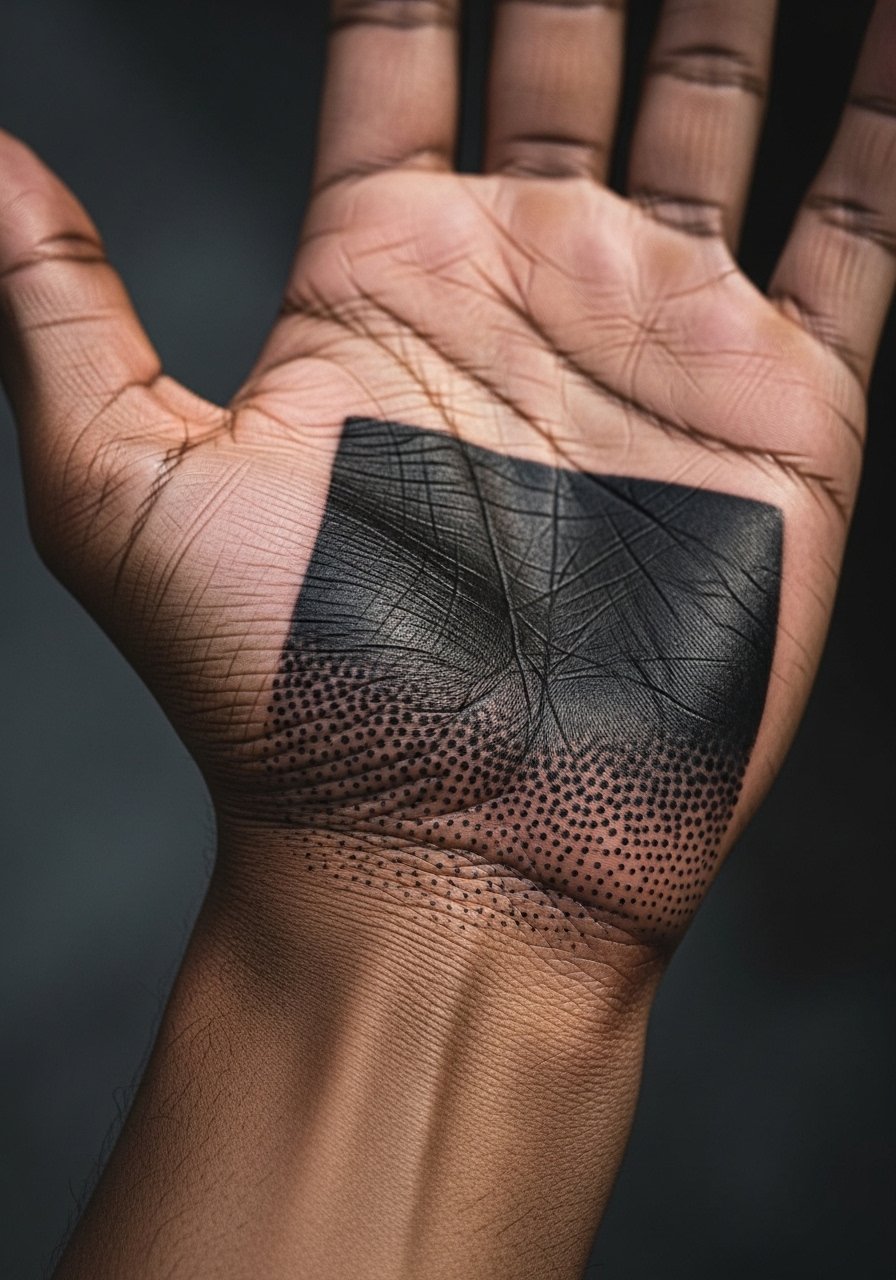
For folks wanting maximal contrast on dark skin, a saturated palm patch with stipple transitions reads clearly. This is intense work and usually requires multiple sessions to avoid overworking. A common issue is heavy scabbing from too-thick initial layers. Plan staged saturation and a realistic touch-up window. Expect faster early fade but good mid-term presence if healed carefully. This approach works for people who want a single bold anchor on the hand rather than scattered motifs.
Frequently Asked Questions
Q: How fast do fine line full hand tattoos typically fade, and what should I expect for touch-ups?
A: From what I have seen, fine line work on hands can soften noticeably within 12 to 36 months. Plan on a touch-up at 6 to 12 months for areas with heavy friction, then reassess annually. Bold blackwork generally needs fewer early touch-ups, but any hand tattoo benefits from a realistic maintenance plan.
Q: Will a palm portrait hold up better than a back-of-hand design?
A: Palm skin behaves differently. Portraits on the palm can hold surprising detail if the artist stages sessions and uses tested techniques. Back-of-hand pieces face more abrasion from surfaces and washing. Ask for a patch test and a staged plan if your design is palm-centered.
Q: Should I use Saniderm or dry healing for hand tattoos?
A: Both camps have valid points. Some artists use protective film for hands to reduce scabbing, and some prefer dry healing to avoid trapped moisture. Ask the studio what they use for hands and why, and follow that method for consistency with their technique.
Q: How should I dress for a full hand session to make the appointment easier?
A: Wear clothing that gives the artist clear access to your hand without tight cuffs. A loose button-down or a tank top works depending on whether they need your sleeve moved. For hand pieces, remove rings and watches before the session.
Q: Are there styling tips that help hand tattoos look intentional with outfits?
A: Yes. Simple choices like rolled-up sleeves, fingerless gloves, or thin ring stacks create frames for the work. For example a thumb hole hoodie or a black mesh arm warmer gives contrast and keeps attention on the ink without covering it completely.
Q: What should people with darker skin know before booking blackwork hands?
A: Bold black fills usually give the best contrast on darker skin. Do a small test patch in the same style and check how it heals at one month. That helps you and the artist decide on saturation levels for the full hand.
Q: Can weight change affect how my hand tattoo looks over time?
A: Hands do change with weight and aging, and heavy fluctuation can alter line spacing and proportions. Design with breathing room and avoid extreme tight detail near joint lines if you anticipate large changes.
