
Fine line is trending for a reason, but the tattoos that still read clean after five years are not always the ones you see getting the most likes on day one. Placement, spacing, and honest conversation in the consultation matter more than a trendy reference. Below are 17 daruma doll tattoo sketches that consider aging, placement-specific pain, and how to show them off so the symbol keeps working for you long after the ink settles.
1. Minimal Red Daruma on Inner Wrist
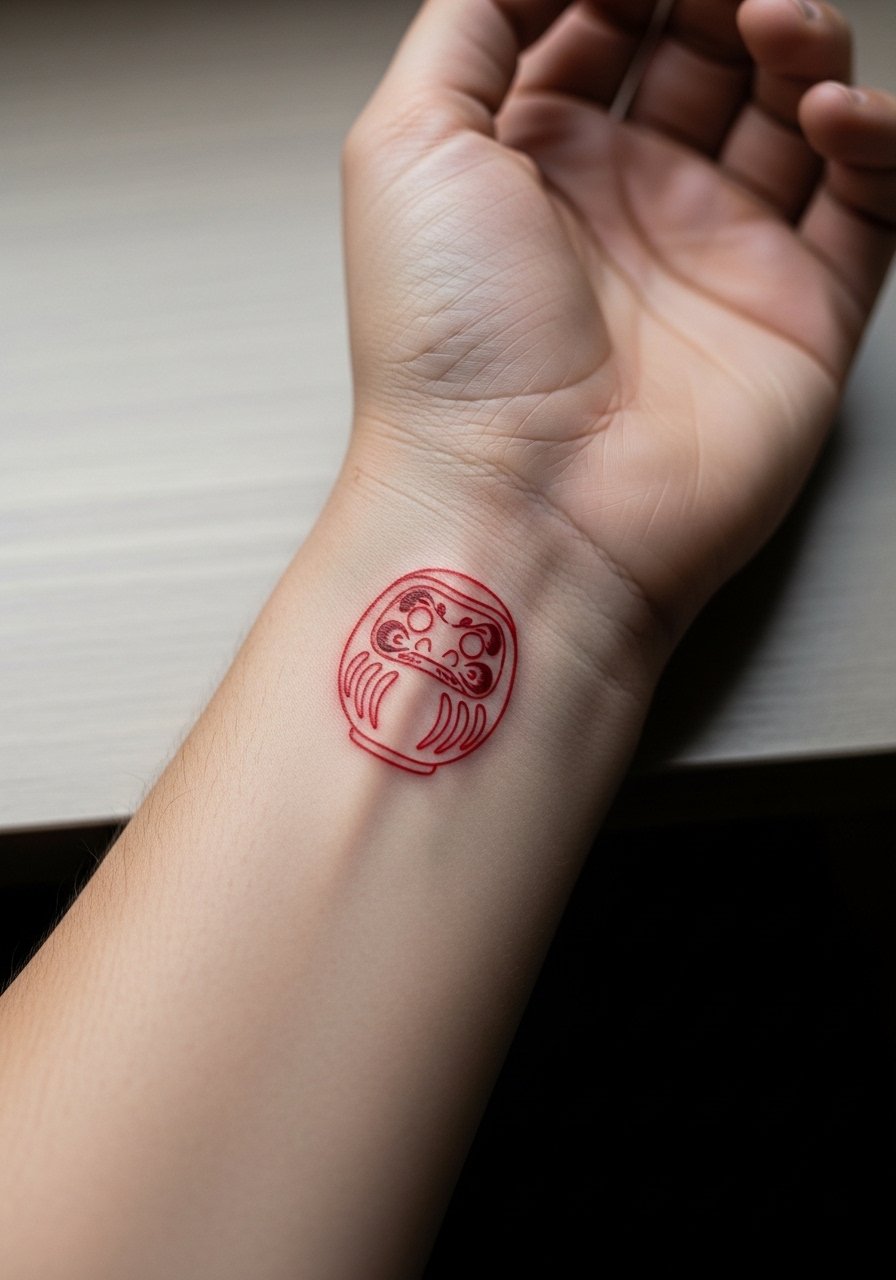
I recommend this small inner wrist daruma when someone wants a visible reminder without loud saturation. Forearm and wrist work well for fine line, but be aware the wrist lives with lots of washing and friction. Tell your artist to use slightly heavier linework than ultra-micro so the eyes and facial strokes do not merge at year two. Expect about a one to two hour session with light discomfort. A common mistake is asking for the tiniest detail possible. Tiny eyes look crisp at first and often blur. For showing it off, rolled sleeves help, and a thin bracelet frames the wrist without crowding the linework.
2. Traditional Red Daruma on Outer Calf
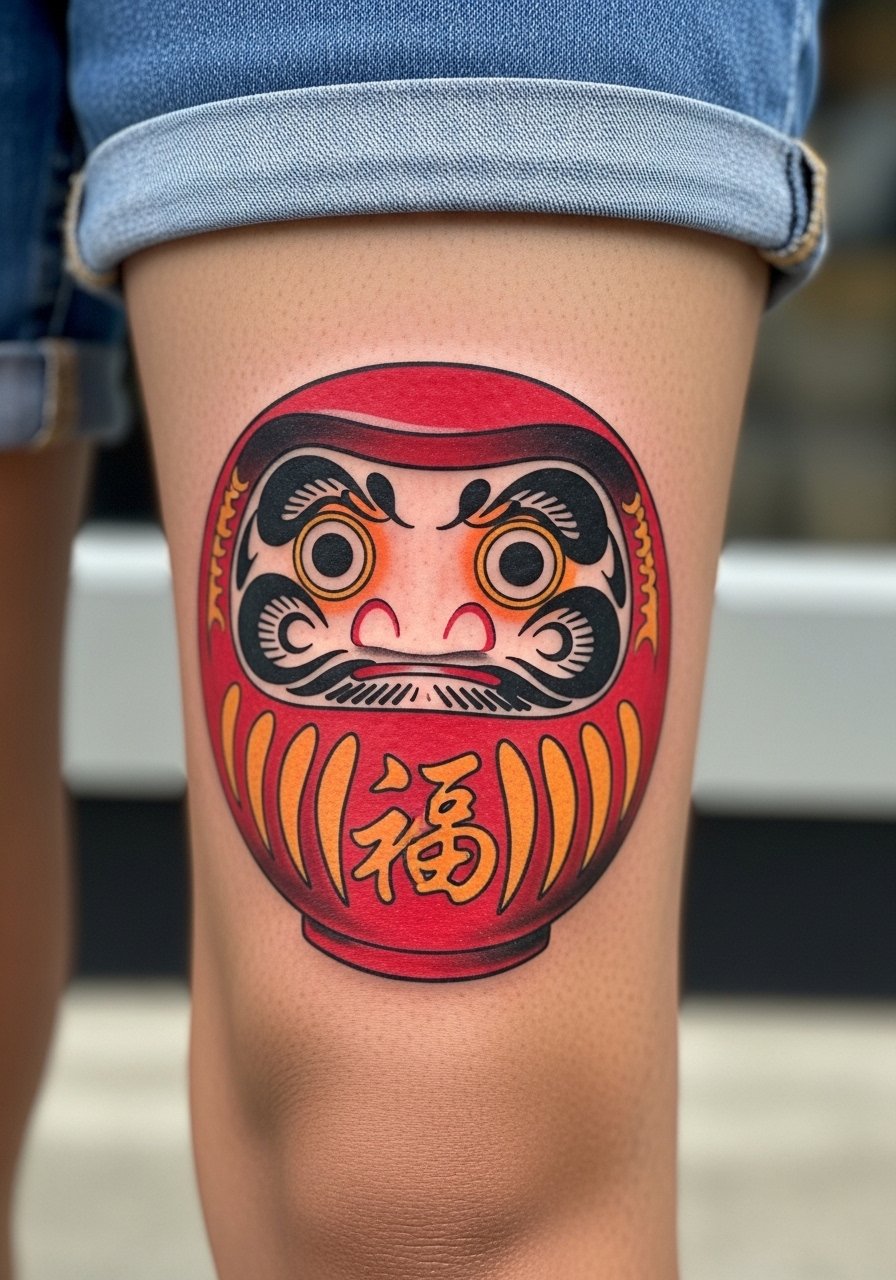
There is something about saturated traditional style that ages into strength. The calf tolerates heavier saturation and heals with less blowout than inner arm or ribs. In consultation, ask for bolder outlines and even saturation across the belly of the doll so the red reads at distance. The session feels like steady work with moderate pain, and two to three hours will usually cover linework and fill. A common error is using stipple shading for a piece meant to be bold, which can dry out the visual impact over time. Pair this with mid-length skirts or shorts to show it off when it is healed.
3. Blackwork Daruma Sleeve Accent
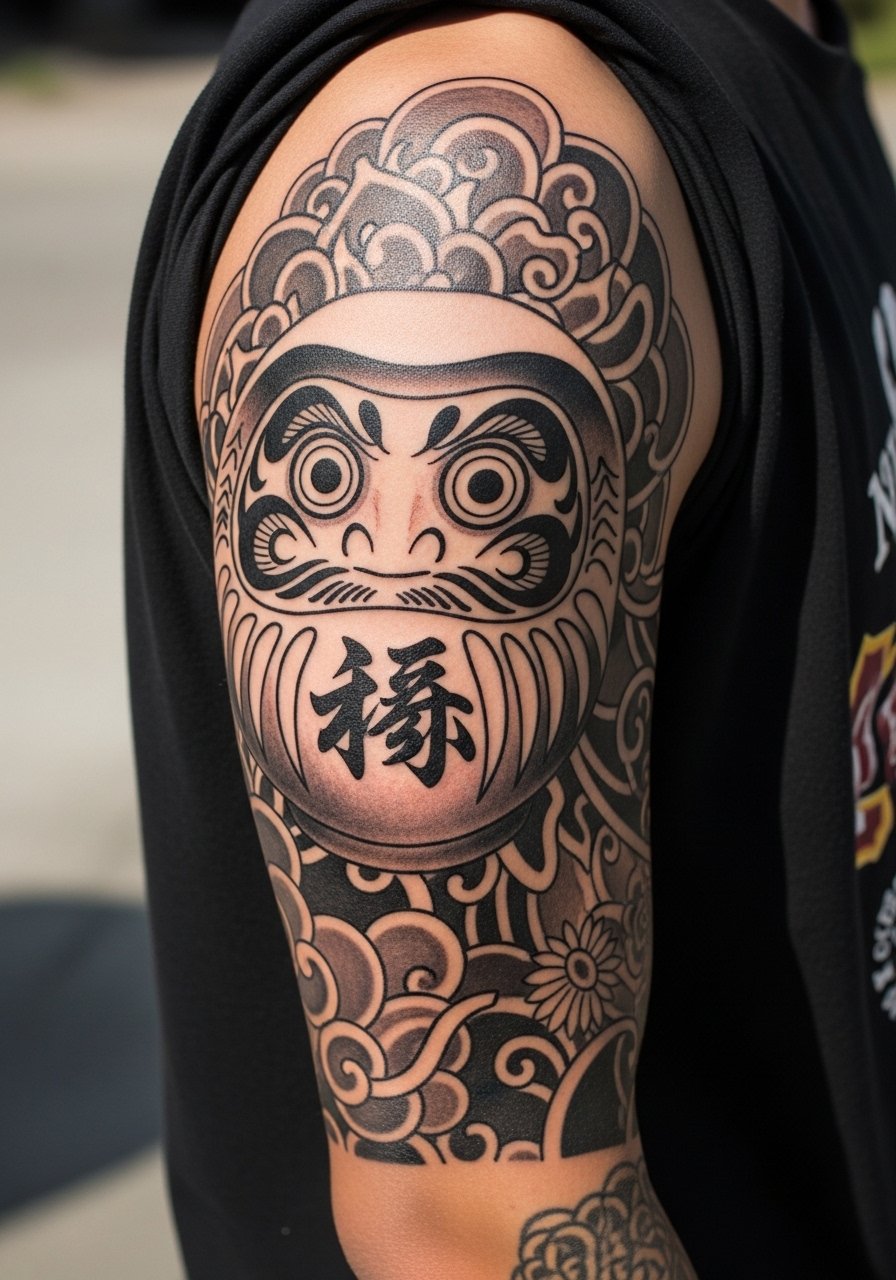
Use blackwork versions when you want a graphic look that contrasts with florals or geometric sleeves. For sleeves, place the daruma where negative space can protect the round silhouette. In the consult, request bold linework and block shadows rather than fine stipple in high-motion areas. This placement takes multiple sessions. Expect heavier vibration and longer sessions as the artist builds saturation. One mistake is crowding the daruma too close to existing high-detail pieces. Give it breathing room so the round face does not compete with other elements. For showing off, short sleeve shirts or a rolled sleeve keep the composition clear.
4. Watercolor Daruma on Chest Near Collarbone
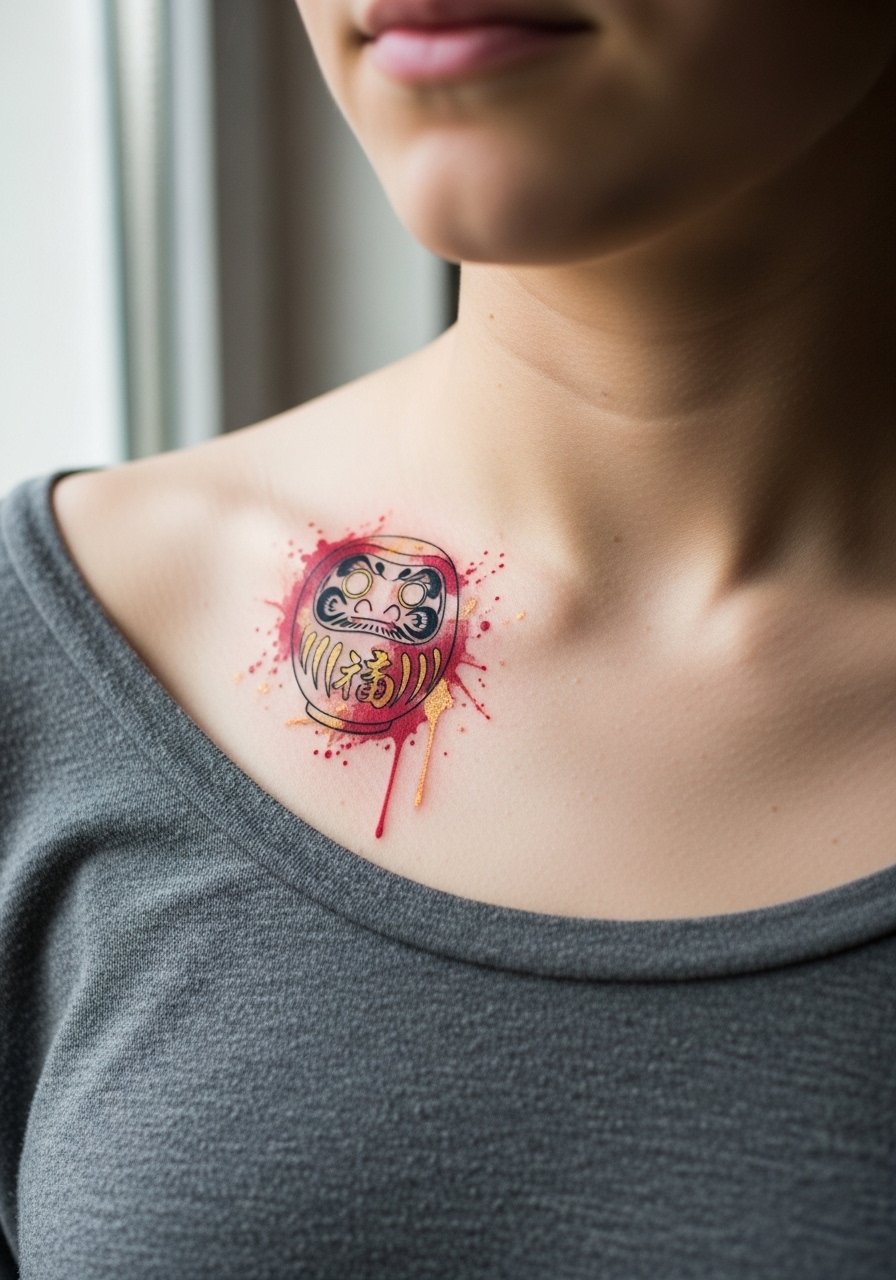
A watercolor palette softens the talisman vibe while keeping symbolic color. Chest placements, especially near the collarbone, move with breathing and torso changes. Artists split on fine watercolor near bones. One camp says loose watercolor blends better over time. The other camp wants defined outlines to protect composition. Ask your artist where they stand and plan touch-ups accordingly. Sessions are often two to three hours and may sting when over bone. Show-off styling includes open-neck blouses and delicate pendants that sit above the daruma without competing.
5. Tiny Daruma Behind the Ear, Hairline Framed
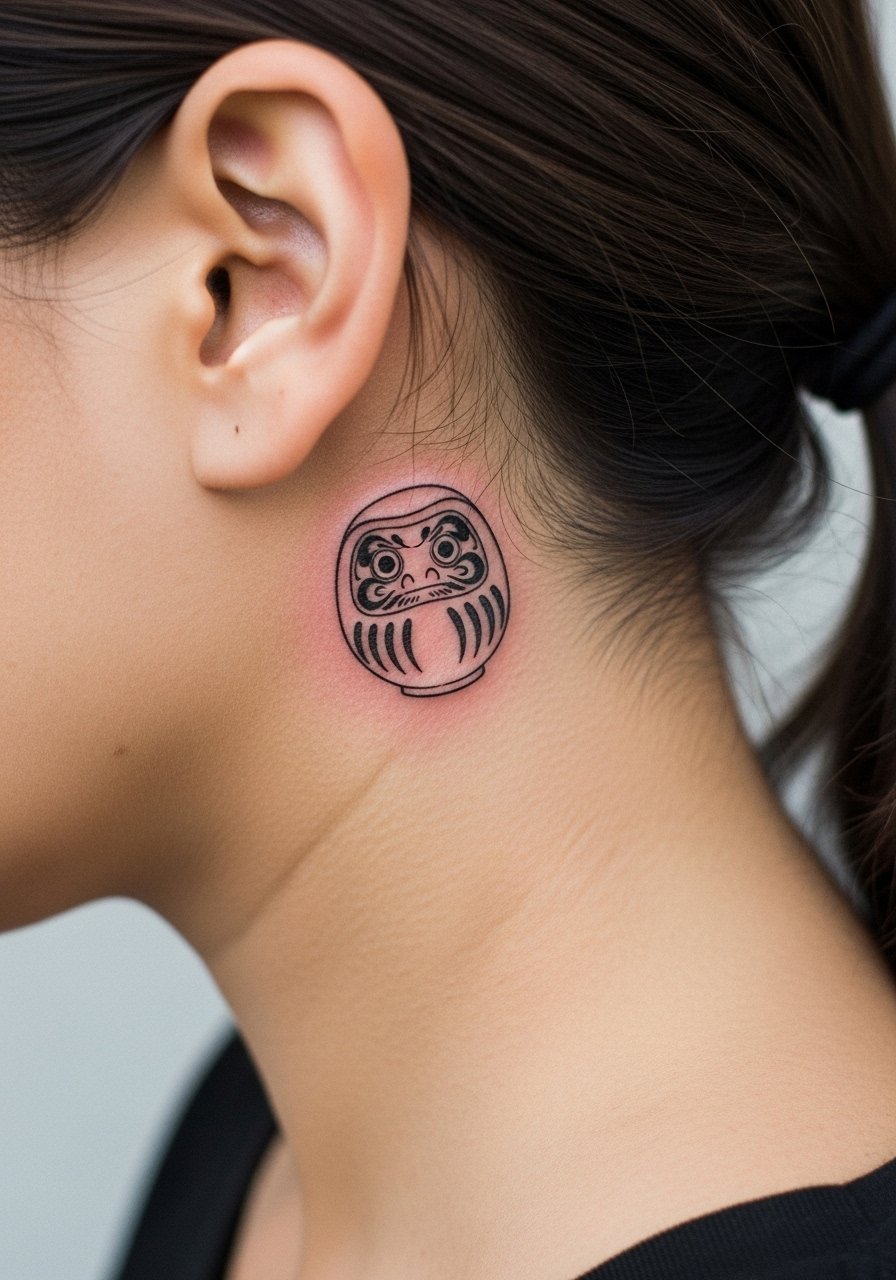
This spot reads intimate and discreet. Behind-ear tattoos need precise lineweight because the skin there is thin. Ask for simplified features, larger eyes, and reduced facial detail so the design stays legible as the tiny lines relax. The session is brief and sharp for pain. Expect light needle vibration and a quick touch-up at year one. Hand this placement to an artist experienced with small script or micro-work. For the appointment wear your hair up and bring a loose button-down so the artist can access the area without tugging.
6. Geometric Daruma with Mandala Halo on Upper Arm
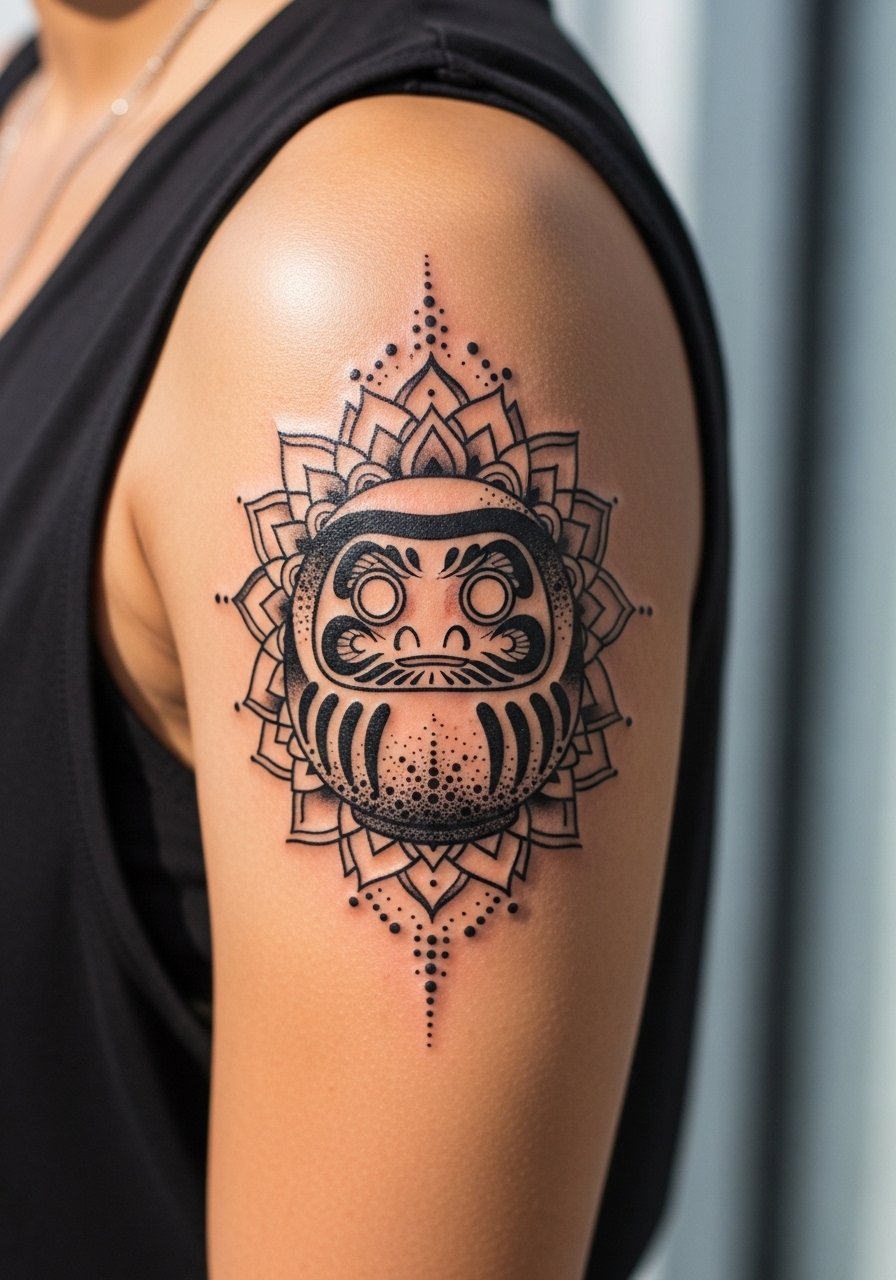
Pairing geometric elements with the daruma offers structure that helps the piece age. When discussing this, request alternating line weights and stipple shading in the halo so dense areas do not compress. This piece feels moderate on pain and often finishes in a two to three hour session. A common aging mistake is packing the mandala too tight around the daruma. Keep negative space between elements. For showing it off wear sleeveless tops or a tank and consider a loose button-down shirt you can pull aside for revealing the upper arm.
Studio Day Picks
The wrist, calf, and collarbone pieces above all benefit from little bits of prep and protection during the first week.
- Stencil transfer paper kit. Lets you preview the placement on skin before the chair time, which is especially useful for wrist and collarbone daruma layouts.
- Topical numbing cream. Applied per instructions about 45 minutes before the session helps with sensitive spots like the sternum or ribs without altering linework.
- Thin protective film roll. Useful for tattoos on hands and ankles to reduce friction from socks and shoes during the first 48 hours.
- Fragrance-free body wash. Gentle cleansing supports healing for larger saturated pieces like calf or chest work.
- Aquaphor healing ointment. Thin layers in the first days help lock in moisture for fine line details without suffocating the skin.
7. Single-Eye Daruma Micro on Finger
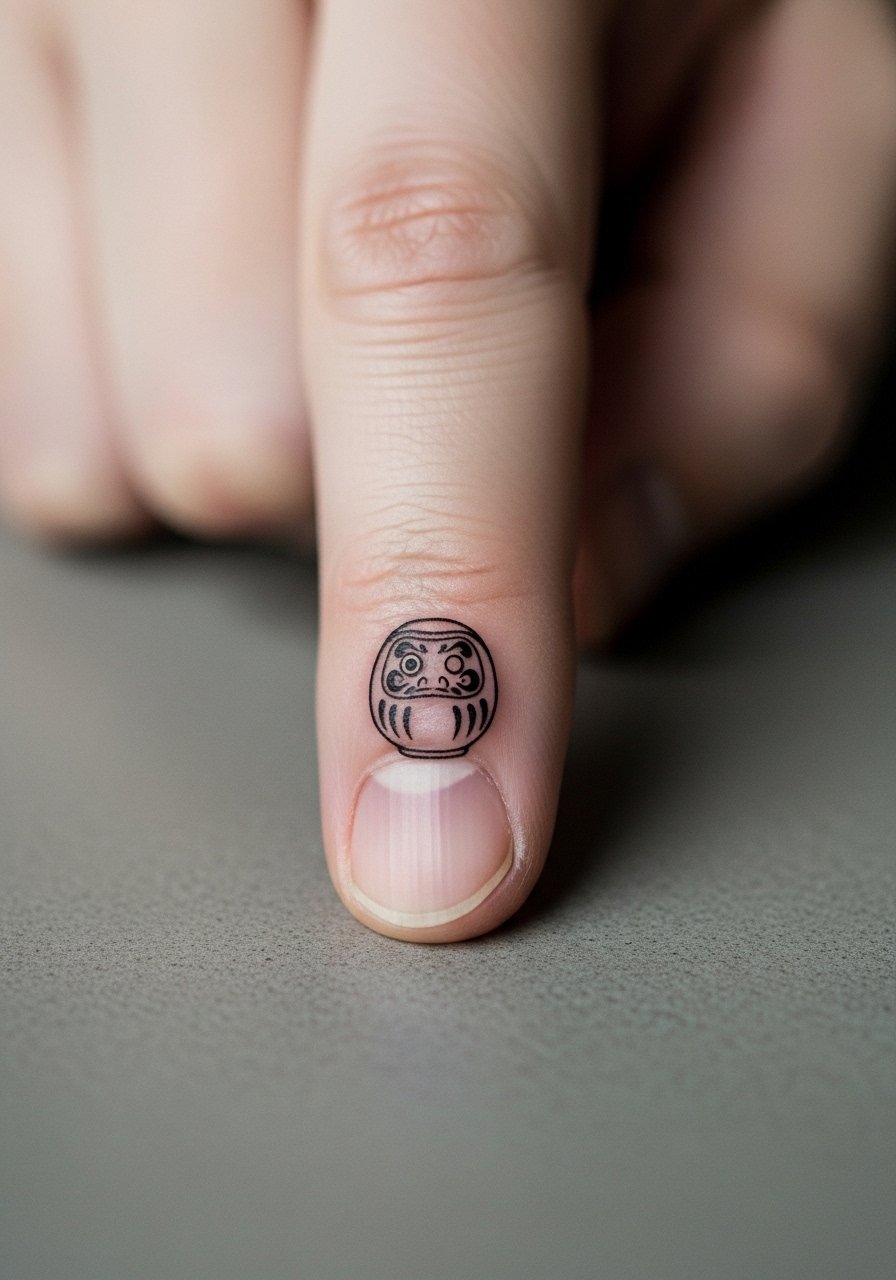
Finger placements are brave and visible, but the skin there heals differently from the forearm. A single-eye daruma compresses the traditional form into a symbol that still reads from a short distance. Be ready for faster fading and a likely touch-up at year one. Ask your artist for slightly increased line weight and to avoid needle depth that is too shallow, which can lead to early loss of pigment. The session is quick and sharp. A top mistake is asking for micro details that cannot survive the daily abrasion of hand use. For evenings out, a thin ring or dainty bracelet pairs without taking attention away.
8. Large Back Daruma with Koi Integration
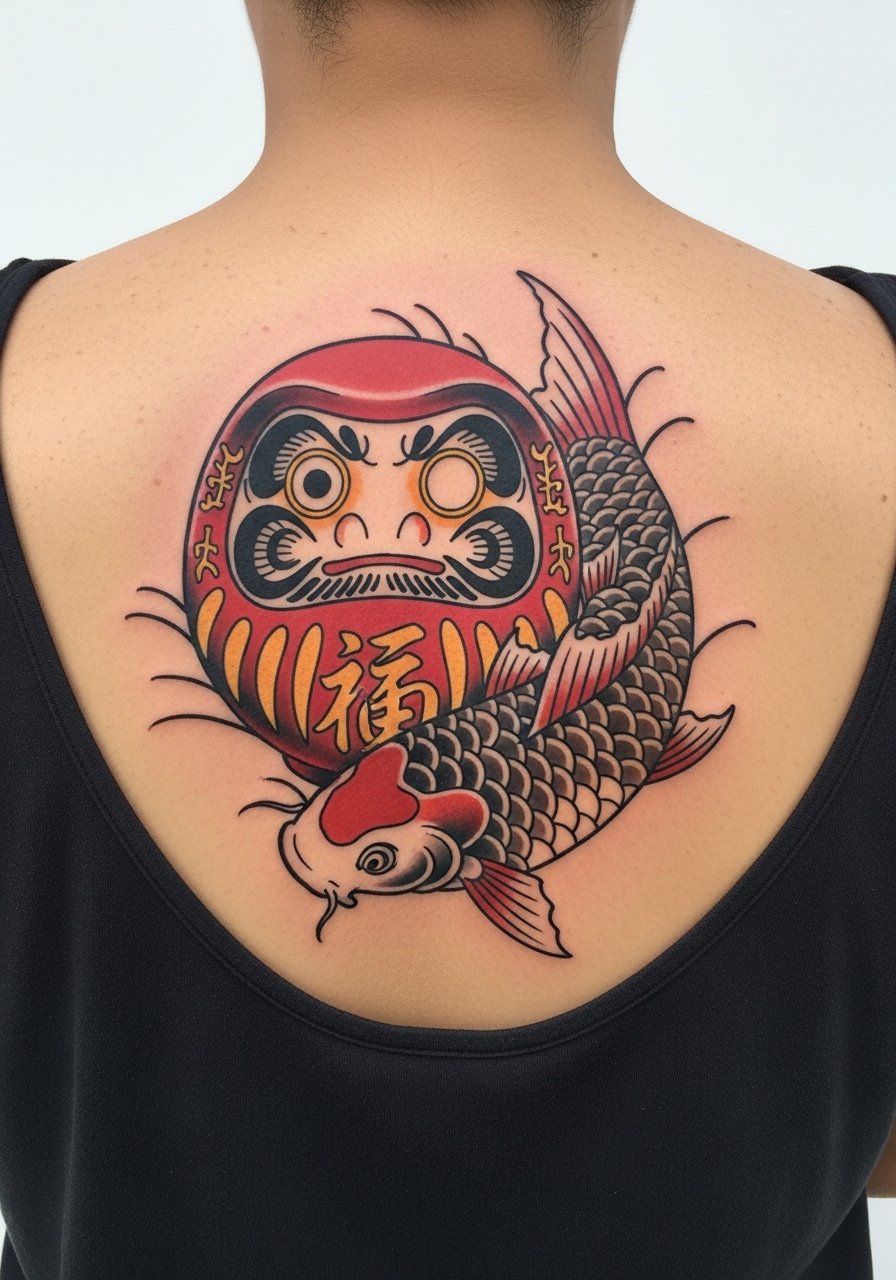
Take big symbolism to the back when you want a dramatic piece that can be hidden or revealed. When pairing a daruma and koi, discuss flow with the artist so the fish motion supports the round daruma shape. Back work takes multiple sessions and more time under the needle, expect moderate pain over muscle and longer healing windows. A common error is not accounting for how clothing straps can rub during healing. For the session wear a loose tank top you can move aside and at reveal time pair with open-back garments that emphasize the central placement.
9. Tiny Daruma on Ankle with Constellation Accent
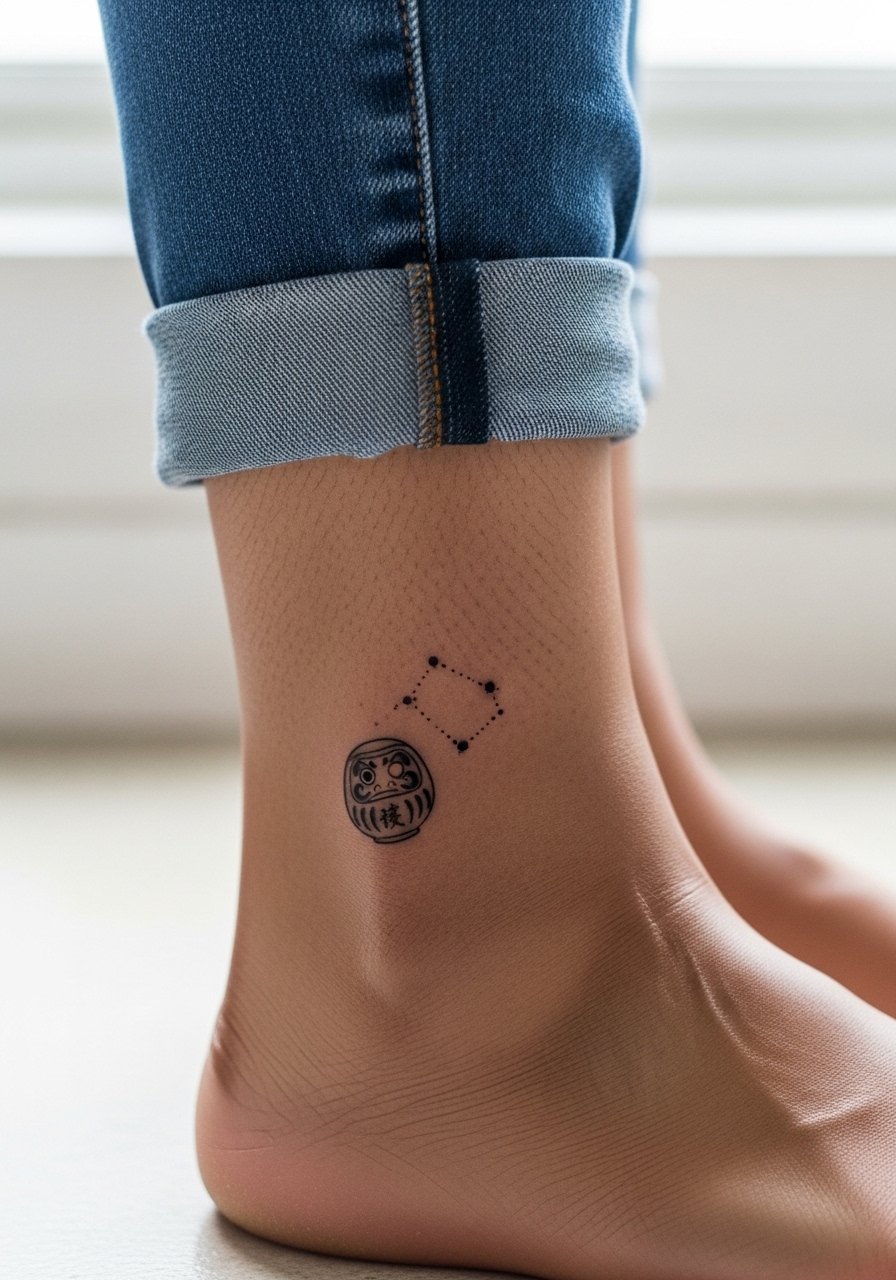
Ankle tattoos take a beating from socks and shoes. Small daruma designs can survive if kept simple and placed where fabric friction is minimal. During consultation, ask for a slightly higher line weight and avoid dense color near edges that touch footwear. The session is short but the area is sensitive when close to bone. Expect a touch-up in year two for crisp dot work in the constellation. For showing it off, wear jeans rolled up or strappy sandals that keep the ankle visible without constant rubbing.
10. Sternum Daruma with Fine Script Below
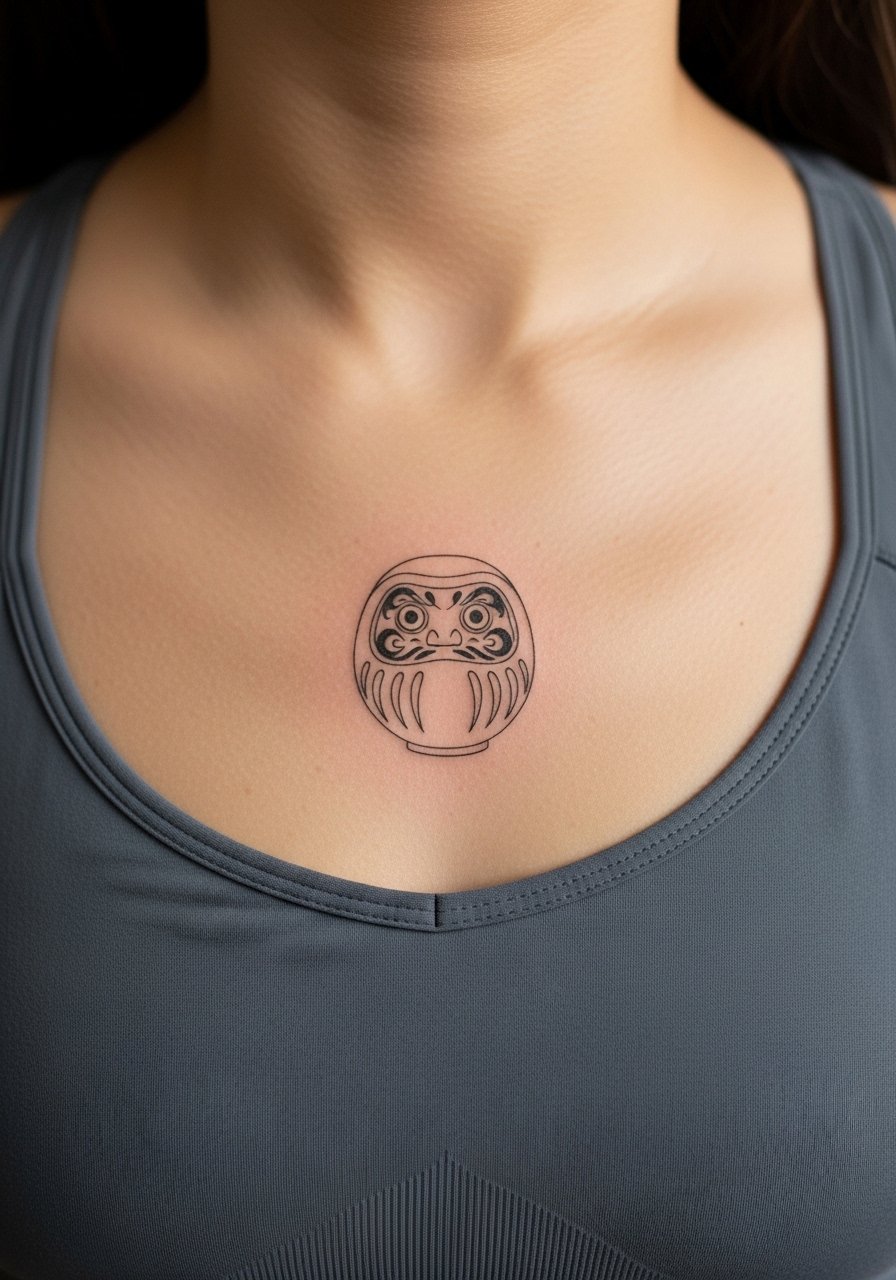
Sternum placements require extra planning. The skin stretches and moves with breathing and posture. Artists split on fine line in this spot. One camp warns that tiny script and thin strokes will blur. The other camp says controlled depth and spacing make it last. Name both camps during your consult and ask where the artist stands. Sessions here can be painful for many and may take two shorter sittings. Wear a strapless or sports bra that gives clear access without tugging. For aesthetics, pair the piece with necklaces that sit just above the script so the talisman remains the focal point.
11. Sleeve Daruma Cluster with Floral Surround
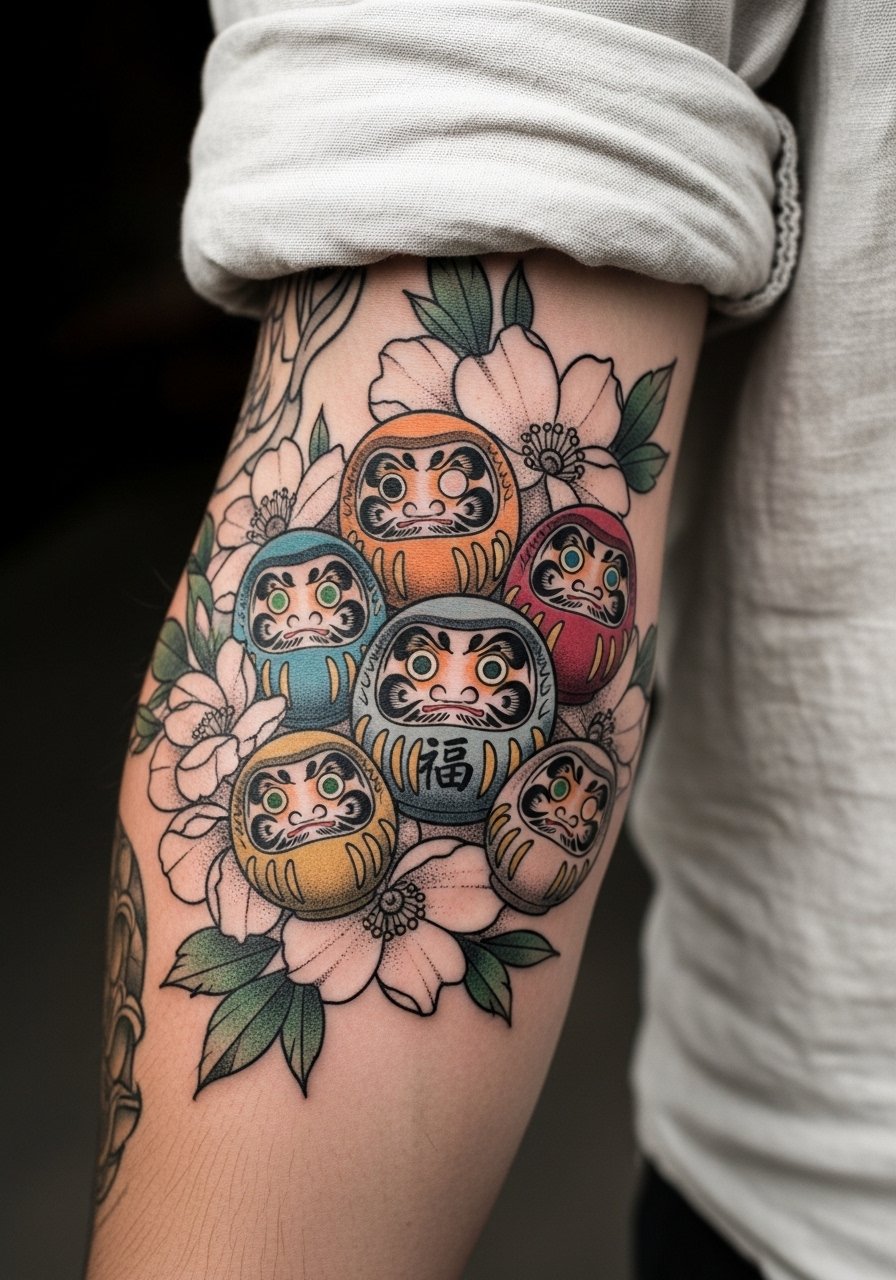
A cluster approach spreads the visual weight so no single tiny element has to carry all the detail. When you plan a sleeve cluster, tell the artist which daruma should be the focal point and which should be supporting accents. Forearm sleeves are social and visible, so expect moderate pain and multiple sessions. Common mistakes include shoehorning too many tiny motifs into a small stretch. Leave negative space around faces to avoid merging lines in two to three years. For showing off, roll sleeves and wear a racerback tank or short sleeves to frame the sleeve.
12. Neo-Traditional Daruma on Thigh with Bold Shading
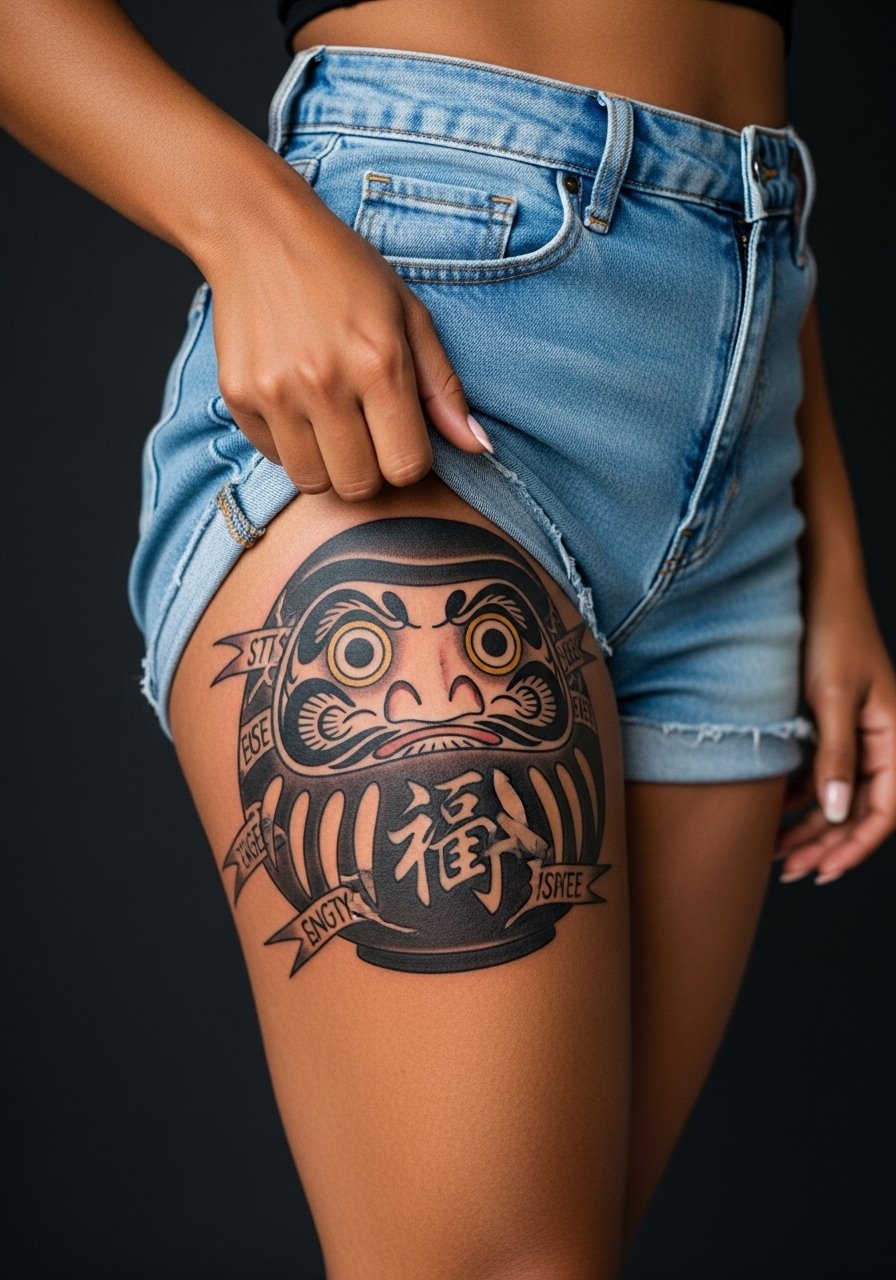
Thigh placements handle saturation very well and age slowly compared to hands. Neo-traditional detail benefits from the skin real estate and gives room for a banner or name beneath the daruma. Sessions are long and comfortable for many, because the area has more flesh and less bone. One mistake is combining too many tiny elements that later require touch-ups. Ask for clean transitions between bold fills and shaded areas. For showing it off, high-waisted shorts or skirt slits work, and a loose drawstring linen pant is good during the session so the artist can roll the leg up without pressure.
13. Hand-Back Daruma with Subtle Highlighting
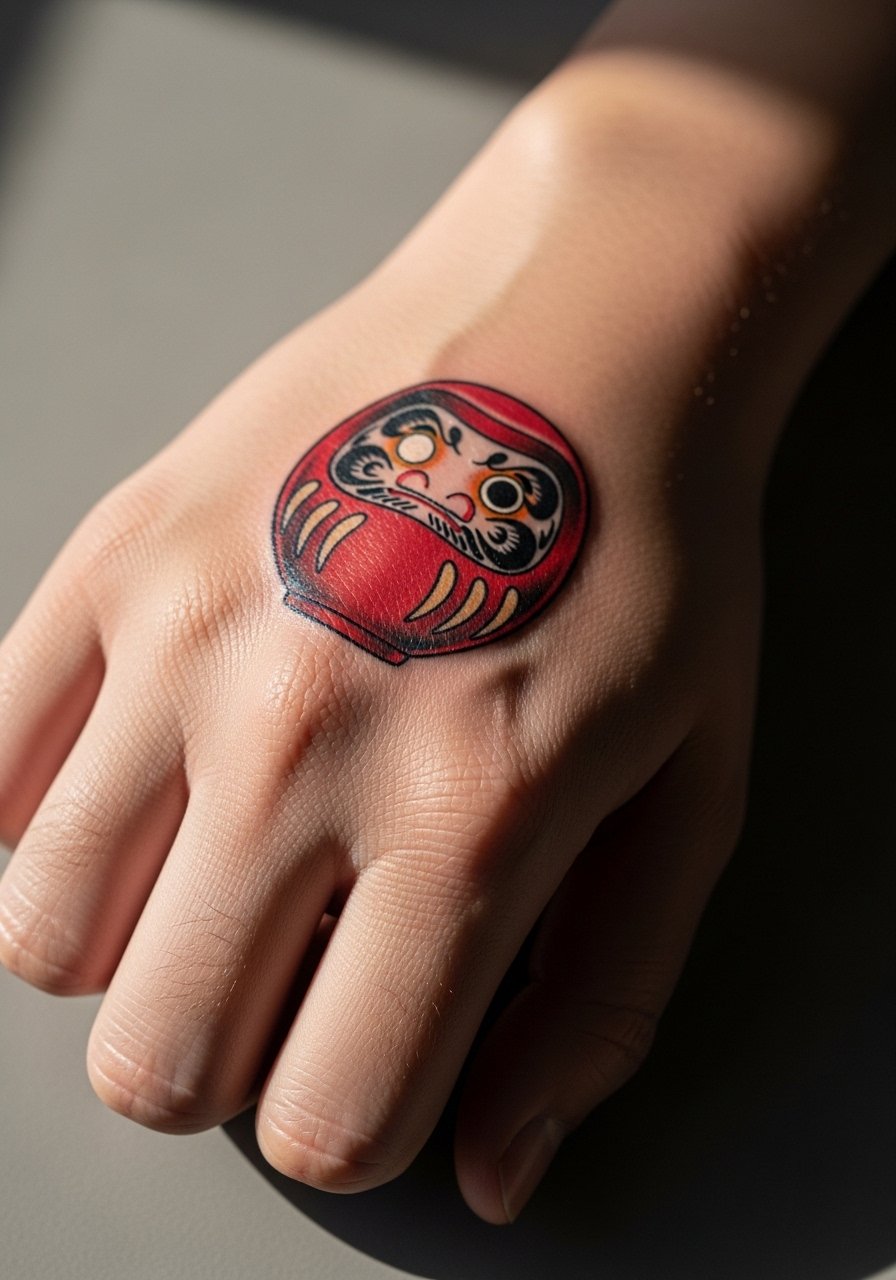
Hand tattoos are visible and carry social considerations. The skin is thin and exposed to sun and frequent washing so plan for faster fading. For a hand daruma, simplify facial details and prioritize bold linework and clean negative spaces. The session is sharp and typically quick. Expect touch-ups at around year one or two. Include a note in the consult about your job and how visible tattoos might affect it. For a quick show-off look, keep a dainty ring or thin bracelet that frames without competing.
14. Collarbone Daruma with Delicate Chain Pairing
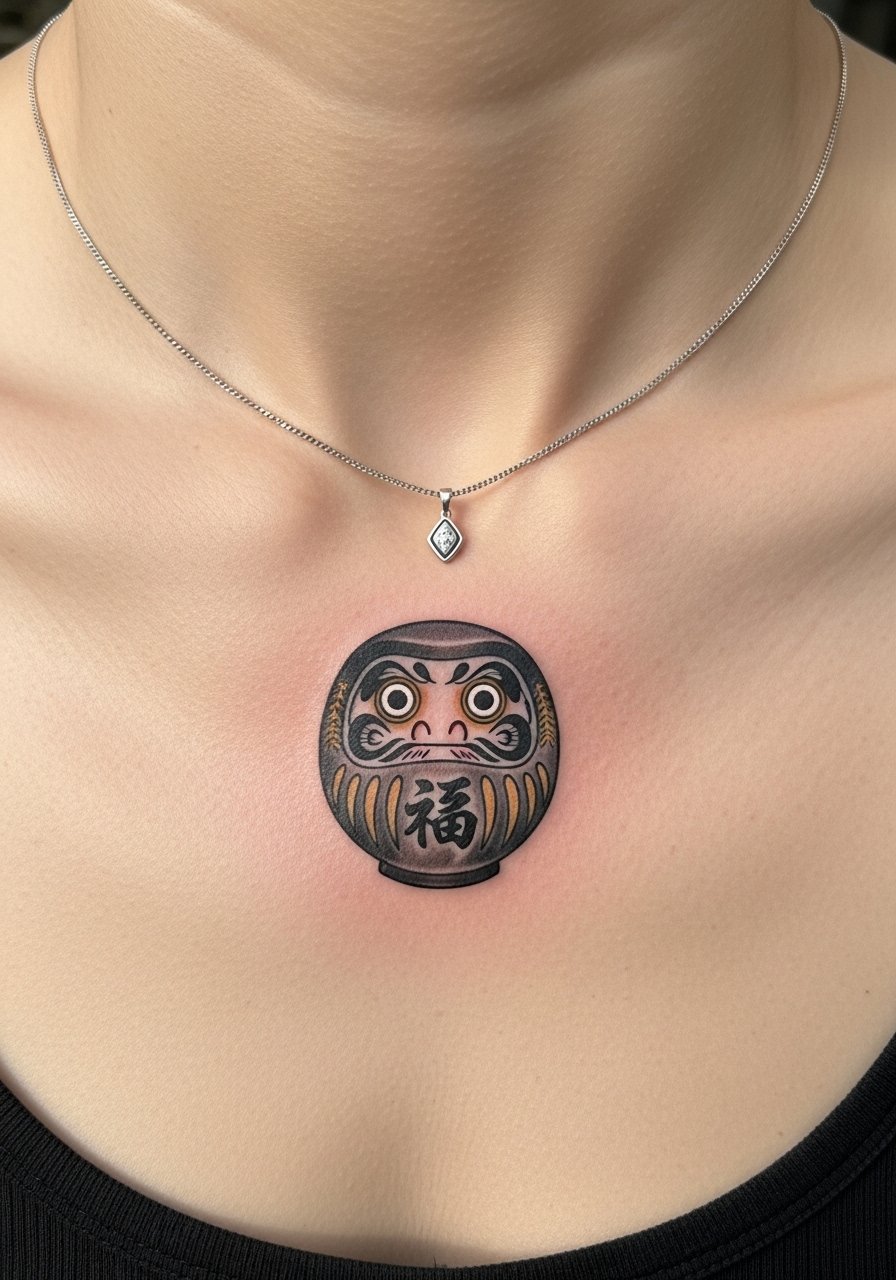
Collarbone daruma reads as personal and visible. Lineweight matters because bone proximity changes how ink sits. Ask for a slightly bolder outline around the face and reduced internal detail. Pain is higher when needles cross the bone. Sessions are usually under two hours. A common mistake is placing text too close to the round shape. For showing it off, layer a thin chain pendant necklace above the design so attention sits between jewelry and tattoo rather than competing.
15. Inner Bicep Daruma with Script Arc
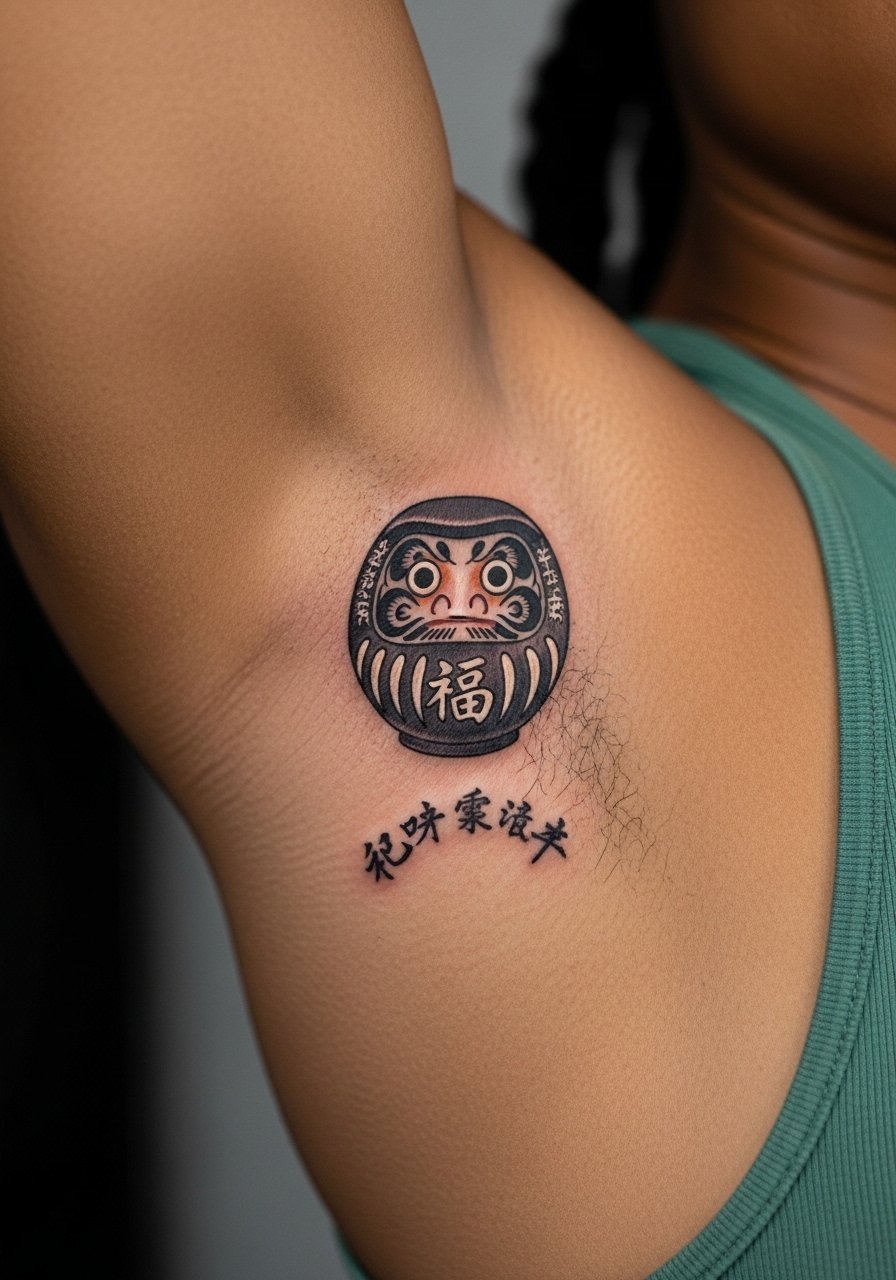
Inner bicep pieces are intimate and age predictably if the artist spaces lines correctly. The skin here is softer and prone to stretch with muscle changes. In the consult, say you want moderate spacing and avoid ultra-fine internal lines. Sessions can be more tender because of the skin texture. A common mistake is packing too much script under a small daruma. For the appointment wear a loose tank or sleeveless top so the artist can move the arm without tugging, and later show it off with rolled sleeves.
16. Hip Daruma Peeking from Swimwear
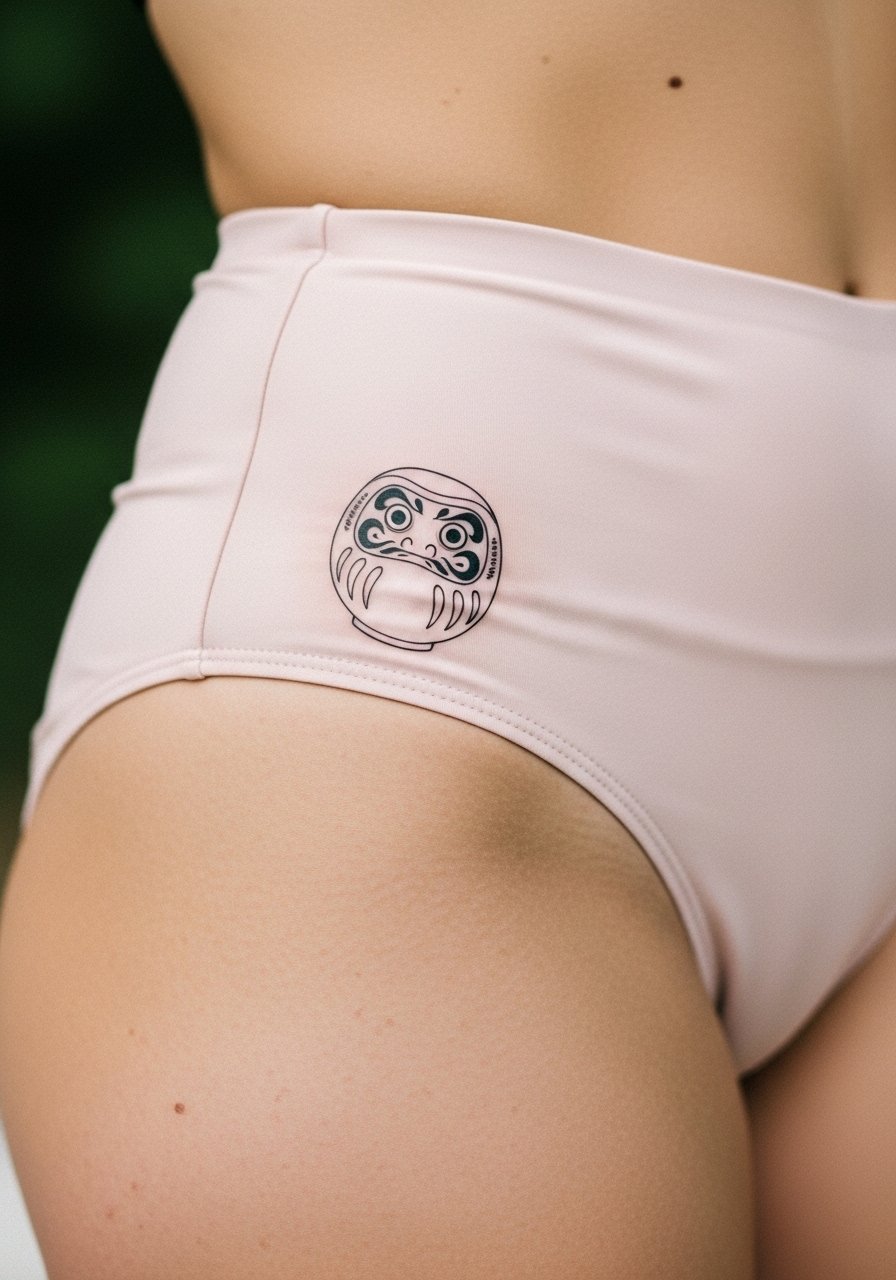
Hip placements are sensual and can be easily hidden under clothing. The area tolerates detail but needs planning for how garments will sit on the design during healing. Tell the artist you plan on wearing high-waisted pieces so they can place the daruma slightly higher or lower to avoid constant fabric contact. Sessions here are moderate on pain as the area nears bone at times. A mistake is not considering how waistbands will press into the area. For session comfort choose loose bottoms and during recovery avoid tight waistbands.
17. Calf Portrait Daruma with Stipple Shading
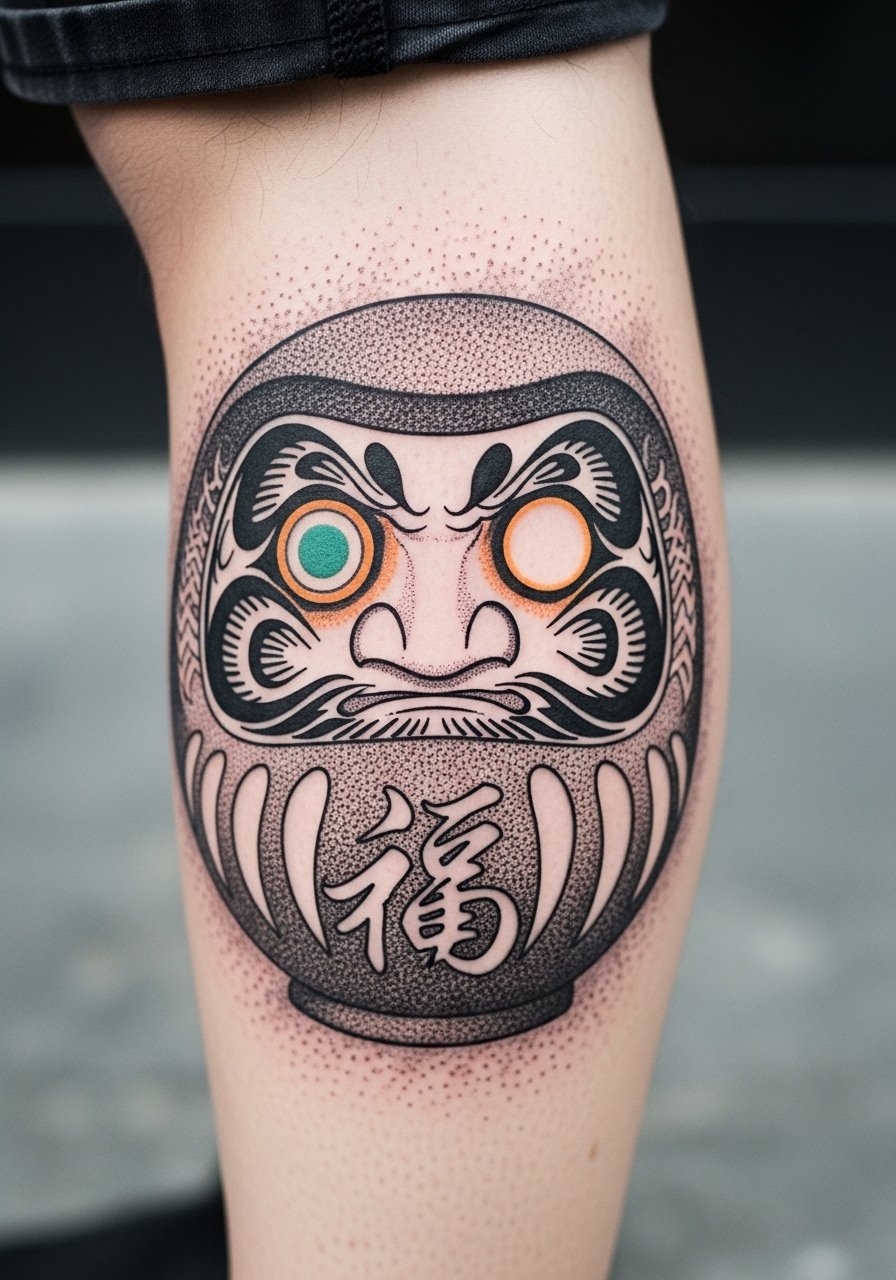
Calf placements are durable and excellent for portrait-like daruma faces that use stipple shading. Request careful stipple density so shaded zones do not compress into solid blocks over time. Sessions are longer and the area tolerates consistent saturation. Common mistakes include overworking stipple into heavy fill that becomes muddy. For showing it off wear skirts or shorts and consider a loose drawstring linen pant for the appointment so the artist can roll the leg up without pressure on the piece.
Frequently Asked Questions
Q: Do fine line daruma tattoos on the ribs hold up long term?
A: Fine line on ribs divides artists into two camps. One camp argues the skin stretch and movement cause lines to blur within a couple of years. The other camp says correct needle depth and spacing prevent that issue. It depends on your anatomy and the artist's experience with rib work, so discuss touch-up expectations in the consultation.
Q: How often should I expect touch-ups for small hand or finger daruma tattoos?
A: Hands and fingers face more friction and sun exposure so touch-ups are common around year one or two. Plan for at least one revisit and budget time for a small boost rather than expecting permanent crispness without maintenance.
Q: Will a watercolor daruma fade differently than a traditional red daruma on the chest?
A: Yes. Watercolor relies on softer saturation and subtle blends that often lose pop faster than bold traditional fills. On chest and collarbone, heavier outlines protect shape. If you want the watercolor look but longer life, ask your artist to add modest outlines around key features.
Q: What should I wear to a sternum session for a daruma with script?
A: Wear a fitted sports bra or zip-up hoodie you can remove easily so the artist has clear access without tugging. Comfortable clothing that you can pull or unzip keeps the session smooth and respects the artist's workspace.
Q: How do I find a tattooer who understands daruma designs and placement issues?
A: Look through artist directories, shop portfolios, convention guest lists, and community threads on forums to find someone with work in similar styles. Ask to see healed photos of comparable placements and talk about touch-up timelines during the consult.
