
Fine line tattoos look irresistible on swipeable grids, but the reality is not every whisper-thin design survives a summer of sweat and short sleeves. The trick for outer forearm work is picking line weight and placement that read fresh at six months and still clear at year three. Below are 21 small outer forearm ideas that balance current trends with real-world longevity, plus what to tell your artist and what to wear the day of the session.
1. Fine Line Floral Branch on Outer Forearm
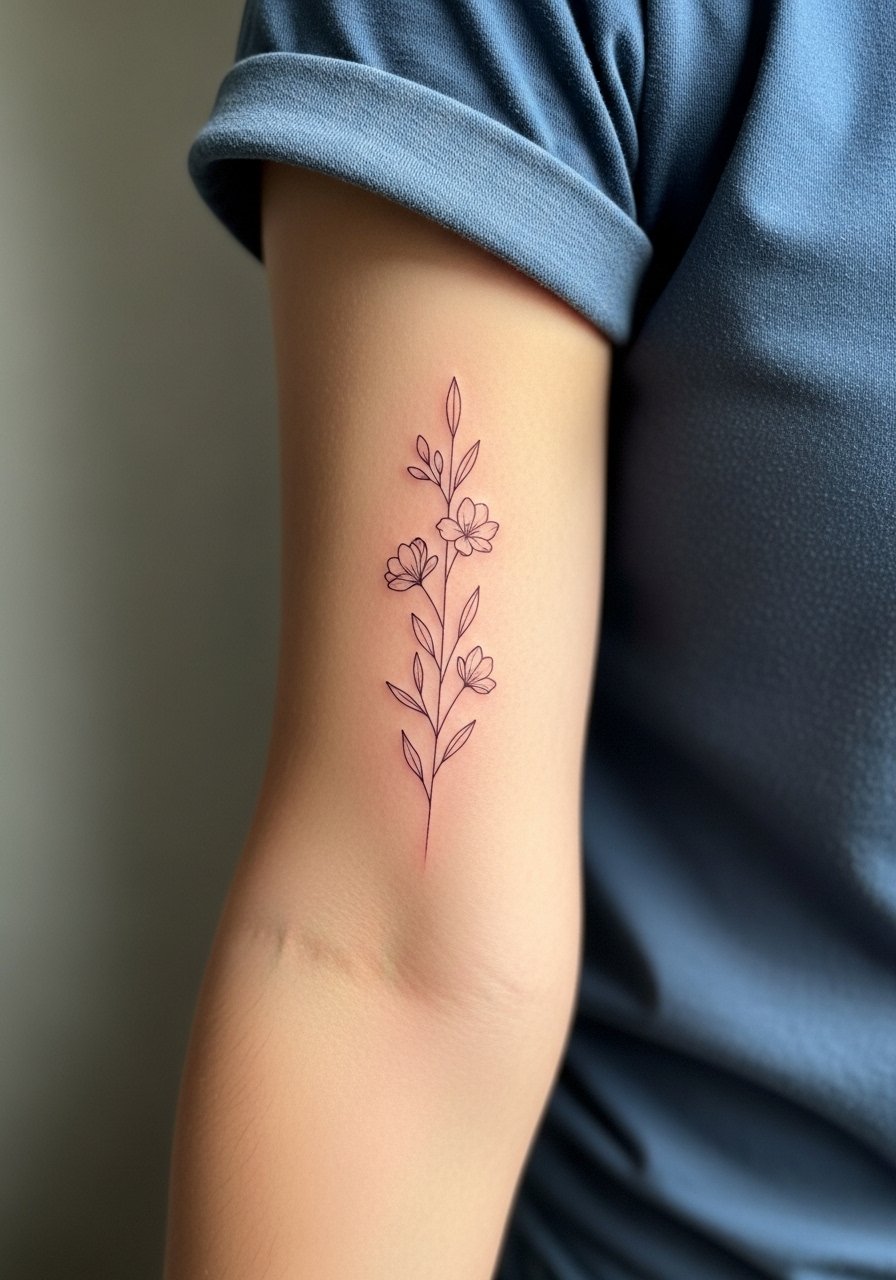
I see this one on clients who want nature motifs without crowding the arm. Tell your artist you want slightly heavier main stems with thinner offshoots so the central line holds up over time. A common mistake is asking for every petal to be whisper-thin, which tends to blur first. Expect a single session about 45 to 75 minutes and a touch-up window at six to twelve months if lines soften. For the session wear a sage green linen tank so the artist has full access and you stay cool.
2. Minimalist Wave Outline Mid-Forearm
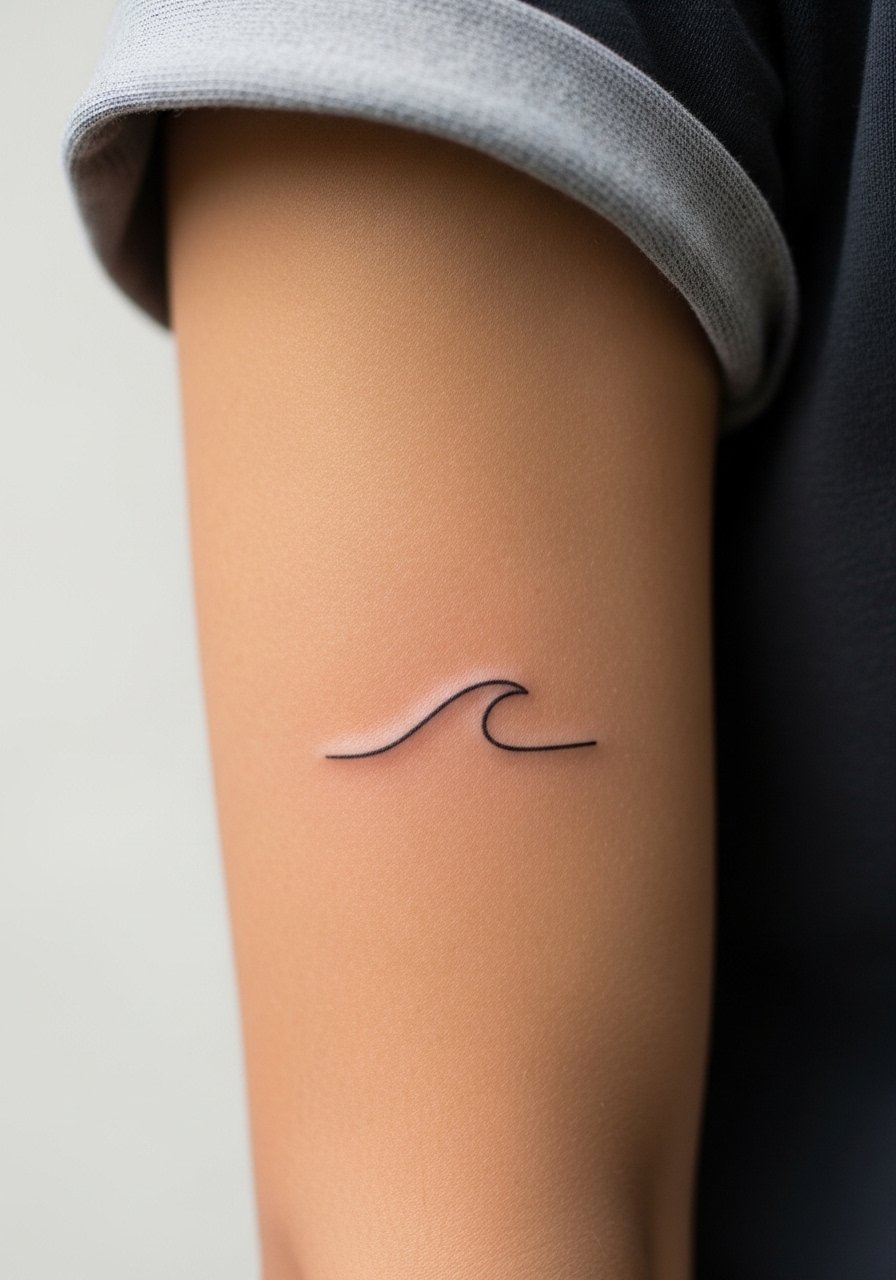
This tiny ocean line works great for first-timers who want a symbol that reads in short sleeves. During consultation, specify width and peak count to avoid a design that looks too cramped when you move your wrist. Pain is mild, like a strong sunburn, and most artists finish it in a single short session. It will hold better if the line is medium weight rather than microscopic. For showing it off, try a casually rolled denim button shirt women so the wave peeks out without competing with jewelry.
3. Dainty Script Quote Curved Along Outer Forearm Upper
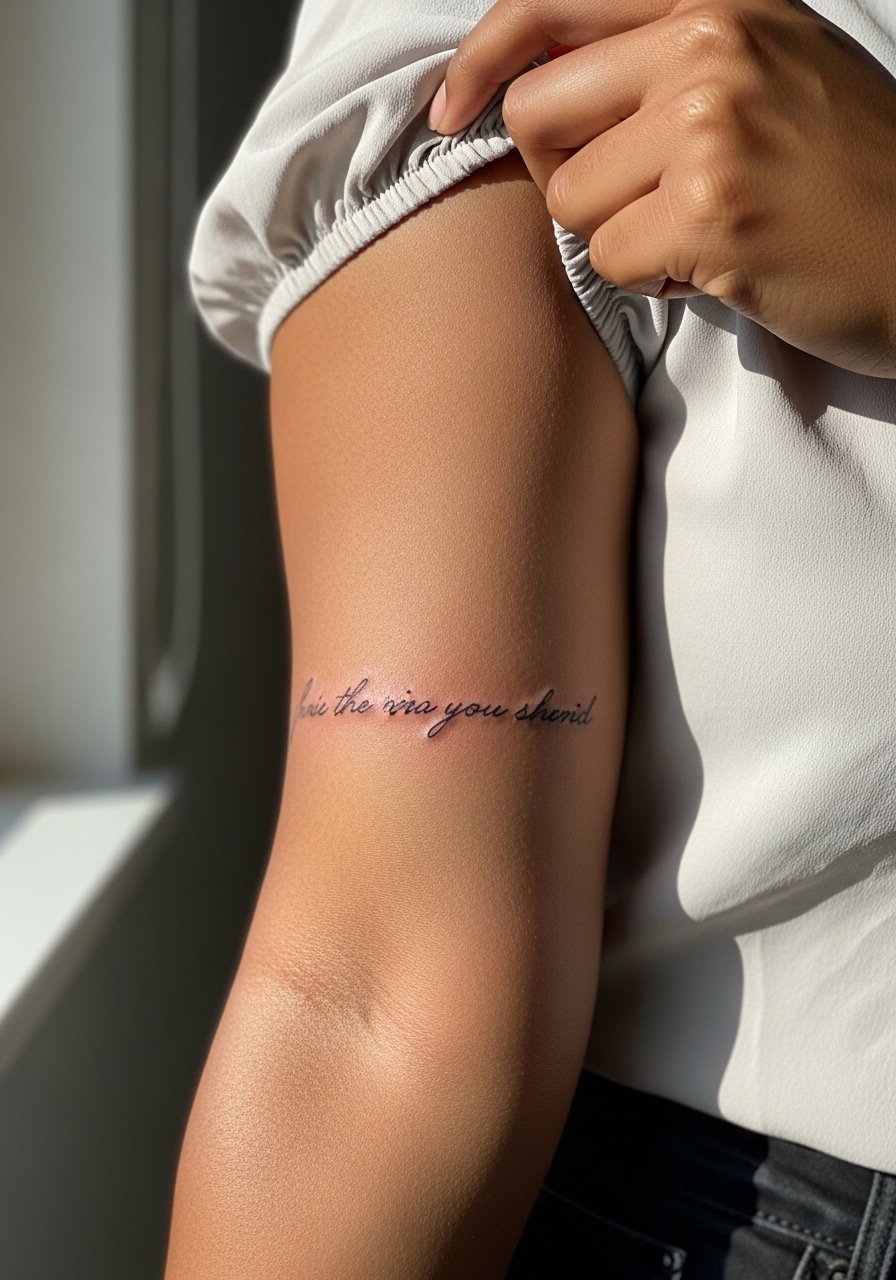
A curved three-inch phrase reads beautifully when the line weight matches your skin tone. A frequent error is requesting the same micro cursive seen on pale skin without testing on darker tones first. I tell people to bring reference photos of lettering on similar skin, and to ask for slightly bolder strokes if their skin is medium or dark. Heals like a sunburn the first week. For outfits, a thumbhole cashmere sweater rolled to mid-forearm frames the quote without smudging it under fabric.
4. Micro Geometric Dotwork Cluster Near Wrist
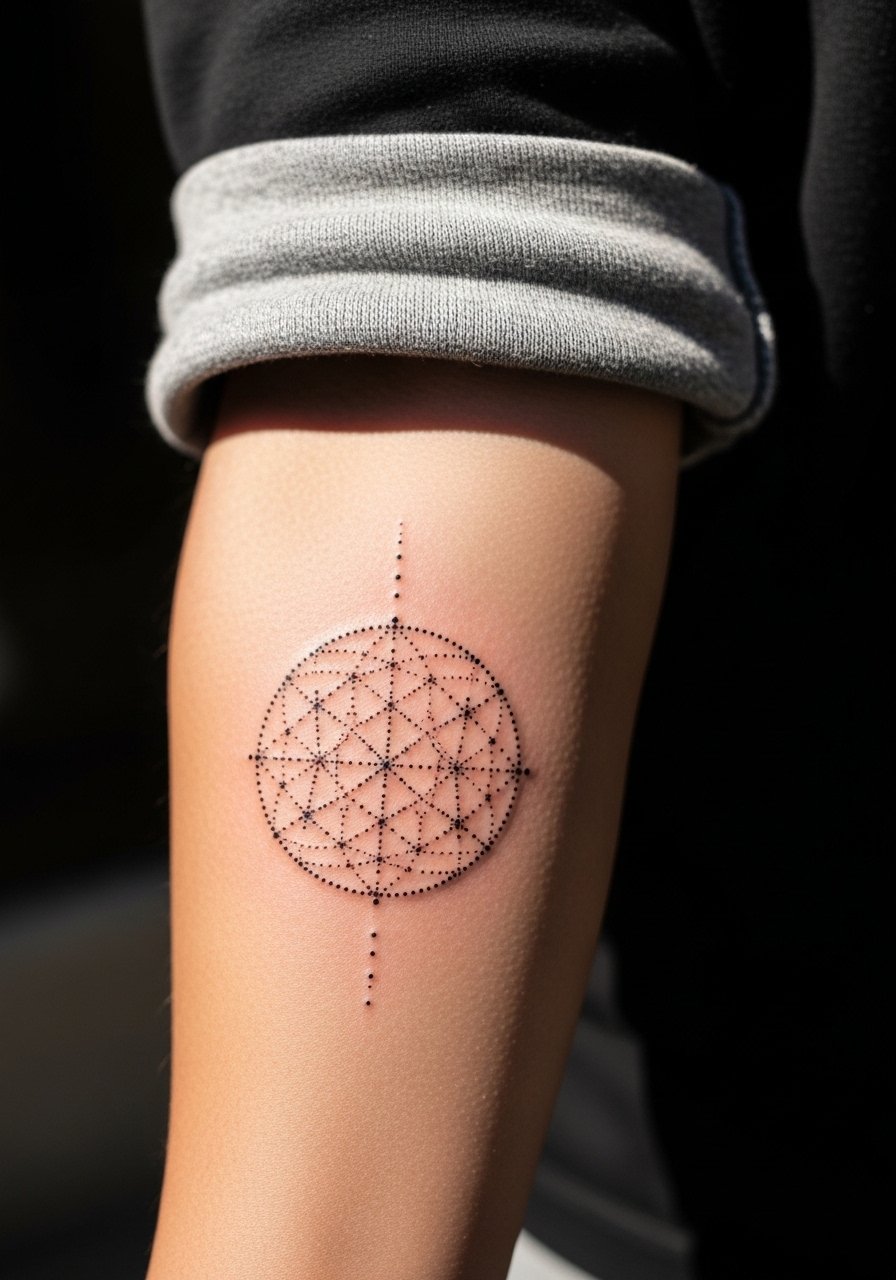
Dotwork reads hypnotic when spaced correctly. The biggest mistake is packing too many dots into a tiny area. Ask for a test grid on stencil so you can see spacing before the needle touches skin. Expect a single session under an hour. On darker skin tones consider slightly larger dot spacing for contrast. For evening looks try a tailored french cuff blazer women with the cuffs half-unbuttoned so the cluster shows when you move.
5. Single Line Butterfly Along the Outer Edge
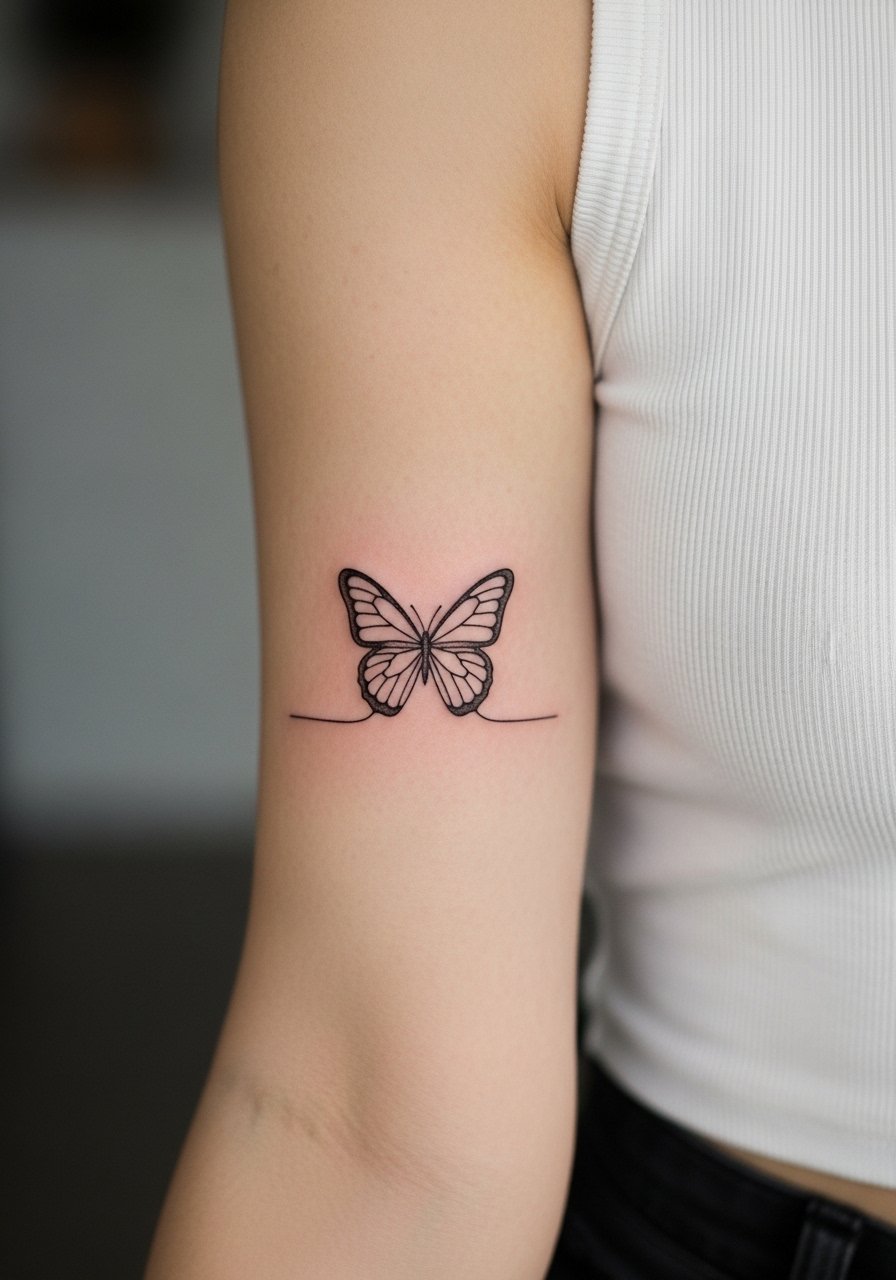
A one-stroke butterfly has movement and minimal bulk. Request the artist trace the wing proportions on your arm with the stencil to make sure it opens in the direction you prefer. The common fail is too-small wings that lose their shape after healing. This piece usually takes under an hour and will benefit from a light touch-up at the year mark if you sweat a lot in summer. For show-off wear a cream linen peasant blouse with sleeves pushed up so the wing sits against soft fabric.
6. Ornamental Vine Cuff Wrapping Partway Around

Vine cuffs are popular because you can expand them later. Tell your artist you want repeatable modules rather than a single continuous thin line so the pattern resists blowout. The error I see most is starting with too-close repeats that merge after a year. Expect two short sessions if you want gray shading. For evenings layer slim rings and a stack of thin stackable rings on the opposite hand so the cuff frames without crowding the wrist.
Pack Smart
These first six forearm looks test everything from thin scripts to wrap cuffs, so a few session-day items keep the process smooth.
-
CeraVe Healing Ointment. A non-greasy option that users report breathes better than heavier balms for forearm spots that sweat.
-
Frida Skin Soother. Thinner than some balms, handy if you itch during summer heals on exposed forearm work.
-
Australian Gold Aftercare. Popular in dry climates for keeping fine line pieces from locking under shiny ointments.
-
Tattoo Goo. Artists sometimes recommend this for fine line retention on normal to dry skin.
-
Second Skin Saniderm roll. Useful for short windows when you need sterile coverage during travel or heavy sweat, but remove it if you see any pus or excessive fluid.
7. Tiny Constellation Cluster Centered on Outer Forearm
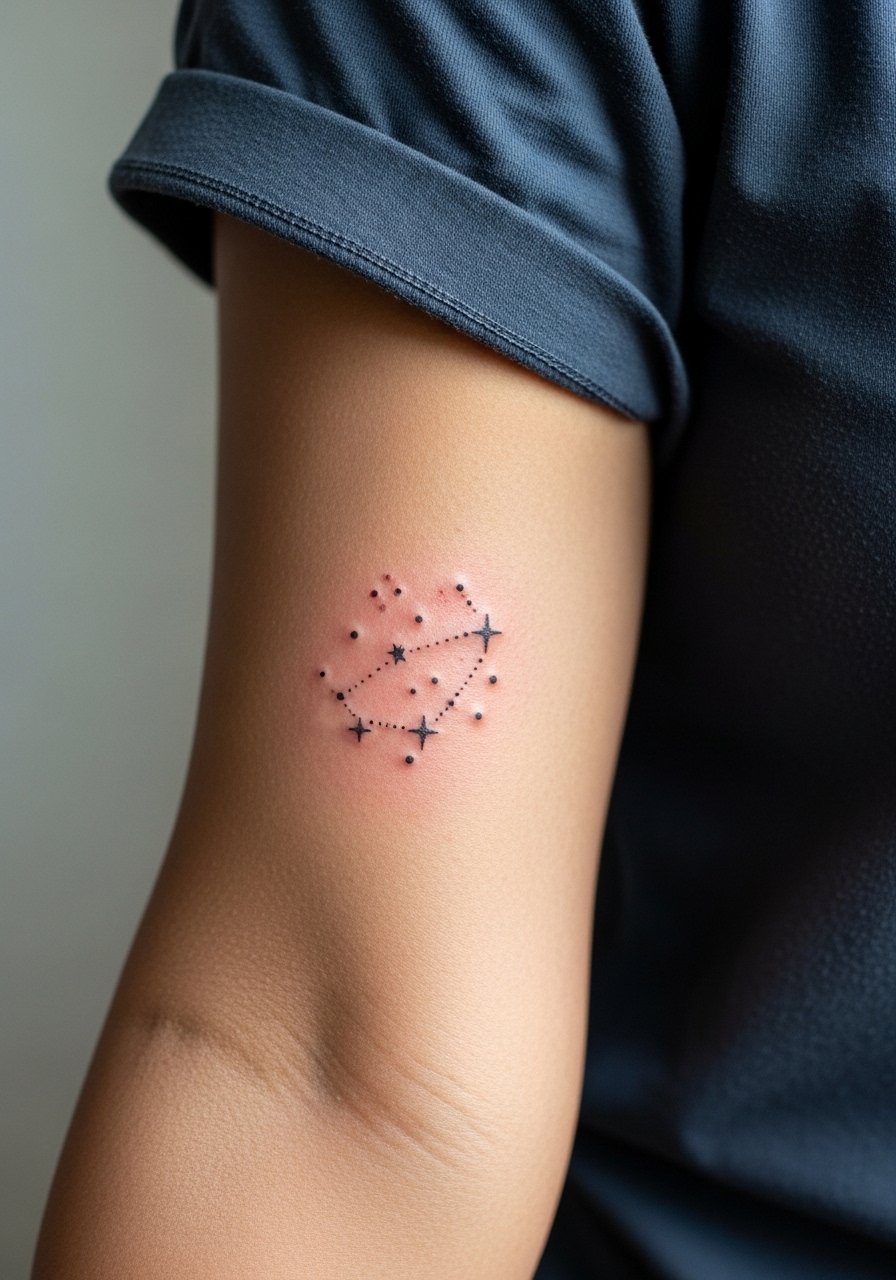
Celestial clusters look modern and scale down well. Ask your artist to vary dot size and to include a small negative space star for contrast. A mistake is placing all stars at the same weight which flattens after healing. Heals in a single session but check back at six months for a touch-up if any dots fade. For days out roll your sleeves and show it off with small silver hoop earrings that echo the dots without overpowering the arm.
8. Abstract Feather Quill Running Vertically
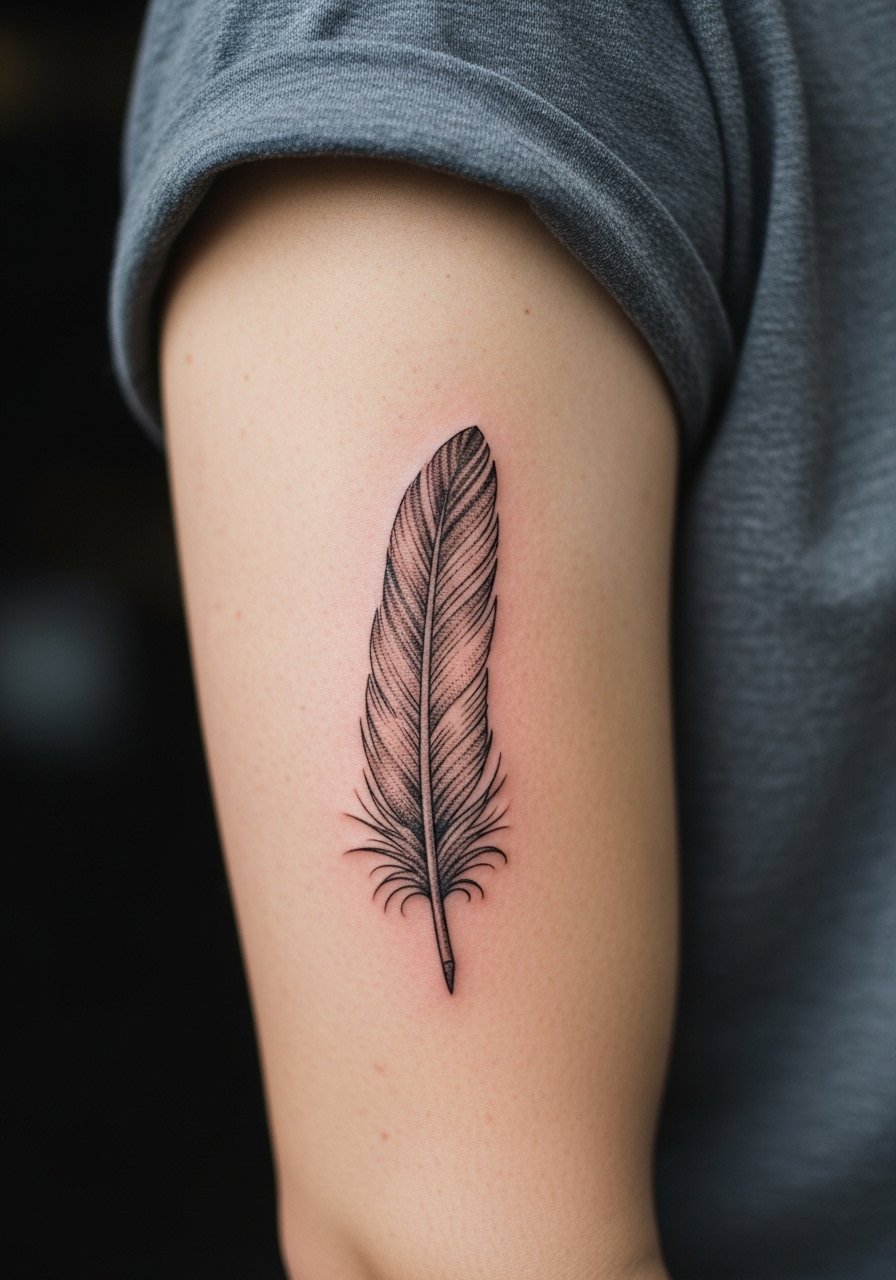
Quill shapes work because their tapered lines follow forearm anatomy. Tell your artist to use heavier barbs along the shaft so the main form persists even if tips soften. A real-world issue is over-detailing the taper, which can look fuzzy after a year. This design usually takes one session and tends to age well if you avoid tiny barbs. Try a slim leather cuff on the opposite arm and a slim gold bangle set for a balanced look.
9. Lace-Inspired Edge Along the Side of the Arm
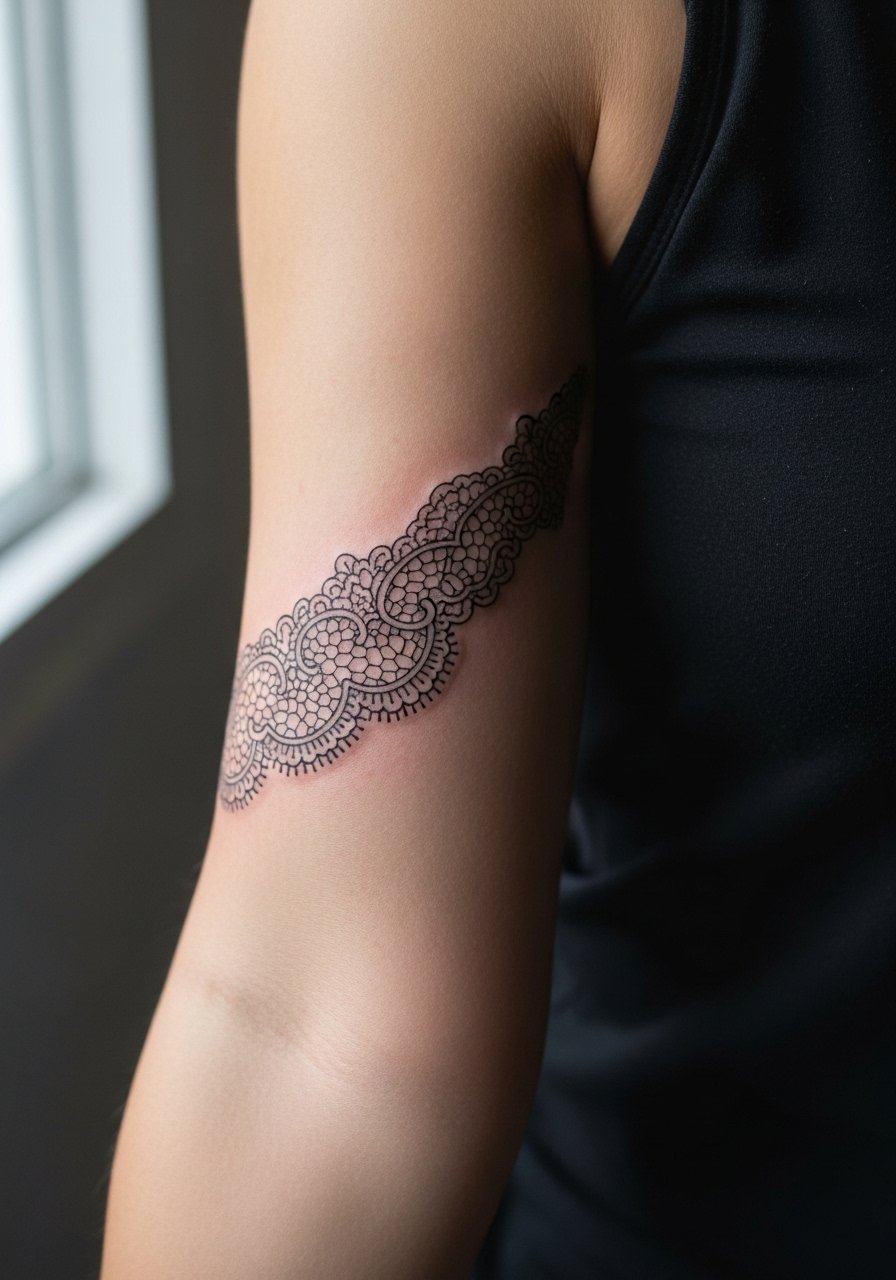
Lace work reads like fabric on skin but it needs spacing to breathe. Ask for open negative spaces in the design rather than packed filigree. The common regret is wanting the lace to be ultra-fine, which risks merging lines. Two sessions may be required for shading. For showing it off, an off shoulder cotton top in terracotta pairs with stacked rings away from the tattoo so the lace is the focal point.
10. Heart Lock and Key Duo Facing Each Other
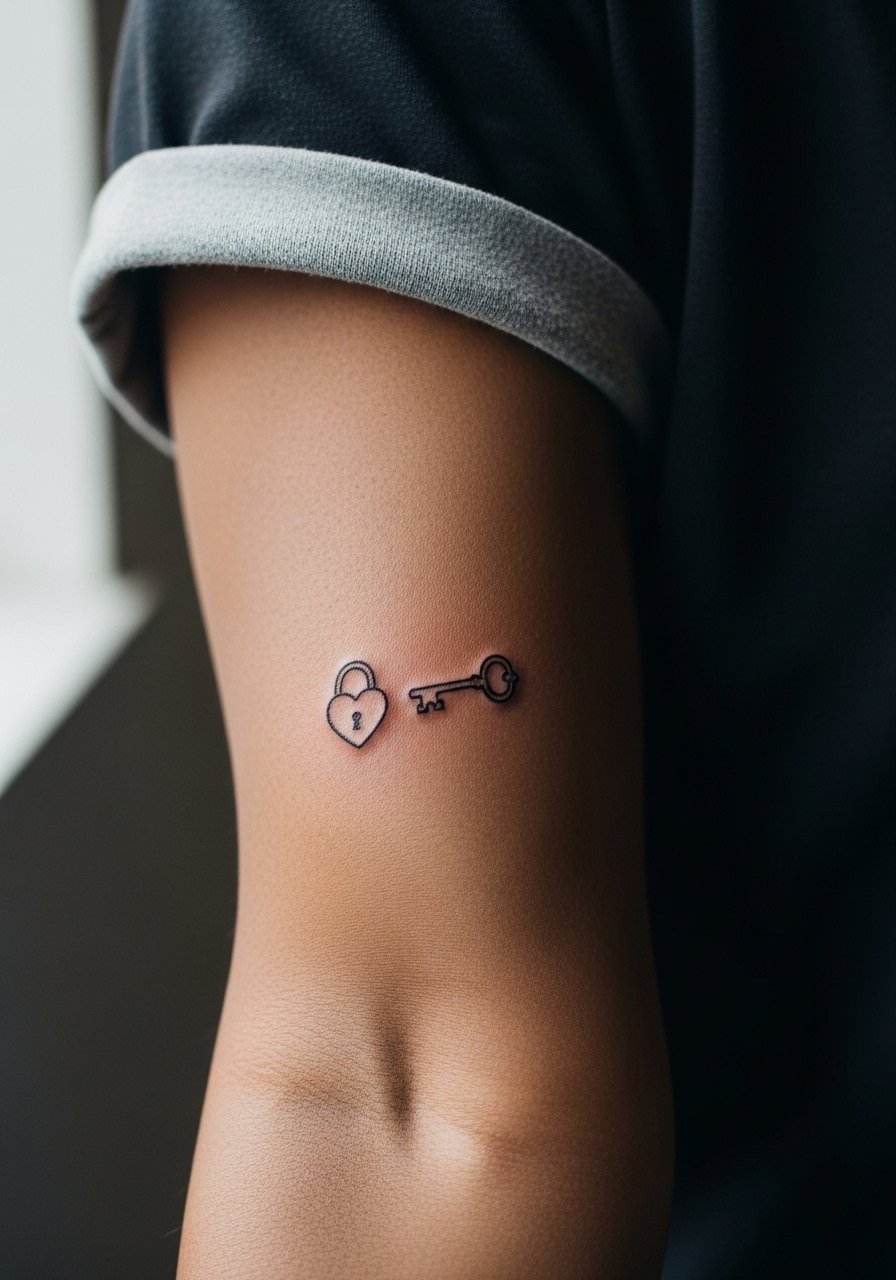
Pairs like this work visually when each element is sized for movement. Tell your artist to map where the arms sit when relaxed so the lock and key align naturally. A mistake is making both pieces identical in size when one should be slightly smaller for perspective. Single session for both. For the session wear a short sleeve button up women so you can roll sleeves up without compressing the fresh ink.
11. Leaf Vein Micro-Realism Near Lower Outer Forearm
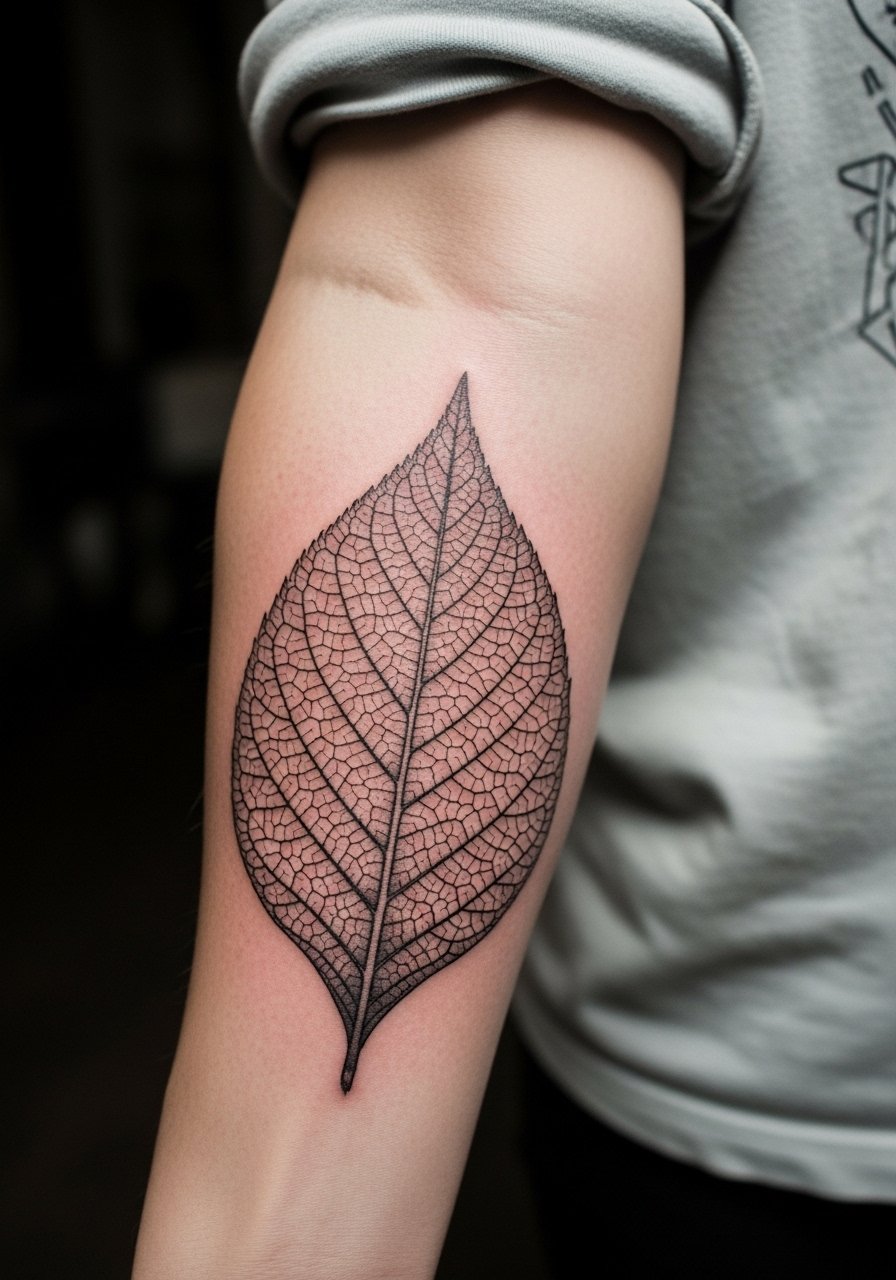
Tiny realistic veins need negative space to show detail. Tell your artist you want the central vein slightly bolder and the secondary veins airy. The usual error is asking for hyper-detail in a dot-size area, which blurs on healing. This piece can take a little longer than a symbol because of texture. For casual days wear a sage green linen tank that complements the botanical theme.
12. Arrow Through Florals Diagonal Across Outer Forearm
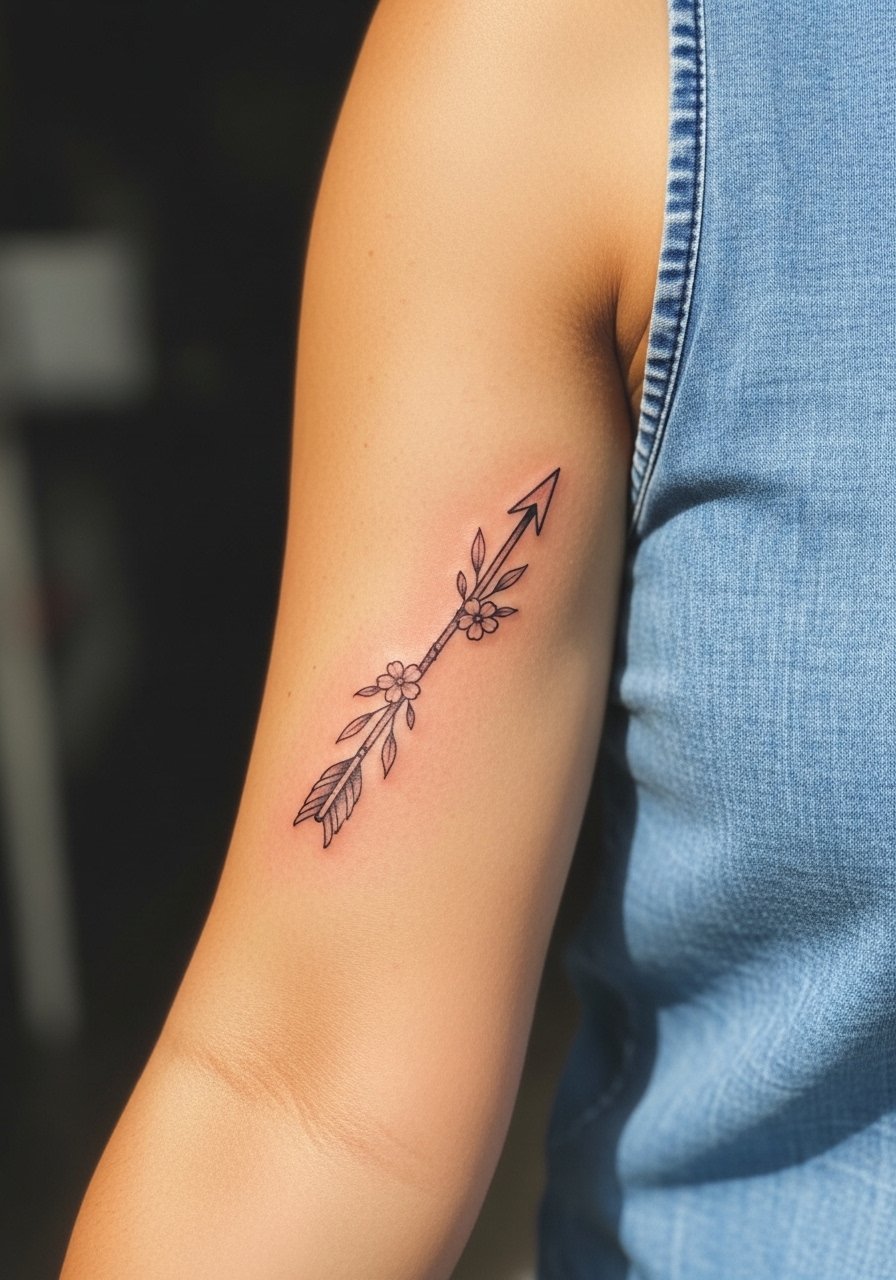
An arrow adds direction to flowy flowers and benefits from diagonal placement that follows movement. Ask for the shaft to be a touch thicker so it remains crisp against floral details. The mistake people make is tiny arrowheads that disappear after a season. Expect a single session and plan a six-month check. For a simple evening look roll a loose button-down shirt unevenly so the arrow peeks out.
13. Moon Phase Sequence Stacked Linearly
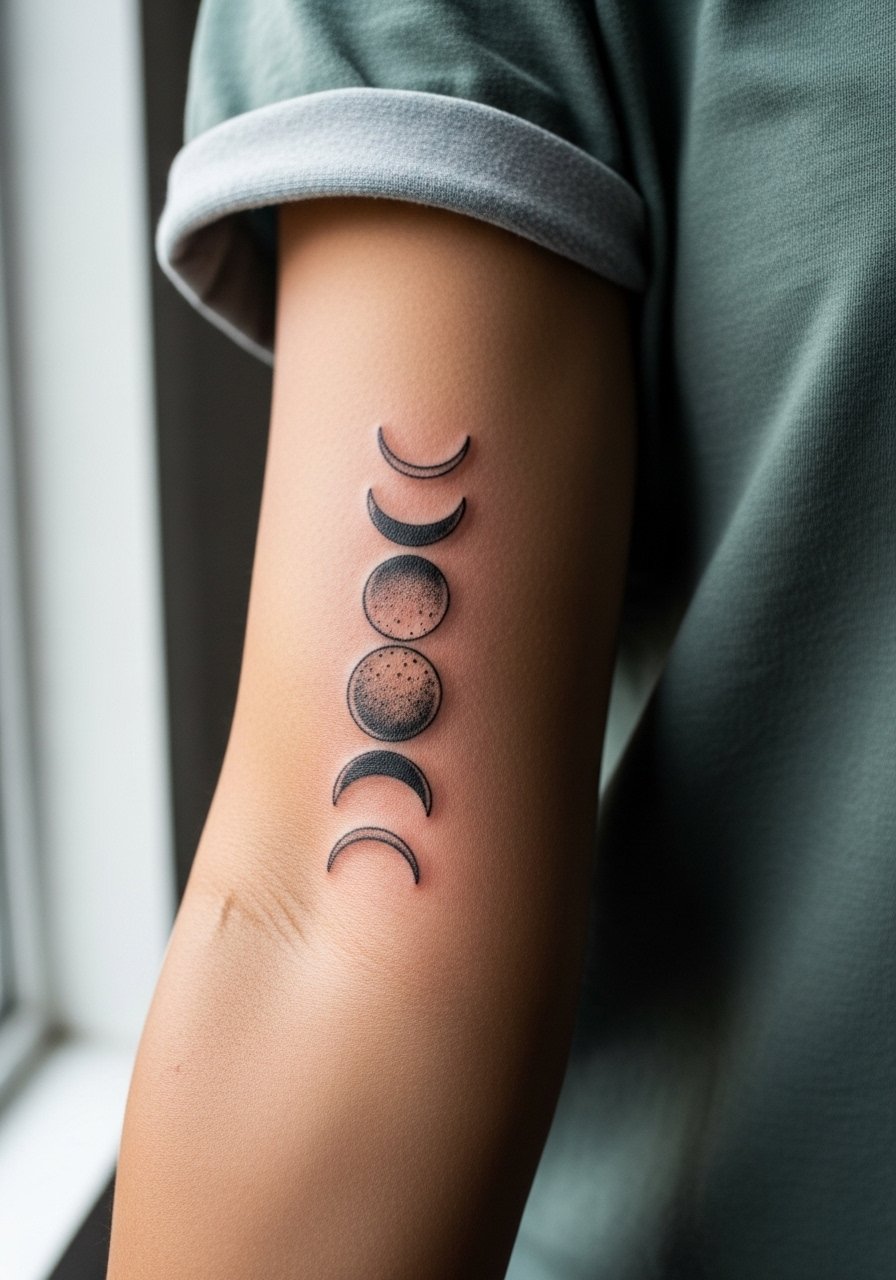
Moon phase rows look clean when phases are spaced. A key tip is to ask for slightly thicker crescents on darker skin for contrast. There is a debate in the community about fine line moons and fading. One camp says ultra-fine moons blur quickly. The other camp argues that with proper spacing and a slightly bolder outline they last. Ask your artist where they fall on that spectrum before booking. For show-off styling pair with a denim button shirt women rolled unevenly so the phases are visible.
14. Stipple-Shaded Tiny Mandala Along Outer Forearm
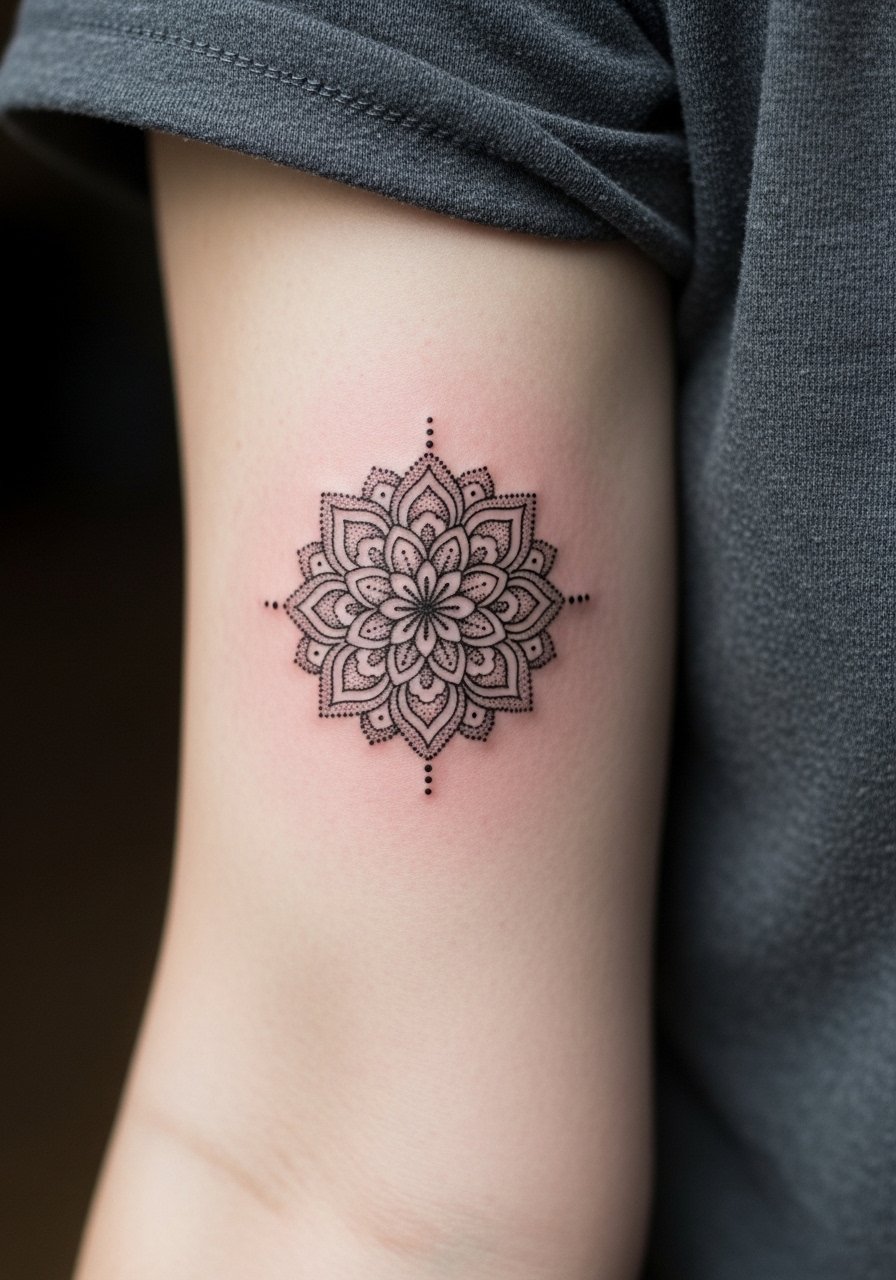
Mini mandalas need breathing room. The common mistake is overpacking petals which causes loss of definition. Request a larger outer ring and sparser inner dots. Expect an hour-long session depending on stipple density and a touch-up at the year mark if dots soften. For polished looks try a minimalist chain necklace and a thin chain pendant necklace that sits above the forearm in photos.
15. Tiny Botanical Sprig That Follows Arm Contour
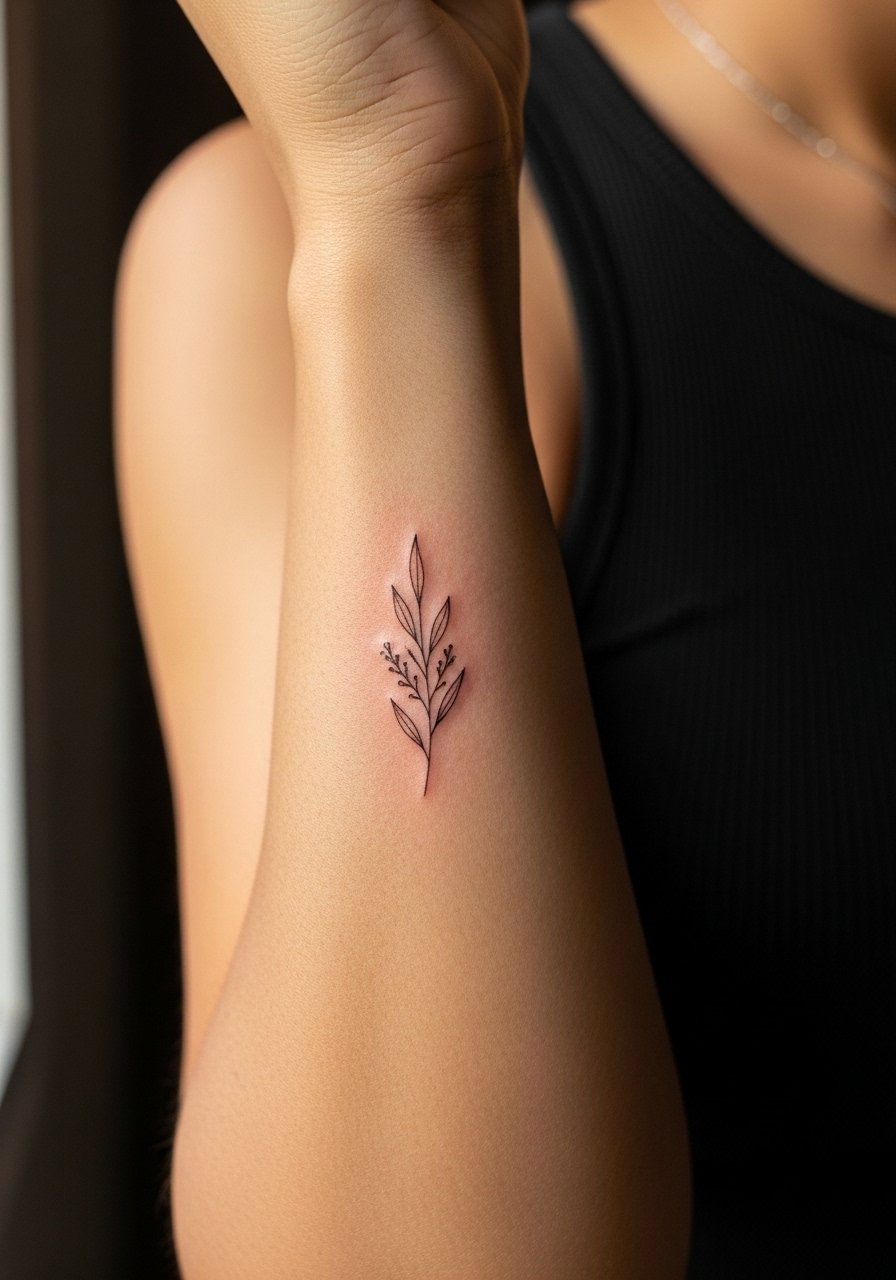
Botanical sprigs that curve with arm shape photograph well and hide stretching from muscle changes. Tell the artist to map the arc while your arm is relaxed and when flexed. People often pick a straight sprig that looks odd with motion. One session and a six to twelve month touch-up if you sweat or gym more. For session comfort wear a sage green linen tank so the arm is free and breathable.
16. Tiny Music Note or Glyph Nestled Near Elbow
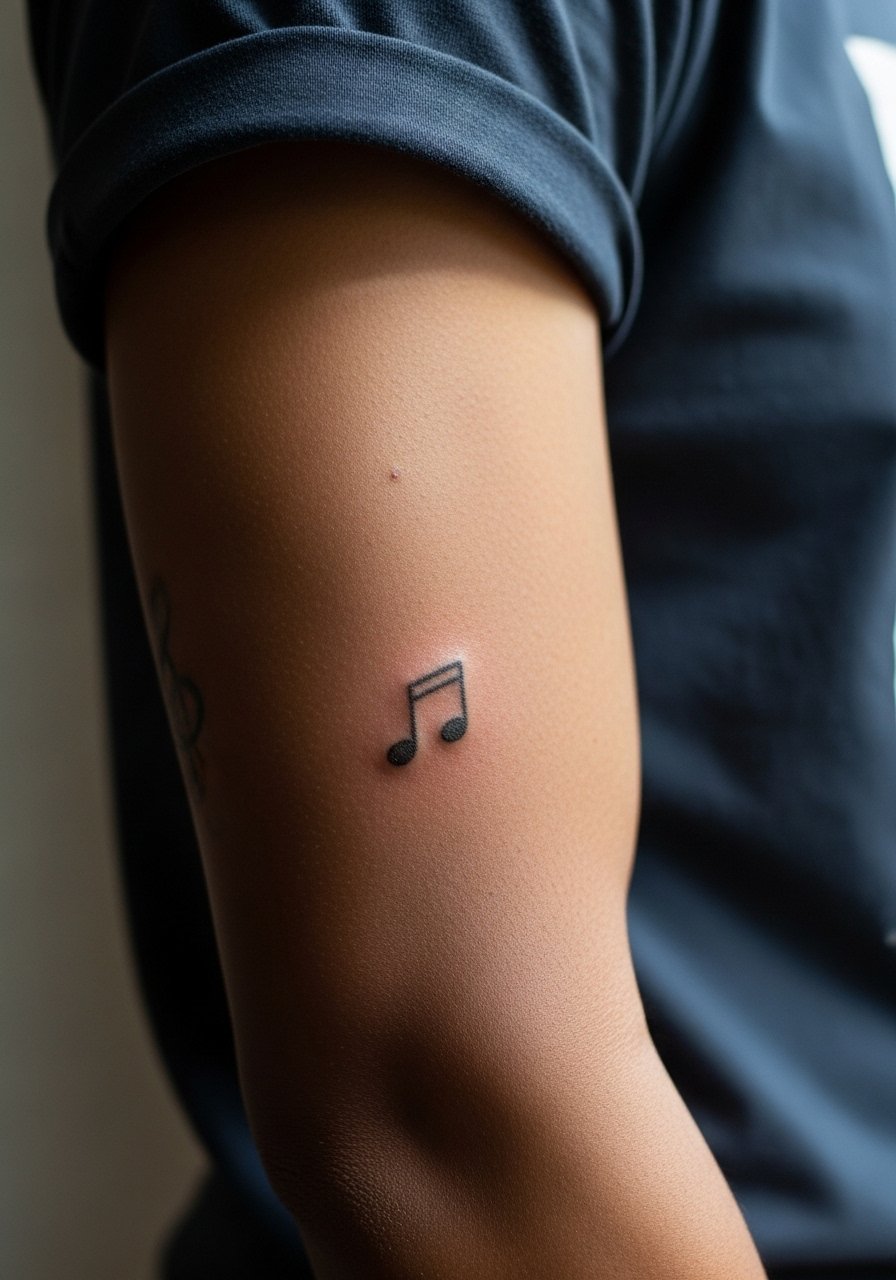
Small glyphs are ideal if you want a meaningful mark without overpowering your sleeve. Ask for slightly thicker stems so the symbol does not vanish under sweat. A frequent error is placing it too close to fold lines which accelerates fading. Session time is short. For an office-friendly look pair it with a slim leather cuff on the opposite wrist and a thin leather cuff bracelet to balance accessories.
17. Minimalist Compass Point on Outer Forearm Side
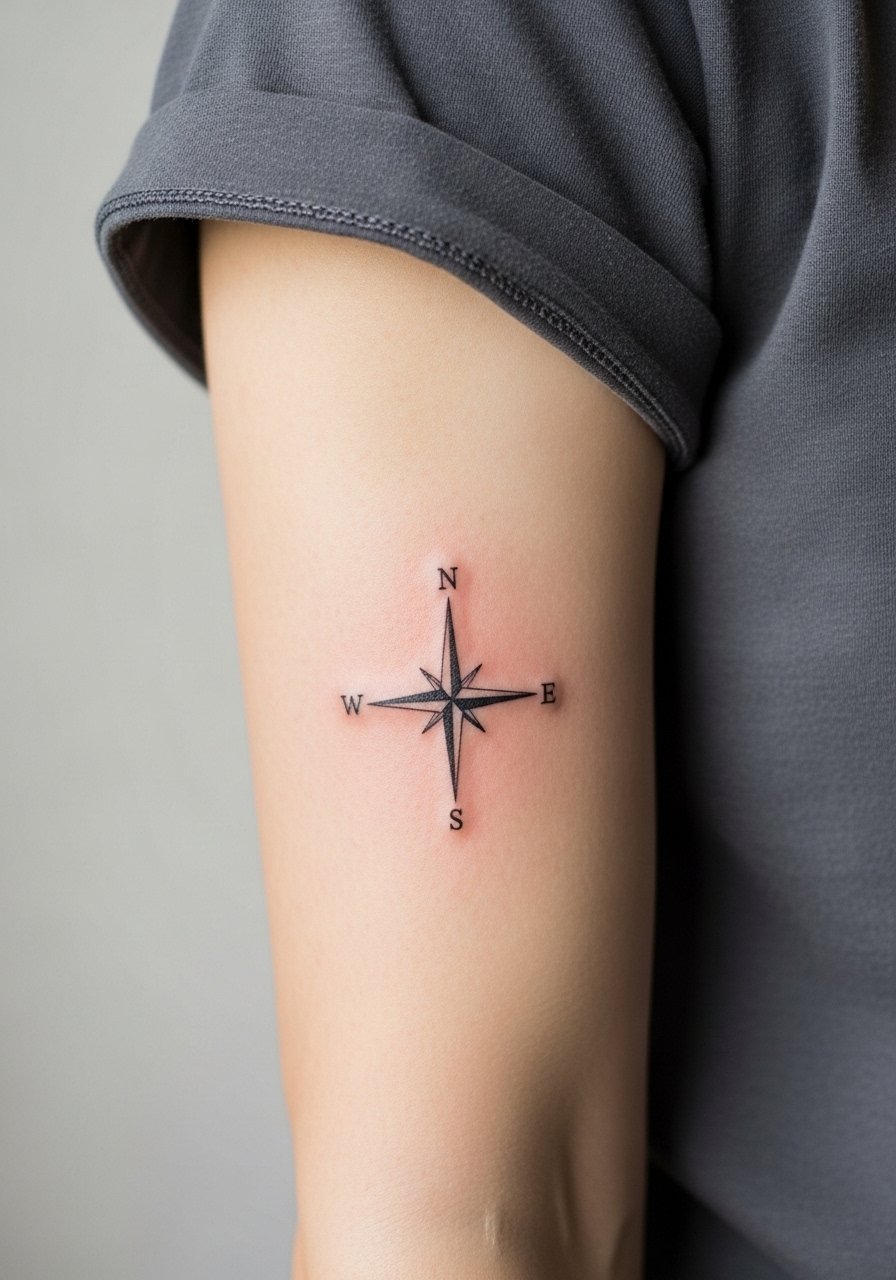
Compass points work when they are slightly larger than expected. Tell your artist you want clear cardinal points and a bold center dot for longevity. The mistake is micro-compasses that lose the direction marks after a few years. This is a quick session and often needs no touch-up if placed away from heavy friction areas. Session wear like a loose fit hoodie is fine for travel days so the arm is unstressed.
18. Tiny Film Roll or Camera Line Icon Near Mid-Forearm
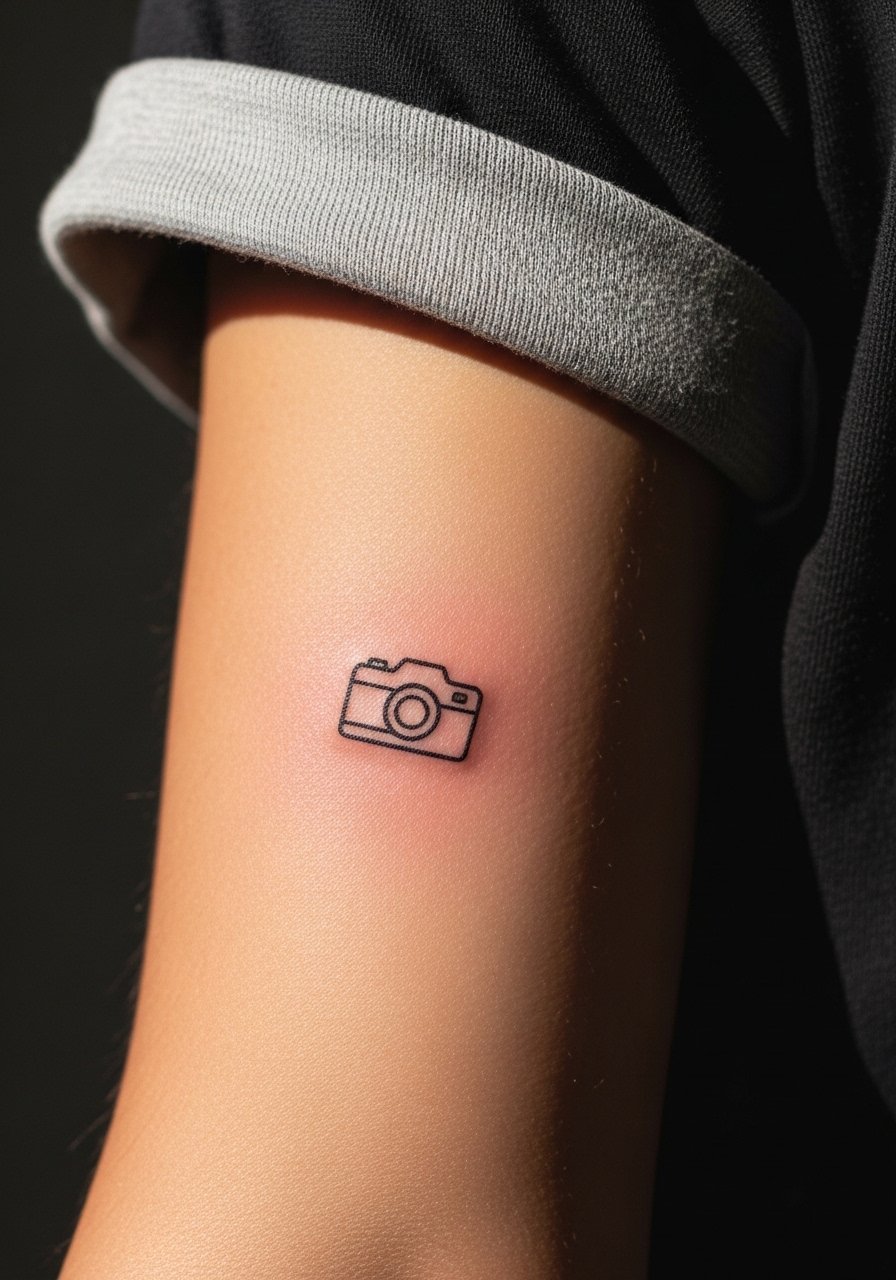
For creatives a minimalist camera icon reads like a badge without bulk. The biggest error is including too many tiny lens details. Ask for a simplified silhouette and a slightly bolder outer line. One short session. It photographs well with a layered minimalist chain and a minimalist chain necklace that keeps focus on the icon.
19. Small Geometric Band That Wraps Slightly
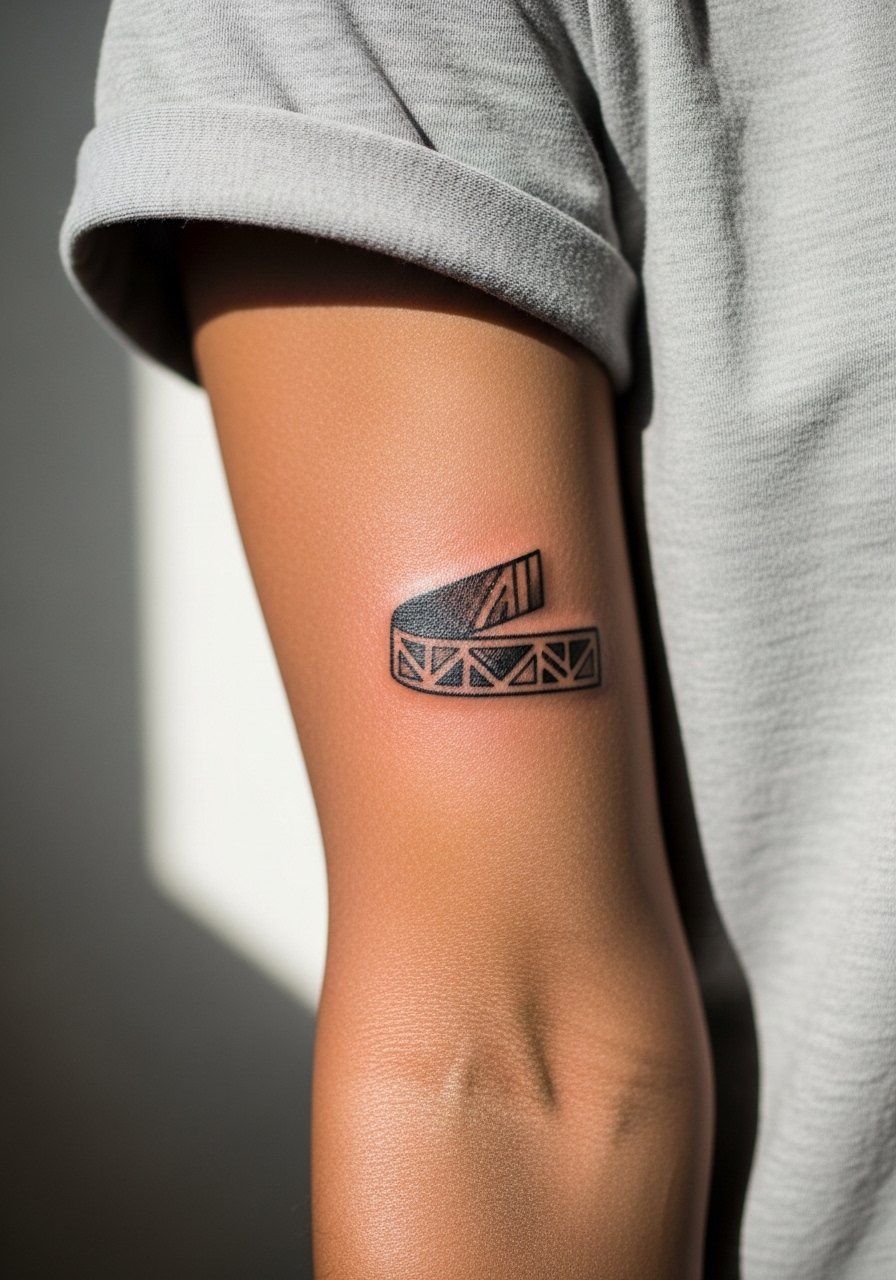
Bands need precise spacing or they read like a blur later. Tell the artist you want alternating negative space and filled sections so each module keeps definition. Avoid ultra-thin repeats that will merge. This may take a single session and benefits from a touch-up if your arm sees heavy sun. For a blazer-forward outfit try a french cuff blazer women with sleeves pushed so the band peeks out deliberately.
20. Tiny Paper Plane that Points Toward the Hand
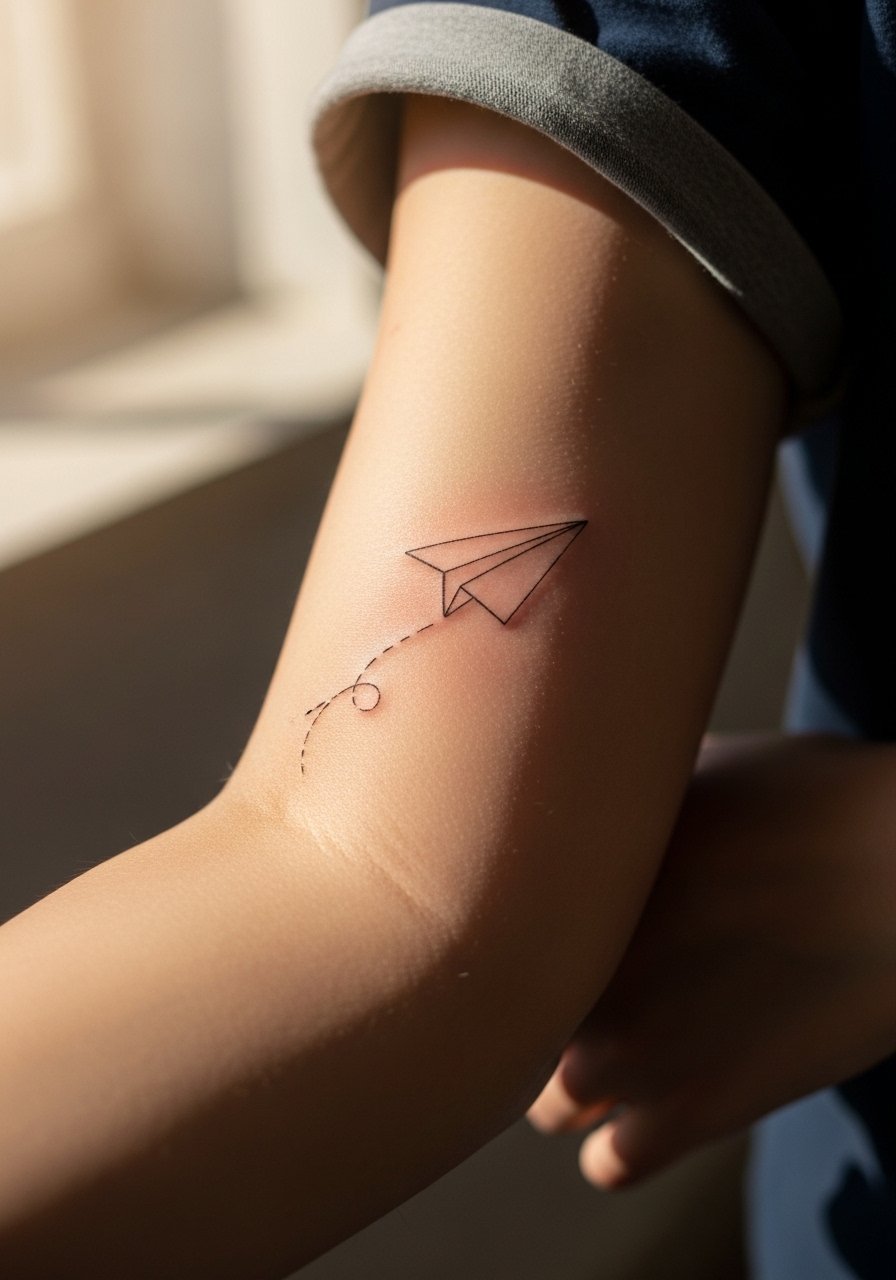
Paper planes show movement and map well to the arm. Request a slightly thicker crease line so the plane holds its shape after healing. The common error is making the nose too narrow which blunts on touch-up. Single session, quick heal. Wear a rolled short sleeve button up women on the day if you want easy access without compressing fresh ink.
21. Vertical Scripted Single Word Near Outer Forearm Center
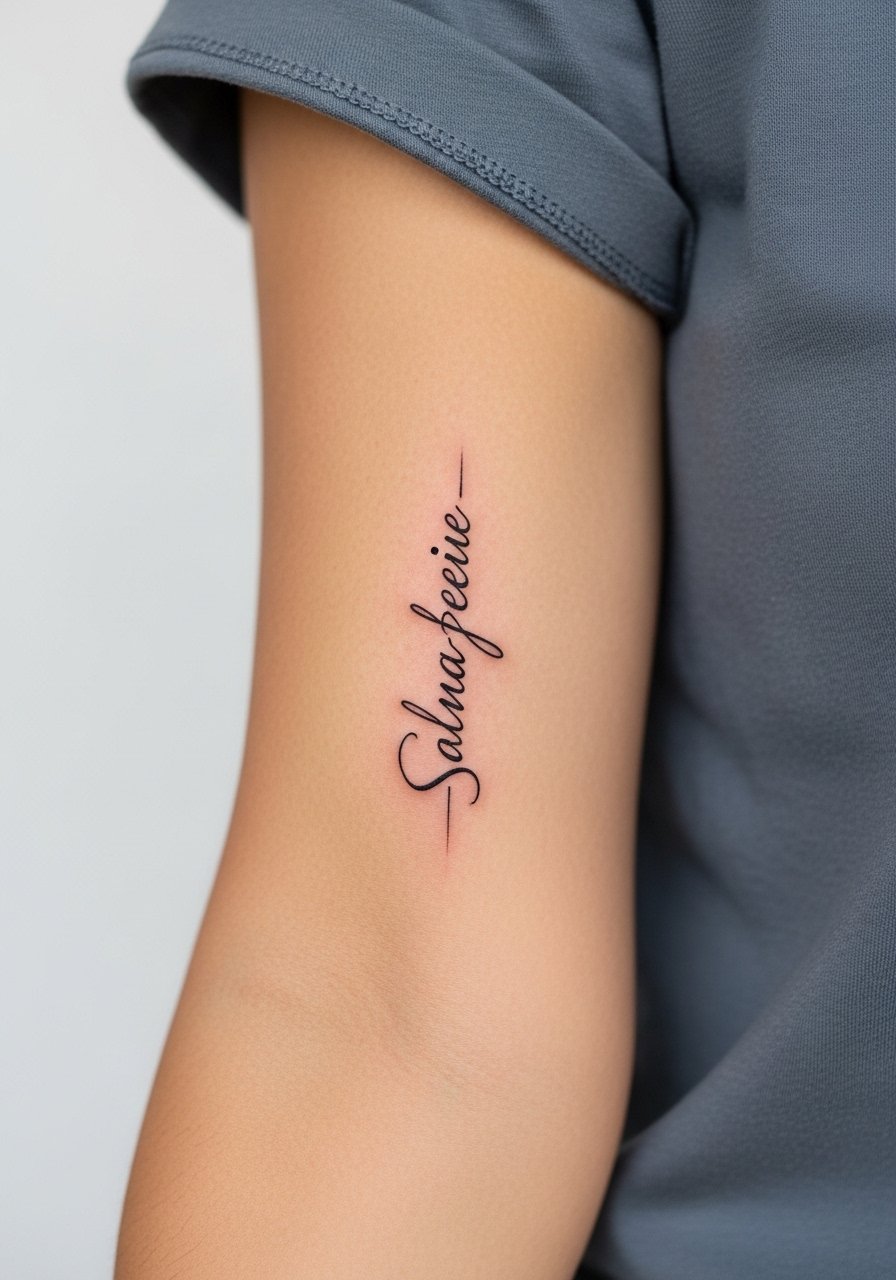
One-word vertical scripts photograph strong when the vertical spacing is planned. Ask the artist to proof the vertical layout on your arm while relaxed and while holding your hand out. The major misstep is choosing a font meant for horizontal text without adjustments. This piece usually takes one session and may need a touch-up if the strokes are too thin. For day-of comfort wear a short sleeve button up women that you can roll or pull aside without rubbing the area.
Frequently Asked Questions
Q: Will fine line forearm tattoos blur faster than bold blackwork?
A: From what I've seen, ultra-fine lines do tend to soften faster, especially on forearms that get sun and friction. Many artists recommend slightly thicker primary lines for visible forearm pieces, and plan a touch-up at six to twelve months if you want them looking sharp.
Q: How should I decide between a horizontal and a vertical outer forearm design?
A: Vertical designs follow arm movement and often hide under rolled sleeves better, while horizontal pieces read wider and can distort more if you gain muscle. Try a vertical mockup on your arm during consultation to see how it sits in motion.
Q: Is Saniderm safe for forearm tattoos or should I dry heal?
A: Artists and collectors split on this. One camp likes Saniderm for sterile short-term coverage and less mess. The other camp worries it can trap fluid and recommends dry or breathable balm methods. My advice is to ask your artist where they stand and follow their plan closely for the first 48 hours.
Q: What should I wear to a forearm tattoo session to make the process easier?
A: Wear something with easy arm access like a sleeveless tank or short sleeve button up. You want freedom for the artist and comfort for you. Avoid tight sleeves that could press on the fresh ink after the session.
Q: How do dark skin tones affect dainty outer forearm tattoo choices?
A: On medium and dark skin tones, slightly bolder outlines and more negative space help tiny work pop. Some people add small white highlights for contrast. Always review the artist portfolio for examples on similar skin before booking.
Q: What's a realistic touch-up timeline for these small forearm pieces?
A: For most small forearm work plan to revisit at six to twelve months. Fine line pieces may need touch-ups sooner, while slightly bolder minimalist pieces often hold up longer. Expect variations based on sun exposure, sweating, and friction from clothing.
