
Fine line trends look gorgeous on feeds, but what holds up on real skin is a different conversation. I keep seeing washout on pieces that were scaled too small or placed where friction rules, and I hear the same from artists when I lurk in studios. This list balances bold portraits, painterly manes, and smaller pieces with realistic notes on aging, what to ask your artist, and the wardrobe that actually helps you show the work off.
1. Neo-Traditional Lion Head with Floral Crown on Outer Forearm
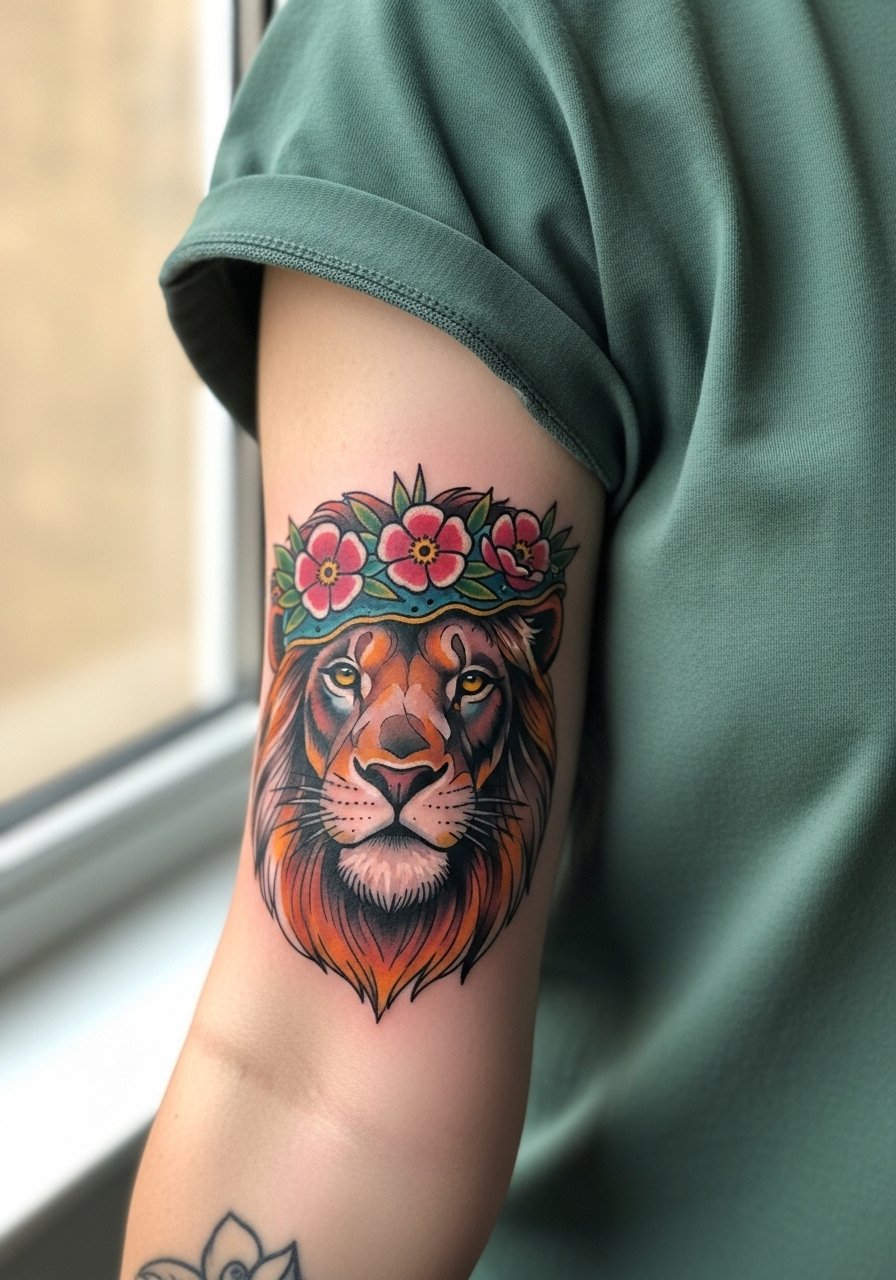
I recommend this if you want strong contouring with color blocks that still read from a distance. Tell your artist you want bold outlines and separated color fields so the flowers age slightly softer than the mane. The biggest mistake is packing tiny floral shading into a small forearm piece, which blurs at year three. Expect a moderate pain level and two medium sessions for a 4-6 inch piece. For showing this off, roll sleeves and keep the palette clean with a [rolled sleeve henley](https://www.amazon.com/s?k=rolled+ sleeve+henley+men&tag=inkedqueen-20) that frames the colors without competing.
2. Watercolor Lion Mane Splash on Outer Thigh
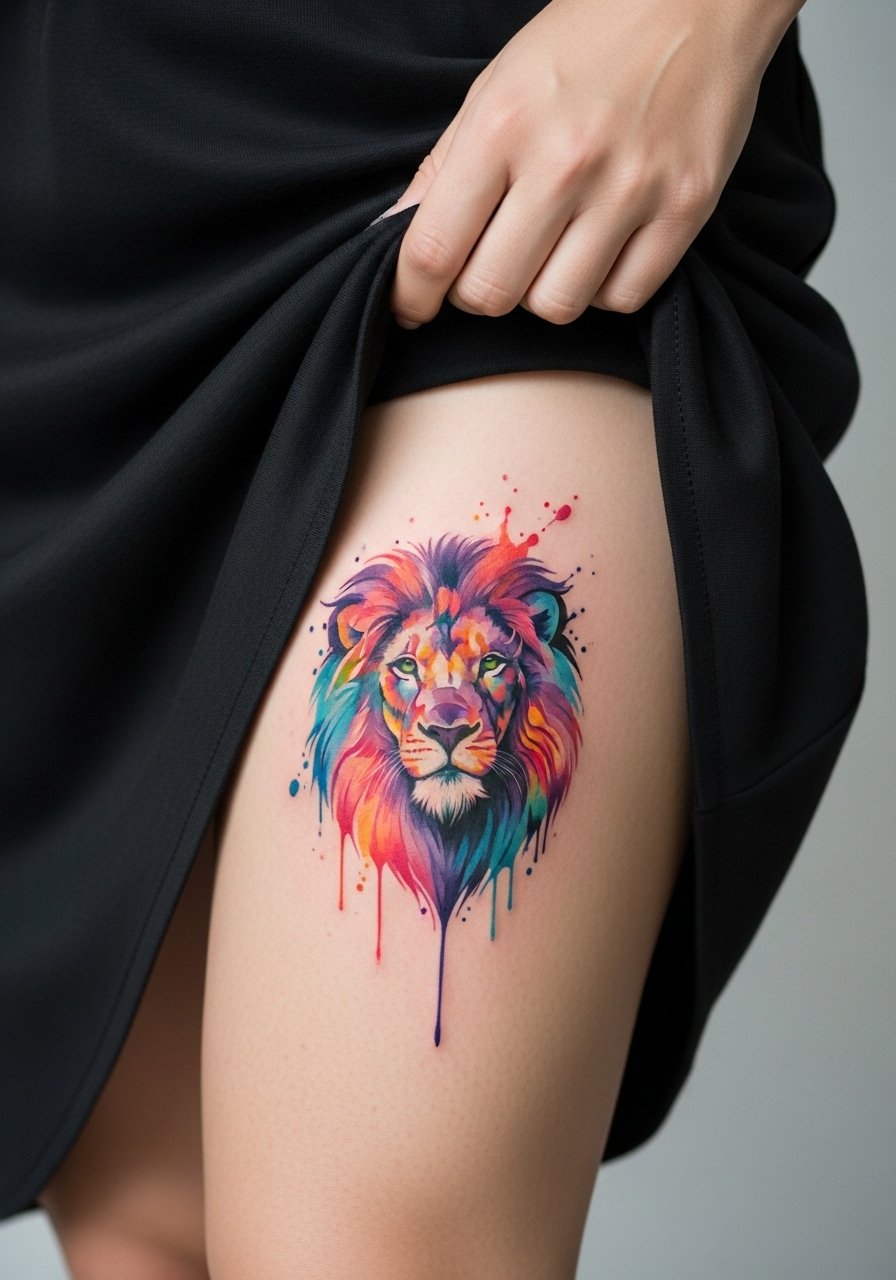
The watercolor mane reads like a painting across the leg and works best when the color strokes follow muscle flow. Ask your artist for diluted color washes and minimal outlines so the mane feels fluid. A common aging issue is sun exposure on the thigh if you wear short skirts a lot. Plan for one to two sessions for a medium splash. For the appointment, wear loose shorts or a skirt you can move easily so the artist can access the outer thigh without fabric tugging.
3. Tribal Lion in Circular Aztec Frame on Calf
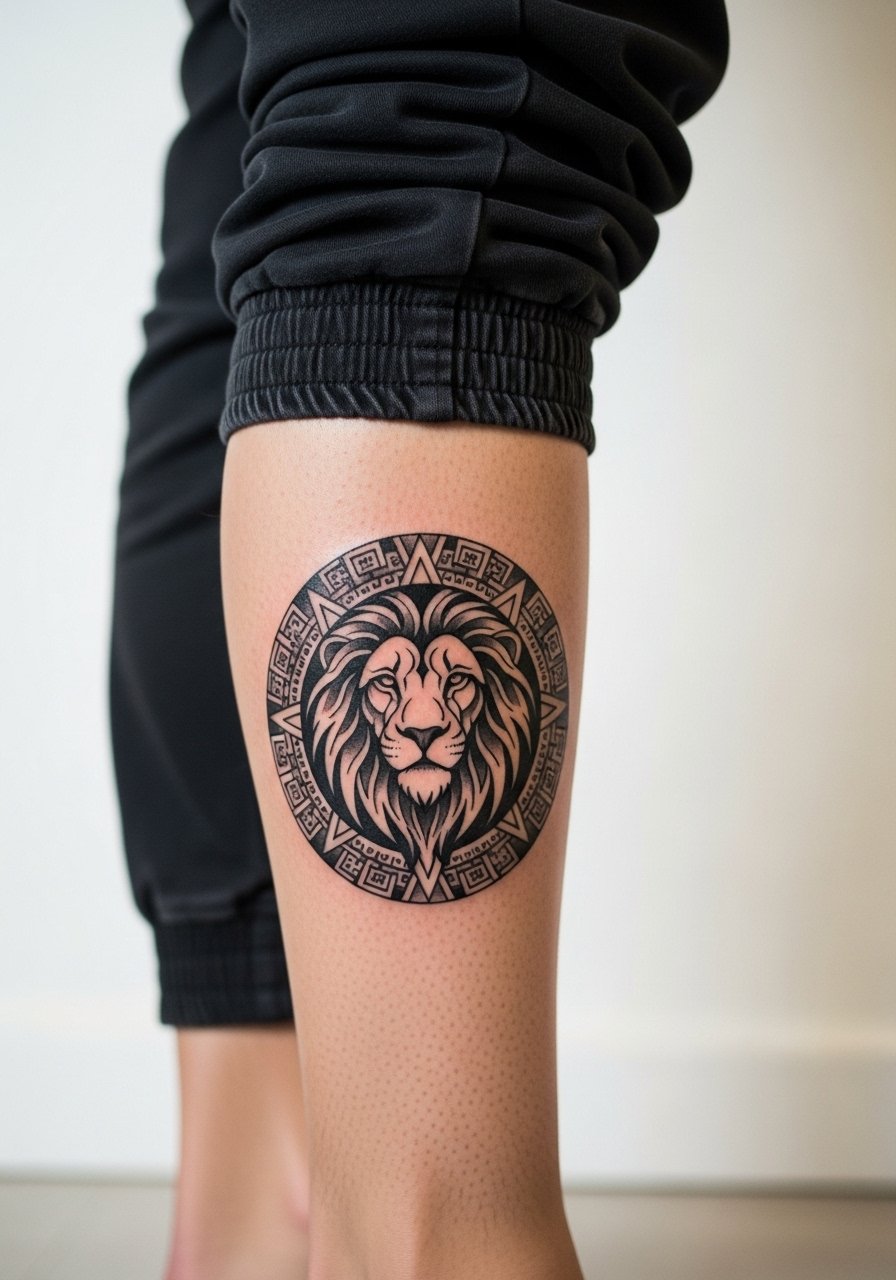
This is a bold, graphic piece that benefits from solid black saturation and clear negative space inside the frame. During consultation say you want crisp solid fills and a little negative space between pattern bands to prevent the texture from merging as it heals. The calf handles dense black well, but low ankle placement increases rubbing from socks and shoes. Single-session for a medium circular frame is common. Pair it with cuffed joggers or shorts and cuffed joggers to keep the art visible in summer.
4. Geometric Lion Silhouette for Ankle or Inner Ankle
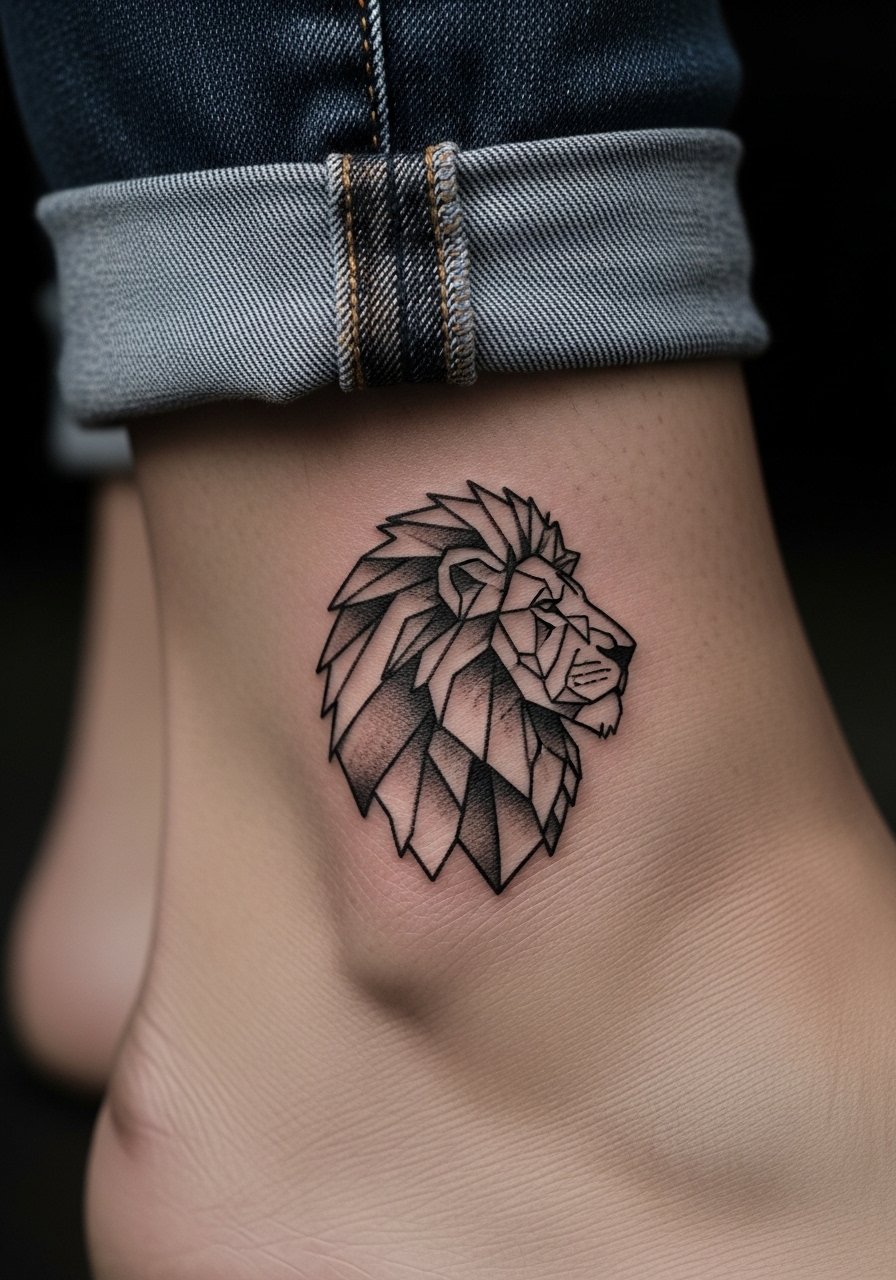
Geometric silhouettes read strong when scaled correctly. The biggest mistake is shrinking angular work too small for the ankle where lines fuse. Ask for thicker midline anchors and simpler geometry near the edges so the shape keeps its silhouette as it settles. Expect a brief session and sharper sensation near the bone. Blowout risk on ankles is lower than on wrists, but persistent contact with socks and shoes can dull edges. For this placement, keep short footwear in mind so the piece has space to breathe while it heals.
5. Realistic Lion Head with Blue Eyes on Inner Bicep
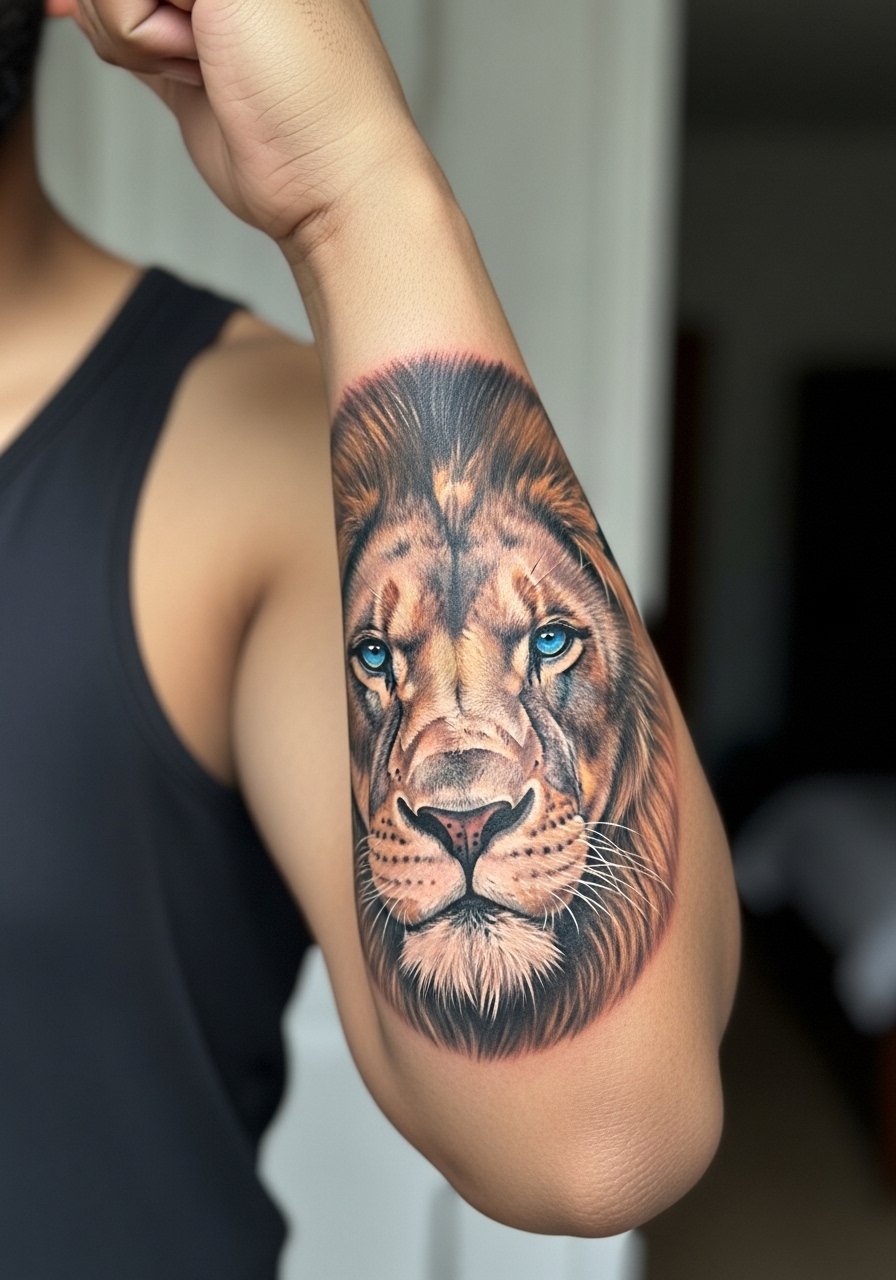
A color-accented realism piece like this plays with deep black-and-gray fur and a single colored focal point. During consultation specify the eye hue and ask for white ink highlights for extra pop. The inner bicep is tender, so prepare for a higher pain level and 2-3 sessions for medium size. Fine touch-ups are common around year two where micro-shading softens. For session comfort and access, wear a sleeveless tank you can lift without tugging at the area.
6. Lioness with Surrounding Flowers in Negative Space on Outer Forearm
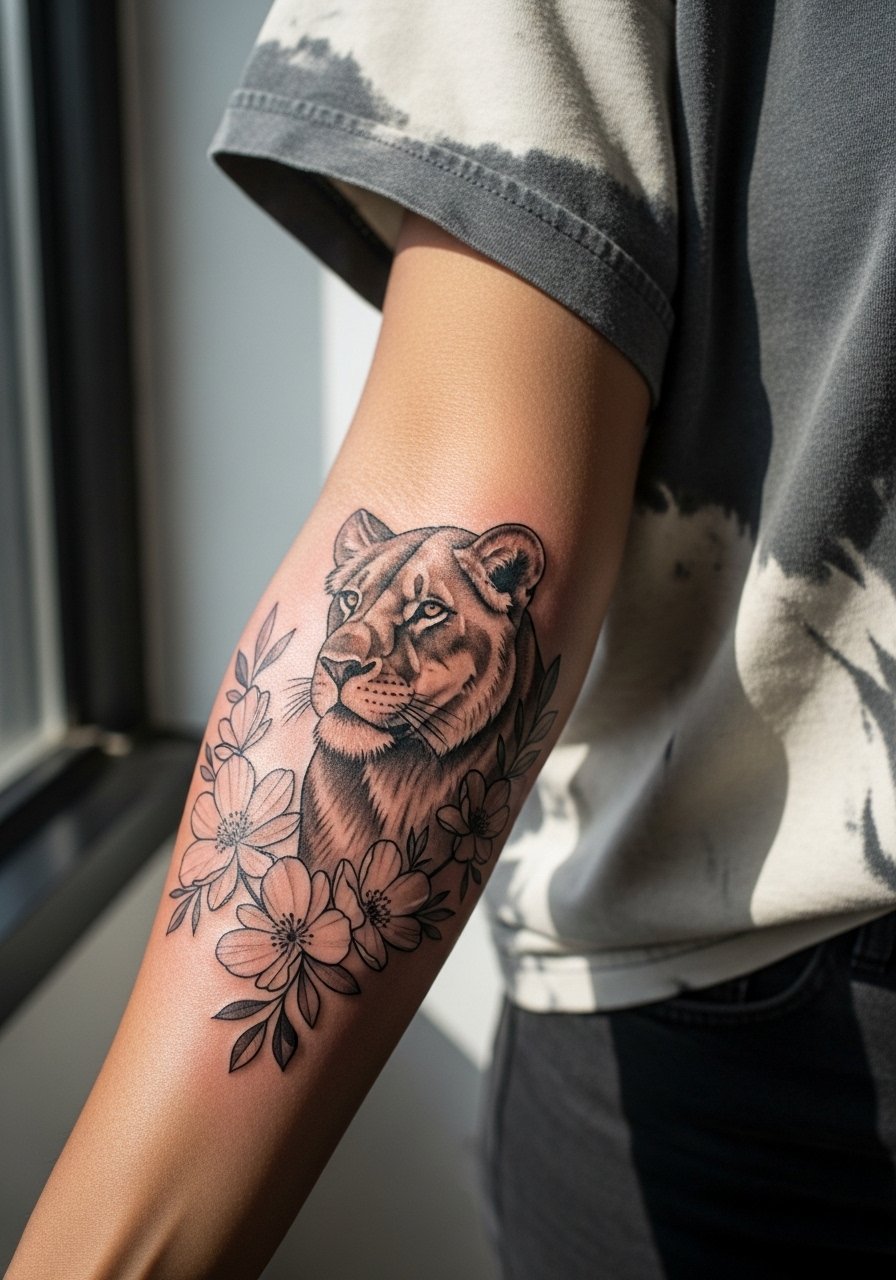
This design balances facial realism and floral color in the space around the portrait. Tell your artist you want the flowers to be color accents while leaving the lioness mostly monochrome. A common error is saturating both portrait and florals equally, which flattens the focal point. Outer forearm is lower-pain and photographs well. Expect one to two sessions and a touch-up window at year three if you heavily sun the arm. Negative space helps the piece breathe visually and reduces the chance of over-saturation blurring the portrait.
Chair Day Prep
The forearm, inner bicep, and calf pieces above ask for different prep than a chest or thigh session, so a short kit makes the chair time and first week smoother.
-
Stencil transfer paper kit. Lets you preview line placement and symmetry before the needle, which helps with forearm and chest alignments.
-
Topical numbing cream. Applied per label before sessions eases discomfort on meatier spots like the inner bicep and ribs.
-
Thin protective film roll. Useful for small wrist and ankle pieces that encounter friction from clothing during the first days.
-
Fragrance-free gentle body wash. Cleans without stripping pigments around delicate micro-shading.
-
Aquaphor healing ointment. A thin layer in the first 48 hours keeps linework from drying into flakes, especially on forearm pieces.
7. Vibrant Lion King Profile Spanning the Chest
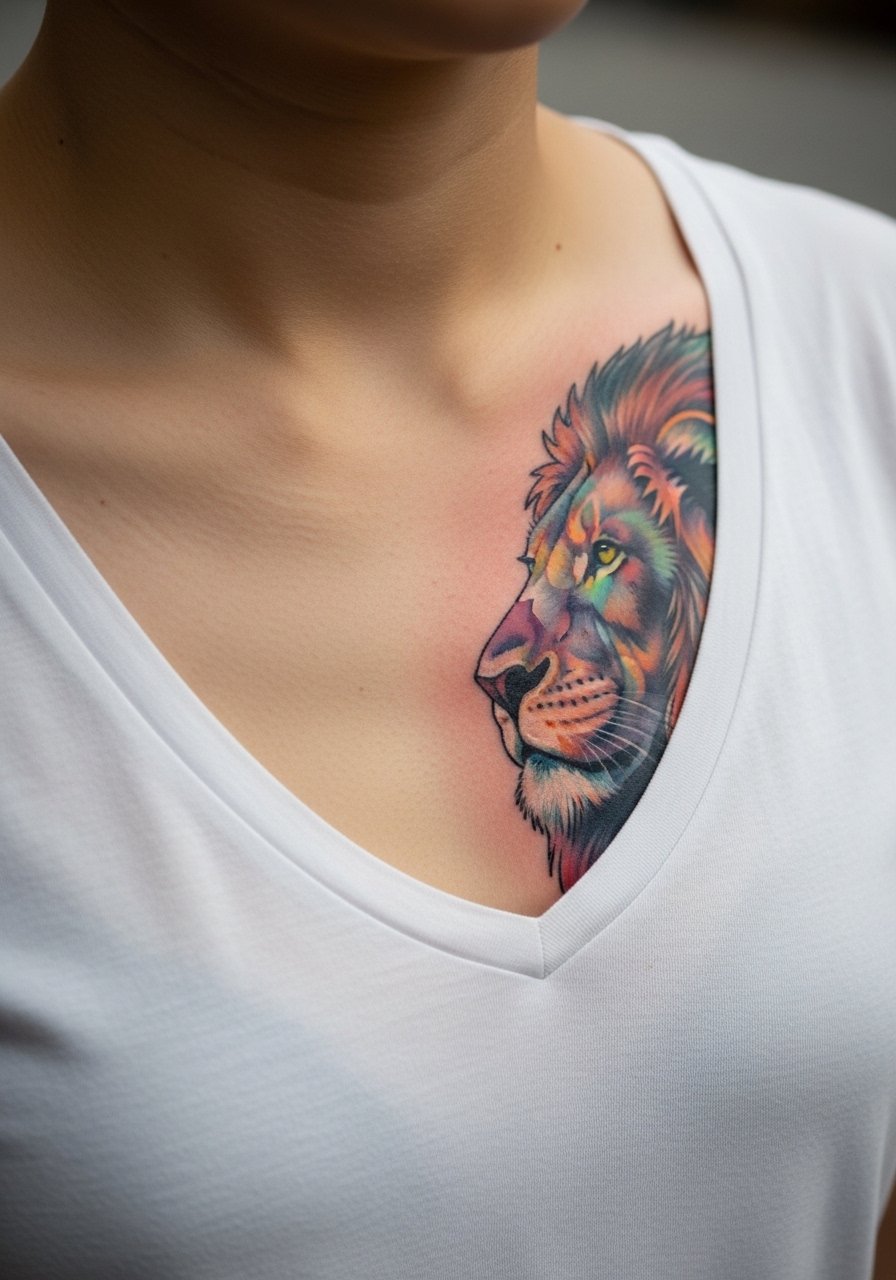
Large chest profiles read as leadership pieces when they have bold mane separation and clear facial contrast. Ask for thicker mane blocks and a softer transition near the sternum, so the center line does not blur over time. The chest can be an intense session with three or more hours per sitting and multiple sessions for a 6+ inch profile. Be careful with necklace placement right after healing. For showing the piece, a simple v neck tee frames the art without covering it.
8. Colorful Lion and Lioness Couple Design for Ankles or Hands
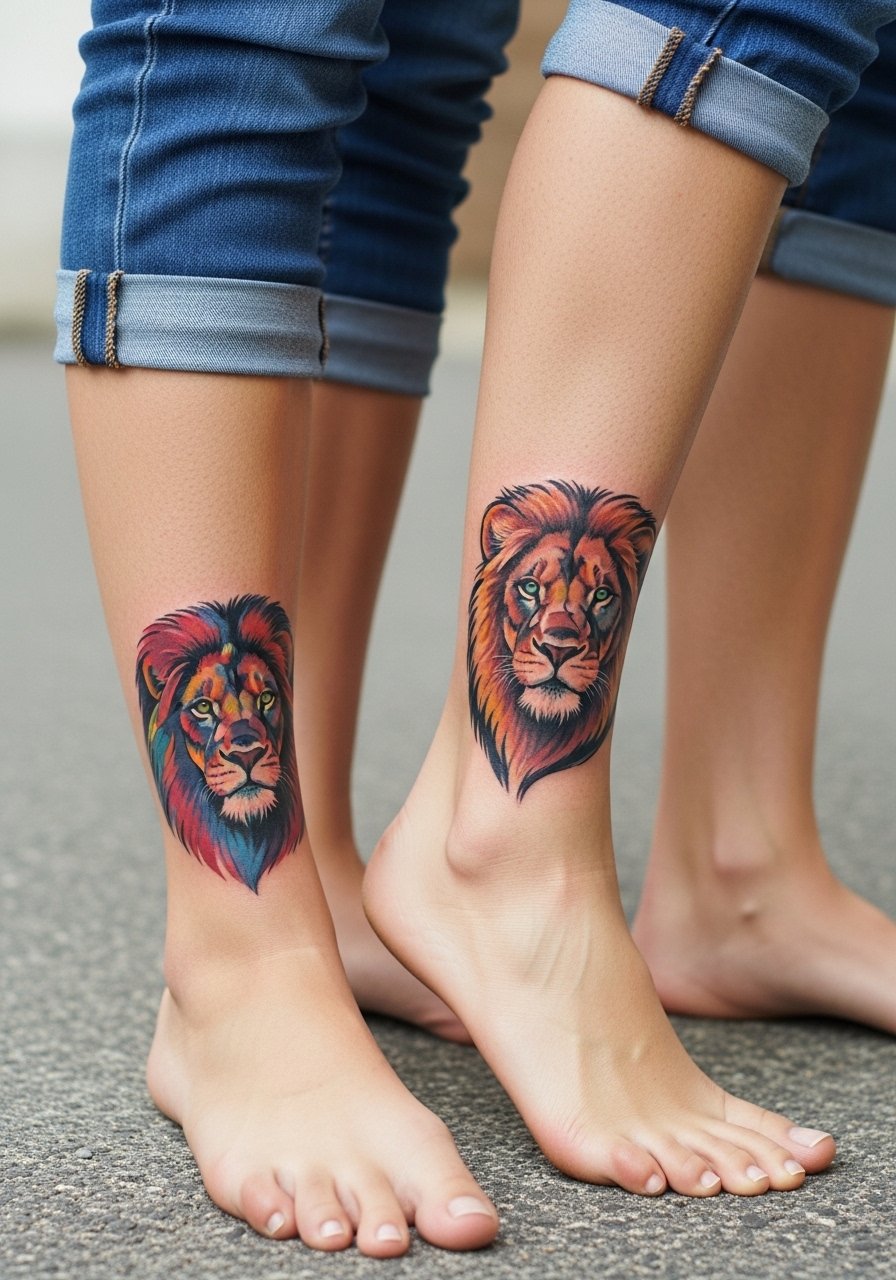
Matching couple pieces work well at small scale on ankles or hands when each design is simplified. Discuss mirrored composition and color balance in consultation so the pair reads as a set rather than two unrelated portraits. Hands and fingers have faster wear and may need touch-ups sooner than ankles. Pain on the hand is higher and sessions are shorter. For commitment pieces on visible spots, consider how daily exposure and washing will affect long-term saturation.
9. Minimalist Lion Outline with Watercolor Splash on Wrist
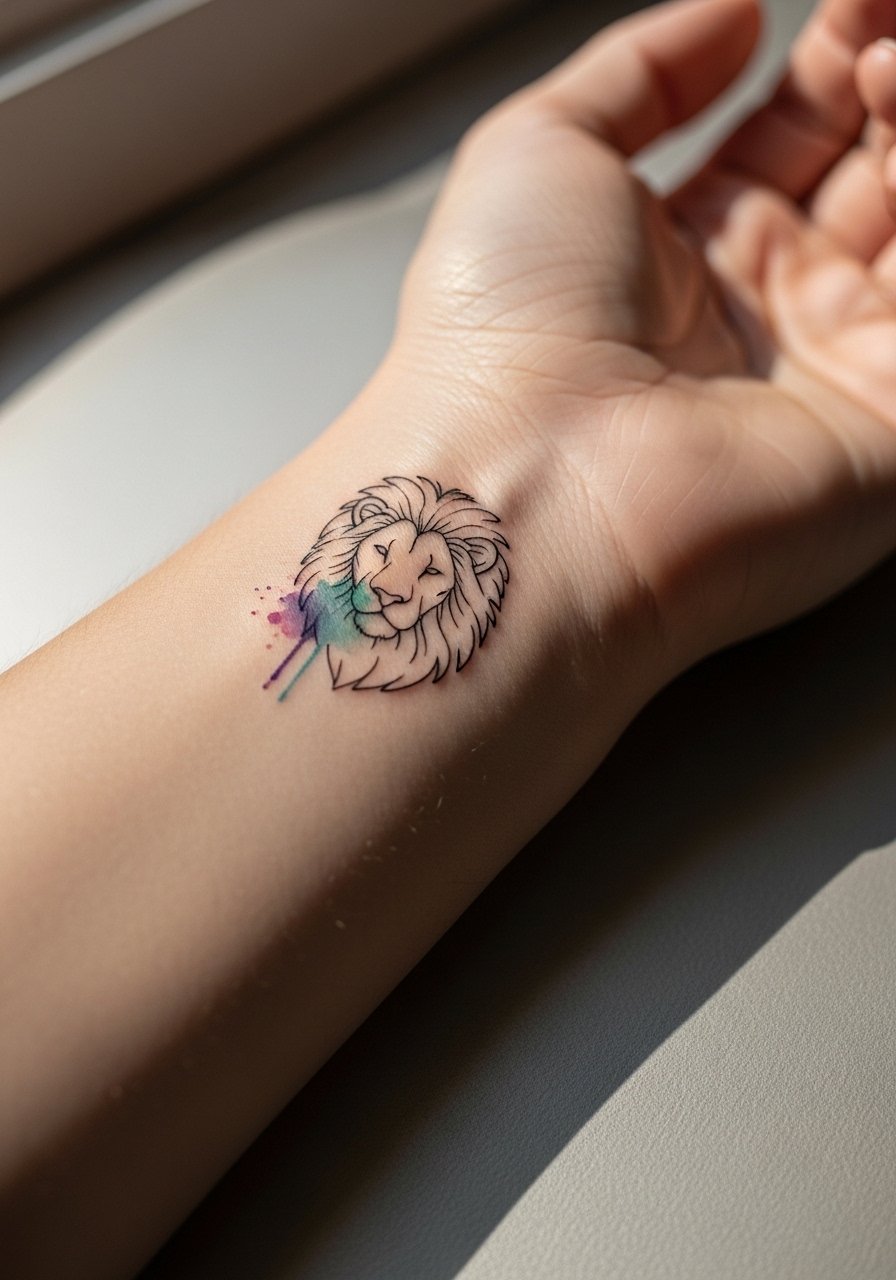
Small wrist outlines solve space constraints while keeping a focal color hit. The common mistake is overcomplicating the splash inside a tiny border. For longevity, ask for slightly heavier linework than your reference so the outline holds as skin shifts. Wrist work can be sensitive and touch-ups are common around year two. Style it simply with a thin gold bangle set on the opposite wrist so the art remains the attention point without crowding.
10. 3D Hyper-Realistic Lion Face for Shoulder or Thigh
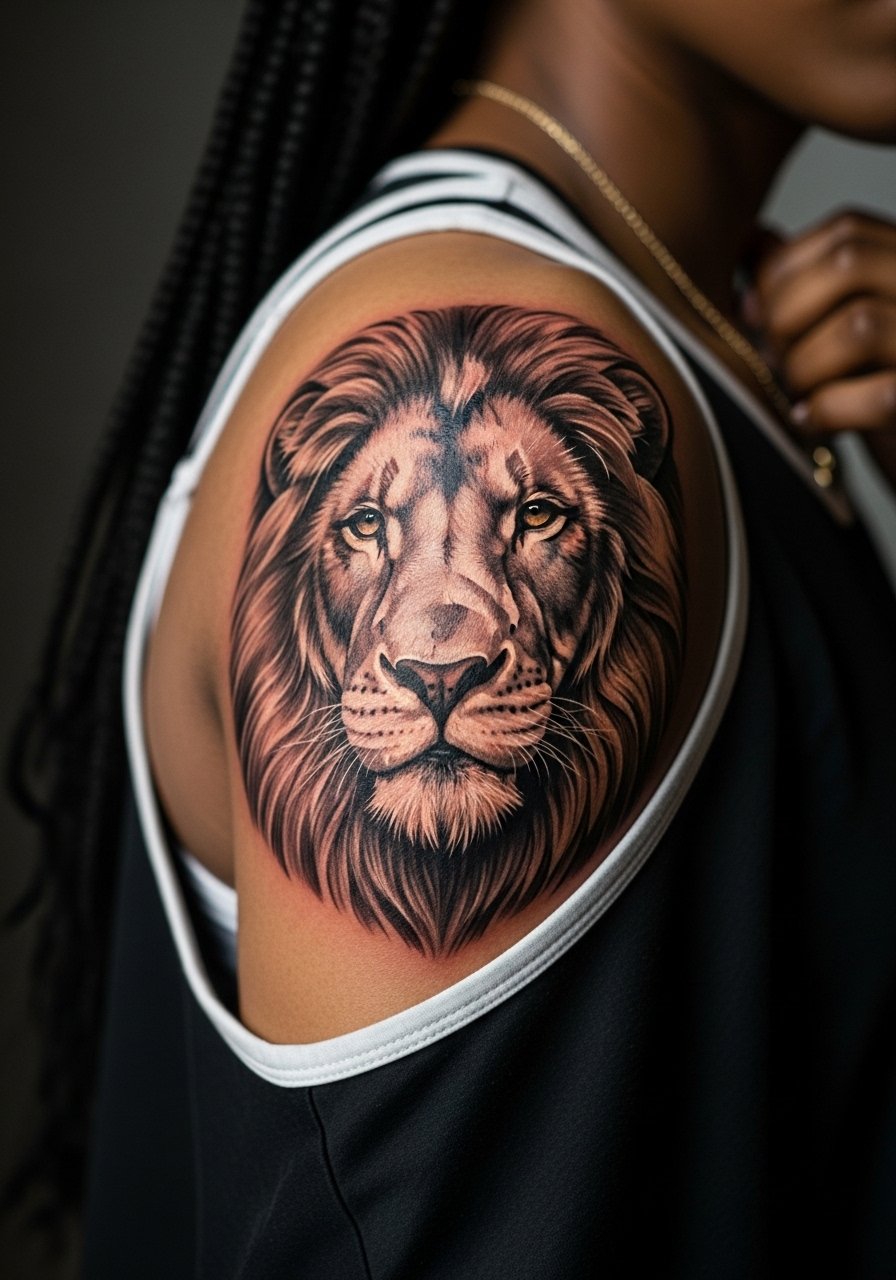
Hyper-realism demands extended sessions and an artist who specializes in micro-shading and photo references. Expect four or more sessions for a large 3D face and honest talk about how much reference the artist needs. The risk is asking for too much tiny detail in a small area; detail that reads as texture at size gets lost if compressed. Shoulders take color well, but expect touch-ups for highlights at year two to keep the three-dimensional effect crisp.
11. Lion Head Goddess Fusion with Sharp Gaze on Full Upper Arm
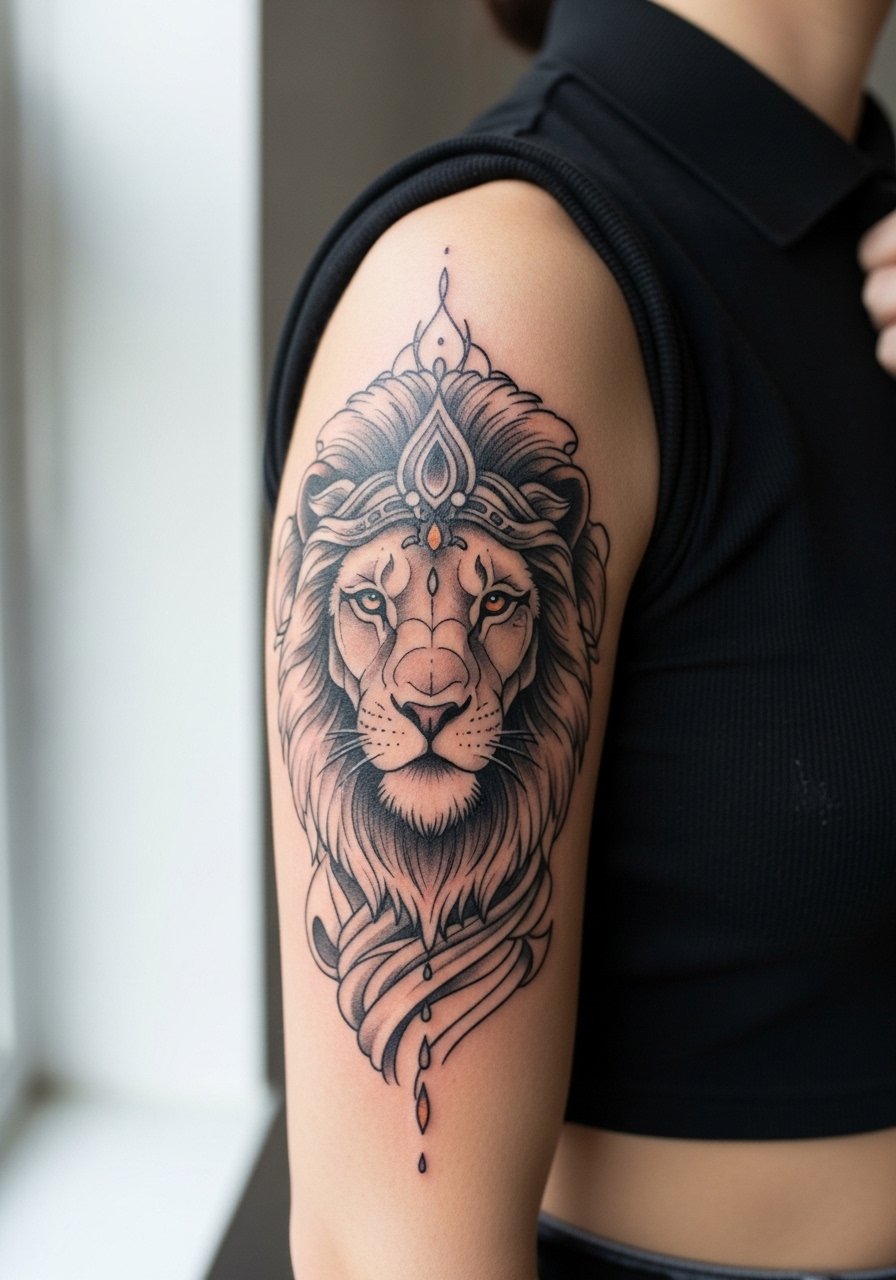
This mythological twist blends portrait realism and symbolic elements and benefits from clear hierarchy between face, headdress, and background motifs. In consultation, point out which facial features you want dominant and ask for negative space inside the headdress to prevent muddiness. Expect two to three sessions for a medium-large arm piece with a moderate pain level. For casual show-off moments, an off shoulder crop top keeps the shoulder visible while maintaining comfort during the day.
12. Geometric Lion Back Piece with Sharp Angles
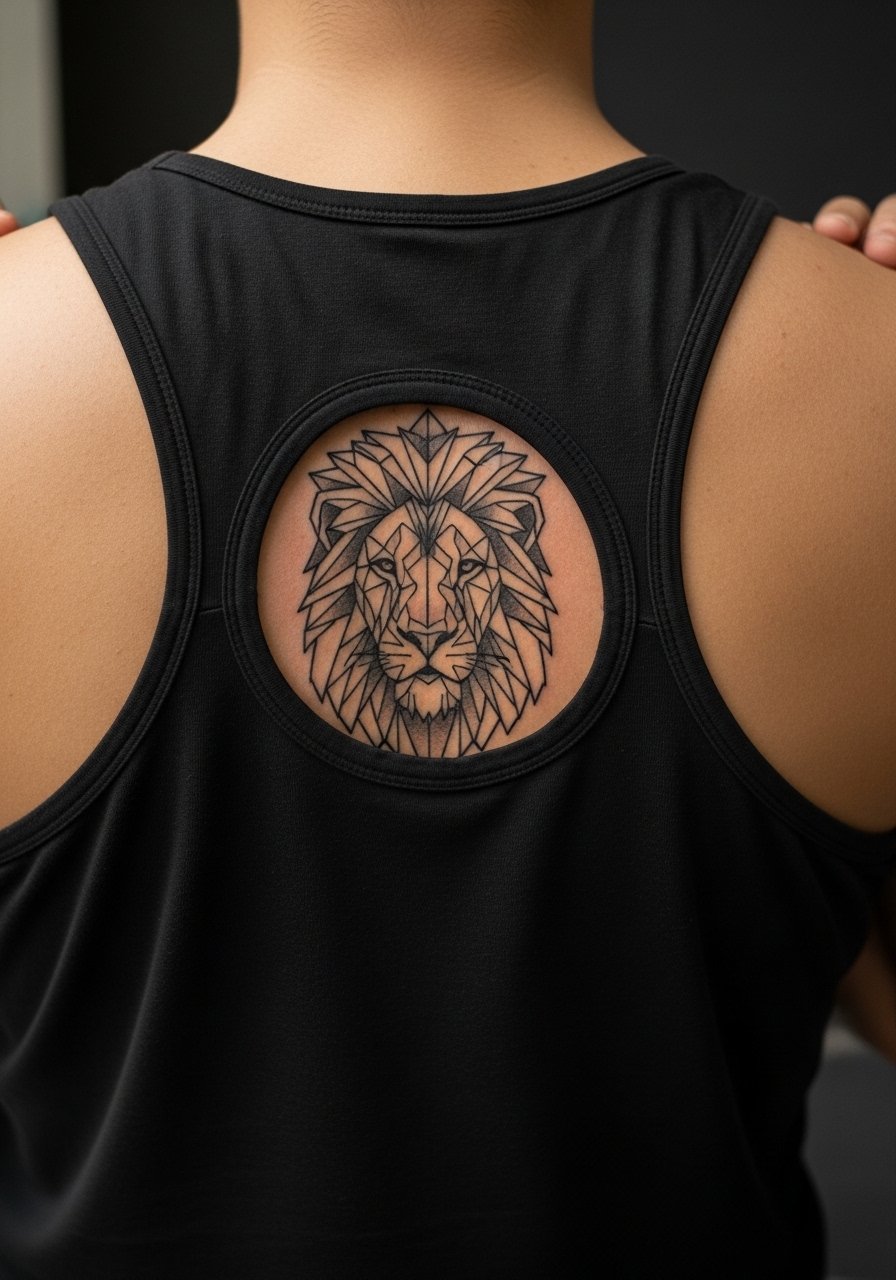
Back pieces allow geometry to expand, which is ideal because lines need breathing room to age well. The main mistake is packing too many intersecting angles into a small area. Schedule the design in sections and ask for spacing diagrams in the consultation. Sessions are typically longer and the back tolerates large fills, but prone positioning can be fatiguing. For discovery, look through studio portfolios tagged by location and style to find someone focused on geometric sizing.
13. Tiny Micro-Realism Lion Paw on the Finger
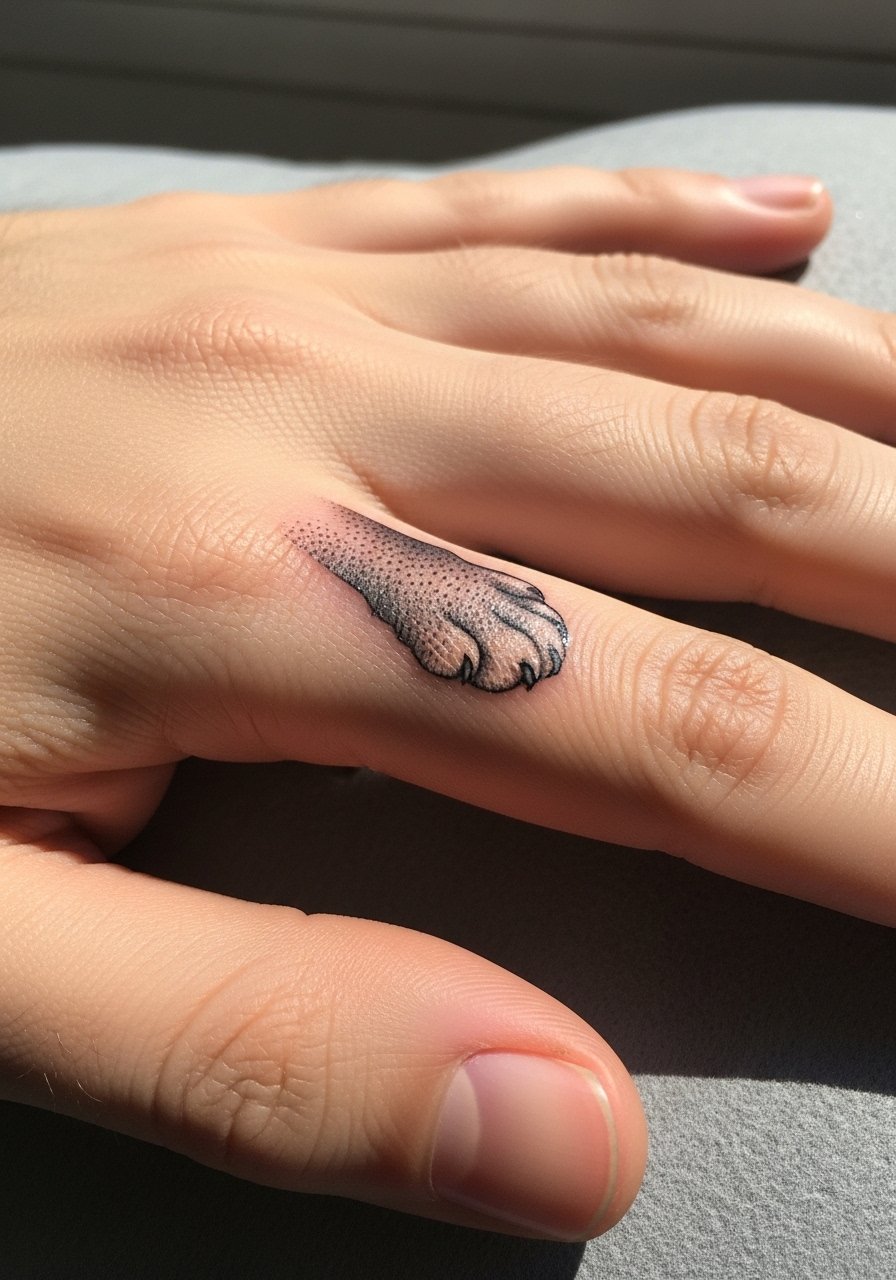
Finger micro-realism is delicate and needs strict expectations. Ask for simplified shading and avoid tiny high-frequency detail that will blur with constant hand use. Fingers lose pigment faster, so expect annual touch-ups. The session is short but sensitive. To make the piece read well in daily life, pair the finger accent with complementary wardrobe choices like a flowy blouse with sleeves pushed up so the hand becomes the focal point.
14. Lion with White Ink Accents and Ethereal Highlights on Shoulder Blade
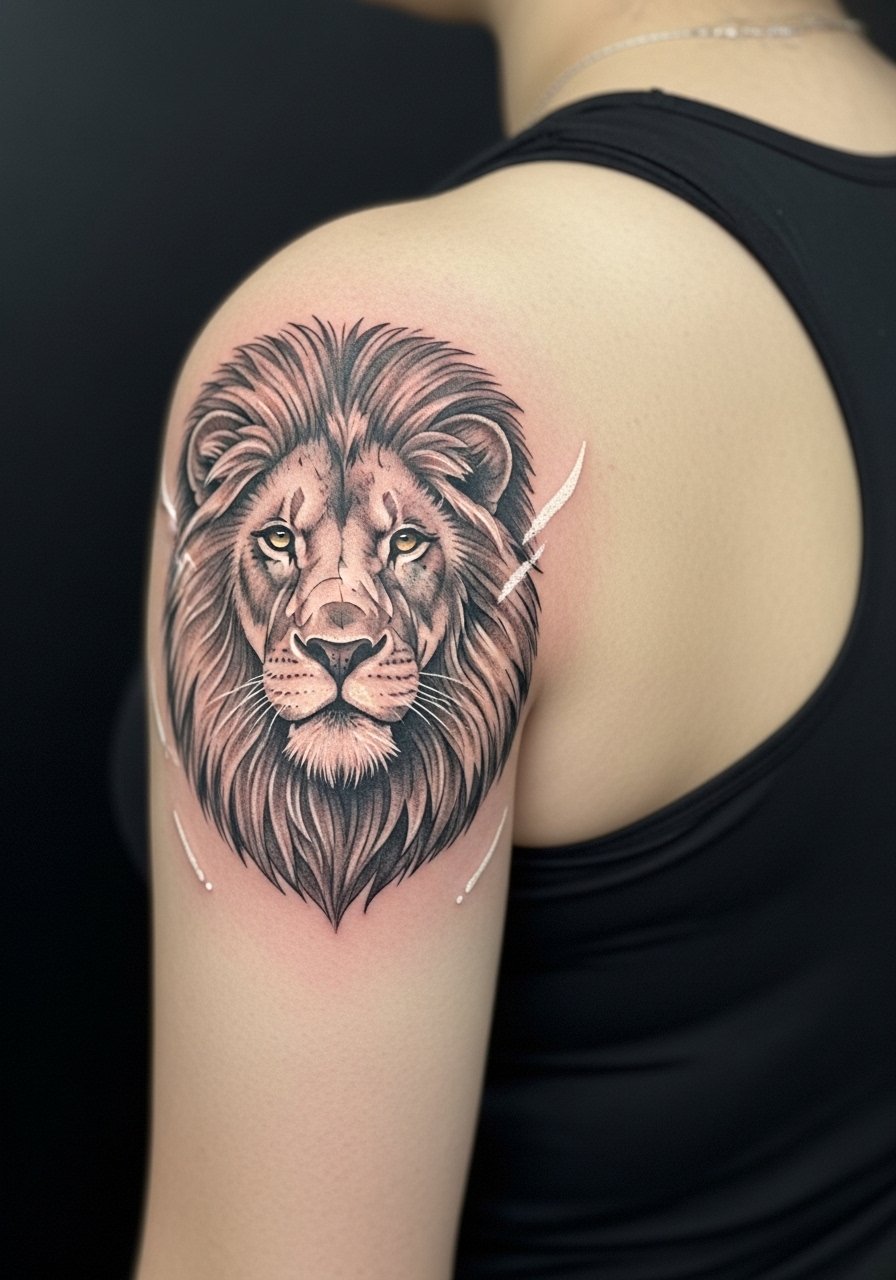
White ink can add an almost-glow to eyes or floral highlights, but it behaves differently across skin tones. Ask your artist where white holds best and request a patch test if you have darker pigment. The common error is overusing white as a primary highlight, which can yellow or fade faster. Shoulder blade placement is a good compromise for visibility and lower friction. Plan for potential follow-up work to refresh white accents after the colors settle.
15. Watercolor Mane Flowing Across the Outer Thigh
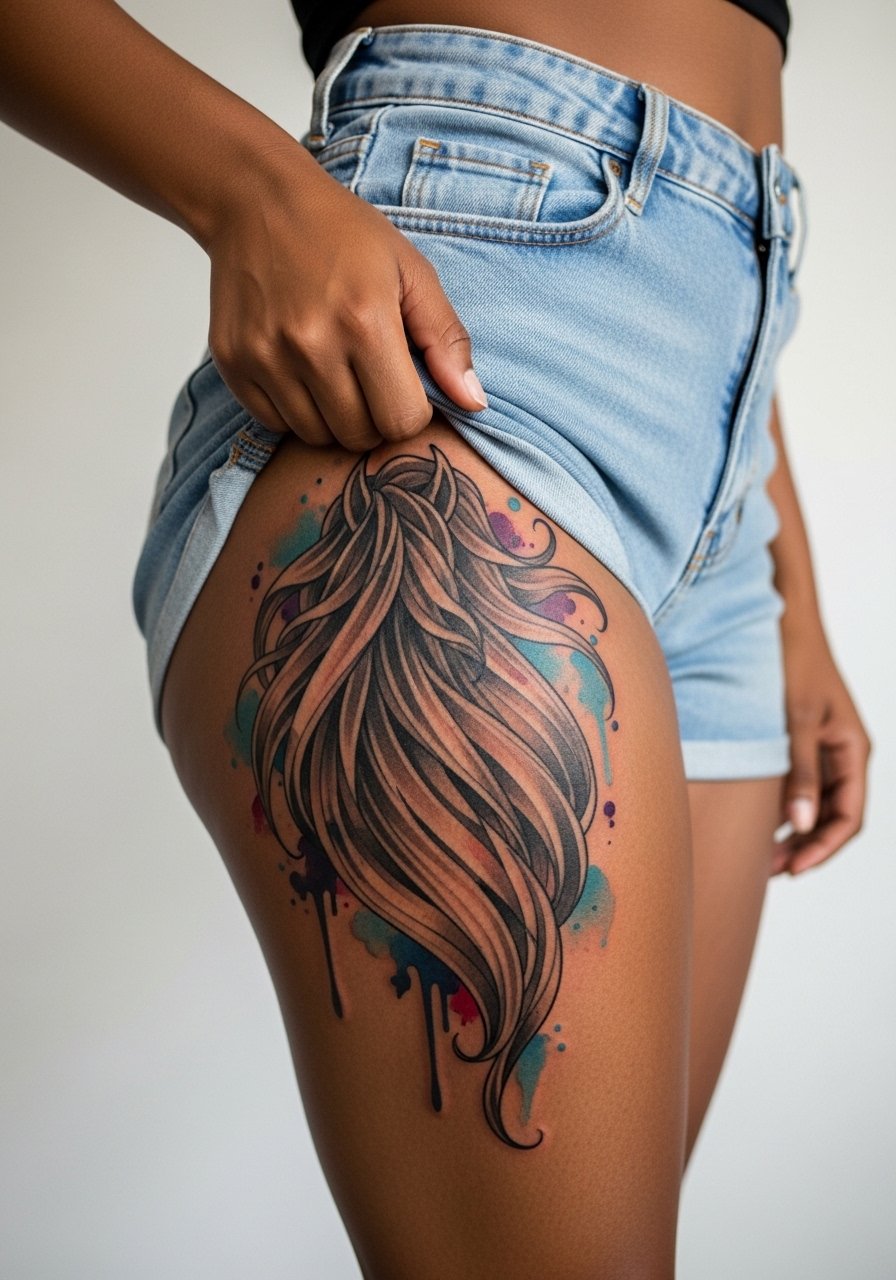
A larger watercolor mane can be composed to follow muscle lines so the motion feels organic when you walk. Discuss color saturation maps with your artist so the denser hues sit over areas that get less sun. Because this is thigh work, wear breathable shorts for the session and post-session days. For daytime styling, pair the splash with high waist shorts so the design gets full visibility without competing patterns.
16. Minimalist Contour Lion on the Ribcage
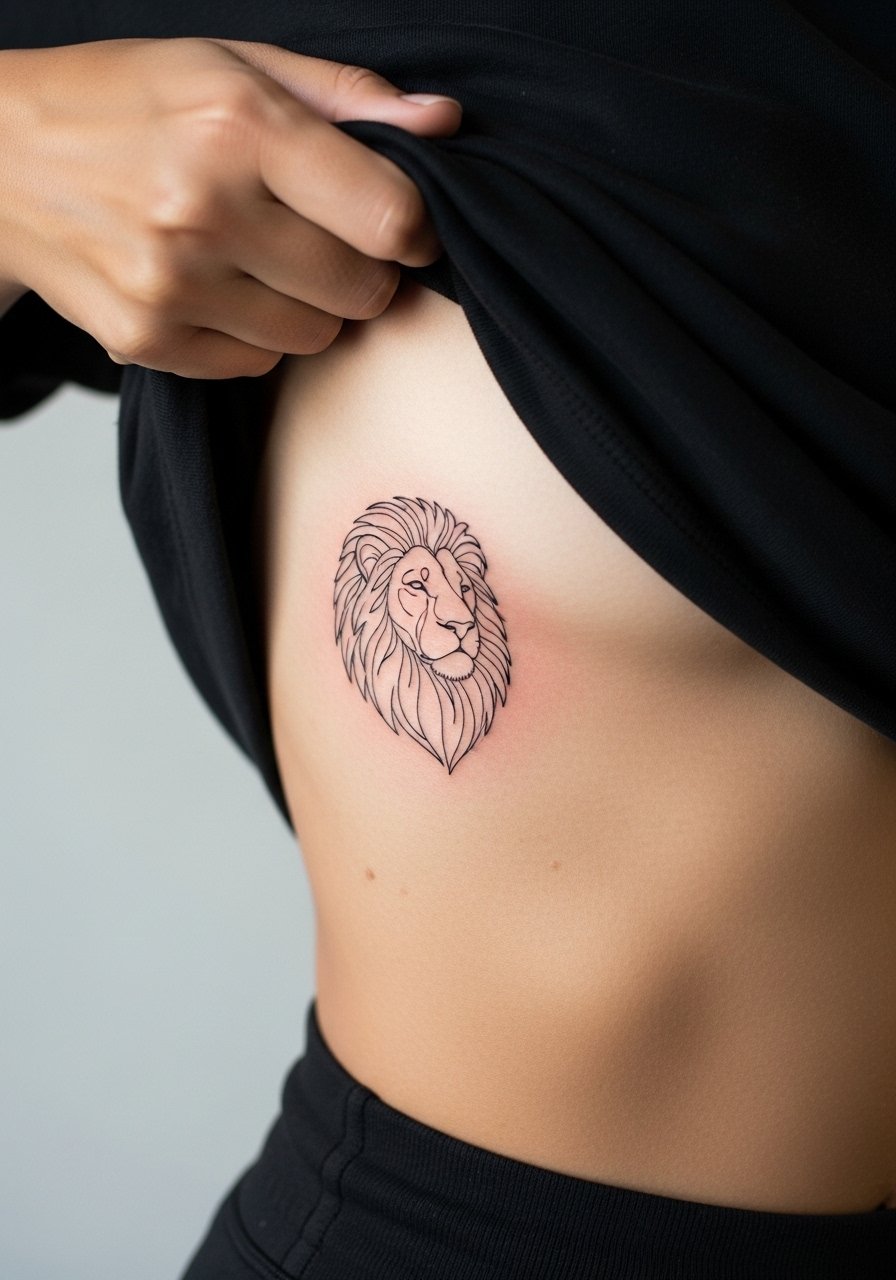
Ribcage placements are a classic place for minimalist work, but fine line on ribs is where artists split into two camps. One group says the skin stretch and breath movement blur ultra-fine lines within two years. The other group argues that with correct needle depth and spacing the lines can settle well. If you want a sharp rib outline, ask how the artist spaces lines and plan for a touch-up window at year two. Pain is higher here, so expect a tense session and plan accordingly.
17. Geometric Lion Panel That Scales Up on the Back
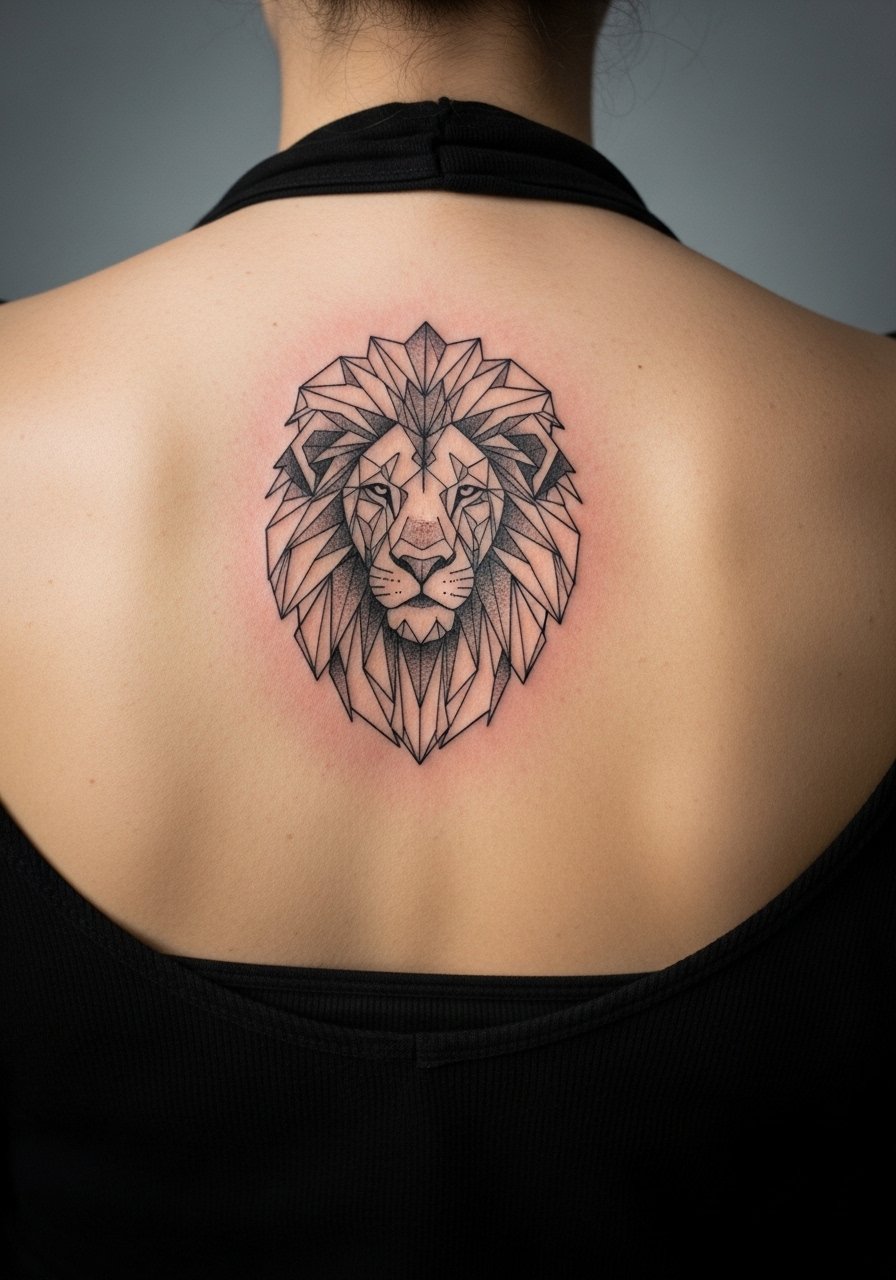
Back panels let you play with symmetry and larger negative spaces so the geometry remains readable over time. In the consultation, make clear which edges must remain crisp and where you accept softer shading. This helps avoid the trap of tiny converging lines that age into a blur. Sessions often require multiple visits for banding and fill. For show-off looks, a backless halter top keeps the design visible for evening wear.
18. Small Stylized Lion on the Ankle with Dot Work Mane
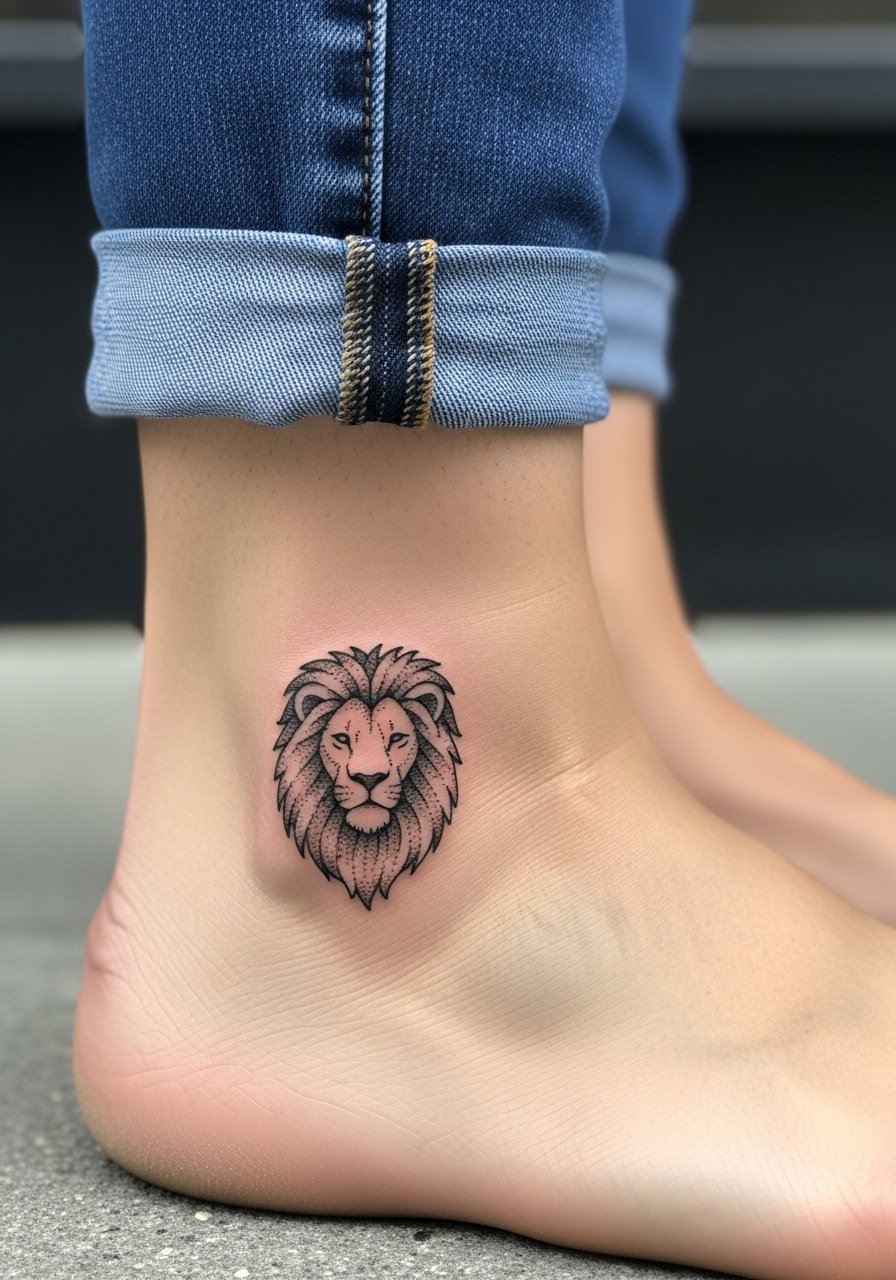
Dot work mane patterns are excellent on the ankle when you want texture without heavy black fills. Ask your artist for spaced stippling to prevent dense clumps that can soften into a shadow. The ankle sees high friction from shoes, so plan for a touch-up in the first two years. Sessions are short and the pain is tolerable but focused on bone proximity. Low-profile footwear like sandals or rolled jeans helps showcase the piece while it heals.
19. Chest-Facing Lion Portrait Framed by a Simple Pendant Line
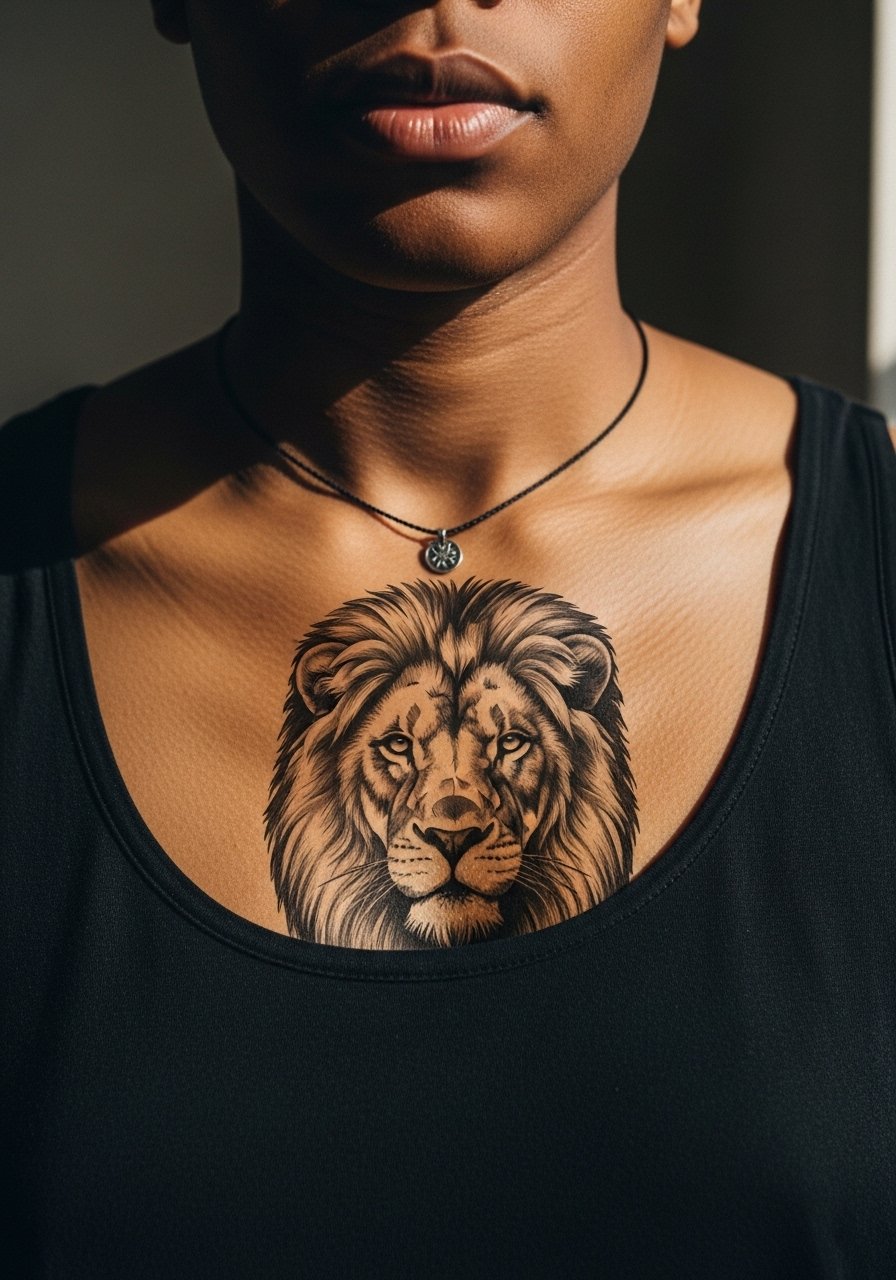
Centered chest portraits need a strong focal contrast so the face reads across clothing. During consultation indicate whether you want pendant placement cleared so jewelry does not sit on the healed area. The chest takes work well but can be tender near the sternum. A small pendant helps frame the portrait without covering it. For casual display choose a simple pendant necklace that compliments the piece without rubbing the skin.
20. Lioness Face in Micro-Realism for the Thigh Inner Side
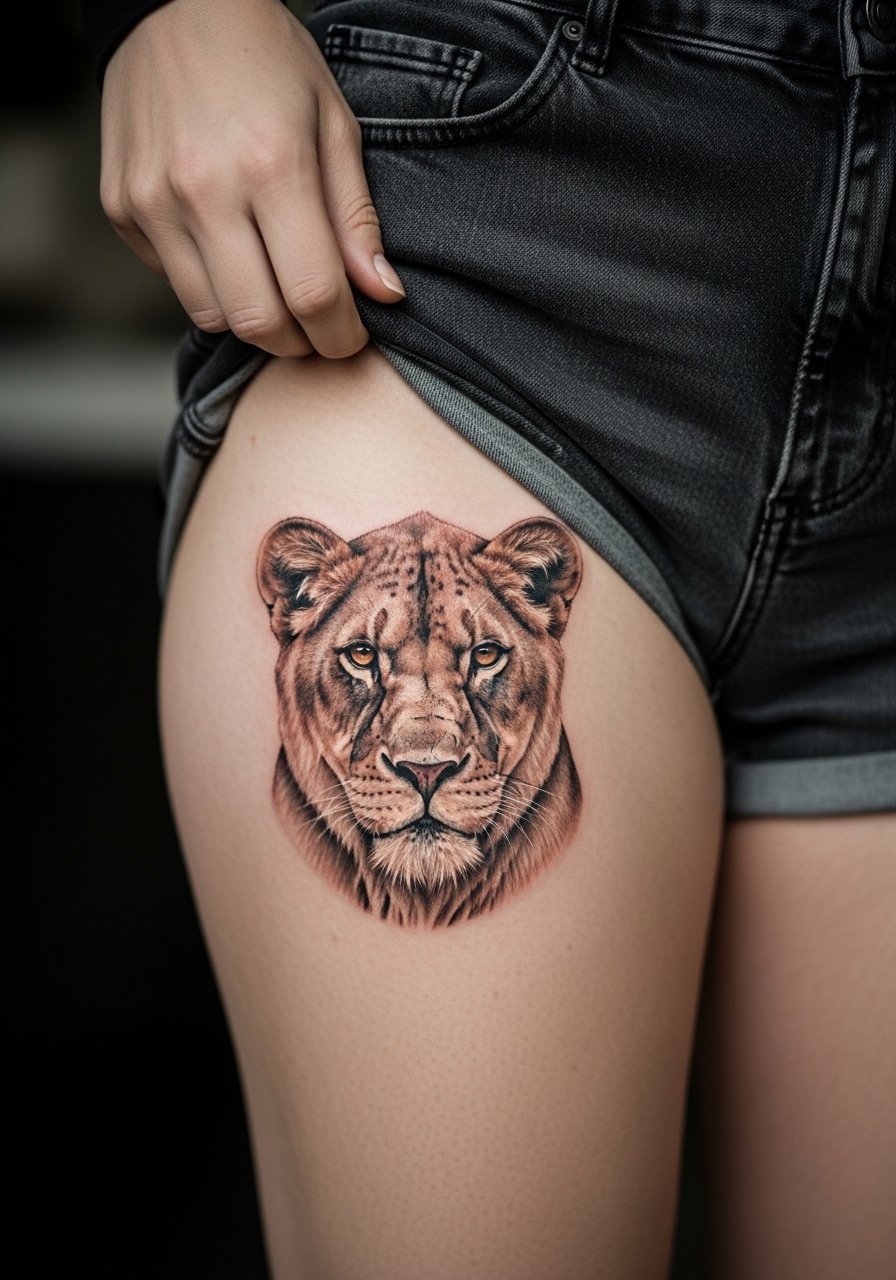
Inner thigh placements allow for intimate realism with soft gradation, but the skin there can change shape with weight and movement. Ask your artist how the portrait will look when standing and sitting so they can orient features to flattering angles. Sessions are private and can feel more sensitive. Expect periodic touch-ups because inner thigh experiences more friction and moisture variance than outer thigh areas.
21. Tribal-Influenced Calf Panel That Reads from a Distance
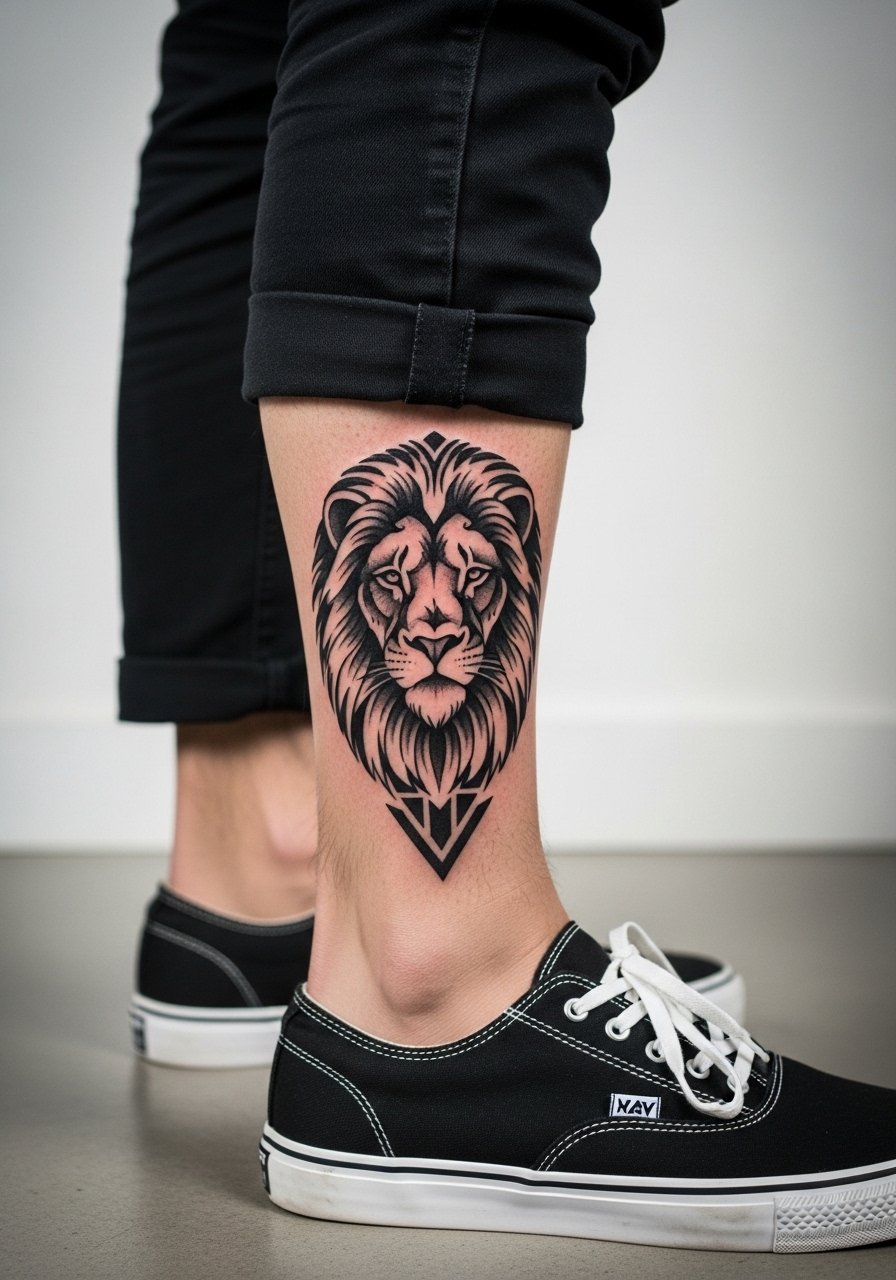
Large calf panels are ideal for bold cultural motifs because the leg gives room for pattern repetition. If you are referencing indigenous motifs, note the cultural origin in your brief and ask the artist about respectful adaptations. Request clear black saturation with spacing to prevent dense texture from merging. Calf work tends to heal reliably and shows well with casual footwear. When you want everyday visibility, pair it with canvas low top sneakers and cuffed pants so the panel reads across movement.
Frequently Asked Questions
Q: Will watercolor-style lion manes fade faster than traditional saturated manes on the thigh?
A: Watercolor relies on softer washes and less top-solid saturation, so it naturally softens with sun exposure. From what I've seen, the fix is planning placement and sunscreen later. If you want the painterly look to last, ask the artist to anchor the mane with a few saturated anchor points and plan for a top-up at year two if you spend a lot of time in sun.
Q: Do geometric lion silhouettes need to be larger to avoid blowout on the ankle?
A: Yes, dense angular work needs room. Tiny converging lines on the ankle risk softening into one shape as skin moves. Ask your artist to show the minimum scale that keeps negative space between key angles. If you need the silhouette small, accept simpler geometry and schedule a touch-up sooner.
Q: How do I approach white ink accents on different skin tones for a lion portrait?
A: White reacts differently depending on skin tone and placement. I've noticed white reads brighter on lighter tones and as subtle highlights on deeper tones. Ask for a small test patch when possible and discuss if white should be used sparingly for contrast rather than as the main highlight.
Q: Are inner bicep realism pieces worth the extra pain and touch-ups?
A: Inner biceps give a great canvas for portrait work but come with sensitivity and a higher chance of softening in micro-shading areas. If you want tight realism there, plan for two to three sessions and a likely touch-up at year two. Wear a sleeveless tank for the session to keep fabric from tugging.
Q: Which wardrobe pieces actually help show chest or shoulder lion portraits in everyday wear?
A: Low V-necks and simple pendants create a clean frame without covering the tattoo. A v neck tee or a simple pendant necklace sits above the art and keeps attention focused on the portrait while avoiding friction directly on the healed skin.
Q: If I want a matching lion and lioness pair on ankles, what should I ask the artist to ensure the set reads as one?
A: Ask for mirrored negative space and a shared color palette so both pieces read as a pair. Specify scale and placement alignment in the consultation so the two ankles look balanced when you stand or walk. Keep patterns clean and avoid micro detail that will blur faster on ankles, and plan for small touch-ups in the first couple of years.
