
Fine line cat tattoos dominate saved boards, but the ones that still read clean after five years are usually the bolder pieces. Bold cat tattoo designs keep their silhouette and saturation in ways tiny detail work often does not, especially on high-friction spots. Below are 27 bold feline ideas that consider placement, how they age, what to ask your artist, and a few wardrobe tips to help you show them off during and after the session.
1. Bold Traditional Cat Head with Anchor on the Forearm
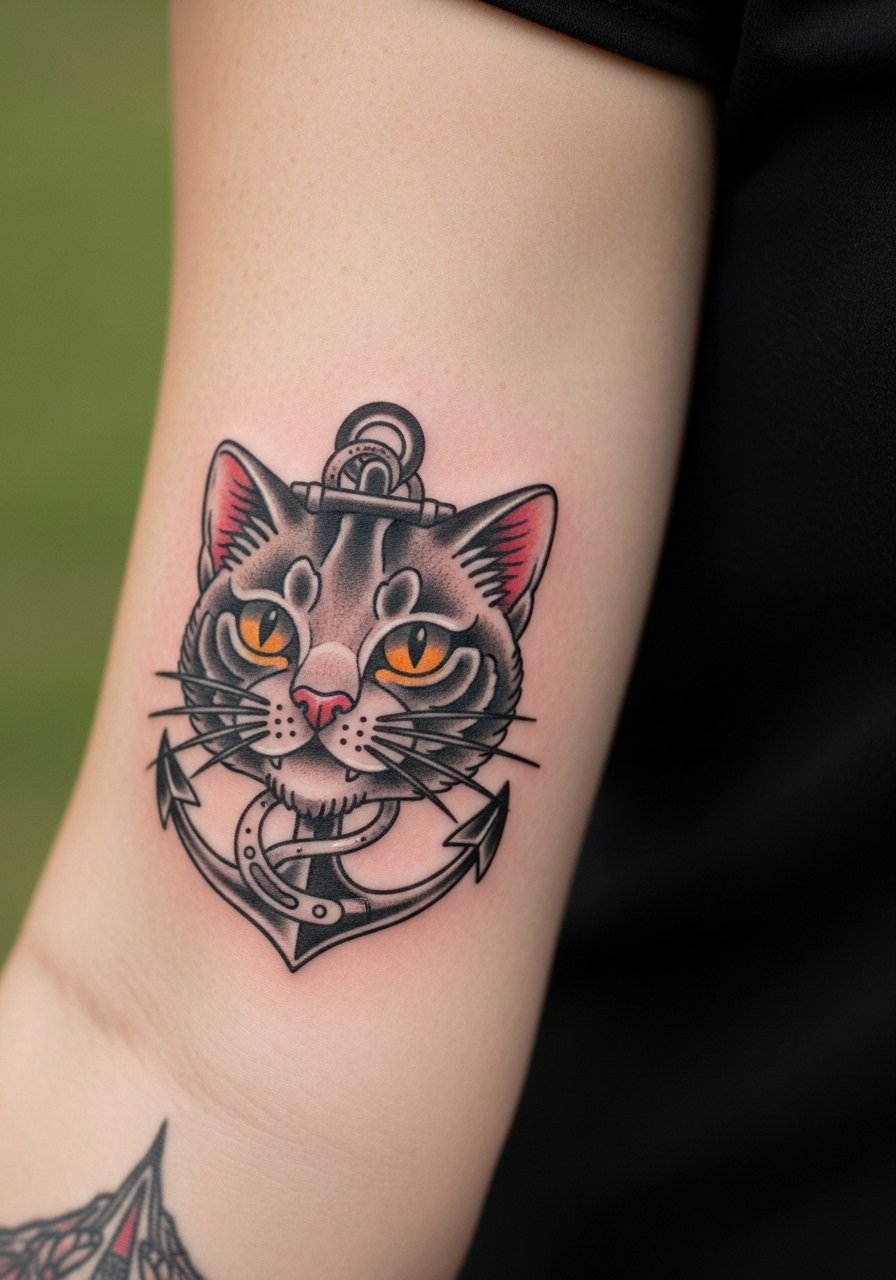
I've seen these on rolled sleeves at coffee shops and they still read clean after years. Ask your artist for one-quarter inch of spacing between thick outlines and any interior detail so the saturation does not bleed together later. The common mistake is trying to cram tiny decorative flourishes into the face, which softens into a blob by year three. Expect a single long session for a 4-6 inch piece and a touch-up at 6-12 months if needed. For showing it off, pair the forearm with a rolled sleeve graphic tee in a dark solid, and wear a leather cuff bracelet on the opposite wrist during outings to balance the look.
2. Bold Line Roaring Cat Face on the Bicep
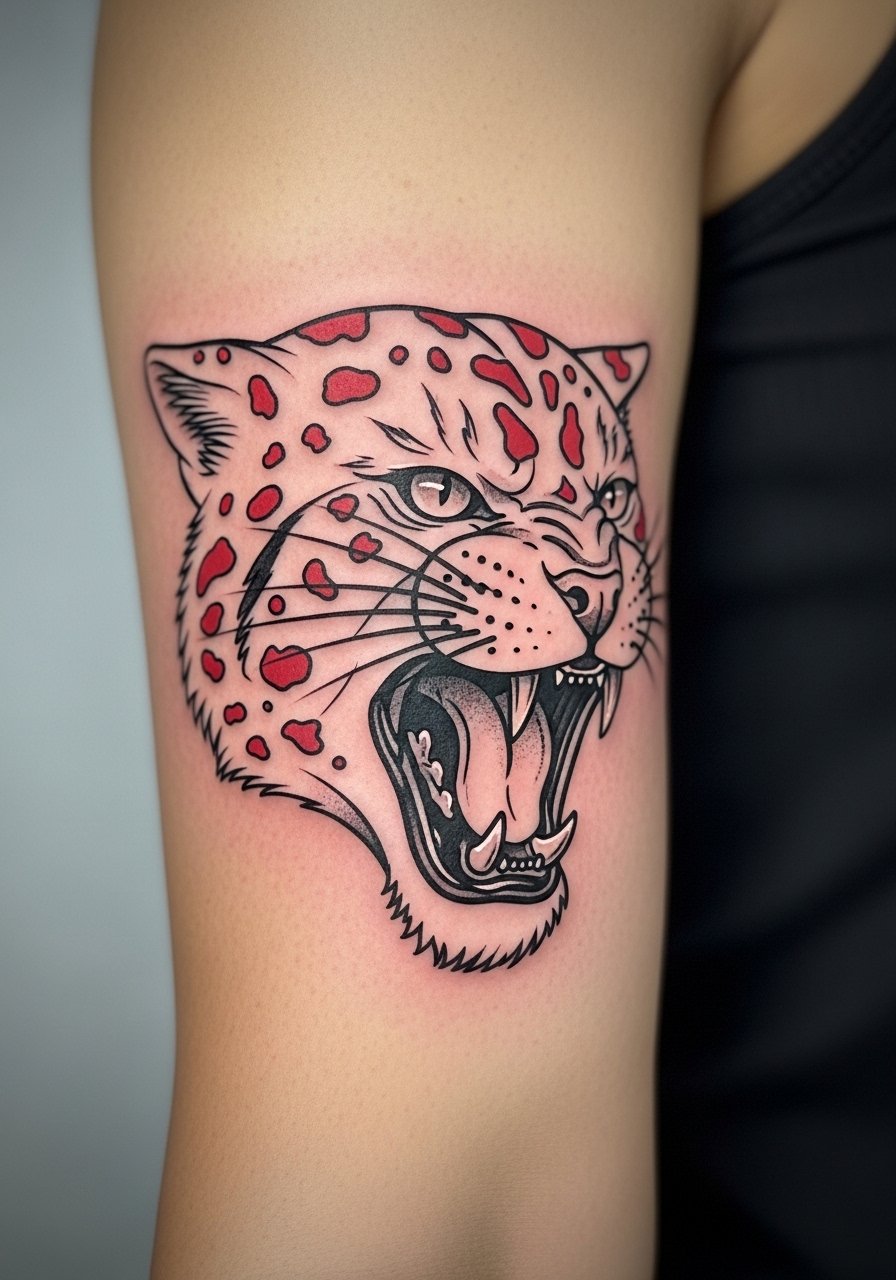
Fair warning, the bicep gives a forgiving canvas but the biggest mistake is shrinking the face under three inches. When you consult, bring images that show the exact line weight you want and specify that the eyes read as negative space rather than tiny filled dots. This style usually takes a single session and feels moderate for pain because the muscle pads the needle. At six months the outline will have softened slightly, at two years it reads as a dense silhouette, and a small touch-up around year three keeps the contrast sharp.
3. Bold Geometric Cat Silhouette on the Shoulder Blade
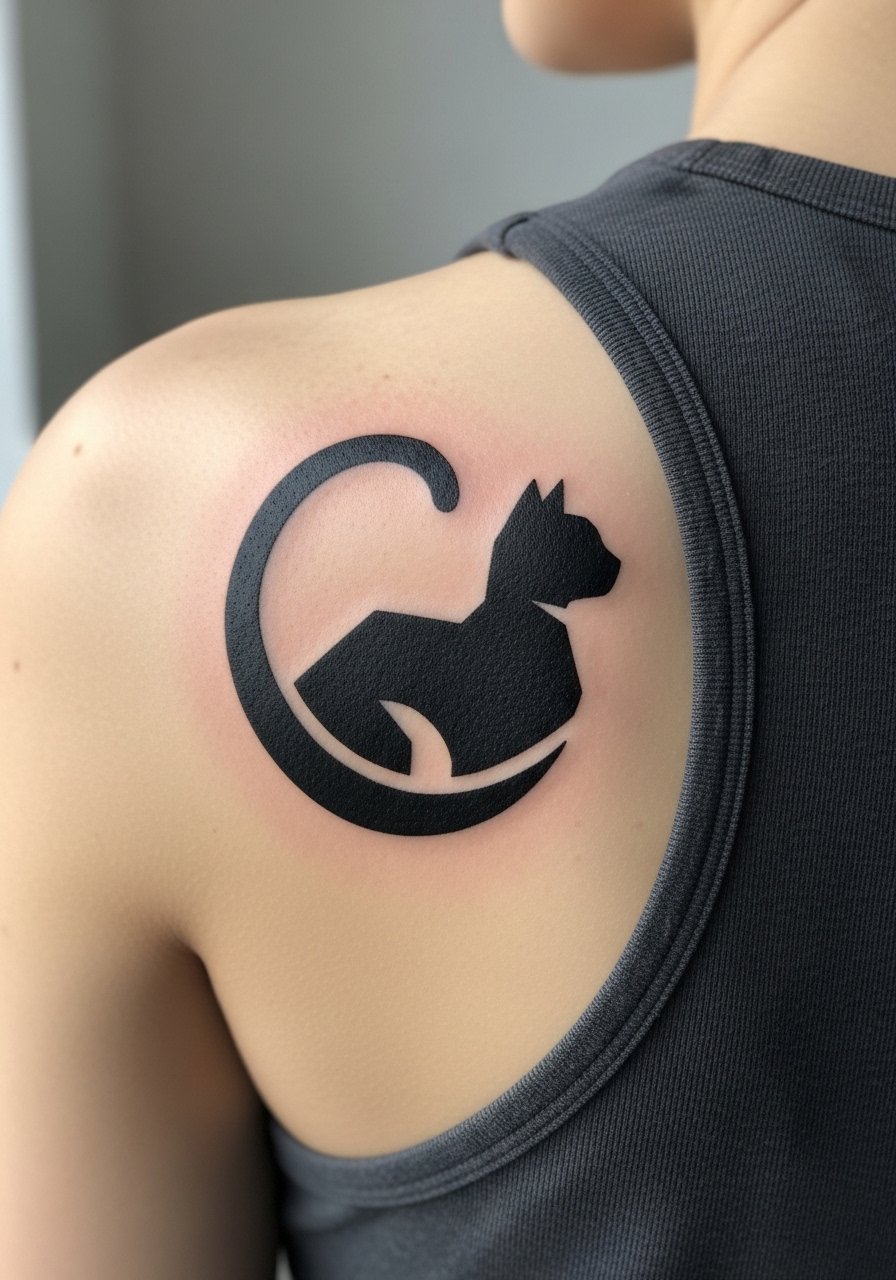
When you want modern minimalism that still holds, choose geometry that gives each line room to breathe. The biggest mistake is making intersecting triangles too close together. Tell your artist you want segments separated by at least three to four millimeters so dense areas do not merge as they heal. For the session wear a sleeveless muscle tank so the shoulder is fully exposed. This placement shows well with an off shoulder crop top for nights out, and it ages predictably because the skin there moves less than on the inner arm.
4. Bold Tribal Cat Outline Wrapped on the Thigh
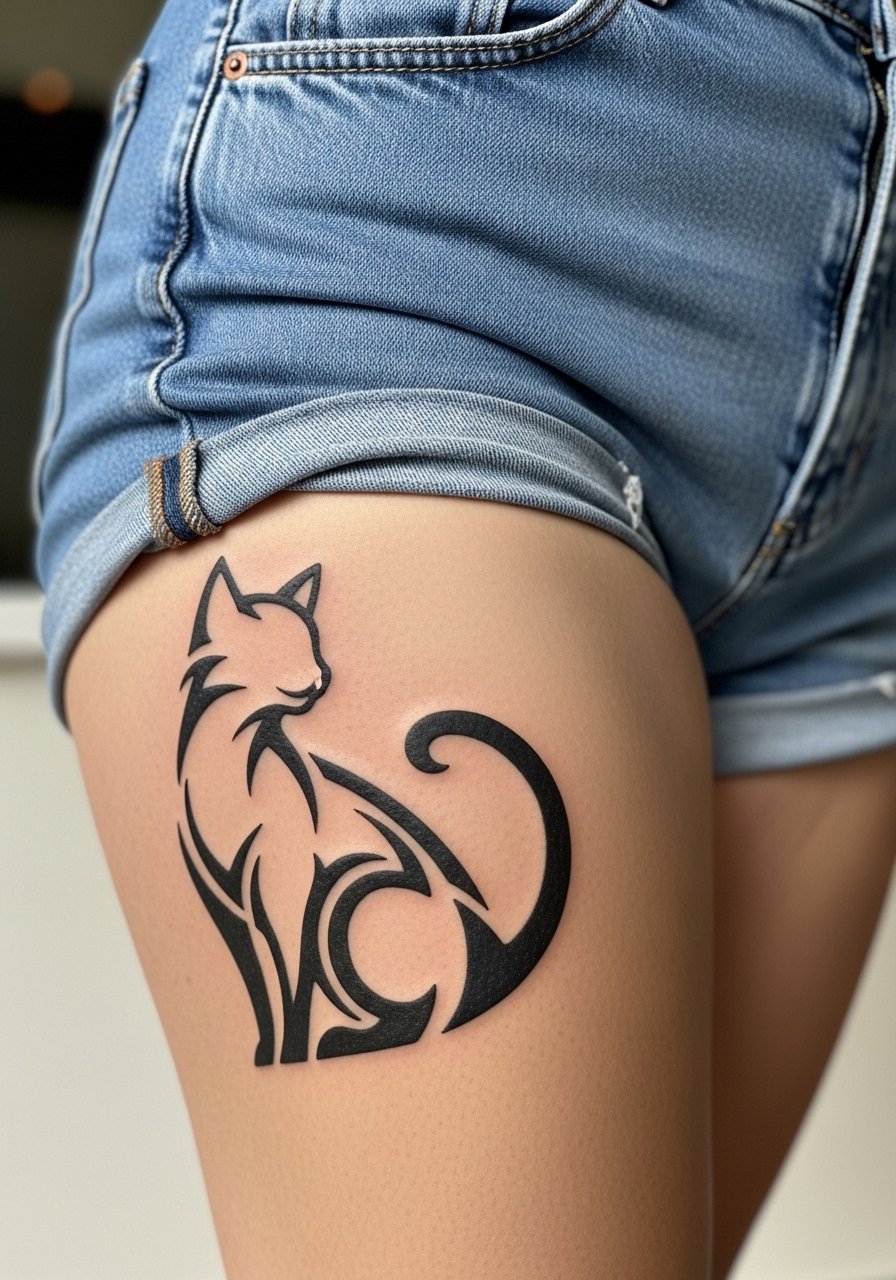
The thigh is a strong spot for tribal work because the area stretches less with daily movement. A frequent error is making the wrap too tight at the seam, which distorts if your body changes. In consultation ask for a mockup that sits across the widest part of the thigh so the pattern wraps smoothly. Expect one to two sessions, and plan to wear high waisted denim shorts to show it off without cutting the design across fabric lines. Touch-ups are rarely needed unless you gain or lose significant weight.
5. Bold Realistic Cat Portrait with Thick Contour on the Upper Back
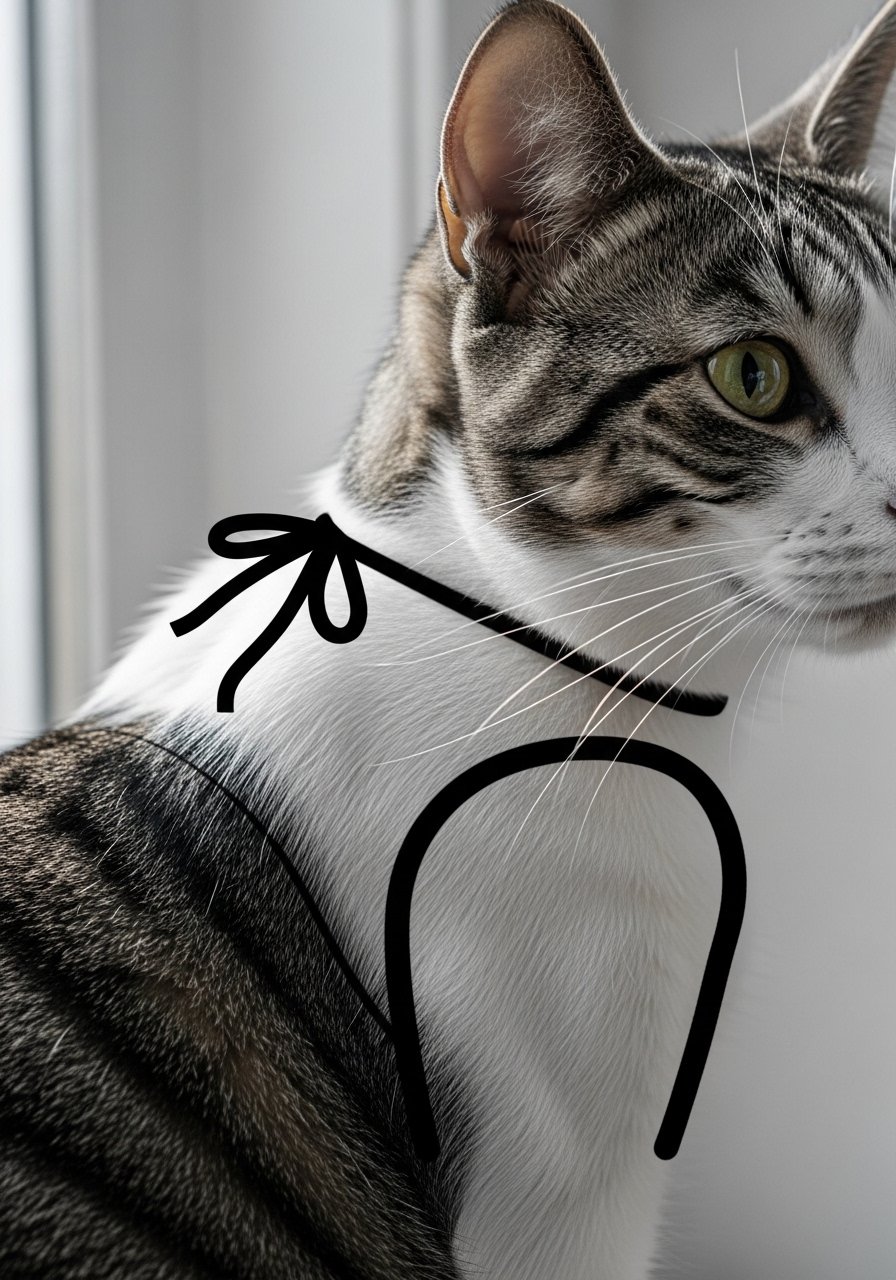
Most people pick realistic portraits for a pet tribute, but pure micro-detail often loses clarity. A bold contour around the portrait helps the features remain legible from a distance. Tell your artist you want the eyes and nose slightly emphasized with deeper saturation and a surrounding bold outline for longevity. Realism on the back usually takes multiple sessions and can be painful near the spine. For showing the piece wear a backless halter top to let the circular portrait sit as the focal point. Expect to revisit for a touch-up after the first year to rebalance contrast.
6. Bold Neo-Traditional Cat with Flowers on the Upper Arm
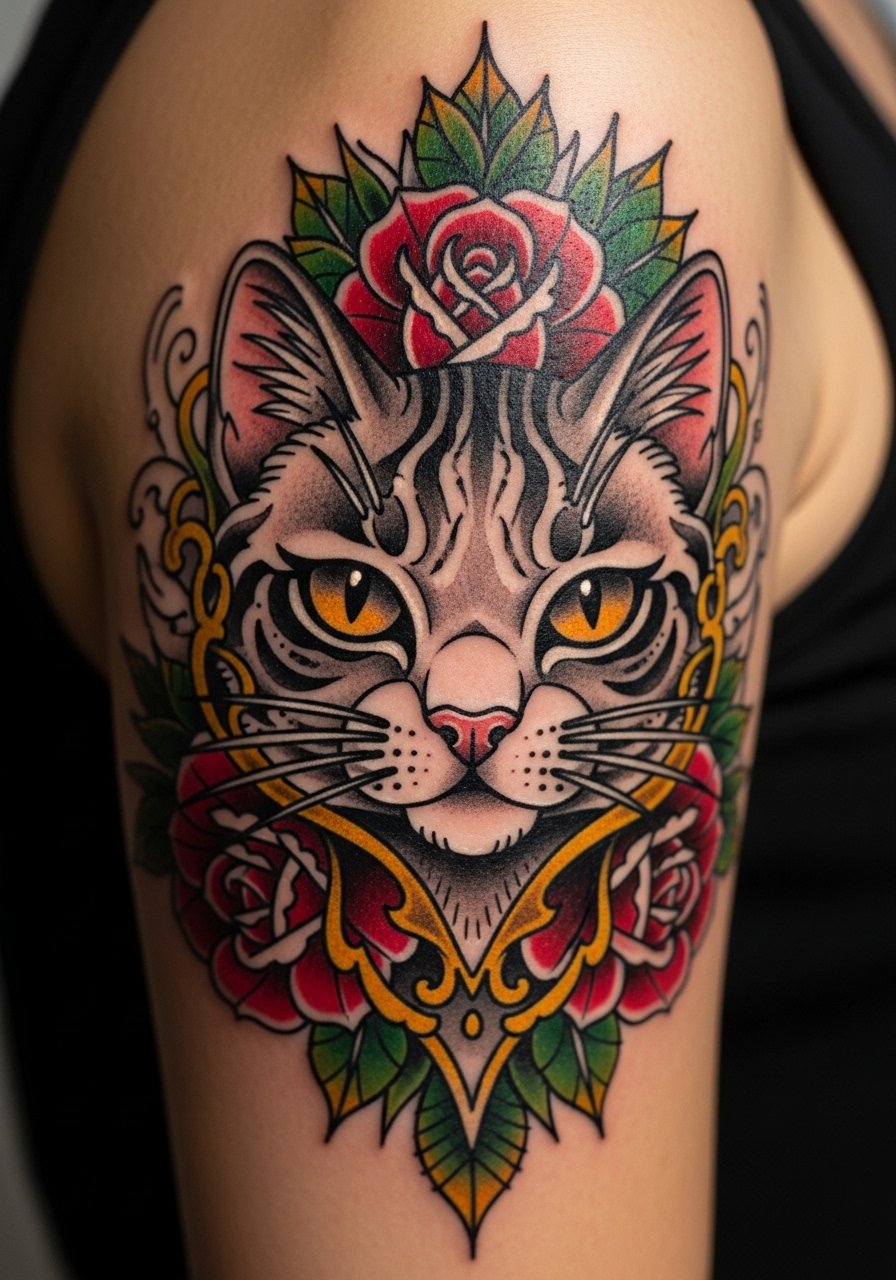
When whimsy meets structure you get neo-traditional that holds better than tiny botanical details. In consultation, specify saturated color blocks rather than watercolor washes. The common mistake is asking for tiny petals that disappear as the ink settles. The session is comfortable because the muscle gives padding. Ask the artist for strong black anchors around color fields to preserve saturation. Wear a loose tank or button-down that can roll up so the artist has clear access during the appointment.
Studio Day Picks
The upper-arm, back, and thigh pieces above need different prep than wrist work, and a few items make the session easier and the first week smoother.
-
Stencil transfer paper kit. Lets you preview lineweight and placement directly on skin so you can confirm scale before the needle starts.
-
Topical numbing cream. Apply as directed to take the edge off sensitive spots like ribs or sternum without affecting the artist's work.
-
Thin protective film roll. Useful for lower leg and hand tattoos where daily friction and washing are unavoidable.
-
Fragrance-free gentle body wash. Cleanses healing skin without irritating the linework that finer motifs depend on.
-
Aquaphor healing ointment. Thin layers in the first few days lock in moisture and reduce scabbing on dense blackwork.
7. Bold Blackwork Cat Pouncing Along the Calf
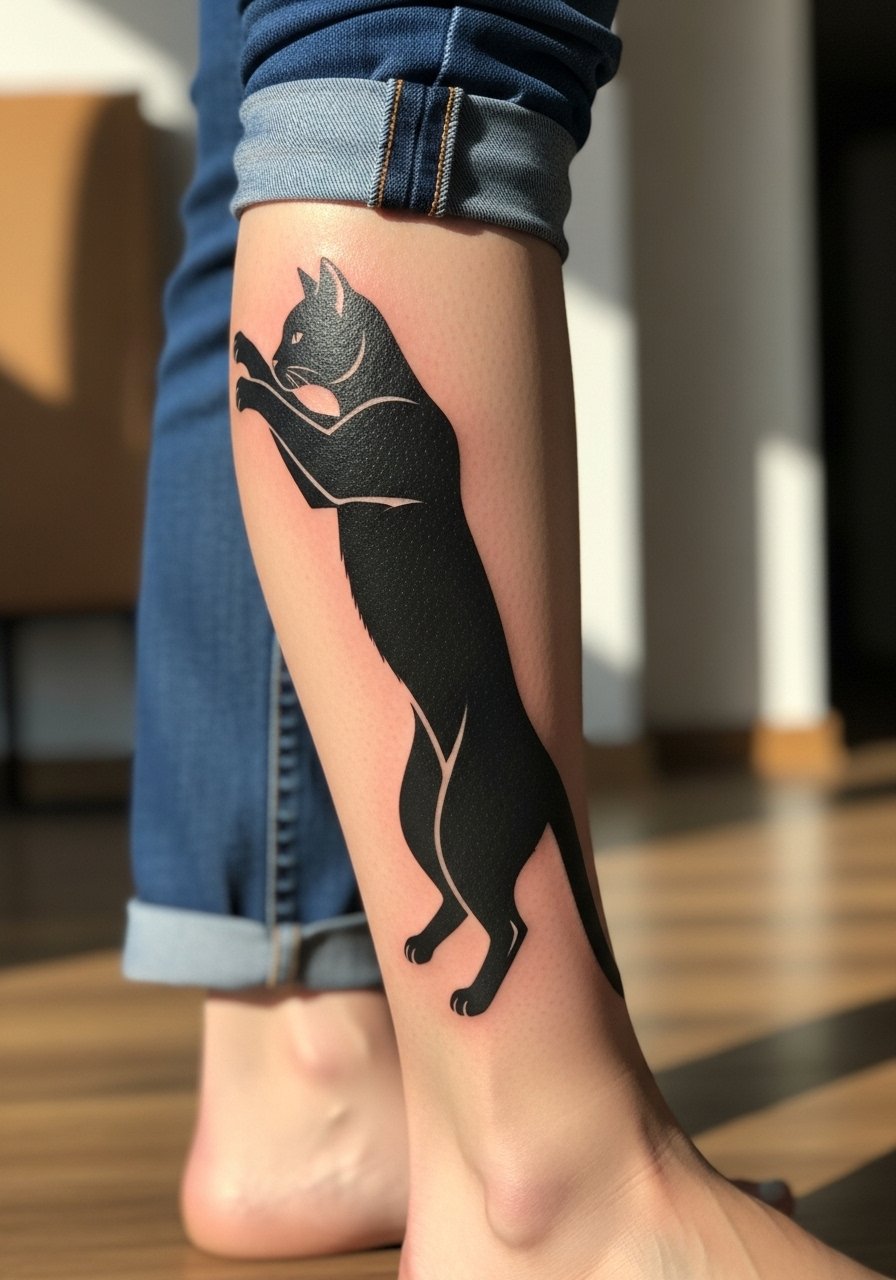
There is something about heavy saturation on the calf that reads dramatic in sunlight. The usual error is stretching a long, thin design too small for the leg and losing motion. Tell your artist you want elongated limbs and a clear negative space trail to preserve motion as it ages. Expect one to two sessions, and a moderate pain level when the needle crosses the shin bone. For casual show-off pair the tattoo with rolled ankle joggers or straight jeans pulled up at the hem. Blackwork like this often needs a touch-up at year two to restore full saturation.
8. Bold Abstract Cat Eyes on the Wrist
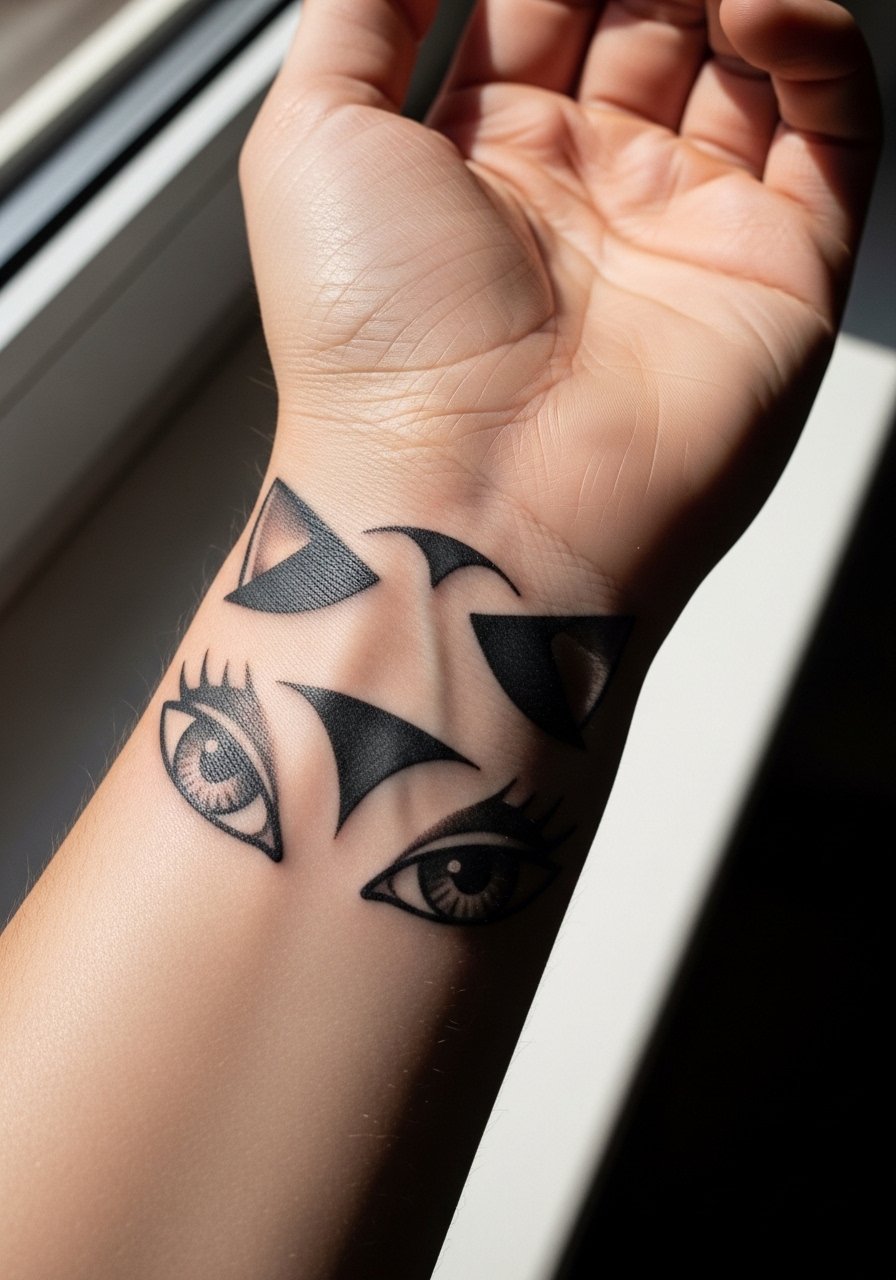
Wrist pieces are tiny but they are visible and subject to a lot of washing and friction. The mistake is trying to fit too much detail into two inches. When you book, ask for the eye shapes as clear, simple silhouettes so edges stay crisp. The session is short and the wrist can be sensitive, so a topical anesthetic is an option. For showing off the piece wear a thin leather wrap bracelet on the opposite wrist to keep focus balanced. Expect the first year to be the most dramatic change; plan a small touch-up if line edges soften.
9. Bold Watercolor Cat Whisker Splash at the Ankle
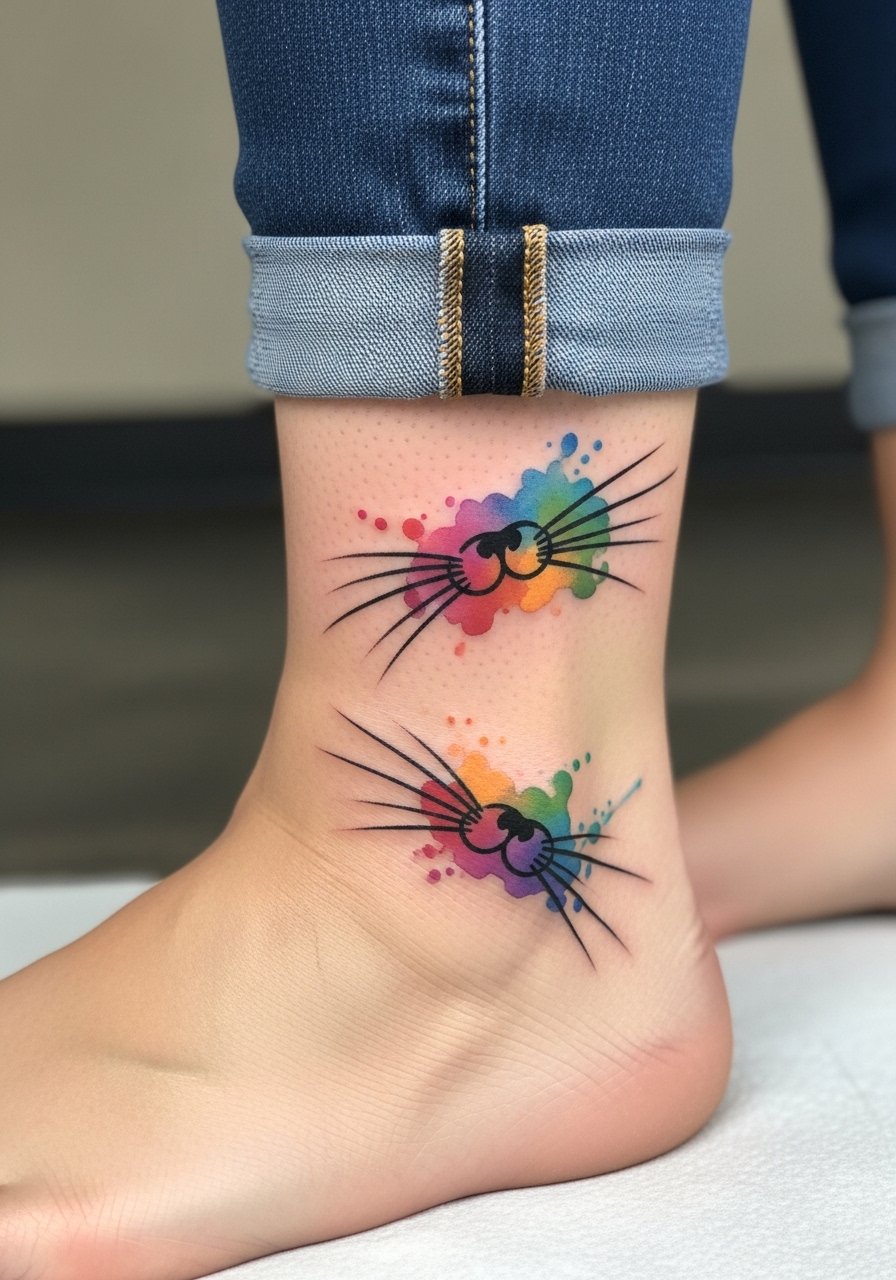
Watercolor effects can look playful without committing to tiny line details that fade. The common mistake is relying solely on watercolor without an anchor outline, which disappears within months. Ask your artist for a thin bold contour around the wash so the shape remains visible as pigments soften. Ankle sessions are quick and the area handles color well if protection from rubbing is managed. For the appointment roll your pant hem up or wear shorts so the artist can work without interference. Expect color to need refresh work at two to three years depending on sun exposure.
10. Bold Fine Line Cat Paw Print Trail on the Ribcage
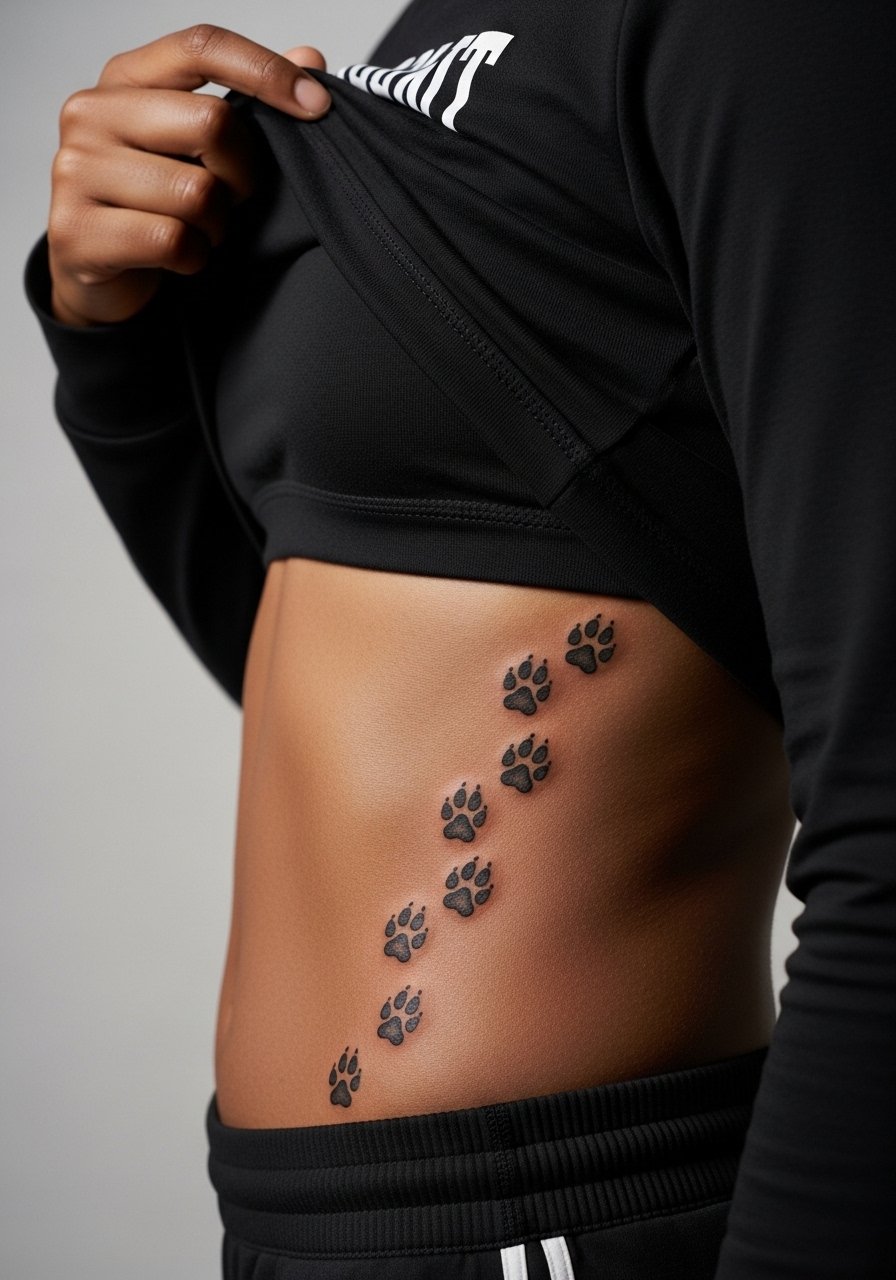
Most people underestimate rib pain. Fair warning, the ribcage rates high on pain scales but it can still be worth it for the visual. The controversy here is clear. One camp says fine line on ribs blurs within two years because skin stretches and breath motion disturbs healing. The other camp argues that with careful needle depth and slightly bolder lineweight, fine work can settle well. Ask your artist which side they fall on, then agree on a lineweight that balances delicacy with longevity. Plan for a single session and a longer healing window, and avoid tight clothing during the first two weeks.
11. Bold Ornamental Cat Mandala Centered on the Upper Back
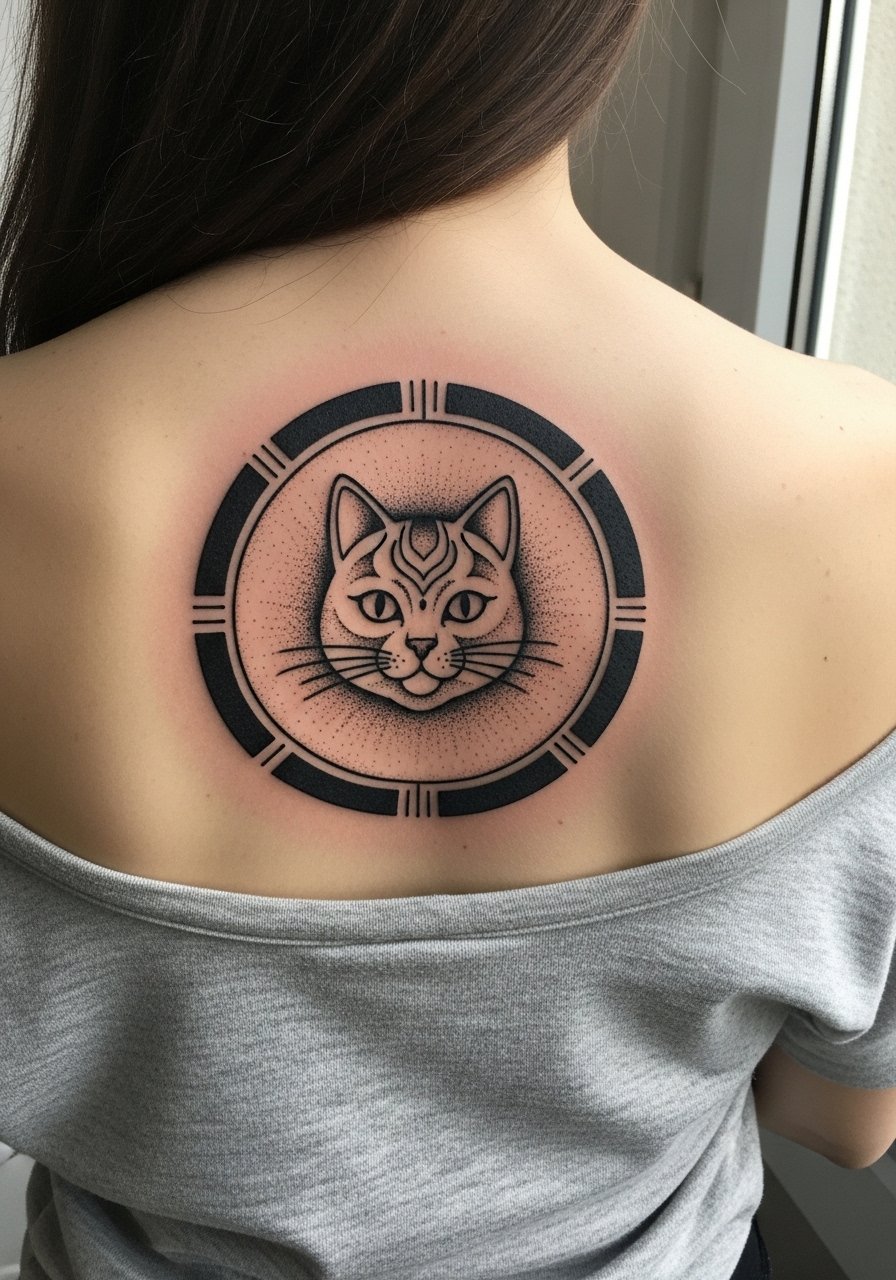
Visual impact leads this one. A mandala around a cat face reads meditative when the outer ring is bolder than inner filigree. The mistake is packing dense dot work into the center without a bold outer border. Ask the artist for contrast between a solid outer ring and lighter stipple shading inside. Back pieces take two sessions and feel less painful than on ribs. For evenings wear a low back dress or backless halter to let the symmetry show. There is cultural context here, so mention you want a respectful nod to ornamental traditions rather than a direct copy of sacred patterns.
12. Bold Ignorant Style Cartoon Cat on the Calf
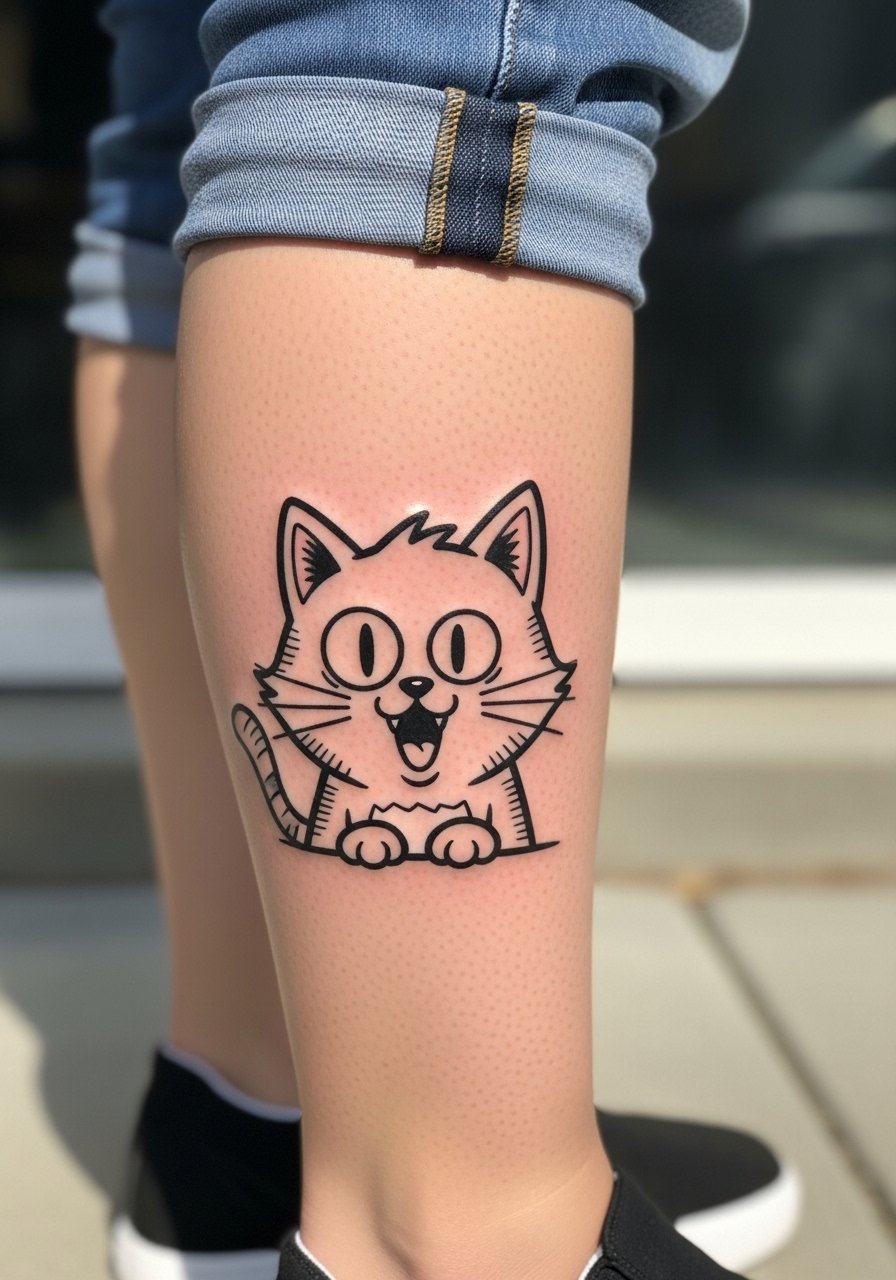
The ignorant style is intentionally naive and that makes it low commitment in vibe. A common error is requesting overly refined linework that works against the aesthetic. During the consult say you want bold, confident strokes and no micro-detail. Calf positioning gives room for humor and motion, and the session is usually fast. For casual wear choose rolled pants or shorts so the squat four-inch image reads clearly. These designs tend to age well because thick lines maintain their shape.
13. Geometric Cat Mandala That Plays with Shoulder Curves
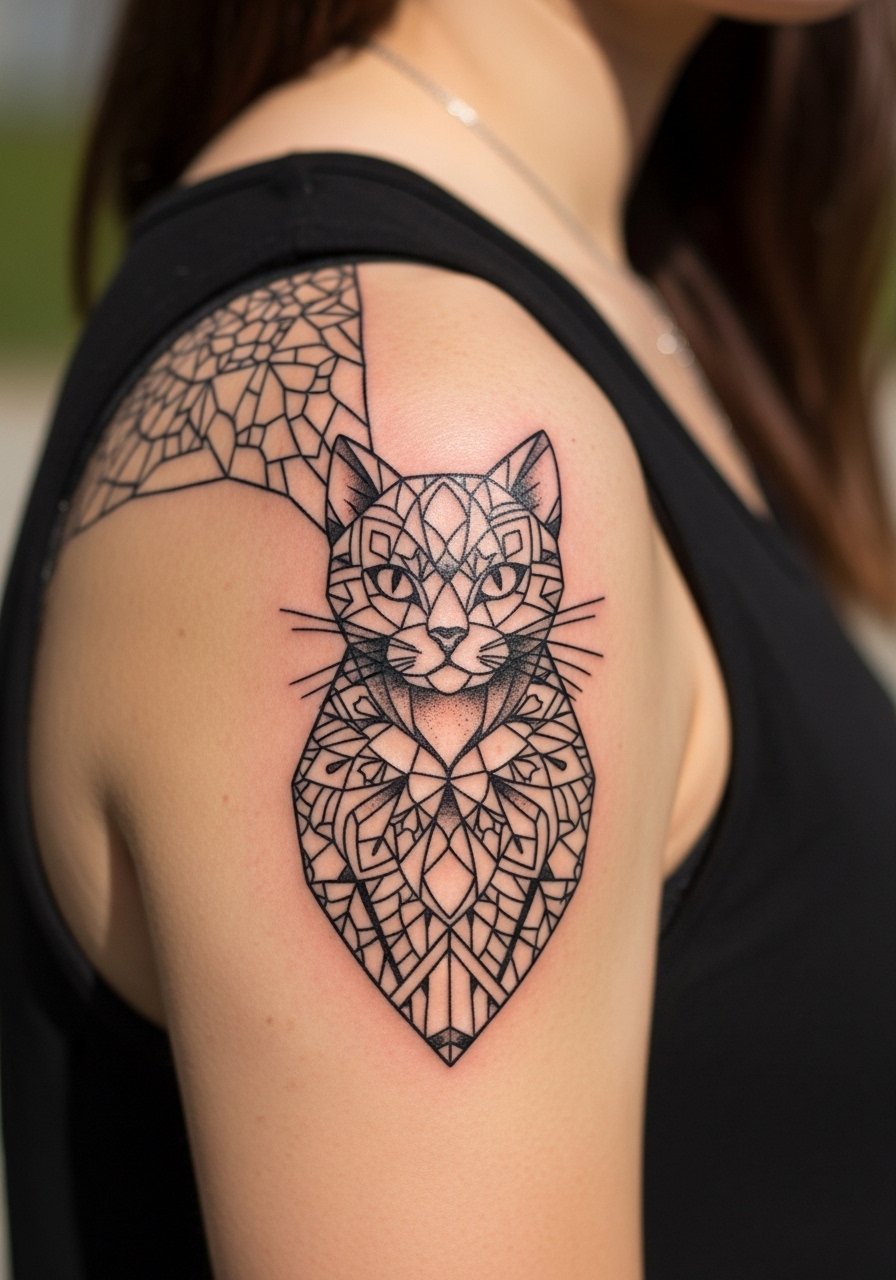
The biggest mistake is trying to make a dense mandala too small on a rounded shoulder. Artists split on the best approach. One group says tight geometry on the shoulder will compress and blur, especially if the mandala is under four inches. The other group says carefully spaced geometry that follows muscle contours can create an optical illusion that stays crisp. Ask your artist for a mockup that curves with your shoulder and request spacing that respects natural movement. For showing it off choose an off shoulder crop top so the geometry aligns with your collar and chain lines.
14. Tiny Bold Cat Silhouette Tucked Behind the Ear
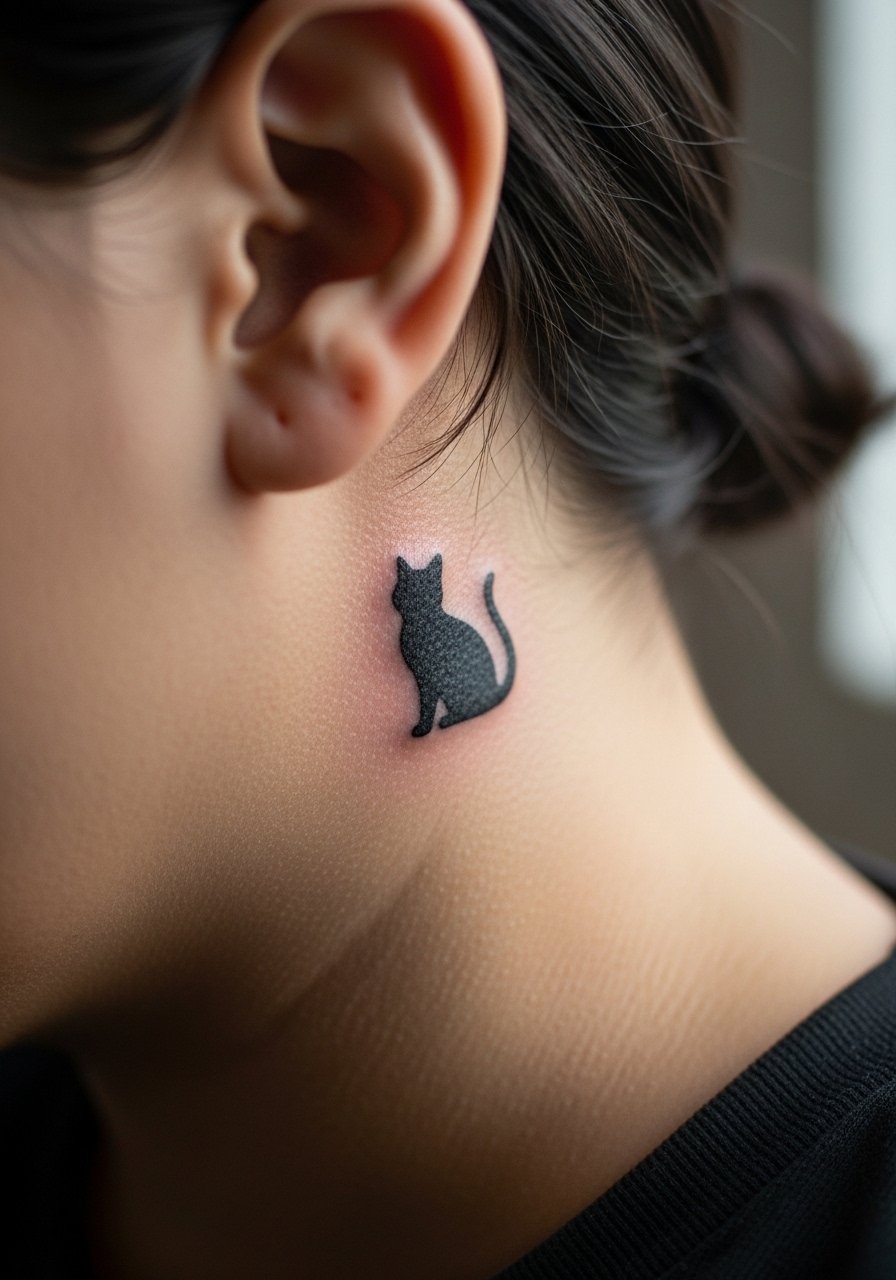
This placement is discreet and surprising when visible. The safety note is important, so frame the area below the hairline and keep the session short. Common mistakes include using too thin a line where the skin is thinner and more prone to blowout. Ask for a bolder contour and minimal interior detail so the shape remains clear. Expect slight sensitivity and a quick touch-up if lines spread. Keep hair long enough to partially conceal during early healing if you need discretion.
15. Bold Collarbone Cat Icon with Thick Contour
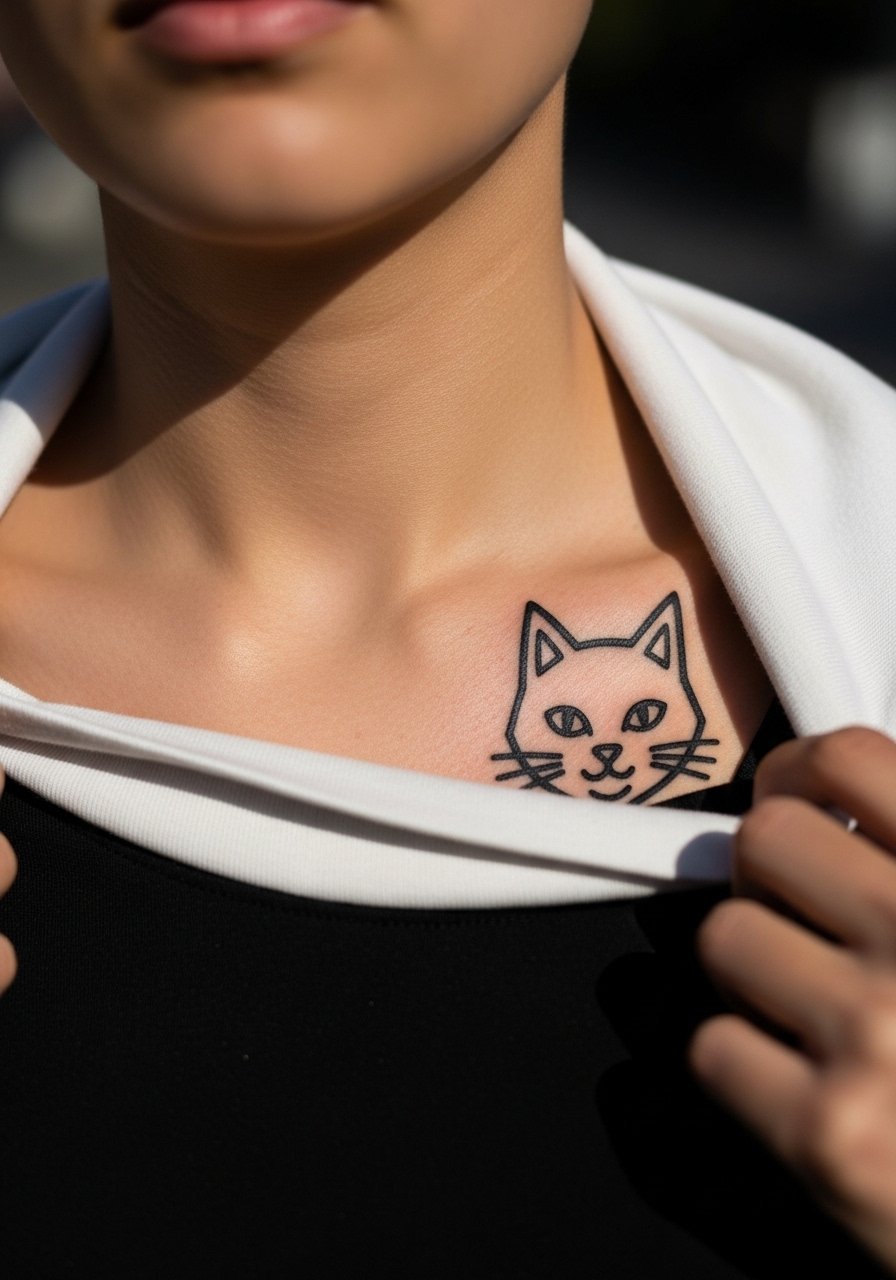
The collarbone gives a high-visibility spot with an edge. The common mistake is placing the design too close to the bone where healing can be slower and the line can feel sharper. Tell your artist you want the main mass slightly off the true bone so the skin gives a thin cushion. The session can be more painful as the needle crosses the bone. For the appointment wear a wide-neck shirt you can pull aside easily. This area photographs well in layered necklaces that sit above the icon.
16. Stipple-Shaded Bold Cat Portrait on the Upper Thigh
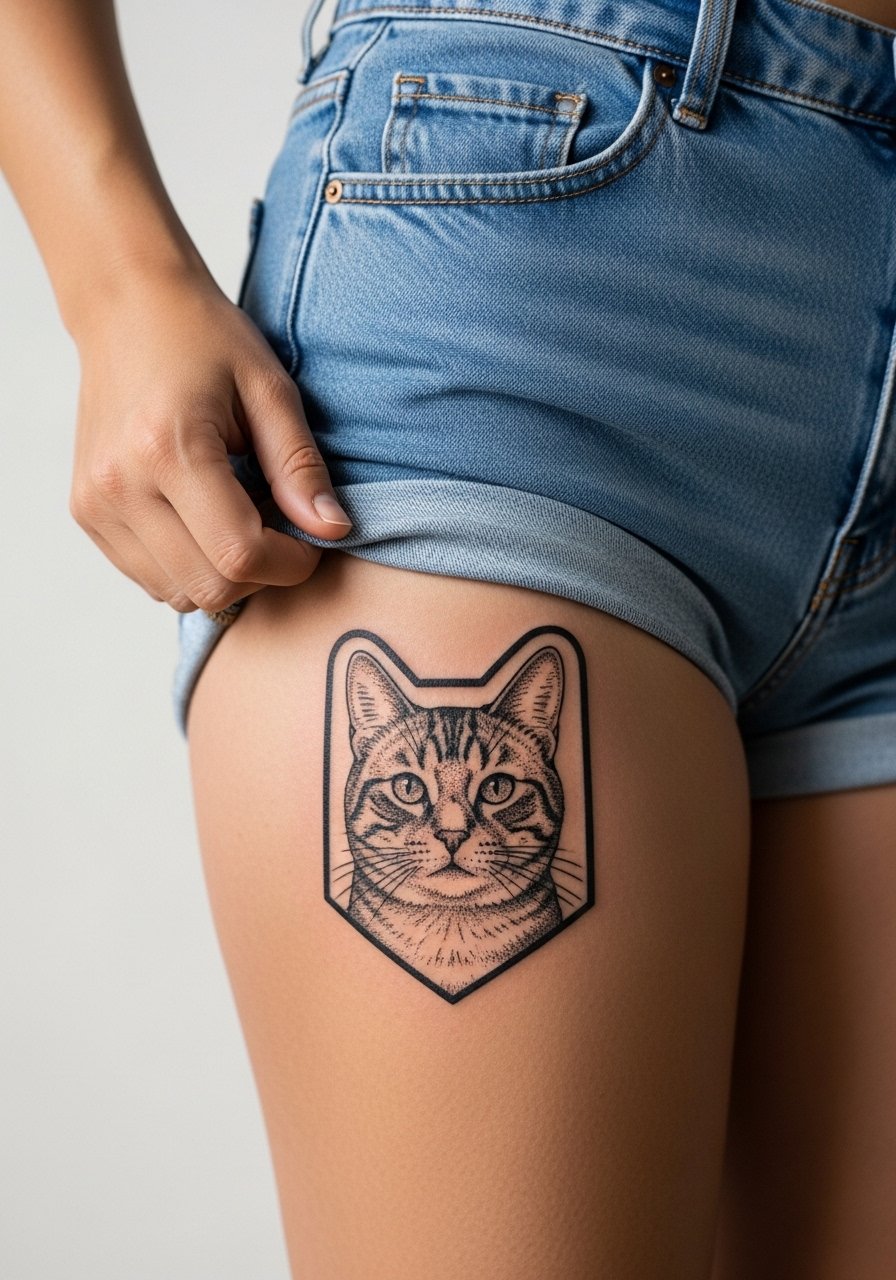
Most thigh work is forgiving to body changes, but the mistake is asking for ultra-fine stipple in a design intended to be an eyecatcher. Tell your artist you want denser stipple in shadow areas and a clear bold contour to preserve form. Sessions are comfortable, and the area deals well with larger formats. For showing off, slip into high waisted denim shorts or a skirt with a high slit to put the portrait on display. Touch-ups are usually minimal unless weight shifts significantly.
17. Bold Hybrid Realism and Linework on the Upper Back
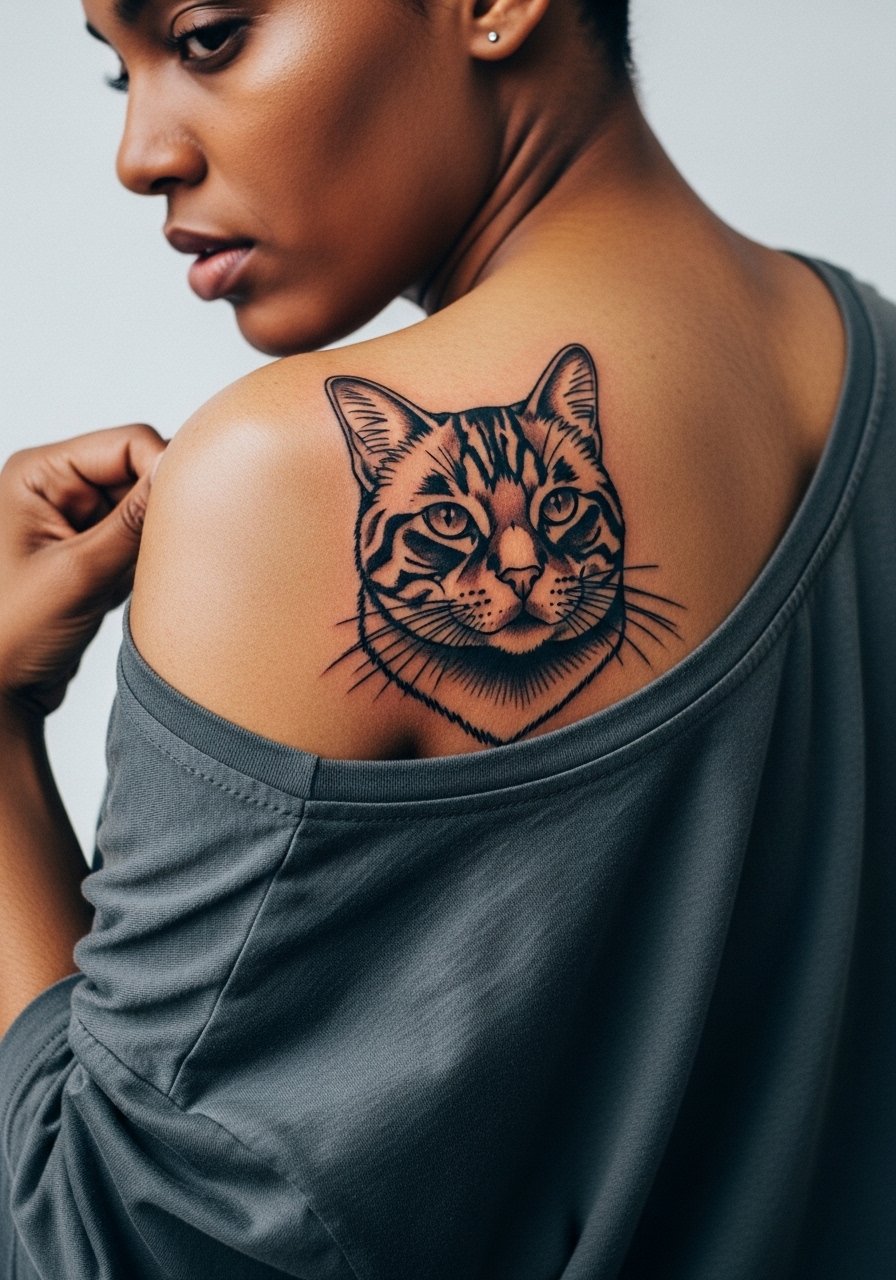
Consultation lead fits here. When you sit down with your artist, bring both the pet photo and bold-line references so they can translate small features into graphic anchors. The common mistake is demanding photo realism and fine line details without a supporting outline. Multi-session work on the upper back heals predictably because motion is limited. For the session wear a loose oversized tee you can move aside easily. Expect a complementary touch-up to perfect faces once initial swelling subsides.
18. Bold Sleeve Panel: Blackwork Cat Silhouette on the Forearm
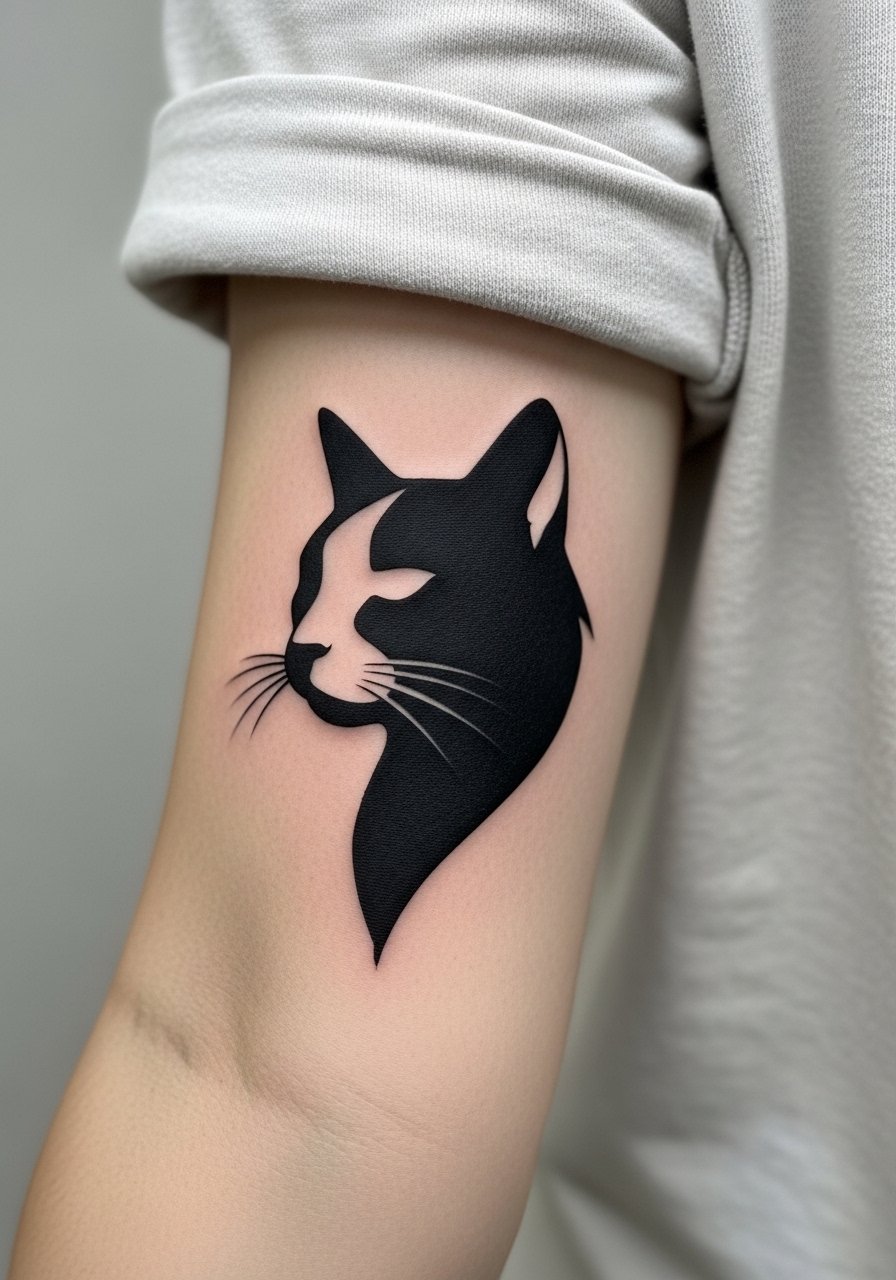
Visual impact lead applies. Sleeve panels need breathing room between motifs or they bleed into each other over time. Tell your artist you want bold panels separated by negative space to avoid future merging. Sessions can be split into multiple sittings depending on coverage. For the appointment wear a loose tank top or button-down that gives full arm access. Long-term, blackwork panels hold exceptionally well compared with tiny shaded details.
19. Bold Scripted Cat Name with Thick Contour on the Inner Wrist
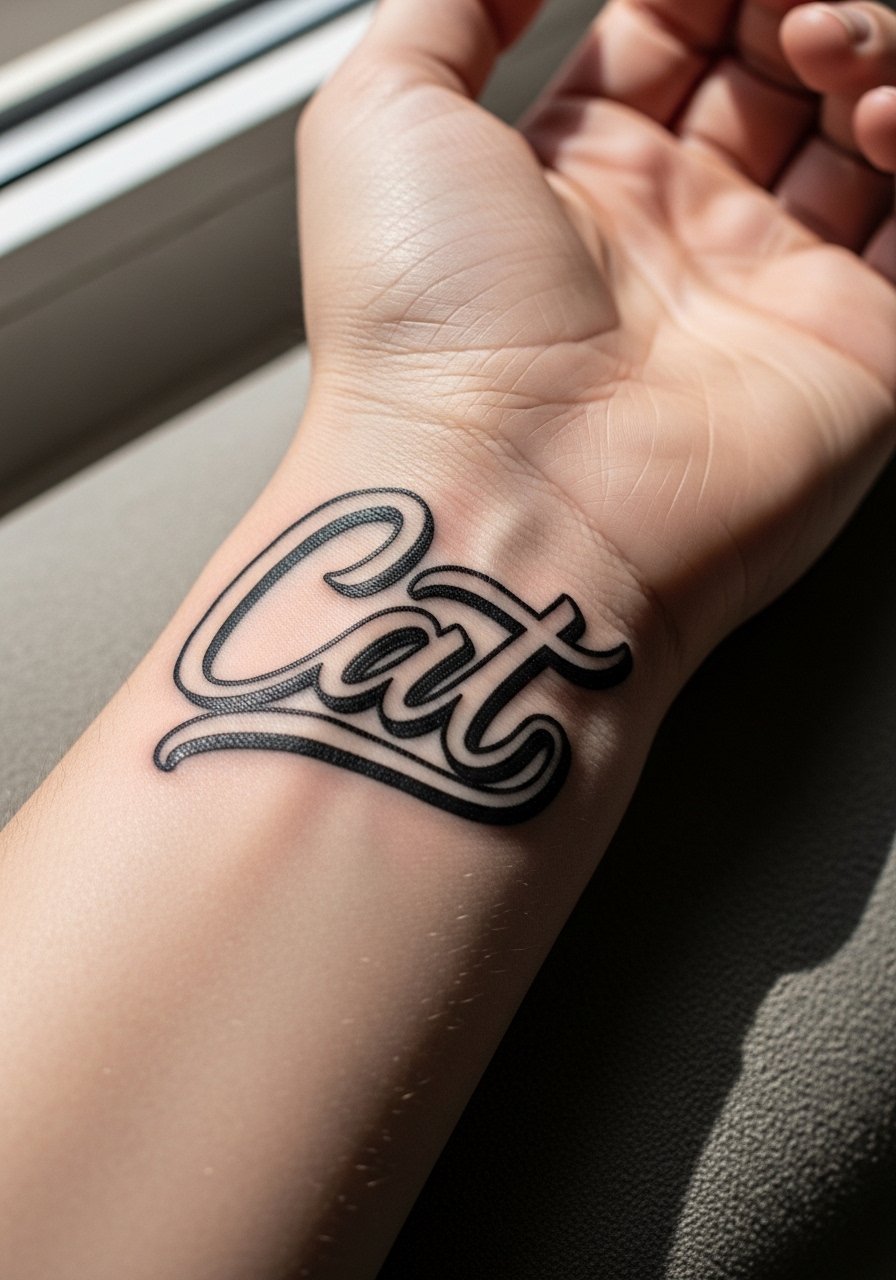
Mistake lead here. People often request ultra-thin script that becomes illegible with daily hand motion. When you consult, ask for a slightly heavier contour on each letter and consider a small shadow or underline to anchor the name. The wrist is sensitive but brief. For showing off without overwhelming the wrist, pair the script with a thin leather wrap bracelet on the opposite hand or a minimalist watch. Expect a small touch-up at the one-year mark if the edges soften.
20. Bold Abstract Linework Cat That Wraps the Calf
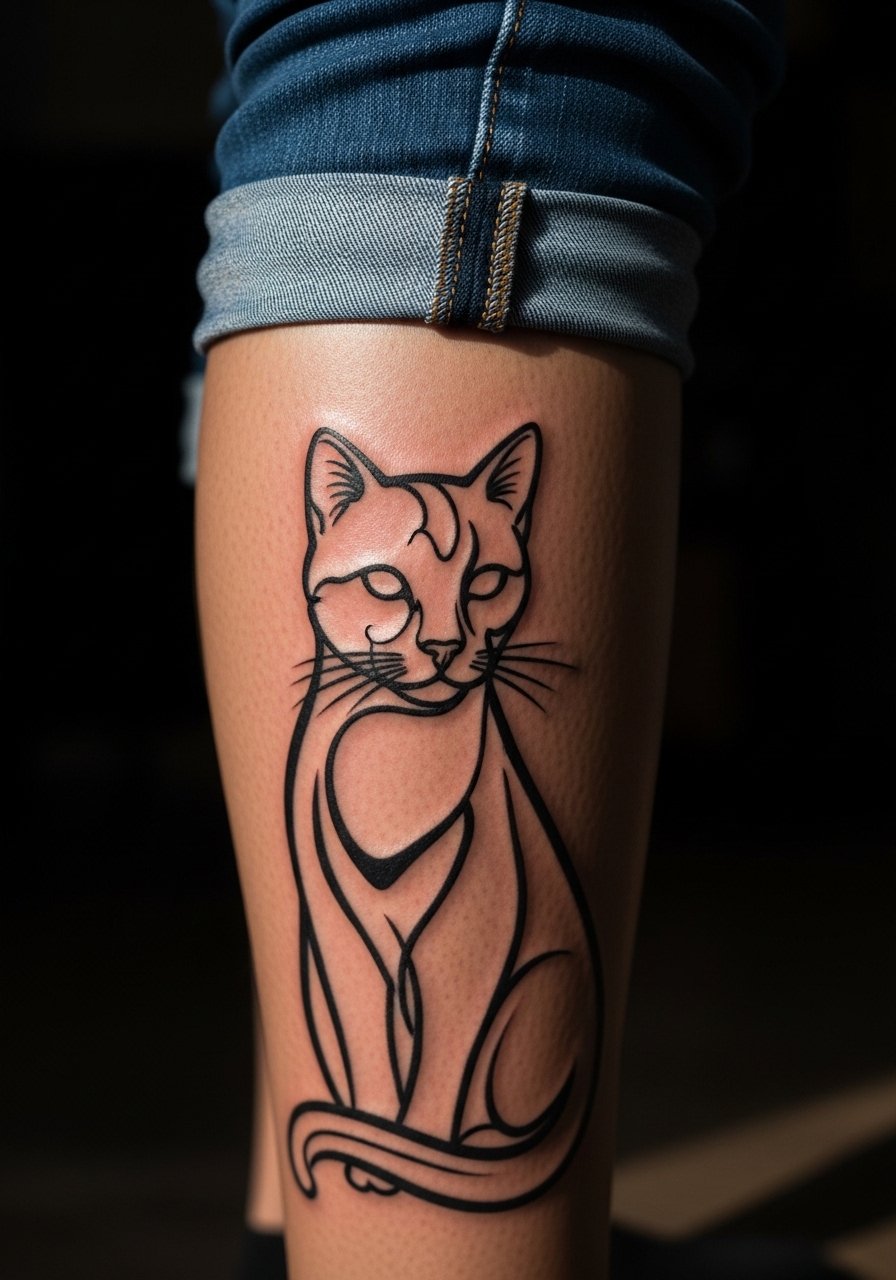
Most wrap designs fail when artists and clients underestimate the effect of leg movement. The scenario I recommend is a single bold line that changes thickness to suggest form rather than fill in details. The common version that ages poorly has many intersecting thin lines that merge into a darker band. This approach usually needs one session and the pain is moderate. Keep the design tall enough to avoid distortion when you sit. Calf designs tolerate bold work well and maintain their silhouette over time.
21. Bold Watercolor Splash with Solid Outline on the Ankle
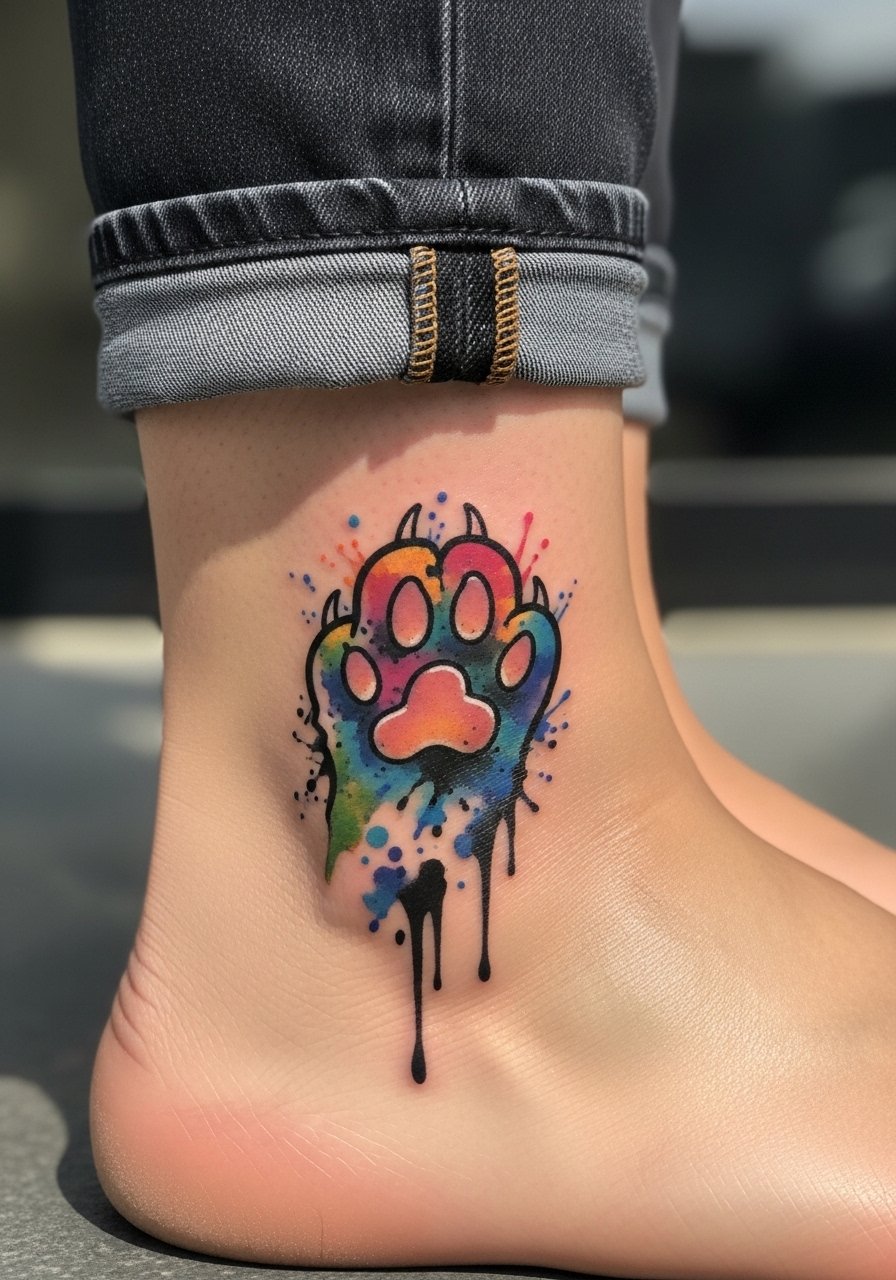
Aging lead applies. Watercolor that is anchored by solid outlines preserves the artistic wash even as pigments fade. Ask for a thin yet solid outline that defines the wash and keeps the shape visible through normal wear. Ankle sessions are short and the area can be sensitive over bone. For the appointment choose footwear and pants you can adjust easily. Color refreshes are typical after two to three years if you spend a lot of time in direct sun.
22. Negative-Space Geometric Cat on the Shoulder Blade
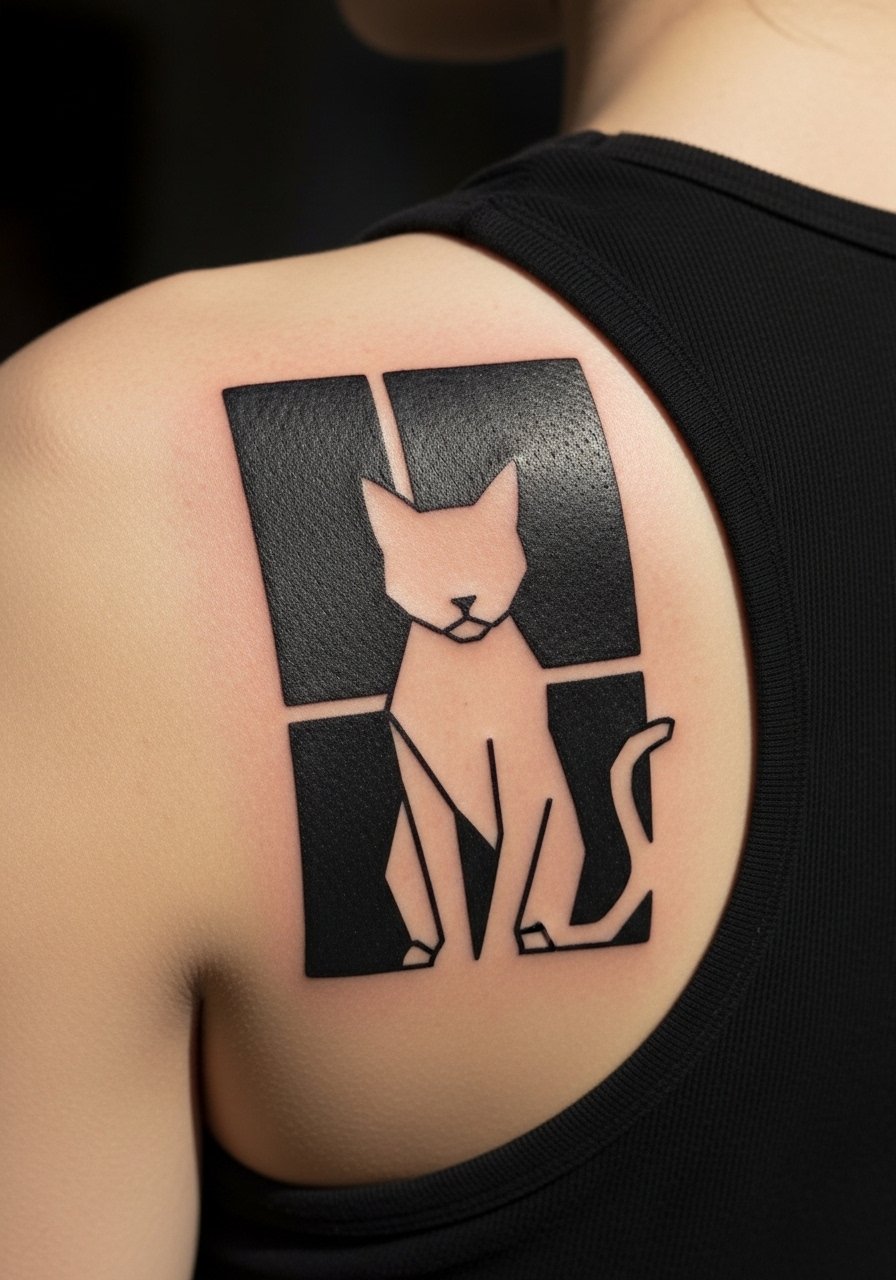
Mistake lead. People often request too many small negative fragments and the skin between panels fades unevenly. Tell your artist to favor larger negative shapes and keep key features at least four millimeters apart. The shoulder blade is forgiving and the piece can be done in a single session. For the session wear a sleeveless muscle tank so the area is fully accessible. With proper spacing, negative-space work ages cleanly.
23. Bold Traditional Cat Head Anchor Variant That Wraps the Calf
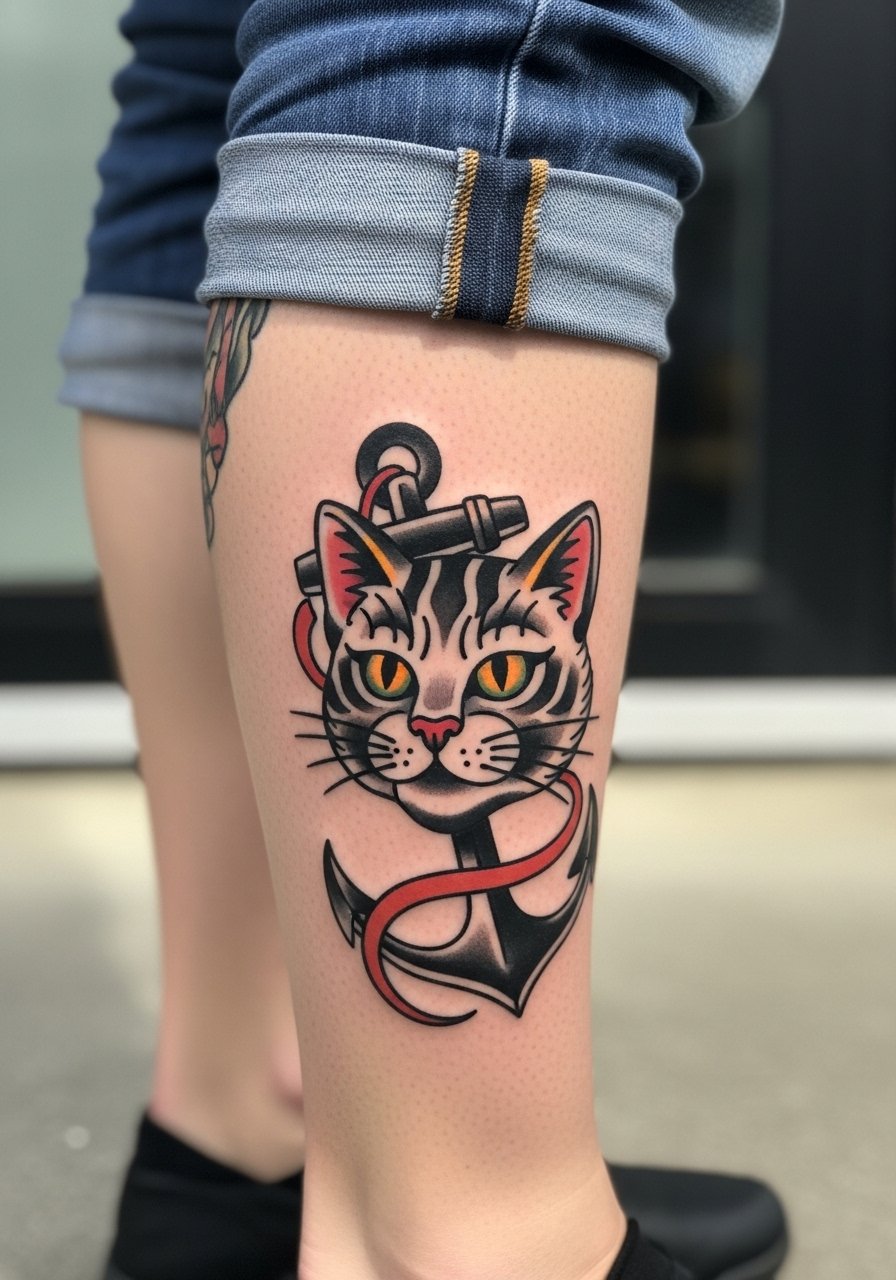
Personal observation lead. I see this variant a lot at seaside shops where sailors want a modern take on classic motifs. Avoid shrinking the anchor elements; the anchor should be large enough to remain readable. Tell your artist to anchor the composition on the outer calf curve and avoid tiny internal shading. Expect a medium-length session and plan for a touch-up at year two if you are outdoors a lot. Pair the piece with rolled joggers or shorts to show off the wrap.
24. Bold Mandala Cat Sternum Piece with Thick Borders
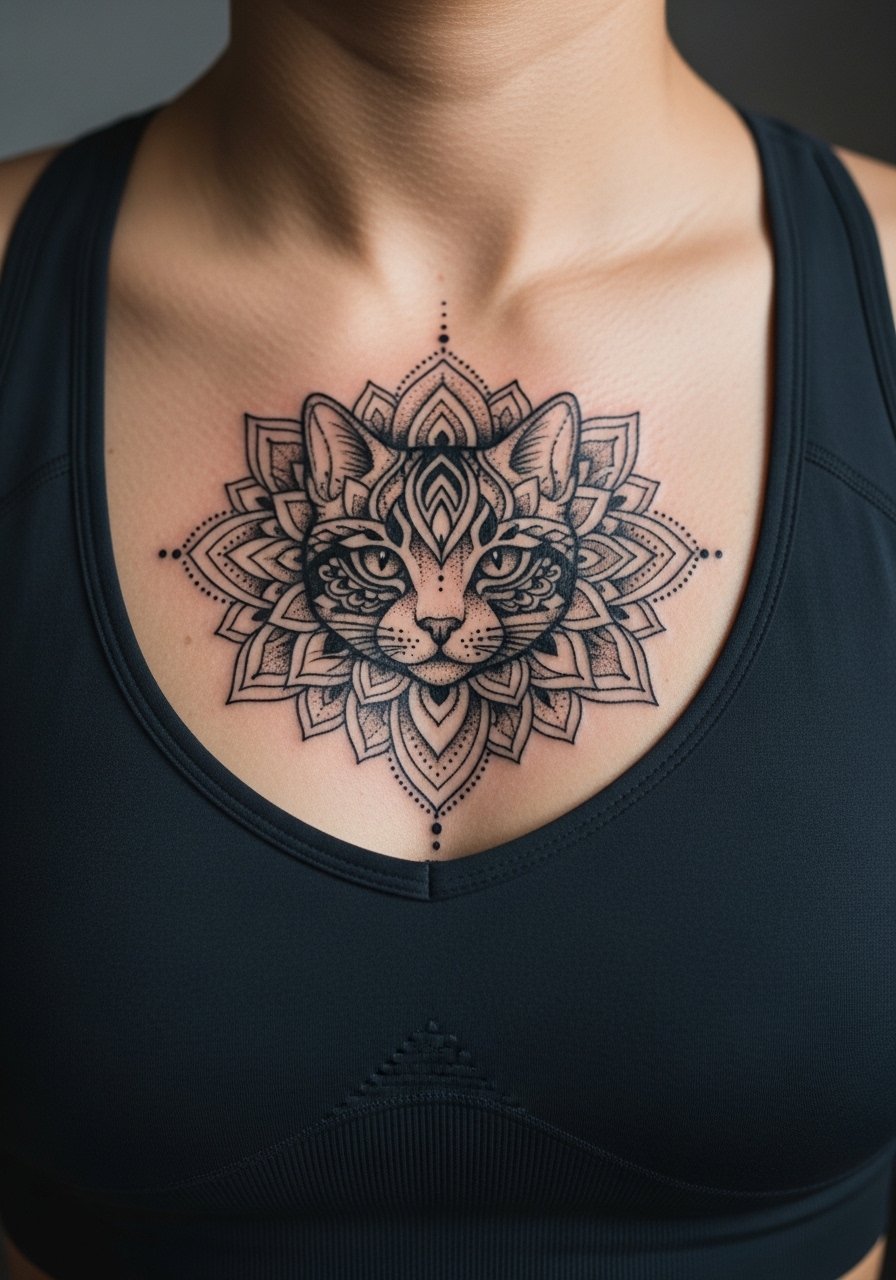
Aging/healing lead. Sternum work can be dramatic but it requires careful discussion about pain and aftercare. The common mistake is too many tiny filigrees near the midline, which scar and blur with breathing movement. Ask for strong border rings and reserve delicate dot work for outer areas. Sessions here are intense and might need breaks. Note that sternum tattoos require a steady hand and experience, so confirm the artist's comfort level before booking.
25. Bold Cat Paw Cluster on the Back of the Hand
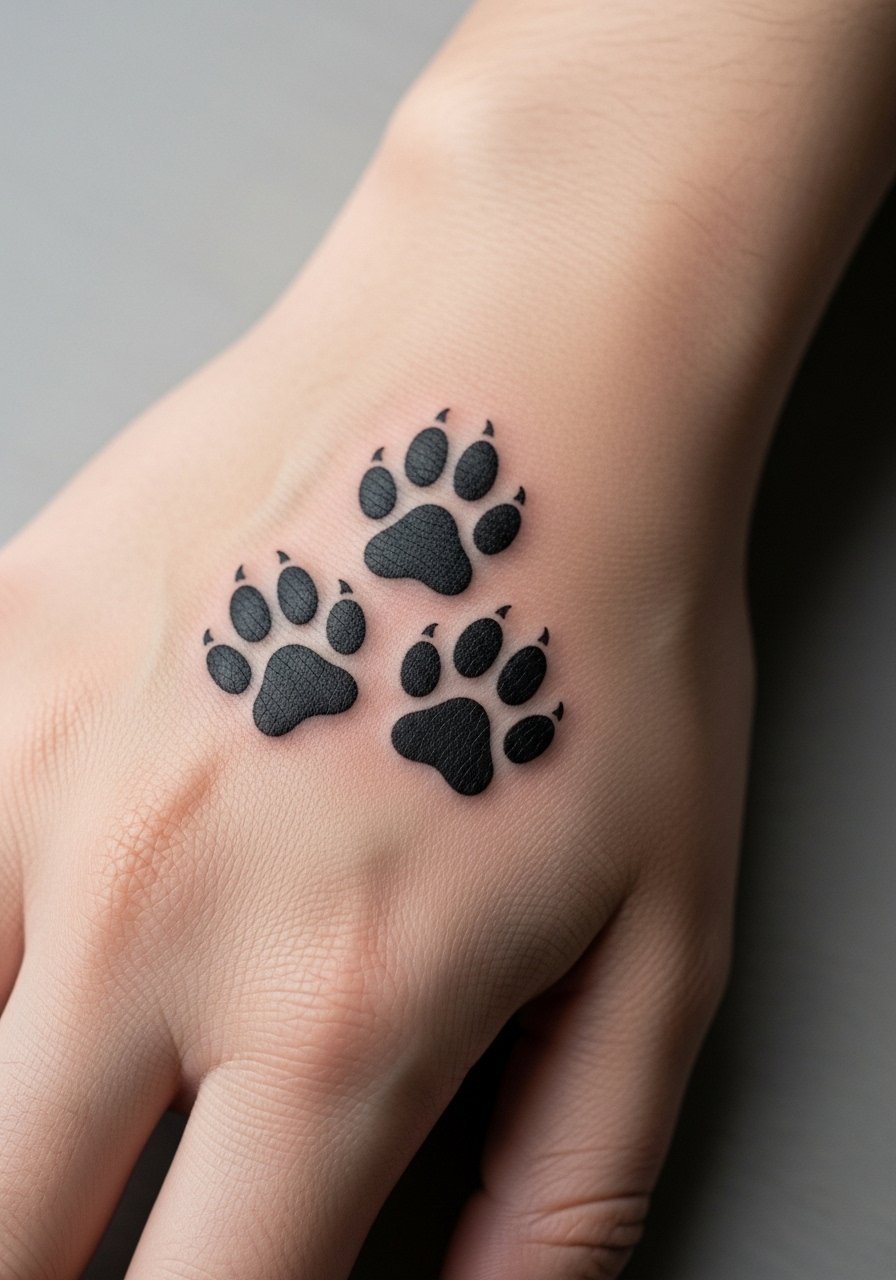
Pain warning lead. Hand tattoos are high visibility and subject to faster wear because of daily washing and friction. The mistake is expecting the same longevity as forearm work. Ask for bolder pads and slightly thicker outlines to help the paw marks survive frequent use. Sessions are quick but healing is more involved. Consider placement on the top of the hand rather than across finger joints to reduce early blur. Hand pieces are best for people who accept periodic refresh work.
26. Bold Cartoon Ignorant Cat Blocks on the Thigh
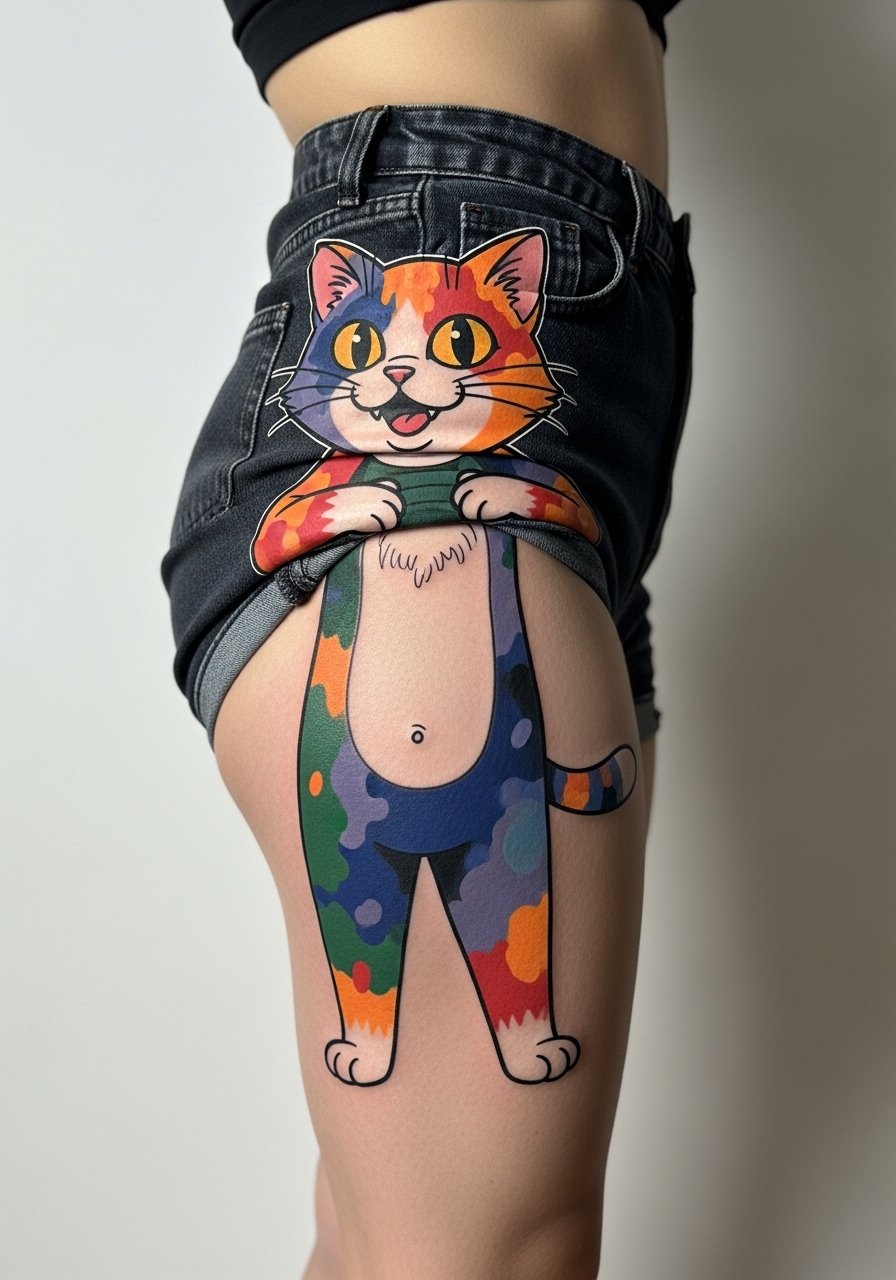
Consultation lead is useful here. Tell the artist you want confident block fills and no micro-shading so the naive energy stays intact. Thigh placement gives room for bigger color fields, which age more gracefully than tiny gradients. For show, high-waisted shorts keep the artwork framed without bisecting the design with a waistband. Sessions are comfortable and touch-ups are rarely required unless you change your body shape significantly.
27. Hybrid Realism with Geometric Outline Tribute on the Shoulder Blade
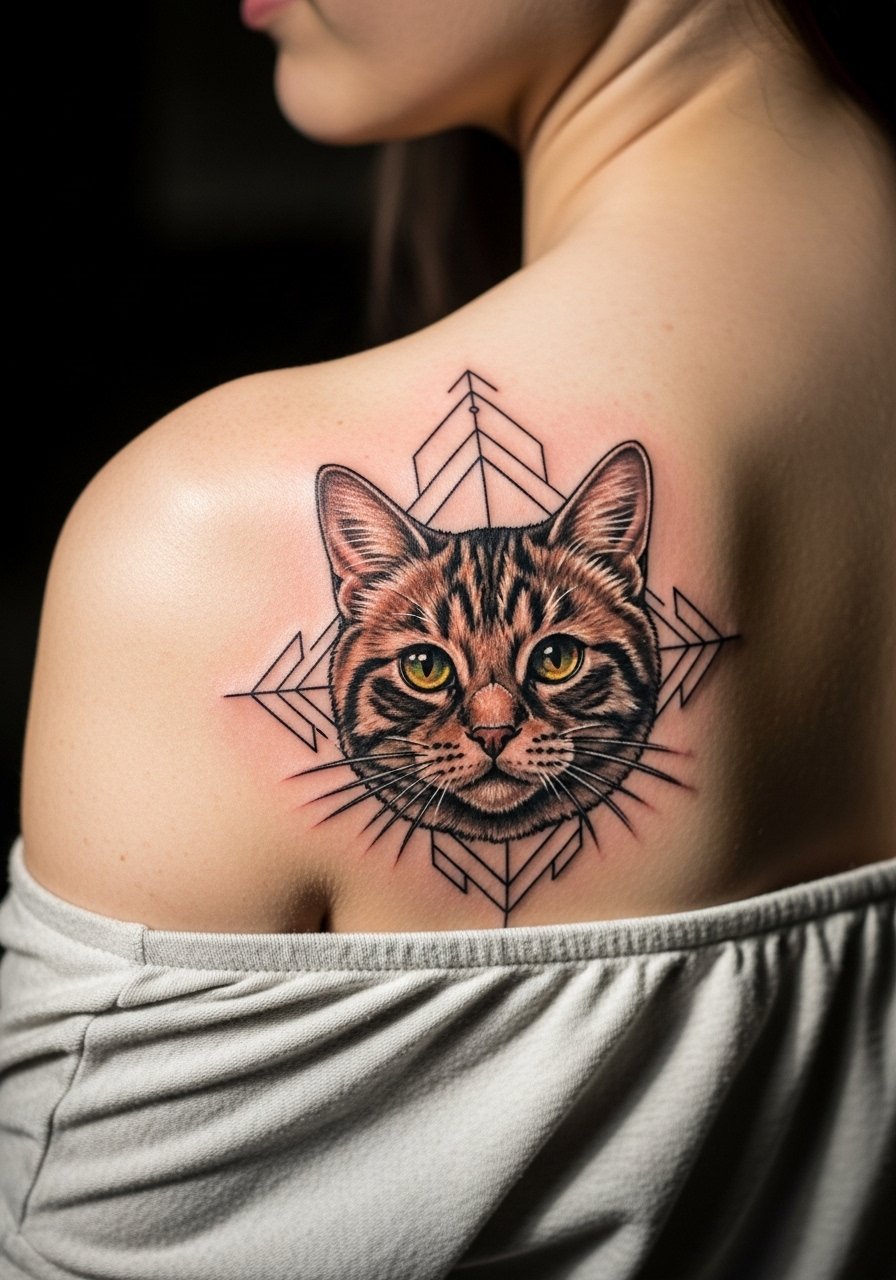
Mistake lead. Combining realism and geometry fails when the two styles compete instead of supporting each other. Ask for a bold geometric frame that contains the portrait and keeps it legible from a distance. For the session wear a sleeveless muscle tank or an off shoulder crop top so the shoulder is accessible. This hybrid approach often needs two sittings and a small touch-up to rebalance tones once healed.
Frequently Asked Questions
Q: How do bold cat tattoo designs compare to fine line options for long-term clarity?
A: From what I've seen, bold designs generally hold contrast and silhouette longer than ultra-fine work. Fine line can be gorgeous fresh, but it often needs touch-ups by year two or three depending on placement and sun exposure. If longevity matters, ask your artist to slightly increase line weight and add negative space anchors.
Q: Will a realistic cat portrait work on a narrow collarbone area or is the chest better?
A: Narrow collarbones can accept small portraits if the artist adapts the composition and adds a bold contour. Larger portraits usually sit better on the chest or upper back where there is more uninterrupted canvas. Discuss scale and contouring in your consultation to avoid cramped details.
Q: Are there placements I should avoid if I want minimal maintenance for bold blackwork?
A: Hands, fingers, and ankles see more friction and washing, so they usually need more frequent refreshes. Forearms, calves, and backs are lower-maintenance for saturated blackwork. For forearm sessions, a rolled sleeve graphic tee helps you show the piece without accidental sun exposure.
Q: Do watercolor elements age differently when combined with bold outlines?
A: Yes, watercolor tends to fade faster than saturated blacks, but when paired with a solid outline the overall shape remains legible. Expect colors to soften over two to three years and plan a refresh if you want the original vibrancy back.
Q: Should I be concerned about cultural sensitivity with ornamental or tribal cat motifs?
A: A respectful approach is to acknowledge origins and discuss adaptations with your artist so the piece nods to tradition without copying sacred symbols directly. Most artists will suggest slight variations that honor source patterns while keeping the tattoo personal.
