
Bold blackwork reads cleaner on skin over time than delicate ink. I say that because I watch touch-up threads and I sit in shop consultations where people expect tiny detail to last forever. Pain, placement visibility, and fading with sun exposure are the three things that change a Breaking Bad motif from a crisp homage into a muddy regret. These ideas favor bold linework and smart placement so the chemistry stays clear long after the first photo.
1. Heisenberg Silhouette on Inner Forearm
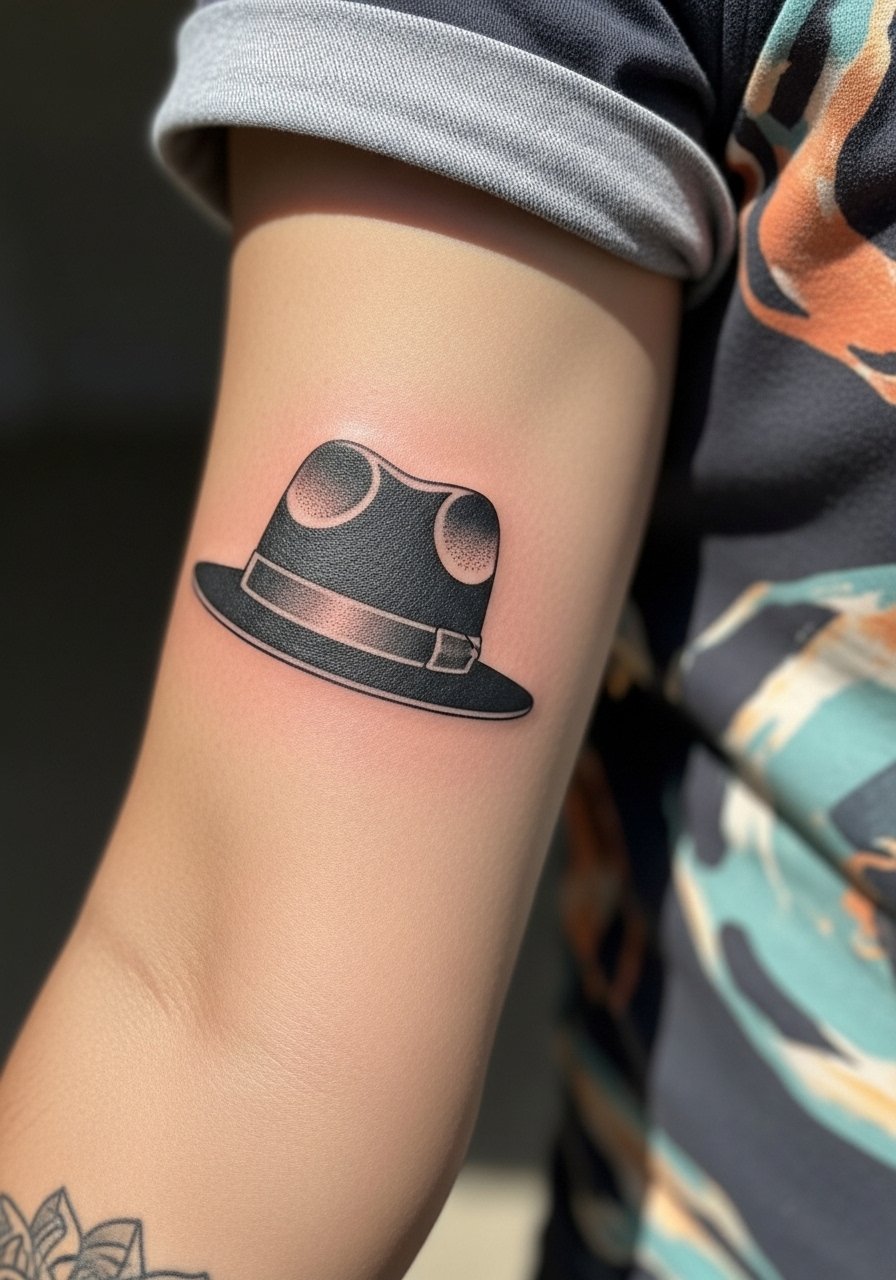
A dense silhouette of Heisenberg in pure blackwork makes for a high-contrast, long-lasting homage. I recommend the inner forearm because the flat surface keeps saturation consistent, and the area tolerates long sessions around a four out of ten on most pain scales. Tell your artist you want saturated fill with a clean border and a slightly larger scale than what you see on a screen. A common mistake is asking for overly thin outlines, which can feather into a blur at year three. Expect a single session of one to two hours and a possible touch-up at year two. Pair it with a rolled-up linen shirt when you want to show it off.
2. Bold Chemical Formula on Inner Wrist
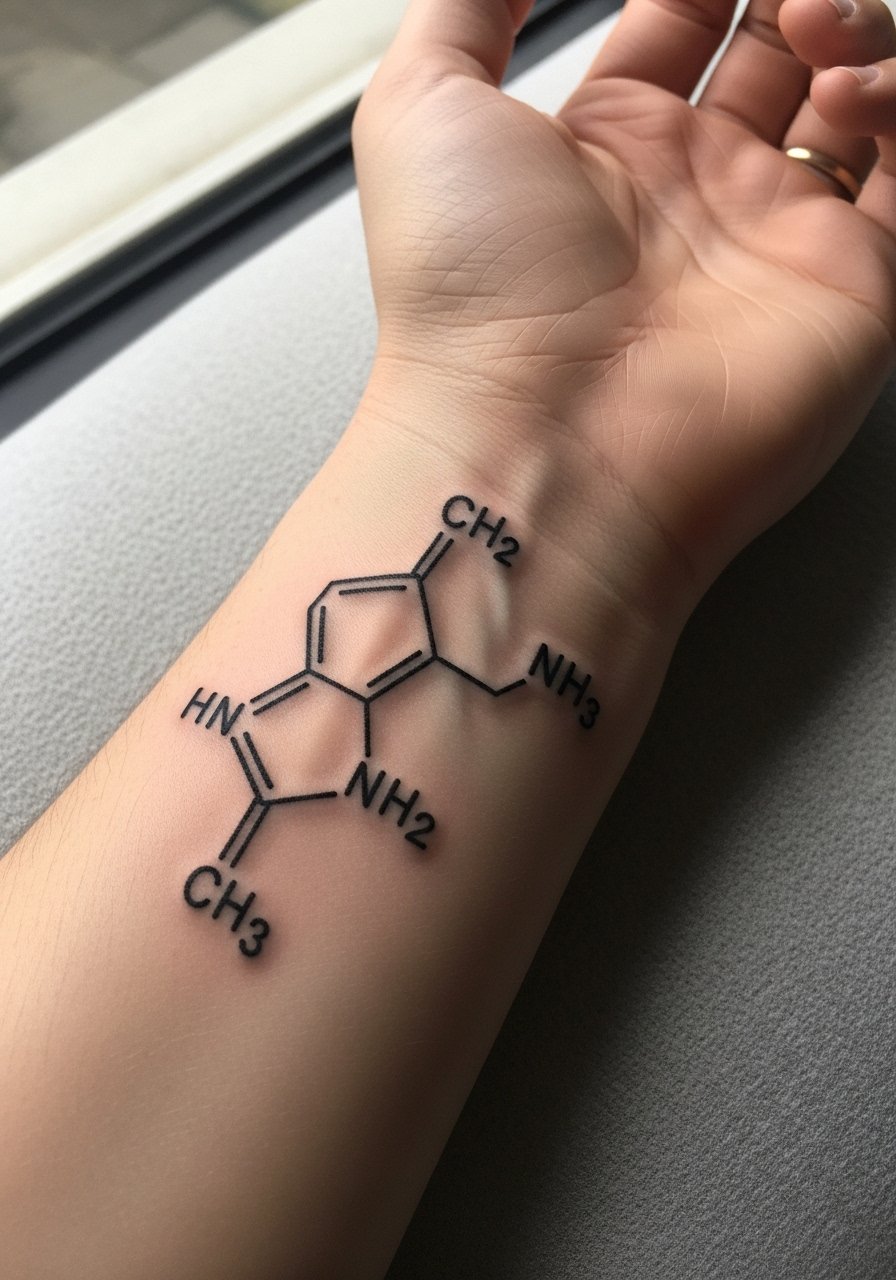
A compact blackwork chemical formula reads sharply on the inner wrist and works well for fans who want a subtle nod to the show. Fair warning, the wrist moves and rubs often, so keep the linework bold and avoid tiny script inside the formula. The biggest mistake is asking for micro detail in a high-friction zone. The session is short, thirty to sixty minutes, but expect more fading than on the forearm and a touch-up at year two. For showing it off, stack with a minimalist gold watch that frames the wrist without crowding the ink.
3. Minimalist RV Patch on Upper Arm
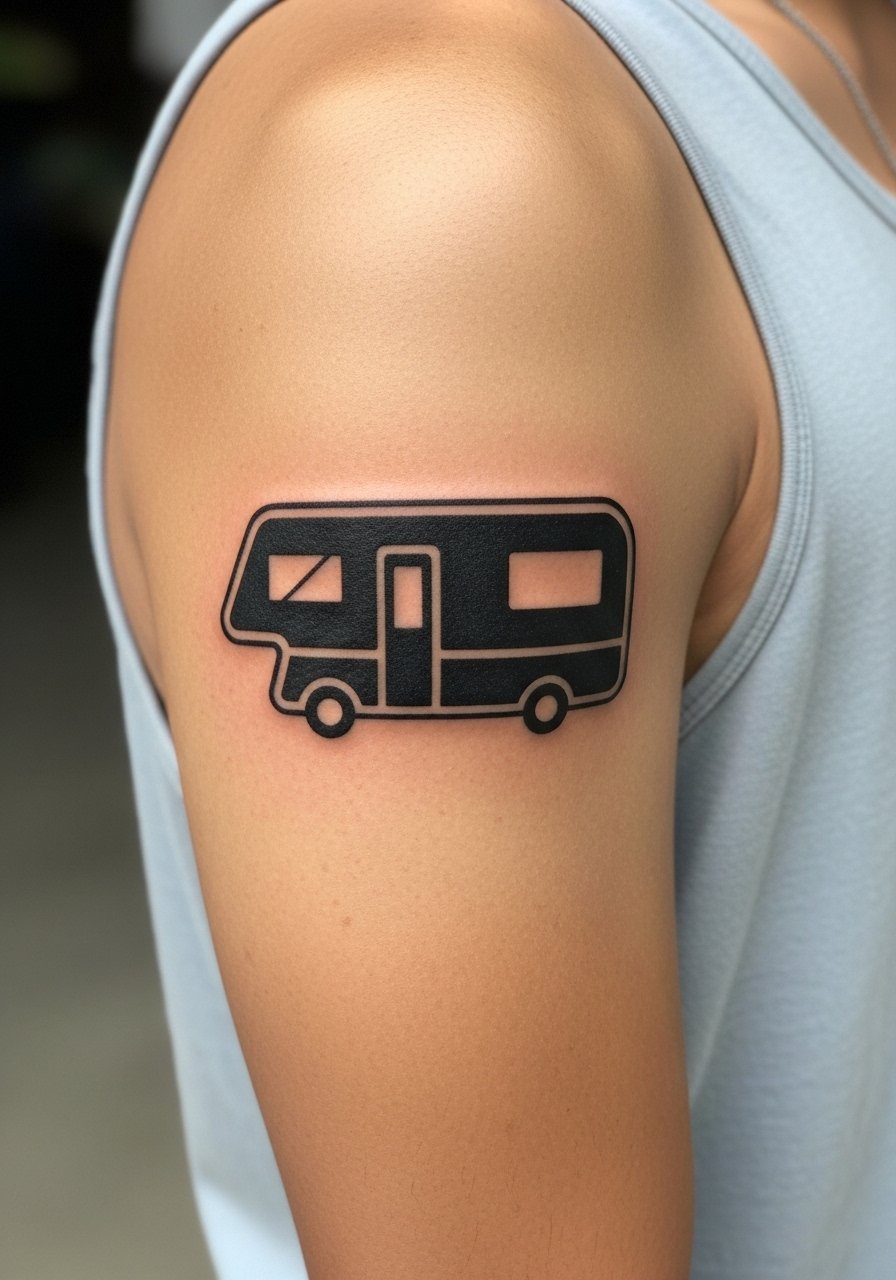
A simplified RV silhouette in bold blackwork works on the upper arm as a sleeve starter or a standalone spot. I suggest asking for a solid negative-space window inside the RV to prevent the center from filling in over time. People often try to cram text and tiny details into the design, which ages into visual noise. The session usually runs one to two hours and the arm placement handles saturation well. Wear a loose tank top to the appointment so the artist has clear access to the bicep.
4. Blackwork Walter White Portrait on Shoulder Blade
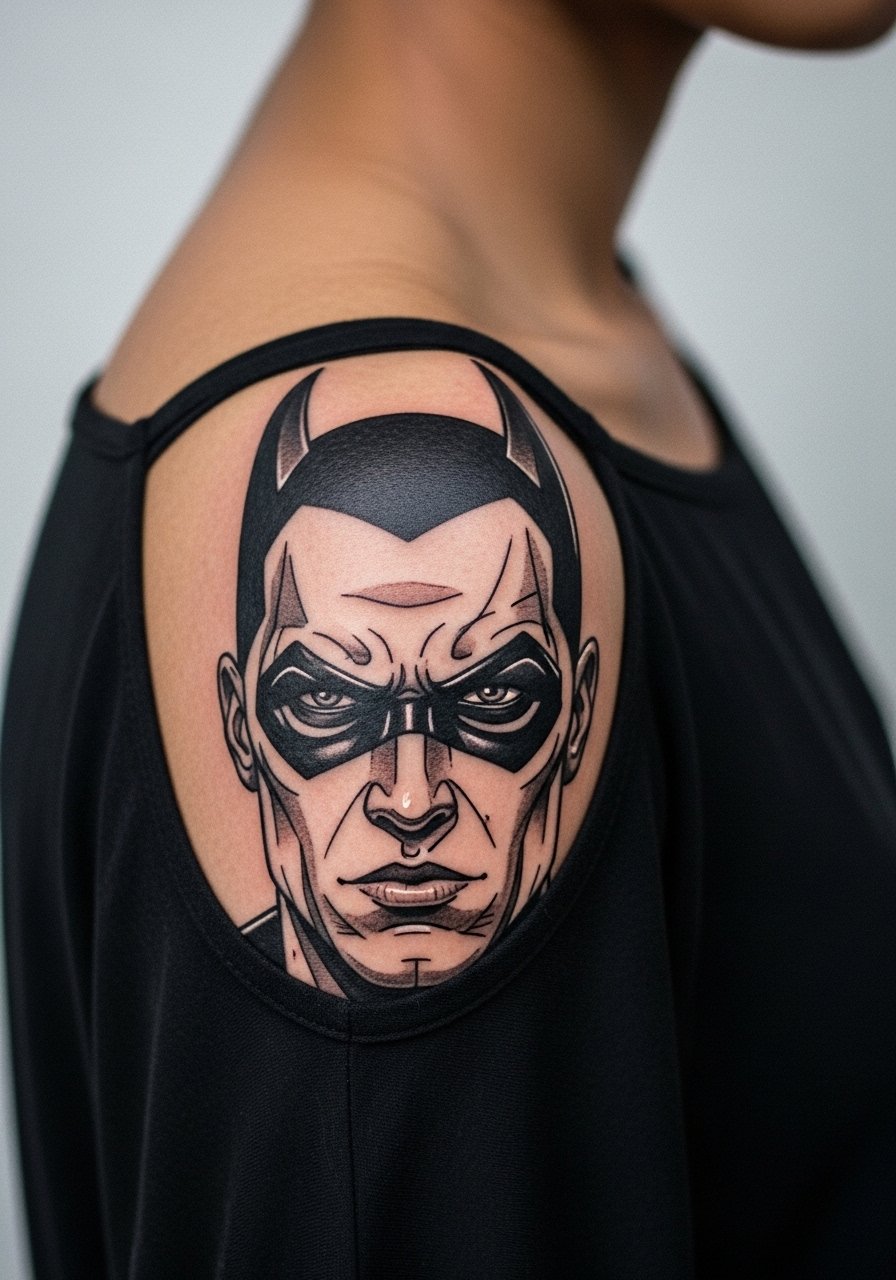
A bold, stylized portrait in blackwork on the shoulder blade can be dramatic and long-lasting when the artist focuses on contrast rather than micro-realism. Tell your artist you want high-contrast planes, not tiny stippling. Shoulder blade skin moves less than the ribcage, so blowout risk is lower. Sessions may take two hours with a possible follow-up depending on saturation. Avoid asking for photographic detail at small scale since faces can turn muddy. For showing this off, consider an open-back top that frames the blade without exposing the whole back.
5. Bold Los Pollos Mask on Calf
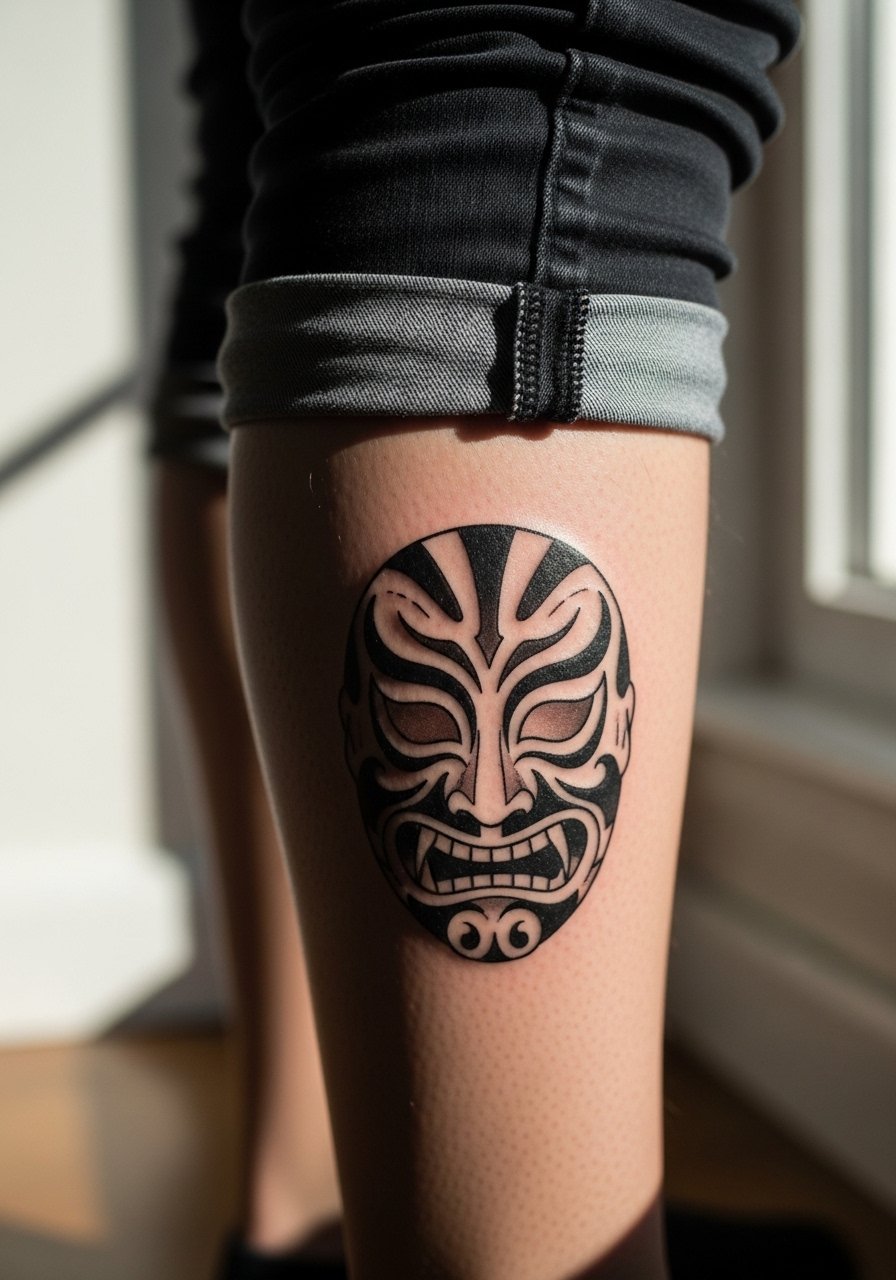
The calf is forgiving for saturated blackwork and shows detail from a distance. A mask-style piece reads like a patch and ages well when filled cleanly. People sometimes pick complex shading that looks great fresh and then pools by year four. Ask for solid block fills and a clear silhouette. The session is comfortable for most, around one to two hours, with low blowout risk. For evenings, pair it with ankle strap sandals to let the design be visible without stretching the skin.
6. Bold Black Moon Breaking Bad Scene on Upper Thigh
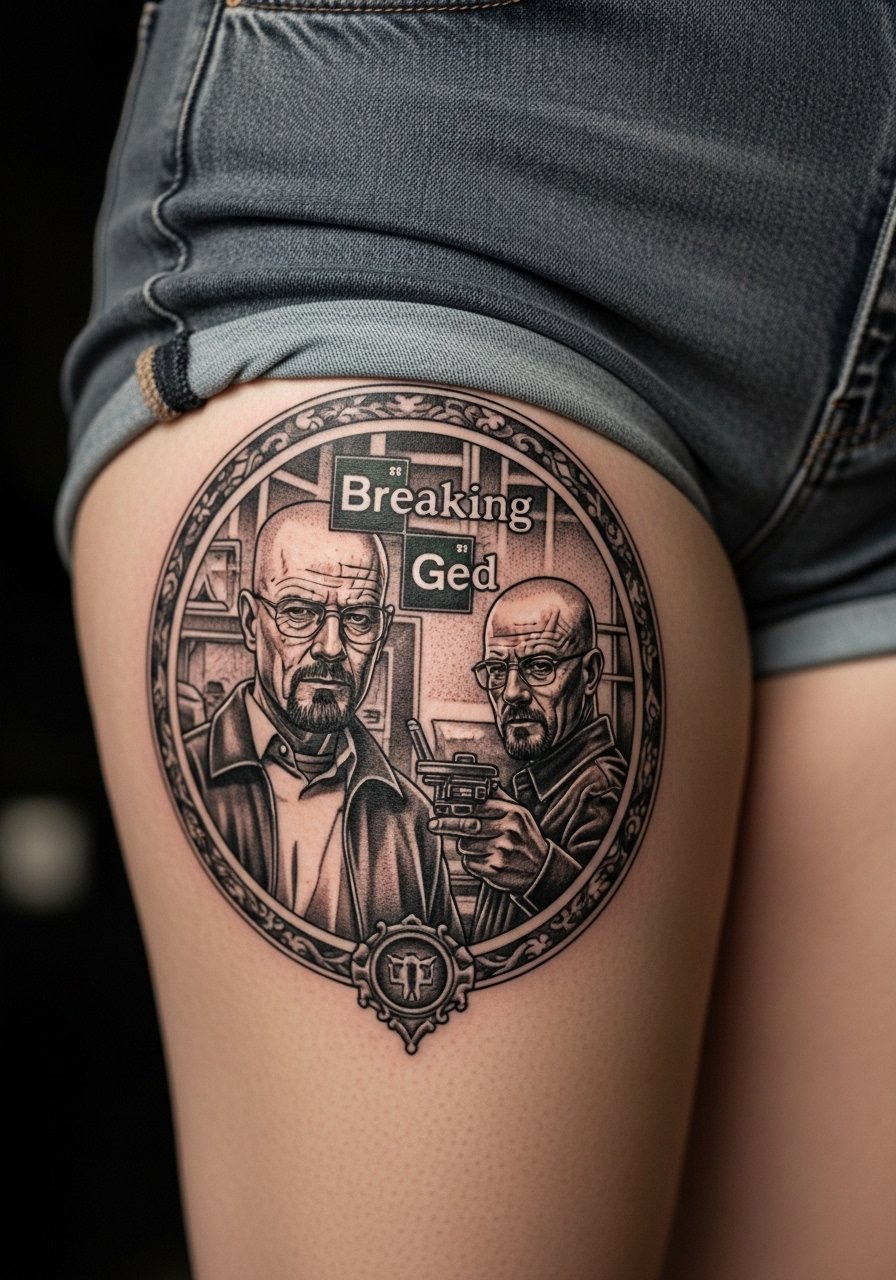
Thigh work takes saturation well and heals into deep black that lasts. A circular vignette keeps composition tight and resists distortion when you move. The common error is trying to force micro realism into the curve of the thigh, which then loses clarity. Sessions can run longer, up to three hours, and that area tolerates heavier saturation. Wear high-waisted shorts to the appointment so the artist can access the outer thigh without you getting uncomfortable.
Pre-Session Essentials
The forearm and wrist pieces above heal differently from larger thigh and calf work, so a few small items smooth the session and the first week.
- Stencil transfer paper kit. Lets you preview border thickness on skin, which matters for the silhouette and formula pieces above.
- Topical numbing cream. Applied per product instructions it can ease wrist and rib sensitivity without compromising linework.
- Thin protective film roll. Helpful for ankle and calf placements that get rubbed by socks and shoes during the first week.
- Fragrance-free body wash. Cleanses healed areas safely after showers without stripping the saturated blackwork on thighs and shoulders.
- Aquaphor healing ointment. Thin layers in the first days help keep dense blackwork from scabbing too thickly on high-saturation pieces.
7. Negative Space Periodic Table on Collarbone
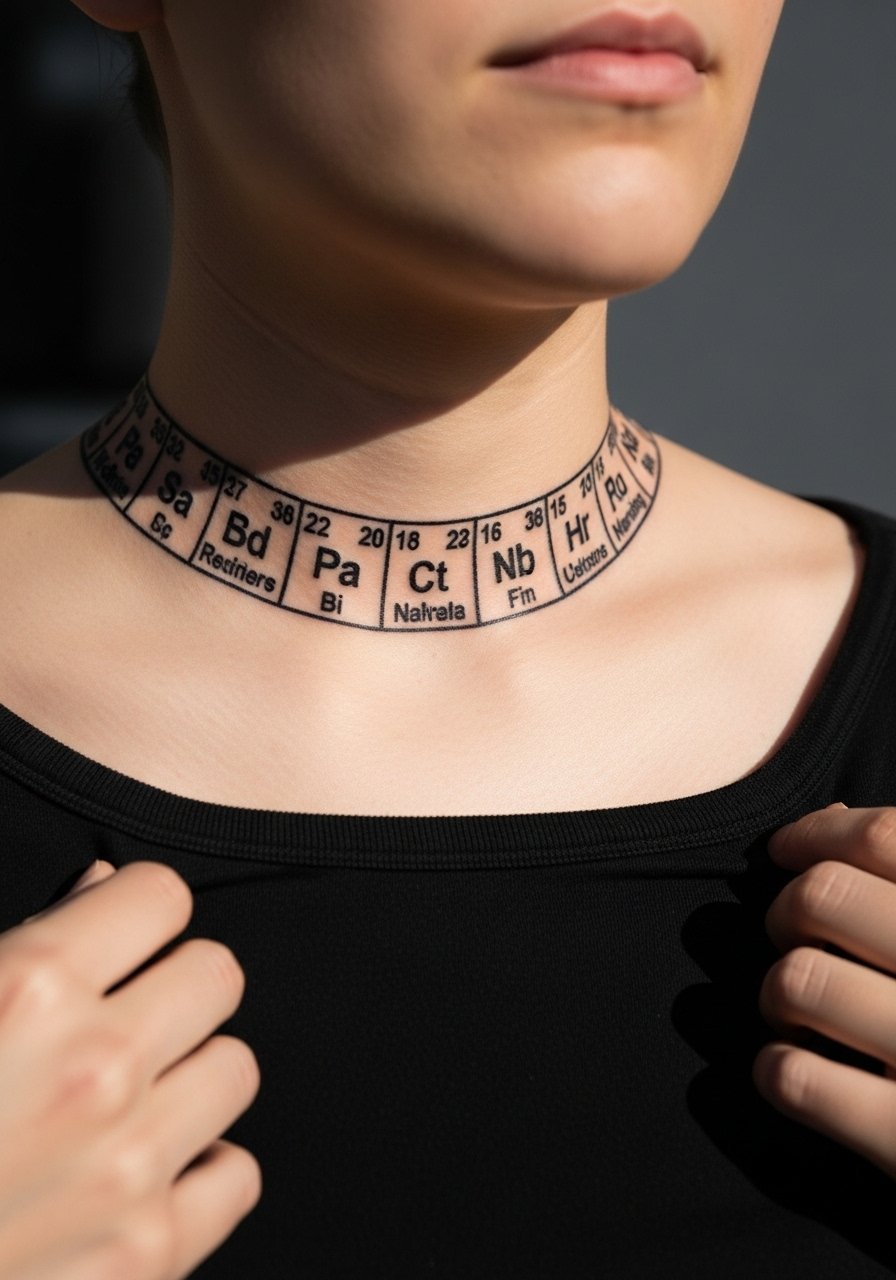
A row of small blackwork squares with negative-space element symbols along the collarbone reads clean when spaced correctly. The collarbone area is visible and delicate, so ask your artist to space squares slightly larger than you think you need. Small, dense work that hugs the bone tends to blur faster. Expect a one-hour session and a touch-up if you sweat heavily during healing. For show-off outfits, a wide-neck shirt that exposes the collarbone sets the tattoo into view without overexposing the chest.
8. Bold Black Gas Mask on Back of Arm
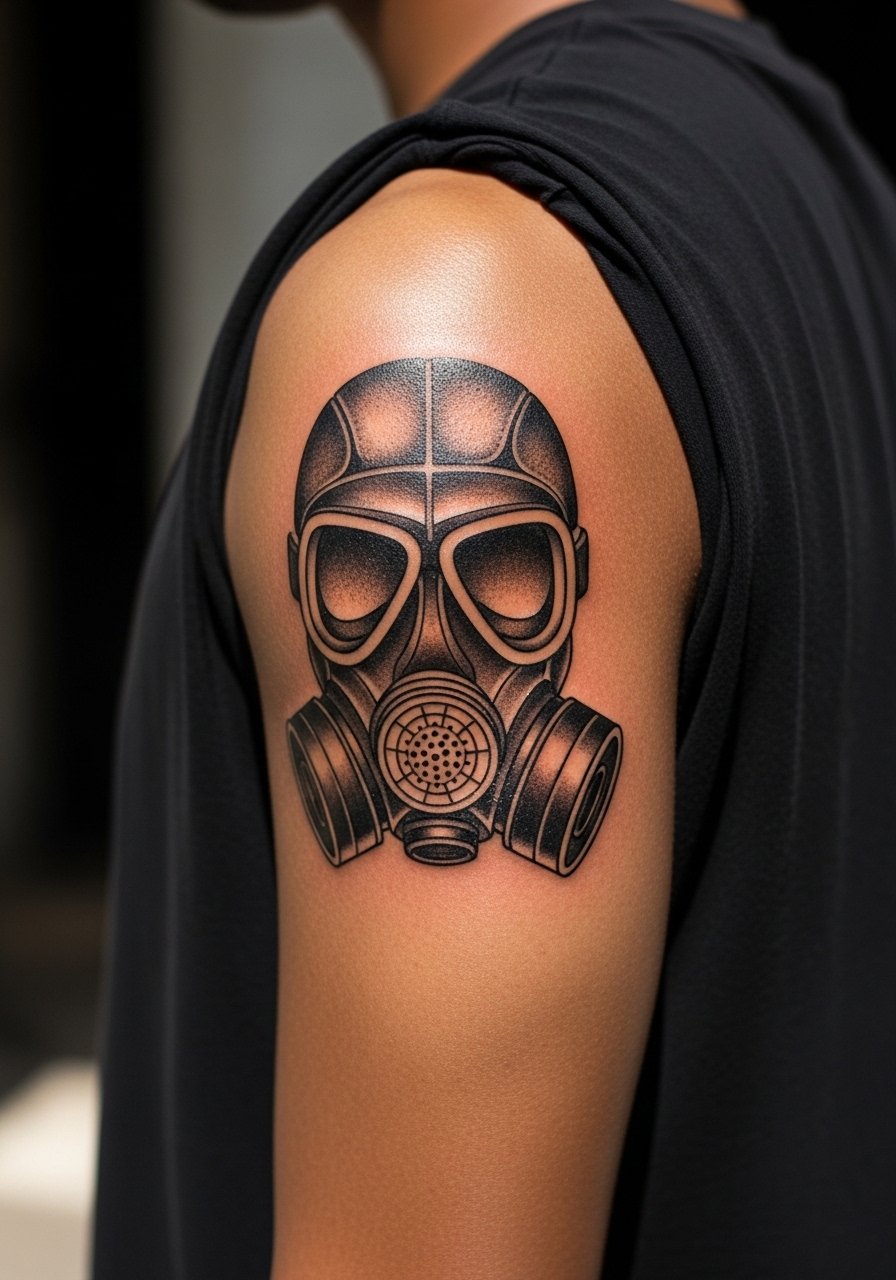
A gas mask rendered in blackwork on the back of the arm reads like a patch and resists fading. The area has medium blowout risk if the outlines are too thin. Tell the artist you want a strong silhouette and minimal internal detail to keep the mask readable in five years. The session will be moderate in length, around ninety minutes, and the placement pairs well with rolled sleeves for daily wear. Consider a sleeveless top for easy exposure when you want people to see the piece.
9. Bold Solids Breaking Bad Quote on Ribcage
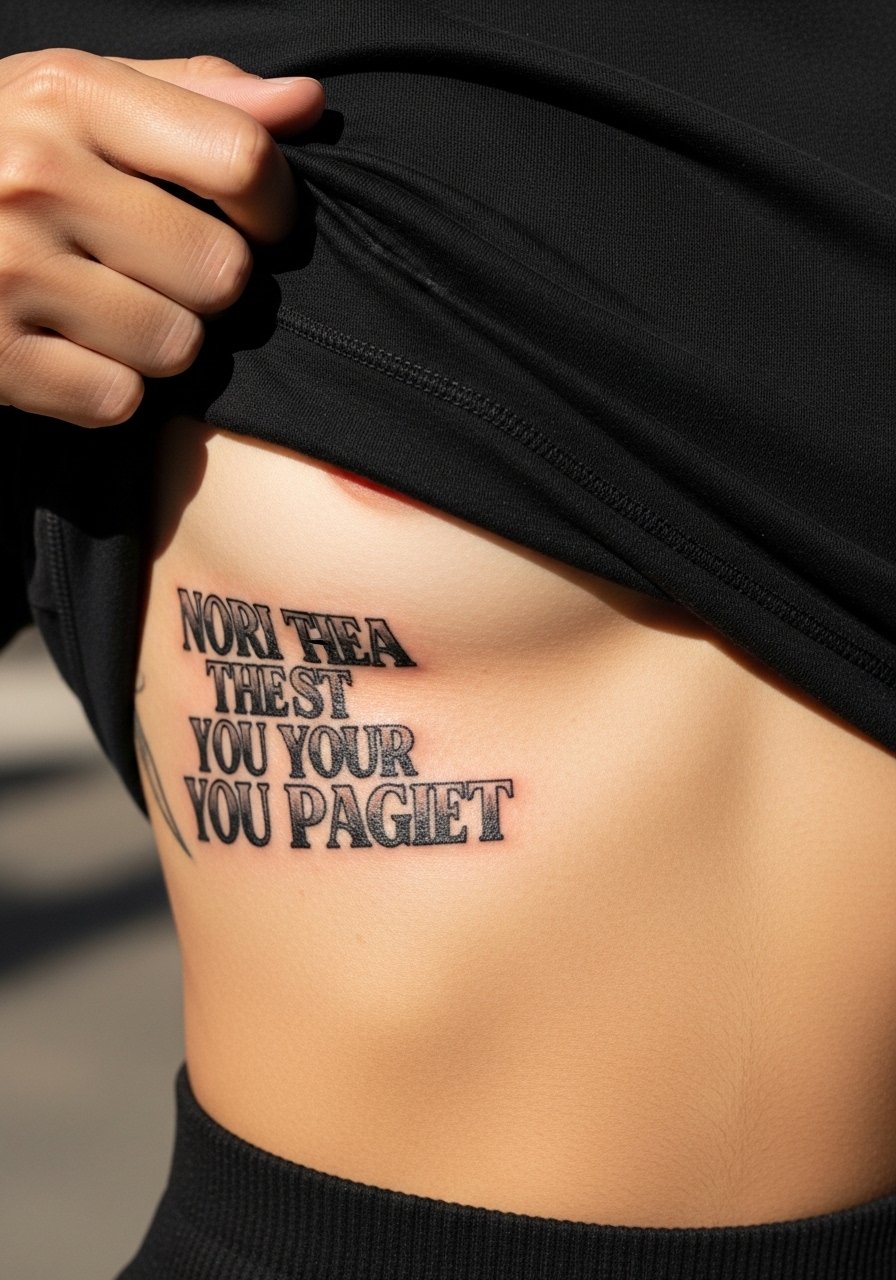
Ribcage text done in heavy black caps can hold up better than thin script on the same spot. Fair warning, ribs are a higher pain area at eight out of ten for many. Artists disagree on fine line on ribs. One camp says the stretch there blurs details within two years. The other camp says with proper depth and spacing it settles fine. Ask your artist where they stand and show examples of bold caps rather than hairline fonts. Expect one long session and a likely touch-up at year two. For the appointment wear a cropped athletic top so the artist can lift fabric without wardrobe drama.
10. Bold Blackwork Gasoline Can on Calf Outer Edge
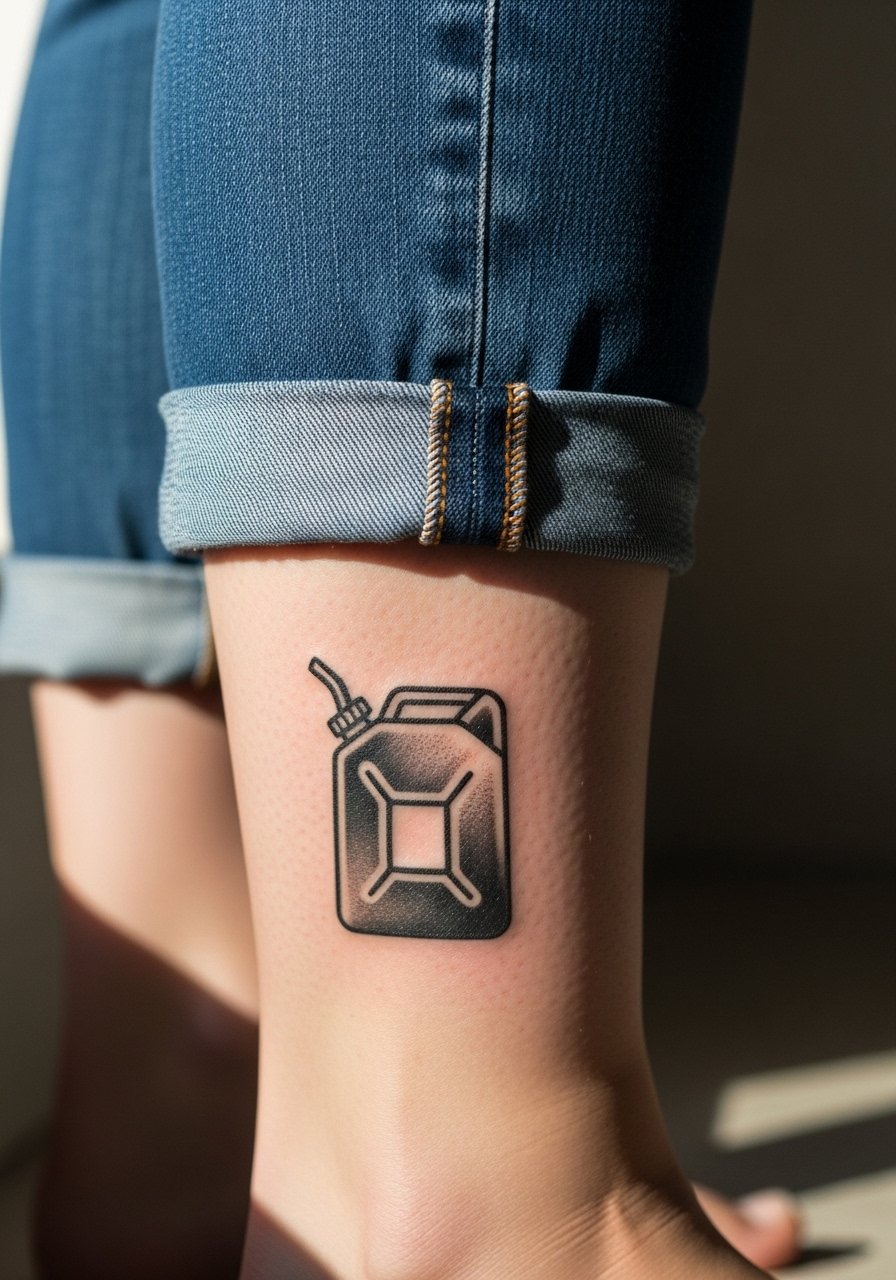
A bold icon like a gasoline can carries the show motif and works well on the outer calf where the skin is sturdy. Avoid tiny labels inside the can since letters smear more quickly on moving muscle. The session is short to moderate and the calf tolerates dense fill. People often forget how much rubbing from socks affects ankle placements, so plan clothing accordingly. Pair it with jeans rolled up at the hem to keep the piece visible while protecting fresh ink during the first weeks.
11. Heavy Blackwork Bald Eagle with Mask on Chest
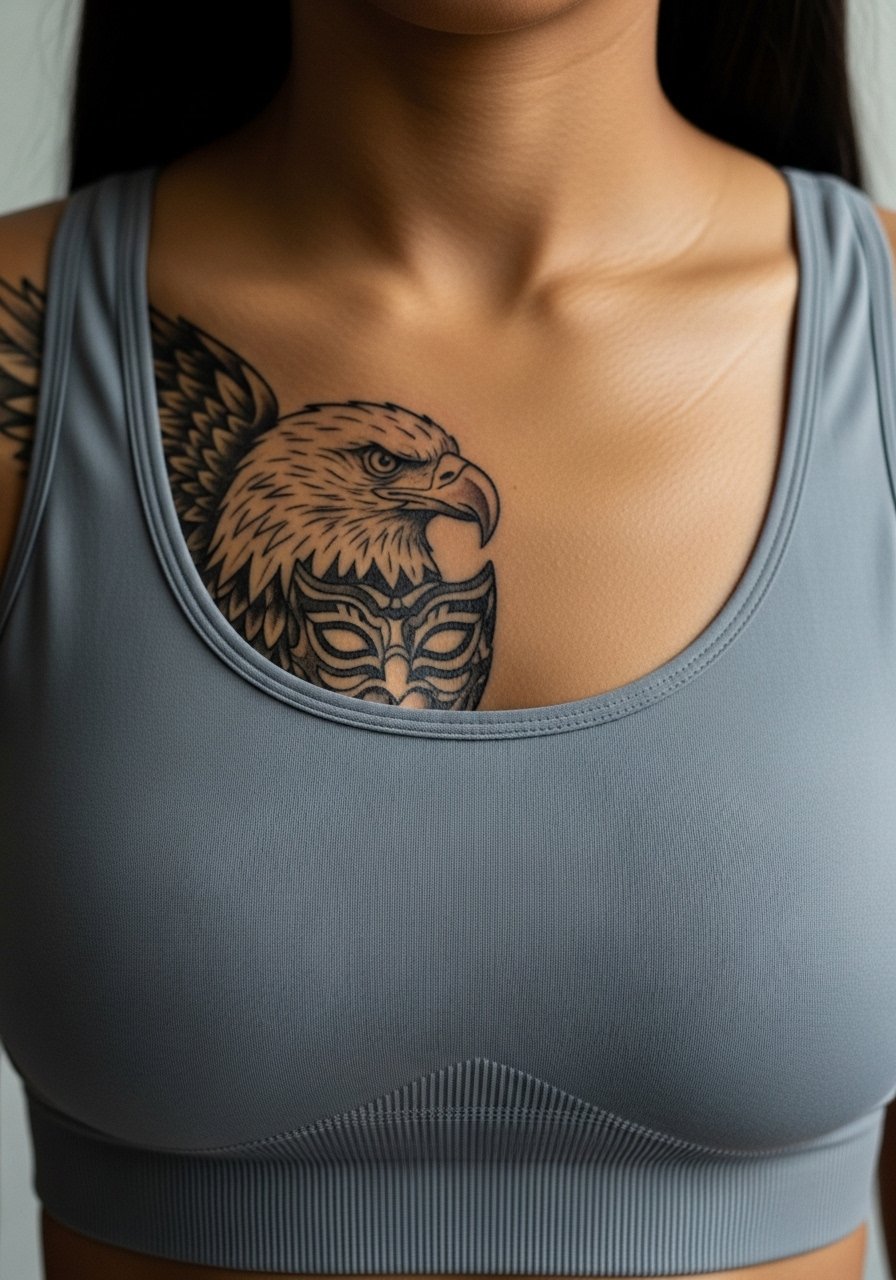
Upper chest pieces in solid blackwork age well when the composition respects the sternum curve. For sternum or upper chest speak plainly about how much negative space you want so the eagle's wings do not compress toward the middle. The chest can be tender and takes longer to heal when saturated fully. Sessions may split into two shorter sittings. For post-session comfort, wear a fitted sports bra that supports without rubbing the tattooed area.
12. Bold Blackwork Heisenberg Hat on Finger Band
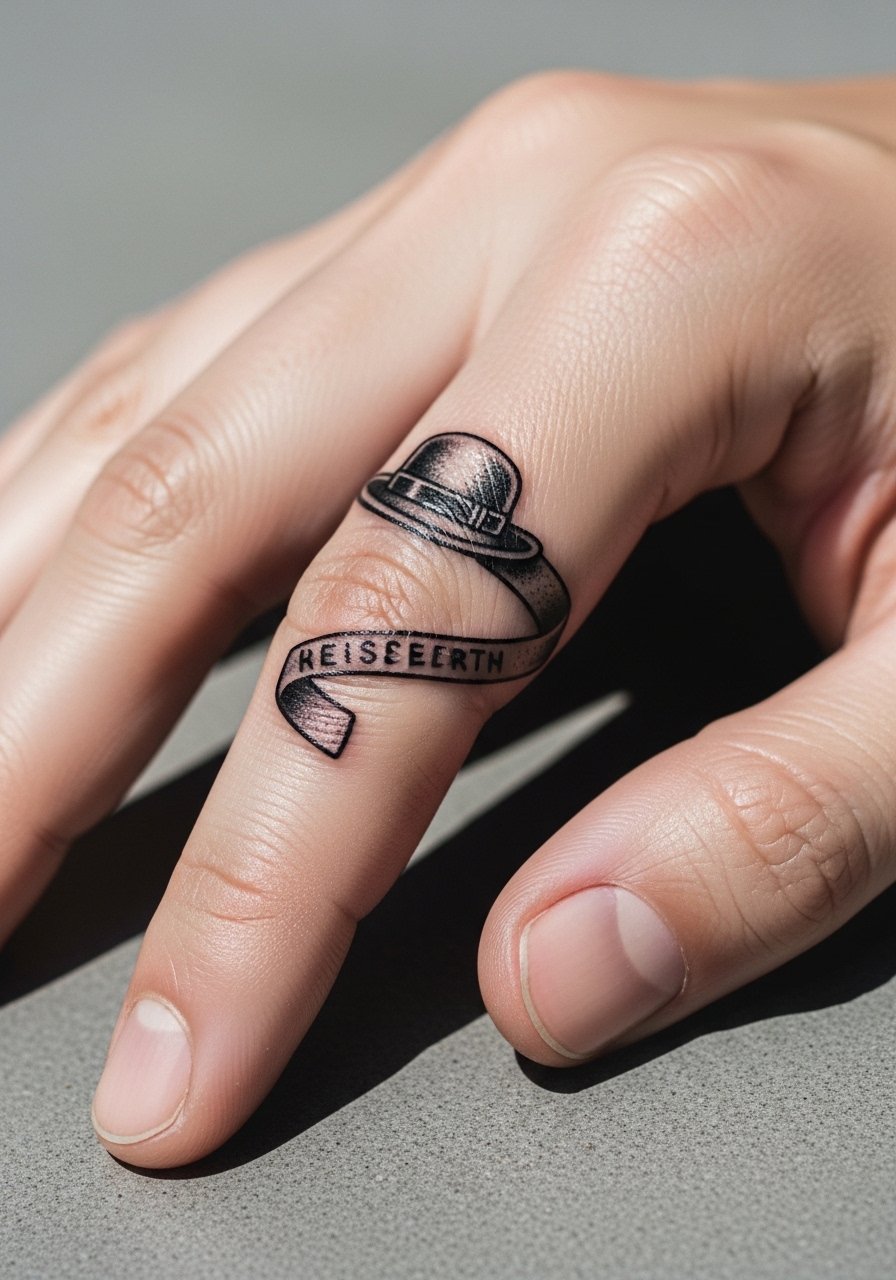
Finger tattoos are visible and convenient, but they fade and blur faster than most other placements. A bold, simplified hat band will last longer than a detailed portrait on a finger. The main mistake is expecting ring-finger durability from thin linework. The session is quick but plan for frequent touch-ups, sometimes annually, because hands wash constantly. For showing it off, minimal jewelry is best. Think about a slim ring stack that does not rub directly over the ink.
13. Solid Blackwork Chemistry Beaker on Outer Thigh
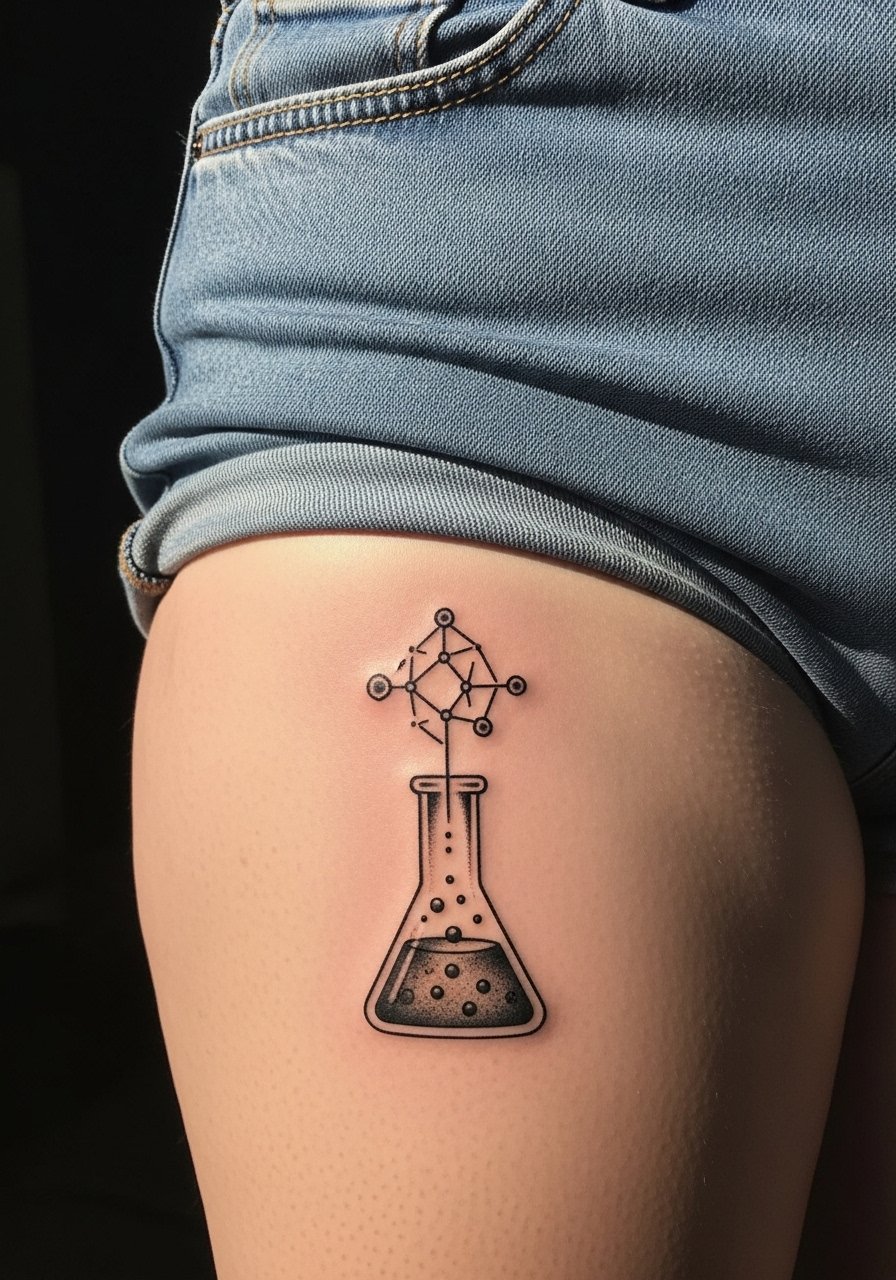
An outer thigh beaker in heavy blackwork reads like a statement piece that stays bold. Thigh tissue holds saturated black well so small internal lines will remain visible longer than on the wrist. A common error is requesting tiny measurement marks that blur with movement. Sessions can be longer and comfortable because the thigh tolerates long sittings. Wear high-waisted denim to the appointment so you can expose the thigh area without disrobing fully.
14. Bold Blackwork RV Blueprint on Back
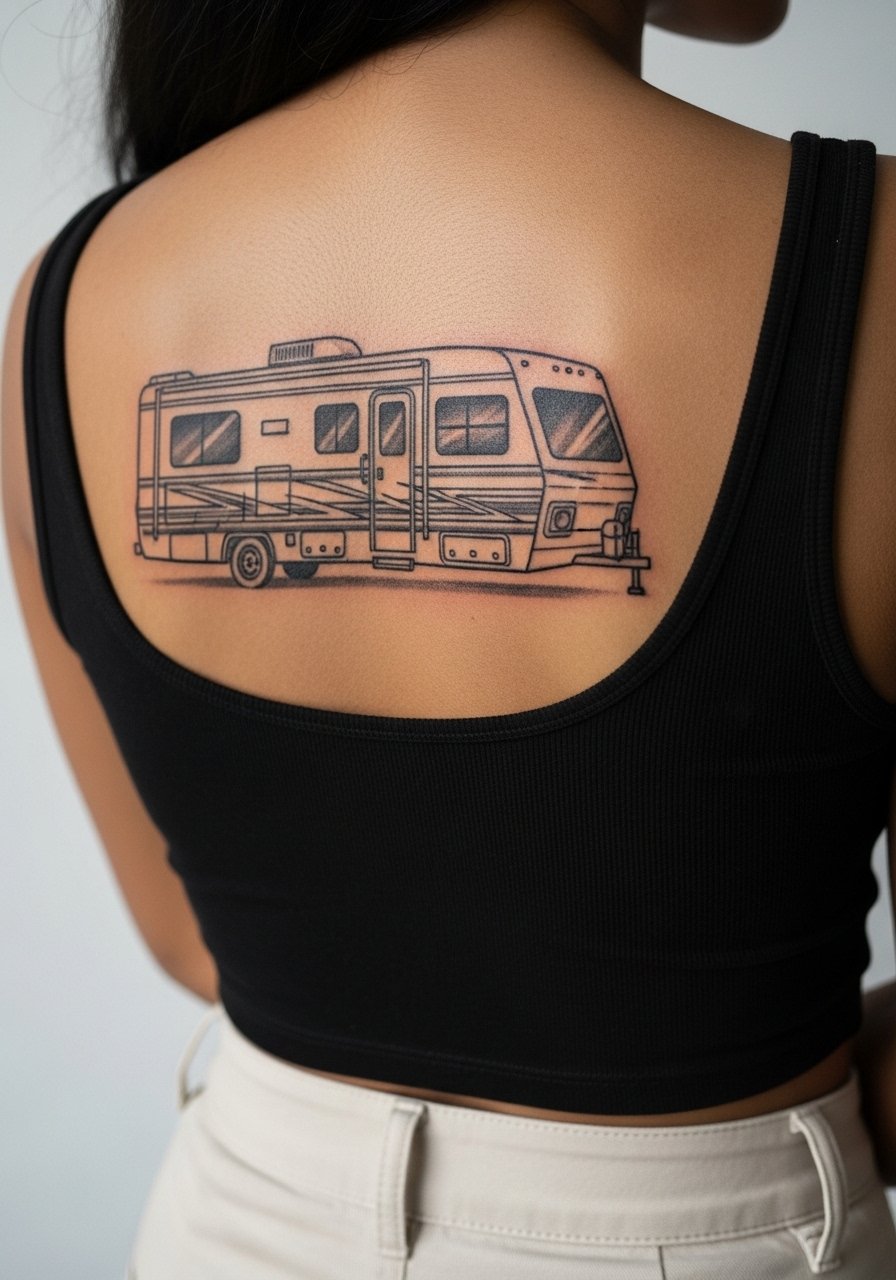
Large schematic designs on the back succeed when the artist treats them like architectural flash. Keep linework bold and let negative space do the work. The error is packing too many tiny labels into the blueprint, which look busy after a few years. Sessions will be longer and might be split up depending on size. For comfort wear a button-down shirt you can pull aside so you can get seated access without taking off layers.
15. Blackwork Minimalist Gas Mask on Neck Side
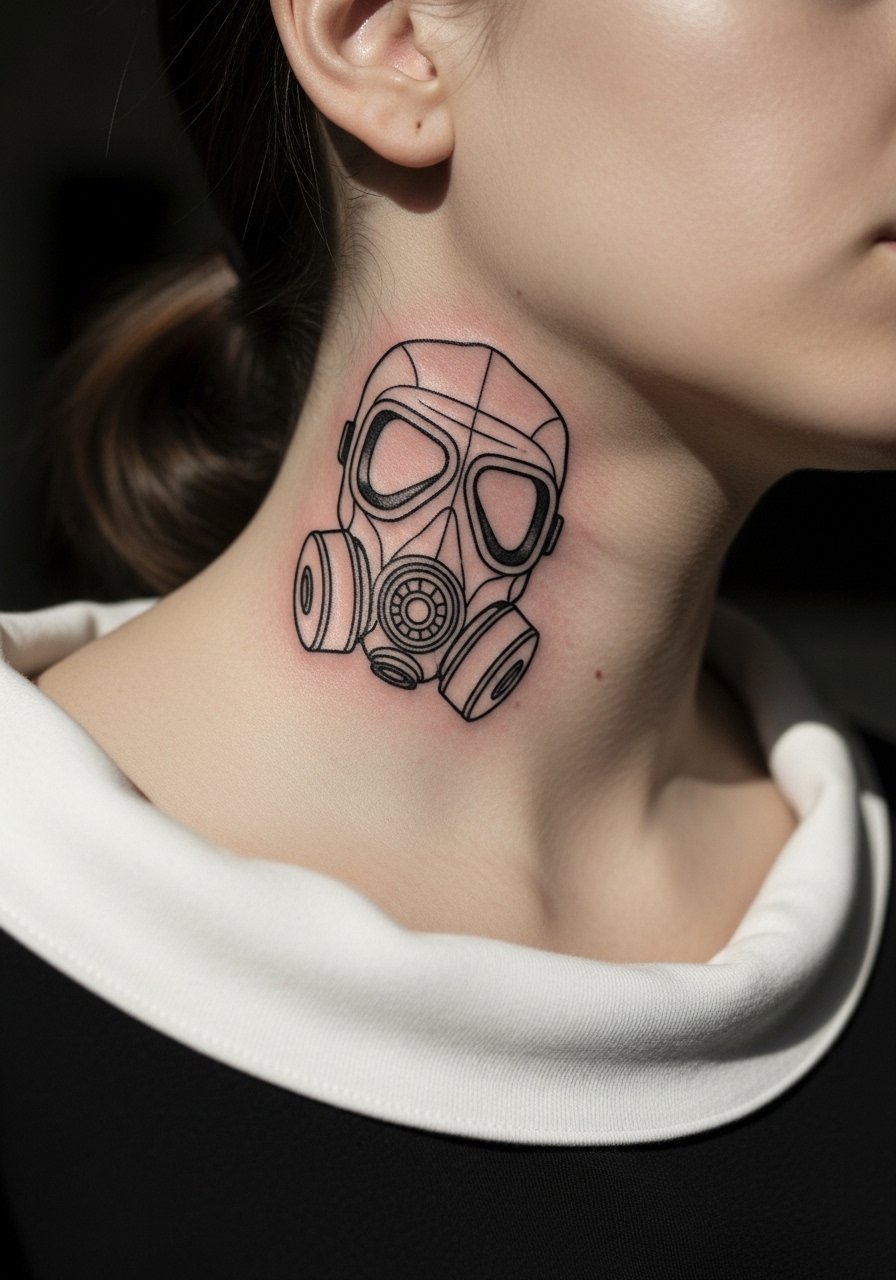
Side-of-neck work is visible and impactful but still carries professional considerations for some careers. Keep the design bold and compact to maintain clarity. Neck skin is thin and may need a steadier hand during inking. The session is short but can sting more than on the arm. Discuss long-term visibility with your artist. For showing it off without overexposing choose a wide-neck shirt that frames the piece.
16. Bold Domino Mask on Lower Back
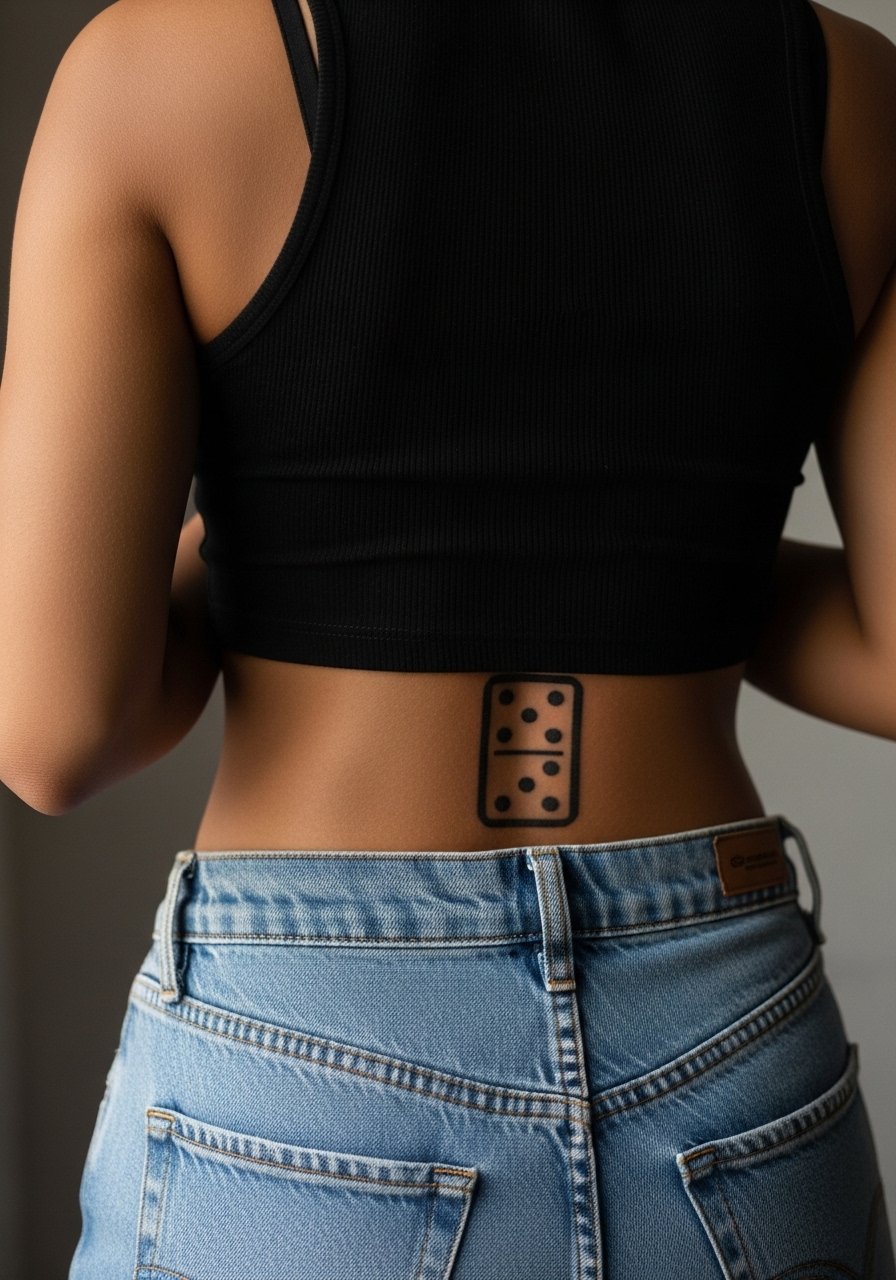
Lower back pieces in bold blackwork hold up when the composition stays centered and avoids tiny facial detail. The classic mistake is demanding filigree that ages into a blur as skin moves. The area is relatively low pain and sessions are moderate in time. For recovery wear soft, high-waisted bottoms that do not press directly on the tattoo. A tank top and high-waisted jeans combo is appointment-friendly and keeps the area visible afterward.
17. Heavy Blackwork Crossed Tools on Wrist
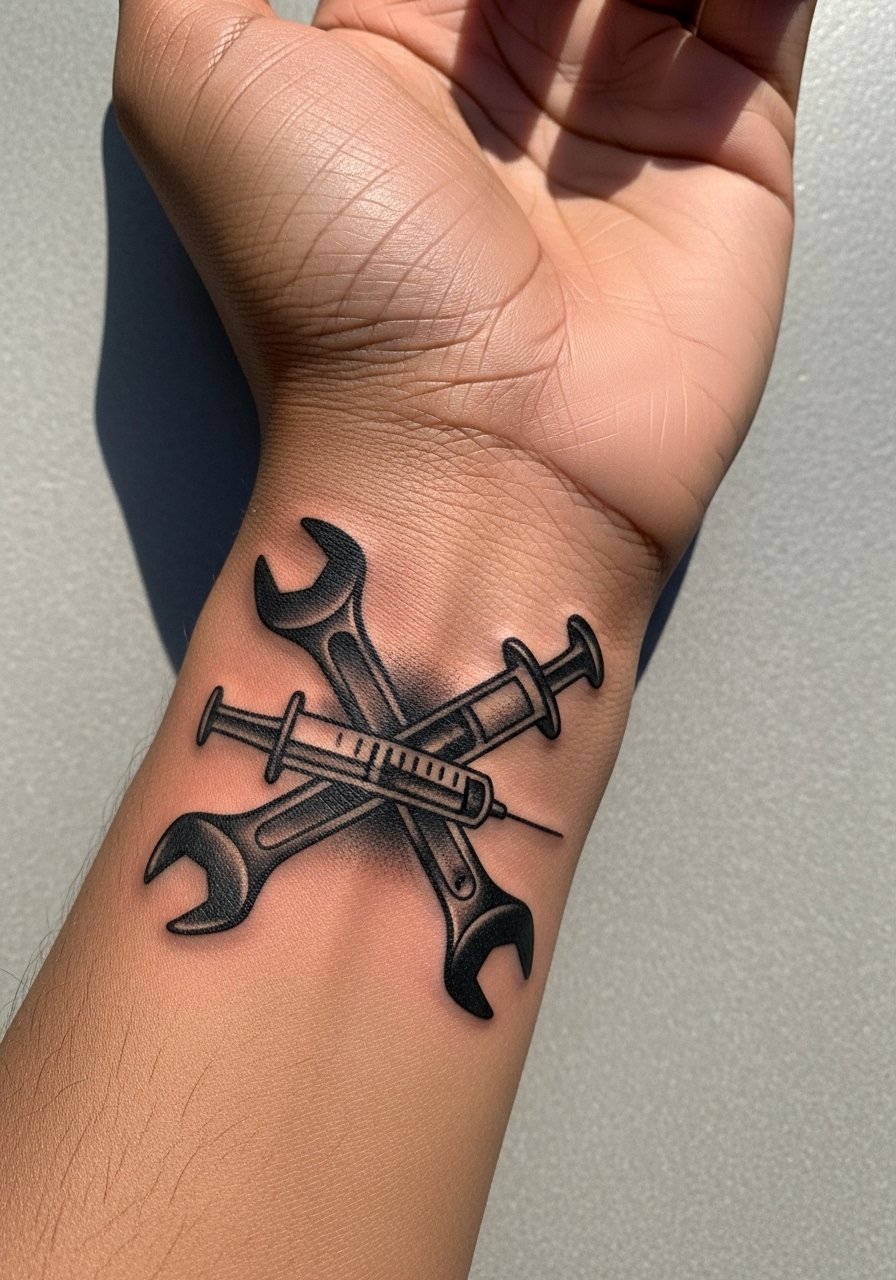
Wrist placements show quickly and fade faster than the forearm due to constant movement. A bold silhouette of crossed tools keeps the motif readable. The typical mistake is asking for thin interior details which fill in after a year. Sessions are brief and you may need a touch-up sooner than on less-used skin. To display it subtly try a thin chain bracelet that does not cover the work but complements the wrist.
18. Bold Blackwork Textured Skull on Shoulder Cap
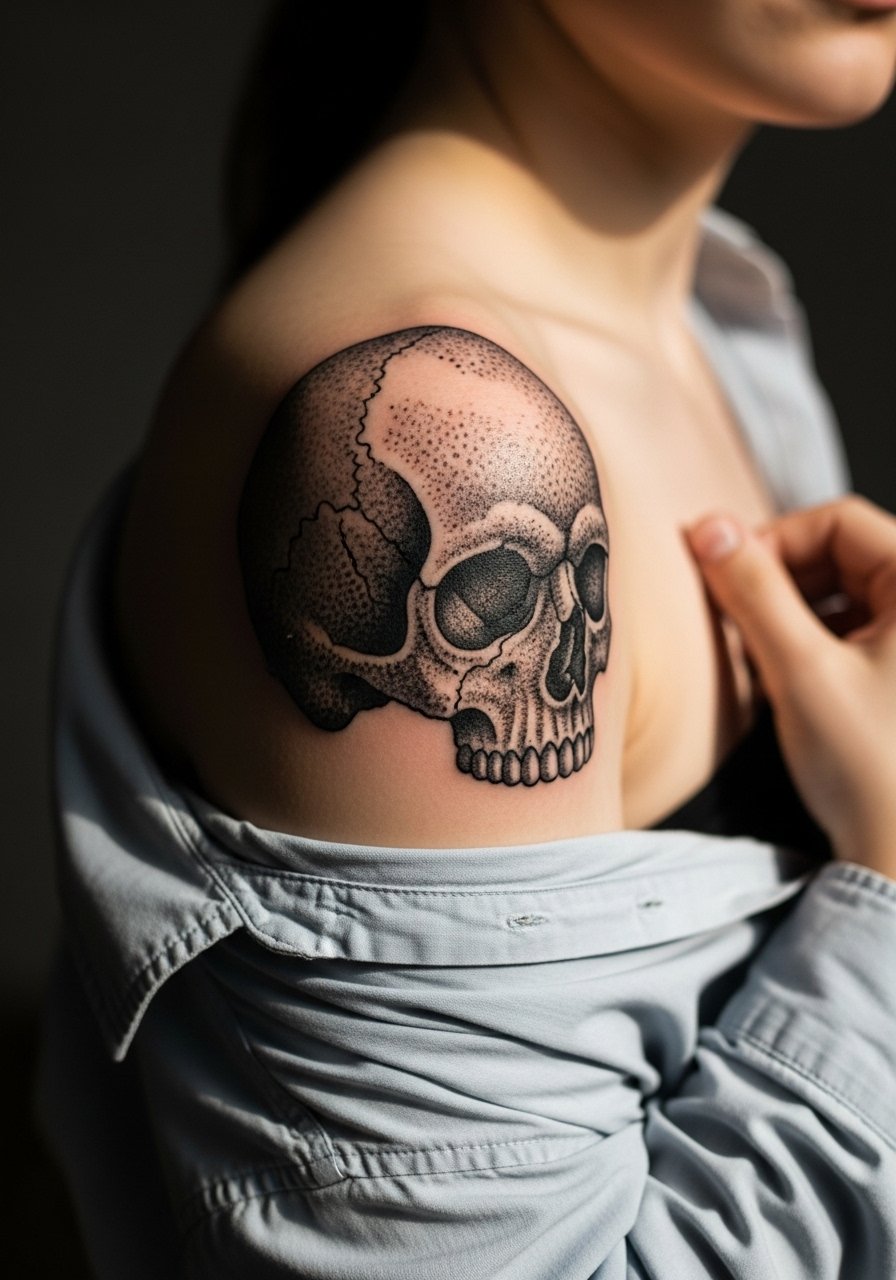
Shoulder cap pieces accept saturation well and show strong contrast. Ask for texture via negative space rather than micro dots to reduce blowout risk. People often request tiny stipple shading on the curve of the shoulder which can blur. Sessions are comfortable for most and usually last one to two hours. For the session wear a loose button-down shirt you can slide off easily without fuss.
19. Blackwork Breaking Bad Logo Badge on Ankle
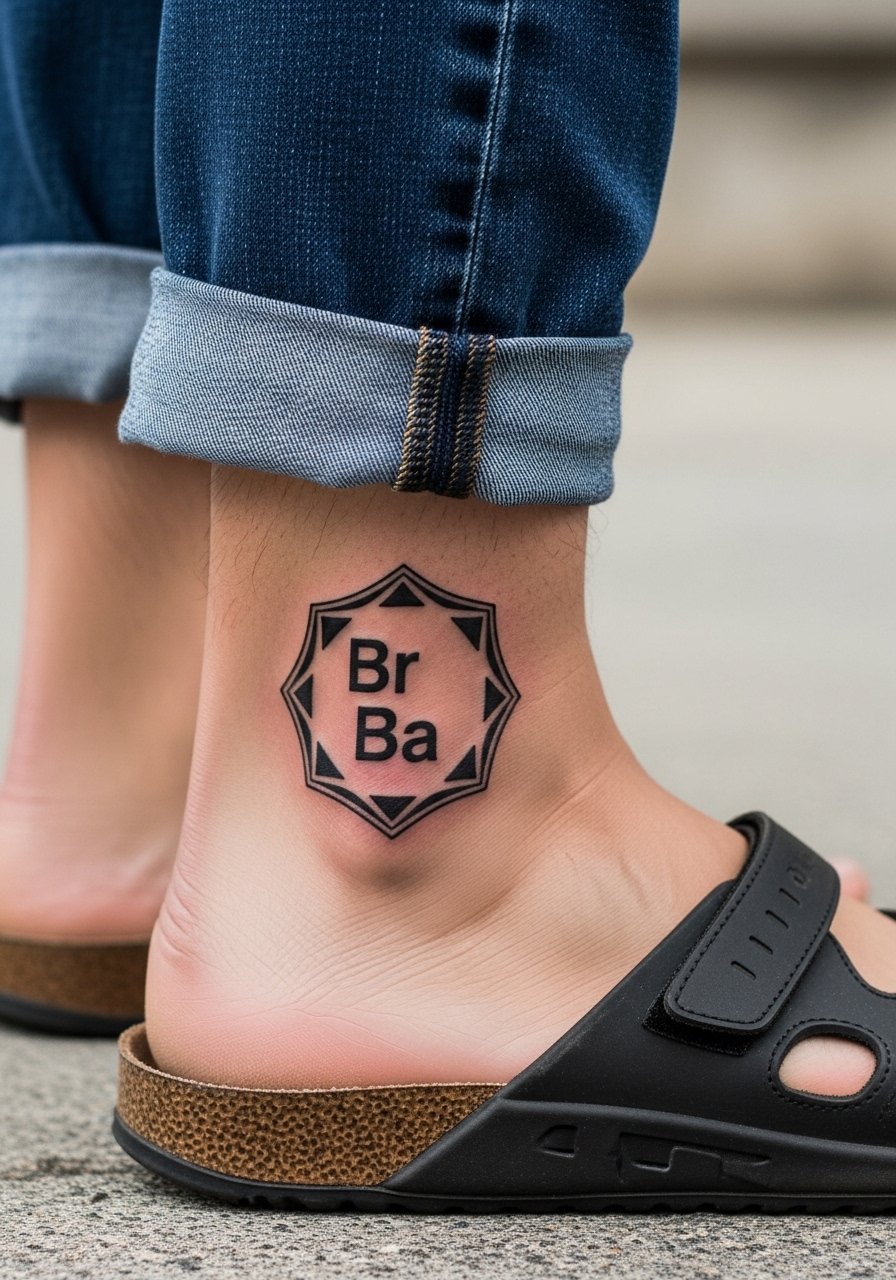
Ankle badges look crisp when the linework stays bold and the artist avoids tiny internal letters. The ankle sees a lot of movement and rubbing, so solid shapes hold better than fine type. Sessions are short and healing needs care to avoid shoe friction. For evening wear choose sandals or low-profile shoes that minimize pressure on fresh ink.
20. Heavy Blackwork Compound Symbol on Sternum
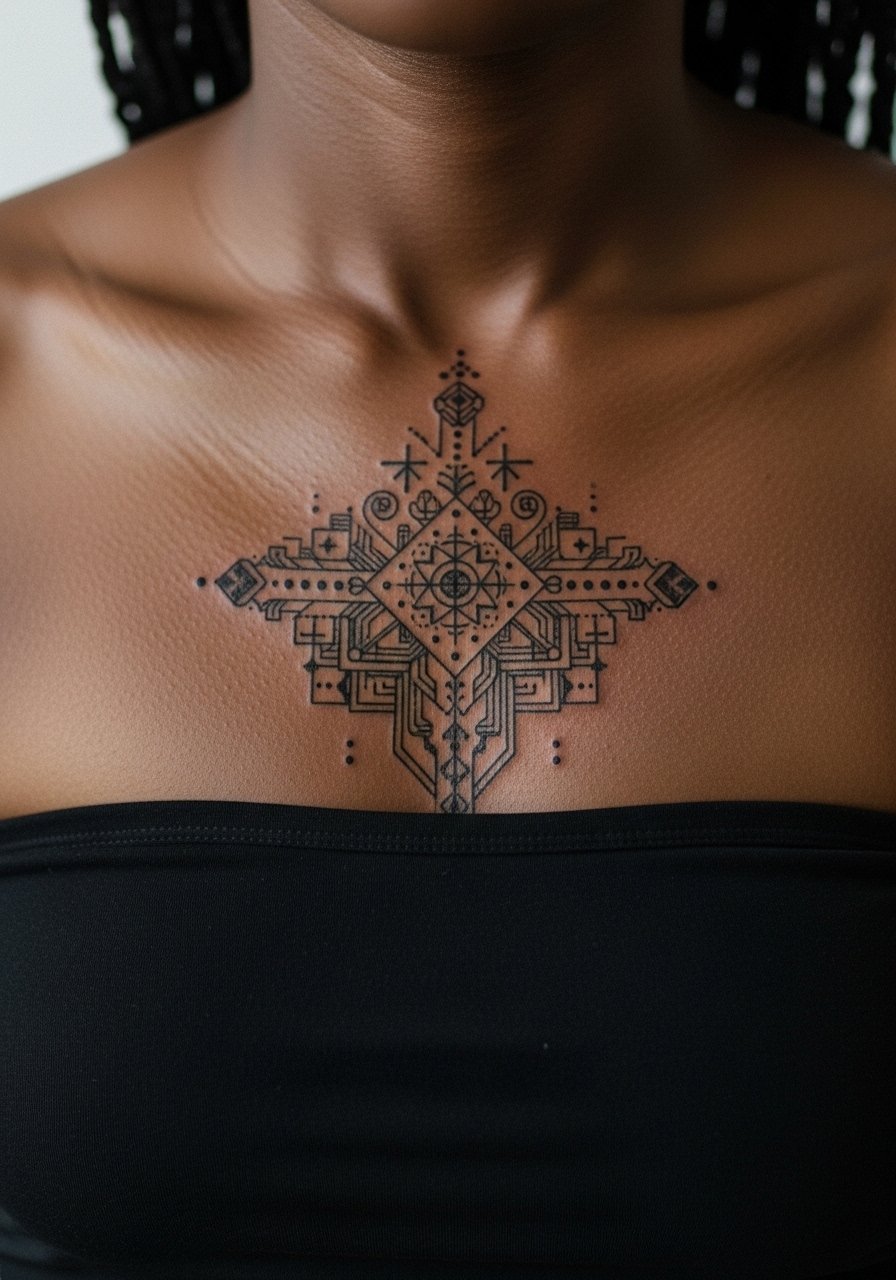
Sternum pieces can be striking in solid blackwork but the area is tender and has a higher chance of shifting lines if not properly spaced. Note that this placement requires an experienced hand because the skin sits over bone. Sessions may be split and healing is slower. For the session wear a bandeau top that exposes just the area without being overly revealing.
21. Bold Blackwork Minimalist Gasoline Barrel on Forearm
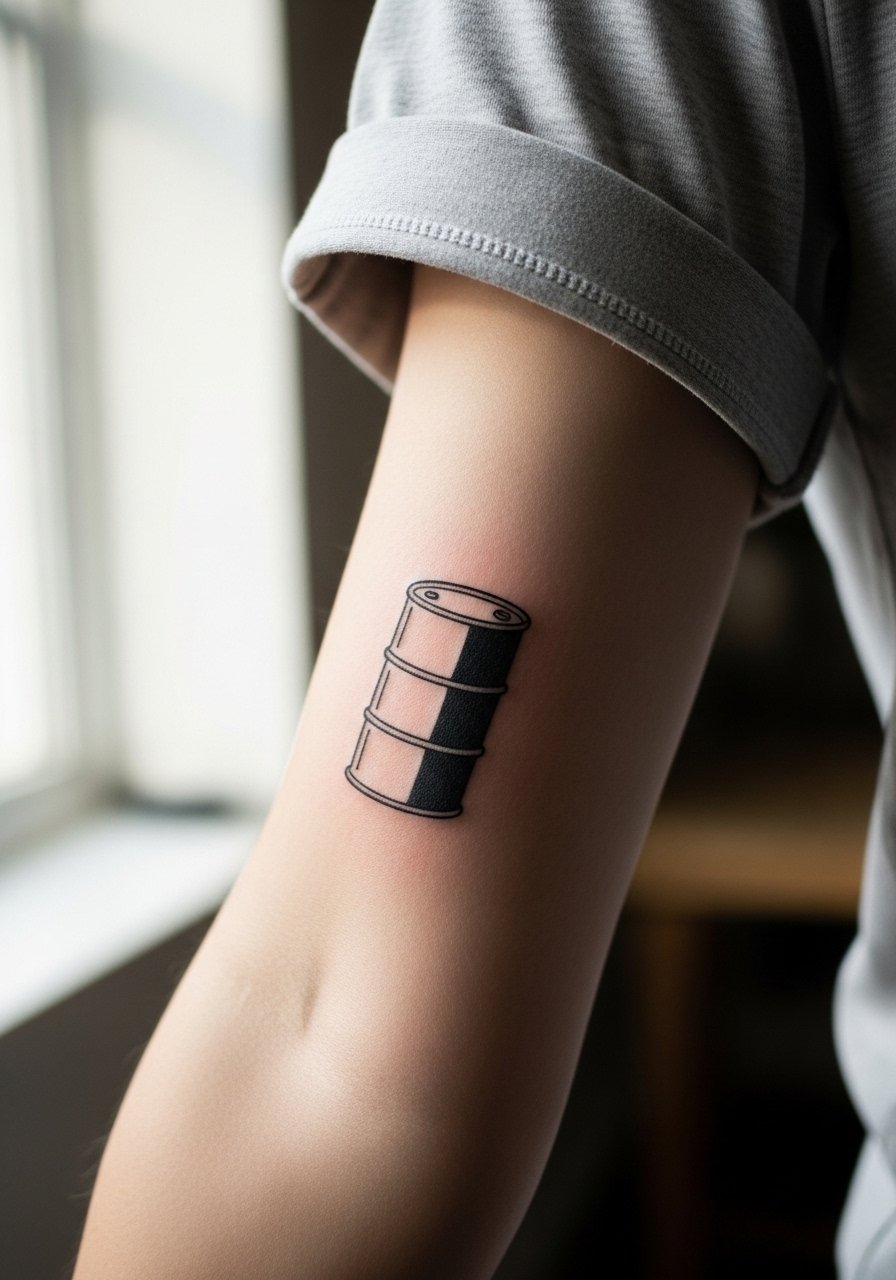
A forearm gasoline barrel in bold blackwork is resilient and reads clearly at a distance. Ask for clear negative space lines so the barrel's silhouette does not merge during healing. Avoid packing tiny ruler marks or lettering into the barrel. The session is comfortable and usually one hour. Pair it with a short-sleeve linen shirt to show it off without competing patterns.
22. Heavy Blackwork Minimalist Heisenberg Head on Nape
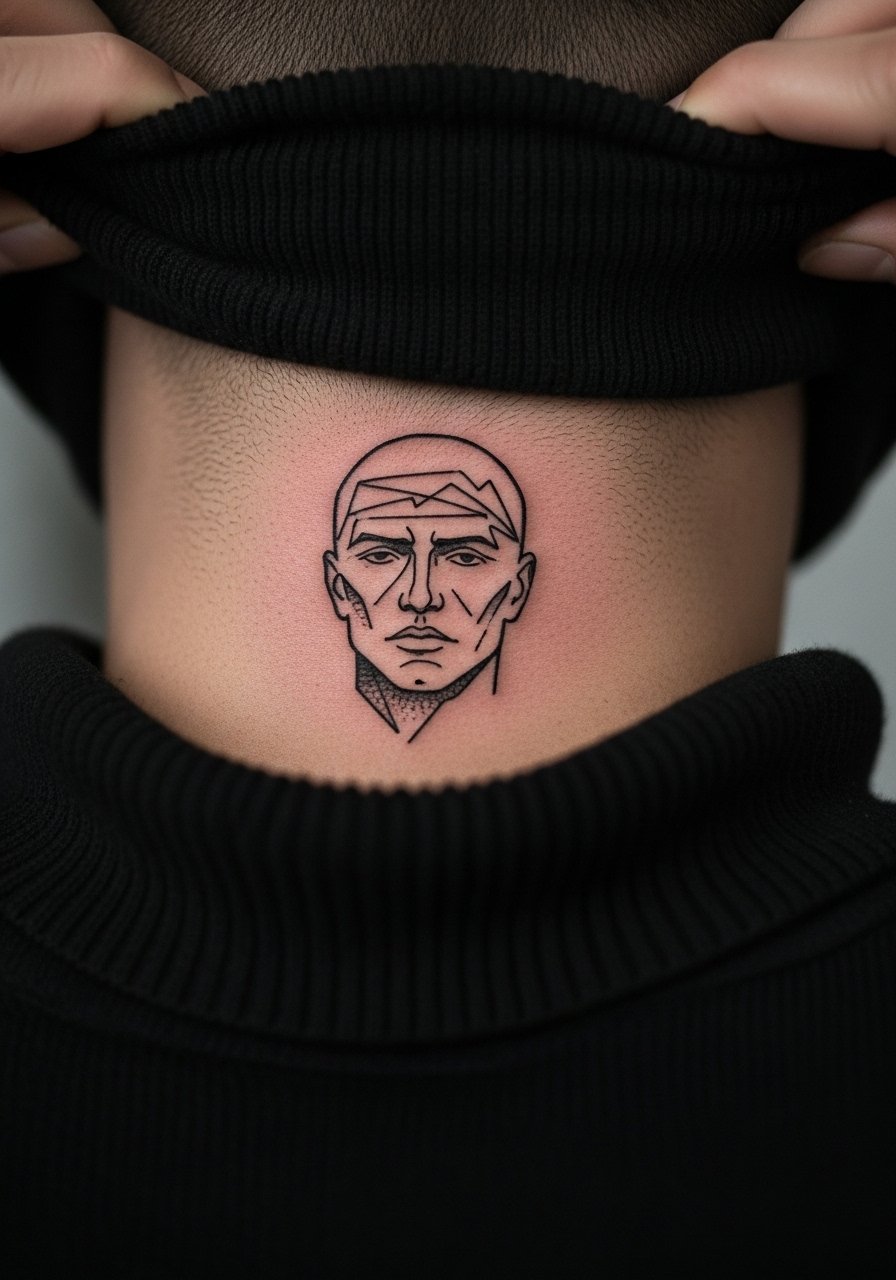
Nape tattoos are discreet and can be revealed when you want them to be. Keep the Heisenberg head bold and avoid intricate facial shading at small scale. The nape stings differently than the arm and may need shorter sittings. For the appointment wear a turtleneck you can lower slightly rather than stripping off layers.
23. Solid Blackwork Meth Lab Icon on Upper Back
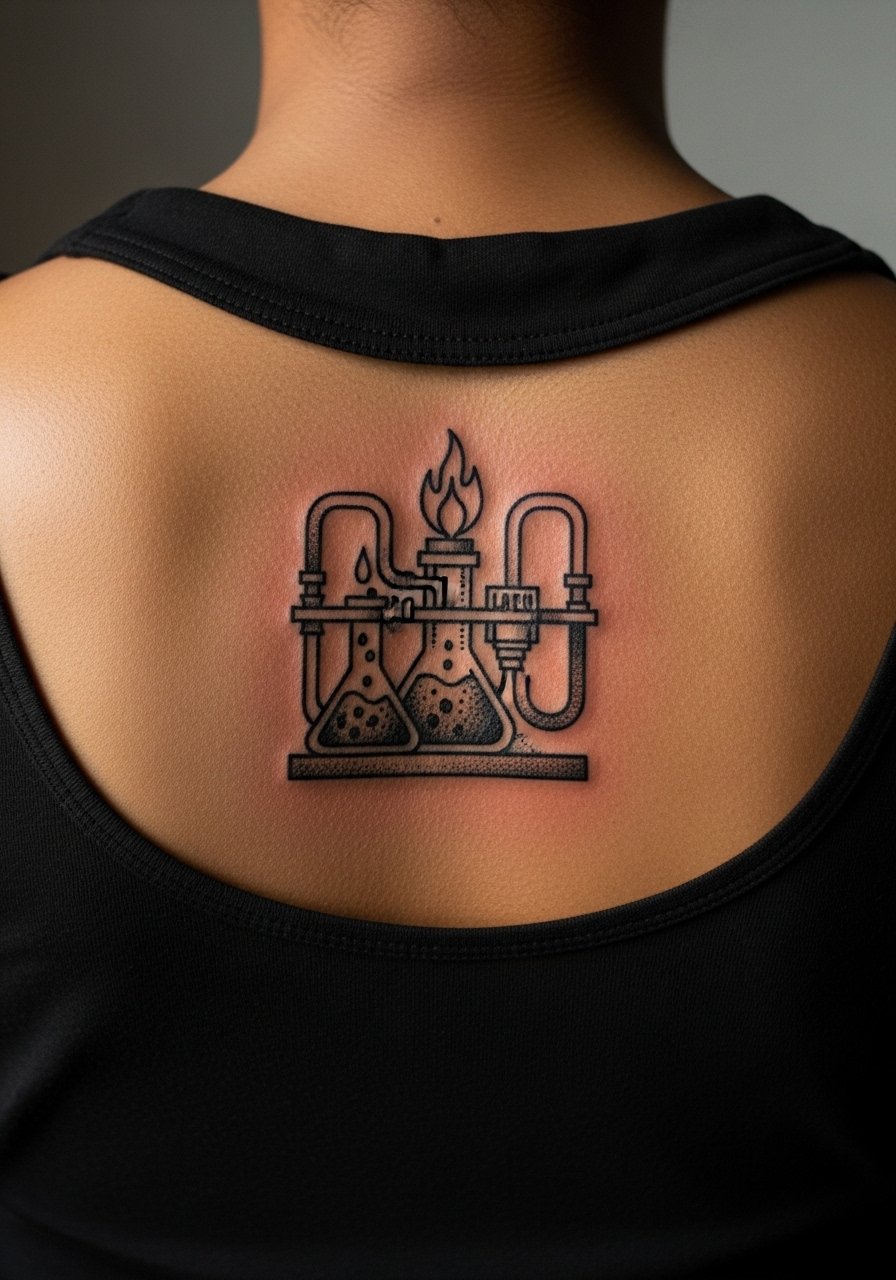
Upper back panels work well for iconic blackwork and give the artist room to scale the composition. Keep internal elements bold and avoid tiny pictograms that blend together over time. Sessions can be longer and comfortable since the back tolerates more machine time. For the session wear a tank top you can pull aside without removing.
24. Bold Blackwork Finger-Edge Icon Set
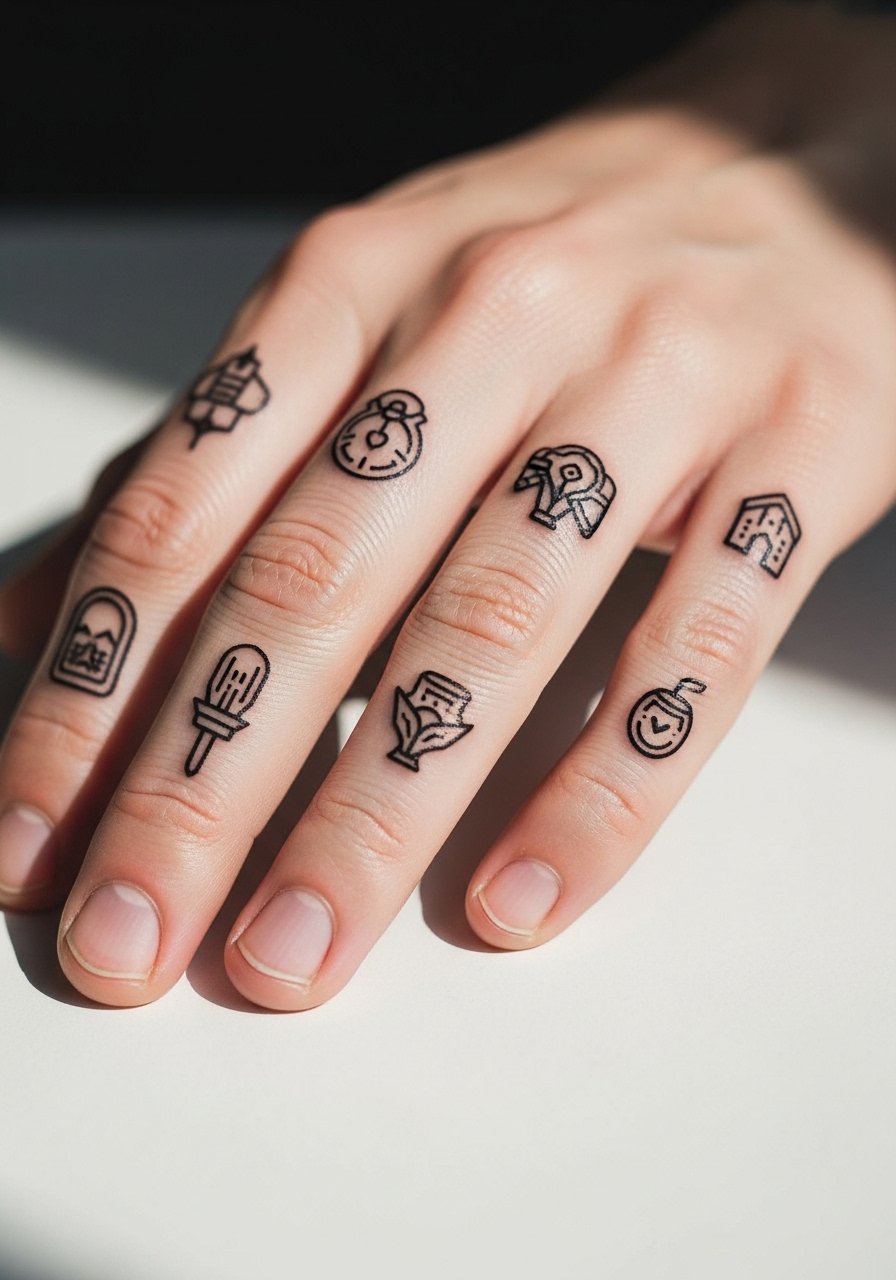
Edge-of-finger icons are a creative choice but expect rapid fading and touch-ups. These are best executed as bold silhouettes rather than line-heavy motifs. The common mistake is choosing tiny type or thin geometry which disappears in months. Sessions are quick but plan for maintenance. For showing them off, a thin ring set can accent the fingers without rubbing the ink directly.
25. Bold Blackwork Minimalist RV Door on Hip
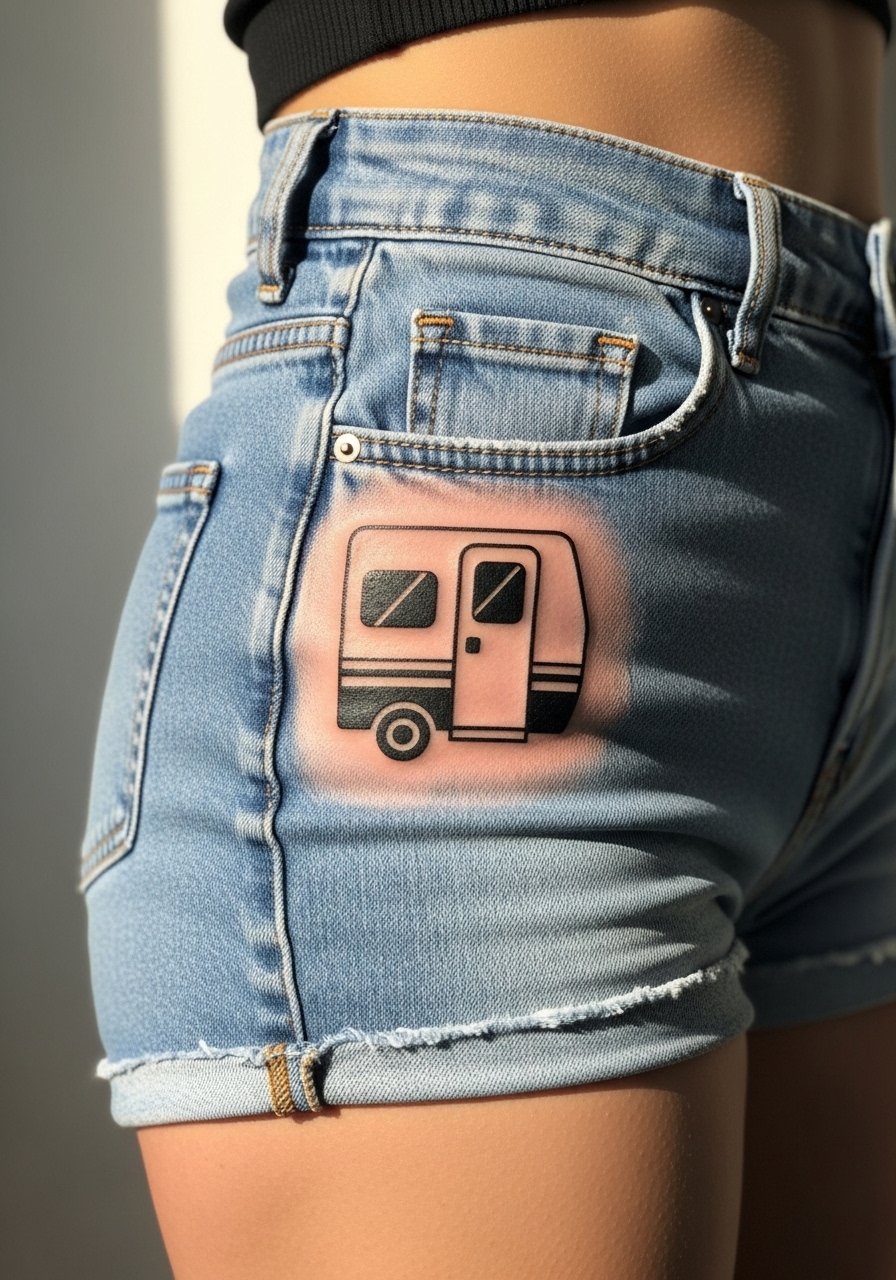
Hip pieces in bold blackwork benefit from larger scale and solid fill to avoid migration into nearby textures. The hip moves a lot with sitting and friction, so avoid intricate labels that age poorly. Sessions are moderate and the area may need a few days of gentle care. Wear high-cut shorts during the session to reveal the hip without exposing other areas.
26. Heavy Blackwork Breaking Bad Barcode on Side Torso
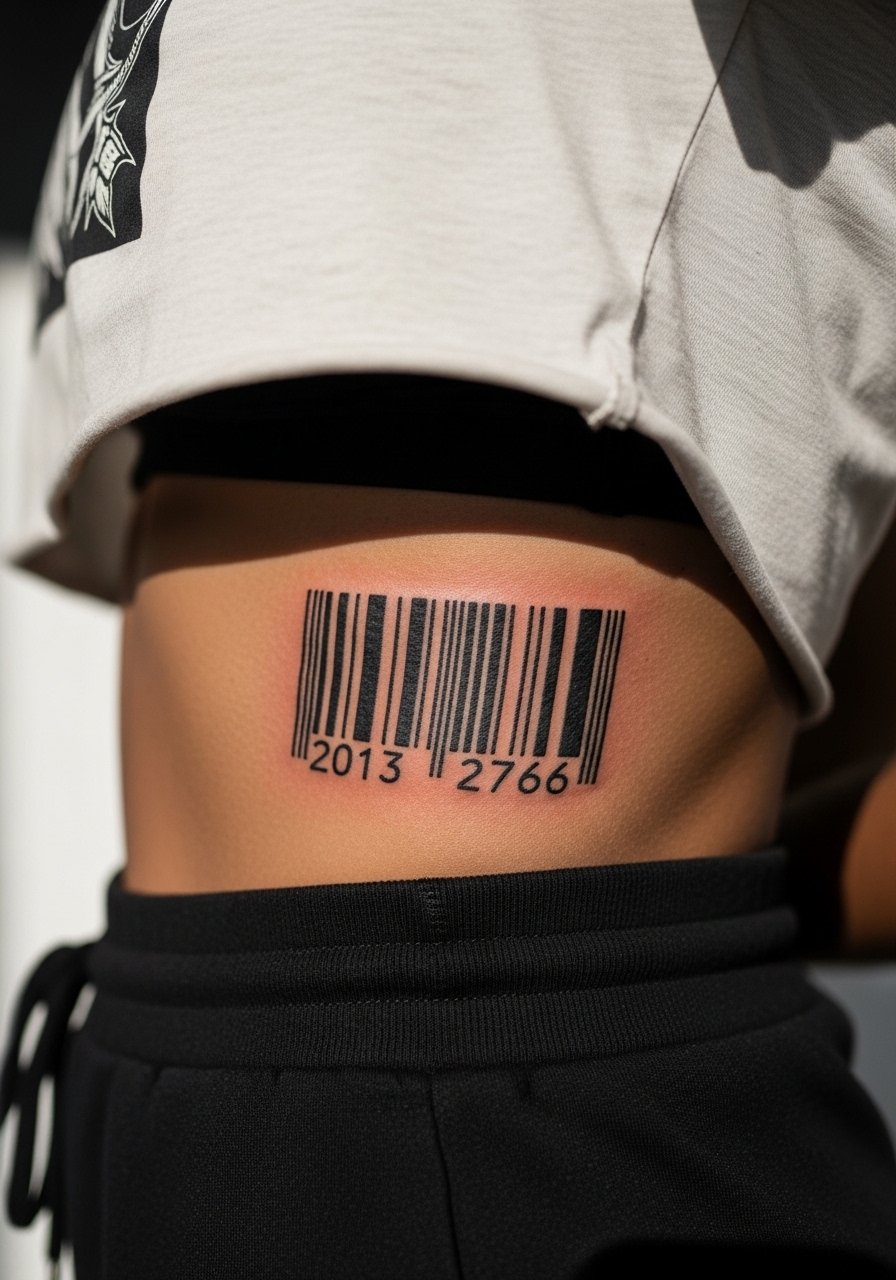
Barcode motifs on the side torso need intentional spacing and bold bars to avoid smudging into one dark block. The common error is choosing bar widths that are too close together. Side torso skin stretches more and is touchier to work on. Sessions are longer and you should expect slower healing. For the appointment pick a cropped tee and high-waisted bottoms so the artist can access just the zone.
27. Blackwork Breaking Bad Scene Strip Along Spine
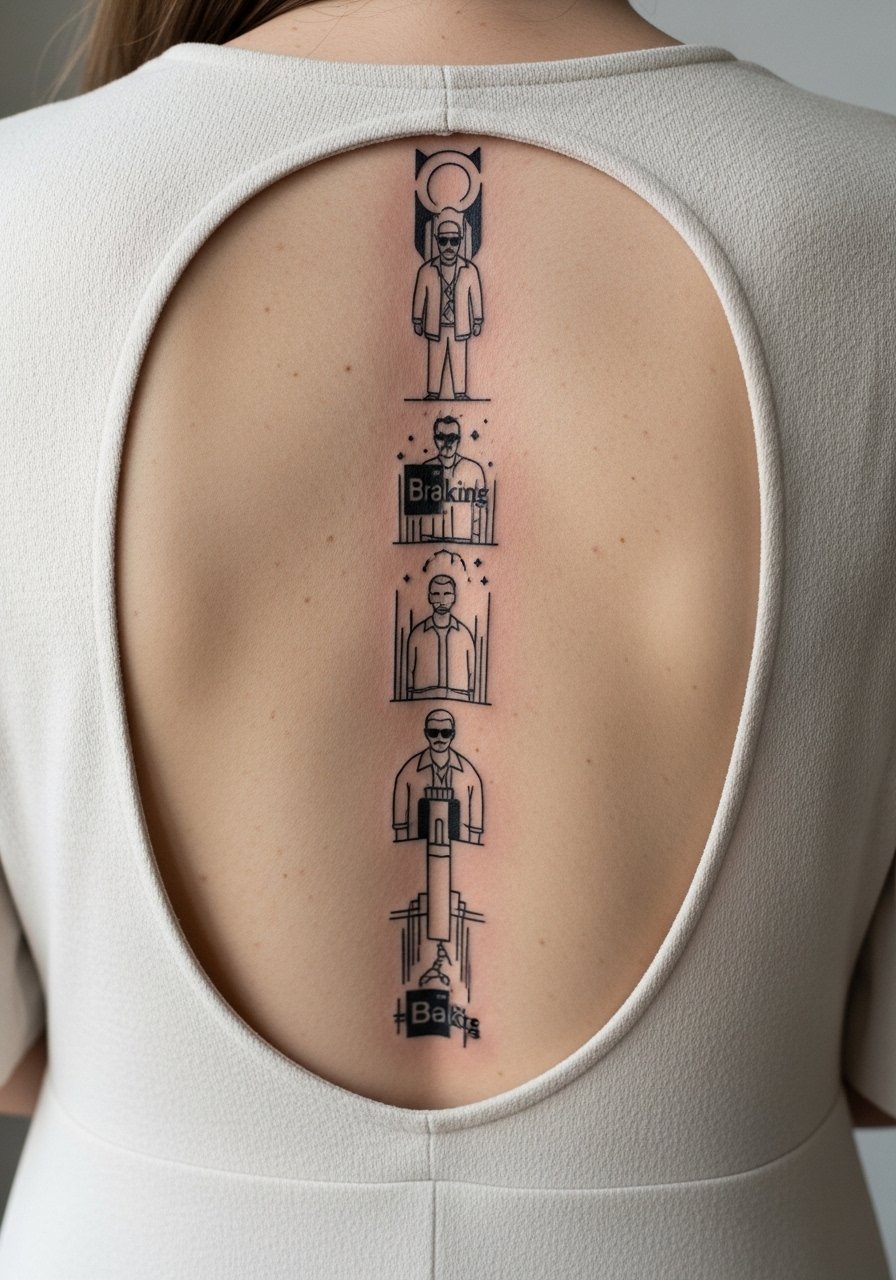
A spine strip reads best when treated as a column of silhouettes and negative space rather than as tight micro detail. The spine is tender and may require shorter sittings to stay comfortable. A common mistake is overcomplicating the strip with tiny faces or text that lose definition. Sessions can be split and you should ask your artist about spacing for long-term legibility. For evenings out pair it with an open-back midi dress that frames the piece.
Frequently Asked Questions
Q: How fast does bold blackwork fade compared with fine line pieces on the forearm and wrist?
A: From what I have seen, bold blackwork holds color and reads clearly longer than fine line work because the saturated fill resists UV breakdown better. On the wrist expect more fading than the forearm because of constant motion and washing. Plan on a touch-up sooner for wrist pieces, and use clothing like a rolled-up sleeve linen shirt to protect fresh ink from sun when possible.
Q: Is a ribcage blackwork quote a bad idea because of breathing and skin stretch?
A: Artists split into two camps on ribs. One group says the skin there stretches and blurs fine detail within a couple of years. The other group says if you go bold, space letters out, and accept a possible touch-up, ribs can look solid for years. Ask your artist which camp they practice with and request bold caps rather than hairline script if you want longevity.
Q: How should I prepare clothing-wise for a thigh or calf session that will be heavy blackwork?
A: For thighs wear loose shorts or high-waisted pants that you can shift without removing everything. For calves roll jeans or wear sandals to avoid pressure on the fresh tattoo. Bringing a comfortable pair of loose drawstring linen pants can make the ride home easier and reduce friction on healing ink.
Q: Do hand and finger blackwork tattoos affect job prospects and how long do they usually last before touch-ups?
A: Hand and finger pieces are highly visible and some industries still respond conservatively, so consider career context before committing. In terms of longevity, expect faster fading and a higher frequency of touch-ups. I have seen finger work need refreshes annually, especially when the design uses thin detail. If you want minimal maintenance, choose bold silhouettes instead of tiny text.
Q: Can I get a detailed portrait of a character in blackwork and expect it to age well?
A: Detailed portraits in pure blackwork can look powerful but small-scale portraits often lose definition over time. If you want a face to last, request larger scale and strong contrast with simplified planes rather than tiny stipple. Discuss touch-up timelines with your artist and plan for a possible follow-up within two to five years depending on placement and sun exposure.
