
Fine line trends look gorgeous online, but the choices people actually keep are the ones that fit daily life and personal stories. Too many saved boards end up as the same heart or rose again. Some parents worry getting ink feels selfish, and small pieces often cost more than they expected. This list balances visual ideas with practical notes on aging, consultation prompts, and wardrobe tips so you can pick something that lasts and feels right.
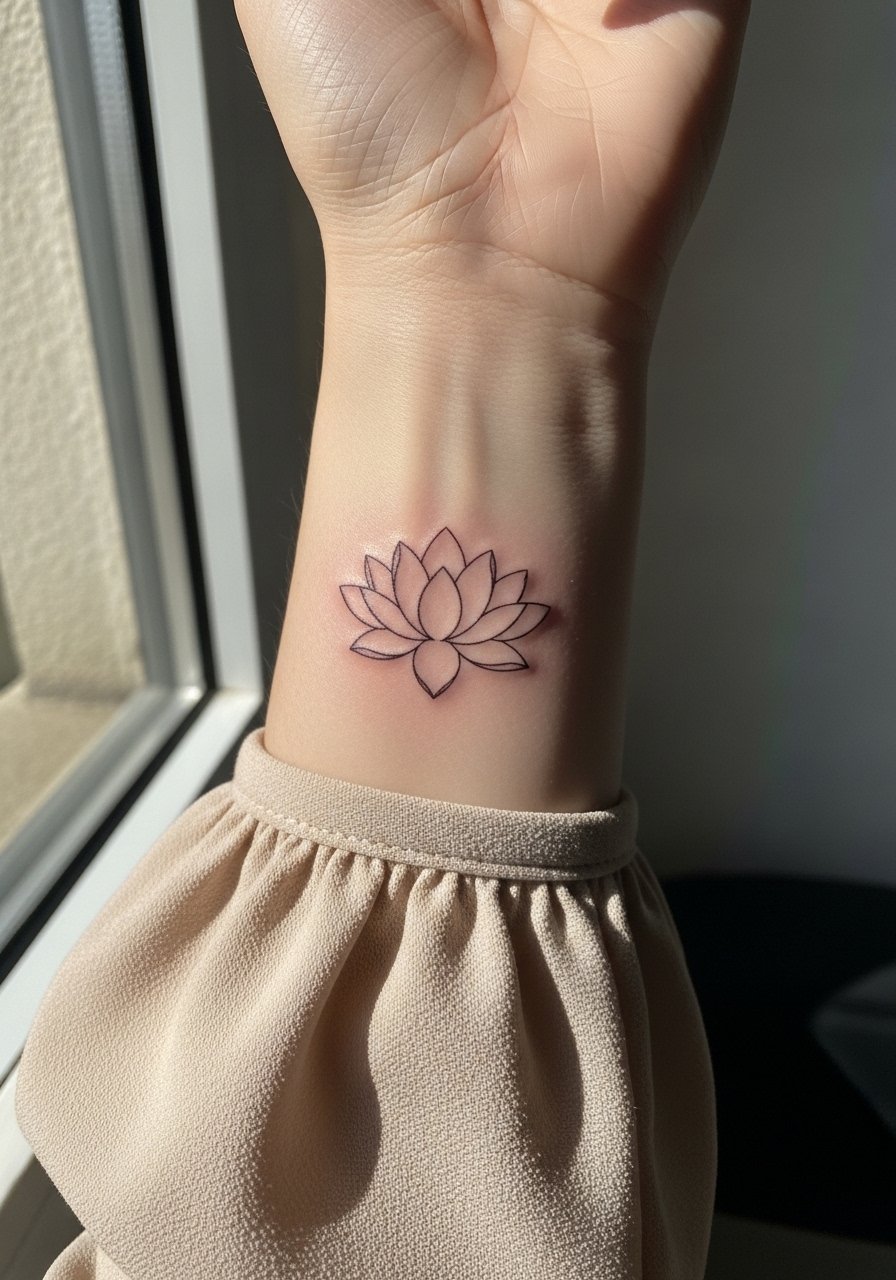
1. Fine Line Lotus on the Inner Wrist
I've seen small lotus pieces last best when artists leave breathing room around the petals. Ask for single-needle linework with slightly heavier spacing between dots so the petals do not merge as they age. Fair warning, the wrist takes frequent sun and friction, so expect a light touch-up at year two to three for fine detail. For the session wear a sleeveless or rolled sleeve top so the artist has clear access. To show it off, pair the piece with a rolled cuff blouse and a thin silver bangle set that frame the wrist without overcrowding the linework.
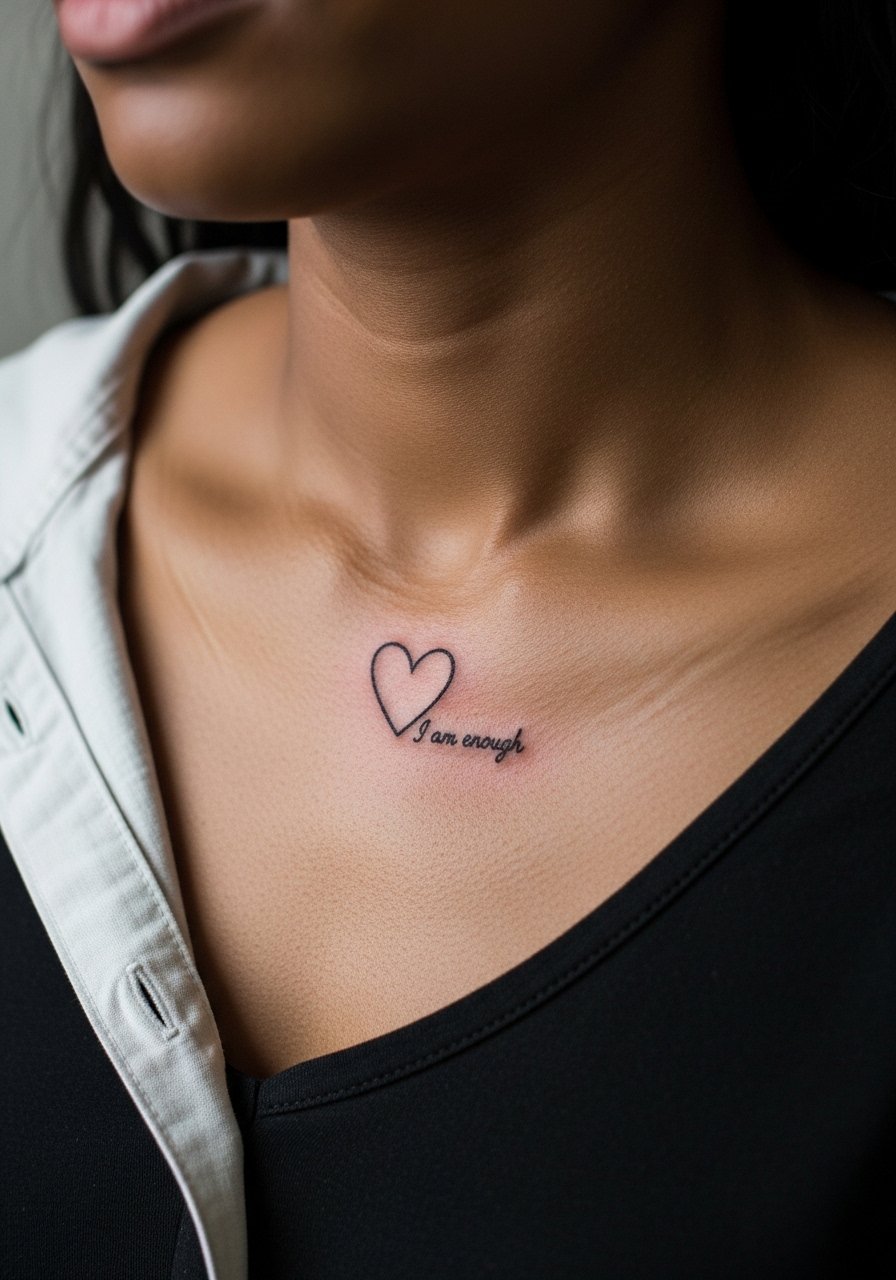
2. Minimalist Heart With "I am enough" on the Collarbone
When you want a subtle affirmation, keep the heart outline thin and place the phrase in 1-point smaller script sitting just beneath the curve. Tell your artist the exact phrase "I am enough" and show a reference of the script size relative to the collarbone. Collarbone pieces can catch on clothing during healing, so wear a wide-neck or off shoulder sweater to reveal the area without rubbing, and finish looks with a delicate chain necklace that sits above the text. The main mistake is requesting lines too tiny to read five years out. Expect moderate sensitivity during the session and a touch-up in year two if you want crisp script.
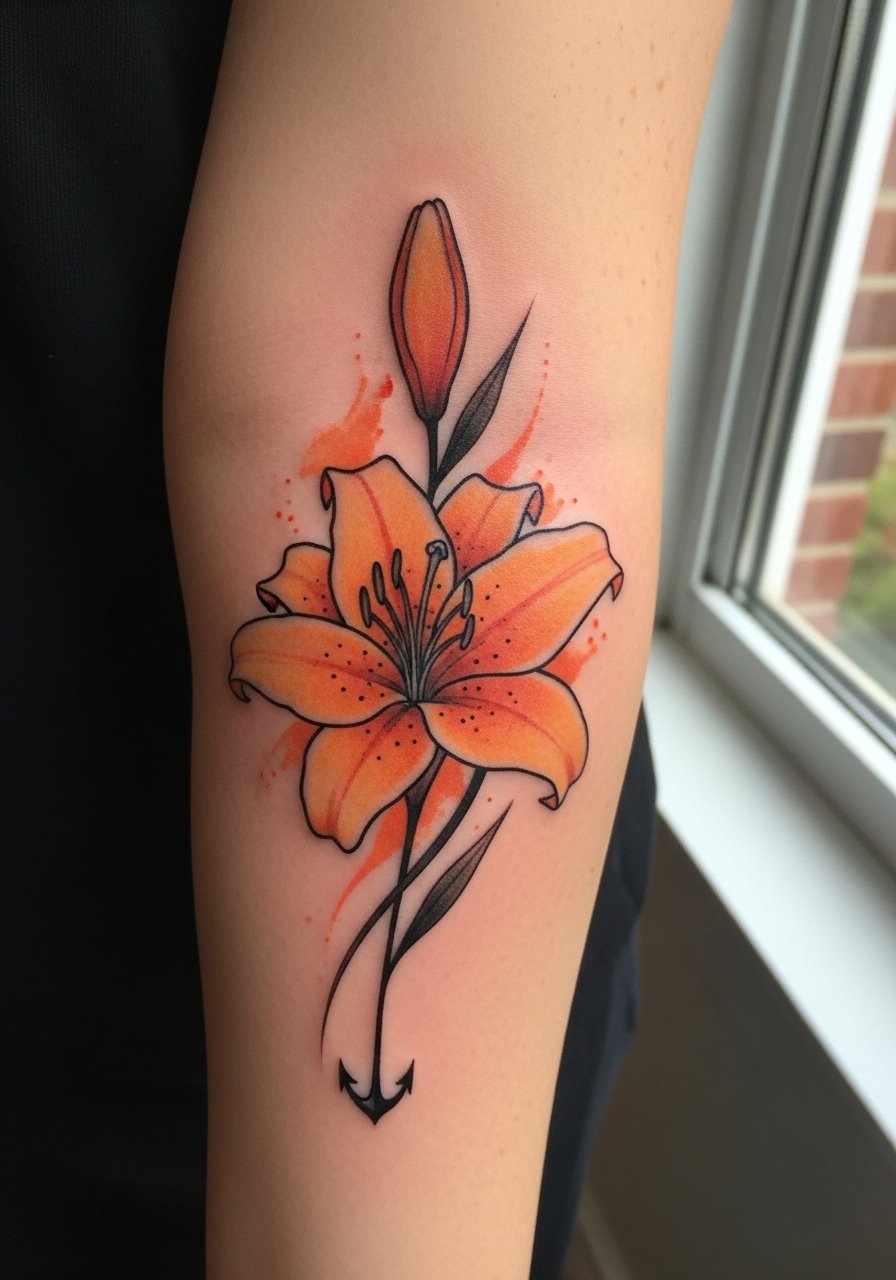
3. Watercolor Orange Lily on the Outer Forearm
Watercolor looks painterly at first and needs a considerate approach to avoid muddy fading. I recommend a fine black outline to anchor the color so the lily reads after a year of sun exposure. During consultation point out which parts you want saturated and which should be soft washes. The forearm is forgiving for touch-ups and tends to heal evenly, but heavy sun will desaturate pigments faster. Ask about pigment placement during your prep chat. The session feels like steady work with occasional color layering, and a single longer session usually nails a three-inch piece.
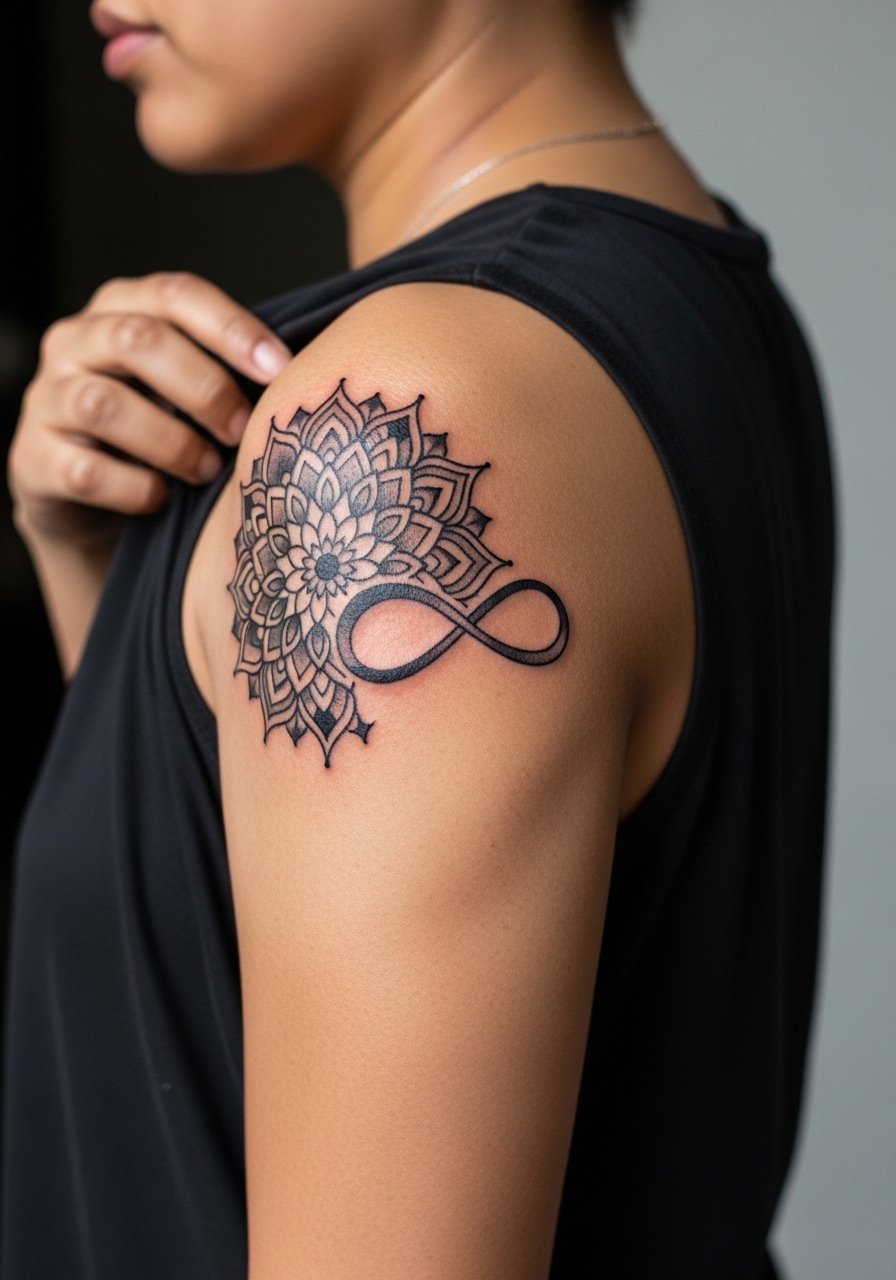
4. Blackwork Mandala With Infinity Loop on the Shoulder Blade
I often tell people the shoulder blade is an artist-friendly canvas because it takes saturation well. For an infinity-mandala combo ask for clear negative-space channels inside the mandala so dense black areas do not knit together later. One common mistake is packing too many concentric rings into a small diameter. This placement usually needs two sessions for a four-inch piece if you want deep black saturation. Wear a loose tank or an open button shirt to the appointment so the artist can work without fabric irritation. If cultural patterns are part of the mandala, mention origin respect and consider subtle variation rather than copying a sacred motif outright.
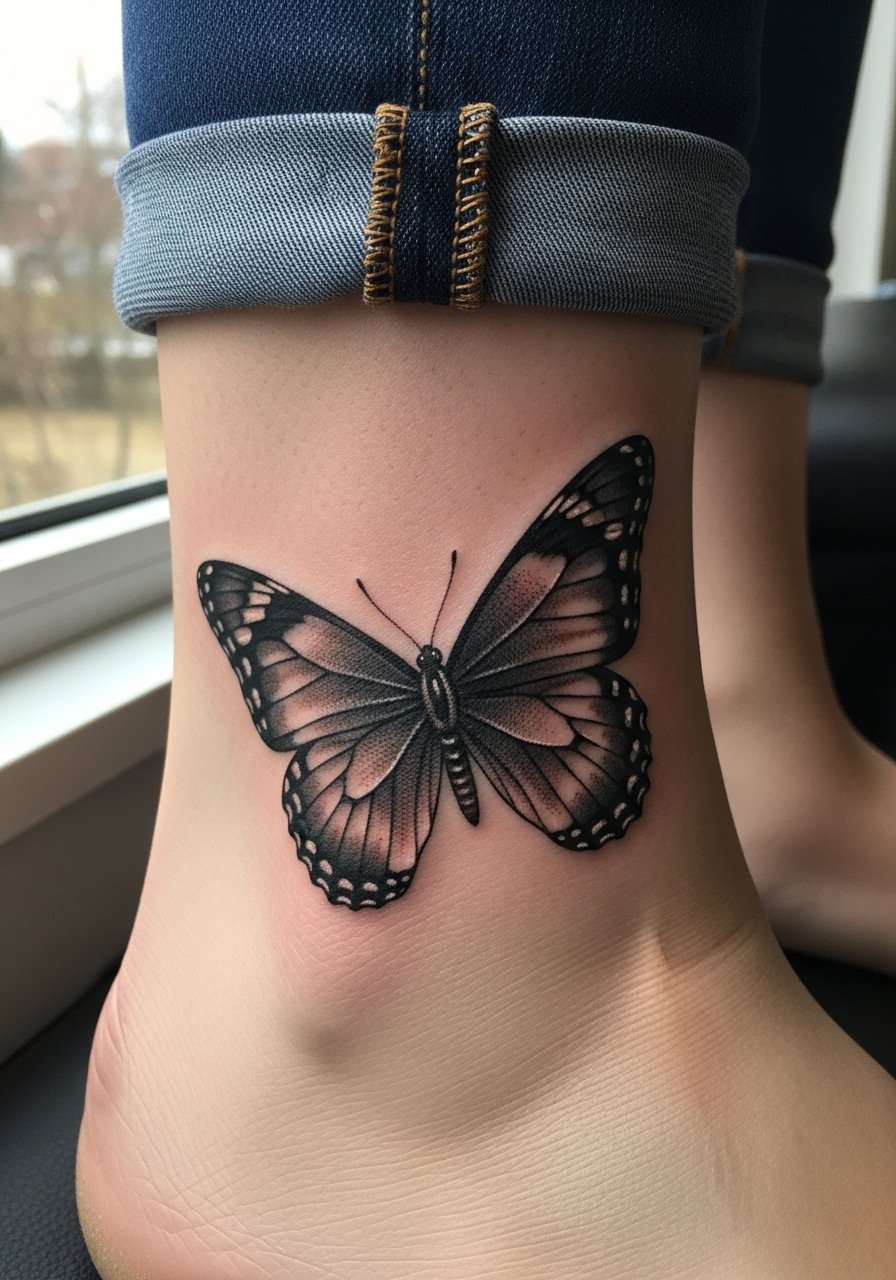
5. Micro-Realism Butterfly Emerging on the Ankle
Ankle work reads delicate when the artist uses dense shading and tight stipple for a realistic wing texture. Tell your artist you want crisp wing margins and subtle contrast rather than high saturation. The ankle sees a lot of abrasion from shoes so a minimal outline with protected shading holds longer. For session comfort wear cuffed ankle jeans or shorts so the area is easy to reach. Keep footwear loose the first week to avoid rubbing during the initial peel. Expect less pain than shin placements but more than the forearm, and count on a single session for a two-inch micro piece.
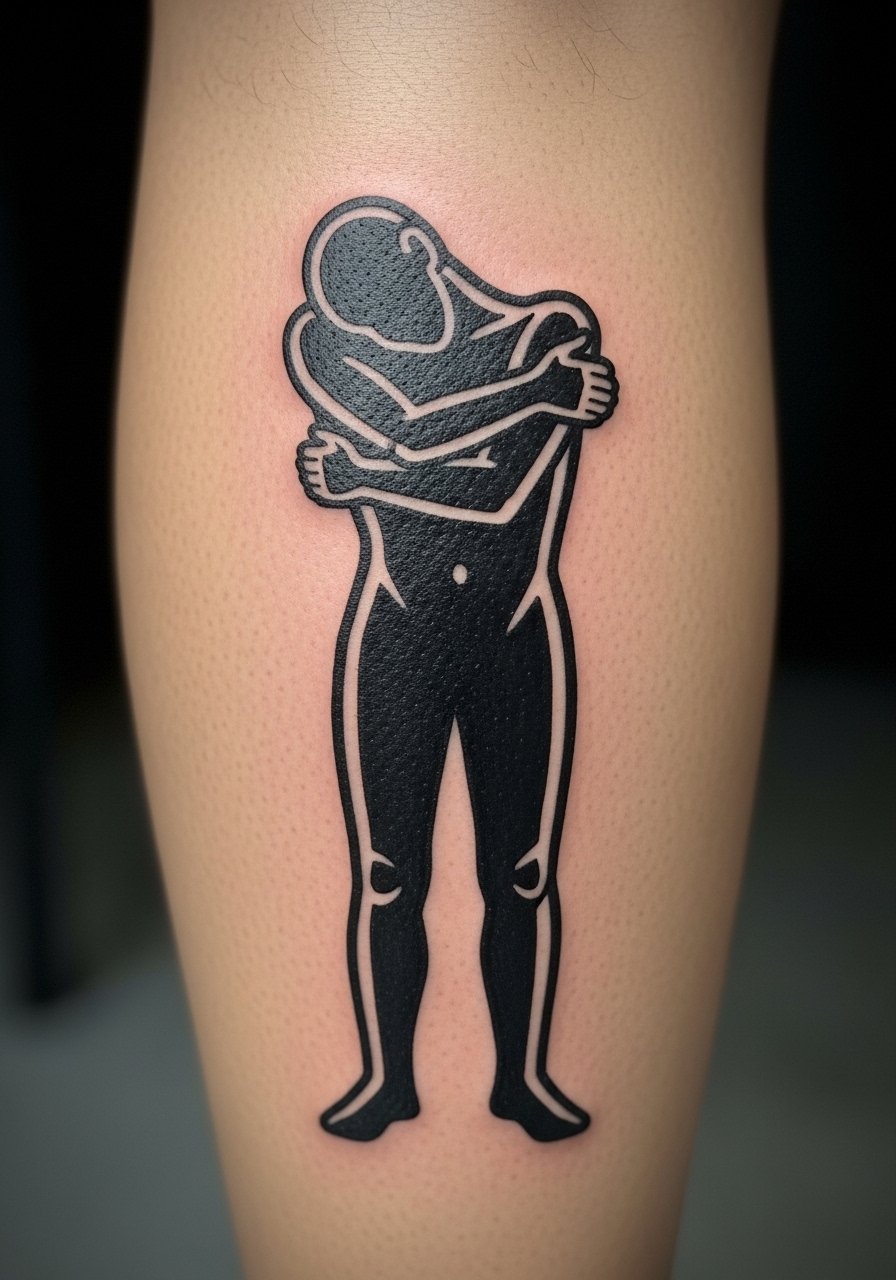
6. Ignorant-Style Self-Hug Figure on the Calf
This bold, playful style uses thick lines and intentional simplicity, so it ages into a strong silhouette rather than relying on micro detail. A common version that fails is when the lines are too thin for the calf's movement. Ask for bold strokes and a slightly larger scale if you want the little figure to remain legible after years. Calf sessions feel like medium pressure with easy positioning, and many clients sit comfortably for the whole appointment. This design is great if you want a raw, humorous take on self-affirmation without fuss, and it works well on darker skin tones because the bold black reads clearly.
Studio Day Picks
The wrist, collarbone, ankle, and calf pieces above ask for different prep and first-week protection, so a few smart items make the chair day and the early healing window calmer.
-
Stencil transfer paper kit. Lets you preview placement on skin, which matters for tiny wrist and collarbone script so spacing reads right before the needle touches skin.
-
Topical numbing cream. Applied under artist guidance about 45 minutes before can ease the sharpness on sensitive ankle and collarbone spots.
-
Thin protective film roll. Handy for ankle and calf work where friction from shoes or leggings can irritate the fresh tattoo in the first week.
-
Fragrance-free gentle body wash. Cleanses the area without stripping pigment, useful for fine line wrist and delicate ankle shading during the initial wash phase.
-
Aquaphor healing ointment. Thin layers in the early days lock in moisture for fine line areas without suffocating the needle channels.
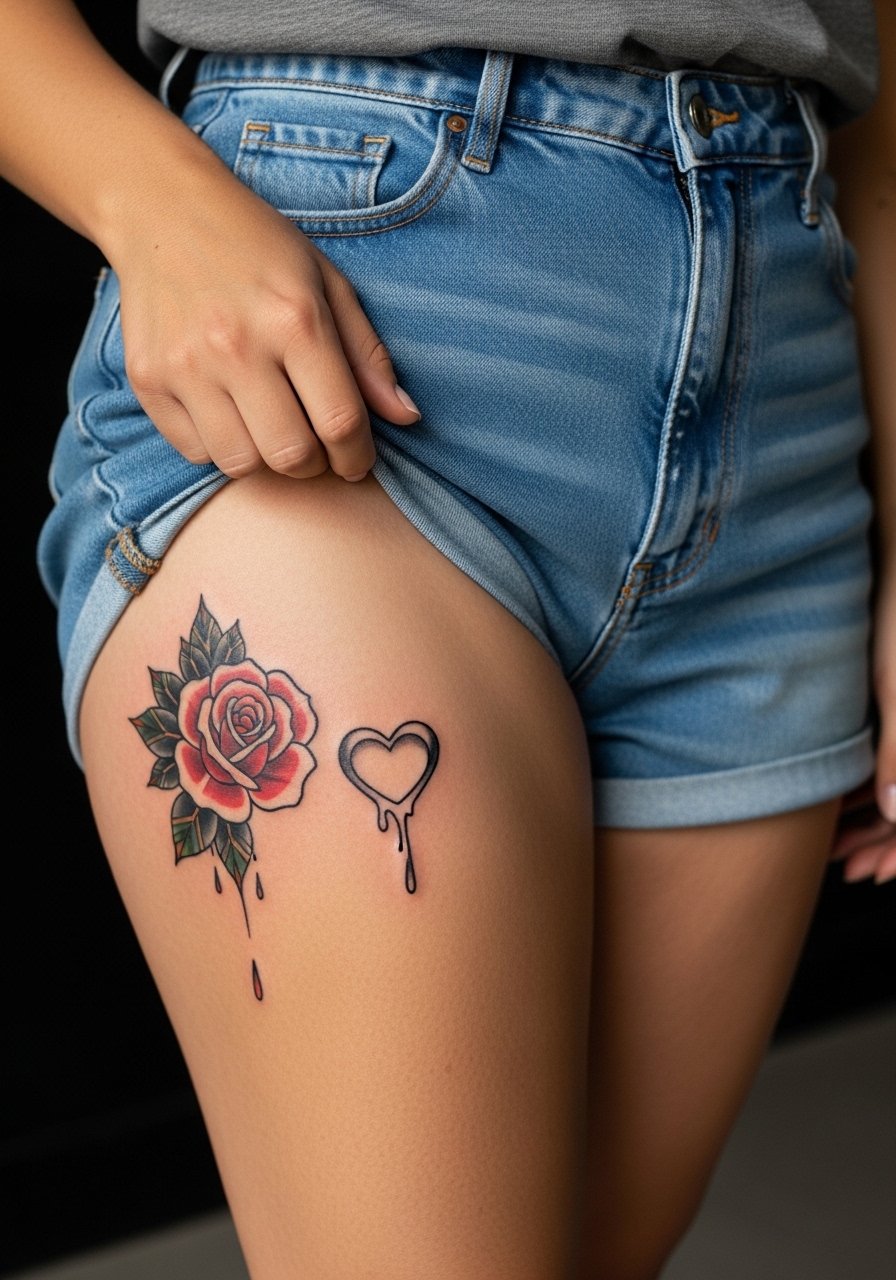
7. Neo-Traditional Rose With Dripping Heart on the Thigh
Thigh pieces are forgiving when it comes to touch-ups and saturation, but the wrong curvature can distort on the leg. Tell your artist how the tattoo should read when you sit and when you stand so they adjust the design flow. Neo-traditional line weight and controlled color pops age well on the thigh because the area gets less daily abrasion. For session comfort bring loose high waist shorts or a skirt you can shift without pressure. Showing the rose off with a slit skirt makes the reveal intentional rather than accidental. Expect two shorter sessions for a three to four-inch piece if you want color layering.
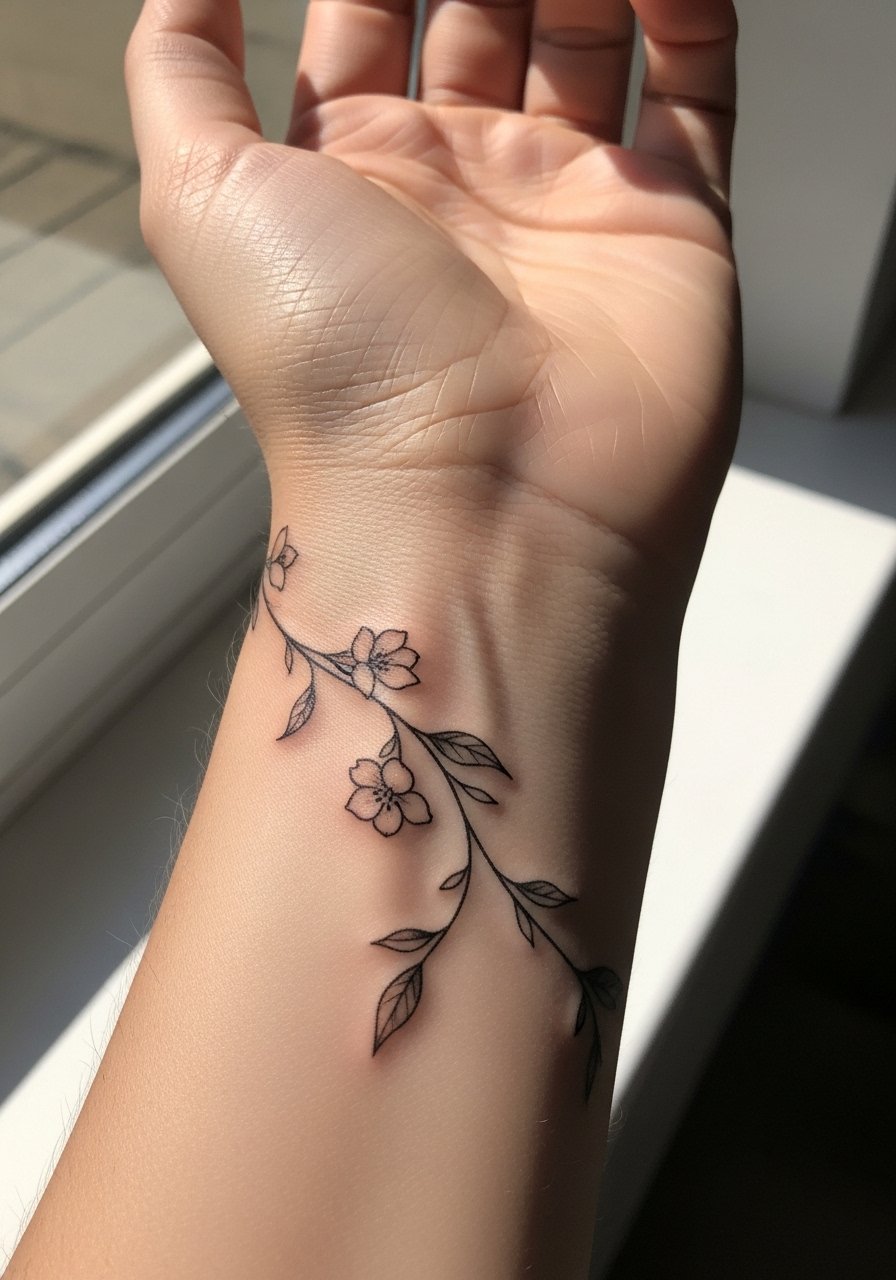
8. Fine Line Jasmine Vine Wrapping the Wrist
Jasmine vine works as a linear piece that wraps cleanly when the line spacing accounts for wrist movement. A frequent mistake is running vine lines too close to the bracelet line where they may blur because of constant bending. Ask for slightly open spacing and a tapered end so the vine reads even when the wrist is flexed. The session is quick for a two-inch linear wrap. For healing, avoid stacking tight bracelets right away. This design pairs with delicate jewelry but leave decorative pieces off during the first week.
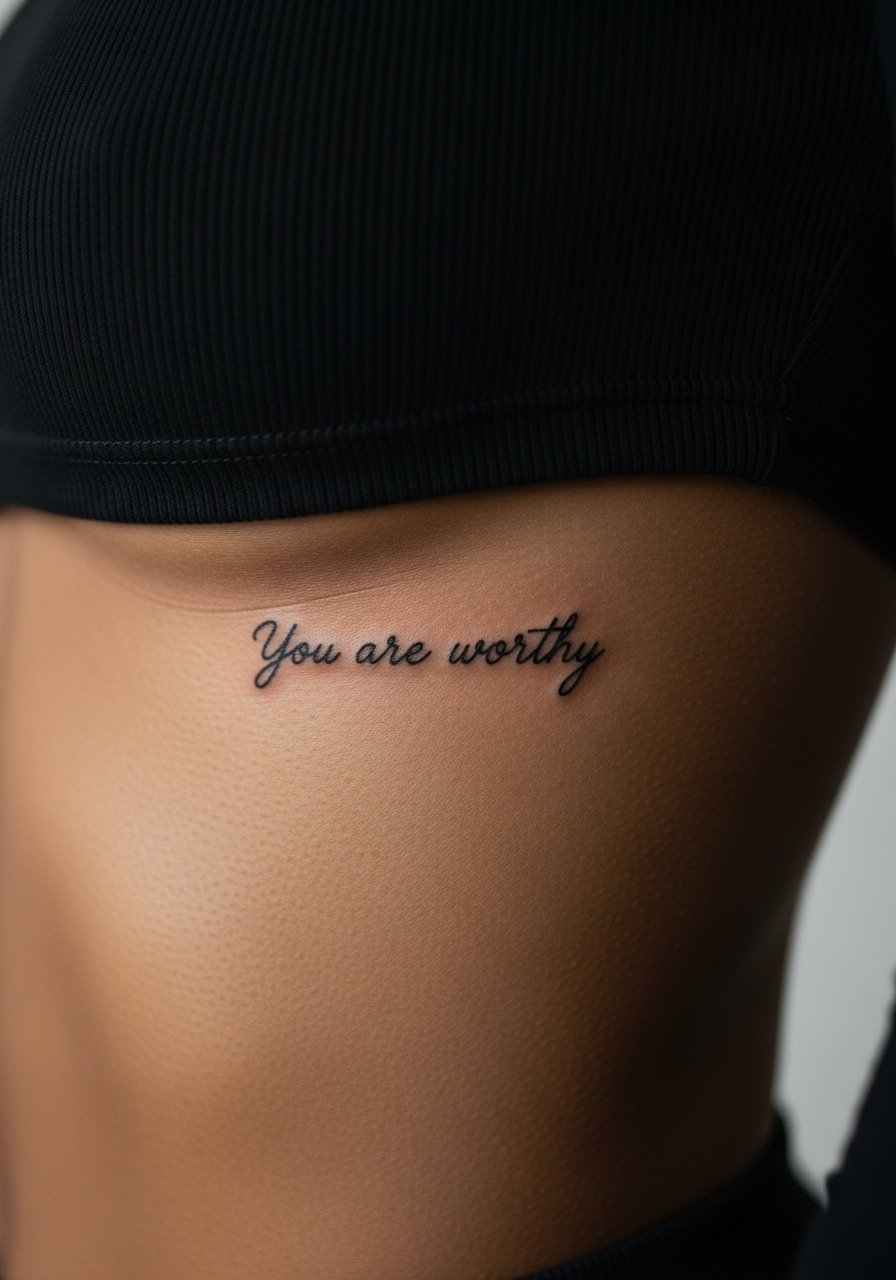
9. Minimalist "You are worthy" Cursive on the Ribcage
Fair warning about the ribcage. Pain is higher there for most people, and artists split into two camps on fine line in this zone. One camp says the skin stretch and movement blur the thinnest strokes within two years. The other camp argues that with slightly deeper needle depth and deliberate spacing, fine line settles just fine. Ask your artist which approach they use and see healed photos on ribcage placements. Plan for a single focused session and wear a loose top you can lift to show the area rather than remove. Expect a touch-up conversation during booking so the script stays legible long term.
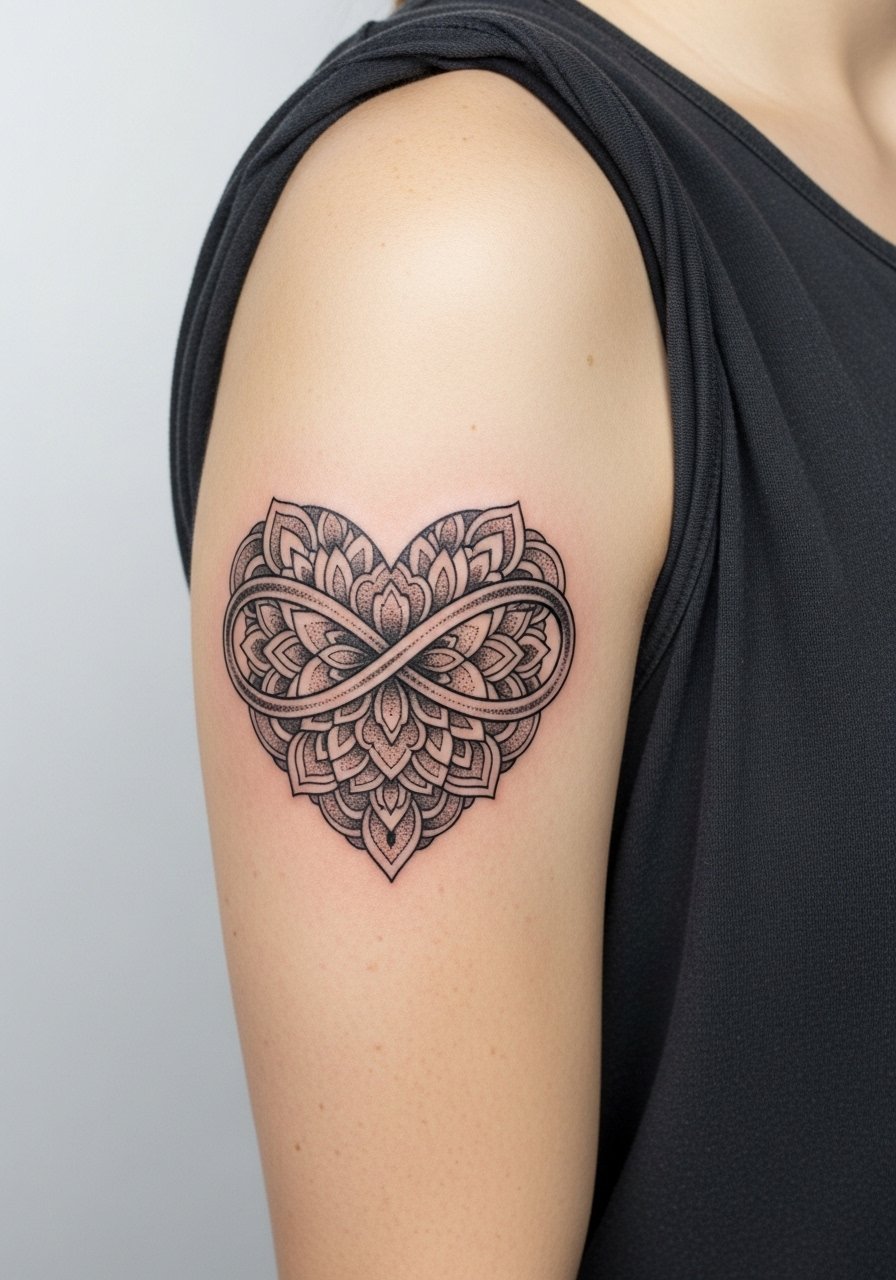
10. Ornamental Infinity Heart Mandala on the Upper Arm
Upper arm canvases handle ornamental work well because muscles provide a stable surface. For this ornamental infinity-heart hybrid, request bold outer linework with inner stipple shading so the pattern keeps definition as it ages. The usual mistake is cramming tiny dots into dense areas that later lose contrast. During the appointment wear a loose tank top so the artist can roll the sleeve up without fabric pressure. Expect one to two sessions depending on how much blackwork you want. For cultural-inspired motifs keep the design respectful and consider subtle personal elements rather than direct replication.
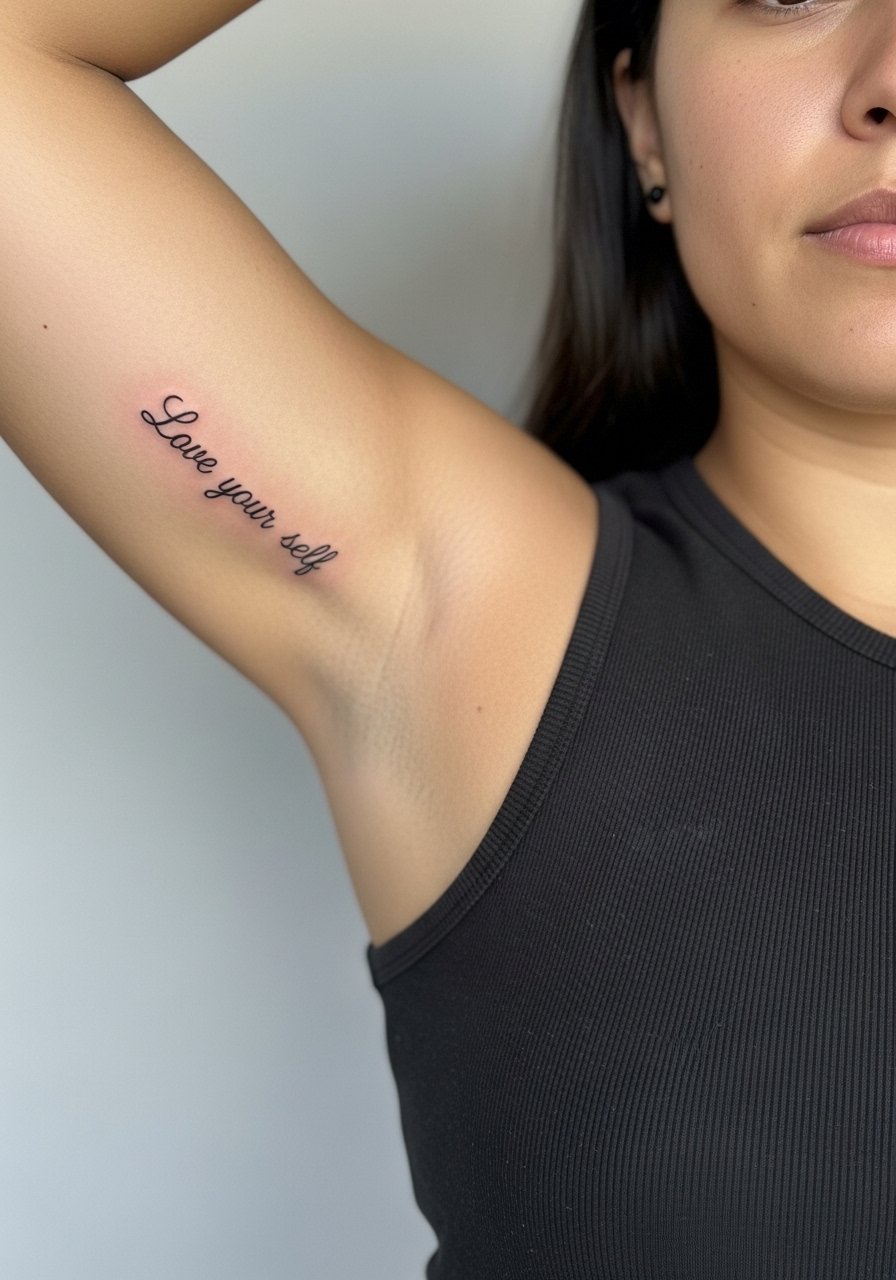
11. Stacked "Love your self" Script on the Inner Bicep
Inner bicep pieces sit close to movement and sweat, so the main issue is line migration over time if the lines are too thin. Ask for mid-weight single-needle work with vertical stacking and extra spacing between the words so the phrase remains legible. The session feels more intimate because the arm needs to be held still for longer stretches. Underarm proximity means you should avoid tight fabrics for the first week to reduce friction. If a bold script reads louder than you want, request a slightly lighter hand and increased letter spacing during consultation.
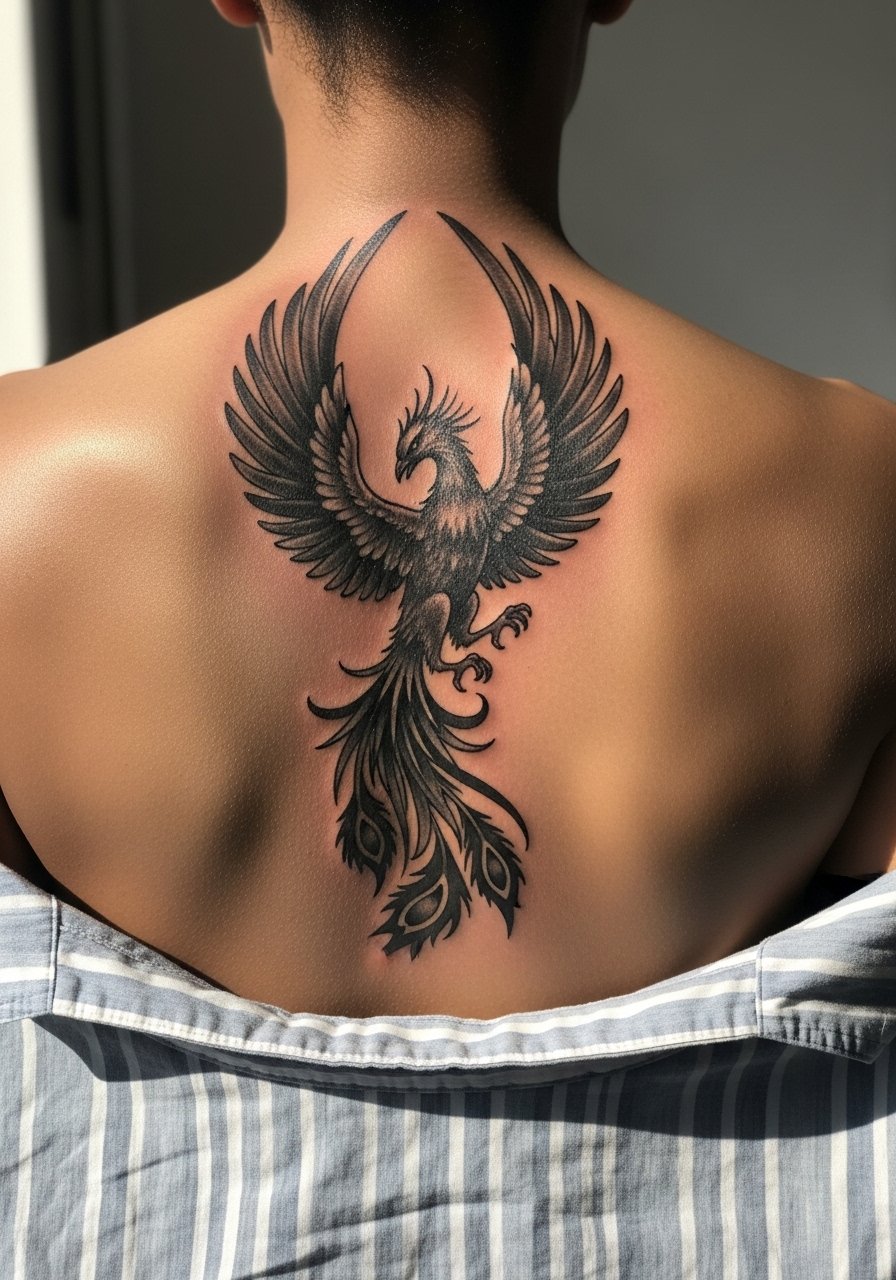
12. Black and Gray Phoenix Rising With Quote on the Upper Back
A phoenix with a short quote can be a statement about resilience when the imagery flows with shoulder blades. For longevity, favor slightly larger feather strokes and open negative space to avoid dense gray pooling. The back accepts shading well, so plan for two sessions for a five-inch composition with strong gradients. When booking, wear a button-up or loose top you can pull aside rather than remove. For showing the work off choose a backless dress for evenings and a loose tank top for casual days. Expect light soreness between the shoulder blades for a few days after a long session.
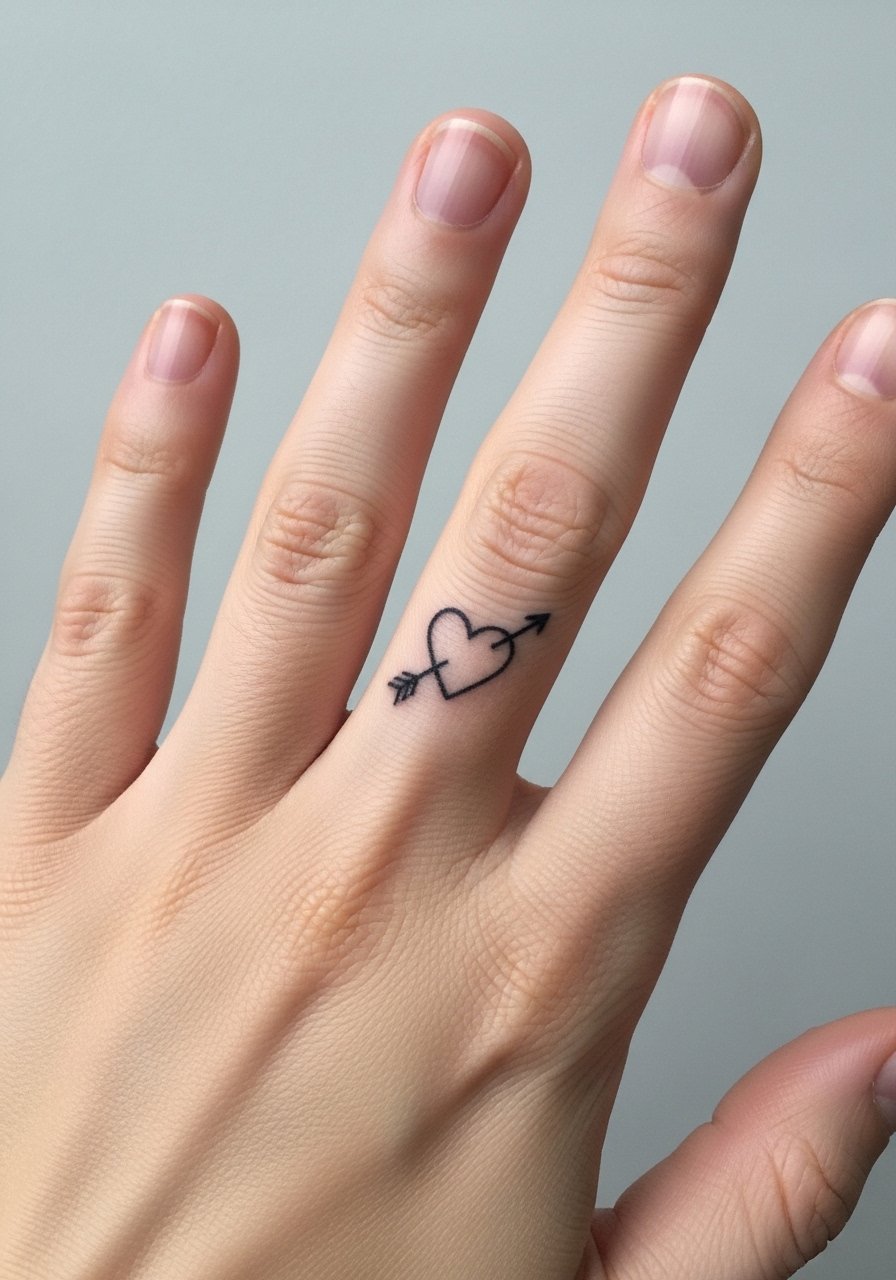
13. Minimalist Arrow Through a Healed Heart on the Finger
Finger tattoos live in a high-friction zone and often fade faster than arm work. If you want longevity, ask for bold line weight rather than micro-hairline strokes. Expect touch-ups sooner than other placements and plan accordingly. The session is quick but can be more uncomfortable because skin sits close to bone. Keep expectations realistic and ask the artist about their success rate with finger scripts. For daily wear, a minimal ring or negative-space pairing keeps attention on the finger without overcrowding the tiny motif.
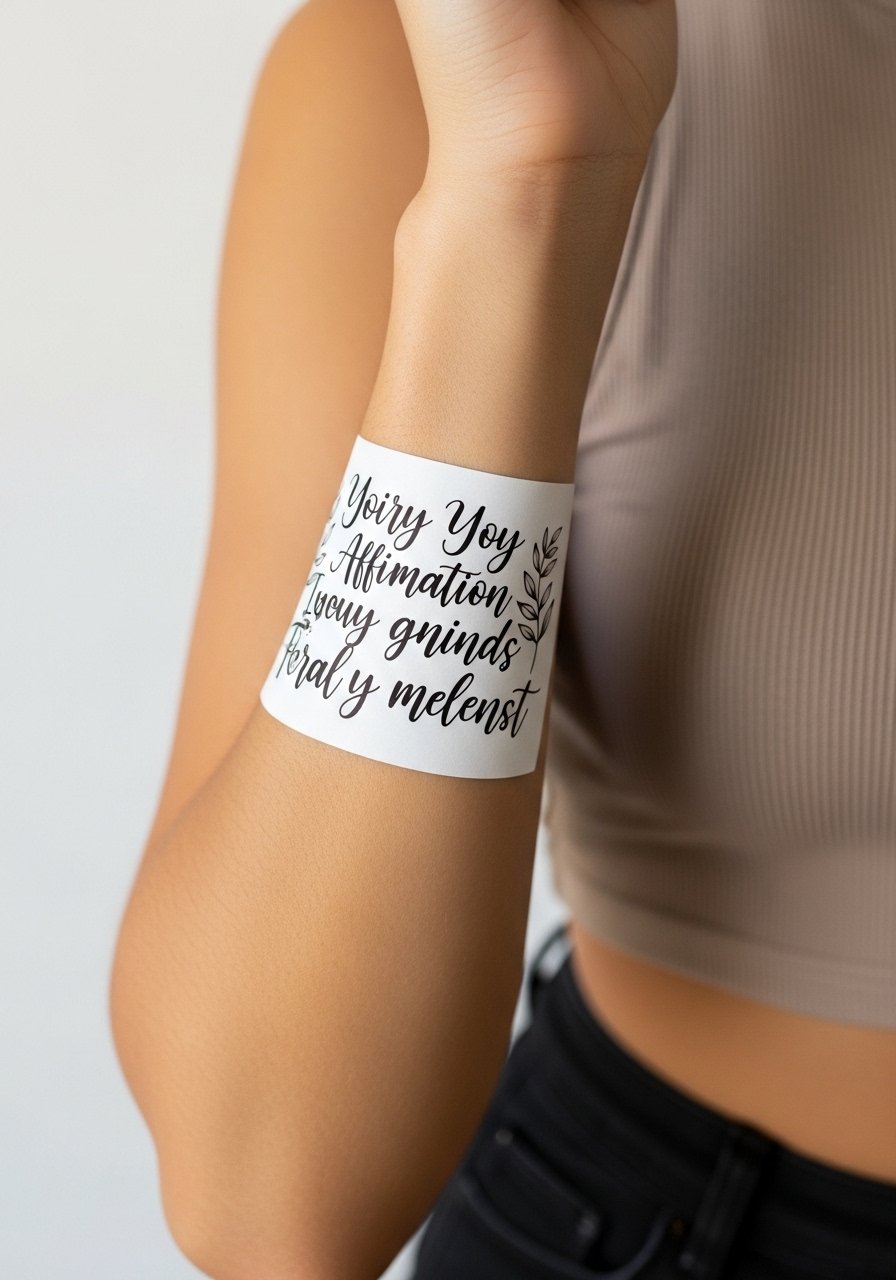
14. Temporary Affirmation Sheet for Trial Runs
Temporary tattoos give you a low-commitment way to test placement, script size, and how an affirmation reads in real life. Use a test sheet across a week to see how clothes and jewelry interact with the design. Temporary runs help with the common frustration that something "looked different on skin than on the grid." Stick the decal on the area you plan to ink and live with it during normal activity. For showing options in warmer months try a crop top neutral so you can see how the piece looks with standard wardrobe choices before booking.
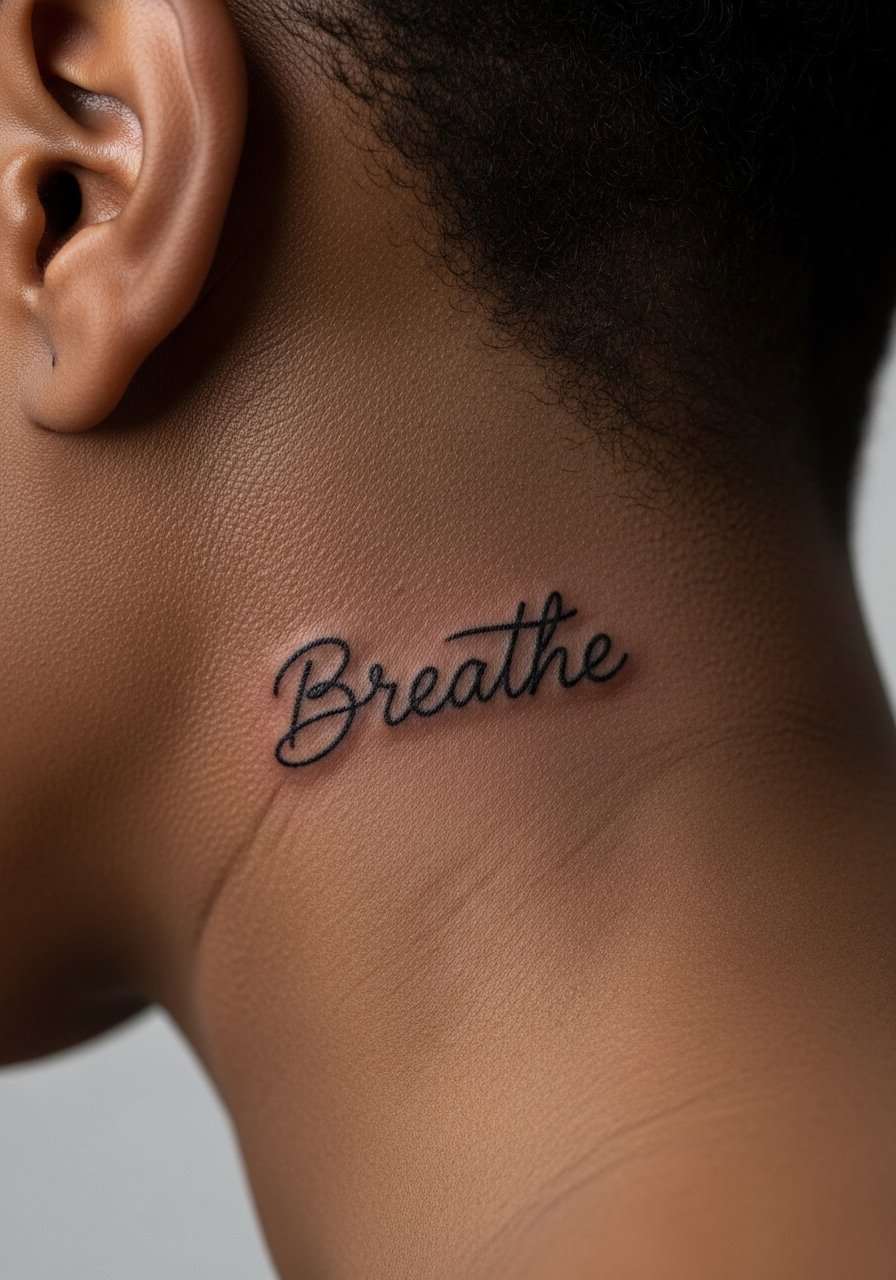
15. Tiny "Breathe" Script Behind the Ear
Tiny scripts behind the ear read intimate, but the placement requires careful framing so the design stays subtle. Describe the exact word "Breathe" and the script style you want to ensure the generator or stencil reproduces legible text. The artist needs a steady hand and fine needles for this spot. For photography and healed appearance, the hairline must be considered so show reference images of how the text sits just below the hairline on the neck. Book with an artist experienced in small text near the hairline to reduce redraws.
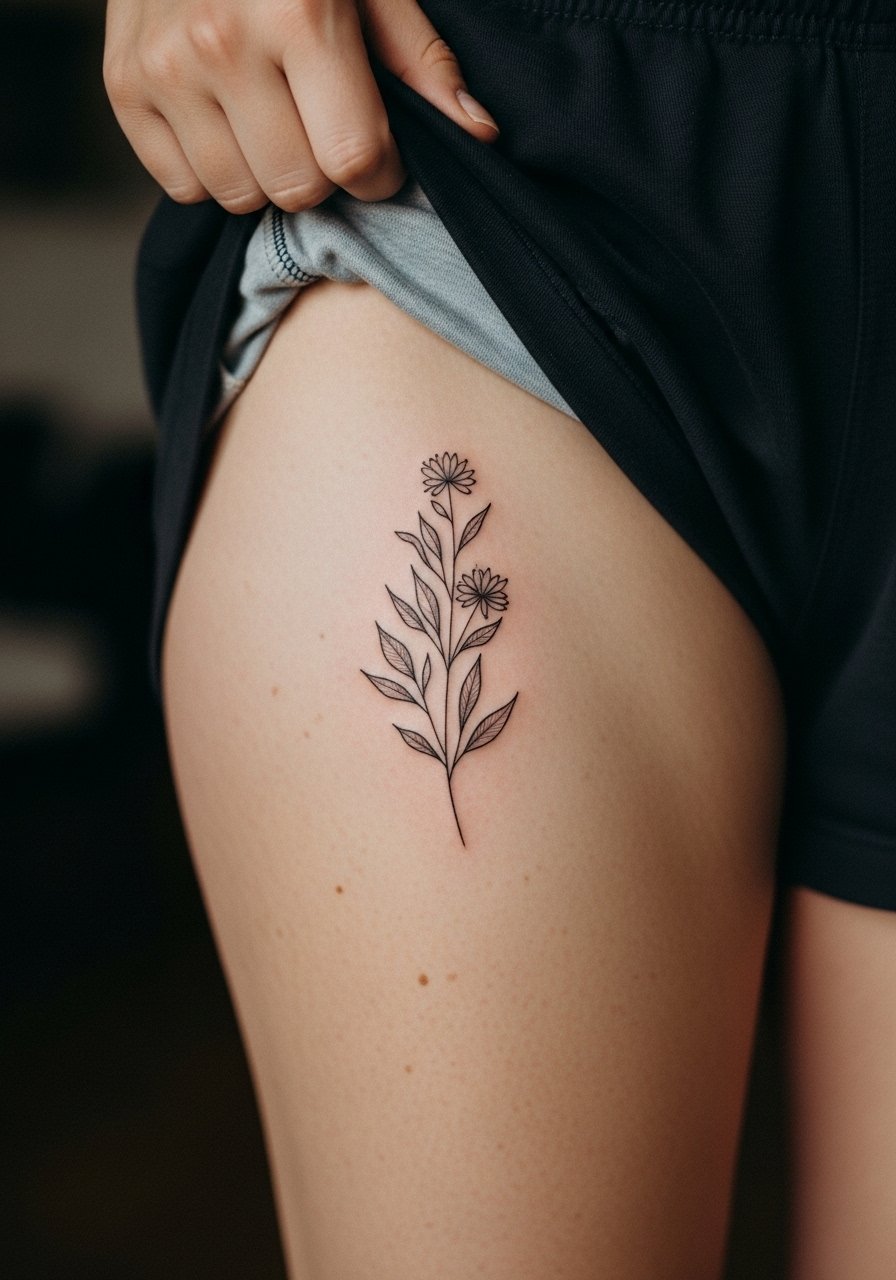
16. Inner Thigh Botanical in Fine Line
Inner thigh botanic pieces are sensual and mostly hidden, so clients often choose them for private reminders. This area needs an experienced touch because the skin can be softer and more prone to movement. Ask for slightly bolder stems and open petal spacing to keep clarity as the skin shifts. For the appointment wear shorts you can shift up slightly or a swimsuit bottom so only the tattoo zone is exposed. A high waist shorts option works well for session ease. Expect a calm but sensitive session and a touch-up conversation for the first year.
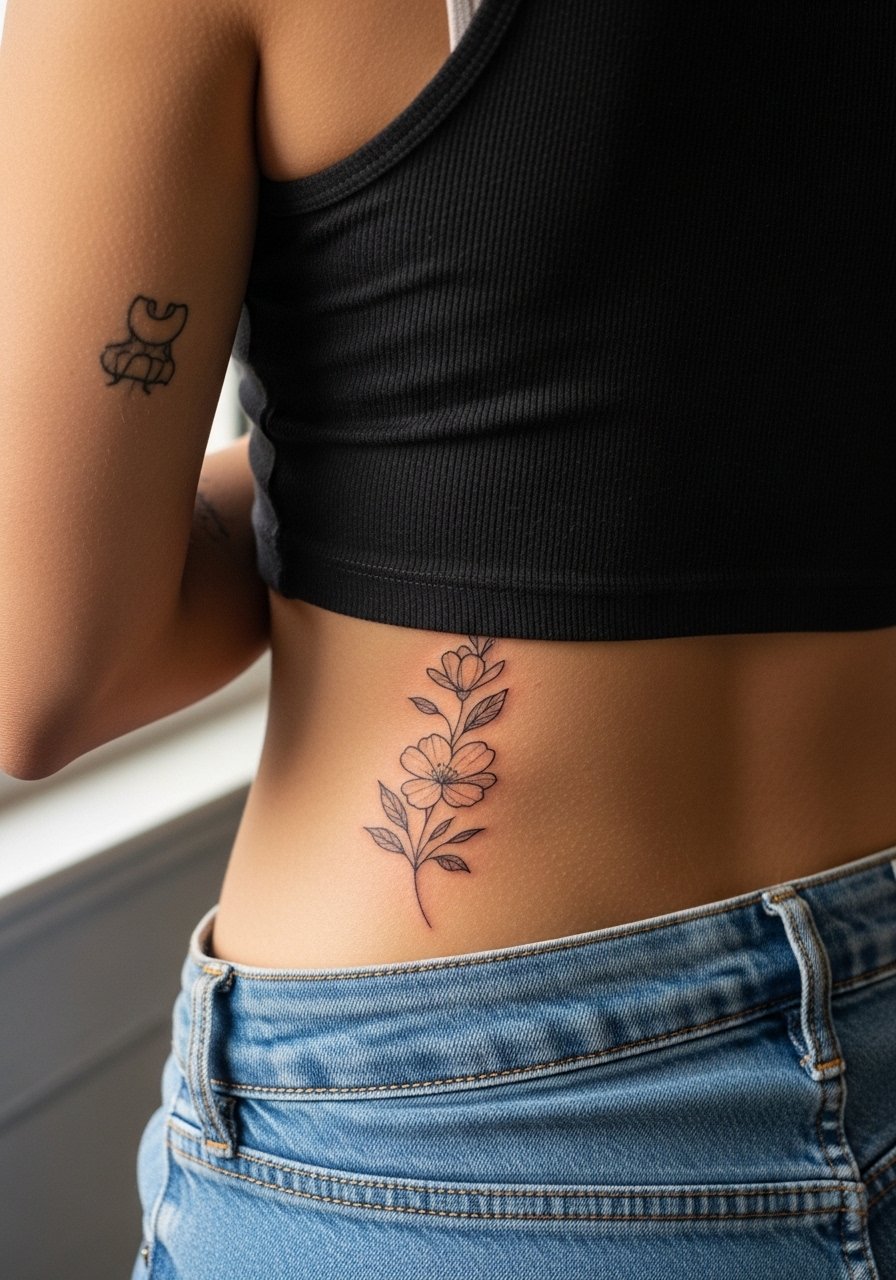
17. Lower Back Floral in Delicate Linework
Lower back pieces age predictably when the design follows the natural curve and is not overly fussy. Avoid ultra-dense dot work near the spine where stretch with movement can blur tiny points. Tell your artist whether you expect the piece to peek out of low-rise styles so they can size accordingly. Wear a tank top with high-waist jeans pulled slightly low to the session so the area is accessible while staying covered. The lower back usually handles medium sessions well and touch-ups are less frequent than hand or finger work.
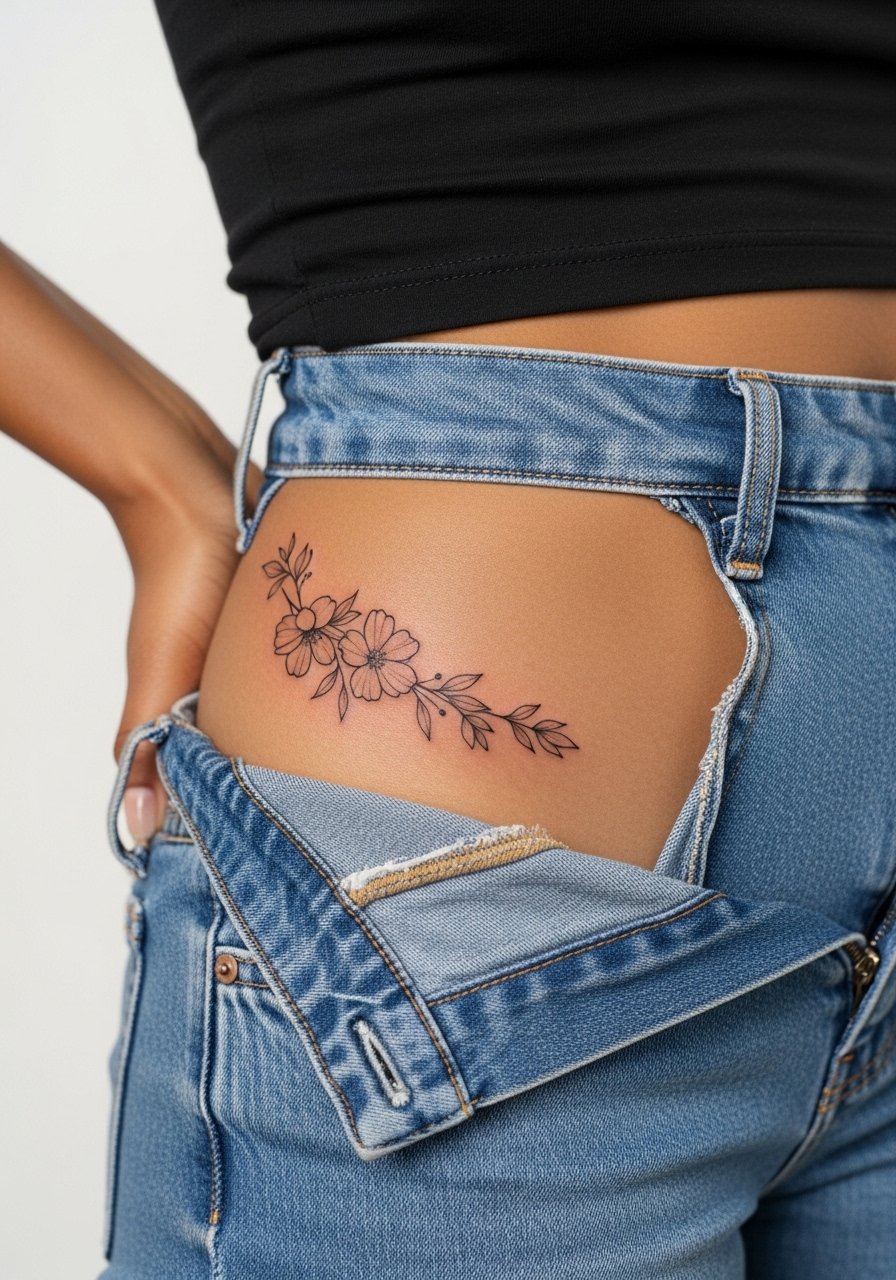
18. Hip Delicate Floral Near the Hip Bone
Hip tattoos need thoughtful placement because curves can distort circular motifs. I recommend elongating petals along the hip line rather than forcing a circle that will shift with movement. For sessions wear high-cut shorts or denim you can shift so only the hip is exposed. A high waist shorts or swimsuit bottom pulled slightly lower is practical. The hip usually tolerates longer sessions in one sitting, and the area benefits from deliberate spacing to reduce blowout risk over time.
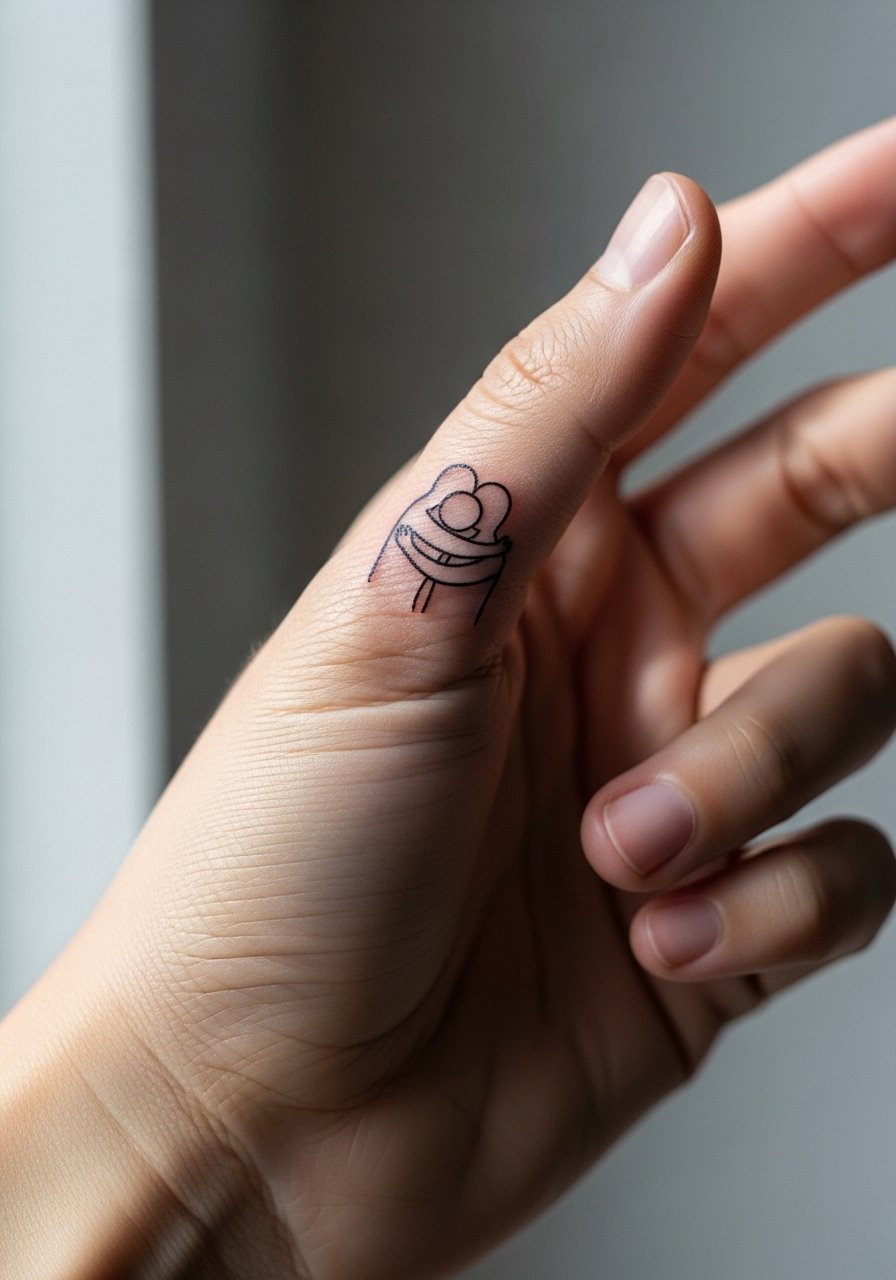
19. Side-of-Hand Minimal Linework Hug
Hand placements are very visible but also high-risk for fading and workplace visibility concerns. If you choose this zone, pick bold single-stroke elements and accept that touch-ups will be more frequent. One real mistake is asking for ultra-tiny shading on the hand that will wash out with regular handwashing and friction. Discuss career considerations and whether a side-of-hand linework that peeks through gloves or sleeves suits your daily life. The session is quick but can be surprisingly sharp because of thin skin. Keep expectations aligned with the maintenance it needs.
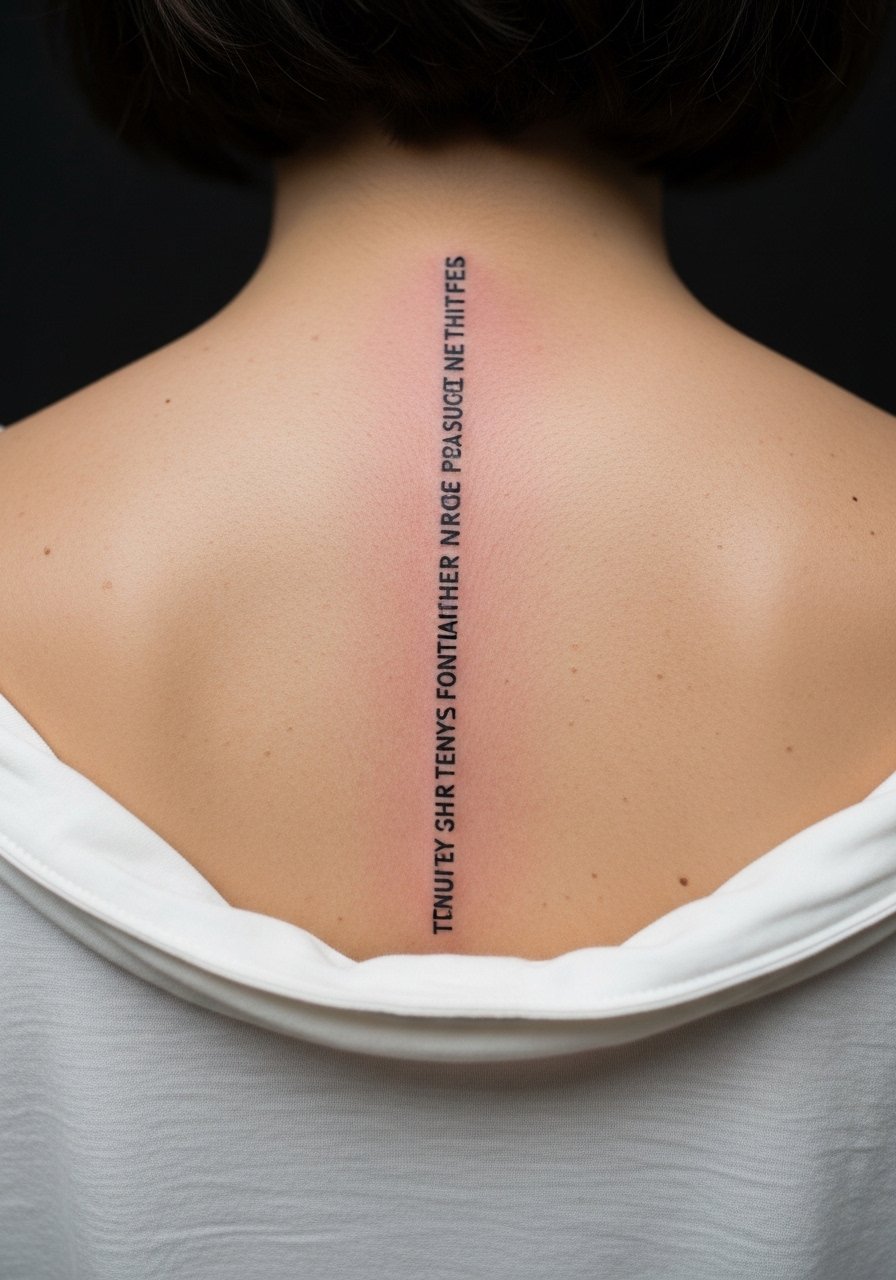
20. Vertical Spine Affirmation for a Subtle Centerpiece
A vertical stack down the spine reads elegant when each line of text gets breathing room. The skin on the spine moves less than ribs, so fine line stacks can hold if spaced properly. Artists sometimes debate exact spacing, so get clear healed photos of spine work from your artist. For revealing outfits choose an evening backless dress for occasional shows, and during the session wear a wide-neck shirt you can pull slightly to one side. Expect a longer appointment if you want text plus decorative dot work or stipple shading.
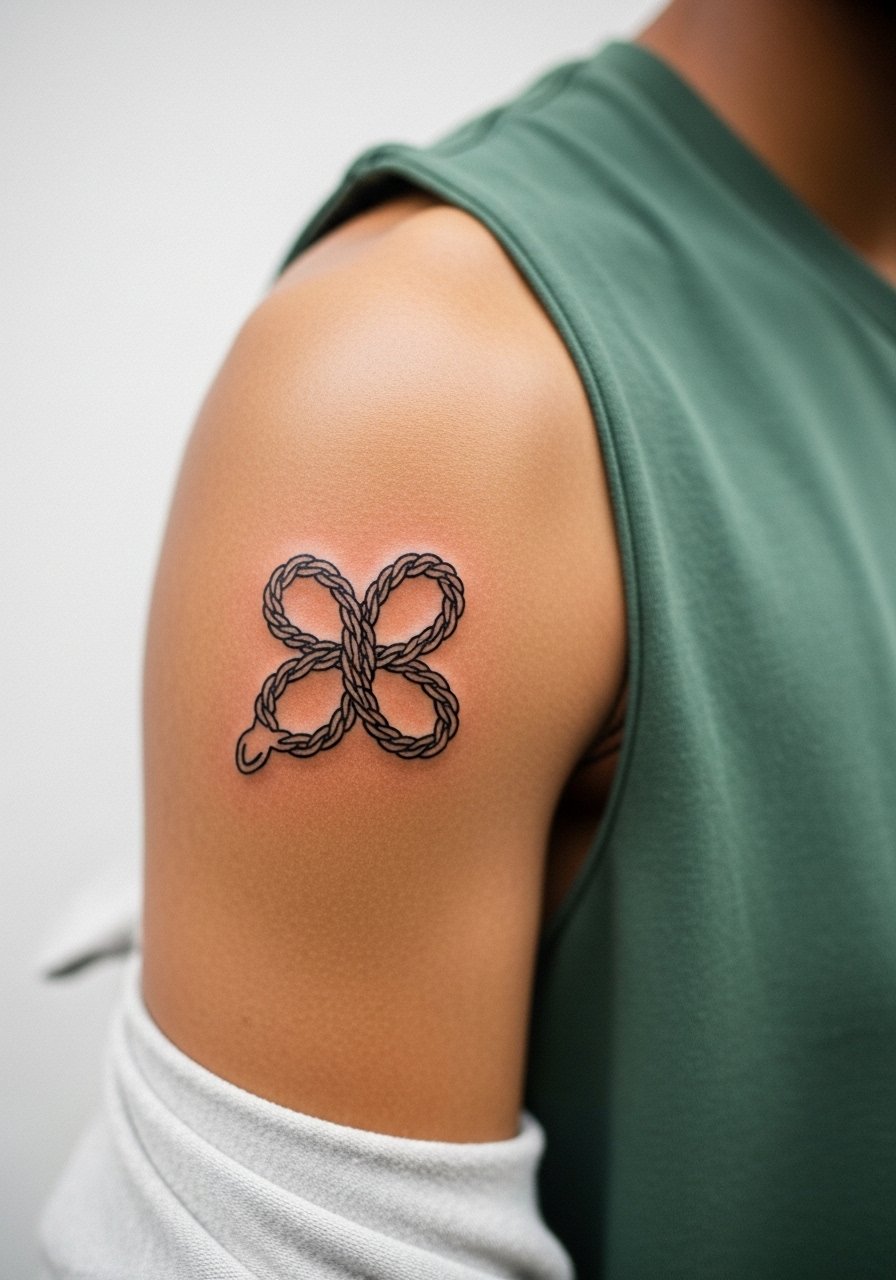
21. Small Ouroboros Knot on the Shoulder
A compact ouroboros or knot symbol sits well on the shoulder because curves make it feel integrated with your shape rather than pasted on. For longevity, ask for slightly bolder outer lines and negative space inside the circle. The main consultation tip is to have the artist draw the symbol in the exact size you want on the shoulder while you stand and move your arm so you can see how it behaves with motion. The session is short and tolerable, and this placement is low-maintenance in terms of touch-ups compared with hands or fingers.
Frequently Asked Questions
Q: How do I stop a fine line wrist tattoo from fading too quickly?
A: Pick a slightly heavier line weight and ask your artist to leave breathing room between elements so individual strokes do not merge as they age. Keep the wrist out of prolonged sun early on and avoid tight bracelets during the first month. If you want to test scale before committing, try a temporary decal for a few days.
Q: Are ribcage scripts worth the pain and maintenance?
A: Ribcage scripts can be worth it if you want something intimate, but be honest about the pain and the need for possible touch-ups. Artists are split on whether the thinnest single-needle work holds there long term. Ask the artist which approach they use and for healed examples on actual ribcage placements before you book.
Q: What should I wear to a thigh or hip session for comfort and access?
A: Choose loose shorts or a skirt that you can shift without pressure on the site. For thigh work bring a pair of high waist shorts you can quickly adjust so the artist has full access while keeping you comfortable. Avoid anything tight that needs to be tugged over the tattoo.
Q: Is a temporary affirmation tattoo a reliable way to preview a spot and phrase?
A: Yes. Wearing a temporary for a few days lets you see how the text sits with movement, jewelry, and clothes. It also answers the common complaint that a design looked different on skin than on the grid. Use the trial to confirm size and the exact wording before committing to permanent ink.
Q: How often do finger and hand tattoos need touch-ups compared with an upper arm piece?
A: Hands and fingers live in high-friction zones and usually need touch-ups sooner than upper arm work. Expect maintenance in the first one to three years for fingers. Upper arm pieces generally keep contrast longer because of less constant abrasion and sun exposure.
Q: Should I avoid cultural patterns like mandalas if I am not from that tradition?
A: You do not have to avoid them, but consider respectful adaptation. Many people pick elements that nod to an origin while adding personal motifs rather than copying sacred designs exactly. Bring this up during consultation and look for artists who discuss sources thoughtfully.
Q: What does a typical touch-up timeline look like for fine line pieces?
A: Fine line work often benefits from a touch-up around year two to three depending on placement and sun exposure. High-friction zones like hands or wrists may need earlier attention. Ask your artist for a realistic timeline based on their healed client photos.
