
The tattoos that still look crisp after five years are often the ones people did not expect to post about the day they left the chair. Longevity, placement pain, and blowout risk matter more than which panel you screenshot on your phone. If you want abstract Lord of the Rings motifs that read well over time, this list walks through placement choices, consultation lines to use, and what to wear to the session so the result lasts.
1. Minimal One-Ring Linework on Inner Forearm

I see this placement a lot because the forearm reads like a display case. For an abstract One-Ring idea, ask for slightly heavier outer linework around negative space so the ring stays legible as the thin inner details soften. Pain is friendly, session time is usually under an hour for a compact piece, and touch-ups tend to be at year two to three for fine line work. A common mistake is asking for too many micro details in a four-centimeter area, which invites blur and early touch-ups. For showing it off, roll your sleeves up or wear a loose linen shirt that frames the forearm without stealing attention.
2. Tiny Middle-earth Map Behind the Ear

The behind-the-ear spot reads intimate and tiny. Expect a short, sharp session and localized swelling for a day. The main mistake is choosing too much detail for such a small canvas. Ask for simplified coastlines and a single, recognizable landmark so the motif scales. This placement affects hairline styling more than clothing. If you work in a conservative environment, remember visibility is limited but not invisible. No aftercare products appear here in the body of the article.
3. Stippled Mount Doom on the Ribcage

Fair warning, the ribcage rates high on pain scales but it gives a dramatic vertical canvas. Artists split on fine line here. One camp says ribs move and blur lines fast. The other camp says with proper depth and spacing fine work settles fine. Ask your artist which camp they belong to and for a test stencil to check scale on your body. Stipple shading holds better than tight linework on ribs because the dot pattern ages into texture rather than a single merged line. For the session, a cropped top that you can lift slightly helps the artist and keeps you comfortable. Consider planning touch-ups at year two to three for any dense detail.
4. Abstract White Tree Blackwork on Upper Arm

There is something about saturated black that keeps an abstract tree readable from a distance. This is a mid-pain placement and the session can run one to two hours depending on saturation. The biggest mistake is asking for contrast in too small an area. For durability, request solid fills with clean edges rather than tiny cross-hatching that can melt into a gray patch. This design shows well with a racerback tank for warm-weather wear, which frames the shoulder and keeps attention on the silhouette.
5. Elven Knot Negative Space at the Collarbone

Collarbone pieces are visible and age in a predictable way because of sun exposure. For an abstract Elven knot, negative space preserves clarity as the skin moves. The common mistake is cramming dense knots too close to the bone where lines can skip during healing. Tell your artist you want an initial stencil placed and shifted until the spacing breathes. A thin chain pendant can sit above without crowding. Try a thin chain pendant necklace when you want the knot to read like a subtle accent.
6. Watercolor Evenstar on the Ankle

Watercolor techniques can read soft and painterly but they age differently than saturated black. On the ankle, friction from shoes and socks accelerates fading. Keep the watercolor wash slightly contained with a thin line anchor so edges do not disperse into a smudge. Sessions are short but expect touch-ups sooner than with blackwork. For wearing the piece out, sandals or cropped pants let the colors show, and a simple flat leather sandal keeps the area visible without rubbing.
Studio Day Picks
These first six ideas include wrist, ankle, collarbone, rib, and forearm work, which behave differently during the session and in the first week of healing.
-
Stencil transfer paper kit. Lets you preview placement directly on skin, which is crucial for collarbone and forearm motifs so scale and flow are right before the needle hits.
-
Topical numbing cream. Applied per the product instructions it can ease ribcage sessions and make longer blackwork passes more manageable.
-
Thin protective film roll. Useful for ankle and finger pieces that rub against socks and keyboards in the first few days.
-
Fragrance free gentle body wash. Cleanses healing skin without stripping color from delicate fine line areas like the forearm ring or collarbone knot.
-
Aquaphor healing ointment. A thin layer in the first 48 hours helps keep fine line pieces from scabbing hard and losing pigment.
7. Abstract Rohan Horse Silhouette on Calf
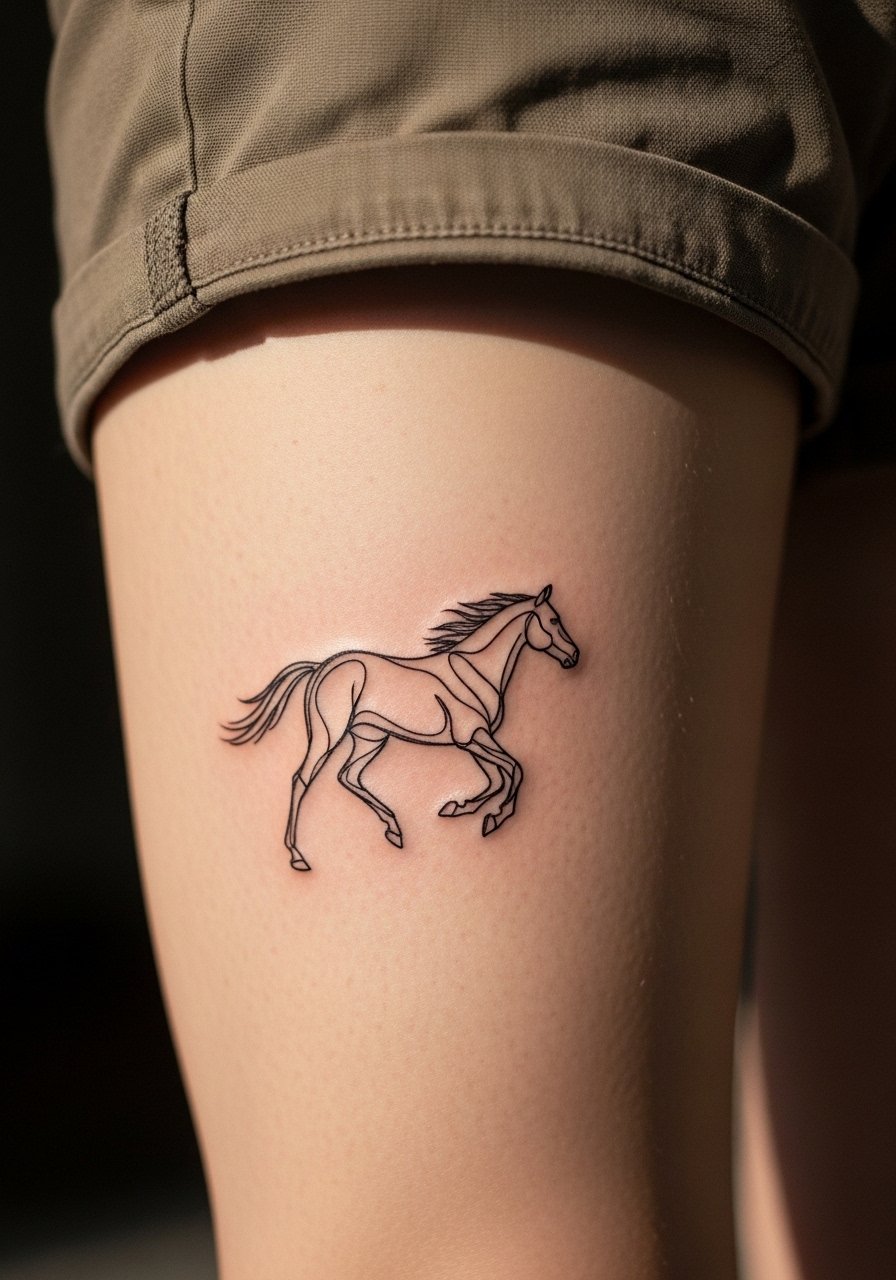
When you sit down for a calf piece expect moderate pain and the ability to handle longer sessions. For a Rohan-inspired silhouette, longer negative-space strokes age better than micro detail. Tell your artist you want continuity along the muscle to read dynamically when you walk. A common mistake is forcing tiny motion lines into the curve of the calf which can blur into a single gray after a few years. Wear loose drawstring linen shorts to the session so the leg can be exposed without pinching.
8. Minimal Eye of Sauron on a Finger Side

Finger and side-finger work reads immediately but requires honest expectations. Friction and regular washing make early fading likely and touch-ups common. If you want this spot, ask for slightly bolder linework and for the artist to plan for touch-ups at year one to two. Hand tattoos still affect hiring in some industries so consider career visibility before committing. For daily wear that complements a tiny finger piece, stacked thin rings or a minimalist watch draw attention without competing. Try a minimalist band ring when showing it off.
9. Spine‑Aligned Abstract Map on Upper Back

A vertical spine piece gives dramatic composition and ages differently depending on sun exposure. Most of these designs hold because the skin along the spine moves less than limbs, but heavy dot work near the vertebrae can appear denser over time. If you want to avoid a muddy look, request a mix of stipple shading and negative space rather than large solid fills. For show-off moments, open-back tops display the piece without fully exposing skin, and a lightweight open back midi dress works well when you want the spine motif to be the focal point.
10. Dot-Work Constellation Sleeve Patch on Inner Bicep

The inner bicep can be tender and sweating in long sessions is common. Dot work and stipple shading here read as texture and tend to age gracefully if the dots are given breathing room. A frequent mistake is crowding the design against the arm crease where movement compresses ink and prompts early blurring. Expect a one to two hour session depending on size and a touch-up at year two if you want the dots crisp. This placement needs an artist comfortable with close-quarter dot rhythms, so ask about similar healed pieces in their portfolio.
11. Sternum Abstract Rune Cluster

Runes carry cultural weight so respect matters. If you use Anglo-Saxon or Norse characters, consider slight variation rather than direct cultural replication. Sternum sessions are intense and the spot is sensitive, so plan shorter passes and breaks. Artists sometimes debate whether tightly packed script should sit on the sternum at all. One practical approach is to space runes out and add negative space bands between them so the characters remain legible after healing. For the appointment, a strapless or sports bra that exposes just the sternum keeps you covered while giving clear access.
12. Linear Elvish Script Along the Shin

Shin placements can be sensitive because the bone sits close to the skin, but the linear vertical format suits abstract script. The main mistake is choosing type that is too small. Ask to enlarge letter spacing and for a slightly heavier stroke so the letters hold up under friction from pants and socks. Healed at six months many scripts soften, and a touch-up around year three is common if you want to maintain clarity. For wearing this piece, rolled jeans or cropped trousers keep the script visible without constant abrasion.
13. Ring Band Tribute Around the Upper Arm
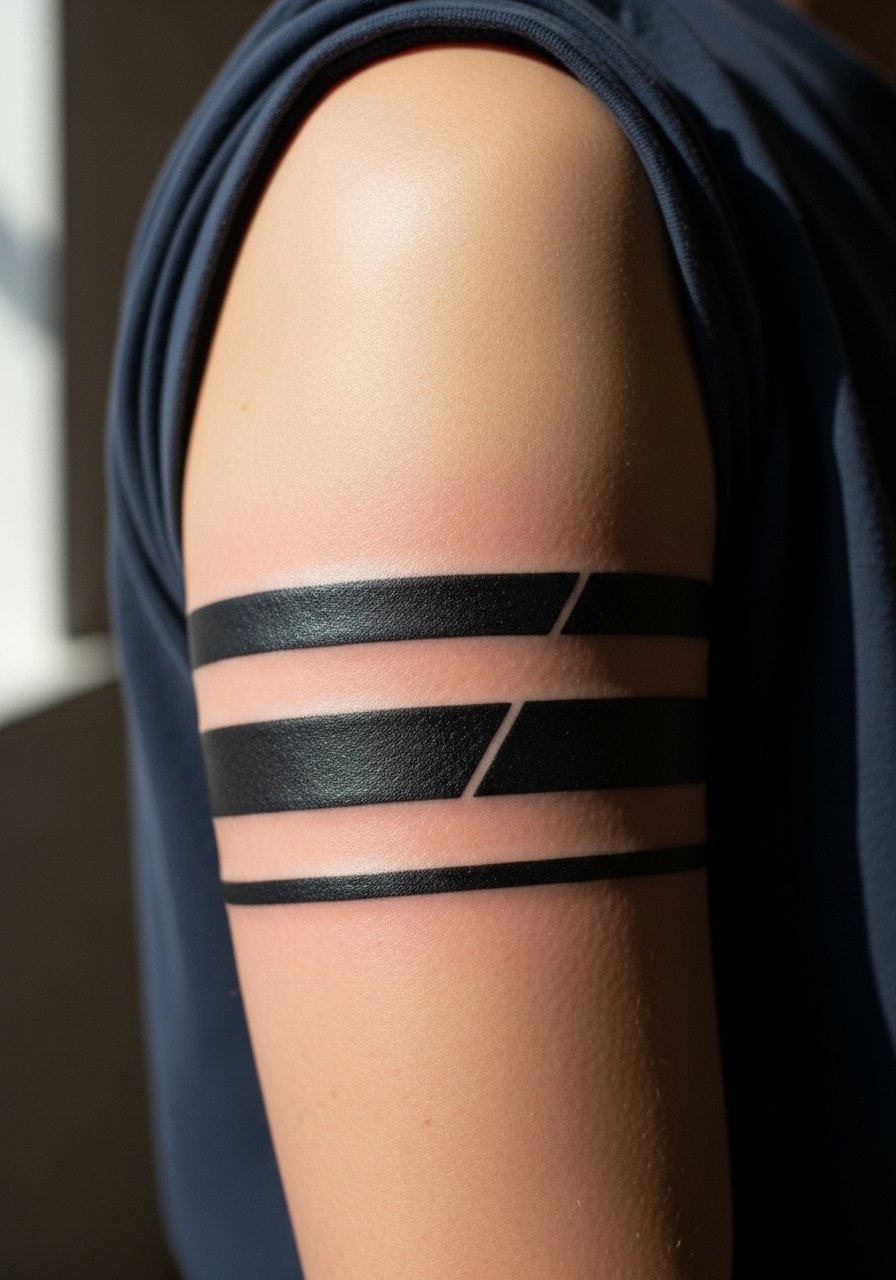
Band tattoos around the arm present a low to mid pain experience and are often done in one session if the area is small. The error I see most is asking for a too-thin band that then fades into an indistinct gray. For longevity ask for crisp edges and a slight gap from tattoos above or below so each element has breathing room. Bands age predictably, and touch-ups may be needed at year three to maintain solid black saturation if you expose that arm to a lot of sun. Short sleeves or rolled cuffs frame the band naturally.
14. Abstract Lothlórien Leaf on the Shoulder Cap

Shoulder cap pieces sit well in summer wardrobes and handle movement well. A leaf motif with slight whip shading gives depth without relying on dense saturation that can dull. The most common mistake is placing details too close to the edge where the rounded shoulder obscures them as you move. Ask for the stencil to follow the curve of the deltoid so the leaf reads while you are active. Tank tops are an easy way to show this area, and a simple racerback tank works for sessions and outings.
15. Abstract Map Cover-Up on the Thigh

Covering older ink with an abstract map patch is a good move when the existing lines are funneled into a new composition. Thigh work can be extensive and allows heavier saturation where needed. Inner thigh or near the hip requires an artist experienced with cover-ups and sensitive skin. The session can be long and may need multiple sittings. Wear easily adjustable shorts so the artist accesses the area without pinching and so you can move comfortably between passes.
16. Lower Back Abstract Nazgûl Silhouette

Lower back pieces age well if you avoid heavy solid fills that meet waistband friction. The silhouette approach keeps the focus on shape rather than micro detail, which helps readability over time. Lower back pain is low but positioning during the session matters; bring a pillow so you can stay comfortable during longer fills. This area responds well to looser silhouettes that allow for slight stretching and prevent distortion with normal body movement.
17. Composite Abstract Sleeve of Middle-earth Motifs

Artists often split on sleeve mashups. One camp favors strict thematic unity and slow build sessions. The other camp layers diverse elements with transitional negative space and a guiding line that ties everything together. The practical advice is to plan the sleeve as phases. Start with the largest silhouette pieces so future additions have context. Expect multiple sessions totaling many hours and touch-ups over the first three years as the sleeve settles. For the chair day, short sleeves work best so the artist has wide access without the fabric crowding the skin.
Frequently Asked Questions
Q: Will fine line abstract motifs like the One-Ring forearm blur quickly?
A: Fine line pieces will soften with sun exposure and skin movement, so expect some blurring over years. I recommend slightly increasing line weight from what looks perfect on screen and planning a touch-up around year two to three if you want crisp edges. Keep the area protected from direct sun and reassess after one year.
Q: Are ribcage tattoos worth the pain given the longevity issues discussed?
A: Ribcage pieces offer a striking canvas but come with higher pain and variable aging. Artists are split on fine line there, so ask which approach they use and request spacing that reduces risk of merging. If you want dense texture, stipple shading ages better than tiny continuous lines.
Q: How do I decide between watercolor and blackwork for a Lord of the Rings motif?
A: Choose watercolor if you prioritize a painterly look and accept earlier touch-ups, especially in friction zones. Pick blackwork for lasting contrast and simpler maintenance. Think about placement first. Watercolor near ankles or fingers fades faster than saturated black in the same spot.
Q: What should I wear to a sternum or rib session so the artist has access?
A: For sternum or rib work bring a fitted sports bra or a cropped top you can lift slightly so only the tattooed area is exposed. A fitted sports bra is discreet and lets the artist work without you feeling overexposed.
Q: How many sessions does a full abstract sleeve usually take and what is realistic for pain?
A: A full sleeve made of abstract motifs is typically phased across multiple sessions. Expect the work to be split into blocks of two to four hours over several months depending on saturation and detail. Pain varies by placement and tolerance, and taking breaks between passes helps both comfort and healing.
