
Fine line tattoos are everywhere online, but the tattoos that still look intentional after five years are often the ones that started with clear spacing and a plan for aging. For Life Is Strange fans, abstract takes can hit that balance between fandom and wearable art. Below are 27 abstract Life Is Strange tattoo ideas that rethink game motifs into designs that age better and read as jewelry, statements, or quiet reminders.
1. Tiny Polaroid Frame on Inner Forearm

Start this as a small Polaroid outline with a single abstract line or dot inside instead of a portrait. I recommend telling your artist you want slightly thicker outer edge with airy inner negative space so the tiny frame reads at six months and at two years. Common mistake is making the frame too thin, which lets it blur into a gray box. Pain is low and a single short session is typical. For showing it off, roll up a sleeve and wear a rolled-up linen shirt that keeps the forearm visible without crowding the design.
2. Torn Time Ribbon on Side Ribcage

Fair warning: the ribcage is a high-pain placement, but it gives motion to any time-bend design. Ask for slightly spaced lines and avoid tiny parallel details that the skin there will merge. One camp in the community says fine line on ribs blurs fast. The other camp says with proper depth and spacing it can hold for years. I suggest asking your artist which of those two approaches they actually execute. Sessions feel staccato because you will need short breaks. Expect a touch-up at year two for dense areas.
3. Abstract Butterfly Fragment on Wrist

A wrist placement needs breathing room. Instead of a full butterfly, go for one broken wing rendered with negative space and stipple shading so the motif reads even as saturation softens. Tell your artist to keep linework slightly bolder where the silhouette meets skin to stave off blowout. The main mistake is packing tiny details into that narrow stretch. For show-off outfits, pair it with a thin chain bracelet or a minimalist watch to frame the wrist without obscuring the tattoo.
4. Lightning Sketch Behind the Ear

Behind-the-ear pieces read tiny and intimate. Use a sketchy, single-stroke lightning bolt that continues into hairline negative space. The artist should place the stencil slightly higher than you think to account for hair movement and skin curvature. A common mistake is asking for dense shading there, which looks muddy after a year. For the studio visit wear a collared shirt you can pull aside or a wide-neck shirt so the artist can access the area cleanly.
5. Abstract Lighthouse Linework on Collarbone
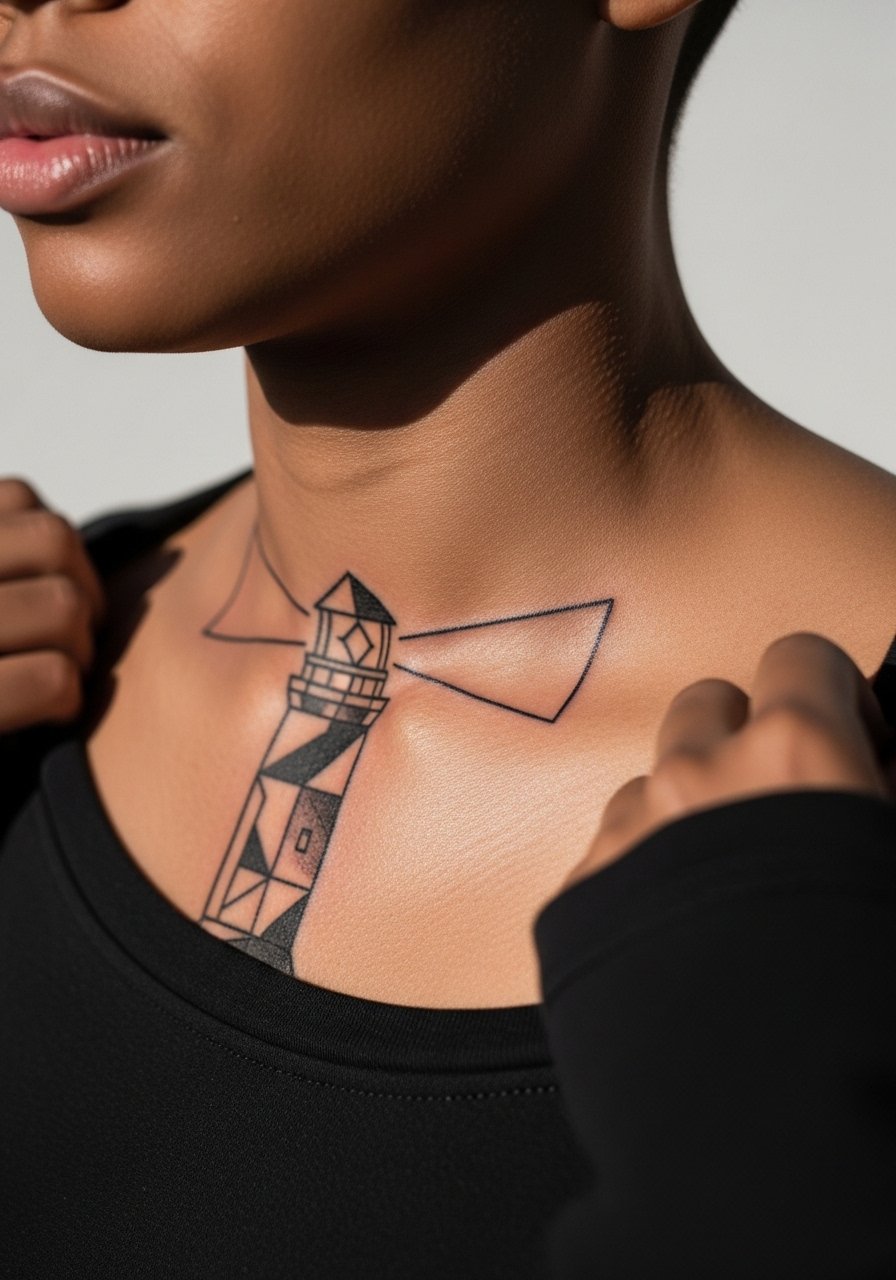
The collarbone is a high-visibility spot that can catch jewelry. For a Life Is Strange lighthouse reference, translate the tower into a vertical stack of simple shapes and a single radiating arc to hint at the beacon. Tell your artist you want open negative space where the rays meet the collarbone to avoid overworking that thin skin. The session feels quick but sensitive. Pair it with a thin chain pendant necklace that sits above the design so it frames rather than hides the work.
6. Wind-Blown Cassette Tape on Upper Arm

A cassette motif reduced to a few suggestive shapes reads as a nod without being literal. Ask for bold outer linework and softer inner stipple shading so the shapes stay legible from a distance. Avoid tiny internal screws or micro type, those age poorly. Sessions are moderate in pain and usually one sitting. For casual wear, roll sleeves and consider a loose button-down shirt you can push up to show the piece.
Studio Day Picks
These first arm and collarbone pieces heal differently from denser chest or rib work, so a few studio basics smooth the session and the first week.
- Stencil transfer paper kit. Lets you preview exact placement and scale on the forearm and wrist pieces above before the needle hits skin.
- Topical numbing cream. Applied 30 to 45 minutes before reduces edge pain for sensitive ribs without interfering with the artist when used correctly.
- Thin protective film roll. Keeps wrist and finger tattoos cleaner during the first week of friction from typing and washing.
- Fragrance-free gentle body wash. Cleans healing skin without stripping fine line work on the forearm and shoulder pieces.
- Aquaphor healing ointment. Thin application in the first days helps preserve linework on delicate wrist and collarbone tattoos.
7. Storm Cloud Negative Space on Upper Back
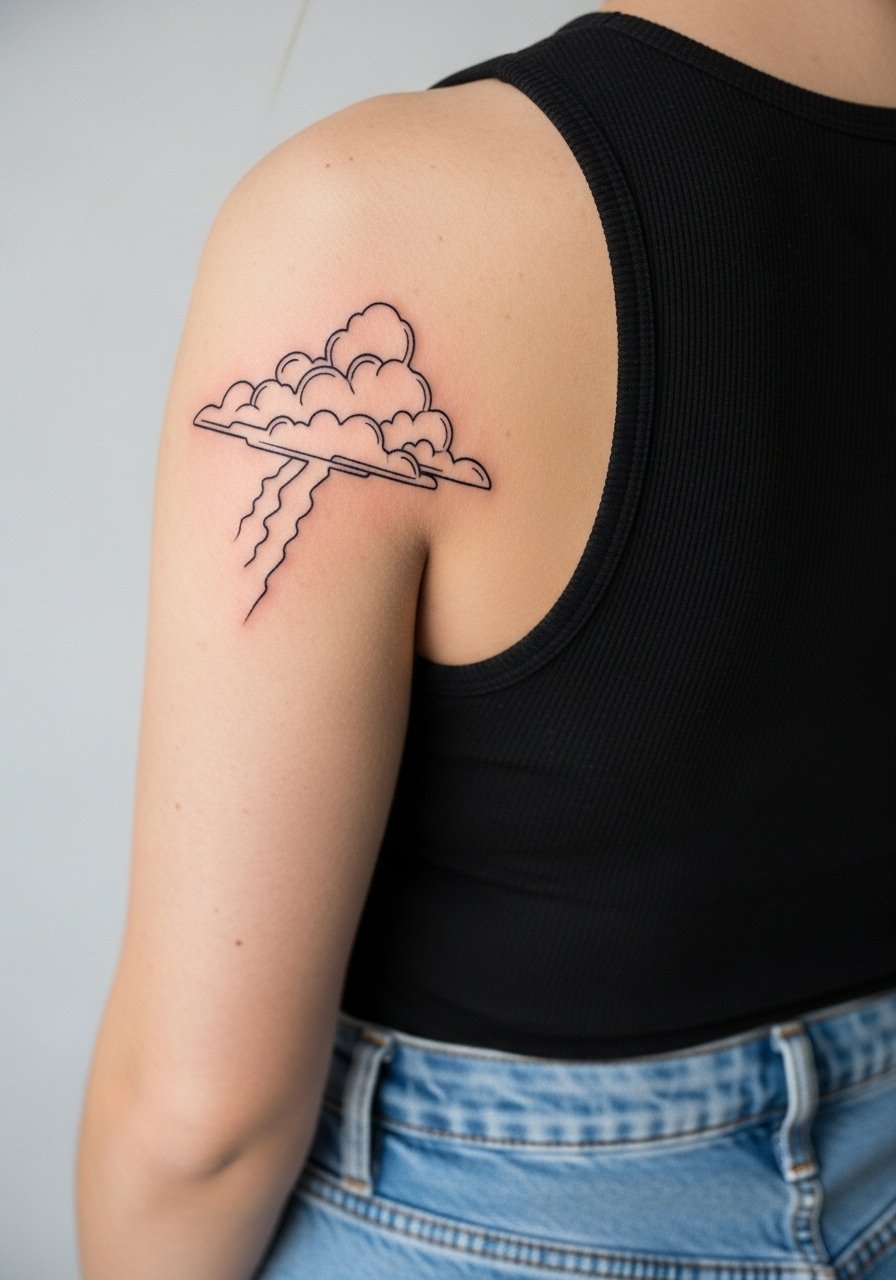
An upper back piece can be wider and breathe. Convert storm motifs into blocky negative shapes and a few stippled raindrops so it reads like composition instead of an illustration. Tell your artist you want the densest detail away from the spine to reduce blowout risk. Sessions are moderate and you can usually get a large area done in one sitting. For evenings out, pair the piece with an open-back midi dress to let the upper back show without exposing the whole torso.
8. Fragmented Lighthouse on Inner Wrist

Inner wrist pieces age under constant movement and washing. Break the lighthouse into two or three separated marks so each element has room to hold. A frequent mistake is asking for continuous thin rays that merge after months. In consultation, ask for a slightly heavier anchor line and airy inner gaps. Sessions are short but sensitive. When dressing for appointment wear a racerback tank that lets the artist see the wrist without sleeve fuss.
9. Abstract Butterfly Negative Space on Ankle

Ankle tattoos rub against socks and shoes, so place negative space where friction happens least. Ask your artist to orient the design so the thicker parts face outward on the ankle bone rather than the inside where blowout risk is higher. Touch-ups are common for tiny ankle details because of wear. For show-off outfits wear sandals or cuffed jeans so the ankle can peek out without constant abrasion.
10. Time Spiral Along the Spine

A spine piece reads dramatic without being literal. Render a time spiral as stacked concentric arcs with progressive spacing so the center keeps clarity as ink spreads slightly over time. The main consultation note is to avoid tiny inner ticks. Pain varies by proximity to bone. For showing it off, choose a backless or low-back top that frames the vertical line without exposing the whole torso.
11. Abstract Storm Window on Thigh

Thigh pieces let you go larger and looser with linework. For a window motif, use broad outlined panes and a few textured stipple zones to suggest weather. A common mistake is overfilling with micro detail that the thigh skin will eventually soften. Session time is usually longer but tolerable. For the appointment wear loose drawstring linen pants you can pull up without pressure on the fresh work.
12. Fragmented Portrait Suggestion on Upper Arm

If you want a character nod without a full portrait, reduce the face to a few planes and a recognizable silhouette. Artists split on direct character portraits versus symbolic abstraction. One camp says photoreal portraits are the only faithful tributes. The other camp recommends suggestive, abstract elements that age better and avoid likeness issues. Ask your artist which approach they prefer and show examples of both styles so expectations match. Upper arm sessions are moderate and usually handle heavier saturation than wrist work.
13. Cassette Ribbon Flowing Around Wrist

Treat the cassette ribbon like jewelry. Keep lines slightly bolder where the "ribbon" crosses and lighter in the negative areas so it reads as movement rather than a tiny printed object. A real mistake is cramming too many coils into a small wrist circumference. Say during consultation you want open spacing and defined overlaps. For a polished look, wear a thin chain bracelet on the opposite wrist to balance attention.
14. Abstract Lighthouse Silhouette on Calf

Calf pieces tolerate vertical motifs well. Convert the lighthouse into stacked chevrons and negative stripes to keep the silhouette crisp as shading settles. Tell your artist to avoid tiny hatch marks that merge when the skin moves. Sessions can be longer but the area is forgiving. Pair with mid-calf boots or cropped trousers so the calf can peek out without constant sun exposure.
15. Minimal Compass Rose on Chest

The upper chest is a visible place that reacts to movement and sun. A compass rose done as simple points with negative gaps keeps the motif readable. Avoid tiny internal text or date marks that can blur. The consultation should confirm exact placement relative to the sternum and collarbone. For wear, a wide-neck shirt frames the piece while protecting the area from chafing.
16. Polaroid Fragment Over Clavicle

Moving the Polaroid hint to the clavicle keeps it prominent but shallow. Request slightly thicker outer framing and a single internal motif so the piece does not wash into a gray block. The main aging issue is sun exposure, so plan touch-ups for faded interior details. Sessions are short but sensitive. For evenings out, pair with a thin chain pendant necklace that sits just above the frame.
17. Torn Page Script Along the Rib

Script on the ribs reads intimate but tends to blur if letters are too close. Ask your artist for slightly increased letter spacing and a low-contrast hairline weight that settles into readable text. One camp favors crisp bold script for rib placement. The other favors airy, spaced letters. Ask where they stand. Sessions are uncomfortable and likely broken into smaller passes.
18. Abstract Antler Lines on Shoulder Blade

Shoulder blade pieces can be organic and expansive. Render antlers as flowing lines with stipple accents so the shapes read sculptural. Avoid tiny crosshatching that will soften. In consultation say you prefer flow and negative space over dense texture. Sessions are comfortable and you can often finish in one sitting. For daytime wear choose a loose tank top that exposes the shoulder without rubbing the tattoo.
19. Abstract Doorway Motif on Upper Thigh

A doorway motif on the thigh gives room for scale variation. Use broad negative panels and a single contrasting bar to imply depth. The common mistake is adding tiny interiors and stair details that blur. Thigh skin is forgiving and holds saturation well. Wear loose shorts to the appointment so the artist can expose the area without pressure on the skin.
20. Abstract Clock Gears on Outer Arm

Translate gears into partial arcs and spoke suggestions instead of full interlocked wheels. This keeps the design readable as tiny details merge. Tell your artist you want intentional gaps so the eye completes the shapes. Outer-arm sessions are moderate and heal relatively well. Pair the piece with a casual watch that complements the mechanical feel without covering the tattoo.
21. Watercolor Storm Swash on Calf

Watercolor textures look great but can fade unevenly. For longevity, ask for a watercolor suggestion backed by thin black anchors so the shapes have contrast as pigment softens. A common error is relying on pigment alone without line anchors, which turns the piece into a blotch over time. Calf placement tolerates more color and touch-ups are straightforward. For showing it off, pair with shorts or a skirt.
22. Abstract Rachel Amber Ribbon on Wrist

A small ribbon motif can be stylized to avoid a direct replica and still carry meaning. Ask for a single continuous line with a brushed end so the ribbon reads like a gesture rather than a detailed symbol. Wrist friction is the main enemy, so leave space and avoid tiny knots. Sessions are quick. For subtle display wear a delicate bracelet on the opposite wrist to balance hands.
23. Abstract Fog Layering on Neck

Neck pieces are visible and sometimes career-sensitive, so think about placement and visibility. Render fog as overlapping bands of negative space and airy dot work to keep it subtle. Mistakes come from wanting too much density in a small zone. Consult about visibility limits. For discovery, look at local shop portfolios and forum threads rather than a single social post.
24. Abstract Lighthouse Beacon on Sternum

Sternum placements are intimate and need careful stencil placement. Translate a beacon into a small vertical mark and two radiating short lines so the pressure on thin skin is minimal. Tell your artist you want shallow shading and explicit spacing. Sessions here are more painful and may need a longer recovery. For the appointment wear a fitted sports bra that can be adjusted so the artist has clean access.
25. Abstract Door Knob Glyph on Finger

Fingers fade fast because of washing and flex. For a doorway nod, use a small glyph with bold edges and minimal interior detail. The biggest mistake is tiny script or micro texture. Expect touch-ups at year one. Sessions are short but the site is sensitive. For discreet display, choose stacking rings that sit just above the tattoo and avoid constant rubbing.
26. Fragmented Lighthouse on Upper Thigh

Upper-thigh work lets you go bold with negative panels and long, uninterrupted lines. Request the artist keep heavy saturation away from areas where clothing seams rub. A common error is placing a long vertical line right under a tight waist seam, which accelerates fading. Sessions are comfortable and healing is straightforward. For the appointment pick high-waisted bottoms you can lower without stretching the area.
27. Time Echo Dot Work on Ankle

Dot work on the ankle reads subtle and wears well if spacing is deliberate. Use echoing dots rather than solid fills so the piece keeps texture as it ages. The mistake is clustering dots too tightly, which becomes a gray patch. Sessions are short. For showing it off, cuff your jeans or wear low-profile sandals that let the ankle breathe.
Frequently Asked Questions
Q: Will fine line Polaroid or script pieces blur faster on ribs and sternum than on forearms?
A: Yes, thin line work on ribs and sternum faces more stretch and movement, so plan for slightly heavier anchor lines and extra spacing. In my experience a spaced approach plus a touch-up at year two keeps the design legible.
Q: Are abstract representations safer from copyright or likeness concerns than character portraits?
A: They are. One camp argues direct portraits honor the source. The other camp prefers abstraction to avoid likeness issues and make the piece personal. Choosing symbolic motifs sidesteps legal and stylistic pitfalls while keeping the reference clear to other fans.
Q: How should I dress for a rib or sternum appointment to make access easy?
A: Wear a cropped top or a fitted sports bra that can be moved without stretching, like a fitted sports bra. That keeps the area accessible and comfortable during breaks.
Q: If I want a Life Is Strange portrait, what should I ask my artist in consultation?
A: Ask to see healed portrait examples in their portfolio and whether they prefer photoreal or suggestive abstraction. Request staged stencils and discuss touch-up plans. If you care about longevity, prioritize contrast and spacing over micro detail.
Q: Do ankle, finger, and hand tattoos need different aftercare or expectations?
A: They do. These spots face daily friction and water exposure, so expect more frequent touch-ups. Protect them from constant rubbing and be realistic about fading on high-use zones.
Q: Where should I look to find artists who do durable fine line and abstract work?
A: Search local shop directories, tattoo convention guest lists, community forums, and hashtags that focus on healed work. Look for healed photos rather than only fresh shots so you can judge how a style actually settles.
