
Fine line trends look delicate in photos and fragile on skin after a few years. The designs that really hold up are the ones planned around movement, sun exposure, and the body part itself. Below are 17 Orientalism-inflected tattoo ideas that balance ornamental motifs with real-world longevity, plus what to tell your artist, how they age, and the wardrobe choices that make each piece sing.
1. Fine Line Ukiyo-e Wave on Outer Forearm
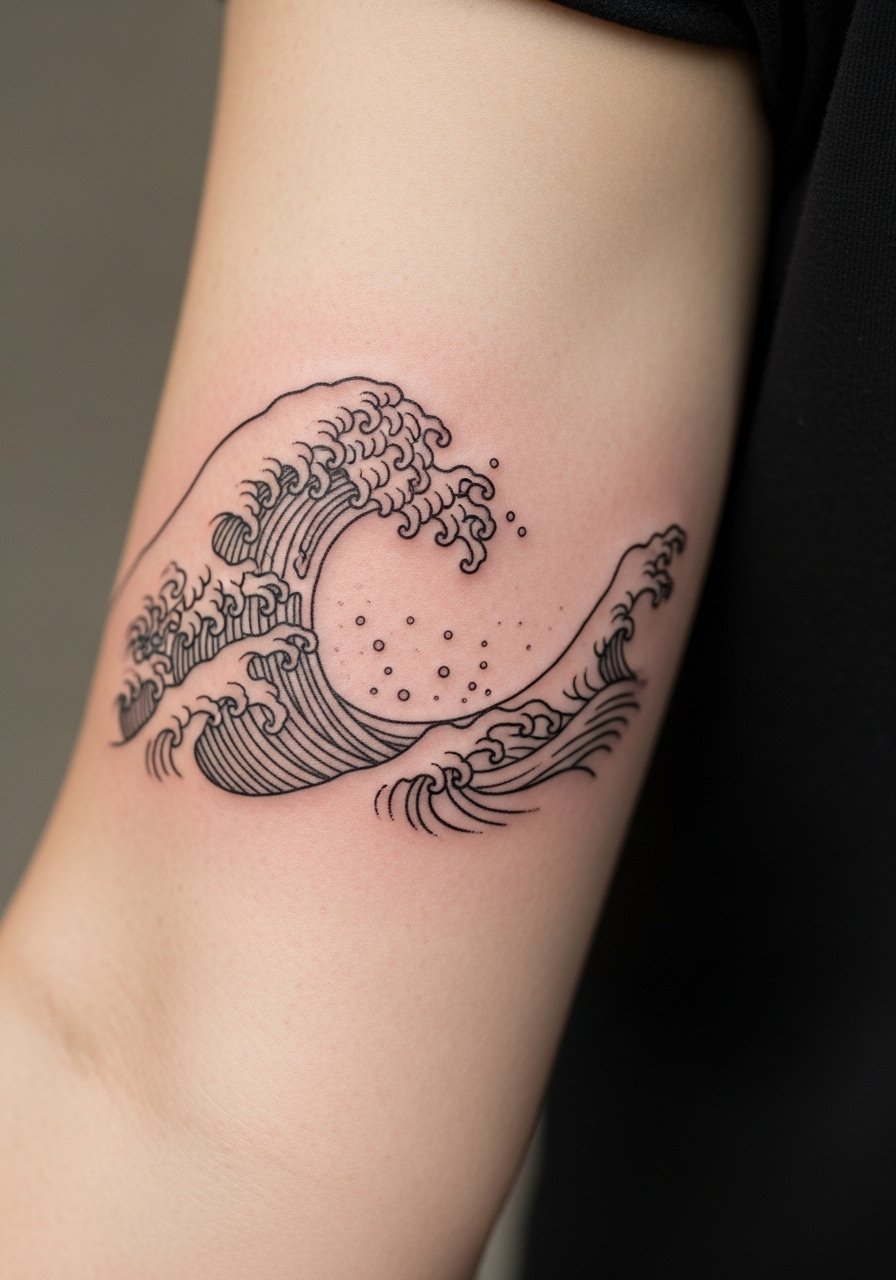
I recommend this for someone who likes detailed linework that reads from close up. Tell your artist you want slightly heavier primary outlines and airy internal hatch shading so the composition keeps structure as it softens. Expect a painless to moderate session on the forearm and a touch-up at year three for dense lines. A common mistake is asking for the tiny version of a complex print, which blurs quickly. For showing it off, roll sleeves and wear a linen button-down that frames the forearm without covering the art.
2. Bold Blackwork Koi Wrap on Calf
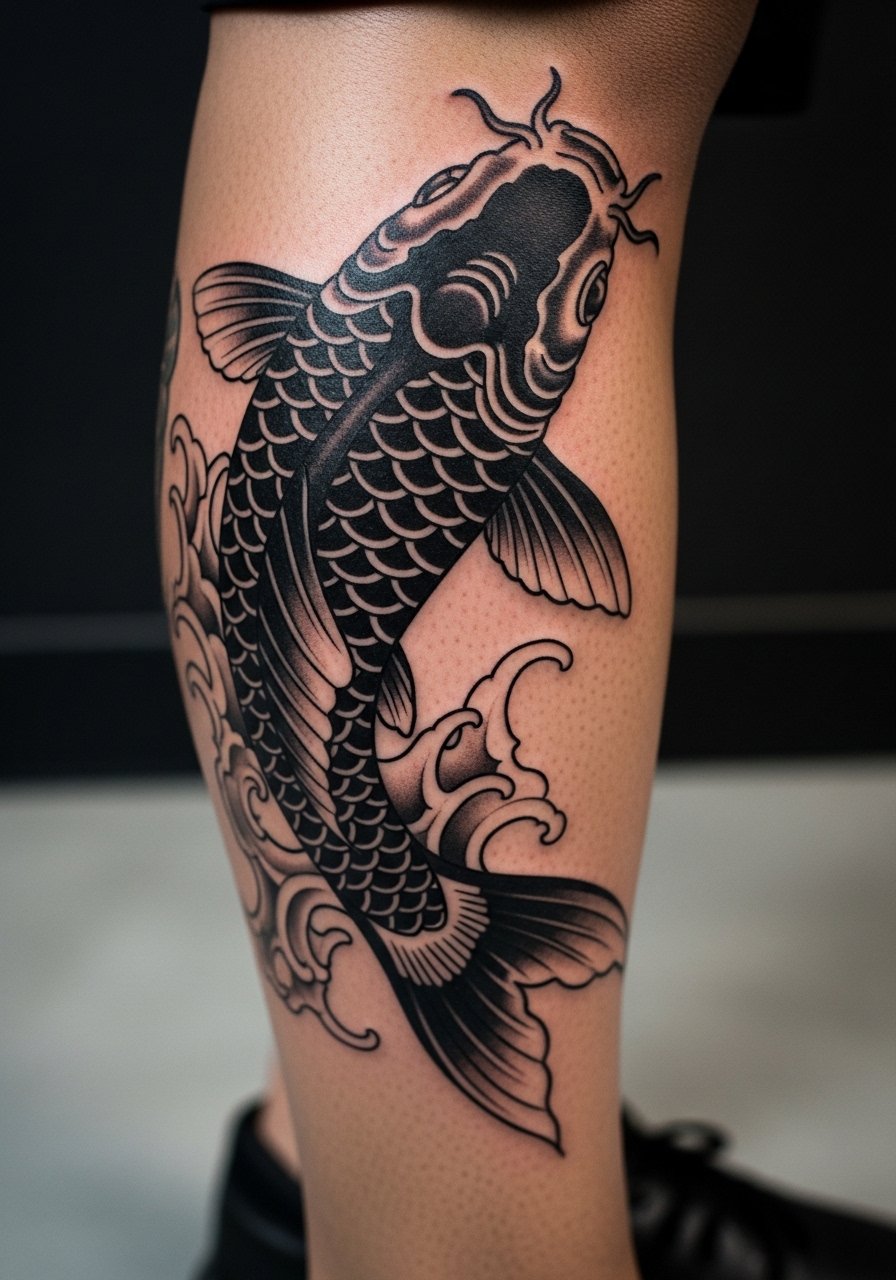
There is something about saturated black shapes that reads from a distance and ages predictably. The calf tolerates thicker needle groups so saturation holds up well over years. Mention to your artist that you want solid blocks and gradual negative-space highlights to avoid patchy fading on high-movement areas. Session pain is low to moderate and you may need two passes for full saturation. Wear high socks or sandals to show the wrap while still protecting it on sweaty days.
3. Micro-Realism Persian Miniature Medallion on Sternum
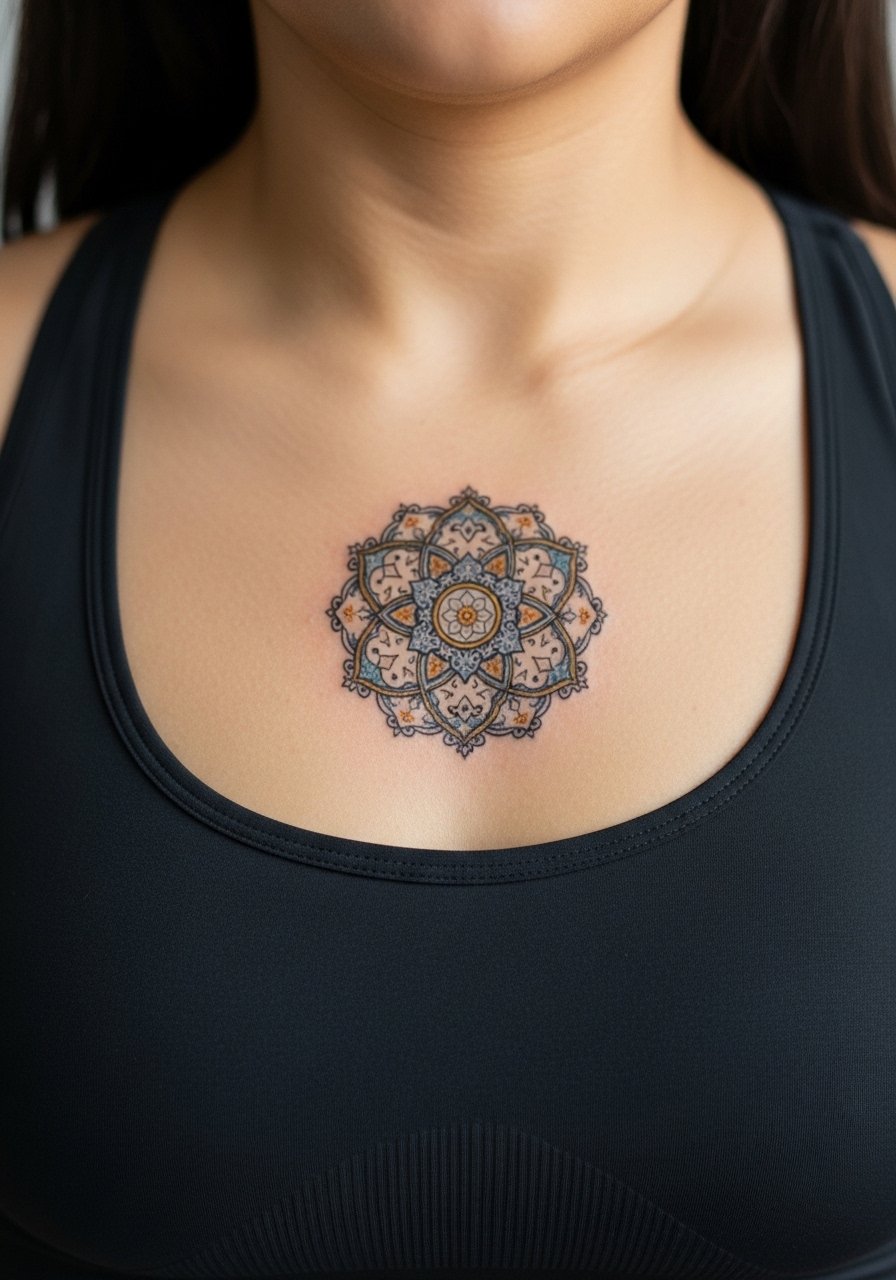
Artists split on ornamental chest pieces and cultural borrowing. One camp treats these motifs as artistic fusion that evolves craft. The other camp calls out power imbalances and fetishization when historic symbols are used without context. If you go this route, be explicit about adapting motifs rather than copying sacred imagery. Sternum work is tender and often needs short sessions so saturation is gradual. For the appointment wear a fitted sports bra or bandeau so the artist has clean access. Expect a flattened sensation as the area heals and plan a touch-up check at year two.
4. Delicate Ink Wash Bamboo on Inner Bicep
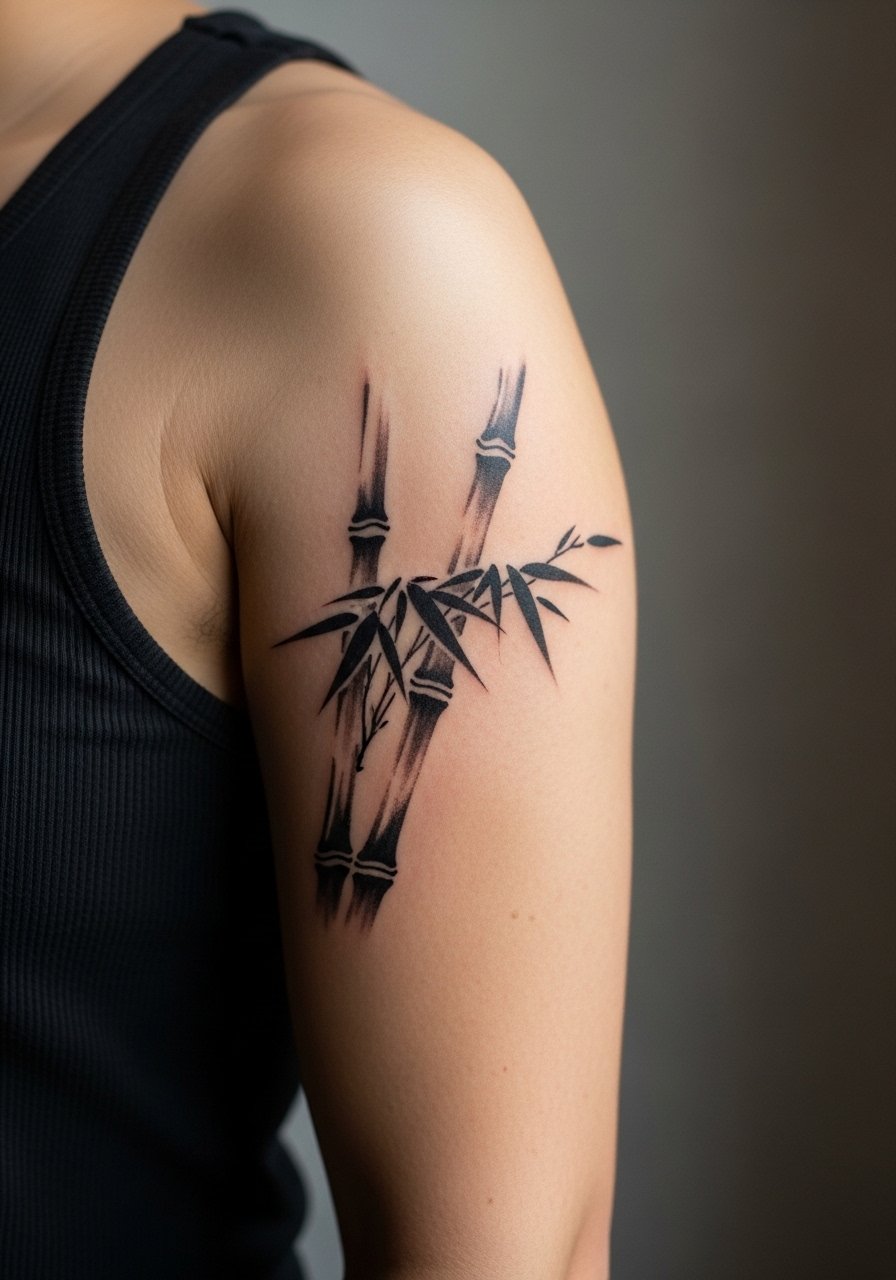
Fair warning, the inner bicep moves and skin there compresses during sleep. I suggest asking for softer stipple shading and slightly increased spacing between fine strokes so the ink does not merge. The session feels odd because you will need to hold your arm positions for long runs of thin shading. A common mistake is choosing ultra-thin linework without accounting for the area’s elasticity. For the session, wear a loose tank top so you can lift or lower the strap without disrobing.
5. Geometric Mandala Collarbone Accent
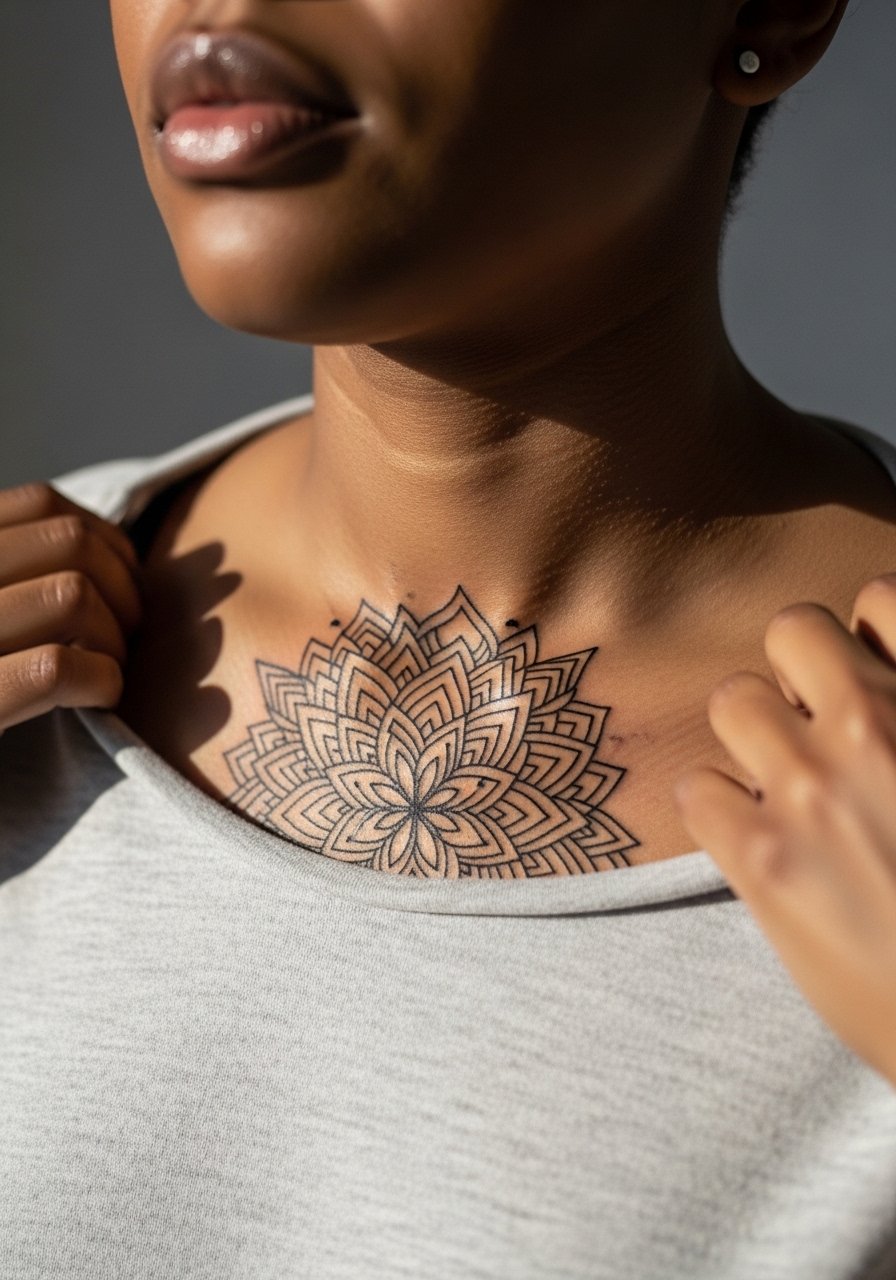
A collarbone mandala can look modern and deliberate when scaled correctly. Most failures come from packing too much detail into a small area right over thin skin. Tell your artist you want negative space gates between concentric rings so the pattern breathes. Expect a fidgety session because the collarbone vibrates under the needle and some soreness for a few days. For evenings pair with an open-neck blouse to let the pattern sit under the collar without competing with jewelry.
6. Minimalist Fan Motif Behind the Ear
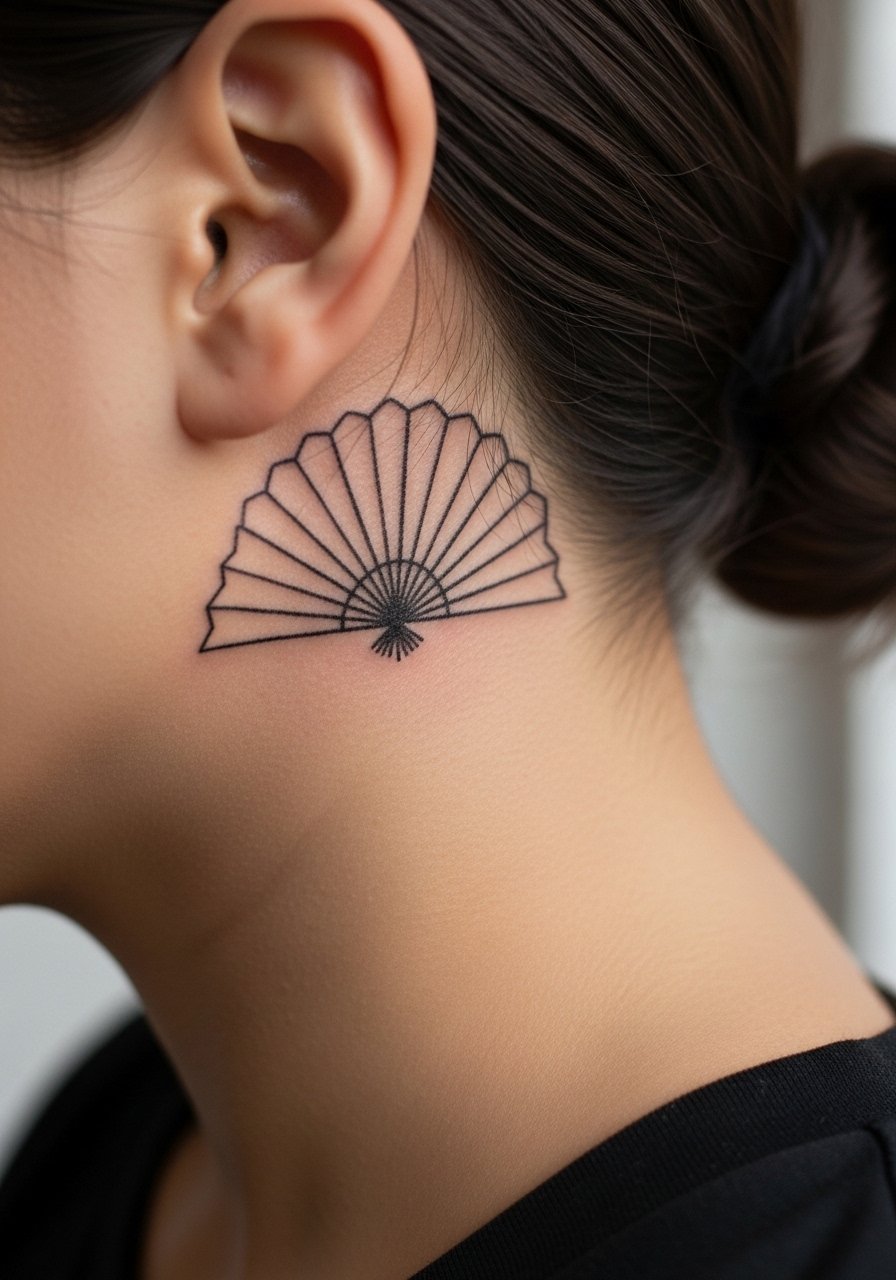
Behind-the-ear placements read very small and intimate, and they split artists on longevity. One camp says the thin skin and constant friction mean detail will blur fast. The other camp says with conservative scale and bold anchors it will settle well. If you choose this, scale up the primary lines and avoid micro shading. Hand the artist a reference that shows exact line weight. This placement may affect professional impressions in some fields, so consider that before booking. For the session style your hair back and wear a simple top with an exposed neckline.
7. Watercolor Pagoda Back Piece
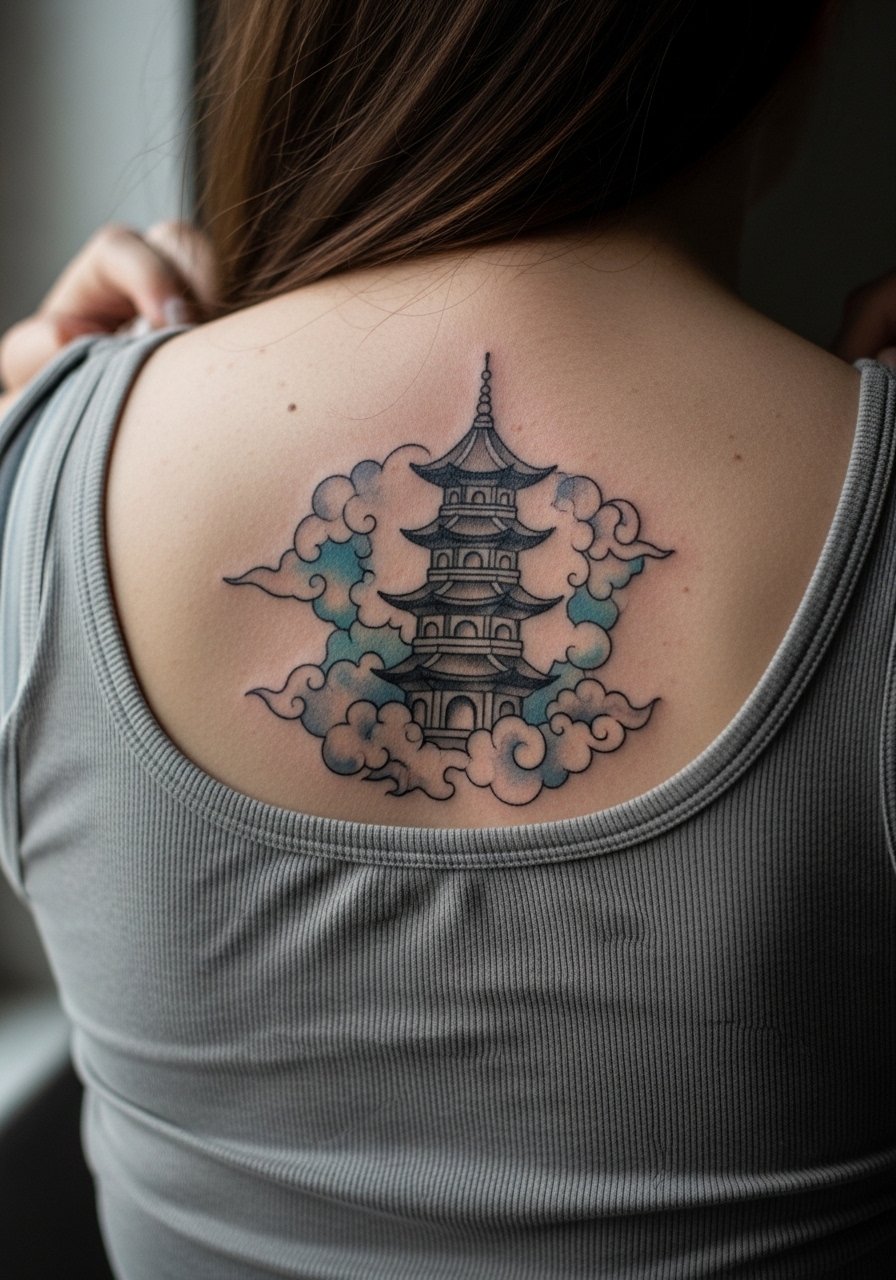
A back canvas allows for painterly gradients but watercolor fades faster where saturation is low. I recommend pairing soft washes with crisp anchoring lines so the composition keeps its shape. Large sessions are common here so expect multi-day appointments or long single sessions with breaks. For show-off moments, an open-back midi dress highlights the art without exposing more than intended. Back pieces age differently across the shoulder blades, so plan touch-ups after the first year to restore midtones.
8. Dotwork Lotus on the Inner Thigh
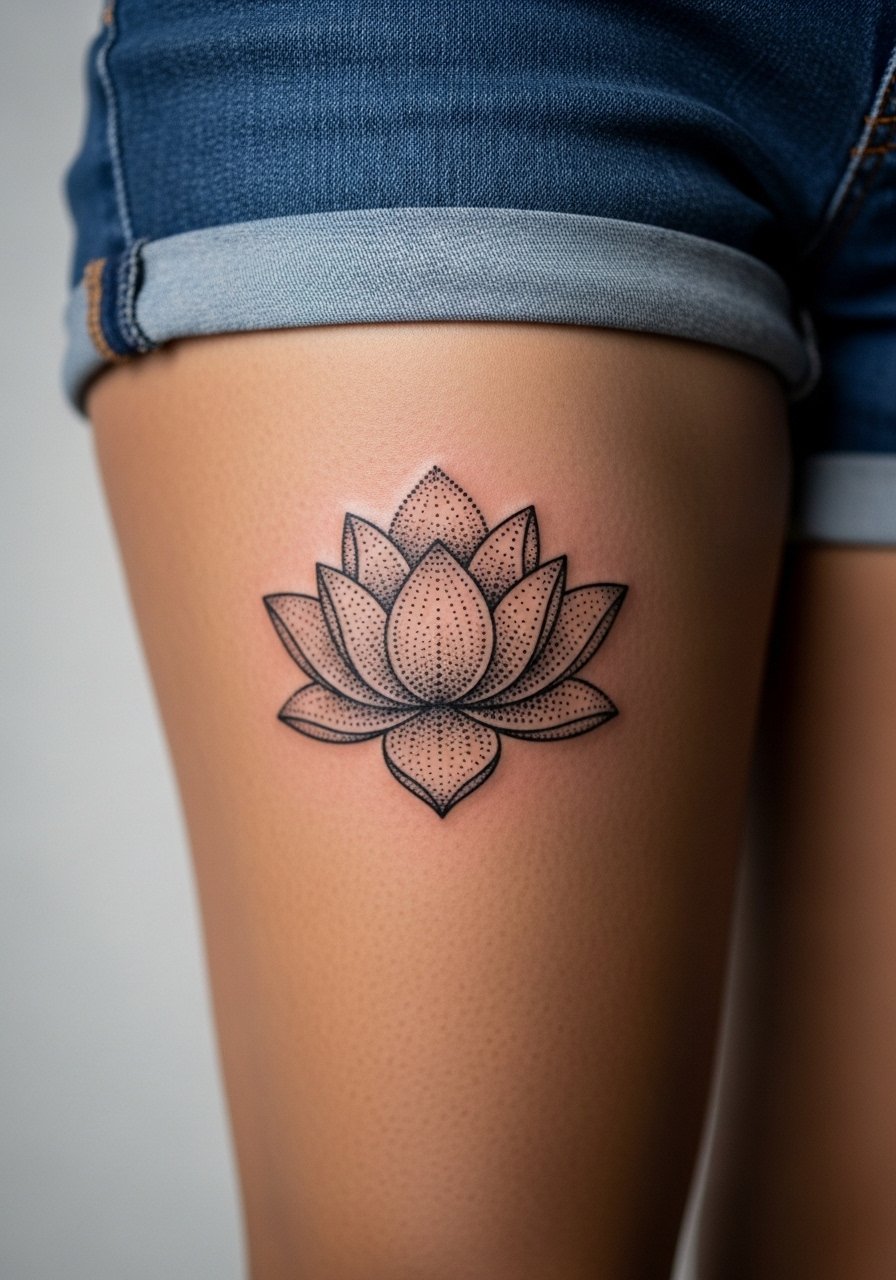
The inner thigh benefits from dotwork because the skin there keeps pigment fairly stable when not exposed to sunlight. The most common mistake is choosing too small a motif for this expansive canvas. Tell your artist you want graduated stippling with clear negative-space halos. Sessions are private and can be tender, so plan for gentle aftercare and comfortable transport home. Inner thigh work has higher friction from clothing, so consider loose bottoms during healing.
9. Single-Needle Dragon Spine Line
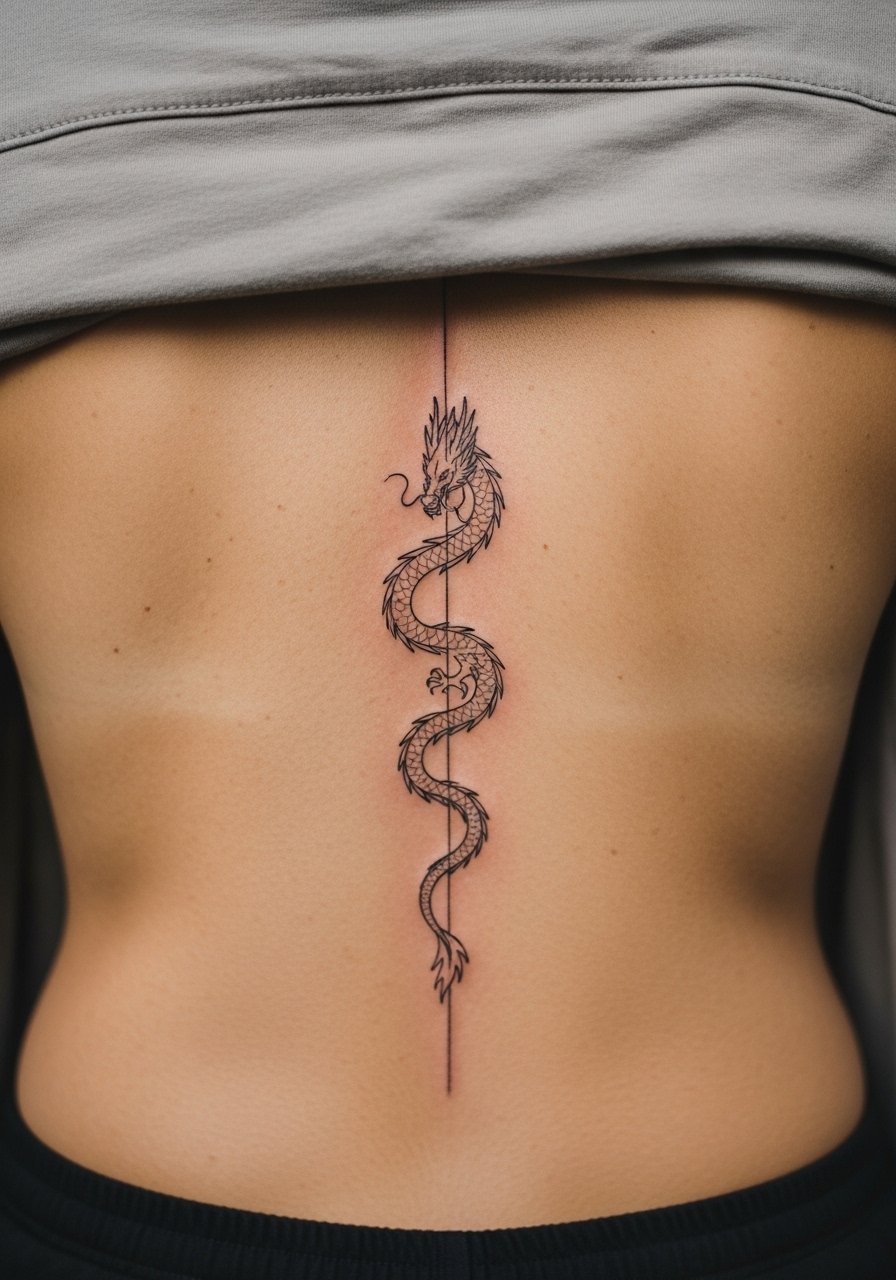
Artists disagree about single-needle detail on the spine. Some argue the vertebral movement and thin skin make ultra-fine lines vanish. Others say conservative scale and slightly bolder anchor strokes let the art survive. If you want a dragon line, request a mix of single-needle texture for scales and slightly heavier contour for the silhouette. Spine sessions can be sharp near bone and require patience. For public wear, open-back tops or low-back dresses frame the line without covering the silhouette.
10. Stipple Shaded Peony Shoulder Cap
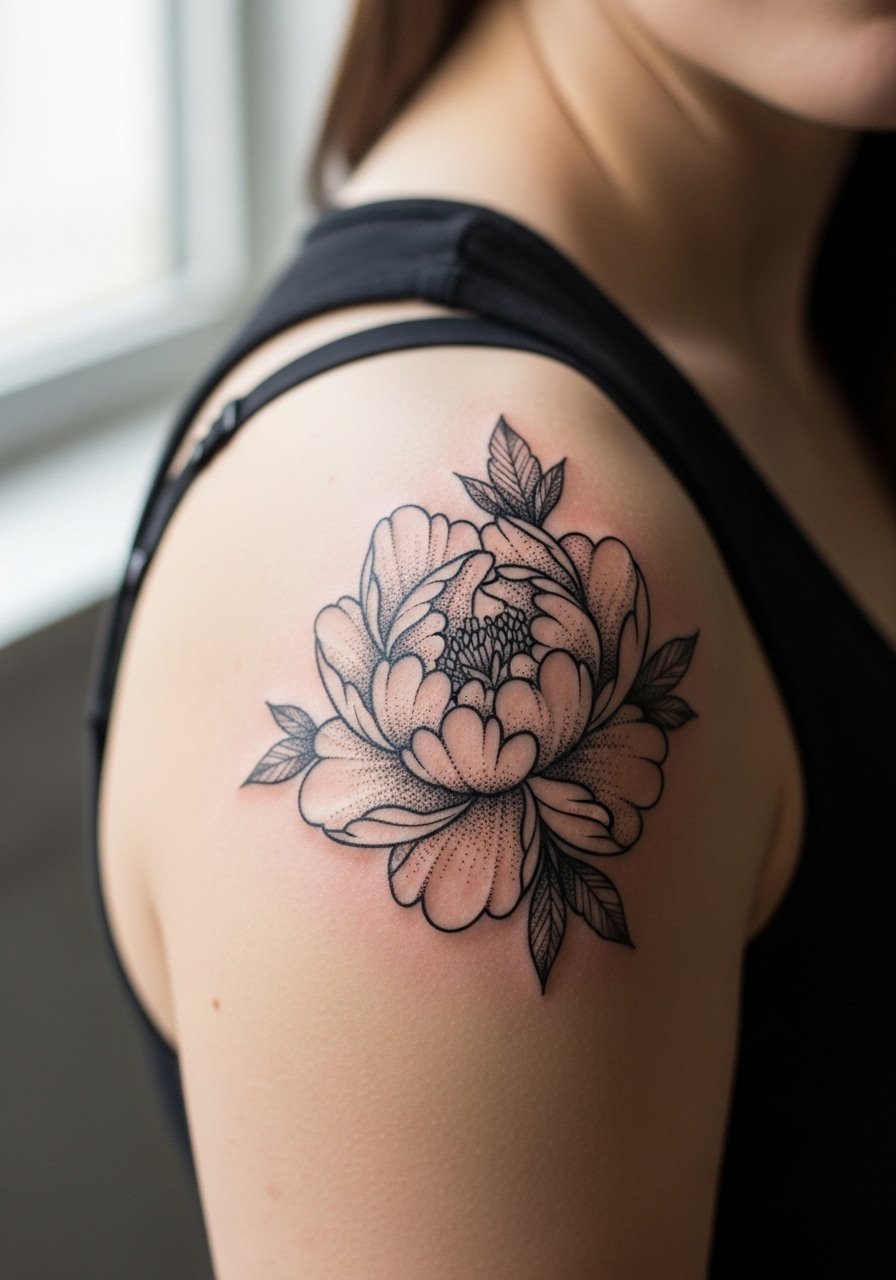
There is visual impact in a shoulder cap that carries into sleeve work later. I have seen this style age gracefully because stipple shading softens into texture instead of muddying. Tell your artist you want layered stippling and a clear outline at the petal edges so the bloom keeps form. The session is moderate with lots of shading passes. Roll shirts with a slightly wider arm hole for showing the cap and wear a loose button-down shirt you can slip off without stretching the area during the first week.
11. Fine Line Script Chopmark Wrist Band
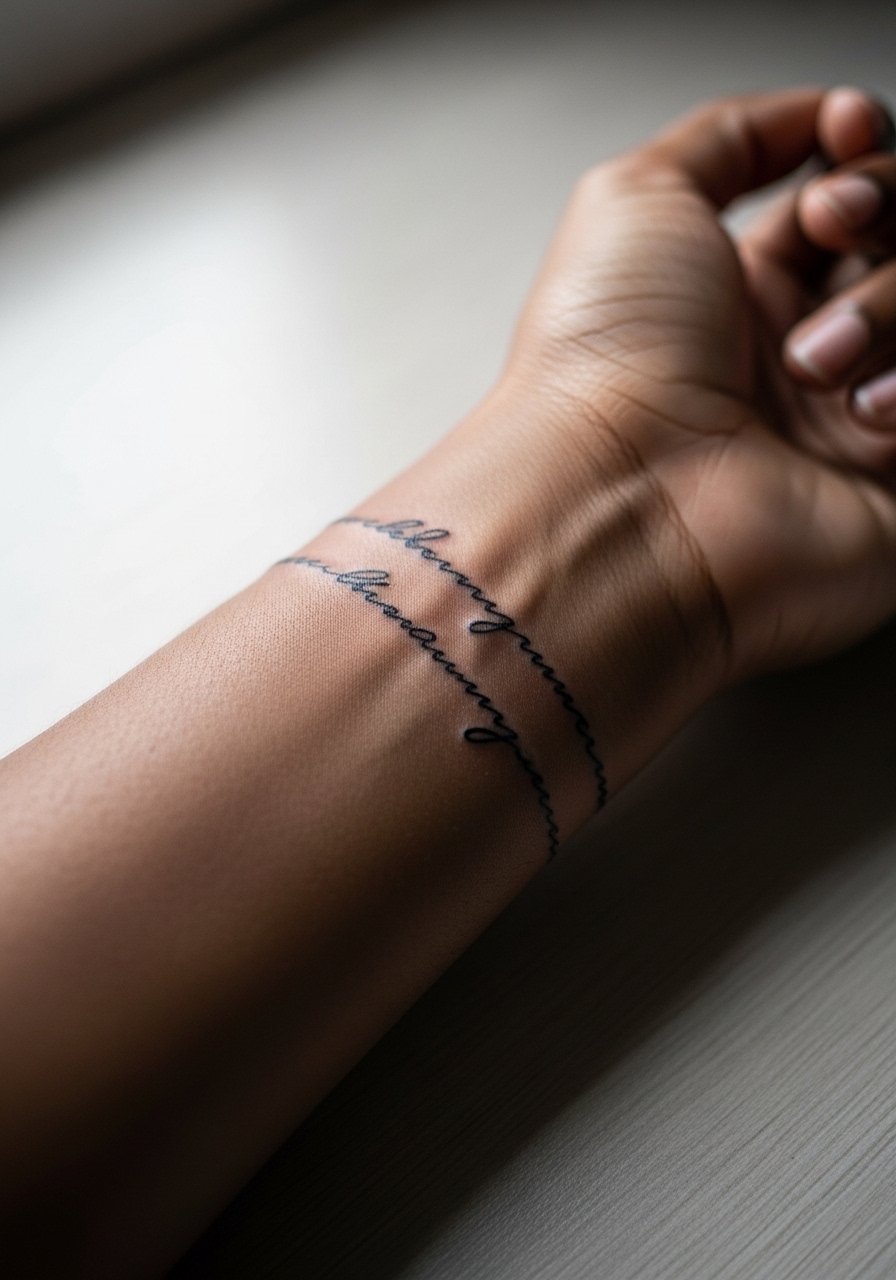
Wrist bands read intimate and they fight friction from watches and bracelets. The biggest mistake is placing extremely thin script where daily rubbing will dim strokes quickly. Ask for slightly increased line weight and for the band to sit a finger-width above the wrist bone. Sessions are quick but can sting more on the inner wrist. Pair the band with a minimalist watch or stack thin bracelets that do not sit directly on the tattoo while it heals.
12. Flash-Inspired Oriental Fan Ankle
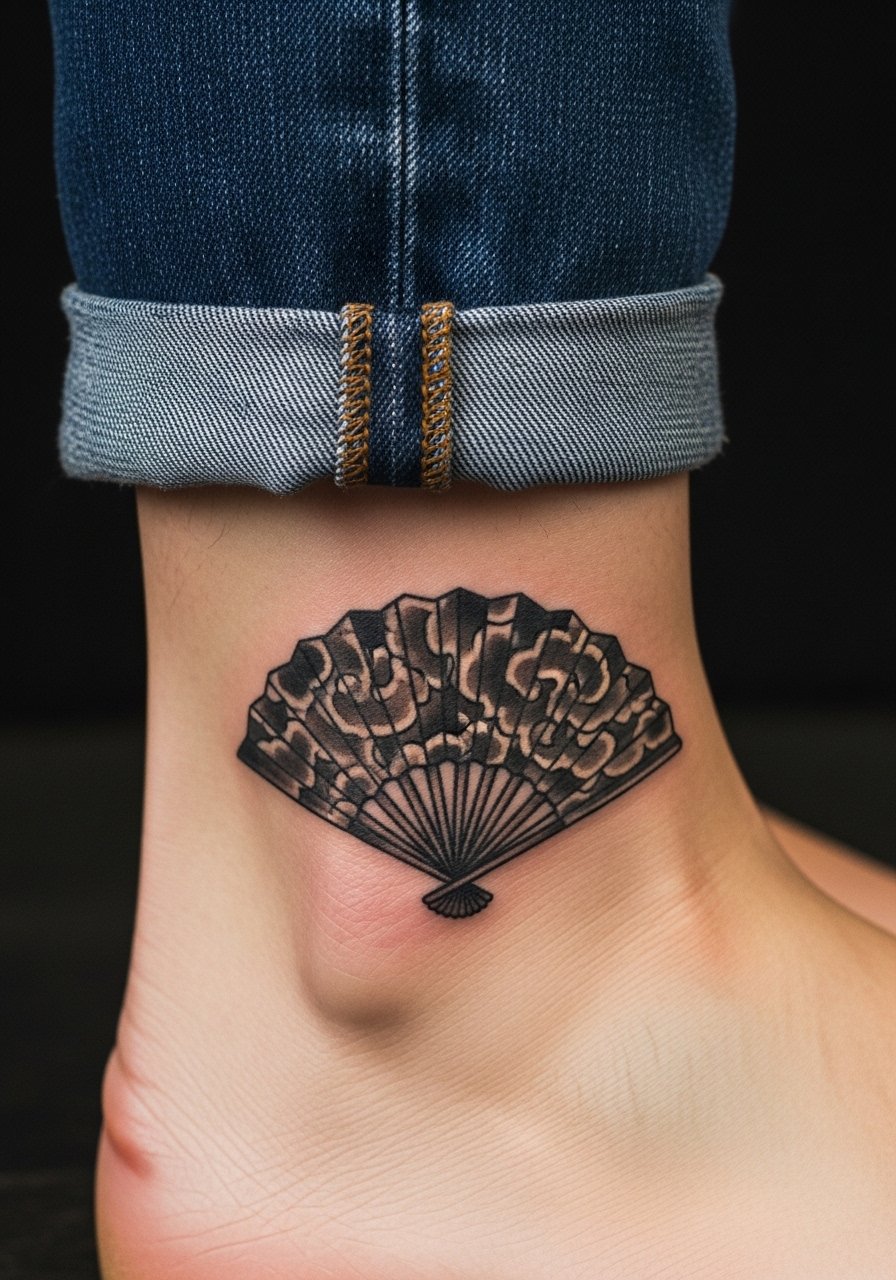
Ankle tattoos face constant moisture and shoe friction. I recommend a simplified flash layout with solid edges and modest interior detail to avoid early blurring. The session is short and the area is sensitive near bone. For showing it off in warm months, sandals and cropped trousers work best. Pack a pair of minimal sandals for days when you want the design visible without rubbing.
13. Negative Space Wave Half Sleeve
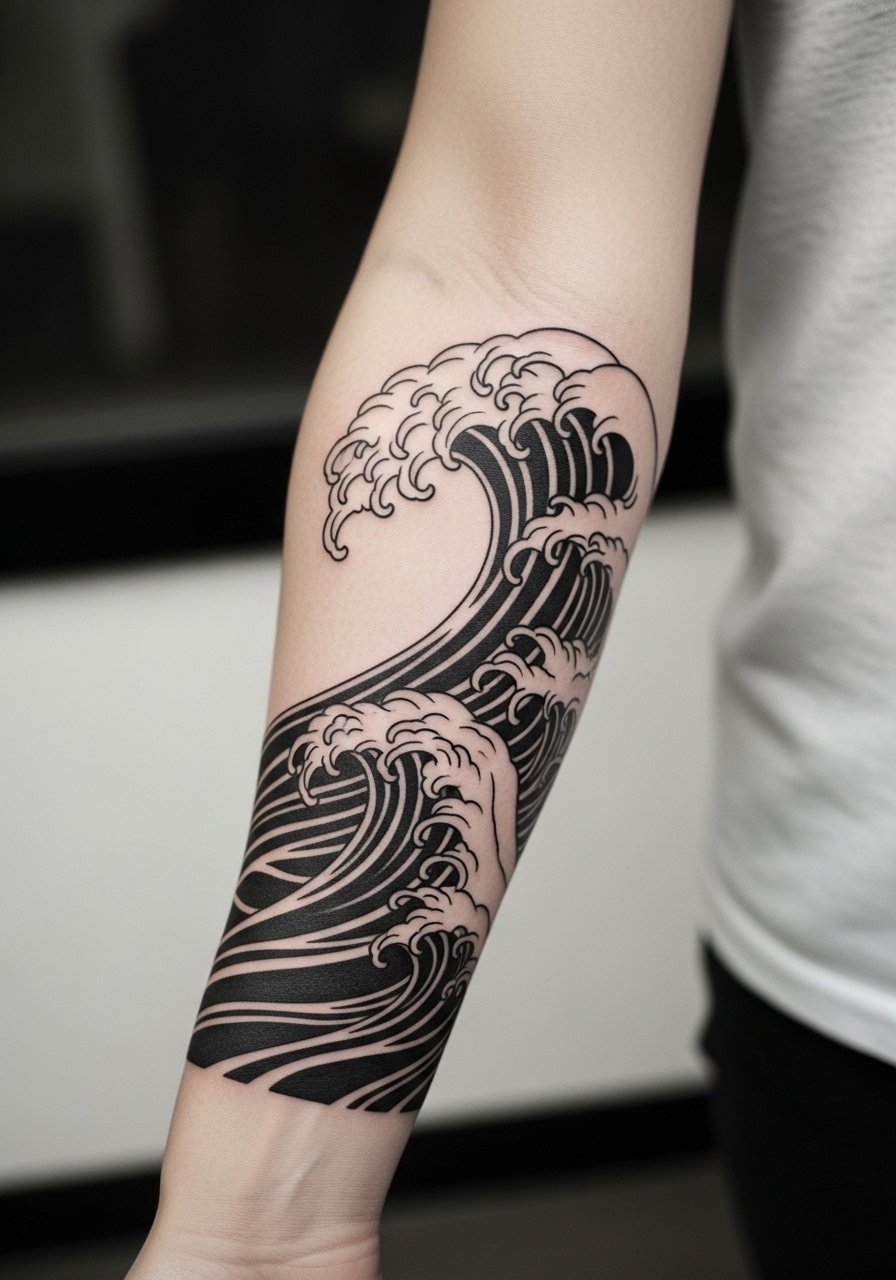
Negative space compositions age well when the artist plans breathing room. The error I see most is compressing white gaps too tightly which causes them to disappear as lines spread. In consultation ask for intentional voids and solid anchors that map to muscle contours. A half sleeve session is longer and may be split into two appointments. For day-to-day wear, cuffed linen shirts let the sleeve peek without hiding the flow. Try a rolled-sleeve linen shirt to frame the artwork.
14. Calligraphic Brushstroke Neck Token
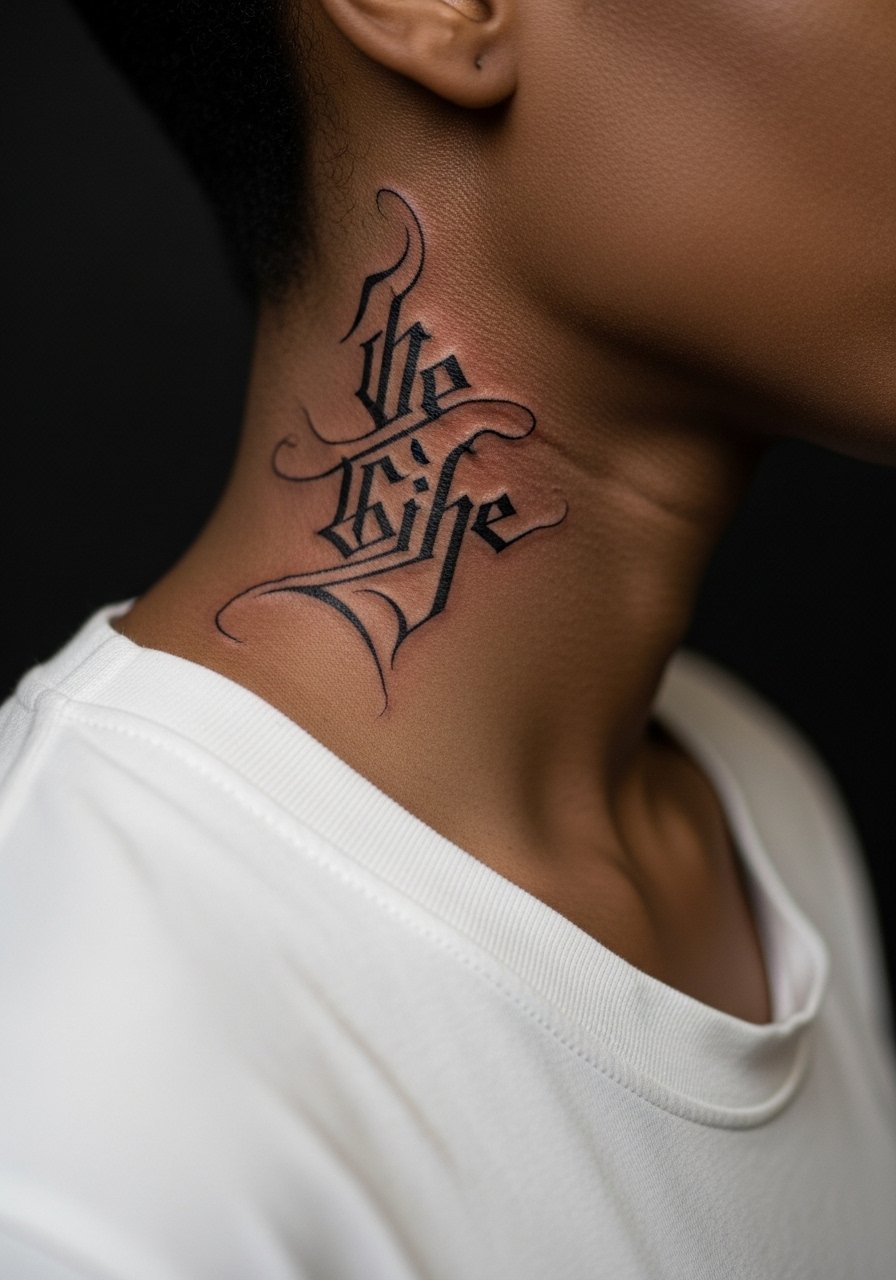
Neck pieces change how people see you professionally, and they require an artist comfortable with skin that moves a lot. One camp says small neck tokens hold; another warns that constant sun and clothing friction dull ink quickly. If you choose a neck brushstroke, make it bold and slightly staggered so it reads even as edges soften. Sessions can be sharp and healing needs care. Consider professional settings before committing and plan for a touch-up at year two.
15. Porcelain-Style Portrait on Upper Arm
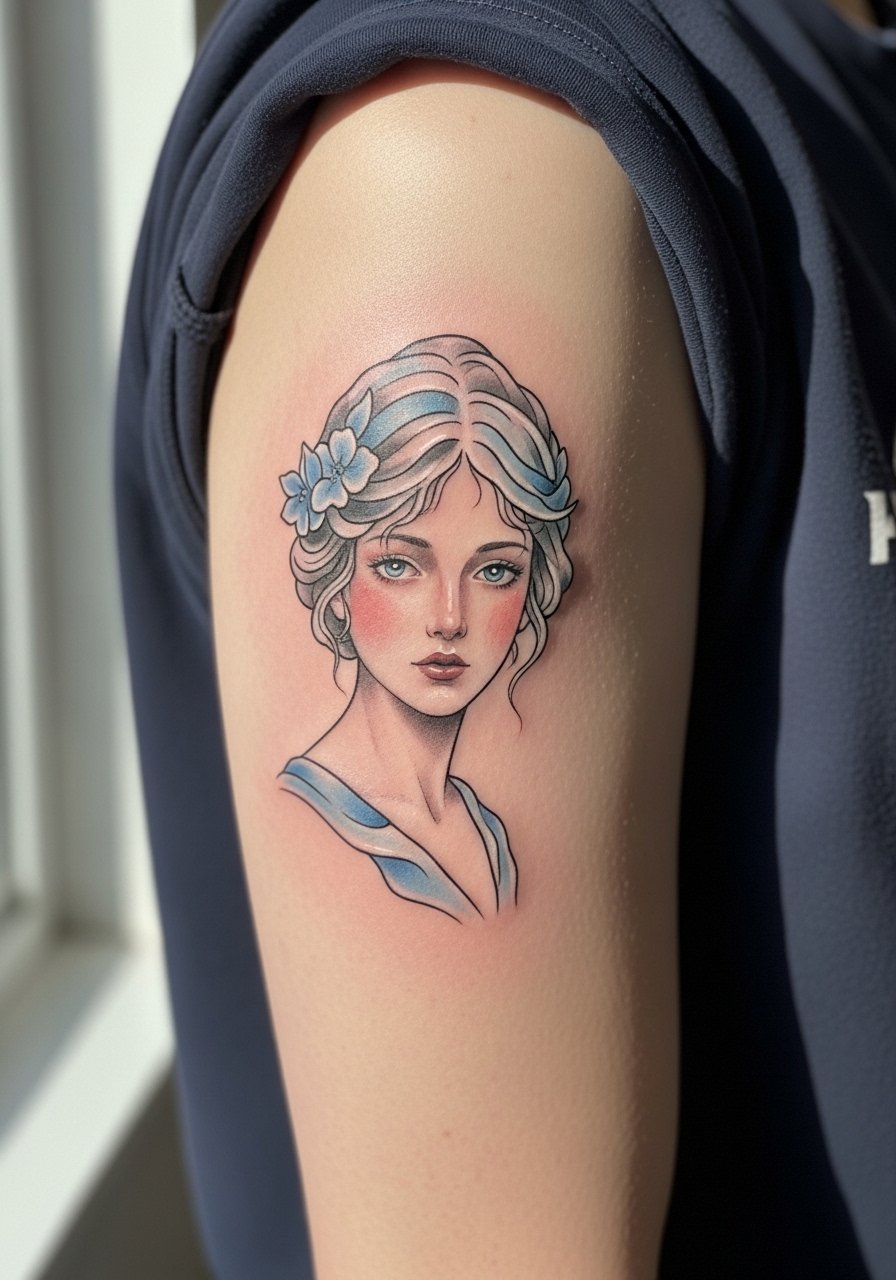
Portraiture with ceramic glaze cues looks elegant when restrained. Ask your artist to use low-contrast shading with selective saturated accents so the image keeps volume as it ages. Upper arm sessions are comfortable and forgiving, and this spot tolerates more detail than the wrist. A common mistake is insisting on hyper-real tiny details that blur after a few years. To show the piece off wear a short-sleeve that can be rolled, or a sleeve-rolled tee that keeps attention on the arm.
16. Tiny Seal Stamp Finger Tattoo
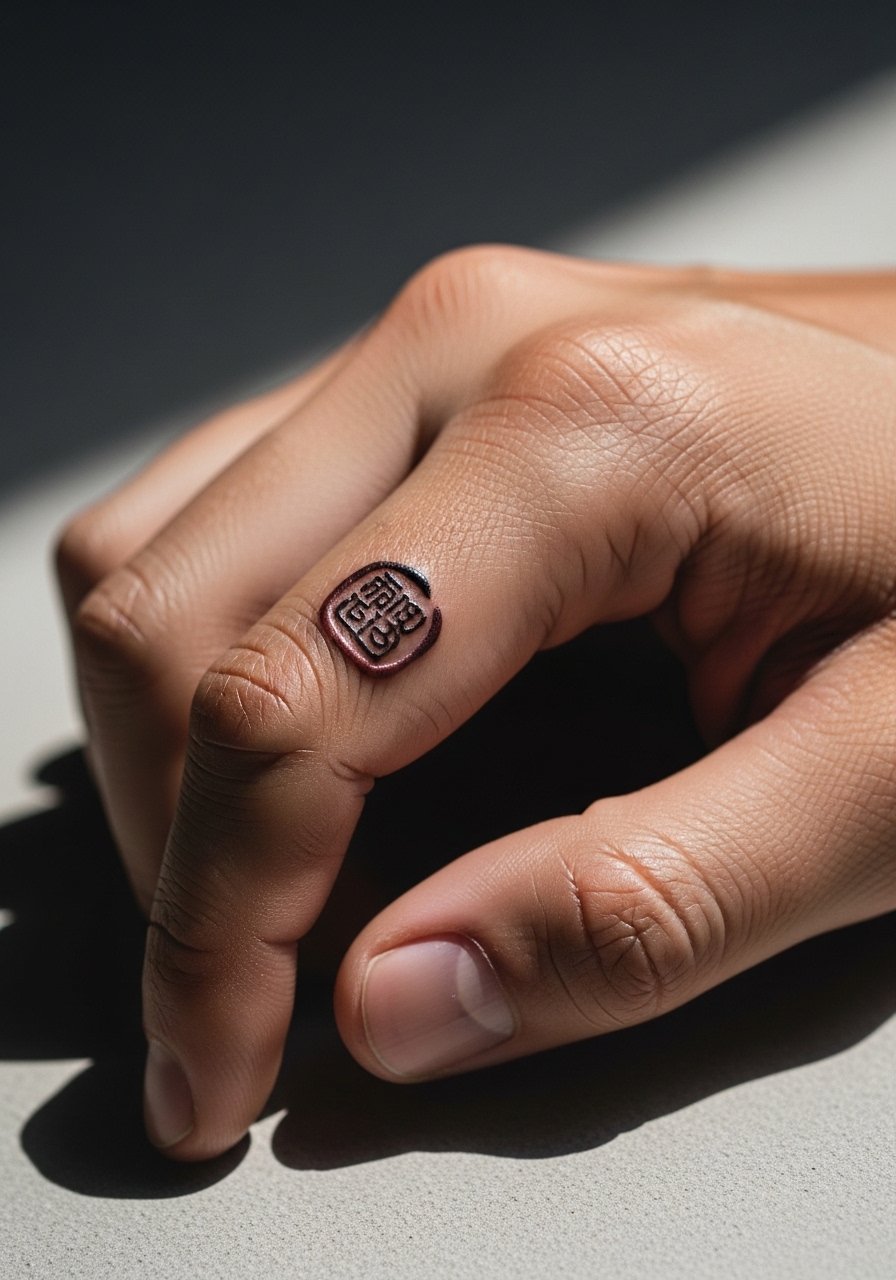
Finger tattoos are high-maintenance and many artists refuse them for that reason. Lines here fade faster due to constant washing and friction. If you want a seal stamp, scale it small but with a bold outline and simplified interior so it survives regular use. Sessions are quick and stinging. Rings and jewelry can compete with the tiny mark, so consider pairing with thin bands or letting the finger be bare for a minimalist look. A set of delicate thin rings frames this sort of token nicely and keeps focus on the mark.
17. Silk Textile Pattern Ribcage Panel
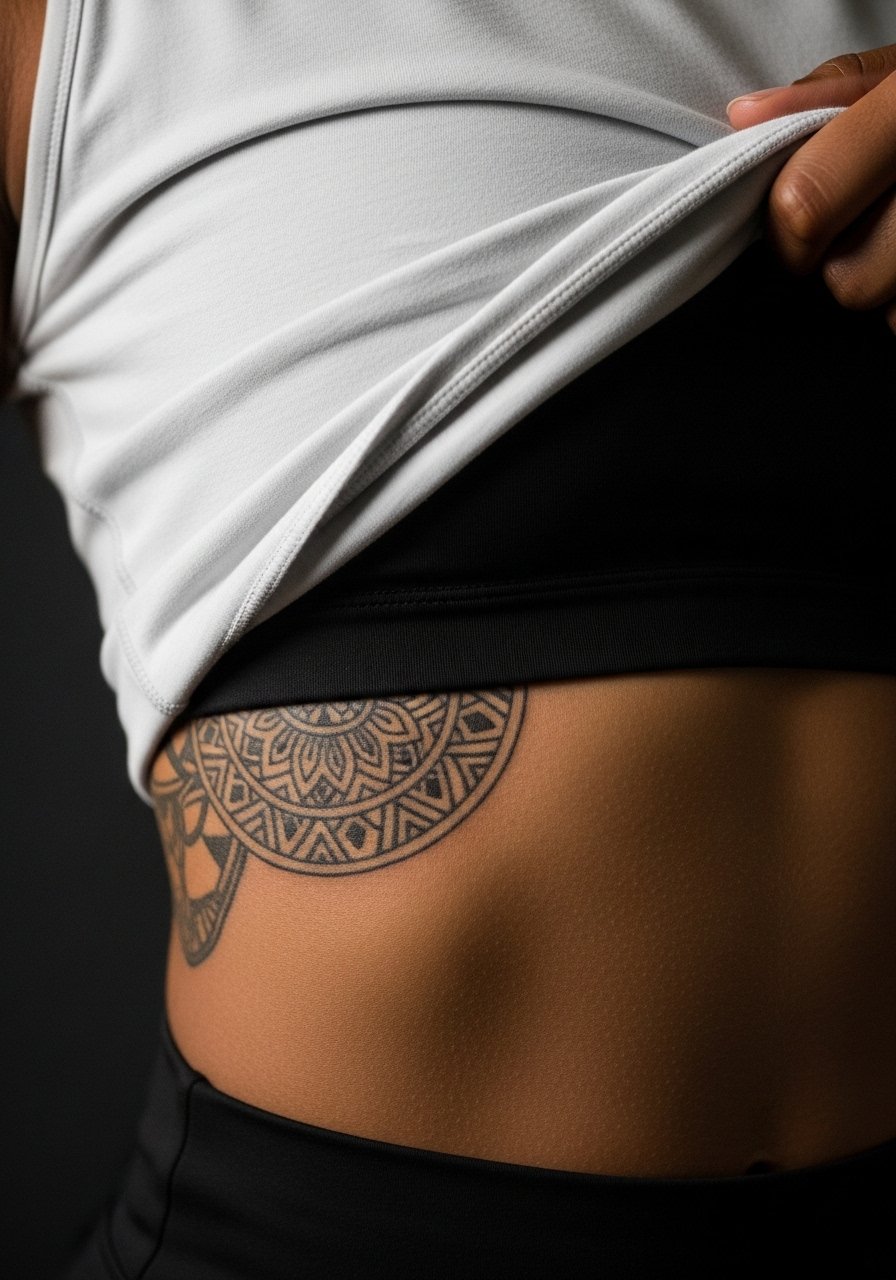
Ribcage tattoos are notorious for pain and for shifting with breath and weight changes. Artists are split on how fine detail fares here. One camp says avoid micro detail entirely. The other camp says conservative scaling and clear anchors can make elaborate repeats hold. My practical advice is to pick a panel that reads in blocks, not micro lines, and plan for multiple short sessions. Because of the sensitivity, wear loose high-waist bottoms and a cropped top to the appointment so the artist can work without you being cold.
Studio Day Picks
The first six designs above range from the wrist to the sternum, and a few need different prep or small kit items to smooth the session and the first week of healing.
-
Thin protective film roll. Keeps fine line wrist and finger pieces cleaner during the first days of frequent washing and reduces fabric friction.
-
Fragrance-free gentle body wash. Useful for chest and ribcage areas where harsh soaps strip color and irritate delicate linework.
-
Breathable silicone healing patches. These protect small behind-the-ear and inner bicep spots from accidental rubbing without trapping too much moisture.
-
Topical numbing cream. Helpful for sternum and ribcage sessions when you want an easier first pass without compromising artist control.
-
Aquaphor healing ointment. Thin layers help keep newly tattooed fine lines from drying into flakes that pull out pigment during the first few days.
Frequently Asked Questions
Q: Will a fine line ukiyo-e style forearm piece need touch-ups sooner than bold blackwork?
A: In my experience fine line pieces generally require earlier touch-ups, often around year two to three, because the thin strokes merge faster. Planning slightly heavier primary outlines and leaving negative space helps extend the interval between touch-ups.
Q: How do I avoid cultural appropriation when choosing Persian or Japanese-inspired motifs for a tattoo?
A: Artists and collectors fall into two camps. One believes thoughtful fusion and attribution is respectful. The other warns that visual borrowing can erase context and perpetuate stereotypes. A practical approach is to adapt motifs, learn their origins, and use discovery pathways like the #ukiyoeink hashtag or local museum resources to guide respectful designs.
Q: What should I wear to a sternum or ribcage session to keep the artist comfortable and the area accessible?
A: Wear fitted but adjustable clothing such as a sports bra or bandeau so you can expose only the tattoo zone. This keeps you covered and lets the artist work without constant repositioning.
Q: Are finger and ankle tattoos worth it if they fade faster?
A: They are worth it if you accept higher maintenance. Finger and ankle spots are exposed to friction and washing, so plan for touch-ups and choose simplified, bold shapes instead of micro detail.
Q: How does placement affect the session pain and healing for Orientalism-inspired designs?
A: Placement matters a lot. Ribs and sternum are high on the pain scale and often need shorter sessions. Forearms and calves are gentler and tolerate longer sittings. Plan breaks and realistic session lengths with your artist.
Q: Can I combine ornamental motifs from different cultures into a single composition without it looking inauthentic?
A: You can, but it takes careful design choices and intent. Keep elements visually coherent by unifying line weight and negative-space strategy, and be transparent with your artist about the cultural sources so they can help you avoid direct replicas of sacred symbols.
