
Fine line styles are trending and the gap between what looks great fresh and what holds up at year three is wider than most clients expect. The pieces that age cleanly usually start with clear spacing, slightly heavier line weight, and placement choices that avoid constant sun or friction. Read on for 27 birth year tattoo references that balance fresh appeal with realistic longevity so you can choose a direction that suits your skin and wardrobe.
1. Roman Numeral Wrist Tattoo
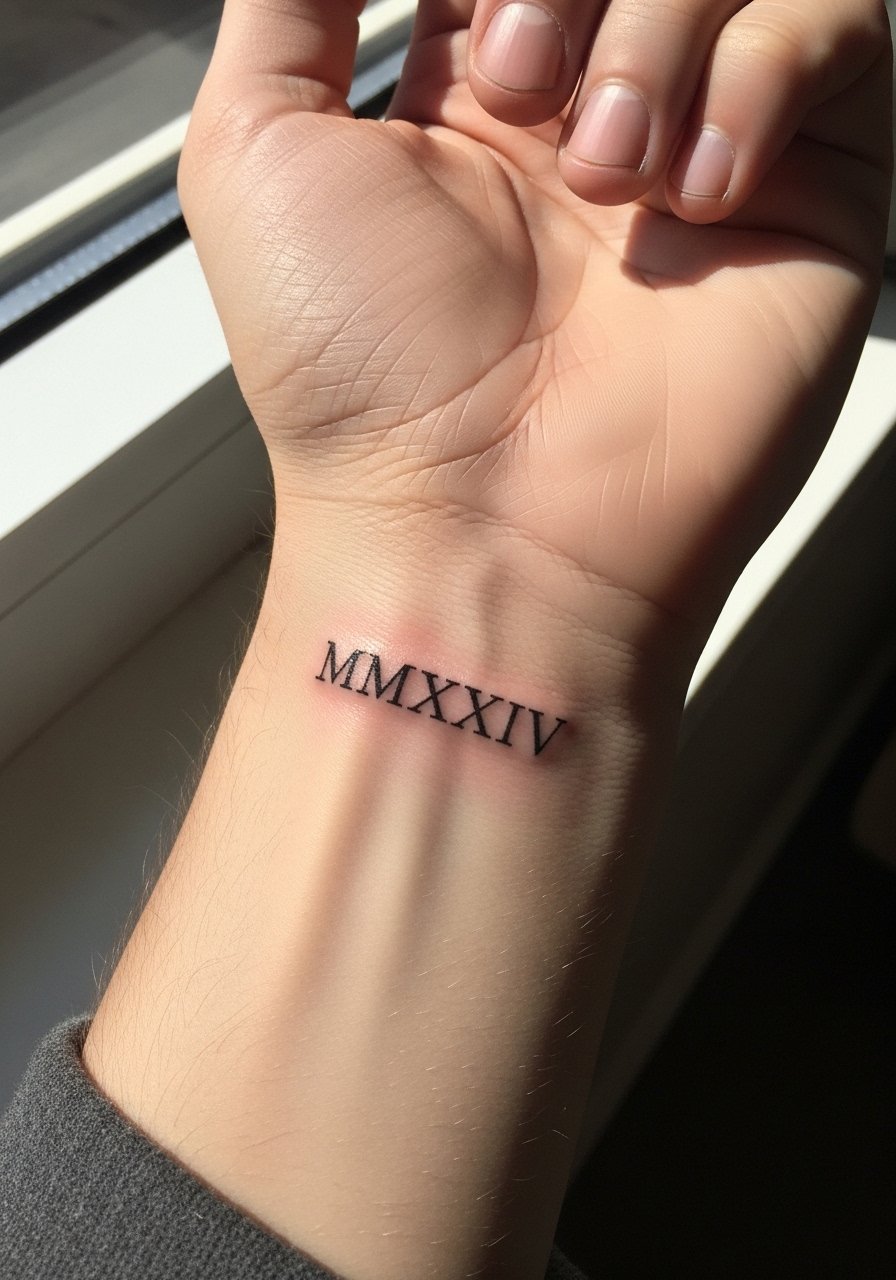
I've seen Roman numerals on wrists last well when artists add a touch more weight to the numerals and leave tiny breathing room between characters. Pain is low to moderate and most sessions are under an hour. In consultation ask for slightly bolder linework than your screenshot so the numerals hold crispness at year three and beyond. Controversy is real here. One camp favors bold numerals saying they resist blur better. The other camp prefers ultra-fine numerals for subtlety and daily visibility. Tell your artist which side you want to land on. For showing it off, rolled cuff button-downs in white or navy frame wrist numerals nicely, try a rolled cuff shirt for photos.
2. Minimalist Numeric Forearm Piece
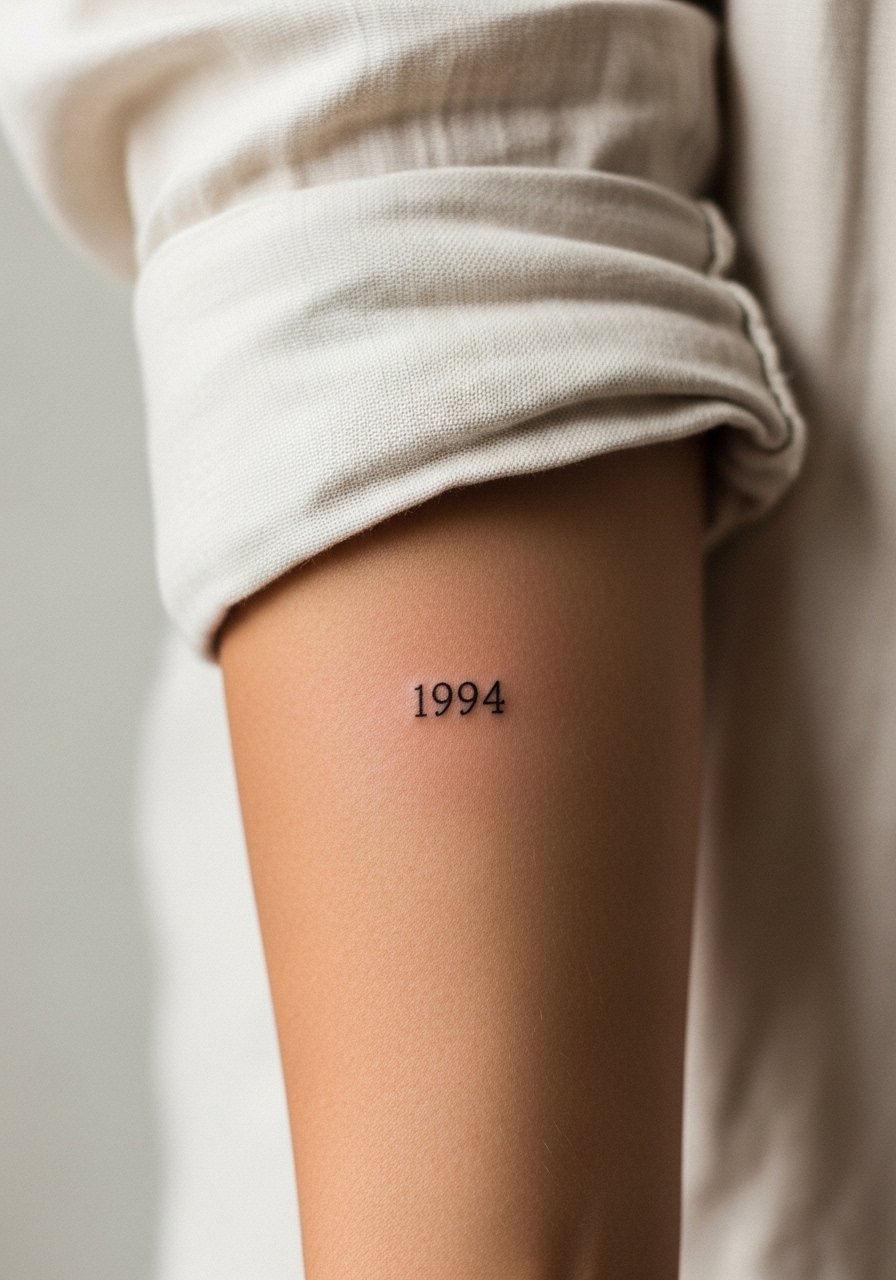
Forearm placement offers daily visibility and a 1-2 hour session time. Fair warning: fine line on an exposed forearm can fade faster if you spend a lot of time in the sun. Artists split on longevity for minimalist numerics. One group says fine line fades gracefully and is easy to refresh. The other group warns that thin work on exposed skin needs touch-ups sooner. During your consult, ask the artist to show healed examples at 6 months and 2 years. For a clean display, push sleeves up and pair with a linen long sleeve shirt when you want people to notice.
3. Zodiac Birth Year Collarbone Design
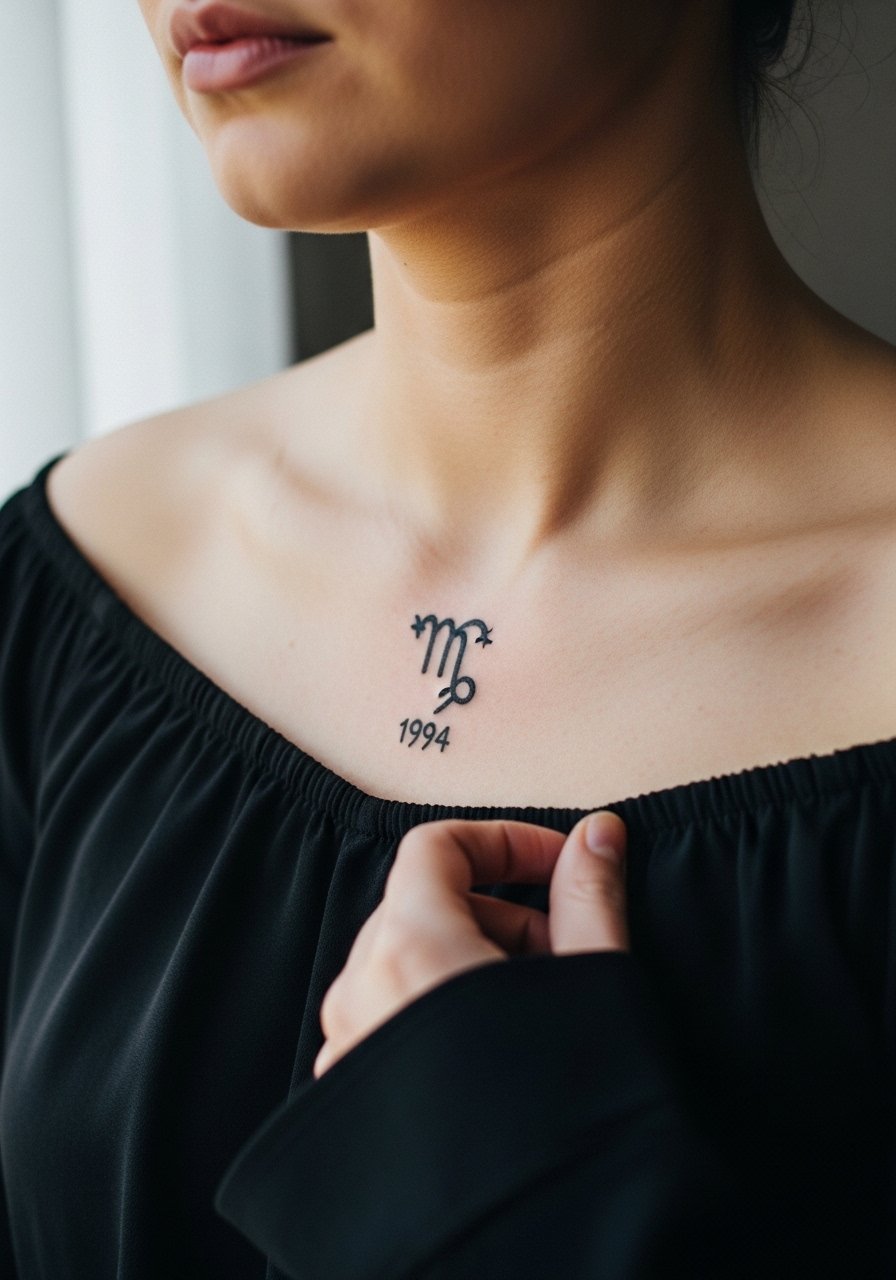
Collarbone work reads as medium pain for most, and typically takes one to two sessions when you add a glyph or shading. Tell your artist which zodiac language you prefer, Western glyph, Chinese animal, or a small constellation, and request the year integrated rather than stacked. This placement looks intentional with off-shoulder blouses or delicate chain necklaces. A delicate chain necklace sits well above the script without competing for attention. Expect light touch-ups for any color accents after a couple of years if you want the glyph to stay distinct.
4. Birth Flower Roman Numeral Sleeve Start
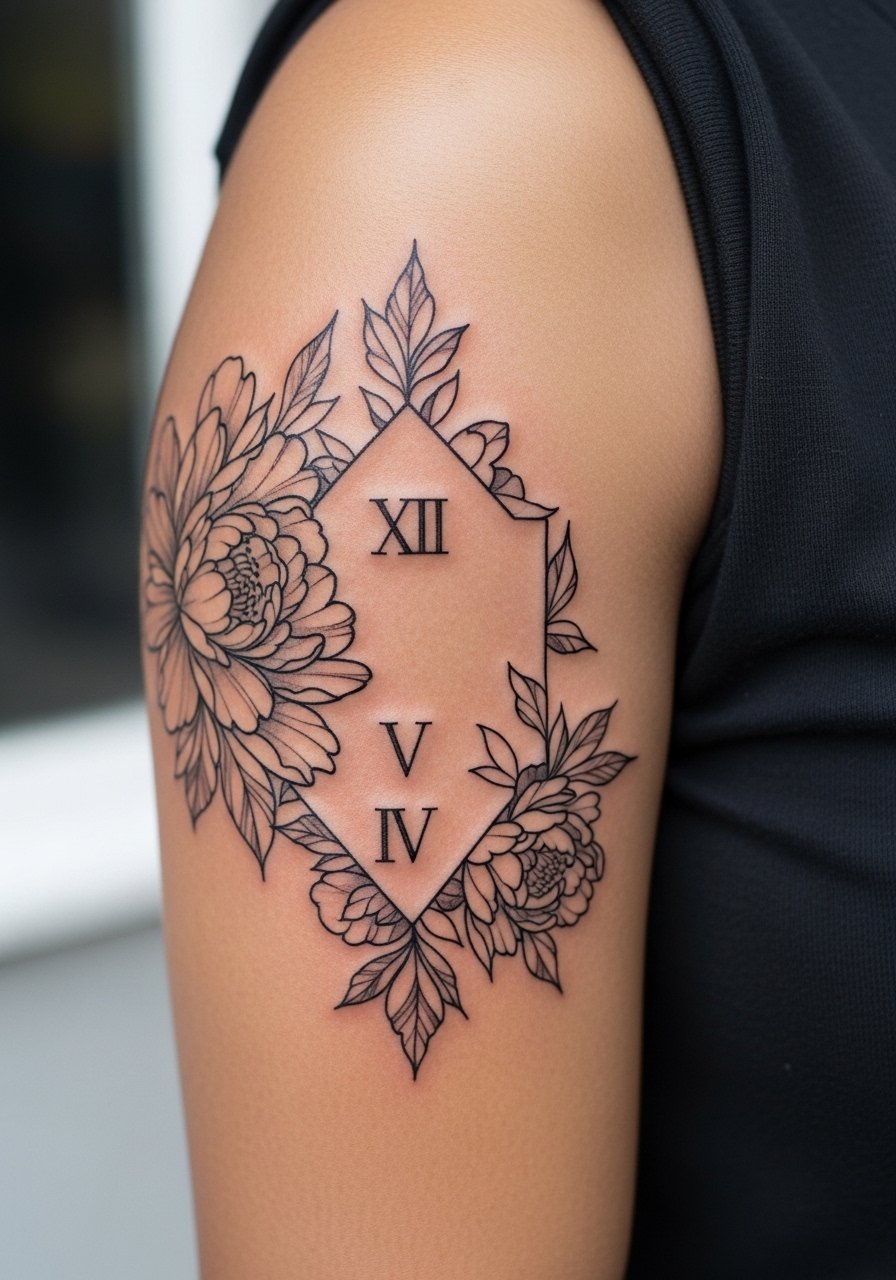
This is a 2-3 session piece that lets you integrate a birth year into a growing sleeve. I'd recommend the inner arm where skin moves less than the outer bicep. During consultation ask for spacing between the numerals and the floral petals so the blossoms do not visually merge into the numerals as the piece heals. A common mistake is cramming details too tightly at the start. Expect the linework to soften slightly by year two and plan a light touch-up when you add more sleeve elements. For appointment comfort wear a loose button-down shirt you can roll or slide aside.
5. Celestial Birth Year Chest Tattoo
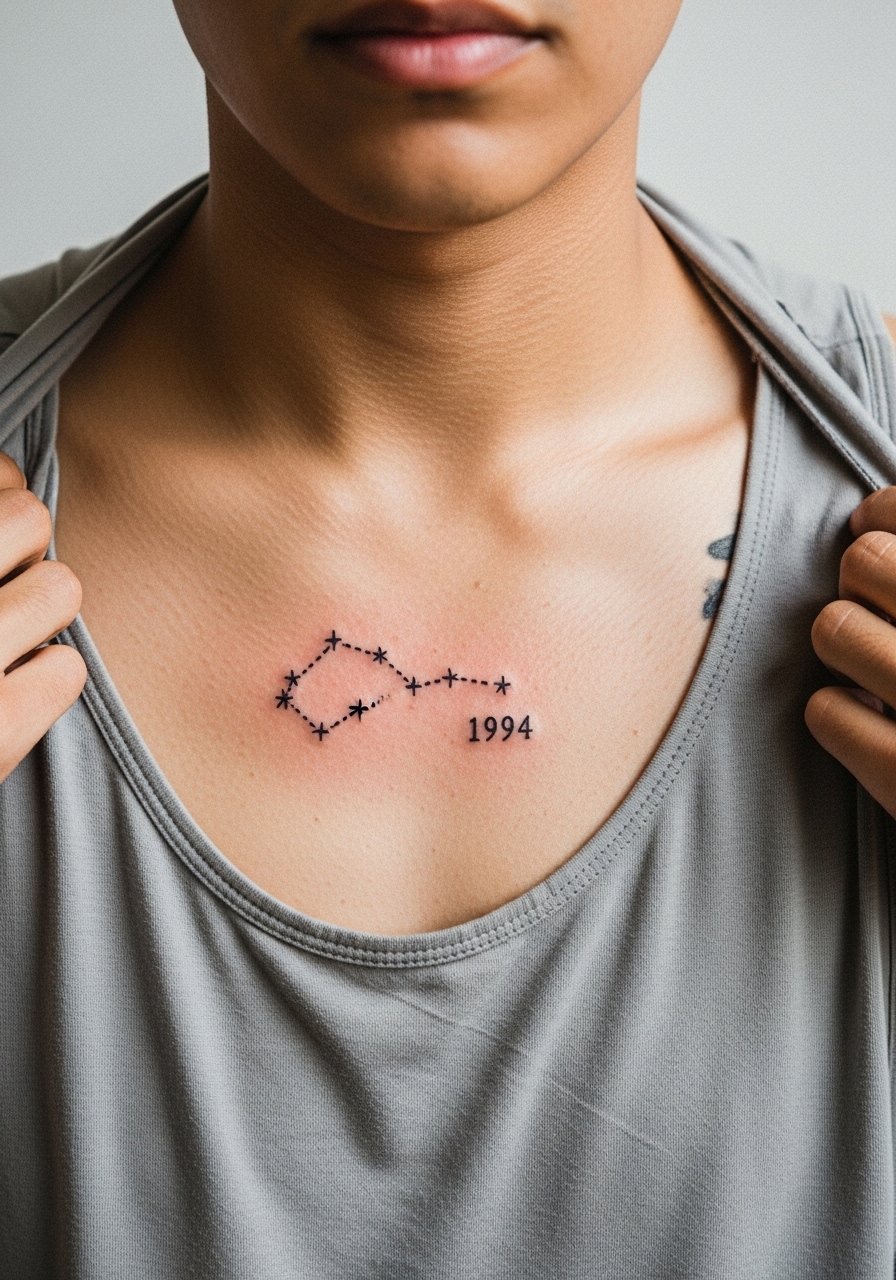
Chest pieces read as moderate pain and often finish in a single longer session. Stars and constellations pair well with a single line of numbers tucked under or beside them. Tell your artist how close you want the elements placed because tight clusters can blur over time. For showing it off, a V-neck tee or a loose tank works best; try a loose tank top for casual reveals. Expect minimal fading if you keep the area out of constant sun and schedule a touch-up at year three if you include color.
6. Barcode Style Birth Year Forearm
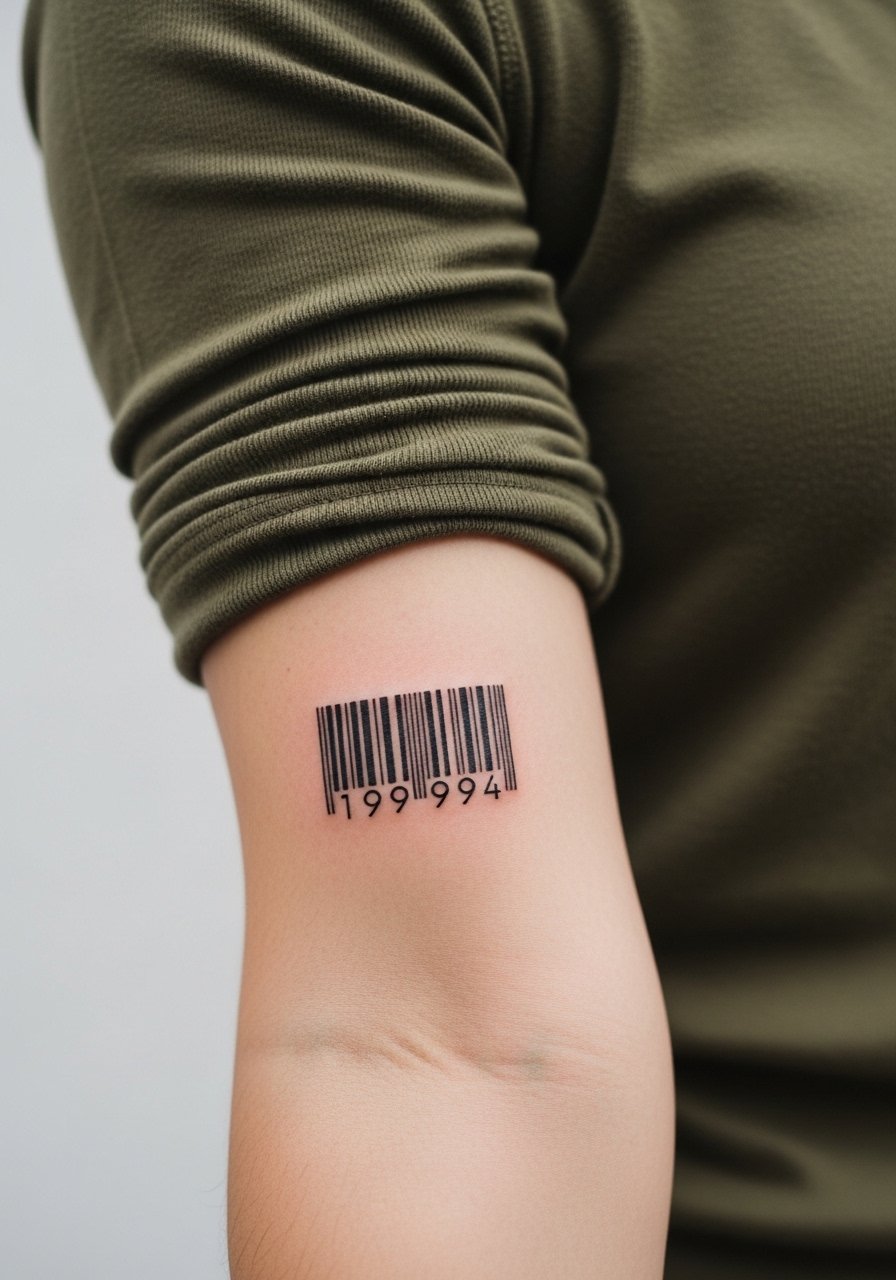
This one-session design reads modern and geometric but demands precise linework. The main mistake is turning barcode bars too thin; the lines need room to stay readable after healing. Outer forearm placement is forgiving for visibility and touch-ups. For wear and session comfort, a fitted henley in olive or a short-sleeve tee is ideal. Pair the finished piece with fitted henley shirts and thin stackable rings to echo the linear aesthetic. Expect a touch-up window around year two if your skin sees frequent sun.
Studio Day Picks
The wrist and forearm pieces above heal differently from chest and collarbone work, so a few small items smooth the session and the first week.
-
Stencil transfer paper kit. Lets you preview the linework on skin before committing, especially handy for numeral and barcode layouts from the ideas above.
-
Topical numbing cream. Applied 30 to 45 minutes before can take the edge off wrist and rib sensitivity so you sit through a cleaner session.
-
Thin protective film roll. Useful for small forearm or ankle pieces that face friction from sleeves and socks during the first days.
-
Fragrance-free gentle body wash. Cleanses the area without perfumed soaps that can irritate fresh fine line work on arms or chest.
-
Aquaphor healing ointment. Thin layers for the initial days help the fine channels of linework settle while keeping the skin supple.
7. Calligraphy Script Birth Year Ribcage
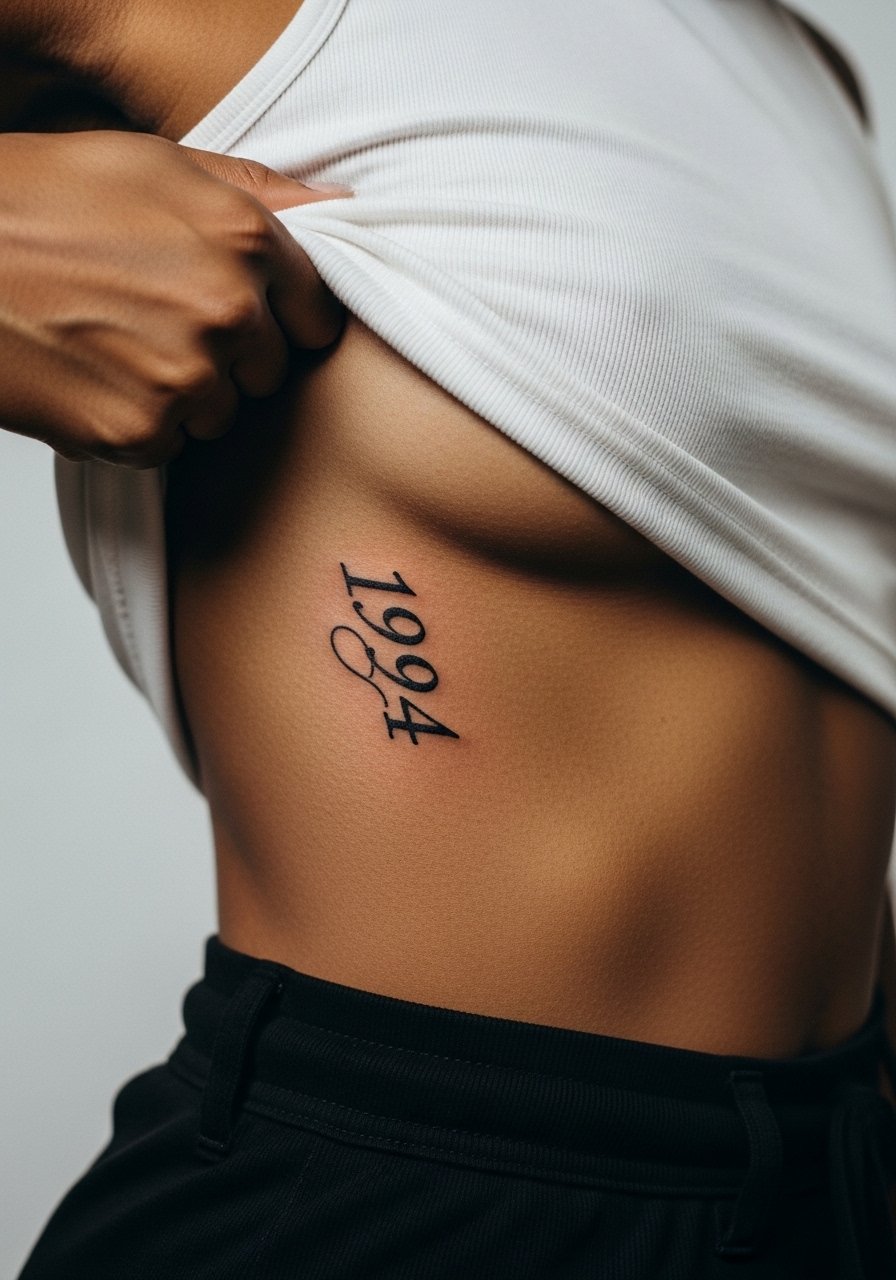
Fair warning: the ribcage rates high on pain charts, often a 7 or 8 for many people. The vertical calligraphy translation takes one to two sessions depending on size. The most common error is requesting intricate flourishes that the thin skin cannot hold cleanly over time. Ask your artist to simplify curves and to show healed rib examples so you can set realistic spacing. For the session, a loose cropped top or high-waist bottoms make access simple; consider a high waist crop top you can shift easily during the appointment. Expect a touch-up at year two if the lines soften.
8. Custom Symbol Mashup Ankle Tattoo
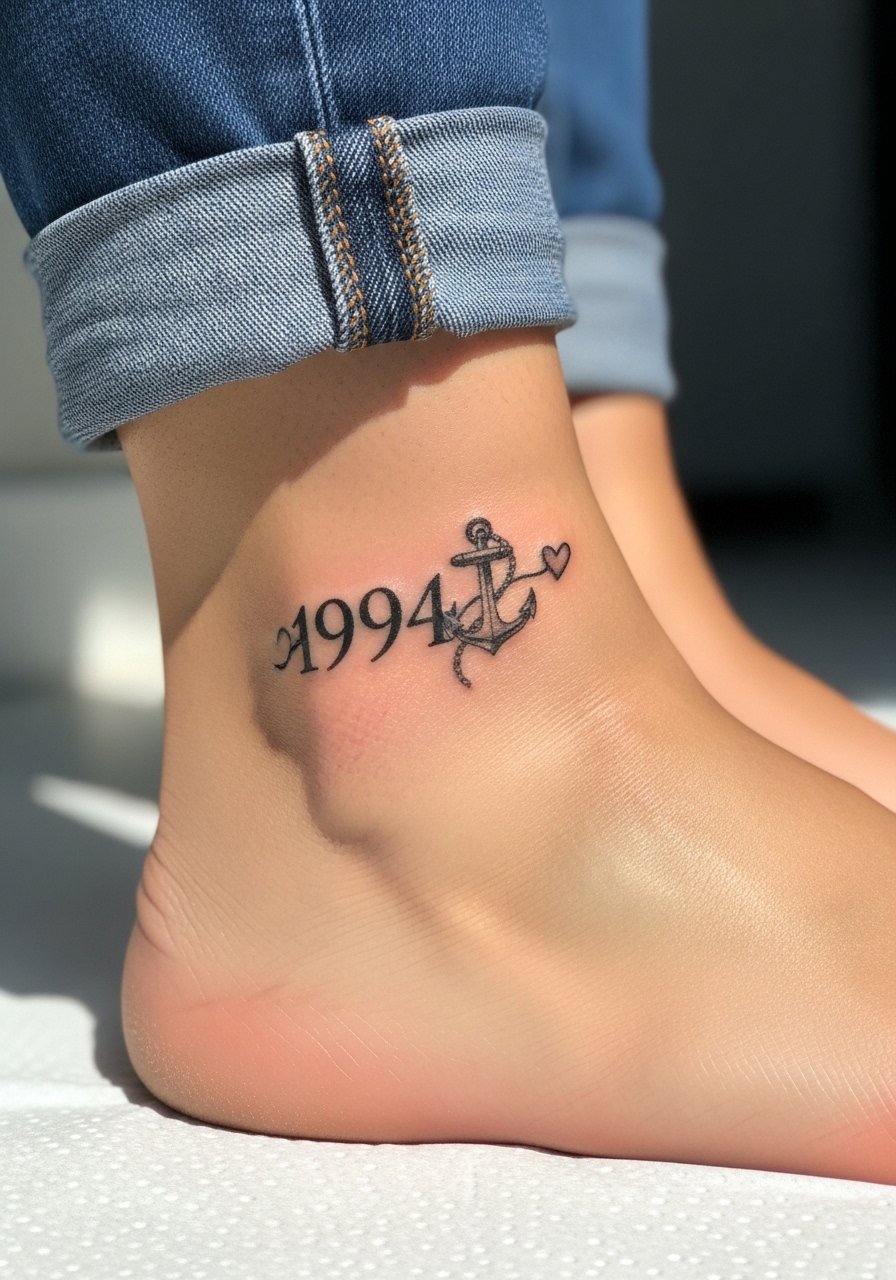
Ankle pieces are small session work with low to moderate pain and a single-session finish. The benefit is you can blend numbers with icons that mark life events. A common mistake is over-detailing in a tiny area; scale icons down and prioritize clear numerals. For showing this one off, cuffed straight-leg jeans or cropped pants highlight the ankle. Try a cuffed ankle jeans look and a dainty ankle chain for summer. Expect minimal fading if you avoid abrasive socks and keep footwear from rubbing directly on the ink.
9. Black and Gray Numeric Thigh Piece
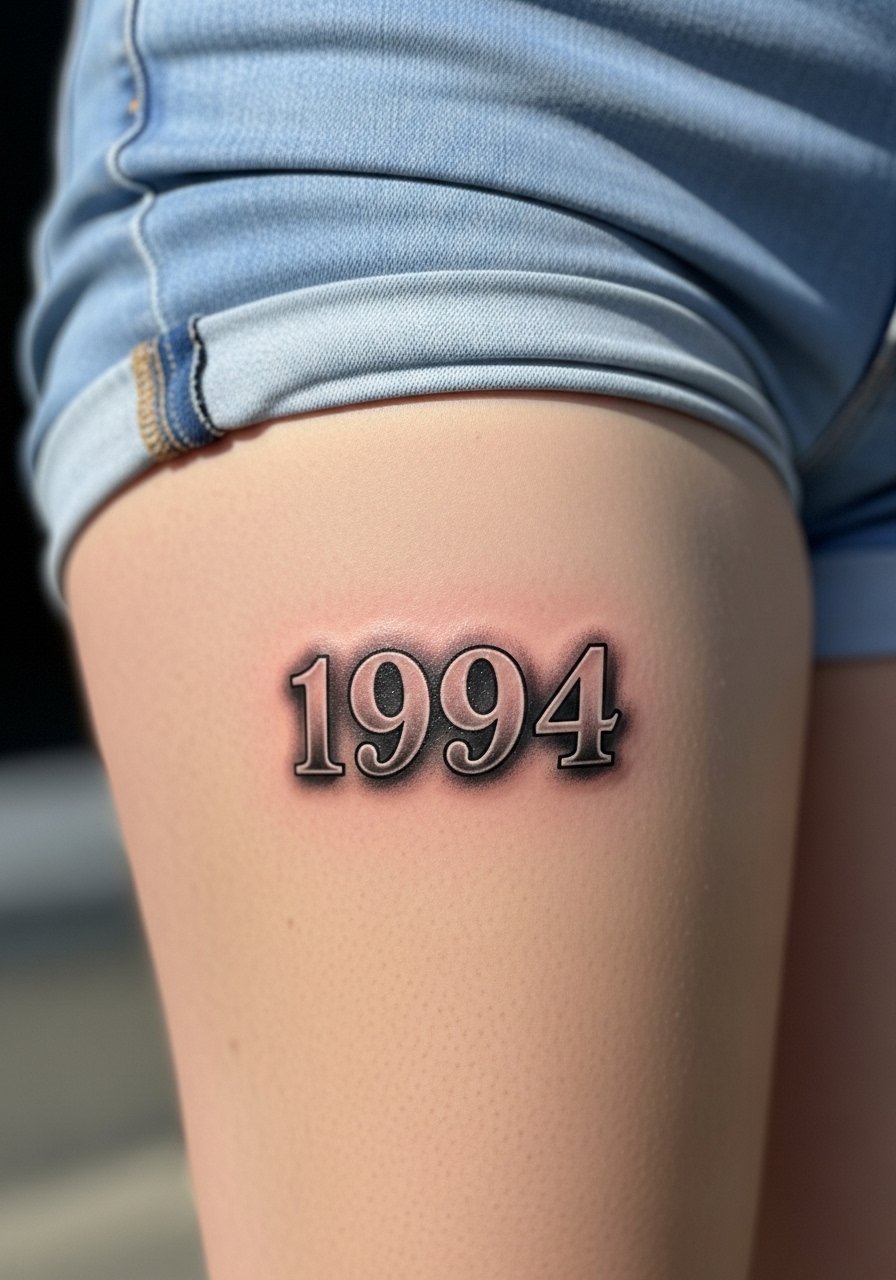
Outer thigh is a forgiving canvas for larger numeric pieces and generally rates low on pain. This 2-session approach allows for refined shading to avoid flat monochrome numbers. Tell your artist you want gradual saturation and ask to see healed thigh examples so you know how shading ages with weight and skin changes. The main mistake is packing heavy detail in a small area; size this composition to the curve of the thigh. For the appointment wear loose shorts so the artist can move the fabric out of the way without pressure on the area.
10. Floral Integrated Minimalist Shoulder
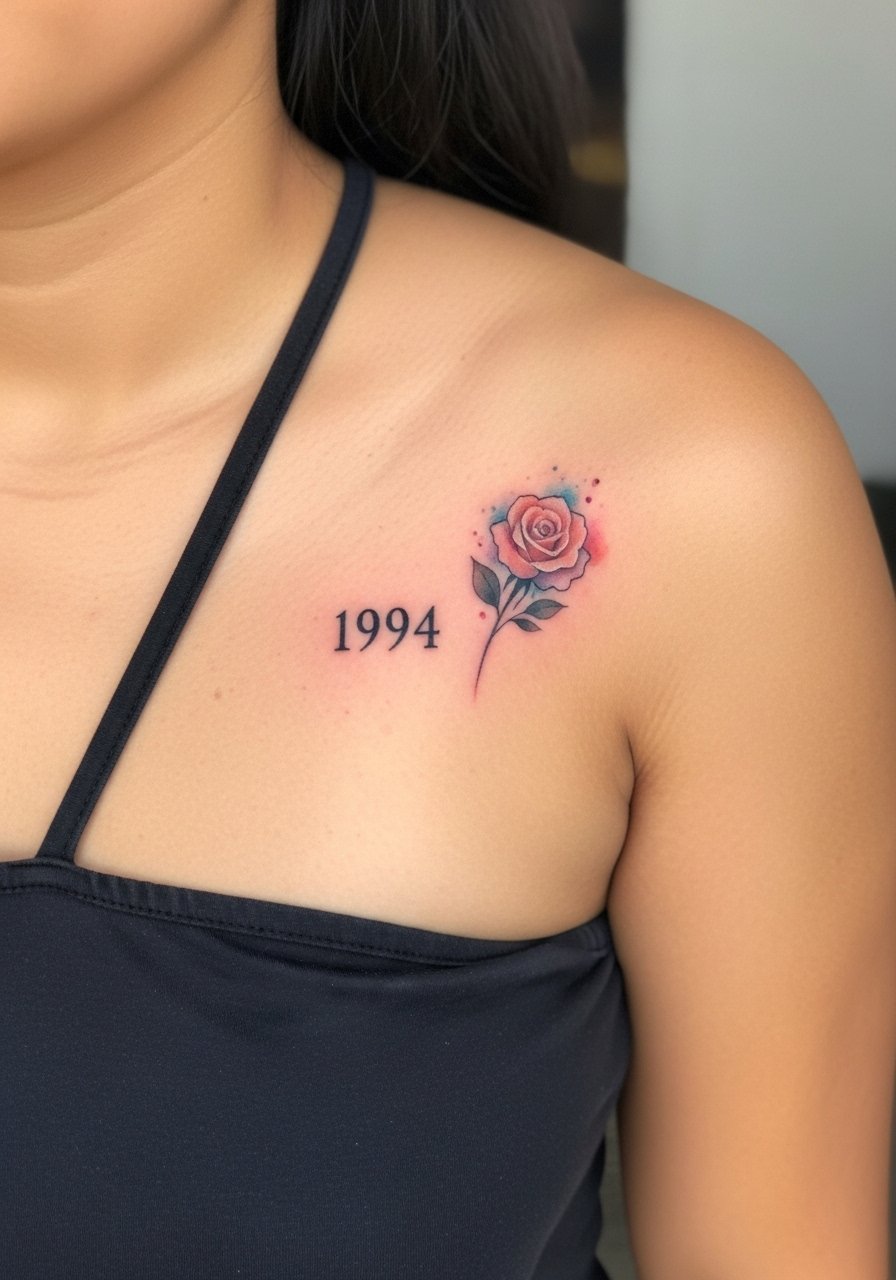
Shoulder tattoos are lower on the pain scale and often finish in one session when small. Integrating birth month florals around the year provides context without crowding. Avoid using dense color patches right up against fine numerals, as color can bleed slightly and dull the numbers over time. For sessions wear a sleeveless top you can lift or a strapless sundress for easy access. To show the piece, try a racerback tank or a strapless sundress paired with gold hoop earrings for evening looks.
11. Geometric Frame Birth Year Neck
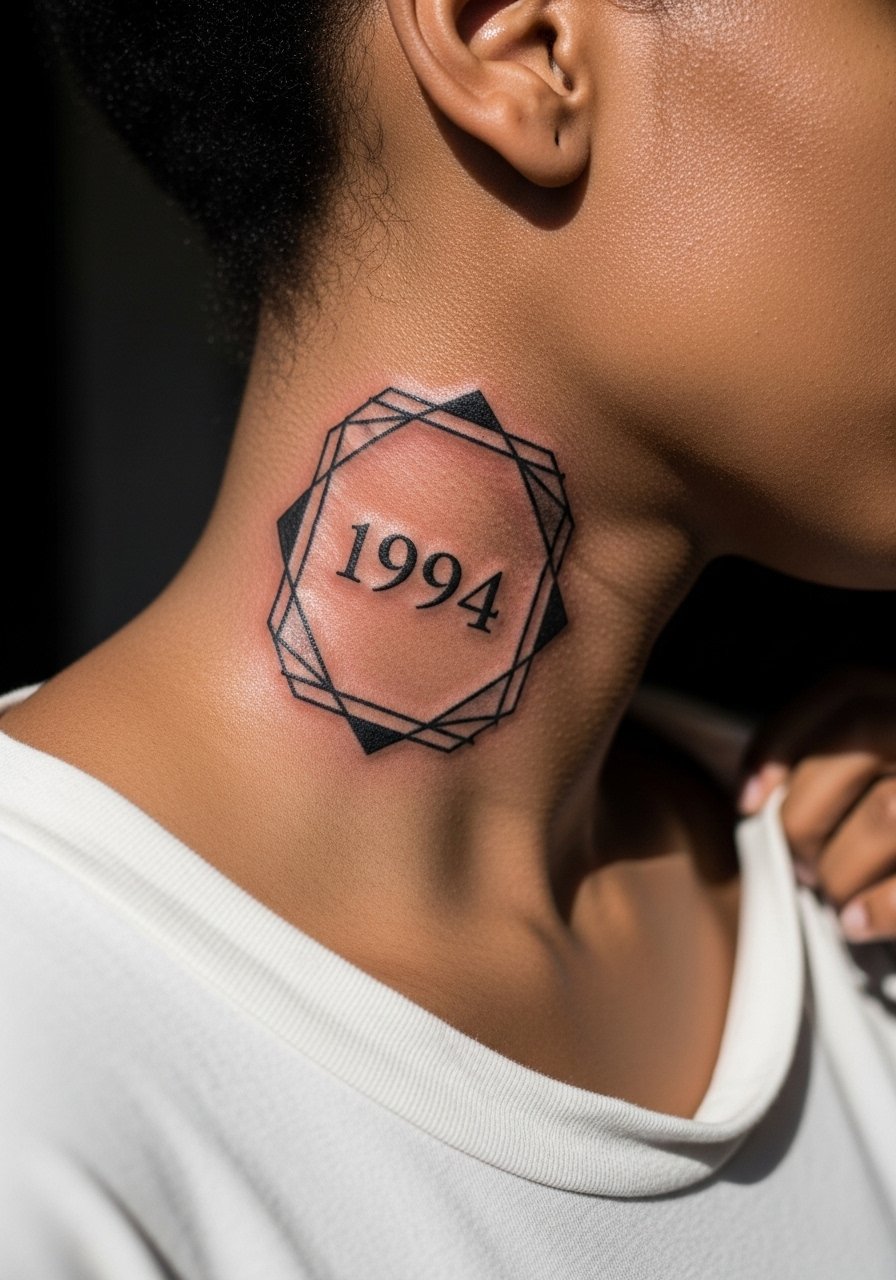
Neck pieces with bold geometric borders read as visible statements and are typically single-session work. The side neck can be more noticeable and may affect professional considerations, so weigh visibility before booking. The mistake is going too small with dense geometry. Ask your artist for line spacing that prevents merging. For the session wear a wide-neck shirt you can shift to avoid tugging on freshly inked skin. A wide-neck shirt makes access comfortable without exposing more than the tattoo zone.
12. Couple Matching Numeric Back Pieces
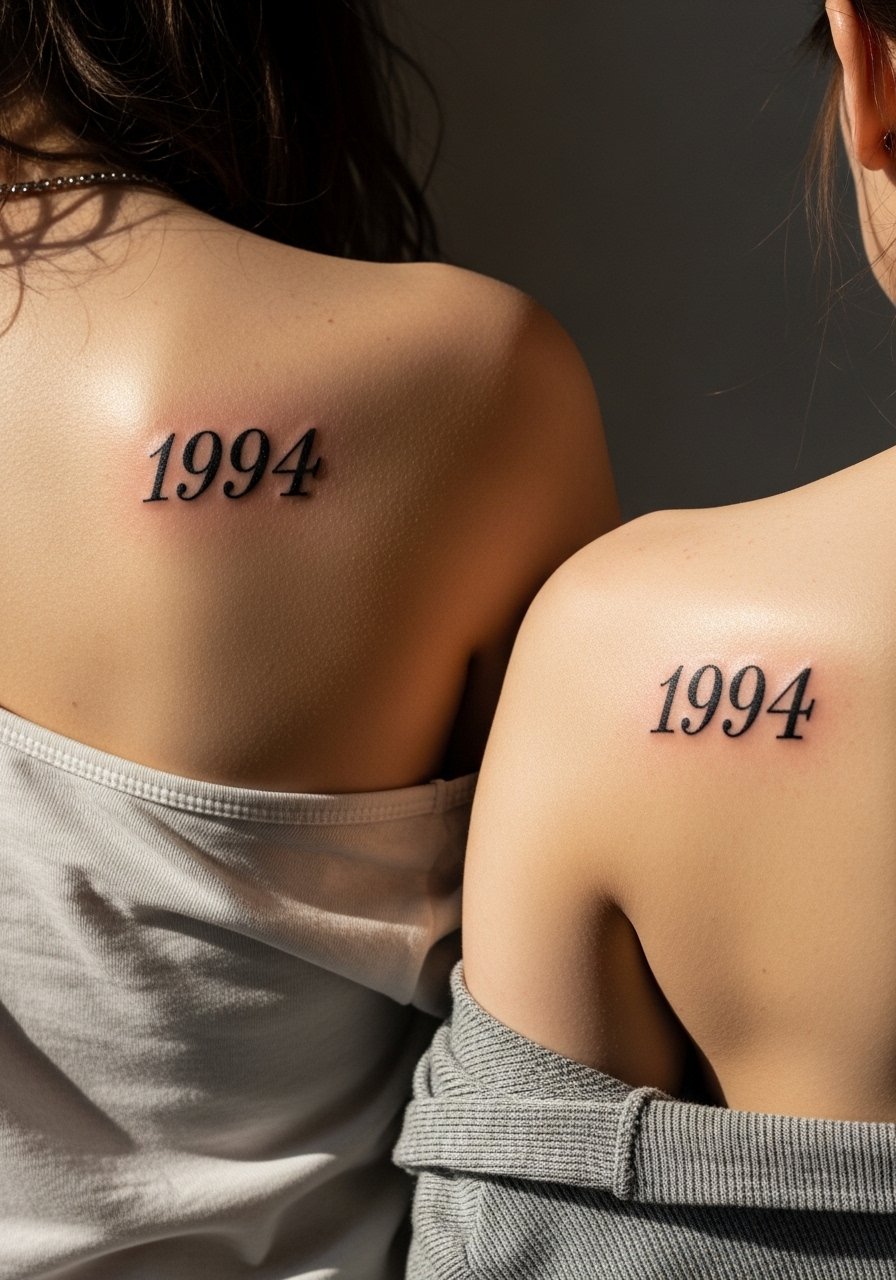
Matching back numerals can be a neo-traditional script or a simple serif style. Upper back pieces are moderate pain, usually two sessions for paired work to align symmetry. A unique option is to avoid mirrored placement and instead choose asymmetry so each person has the design in a spot that suits them. During consultation agree on font, size, and spacing so the pair reads cohesive. For the session wear a loose tank or button-down you can pull aside for clean access. Consider how each placement will show under open-back dresses or shirts.
13. Micro Numeric Finger or Side-of-Finger
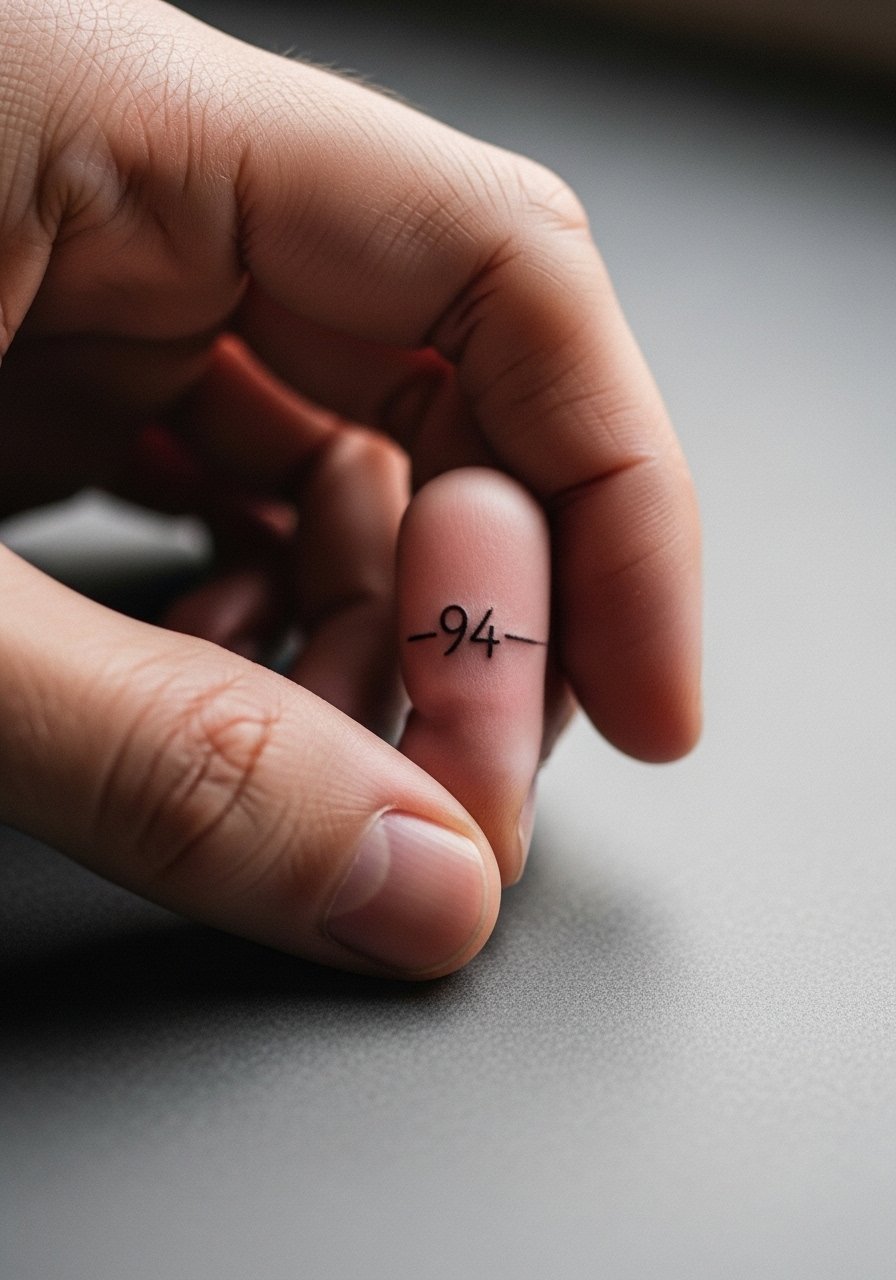
Finger work is a small session but higher maintenance due to constant washing and friction. Expect faster fading and plan for touch-ups at year one or two. The most common mistake is asking for too much detail in a tiny space. Opt for bold, simple numerals rather than script on fingers. For the appointment keep your hands clean and avoid rings on the tattooed finger for the first week. Consider whether frequent hand washing at work will affect longevity before committing to this placement.
14. Minimalist Numeric Behind-Ear Accent
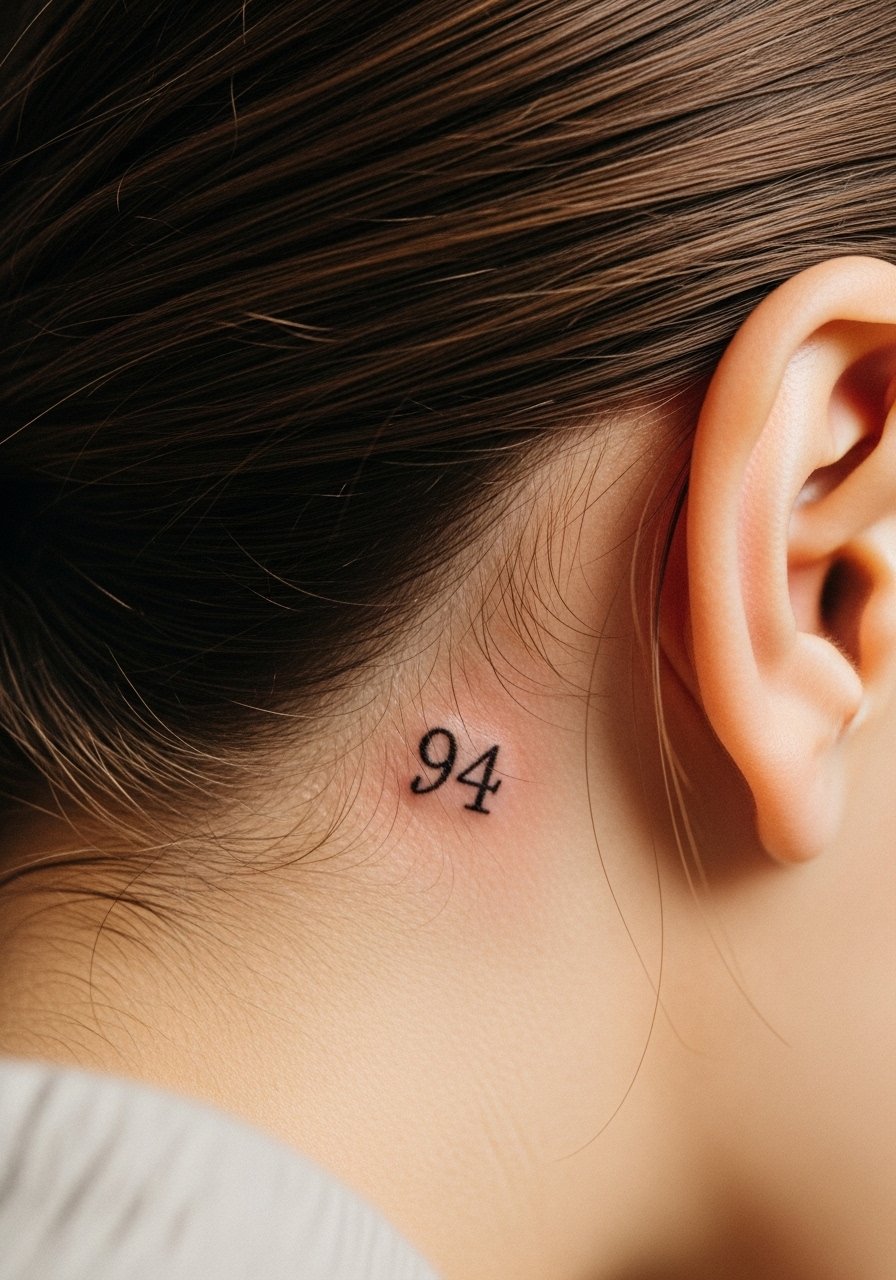
Behind-ear placements are discreet and low session time, but the area demands precise need depth because the skin is thin. The usual error is over-embellishing a tiny symbol. Keep numerals simple and ask the artist to avoid stacked layers that can bleed into the hairline. For the session wear your hair up or tucked to the side so the artist has clear access. This placement pairs with short haircuts or tucked styles when you want it to peek through occasionally.
15. Numeric Script Along the Inner Bicep
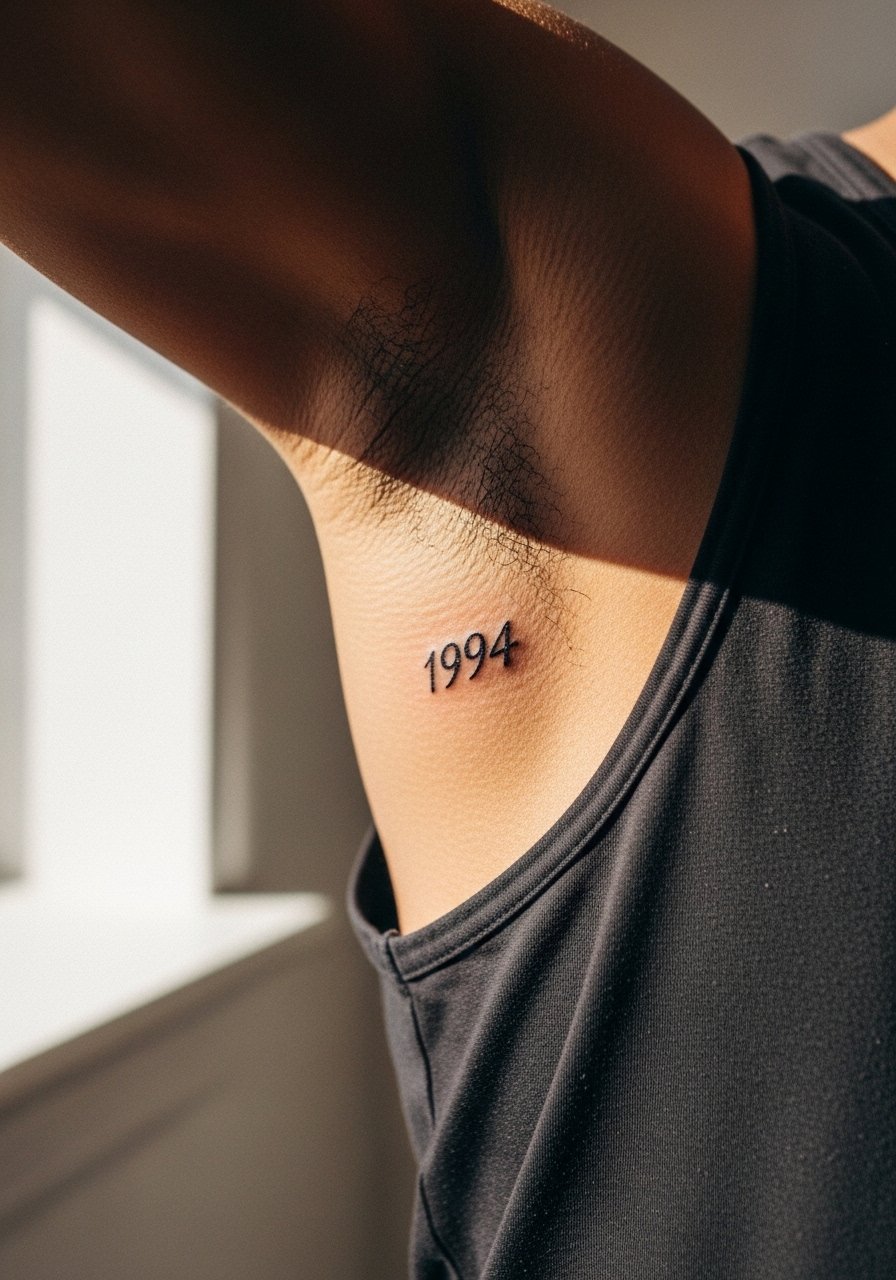
Inner bicep pieces feel tender but are forgiving visually because the skin there moves less. Sessions are typically one to two hours for a clean script. The common mistake is choosing overly thin script on a curved surface where lines may blur. Ask for slightly steadier line weight and preview how the script sits when your arm is relaxed versus flexed. For the session wear a tank so the artist can work without fabric bunching. Expect touch-ups in year two if you add sweat-heavy activities that exfoliate the area frequently.
16. Birth Year as Part of a Coordinate Tattoo
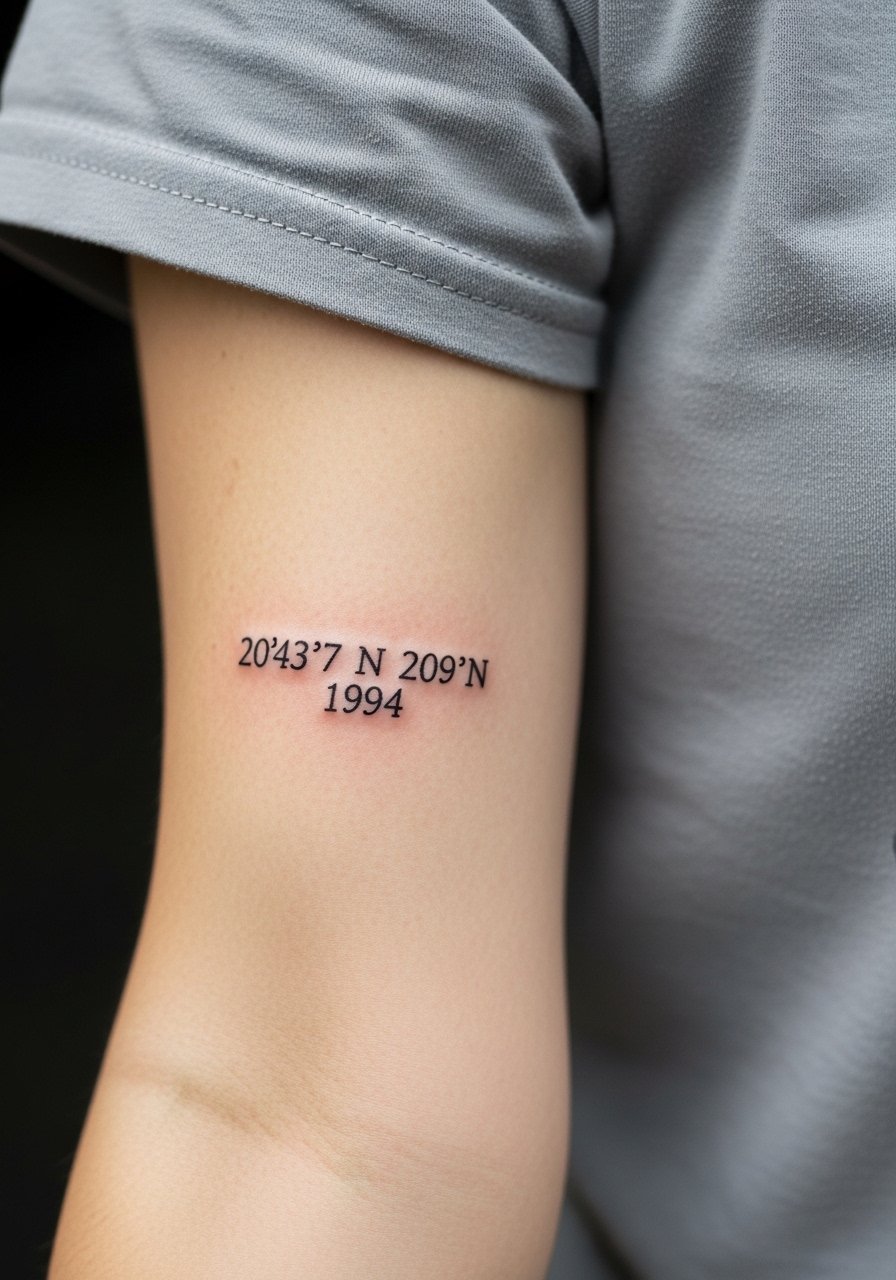
Converting a birth year into part of coordinates is subtle and modern. Outer forearm placement is low pain and often a single session. The design needs spacing so the numbers and coordinates remain legible after healing. A typical mistake is compressing too much text into a small block. During consult ask for monospace type and proof the spacing on skin before needle. For showing it off, push sleeves up and pair with a short-sleeve performance tee or a fitted henley. A short sleeve performance tee keeps attention on the forearm layout.
17. Numeric Stamp on the Calf
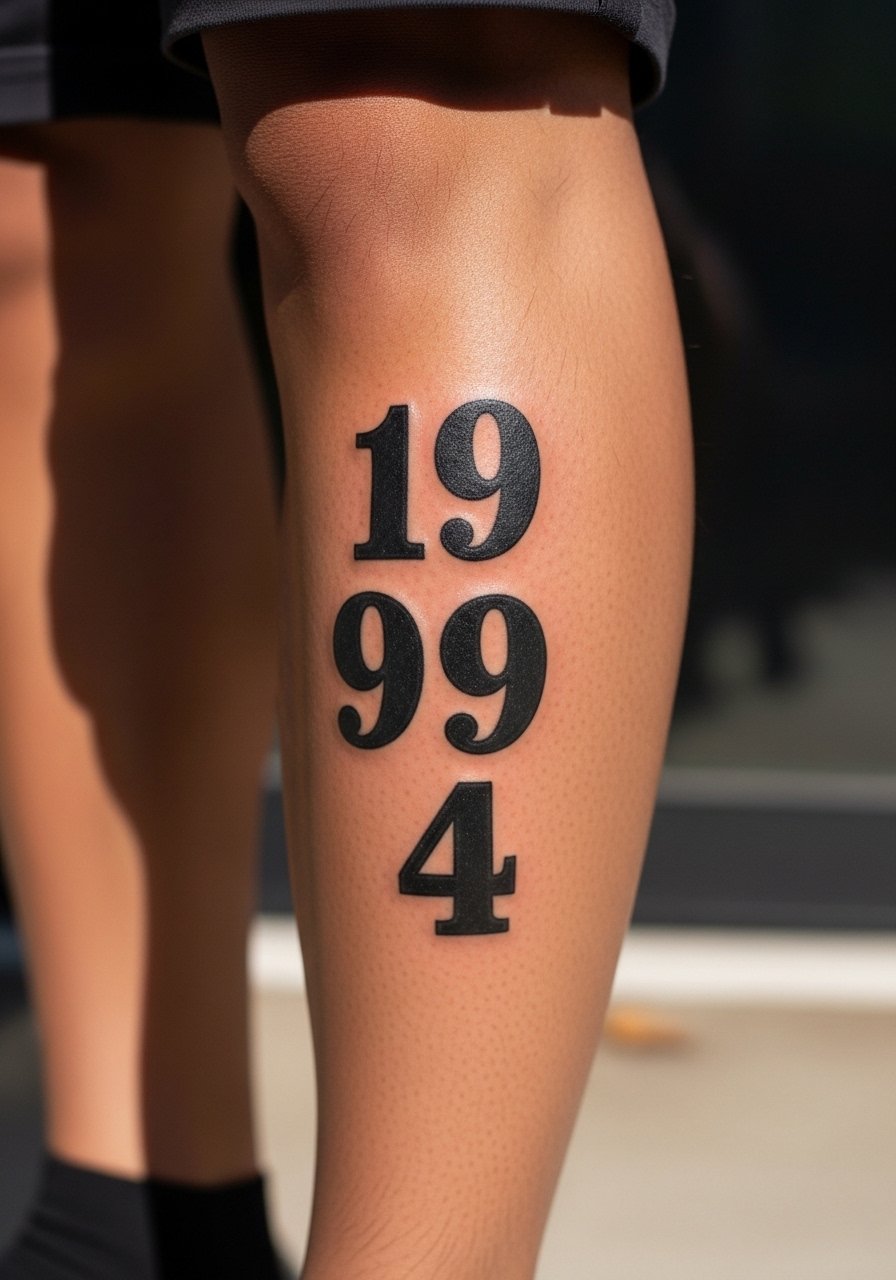
Calf tattoos have moderate pain and are forgiving for larger numbers and shading. They work well if you want a visible but coverable piece. The main mistake is making numbers too narrow for the calf's curvature. Tell your artist you need slight boldness in the numbers so they remain legible from a distance. For sessions wear loose shorts for easy access and for show-off pairing consider cropped pants that reveal the lower leg. Expect low friction issues unless you wear long boots often.
18. Small Numeric Sternum Accent
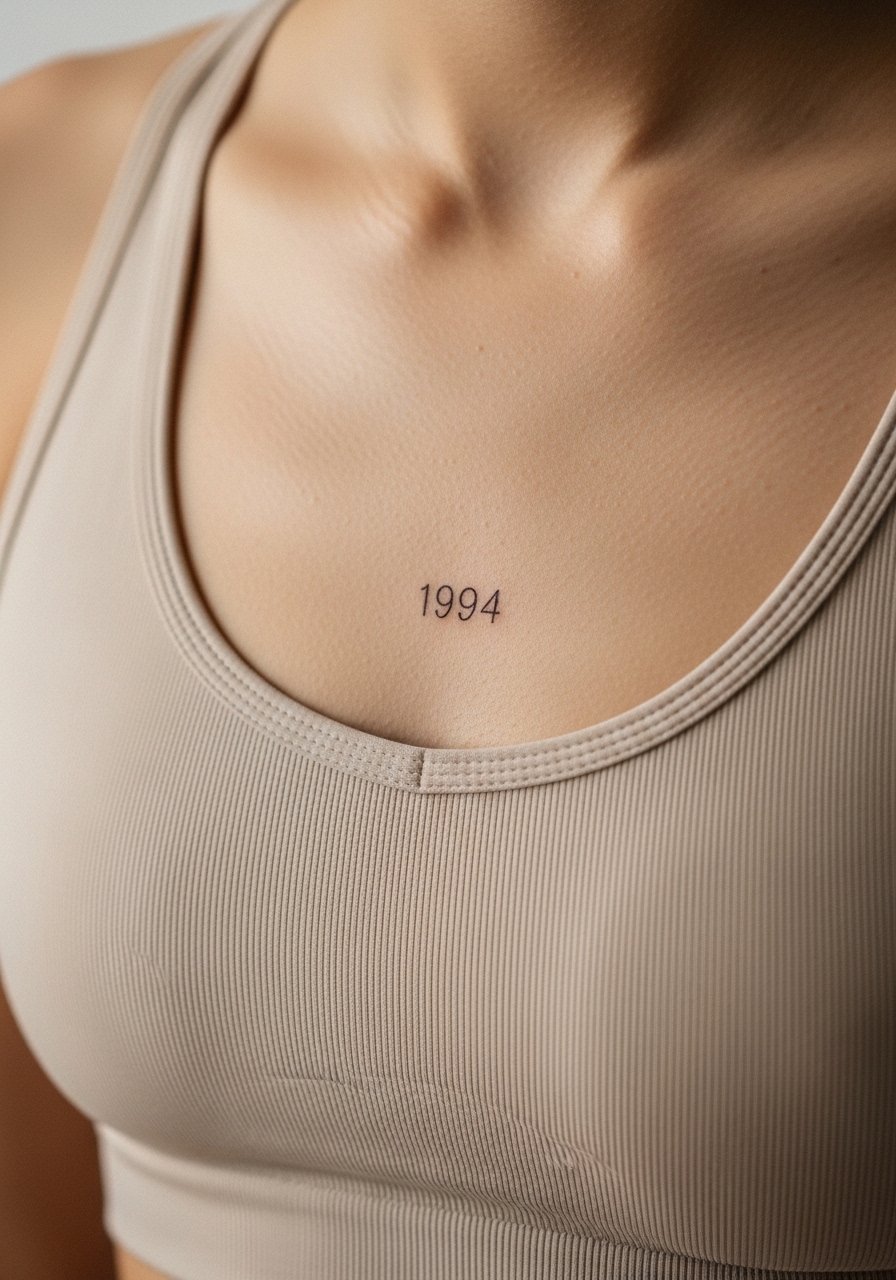
Sternum placements read as high on the pain scale for many, but they create a centered, intimate mark. Sessions are typically one longer sitting for small numerals. A frequent mistake is choosing dense script too close to the bust line. Ask your artist to position the numbers relative to how tops sit on your body and consider a fitted sports bra for the session for both modesty and access. Professionals experienced with sternum work can advise on how the piece plays with clothing lines.
19. Numeric Wrist Wrap in Script
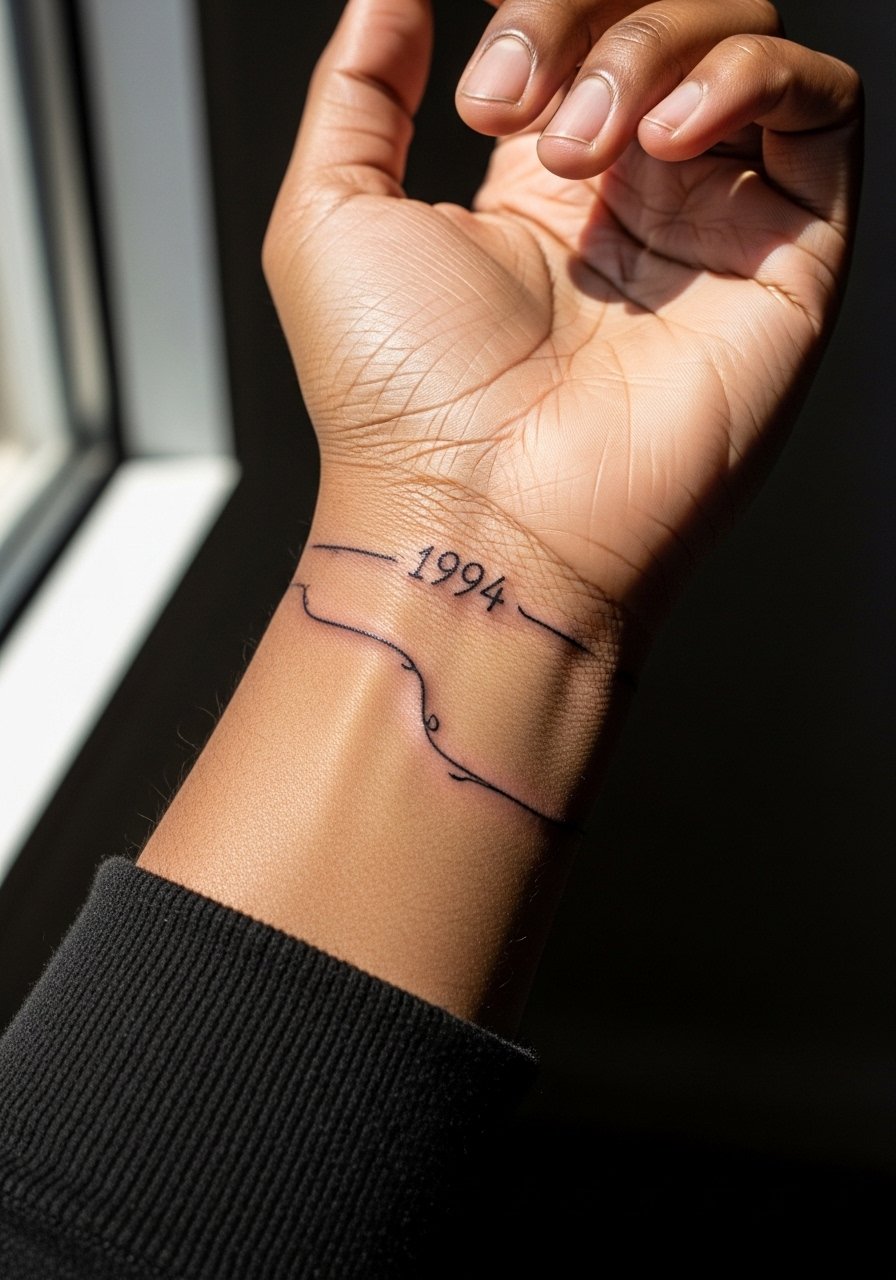
Wrist wraps are visible and often done in a single short session. The common mistake is wrapping too tightly with tiny script that blurs from constant motion and washing. Ask for a slightly heavier line weight than you see in small screen photos so the wrap holds up. For showing it off, a thin silver chain bracelet on the opposite wrist balances without crowding the numerals. Try a thin silver chain bracelet when styling photos or events. Plan for touch-ups at year two if you use that wrist frequently.
20. Stacked Month-Year Thigh Band
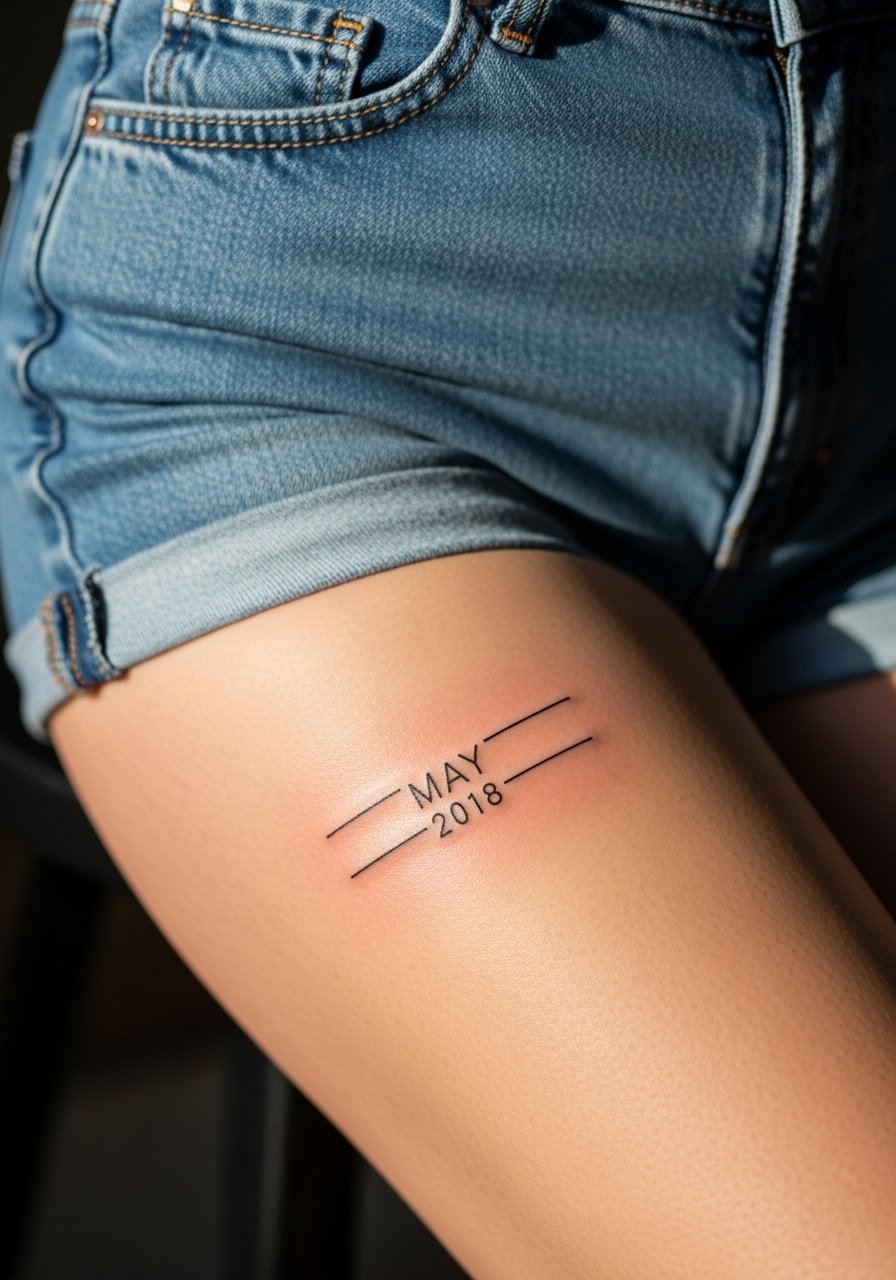
Upper thigh bands allow a private placement with larger text for clarity and graceful aging. Sessions vary but this is usually a one to two hour piece. A typical error is putting the band too tight so it visually compresses when you sit. Talk to your artist about how the band looks when you stand and when you sit. For appointment wear loose shorts or a wrap skirt for easy access and modesty. This location is low friction if you avoid tight waistbands that press on the ink during healing.
21. Numeric Mosaic Inside the Elbow Pit
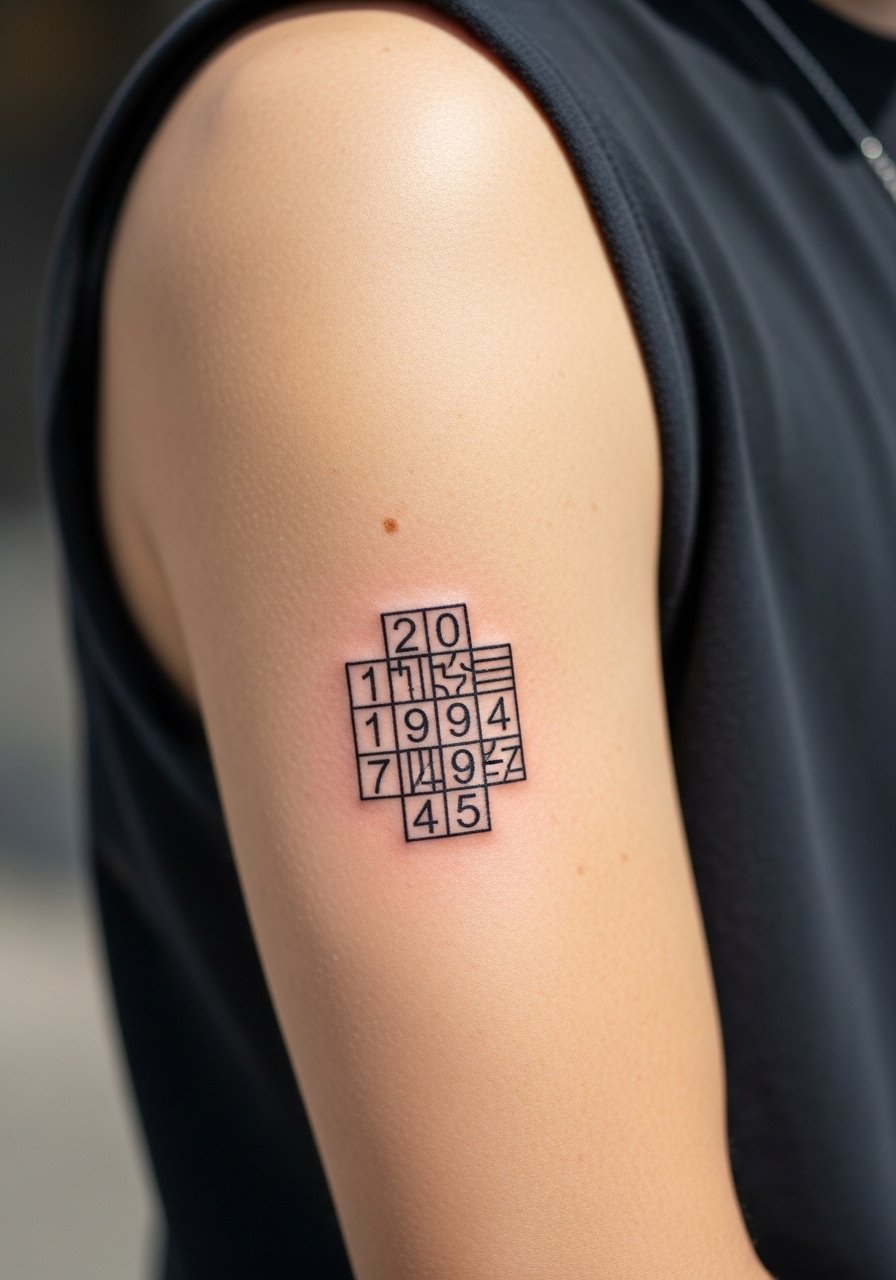
Inner elbow pieces are sensitive and experience frequent movement, which affects line clarity over time. Pain is moderate and sessions may need short breaks. The common mistake is crowding mosaic detail into the crease where it will blur. Request open spacing and test the stencil with your arm bent so you can see how it sits in motion. For the session wear a sleeveless shirt for easy access. Expect more touch-ups for this area around year two due to constant flexing and washing.
22. Numeric Anchor on the Upper Back
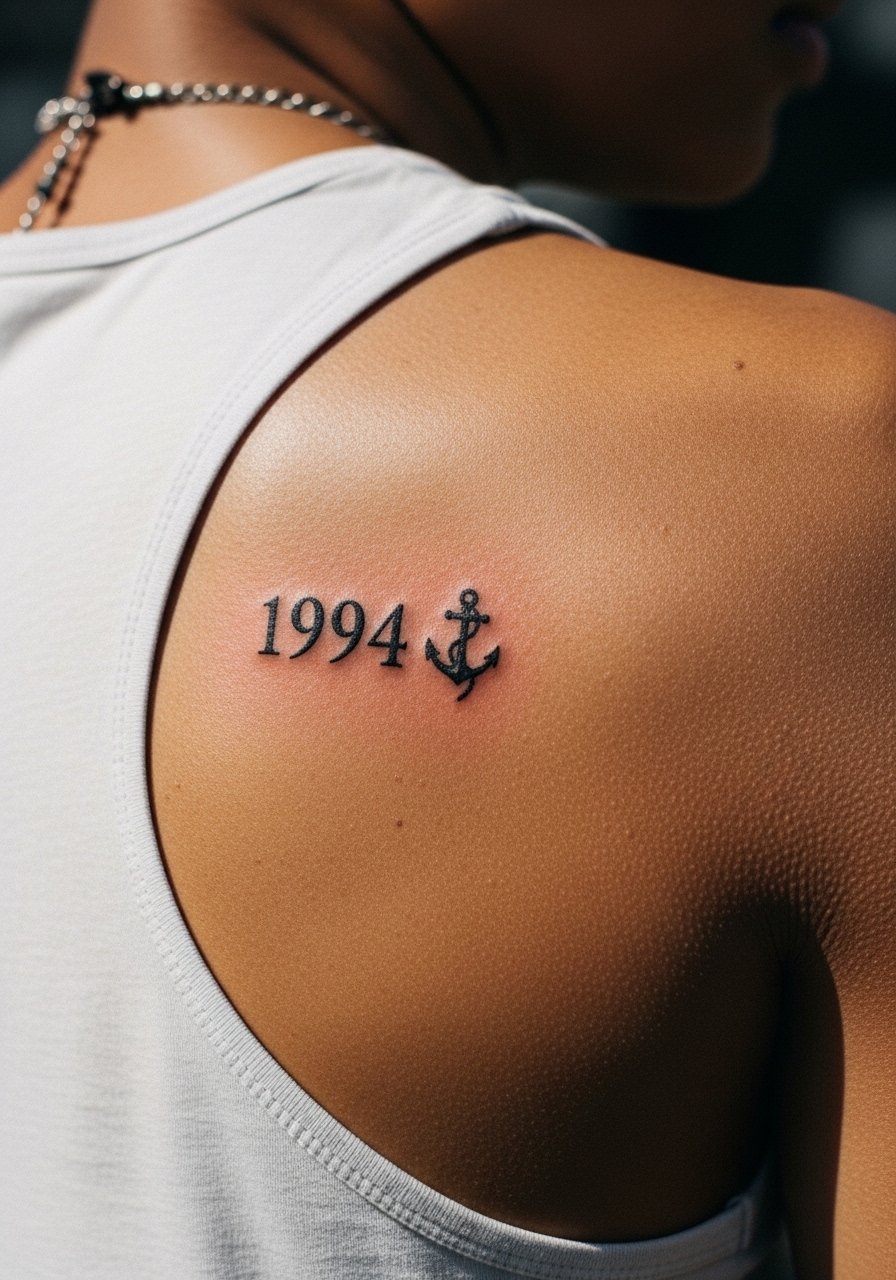
Upper back placements are moderate for pain and offer privacy with easy display options. If combining an anchor or emblem, place the numerals with breathing room so neither element overwhelms the other. A typical mistake is matching font weights poorly between icon and numbers. For session wear a tank top you can shift to get clean access without fully exposing your back. This area ages well if you avoid prolonged sun and use sun protection when outdoors.
23. Negative Space Numeric Mandala on Shoulder Blade
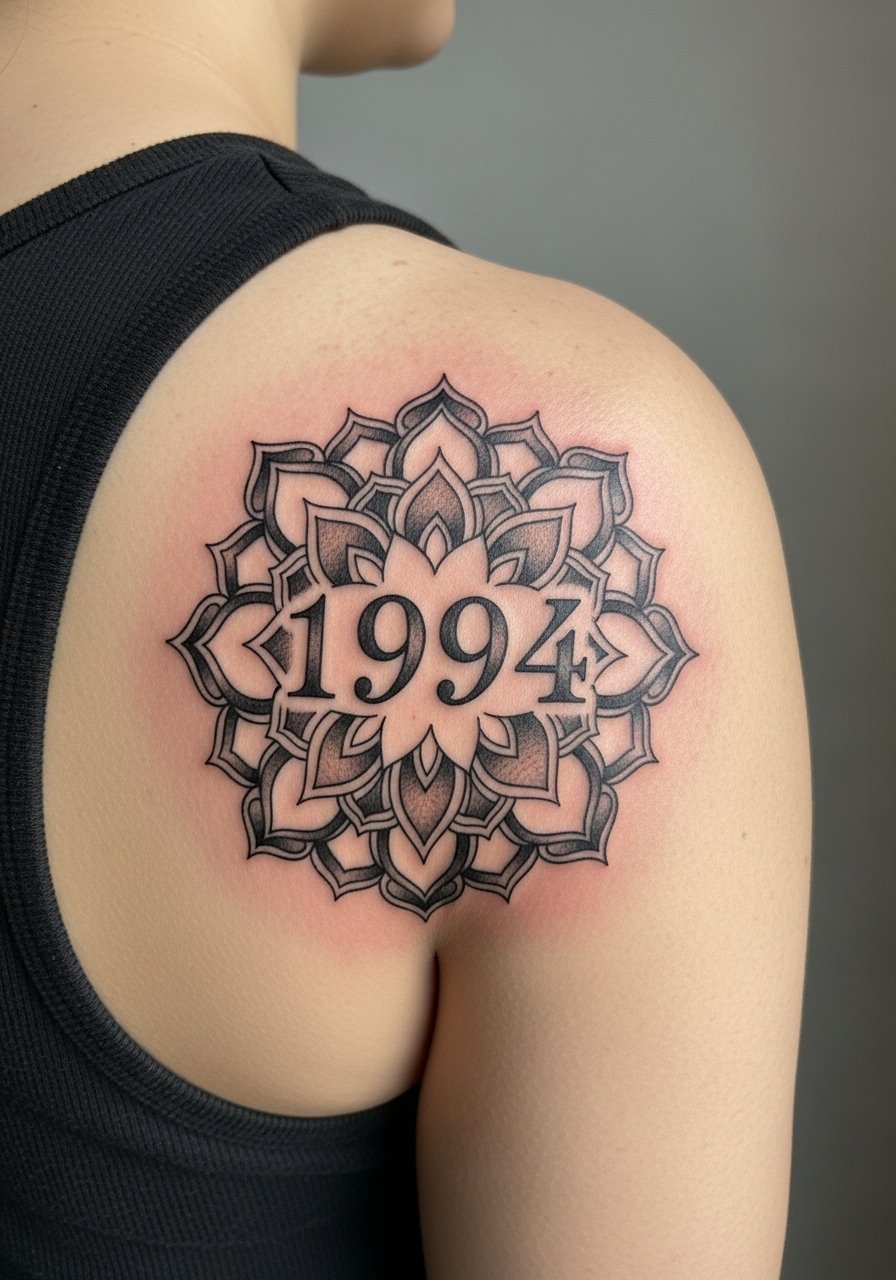
A negative space approach lets the number appear without extra linework, which can hold up well when the surrounding black saturation is solid. Sessions are longer because blackwork requires steady saturation. The common mistake is overcomplicating negative space so the number becomes ambiguous. Ask for clear negative silhouette proofs in stencil form. For the session wear a tank top or loose shirt you can adjust to expose only the shoulder blade. Expect strong longevity as blackwork tends to age into bold shapes.
24. Barcode Ankle Wrap Variant
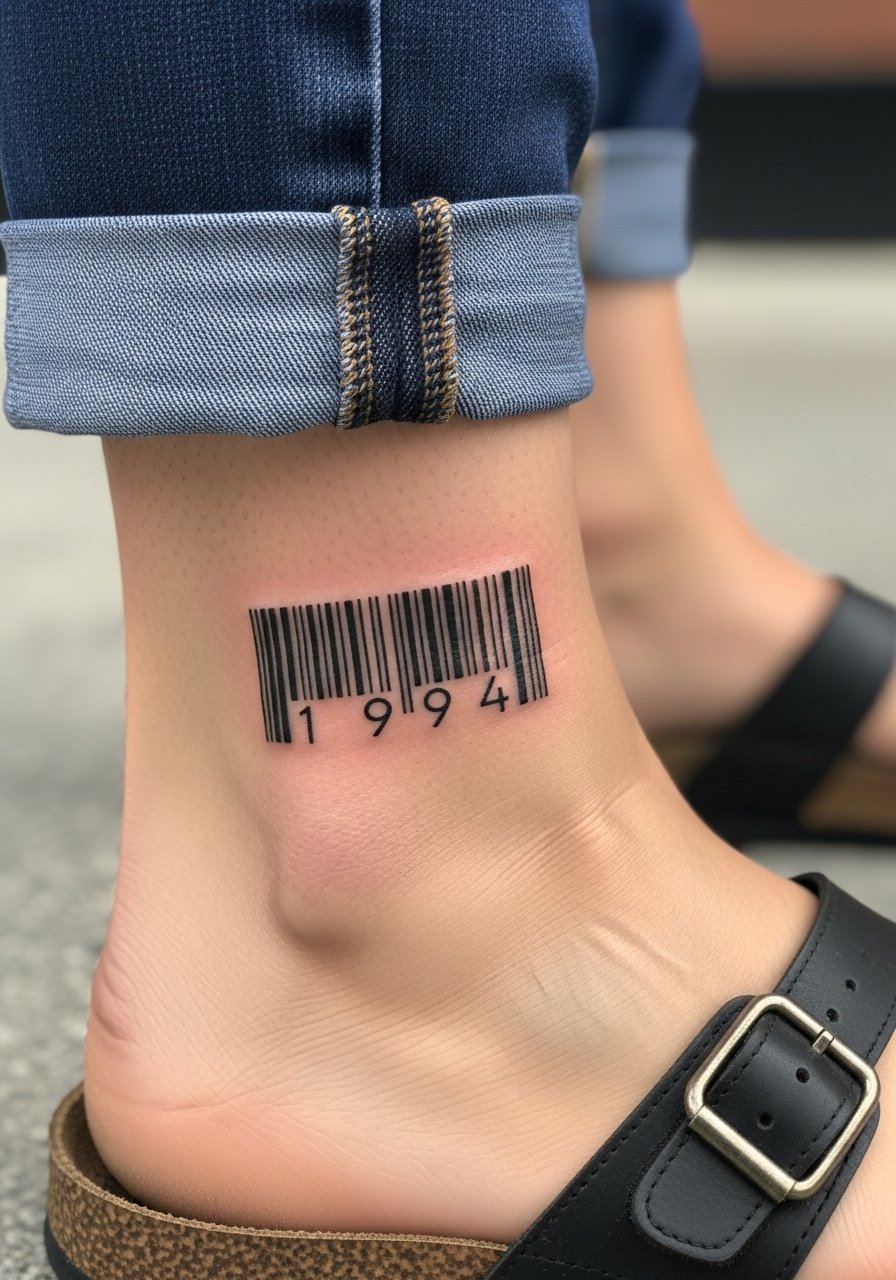
Ankle wraps are great for modern minimalists and usually finish in a single session. The main concern is abrasion from socks and shoes, so spacing and line weight must account for early scabbing. For the session wear sandals or rolled jeans so the artist has clear access. For styling try cropped pants and a delicate anklet. A dainty ankle chain pairs well for summer looks. Plan for a light touch-up if friction was heavy during the first healing month.
25. Numeric Script Under the Collar on the Back Neck
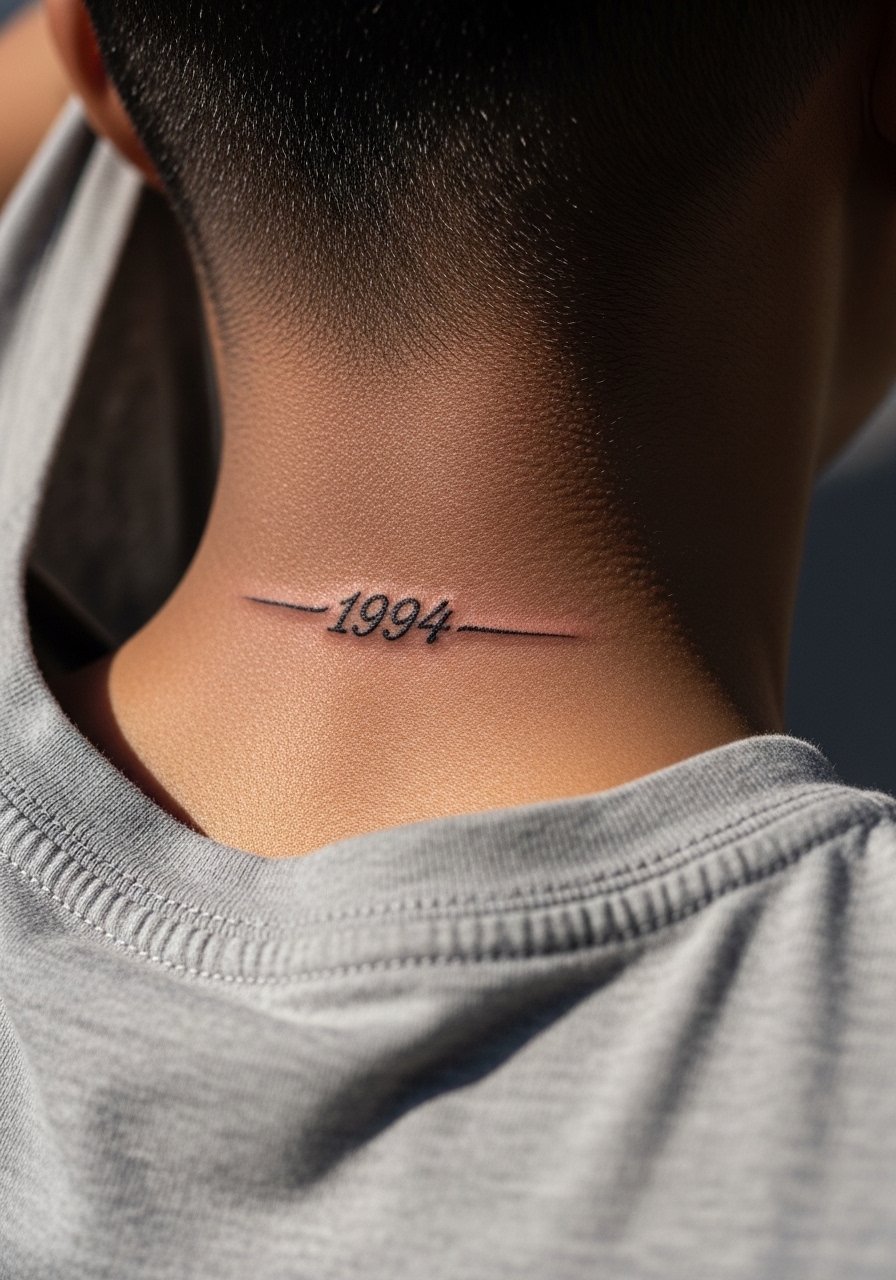
The nape is visible when hair is up and discreet when hair is down. Expect mild pain and a single short session for small script. The usual mistake is choosing too thin a script that blurs with neck motion and perspiration. Ask your artist to test stencil placement with hair tied up and with the collar sitting naturally. For the session wear a shirt with a collar that shifts easily, such as a loose tee. Consider how your daily hairstyles will influence visibility.
26. Numeric Watercolor Accent on the Shoulder Cap
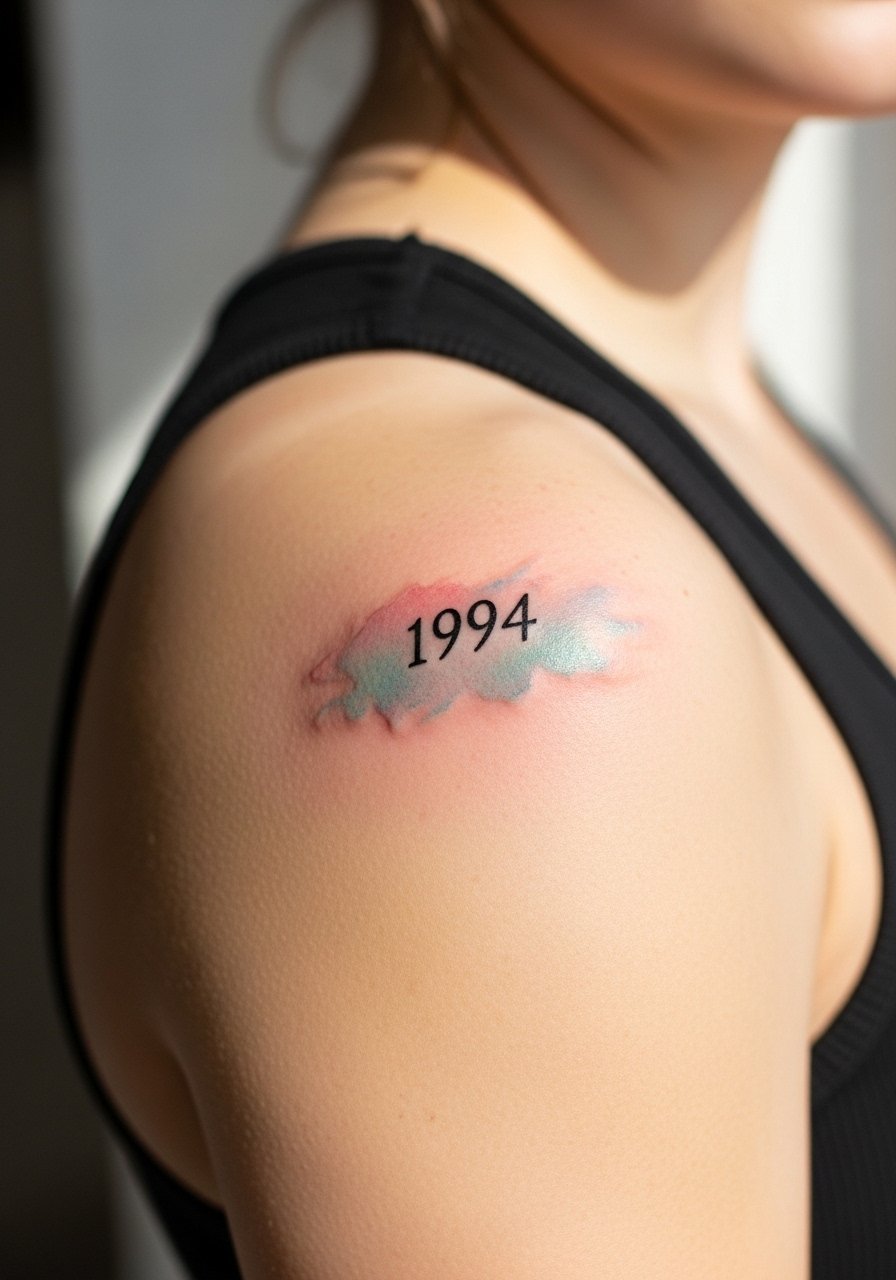
Watercolor accents add a soft echo to a numeric mark but they demand heavier saturation near the numbers to avoid early patchiness. Shoulder cap is low to moderate pain and usually a one-session piece for small accents. The common error is choosing extremely light washes that vanish into sun exposure. Ask your artist how the colors age on your skin tone and request slightly more saturation if you want the color to last longer. For the session wear a racerback tank for clear access and for showing off the piece.
27. Numeric Minimalist Over the Heart
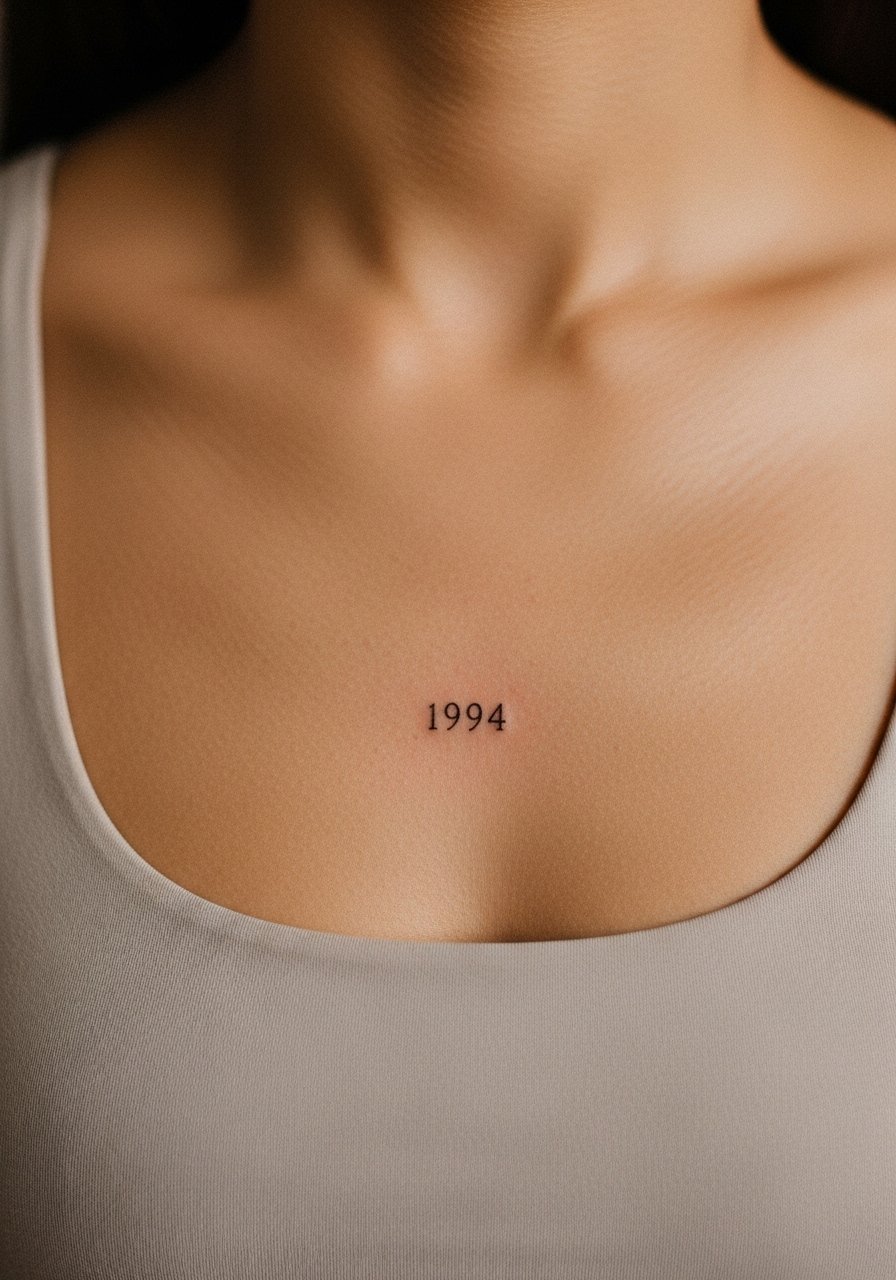
Placement over the heart is intimate and feels meaningful to many people, but it is also sensitive when it comes to pain and healing. Sessions are usually short for minimalist numerals. The key mistake is crowding the area with added flourishes that change how the minimal numerals sit with clothing. For the session pick a fitted sports bra you can shift and keep modesty intact. Ask your artist about how the piece sits under different necklines so you know when it will peek through a top.
Frequently Asked Questions
Q: Will a fine line birth year on the wrist need touch-ups more often than a bold Roman numeral?
A: It depends on sun exposure and skin type. From what I've seen, fine line wrist work often needs touch-ups sooner because the skin and daily washing wear thin lines faster. Bold Roman numerals resist blur longer but read heavier from the start. Ask your artist to show healed comparisons so you can pick an approach that matches how often you want to refresh it.
Q: Are there visible wardrobe tips for showing off collarbone and shoulder birth year pieces without overshadowing them?
A: Yes. Off-shoulder blouses, strapless sundresses, or racerback tanks frame collarbone and shoulder ink without clutter. For collarbone work a delicate chain necklace sits above the numbers while keeping attention on the script. Pick neutral necklines so the tattoo reads clearly against your outfit.
Q: How do I decide between Arabic numbers, Roman numerals, or a barcode conversion for my birth year?
A: Consider visibility, longevity, and personal style. Roman numerals and barcode conversions need precise spacing and slightly heavier linework to hold, while Arabic numbers offer quick legibility. If you want a modern tech feel, the barcode option is fresh and readable when done at a slightly larger scale. Discuss legibility and future touch-ups with your artist during the consult.
Q: Do colored floral accents around a birth year require different aftercare or affect longevity?
A: Color can fade faster than black, so avoid faint washes for small florals and pick a saturation level you are willing to maintain. Keep the area out of prolonged sun and consider that small color accents may need a touch-up sooner than surrounding black linework. Your artist can recommend pigments suited to your skin tone.
Q: If I work in a conservative industry, which placements are easiest to hide during the week?
A: Upper thigh, upper back, inner bicep, and sternum are simple to conceal under standard office wear. Wrist, neck, and forearm are more visible unless you regularly cover them with sleeves or jewelry. Think about what you need to hide for interviews or client meetings before choosing a highly visible spot.
