
Fine line kids’ sketch tattoos are everywhere in saved boards, but the ones that still look crisp after a few years are not always the most intricate at first. The pieces that hold tend to favor breathing room, clear linework, and placements that avoid heavy friction. Below are 27 playful, childlike sketch ideas adapted for adult skin, with what to ask your artist, how they age, and practical styling notes to help them read well over time.
1. Tiny Crayon Sun on Inner Forearm
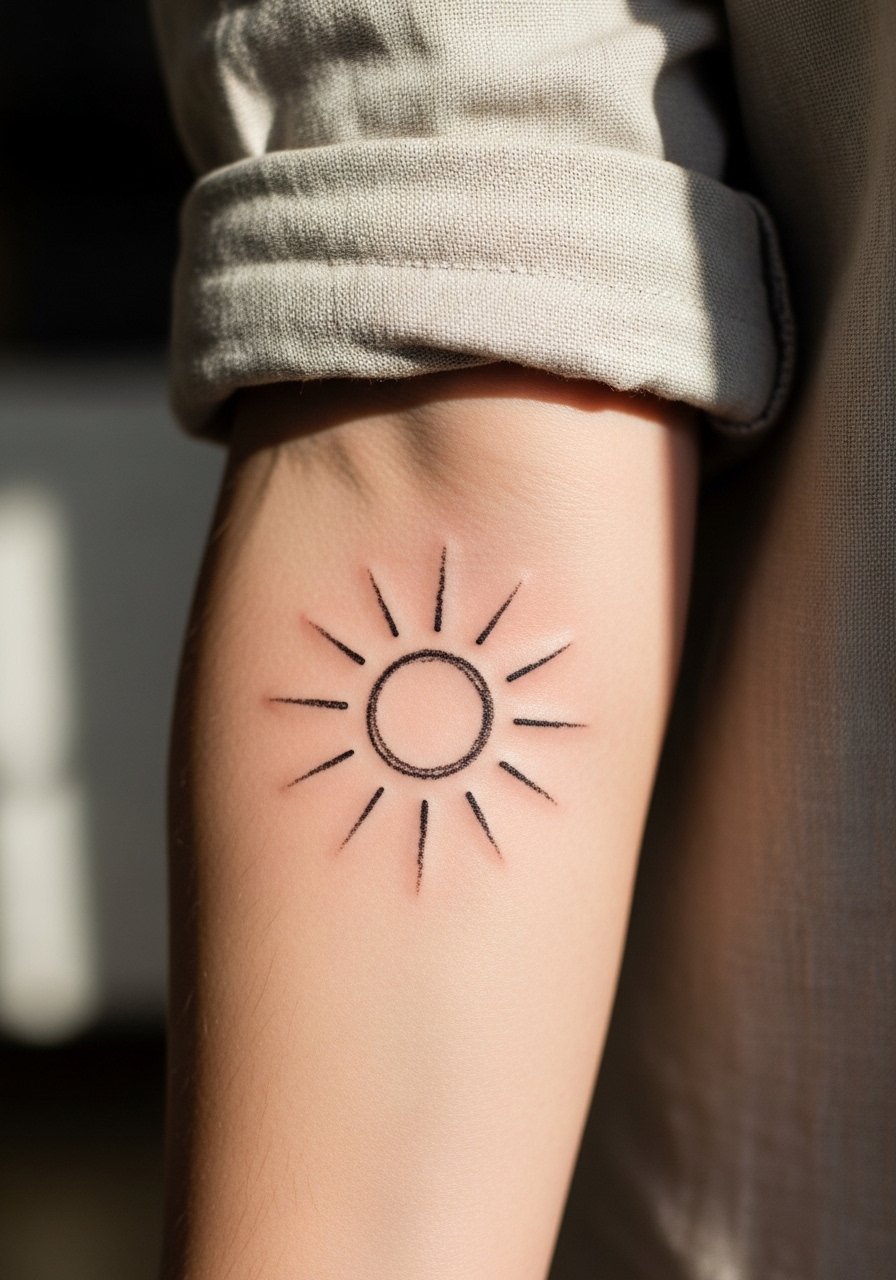
I recommend this for someone who wants a visible but low-commitment piece. Tell your artist you want slightly bolder line weight than a sketch, so the crayon effect reads clearly after healing. The inner forearm is forgiving for fine work, but avoid making the rays too dense or they will blur into each other by year three. Session feels mild, around 30 to 45 minutes. For showing it off, roll up a linen cuff shirt to frame the forearm without competing with the tiny sun.
2. Scribble Heart on the Wrist
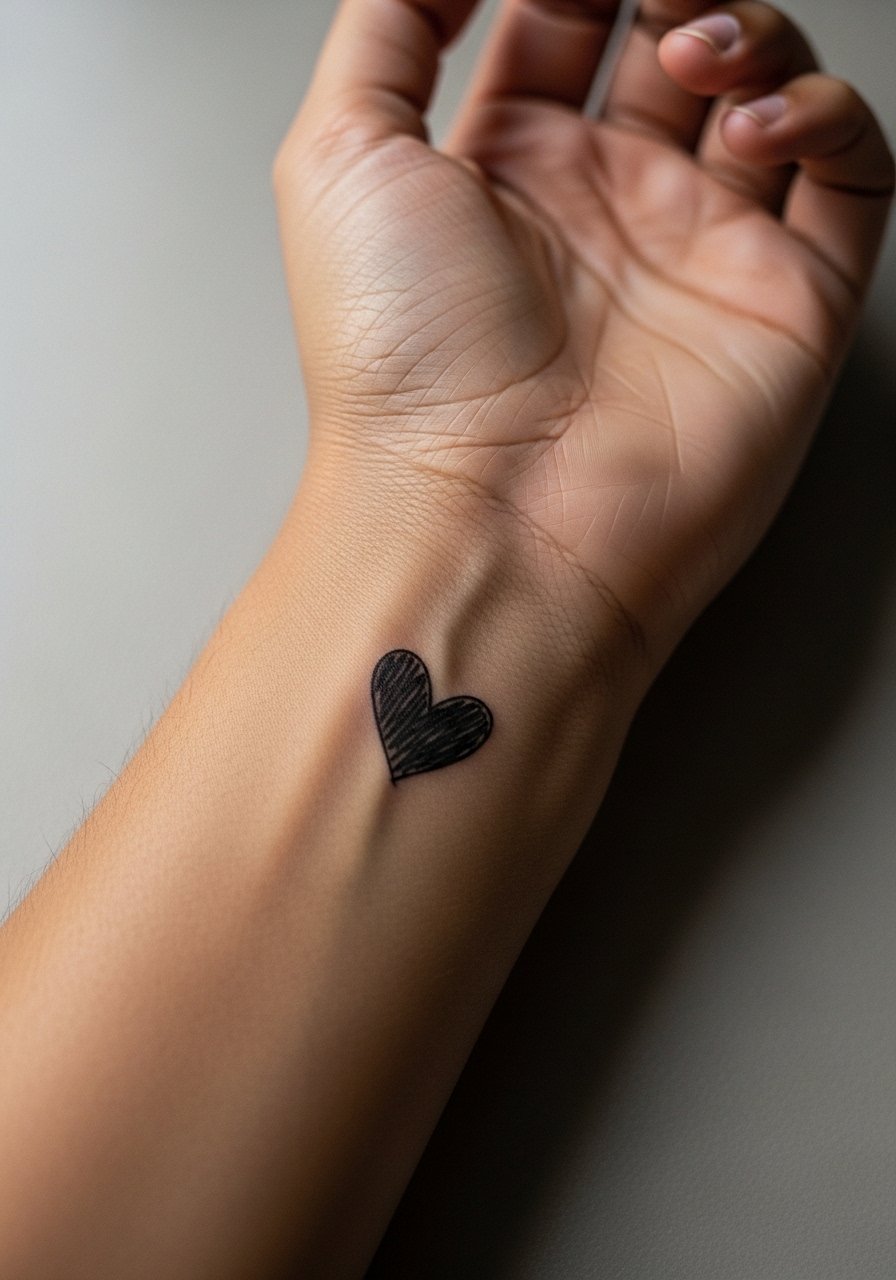
Fair warning, the wrist sees a lot of washing and bracelets rub the ink. Ask the artist to keep the heart slightly larger than the sketch so the scribbles do not merge. Expect a 25 to 45 minute session and plan for a touch-up at year two for fine scribble details. A common mistake is requesting ultra-fine scribbles that disappear. Pair this with a thin chain bracelet that sits beside the tattoo rather than across it to keep attention on the linework.
3. Doodle Cat on the Ankle
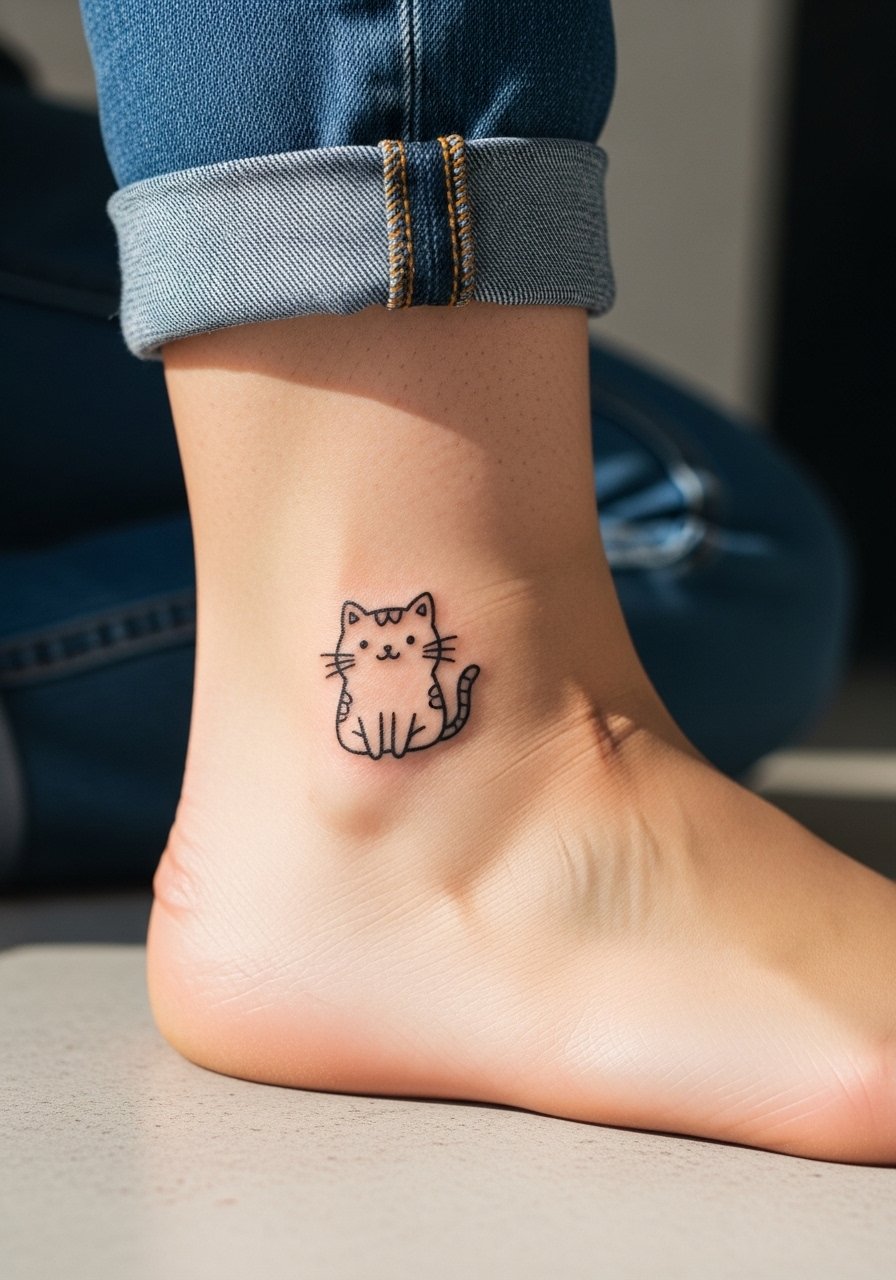
Ankle pieces encounter friction from socks and shoes so ask for slightly stronger outlines and moderate spacing between strokes. The session is short, often under an hour, but healing can be fussy because of rubbing. Avoid ultra-fine detail near the foot edge, it tends to soften first. For show-off outfits, roll your jeans and pair with sandals or low sneakers so the ankle sketch reads cleanly.
4. Crayon Rainbow on the Outer Bicep
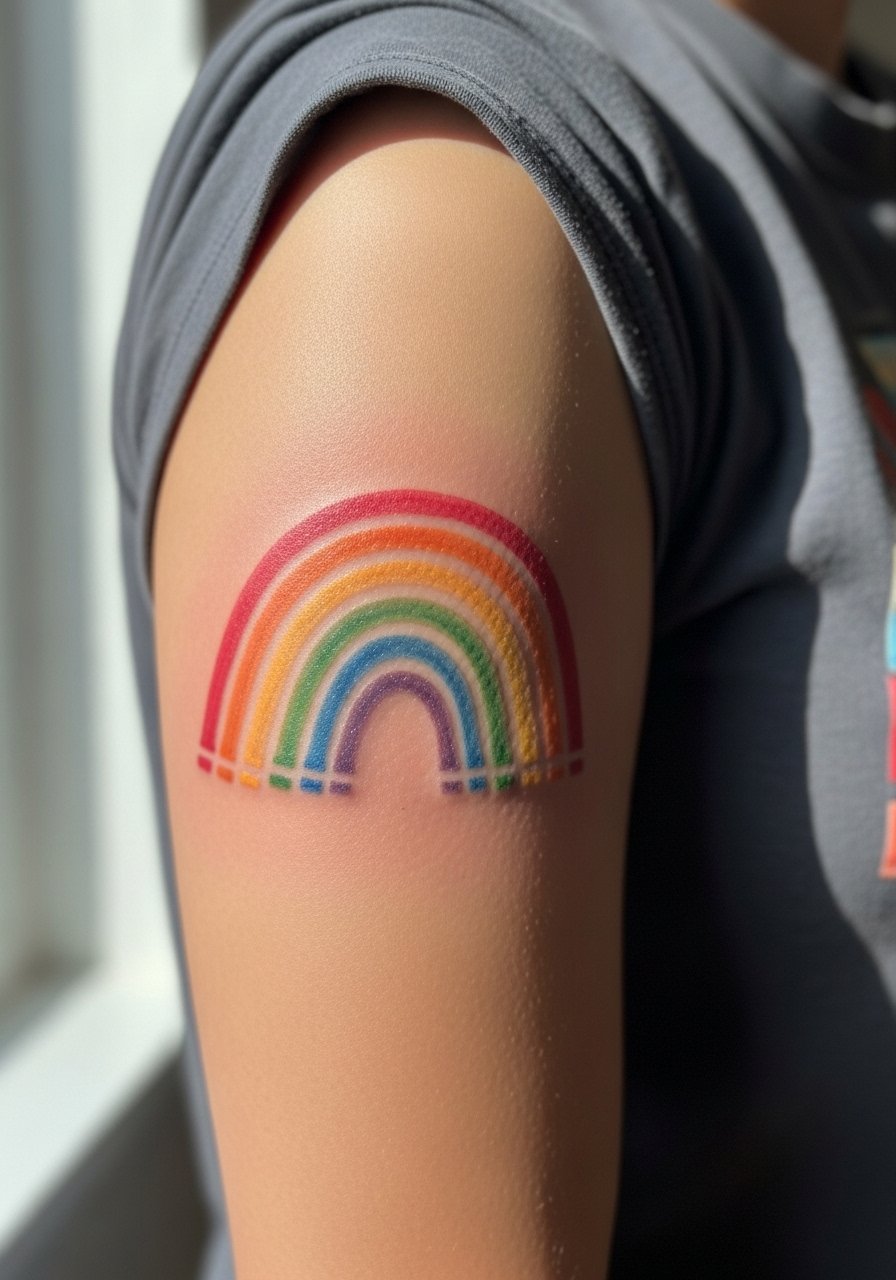
This placement holds color better than the wrist, but watercolor-like crayon fills can fade unevenly. Ask for gentle saturation and small gaps between stripes to avoid color merging. The session runs 45 to 75 minutes depending on color. A frequent error is stacking too many thin color bands. For sessions, wear a loose button-down shirt you can pull aside so the artist has access without tugging.
5. Stick-Figure Family on the Shoulder Blade
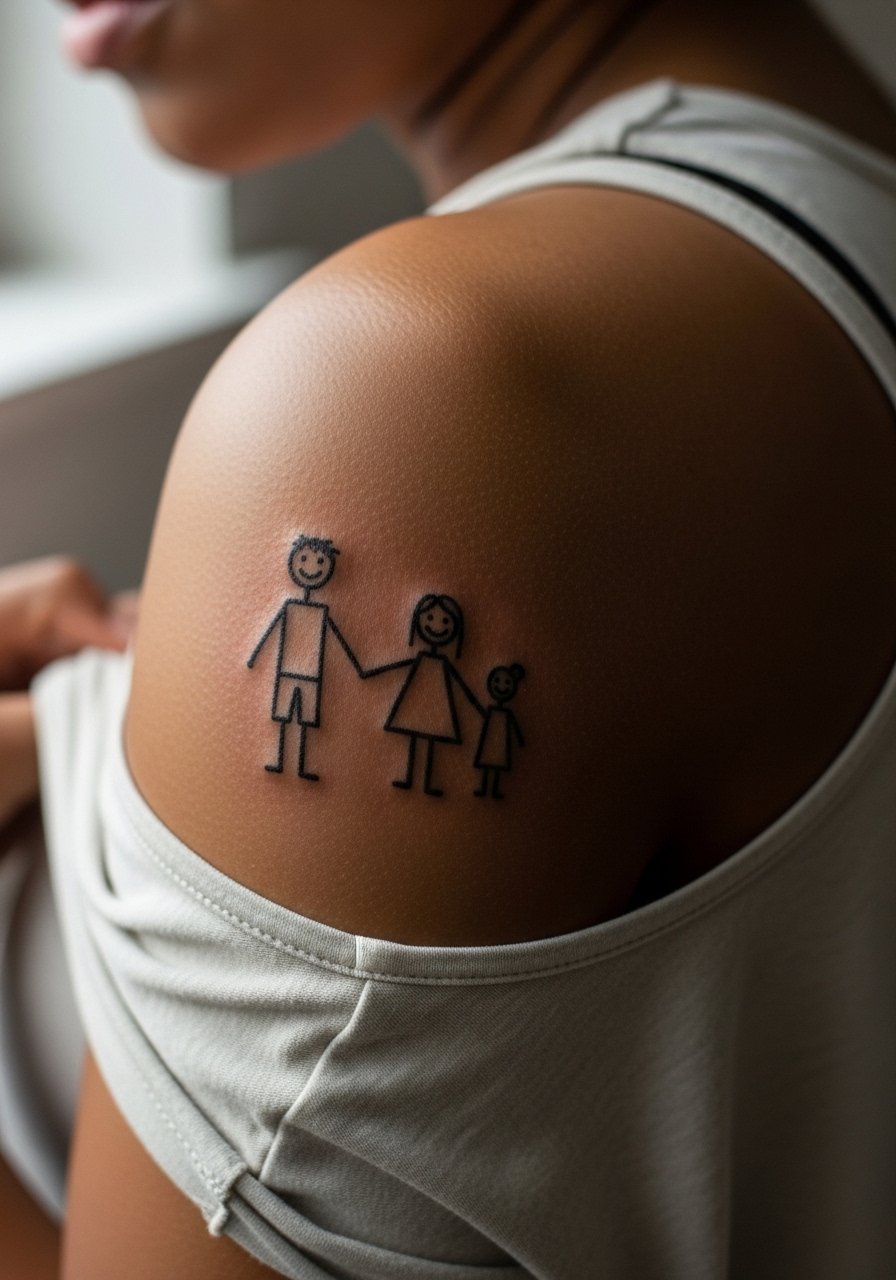
This reads as a sweet, simple piece on the shoulder blade, and it sits comfortably under clothing. Tell your artist you want clean, consistent linework and a touch of spacing between figures so the silhouette stays readable. Shoulder blade sessions are moderate in pain and usually under an hour. Avoid compressing the figures into a tiny block, which becomes indistinct over time. For evenings out, a tank top with a low back frames the tattoo without exposing too much skin.
6. Leaping Frog Sketch on the Calf
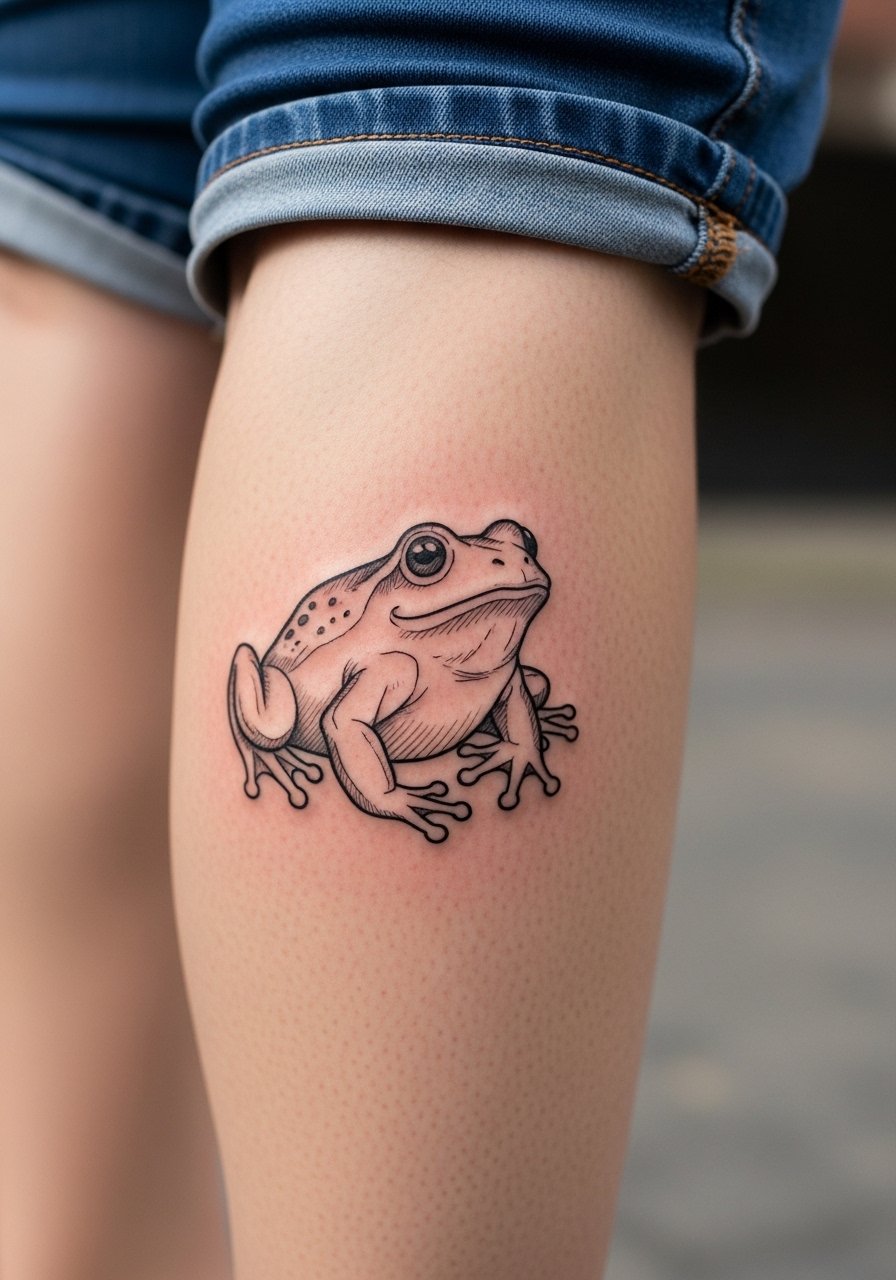
Calf pieces are great for slightly larger sketches with motion. Ask for slightly thicker contours on the lower limbs to resist blowout over time. This session may run 45 minutes to an hour. One common mistake is over-detailing the limbs, which can blur after frequent movement and direction changes in the skin. Wear loose drawstring shorts on session day so the artist can easily access the calf without fabric tugging.
Studio Day Picks
Those first six placements vary in friction and access, so these items smooth out the appointment and the initial healing window.
-
Stencil transfer paper kit. Lets you preview how the childlike sketch lands on skin before the needle, useful for wrist and ankle pieces.
-
Topical numbing cream. Applied about 45 minutes beforehand it takes the edge off sensitive zones like the ankle and wrist without affecting linework.
-
Thin protective film roll. Keeps low-coverage sketches clean during the first week in high-friction areas like the wrist and ankle.
-
Fragrance-free gentle body wash. Cleanses healing tattoos without irritating delicate lines used in tiny crayon and doodle designs.
-
Aquaphor healing ointment. Thin layers protect delicate fine-line work in the early days without clogging the channels that need to breathe.
7. Pencil Scribble Moon on the Collarbone
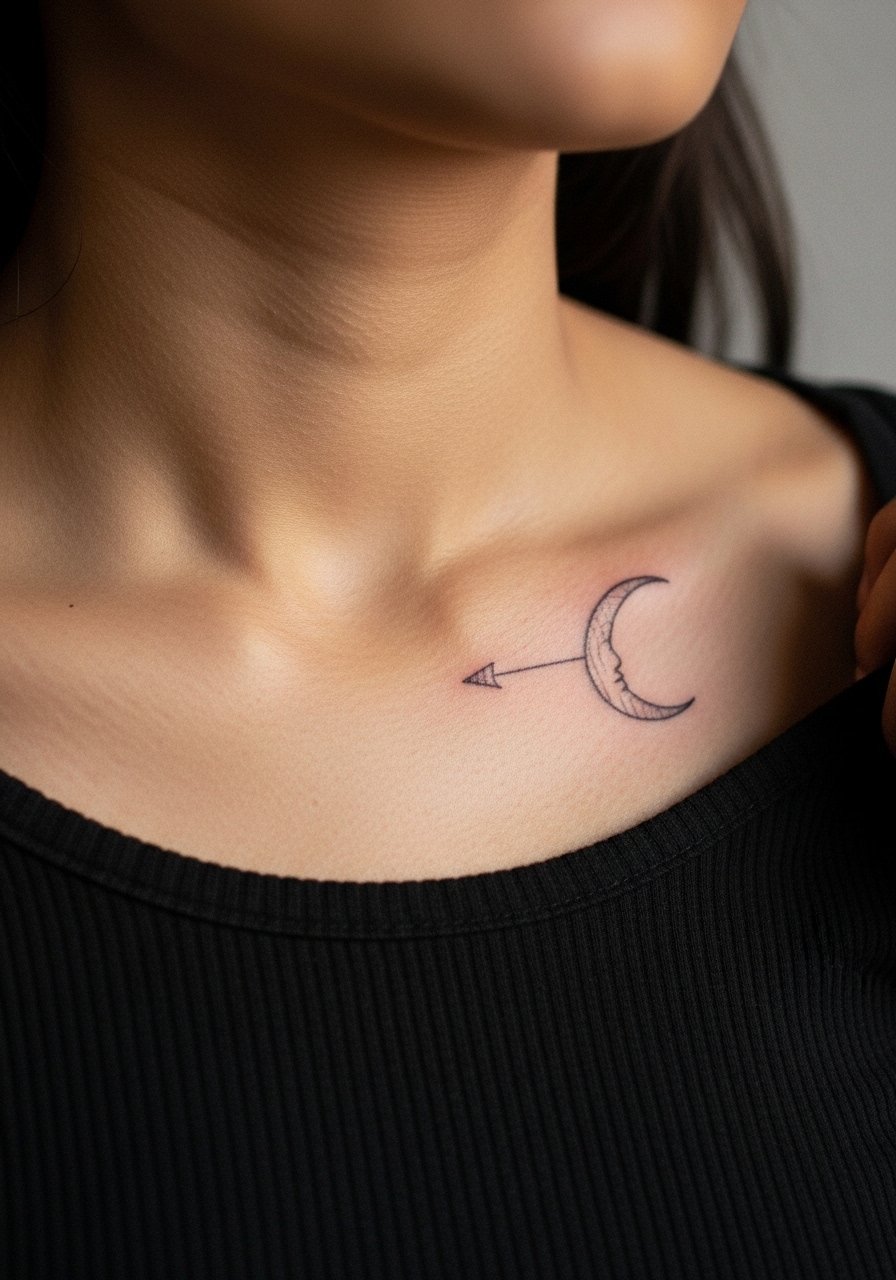
Collarbone pieces look delicate but the skin there moves a lot. In consultation, ask for slightly deeper line depth and a bit of spacing in the sketch to slow aging. The session is short but slightly more sensitive due to bone proximity. A mistake is placing dense shading right over the collarbone line. For evenings, pair the piece with a thin chain pendant necklace that sits above the moon so it does not rub the tattoo.
8. Balloon Sketch on the Side Ribcage
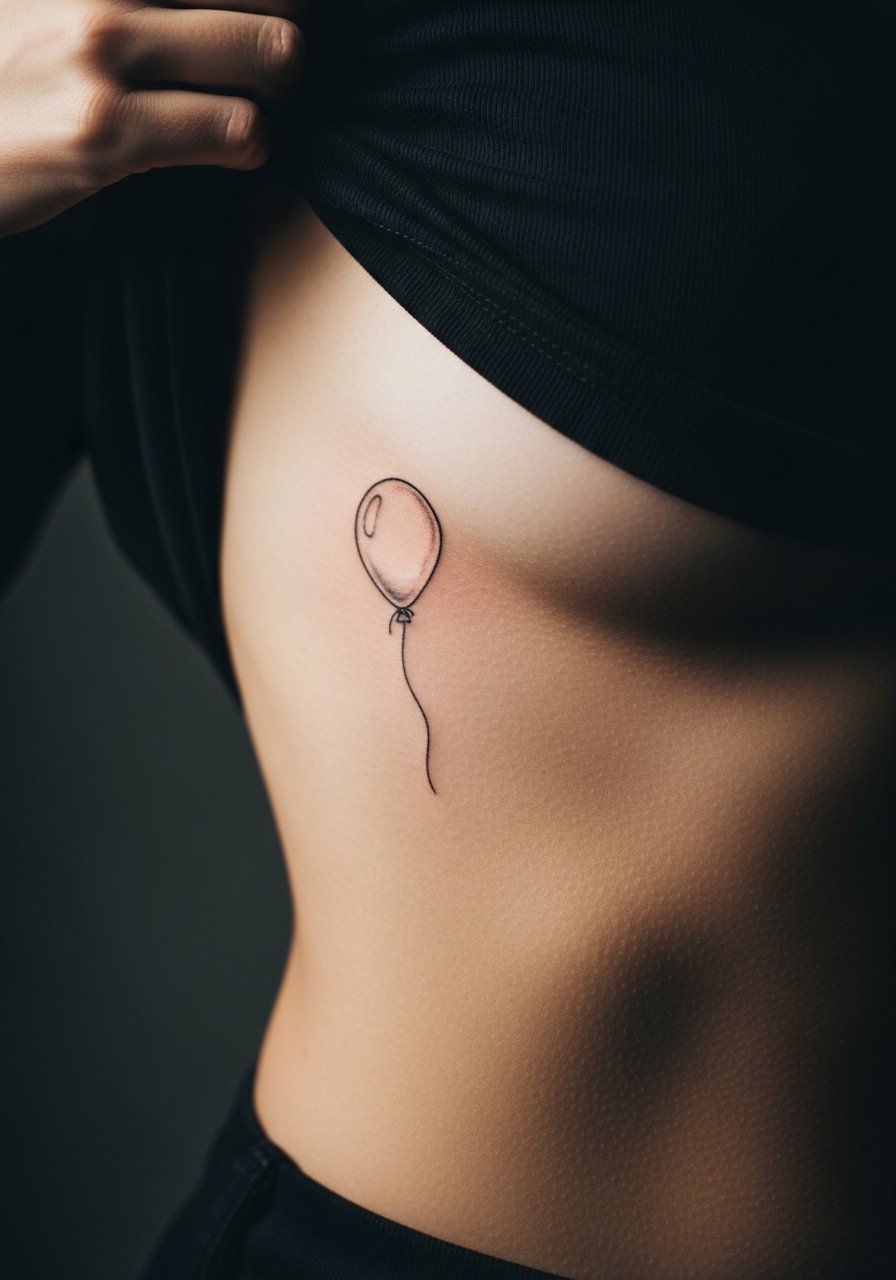
Fine line on ribs divides artists into two camps. One camp says ribs stretch and the lines blur within two years. The other camp says with correct depth and spacing it settles fine. Name the concern in consultation and ask where the artist stands before booking. Pain is higher here, and expect longer than an hour for placement and careful stencil checks. Keep the balloon slightly larger than the sketch so the outline does not compress with breathing. For the session, wear a crop top you can lift easily.
9. Childlike Flower Doodle on the Thumb Side of Hand
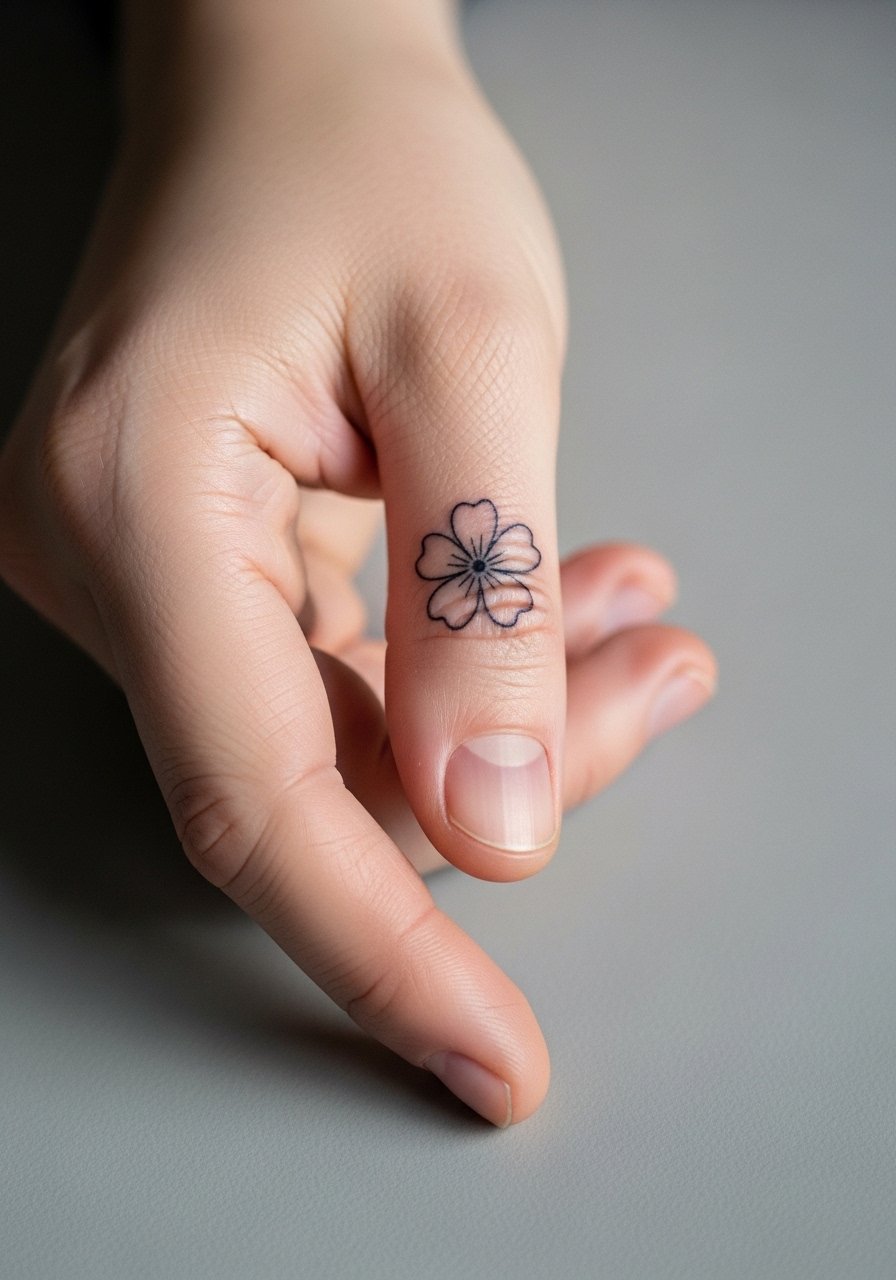
Hand tattoos are high-visibility and they age faster from washing and sun. Ask for bold, clear outlines and realistic expectations about touch-ups. Sessions are quick but healing is tricky because of constant use. A common mistake is asking for super-fine petals that disappear. Consider minimal placement shifts to the outer side of the hand to slow wear. For showing it off, pair with a slim stacking ring that draws attention without rubbing the tattoo.
10. Finger Initial Sketches in Crayon Style
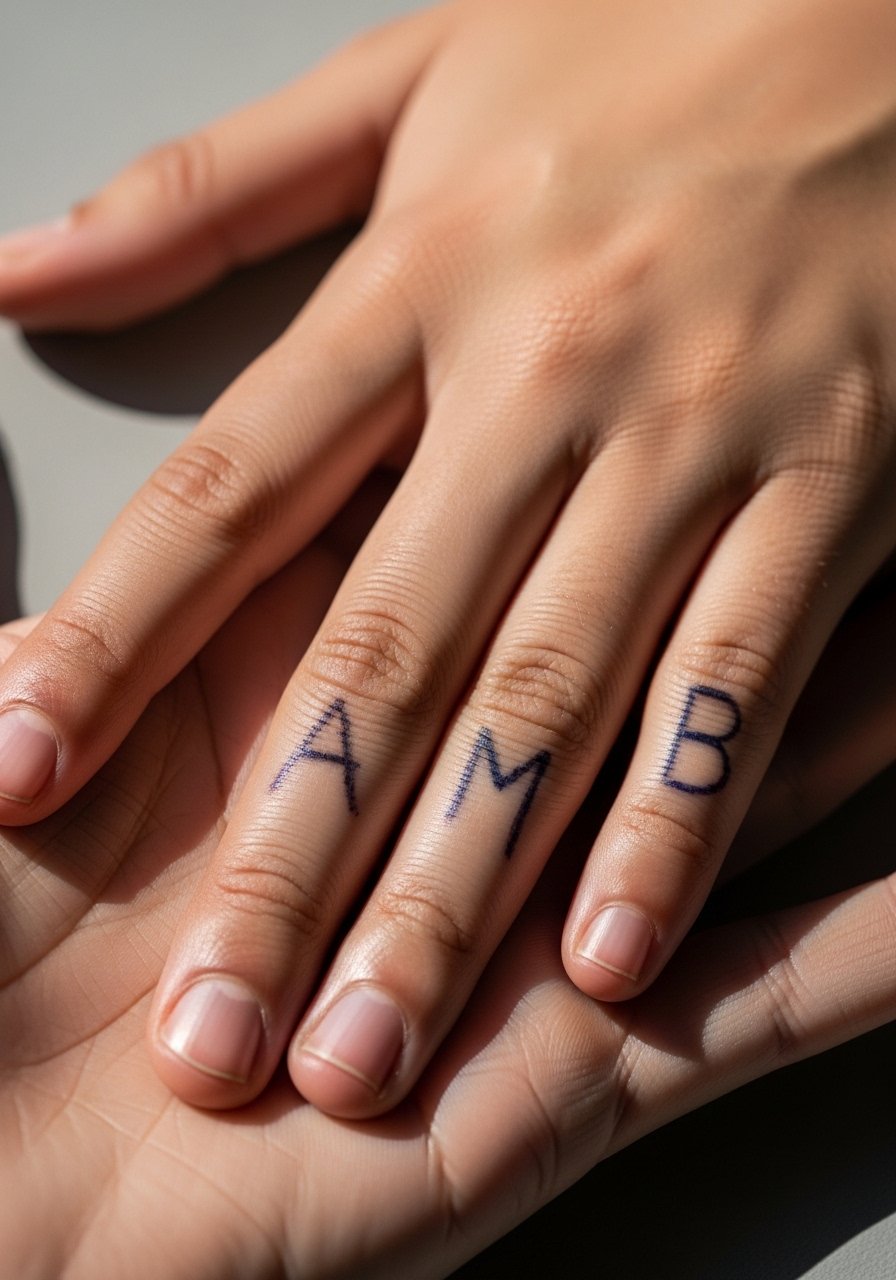
Finger tattoos are the least stable long term. Tell your artist you prefer larger, simplified letters rather than tight script. Expect frequent touch-ups and possible early fading. Sessions are short and uncomfortable because of bone proximity. Avoid overly ornate scripts, they rarely hold up. For session comfort, avoid rings and wear a long-sleeve you can pull up easily. No affiliate link here because chains or watches would interfere with the area.
11. Playground Kite on the Upper Back
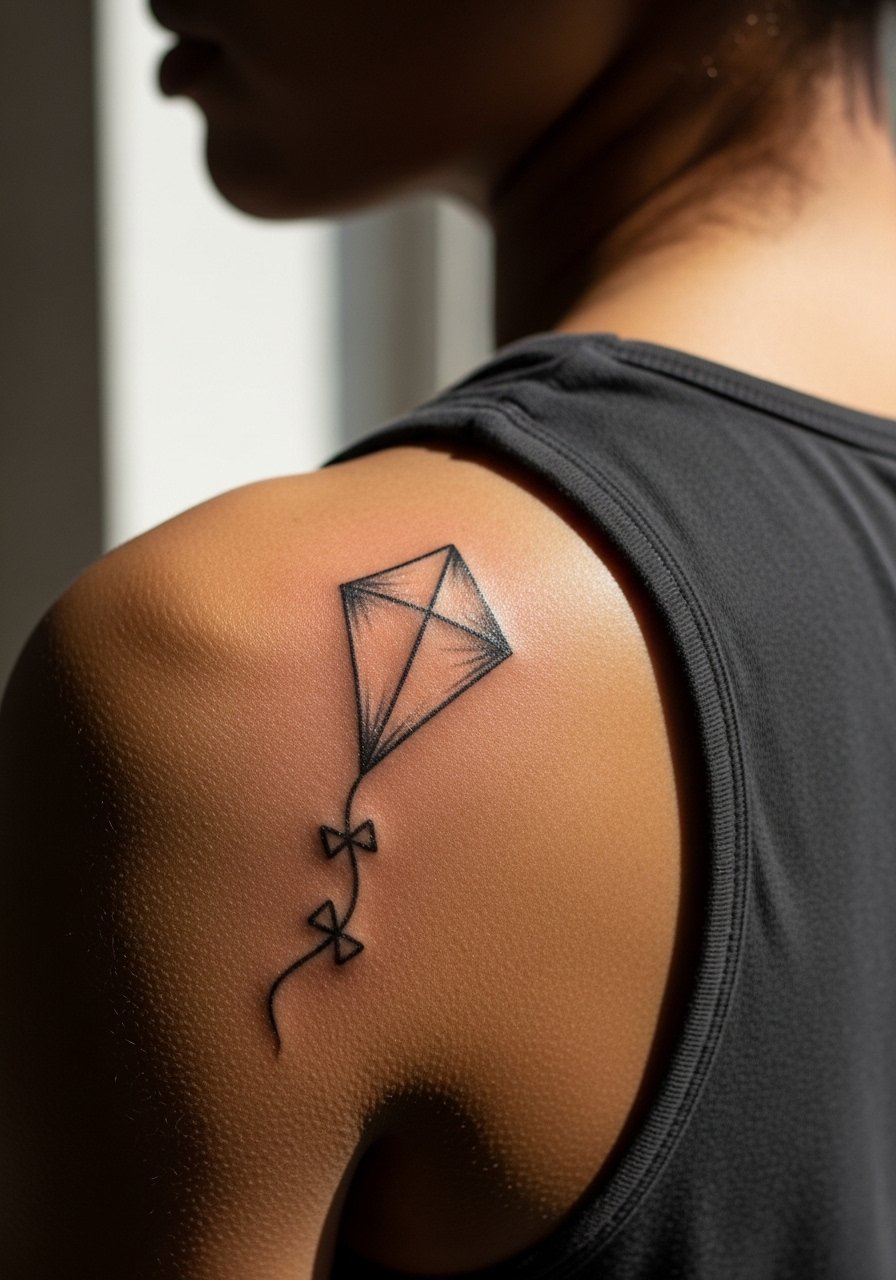
Upper back offers space and low friction so small sketches age well there. Ask for balanced spacing in the kite tail to preserve motion across years. Sessions range 30 to 60 minutes. A mistake is compressing all tail elements into a narrow band. For show-off looks, wear a tank top with a low back that reveals the kite without full exposure.
12. Dotted Star Constellation on the Rib Edge
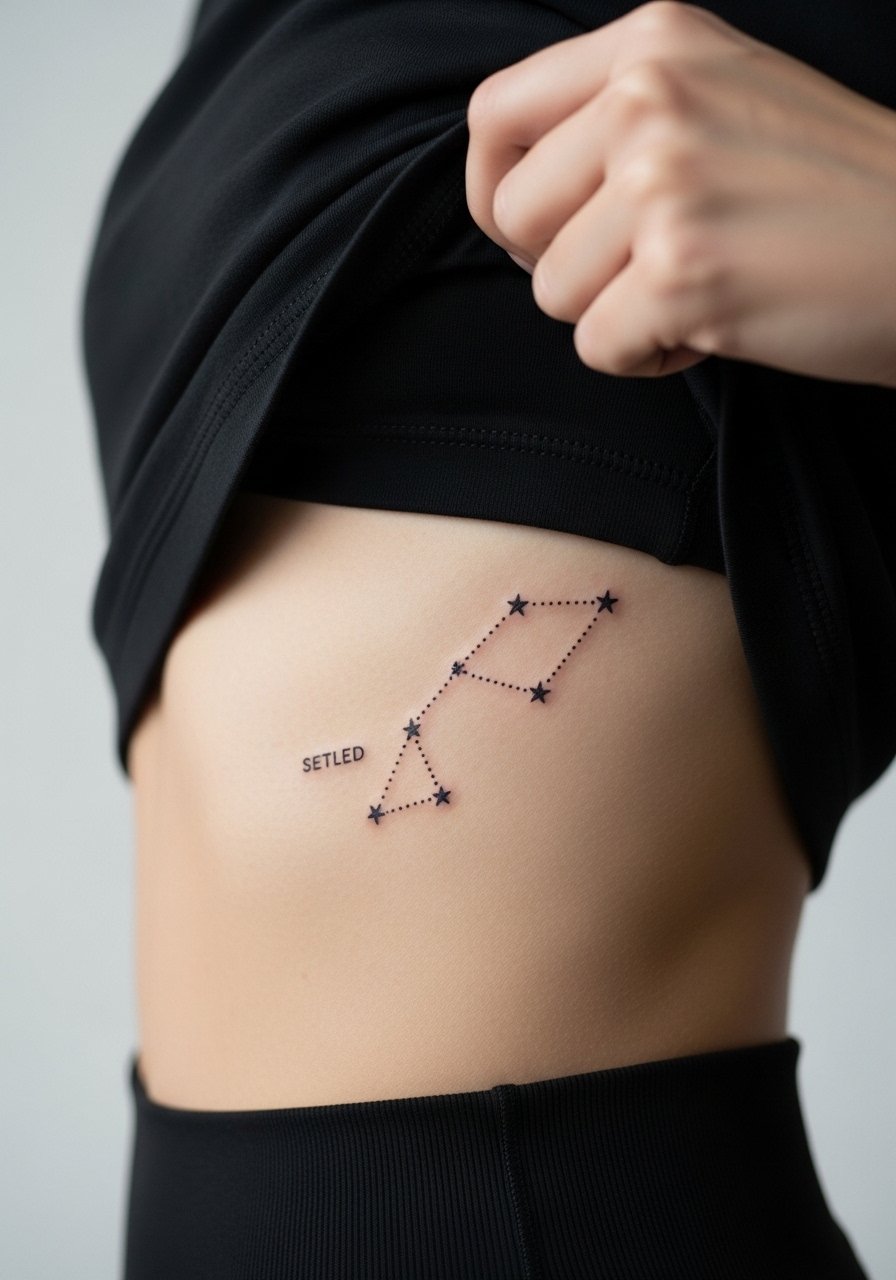
This is delicate work that loses definition if dots are placed too close. Ask for slightly larger negative spaces between stars and for the artist to use single-needle dot work with measured spacing. Expect a sensitive session and possible touch-ups at year two depending on sun exposure. The common error is over-clustering the dots for a "dense" look that blurs. Wear a sports bra you can lift slightly for the appointment.
13. Playful Robot Sketch on the Outer Thigh
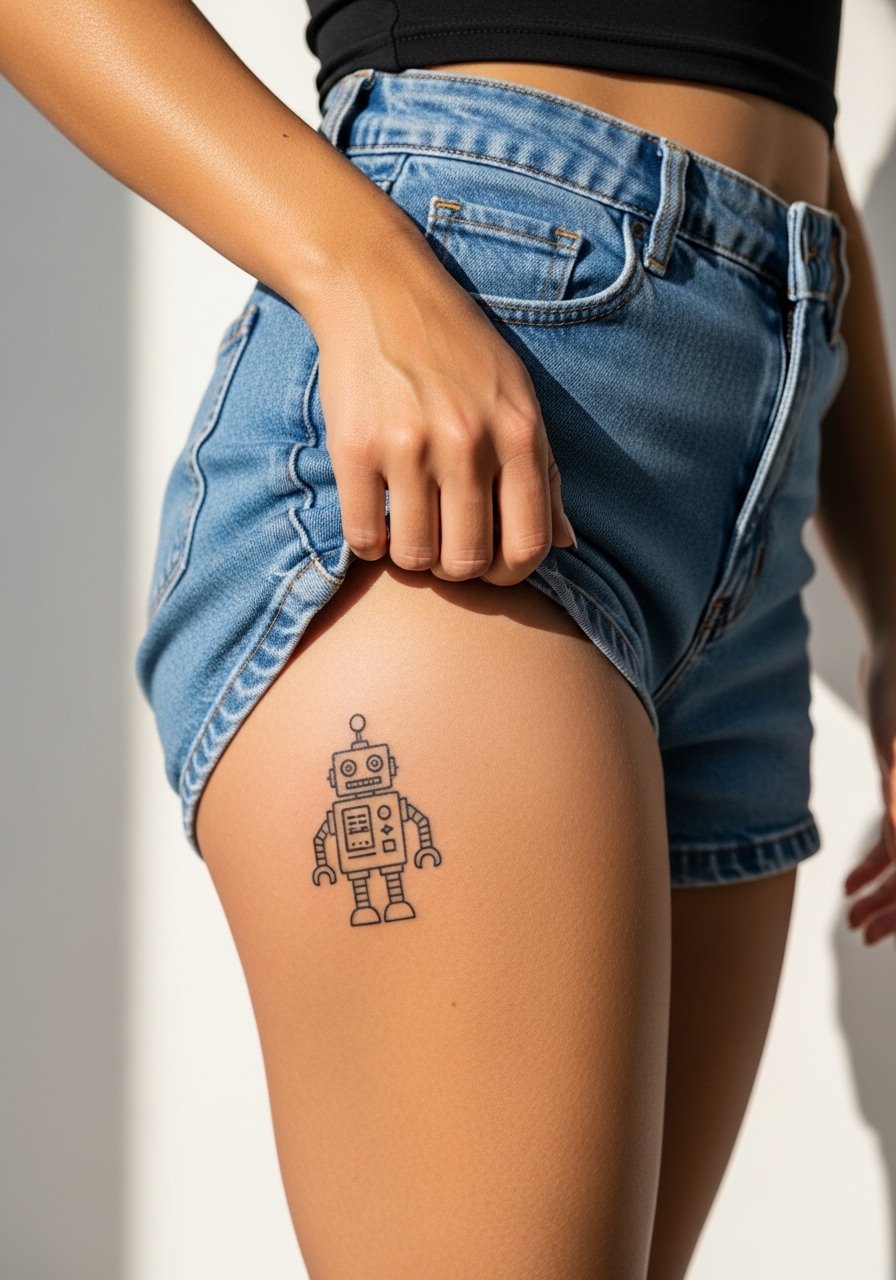
Outer thigh is forgiving and keeps detail well due to low daily abrasion. Ask for slightly firmer outlines on small mechanical parts so they read over time. Sessions can be 45 to 90 minutes. A mistake is crowding gears into a tiny patch. For session comfort, wear high-waisted shorts you can lower a bit without exposing more than the tattoo area.
14. Chalkboard Doodle Script Behind the Ear
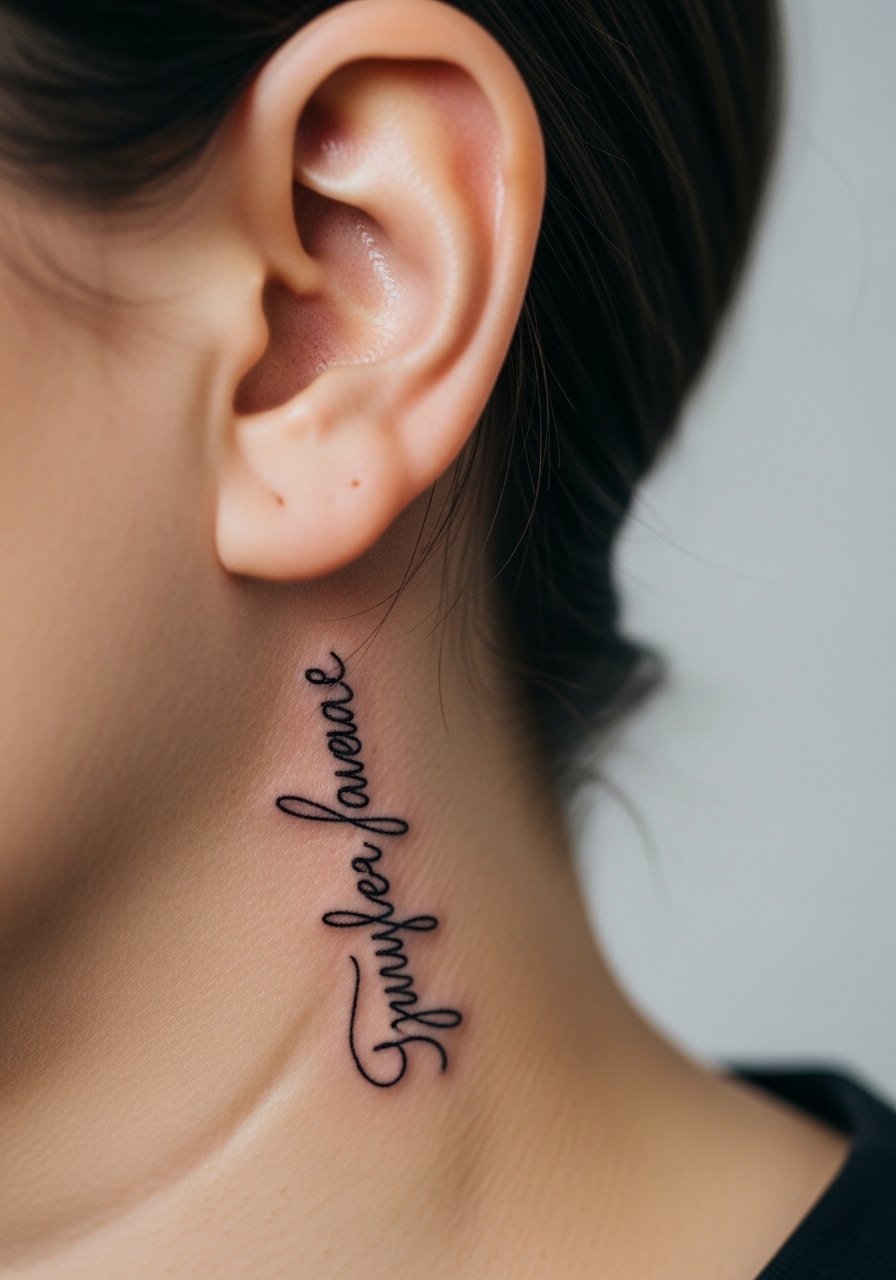
Behind-the-ear pieces need a careful stencil check because the curve can warp lettering. Tell the artist to place the script slightly larger and avoid dense flourishes. This area is sensitive but sessions are brief. A common error is tiny cursive that looks illegible after a year. Sensitive placement note: describe the area accurately during booking and expect the artist to frame the stencil with hairline considerations. No clothing link here.
15. Pencil Dinosaur on the Calf Inner Shield
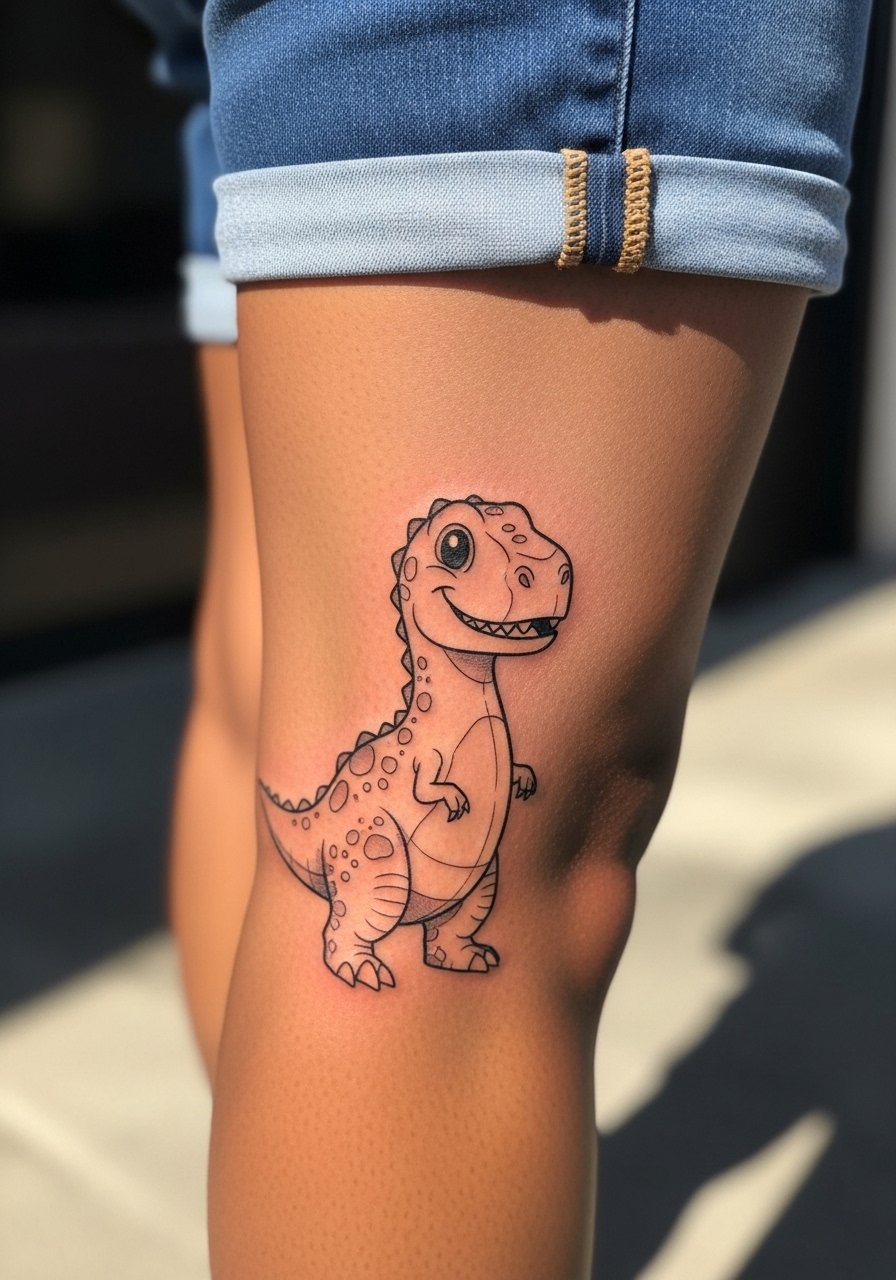
The inner calf holds sketches with motion and they age predictably. Request moderate line thickness and avoid micro-detail in texture that will be lost. Sessions are comfortable and usually about an hour. Mistake to avoid is tiny tooth or scale detail that disappears. For session ease, bring socks you can roll down or wear loose shorts so the artist can work without fabric constraints.
16. Scribbled Cloud on the Side Neck
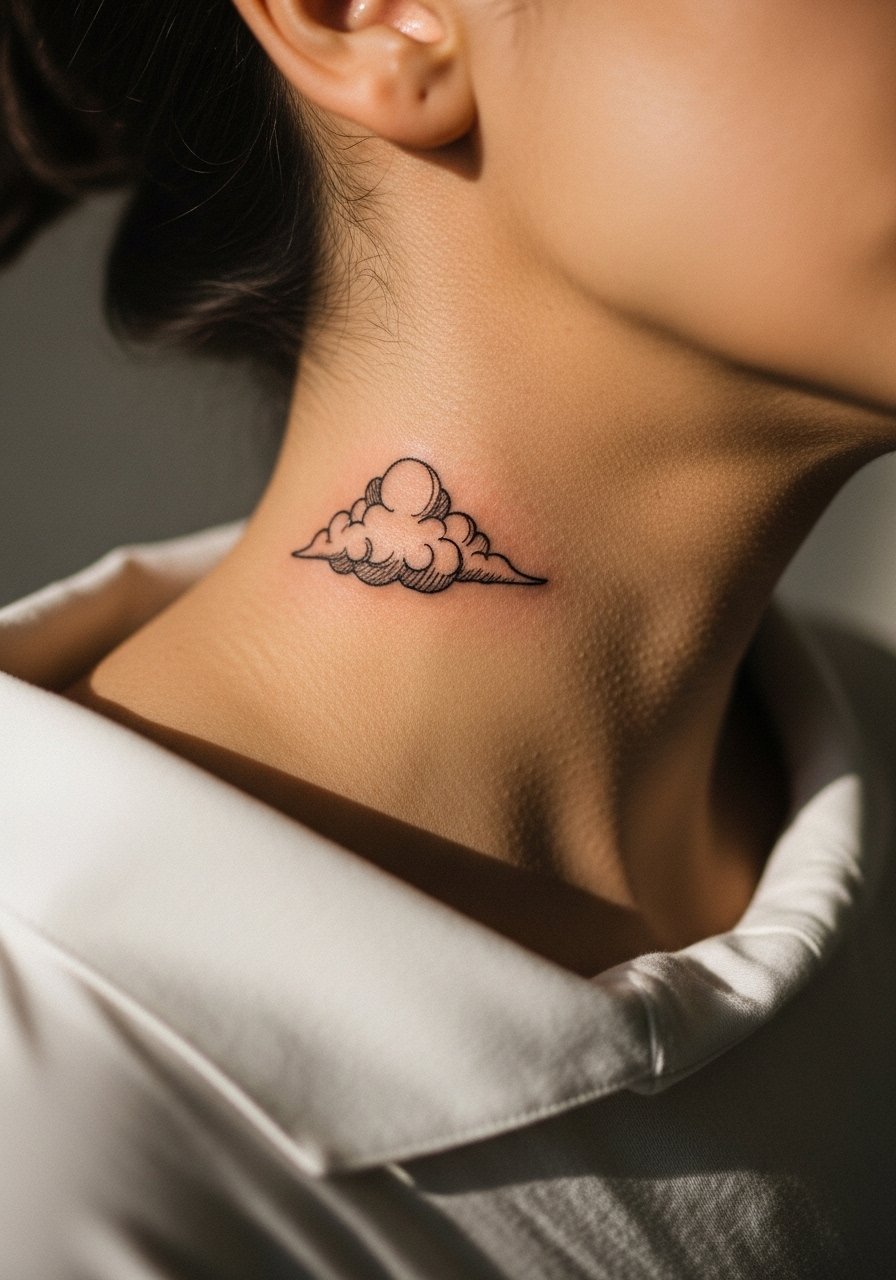
Neck pieces are visible and sometimes affect professional impressions. If visibility is a concern, pick a placement slightly lower or more lateral. Ask for confident, slightly bolder lines to withstand sun and grooming. Sessions are quick but can sting. A common error is insisting on ultra-fine hairline strokes in this zone. For outfits, choose a wide-neck top that reveals the tattoo selectively.
17. Busy Crayon Bouquet on the Forearm
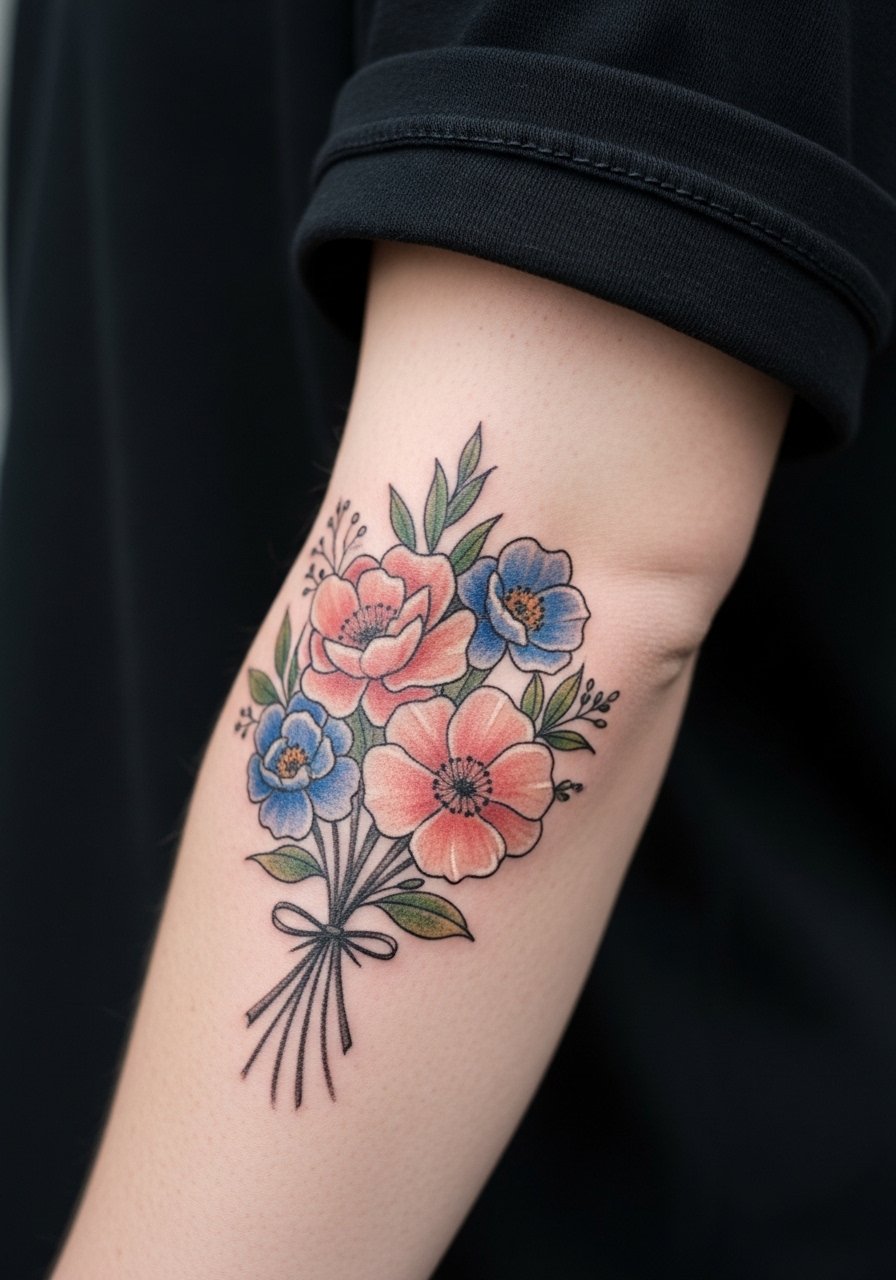
Forearm pieces show well and last if spacing is generous. Tell your artist to simplify stems and keep flower centers open so petal lines have room to breathe. A mistake is layering too many petals in a small area. Sessions run 45 to 75 minutes depending on size. For showing the piece, roll sleeves and wear a rolled cuff linen shirt to frame the bouquet.
18. Crayon Rocket on the Upper Arm Outer Side
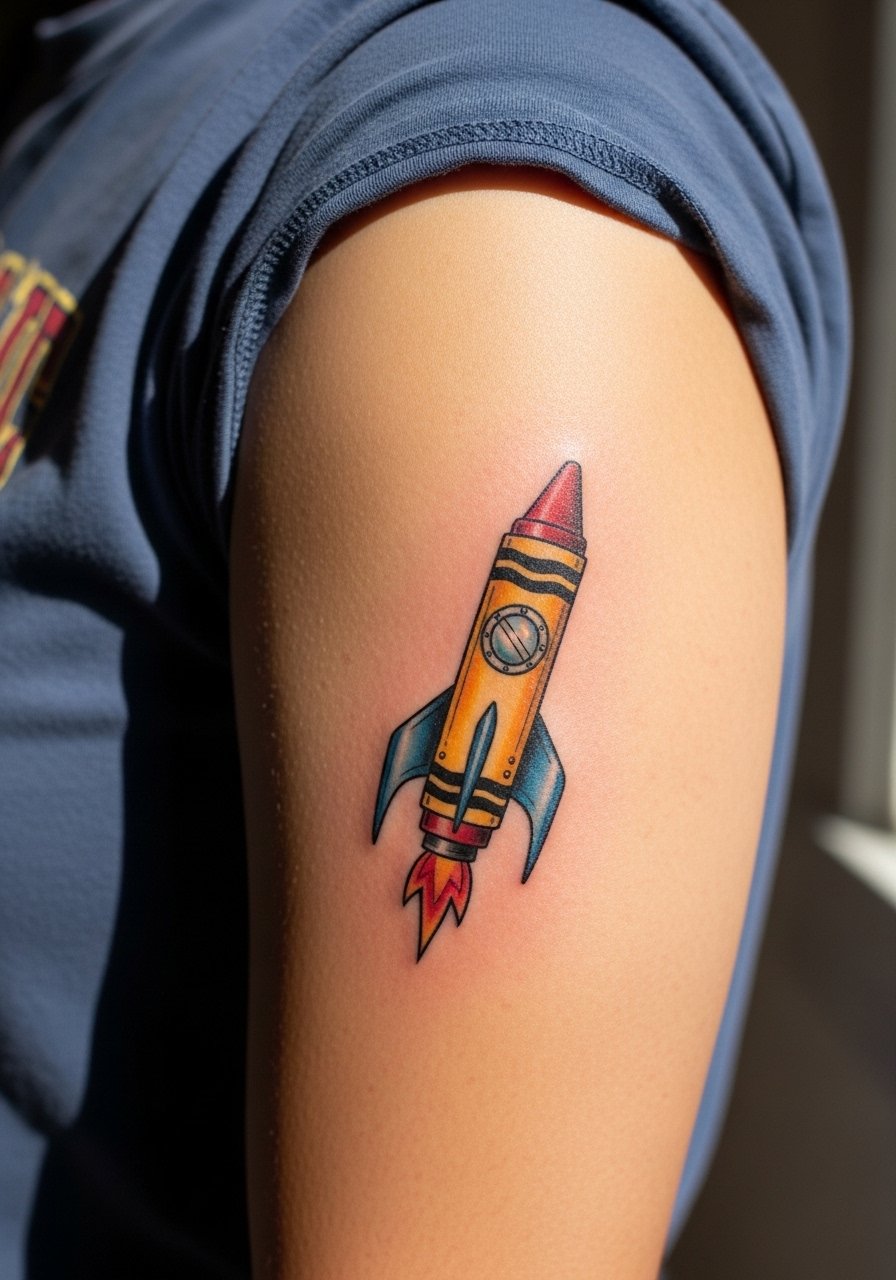
Upper arm is a classic spot for playful sketches because it avoids friction and sun for most people. Ask for slightly bolder outlines on small propulsion lines to keep the action readable in years. Sessions are moderate and healing is straightforward. A common mistake is tiny flames that become an indistinct blob. For the appointment, a short-sleeve tee gives easy access without exposure.
19. Watercolor Crayon Fish on the Lower Rib
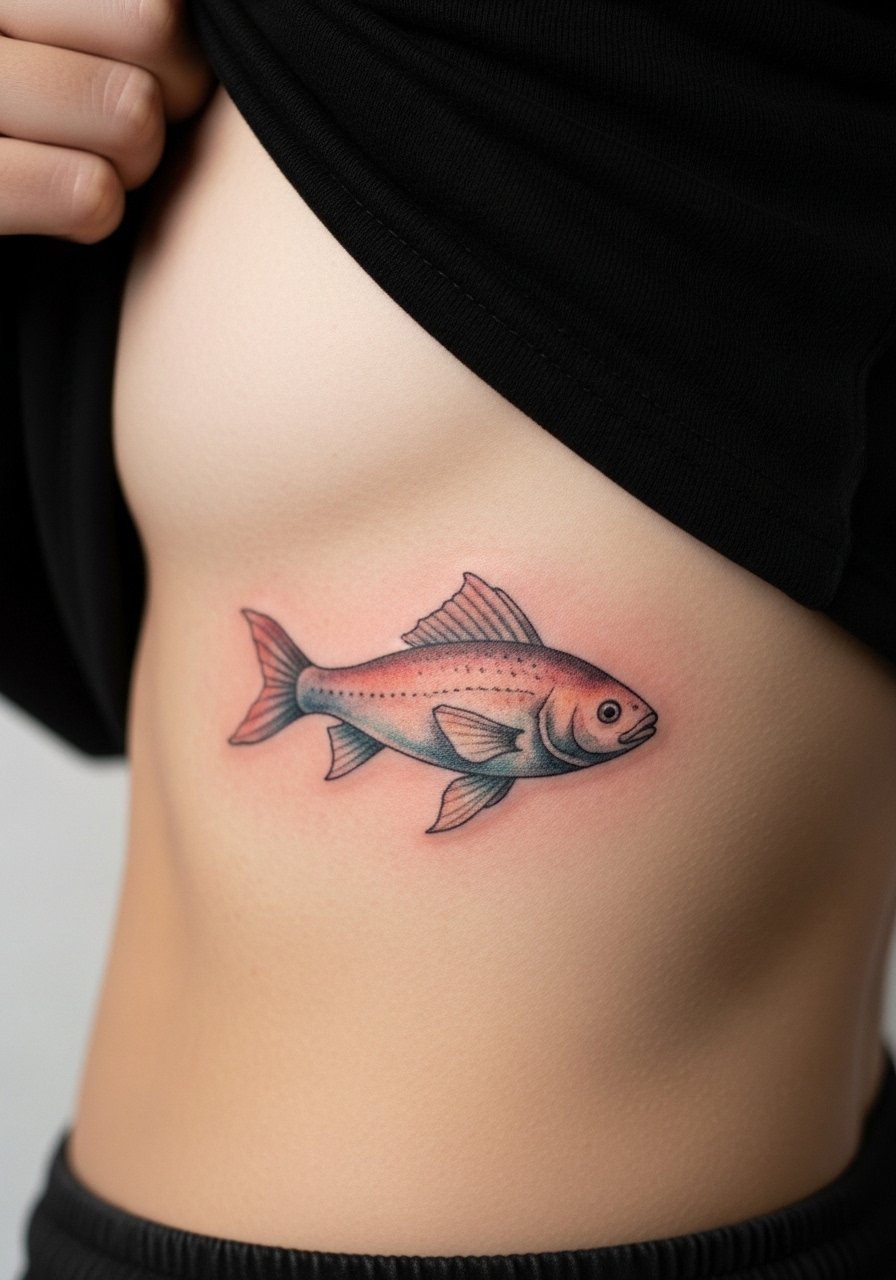
Watercolor and loose crayon fills create a gorgeous effect but they invite disagreement. One camp says watercolor fades into blotchy patches in high-motion areas. The opposite camp says careful saturation and measured negative space keep it legible. Be explicit in the consult about how much edge definition you want. This is a sensitive area with longer session time. For comfort, wear a cropped top you can lift easily.
20. Balloon Animal Dog on the Hip
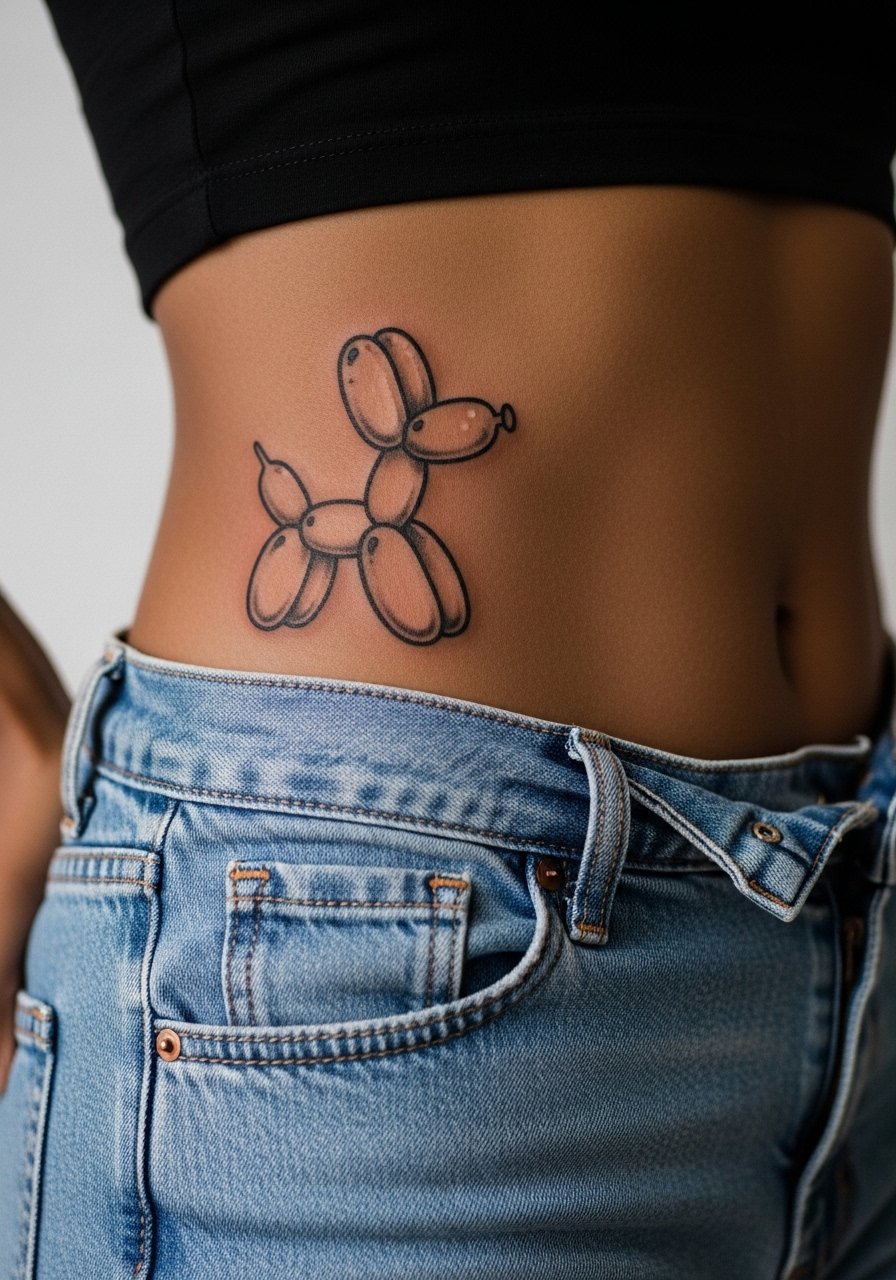
Hip placements hide well and face less daily abrasion. Ask for clean, continuous outlines and avoid tiny interior details. Sessions range 30 to 60 minutes. A typical mistake is cramming multiple small shapes into a tiny hip patch. For session wear, pick high-waisted denim you can lower slightly so the artist works without stretching fabric.
21. Crayon Rocket Trail Along the Spine
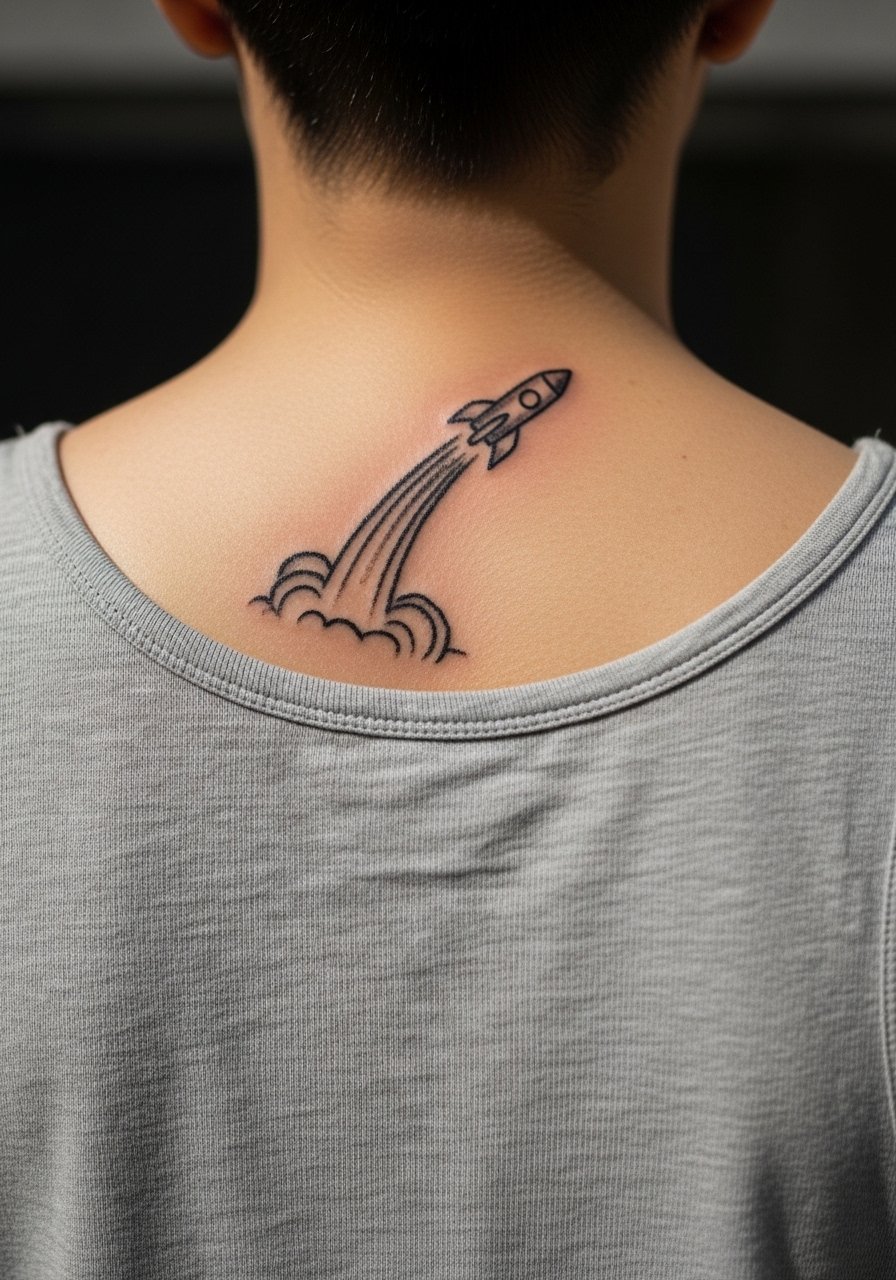
Spine pieces need careful spacing and steady line depth because the skin there moves in varied directions. Ask the artist to space elements so the trail does not merge. Sessions can be sensitive and slightly longer. People often request overly intricate trail details which blur first. For showing off, wear a tank top with a low back that reveals the trail without exposing the torso fully.
22. Tiny Handprint on the Chest Near the Sternum
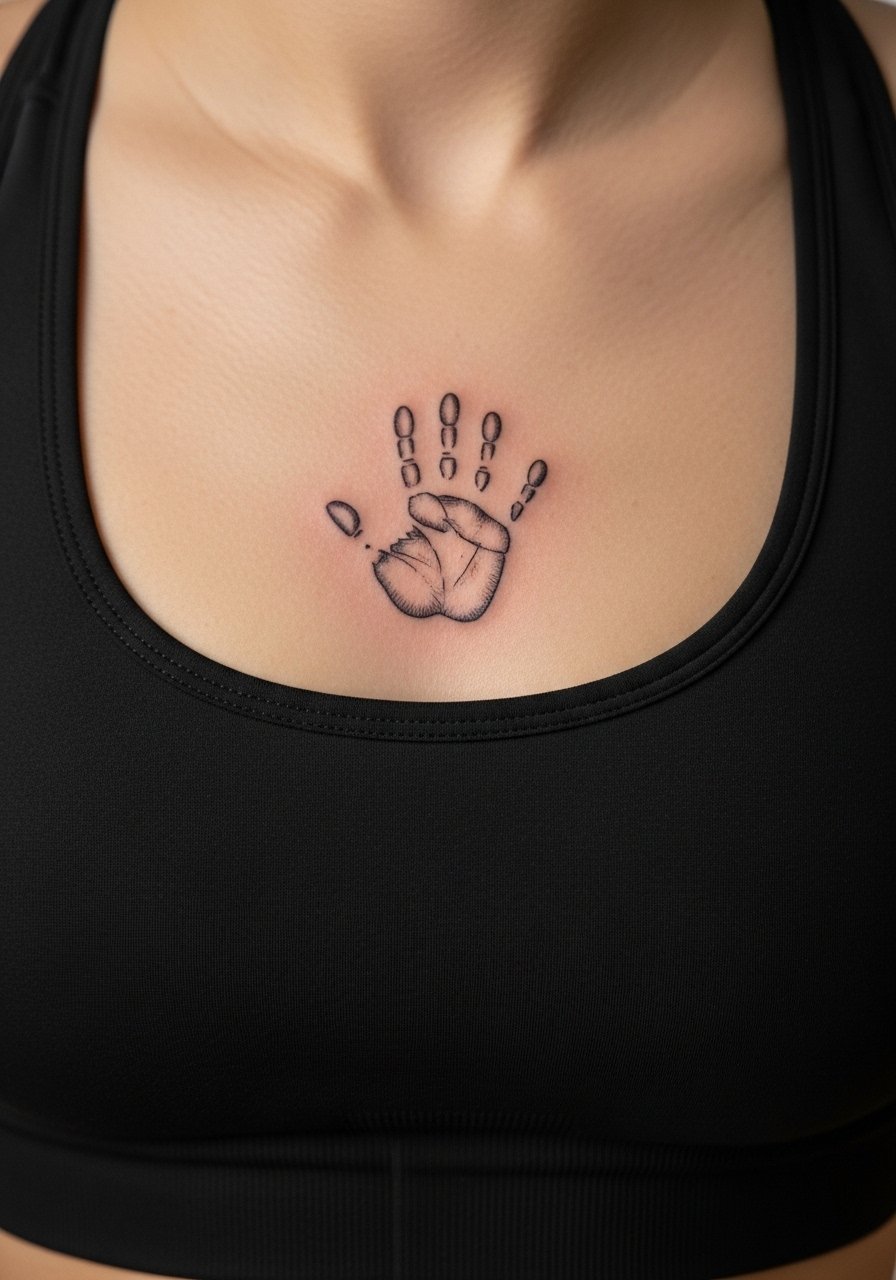
Sternum pieces are intimate and require specialized placement. Request the handprint scaled slightly wider than the original sketch so the fingers do not blur together. Pain can be higher and sessions require careful breathing coordination. Sensitive placement note: artists working here often request shorter sessions and extra stencil checks. For appointments, a fitted sports bra provides access while keeping you comfortable.
23. Chalky Star Trail on the Ankle Outer Edge
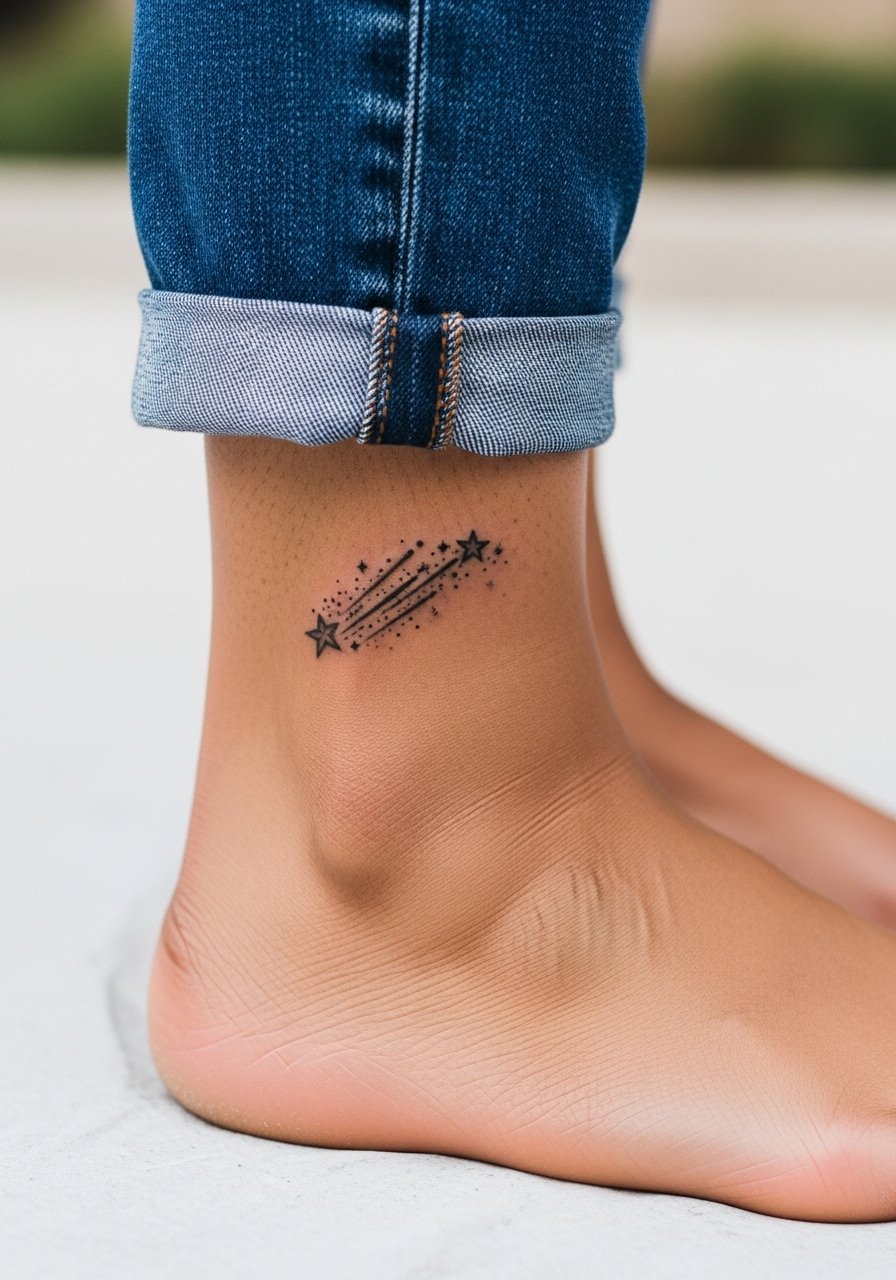
Ankle anatomy causes early wear and fading so ask for slightly bolder anchor points on the trail and keep leading stars spaced. Sessions are quick but healing is affected by shoes and socks. A mistake is insisting on ultra-fine single-needle dots that disappear. For display, roll your jeans and wear sandals or low-profile shoes to keep the ankle visible.
24. Child’s Crayon Portrait on the Upper Arm Inner Fold
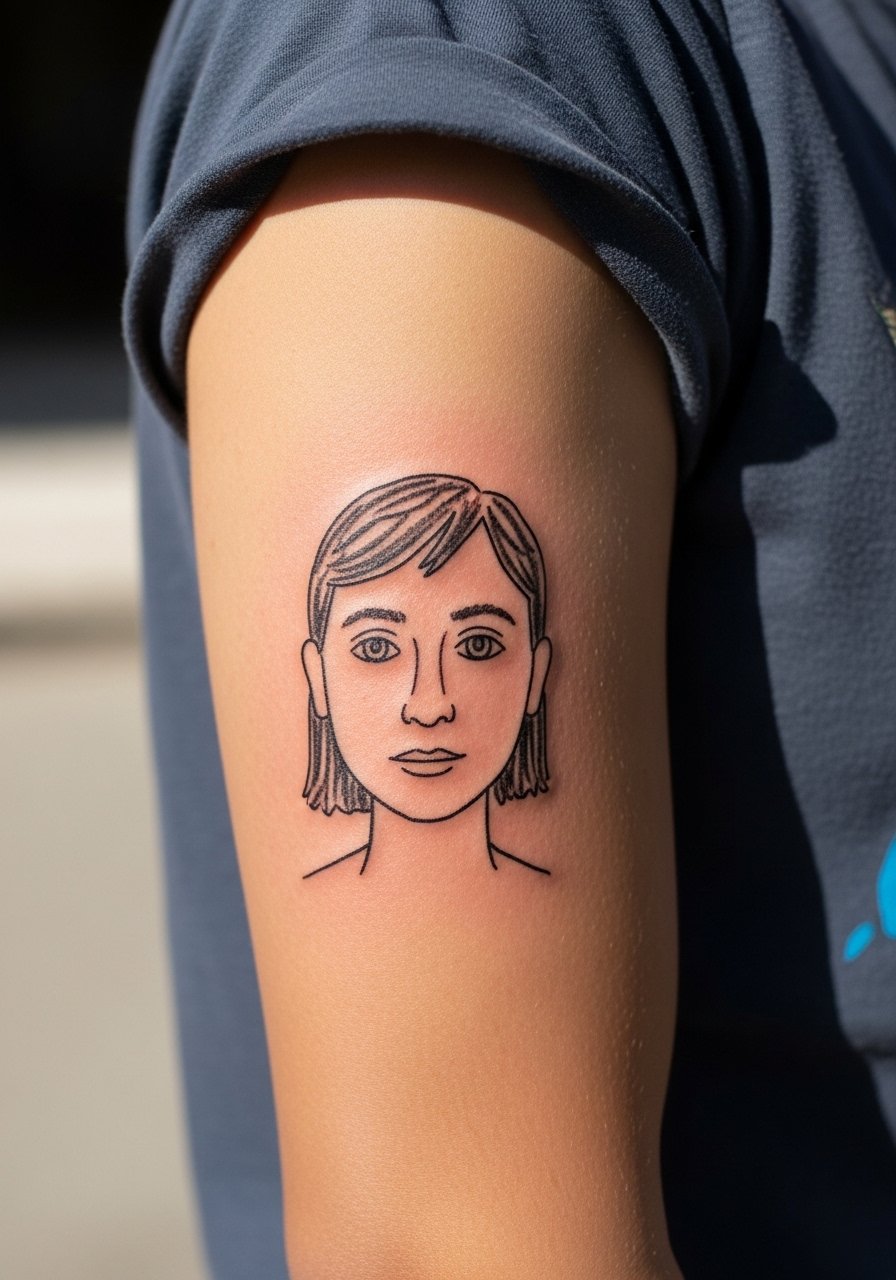
Inner arm keeps portraits safe from sun and abrasion, but avoid very fine facial details. Ask the artist to prioritize clear contours and suggest simplifying tiny facial lines. Session time varies with size, often 60 to 90 minutes. A common mistake is trying to capture micro-features that do not survive healing. For session comfort, a loose button-down shirt that you can pull aside works well.
25. Stick-Boat on the Side Torso
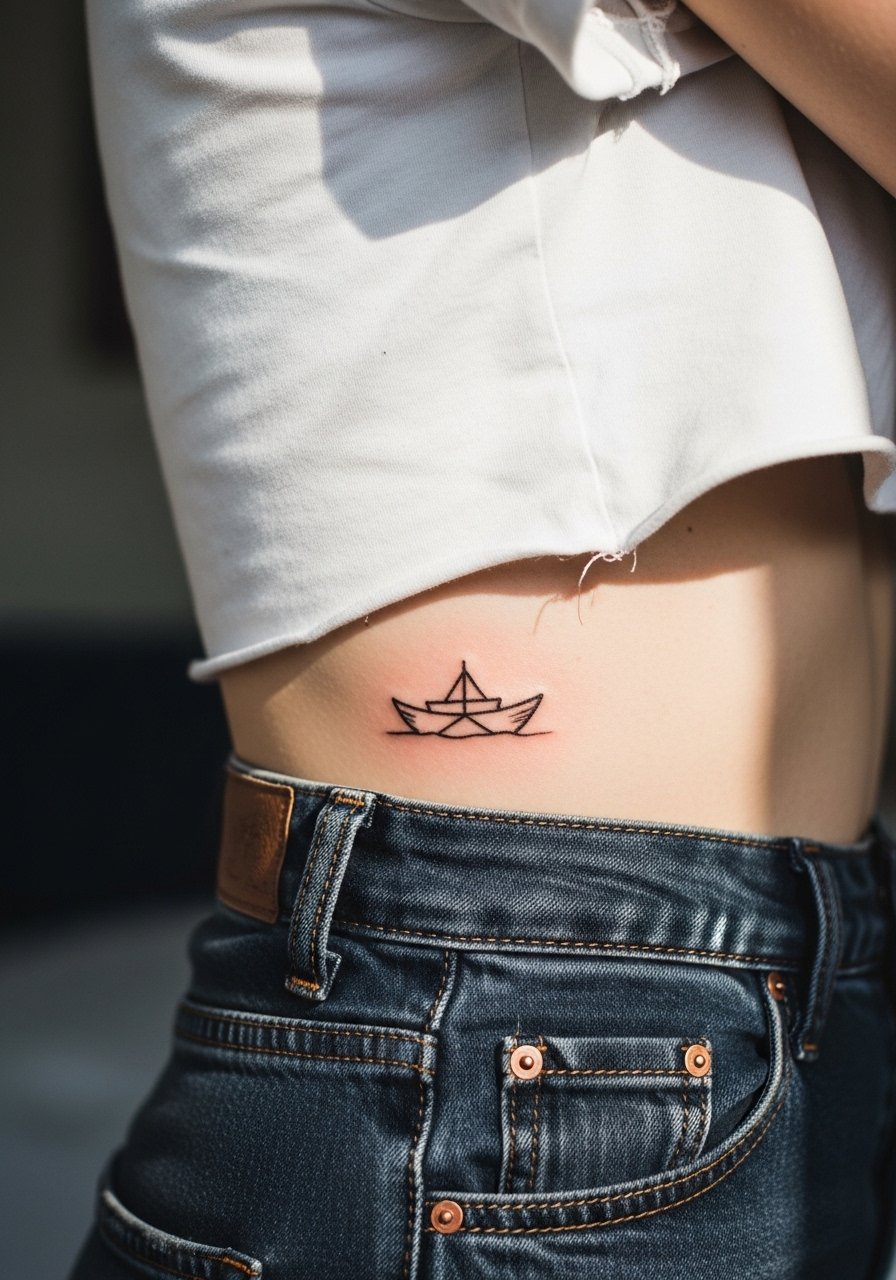
Side torso is a charming spot but the skin stretches. Ask for a slightly larger hull and open spacing between mast lines to delay blurring. Sessions are more sensitive and usually longer because the area moves with breathing. Avoid dense crosshatching in this zone. For the appointment, a cropped tee and high-waisted bottoms make access simple.
26. Marker-Style Butterfly on the Shoulder Cap
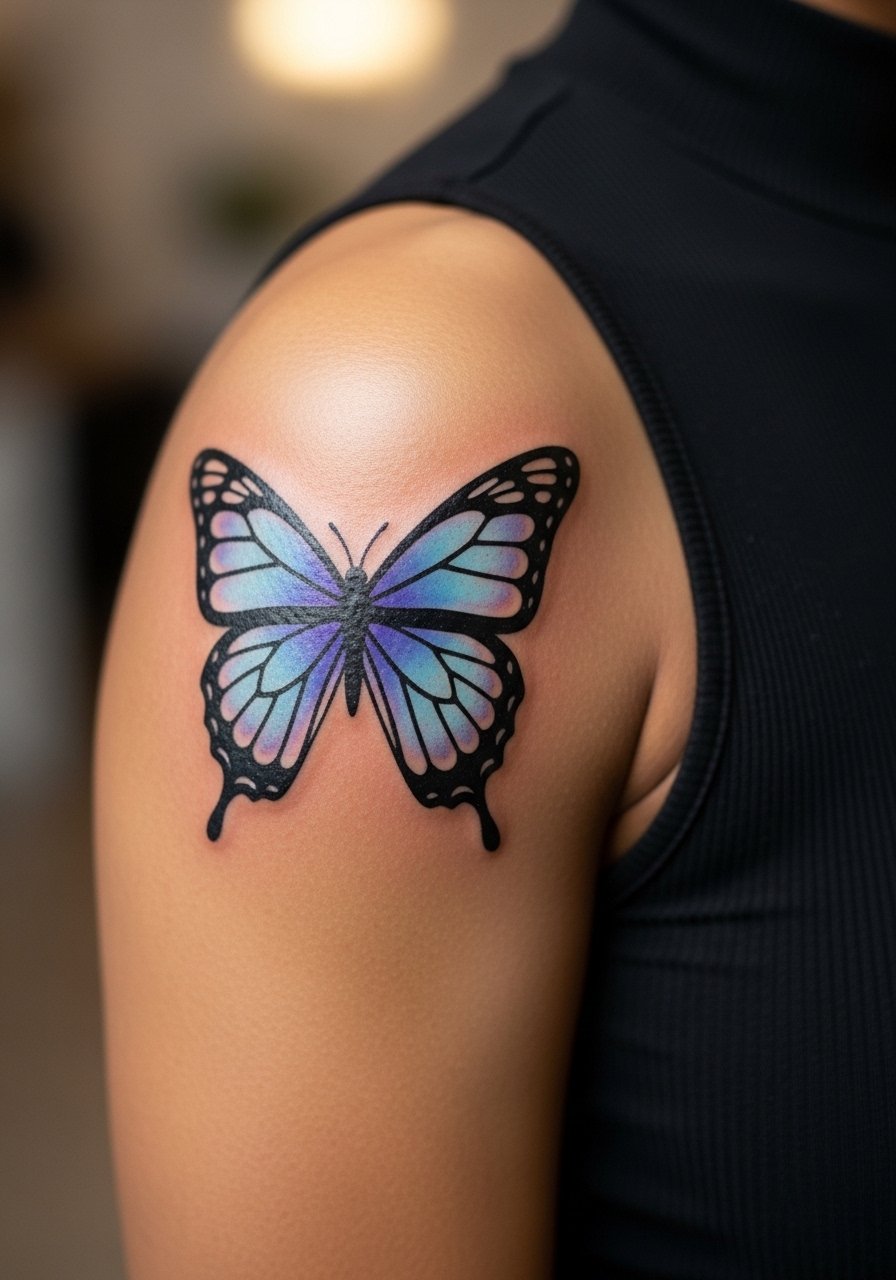
Shoulder cap accepts bold color and stays protected under most clothing. Ask for solid outlines and moderate color saturation in the wings. Sessions are moderate and healing straightforward. A mistake is asking for tiny vein lines inside the wings that get lost. For show-off looks, a sleeveless top reveals the shoulder without overexposure.
27. Child’s Scribble Plane on the Lower Leg Outer Side
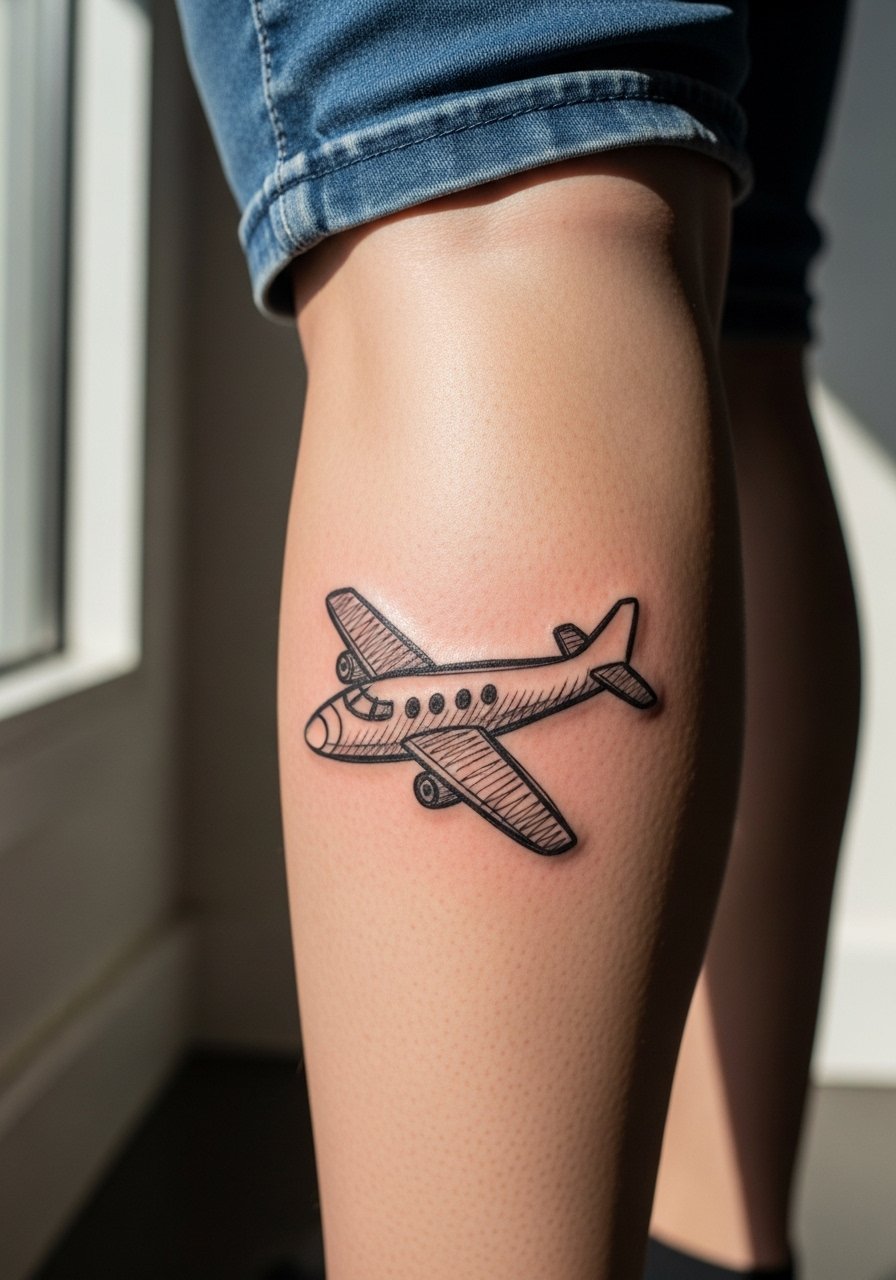
Lower leg pieces do well with motion-friendly spacing. Ask for bolder limb outlines to survive daily movement and occasional sun. Sessions typically run 30 to 60 minutes. A common mistake is over-detailing the cockpit or wheels. For comfort and display, wear loose shorts you can roll up without pulling on fabric.
Frequently Asked Questions
Q: Will a crayon-style tattoo fade faster than a traditional black line piece?
A: In my experience, crayon-style work often uses lighter fills and thinner strokes which can fade faster, especially on hands, fingers, and ankles. Ask the artist to beef up outlines slightly and include a touch-up plan, and expect touch-ups sooner on high-friction spots.
Q: Are sketch-style portraits based on kids’ drawings respectful to cultural sources or personal symbols?
A: If a sketch borrows from a cultural or religious motif, mention that to your artist and ask for a respectful adaptation rather than a direct copy. Most artists appreciate that conversation and can adjust motifs so they feel personal without reproducing sacred imagery.
Q: How should I prepare clothing-wise for a ribcage or sternum session?
A: Wear a crop top, sports bra, or a shirt you can lift slightly that still covers other areas. That keeps you warm and preserves modesty while giving the artist clear, localized access.
Q: Do small finger and wrist sketches seriously affect professional impressions?
A: Some workplaces remain sensitive to hand and neck tattoos. If your career path might be affected, consider placements like the upper arm or ribcage that are easier to conceal. If you choose a visible spot, be prepared for maintenance and occasional touch-ups.
Q: How soon should I plan a touch-up for fine scribble or single-needle work?
A: Expect to reassess at year one. Many fine-line pieces benefit from a small touch-up between year one and year three, depending on sun exposure and friction. Your artist can recommend timing based on how the ink settles after the first six months.
Q: Can I turn my child’s actual drawing into a sketch tattoo without losing the original character?
A: Yes, but it helps to bring a clean scan and a short list of must-keep elements. Ask the artist to preserve the proportions that matter and simplify areas that would blur. A good conversion keeps the charm while adjusting line weight and spacing for longevity.
