
Fine line behind-ear work is trendy, but the reality is more mixed than the viral snapshots suggest. Tiny pieces hide well under hair but often peek in professional settings, the skin there can feel sharper than an arm session, and healing under hair brings its own itch and scabbing. This list balances what looks great fresh with what will still read clean after a year or two, plus wardrobe and prep tips to make the whole process less surprising.
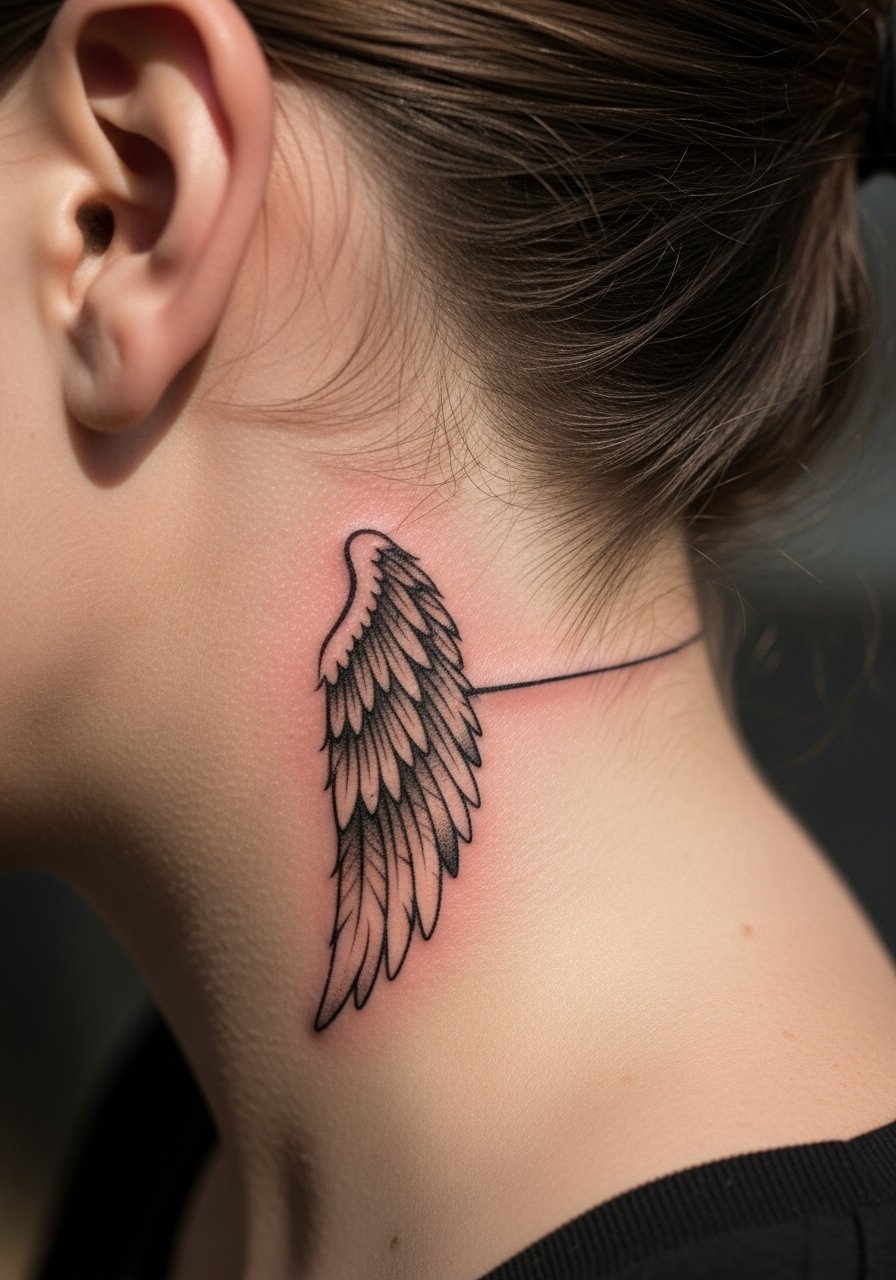
1. Single Feather Angel Wing, Minimal Blackwork
I've seen the single-wing behind-ear placement used to hint at protection without shouting it. Ask your artist for a 1-2 inch feather with varied linework so the quill reads darker and the barbs feather out in fine stipple shading. Fair warning, fine line here can blur faster than bold work because the area moves when you turn your head. Tell your artist you want slightly heavier linework at the base to hold over time, and expect a 30 to 45 minute session with a little sting. For showing it off, pair with a crew neck graphic tee men and a short back-and-sides haircut so the wing peeks casually from under hair.
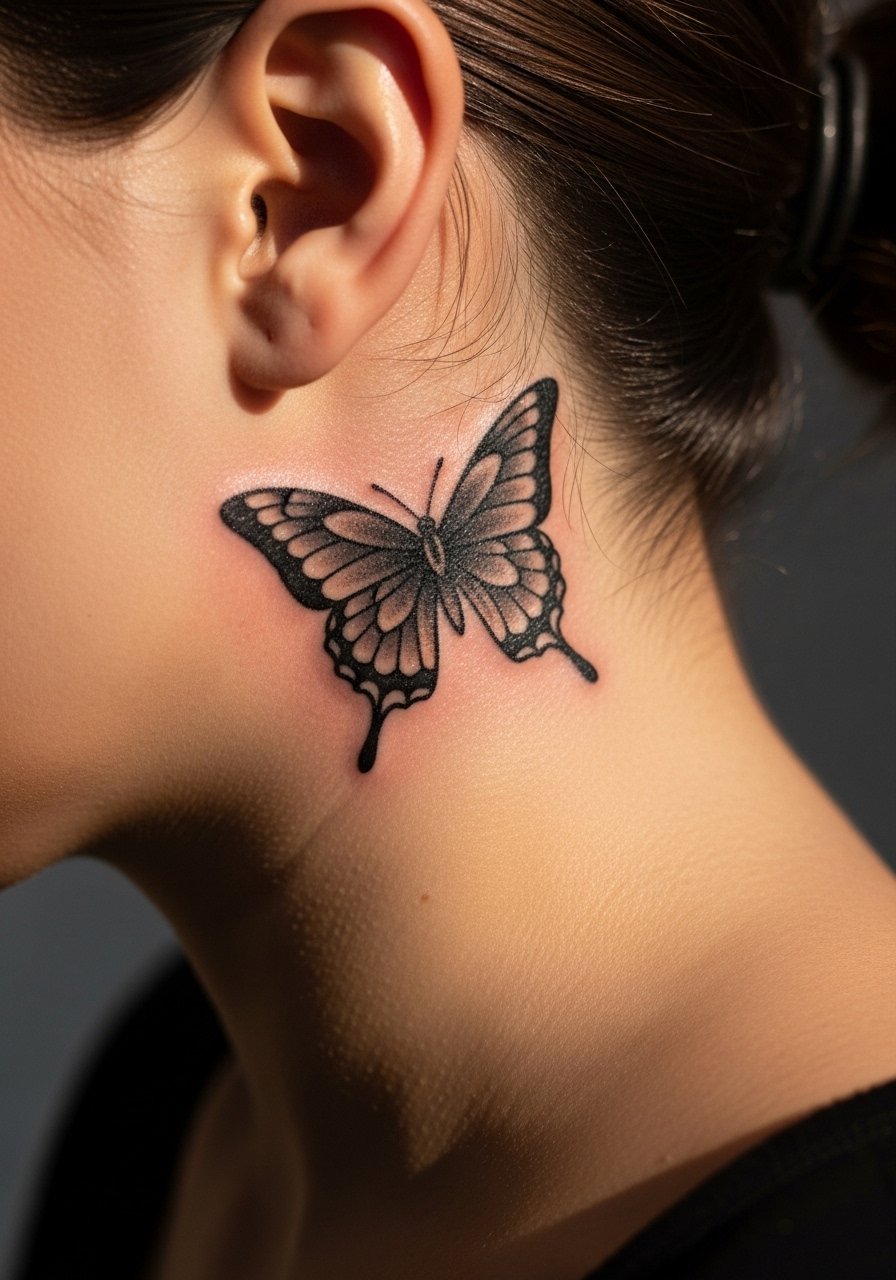
2. Tiny Butterfly, Neo-Traditional Twist
Personal observation: butterflies have shifted masculine when artists add bolder outlines and muted gray fills. For a behind-ear piece, request compressed wings and stronger black outlines so the silhouette reads when hair partially covers it. The session is short, about 30 to 50 minutes, and the main mistake is asking for too much interior detail for a 1.5 inch space. Expect color to soften over time, so if longevity is priority, pick black and gray or deep charcoal instead of saturated color. For session comfort, wear a button down collar shirt you can pull slightly aside so the artist has clean access.
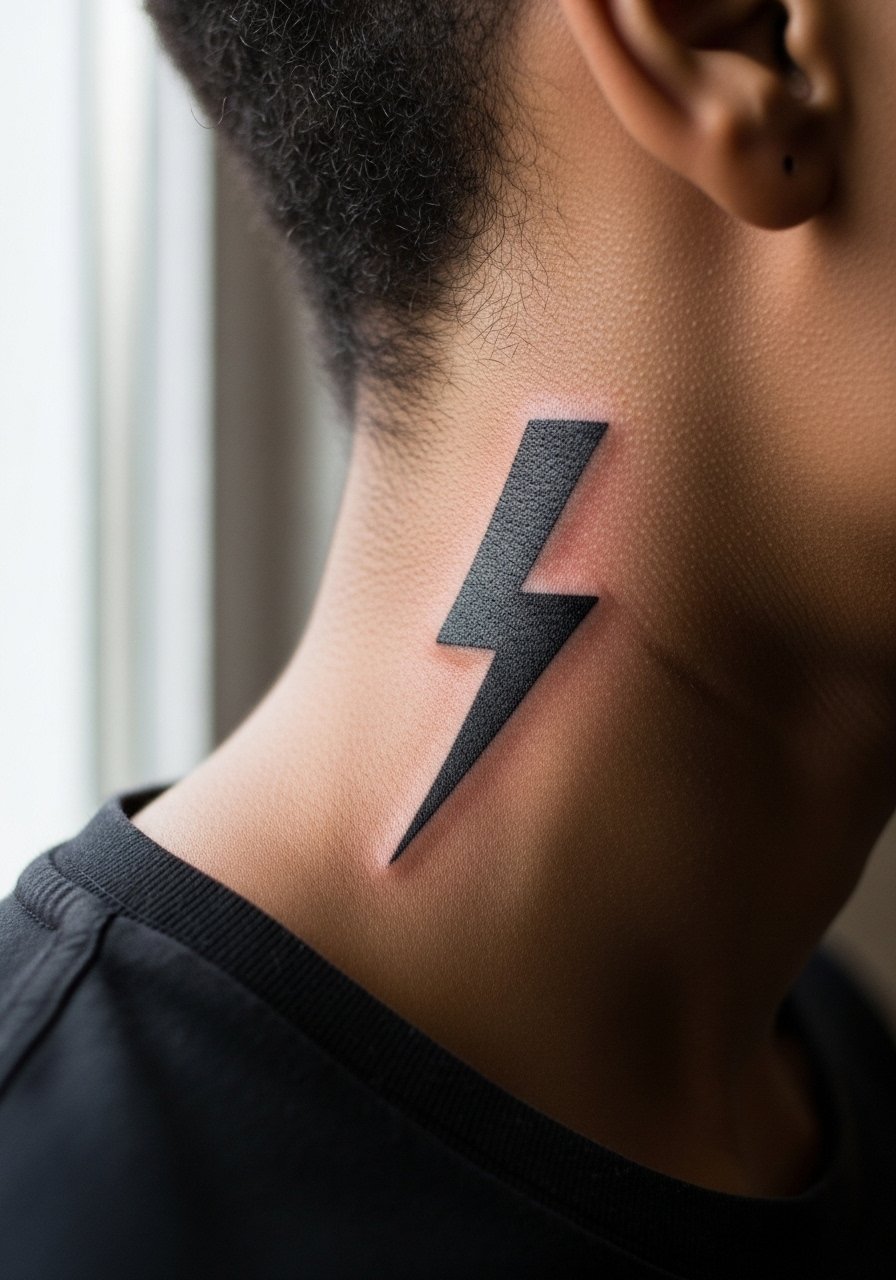
3. Lightning Bolt, Bold Line Minimalist
There is a simple visual truth with lightning bolts behind the ear. A single bold streak reads instantly, and bold line holds much better in that zone than micro detail. Most builds here take under 20 minutes. A common mistake is making the bolt too thin. If you want energy symbolism without touch-ups every few years, ask for a thicker trace and crisp end points. The pain is moderate because the bone sits close, and healing can itch under hair. If you care about workplace visibility, test a temporary marker in the exact spot before booking.
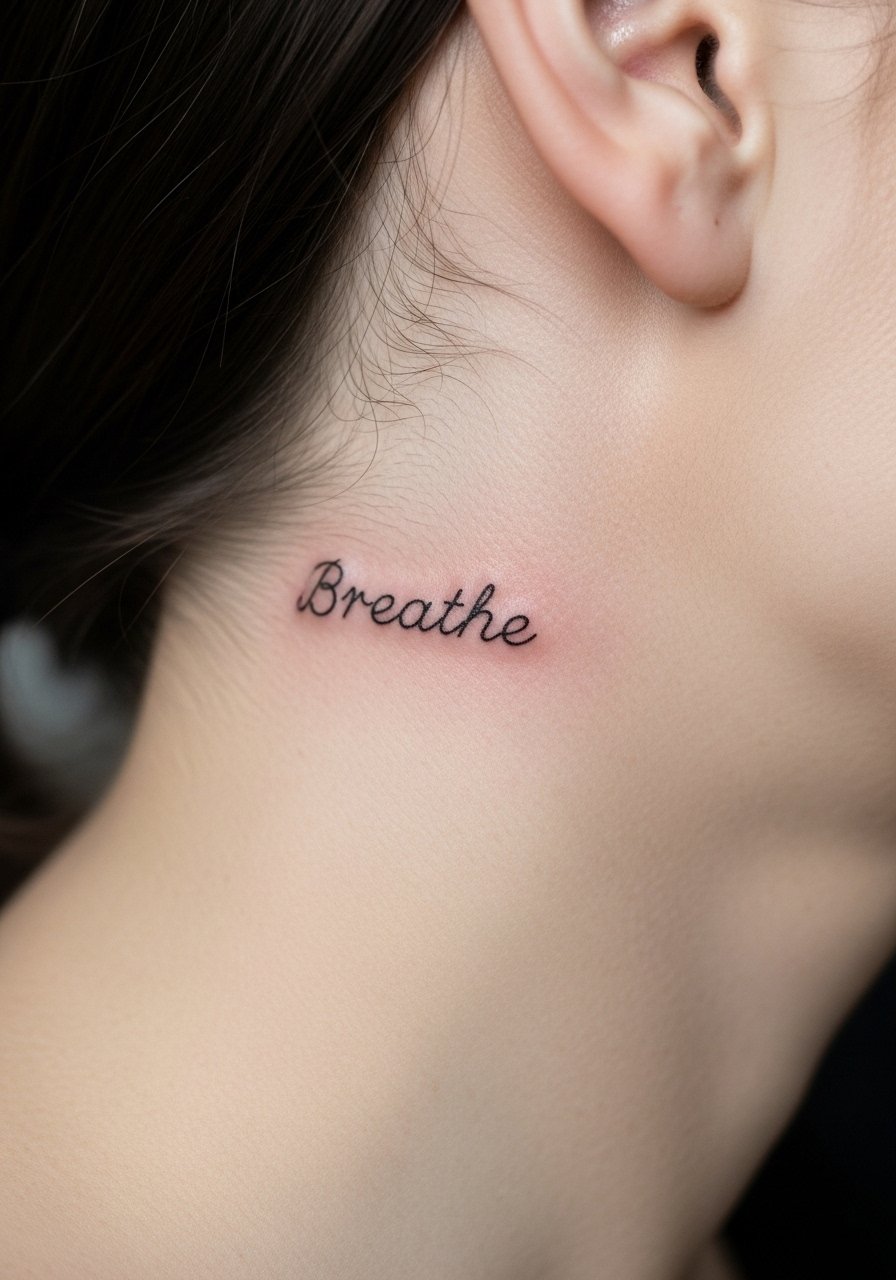
4. Tiny Script Word, Fine Line Affirmation
Most people pick a single short word for a behind-ear script, so the realistic question is size and font. The consultation lead here matters. Bring examples that show the exact letter spacing you want and tell the artist you prefer slightly tighter kerning so letters do not spread into each other as they age. Fine line scripts can look fragile after two years if done too thin. For session day, throw on a short haircut guide or pin your hair up so the artist has a clean line of sight. Expect a gentle but sharp sensation and a touch-up possibility at year two.
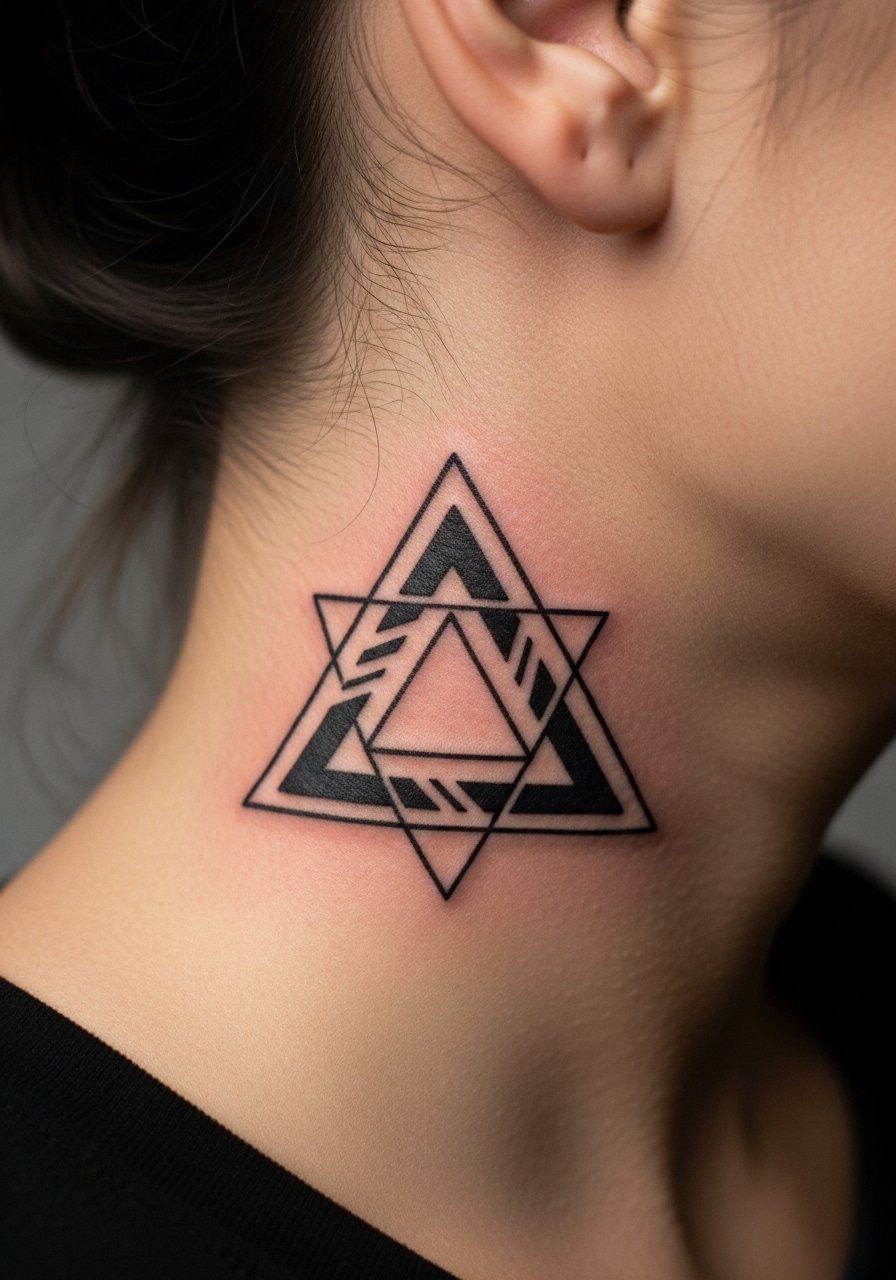
5. Geometric Triangle or Glyph, Optical Edge
The visual impact lead works here. Small geometric shapes read as intentional design choices rather than filler. For optical illusion effects, ask for clean negative space and deliberate angles that line up with the ear curve. The biggest mistake is packing too many lines into a 1 inch area. Tell your artist you want slightly more spacing between elements so the geometry breathes at six months and at two years. Pair this placement with a men's henley shirt black or a loose fit crewneck to frame the neck without competing visually.
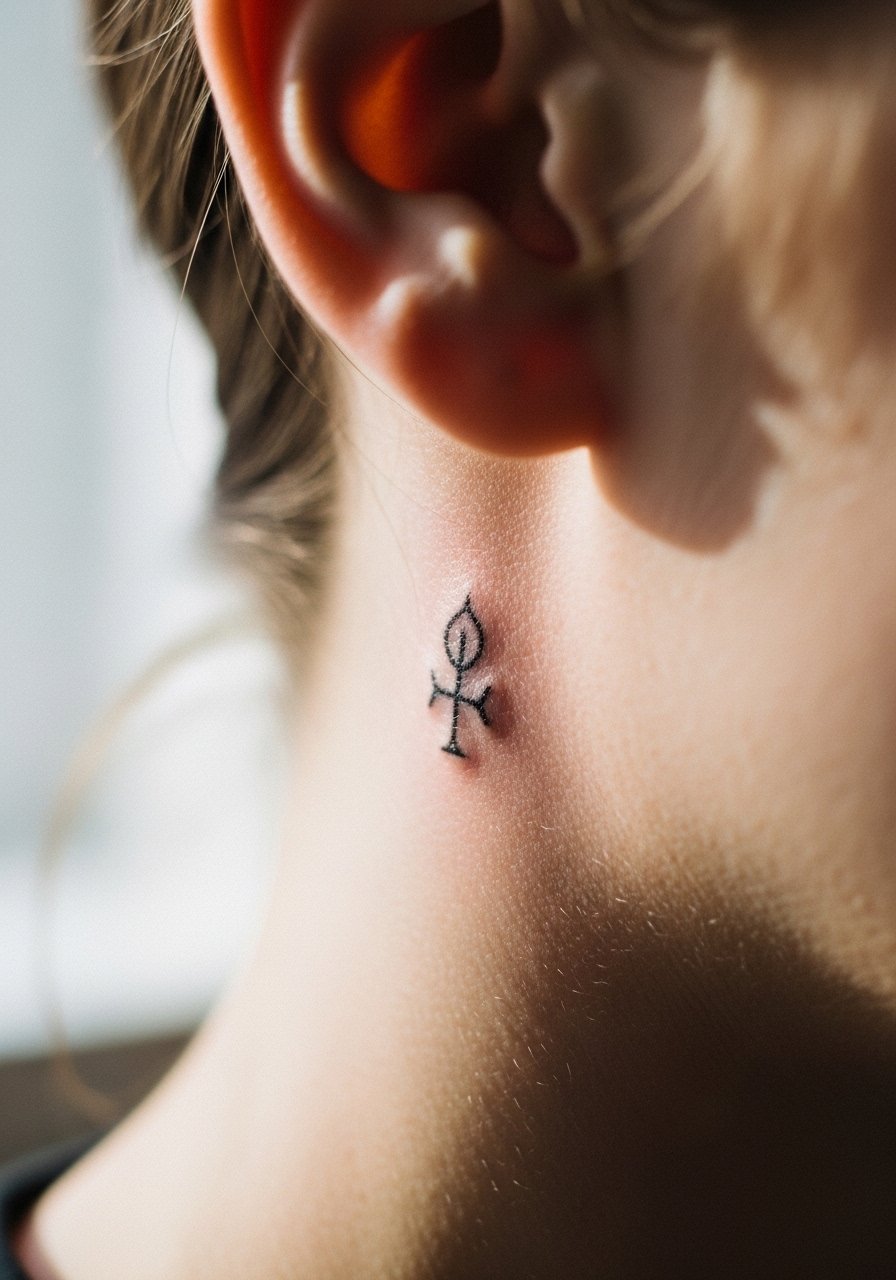
6. Small Symbol or Icon, Fine Line Personal Mark
Consultation lead: start this discussion by naming the exact symbolism you want and asking how small the artist recommends keeping it. Under 1 inch works best for initials, astrological glyphs, or small icons. The common aging mistake is over-detailing a symbol that needs to read clearly from different angles. For the session, wear a sleeveless muscle tee or a loose button-down so the artist can access the neck area without obstruction. Expect a 20 to 40 minute sit and plan for a touch-up if lines soften after a year.
Pre-Session Essentials
Those first six behind-ear pieces share common prep and healing needs, so a few targeted items smooth the session and the first week.
- Stencil transfer paper kit. Lets you preview the exact placement and linework before the needle, which matters for tiny scripts and geometric marks.
- Topical numbing cream. Applied 30 to 45 minutes before can ease the sharp sensation behind the ear without interfering if you follow the artist's protocol.
- Thin protective film roll. Keeps the area protected from hair friction and product transfer during the first days.
- Fragrance free gentle body wash. Cleanses the healing area without stripping delicate linework.
- Aquaphor healing ointment. Thin layers in the first couple of days lock in moisture for fine line work without clogging the skin.
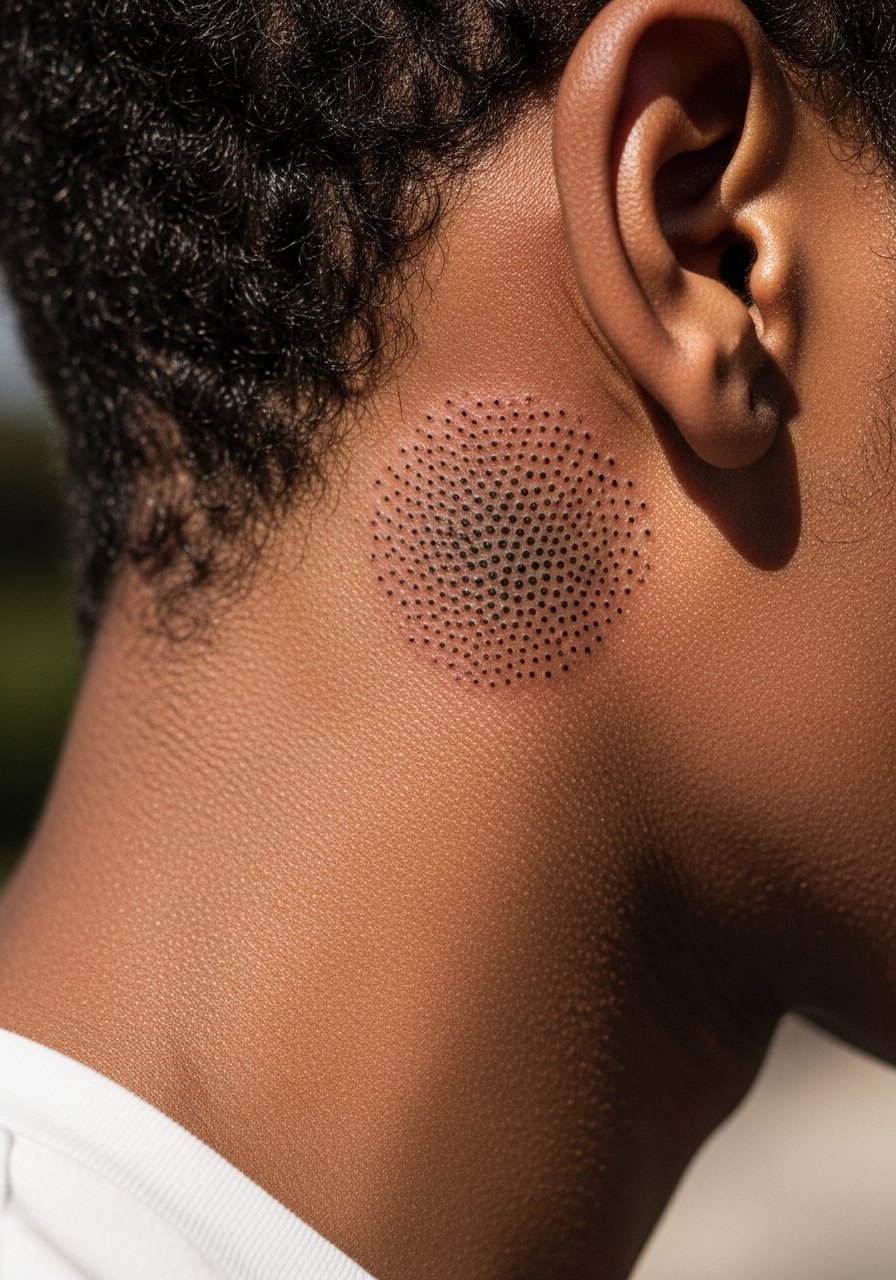
7. Tiny Stacked Dots, Subtle Dot Work
A personal observation: dot work reads very clean behind the ear when done with deliberate spacing. Tell your artist you want the stippling to form a gradient rather than packed clusters so the texture stays readable at six months. The session is longer than a single line because dot work takes time, expect about 45 to 60 minutes. Blowout risk is lower with dot work if needle depth is consistent. For showing it off, a loose fit crewneck keeps attention on the neckline without clashing.
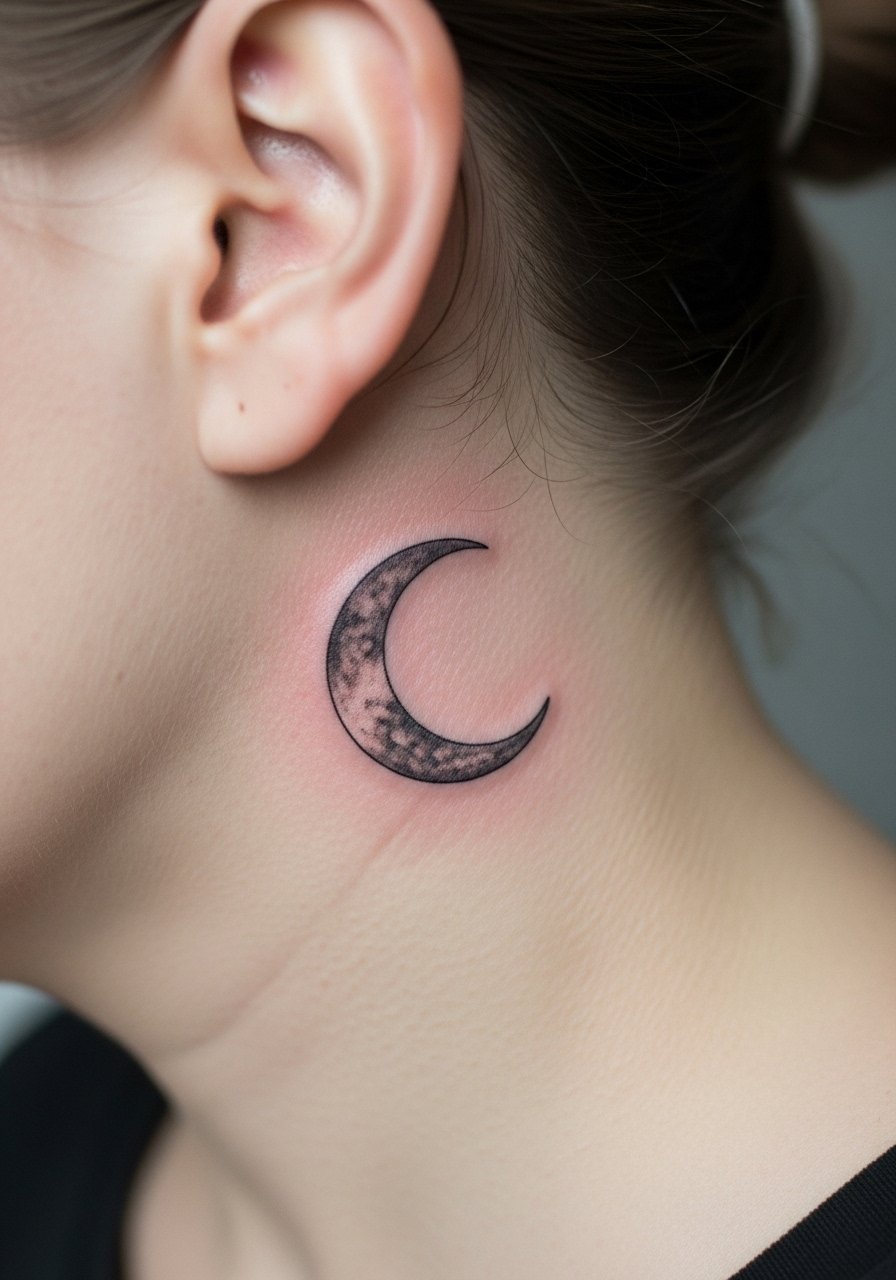
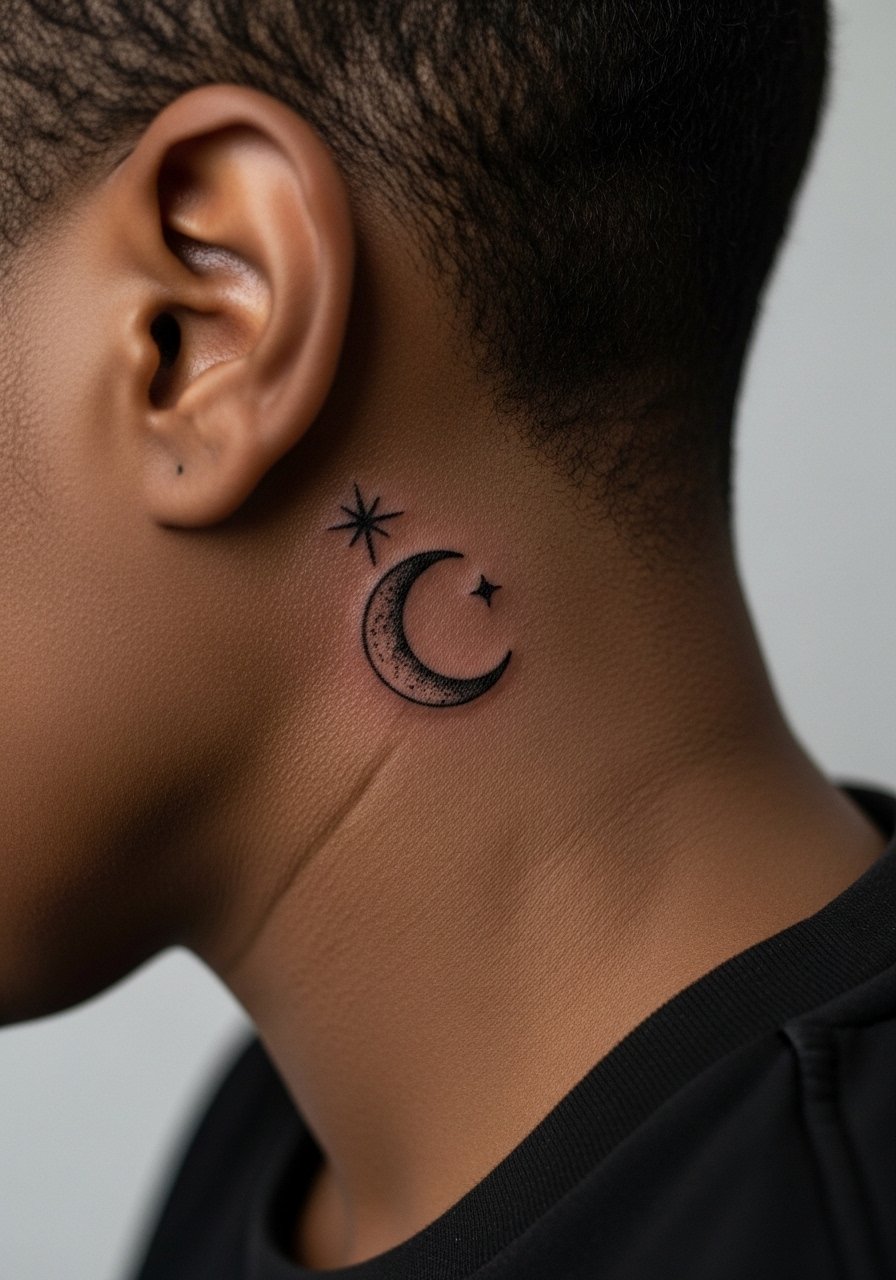
8. Micro-Realism Crescent, Tiny Portrait or Symbol
Consultation lead: micro-realism needs crisp reference art. For a crescent moon or a tiny portrait, insist on a healed reference scaled to the exact inch you want so shadows and highlights translate. The mistake is asking for too much tonal range in a very small space. Expect needle shading that feels like a persistent pinch near bone. For career-minded people, try a temporary transfer first to test visibility under typical hairstyles.
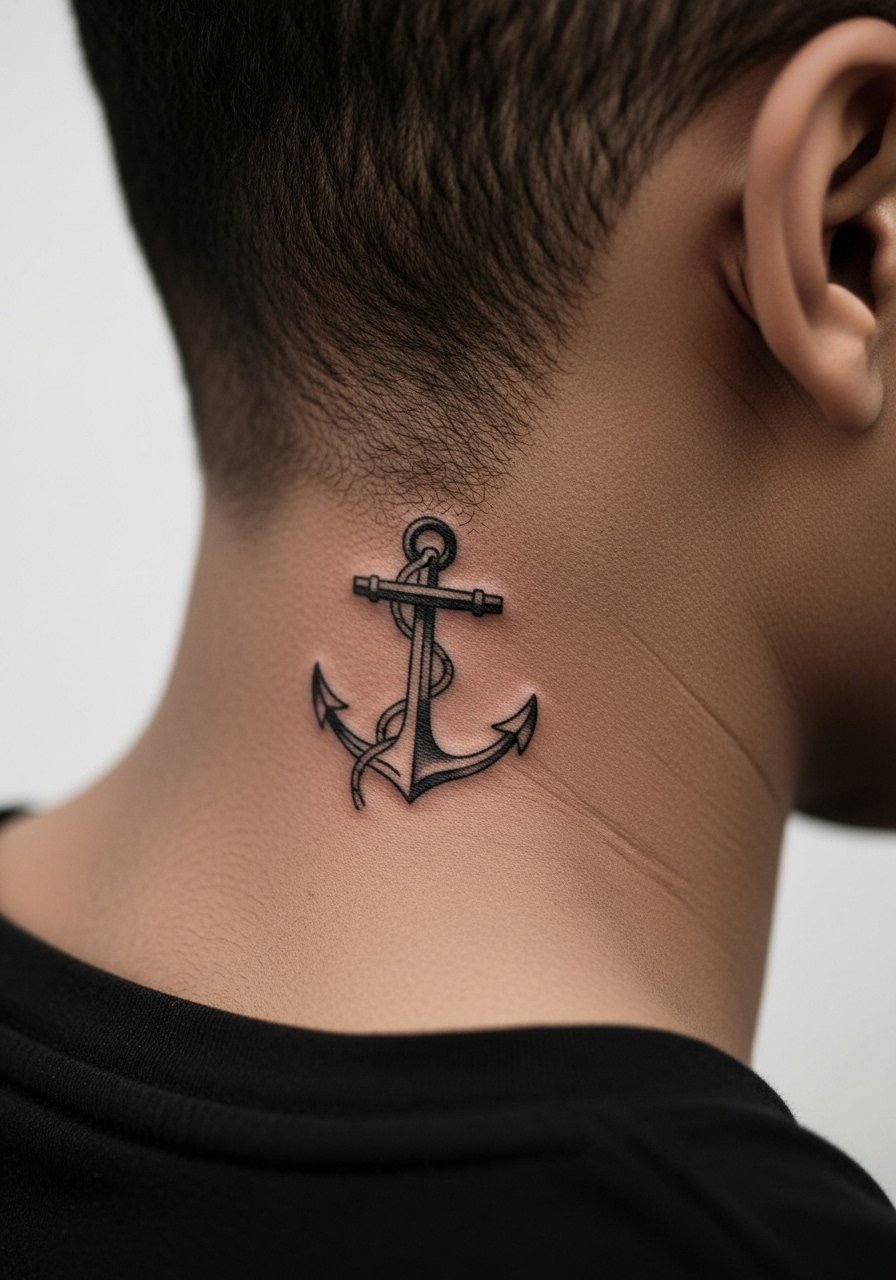
9. Minimal Anchor or Nautical Glyph
The visual impact lead applies. Anchors and small nautical marks read masculine and symbolic in one quick glance, and they age well if the base line is bold enough. Tell your artist to keep the anchor compact and avoid tiny rope detail. The session is brief and the sting is manageable. For a clean reveal, go for a v neck polo shirt men when showing the area, and a tidy haircut for the first week to reduce hair rubbing.
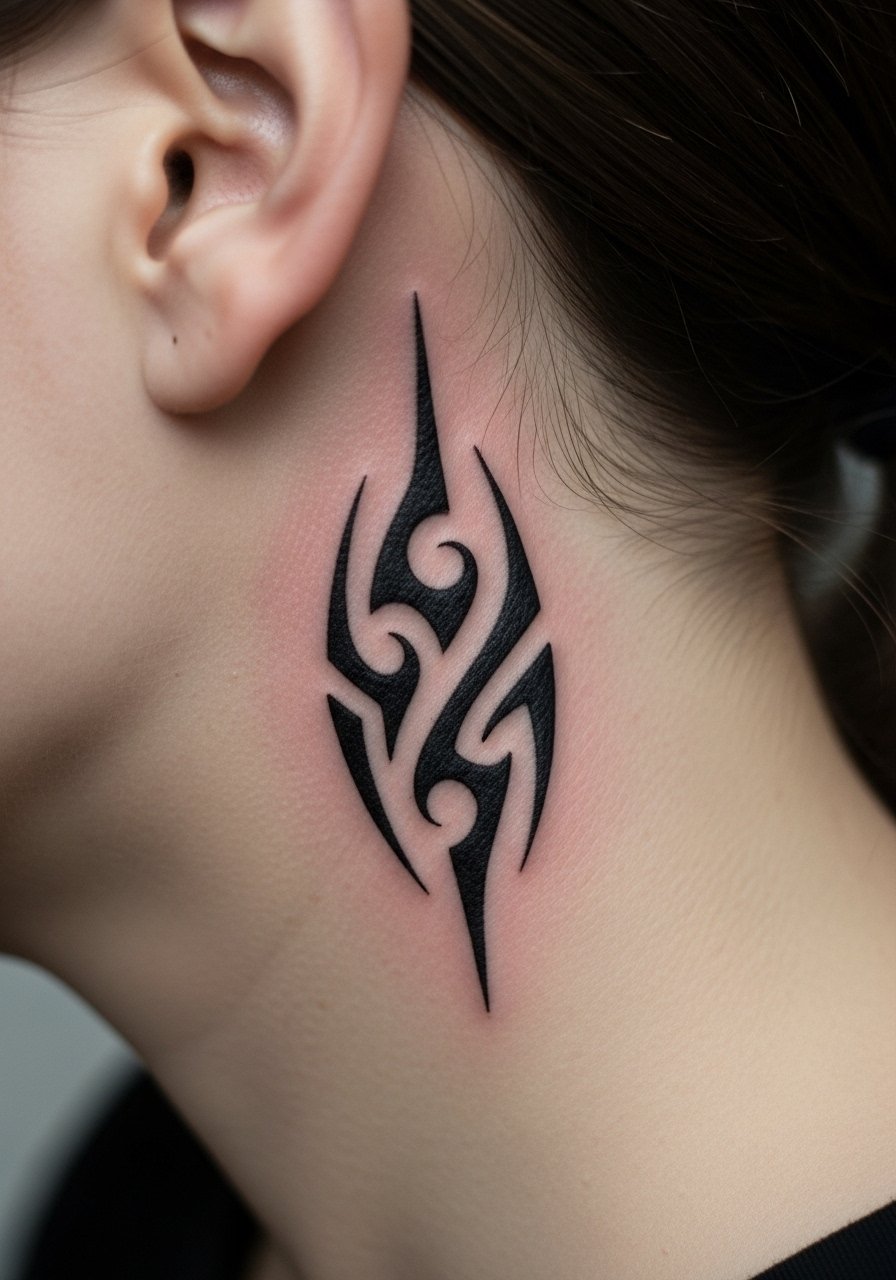
10. Small Tribal Mark, Respectful Modern Take
When a pattern references cultural motifs, be explicit about origin respect. Ask the artist for a modern interpretation rather than a direct replication if the design carries specific cultural meaning. The mistake is using generic tribal imagery without acknowledging its roots. For placement, a bold simplified glyph holds better than intricate weaving. The session is quick and the area may feel tender. Consider wearing a short haircut guide style while it heals to keep hair from snagging.
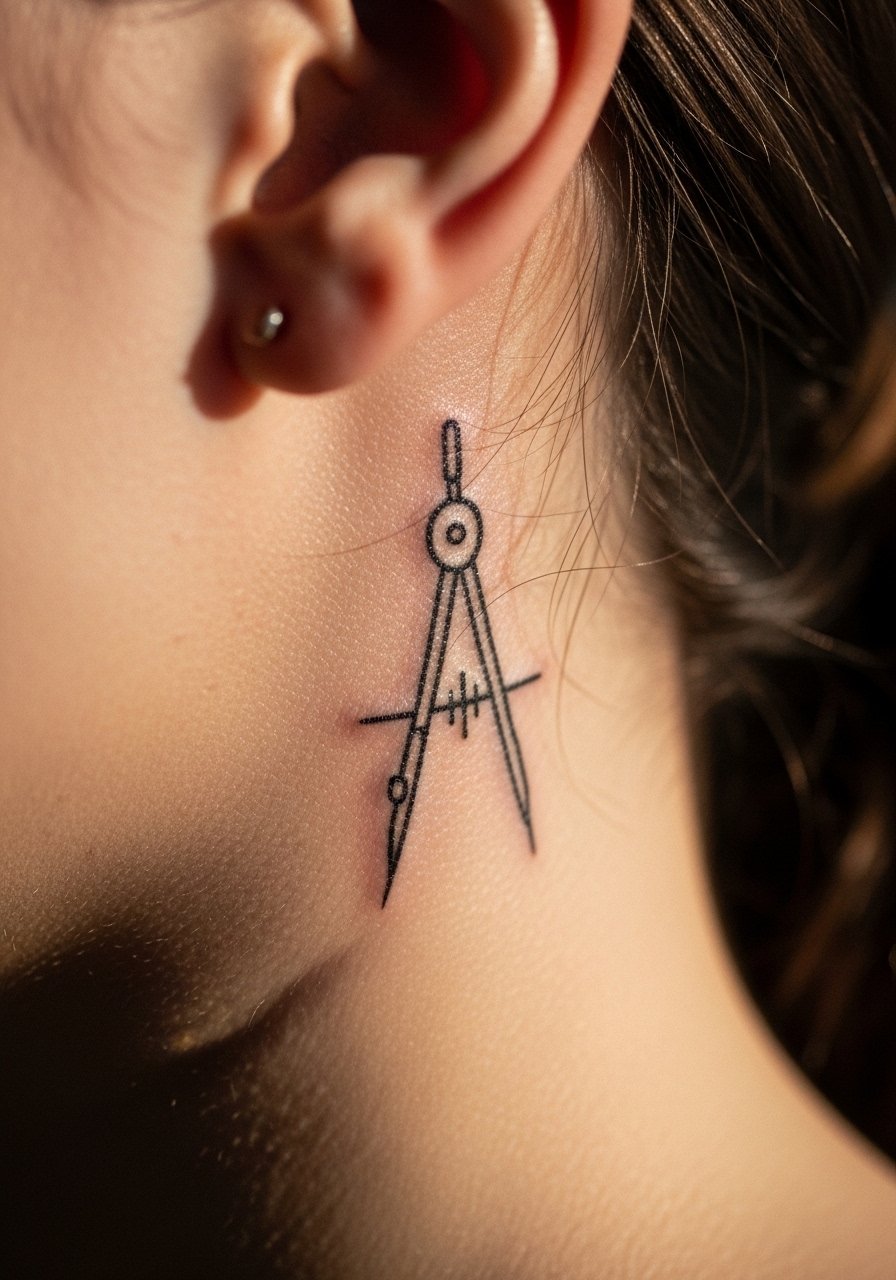
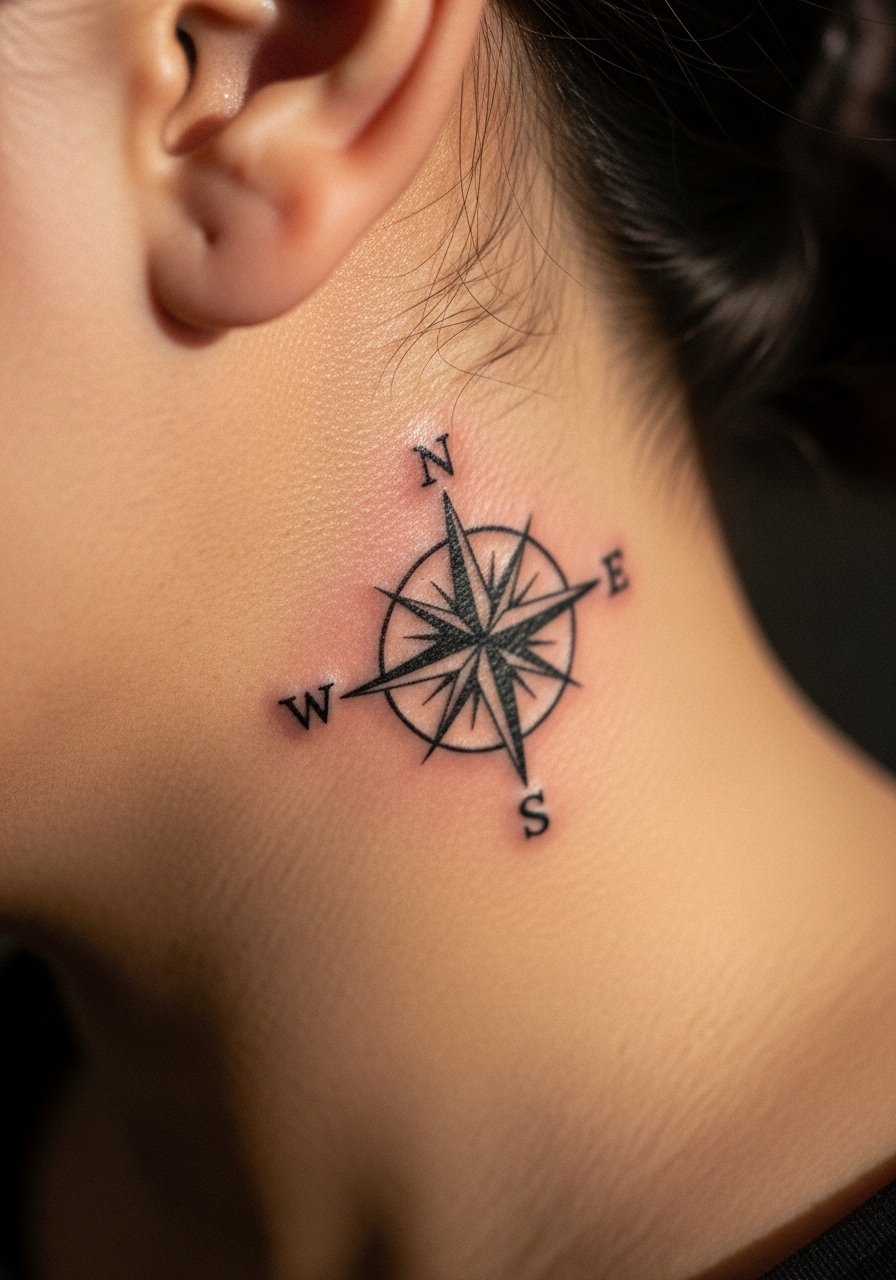
11. Tiny Compass Needle, Directional Micro Tattoo
Mistake lead: the biggest error with compasses is over-detailing the dial. For behind-ear scale, request only the needle and two cardinal points so the piece ages cleanly. Tell the artist you want the needle slightly bolder than the dial marks so orientation remains legible over time. Sessions usually run 20 to 30 minutes. Pair with a thin chain necklace silver that sits low and does not compete with the neck area.
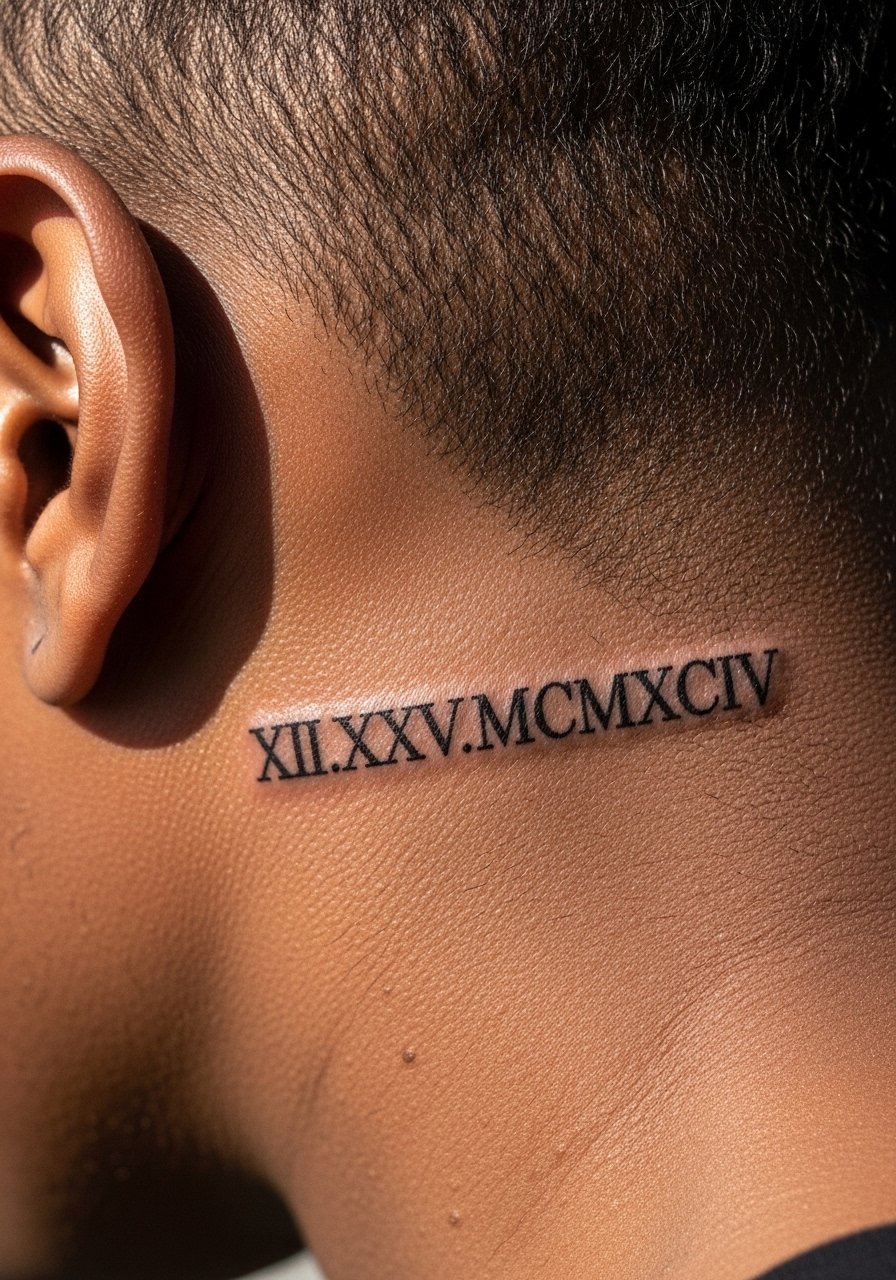
12. Roman Numeral or Date, Fine Serif Script
Aging and healing lead: text done in thin serif can spread, so use slightly wider strokes for numerals to keep each character clear for years. The consultation should include a stencil to check spacing because the curvature behind the ear can distort straight lines. Expect a sharp, brief session and a likely touch-up at one to three years if the digits soften. For visibility tests, mark the area with a washable pen before booking.
13. Minimal Floral Silhouette, Single Petal
Visual impact lead: a single petal or bud can read intentional and masculine when the stem is suggested with negative space. The common mistake is putting too many tiny veins in a small petal. Ask for one heavier anchor line with delicate stipple at the tip to maintain shape as the skin ages. Sessions are short and the area can itch under hair as it heals. Show-off pairing includes a loose fit crewneck in neutral tones so the petal sits quietly.

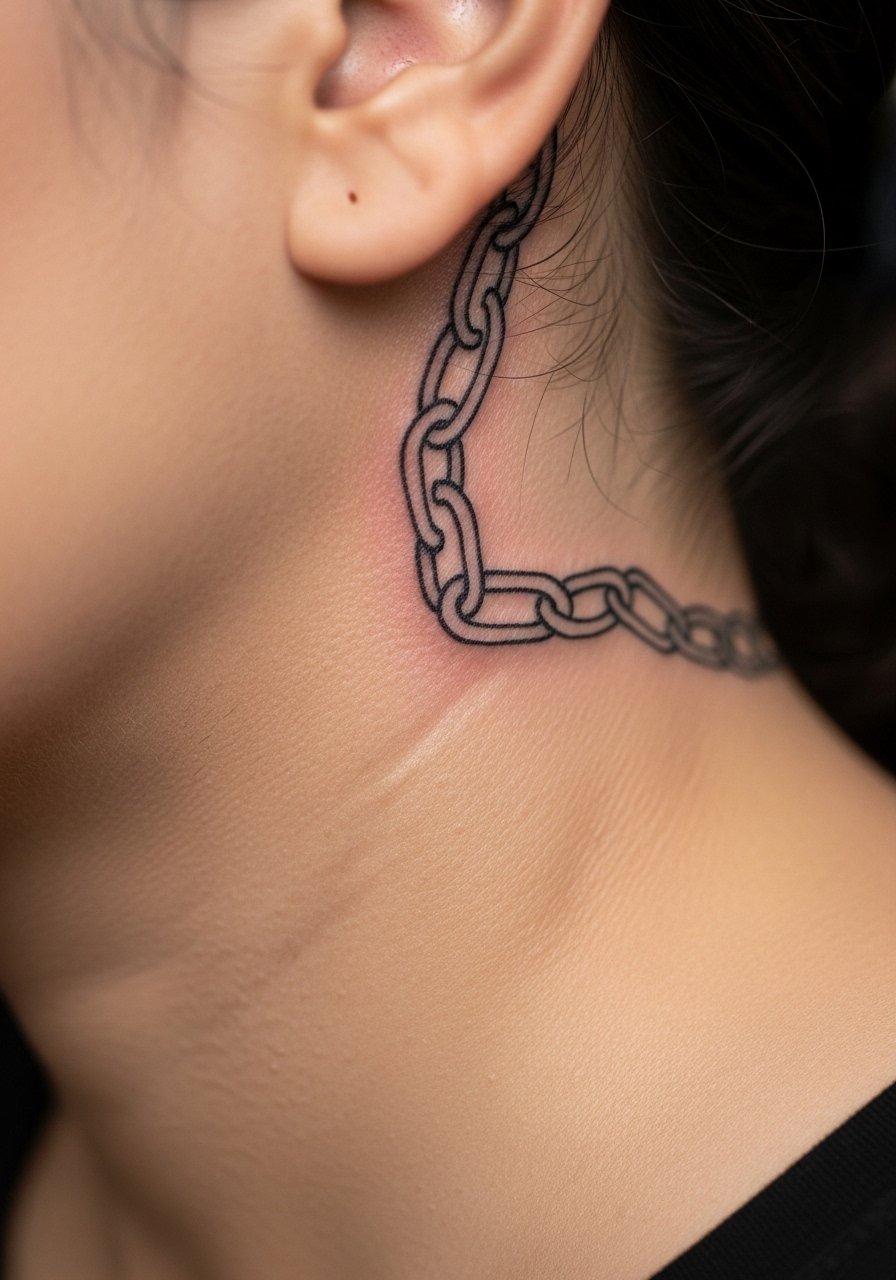
14. Small Anchor Chain Link, Tiny Geometry
Consultation lead: when linking a chain idea to the ear curve, have the artist mock the flow so it follows natural lines. The biggest mistake is a rigid straight link that fights the anatomy. Ask for slightly rounded joints in the chain links so the piece reads fluidly. This style handles touch-ups well if the outlines are clean. For session wear, a men's henley shirt black can be rolled down to frame the neck.
15. Crescent and Star Pairing, Small Celestial Set
Aging lead: small paired motifs age better if each has clear negative space around it. Tell your artist to keep the star distinct rather than packed into the crescent. The session is brief. A common mistake is overlapping details that merge after a year. For style, a subtle thin chain necklace silver sits below the area so the celestial motif reads above it.
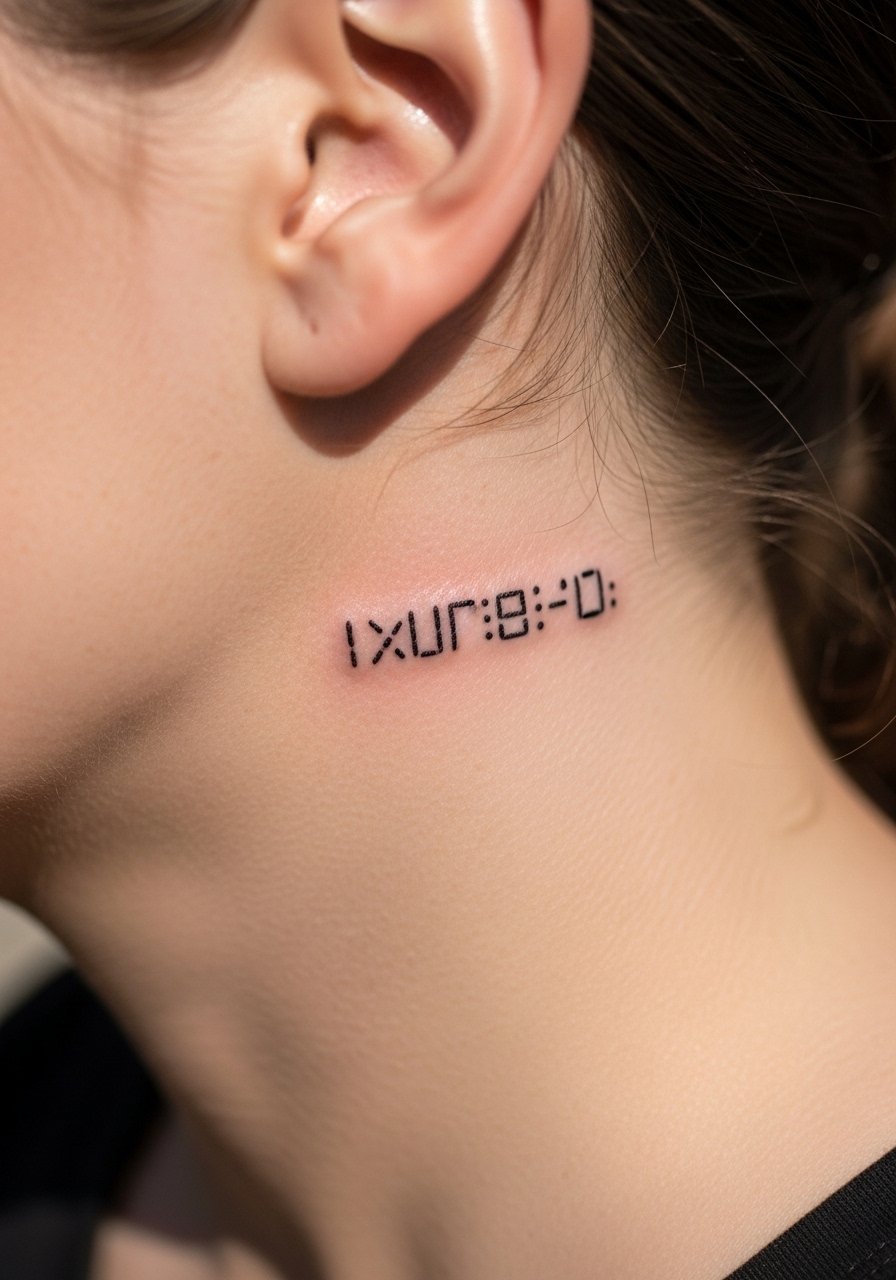
16. Morse Code Line, Discreet Message
Mistake lead: people try to cram long phrases into morse lines and lose rhythm. For behind ear scale, keep the code short and purposeful. Ask the artist to map the dots and dashes across skin and check the rhythm with you before inking. The session is short and mostly gentle, though the area can feel raw for a couple of days. For a subtle reveal, a short back-and-sides haircut helps the code peek without being obvious.
17. Compass Rose Mini, Stylized Blackwork
Consultation lead: a stylized micro compass works when simplified to four main points. Artists disagree about how much detail fits this spot. One camp pushes crisp micro detail, the other recommends a stripped-back rose to avoid blurring. Name both camps and ask which approach the artist prefers. Expect a 30 to 50 minute session and a possible year-two touch-up if detail is dense. For showing off, an open collar or v neck polo shirt men frames the placement.
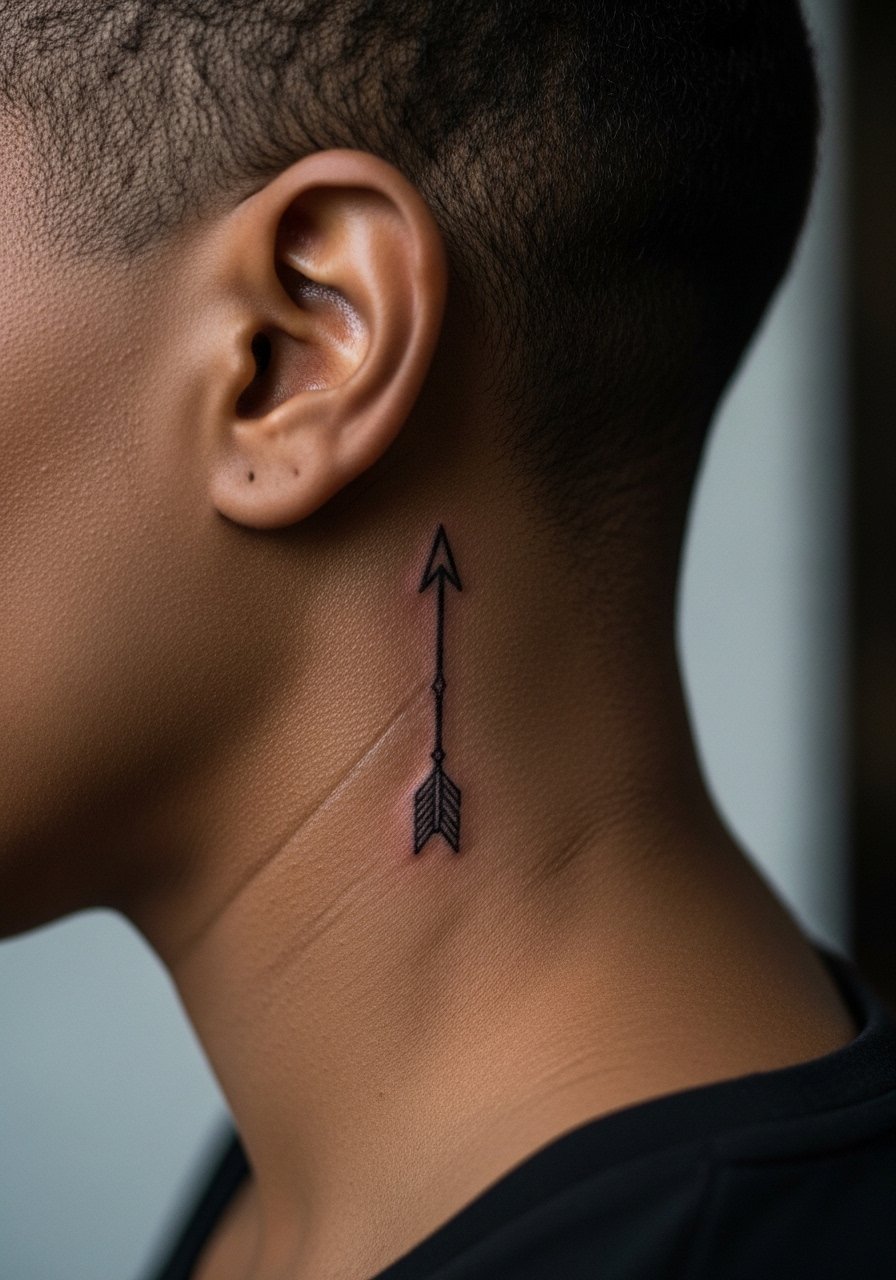
18. Small Arrow, Directional Micro Tattoo
Mistake lead: tiny arrows often get lost if the shaft is too thin. Ask for a slightly heavier shaft and crisp fletching. This design is forgiving in touch-ups and usually takes under 30 minutes. The pain is a quick sharp sensation and the area can catch on scarves or collars while healing. For session comfort, wear a button down collar shirt you can pull aside.
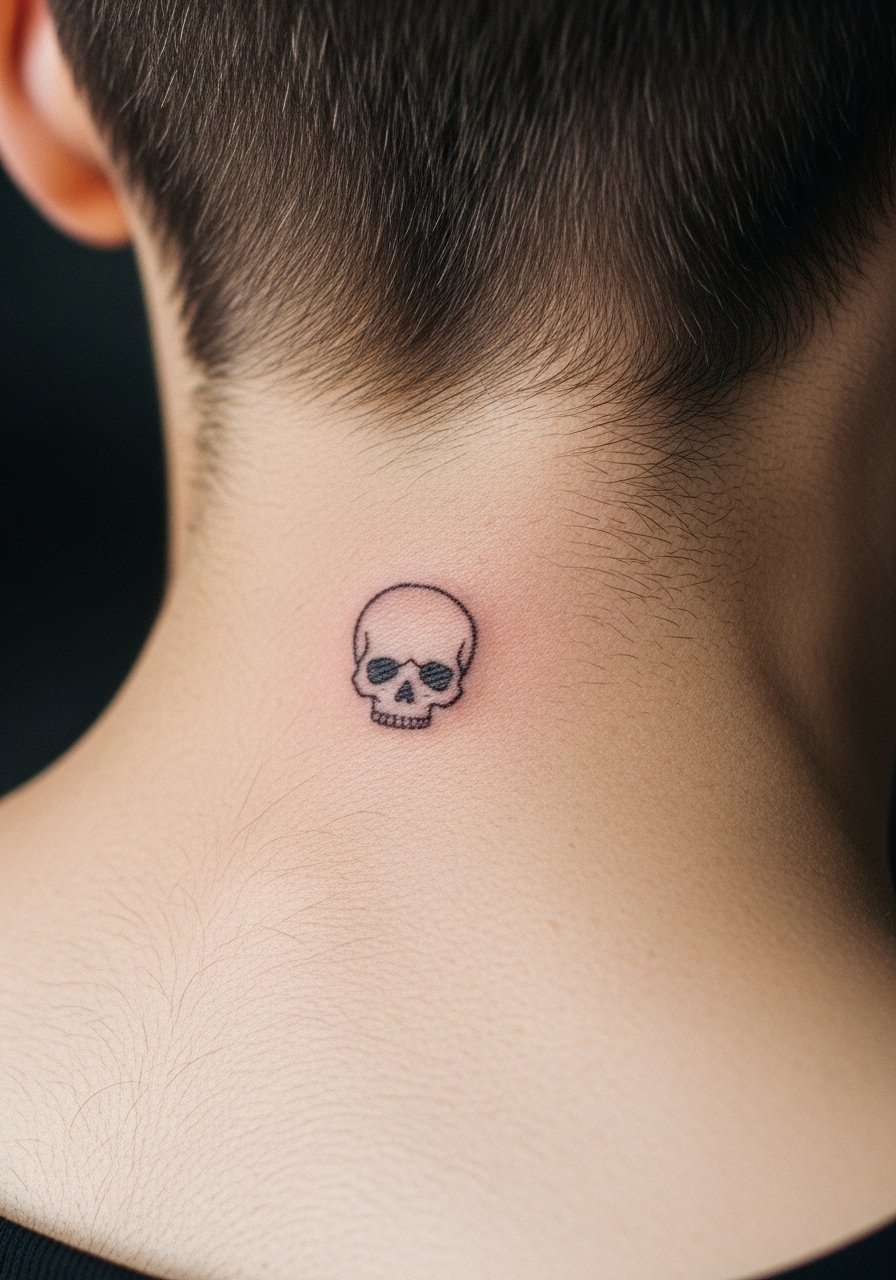
19. Tiny Skull Outline, Subtle Edge
Visual impact lead: a tiny skull outline reads bold for its scale when the jawline is simplified and the eye sockets are negative space. Ask for modest contrast rather than interior shading to avoid a muddy look over time. Sessions are brief and the area is sensitive near bone. For an outfit that complements the motif, choose a crew neck graphic tee men in muted tones.
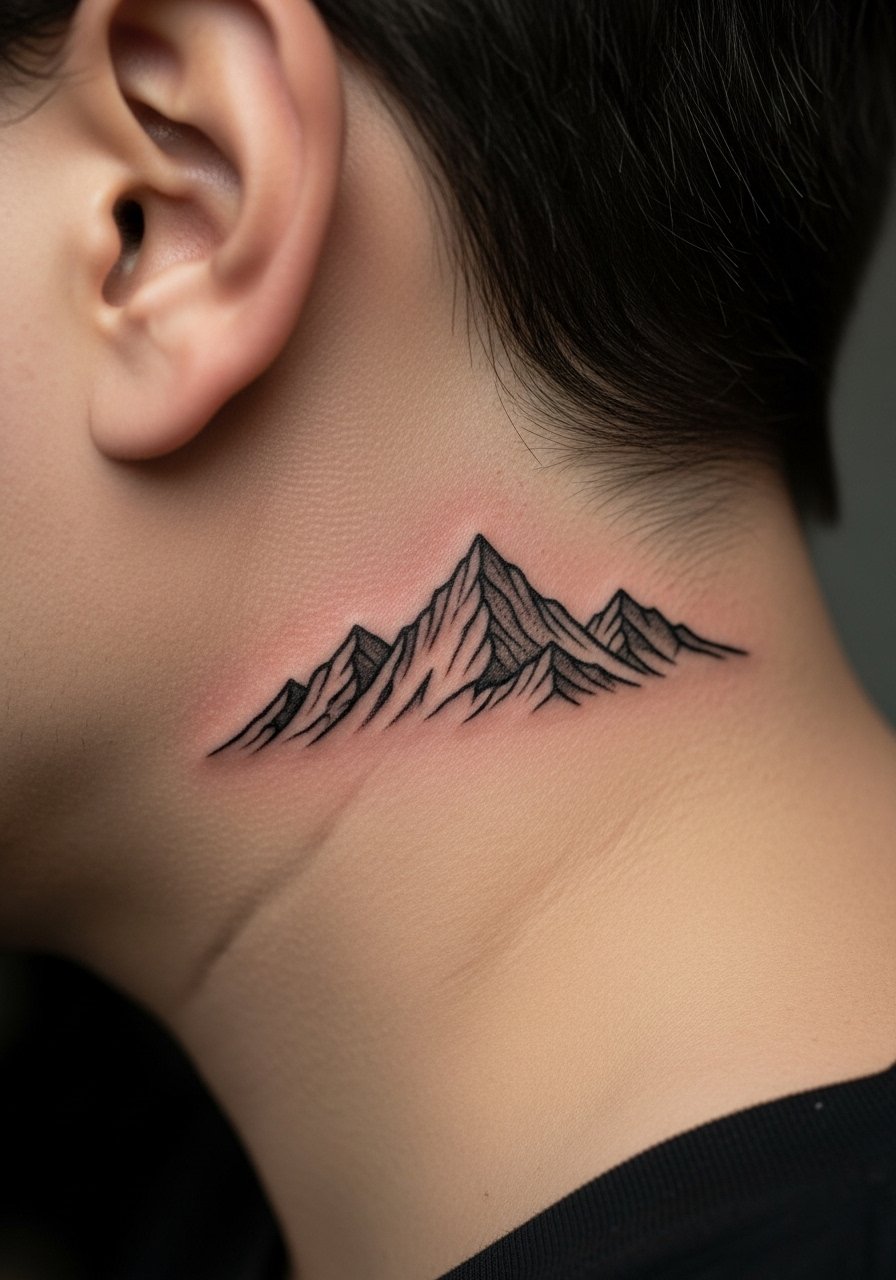
20. Tiny Mountain Range Silhouette
Aging lead: tight, complex peaks can bleed into one another. Keep the silhouette bold with negative space valleys so the peaks remain distinct at two years. This work pairs well with a longer texture hairstyle or a short fade depending on how much you want it revealed. For showing it subtly, try a loose fit crewneck in earth tones that frames the neckline.
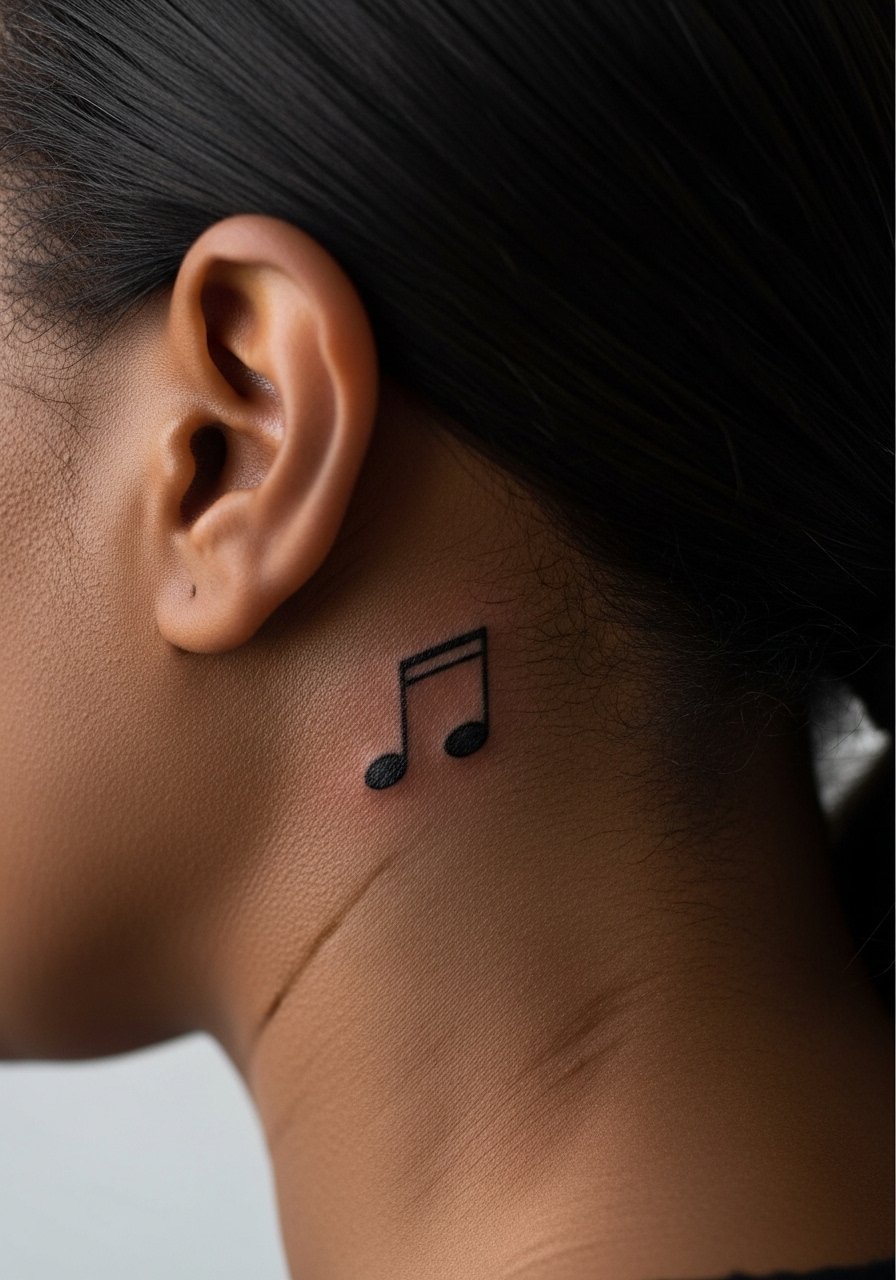
21. Tiny Music Note, Melodic Mark
Personal observation: music notes behind the ear often feel like private cues to rhythm and memory. Keep the note large enough to avoid merging into a blotch, and ask for a slightly heavier stem. Sessions are short and the sting is sharp but fast. If your job is conservative, test the position with a temporary transfer. For showing off, a thin chain necklace silver can sit below without crowding the area.
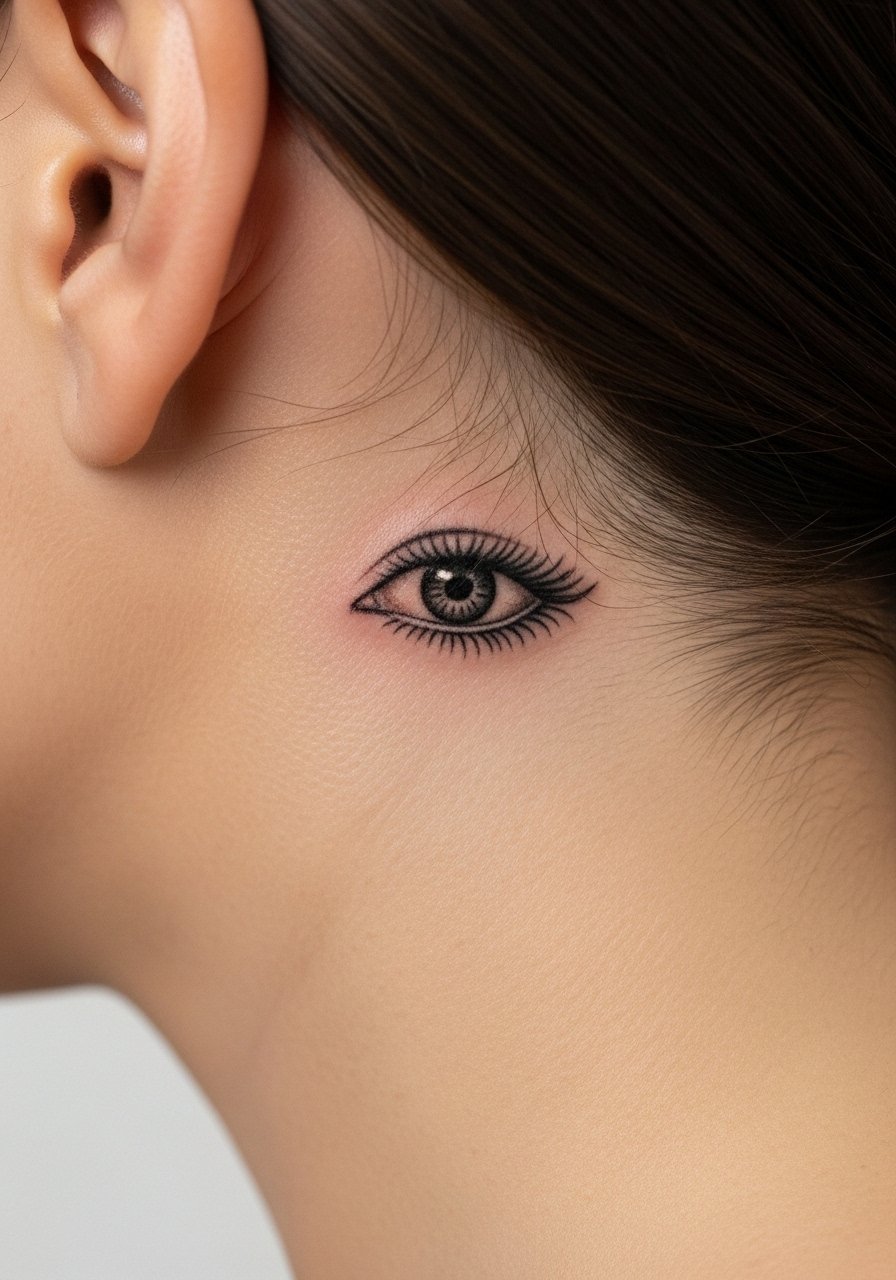
22. Tiny Eye or Sigil, Watchful Micro Tattoo
Consultation lead: sigils and eyes can carry cultural or symbolic weight. Keep the eye stylized with a single bold iris and minimal lashes so the piece retains clarity. The common mistake is overworking the pupil area which creates a filled blob with time. Expect a brief session and possible touch-up once the lines settle. For session wear, a sleeveless muscle tee offers access while keeping the upper body covered.
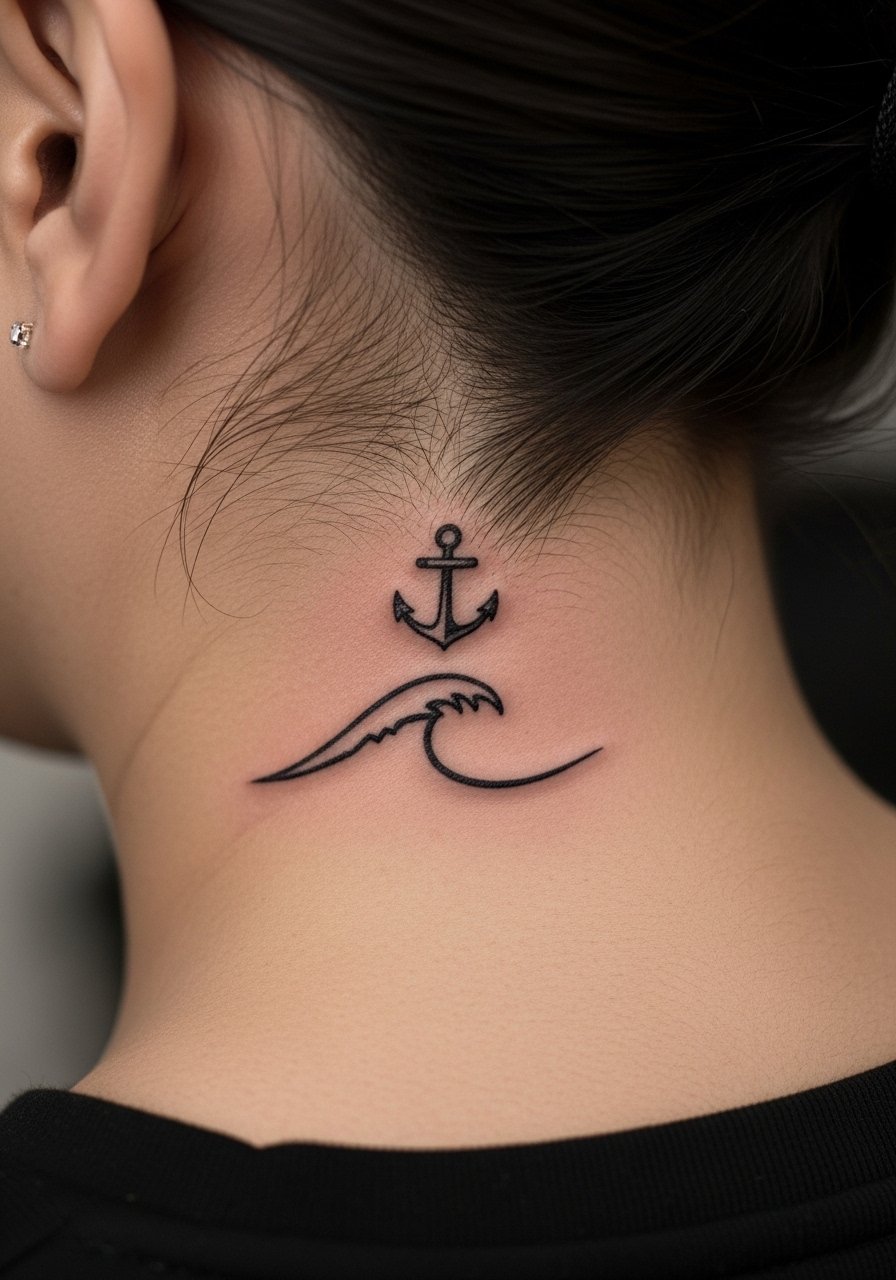
23. Tiny Anchor with Wave Line, Nautical Micro Set
Visual impact lead: pairing an anchor with a small wave line gives motion without detail overload. Ask the artist for a bolder anchor and a single fluid wave mark. This combination handles touch-ups well because the elements are distinct. For showing off, a v neck polo shirt men or an open collar frames the placement naturally.
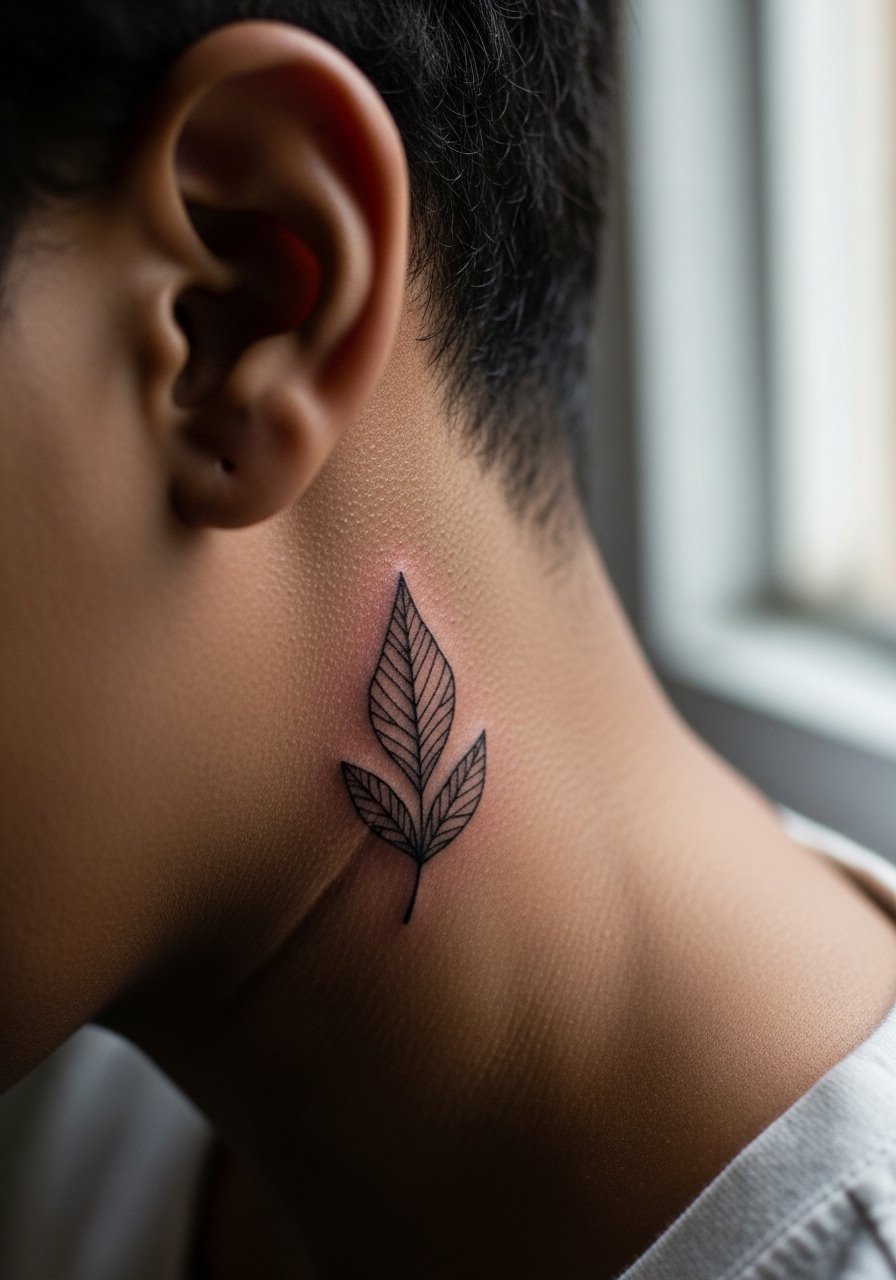
24. Tiny Leaf or Sprig, Minimal Botanical Mark
Aging lead: tiny leaves may lose midrib detail if drawn too thin. Request a slightly stronger central vein with minimal side venation so the shape reads for years. Sessions are short and the area can itch under hair during healing. For a casual reveal, a crew neck graphic tee men in neutral colors gives the leaf a quiet stage.
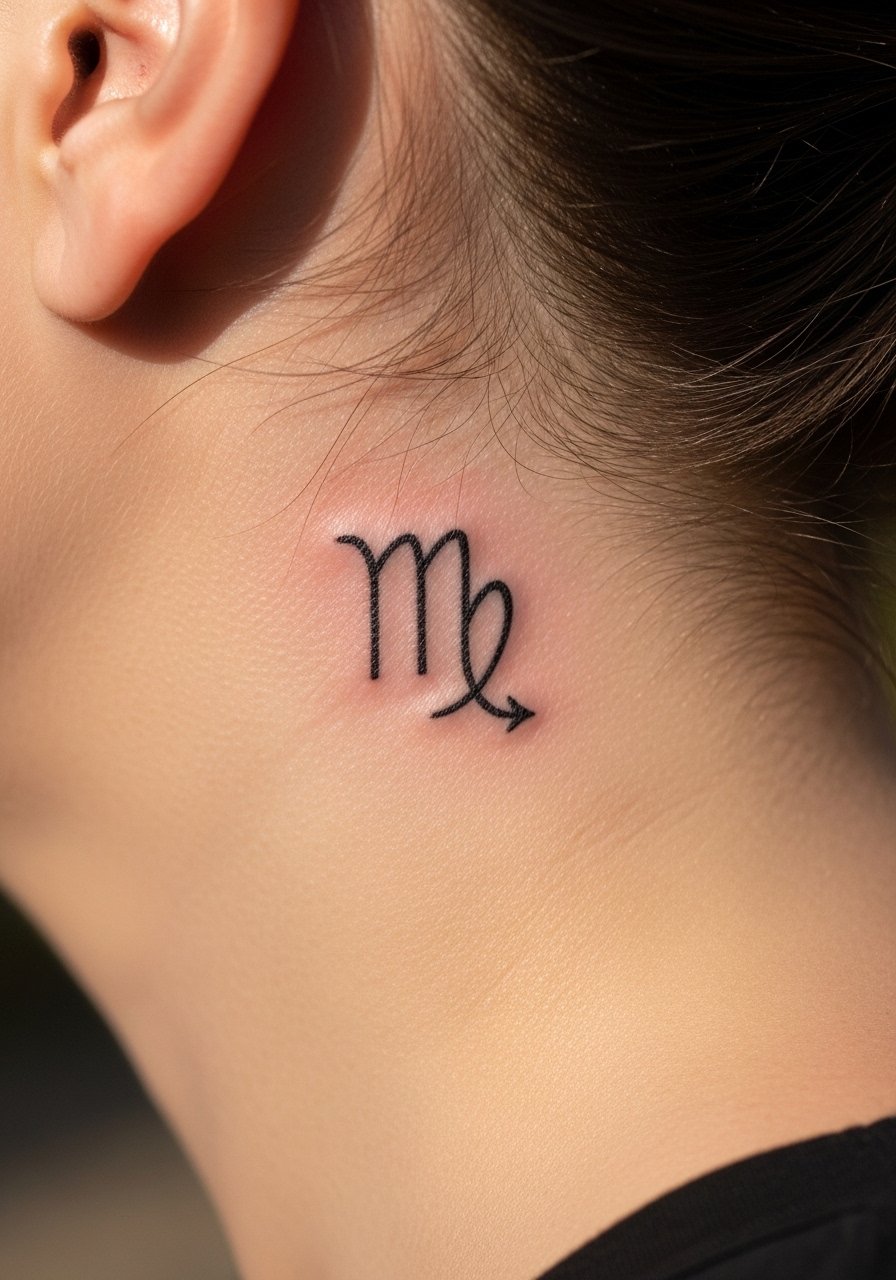
25. Tiny Zodiac Glyph, Celestial Identity Mark
Consultation lead: zodiac glyphs must be precise because fans of the sign spot errors instantly. Ask for exact glyph proportions and check the stencil on the curved skin. The hallmark mistake is asking for flourish where a simple glyph works better. Sessions are under 30 minutes. For showing off, a thin chain necklace silver sits below the glyph and keeps the neck area elegant.
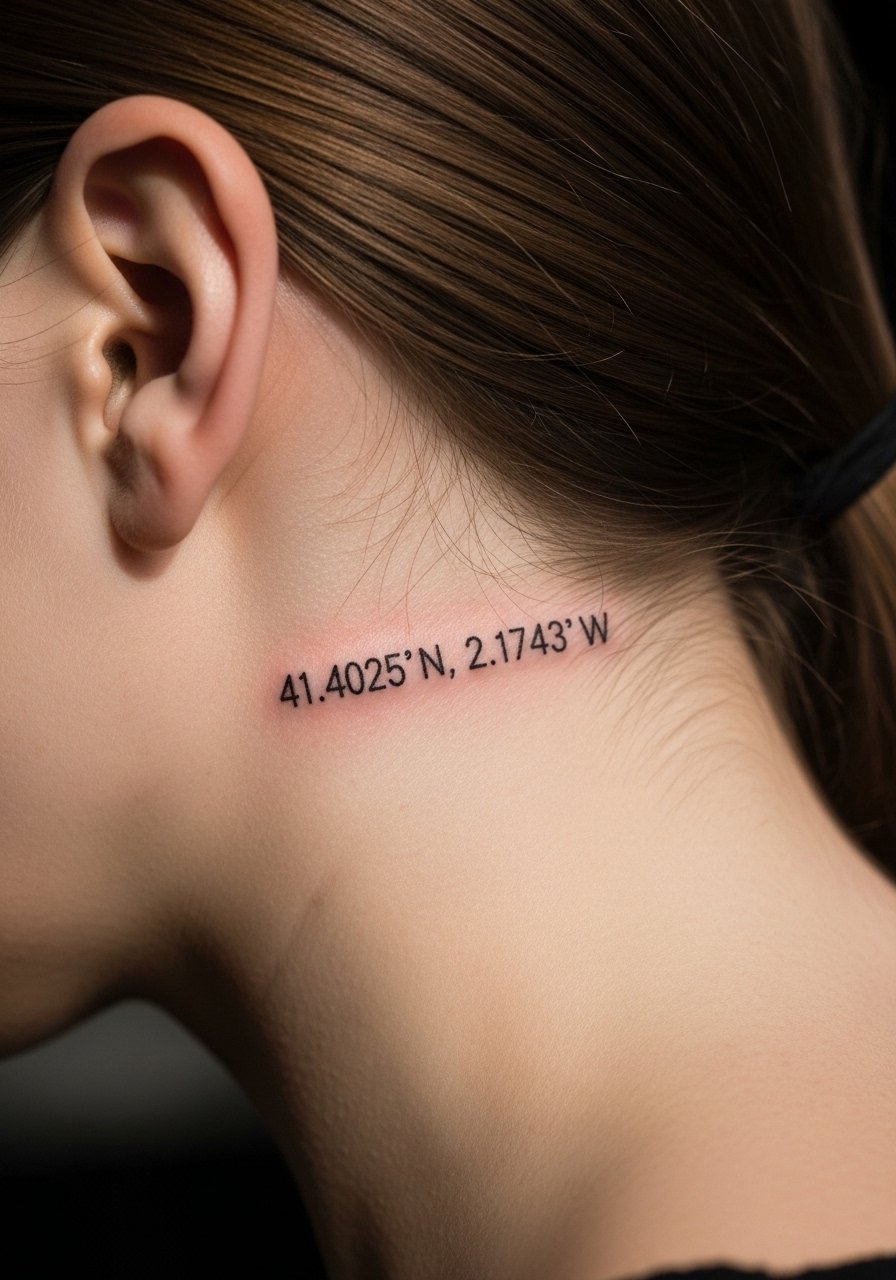
26. Micro Barcode or Coordinate Strip, Modern Minimal
Visual impact lead: coordinates or barcode strips read like private data. Have the artist mock the exact length on skin so the lines stay parallel across the curve. The mistake is compressing too much information. Expect a slightly longer session if you want finer lines. For session wear, choose a button down collar shirt you can move aside easily to expose the area.
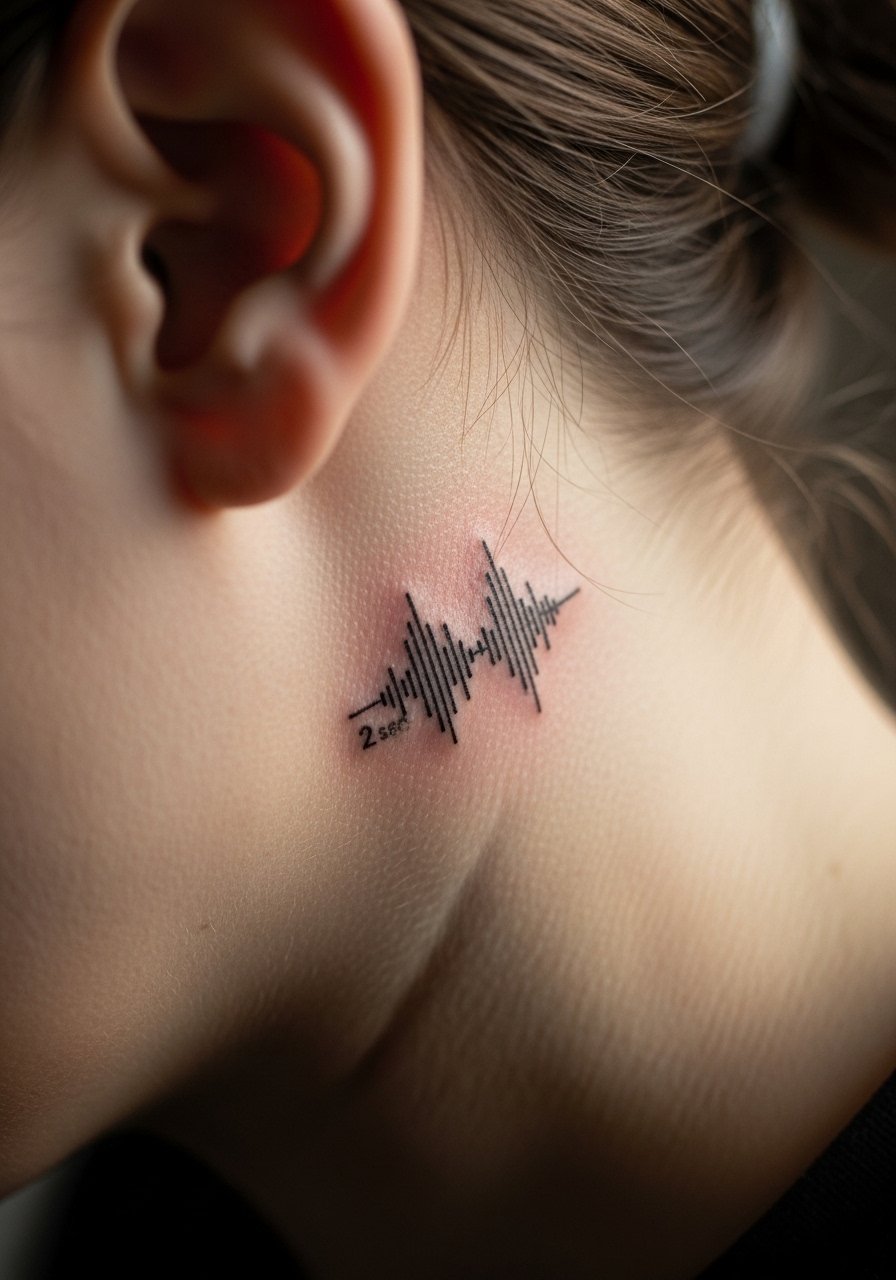
27. Tiny Sound Wave, Personalized Audio Mark
Decision-pressure lead: converting a short voice clip into a tiny waveform behind the ear looks private and personal. Keep the clip under two seconds and ask the artist to simplify the peaks into readable shapes. The common mistake is using a long clip that becomes unreadable at micro scale. Expect a short but sharp session and a likely touch-up if detail was dense. For showing it off, go for a neat haircut or a short haircut guide so the wave can peek when you want.
Frequently Asked Questions
Q: How much will a behind-ear micro piece typically cost and what factors change the price?
A: Prices vary by shop and city, but expect a minimum studio rate for small custom work and slightly more for detailed micro-realism. Factors that change the price include session time, line density, color versus blackwork, and whether you need a custom stencil. Getting a clear price during consultation prevents surprises.
Q: Does fine line or bold line last better behind the ear and what do artists disagree about?
A: Artists split into two camps. One camp says fine line fades faster in high-movement areas and needs touch-ups sooner. The other camp argues that with correct depth and spacing fine line can settle well. In practice the result depends on the artist's hand, the exact placement, and your skin. Ask where your artist stands and request healed photos of similar work.
Q: How should I prepare my hair and clothing for a behind-ear session?
A: For access, pin your hair up or opt for a short back-and-sides haircut on session day. Wear a button-down or a loose tee so you can move fabric without tugging. Bringing a small clip or elastic helps keep hair away during the stencil and needle work.
Q: What are the biggest healing annoyances specific to behind-ear tattoos and how do I avoid them?
A: The main issues are hair friction, product transfer from shampoo, and itch under the hairline. Keep hair tied back for the first week, avoid heavy products near the area, and sleep on a clean pillowcase. If you use barrier film for sports or sweating, check with your artist first.
Q: I want a tiny cultural or tribal symbol behind my ear. Are there etiquette points I should know?
A: Yes. For symbols with cultural origins, ask the artist for a respectful modern take and state your intent during consultation. Some people choose to alter motifs slightly to honor origin without direct replication. Research the symbol's meaning and be transparent about why you want it.
Q: When should I expect a touch-up for a micro piece and what signs indicate it is needed?
A: Small work often needs a touch-up around year one to two if lines have softened or gaps appear. Signs include visible breaks in linework and uneven saturation. A short consultation will tell you if a touch-up is warranted or if the piece is aging naturally.
Q: Where should I look to find artists who specialize in behind-ear micro work?
A: Search hashtags like #BehindEarTattoo and #EarTattoosMen on social platforms, use the Tattoodo app filters for "behind ear," and check local convention guest lists. Seeing healed photos of similar scale is more informative than fresh photos.
