
Fine line watercolor trends look gorgeous on saved boards, and they often behave differently on skin than they look on screens. The most-shared pieces are not always the most durable, and small choices in spacing, saturation, and placement make a bigger difference than the color palette. Read on for 17 watercolor orientalism art tattoo ideas that consider aging, session wear, and how to talk through cultural motifs with your artist.
1. Silk Road Lotus on the Inner Forearm
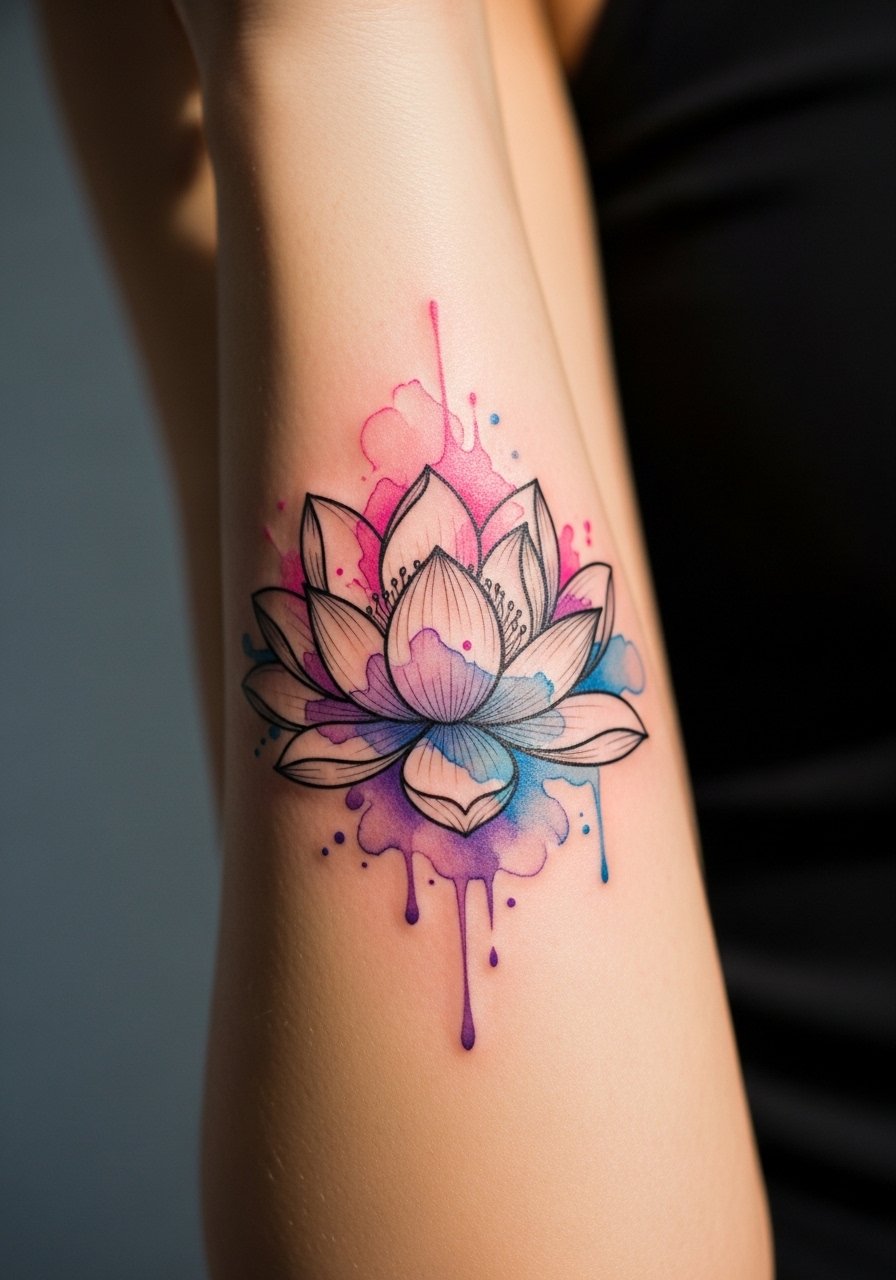
I recommend this when you want a visible piece that still reads painterly. Ask your artist for slightly heavier linework around the petals so the silhouette holds as the watercolor fades. Fair warning, the inner forearm tans and peels differently than the outer arm, so expect touch-ups around year three for vibrant color. The session feels steady, a five out of ten for most people. For showing it off, roll sleeves or wear a loose button-down shirt that frames the arm without covering the bloom.
2. Faded Garden Fan at the Collarbone
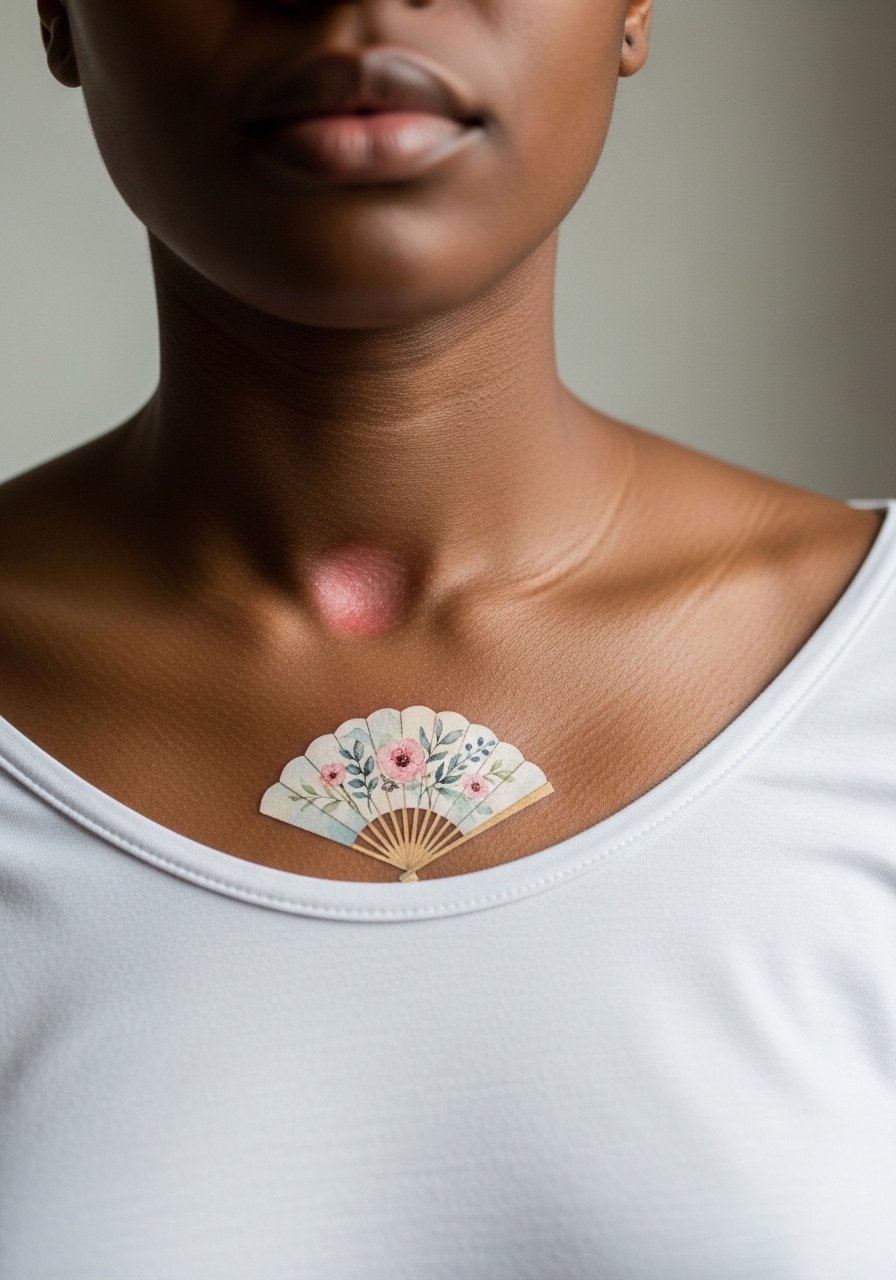
Most collarbone pieces read as delicate at first and then soften over time. To keep the fan crisp, request stronger outer linework and lighter interior washes. Pain is a four to six depending on bone proximity. The common mistake is packing too many tiny details into the fan edge. For outfits, this area pairs well with an open-back midi dress or simple v-neck tops that let the motif peek during evenings out. If you plan future chest work, discuss how this motif will link into a larger composition.
3. Orientalist Phoenix on the Upper Arm
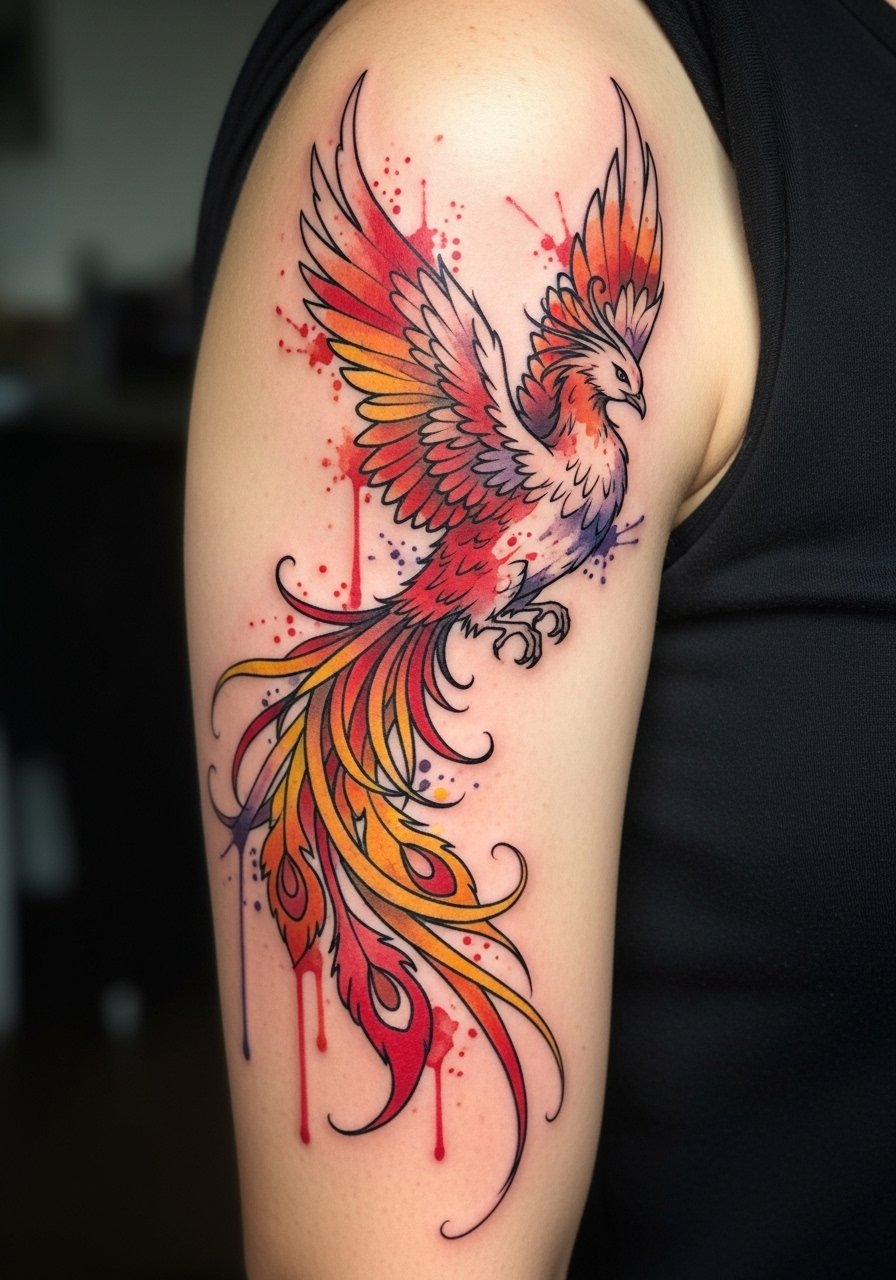
This is a good pick when you want larger sweeps of color without full sleeve commitment. Tell your artist you want staggered saturation instead of a single flat wash so the feathers age with subtle depth. The upper arm is forgiving, so blowout risk is low and touch-ups tend to be needed later for the brightest reds and golds. For the session wear, a loose tank top gives clean access. Expect two to three hours depending on scale and layering.
4. Koi Stream Flowing Down the Calf
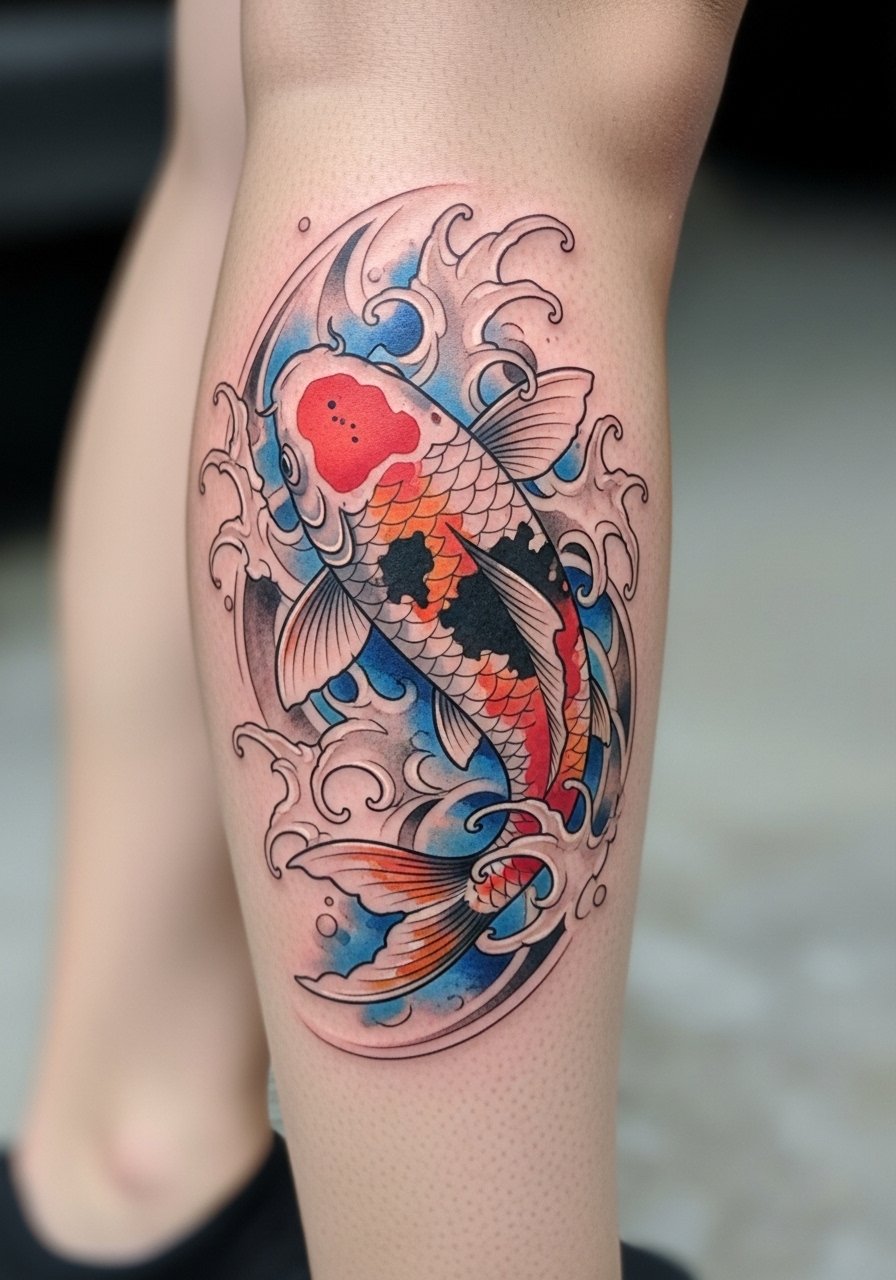
The calf lets you lean into movement without worrying about constant friction. For a watercolor koi, I advise stronger contrast around the eye and gill so the fish still reads as color softens. Sessions are typically comfortable, a three out of ten, and larger pieces can be split across two sittings. A common mistake is placing the fish too low near the ankle where shoes cause repeated rubbing. For showing the piece off, roll hem pants or wear loose drawstring linen pants so the design can peek without catching on seams.
5. Miniature Pagoda Wrist Band
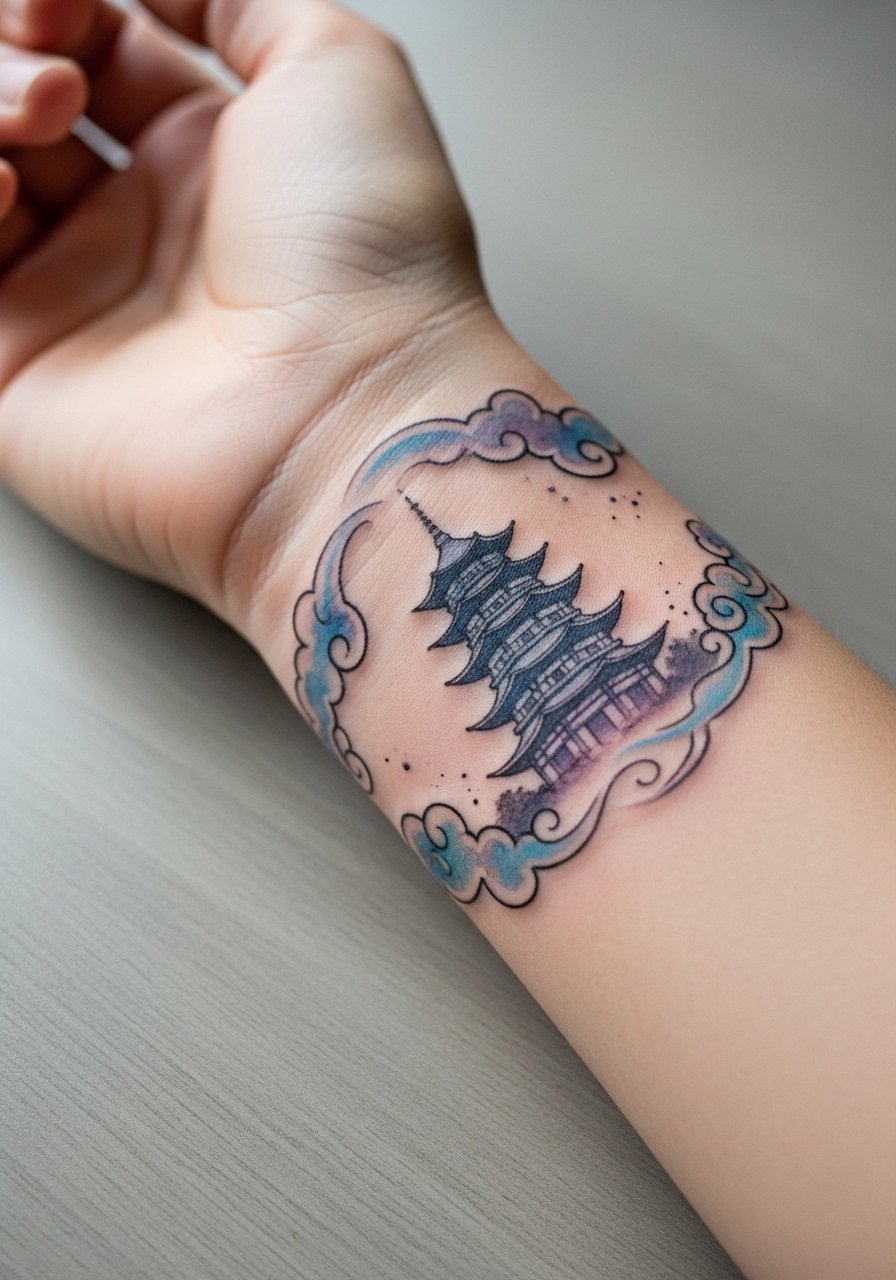
Wrist bands demand restraint. Ask for slightly thicker anchor points in the pagoda so the silhouette does not blur from everyday washing and movement. The wrist sees a lot of friction, so a thin protective film during high-contact days helps the first week. Pain on the wrist is a six for many people. For the session, wear a thin chain bracelet you can remove easily and bring a loose sleeve to roll up. Expect touch-up talk around year two for color refresh.
6. Crescent Moon and Peony on the Ribcage
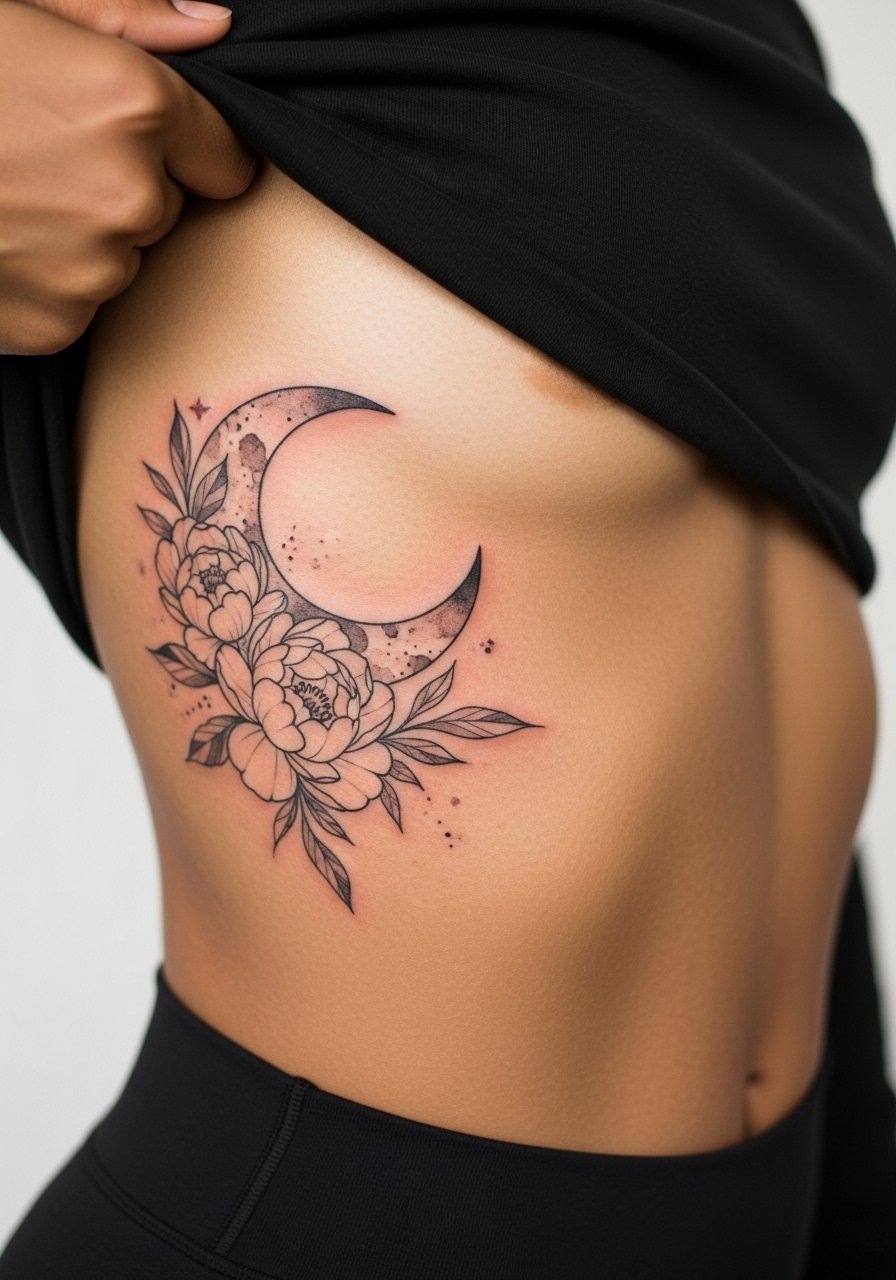
Fair warning, ribs are a sensitive spot. One camp of artists says fine line there blurs quickly because the skin stretches and moves. The other camp argues that with correct needle depth and spacing it can settle nicely. Name both camps and ask where your artist stands before booking. For this design keep the largest shapes slightly bolder so the moon and peony remain readable in a few years. The session can be intense, often a seven to nine depending on your tolerance. Wear a zip-up hoodie you can lift for access and put on between breaks. Plan for a possible touch-up at year two if you want the watercolor to pop.
Studio Day Picks
The wrist, forearm, and ribcage pieces above ask for different prep, so a short kit keeps the session and the first week easier.
-
Stencil transfer paper kit. Lets you preview placement and line weight on skin, which is especially useful for the pagoda wrist band and lotus forearm before the needle touches skin.
-
Topical numbing cream. Applied about 45 minutes before a sensitive ribcage session it can make longer sittings more bearable without changing how the pigment sets.
-
Thin protective film roll. Useful for wrist and finger tattoos to reduce friction from daily tasks during the first week of healing.
-
Fragrance free gentle body wash. Cleans healing art without irritating delicate washes like the silk road lotus or the watercolor fan.
-
Aquaphor healing ointment. A thin layer for the first few days helps lock in moisture for tight linework and prevents scabbing that dulls watercolor saturation.
7. Brushstroke Geisha Profile on the Shoulder Blade
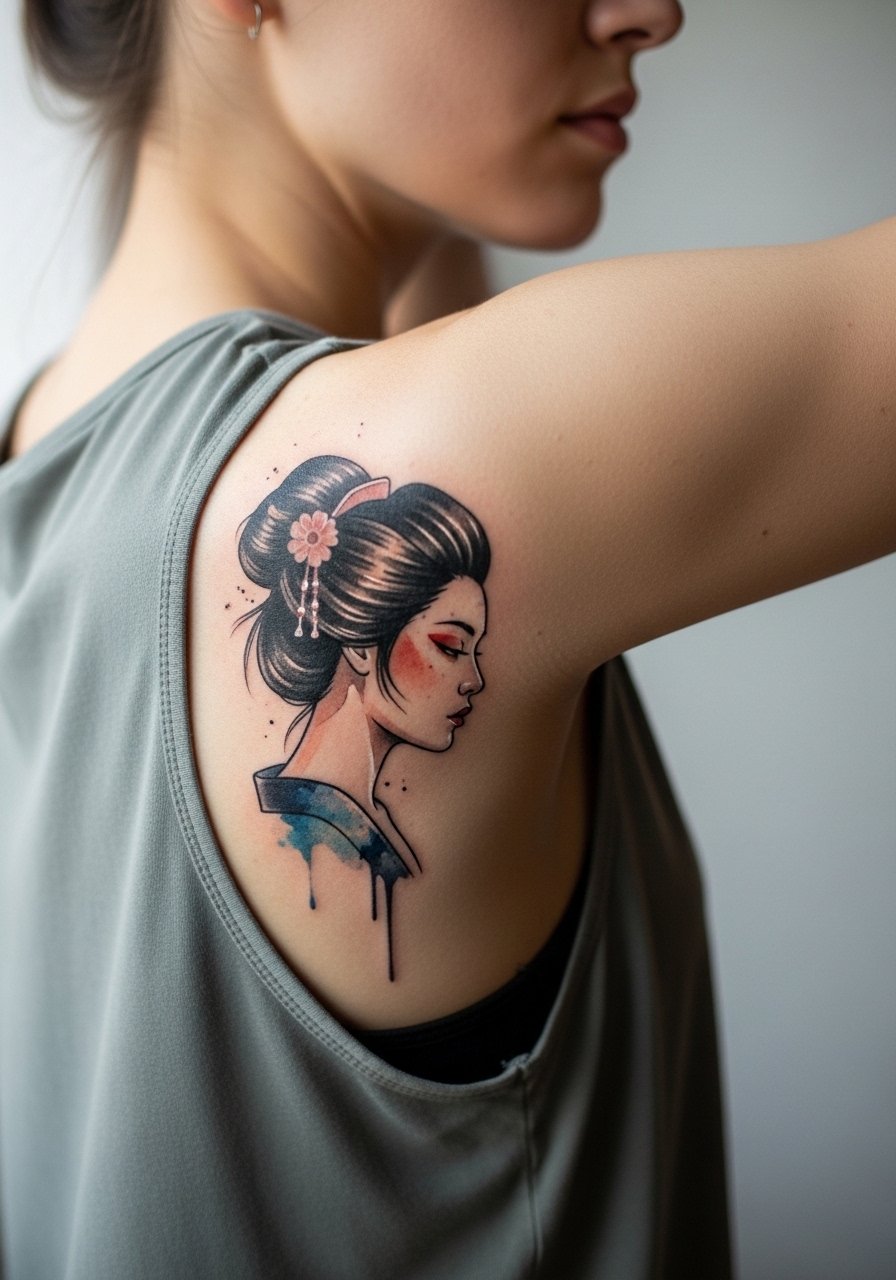
This placement gives a large flat canvas to let brushlike strokes breathe. Bring references that show the exact contour you want and tell the artist which shapes should stay bold. Shoulder blades heal well and tolerate heavier saturation, so color stays richer longer than on wrists. One cultural note, this motif draws from Japanese visual traditions, so discuss respectful reinterpretation with your artist rather than direct replication. For the session, wear a loose button-down shirt you can slide aside without stretching the area. Expect lower blowout risk and a comfortable two to three hour session.
8. Watercolor Calligraphy Across the Sternum
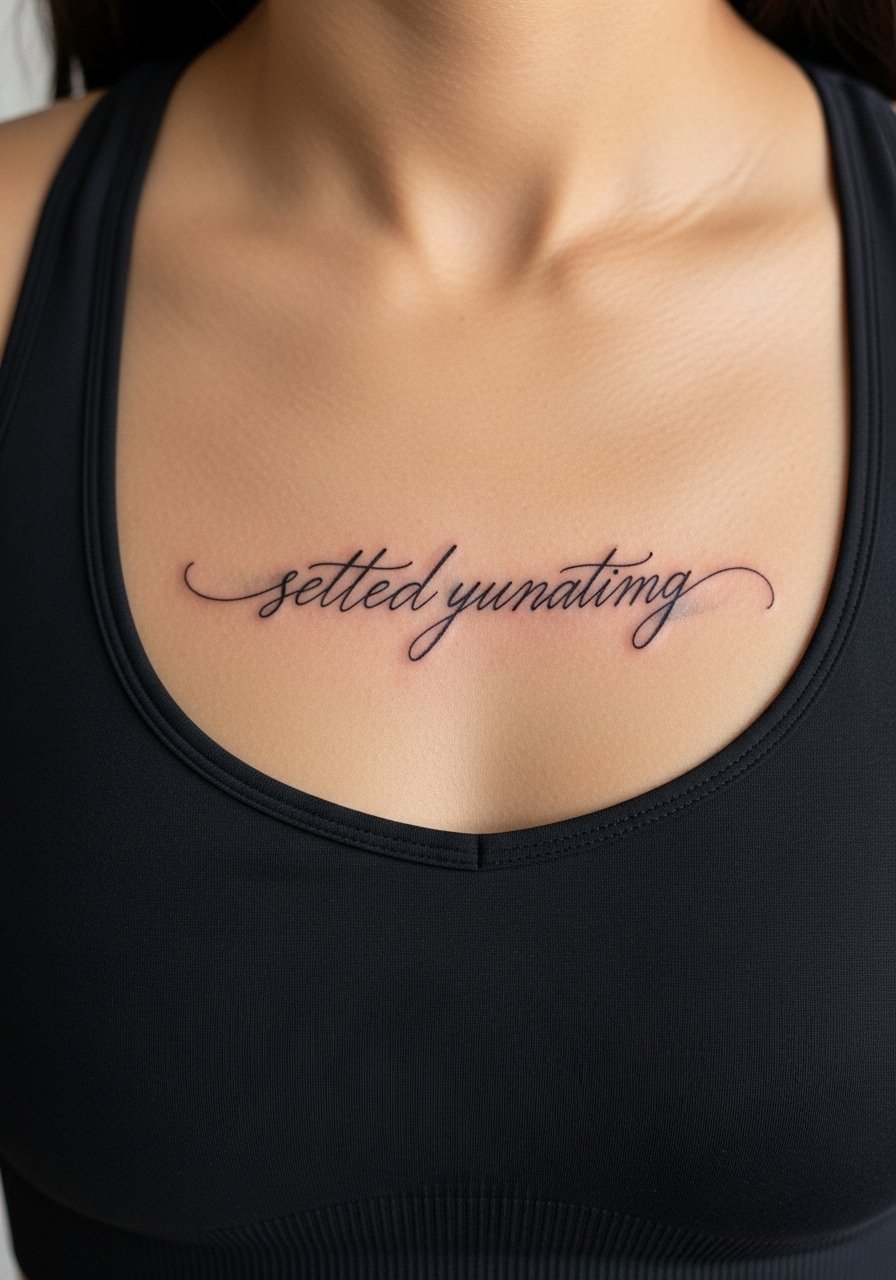
Script through the sternum needs careful spacing because the area moves and breathes. Tell your artist the exact word or phrase and the ink weight you prefer. The sternum is sensitive and sits between five and eight on pain scales. The common mistake is using ultra-fine lettering without allowance for skin movement. For the session, a fitted sports bra is best so the artist has consistent access without exposing more than the tattoo area. If the lettering has cultural or religious significance, discuss respectful placement and phrasing with your artist.
9. Lotus Mandala on the Inner Bicep
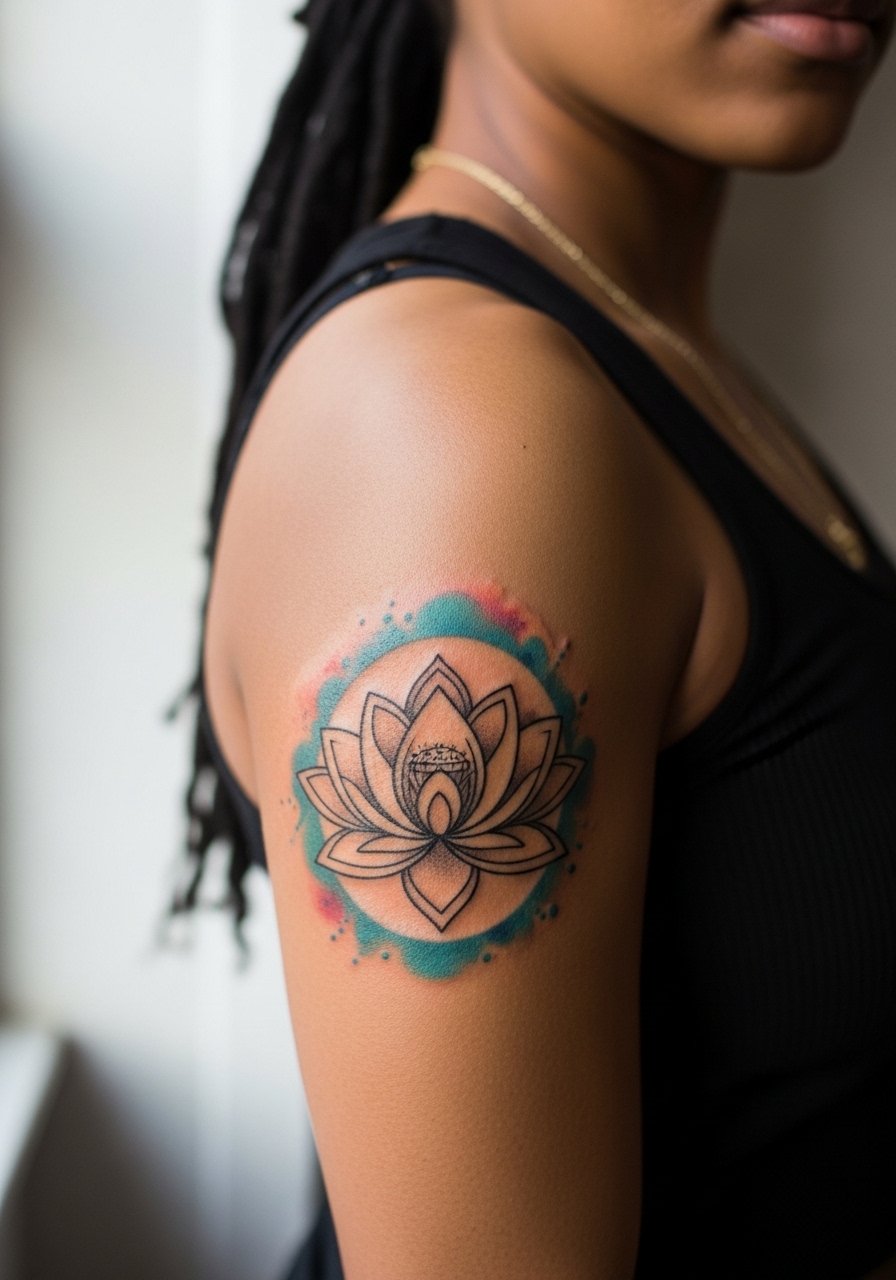
This design blends geometric mandala structure with watercolor fills. One camp says direct cultural replicas risk appropriation and oversimplify meaning. The other camp says creative, informed reinterpretation can honor the source when credits and intention are clear. Name both perspectives and decide which approach fits your values. Inner biceps see sweat and friction, so spacing and slightly bolder dot work prevents muddling. Pain varies, often a five to seven depending on proximity to nerves. Expect touch-up around year three if you want the mandala edges crisp.
10. Teacup and Cherry Blossoms on the Ankle
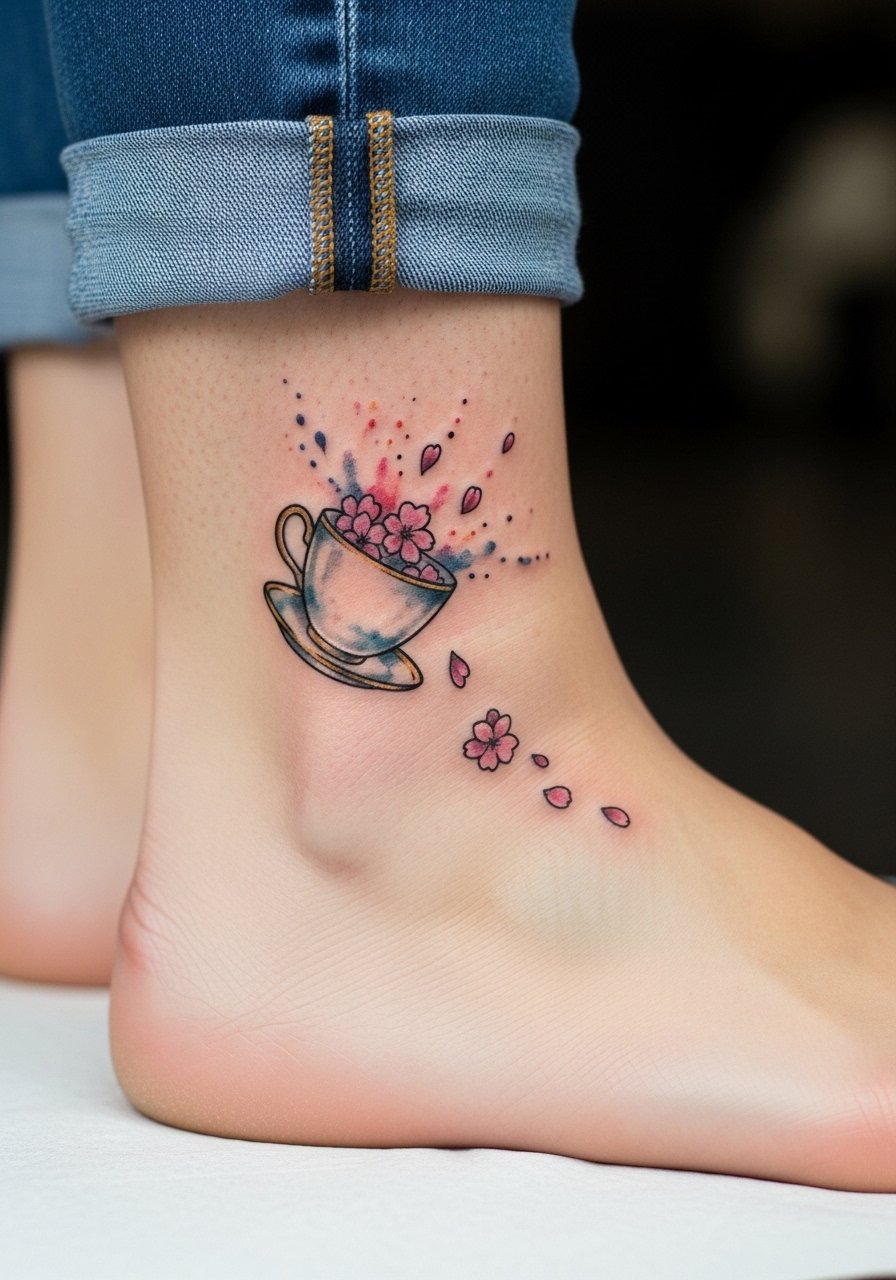
Ankle tattoos face constant rubbing from shoes, so ask the artist to raise the main elements slightly above the joint and anchor them with darker nodes. The ankle is a five to seven on the pain scale for many people. A frequent mistake is placing tiny, low-contrast details too close to the bone. For showing this piece, sandals and cropped jeans work well. Try pairing with minimalist ankle bracelets that sit below the tattoo so the artwork remains the focus. Expect a touch-up conversation at year two for the lighter petal washes.
11. Silk Ribbon Crane on the Upper Thigh
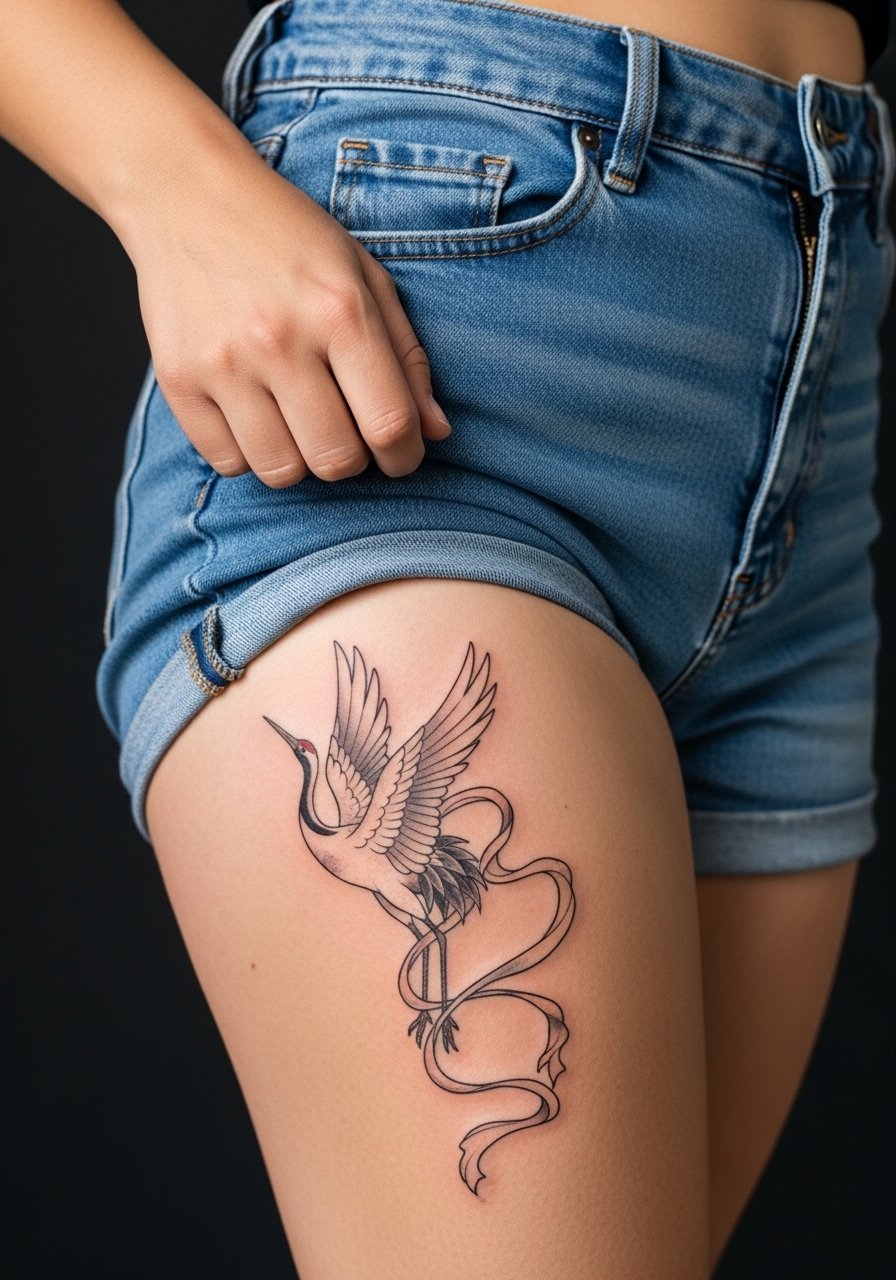
Upper thigh work is forgiving and private, which makes it ideal for larger watercolor pieces. During consultation, show the exact stance you plan to wear on days when the piece will be visible so the ribbon flows with natural body lines. The session is comfortable for most people and often split into two sittings for saturation. For the appointment, loose shorts or a wrap skirt make access easy. Be aware that weight fluctuation can slightly alter proportions so discuss future plans with your artist.
12. Wave Motif Half Sleeve on the Outer Forearm
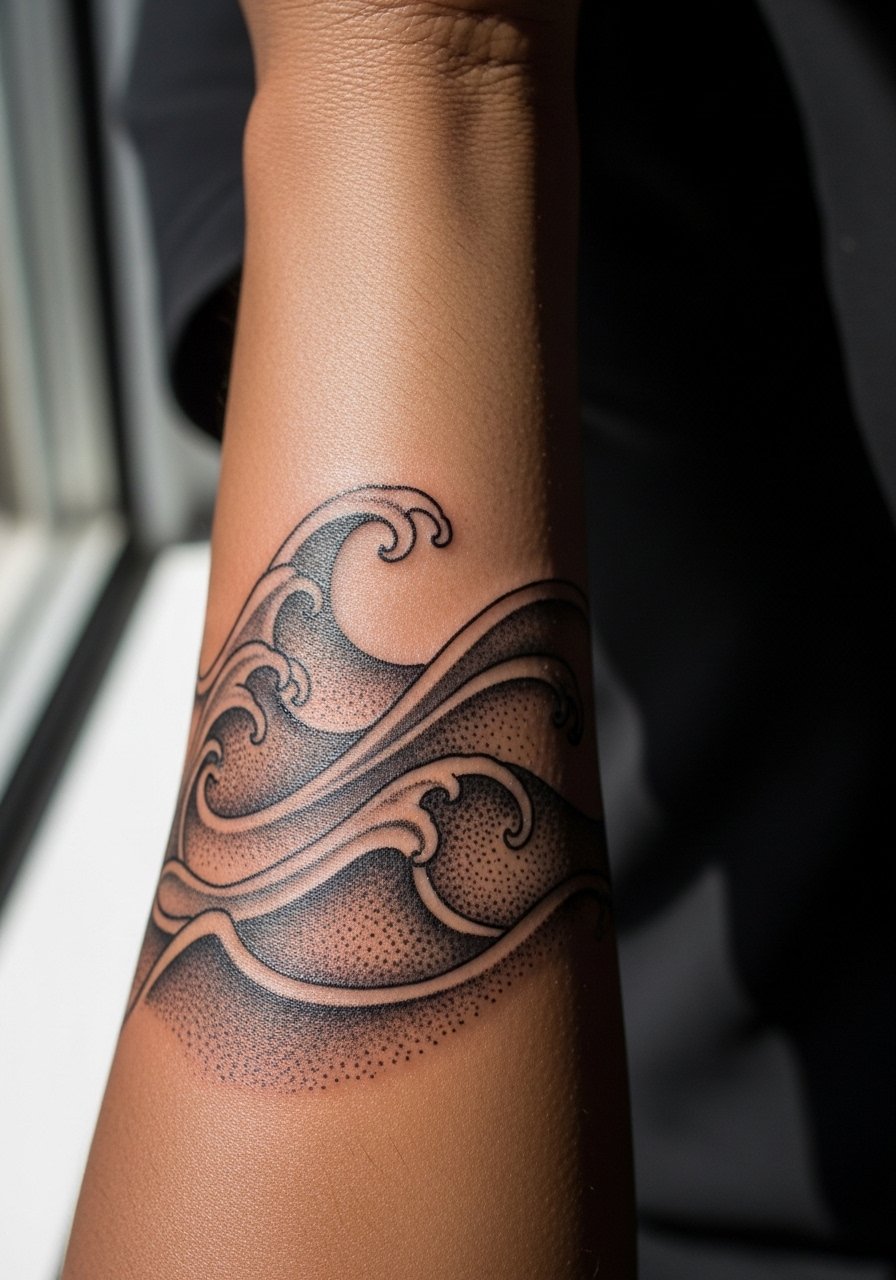
A half sleeve gives room for repeating wave patterns and watercolor layering. Tell your artist you want negative space between wave clusters so the washes do not merge over time. The outer forearm is one of the most durable spots for color and usually a three to four for pain, which makes longer sessions possible. For showing it off, roll sleeves or wear a short-sleeve linen shirt that frames the arm. Expect maintenance touch-ups for the brightest highlights after a few years.
13. Dragonfly Over the Collarbone
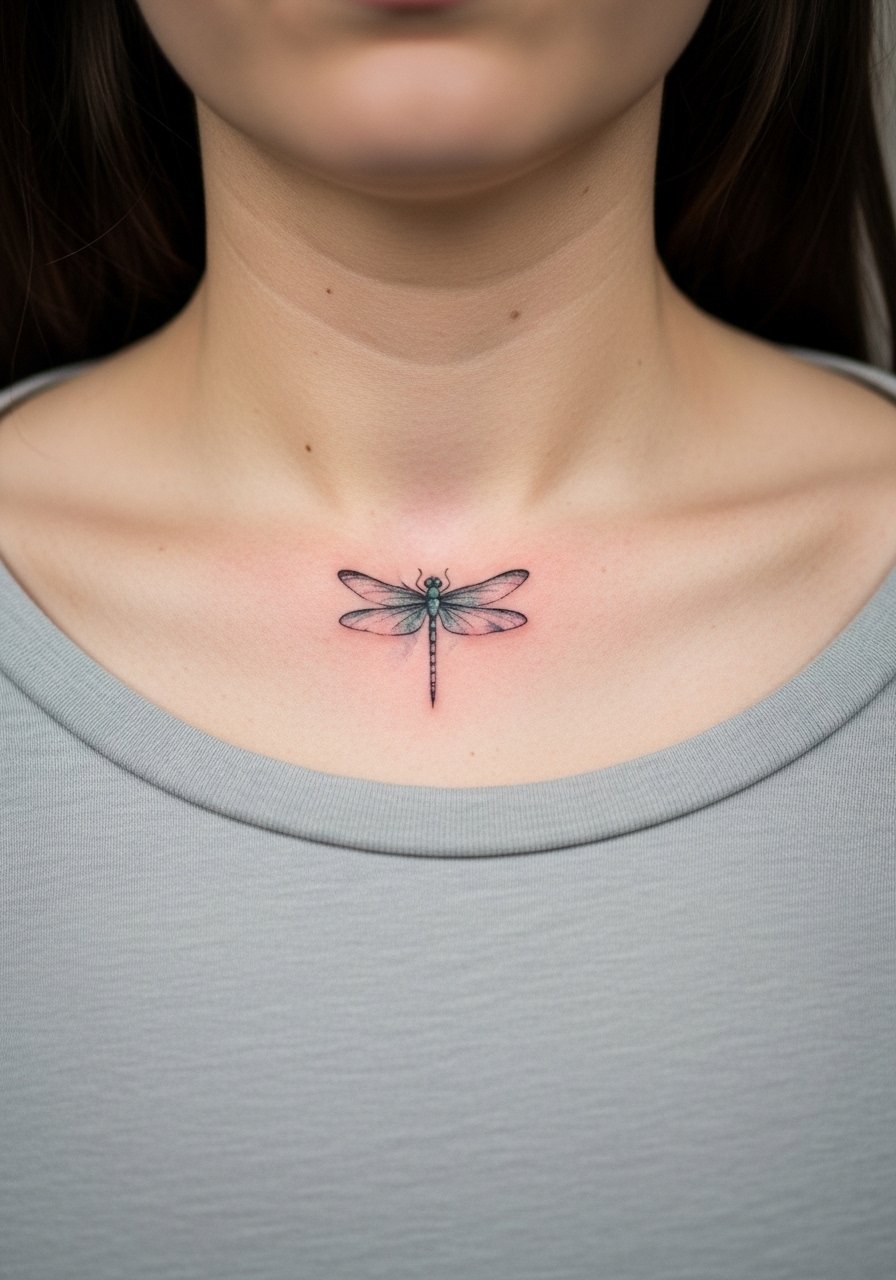
Small motifs near the collarbone need precise spacing so the wings remain distinct. Ask your artist to keep the body slightly bolder than the wings as a longevity strategy. This area can be bony and registers around a four to six for pain. For styling, pair the dragonfly with a thin chain pendant necklace that sits just above the design so both items complement one another without overlapping. The usual mistake is crowding the piece with other chest artwork without planning how they will connect.
14. Mini Pagoda Stack on the Finger
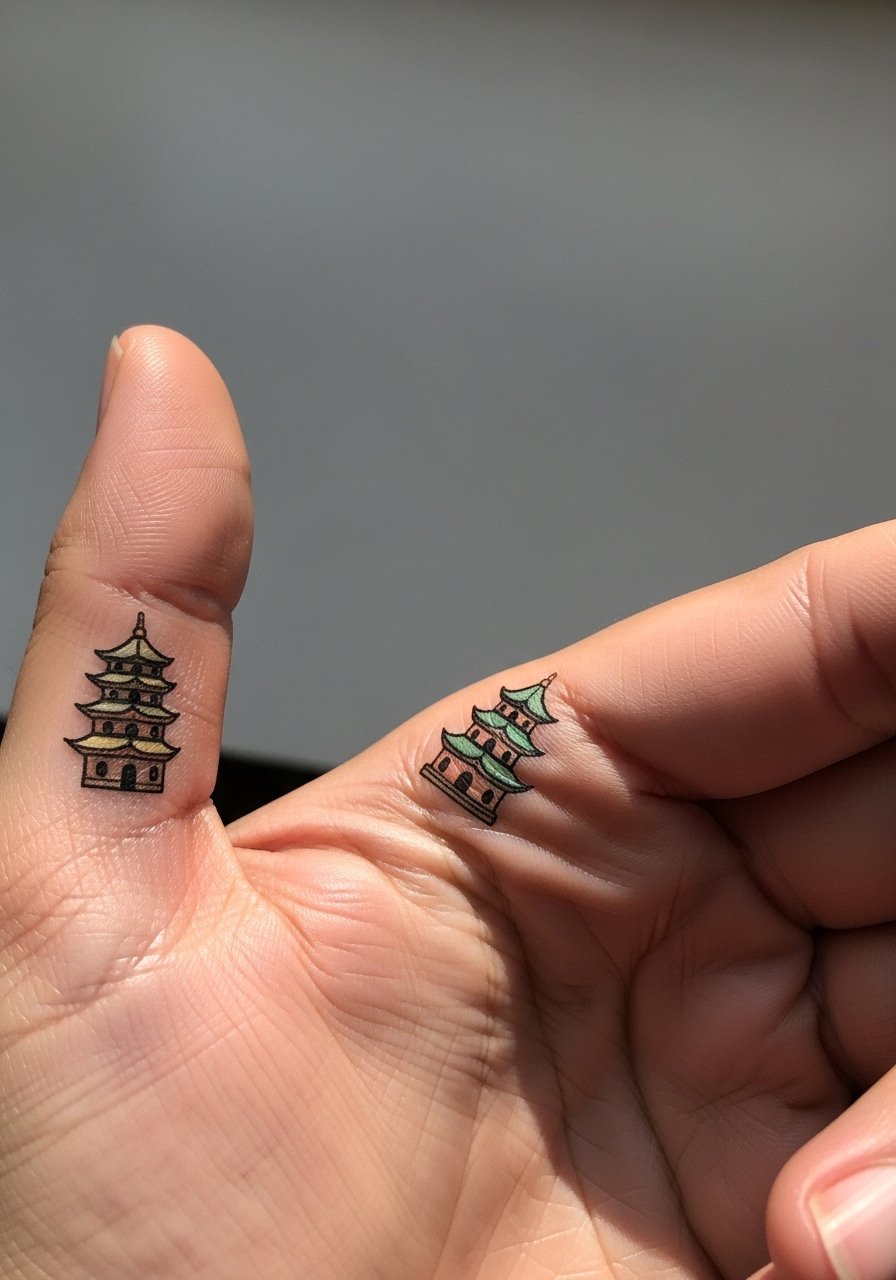
Finger tattoos fade fast because of constant washing and friction. If you want a finger pagoda, scale the elements slightly larger than your initial instinct and accept yearly to biennial touch-ups. Pain can be sharp but brief due to little soft tissue. A common mistake is using subtle washes that disappear within months. Keep the design simple and plan for maintenance. Hand tattoos also still affect some hiring outcomes, so consider that before booking.
15. Porcelain Vase Micro-Realism on the Upper Thigh
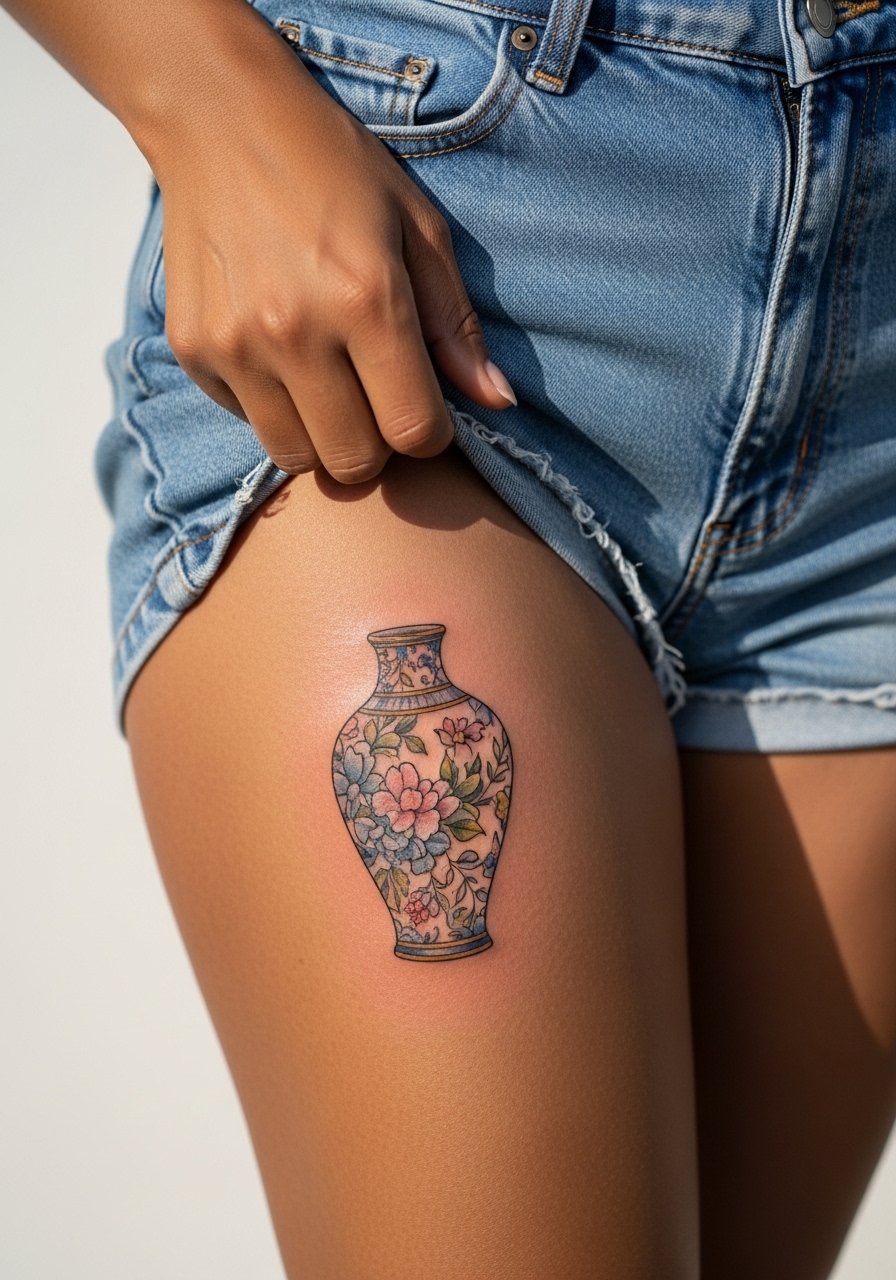
Micro-realism pairs nicely with watercolor accents on the thigh because the canvas is broad and protected. In consultation, bring close photographic references for the vase texture and tell your artist which areas should keep the most contrast. The thigh is comfortable for most people and tolerates saturation well. For session wear, loose shorts or a skirt make access seamless. Expect minimal blowout risk and touch-ups mainly for highlights if you want the porcelain effect to stay crisp.
16. Lantern and Cloud Motif on the Lower Back
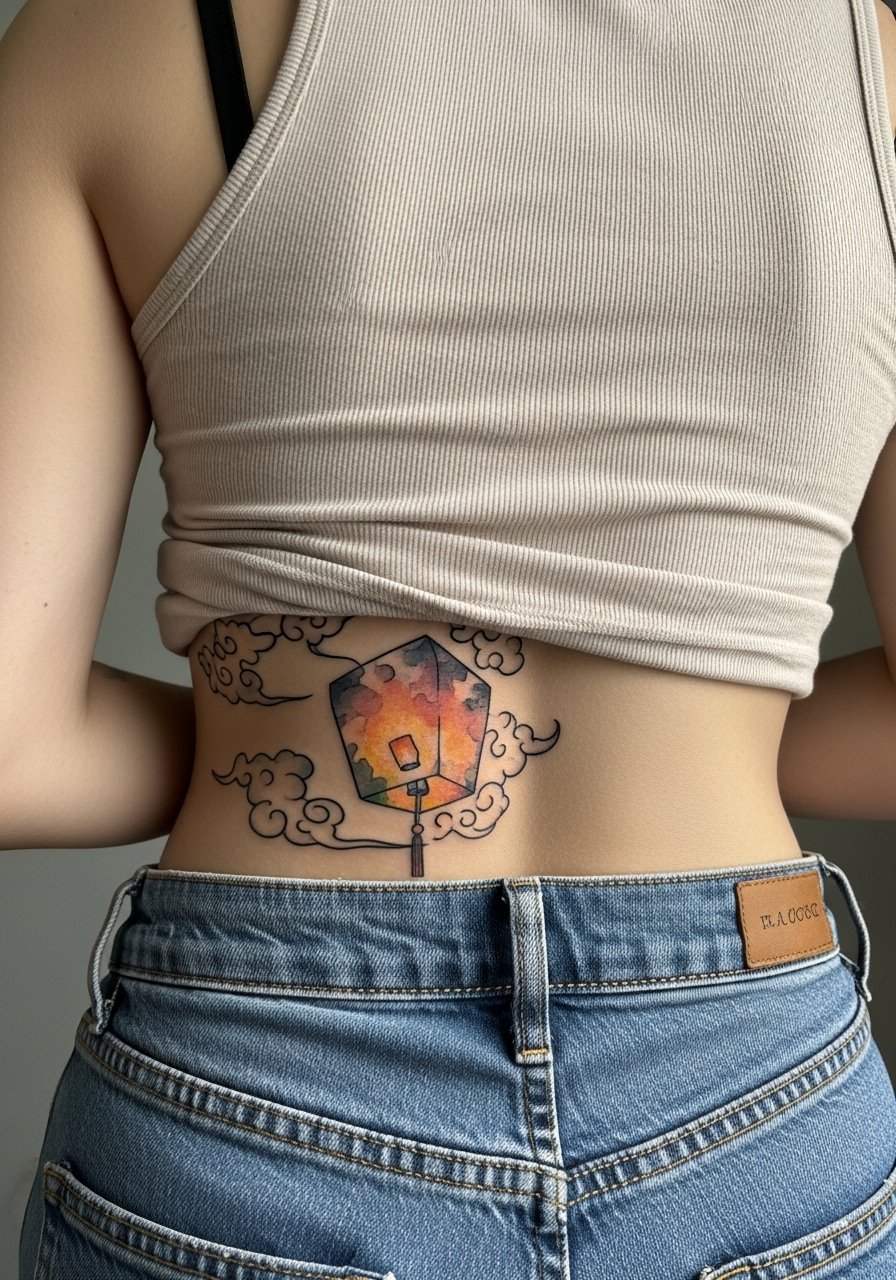
Lower back pieces let watercolor spreads glow under clothing without constant sun exposure. Ask your artist to anchor the lantern with darker ink so the composition reads when you bend. The area is usually a three for pain and heals cleanly if you avoid tight waistbands the first two weeks. For the session, wear low-rise pants or a tank top you can shift easily. Keep in mind how future clothing choices will frame the lantern when you want to show it off.
17. Compass Motif Behind the Ear
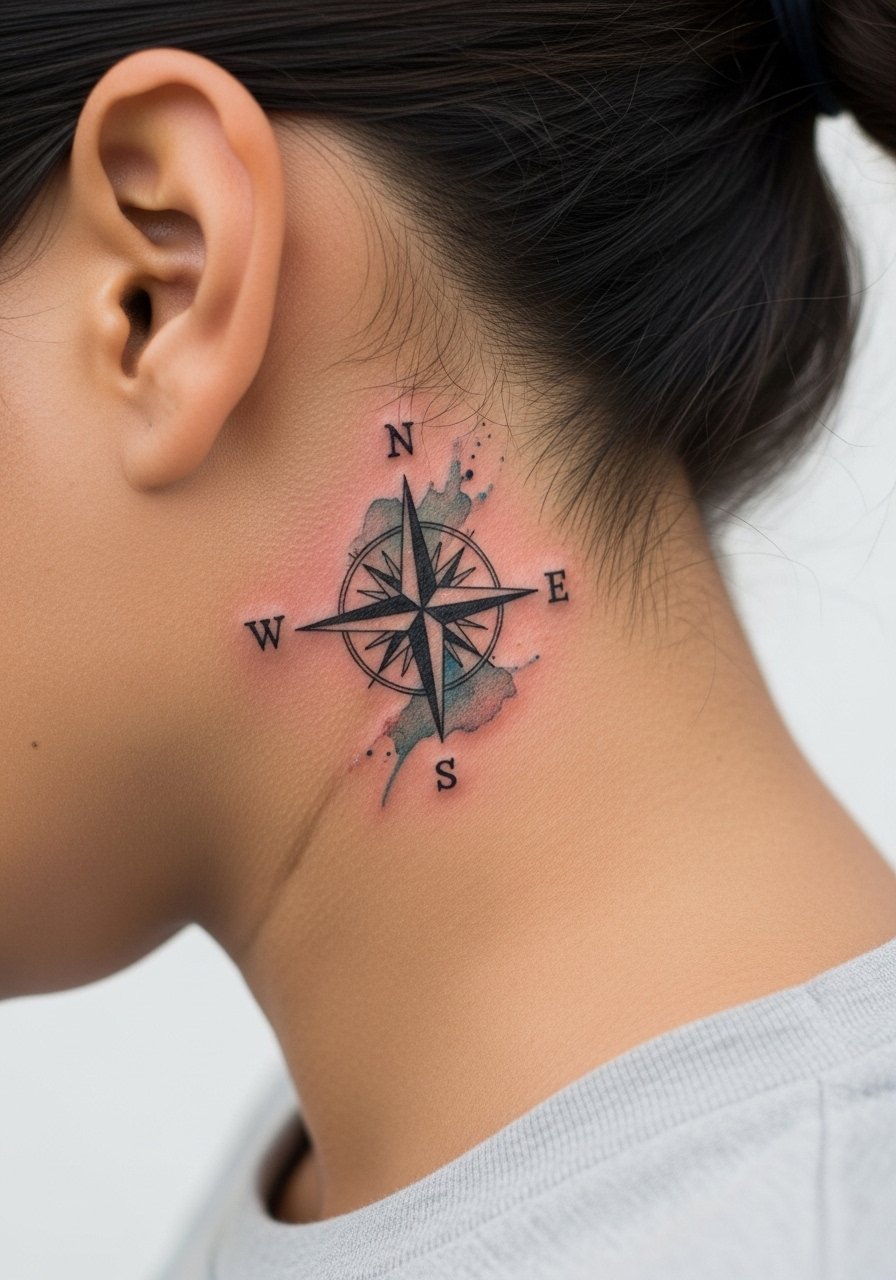
Behind ear tattoos need a small canvas and careful placement to avoid the hairline. Ask your artist to place the compass slightly lower or higher if you style your hair that way. Pain is often a six due to thin skin and proximity to bone. This spot needs a specialized hand and steady touch, so find an artist experienced in small, precise work. For the session, wear hair up and bring a wide-neck shirt so the artist can access the area without tugging.
Frequently Asked Questions
Q: Do watercolor-style tattoos need different aftercare than traditional ones?
A: From what I have seen, watercolor pieces need careful sun protection and gentle cleansing because they rely on softer saturation. Use a fragrance-free wash during the first two weeks and keep the area covered in direct sun after healing. The healing timeline is similar to other color work, but your touch-up plan might be sooner if you want the washes to stay vivid.
Q: Will fine line elements in these orientalism designs blur faster on the ribs and inner bicep?
A: Yes, ribs and inner biceps tend to show movement and stretching more, which can cause fine line to soften. One camp says avoid ultra-fine lines there, while the other says correct needle depth and spacing can make them hold. Ask your artist which approach they use and whether they recommend larger line anchors or more negative space.
Q: How should I dress for a sternum or ribcage session to make access easy?
A: Wear a fitted sports bra or zip-up hoodie you can lift without exposing more than the tattoo area. For thigh and hip work, loose shorts or a wrap skirt are best so the artist can roll fabric aside without tugging. A practical item is a zip-up hoodie that you can move quickly between breaks.
Q: Is it cultural appropriation to get motifs like mandalas or geisha imagery in an orientalism style?
A: There are two clear perspectives. One side warns against direct replication without understanding and context. The other side supports creative, respectful reinterpretation when the wearer has reflected on meaning. If the origin matters to you, bring conversation points to the consultation and consider slight alterations that honor the source.
Q: How often can I expect to need touch-ups for watercolor orientalism tattoos?
A: Expect lighter washes to need attention sooner than saturated black outlines. For visible spots like wrists and fingers plan on a touch-up around year two to three if you want brightness maintained. More protected areas like thighs and shoulders often go longer between touch-ups.
