
Fine line mandala work is all about tiny decisions that show up years later. The thin geometry and repeated dots look incredible fresh, but small spacing choices, placement, and daily wear determine whether those petals stay crisp or blur. Read the next sections for concrete takeaways on placement, what to ask your artist, and outfit choices that actually help the design age well.
1. Mini Mandala on Inner Forearm
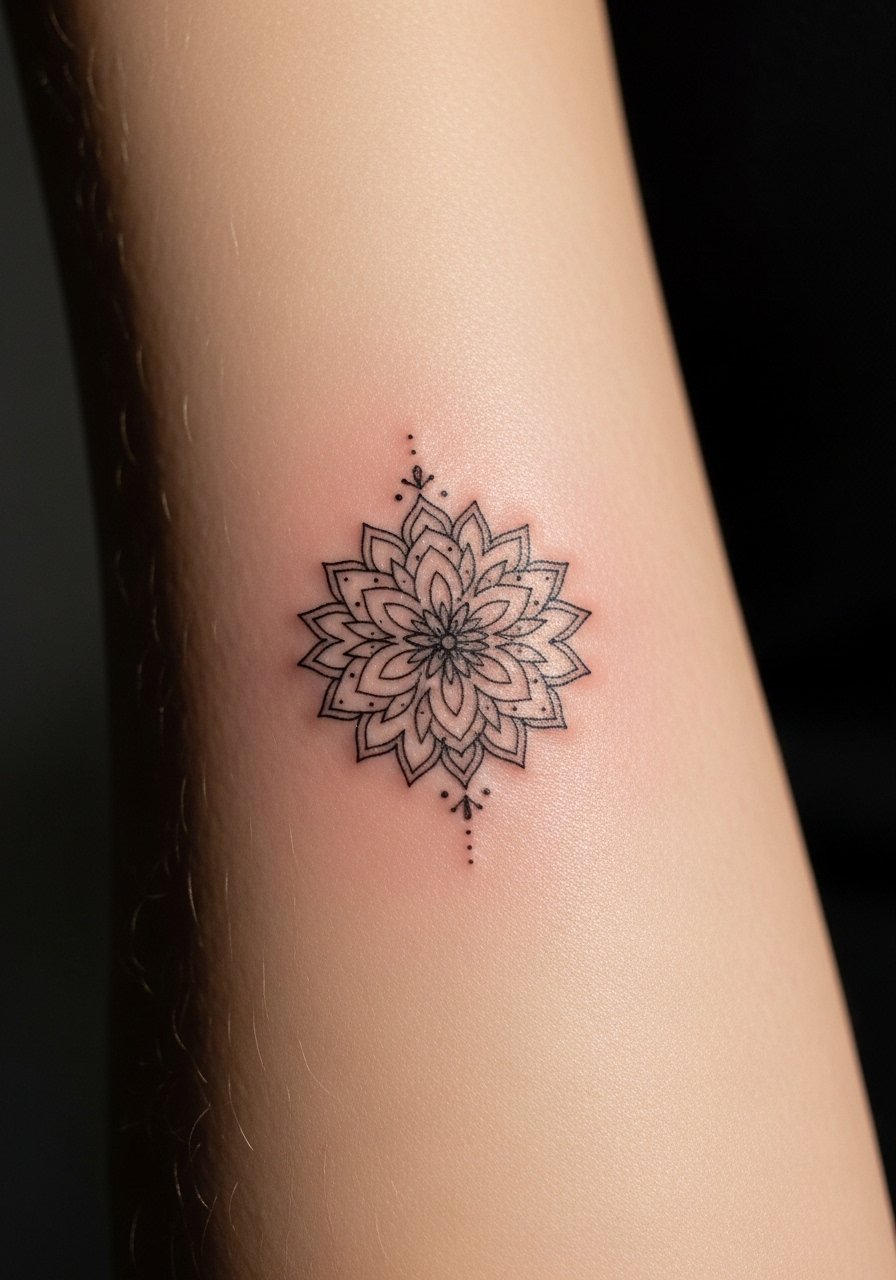
I have seen tiny inner forearm mandalas last well when the artist gives each petal breathing room. For this placement tell your artist you want slightly thicker apex lines and more negative space between dense dot work. The biggest mistake is asking for a compact, overly detailed mini that looks great at first and blurs at year two. Pain is mild and session time is short, so expect one sitting under an hour. For showing it off, roll sleeves up and wear a rolled up linen shirt that frames the forearm without covering the design.
2. Half-Mandala Bicep Cap
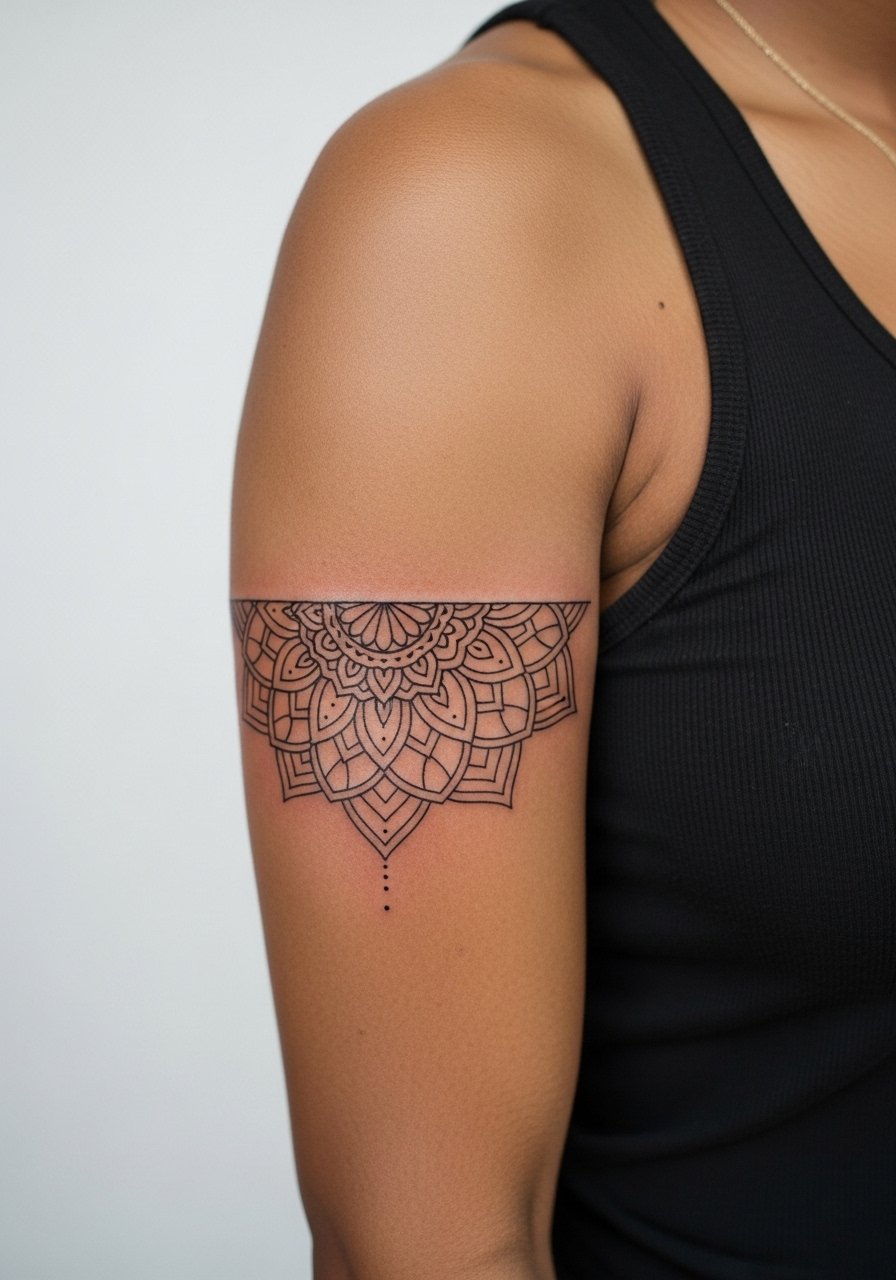
Fair warning, the bicep flexes and that affects how tight dot work settles. I recommend a half-mandala that uses open arcs instead of dense stipple at the edge so the silhouette reads when the arm moves. Tell the artist you want the outer rim spaced for muscle expansion. Expect moderate pain and a one to two hour session depending on detail. A common aging issue is packing dots too close to the edge, which leads to soft borders. Wear a loose tank top for the session so the artist can easily rotate your arm.
3. Center Sternum Mandala
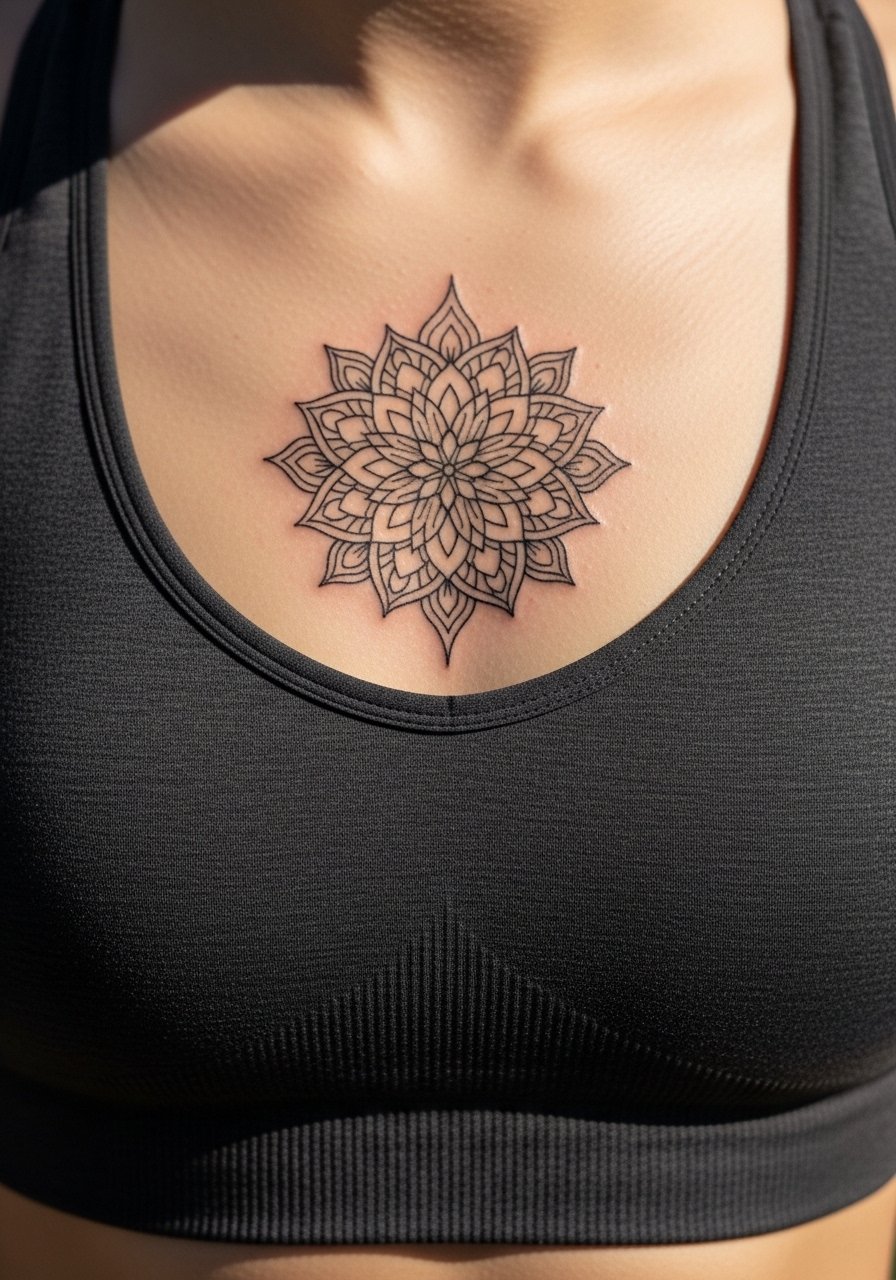
Most people are surprised by sternum sensitivity. Pain runs higher here, and breathing makes steady lines harder to hold. One camp argues fine line on the sternum blurs quickly because of movement and thin skin. The other camp insists careful depth and spacing let it last. Ask the artist how they handle motion and whether they would enlarge negative spaces. For appointment day wear a fitted sports bra so you can expose only the sternum and stay comfortable during longer sits. Expect touch-ups sooner than on the forearm.
4. Micro Mandala Finger Ring
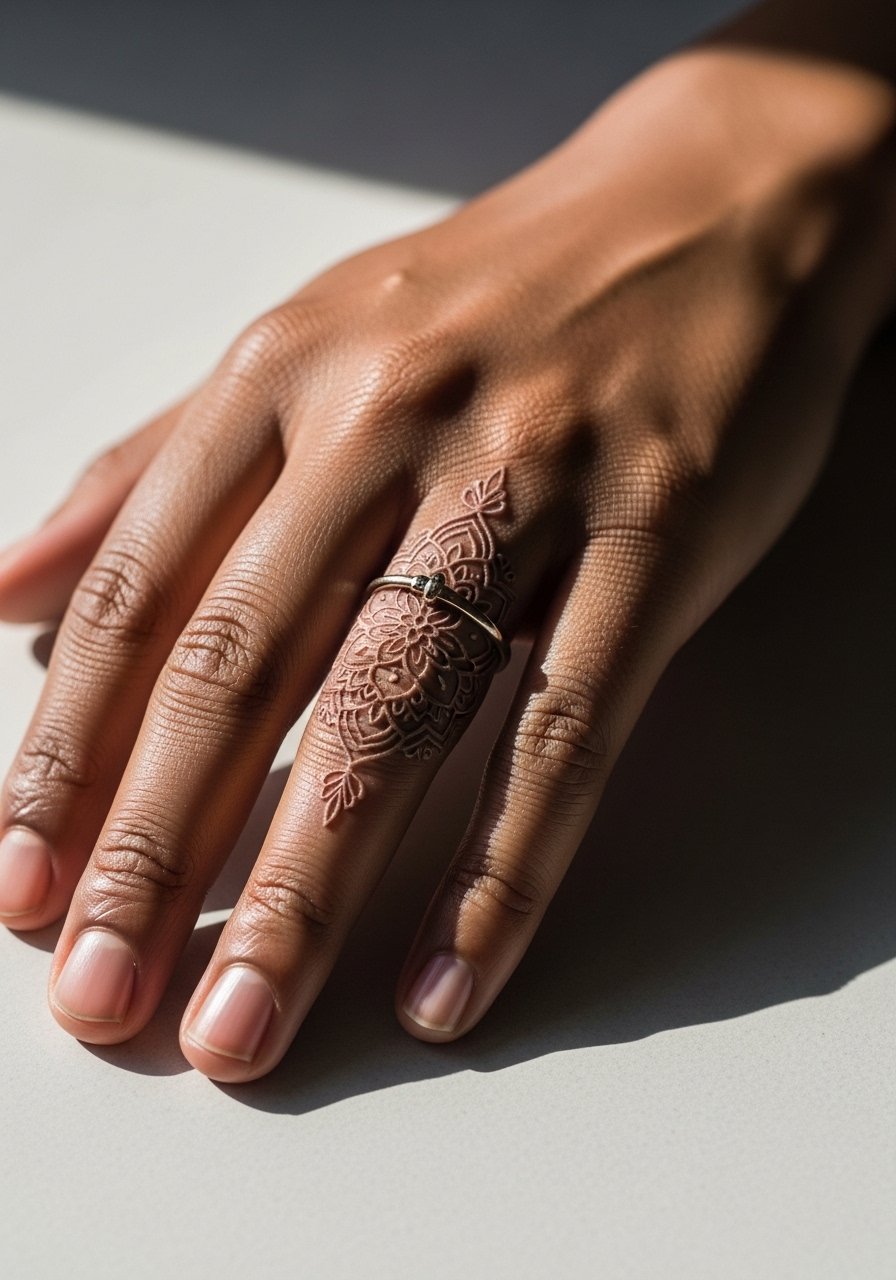
Finger skin moves constantly and gets washed a lot, so micro mandala rings age faster than similar wrist designs. The common mistake is packing detail into a tiny circumference. I recommend simplified repeat petals and slightly heavier perimeter lines so the shape reads after a year. Pain is sharp and session time short. Touch-ups are normal at year one or two. Hand tattoos still affect some hiring decisions, so consider placement carefully. Pair this with a slim thin ring band when you want the tattoo to look like intentional jewelry.
5. Large Ribcage Mandala

Fine line on ribs sparks one of the bigger debates in the community. One camp says ribs stretch and blur fine work within two years. The other camp says with proper needle depth and spacing it can settle fine. My take is to plan for more negative space and slightly bolder key lines when you want longevity. Pain is high and sessions often split. Avoid asking for ultra-fine filled stippling across a large area. For the session wear a cropped top you can lift easily and prepare for possible touch-ups later.
6. Tiny Mandala Behind the Ear

Behind the ear is subtle and personal. The skin there is thin and contours can make perfect circles look slightly oval, so request a slightly adjusted stencil during consultation. Pain is moderate and the session is brief. A common mistake is expecting it to stay as crisp as a forearm piece without accounting for frequent hair friction. For discreet placement consider hair styling that keeps the area visible only when desired. This design traces visual language from South Asian mandala traditions, so many people choose slight variations rather than direct cultural replicas.
Studio Day Picks
The chest, rib, and behind-ear pieces above require different prep than forearm and hand work, so a few targeted items smooth the appointment and early healing.
- Stencil transfer paper kit. Lets you preview the exact placement on skin before the machine starts, useful for the ribcage and sternum pieces above.
- Topical numbing cream. Applied per instructions before a rib or sternum session can reduce the edge of sensitivity during longer sits.
- Thin protective film roll. Ideal for small finger or wrist mandalas that face friction from clothing and typing in the first week.
- Fragrance free gentle body wash. Cleanses healing areas without irritating delicate linework on forearms and ribs.
- Aquaphor healing ointment. A thin layer helps lock in moisture during the first days for fine line work without clogging the needle channels.
7. Mandala Wrist Band
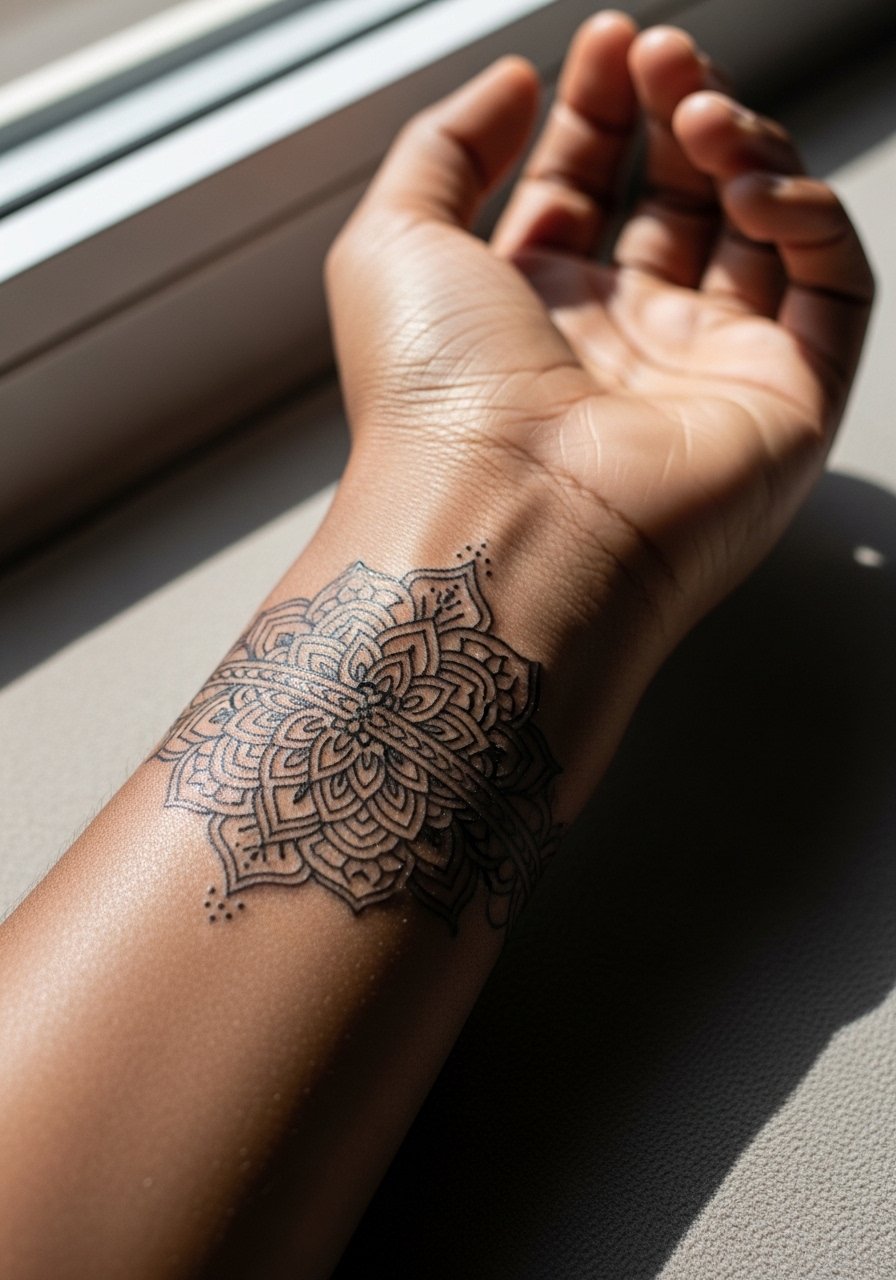
Wrist bands sit in a high-motion, high-wash zone so spacing matters more than the initial look. I've seen perfectly executed wrist mandalas soften quickly when lines were too close. Request a band with alternating open sections and tiny dot work to preserve contrast. Pain is low to moderate and most pieces finish in one sitting. For showing this design wear a thin chain bracelet that complements the linework without obscuring it.
8. Shoulder Cap Mandala
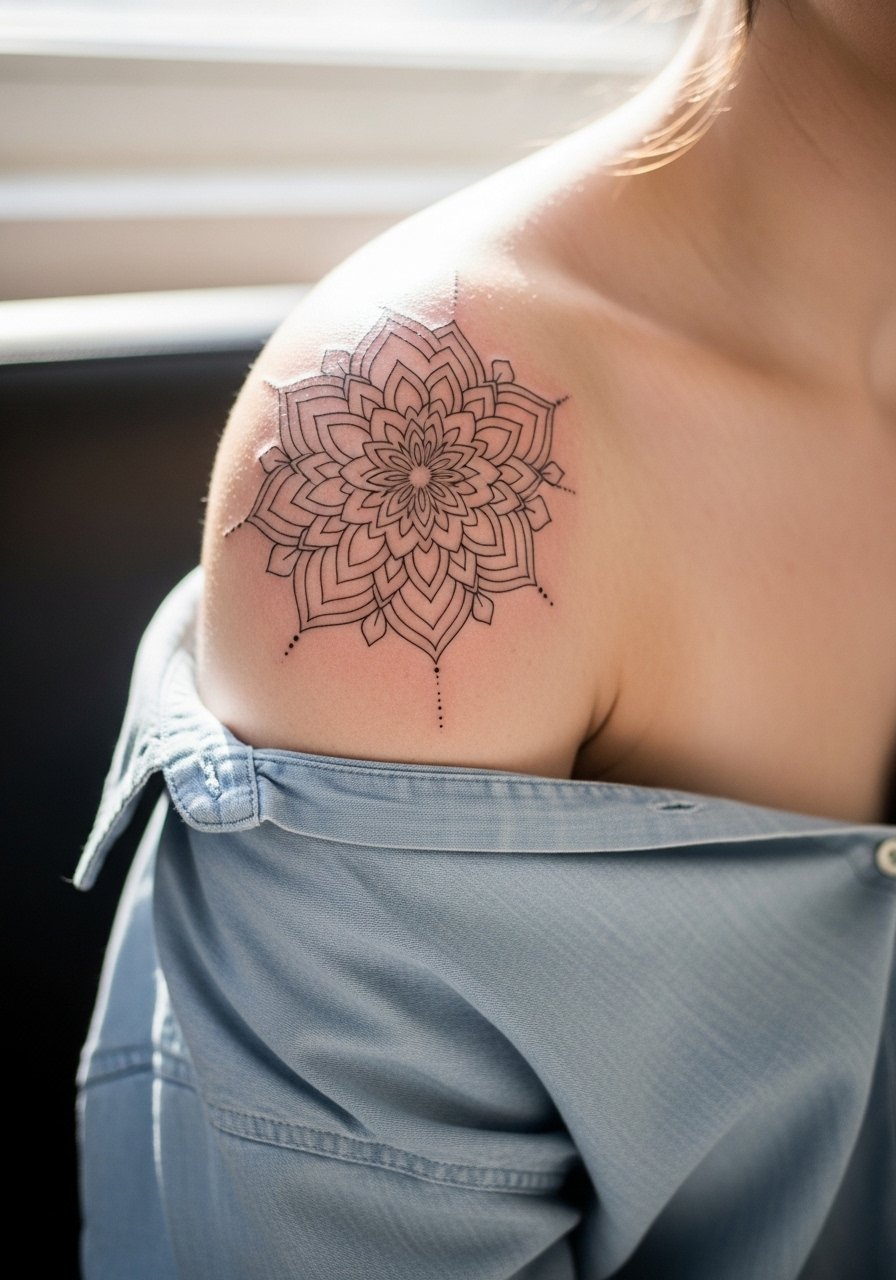
The shoulder cap reads well with slightly larger petals because the area gets sun exposure and the skin is thicker. For this placement tell the artist you want ample negative space in the outer petals so the silhouette holds under sunscreen and summer wear. Pain is low and sessions are comfortable. A common mistake is asking for dense microdots at the edge. For showing off, a loose button-down shirt you can pull aside frames the cap and keeps the piece visible.
9. Vertical Calf Mandala Column
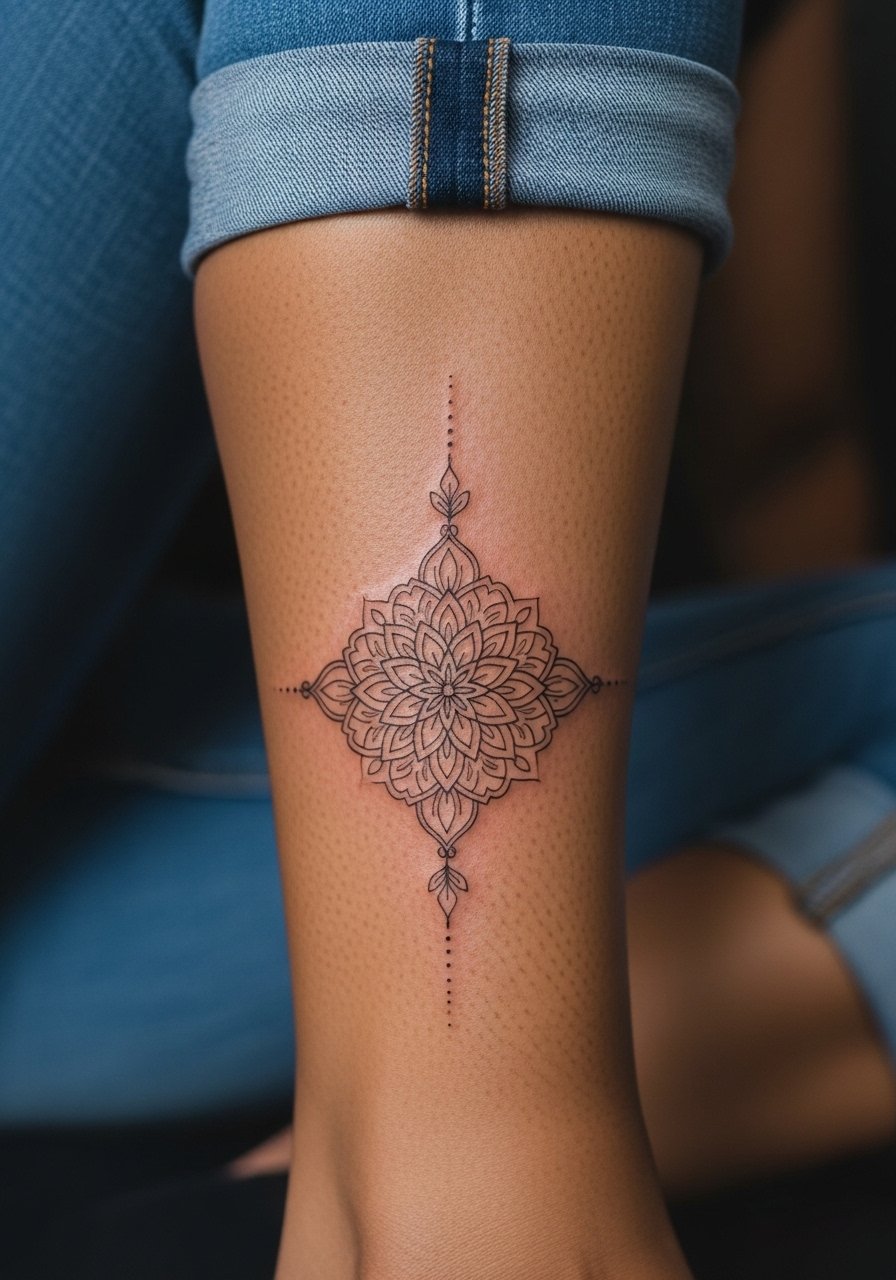
Calf skin tolerates detail well and offers enough canvas for a stacked mandala column that reads from a distance. Tell your artist to stagger focal points and avoid packing identical rows which can blur into a single texture. Sessions can be an hour to two depending on length. Expect good longevity compared with hand work, but plan for sunscreen to protect contrast. For evenings out a rolled pant leg works, and for the session wear shorts you can easily move aside.
10. Tiny Ankle Mandala
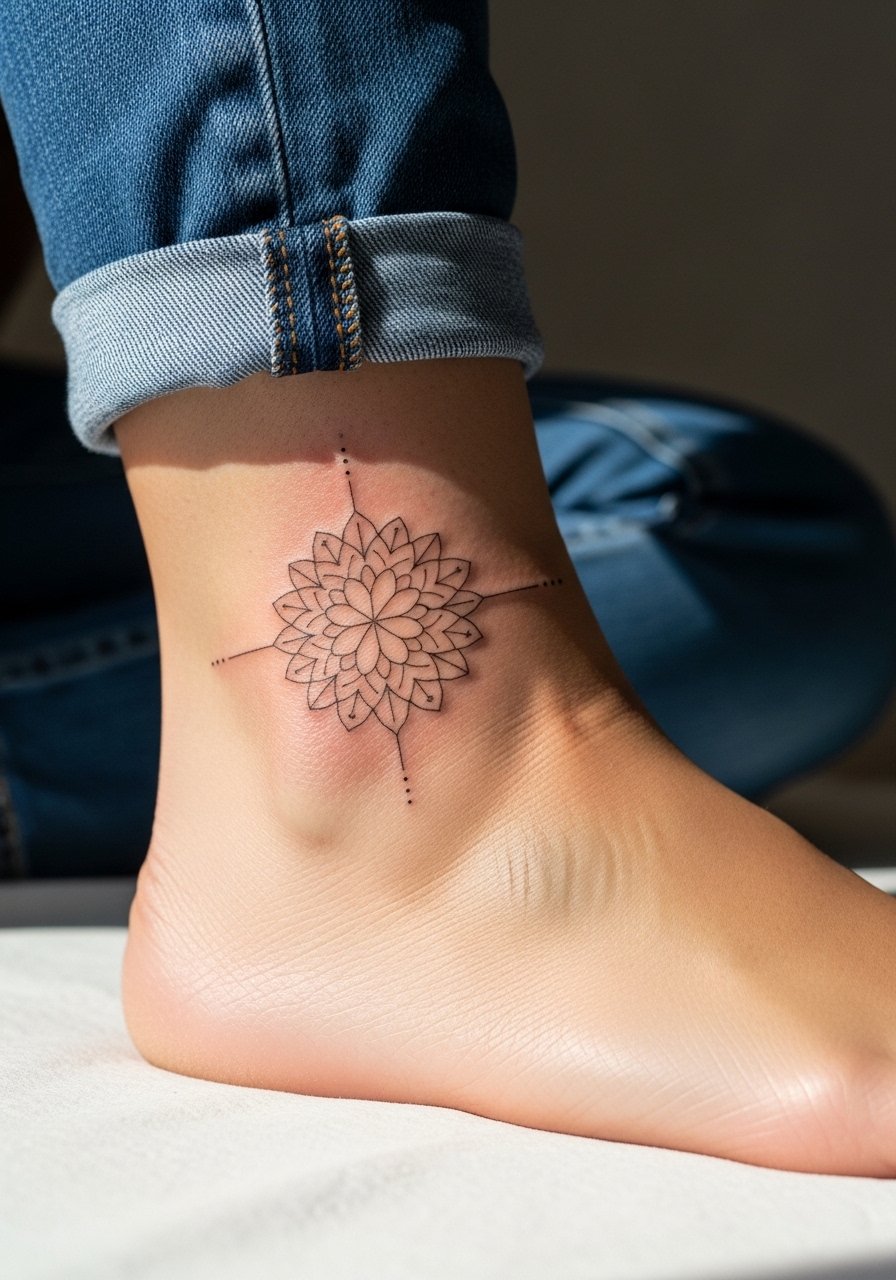
Ankle tattoos sit in a friction zone from socks and shoes so lower legs require careful aftercare and occasional touch-ups. The typical mistake is over-detailing a tiny ankle mandala. Ask for a simplified motif with a clear outer ring. Pain is moderate and sessions are quick. For showing it off, sandals or rolled jeans frame the ankle without crowding the linework. Wear footwear that does not rub the area in the first week.
11. Mandala Sleeve Quarter Panel
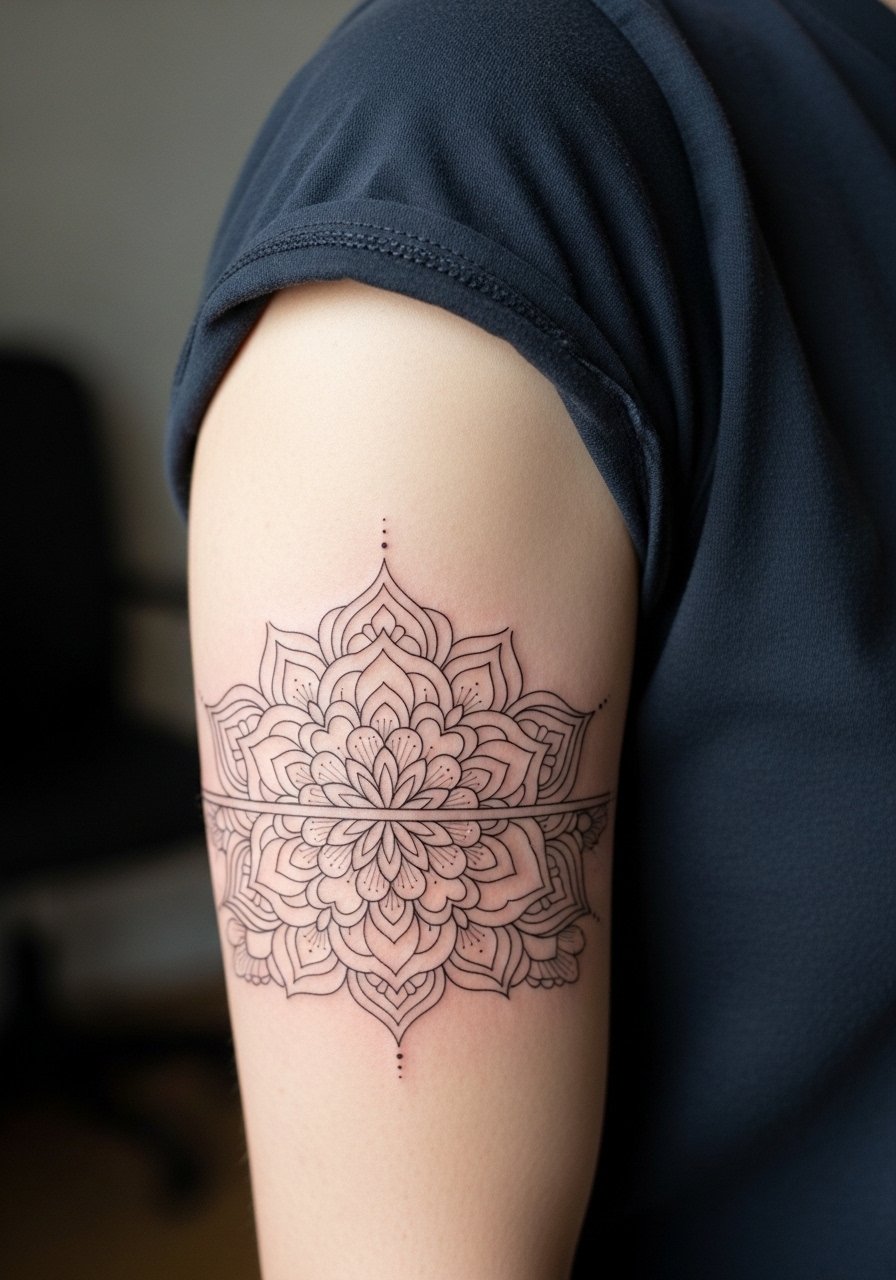
A sleeve panel that uses mandala geometry benefits from negative space and varied lineweight. Most visual confusion happens when every section matches the same density. During consultation point out which panels you want to read from a distance and which are for close inspection. Sessions take multiple hours and may require several appointments. Expect touch-ups along high-movement seams where the arm bends. For day-to-day wear, short sleeves let you show off the piece without covering it.
12. Nape Mandala
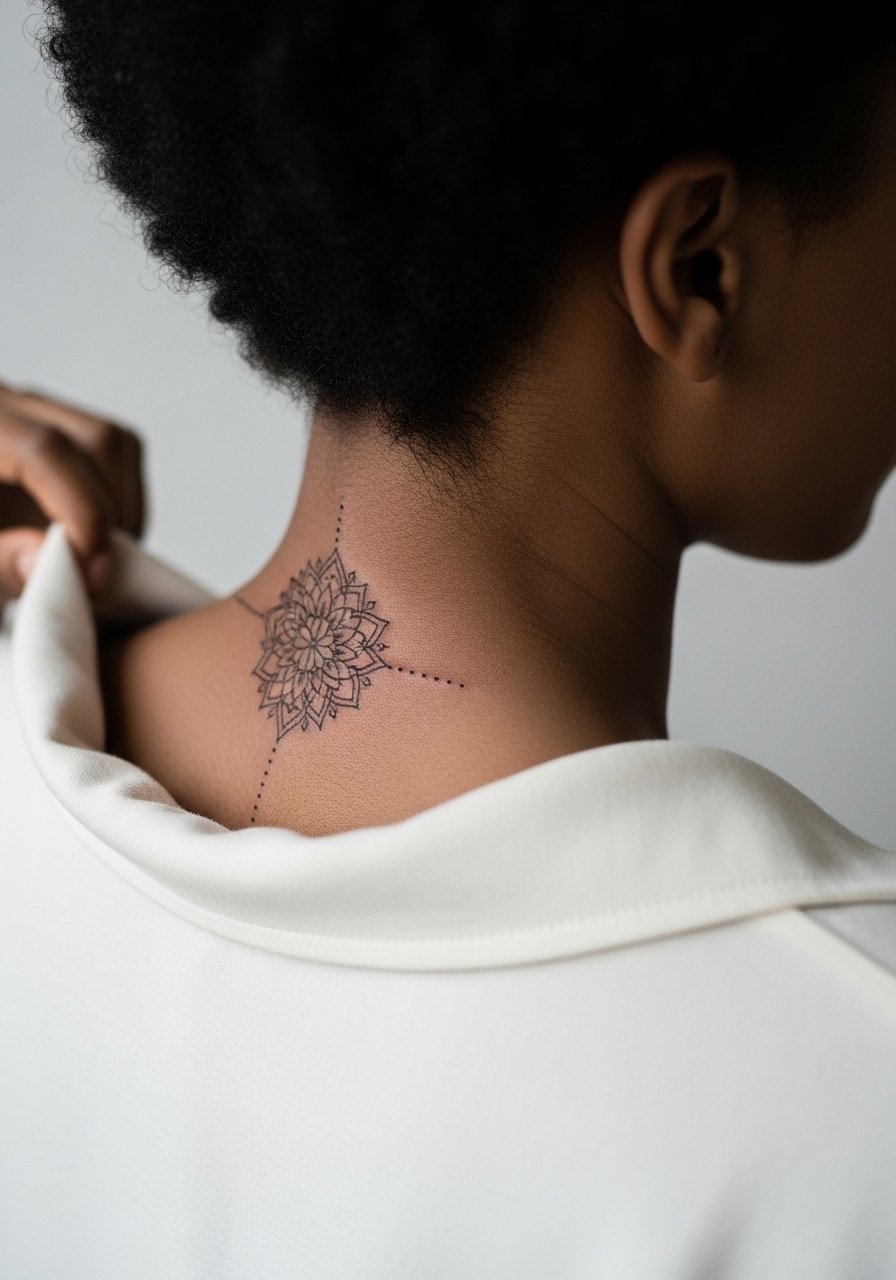
The nape is sensitive to hair and collars which can rub the area while it heals. Tell your artist you want the design placed just below the hairline so it is visible with short hair or tied back. Pain is moderate and sessions are short. A typical misstep is asking for extremely fine inner dots that the nape skin cannot hold well. If you plan to wear collared shirts, bring a wide-neck option for the session so the artist can access the area cleanly.
13. Center Back Mandala

A centered back mandala benefits from a strong central axis and room around the outer rings. Muscle movement is less of an issue here than ribs, but posture affects how the symmetrical lines read. Ask your artist for a slightly larger-than-you-think scale to prevent blurring as the skin settles. Sessions are longer and often split. For showing off in warm months choose open-back shirts that reveal the design without exposing more than you want.
14. Back of Hand Mini Mandala
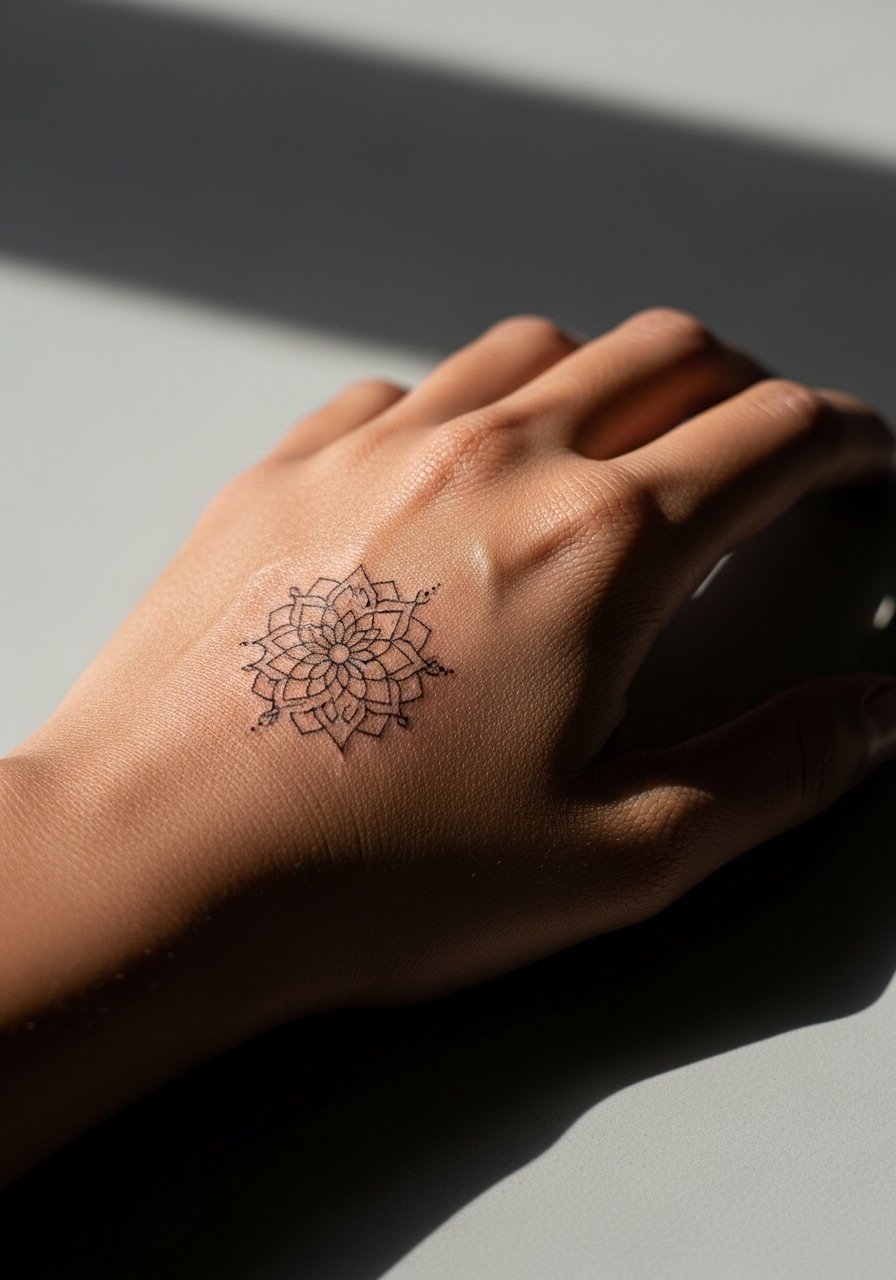
Hand skin is the hardest place for fine line to maintain detail because of constant washing and sun. Artists split into camps about doing intricate hand mandalas. One camp says tiny details never hold on hands. The other does simplified motifs and accepts annual touch-ups. If you go ahead, expect sharper pain and a high chance of needing a touch-up within a year. Also keep in mind career considerations where visible hand ink matters. For minimal adornment pair the piece with a simple thin ring band when you want it to feel like jewelry.
15. Inner Thigh Mandala Panel
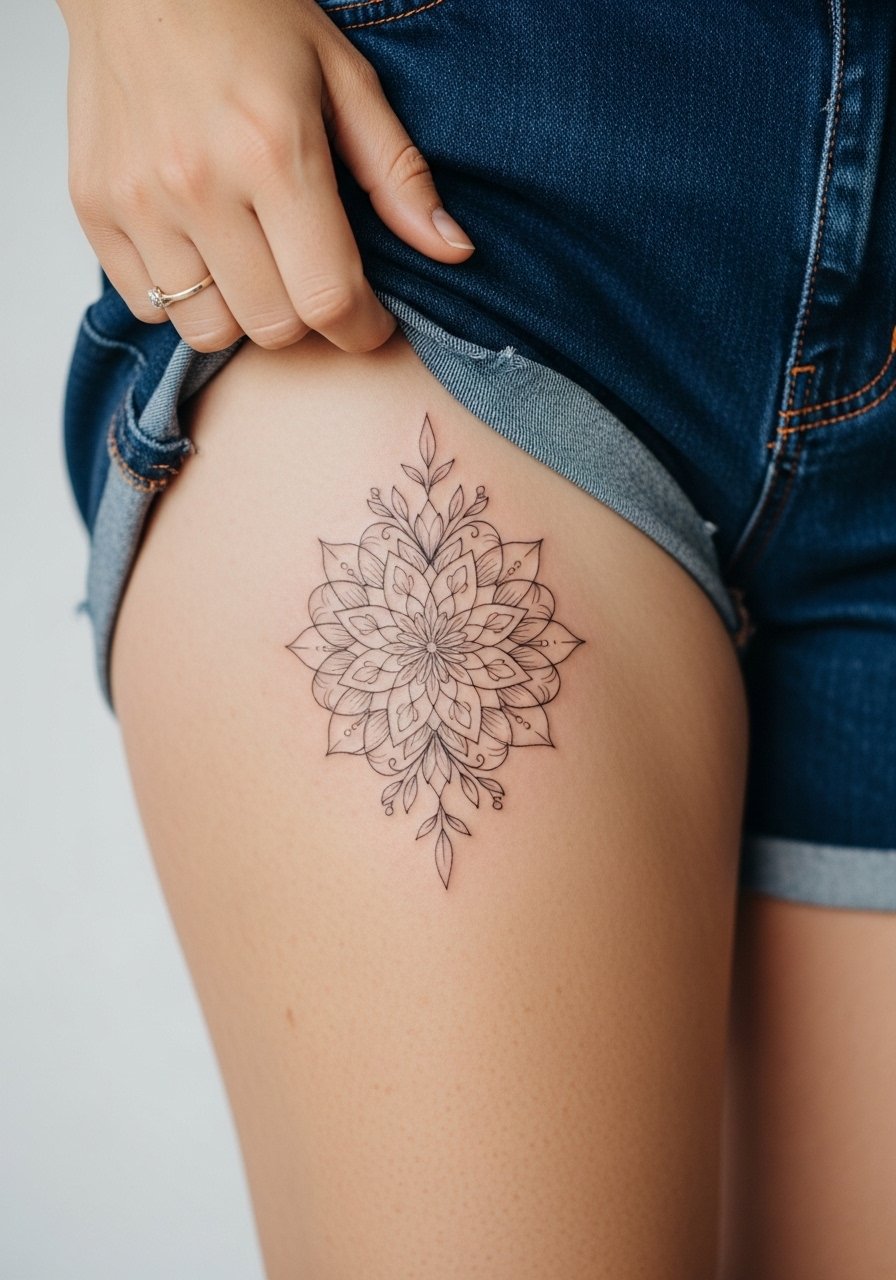
Inner thigh skin can be forgiving for detail but the area is intimate and stretches with movement. Expect moderate pain and sessions that may require shifting positions. The biggest mistake is requesting extreme micro stippling across a wide panel without accounting for stretch. Many people choose inner thigh mandalas for private impact rather than everyday display. If cultural motifs are used, consider subtle personal variations out of respect for origin traditions.
16. Collarbone Sunburst Mandala
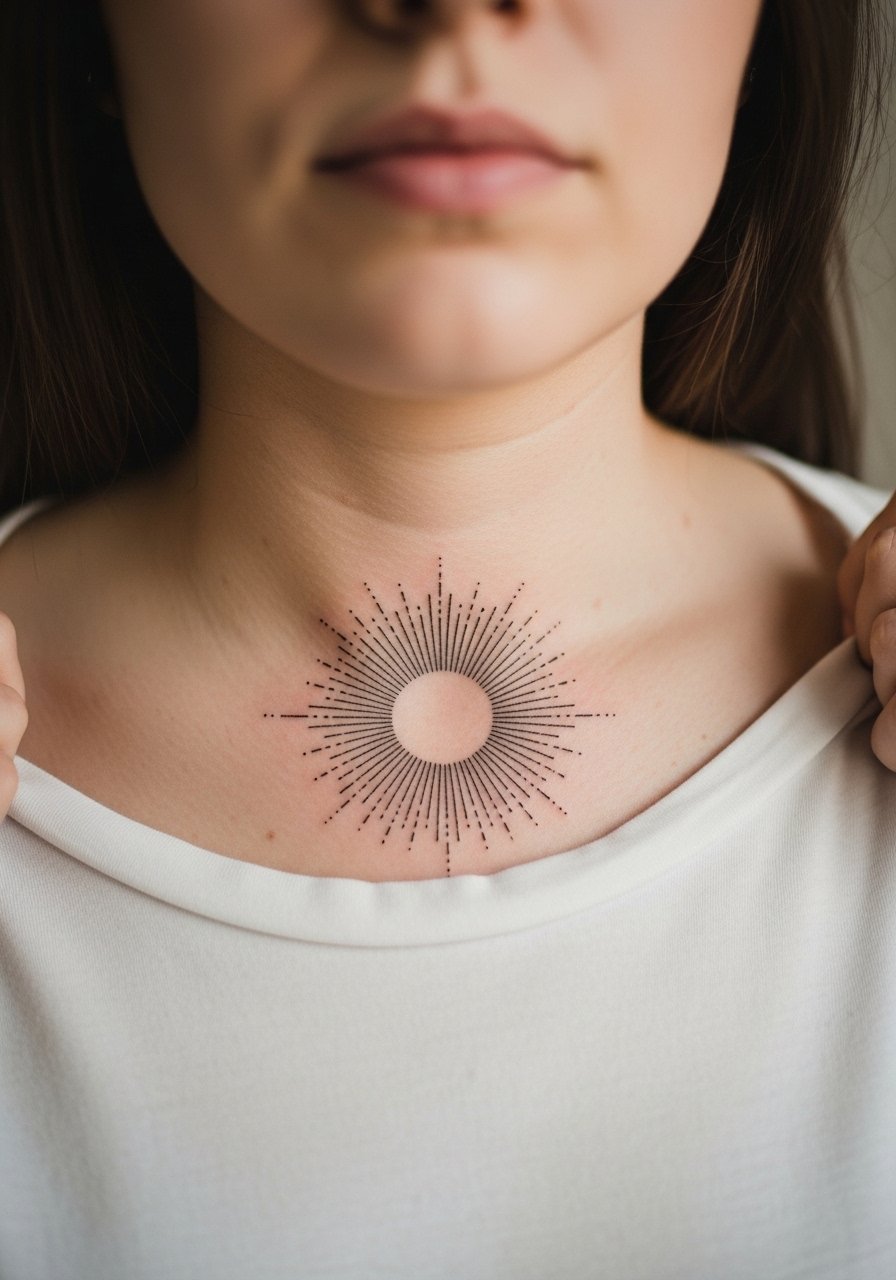
Collarbones show mandalas beautifully because the bones provide a natural frame. Pain can spike over the bone, so be prepared for sharper sensations and shorter, focused passes. Ask your artist to emphasize outer arcs and keep inner dotwork airy to avoid early merging. Sessions are often under two hours. For showing off pair the piece with a thin chain pendant necklace that sits just above the design and keeps attention centered.
17. Ankle-to-Foot Crescent Mandala

Transitioning a mandala from ankle to foot increases exposure to shoes and water, so plan simplified edge work on the foot portion. Sessions can be short but expect the foot area to need touch-ups more often. A common error is asking for identical detail across both ankle and foot without changing density. For session wear choose sandals or shoes that do not press on the fresh work and avoid coverings that shift while you walk.
Frequently Asked Questions
Q: Will a fine line mandala sleeve blur faster than a bold traditional sleeve?
A: From what I have seen, fine line sleeves depend on spacing and negative space much more than bold sleeves. The denser the microdot work, the higher the chance of softening. If you want longevity, ask for varied densities and slightly thicker anchor lines where needed.
Q: How should I dress the day of a sternum or ribcage mandala session?
A: Wear a cropped top or a fitted sports bra you can lift or unzip. A fitted sports bra makes the session cleaner and keeps you comfortable during longer sits. Loose bottoms help if you are getting a rib panel that extends down.
Q: Do mandala designs require special touch-up timelines compared with other fine line tattoos?
A: They can. Expect touch-ups earlier for high-motion or high-friction spots like hands, fingers, and feet. Stable areas such as the upper back or calf often hold detail longer. Talk to the artist about a realistic touch-up plan during your consultation.
Q: Are there cultural issues I should consider when getting a mandala tattoo?
A: Yes. Mandalas have roots in several spiritual traditions. Many people choose to adapt motifs or discuss symbolism with the artist to avoid direct replication of sacred patterns. A respectful variation honors origin while keeping the design personal.
Q: Will sun exposure ruin the thin line contrast in a mandala?
A: Sun is the main enemy of fine line contrast. Use broad spectrum sun protection on exposed mandalas and plan placement with clothing in mind. Areas that see frequent sun will fade faster and may need touch-ups sooner.
