
Fine line color and layered patterns dominate saved boards, but the reality is that hand work needs spacing, bold color anchors, and placement-conscious decisions to stay readable as skin moves. If you want colorful henna-inspired hand pieces that age into statement lines instead of smudged blobs, plan spacing, ask about touch-up timelines up front, and pick designs that pair with your daily accessories. The first idea shows a mandala that proves the point.
1. Mandala Medallion on the Back of the Hand
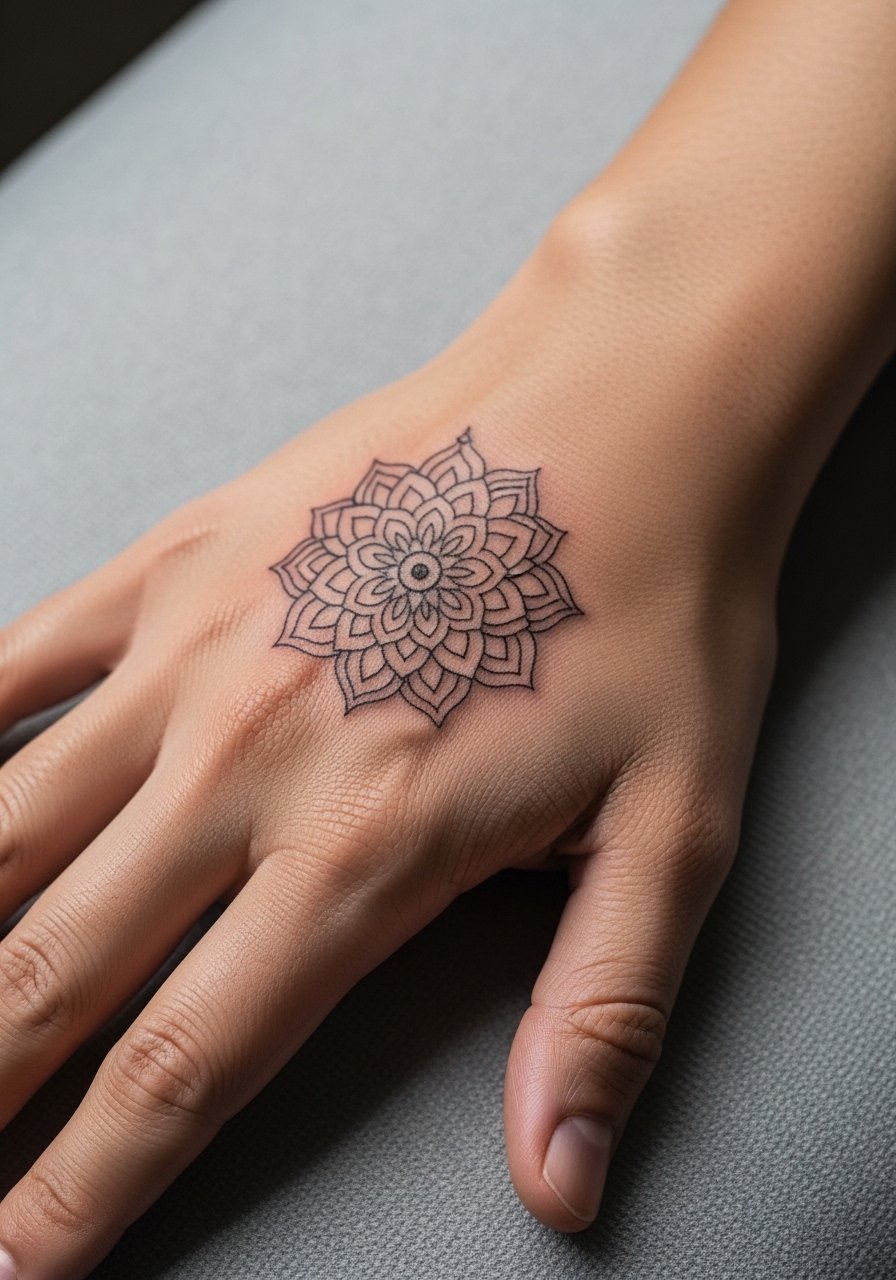
I recommend this when you want a single focal piece that reads from a short distance, not a dense filler that sits too close to the knuckles. In consultation, ask the artist to increase negative space between petals so the stipple shading does not merge after a couple of years. Expect moderate pain around the knuckle line and a session under an hour for a medium-size medallion. Common mistakes include packing too much tiny detail, which ages into blurring by year three. For showing it off, pair with a thin chain bracelet that sits just below the medallion without crowding it.
2. Paisley Band Wrapping the Thumb Web
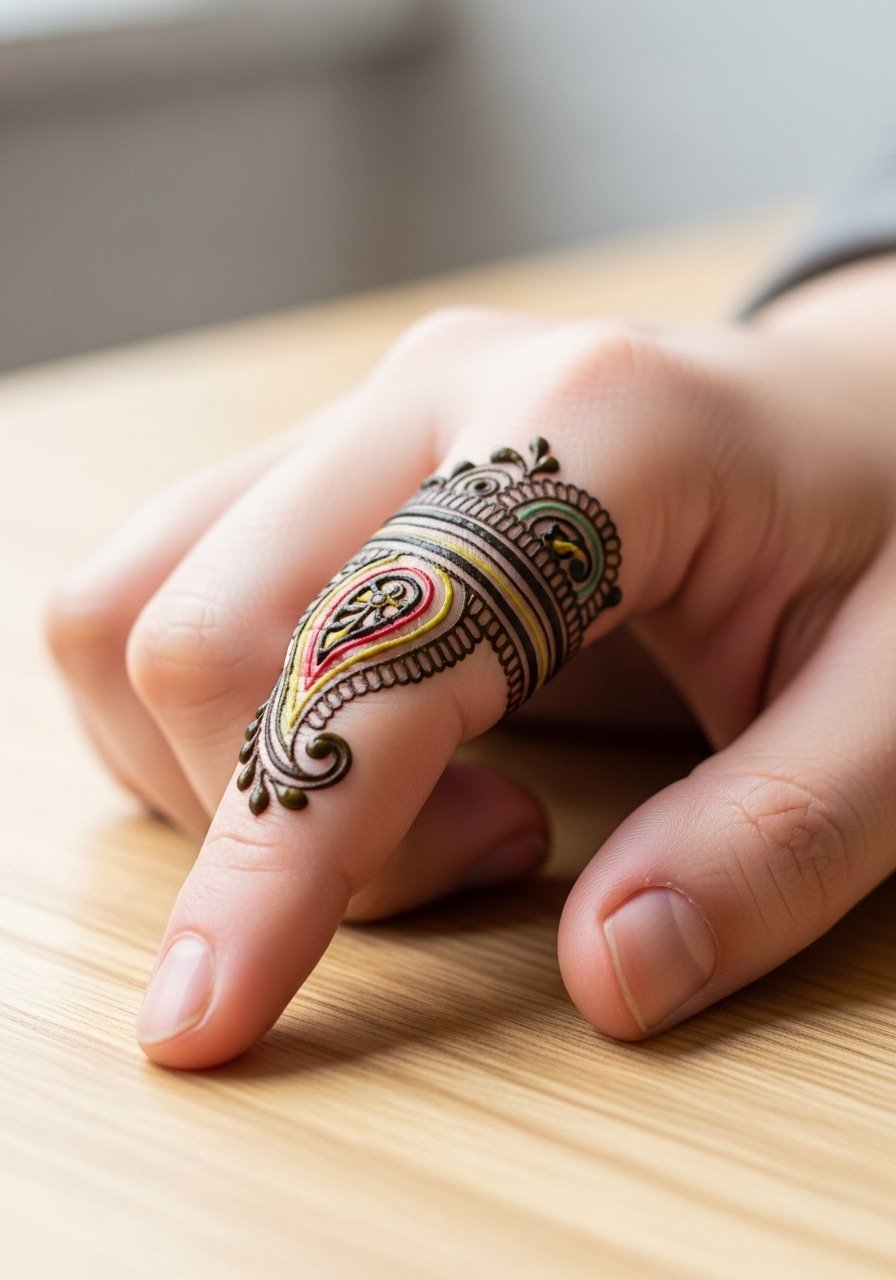
Fair warning about the thumb web, it moves a lot and needs bolder anchors to survive daily wear. I suggest slightly heavier color saturation in the paisley base so the fine interior dots can soften without disappearing. Tell your artist you want the main shapes bold and the interior dots sparse to avoid blowout where the skin folds. The session is short but fiddly, and touch-ups are common at year two. For the appointment wear a loose short-sleeve tee so the artist can manipulate the hand freely.
3. Floral Chain Across the Fingers
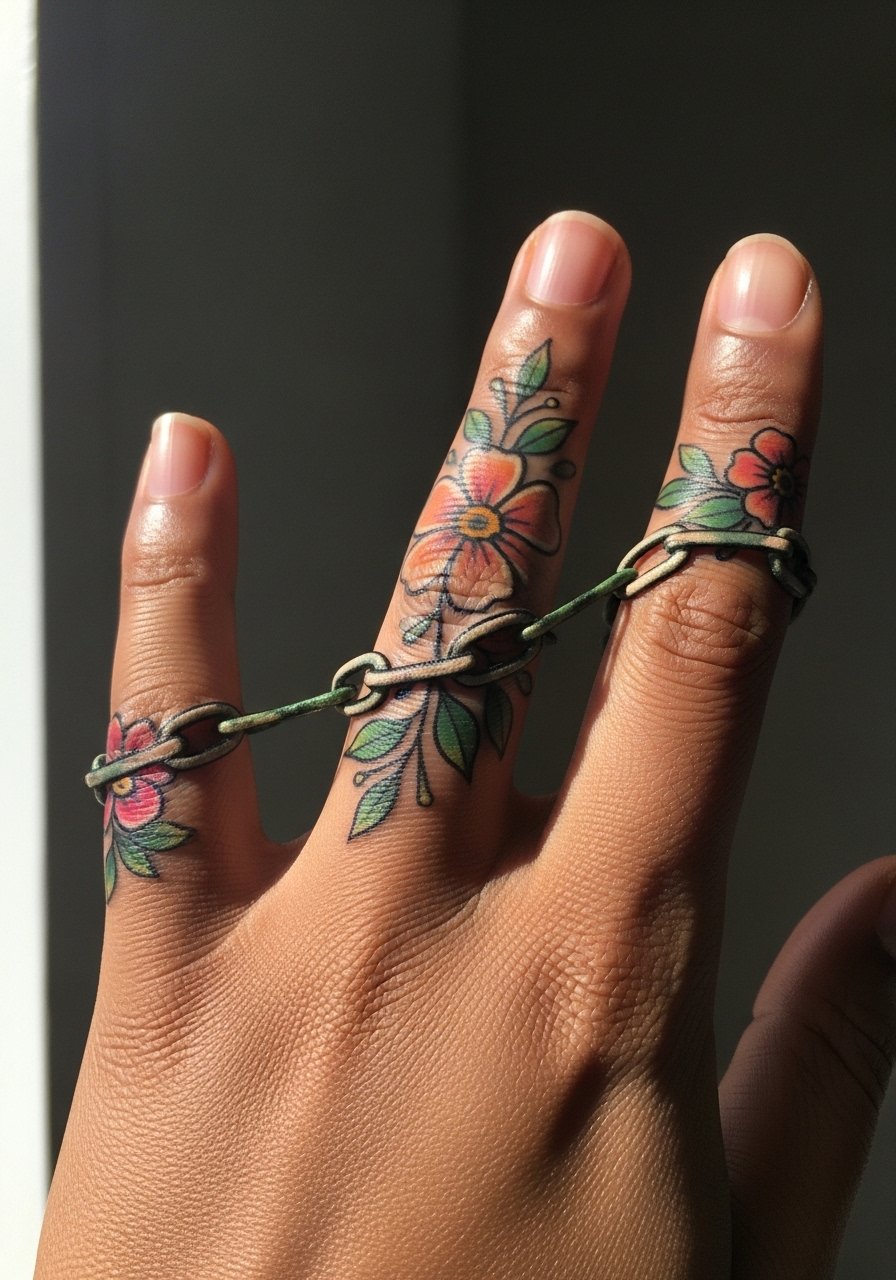
Most people get this thinking tiny knots will stay crisp. The biggest mistake is going too small between joints. I recommend leaving space between petals and using small color blocks at knuckles as anchors. Discuss touch-up windows with your artist since finger work often needs a six- to twelve-month revisit. Pain is high near joints and quick in execution. Pair with a minimalist ring set that frames each finger without rubbing the ink during healing.
4. Watercolor Splat Palm Accent
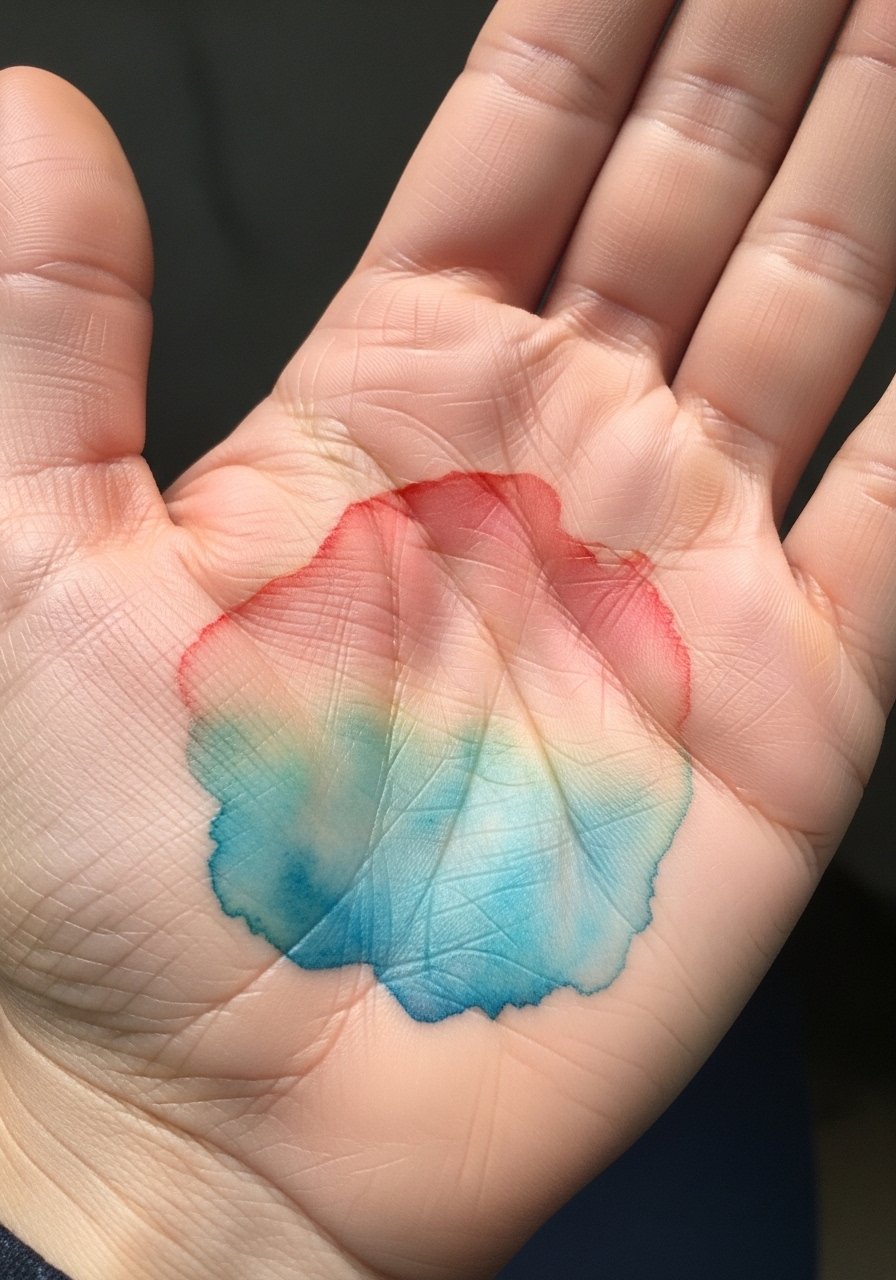
Most watercolor approaches on palms fade faster than on flat areas because of constant contact and washing. This version keeps a thin black anchor line beneath the wash to preserve shape as the pigments soften. In consultation mention heavy-use areas and ask for a denser outline so the wash can act like a highlighted layer. Expect faster fading at six months and plan a possible touch-up at year one. For the session wear a short-sleeve shirt you can roll up so the artist can see wrist-to-palm transitions.
5. Henna-Style Geometric Backhand Strip
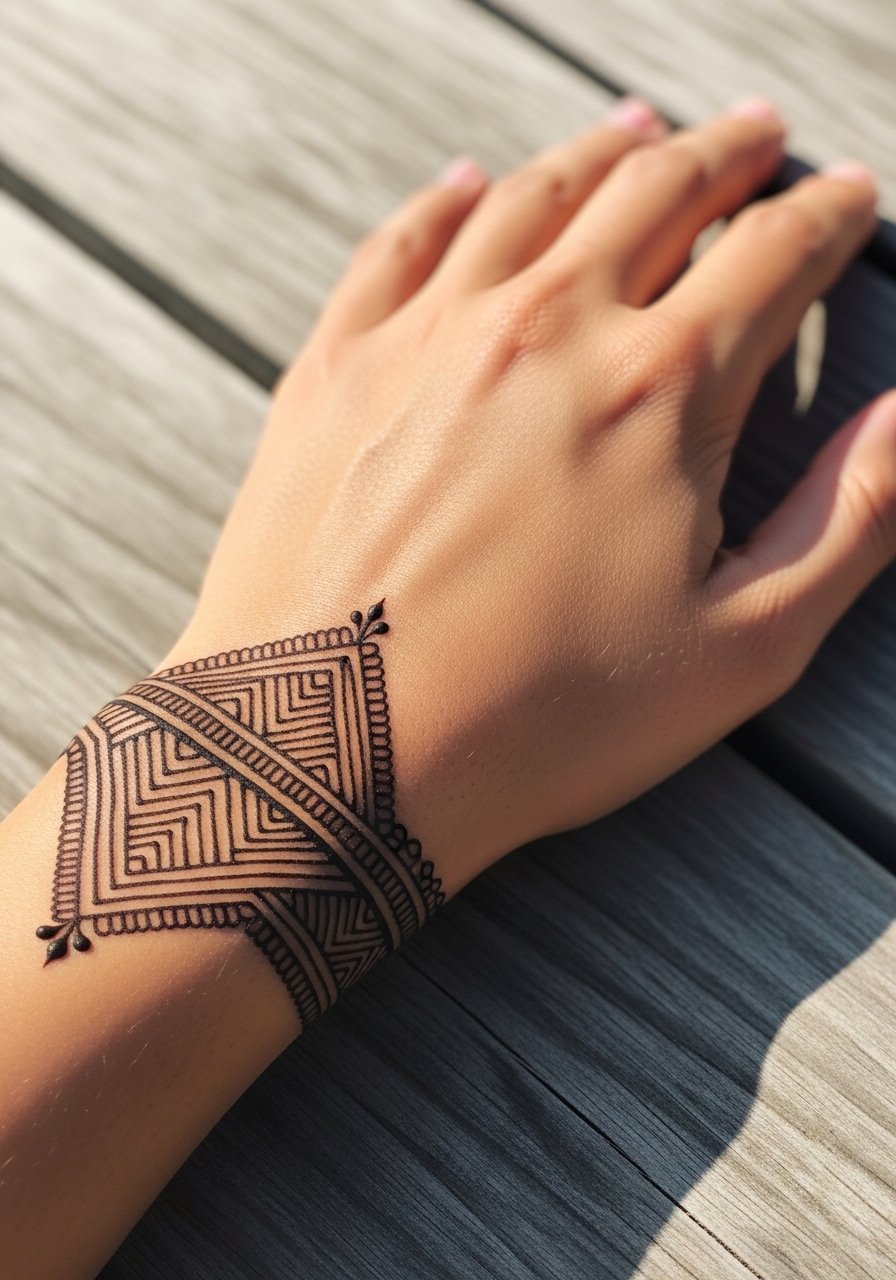
There's something about clean geometric anchors that holds up on the back of the hand. Ask for slightly thicker primary lines and lighter internal dot work. A common mistake is filling compact geometry too close to the wrist joint where movement causes merging. Pain is moderate and sessions are generally under an hour. Expect the dense outlines to remain readable at two years while the finer internal work may need touch-ups at year three. Complement this with a woven leather bracelet worn a little lower than the design so the tattoo stays visible.
6. Tiny Constellation Fingerscape
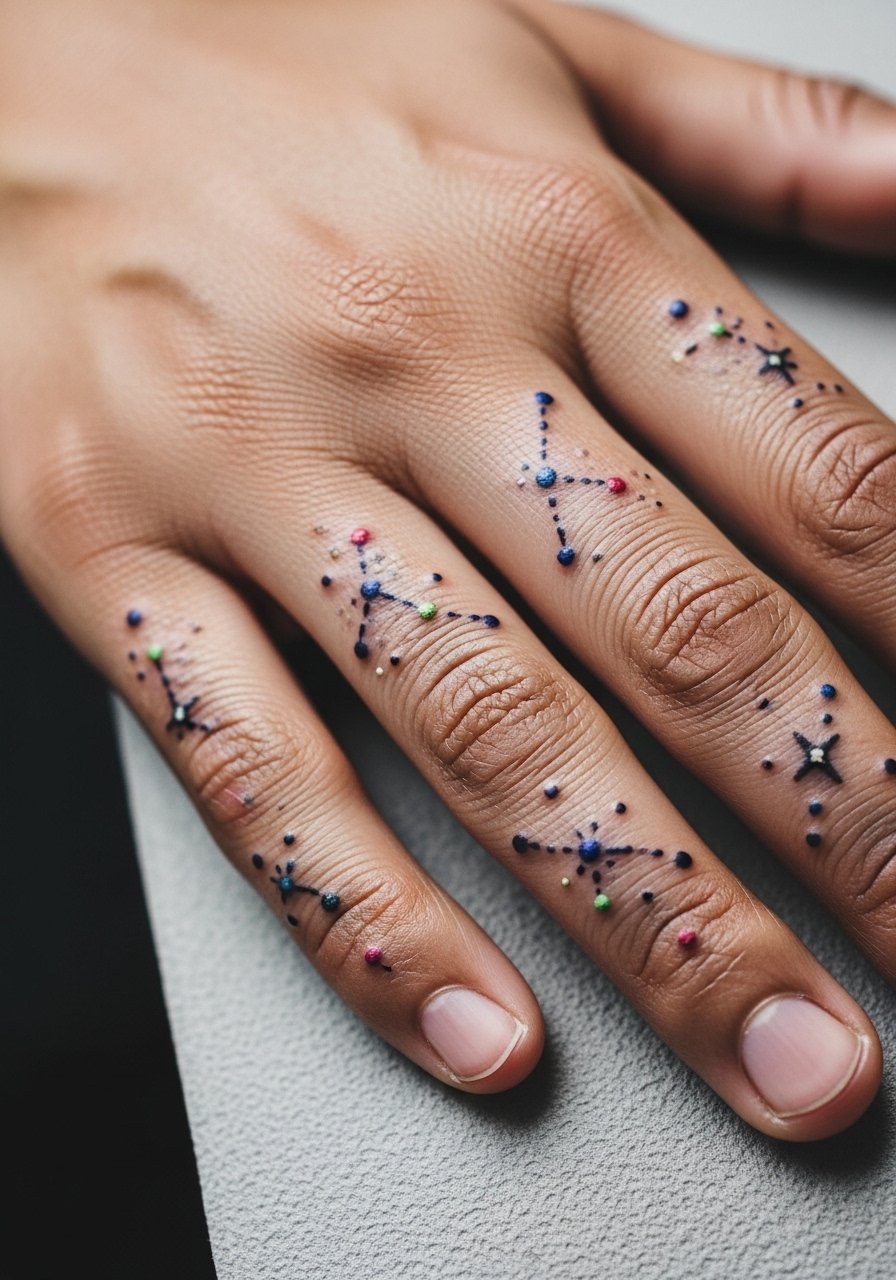
When you want discreet pieces that can connect visually, constellation dots work well. The risk is overpacking dots close to joints which causes blurring. Tell your artist to place primary stars slightly off-knuckle and use tiny color pops between them for contrast. Expect sharpness at six months and a gentle softening by year two. Fingers need cautious aftercare because washing and friction are relentless. Pair this with a thin stacking ring to highlight the negative space without rubbing the area.
Before You Book
Those back-of-hand and finger-focused pieces above deal with lots of washing and friction, and a few practical items make the session and first week easier.
-
Stencil transfer paper kit. Lets you preview placement on the hand so the mandala and chains land where you expect.
-
Topical numbing cream. Applied before a session eases the sharp joints without changing how the artist layers color.
-
Thin protective film roll. Keeps back-of-hand and palm work cleaner during the busiest first days of washing.
-
Fragrance-free body wash. Gentle cleansing reduces irritation where fine stipple and color are most vulnerable.
-
Aquaphor healing ointment. A thin layer helps with early moisture control, especially on small, high-motion pieces.
7. Lace Netting Across the Knuckles
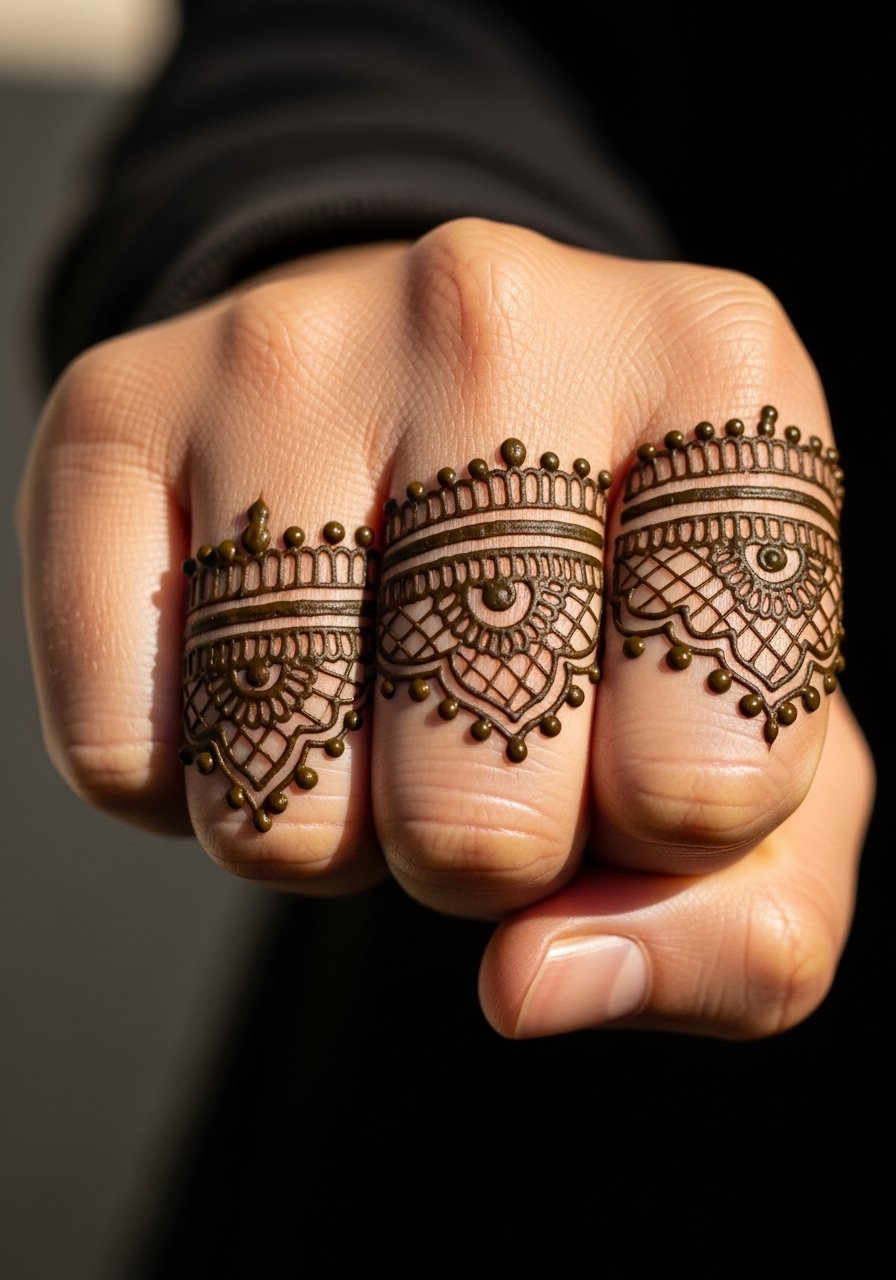
There is a trade-off with knuckle lace and readability over time. The skin there stretches and the smallest connectors can fill in. In the consult, specify that the artist should favor negative space over microconnectors so the pattern keeps its lace look. Sessions are quick though the pain is higher on the knuckles. Expect touch-ups around year two. For showing it off, stack a simple signet ring on the adjacent finger to frame the lace without covering it.
8. Bold Color Block Palm Accent
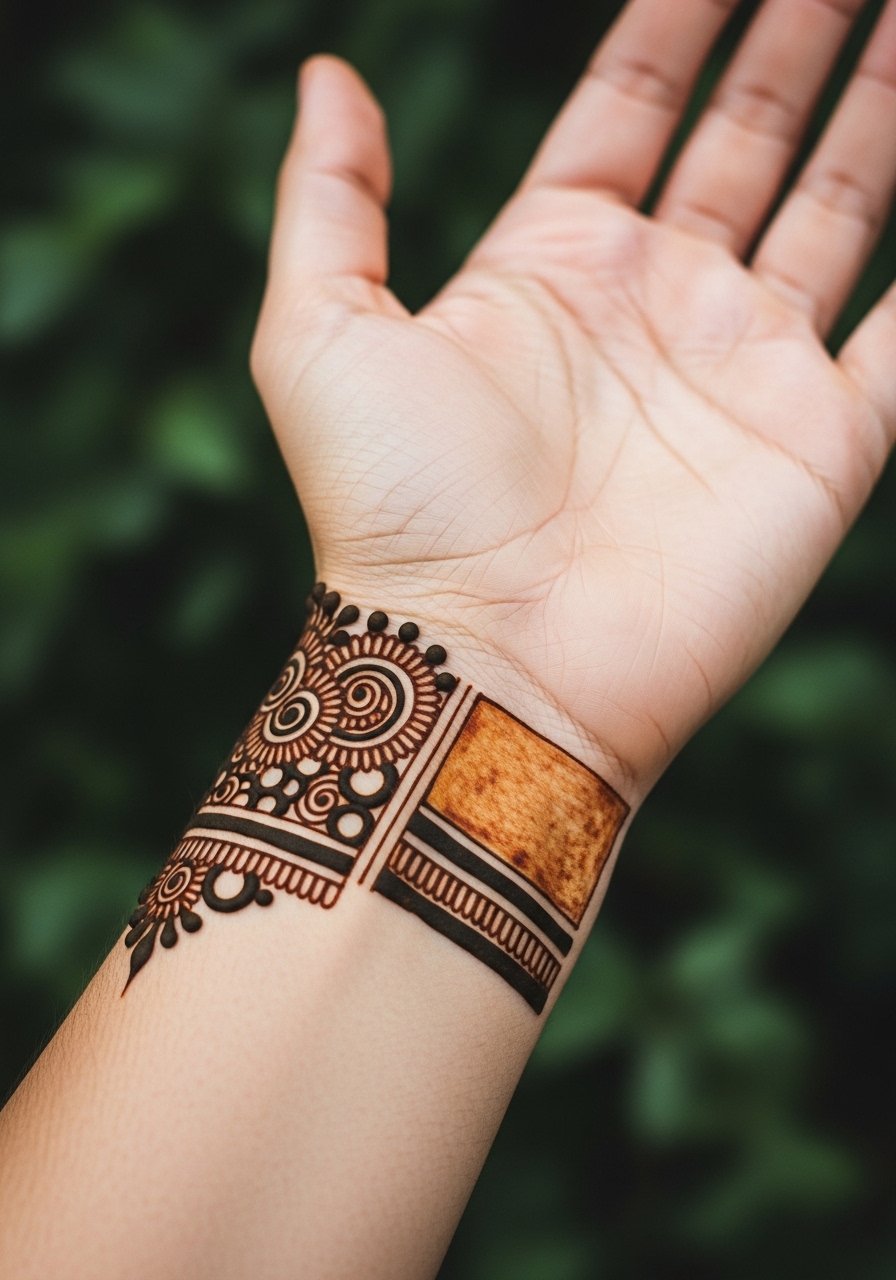
Visual impact is the reason people pick palms for color, but palms fade quickly from constant contact. The version that lasts uses denser color fields near the wrist with thinner pigment toward the center of the palm. Tell your artist you want heavier saturation at anchor points. Expect visible fading by six months and likely a color refresh at year one. Session time depends on area size and the work can sting more than back-of-hand pieces. Wear a short-sleeve button shirt for easy access.
9. Script Band That Wraps the Wrist
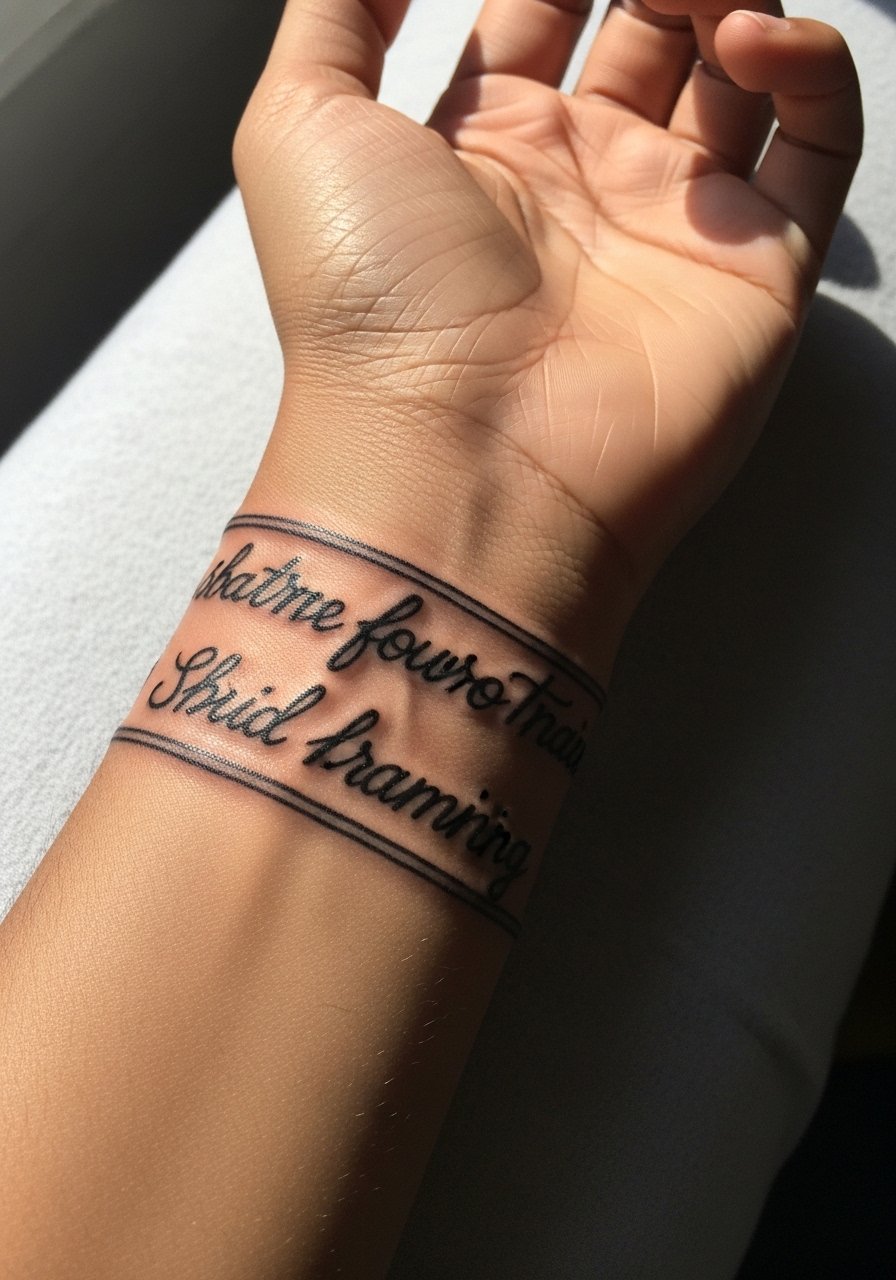
Consultation tip, ask that letters are spaced to breathe so the script does not bleed into itself as the wrist flexes. Artists split into two camps on script density. One side favors tiny, delicate lettering and accepts touch-ups later. The other prefers slightly bolder letters to avoid early blurring. Ask where your artist stands before booking. Expect a one-hour session and touch-ups at year two for delicate work. Pair with a rippled bangle worn below the script so the band is visible without rubbing the ink.
10. Miniature Henna Rose Above the Thumb

Most miniature florals suffer when placed too close to high-motion areas. The practical fix is a slightly larger petal outline and simplified interior shading. During the consult ask for a bold petal silhouette with minimal inner detail. The thumb base is sensitive but quick. Expect the piece to hold at six months and possibly need a touch-up at year two. For the session wear a short-sleeve linen shirt that you can move out of the way easily.
11. Ornamental Cuff With Gem Motifs
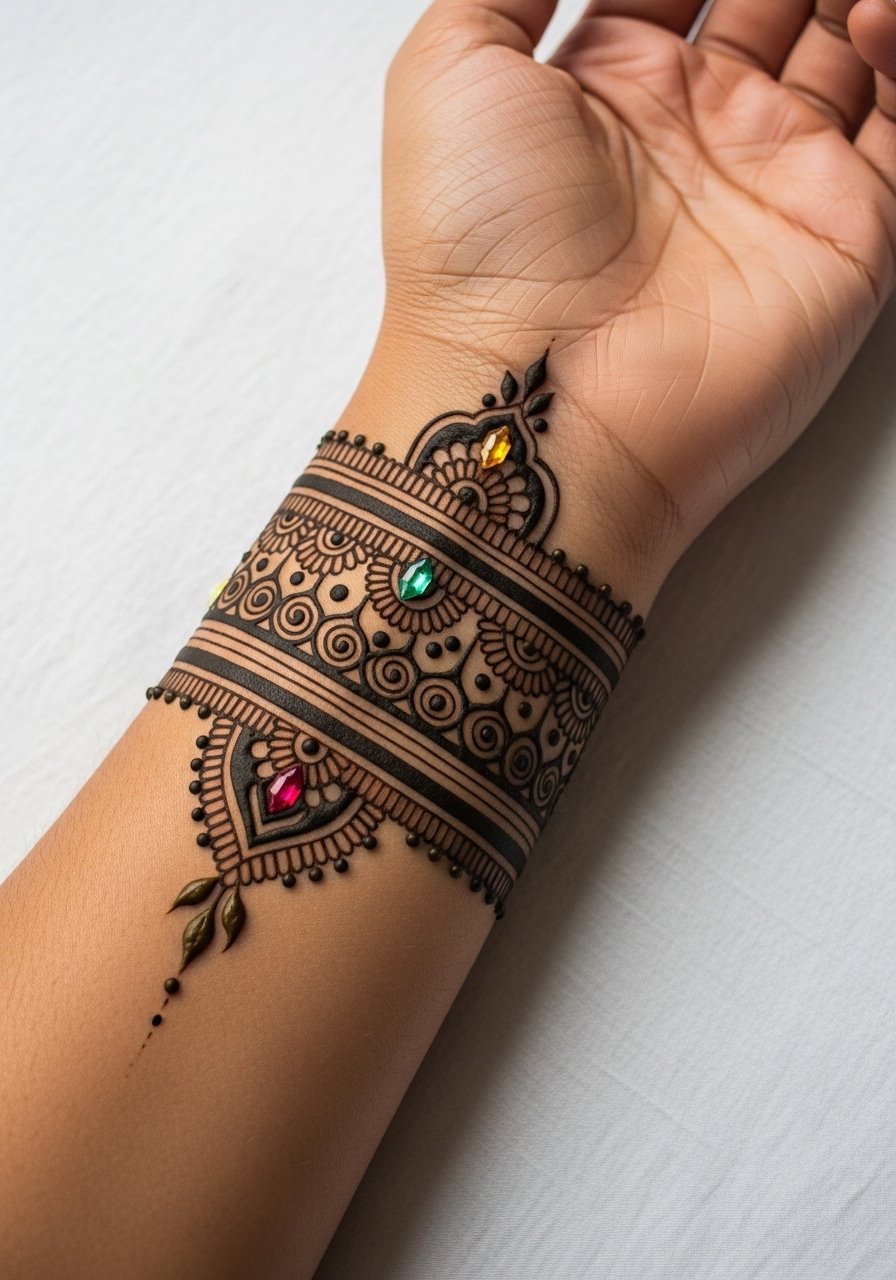
Visual impact lead, ornamental cuffs read like jewelry which makes them versatile. Ask the artist to treat the gems as color anchors so the surrounding filigree can soften with time without losing shape. The cuff is lower on the pain scale than knuckles and usually fits into a single session. A common mistake is too many tiny filigree connectors. Expect primary outlines to remain legible at three years with inner dot work needing earlier refresh. Pair with a delicate watch band that sits below the cuff so the tattoo is framed.
12. Negative Space Paisley Cluster
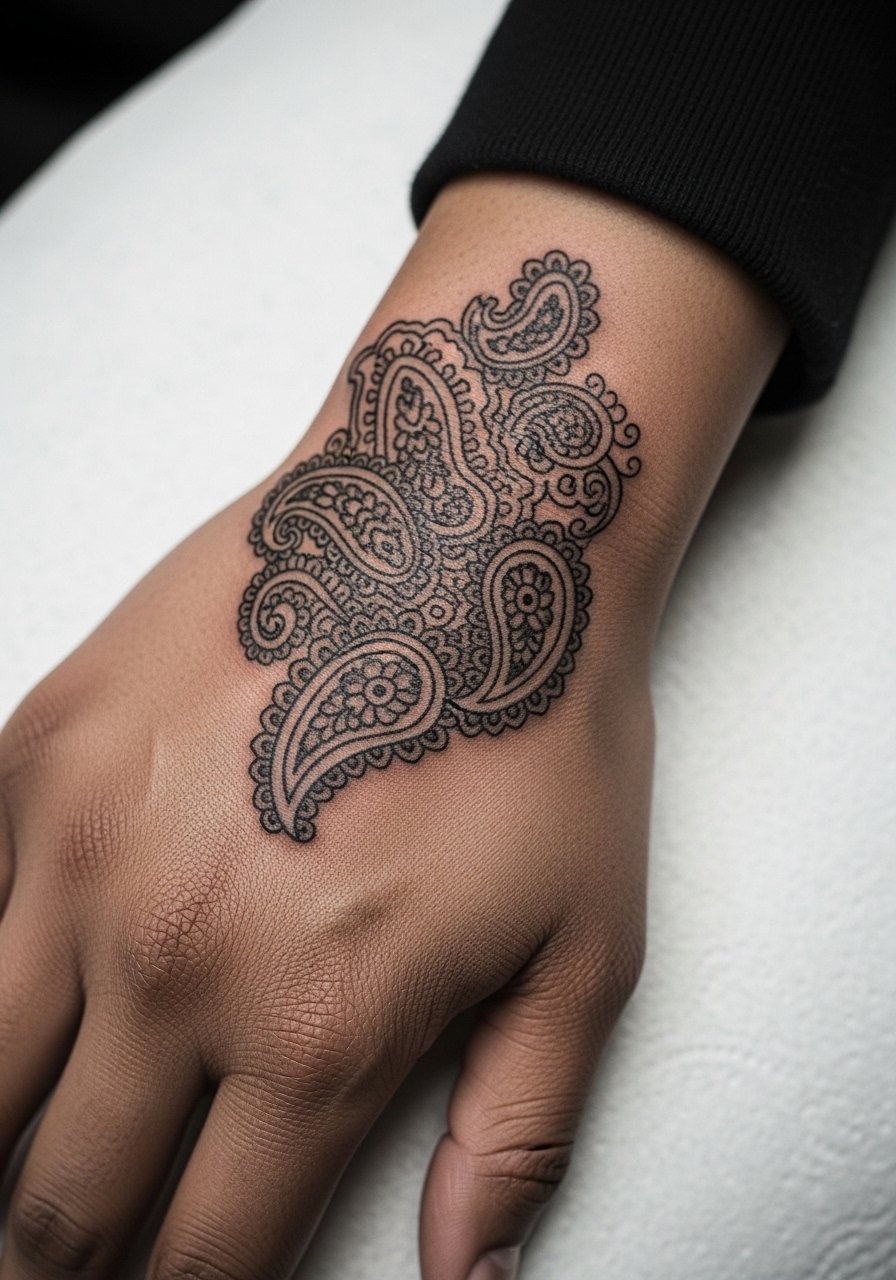
Aging lead, negative space designs can age better because the skin works as part of the pattern. The mistake is relying on tiny negative gaps that fill in. Ask for clear, deliberate voids that are sized to survive two to five years. Session time is moderate and pain is manageable. Expect a subtle softening of contrast at two years. If you need a session wear a loose sleeve top you can roll up without tugging the hand.
13. Sunburst Palm Centerpiece
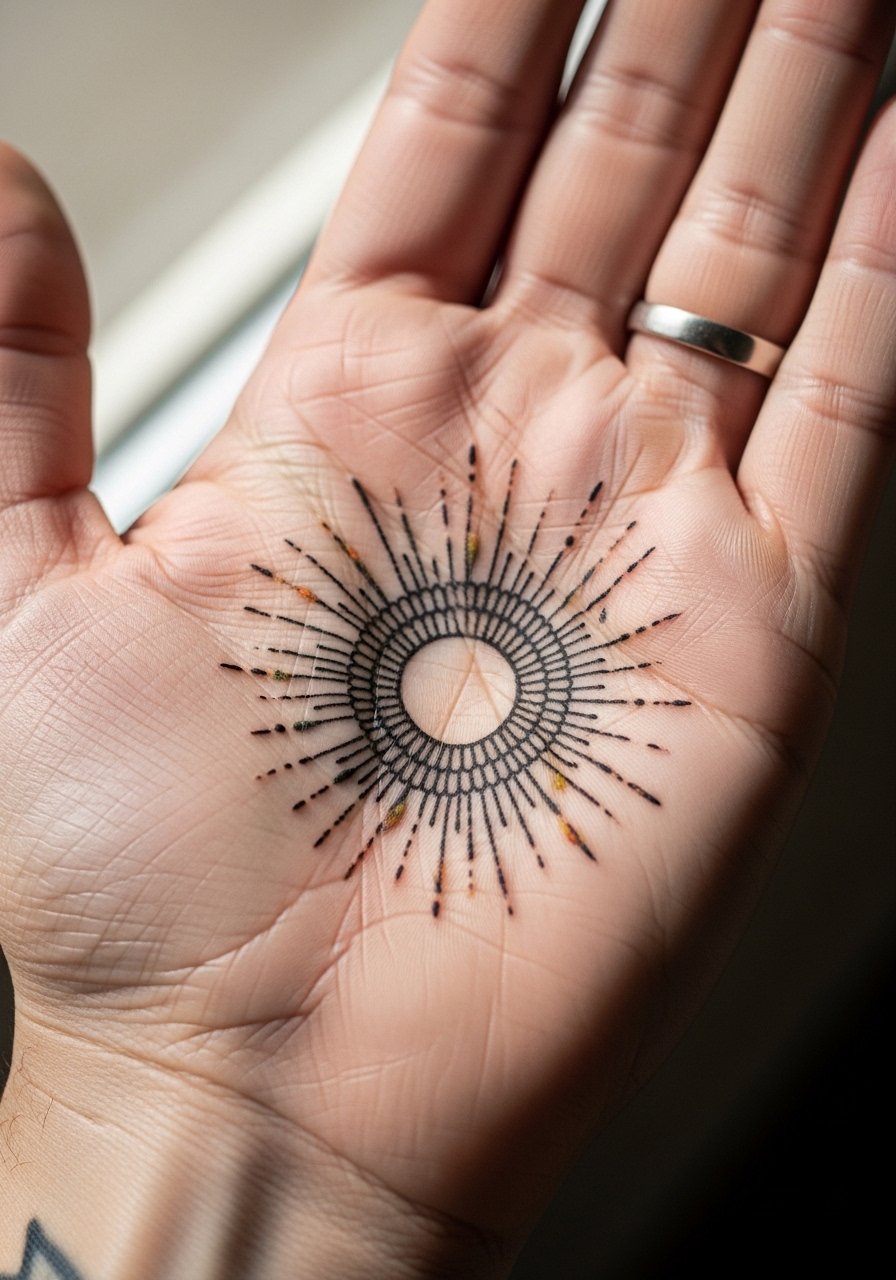
Personal observation lead, high-contrast sunbursts hold their motif longer when the center has a bold outline. Tell your artist to reinforce the core circle and use softer rays extending outward. Palms take more wear so plan on an earlier refresh. The session feels intense because of pressure points in the palm but finishes fast. Pair with a thin leather wrist strap worn below the sunburst so the tattoo remains the focal point.
14. Symmetrical Henna Motif Across Both Hands
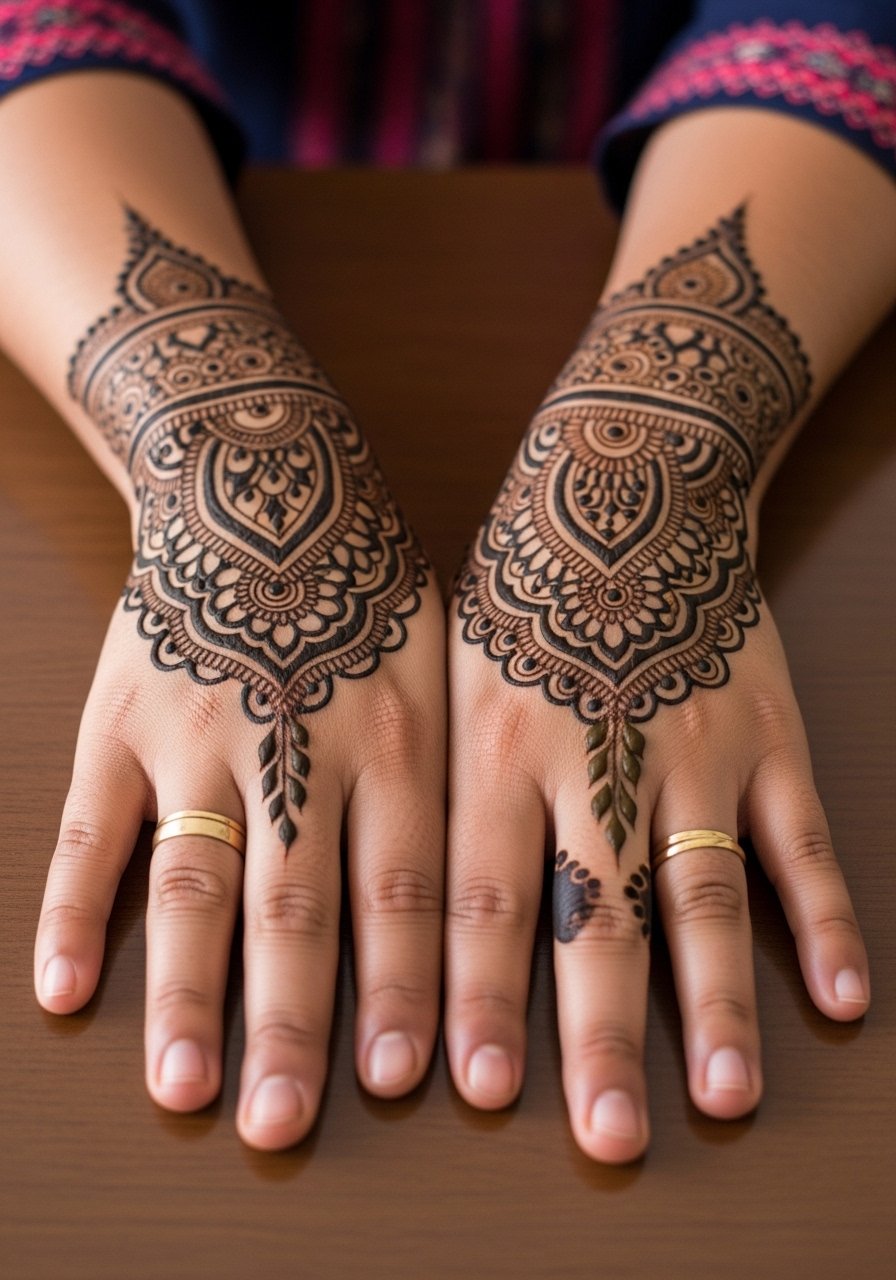
Consultation lead, when you want symmetry across hands bring mirrored reference photos and ask the artist to stencil each hand separately rather than copying freehand. The real mistake is trusting a single stencil moved from one hand to the other. Sessions can be split across days if needed. Expect slight variations after healing because the hands age and move differently. For showing them together, wear a short-sleeve cotton blouse with sleeves rolled to the mid-forearm.
15. Tiny Mandala at the Base of the Thumb
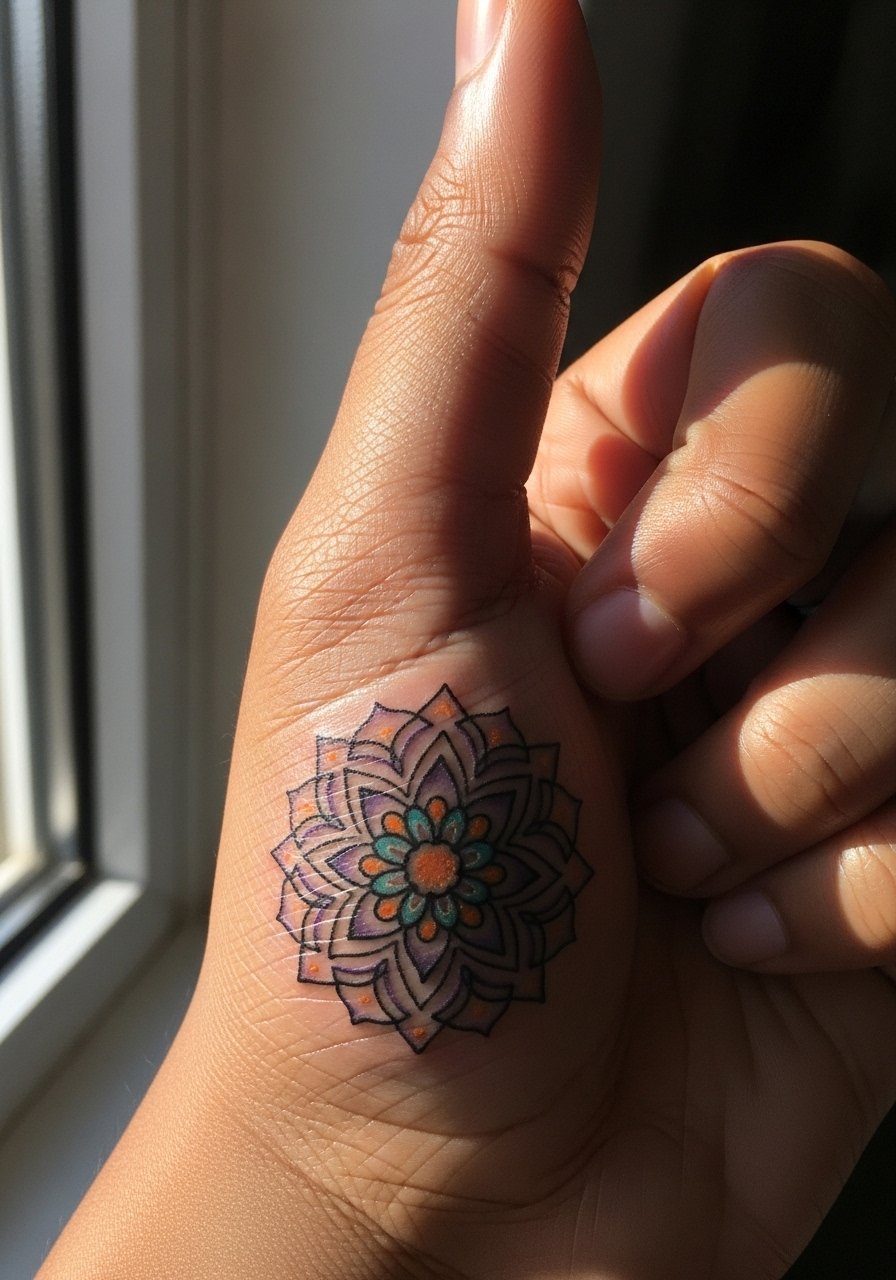
Mistake lead, tiny mandalas near the thumb often lose inner detail if not given a clear outer ring. Ask for a bold outer ring and simplified inner dots. The area stings but the session is brief. Expect clean lines at six months and softening by year two, with touch-ups common for the inner dots. For the session wear a short-sleeve athletic top to allow unencumbered access to the hand.
16. Seamless Wrist-to-Hand Vine Work
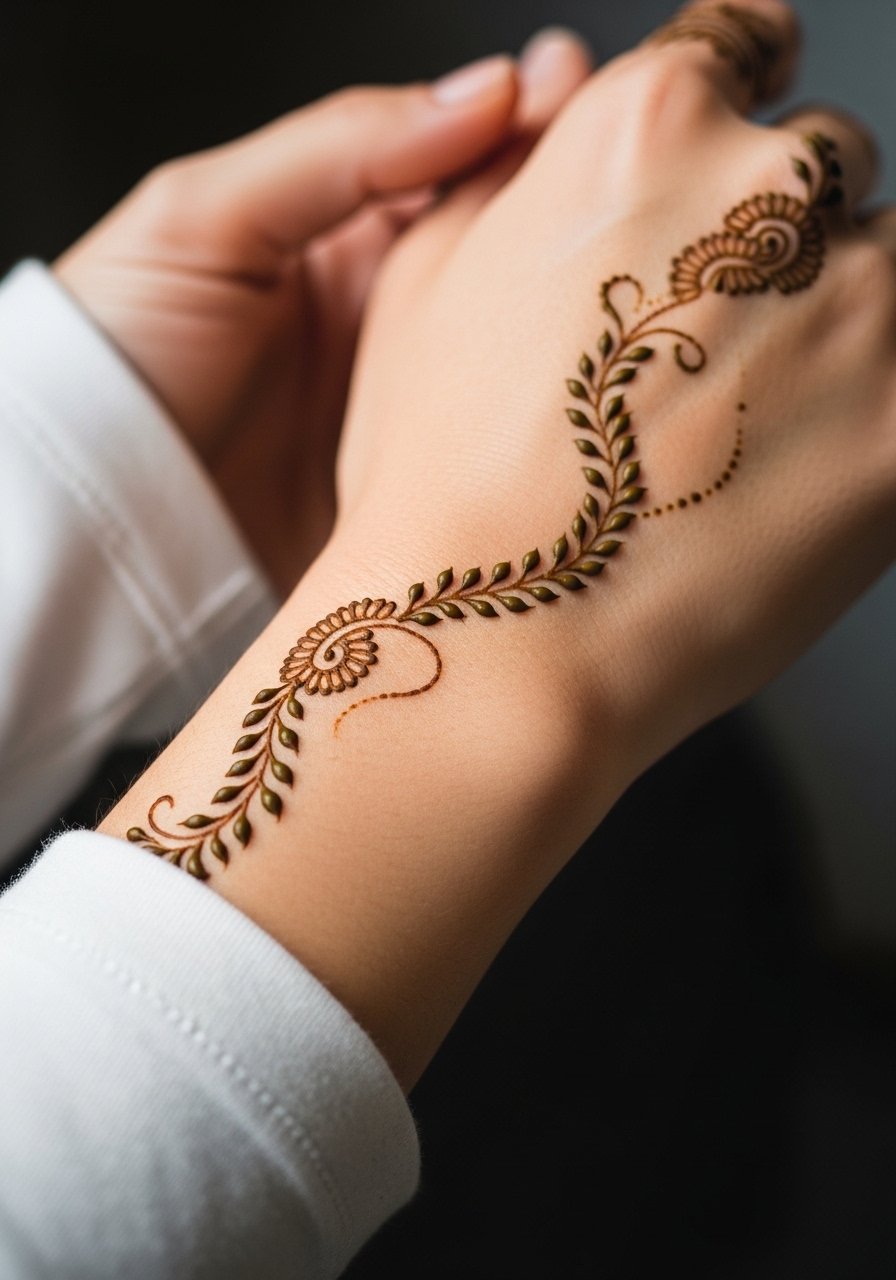
Visual impact lead, continuity from wrist to hand reads beautifully when the vine thickness varies to anticipate movement. Ask the artist to thicken main stems and keep tendrils airy. This makes the piece resist early merging. Sessions are longer when the wrist joins are involved. Expect touch-ups at year three for the thinnest tendrils. For the appointment wear a button-down shirt you can pull aside so the artist can work the wrist-to-hand flow.
17. Tiny Colorful Glyphs Along the Thumb Side
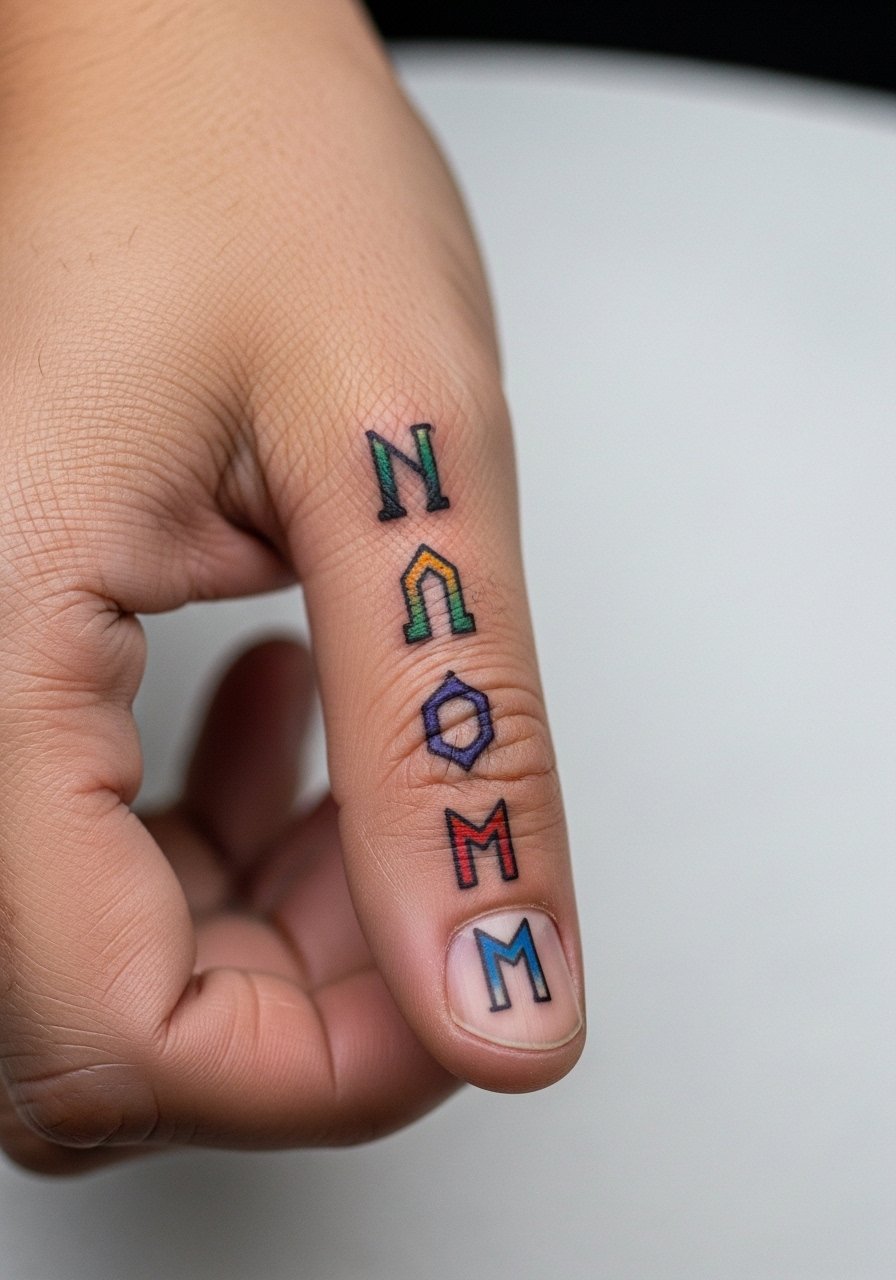
Consultation lead, when you pick glyphs or short words specify exact spacing and font weight because thin scripts on the thumb edge blur quickly. Some artists prefer thicker strokes while others keep them very delicate and plan touch-ups. Declare your preference during booking. Pain is moderate and quick. Pair with a racerback tank for the session so sleeve seams do not rub the area.
18. Decorative Henna Dot Cascade Near the Wrist
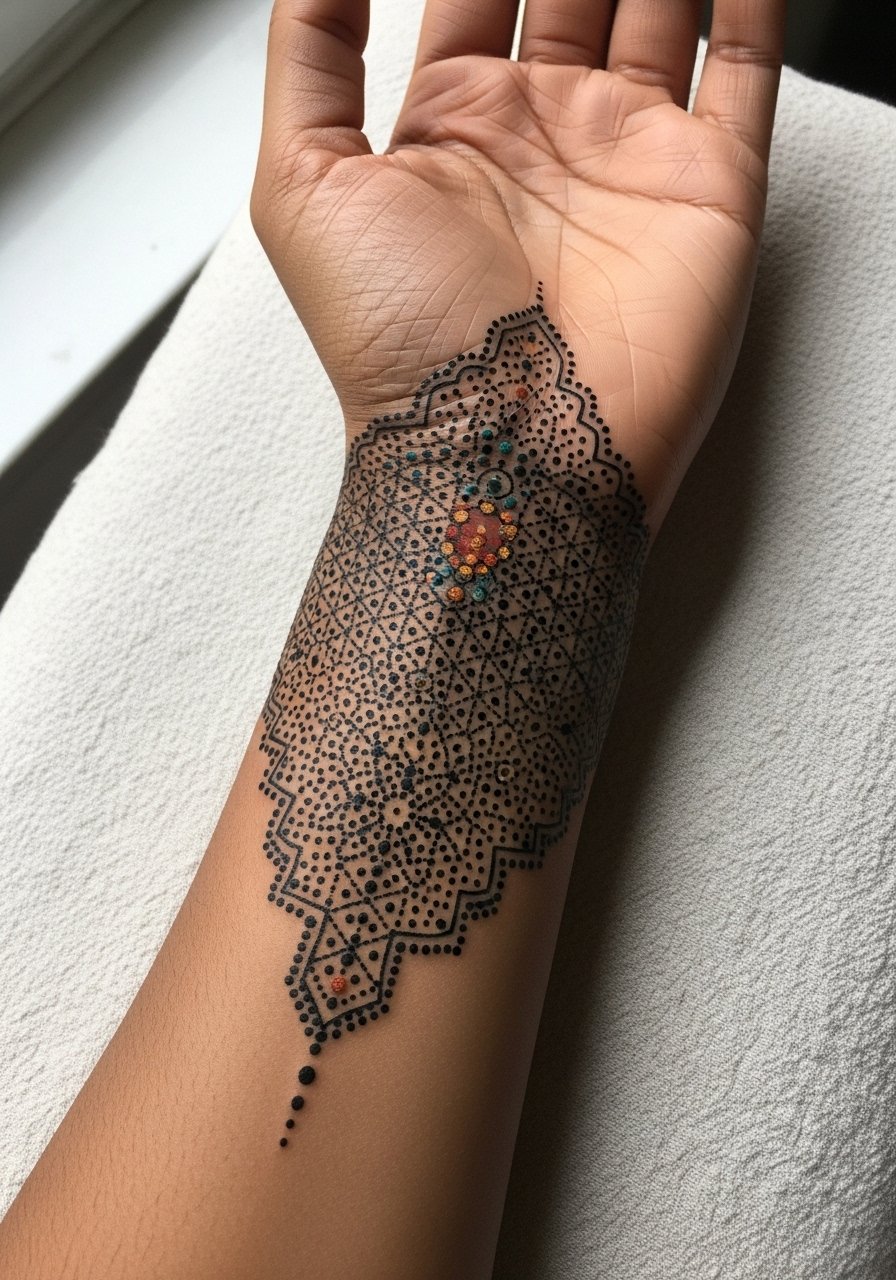
Mistake lead, too-dense dot cascades blur where the skin creases. I prefer wider spacing with a few saturated color dots as anchors so the cascade keeps dimension. The wrist is forgiving for dot work but still benefits from bold anchors. Sessions are brief and low to moderate on pain. Expect some softening at two years. For showing it off, wear a cropped sleeve top that leaves the wrist visible without full exposure.
19. Henna-Style Chevron Between Fingers
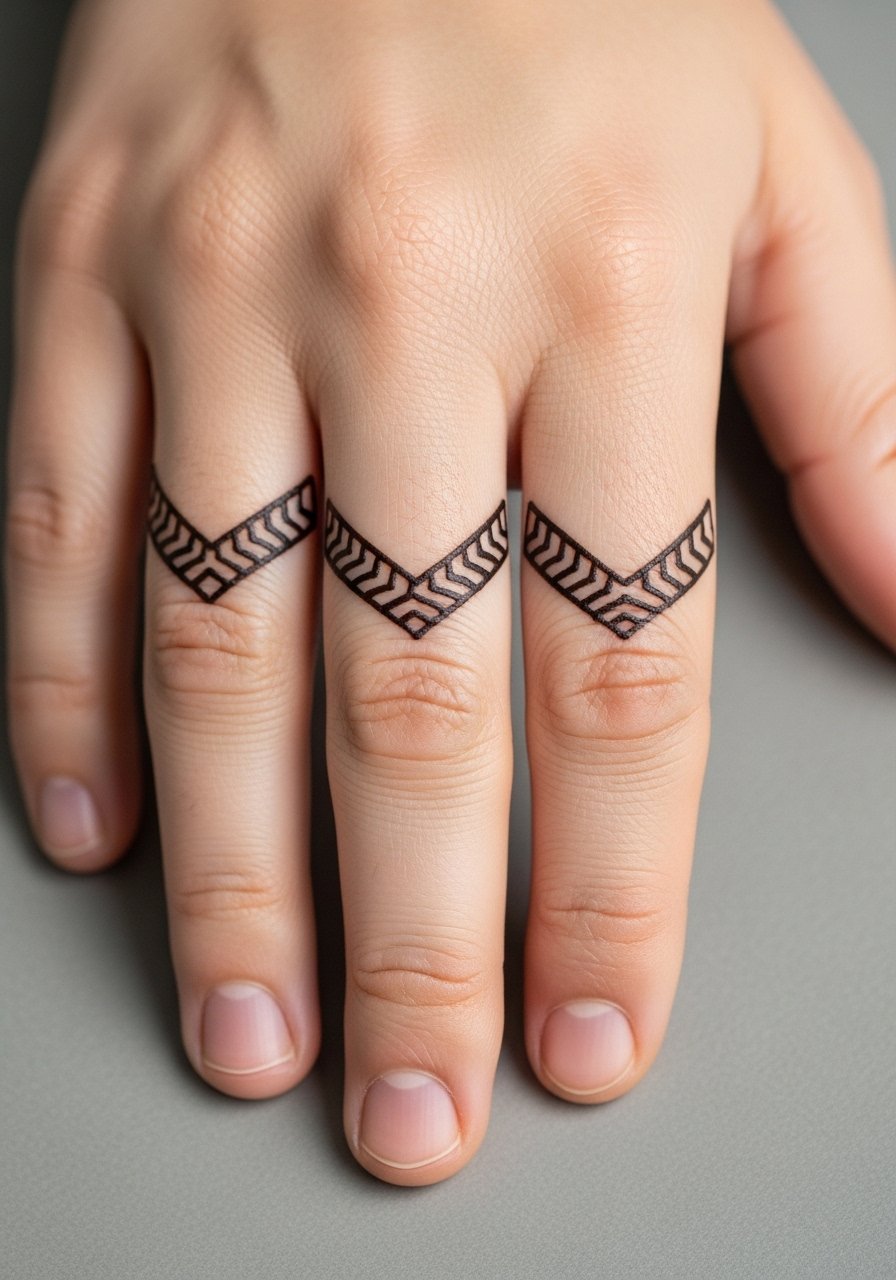
Pain warning lead, webbing tattoos hurt more because the skin is thin and movement is constant. The common mistake is placing too much microdetail there. Ask for simple chevrons with color dots at anchor points. Expect faster fading and a likely touch-up in under a year. Session time is short but the aftercare window is delicate. Wear a loose sleeve top you can move so your hand is unobstructed.
20. Ornamental Triangle at the Center Knuckle
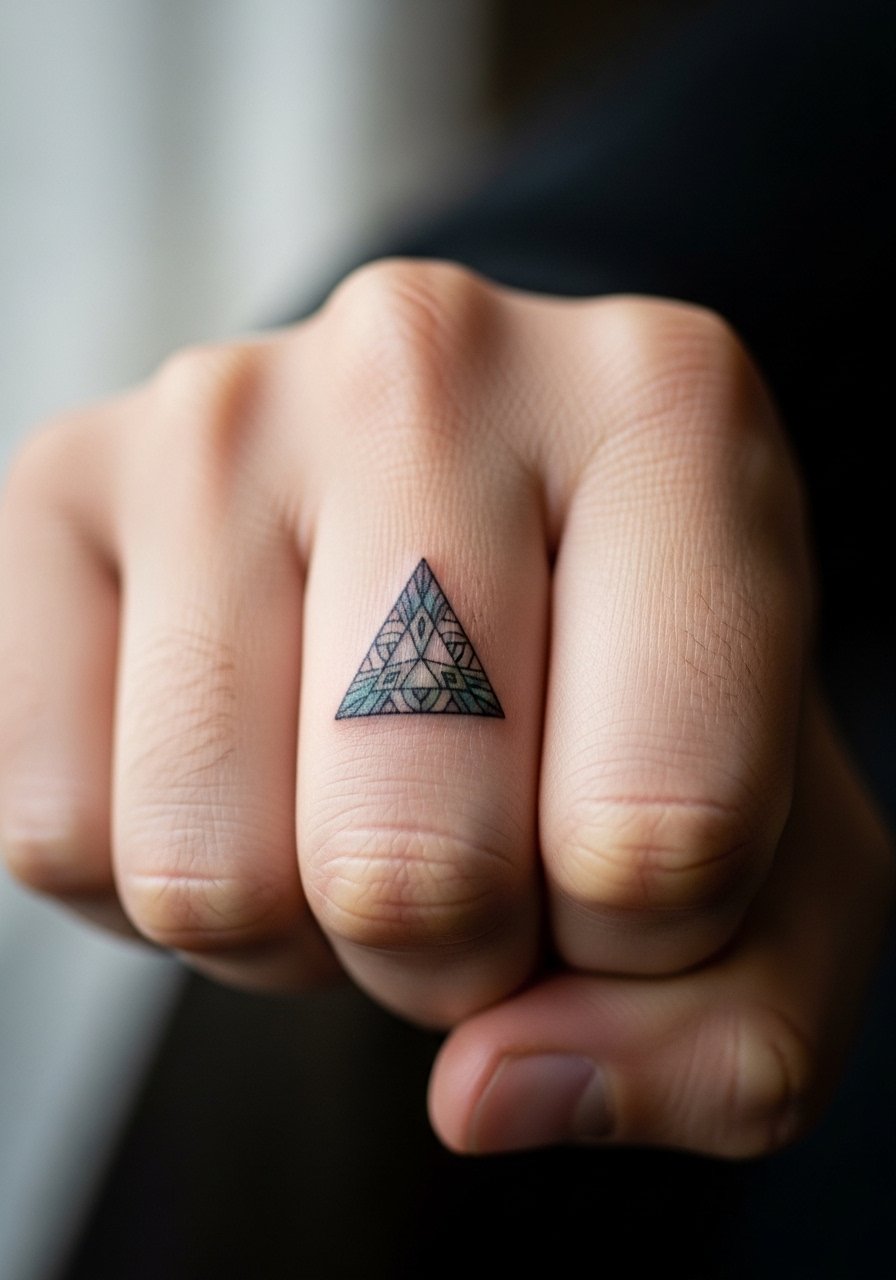
Mistake lead, people expect tiny knuckle symbols to stay perfect forever. The skin there ages and flexes. I advise a small but bold outline with minimal interior detail. Sessions are short and painful. Expect the symbol to retain general shape at two years but plan for touch-ups. Pair this with a minimalist ring stack that highlights the knuckle without excessive rubbing.
21. Clustered Gem Motifs on the Backhand
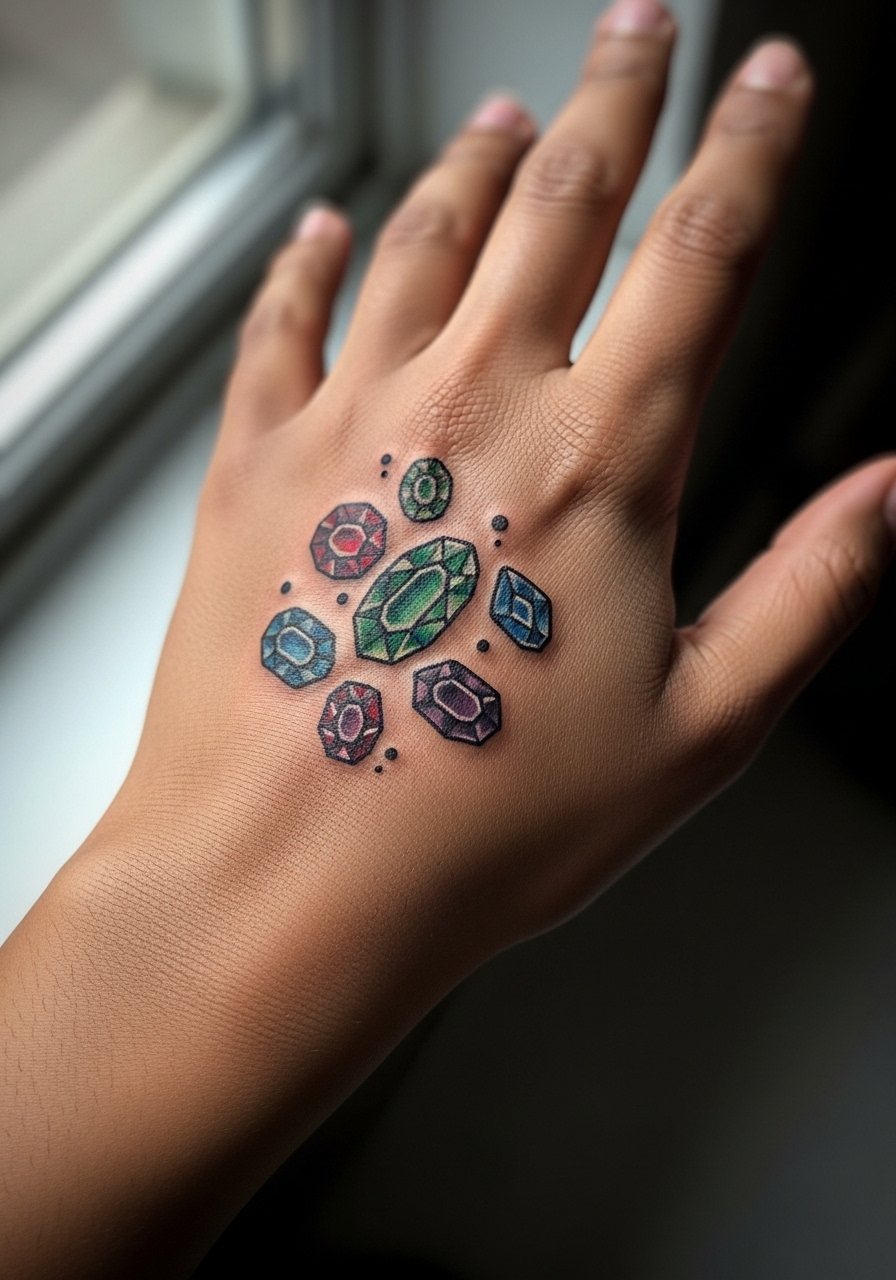
The visual impact lead, gem clusters need anchors so the cluster does not blur into one mass. Ask for several small darker dots to act as mounting points and lighter color fill between them. Sessions run moderate in length. Expect the main anchors to read well at three years while lighter fills will need earlier refresh. For showing it off, wear a rolled-sleeve chambray shirt that keeps attention on the backhand cluster.
22. Small Crescent Moon Near the Wrist Crease
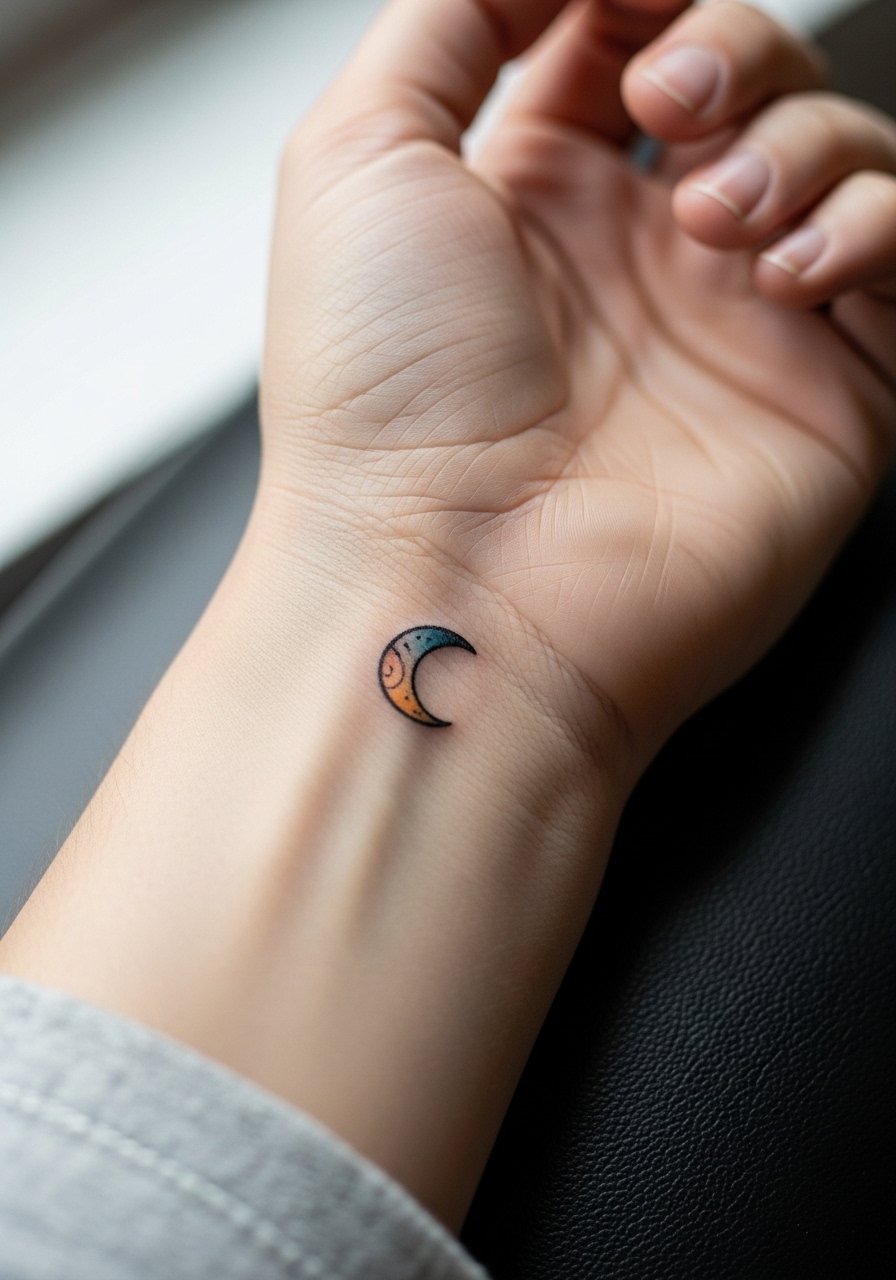
Personal observation lead, small crescents endure when given a modest outer line and some internal saturation. The common error is making the crescent so thin it disappears. Ask for a slightly thicker outer edge and a soft internal wash. Pain is low and sessions are quick. Expect minimal change at six months and a slow soften by year two. For the session wear a loose knit sweater you can push up so the wrist is free.
23. Bold Floral Palm Half-Moon
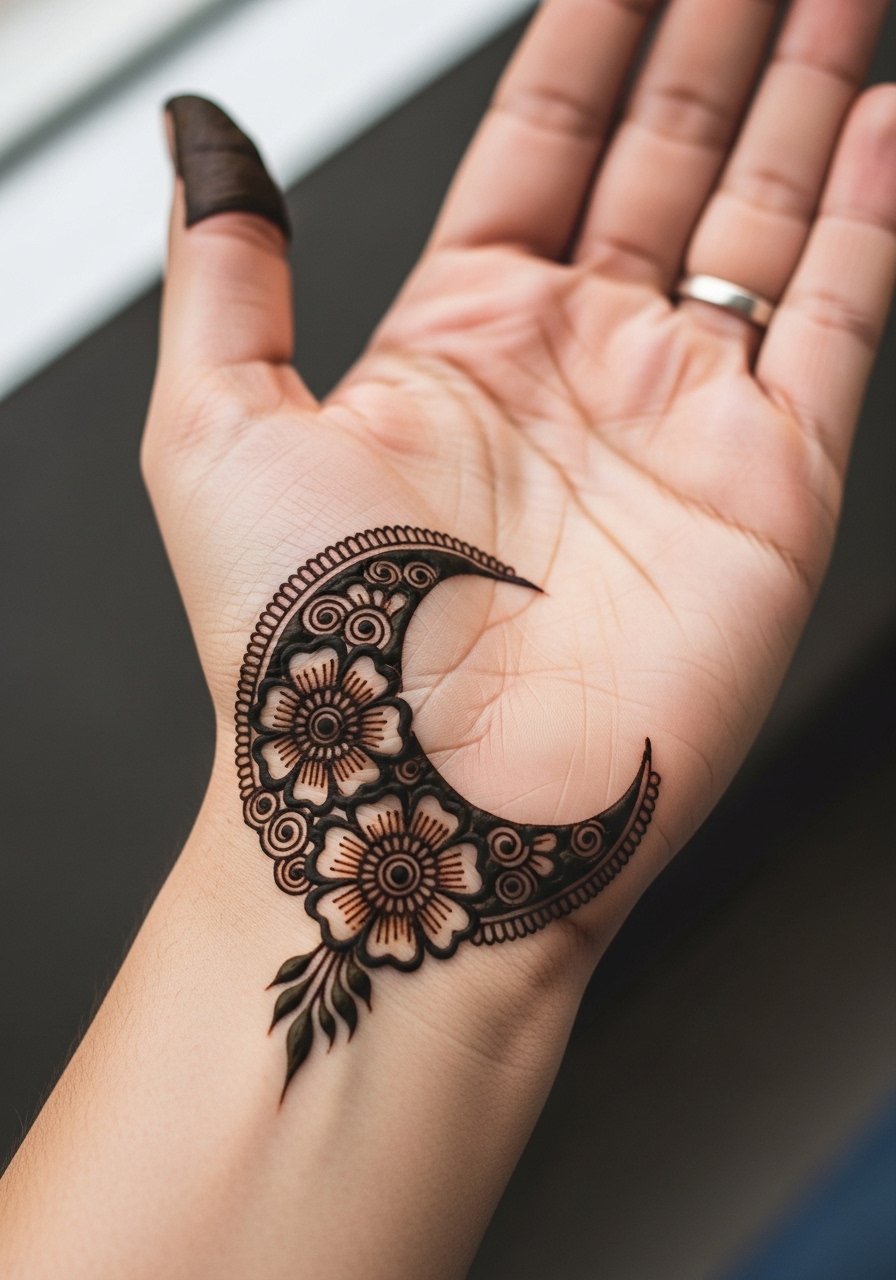
Aging lead, half-moon florals hold better when the floral centers are bold and the petal tips feather out. Ask for the bold centers and less microstipple at the edges. Palms fade faster from use but the anchored centers keep the motif readable. Expect a touch-up at around one year. For the session wear a short-sleeve athletic top to allow full hand access.
24. Filigree Dotwork Along the Side of the Hand
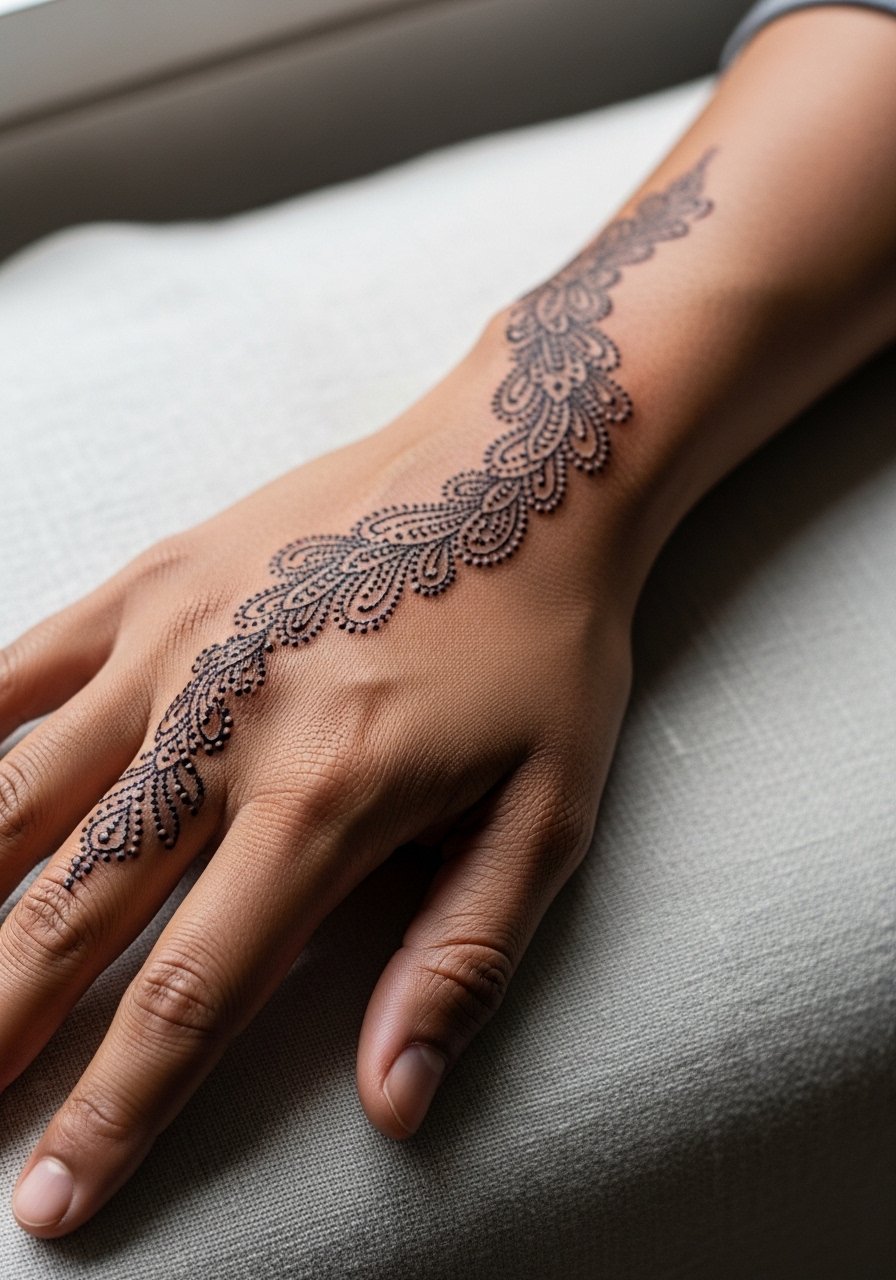
Consultation lead, side-of-hand filigree needs spacing so the design does not get lost where the hand meets the thumb. Ask for strategic negative space and a few denser dot anchors. Sessions are moderate and the pain level is tolerable. Expect softening of fine dotwork by year two and plan a light touch-up if you want crisp dots at three years. For showing it off try a short-sleeve knitted top to keep the side visible without exposing the whole arm.
25. Tiny Botanical Sprig at the Wrist Edge
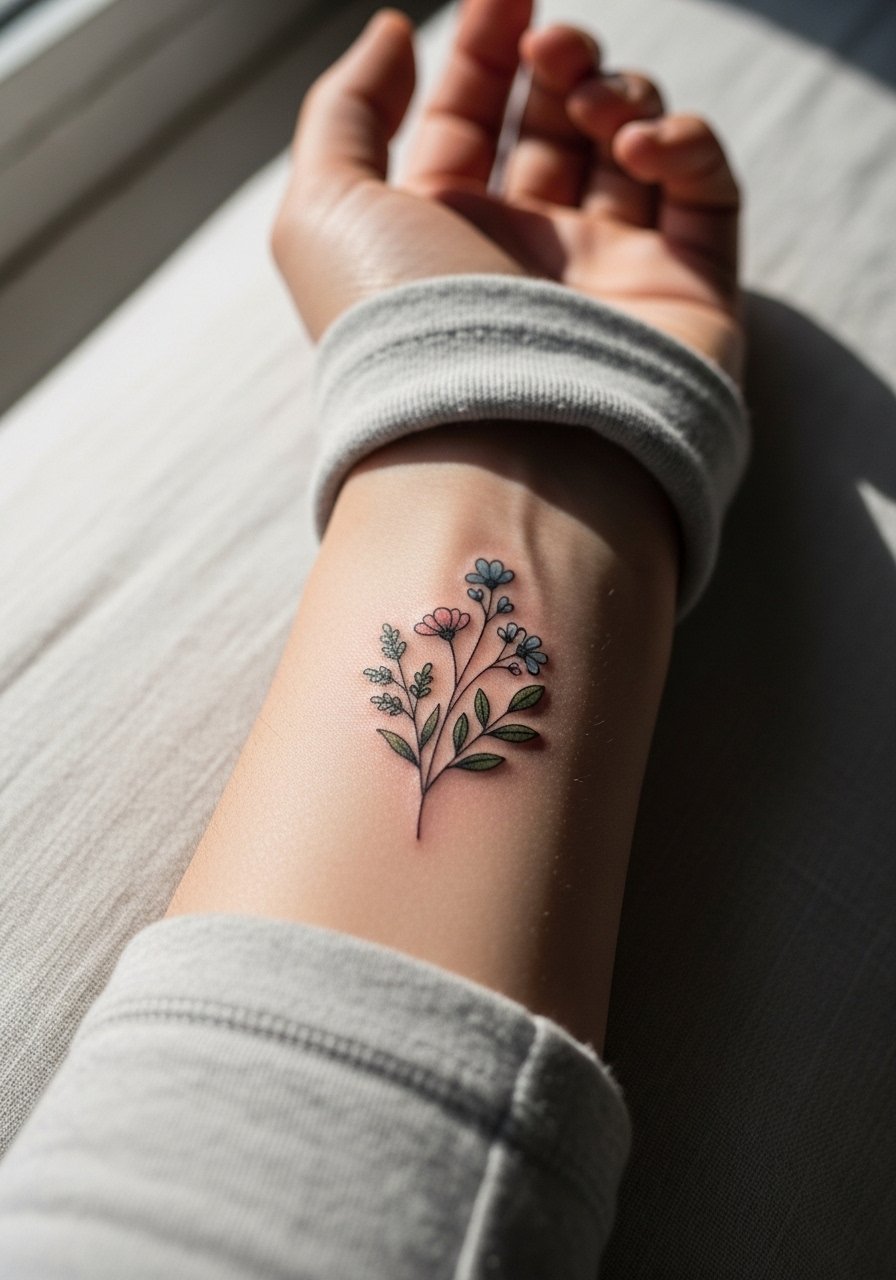
Styling lead, wrist-edge sprigs look deliberate with a thin stem and one or two leaves. The usual mistake is too many leaves that blur together. Ask the artist for simplicity and a clear stem so the sprig reads at a glance. Sessions are short and low on pain. Expect the sprig to soften by year two. For the session wear a button-down shirt you can slide aside so the artist has clear wrist access.
26. Interlaced Ribbon Motif Over the Backhand
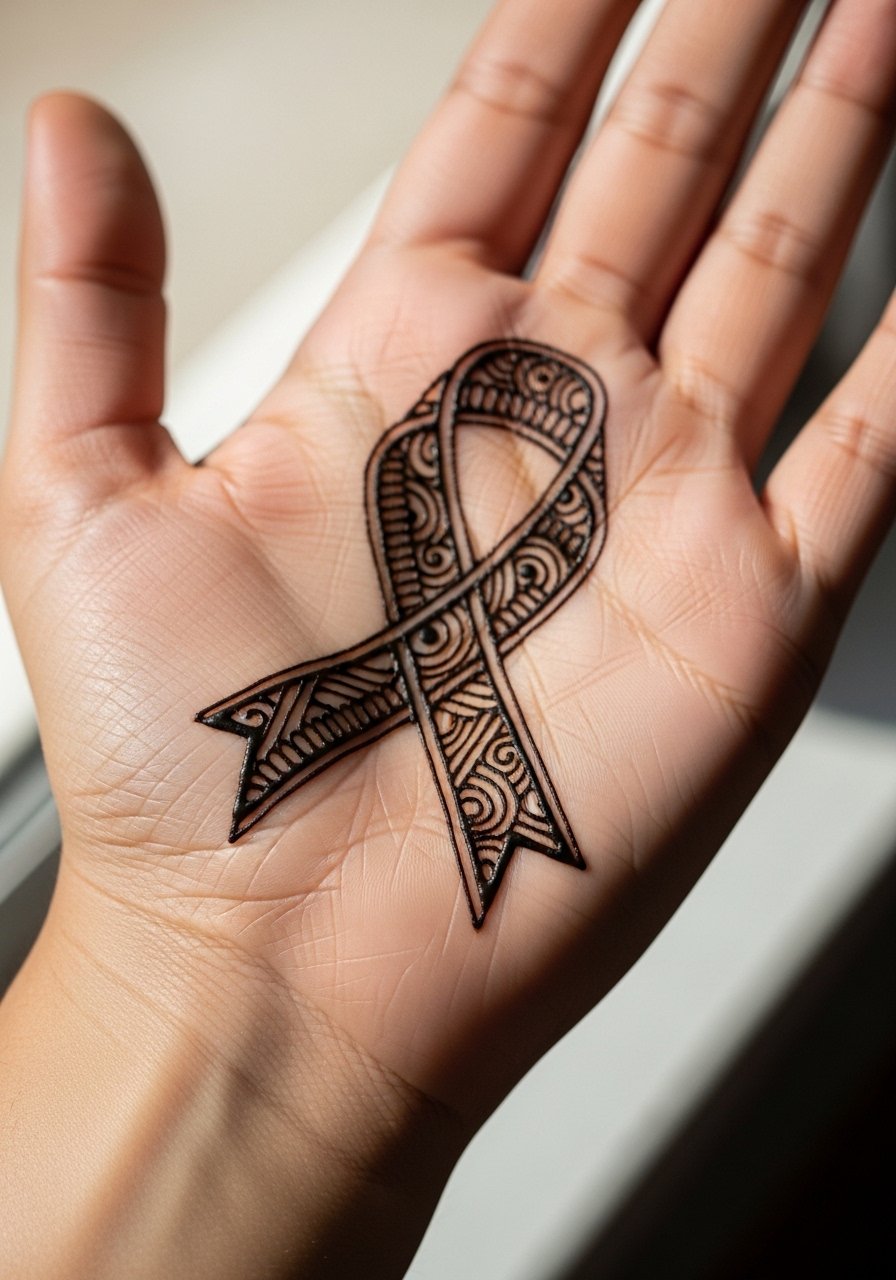
Visual impact lead, ribbon motifs age well when major crossings are bold and the secondary weaves are airy. In the consult ask for deliberate weight differences between the crossing bands so the pattern keeps depth as fine lines blur. Sessions take a bit longer and feel moderate on pain. Expect the main crossings to remain readable at three years. Complement with a soft leather cuff bracelet worn slightly lower so the ribbon motif stays visible.
27. Tiny Zodiac Glyph Cluster Near the Thumb
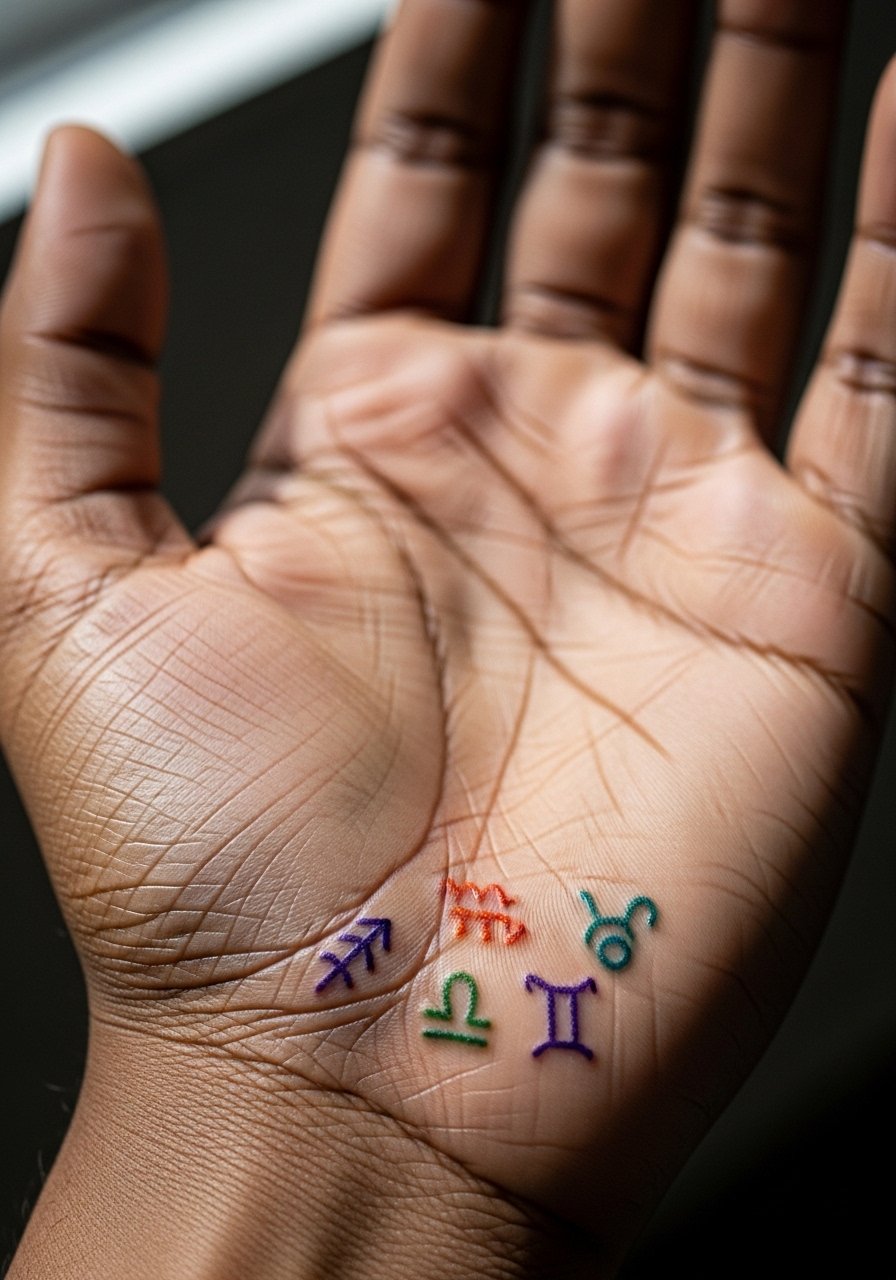
Consultation lead, when you choose zodiac glyphs specify the exact glyph text or symbol to avoid generator gibberish. Keep the glyphs slightly larger than you think so they do not merge with washing and typing. The thumb base is sensitive but quick to heal. Expect glyph clarity at six months and a moderate softening by year two. For the session wear a loose sleeveless top that allows full hand mobility.
Frequently Asked Questions
Q: Will colorful henna-style tattoos on the hand fade faster than black-only pieces?
A: Yes, colorful fills on hands typically fade faster than bold black outlines because pigments sit differently in the surface layers and hands see heavy contact. From what I've seen, designers offset that by using bolder anchors and planning touch-ups at year one to two, depending on the placement and your daily habits.
Q: Are there cultural concerns with henna-inspired permanent hand tattoos and how do people navigate them?
A: There are two camps. One group views henna motifs as a living cultural craft that deserves respectful adaptation and credit. The other group worries that permanent reproductions can feel appropriative when done without context. A common path is to discuss origins with your artist, adapt elements rather than copy sacred symbols exactly, and seek out references that acknowledge tradition.
Q: How should I prepare clothing-wise for a back-of-hand or wrist session?
A: Wear easy access clothing so the artist can move sleeves without tugging the hand. A button-down shirt you can slide aside or a short-sleeve top works well. Comfort helps you hold still and shortens session time.
Q: Do finger and knuckle henna-style tattoos hurt more than the back of the hand?
A: Yes, webbing, knuckles, and finger sides tend to be sharper on most pain scales because the skin is thin and close to bone. Sessions are short though and the discomfort is usually manageable for most people.
Q: How often should I expect touch-ups for colorful hand pieces?
A: It depends on placement and daily activity. From experience, palm and webbing work often need a refresh at or before year one. Back-of-hand pieces with bold anchors can go two to three years before a touch-up. Discuss a realistic timeline with your artist during the consult.
