
The first time I watched a stencil land on a forearm and the artist nudge a koru spiral so its curve flowed with muscle, I realized how much of a good tattoo is planning, not impulse. People worry about fading, placement pain, and whether the design will feel respectful. This list focuses on island-specific forms, what to ask in consults, and how to keep the work reading strong for years.
1. Maori Koru Spiral Forearm Band
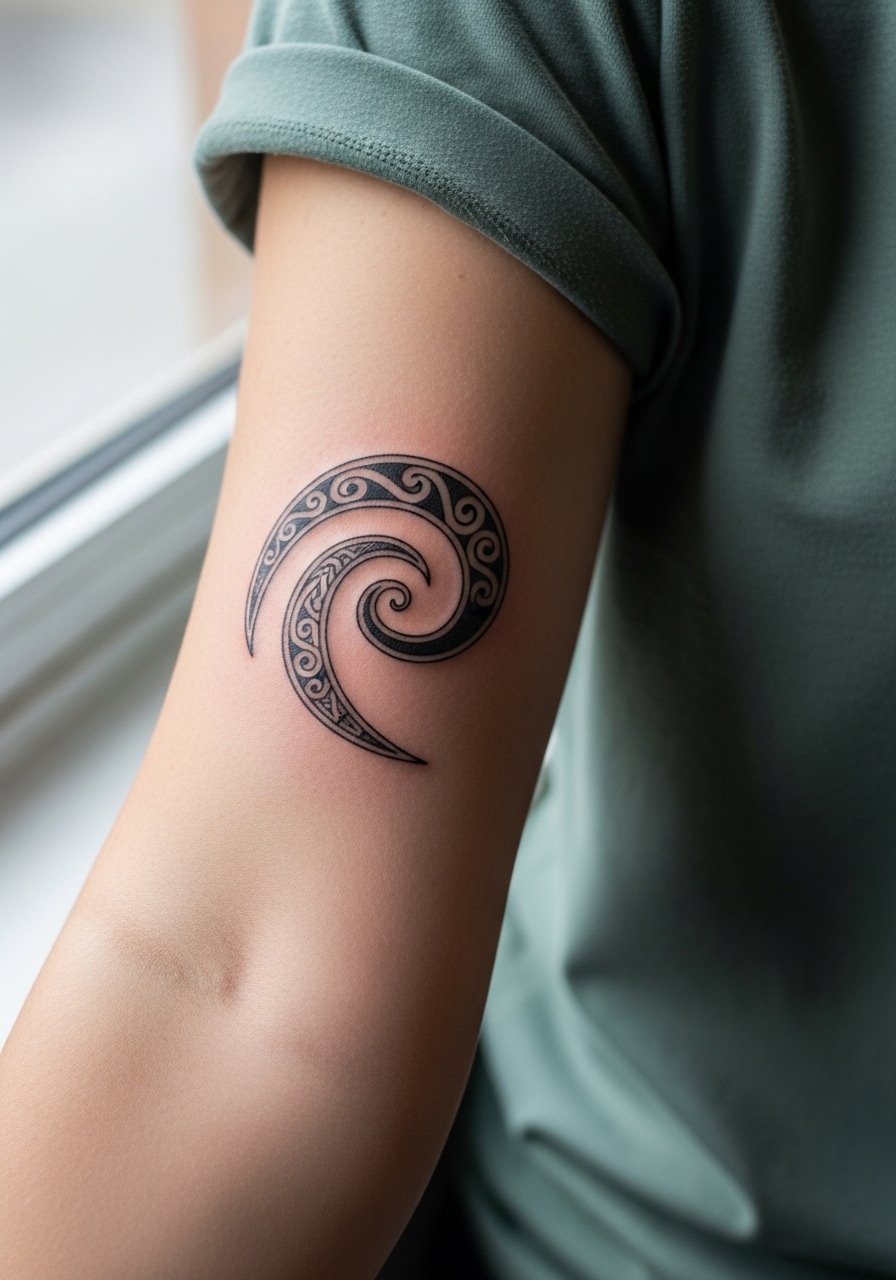
I recommend the koru band when you want a readable wrap that uses blank space to breathe. Tell your artist to keep the spirals slightly larger than you think you need so the thin spirals do not merge at year three. A common mistake is asking for razor-thin lines that look lovely fresh and then need touch-ups fast. Expect moderate pain on the outer forearm and a one to two hour session for a four to six inch band. For showing it off, pair with a rolled-sleeve button-up or a fitted black tank top that keeps attention on the curve.
2. Marquesan Shark Teeth Shoulder Panel
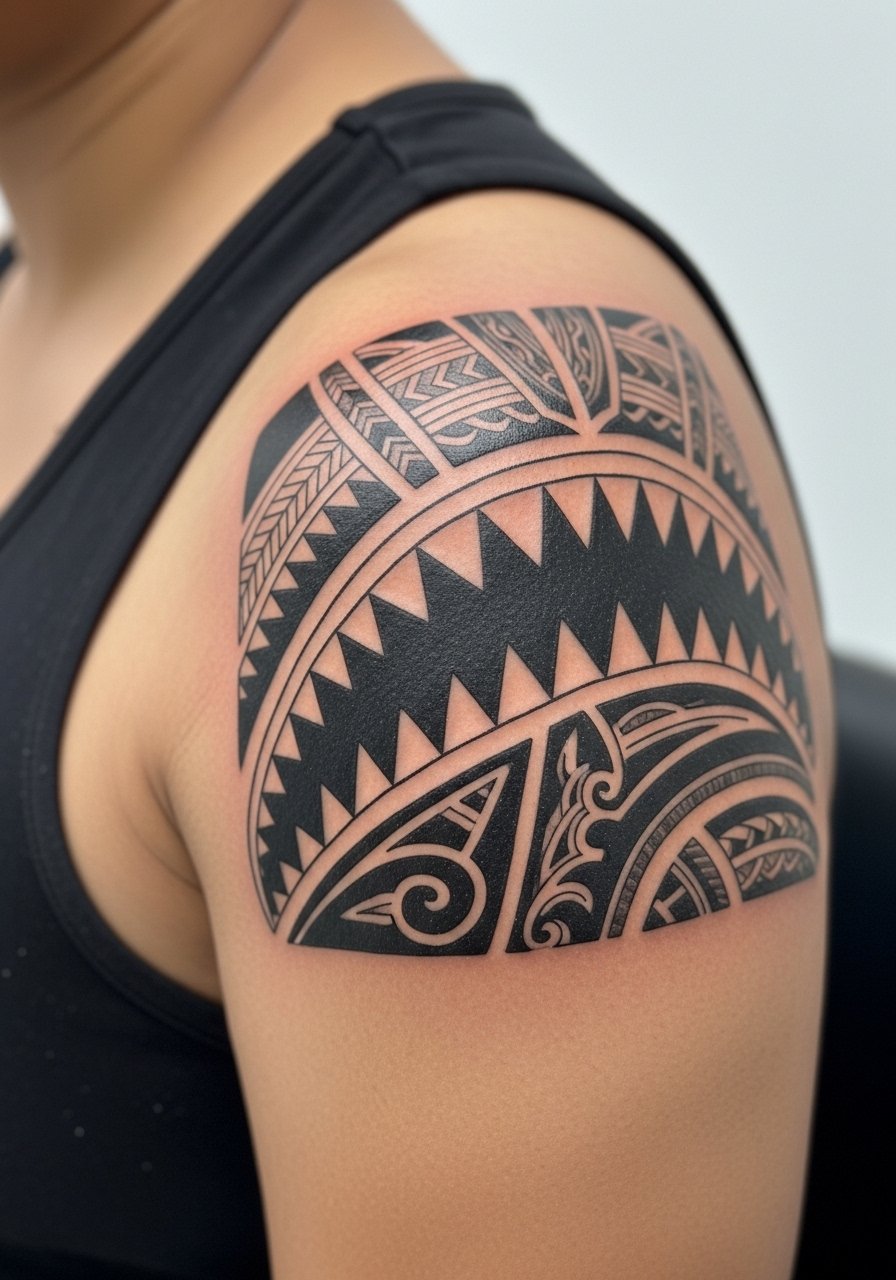
This shoulder panel reads as strength at a glance, because the triangular teeth and solid fills create movement. During consultation ask how the asymmetry will sit when you wear a jacket or carry a bag. One camp favors traditional hand-tapping for sacred authenticity and insists on the lived edge that tool work creates. The other camp prefers a machine for consistent saturation and cleaner edges. Both views matter, so ask your artist which approach they use and why. Session time averages three hours across a couple of sittings. For the appointment wear a sleeveless muscle tee or a loose button-down you can pull aside.
3. Samoan Geometric Half-Sleeve
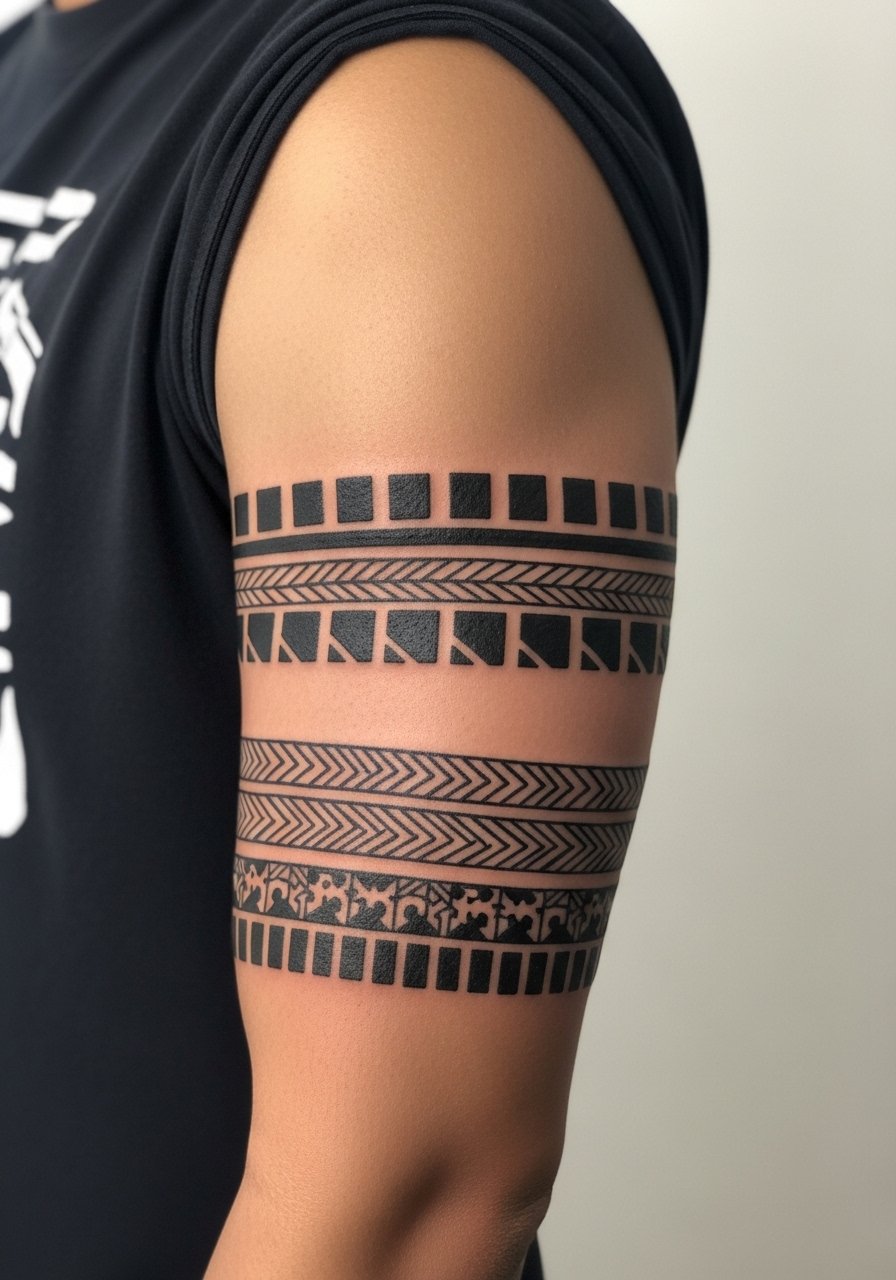
Pick a Samoan half-sleeve when you want repetition and symmetry that reads from distance. Tell your artist to map negative space intentionally so the bands do not blur into each other in heavy saturation over time. The biggest mistake is compressing too many small motifs into a narrow strip. Pain peaks on the inner arm near the elbow, but most work is doable in four to six hours across sessions. If you want to show it, an open denim jacket or muscle tee frames the geometry well. For the session wear a loose button down shirt so the artist has clear shoulder access.
4. Tahitian Figurative Ocean Wave Chest Piece

A chest wave piece blends naturalism with Polynesian form language, and it sits well under shirts that open at the collar. During consult bring photos showing the exact wave curvature you want so the rhythm matches your chest anatomy. Expect three to four hours across sessions and a moderate to high pain score on the sternum edge. Modern Tahitian work sometimes uses gray shading for depth while purists argue for black-only. Name both camps when you ask the artist how they balance realism and tradition. For evenings out, an open Hawaiian shirt or a deep V neck tee keeps the piece visible without competing prints.
5. Hawaiian Hei Matau Fish Hook Calf Wrap
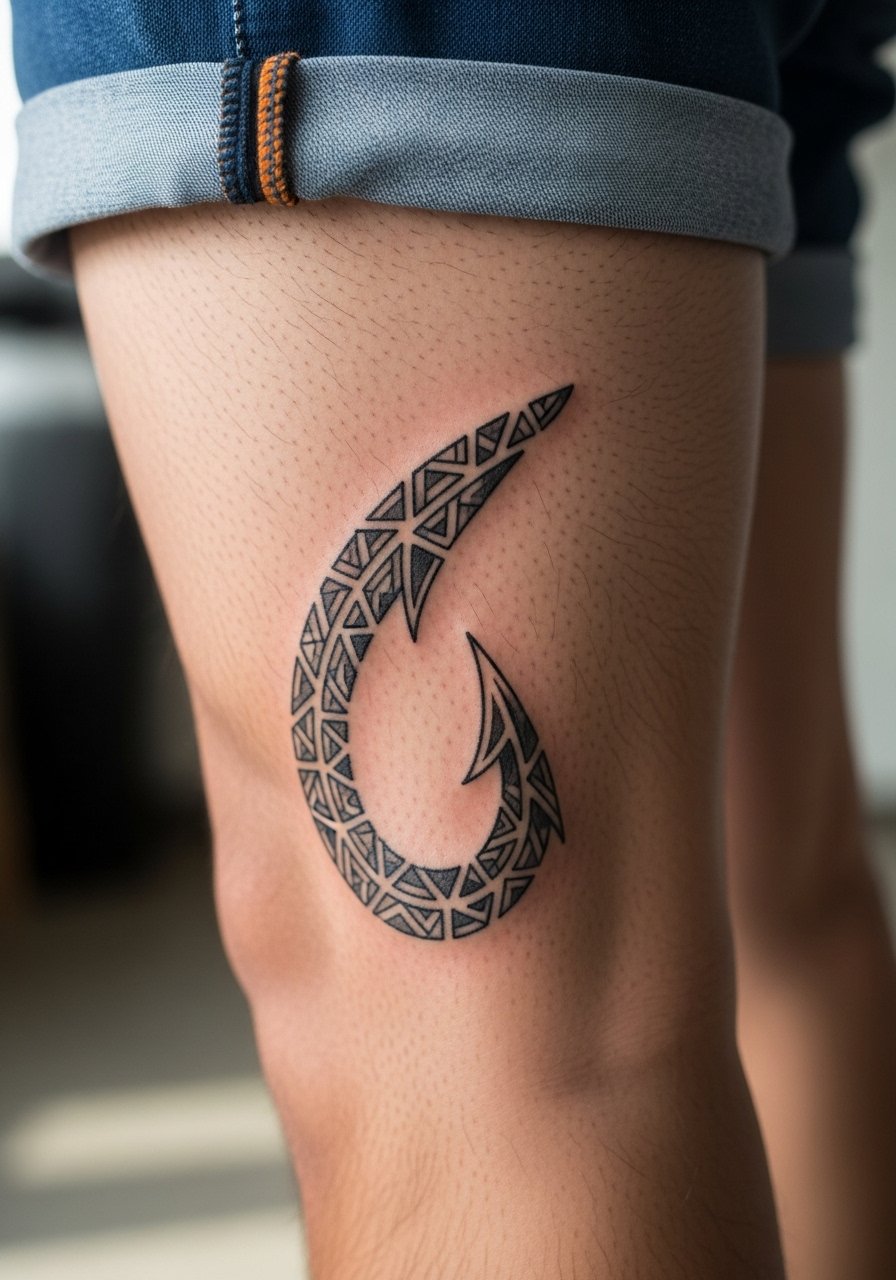
The calf wrap is a low-visibility option that still carries the prosperity and safe-journey ideas of the fish hook. Wear loose shorts or joggers that you can roll up for the session. Common errors include placing the hook too high on the calf so it peeks oddly when seated. Expect two sessions if the wrap includes dense fills. For summer showing, pair this with slim athletic shorts or cropped joggers and minimalist sandals.
6. Maori Unaunahi Fish Scale Thigh Panel

Thigh panels let you go large without daily visibility, which helps with satiety and aging. Tell your artist you want scale shapes spaced so they do not blend when skin moves. A mistake people make is asking for ultra-dense filling that looks great fresh and then loses definition as the skin shifts. Expect three sessions and moderate pain, with the outer thigh being more forgiving than the inner. For the appointment wear loose shorts or swim trunks so the artist has room to work.
Studio Day Picks
The forearm, shoulder, and thigh pieces above ask for slightly different prep. These picks smooth the session and the first week of healing so your lines settle cleanly.
-
Stencil transfer paper kit. Lets you preview placement on skin before the needle starts, which matters for bands and wraps that must follow muscle curves.
-
Topical numbing cream. Applied before the appointment can ease calf and rib sensitivity for longer sessions without compromising linework.
-
Thin protective film roll. Protects ankle and hand tattoos from friction during the first few days when those zones get the most wear.
-
Fragrance-free gentle body wash. Use during showers to clean the area without stripping newly placed ink or flair.
-
Aquaphor healing ointment. A thin layer in the initial days keeps fine line and stipple shading hydrated without suffocating the healing channels.
7. Spearhead Warrior Bicep Tattoo
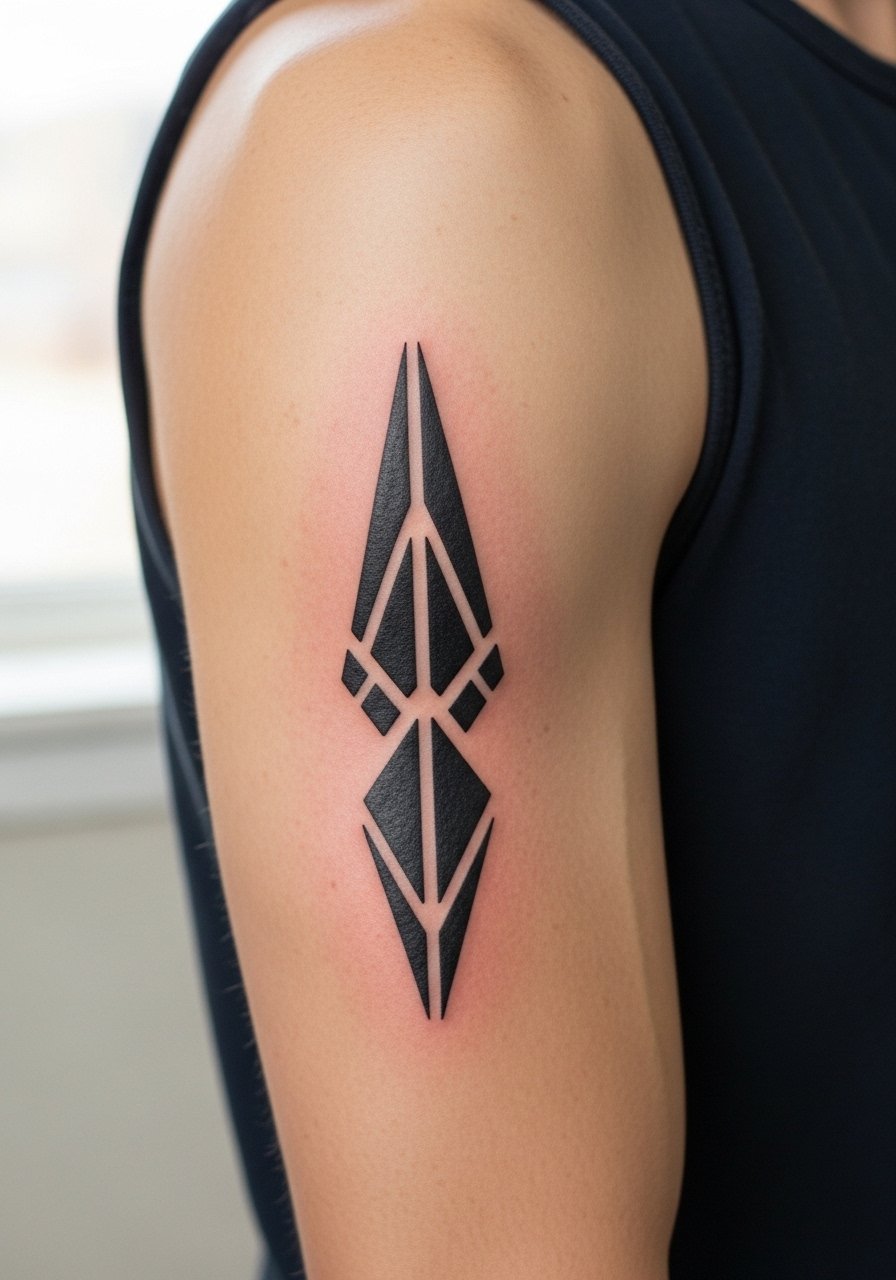
Spearhead pieces read as courage and work especially well on the bicep curve. Tell your artist you want triangular points tapered to the muscle so the motif moves with flex. A common mistake is making the spearhead too small, which causes the triangular detail to collapse over time. Sessions are short, often one to two hours, and pain is usually low to moderate. Pair with a rolled flannel or leave it bare with a rugged leather watch on the opposite wrist for balance. For the appointment wear a sleeveless shirt you can move freely in.
8. Hibiscus Flower Ankle Bracelet
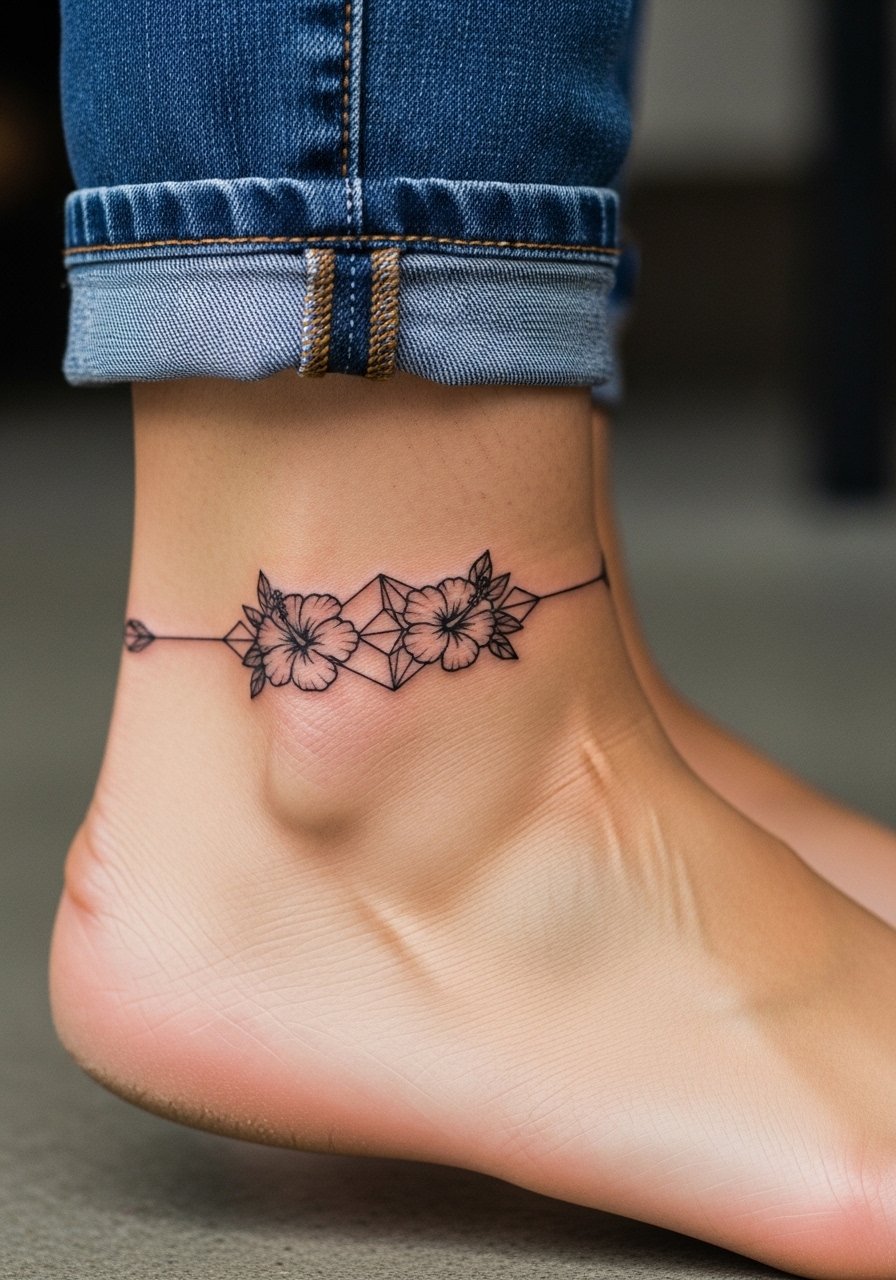
An ankle bracelet is a low-commitment way to carry Hawaiian floral energy. Keep the motif around three inches and ask for slightly thicker outlines than you might want to avoid early breakage from shoe friction. The ankle sees a lot of rubbing, so protective placement and a thin protective film in the first week are wise. Session time is short and pain is low to moderate. For showing the work, slim shorts or cropped joggers pair well and help the bracelet read as intended. Try cropped joggers so the design sits above footwear.
9. Manawa Heart Lines Full Sleeve
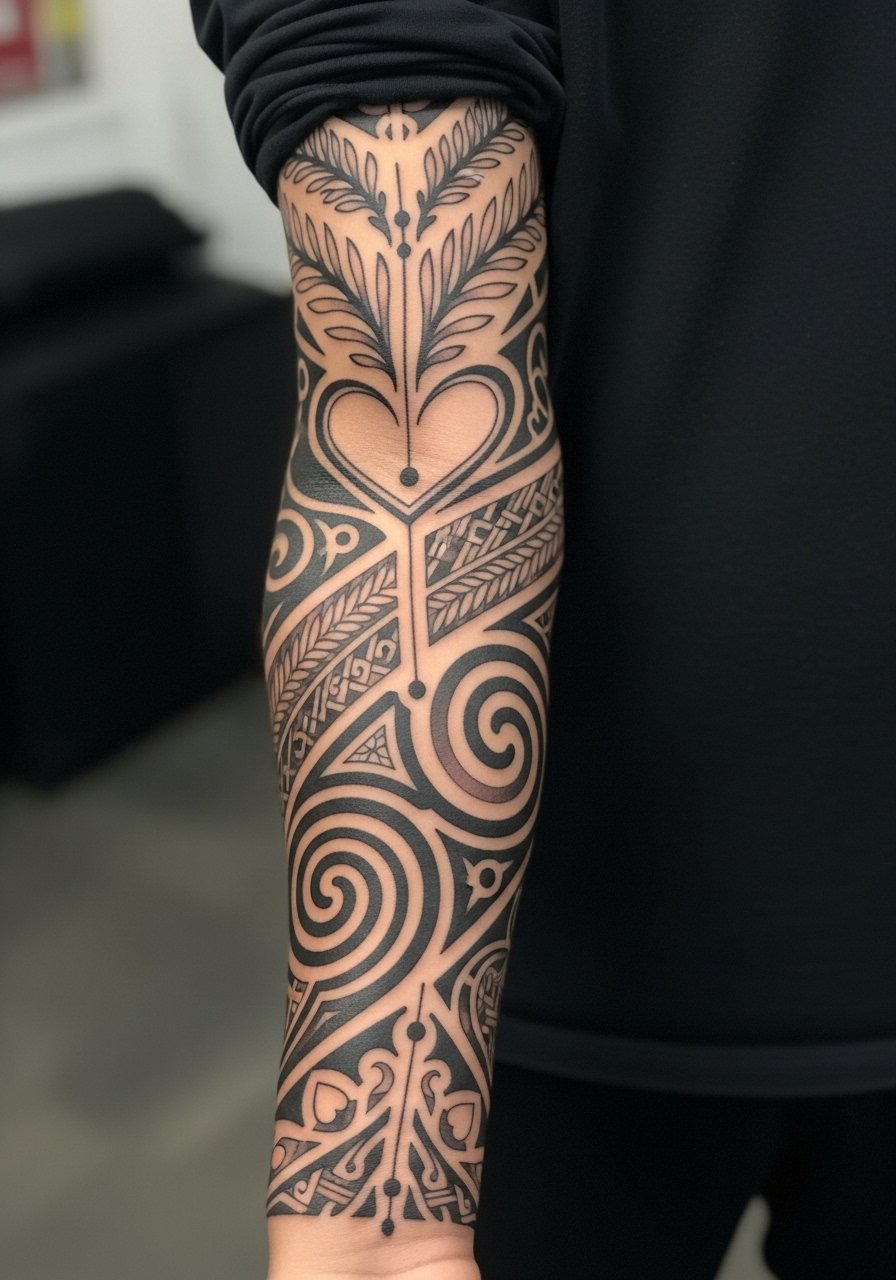
This full sleeve maps a life path through branching koru and radial linework. Ask the artist to plan large anchor spirals and leave negative breathing room between bands so the sleeve does not mush after a few years. Manawa lines are less common in general lists but powerful when the branching reflects personal markers. Expect five or more sessions and regular touch-ups depending on your activity level. A mistake is packing too much micro-detail into the forearm near the wrist where the skin ages faster. For session wear, a loose tank top keeps the entire arm accessible.
10. Marquesan Solid Black Back Piece
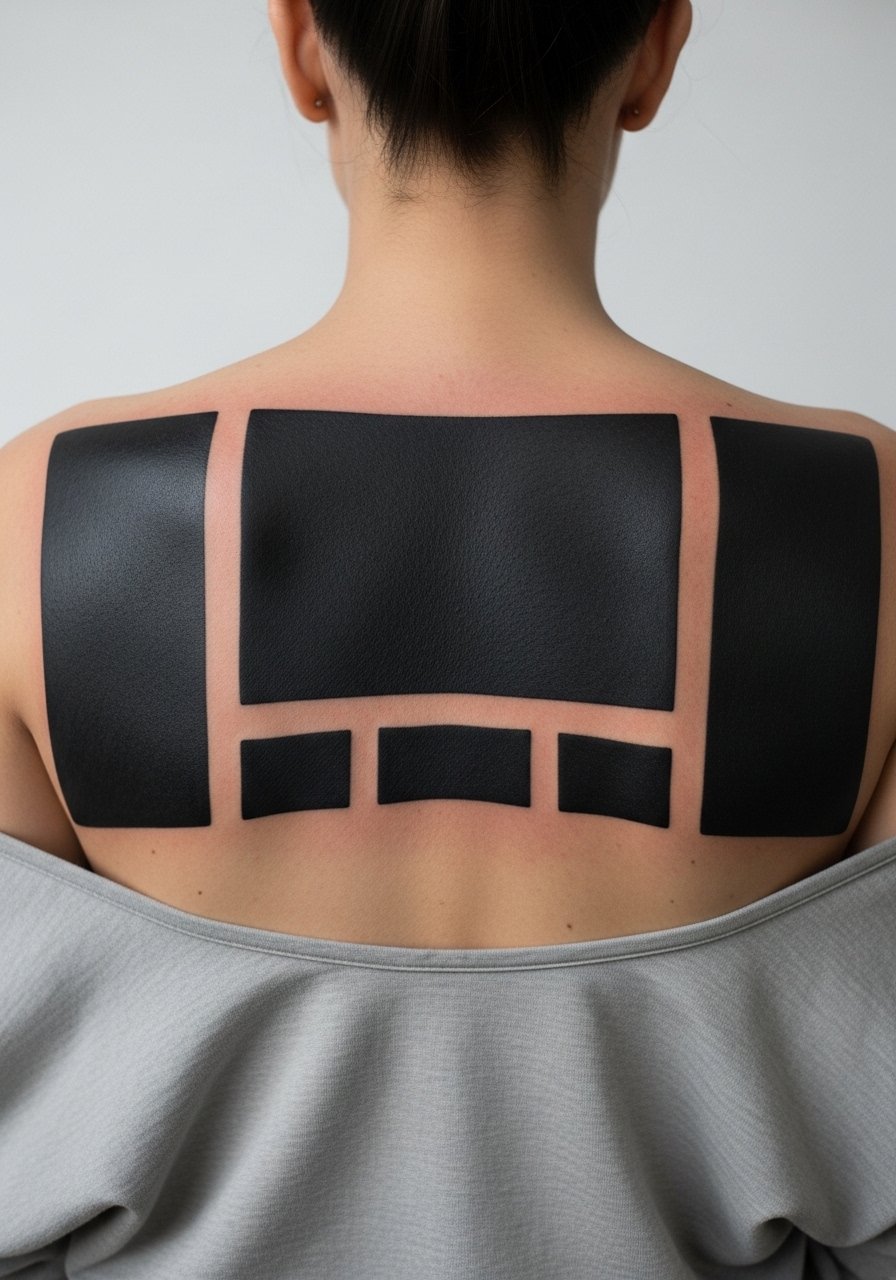
Solid black back work makes a statement and shows how saturation ages when done right. Expect long sessions and at least six sittings for large coverage. There is a split among practitioners on this look. One camp favors massive black fills derived from warrior traditions and accepts heavier touch-up rhythms. The other camp worries about long-term skin changes and prefers lighter fills for women to preserve symmetry. Name both views in the consult so you know whether your artist skews toward density or restraint. If you plan a full back, wear a loose button-up that you can unbutton in the chair.
11. Samoan Repetitive Hand Motifs

Hand tattoos are visible and durable in unique ways. Ask about blowout risk because the skin on the hand and fingers is thin and moves a lot. Also consider workplace visibility since some employers still screen heavily for hand placement. The typical mistake is requesting micro repeats without factoring in the high wash and friction those areas face. Plan for touch-ups as early as year two. When you book, go in with a clear idea of spacing and a portfolio that shows healed hand work.
12. Tahitian Blended Turtle Shell Forearm
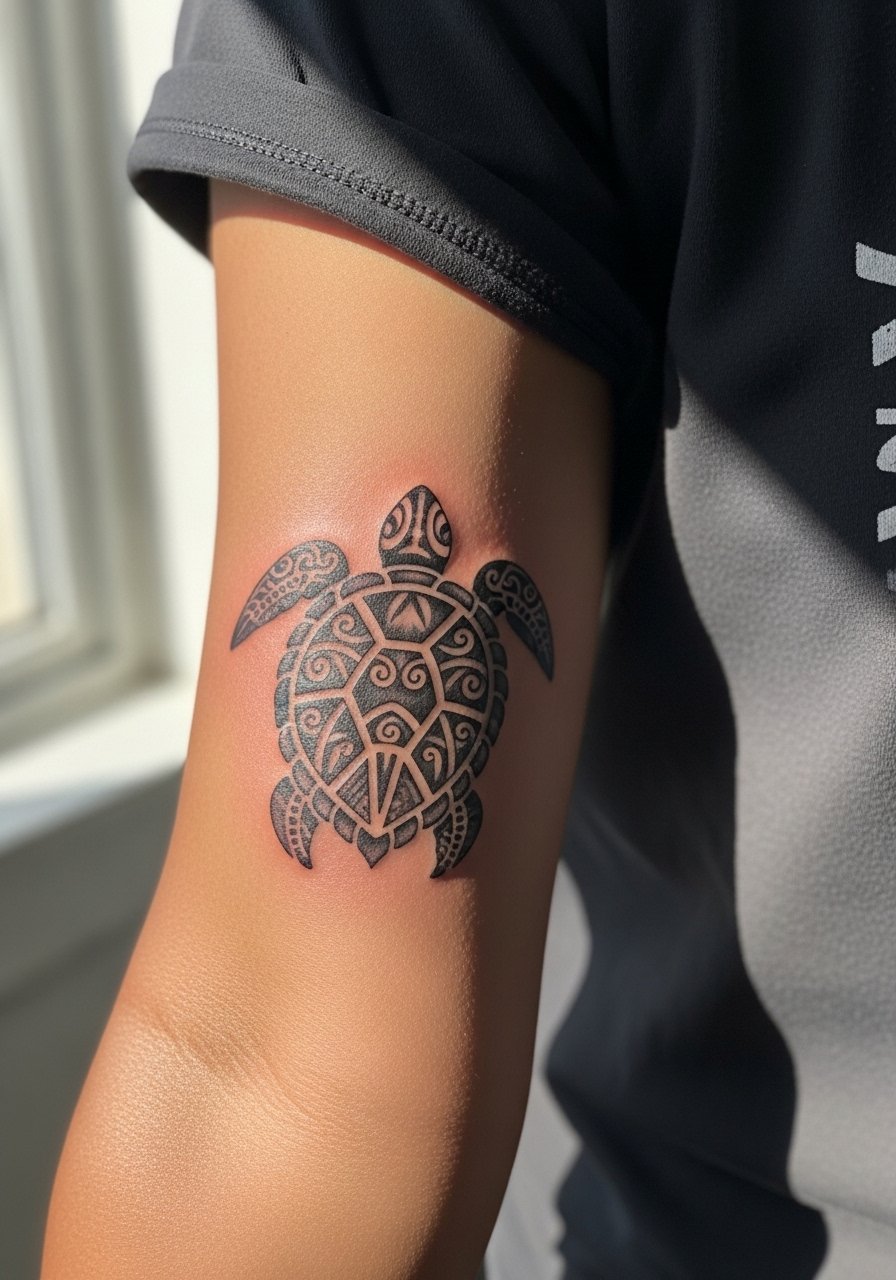
A turtle shell on the forearm reads as protection and ancestry, and mixing elements from different islands needs careful consultation. Tell the artist which motifs you want fused and where blank space should sit so the shell reads distinct over time. Inner forearm placement shows detail close up but is more prone to sun exposure, so plan for sunscreen later. The session is typically two to three hours. For showing it off, rolled-sleeve shirts and a leather cuff on the opposite arm keep the focus on the shell. Bring references that show healed examples rather than fresh photos.
13. Hawaiian Wave and Shark Teeth Combo Thigh

Combining waves and shark teeth gives ancestry and guidance in one panel. Ask your artist how the motifs will nest so the teeth do not read like random triangles against the wave. Thigh placements are forgiving for size and allow bolder fills without daily exposure. A typical mistake is under-scaling the teeth, which makes them lose their meaning in dense compositions. Plan three sessions and wear board shorts for the appointment so the artist can work unimpeded.
14. Asymmetrical Marquesan Men's Side Panel
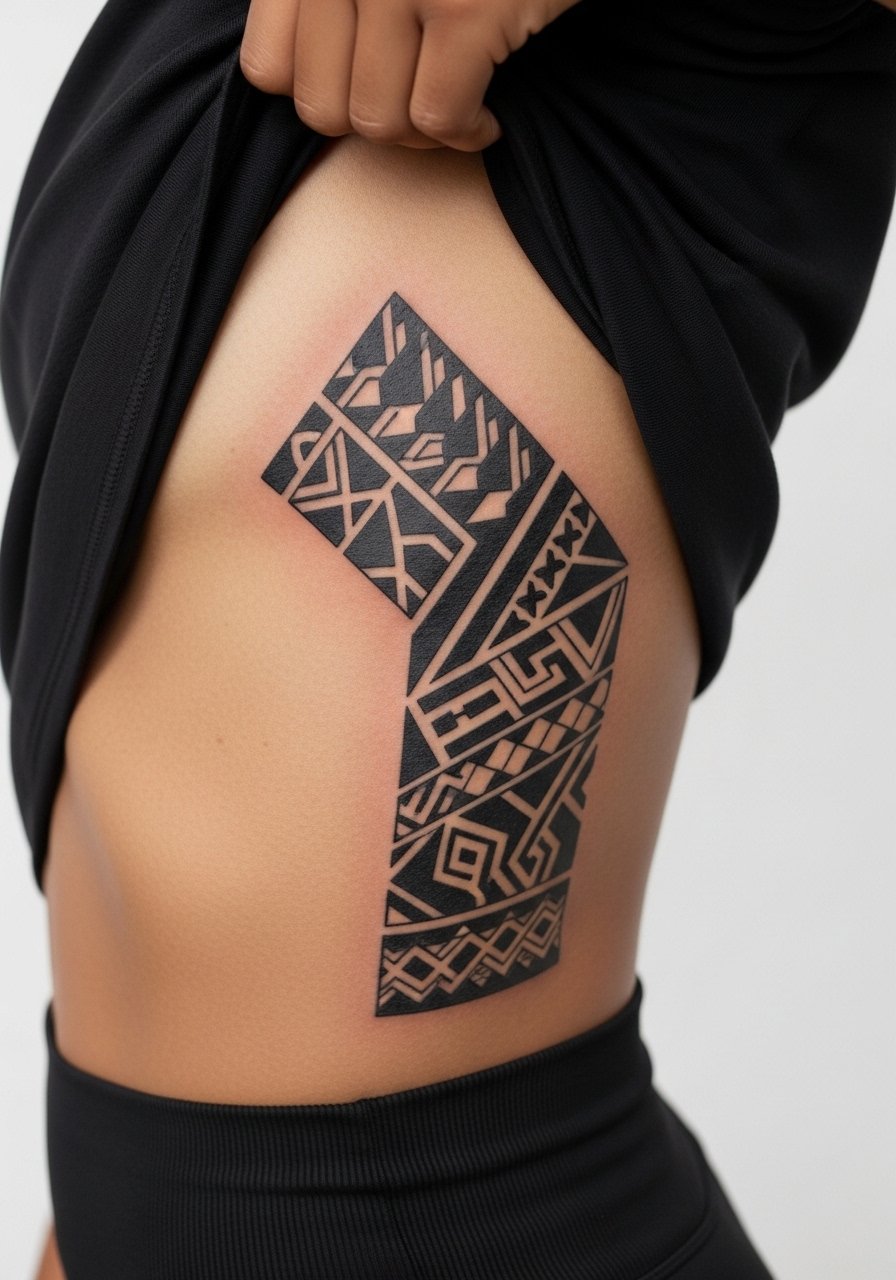
Asymmetry for men versus symmetry for women is an under-discussed point. For an asymmetrical side panel, plan the black block placements so one side reads dominant while the opposing negative space balances visually. This style often leads to debate over technique. Some insist on traditional hand-tap for a specific texture, while others choose machines for the saturation needed in large black fields. When booking, ask your artist which approach they prefer and why. Expect longer sessions and discuss touch-up strategy up front.
15. Fijian and Tongan Floral Hip Accent

Fijian and Tongan flower forms differ subtly from Samoan layouts and can make a small hip accent feel specific rather than generic. Tell your artist you want the motif to read as a local variant rather than a generalized floral; point to a single reference that shows the characteristic petal shapes. The hip area is sensitive near the bone and may be an 6 out of 10 on most pain scales. A common error is putting too many petals in a small space, which causes visual muddiness as it heals. For the session wear high-cut shorts or a swimsuit bottom so the artist can access only the area needed.
16. Hui Ari'i Chief Band on Upper Chest
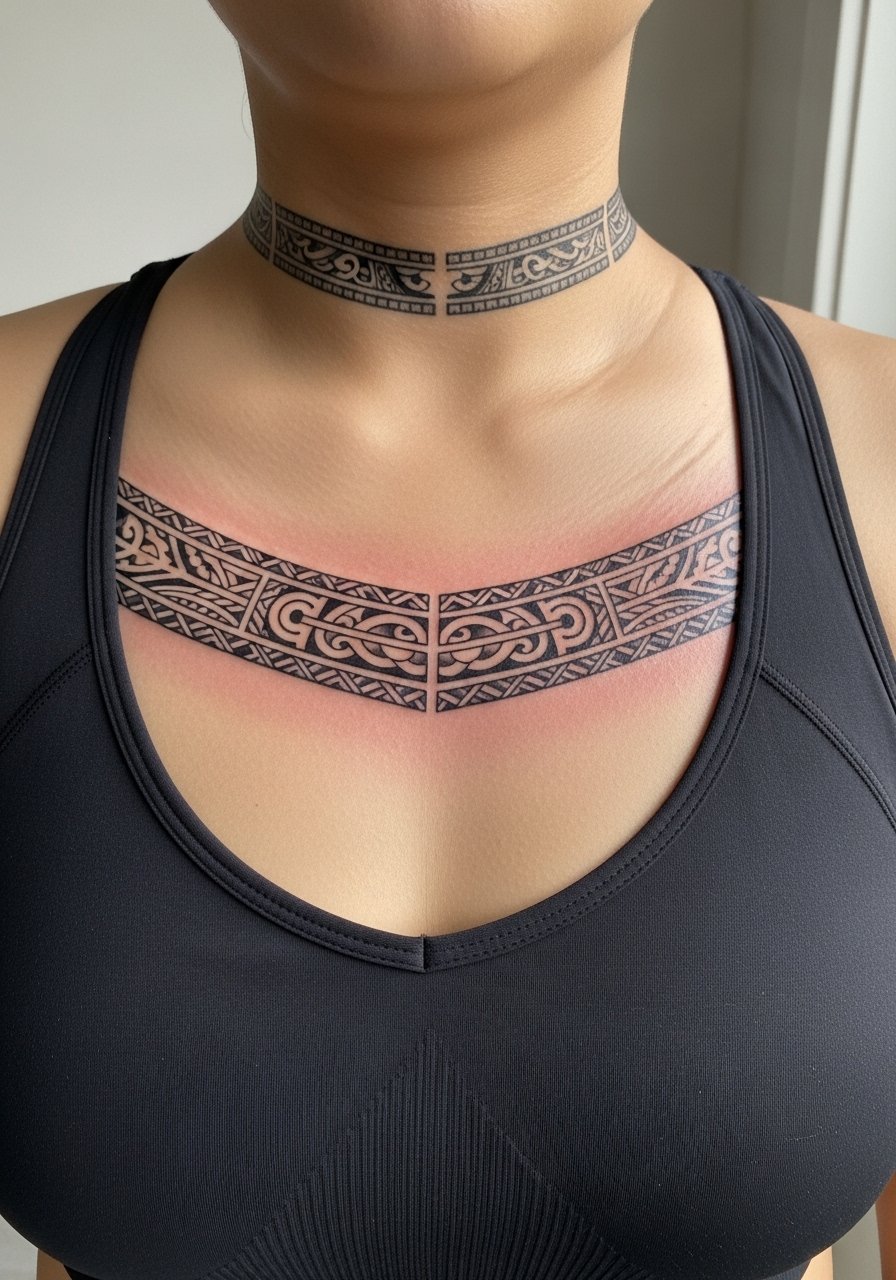
Chief bands reference historical rank and were not for everyone in older systems. Today some people choose variations that honor that structure without copying privilege-specific marks. Ask about subtle variations that acknowledge origin while making the work yours. Session discomfort sits in the upper chest near bone and is moderate. A frequent mistake is using direct motifs that historically signaled status without permission; discuss respectful adaptation with your artist. For the chair, wear a fitted sports bra or wide-neck top you can pull aside.
17. Micro Polynesian Wrist Band
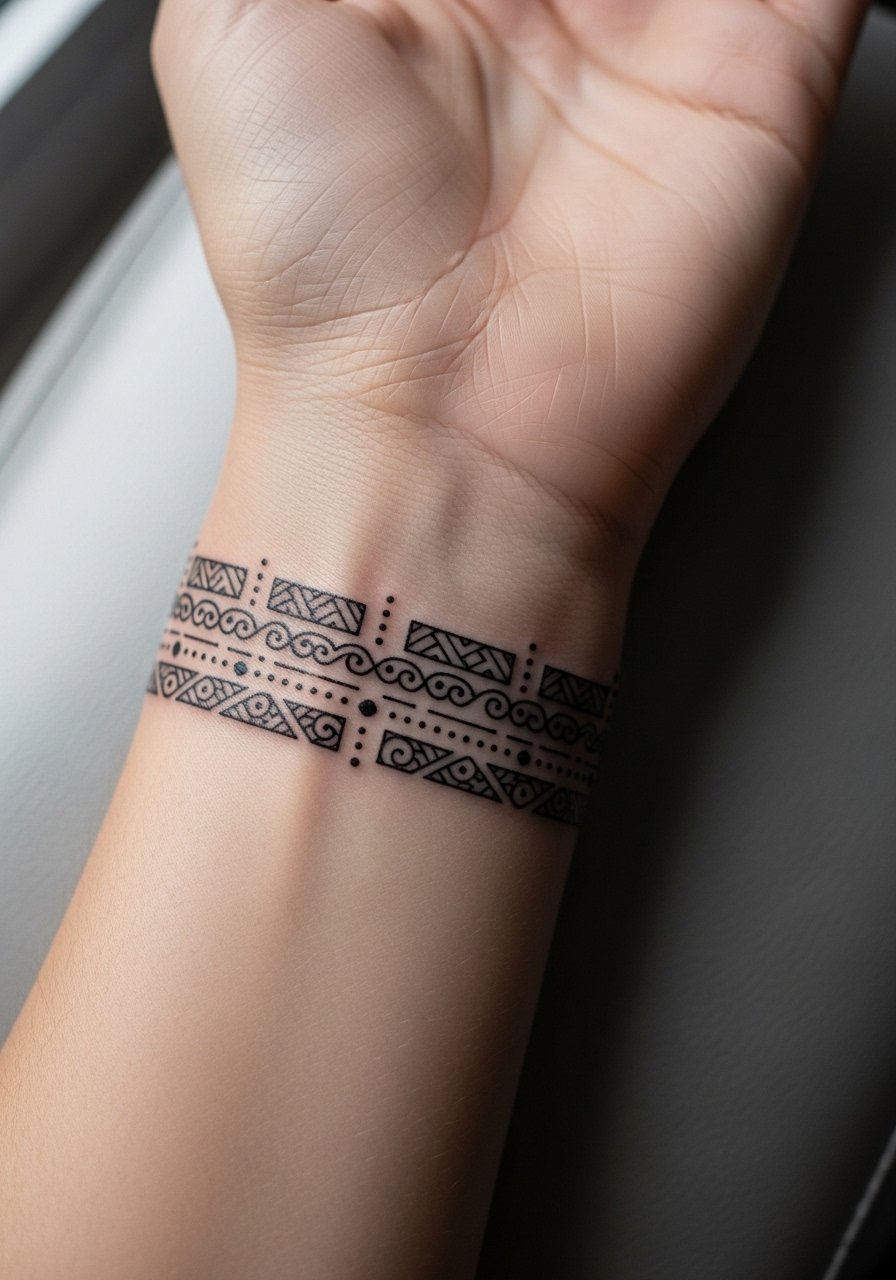
This small wrist band is a beginner-friendly option for someone who wants Polynesian language without a sleeve. Keep motifs slightly larger and avoid ultra-fine internal detail so the band does not fill in over time. The wrist ages faster and sees sun and washing, so expect touch-ups around year three depending on lifestyle. The most common mistake is choosing too thin a band that becomes a blur. For the appointment, wear a loose short-sleeve tee and consider pairing the finished band with a thin chain pendant necklace or stacked bracelets that do not sit over the tattoo.
Frequently Asked Questions
Q: How much does a Polynesian forearm band hurt and how many sessions should I plan for?
A: The outer forearm is one of the more forgiving areas so pain is moderate. Expect one to three sessions depending on width and fill. Tell your artist during the consult whether you want visibility or longevity prioritized, because spacing and line weight choices affect how often you will need touch-ups.
Q: Do Marquesan solid black back pieces fade differently than Samoan half-sleeves?
A: Yes, heavy black fills on the back can age differently than the repetitive bands of Samoan sleeves. Some artists argue deep saturation will keep the panel readable longer, while others warn that dense black needs more touch-ups as skin texture changes. Ask your artist how they plan maintenance and be ready for extra sessions down the line.
Q: Are hand and finger Polynesian motifs likely to blur or need extra touch-ups?
A: Hands and fingers are high-friction zones and the skin there moves and regenerates more, so micro repeats often need earlier touch-ups. Also consider workplace visibility because some industries still react to visible hand ink. If you go ahead, prioritize spacing and healed examples when you review portfolios.
Q: How should I dress for a thigh or calf session to make the appointment easier?
A: For thigh work wear loose shorts or board shorts that you can shift without compressing the area. For calf sessions wear shorts you can roll up or slim athletic shorts so the artist has clear access. Bringing slip-on shoes makes getting into the chair easier if the session lasts several hours. Here is a simple option for the chair: board shorts.
Q: Where's the best place to find an artist who does authentic island styles without naming specific people?
A: Search style-specific hashtags and local studio tags like #MaoriTattoo or #SamoanTatau to find portfolios, filter by location on tattoo directories, and look for artists who show healed photos in similar skin tones to yours. Conventions and guest spots are also useful because you can see consistent healed work across different hands. Ask about approach to hand-tapping versus machine work during the consult so you understand the artist's values.
