
Fine line look dominates saved boards right now, but the tattoos that still read deliberate after five years are often the ones planned with aging in mind. That gap between what trends and what lasts matters for a one-of-one piece. Here are 17 pretty 1 of 1 tattoo ideas that balance freshness with real-world wear, plus when to push for detail and when to give the lines room to breathe.
1. Fine Line Arrow on Inner Forearm
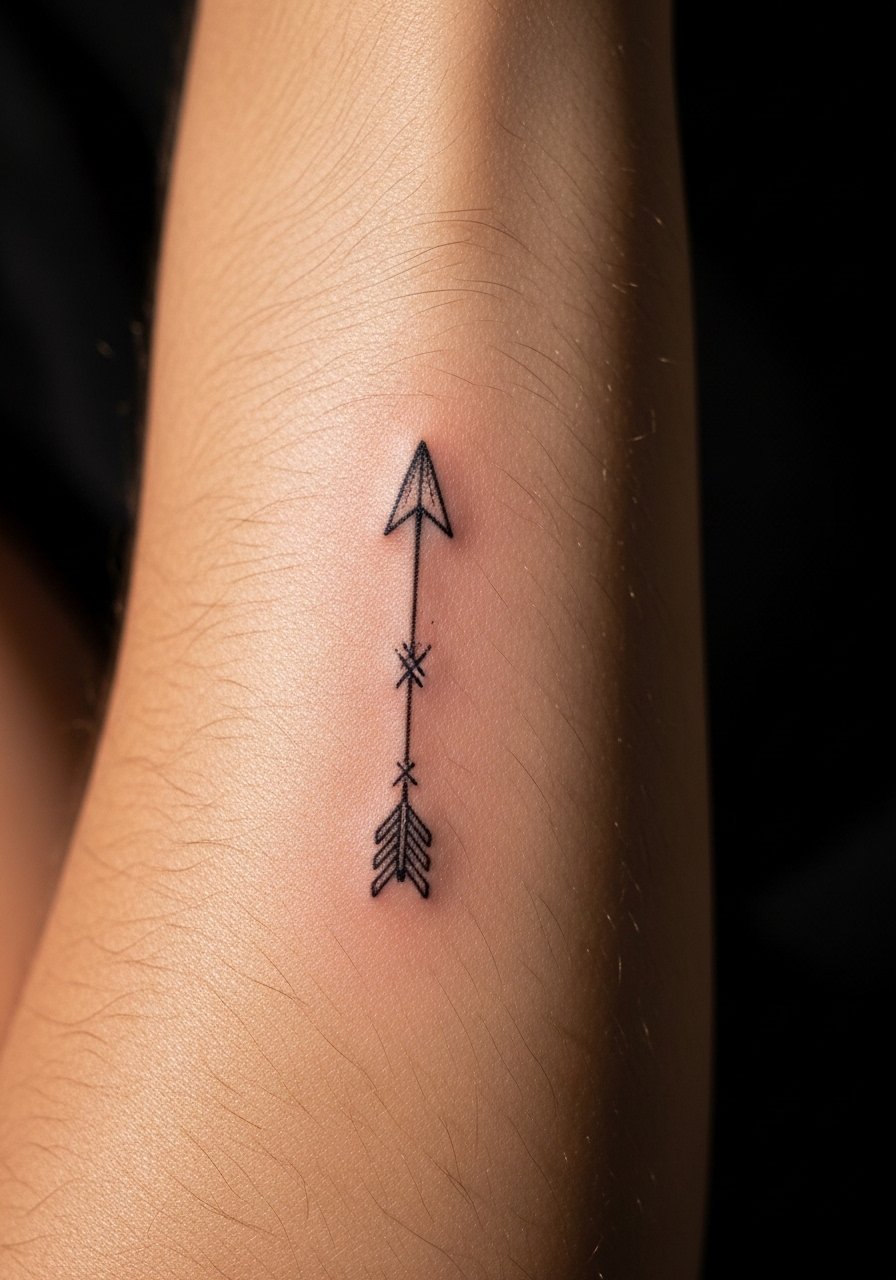
I’ve seen this small arrow last well because it gives the artist space to set linework at a steady depth. Ask for slightly heavier line weight than your reference so it survives two to three years without blurring. Fair warning, the inner forearm is visible and sees sun, so plan for sunscreen after it heals. The session usually runs 30 to 60 minutes and feels like mild rubbing, not stabbing. A common mistake is asking for ultra-thin hairline strokes that merge over time. For showing it off, roll sleeves up and pair with a thin chain pendant necklace that sits above the piece.
2. Micro-Realism Wolf Head on the Bicep
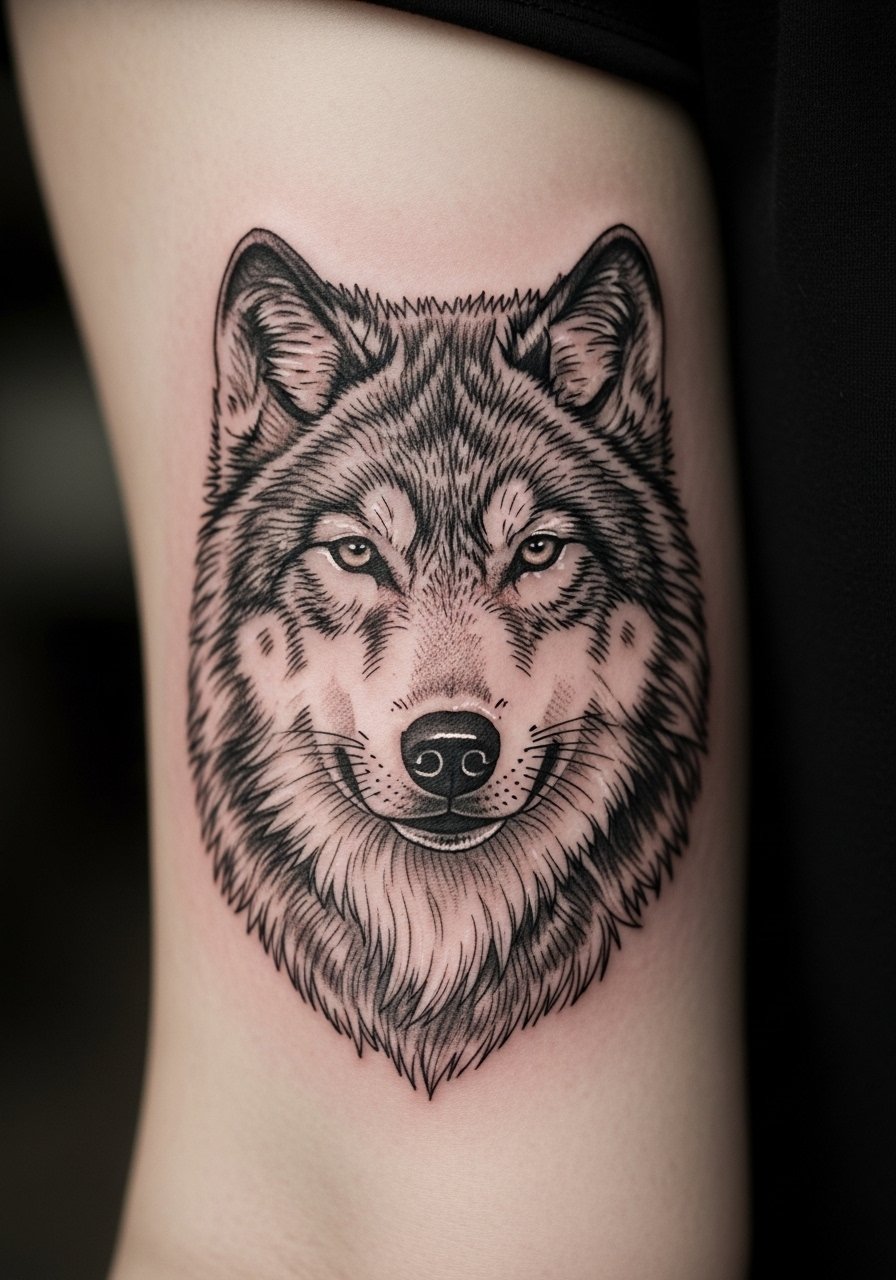
I recommend this when you want detail that reads from a short distance. Tell your artist you want micro-realism with stipple shading for texture rather than heavy saturation. The bicep tolerates longer sessions and spreads pressure evenly, so expect a two to three hour block if you want more than just an outline. Most issues come from shrinking the reference too much, which kills facial detail. At six months the stipple holds, at two years the contrast softens, and a touch-up at year three often restores depth. For session comfort wear a loose button-down shirt you can pull aside easily.
3. Delicate Botanical Wrist Band
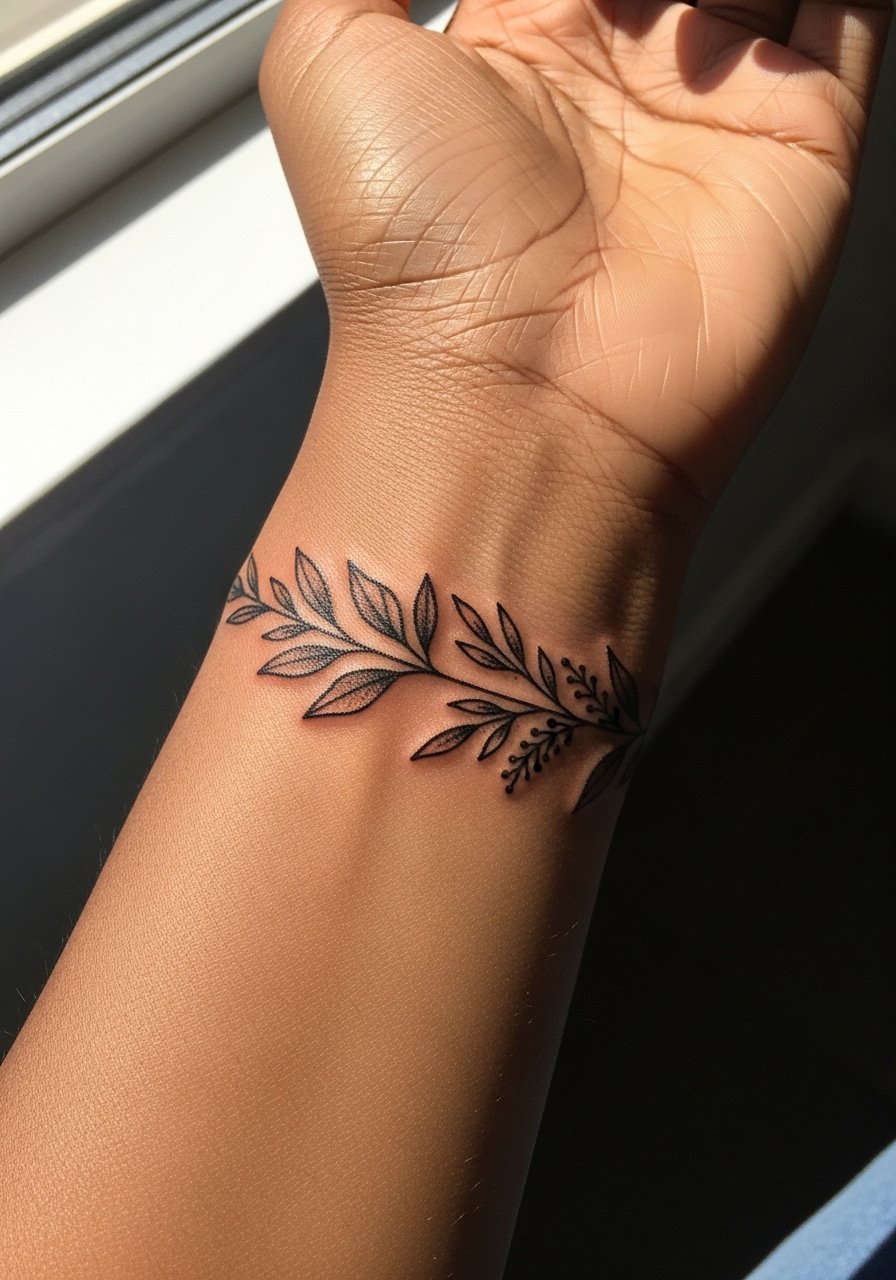
Most people pick this because it reads intimate yet visible. The wrist is a high-motion zone, so ask for slightly open spacing between leaves and stems to avoid lines merging. Pain is low to moderate and sessions are short, often under an hour. A mistake is asking for a sealed continuous band with no breaks, which tends to blur into a single thin mass after a few years. For showing it off, stack with a minimalist watch band that frames the botanical without covering the ink.
4. Mini Constellation Finger Tattoo
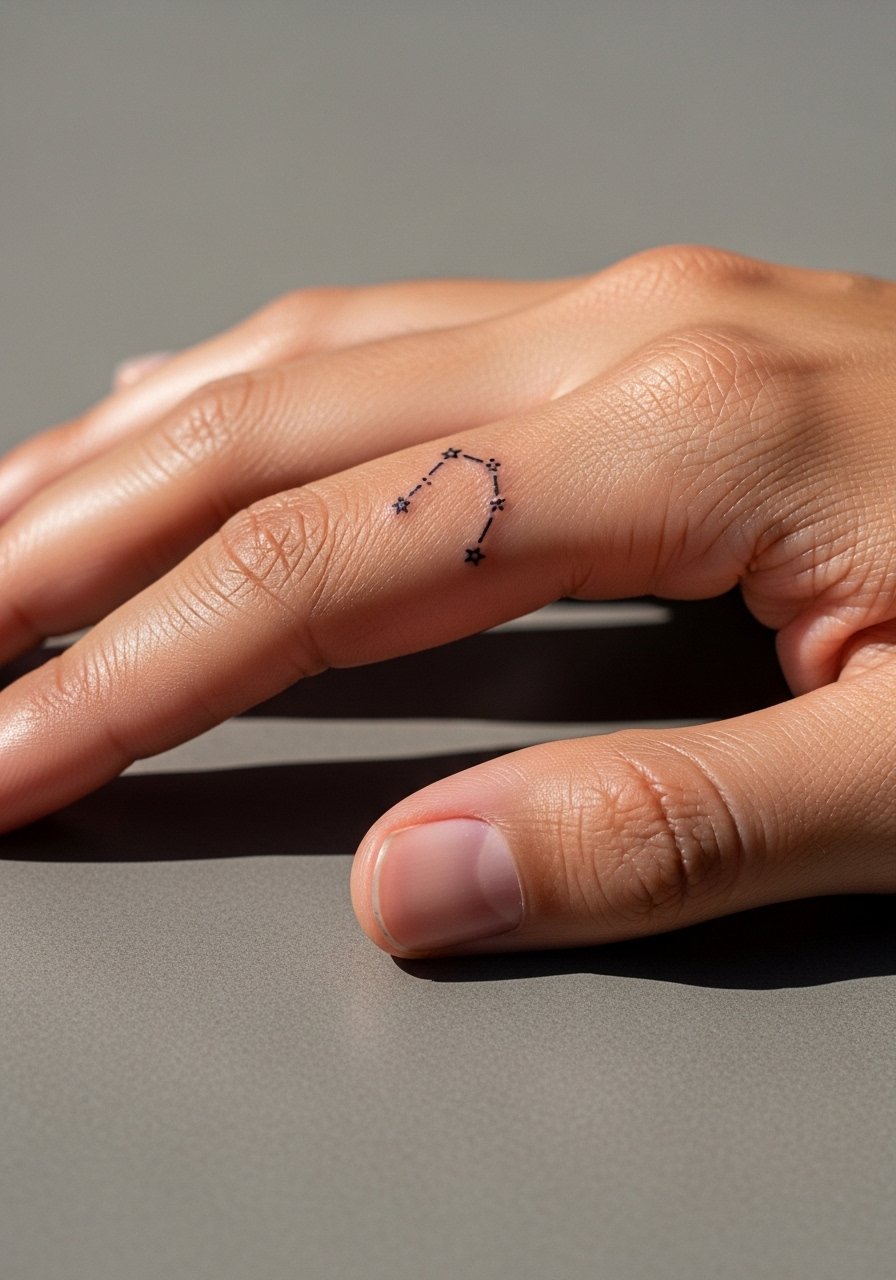
Finger tattoos are compact and need bold decisions. If you want a constellation, keep dots slightly larger than in your reference and space them so blowout risk is lower. Expect significant fading from washing and friction. A single quick session may take 20 to 40 minutes but touch-ups are common at year one or two. The common mistake is forcing micro text or extremely thin lines on a finger. For daily style pair with a thin stacking ring set that draws attention without rubbing the ink directly.
5. Abstract Gemstone Nape of Neck
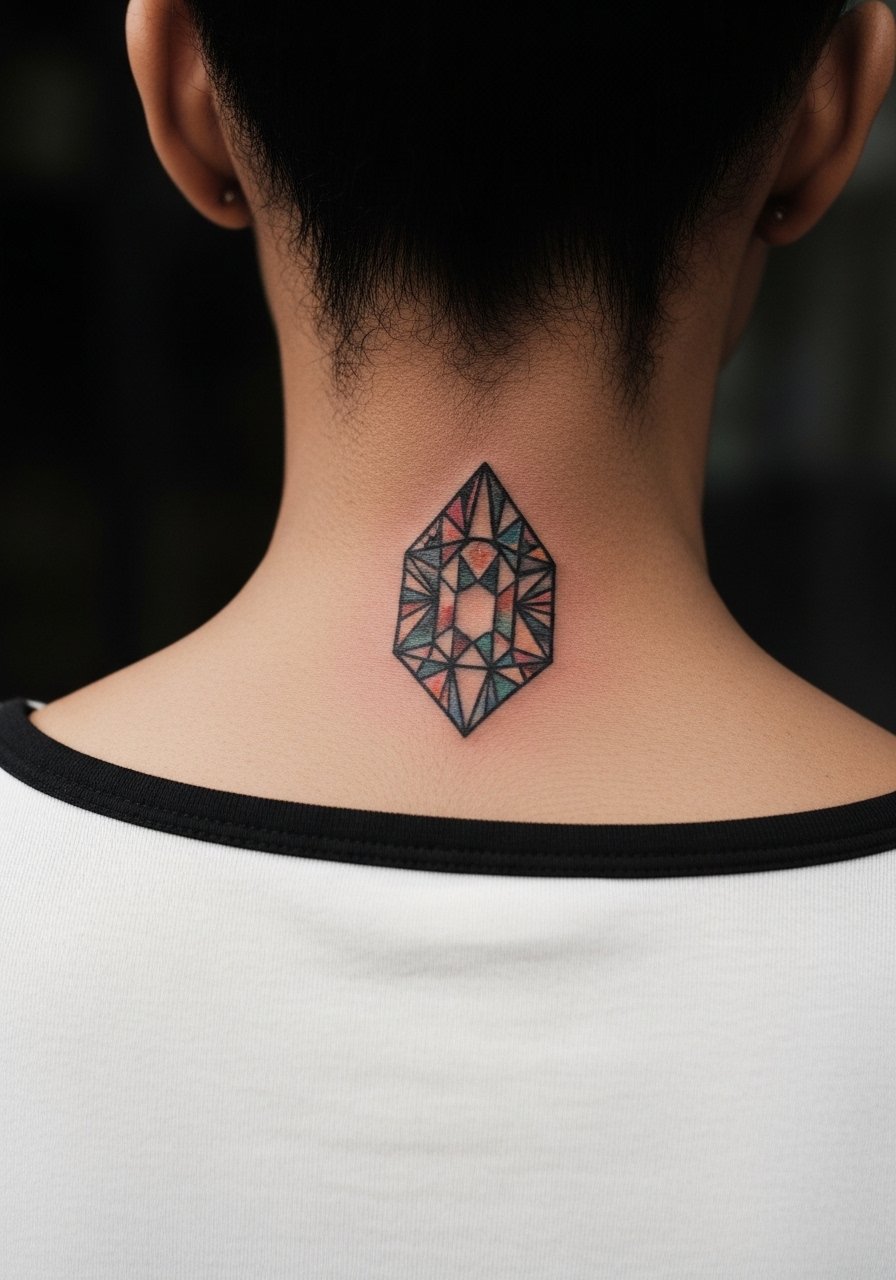
The nape is a subtle place for artistry and privacy. For a one-of-one gemstone motif, ask for a mix of dot work and light saturation to give depth without heavy blocks of color. The area heals predictably but sees sun at the collarline, so plan wardrobe accordingly. Sessions are moderate in length and feel like concentrated rubbing. A common mistake is over-saturating with color that ages into a muddy patch. For the session wear a wide-neck shirt you can pull aside so only the patch is exposed.
6. Mythical Creature Thigh Piece
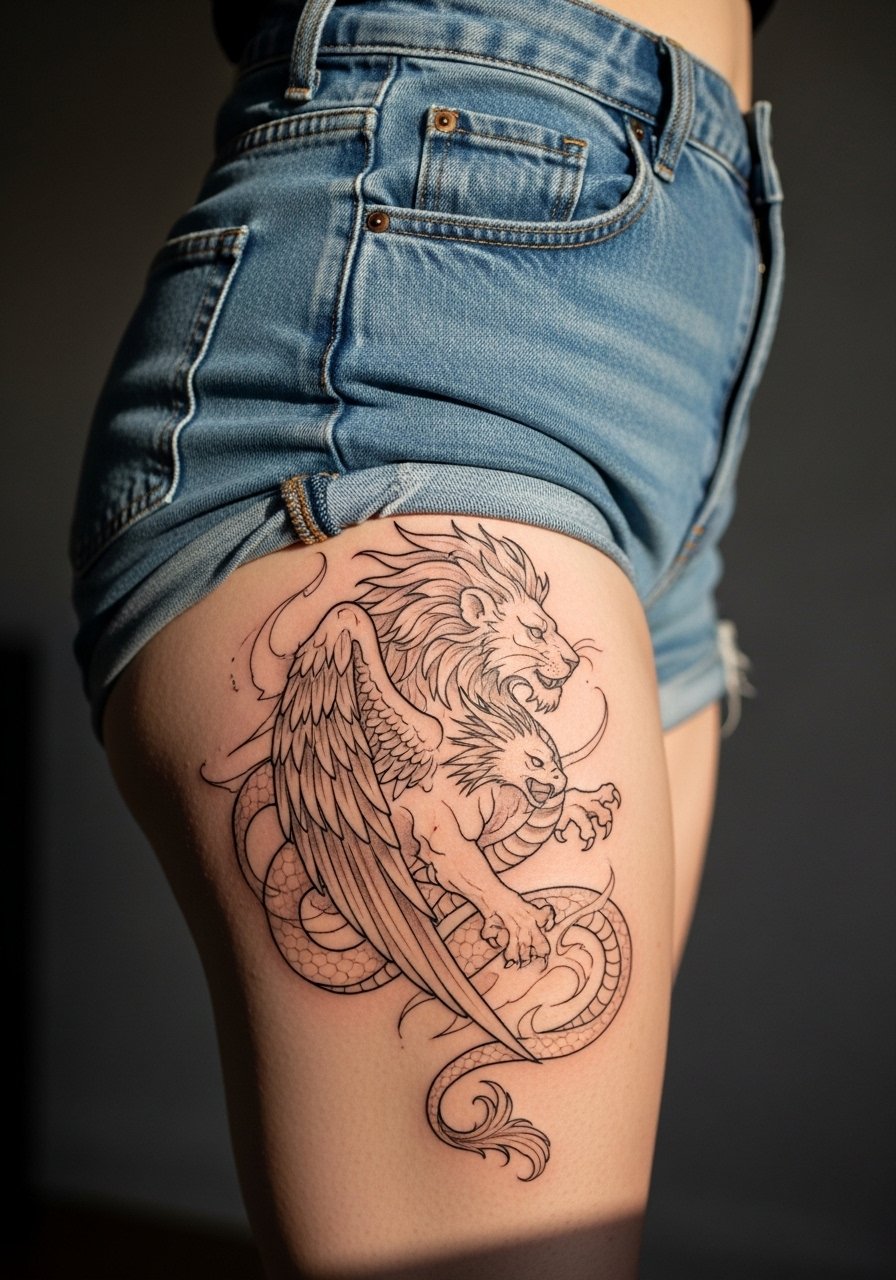
The upper thigh is forgiving and lets you go bigger without constant sun exposure. A one-of-one creature with flowing lines works well here when you want movement over realism. Tell your artist exactly which parts should read as silhouette and which need texture. Sessions can run multiple hours with breaks, and the pain is moderate. A mistake is compressing too much detail into a small thigh patch. For the session, wear high-waisted shorts that you can shift without tugging at the area.
Studio Day Picks
The wrist and thigh pieces above need different prep and access, so these five items smooth the session and the first week of healing.
-
Stencil transfer paper kit. Lets you preview placement and line weight on skin before the needle hits, useful for the inner forearm and collarbone ideas above.
-
Topical numbing cream. Applied 45 minutes before can ease sensitivity for thigh and sternum sessions without affecting stencil clarity.
-
Thin protective film roll. Keeps wrist and finger tattoos cleaner during the first week of hand washing and typing.
-
Fragrance-free gentle body wash. Cleanses healing areas without stripping pigment, which helps fine line wrist and forearm pieces hold.
-
Aquaphor healing ointment. Thin layer for the initial days locks in moisture for delicate linework without suffocating the skin.
7. Geometric Mandala Upper Back
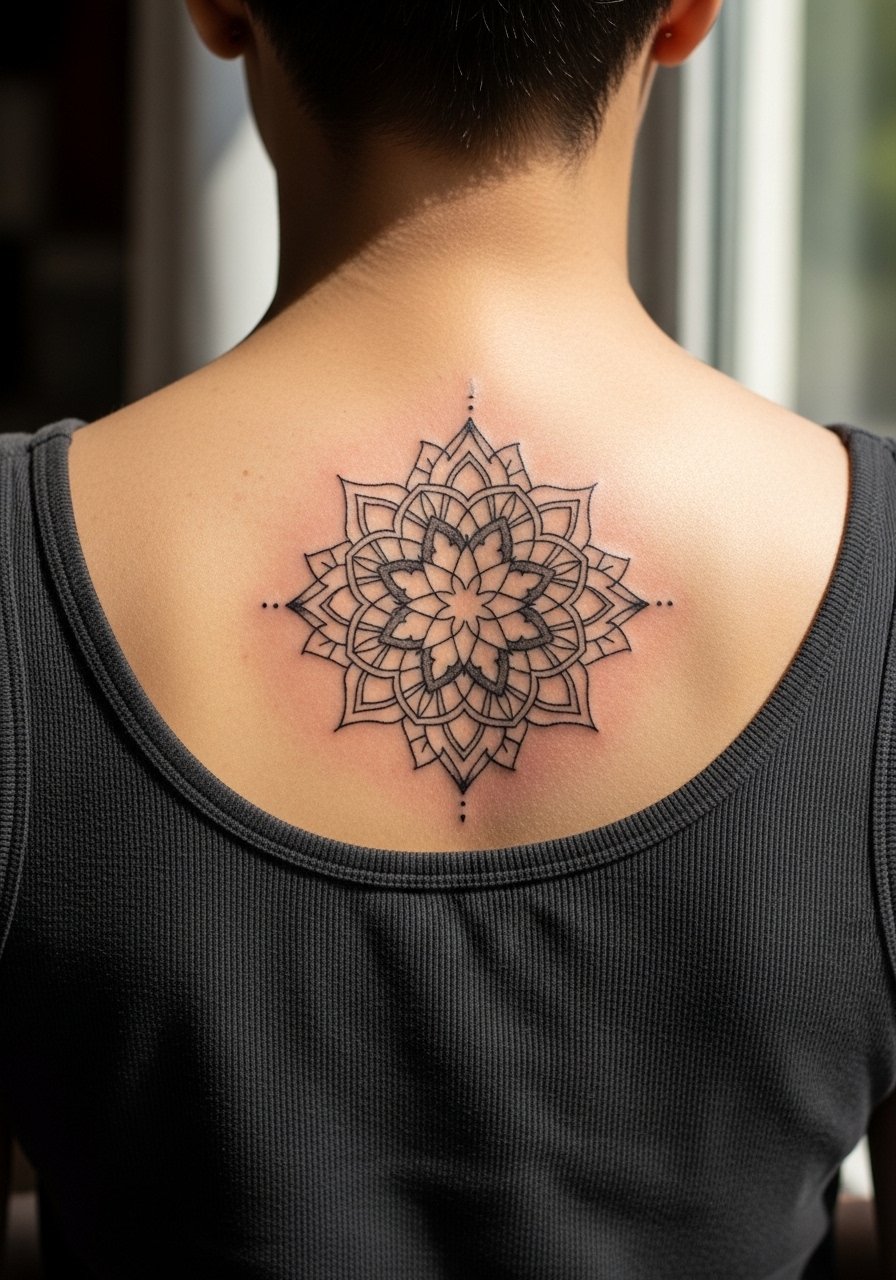
There is real drama in a mandala that reads from afar. For a mandala that ages well, insist on open negative space inside dense sections so lines do not merge. The upper back tolerates long sessions and you can usually do a decent piece in two to four hours. A frequent error is compressing too many concentric rings into a tight area. Over time the outer rings soften, so plan spacing for longevity. When showing it off, open-back tops make the symmetry obvious and flattering.
8. Micro-Script Along the Collarbone
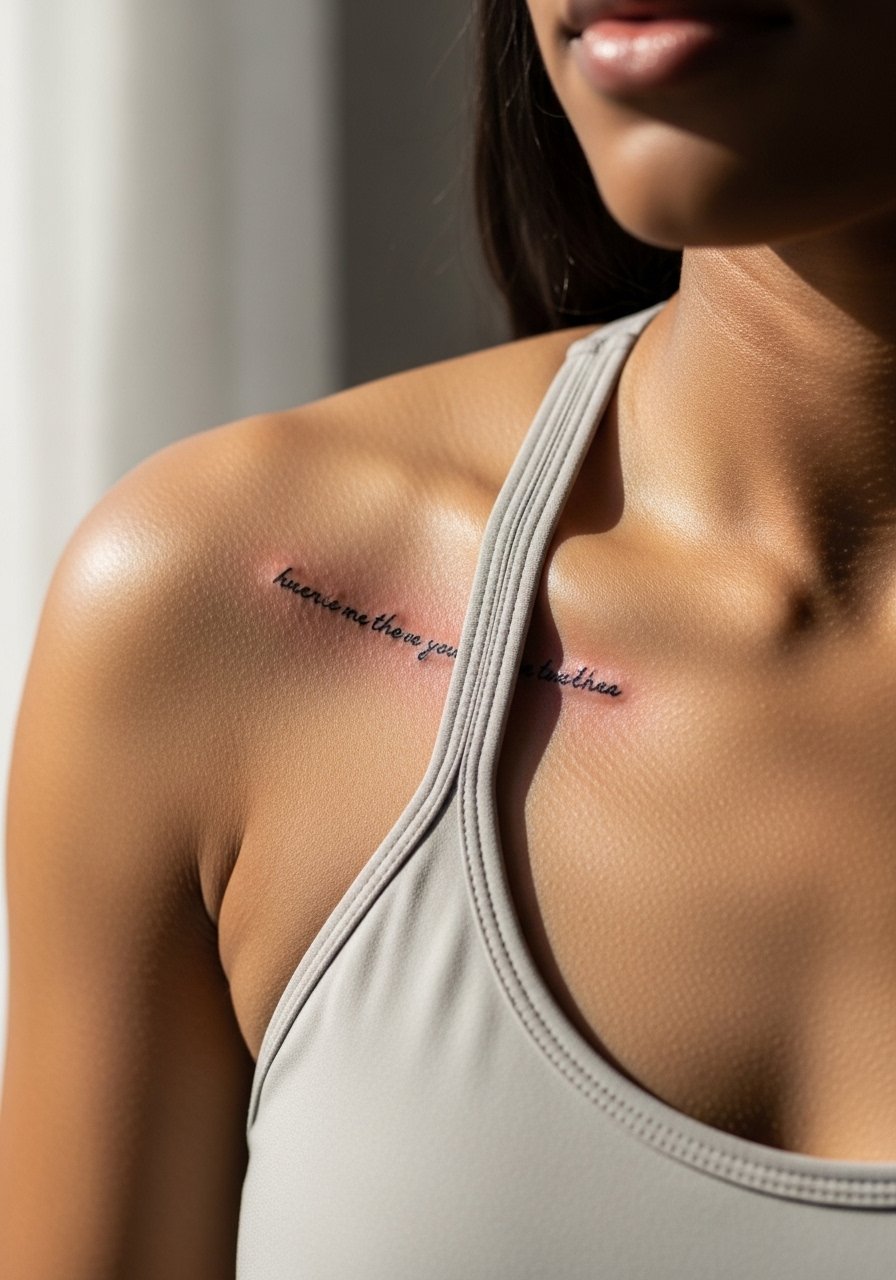
Collarbone script reads refined when spacing and font are chosen with aging in mind. Ask your artist to aim for slightly wider lettering and to avoid ultra-tiny cursive that fills in. The sternum and collarbone area can be more sensitive for some people, so expect short sessions with breaks. A common mistake is matching a calligraphy reference that was designed for print, not skin. For showing it off, pair with a thin chain pendant necklace that sits above the text.
9. Watercolor Koi on the Calf
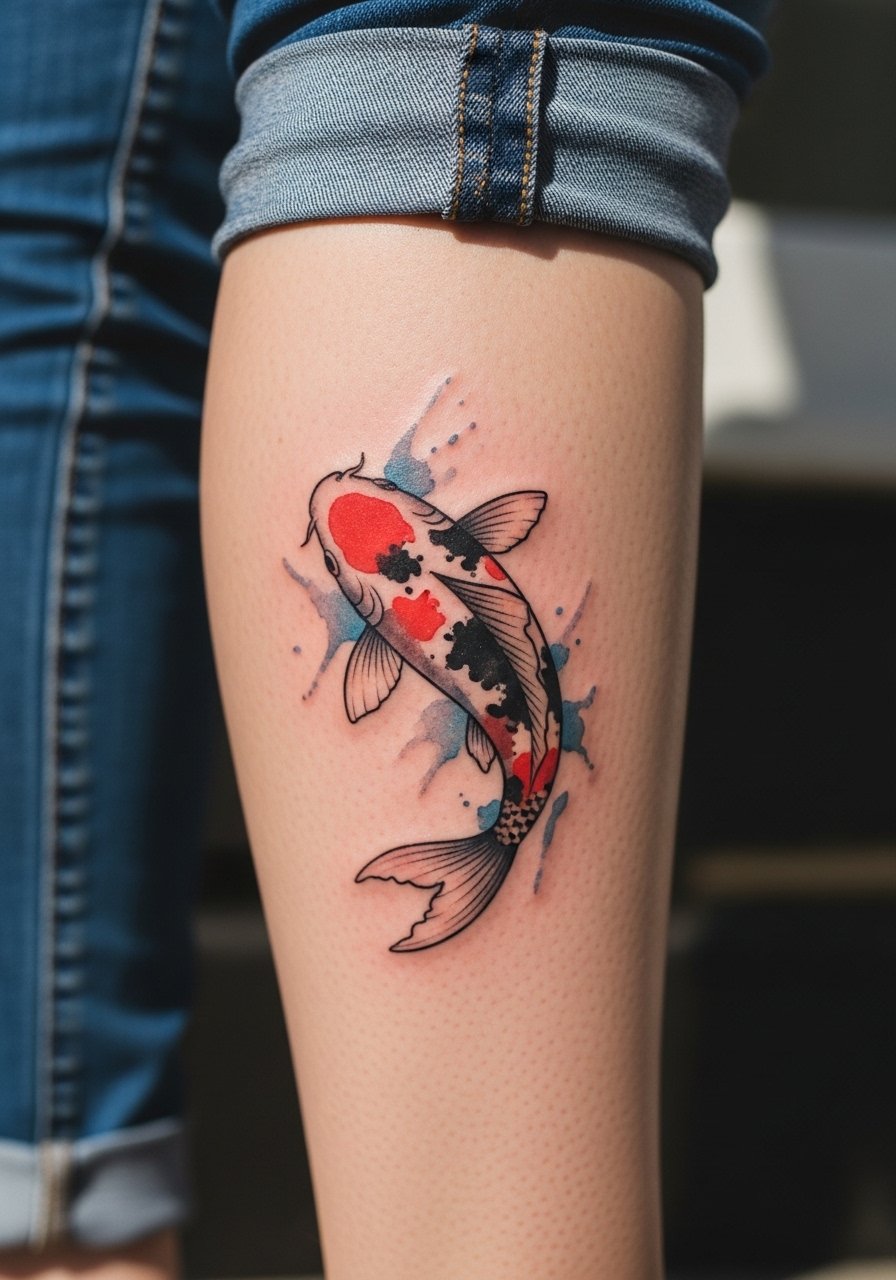
Watercolor effects need a light hand in saturation so they fade gracefully rather than patching. The calf is forgiving and sits under clothing much of the time, so color retention can be strong if you avoid friction during healing. Sessions usually last two to four hours depending on size. A mistake is asking for saturated watercolor that looks great fresh but ages into uneven color. For casual showing pair with rolled-up jeans or an ankle boot that frames the design.
10. Tiny Moon Behind the Ear
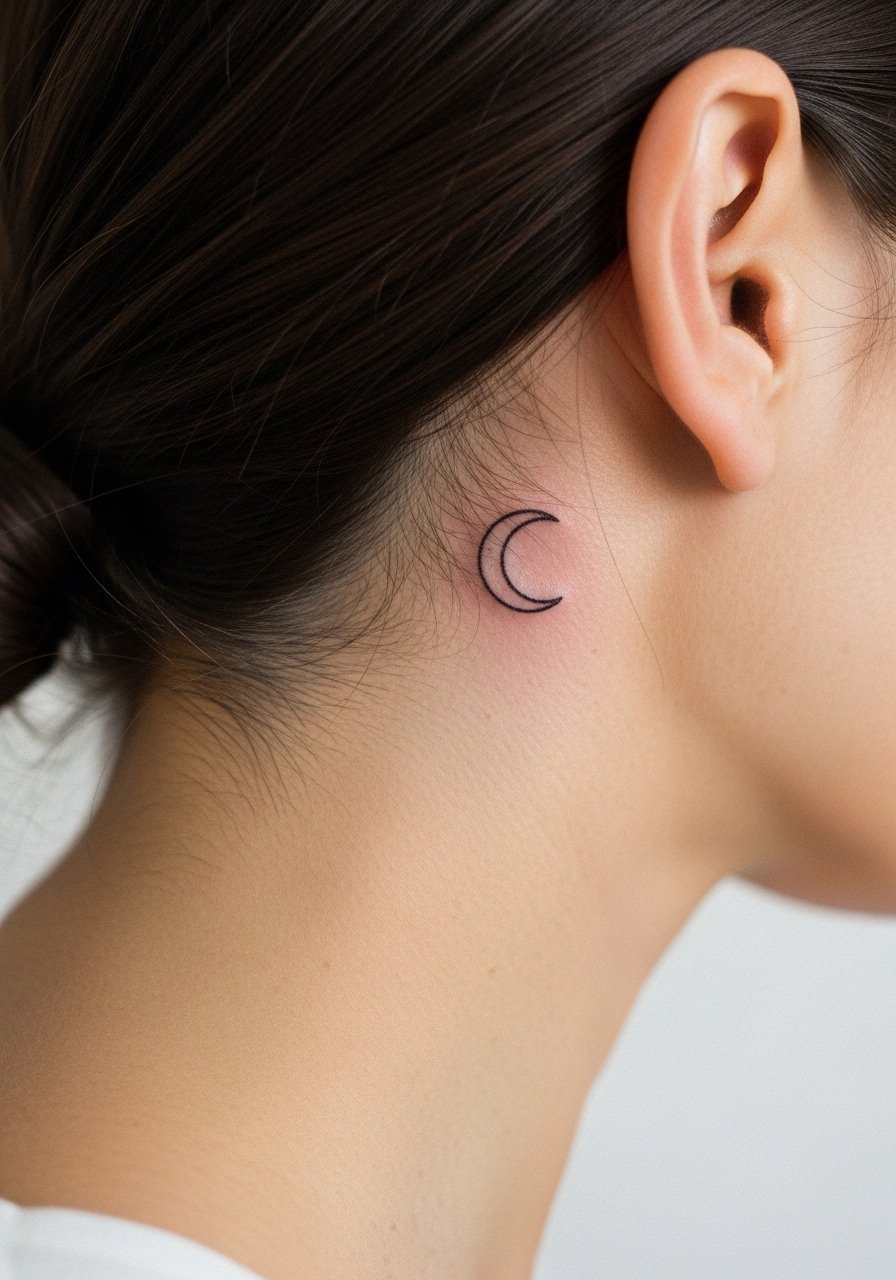
Behind-the-ear pieces are subtle and private. The anatomy there needs a single artist who has done several such placements. The session is brief but the surface is uneven so ask for a steady, practiced hand. Touch-ups are common because of hairline friction. If your work or lifestyle requires concealment, this spot is easy to hide with hair. Note that this placement benefits from someone who specializes in small areas rather than full sleeves.
11. Blackwork Heart on the Sternum
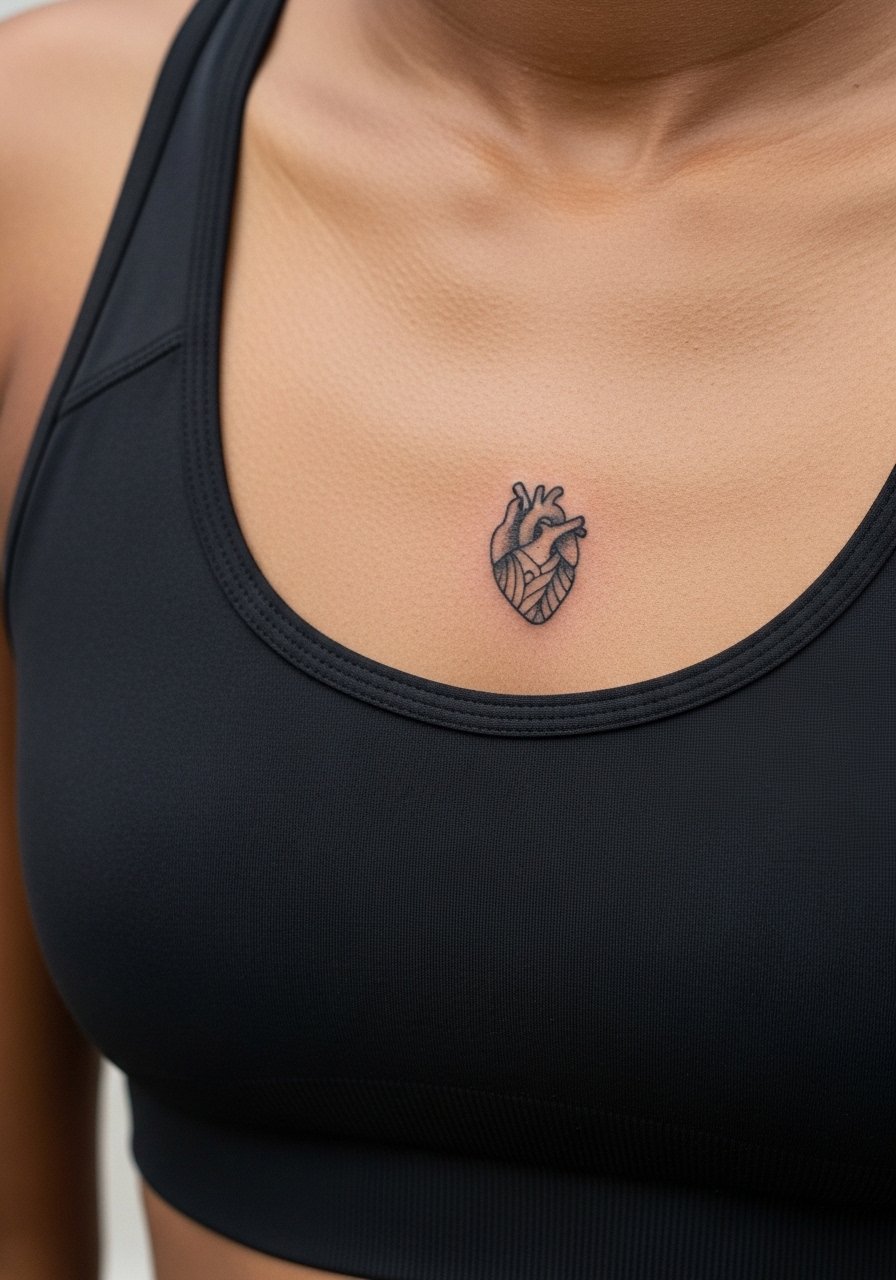
Sternum work is intimate and sits on a contoured surface that moves with breathing. The pain is higher than arm work but many people say the result is worth it. A common mistake is expecting perfectly flat saturation on a rounded chest area. Sessions tend to be shorter but intense. For professional reasons some consider placement visibility when in low cuts. Talk through breathing and break timing with your artist before booking.
12. Dot-Work Mandala on the Ribcage
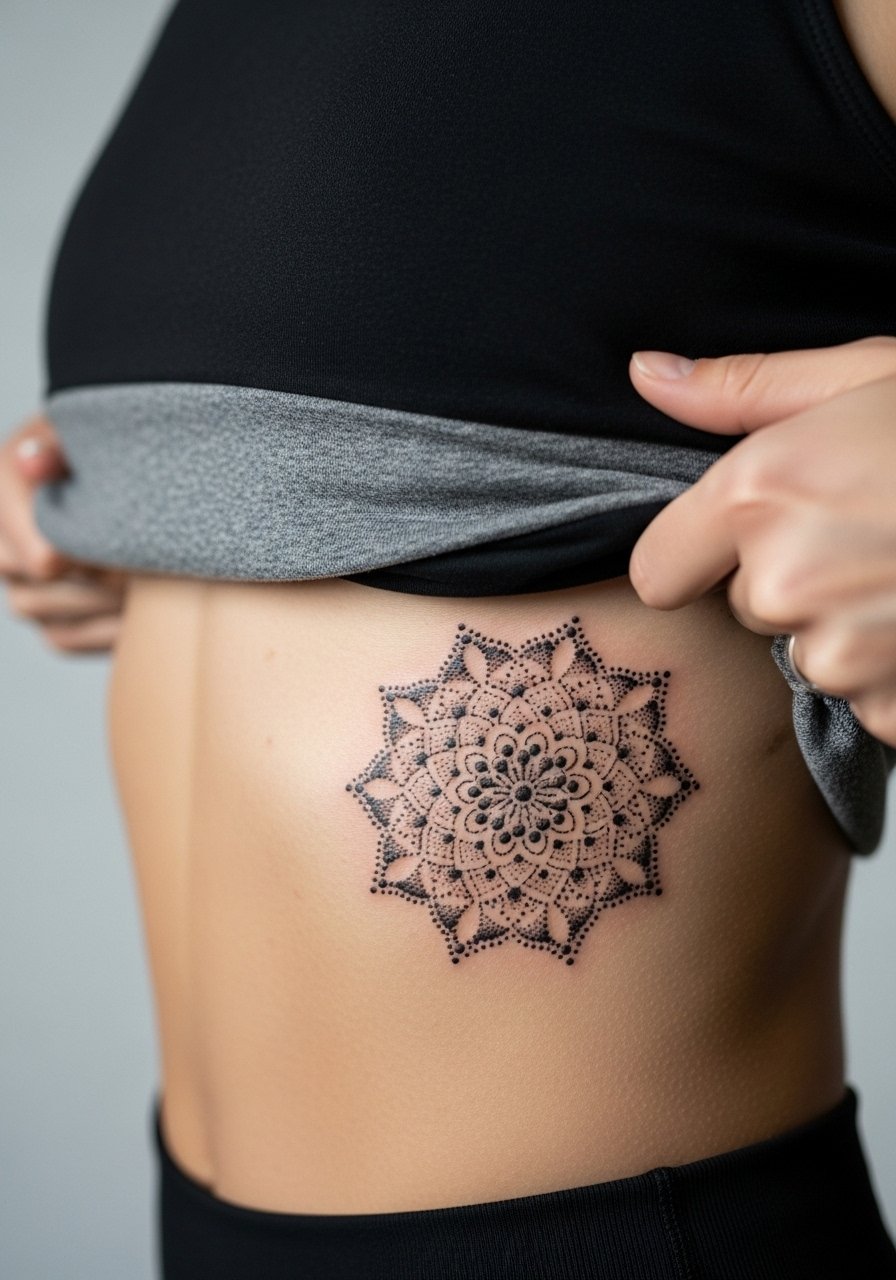
Fine line and dot work on ribs bring up a clear debate. One camp says the skin there stretches and moves too much, so lines blur within two years. The other camp argues that with proper depth and wider spacing the detail settles fine. I recommend asking where the artist lands and to request more spacing in dense areas. The ribs are high on the pain scale and sessions are broken into shorter blocks. Expect a touch-up at year two if you want the stippling to stay crisp.
13. Minimalist Ankle Constellation
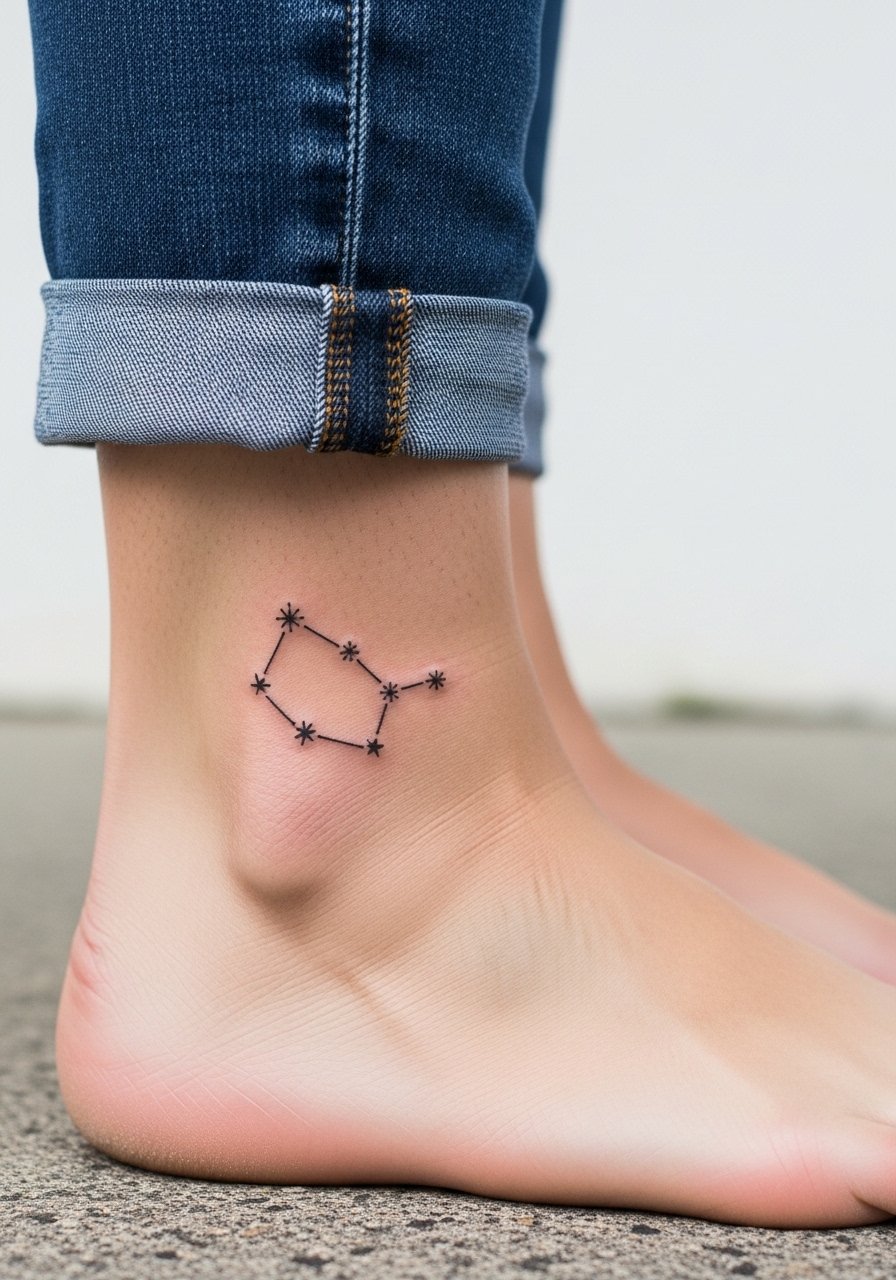
Ankle tattoos read delicate but they face constant friction from shoes and socks. Keep dots slightly bold and avoid ultra-thin connectors. Sessions are quick, under an hour, but plan for touch-ups in year one. A common mistake is putting too much micro detail in a space that gets rubbed by footwear. For style, show it with rolled pants and a strappy sandal to keep the area visible without constant abrasion.
14. Minimal Spine Line for Open-Back Looks
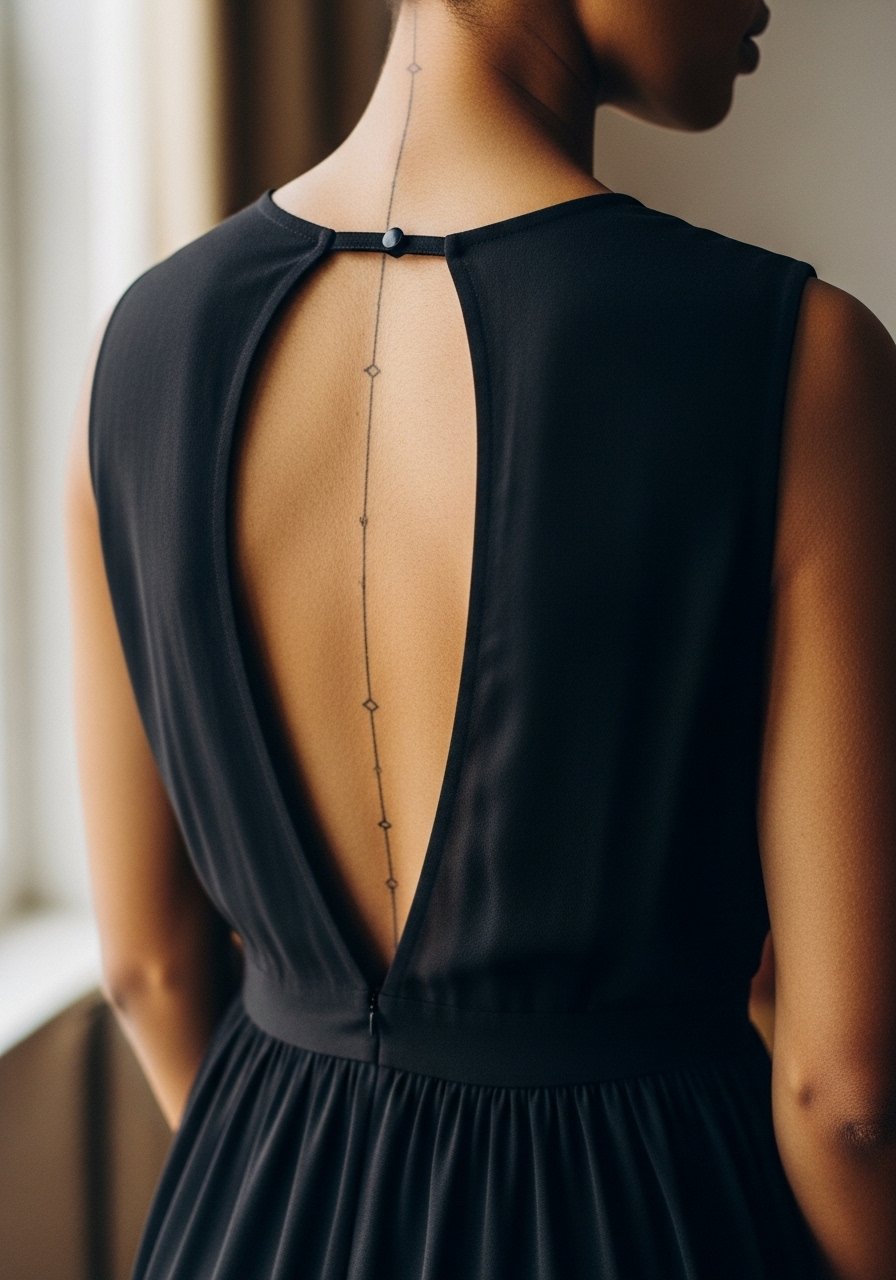
A single-line down the spine reads elegant when spaced correctly. This placement moves with posture so the artist needs to map the line to natural curves. The session is moderate and can be done in one sitting for short pieces. People sometimes pick too thin a line, which risks early blurring. For evenings out pair with an open-back midi dress that shows the verticality without overexposing the skin.
15. Tiny Matchstick on the Wrist
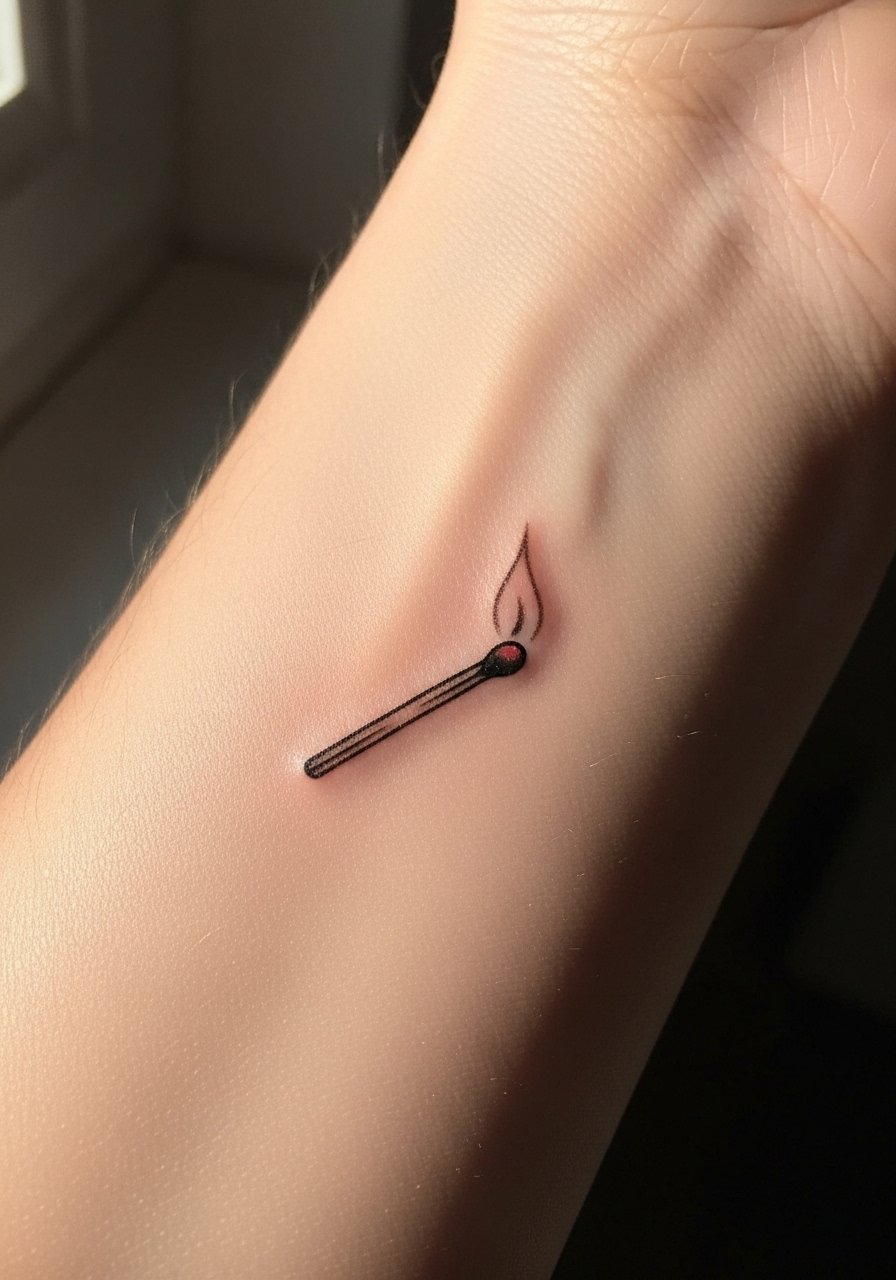
There is charm in a small, slightly offbeat object like a matchstick. The wrist sees sun and movement, so ask for bolder outline contrast rather than whisper-thin strokes. Sessions are short and pain is manageable. A common mistake is cramming additional tiny script around it, which competes for space and speeds aging. For daily wear, pair with a thin leather cuff bracelet that frames the wrist without rubbing the ink.
16. Stipple Shaded Scarab on Shoulder Blade
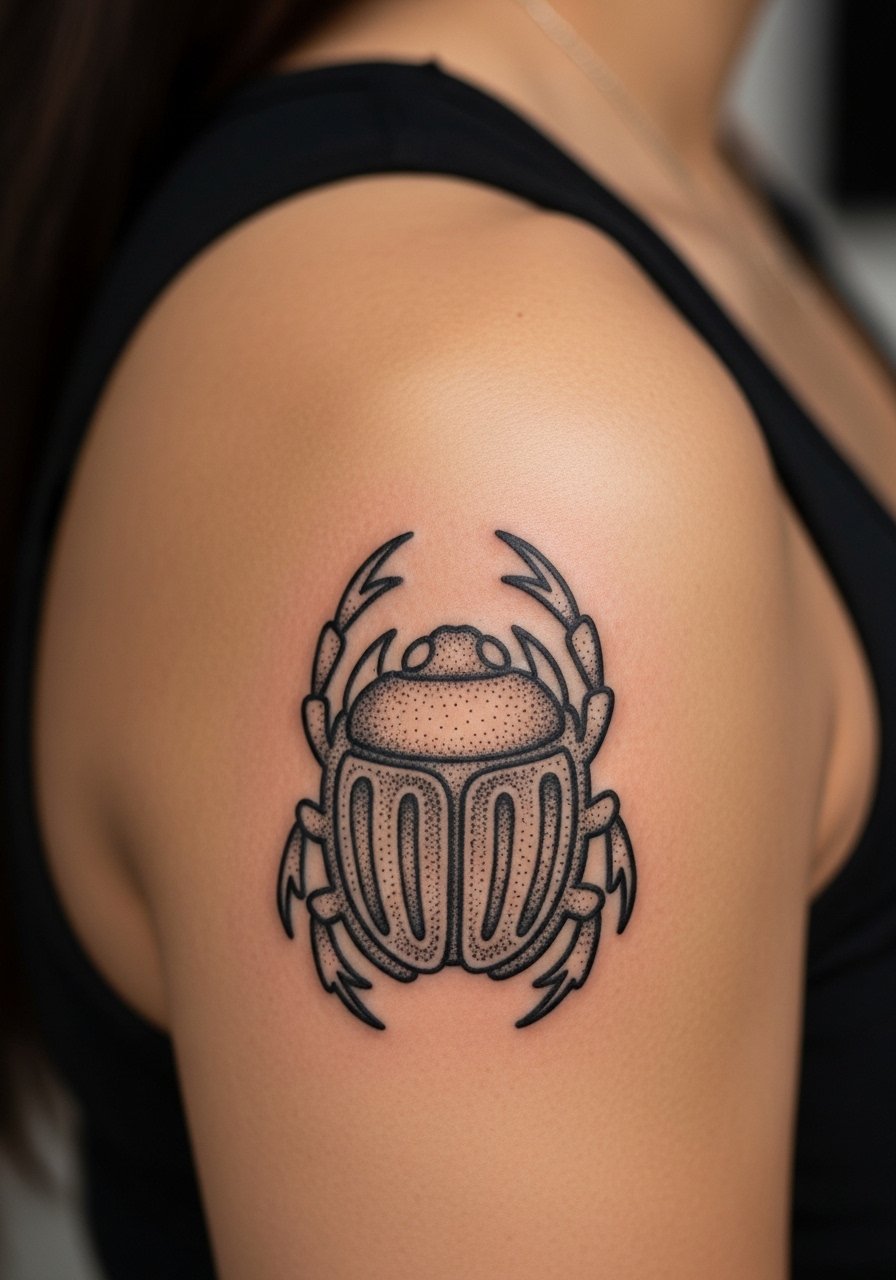
Shoulder blade pieces allow for texture experiments like whip shading and stippling. Tell your artist where you want heavier contrast and where you want airy dots. Sessions are comfortable and you can lie or sit depending on the shop. A mistake is pushing for full saturation where stippling would have read more interesting over time. For off-duty looks, a loose tank top that shows just the curve of the shoulder works well.
17. Single Solitary Star on the Back of the Hand
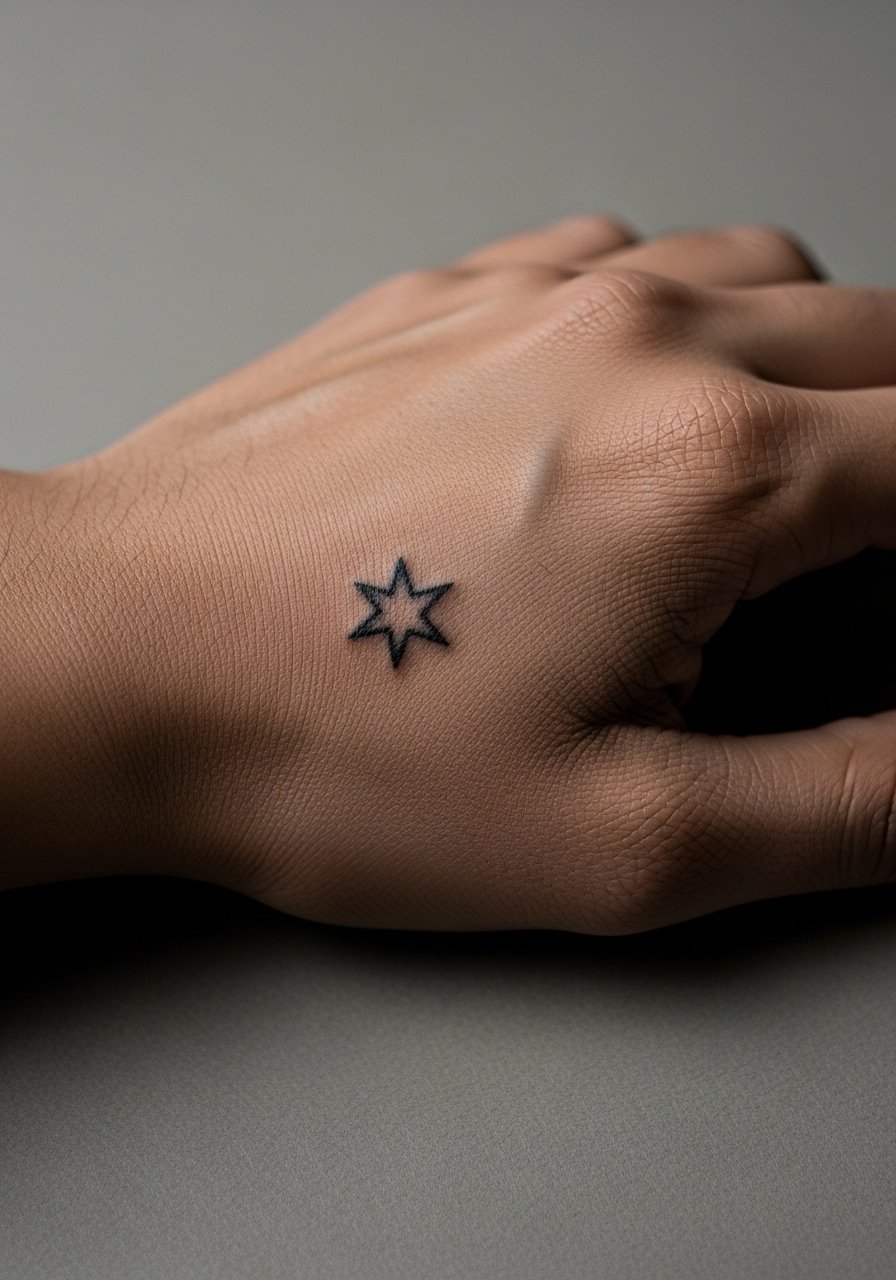
Hand tattoos still spark debate about longevity and professional perception. One camp accepts hand ink as personal and expressive even with faster fade. The other camp warns the hands age and are exposed, so details disappear faster and jobs may still factor in placement. If you go for a hand piece, ask for bold simple shapes rather than micro detail. Touch-ups will be part of ownership. Think about how often you wash or scrub your hands and plan accordingly.
Frequently Asked Questions
Q: Will a fine line inner forearm tattoo blur faster than a bolder design?
A: In my experience fine line can blur sooner, especially with constant sun exposure. Ask the artist for slightly stronger line weight and spacing, and plan on sunscreen use. A small touch-up at two to three years is common for delicate pieces.
Q: Are ribcage dot-work tattoos worth the pain?
A: It depends on your tolerance. The ribs are painful but they offer a flat canvas for pieces that benefit from breathing room. Expect shorter sessions and a realistic touch-up plan. Ask the artist about spacing strategies if you want the stippling to last.
Q: How do I pick clothing for a sternum or upper chest session?
A: Wear a fitted sports bra or a wide-neck top that you can pull slightly to the side. That keeps coverage modest while giving the artist clean access. A fitted sports bra usually works best for comfort and modesty.
Q: Do watercolor tattoos need different aftercare than blackwork?
A: The initial care is the same, but watercolor pieces often use lighter saturation, so avoiding excess sun and friction matters more. Keep the area protected and follow your shop’s instructions. Expect color softening over years and plan touch-ups if you want vibrancy retained.
Q: Is a hand tattoo going to affect job prospects?
A: Some industries remain sensitive to hand tattoos and others are indifferent. I recommend checking company dress policies if this is a concern. If you are unsure, choose a placement that can be covered for interviews.
Q: How soon should I plan a touch-up for delicate script or dot work?
A: From what I have seen most people plan a touch-up at around year two or three for fine script and dot work, depending on sun exposure and skin type. Book a consult before year two if lines look soft.
