
Tiny tiny matching ink looks effortless on saved boards, but the reality is different. Costs often land higher than people expect, fine-line pieces can soften sooner than you hope, and wrist placements fade from constant washing. I pulled together small designs that balance sentiment with longevity, notes to give your artist, and what to wear on session day so the result still reads clean after a few seasons.
1. Two Overlapping Triangles on the Collarbone
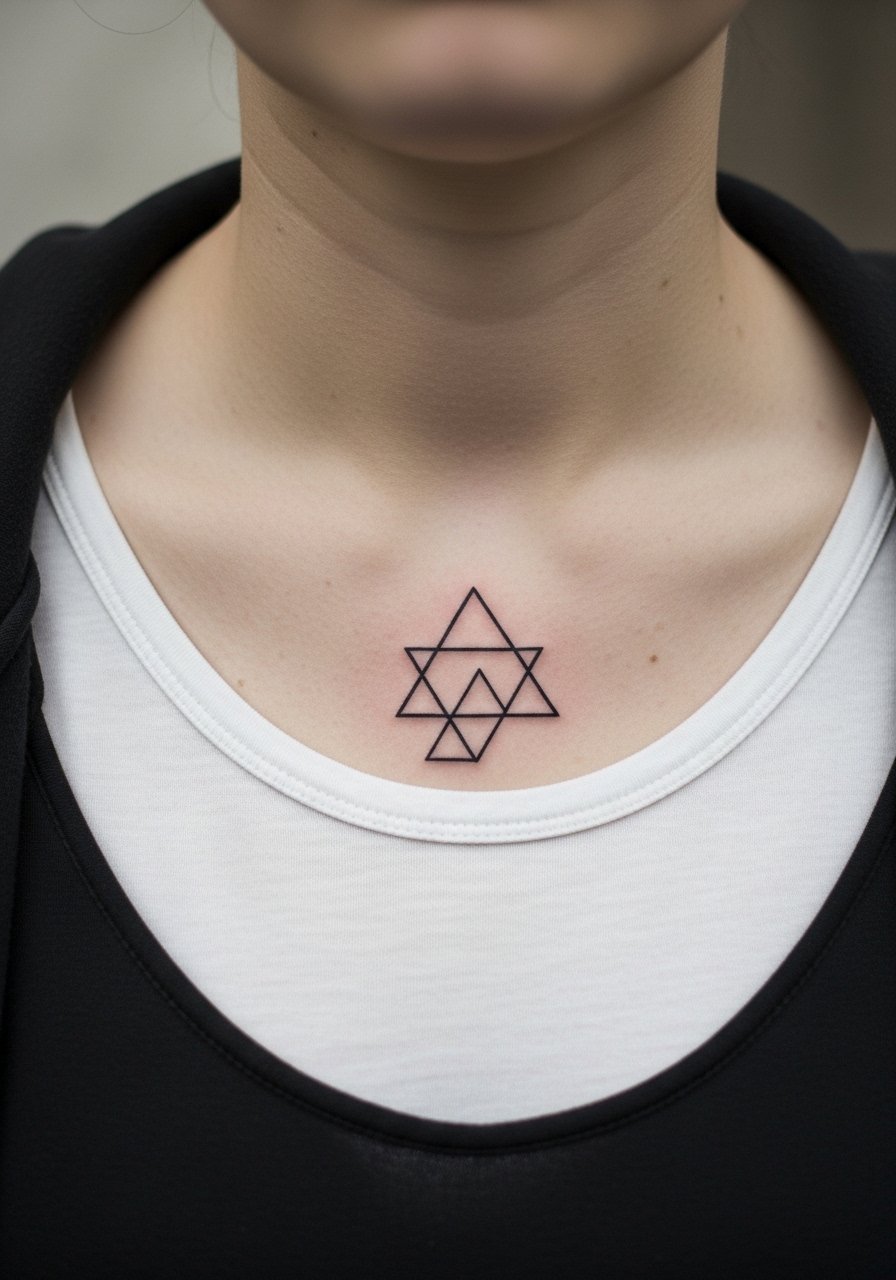
I recommend the overlapping triangles when you want geometry that reads clean on both a dad and a daughter without looking feminine. The collarbone shows off the geometry nicely but it is a spot that rubs on collars, so ask your artist for slightly heavier linework than the featherweight Pinterest mock. In consultation, say you want one triangle filled and one outline so the pair reads related but not identical. Expect a session under an hour and moderate pain near the bone. Common mistakes are going too small and packing lines too close. For showing it off, pair with an off shoulder blouse in cream, the neckline frames the triangles without covering them.
2. Tiny Heart on the Side of a Finger
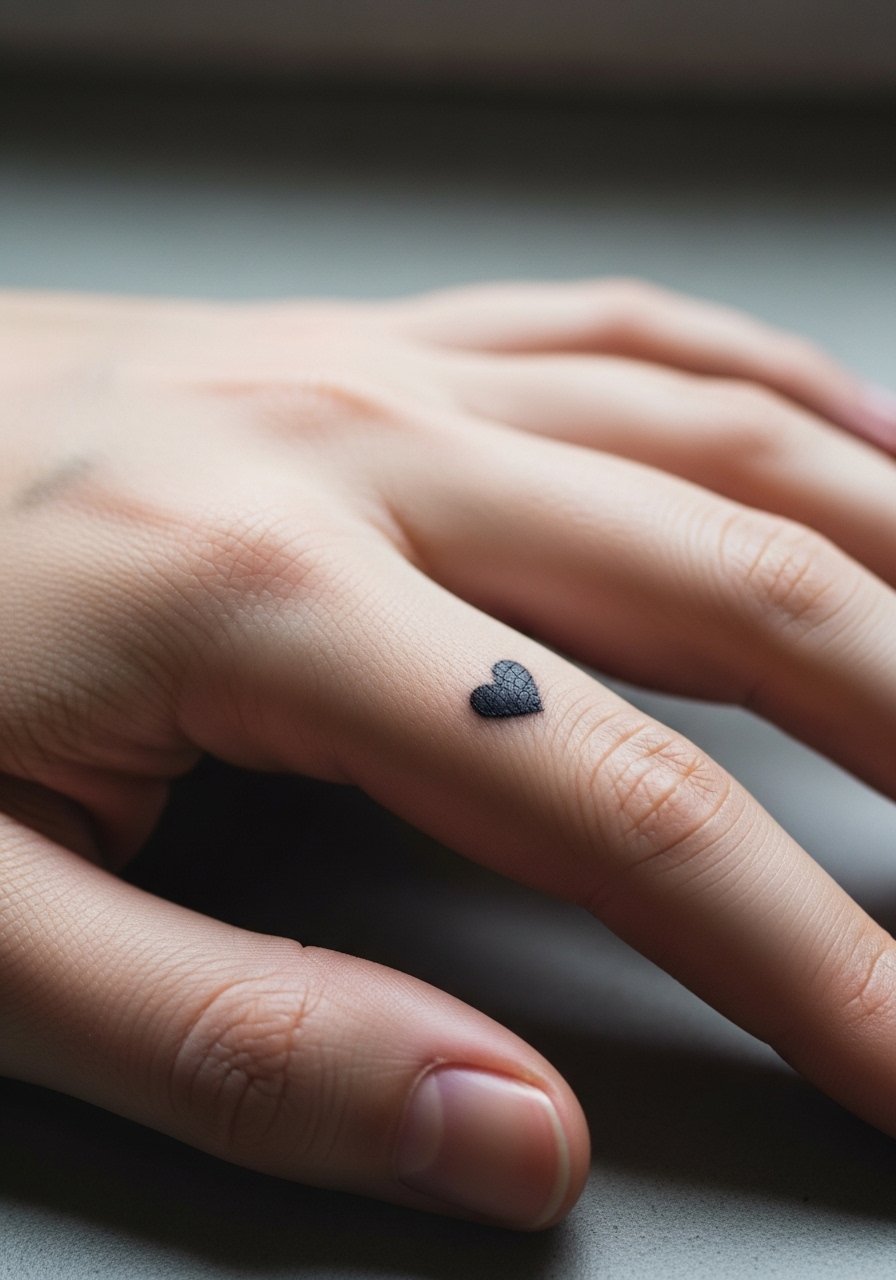
Finger tattoos are intimate and high friction, so think of a tiny heart as a deliberate compromise. The session is quick, often under 20 minutes, and pain is sharp because the skin is thin. I tell people to expect more touch-ups than for a forearm piece, especially for color fill. Ask the artist to simplify the shape to a solid silhouette rather than fine detail so it ages better. One common mistake is adding rings or tiny dots around the heart that age into a crowded patch. For wearing choices, keep hands simple and try a thin gold ring on a non-tattoo finger so the tiny heart remains the focal point.
3. Fine Line Sun and Moon on the Inner Wrist
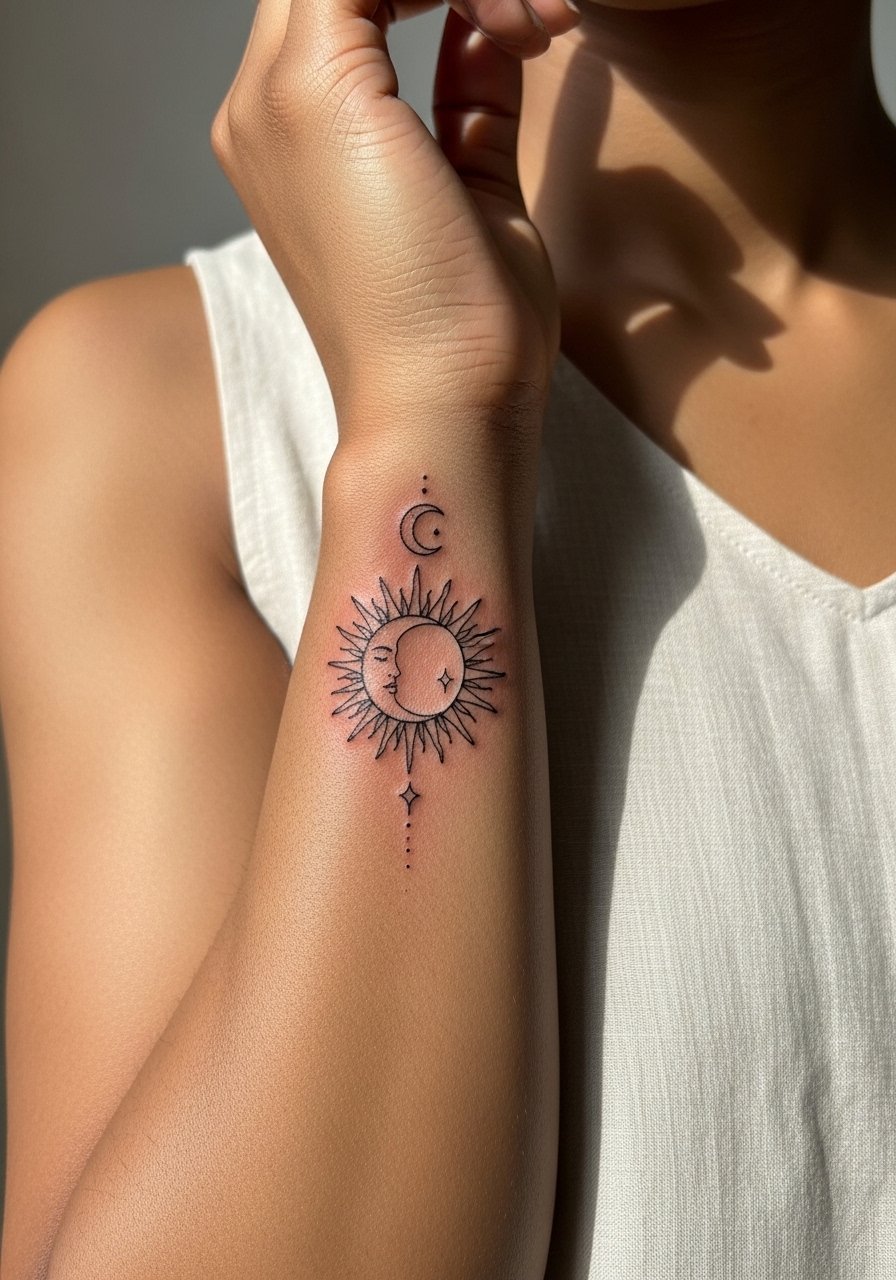
The inner wrist suits celestial pairs because it moves with the body and gets regular glimpses. The main worry is hand washing and friction speeding fade, so for this placement I advise slightly bolder linework and minimal dot shading. Tell your artist you want crisp linework with subtle gray wash under the sun rays, not a photo-real fill. Sessions run short and pain is mild to moderate. Expect a visible difference at six months versus two years, with lines softening at the edges unless you budget a touch-up at two to three years. Pair this with a rolled cuff chambray shirt and a thin silver chain bracelet on the opposite wrist to balance attention without covering the ink.
4. Moon Phases Chain on the Forearm

A moon phases chain reads nicely on the forearm because the length lets each phase breathe. I suggest a 2 to 3 centimeter overall scale so the crescents do not merge over time. In consult, specify consistent spacing and avoid micro stippling between phases. Pain is low on the fleshy forearm and sessions often finish in under an hour. Two camps disagree on whether ultra-fine phase lines hold up long term. One camp says fine line fades quickly and requires touch-ups. The other camp argues that with slightly increased line weight and correct depth, phases settle well. Ask where your chosen artist stands. For everyday wear, roll sleeves up on a rolled sleeve button down to show the chain when you want it seen.
5. Minimalistic Lion Outline on the Wrist and Shoulder
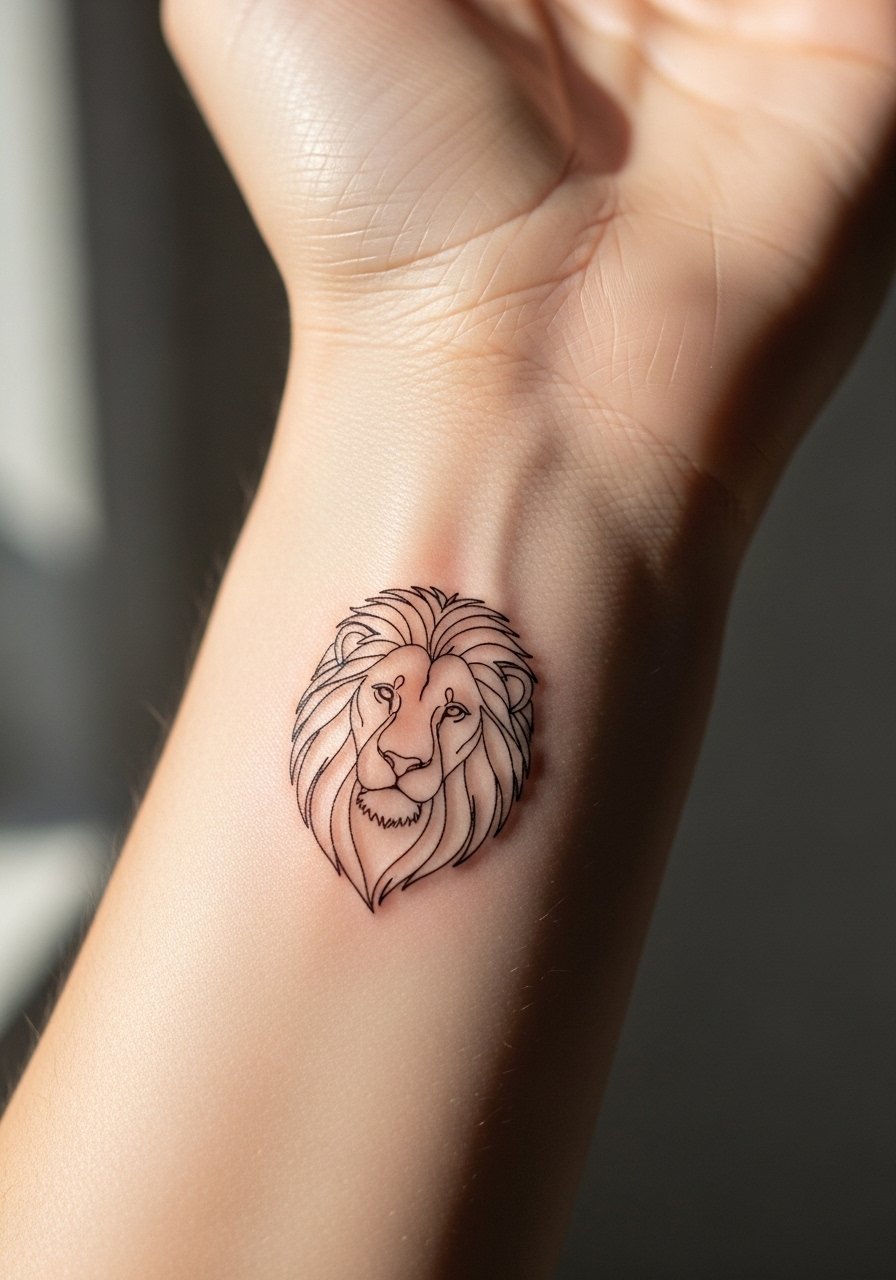
A minimalist lion outline is great when a dad wants a protective motif without heavy shading. On the wrist it reads as a badge. On the shoulder it scales up and gains presence. The wrist version calls for bolder contour than a delicate sketch to avoid blowout and early softening. Tell the artist you want a single continuous outline and a slightly thicker starting stroke. Sessions are short on the wrist and mid-length on the shoulder. Common mistakes include over-detailing the mane in a tiny space. For a masculine-friendly presentation on days out, wear a leather cuff bracelet on the opposite arm so the lion still reads strong without added ornament.
6. Baby Sea Turtles on the Ankle
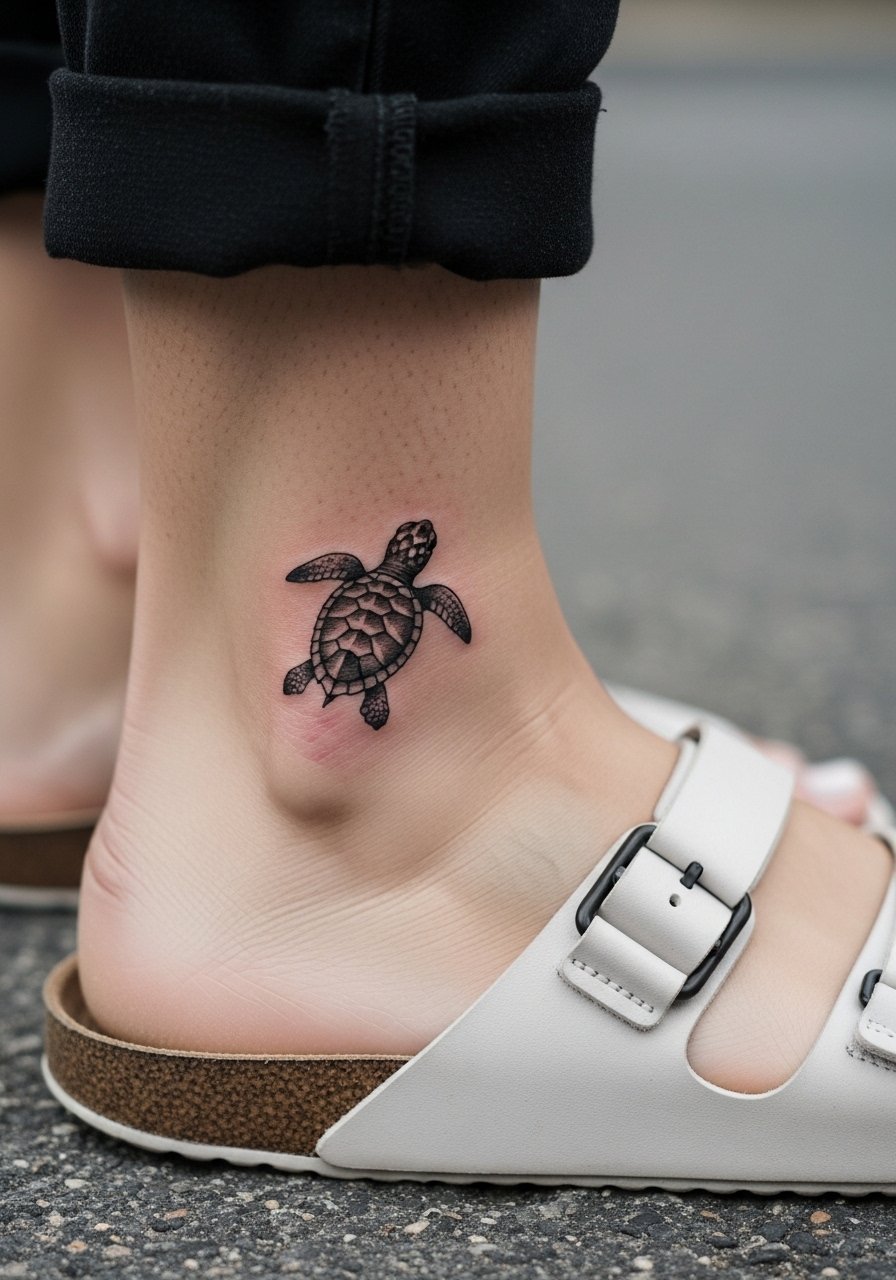
Sea turtles work beyond beach families because they suggest resilience and quiet persistence. The ankle gets rubbing from socks and shoes so the silhouette approach keeps the design readable over time. For a matching dad-daughter set, one can be slightly larger and more detailed while the other remains a silhouette. The session is brief and pain is moderate because of the bony area. A frequent mistake is trying too much micro shading at under 2 centimeters. For summer show-off, cuff slim ankle pants with minimalist flat sandals to keep the turtles visible.
Studio Day Picks
The wrist and ankle pieces above need different prep than shoulder work, and a few small items smooth the session and the first week.
- Stencil transfer paper kit. Lets you preview placement on the collarbone and forearm so your triangles and moons sit where you expect.
- Topical numbing cream. Applied about forty five minutes before takes the edge off ankle and wrist sensitivity without affecting linework.
- Thin protective film roll. Keeps finger and wrist tattoos cleaner during the first week of frequent hand washing.
- Fragrance-free gentle body wash. Cleanses healing tattoos without irritating the delicate linework that fine-line sun and moon pieces depend on.
- Aquaphor Healing Ointment. A thin layer in the first days locks in moisture for tiny work without clogging the channels.
7. Matching Tiny Symbols, Inverse Fill on Fingers or Collarbone
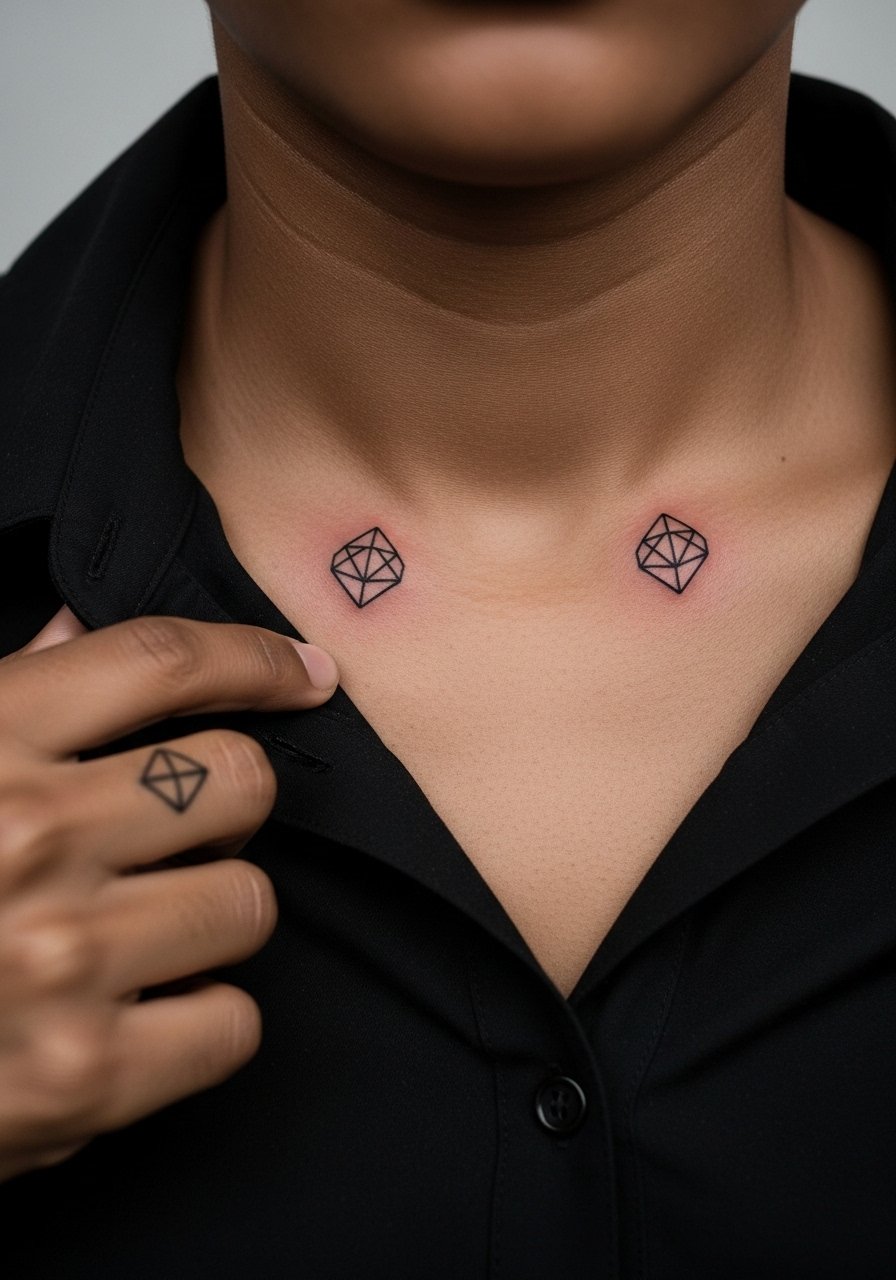
Inverse symbols let father and daughter have a visual relationship without being identical. For fingers, choose solid fills on one and outlines on the other to manage longevity. For collarbone placement, inverted fill reads like a deliberate design choice. Tell your artist you want consistent negative space and that the filled versions use saturated black, not patchy gray. The common error is making the symbols too small to hold solid fills. Finger versions need touch-ups sooner. For styling, treat the collarbone mark like jewelry and wear a delicate chain necklace that sits just below the ink.
8. Line Drawing Lion Pair on the Forearm
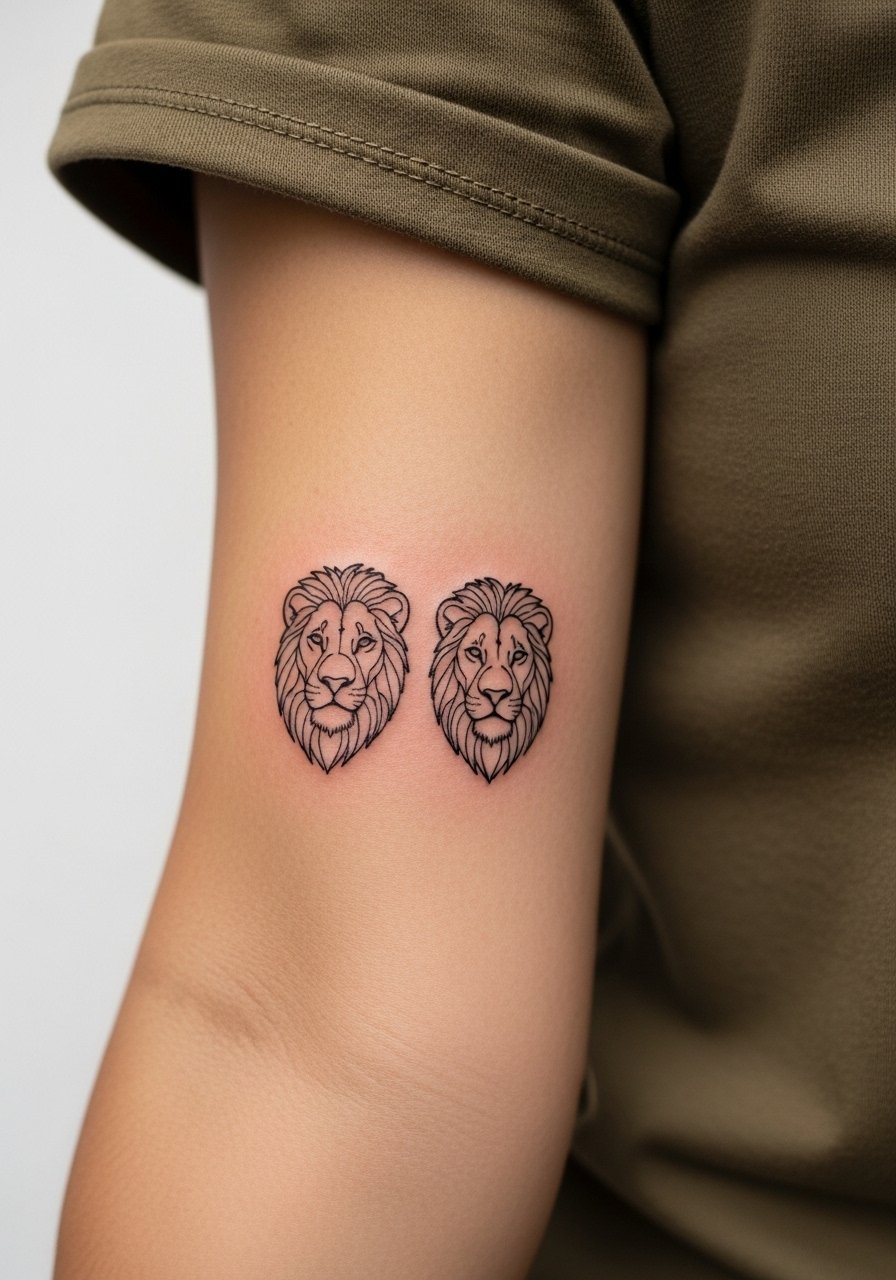
If you want a family duo that signals protection without heavy realism, a paired line drawing lion is a smart choice. On the forearm there is room to keep the contours clean. Ask for clear negative space between mane strokes so the linework does not merge over time. The session runs about forty five minutes for both pieces. A mistake I see is asking for micro-detail within a tiny space. For casual days, roll a button-down sleeve and add a leather cuff bracelet on the opposite arm to frame the pair.
9. Crescent Moon Behind the Ear
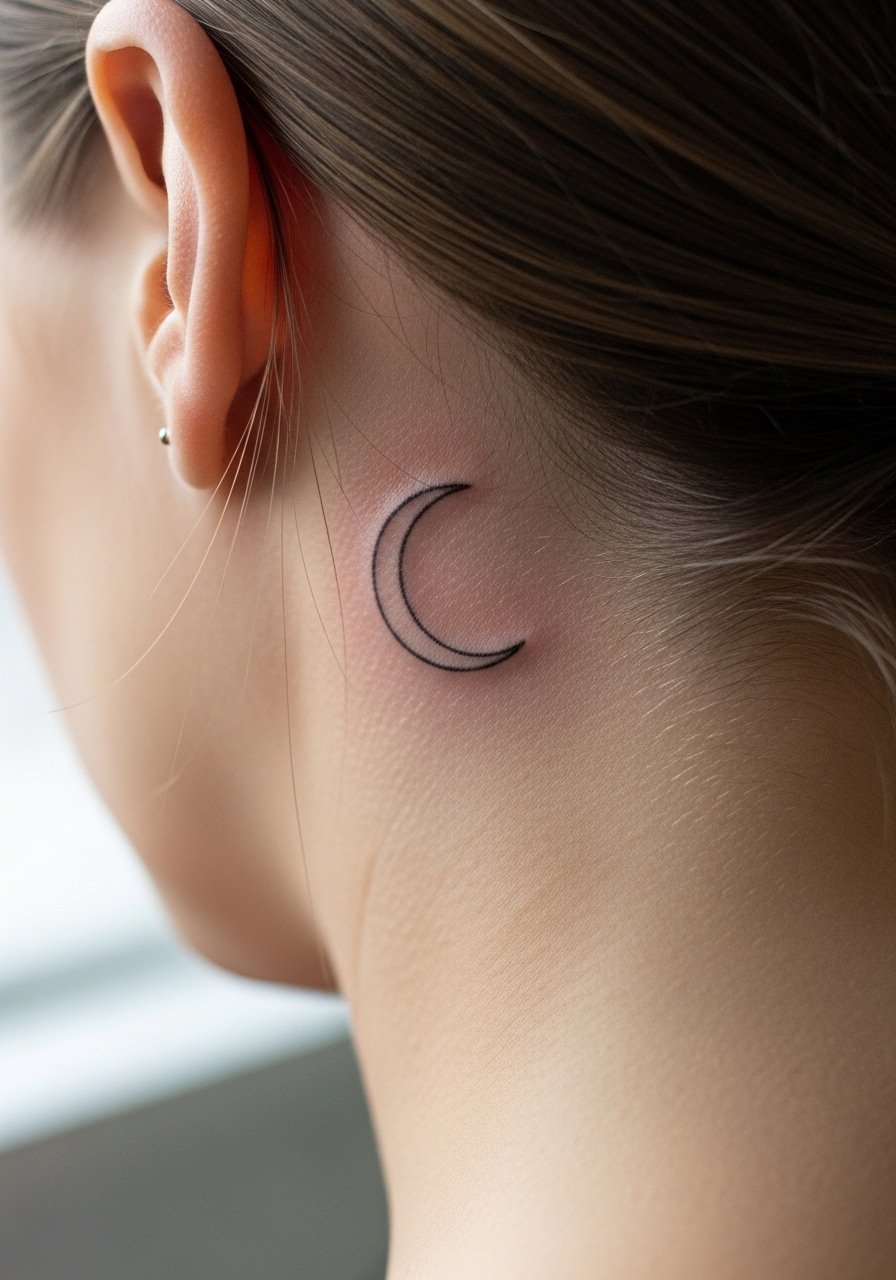
Behind-the-ear placements are discreet and sentimental, and the crescent moon suits that subtlety. Because this area is small, ask for a clean single-line crescent with minimal inner detail. The artist will need hair tied up during the session. The pain is low to moderate. A common mistake is requesting dense shading there, which ages poorly and obscures the shape. For styling, keep hair in a side part or updo and accessorize with dainty stud earrings so the moon has space to show.
10. Tiny Constellation on the Ankle

Constellations read as private and specific when kept small. For ankles, I suggest slightly thicker pinpoints rather than micro dots so the pattern remains readable after seasonal wear. During consult, bring the exact star layout and specify which stars should be emphasized. The session is brief and pain is moderate. People sometimes overcomplicate the chain with too many connecting lines that blur later. For summer looks, cuff jeans and slide on minimalist flat sandals to let the constellation peek out.
11. Custom Handwriting Word on the Inner Bicep
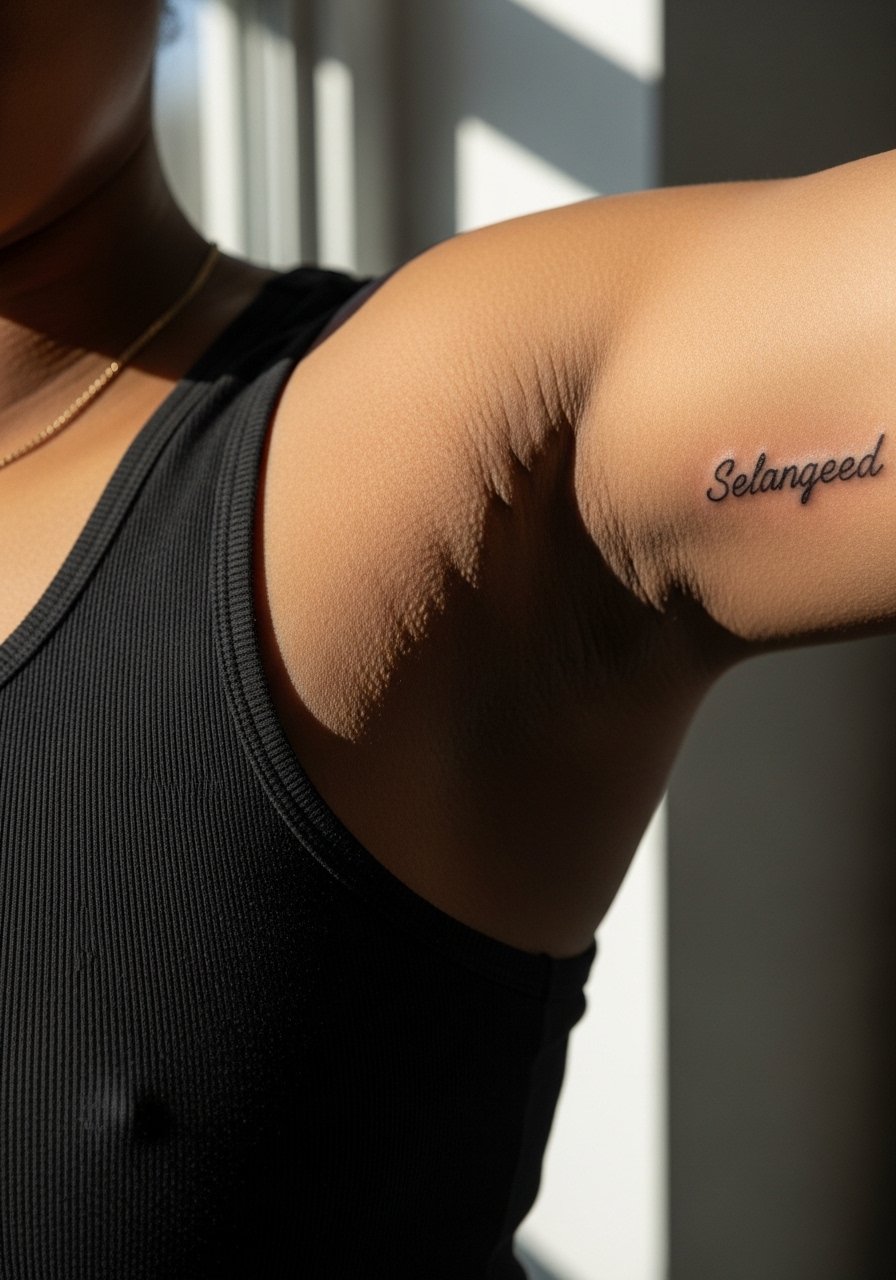
Handwriting tattoos win on authenticity because they replicate a real hand. On the inner bicep the skin is softer and heals well. I always recommend scanning the original note at high resolution, bring the file to the consult, and ask the artist to size the script so letters are comfortable at 3 to 4 centimeters across. A common mistake is asking for ultra-small script under three centimeters, which can blur. Session time is quick and pain is moderate. For the appointment wear a sleeveless muscle tank so the artist has unobstructed access.
12. Sea Turtle Silhouette on the Wrist
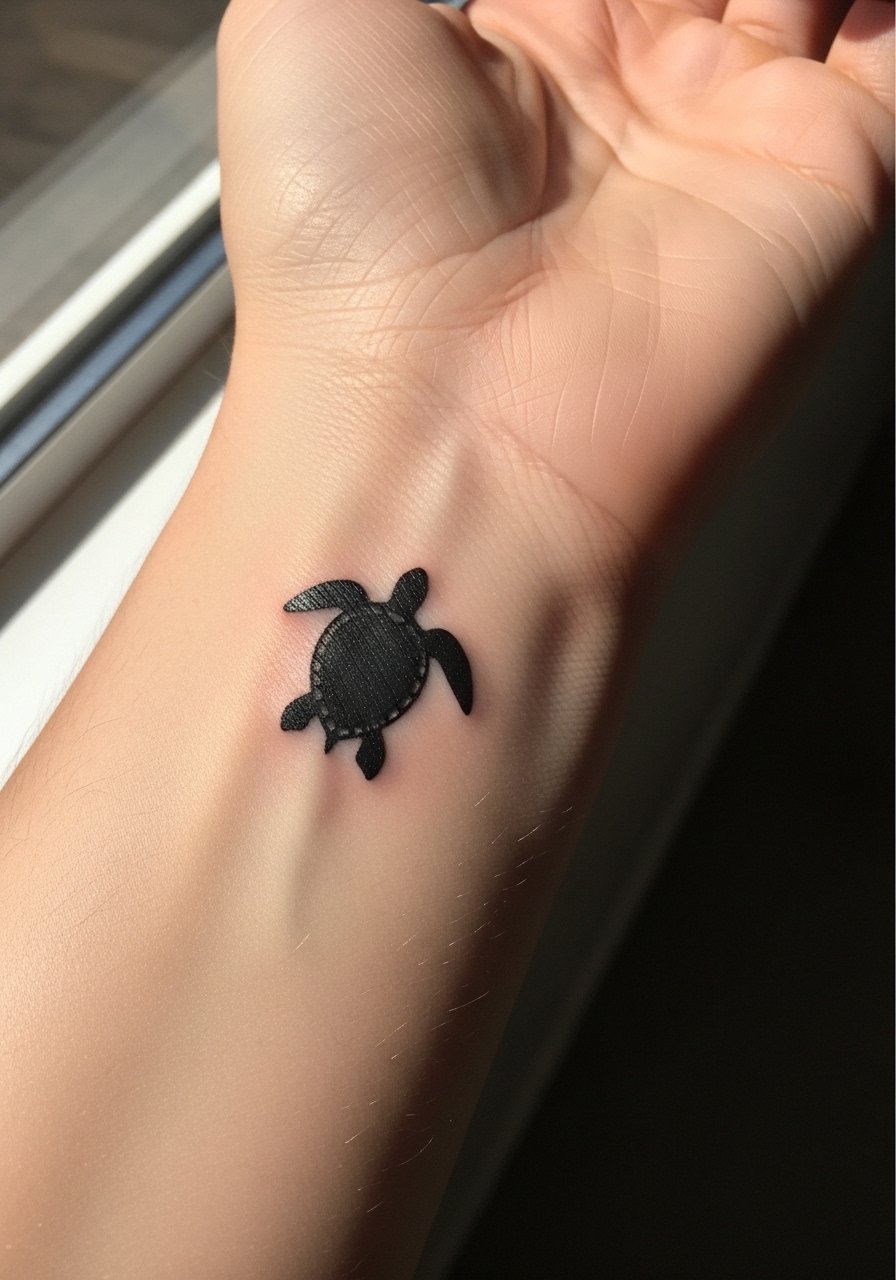
A silhouette on the wrist offers a compact statement without delicate shading that fades. The wrist takes frequent washing, so solid black silhouettes keep edges readable longer than thin stippling. Tell the artist you want a one-color silhouette with clean edges and do not add interior texture. Sessions are short and pain is mild to moderate. The main mistake is crowding the turtle with other tiny icons on the same wrist. For showing the silhouette, layer a thin silver chain bracelet on the opposite wrist to balance the look.
13. Minimalistic Mountain Range on the Collarbone
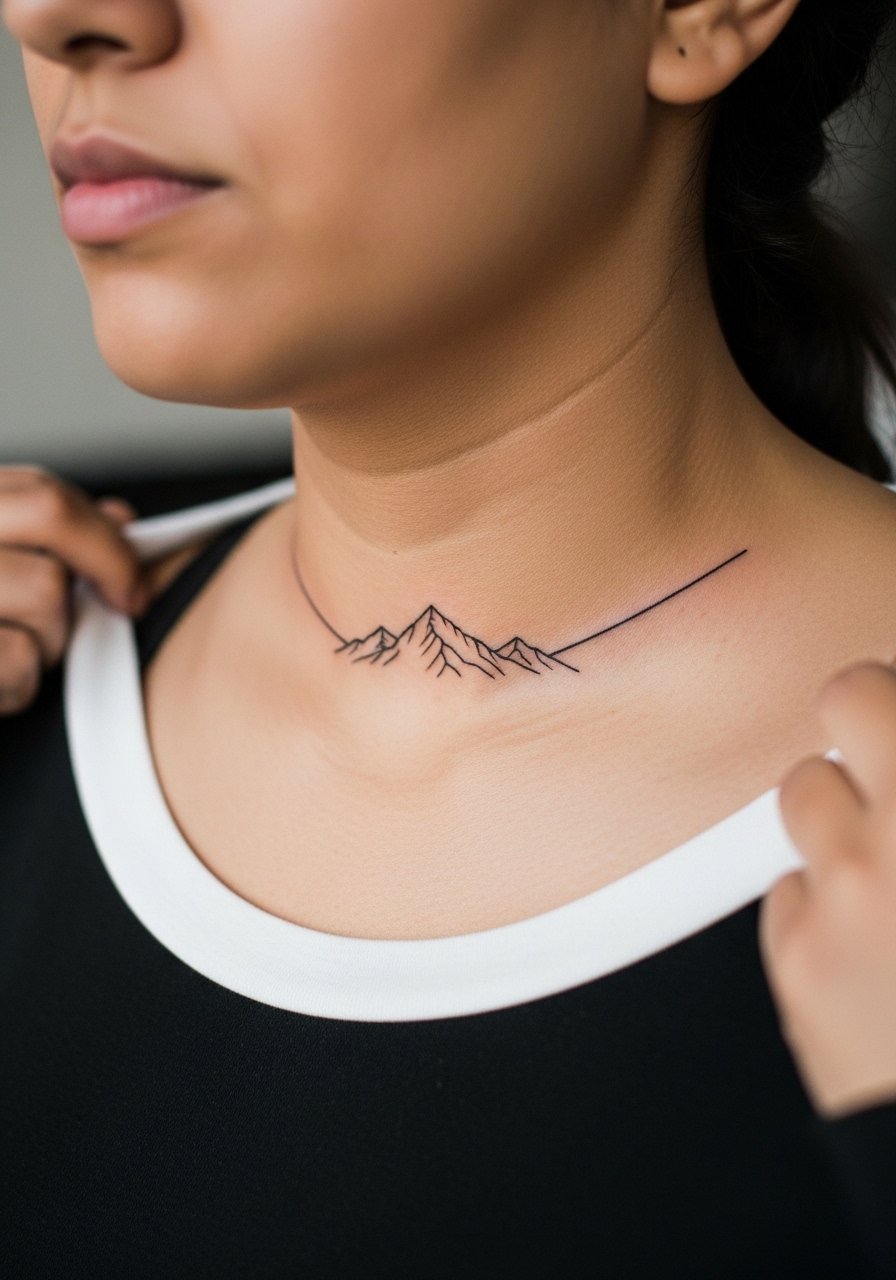
A low-contrast mountain range along the collarbone reads modern and neutral for a dad-daughter pair. Keep the peaks spaced and avoid tiny chevrons that merge. In consult, specify steady single-stroke linework and a scale that spans at least 3 centimeters to avoid early merging. The collarbone is a touch more painful and sessions are short. People often ask for extra filler that crowds the design. For outfits, an off shoulder blouse in a neutral tone frames the line without competing.
14. Tiny Arrow on the Inner Forearm

Arrows are compact and symbolic without being sentimental. On the inner forearm they last well because the skin is stable. I recommend a medium line weight and a single directional point rather than feathered detail at micro scale. Bring reference photos showing your preferred line weight to the consult. The session is quick and pain is low. A common mistake is requesting tiny feathering that looks busy later. For casual wear, roll a sleeve or wear a rolled sleeve button down to show the arrow cleanly.
15. Crescent Moon and Sun Rays Behind the Ear or Wrist
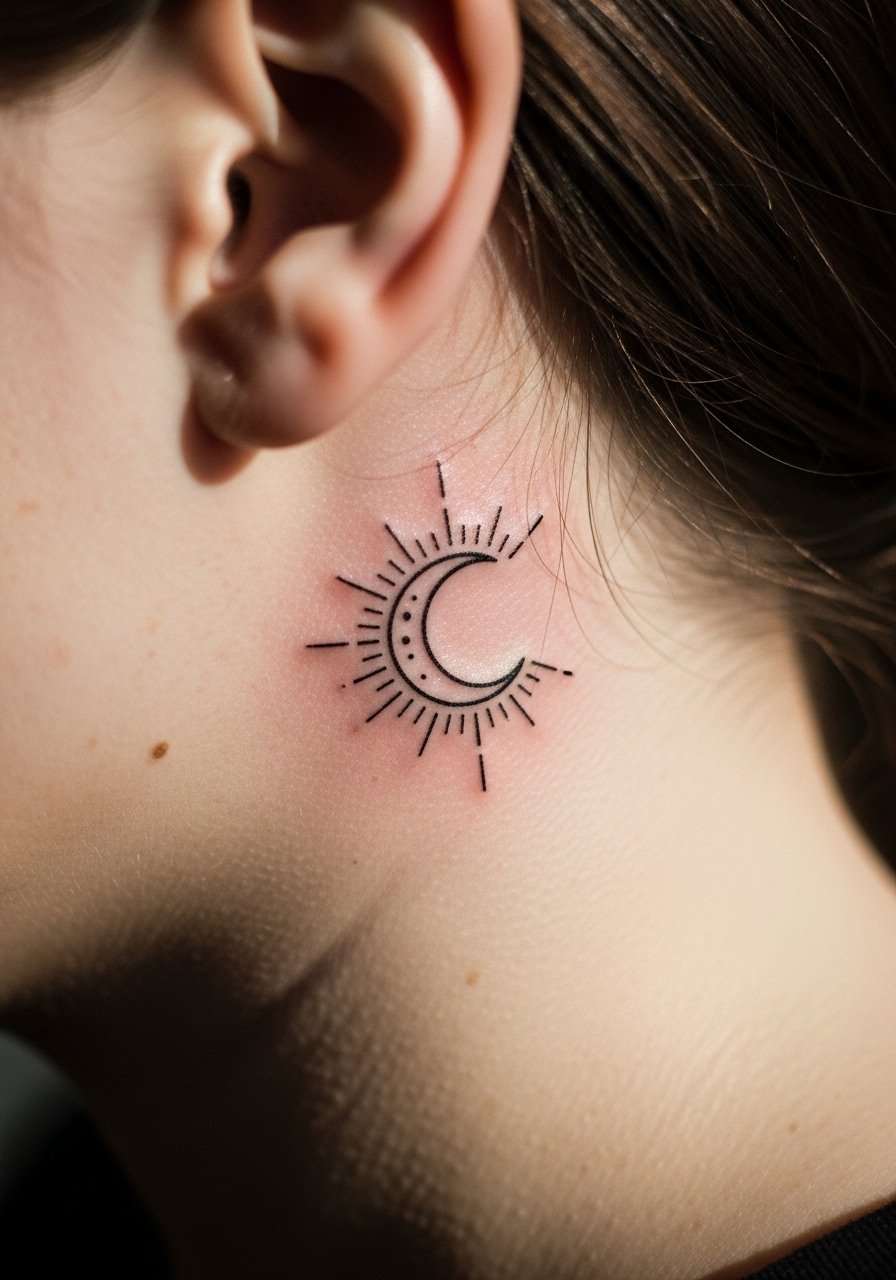
A combined sun and moon motif can be split between a dad and a daughter or mirrored on the same person. Behind the ear it is discreet, on the wrist it reads as a small emblem. For behind-the-ear work be explicit that you want fine single-line rays only. For the wrist pick slightly thicker rays so they do not feather with washing. The controversy about fine line versus bold holds here. One camp favors ultra-fine rays for a delicate look. The other camp recommends modestly thicker rays to protect longevity. Ask your artist which approach they use. Keep hair up and consider a dainty stud earring to frame the ear piece.
16. Small Nautical Compass on the Ankle
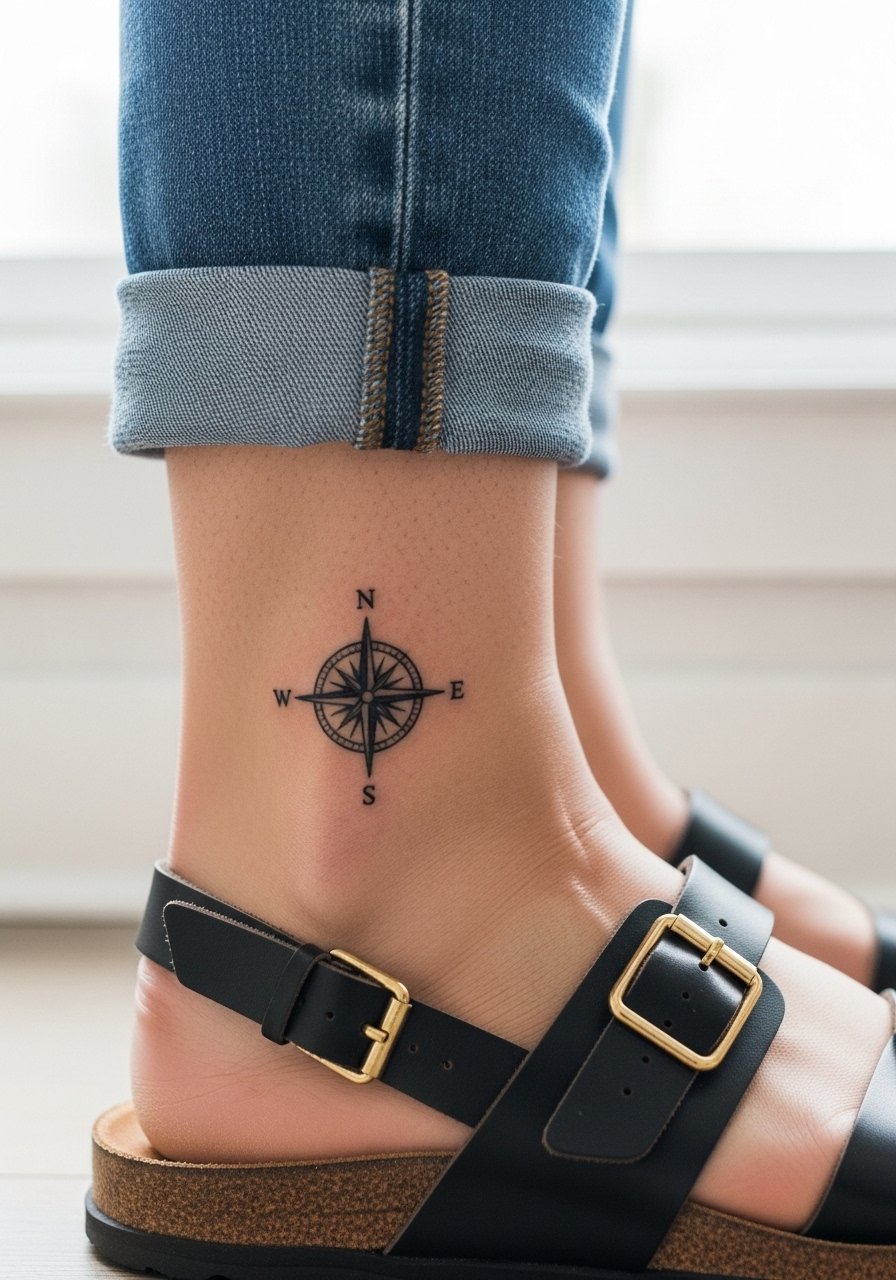
A tiny compass suggests guidance without being literal or ornate. Ankle placement needs a compact, bold outline so the cardinal points do not blur with footwear friction. During consult, specify the number of points you want and avoid tiny internal numbers. Sessions are short and pain is moderate near bone. The common error is over-detailing decorative flourishes that do not hold in small scales. For show-off styling, cuff pants and wear minimalist flat sandals to keep the compass visible.
17. Tiny Scripted Date on the Inner Wrist
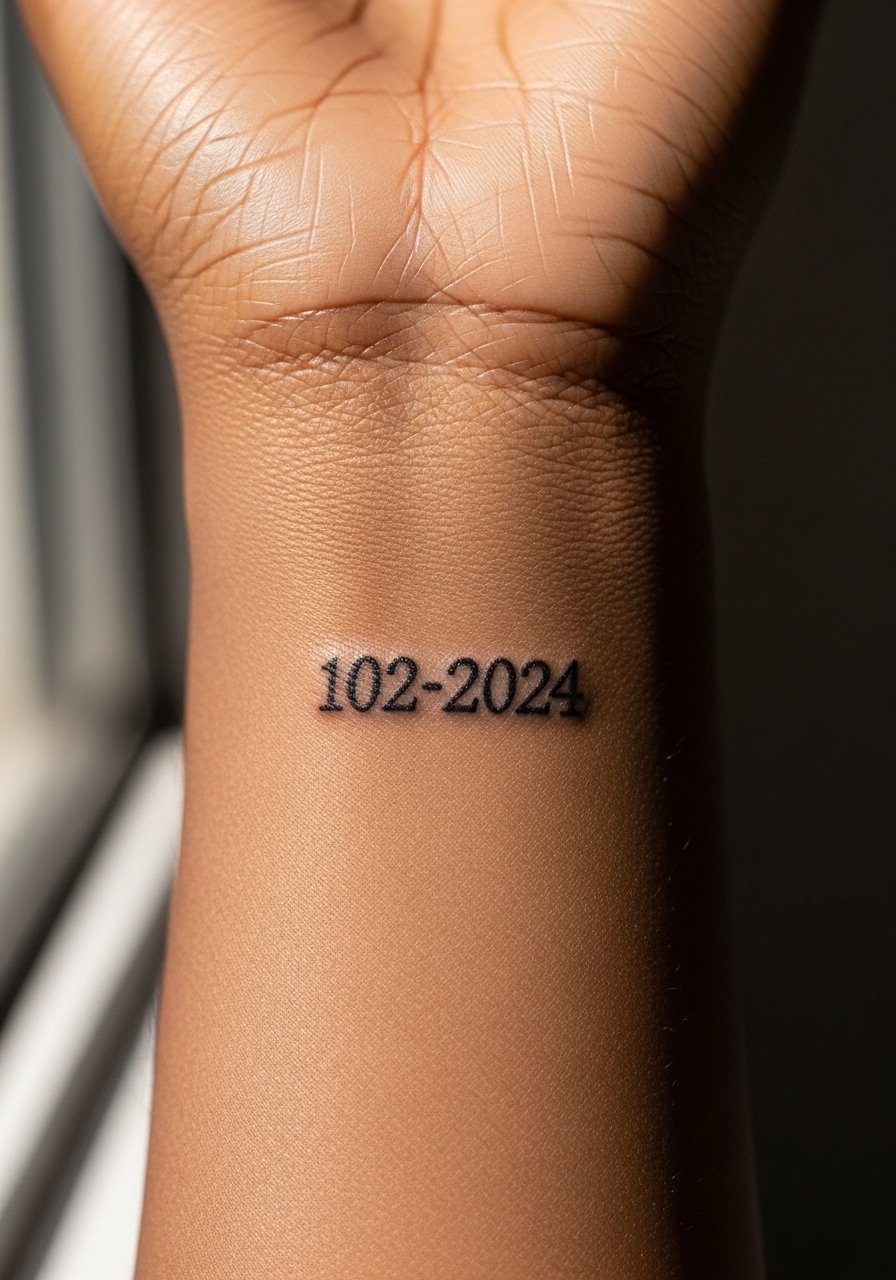
Dates in clean type make for quiet markers of significant moments. On the inner wrist, keep numerals at a legible size and pick a font that prints well in small scale. Ask your artist to stencil at life size so you can check readability before ink. Sessions are quick and pain is mild. Small type that is too cramped is the usual regret. To display the date subtly, wear a thin chain pendant necklace that draws the eye without covering the wrist.
18. Tiny Botanical Sprig on the Inner Ankle
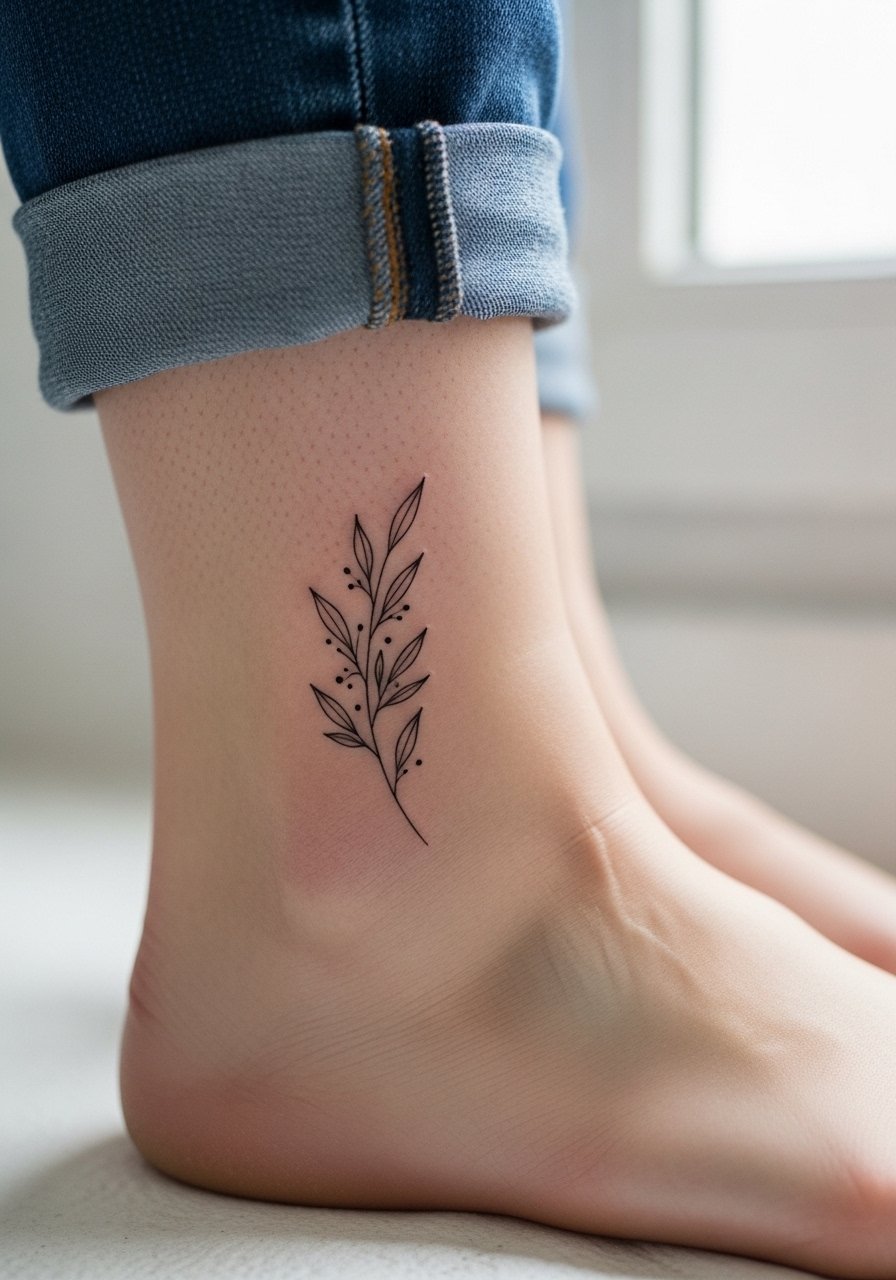
A sprig offers organic lines that scale well for a daughter-dad pairing when one keeps it larger than the other. The inner ankle tolerates slender linework, but the leaves should still be slightly spaced to age cleanly. Tell the artist you want less dot shading and more contour. The session is short and pain moderate. People sometimes ask for excessive leaf detail that becomes muddled. For summer outfits, cuff ankles and slide into minimalist flat sandals to let the sprig peek out.
19. Micro-Realism Paw Print on the Shoulder
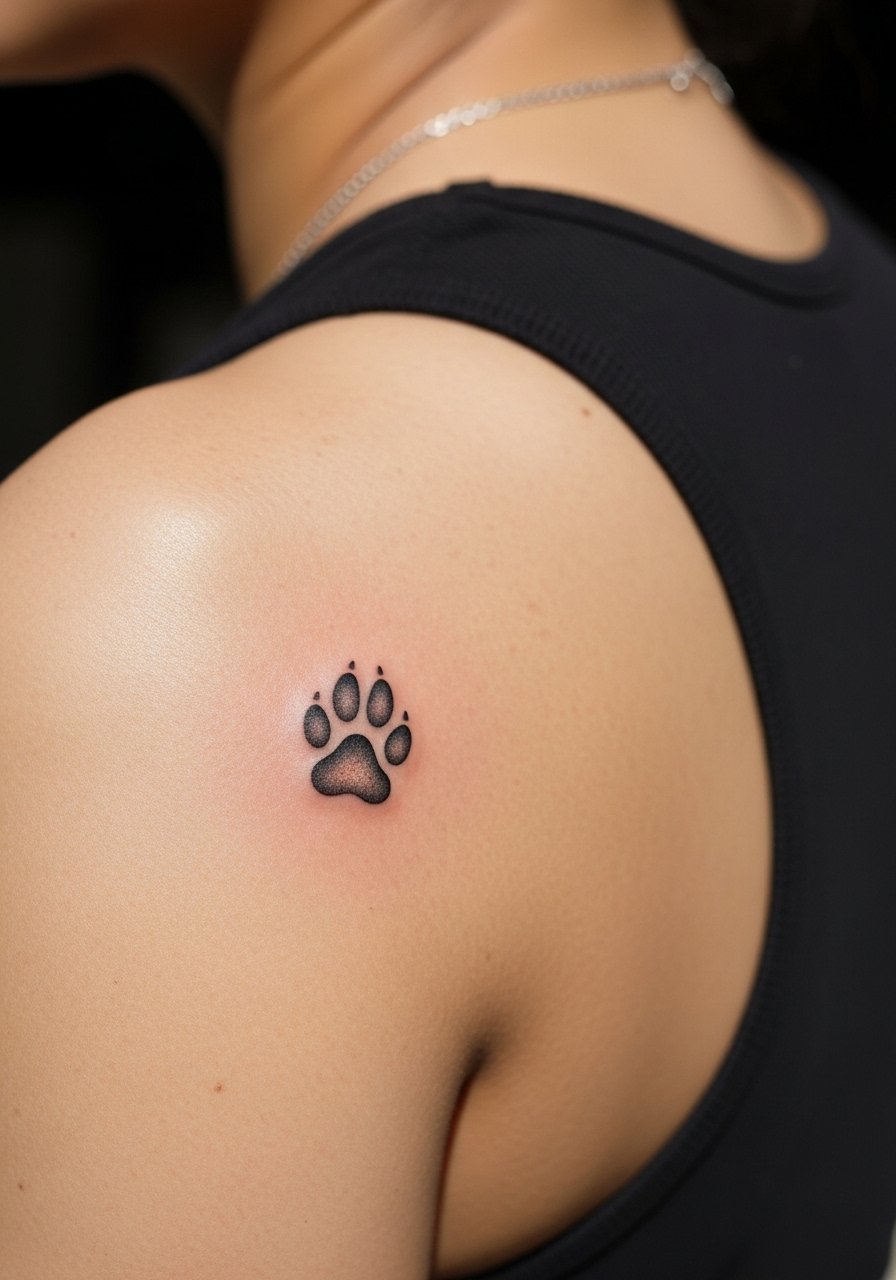
A tiny paw print on the shoulder reads intimate and portable. Shoulders allow for slightly more micro shading than wrists, but keep the print small enough to stay symbolic. Ask the artist for subtle gray wash and clear edges. Sessions are quick and pain is low to moderate. The usual mistake is cramming too much texture into a sub-2 centimeter print. For session day, wear a sleeveless tank so the artist has full access.
20. Minimal Compass Coordinates on the Collarbone
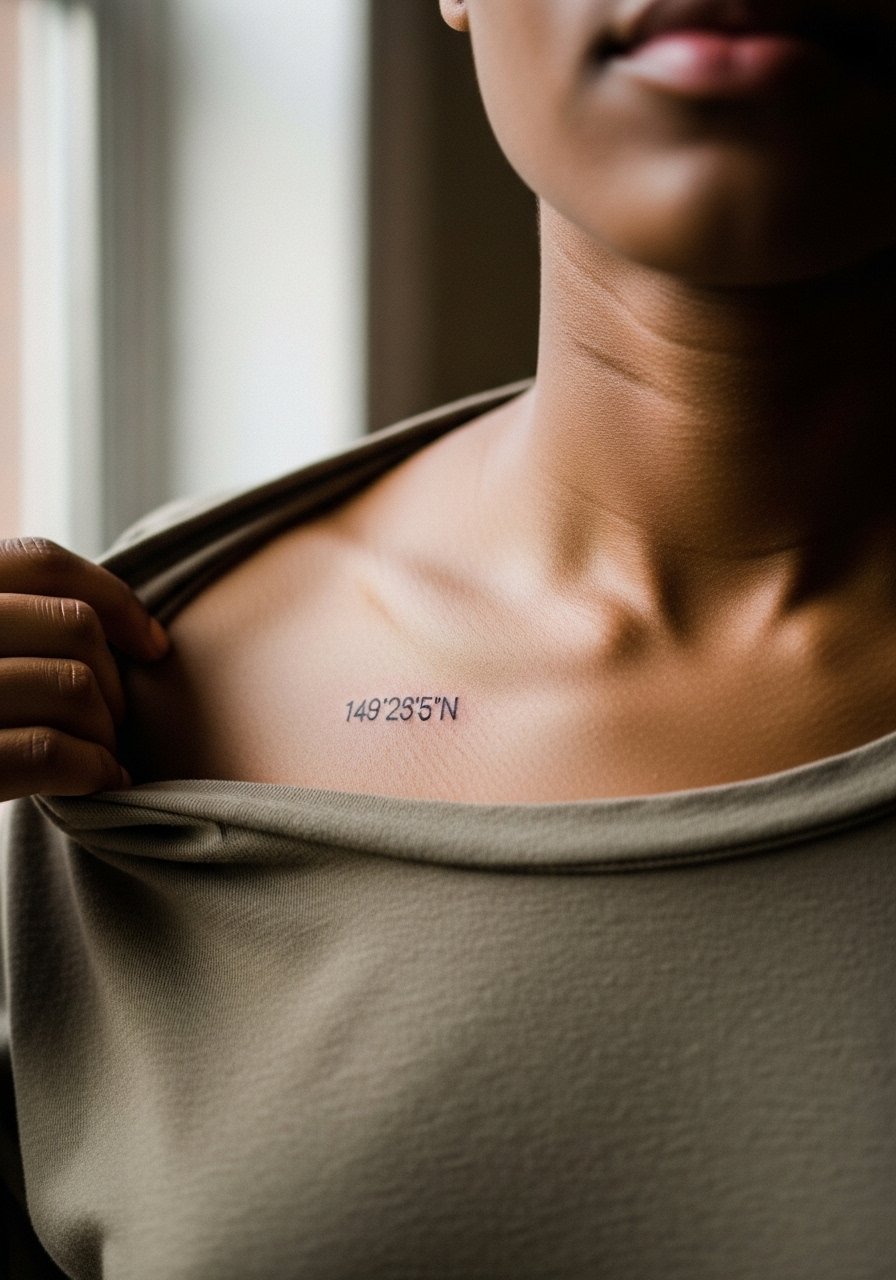
Coordinates anchor a memory without words. On the collarbone use compact numerals spaced so each digit is clear. The artist should transfer an exact stencil of the numbers for approval. Sessions are short and pain is moderate near bone. People sometimes choose fonts that look good large but fail at micro scale. When showing off coordinates, wear a delicate chain necklace that sits just above the digits.
21. Handwriting Phrase on the Shoulder Blade
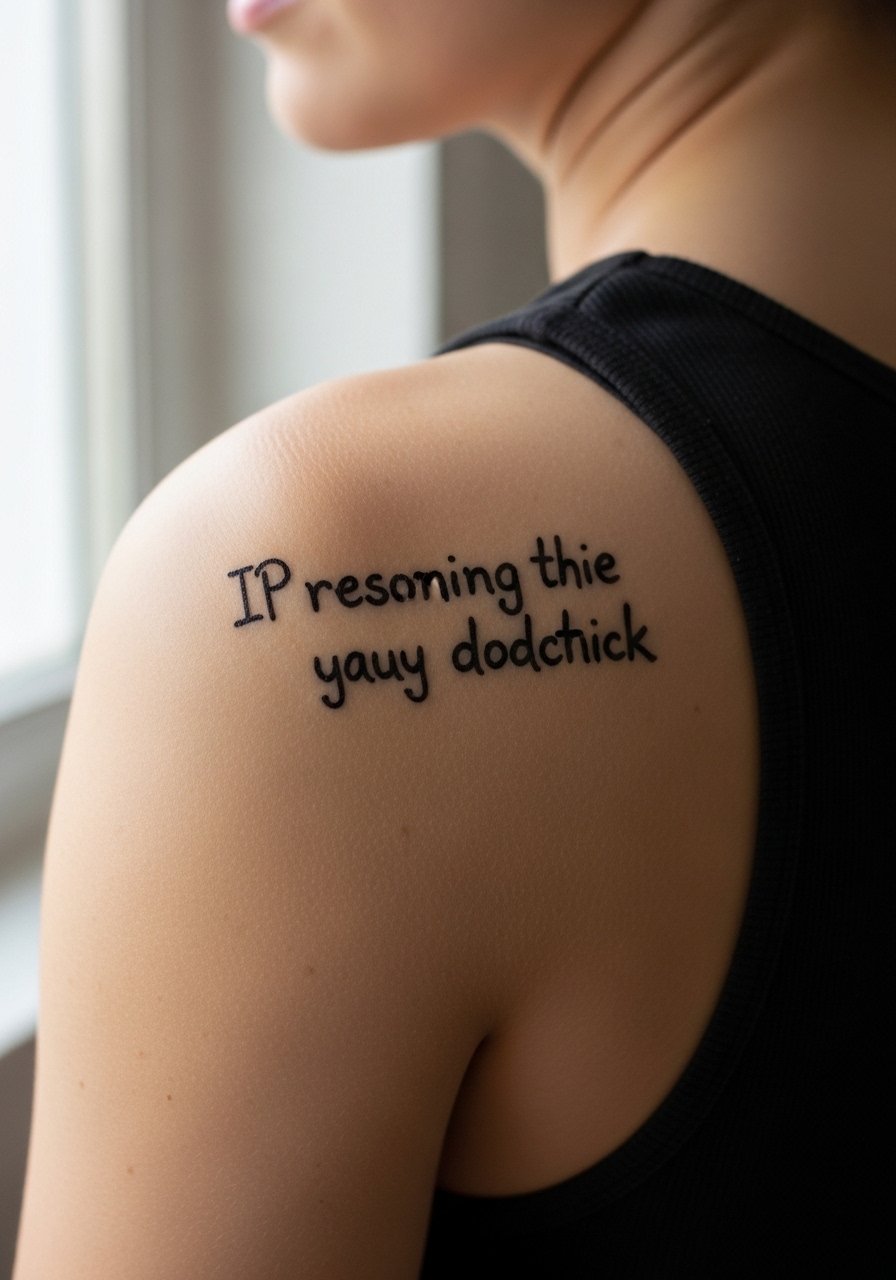
A shoulder blade handwriting piece lets a daughter carry a line of family script with privacy and presence. This area heals nicely and tolerates script at 3 to 4 centimeters. Bring the original scanned handwriting and ask the artist to preserve spacing while scaling. Sessions can be mid-length and pain is moderate. Avoid shrinking script too much. For the session wear a sleeveless muscle tank or a button-up you can pull aside so the artist gets clean access.
Frequently Asked Questions
Q: How much do small dad and daughter tattoos usually cost?
A: Expect small pieces to range roughly from $40 to $250 depending on your city, the studio minimum, and complexity. Finger and wrist jobs sit at the lower end when simple, and custom handwriting or micro-realism can land toward the top of that range. If budget matters, ask about walk-in flash options to cap cost under a set amount.
Q: Will fine-line sun, moon, and phase tattoos blur quickly?
A: Fine line looks great fresh but can soften sooner than bold work, especially on high-motion areas. One group of artists recommends ultra-fine approaches and schedules touch-ups at two years. The other group prefers slightly heavier line weight from the start to protect longevity. Ask your artist which approach they use and factor a touch-up into long-term plans.
Q: Which placements fade fastest and which hold up best for tiny designs?
A: High-friction zones like fingers, hands, and the wrist tend to fade fastest because of washing and rubbing. Stable skin such as the inner forearm, shoulder blade, and upper arm holds tiny designs longer. That is why some of the ideas above prefer bolder silhouettes or slightly increased line weight for wrists and fingers.
Q: How should I prepare clothing-wise for a session on the collarbone, wrist, or ankle?
A: For collarbone work wear a wide-neck shirt you can pull aside. For wrist work wear a sleeveless top or a loose shirt you can roll. For ankle work wear shorts or pants that roll up easily. If you want options, pack a loose button-down shirt that gives access while staying comfortable during the session.
Q: If I want matching but not identical tattoos, what should I say in the consult?
A: Say you want complementary pieces, then give specific requests like inverse fill, scale difference, or one outline and one silhouette. Bring photos that show the exact scale and line weight you want. Also ask the artist about touch-up timing and how the design will age on your chosen placements. Trust your artist when they explain spacing, but ask for a healed piece in their portfolio to be reassured.
