
Fine line tiger tattoos look delicate at first glance and then insist you take them seriously. Tiny tiger work can read soft or fierce depending on line weight, spacing, and placement. Pick the wrong placement and the stripes merge. Pick the right one and the piece still reads crisp five years later. Below are 21 tiny tiger ideas that lean fierce without asking for a full sleeve, plus what to say in consultation and how to show it off.
1. Tiny Fine Line Tiger on the Inner Wrist
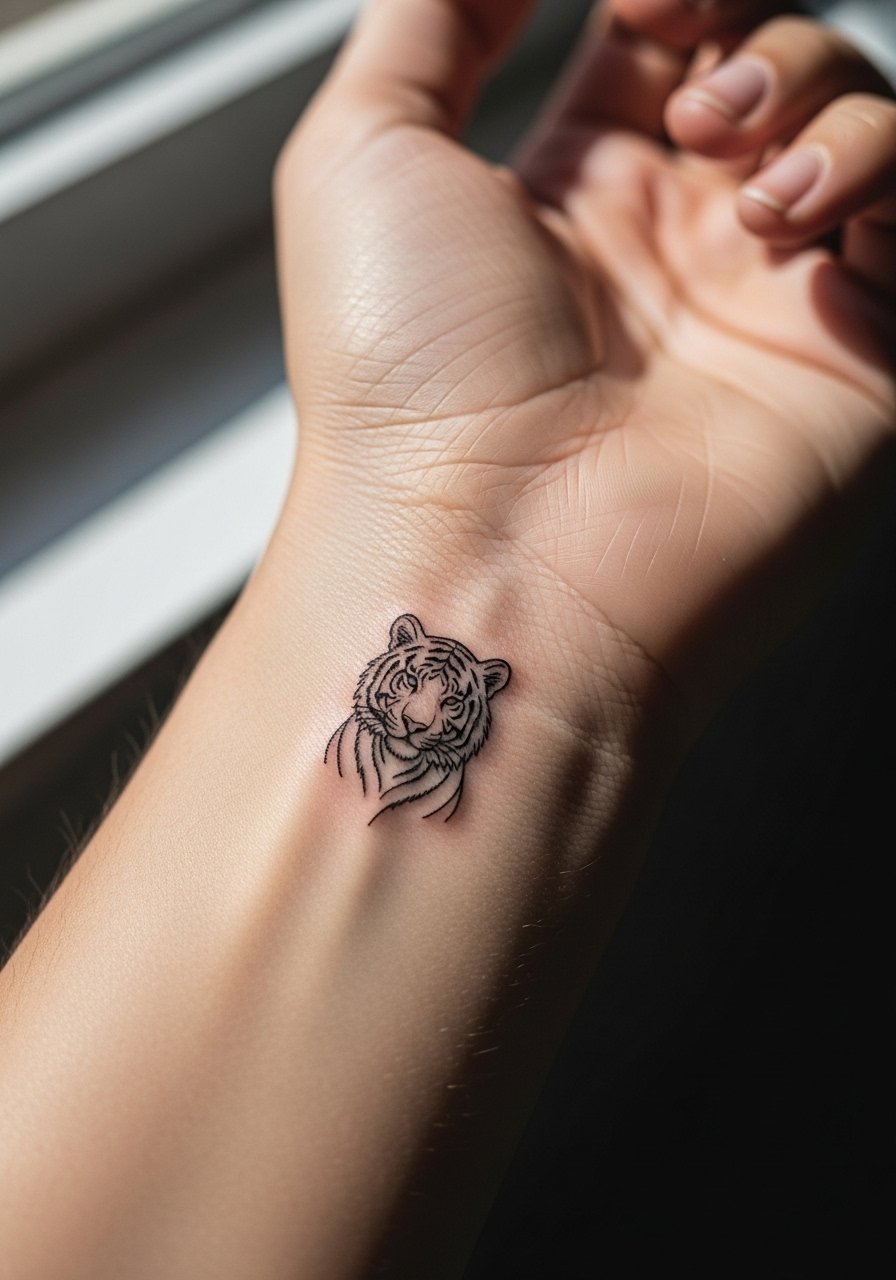
I have seen tiny wrist tigers age well when artists use slightly bolder linework than usual for fine line pieces. Tell your artist you want defined stripes with a little spacing between them so they do not blur together. Expect a quick 20 to 40 minute session and a low to medium pain level. A common mistake is asking for hair-thin stripes that look crisp on screen but bleed on wrists after a year. For show-off styling, a thin chain bracelet or a minimalist watch frames the tiger without overcrowding the wrist.
2. Micro-Realism Tiger Pup Behind the Ear
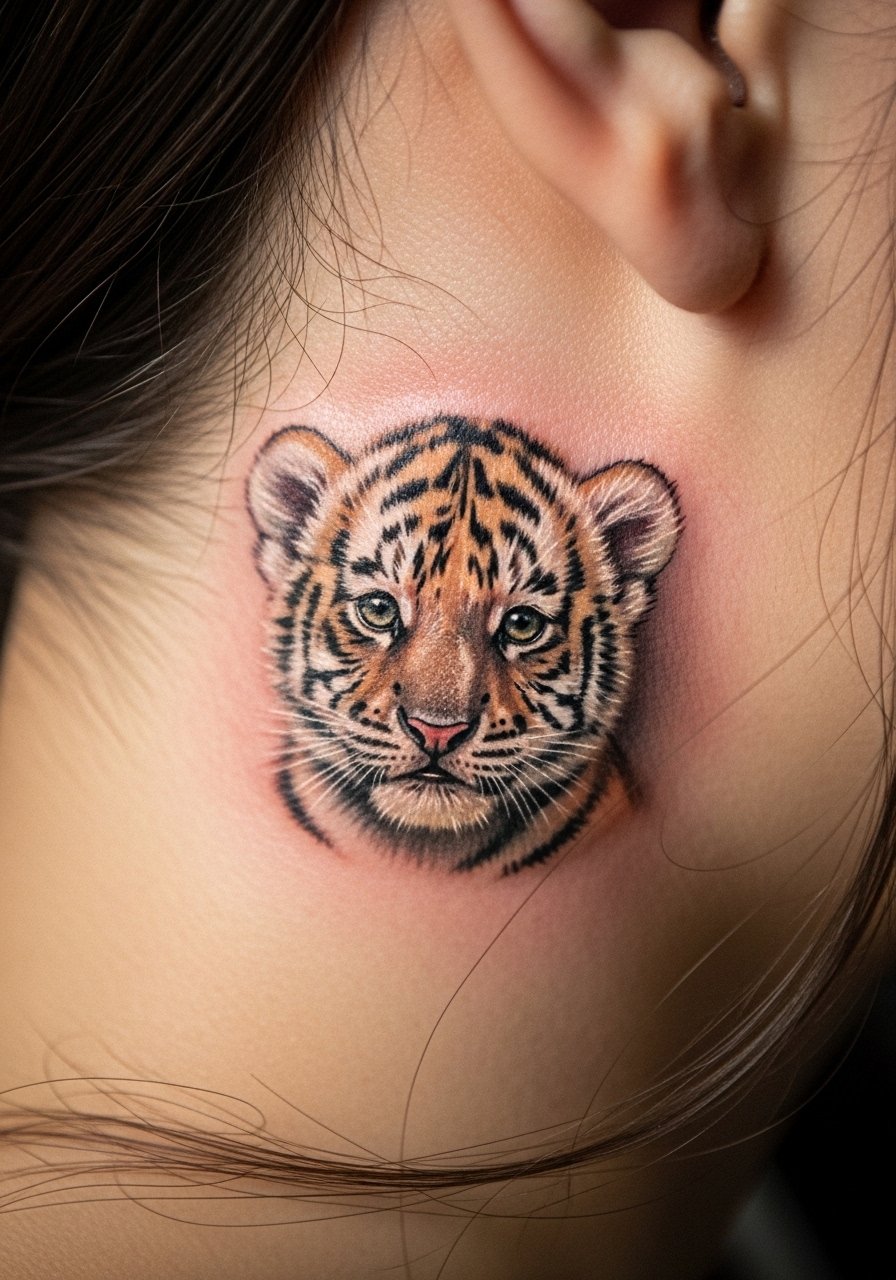
Fair warning about this placement. Behind-the-ear work is subtle and needs to be tucked under the hairline so it reads like a secret. The session is short but requires careful stencil placement. Artists debate whether such tiny details hold there because skin is thin and moves with neck motion. One camp says the lines blur fast, the other says with precise depth it settles fine. If you want a discreet option for evenings out, this does the job. Wear a loose hairstyle for the session so the artist can access the patch easily.
3. Minimalist Tiger Stripe on the Side of a Finger
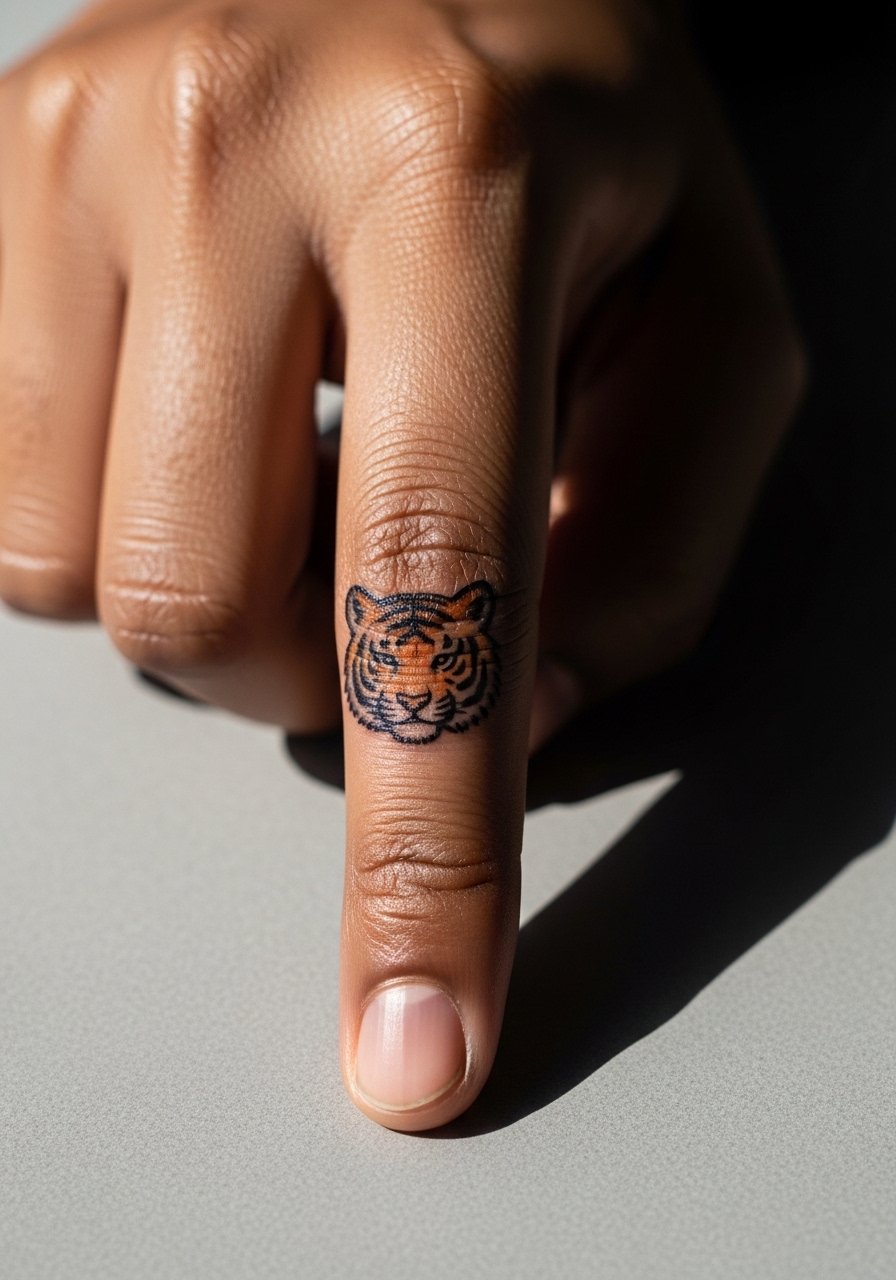
Finger tattoos are notoriously exposed to friction and washing. I tell people to expect a higher touch-up rate and to plan for a thin protective film in the first week. The pain is sharp but short. The biggest mistake is asking for too many tiny stripes in one finger length. A single, well-spaced stripe reads far longer than a crowded cluster. This placement pairs with stacked rings but take them off for the session so the artist has clear access to the finger.
4. Tiny Traditional Tiger Head on the Ankle
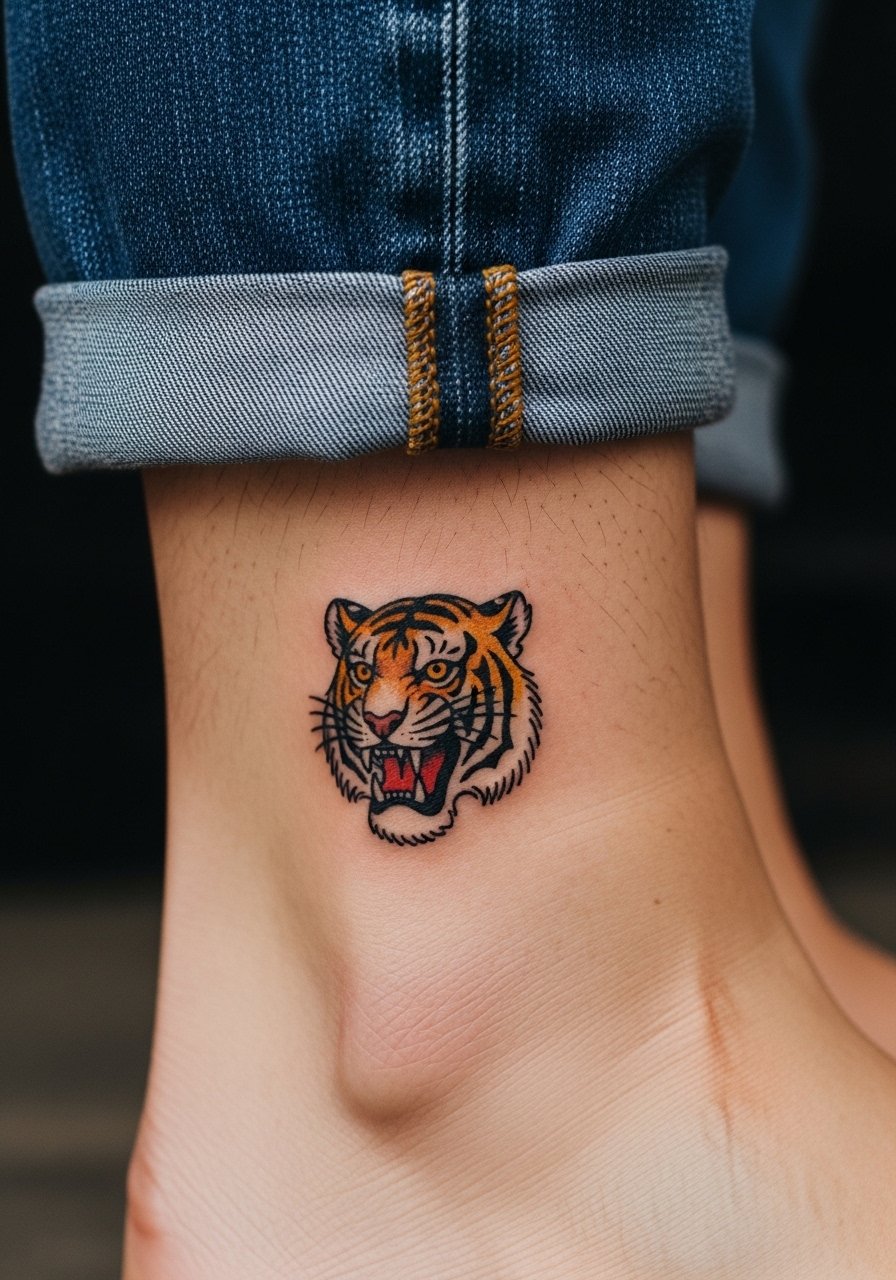
There is something about bold black outlines and saturated fills that helps tiny traditional pieces keep their identity as they age. The ankle can be bony so the session may feel sharp. Ask your artist for solid outlines and modest saturation to avoid heavy touch-ups. Ankle tattoos live under socks and shoe straps so expect some fading and plan for a touch-up around year two in many cases. For showing it off with summer outfits try a pair of strappy sandals or cropped trousers that sit above the ankle.
5. Tiny Tiger Face on the Collarbone
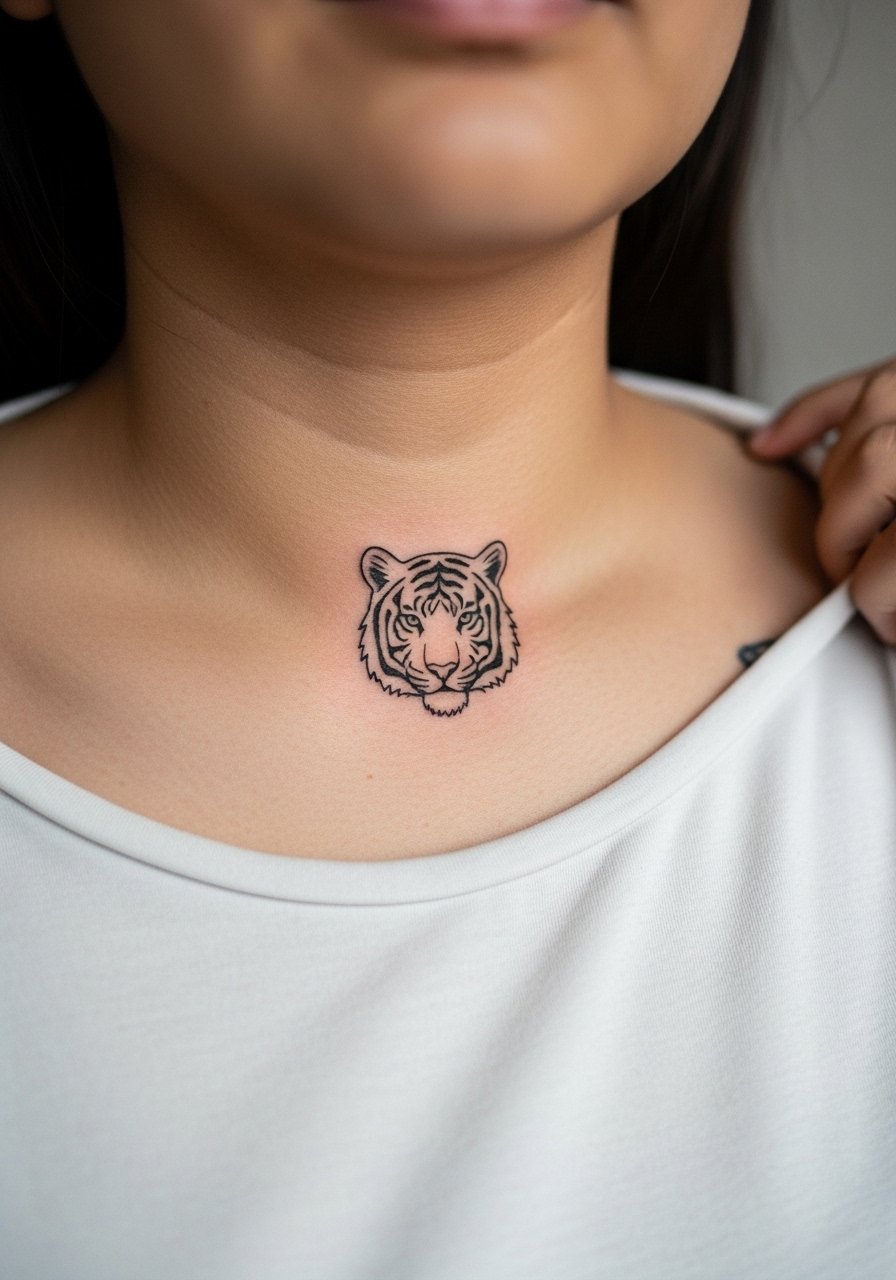
When you get a tiny chest piece near the collarbone anticipate a medium pain level and a session that needs steady breathing. For longevity ask for slightly heavier linework than a delicate script. The common error is placing dense shading too close to the collarbone which can fade into a gray smudge. During the session wear a wide-neck shirt you can pull aside without being uncomfortable. For evenings out an open-shoulder top highlights the design without revealing too much.
6. Tiny Watercolor Tiger Accent on the Inner Forearm
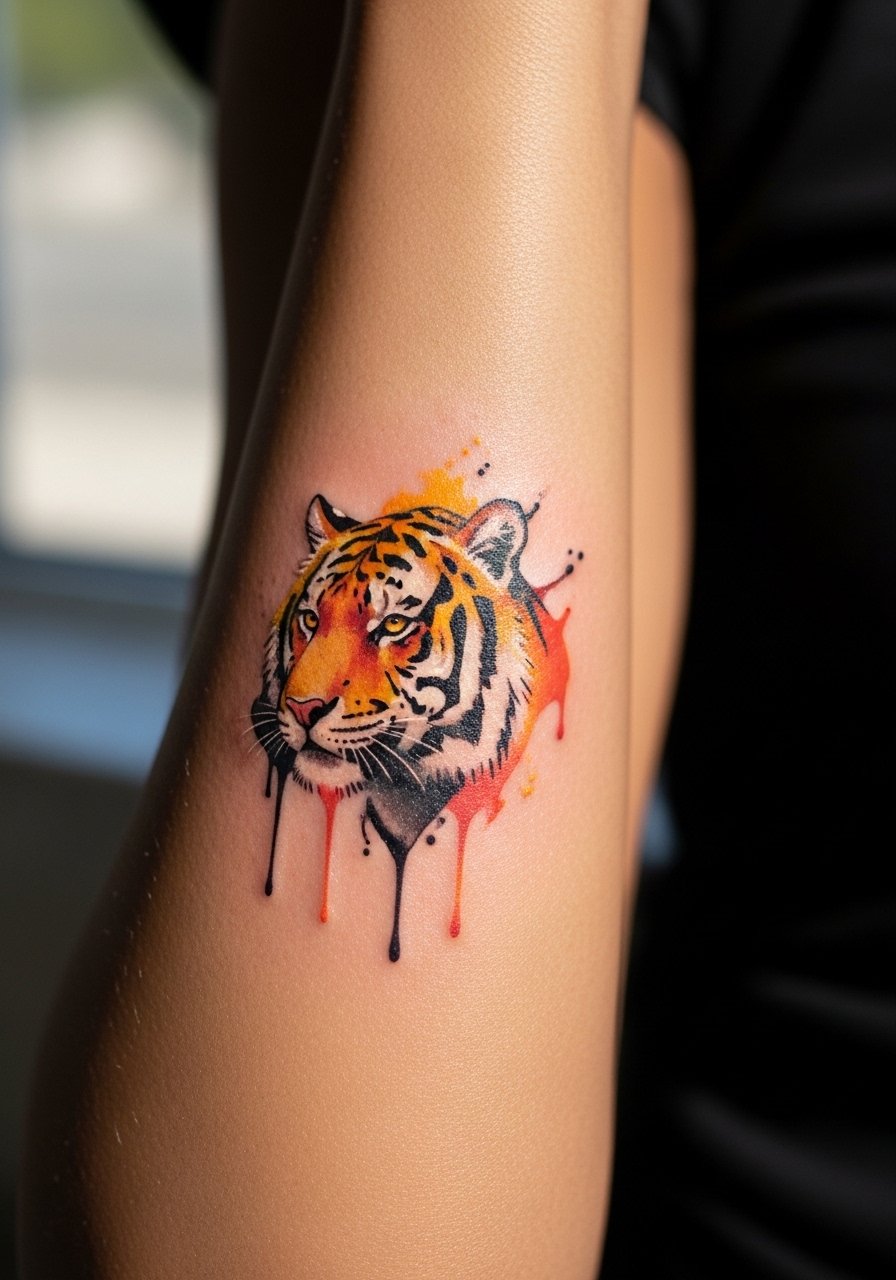
Watercolor elements add personality but they can fade faster than blackwork. Most watercolor tigers look soft at six months and soften more at year three. If you want color that keeps impact ask the artist to anchor it with fine black linework around key stripes. The inner forearm is forgiving so the session is comfortable and touch-ups are straightforward. Pair this with rolled-up sleeves and a racerback tank for casual outfits that let the piece breathe.
Before You Book
The wrist, collarbone, and inner forearm pieces above need different prep than ankle or finger work, and a few small items smooth the session and the first week.
-
Stencil transfer paper kit. Lets you preview the exact placement on skin before committing, handy for the collarbone and forearm pieces.
-
Topical numbing cream. Applied before the session eases wrist and ankle sensitivity without interfering with linework.
-
Thin protective film roll. Keeps finger and wrist tattoos cleaner during the high-friction first week.
-
Fragrance-free gentle body wash. Cleanses healing areas without stripping pigment which helps fine line tigers hold their contrast.
-
Aquaphor healing ointment. A thin layer in the first few days locks in moisture for linework without clogging the small needle channels.
7. Tiny Geometric Tiger on the Side Ribcage
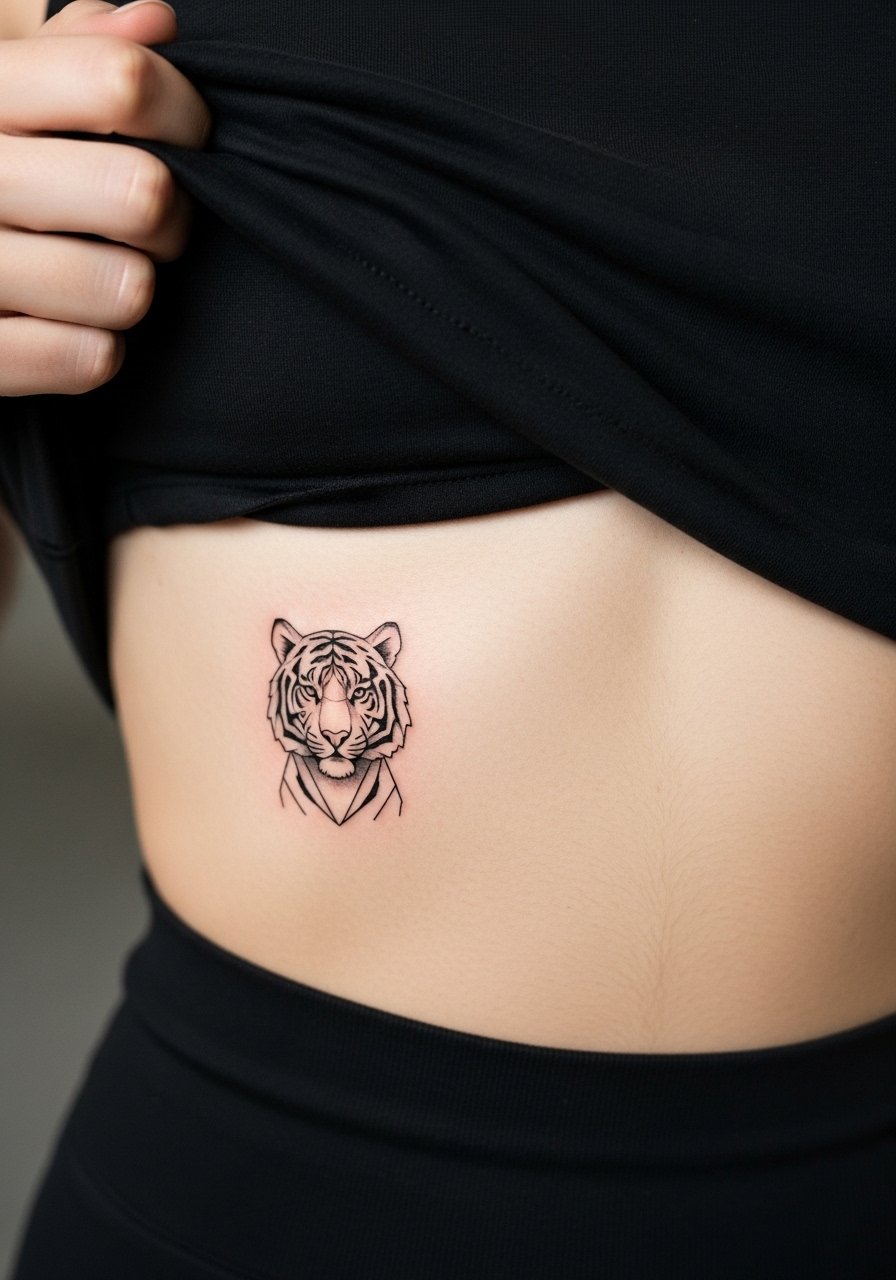
This placement has an aging reality to consider. Ribs move and stretch so fine crisp lines can blur faster than on the forearm. Artists split into two camps on whether fine line is worth it here. One camp says the skin movement blurs detail within two years. The other camp says precise depth and spacing lets tiny details settle. Ask your consult which approach they prefer. For appointment wear bring a cropped athletic top you can lift for access without exposing too much.
8. Tiny Tiger Paw on the Side of the Foot
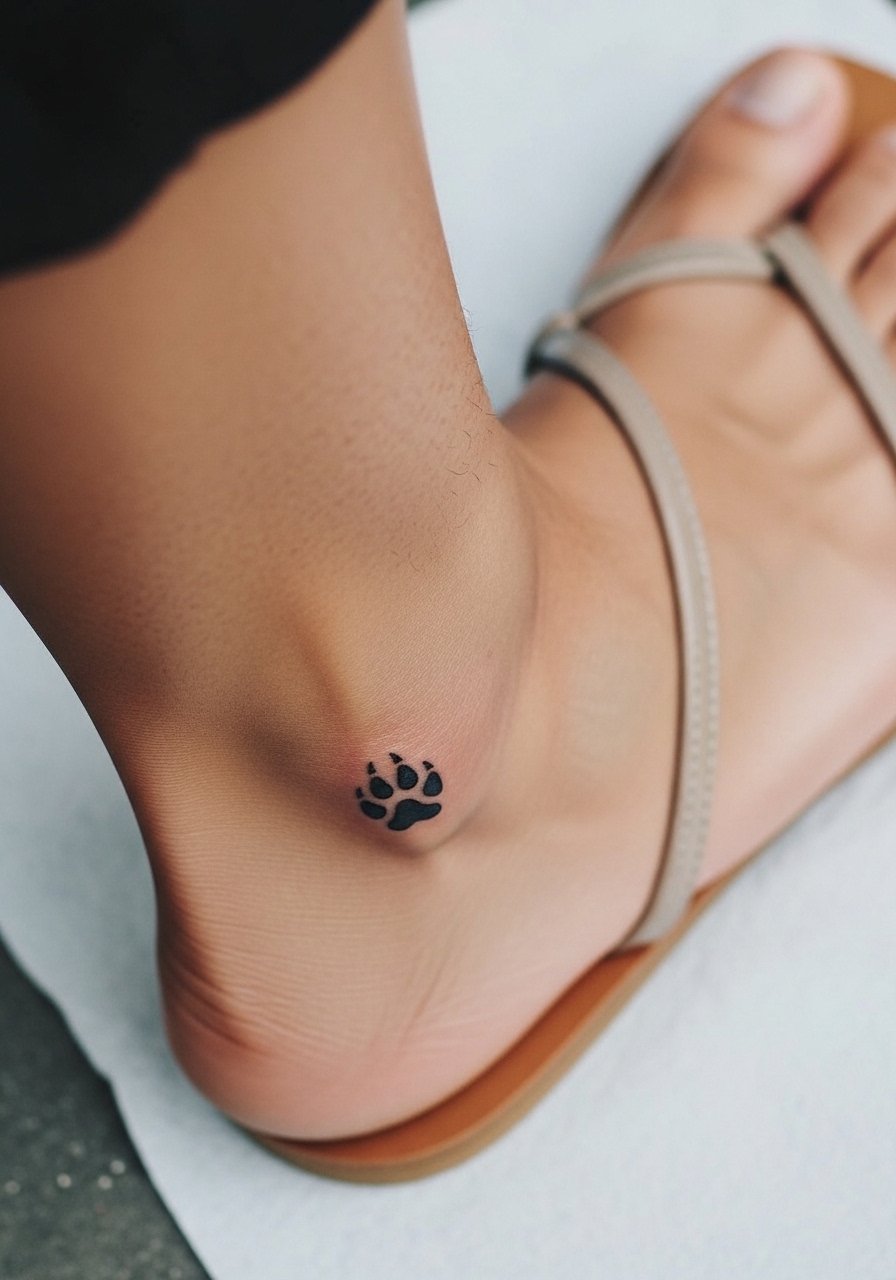
Foot tattoos get a lot of friction from shoes and socks so plan for faster fading. The session is sketchy in comfort because the skin sits close to bone. A common mistake is going too detailed for the limited canvas. Keep the paw graphic simplified and spaced so the pads stay distinct. During the first two weeks keep footwear open or low on the area. For showing it off choose sandals that expose the side of the foot.
9. Tiny Blackwork Tiger on the Outer Upper Arm
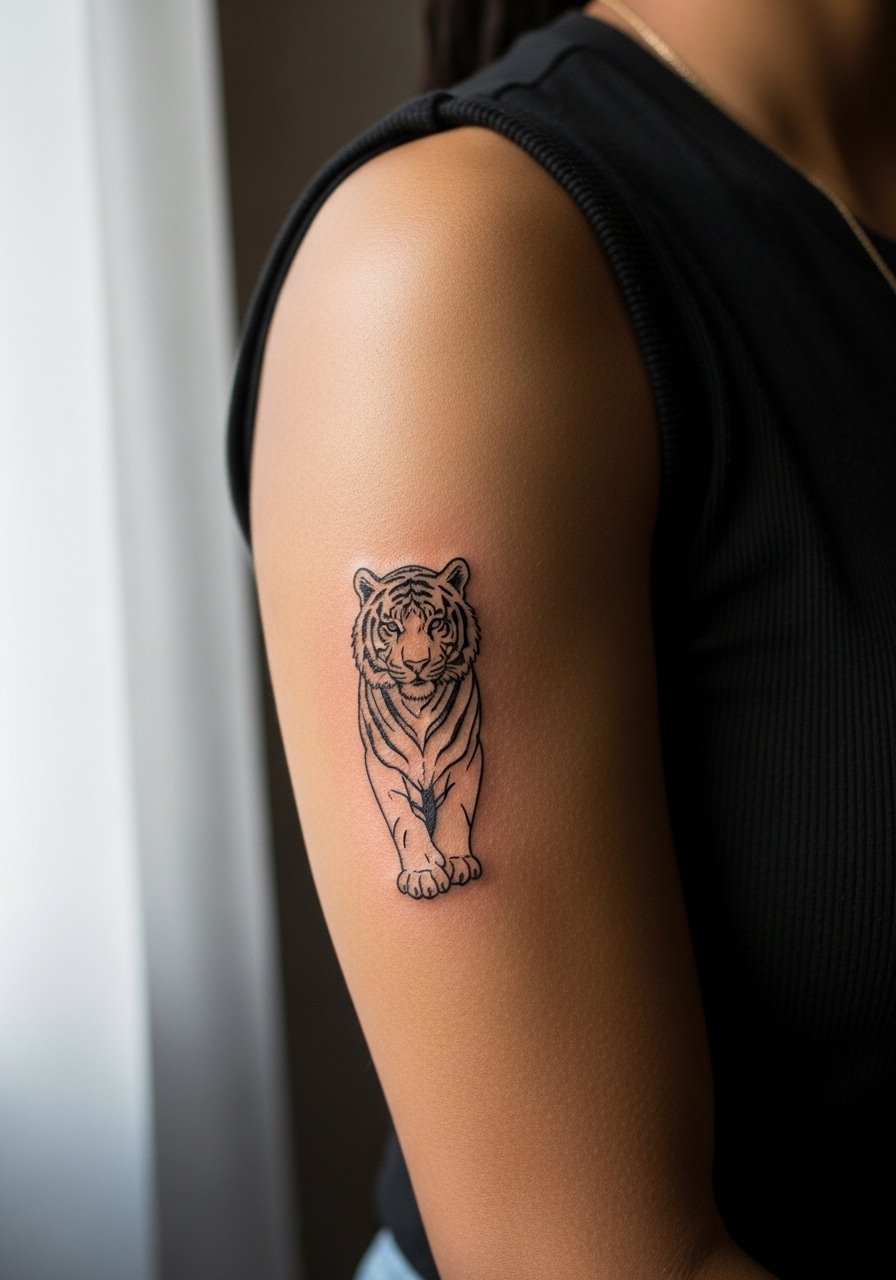
I have seen outer arm placements age cleanly because they avoid constant friction. The session feels moderate and you can usually sit comfortably for a small block of work. Tell your artist you want saturated black outlines and minimal fill so the tiger reads from across a room without becoming heavy. A common mistake is over-shading the tiny piece which causes early softening. Pair with a sleeveless linen top to keep the area visible and give the design airflow while healing.
10. Micro-Realism Tiger Eye on the Back of the Neck
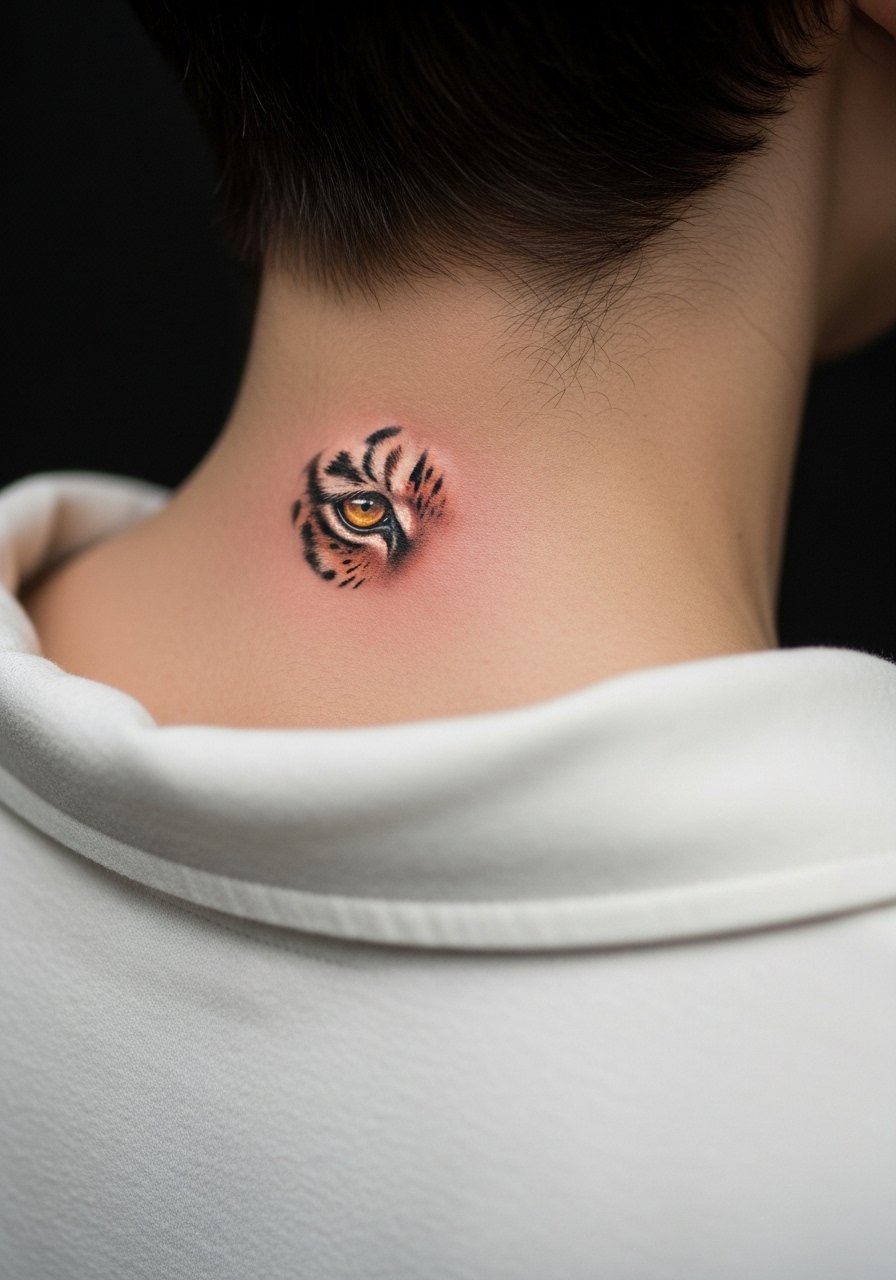
The back of the neck is sensitive because it moves and rubs against collars. Sessions are short but require a steady hand. The common mistake is placing text or dense shading too close to the base of the skull where friction is constant. If the goal is subtle impact, ask for a focused eye with crisp linework and minimal surrounding shading. For session day wear a wide-neck shirt you can shift without taking off entirely.
11. Tiny Tiger Cub on the Upper Thigh
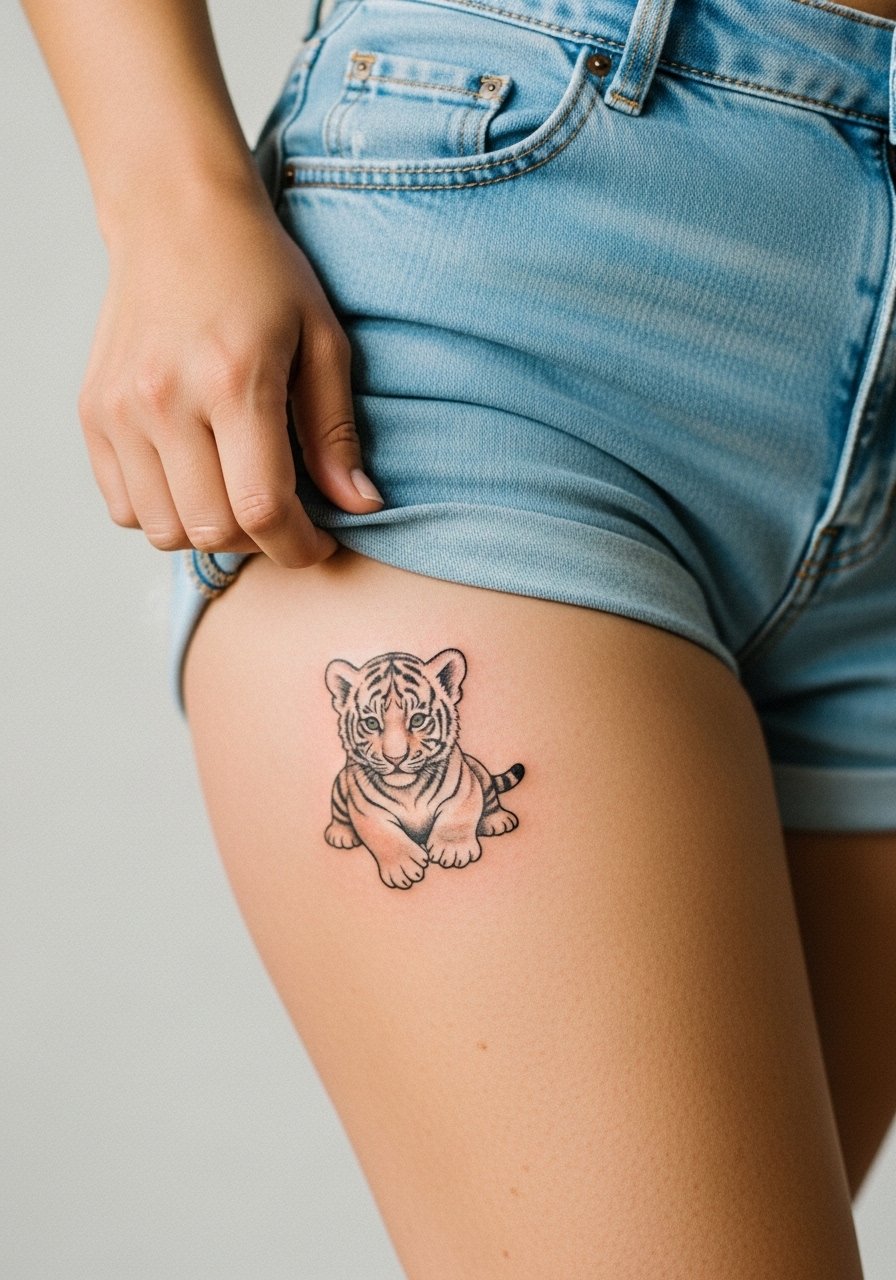
When you get an inner or upper thigh piece expect a private ceremony of a sort. Pain ranges from moderate to high depending on proximity to muscle and nerve. Tell the artist whether you want this visible in swimwear or hidden for intimacy because that affects placement. The mistake is compressing the whole design into a tiny block instead of letting negative space define the stripes. Wear loose high-waisted shorts to the session for comfort and access.
12. Tiny Single-Stripe Tiger on the Side Rib Near the Hip
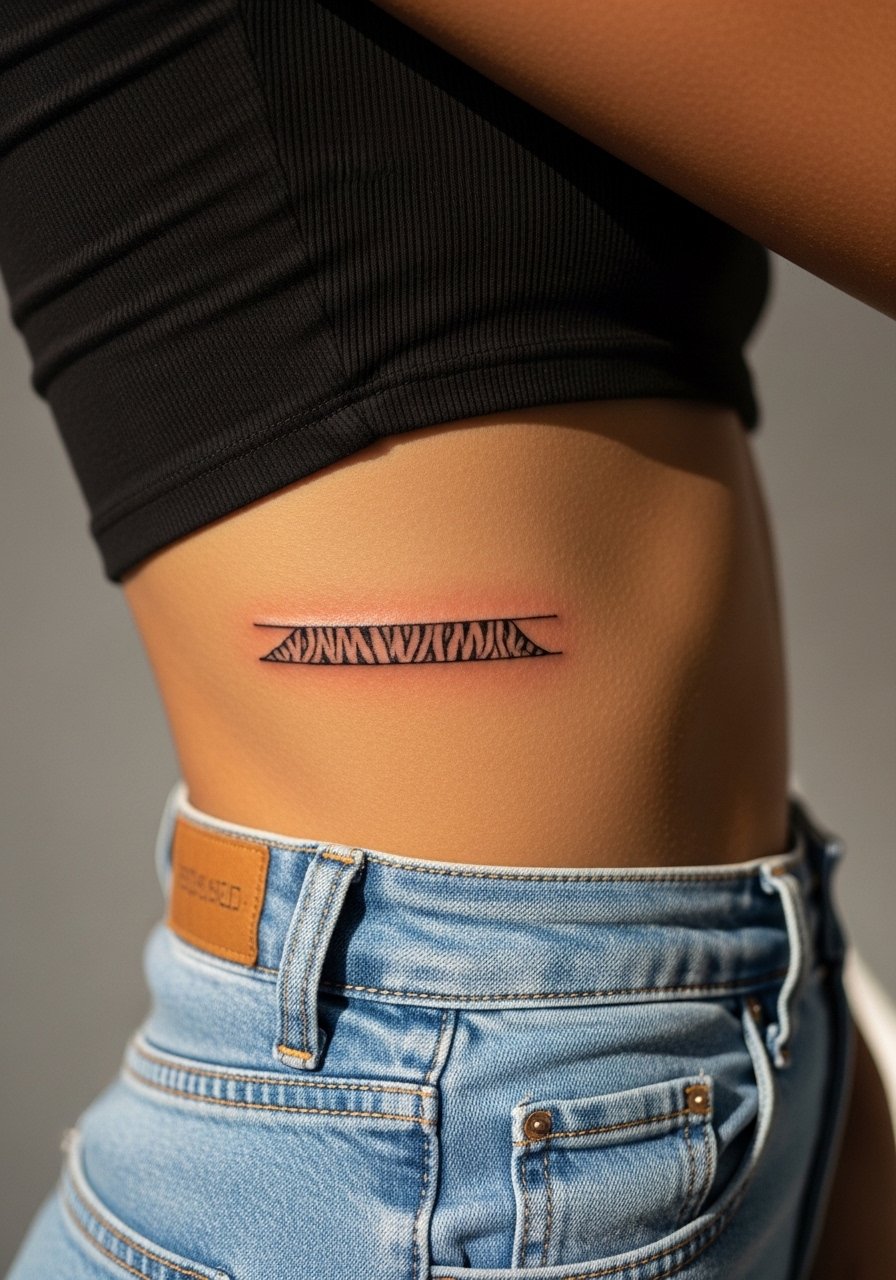
A single-stripe concept keeps the visual economy of a tiger while reducing blowout risk. The rib area is a high-movement zone so expect possible softening faster than on flat surfaces. The session will demand controlled breathing. A real error is asking for dense shading in a tight rib area. Instead request airy spacing and a clean outline. Mention that you want a touch-up contingency in the consult since ribs often benefit from a small follow-up.
13. Tiny Neo-Traditional Tiger on the Shoulder Blade
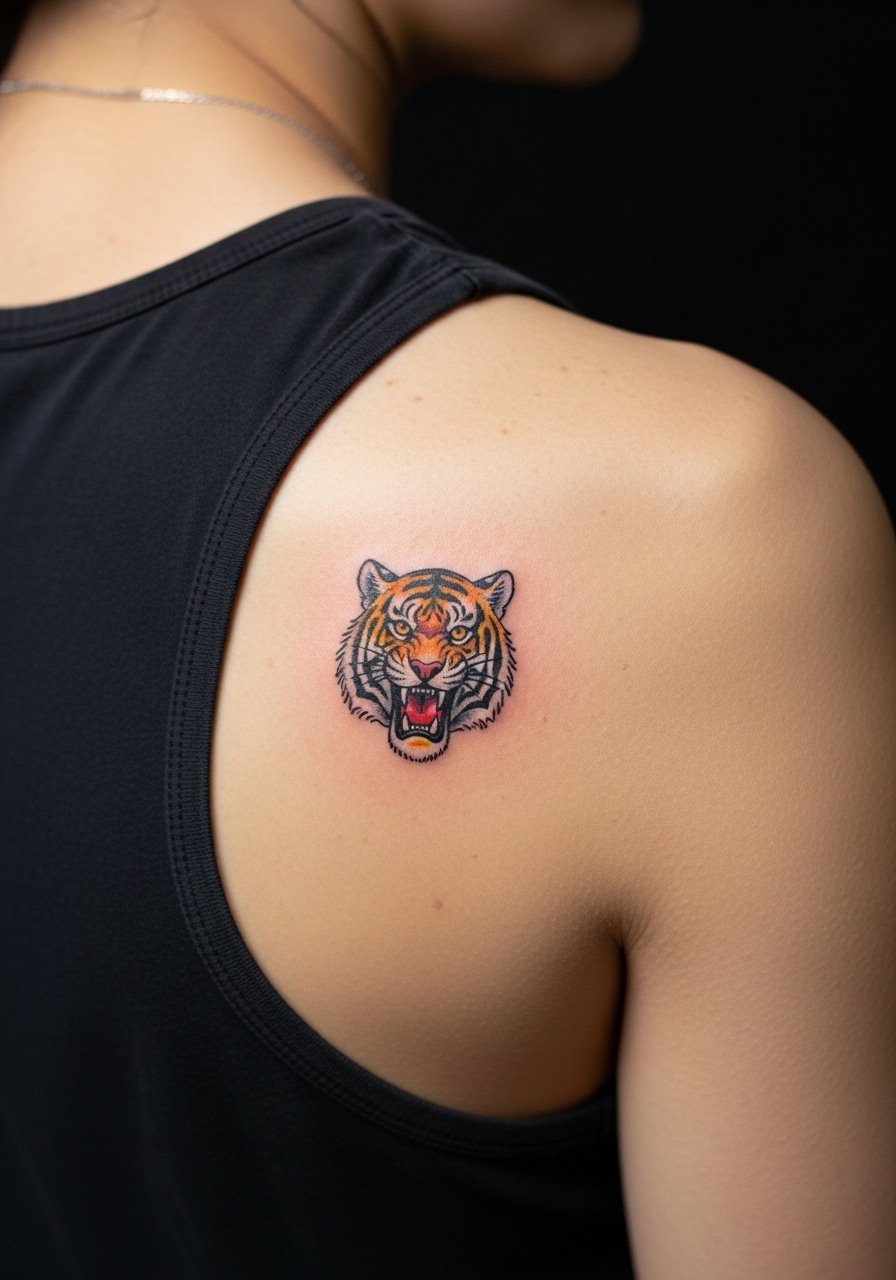
Neo-traditional elements give tiny tigers character through simplified color blocks and bold outlines. The shoulder blade is forgiving and the piece sits nicely under clothing that reveals the back. Ask the artist for controlled saturation and avoid overpacking color in a small space. The typical mistake is asking for too many color gradients which muddle over time. For evenings out try an open-back dress or a halter top that frames the shoulder blade.
14. Tiny Abstract Stripe Tiger Along the Clavicle
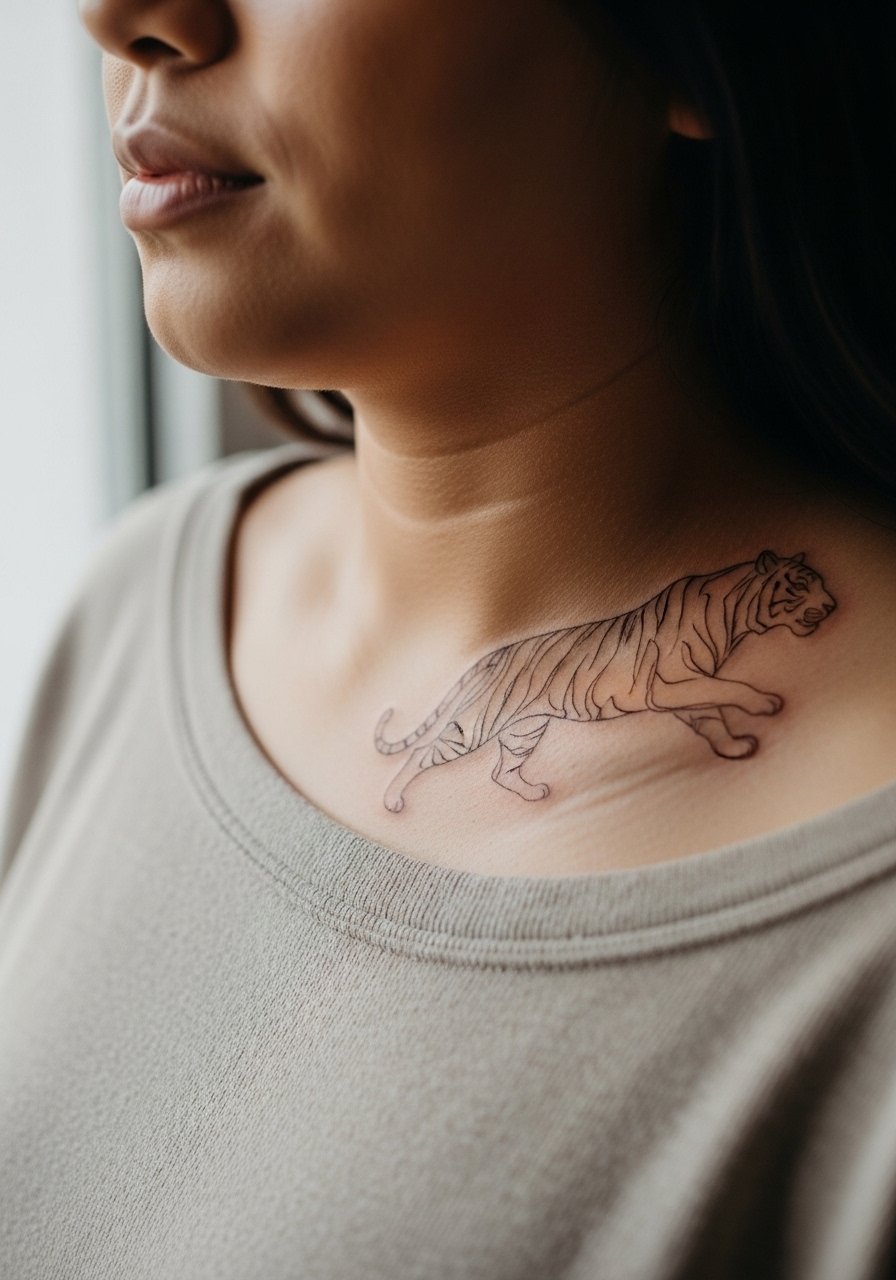
When the tiger motif follows the clavicle it becomes a jewelry-like element. Expect a medium pain level during the session and ask your artist to keep spacing so each stripe reads as a separate mark. The common error is compressing too many parallel stripes along the bone which can blur. A thin chain pendant sits just above without competing here and it helps to bring a thin chain pendant necklace to make sure placement complements jewelry.
15. Tiny White Ink Accents on a Black Mini Tiger
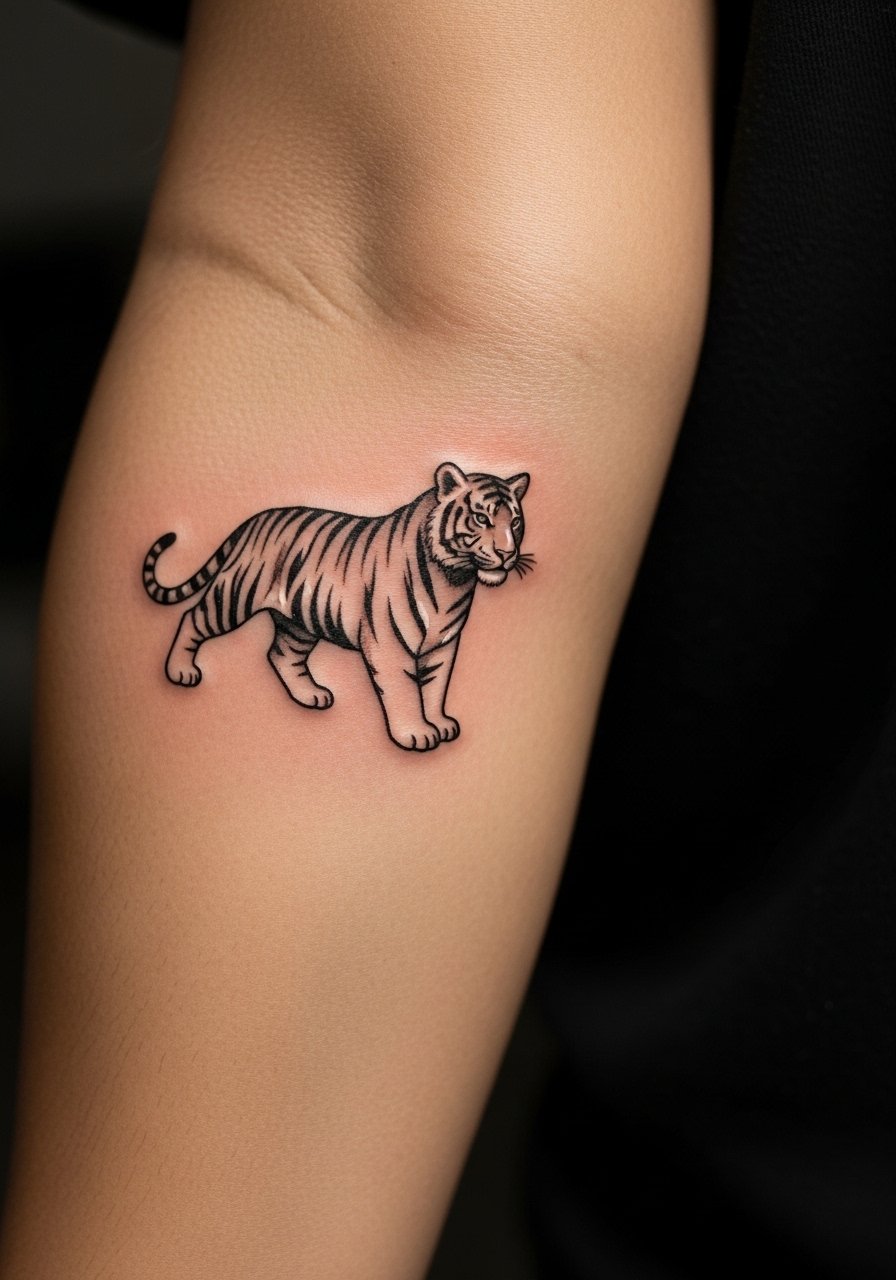
White ink can lift blackwork and add dimension but it settles differently across skin tones. The honest complication is that white highlights fade faster and sometimes yellow. For longevity ask for white as sparing accents rather than a primary fill. The forearm tolerates this well and touch-ups are usually straightforward. A common mistake is requesting heavy white fill in a tiny area which loses contrast quickly. Wear a loose button-down shirt for the session so the artist has clear access.
16. Tiny Linework Tiger on the Inner Bicep
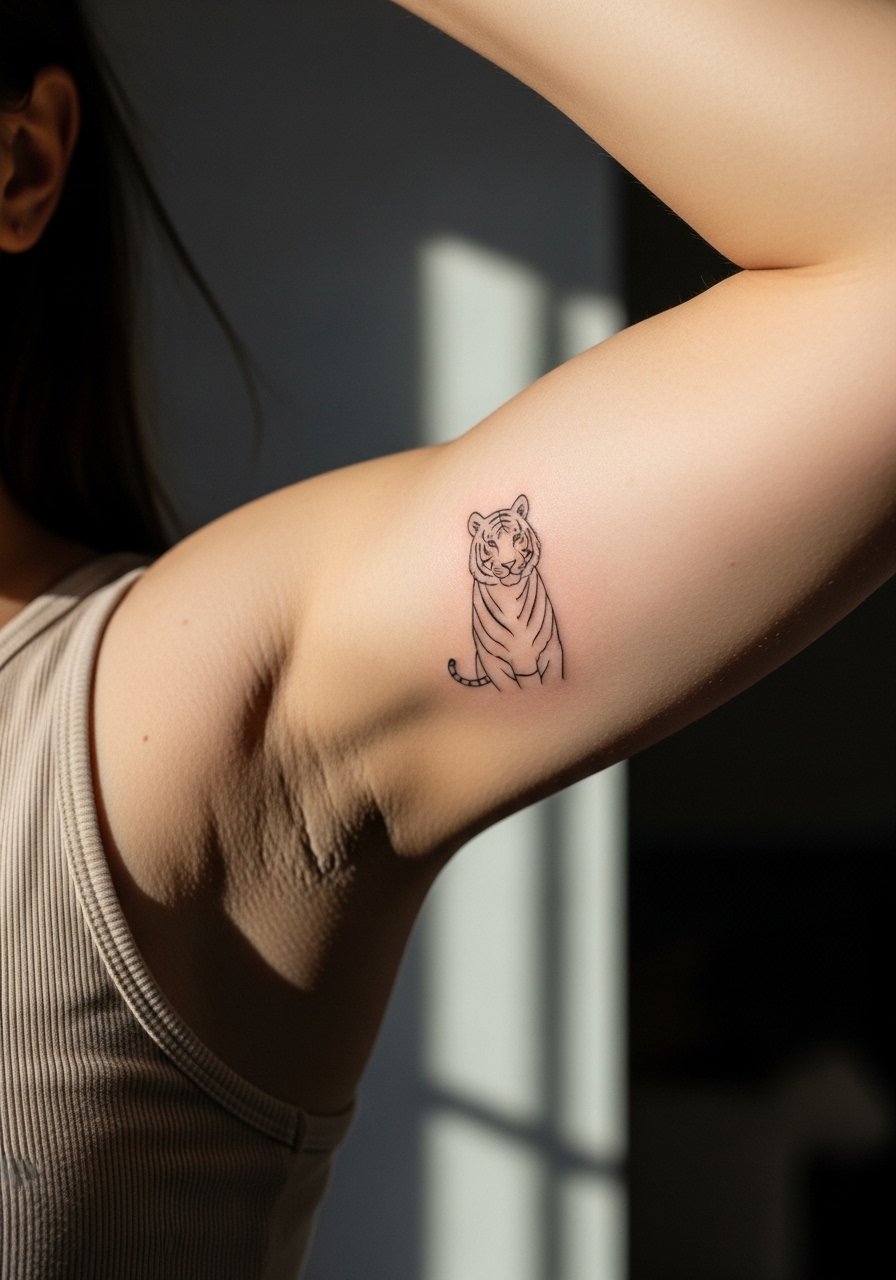
The inner bicep is tender and the session can feel more intense than the outer arm. Artists differ on how dense linework should be there. The safe move is to space stripes and lower contrast slightly so the skin movement does not merge the lines. A common mistake is compressing detail into too small a vertical space which causes early blurring. For the session wear a tank top so the artist can work without you peeling layers off.
17. Tiny Geometric Tiger Motif on the Back of the Arm
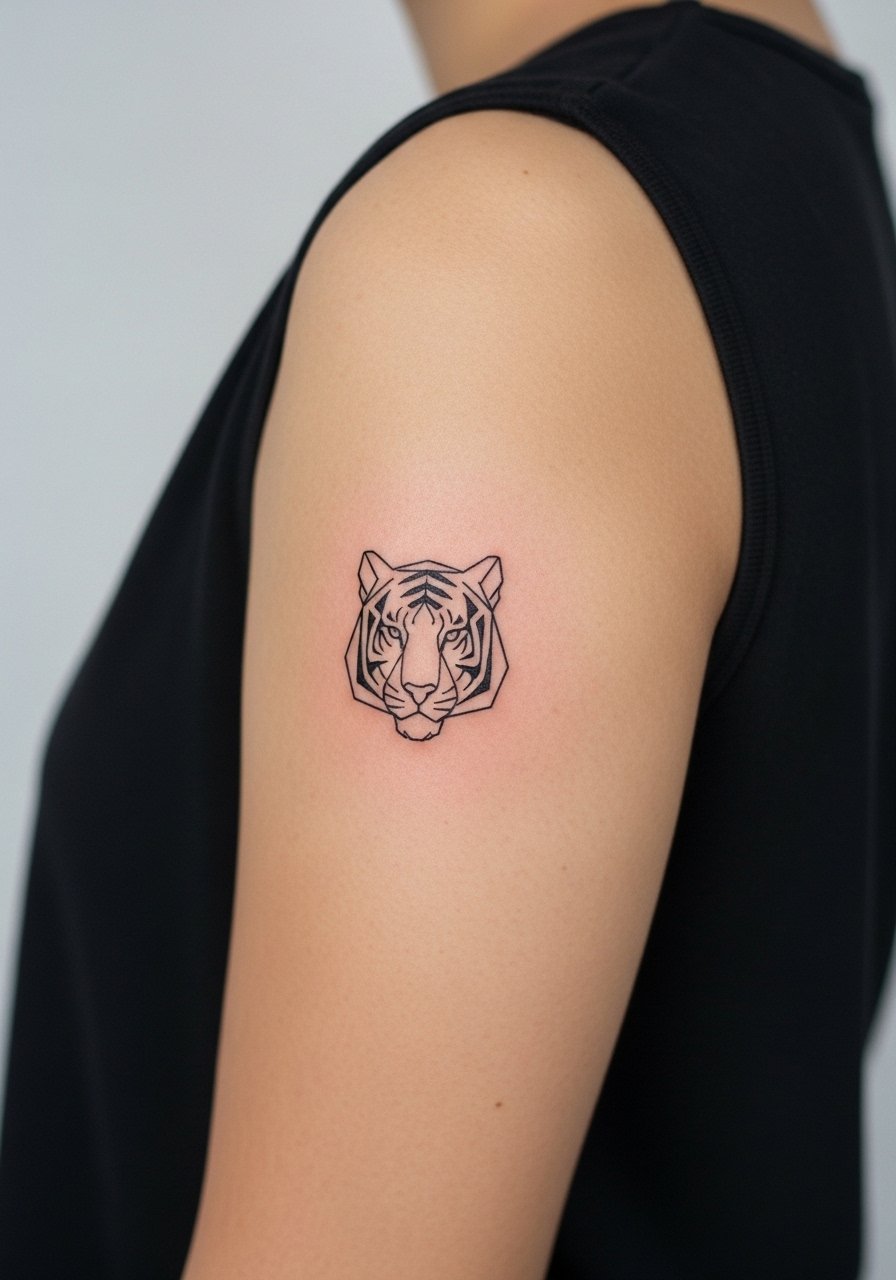
When geometry meets tiger pattern you get a graphic tiny motif that reads modern. The back of the arm is moderate in pain and unusually resilient to friction. Tell your artist you want crisp intersections and a little breathing room between shapes. The common error is placing too many geometric elements in a compact area which makes the pattern noisy as it ages. Pair with a sleeveless top to keep the area visible without rubbing.
18. Tiny Scripted Tiger Name Paired with a Mini Tiger Face
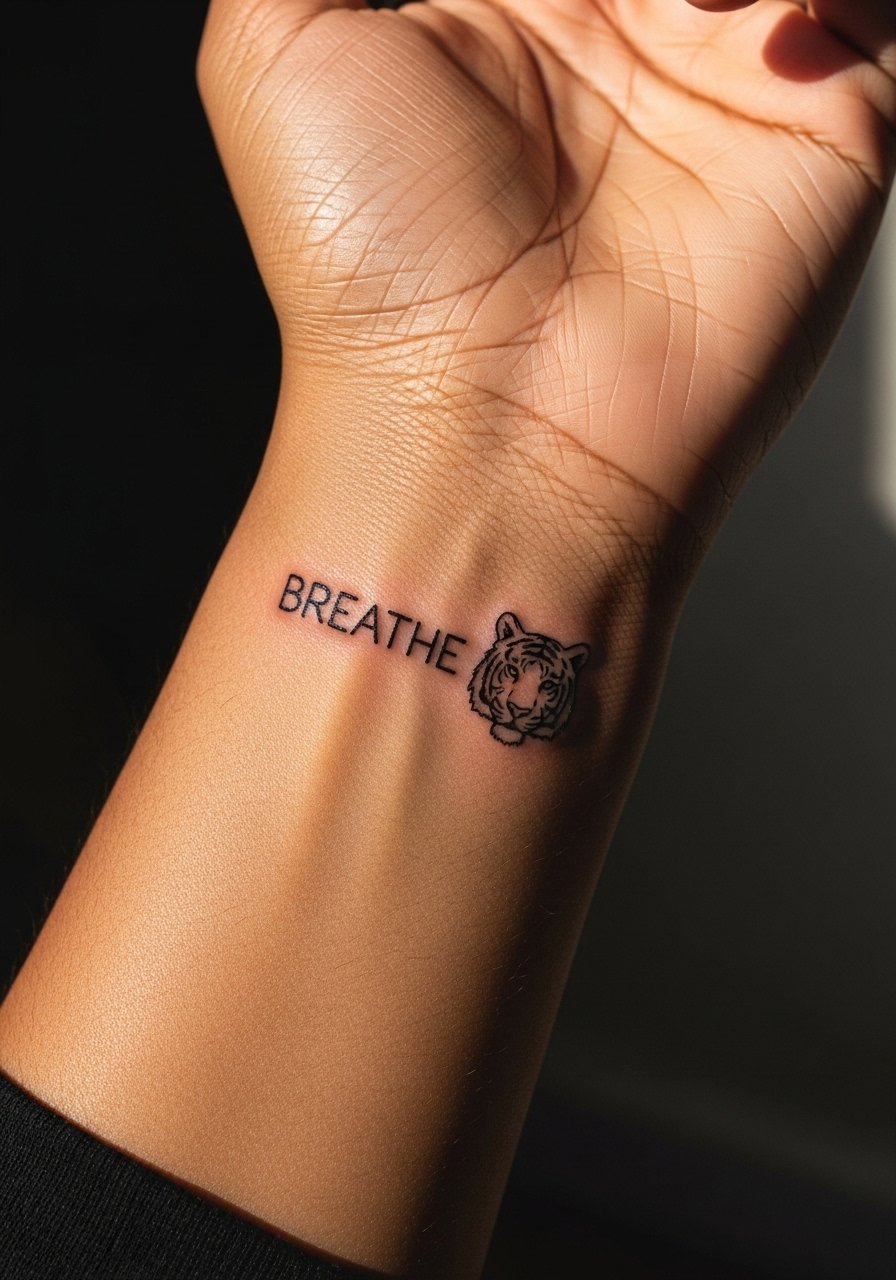
Text plus tiny artwork requires extra care because lettering needs precise spacing. When text is involved specify the exact script and size so the artist can map out kerning for tiny letters. A real mistake people make is shrinking script too much until it becomes illegible when healed. For this combined piece plan a slightly larger script x-height and ask for a touch-up plan. A minimalist bracelet works with this pairing for everyday wear.
19. Tiny Half-Tiger, Half-Florals on the Side Hip
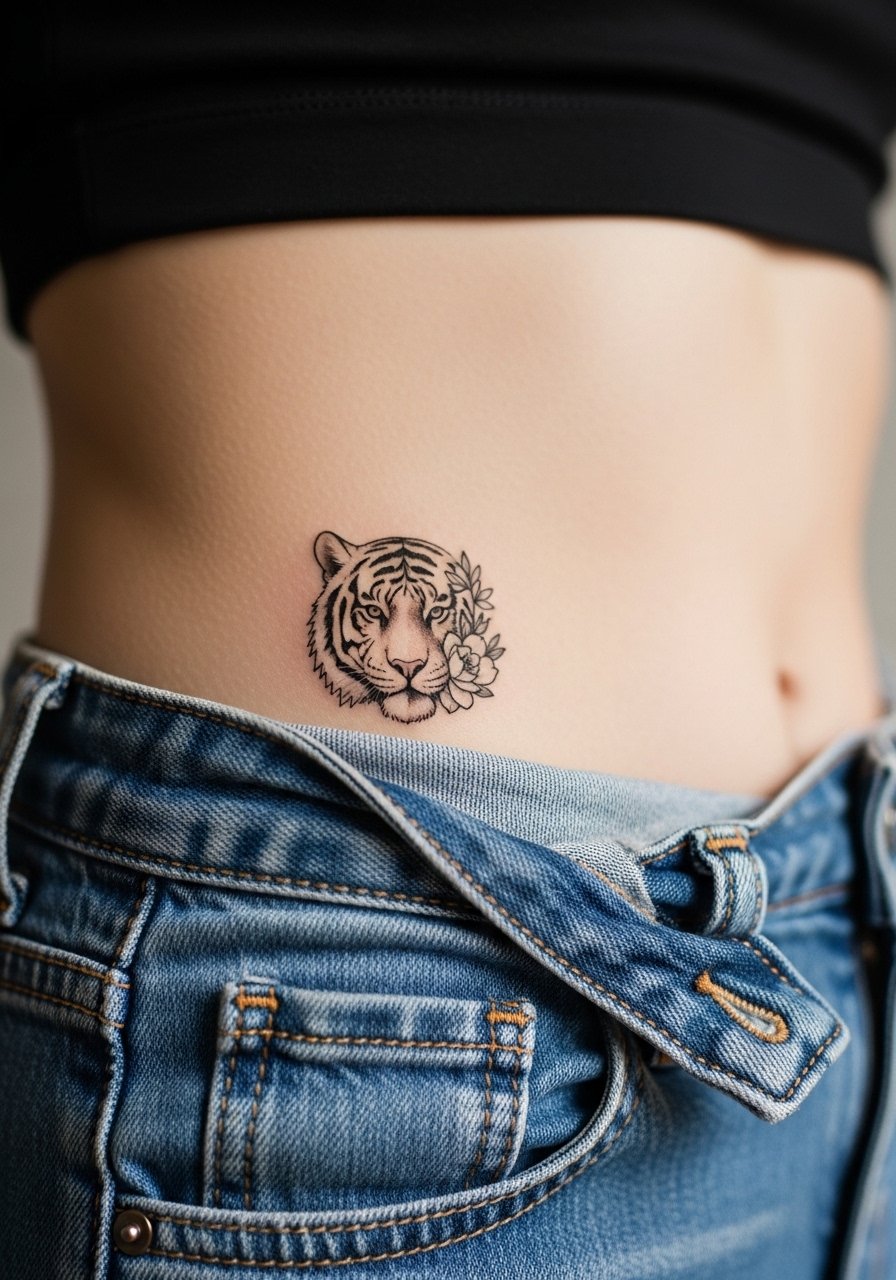
Hip pieces let you mix themes while hiding the design when needed. The side hip moves with clothing so expect a moderate pain level and some early fading along seams. The biggest error is packing too many tiny petals into a floral half which muddles against the tiger stripes. Keep negative space between elements and ask the artist how the design will interact with waistbands. For the session wear high-waisted denim you can shift without discomfort.
20. Single-Stripe Minimal Tiger on the Rib Near the Sternum
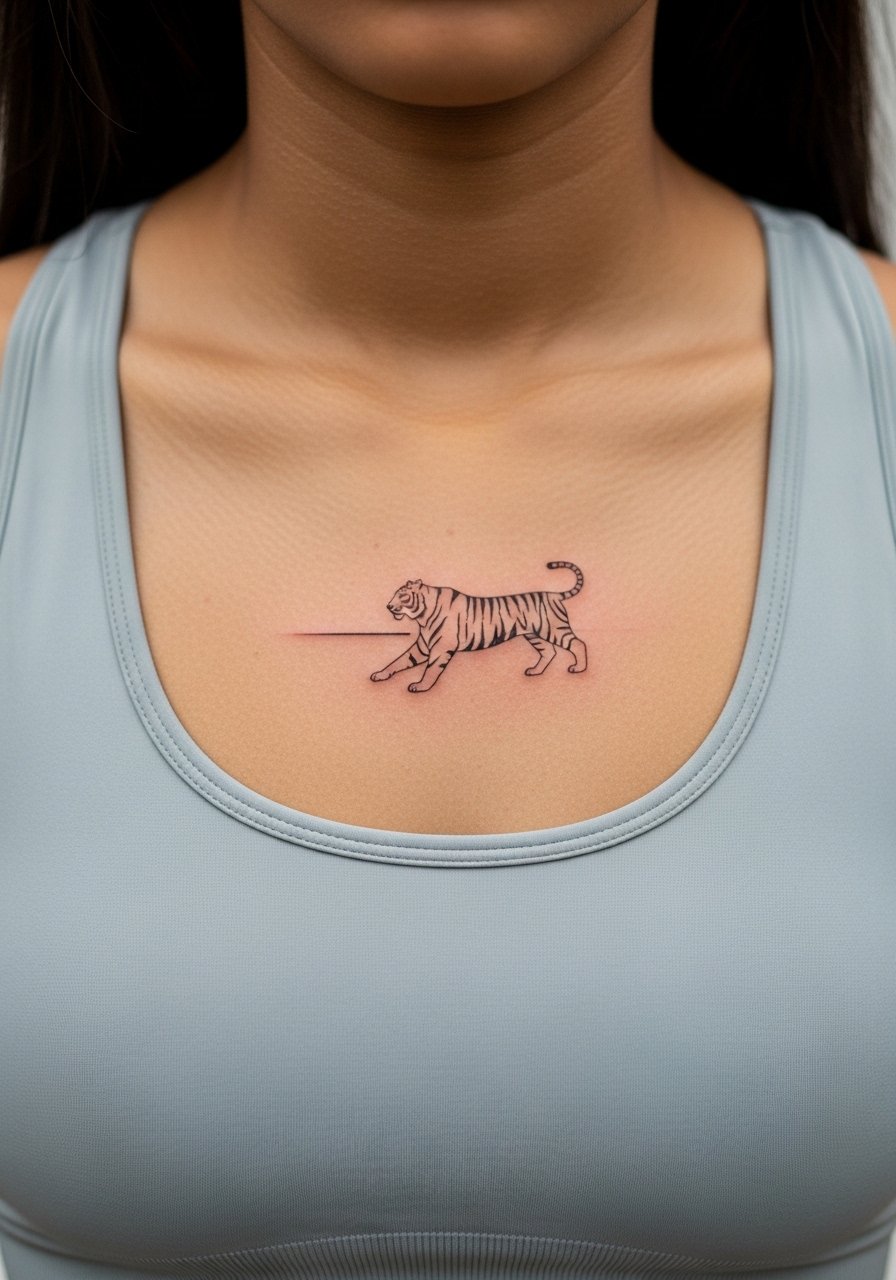
Sternum adjacent placements are intimate and can be painful. The skin around the sternum moves with breath so very fine lines risk merging. The debate among artists is alive here. One camp warns that tiny detail fails on the sternum within two years. The other camp says spacing and correct needle depth make tiny work plausible. Ask which camp your artist sits with and insist on a spacing-first approach. A comfortable fitted sports bra makes the session easier.
21. Tiny Forehead-Adjacent Tiger Outline Near the Temple
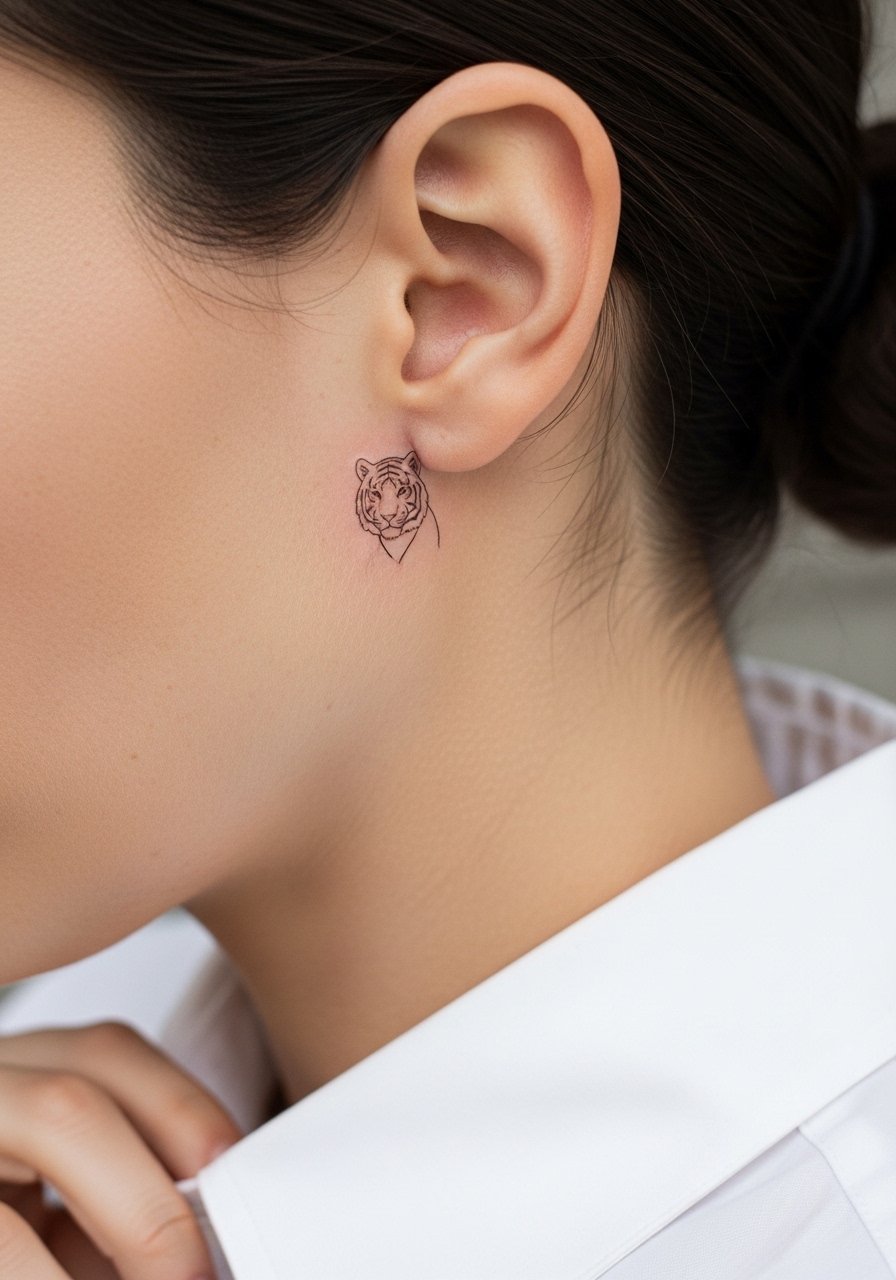
Face-adjacent work requires specialized skill and thoughtful placement because it is always visible. This is a high-visibility, high-stakes choice and some shops reserve these placements for experienced clients. The session is brief but precision matters. A common mistake is choosing a design that reads too heavy for the delicate forehead skin. If you go for it discuss long-term touch-up plans and placement adjustments. For appointment wear a wide-neck shirt so the artist can access the area without disrupting your hair.
Frequently Asked Questions
Q: How do tiny fine line tiger tattoos hold up compared with tiny blackwork tigers?
A: From what I have seen, blackwork with slightly bolder outlines tends to hold contrast longer than ultra-thin fine line pieces. Tiny fine line looks tender and detailed at first and may need touch-ups sooner. If longevity matters, discuss line weight and spacing with your artist before booking.
Q: Will a tiny tiger on my ribs blur faster than one on my forearm?
A: Yes ribs are more prone to movement and skin stretch so tiny detail there can blur sooner than on the forearm. Some artists accept that trade-off and plan larger spacing. If you want ribs, ask how they space stripes and whether they recommend a follow-up touch-up.
Q: What should I wear to a session for a tiny tiger on my hip or thigh?
A: Wear loose high-waisted shorts or a skirt you can shift. For example a high-waisted skirt lets the artist access the hip without exposing more than needed. Comfort and easy access are the priorities.
Q: Are white ink highlights a good idea on darker skin tones for tiny tigers?
A: White ink can add pop but it behaves differently across skin tones. I recommend using white sparingly as a highlight rather than primary fill. Ask to see healed examples on similar skin tones and expect possible fade.
Q: How often should I plan a touch-up for a tiny tiger on a finger or ankle?
A: Fingers and ankles are friction zones and often need a touch-up within one to three years depending on exposure. Plan for at least one small follow-up and discuss a retention strategy with your artist.
