
Bold line work is having a moment, and not always for the reasons people expect. The pieces that stay crisp years later are often the ones planned around movement, friction, and skin tone rather than what looks flashy on an iPad. If you worry about fading on shins, stretch on thighs, or session reschedules, this list mixes tried options and fresh takes so you can pick a leg design that still reads well after the first touch-up.
1. Neo-Traditional Dragon Coiling Around the Calf
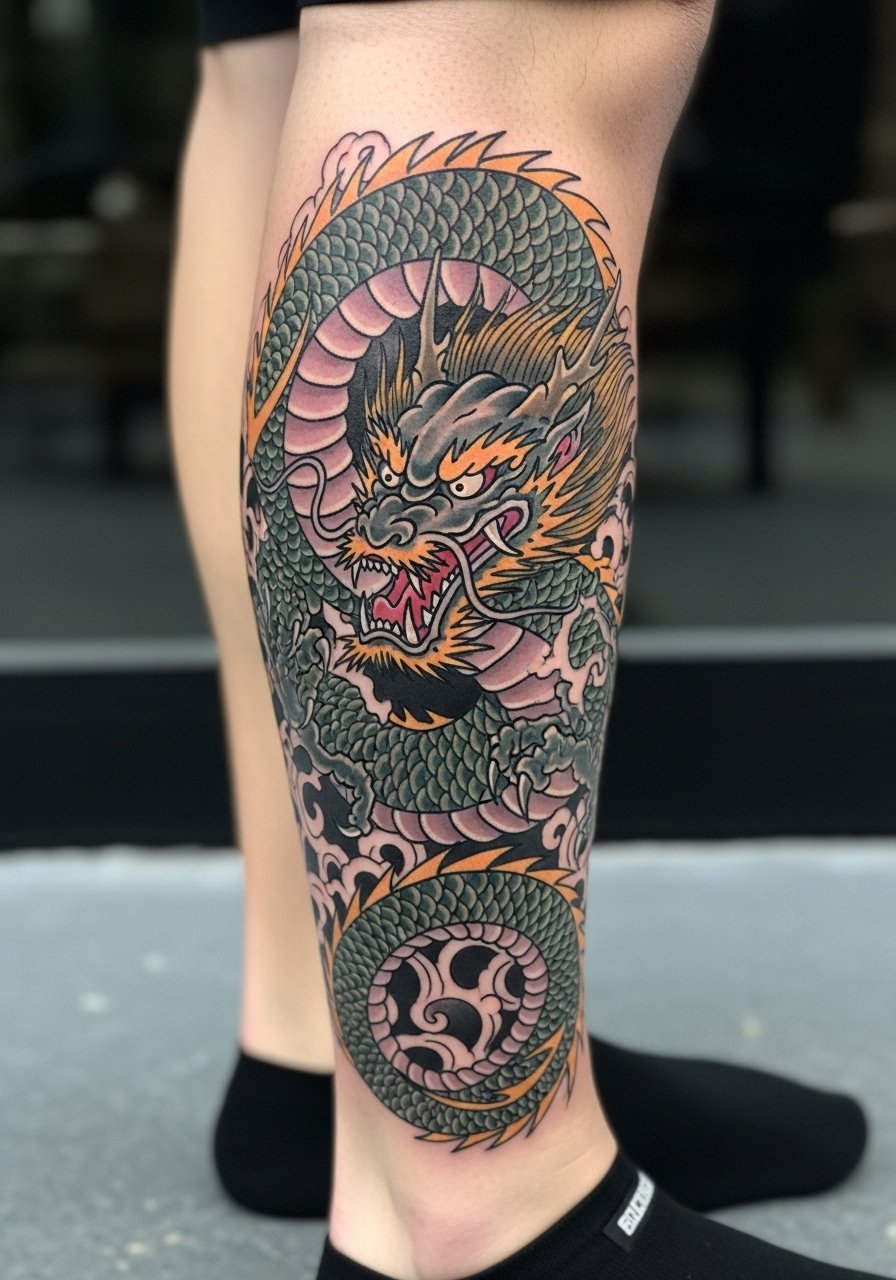
A neo-traditional dragon follows the calf muscles naturally. Tell your artist you want the tail to taper with the muscle flow and keep scales slightly larger than flash art so the pattern does not mush over time. Expect medium pain on the calf and two to four sessions for full color and saturation. Common mistakes include packing too many tiny scales which age into grainy texture. For showing it off, wear slim athletic shorts or roll joggers so the scroll of the dragon reads when you walk into a room. Plan a touch-up around year two for color refresh.
2. Māori-Inspired Full Leg Wrap
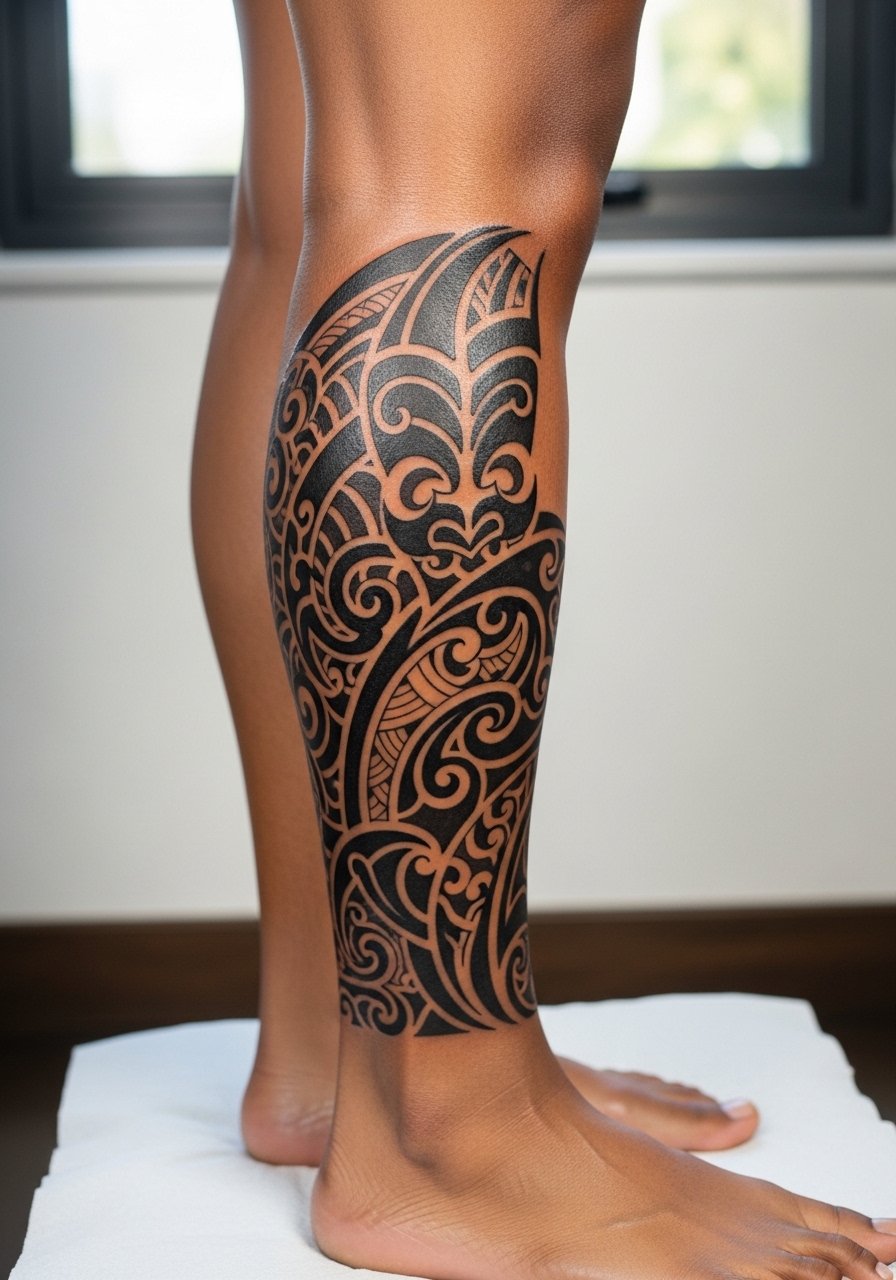
A full leg sleeve using Māori-inspired patterns works when the motifs wrap with the leg contour, not against it. This is large scale work and requires 5 plus sessions. Respect the cultural origin by discussing symbolic choices with the artist and avoid direct sacred pieces unless invited to collaborate. Pain varies across the leg. The biggest practical issue is scheduling. Book deposits and festival guest spots if you need continuity across sessions. For the summer reveal, pair this with board shorts so the wrap peeks without exposing the whole sleeve.
3. Geometric Tessellated Thigh Panel
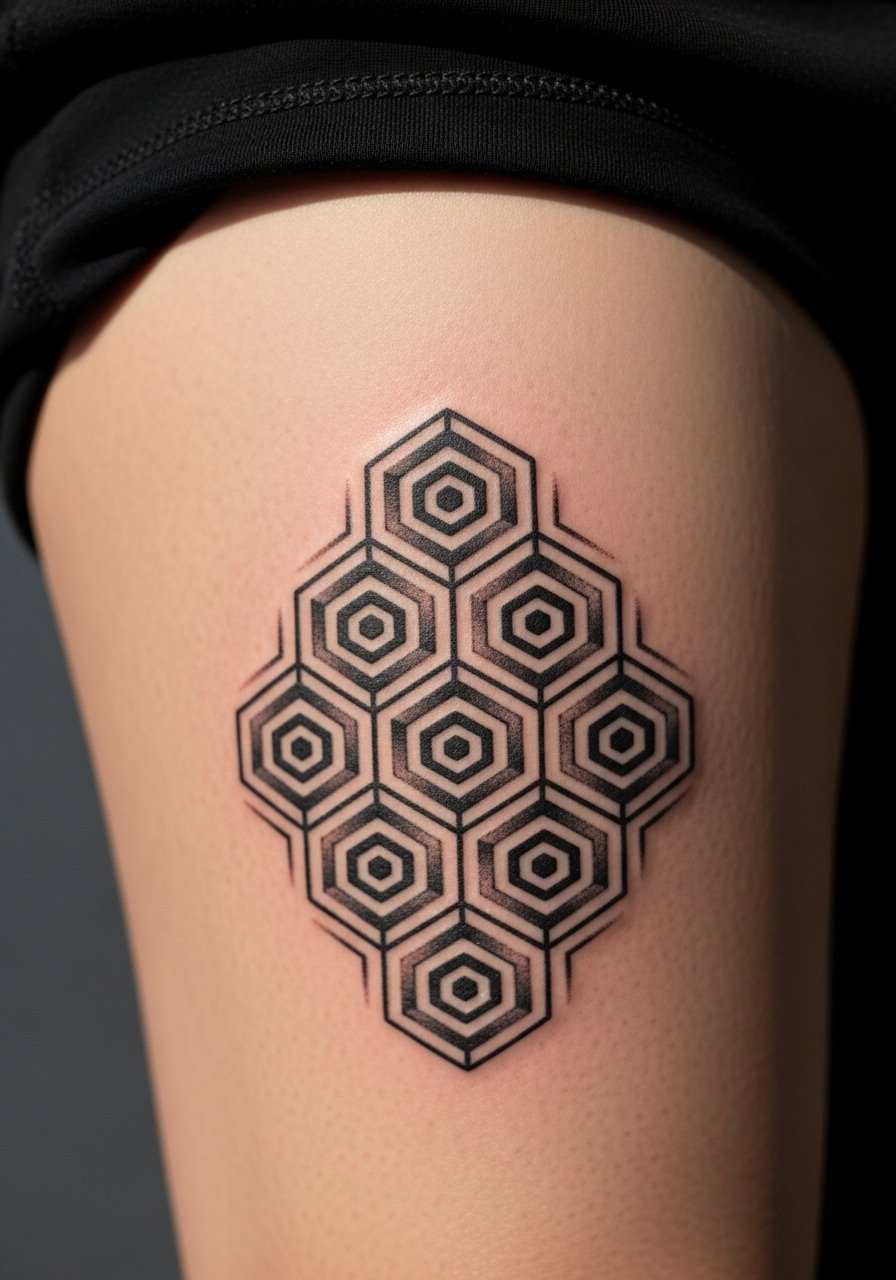
Tessellated geometric work looks mechanical when scaled to the thigh. Ask for slightly wider negative gaps between lines to avoid merging as it heals. Visual impact is highest on the outer thigh because the skin stretches less there than on the inner side. Expect two to three sessions and moderate pain. A common mistake is going too small, which creates blur after a year. Show-off styling pairs well with tailored gym shorts or cargo pants cuffed mid-thigh to frame the geometry.
4. Realistic Lion Portrait on the Calf
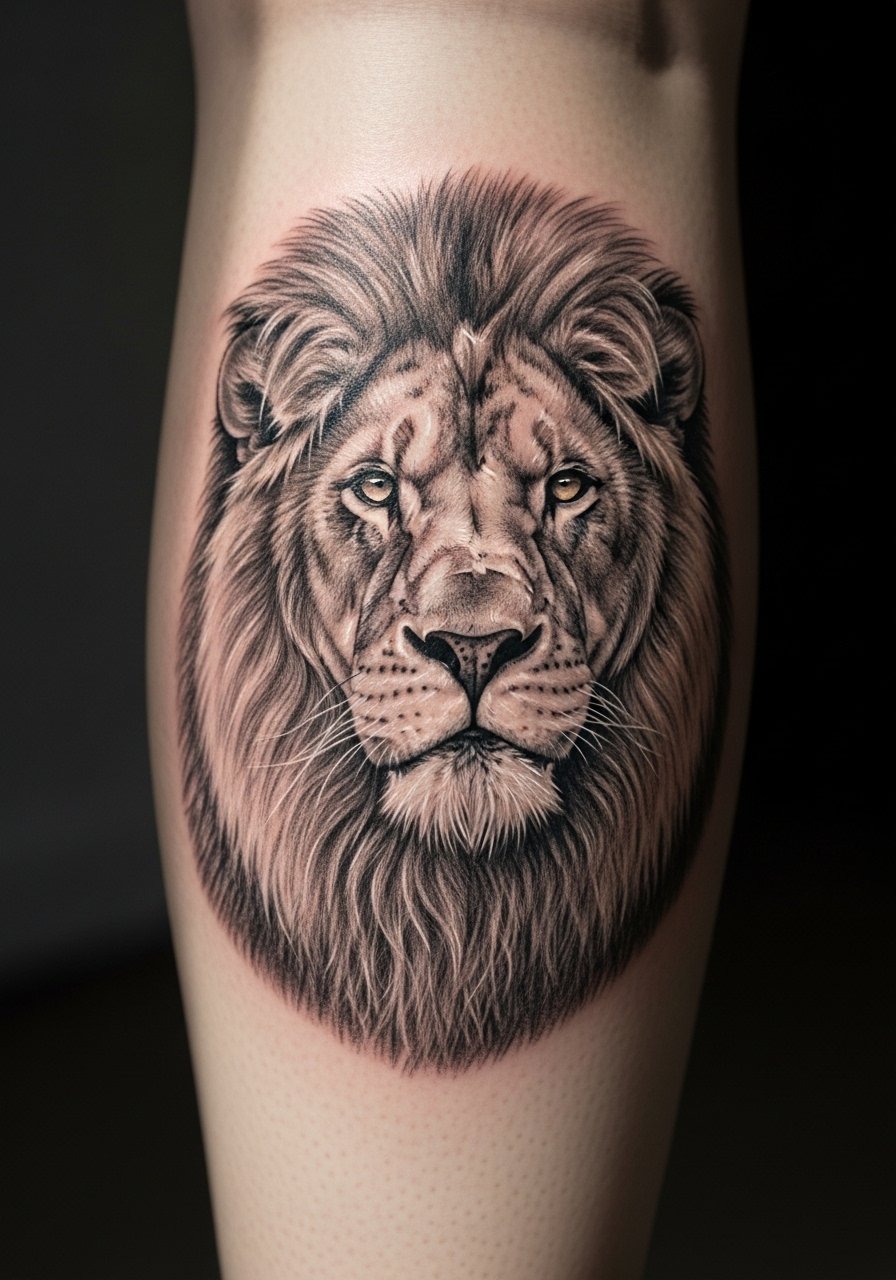
Calf portraits read like an emblem of strength and the flat area is ideal for micro-realism. Specify reference photos with similar lighting to what you want and ask the artist to prioritize contrast over tiny detail in the first pass. Expect three sessions and a touch-up at six to twelve months. A frequent mistake is asking for ultra-fine hair detail on a small patch, which softens into blur. For casual wear, pair with rolled jogger pants or black leather sneakers to keep attention on the portrait when you sit.
5. Japanese Irezumi Full Leg Sleeve with Koi and Waves
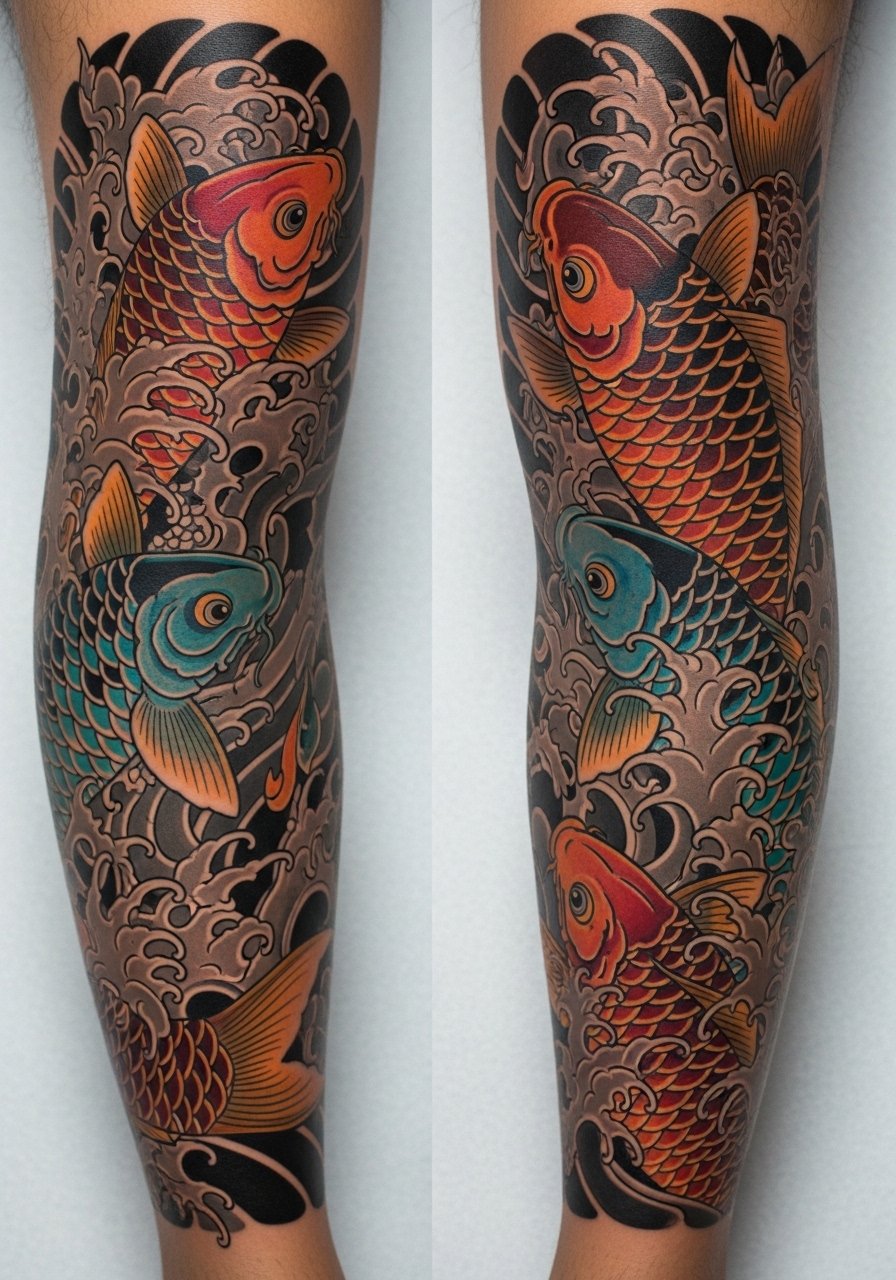
A traditional Japanese full leg sleeve needs space to tell a story across hip to ankle and often runs six plus sessions. Be explicit about which elements you want emphasized so the composition breathes when you move. Cultural origin matters here. If you lean on classic motifs, discuss respectful adaptations rather than direct copies of cult items. Expect long sessions and intermittent rescheduling. Wear removable pants or shorts on session days so the artist can work freely and keep a list of booked dates in writing.
6. Patchwork Traditional Motifs on the Shin
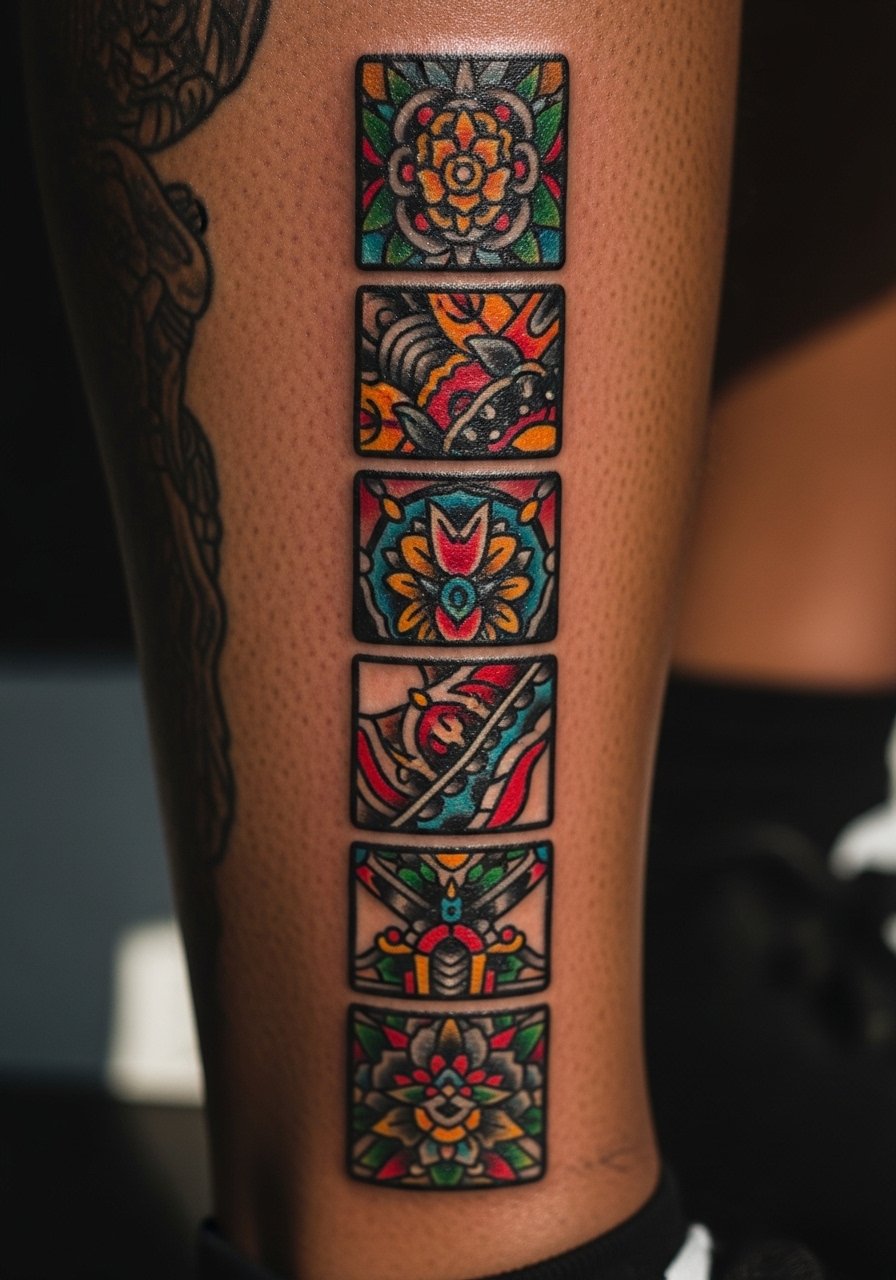
Patchwork is ideal if you want to build toward a leg sleeve over years. Start with bold flash elements on the shin and leave breathing room so adjacent pieces can be added. The shin takes thinner skin and can be painful near bone. Fine line here fades faster, so prefer heavier outlines for longevity. For daily wear, cuff chinos or slim straight jeans so the shin pieces pop during summer. During sessions wear loose joggers you can pull up easily so the artist has clear access.
Pack Smart
The lower-leg pieces and shin work above ask different prep than thigh sessions, so a few focused items smooth the day and the first week.
- Tatt2Away thinner balm. A thinner aftercare balm praised for not gumming up in friction zones like the shin or ankle, good for smaller pieces.
- InkFix dry-heal spray. Lightweight spray that users say speeds scab closure on tight leg skin, helpful for designs near seams or socks.
- Tsubaki color-care oil. Non-greasy oil that helps color retention on full leg sleeves and large color blocks.
- Fragrance-free gentle body wash. Use during showers the first two weeks to avoid irritation to linework on legs.
- Aquaphor healing ointment. Thin application for the immediate first days keeps the skin supple around high-friction areas like ankles and shins.
7. Blackwork Mechanical Cog Band on Thigh
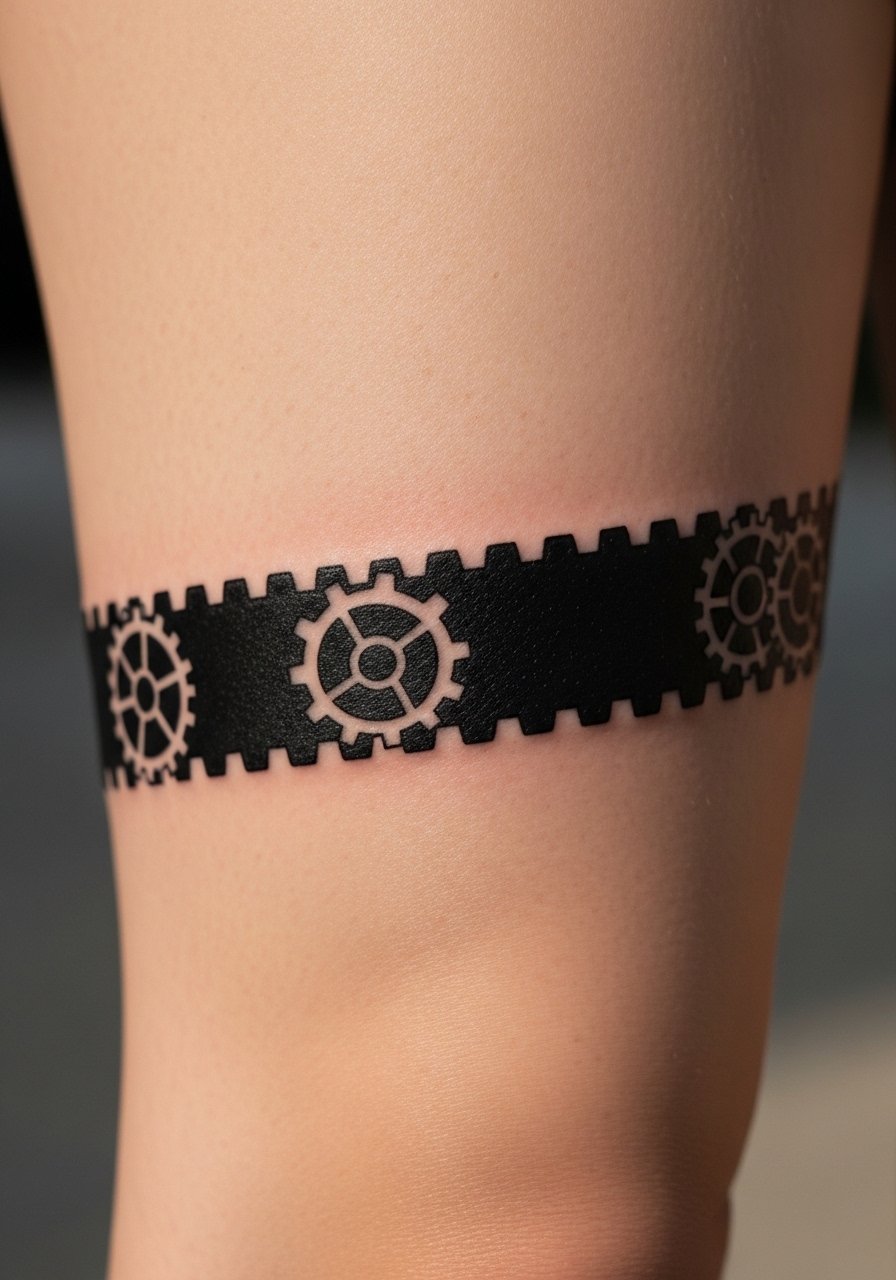
A blackwork band reads clean and can emphasize muscular shape. Decide the band width in consultation so it matches thigh proportions. One session usually covers a narrow to medium band. The main risk is ink migration if the lines are placed too close to the crease. Tell the artist you want crisp edges and moderate saturation so the band does not soften into a blob as it ages. Style it with rolled cargo pants or mid-thigh shorts for a gym look by using cargo pants rolled to reveal the band.
8. Fine Line Mythical Angel on the Inner Thigh
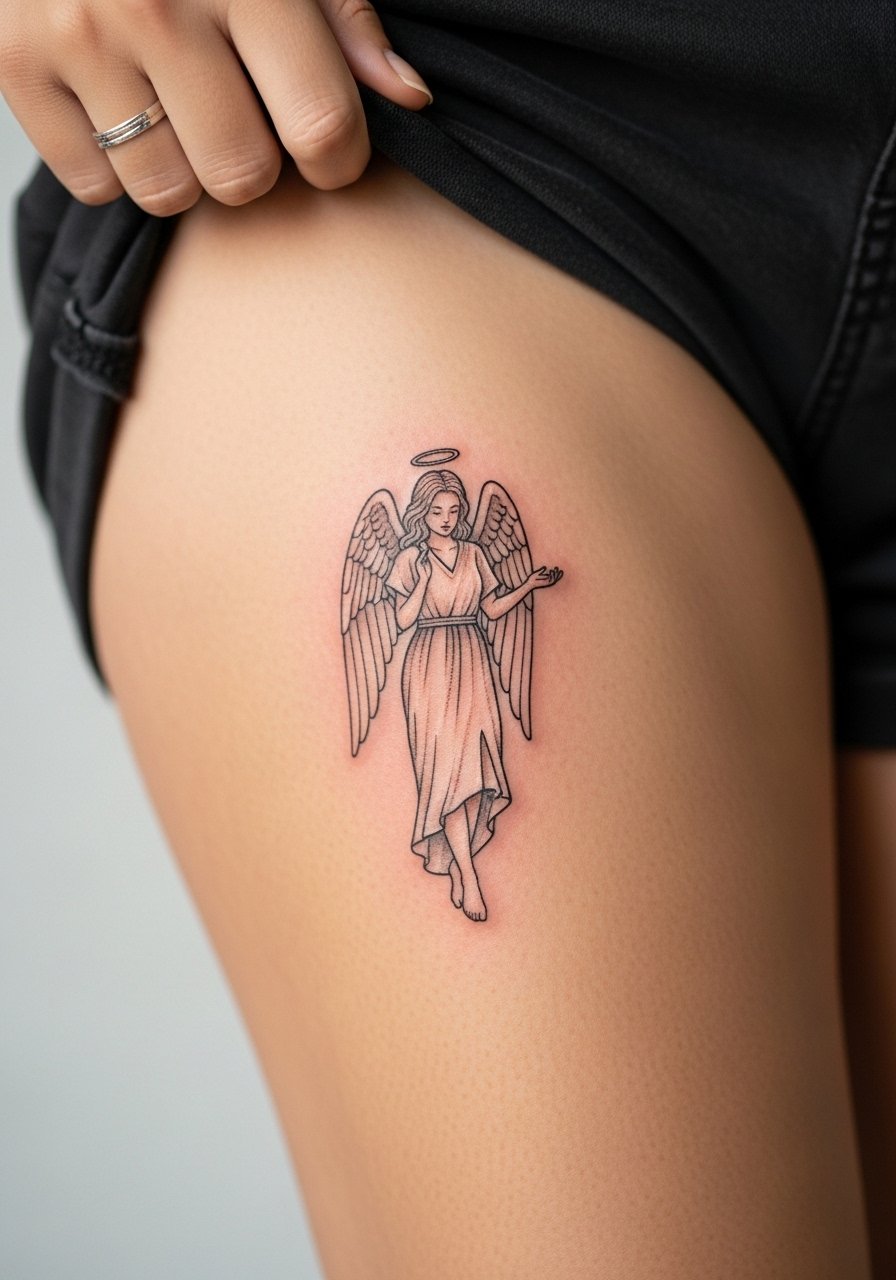
Inner thigh fine line is intimate and can age well because friction is lower than the shin. There is a debate among artists about fine line longevity on tender areas. One camp says fine line settles fine with proper depth and spacing. The other camp warns that dense detail in soft skin can blur in two to three years. Ask which side your artist favors and plan touch-ups if needed. Session wear should be loose shorts and expect moderate pain. Because this is sensitive placement, book with someone experienced in inner-thigh work.
9. Celtic Knot Wrap for Calf Flow
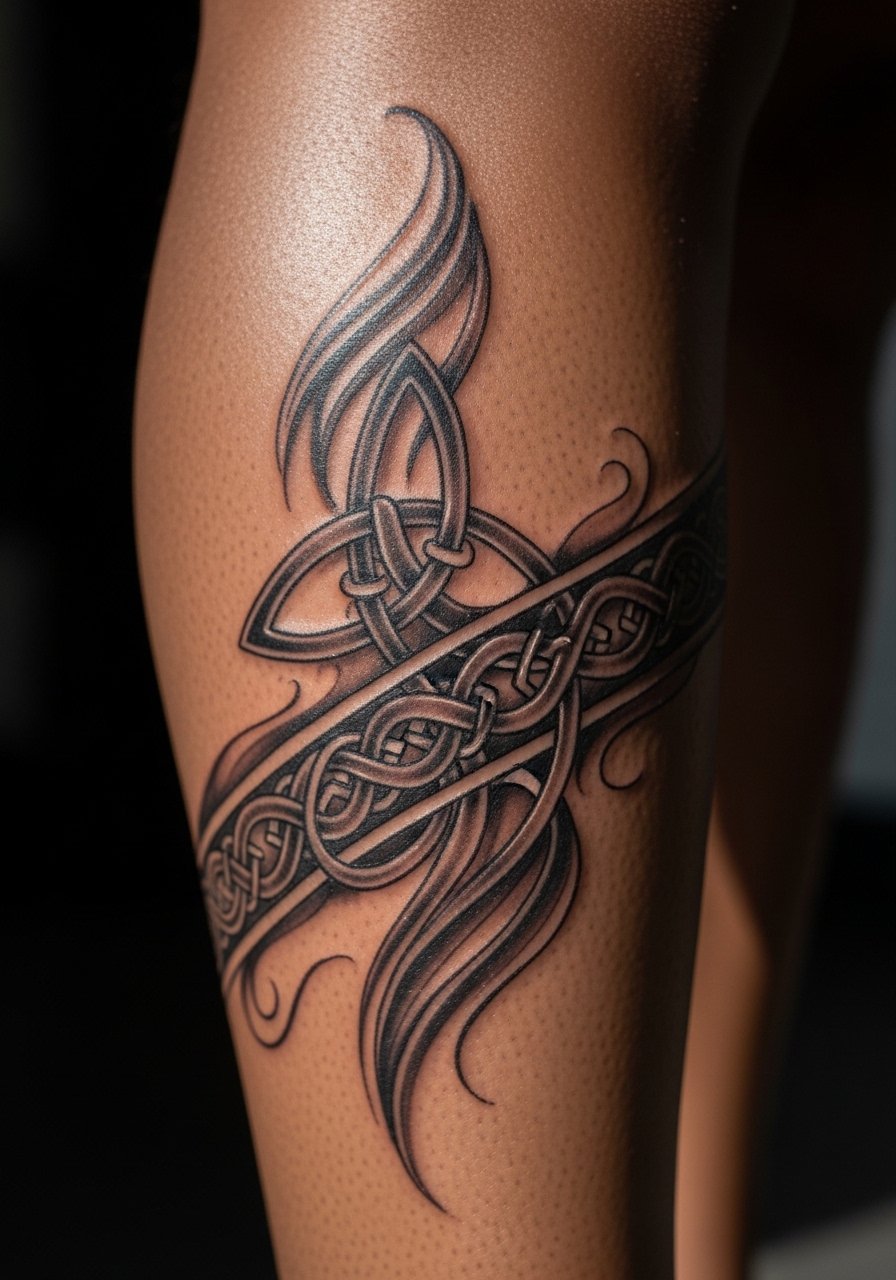
Celtic knotwork follows the calf contours and looks continuous when the knot paths respect muscle lines. Tell your artist to avoid tiny interlaced areas in high-movement zones so the pattern survives stretch and gym time. Expect two to three sessions and plan a touch-up after a year if you train heavily. For weekends show-off, pair this with rolled jogger pants or short athletic trunks so the wrap reads while you move.
10. Minimalist Compass with Arrows on the Shin
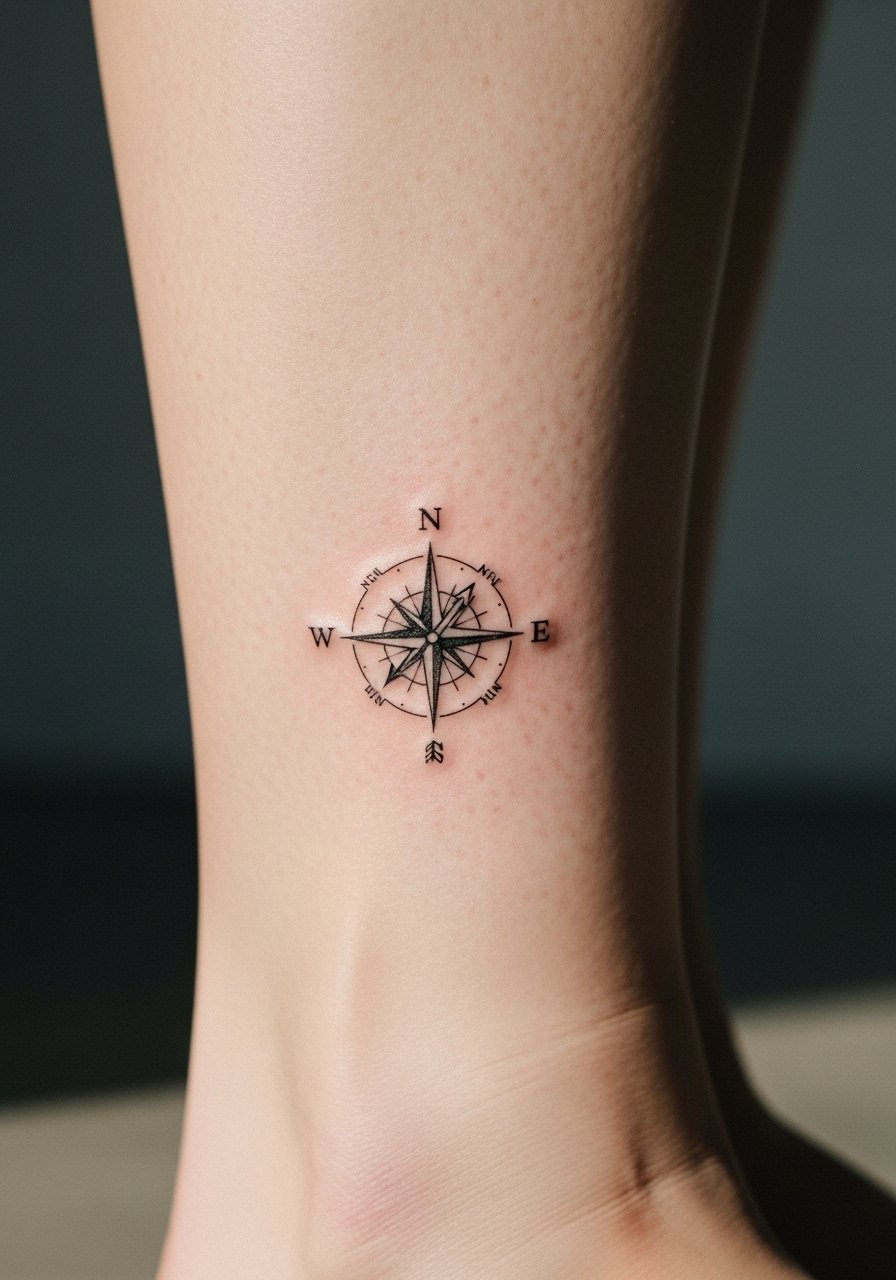
A simple compass on the shin is linear and symmetrical, using the bone as a guide. Fine line work here is controversial because shin skin and bone proximity accelerate fade. One camp accepts subtle aging as part of the style. The other recommends thicker line weights for longevity. If you prefer the minimalist look, request slightly heavier single lines and budget for a touch-up at six to twelve months. For daily wear lean on cuffed chino pants to show the design during warmer months.
11. Wolf Silhouette in Blackwork on Outer Calf
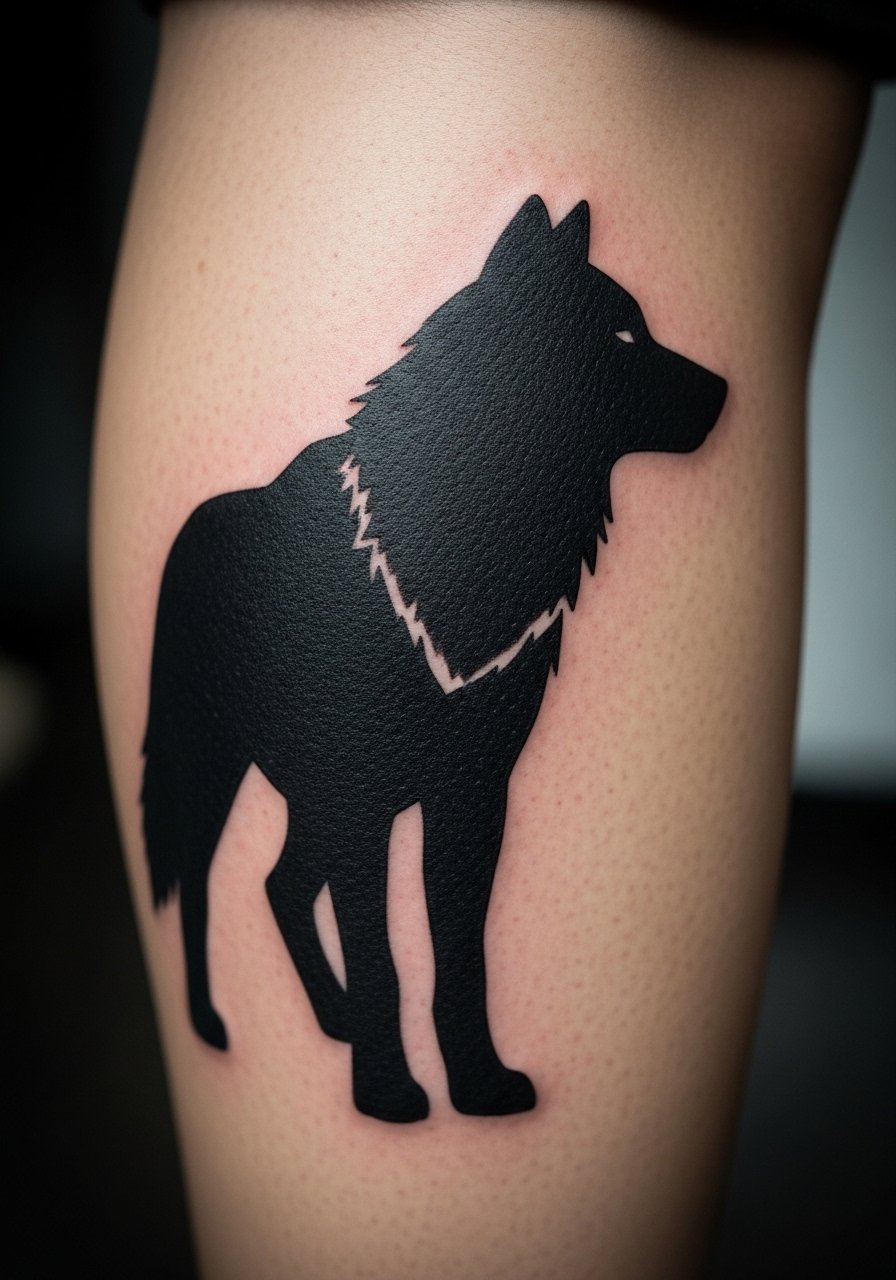
A silhouette reads from a distance and holds well because it avoids tiny detail that can blur. Ask for solid fill and crisp outer linework to reduce risk of patchy healing. Two sessions are common if you add texture or negative-space fur. Blowout risk is lower on the outer calf than on inner limbs, but still inspect the edges after the first week. For a rugged pairing, go with slim athletic shorts and low-profile sneakers.
12. Snake Coiled Around Skull on the Thigh
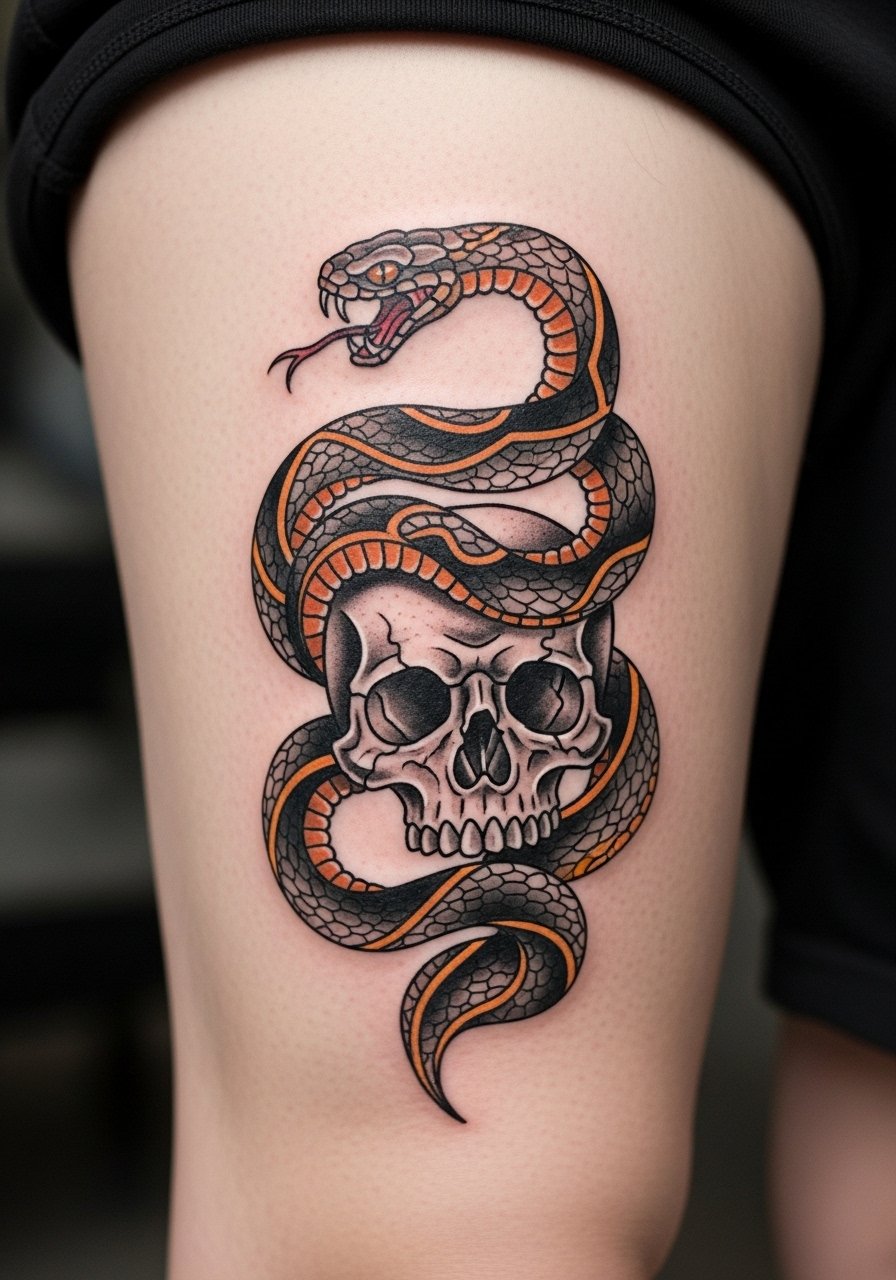
This classic memento mori composition needs contrast between the snake scales and skull planes. Ask the artist to plan muscle-following curves so the coil reads when you flex. Expect moderate pain and three sessions for full color. A common mistake is over-detailing the scale texture at small scale which tends to soften. For session comfort wear loose drawstring shorts so the thigh is fully accessible and avoid tight fabrics for the first week.
13. Ornamental Mandala Band Over the Knee Cap
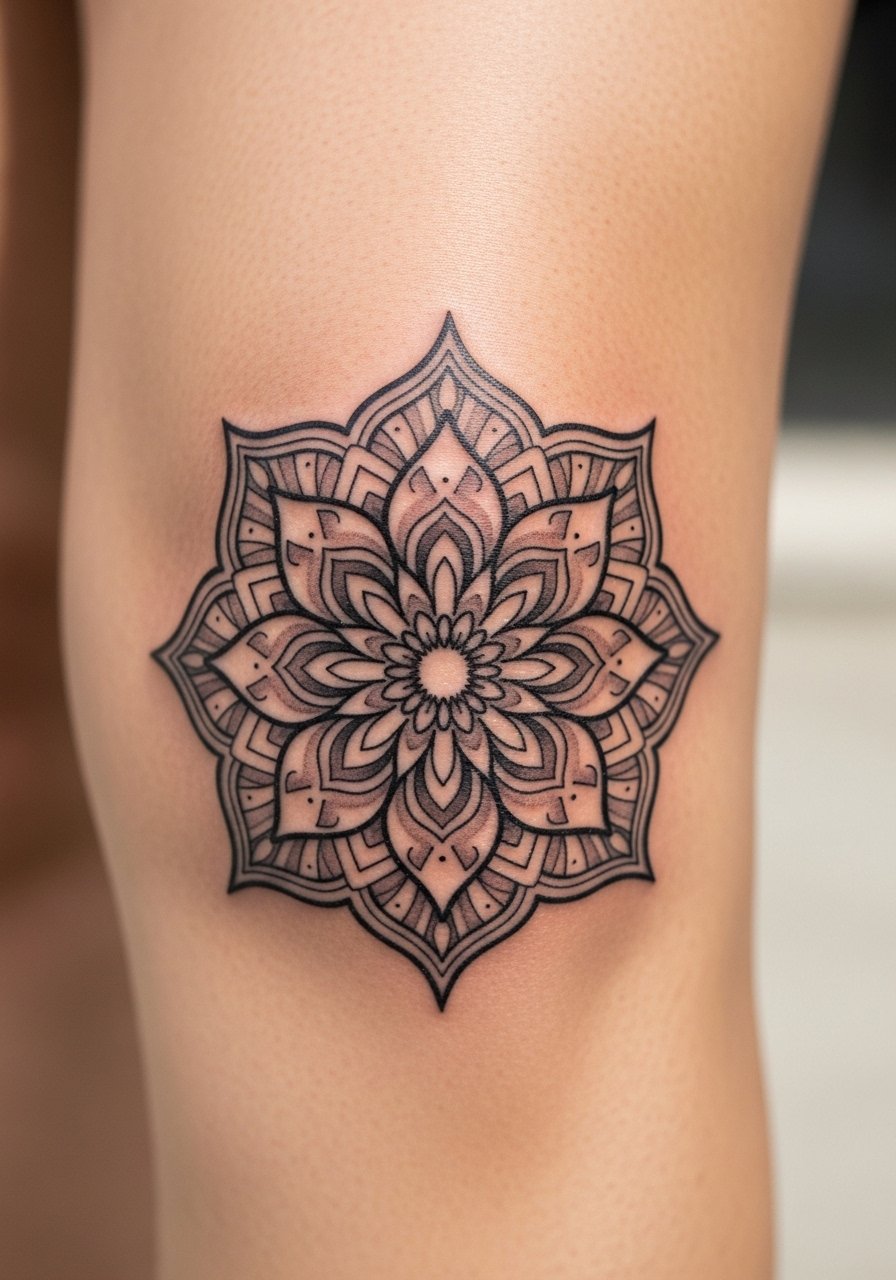
A mandala around the knee can be meditative and sits where the leg bends a lot. Keep the band slightly wider and allow negative space so the pattern does not compress into a blur with motion. One to two sessions usually cover it. Aging on the knee depends on movement and sun exposure, so plan a smaller density of lines over joints. Wear shorts to show it off and expect some discomfort during the session when needles cross tendon areas.
14. Robotic "Cyborg" Leg Illusion
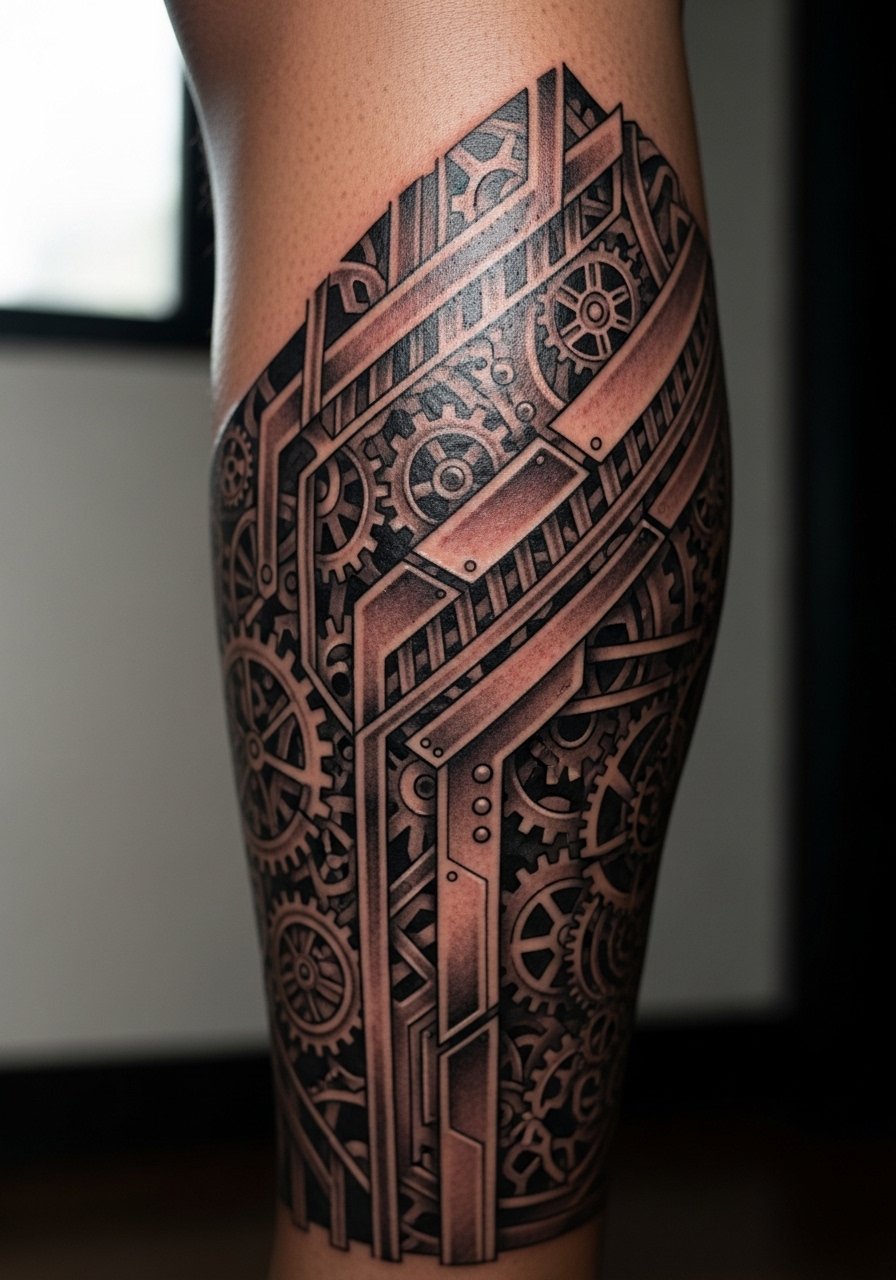
A cyborg illusion uses tessellated plates and cogs to suggest mechanical depth. Design it so plates follow the leg curves to avoid looking flat in motion. This idea has been trending on visual boards and benefits from alternating heavy blackwork with negative skin gaps. Expect two to three sessions. A fresh take is to let certain plates fade into stipple shading to reduce long-term blur. Style it with cuffed cargo pants to let the panels peek.
15. Linear Shin Tattoo Using the Bone as a Symmetry Guide
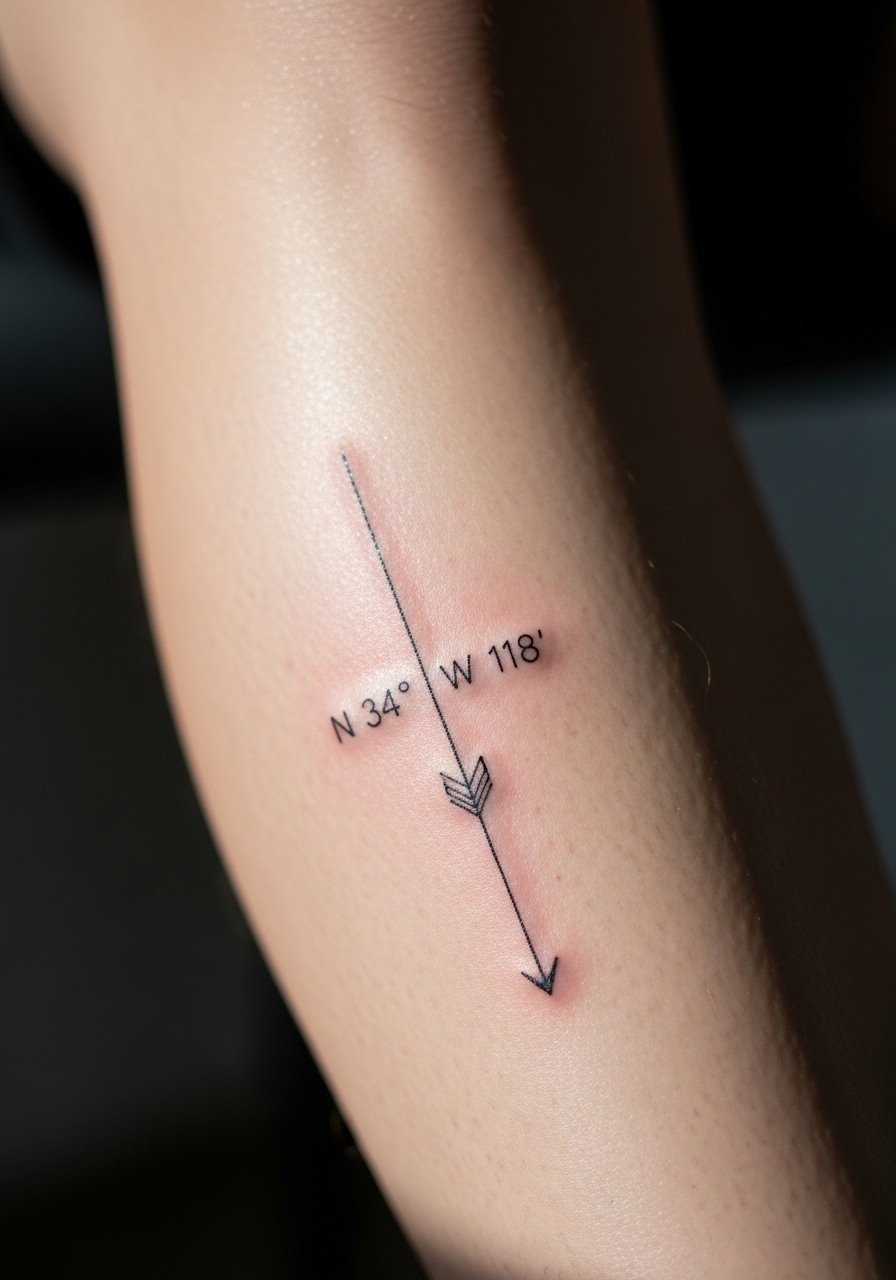
Using the shin bone as a symmetry guide helps linear designs read straight on the leg. The trade-off is higher sensitivity during the session. Many clients report intense sharp sensations, so topical numbing is an option to discuss. Avoid packing too many micro-letters along the bone because the skin there can blur lines faster. For everyday wear, pair with slim straight jeans rolled at the hem to show the tattoo when you want.
16. Thigh Piece Designed Around Musculature Flow
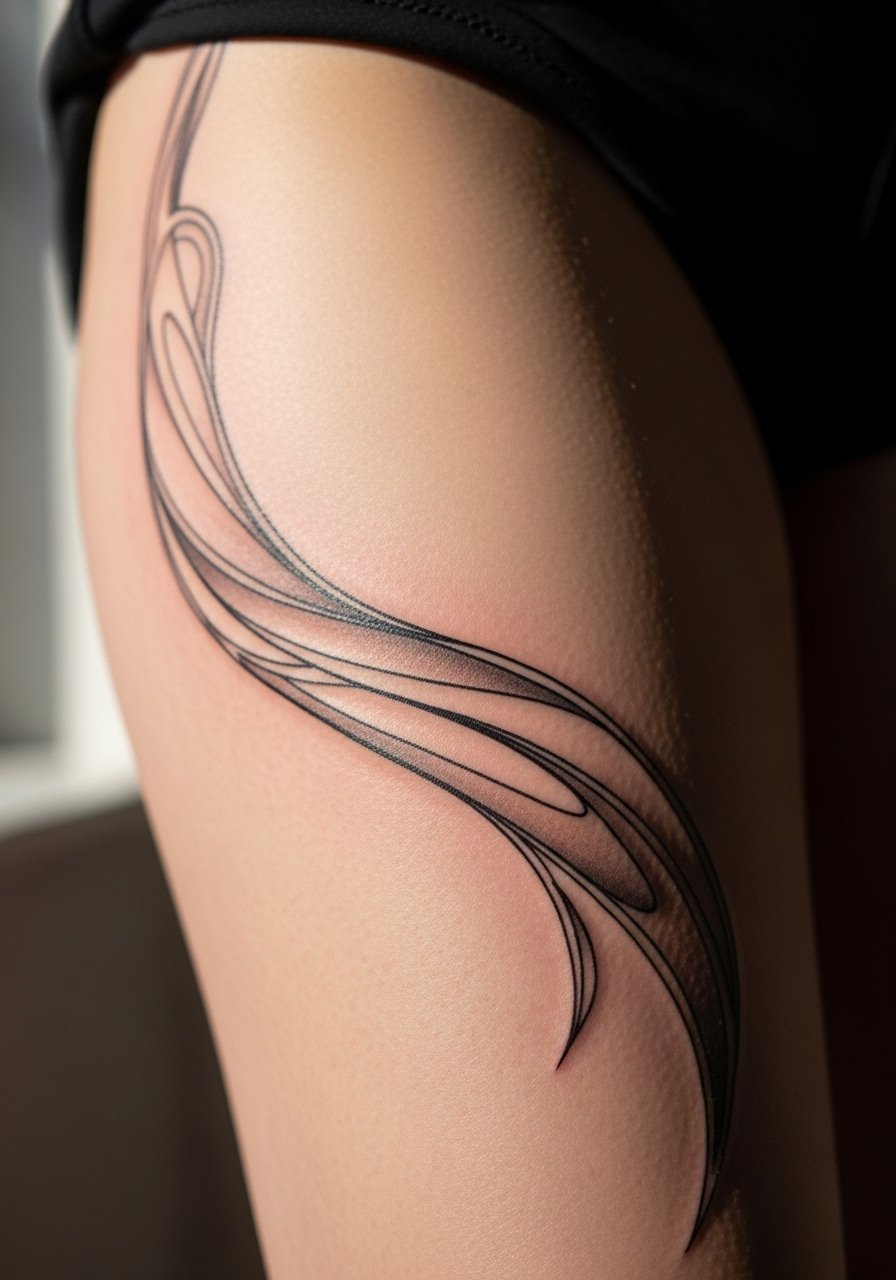
Athletic thighs give dynamic canvas options when the piece is planned with muscle flow in mind. Ask your artist to mock the design on a flexed pose so the linework hugs the muscle. Expect moderate pain and longer session windows for larger panels. Stretch and weight changes matter here. If you expect bulk fluctuations, place main focal elements on the outer thigh where distortion is less likely. For gym days pick tailored gym shorts so the panel shows without awkward cropping by clothing.
17. Patchwork Half-Leg Build with Traditional Patches
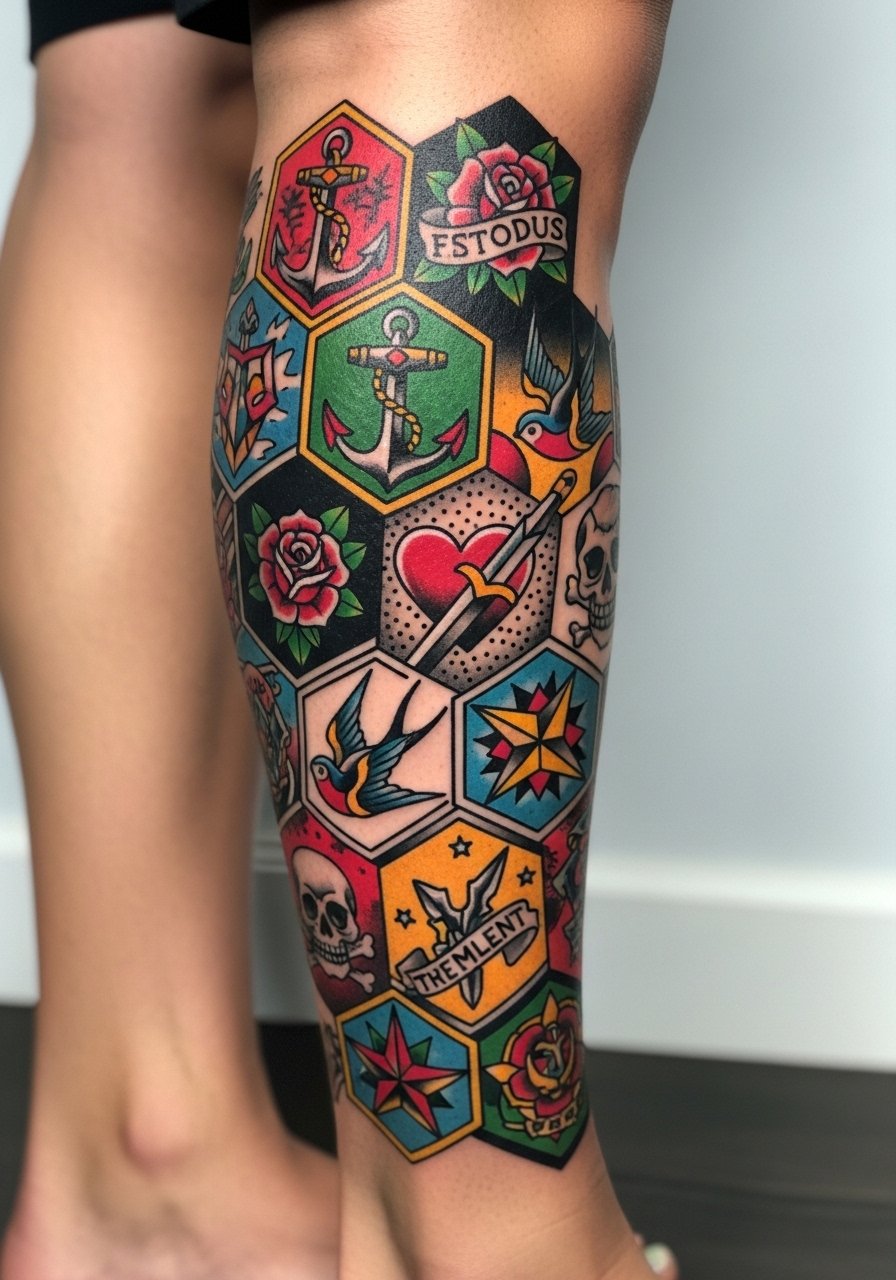
Patchwork half-leg builds let you test commitment while creating visual momentum. Start with one central motif and leave room for connecting elements later. Session scheduling can be a headache, so keep a running plan and pick a shop that accommodates guest spots or conventions. During sessions wear loose linen or drawstring pants you can roll up without rubbing fresh ink. For weekend shows choose board shorts so the patchwork peeks naturally.
18. Micro-Realism Small Calf Portrait
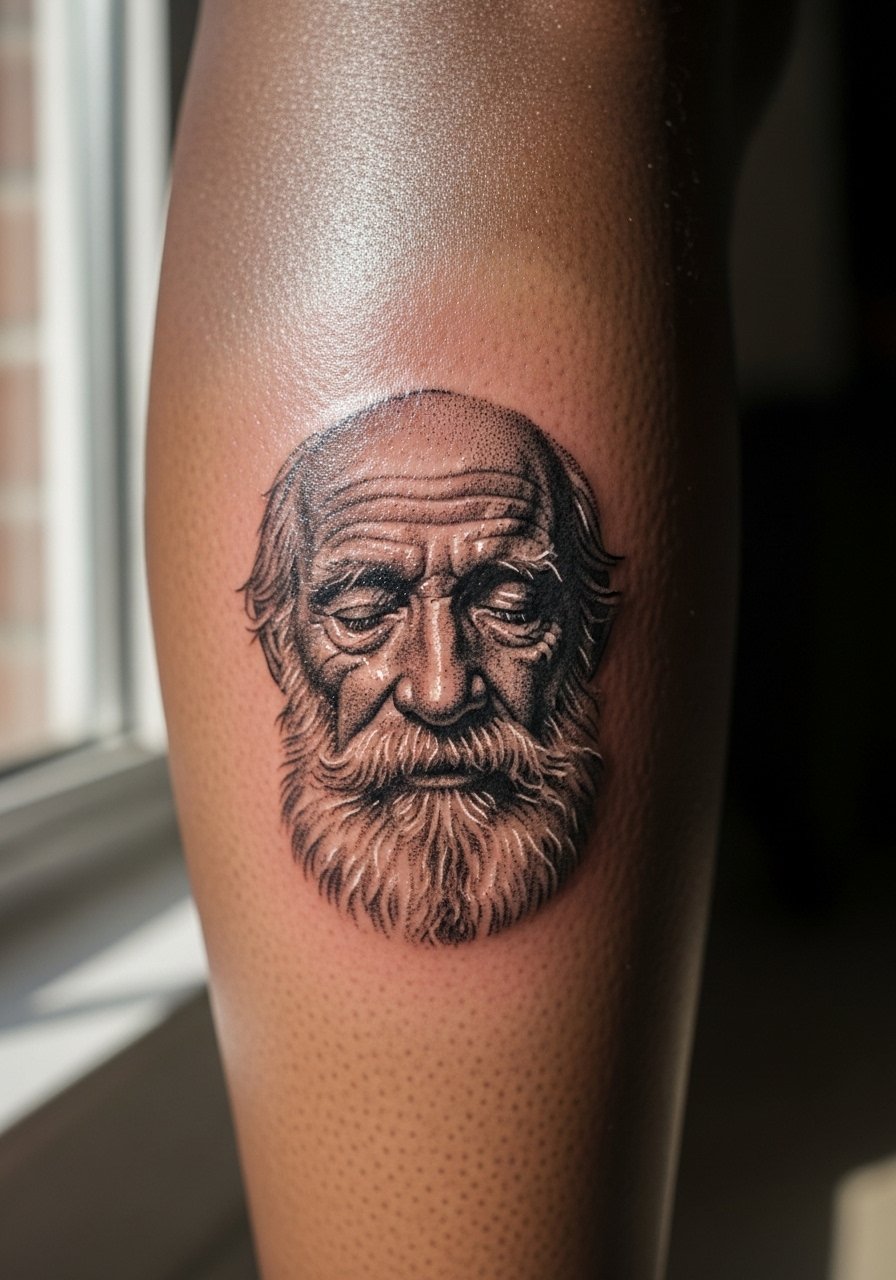
Micro-realism scaled small on the calf needs careful planning. Tell your artist the minimal printed size you expect so the reference can be adjusted. These take precise stipple shading and may require a dense contrast pass. Expect two sessions and a touch-up at six months. A mistake is compressing too many facial details into a tiny area which loses identity as it heals. Show it off with rolled jogger pants or short trainers.
19. Geometric Band Around the Knee for Daily Visibility
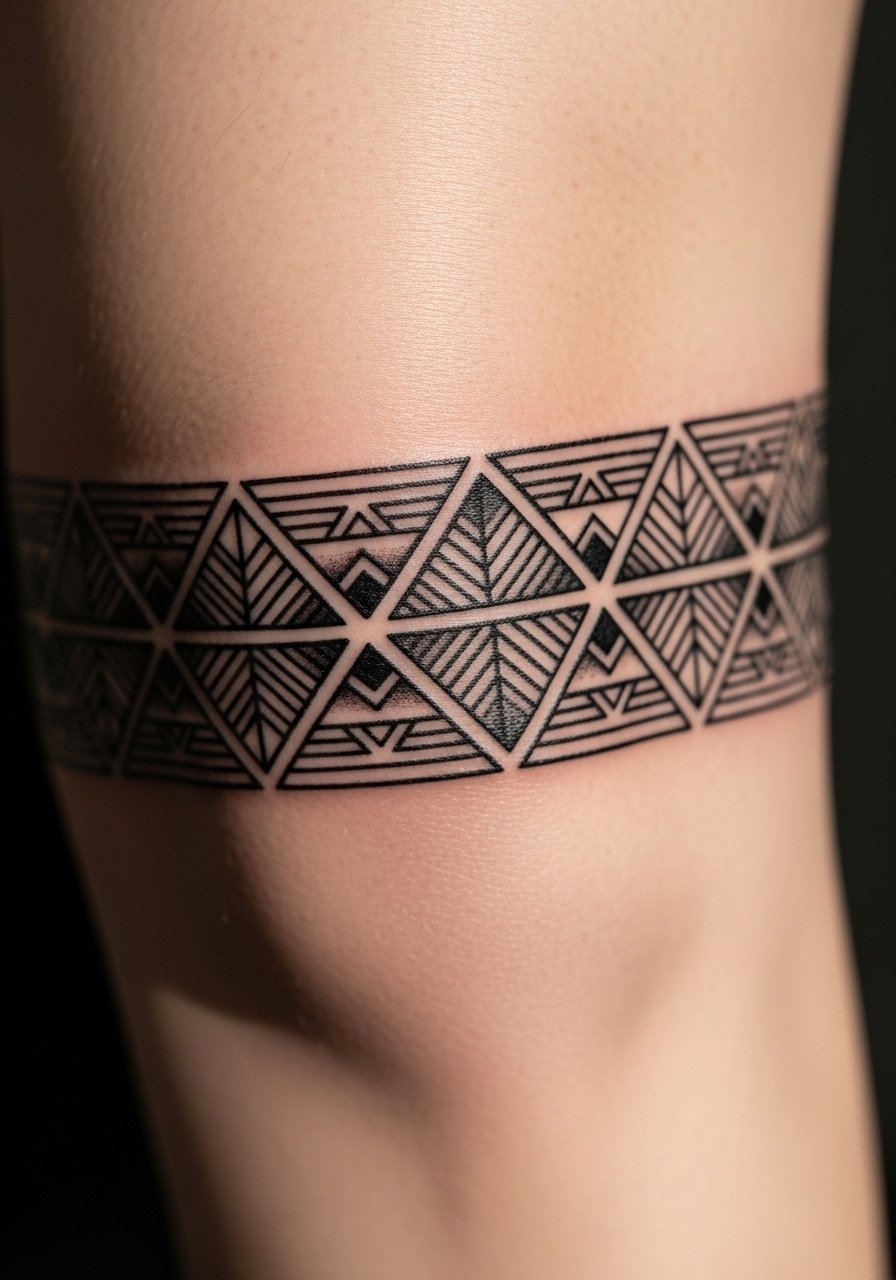
A geometric knee band gives everyday visibility and works with movement when designed with spacing. Keep the lines slightly thicker than you would on forearms so the band survives friction and sun. One session can cover a narrow band. The common mistake is making the pattern too dense which leads to softening. Pair it with cuffed chinos or shorts for regular display.
20. Minimalist Ankle Constellation
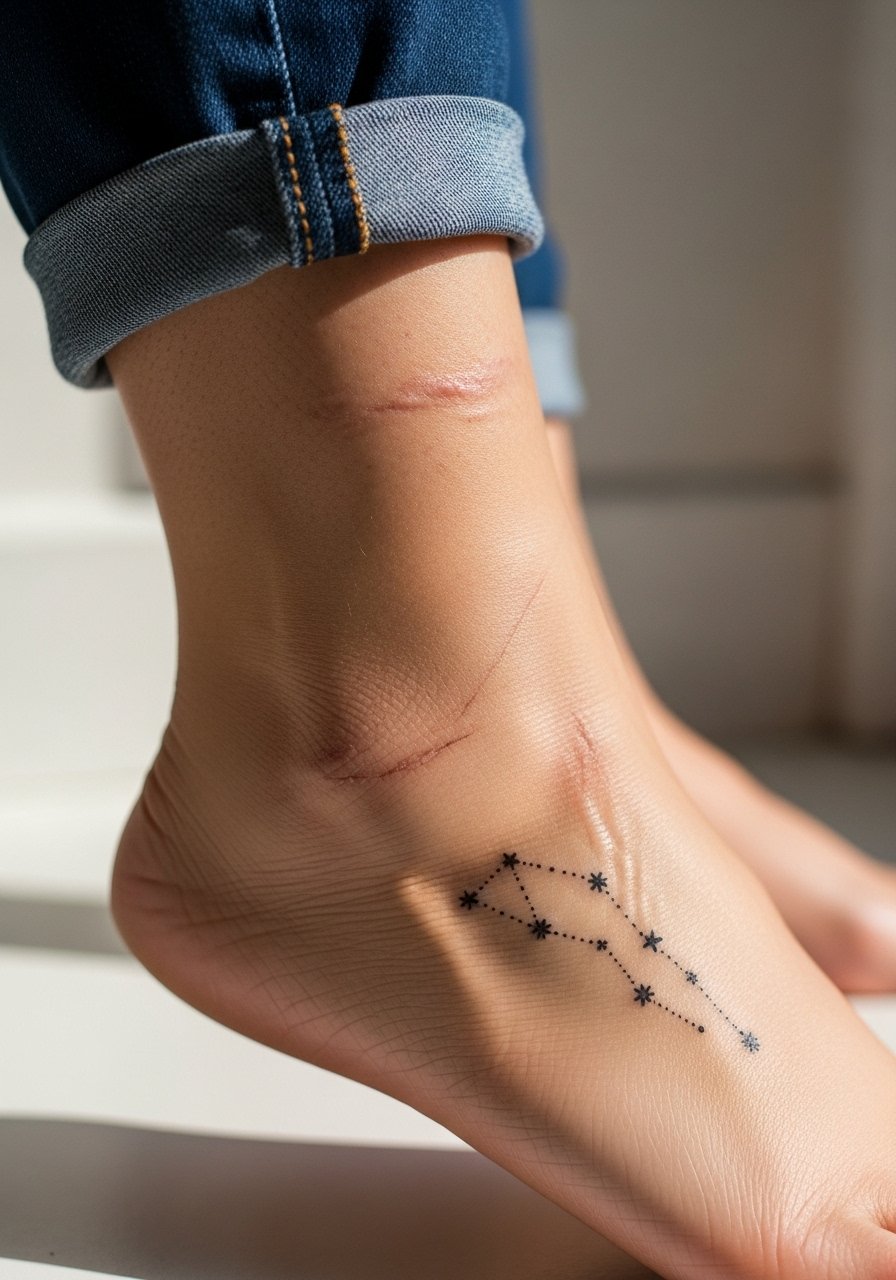
An ankle constellation is low-commitment and low-cost in time. The area sees shoe friction and socks, so keep linework slightly heavier than ultra-fine to prevent early fading. One session often suffices. For summer visibility roll your jeans or wear sandals and choose footwear that does not rub the fresh ink. A good pair of sandals or rolled denim complements the placement and avoids damage during the first two weeks.
21. Minimal Wave Line Wrapping the Ankle
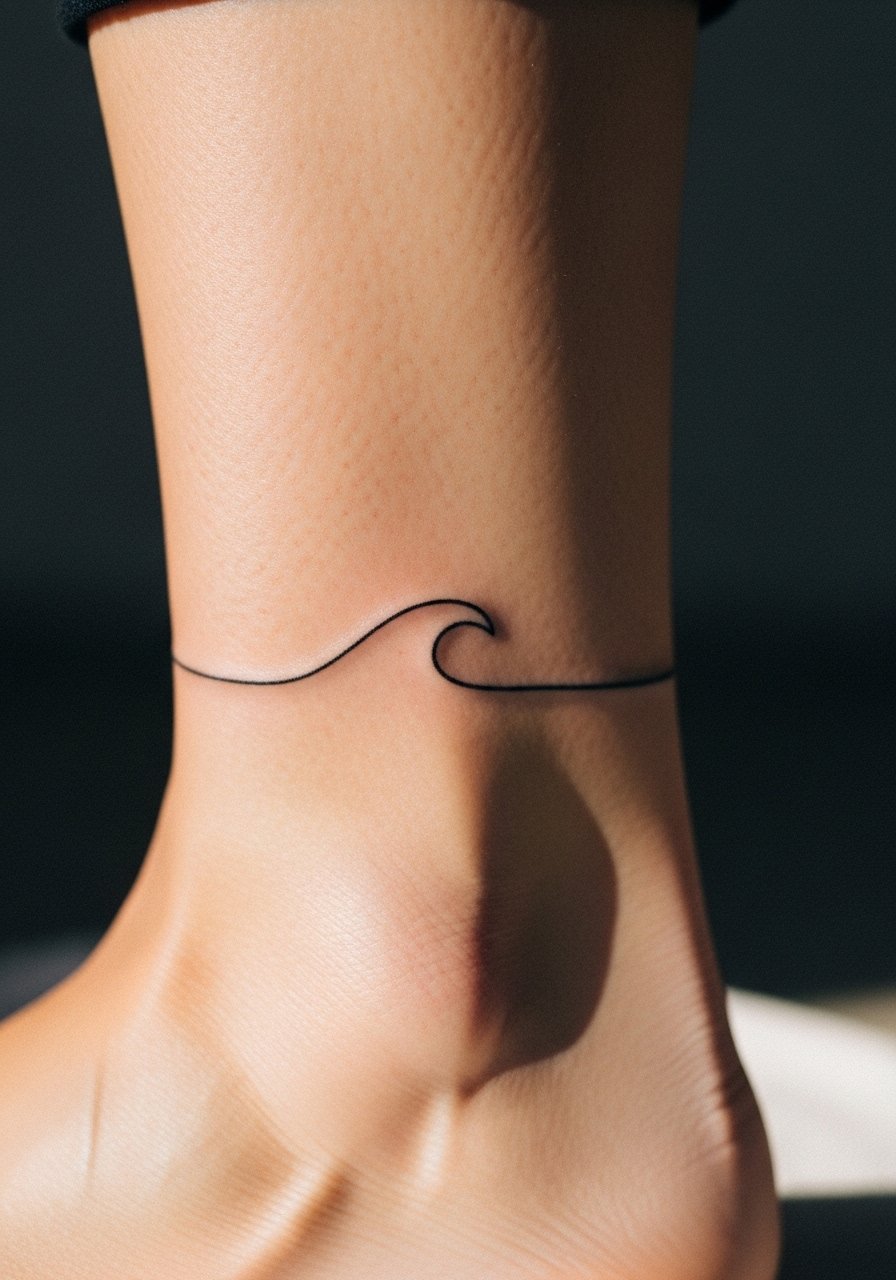
A tiny wave that circles the ankle is subtle and ages with little fuss if placed away from constant shoe contact. Ask the artist to set the wave slightly higher than the sock line to reduce rubbing. This one-session piece is beginner-friendly for first-timers who want low pain and easy care. For show-off styling roll up straight-leg jeans or go with lightweight sandals so the line appears like part of your weekend kit.
Frequently Asked Questions
Q: Will a thigh tattoo stretch out if I gain weight or bulk up?
A: Thigh tattoos are more likely to shift with significant weight change than calf pieces. Place focal elements on the outer thigh where skin stretches less and discuss anticipated body changes with your artist. If you plan to bulk up for sports, consider starting with patchwork that can be adjusted later.
Q: Why did my fine line shin work fade so fast and what can I do next?
A: Fine line on the shin often fades faster because the skin is thin and close to bone. Two camps exist. One says fine line can hold if the artist spaces lines and uses correct depth. The other recommends thicker single lines on shins for longevity. If your piece faded, a thicker reline or a light fill during a touch-up often restores its clarity.
Q: How should I prepare clothing and packing for a full leg sleeve session?
A: Bring loose removable pants and shorts so the artist can access the area without tugging at fresh ink. For long sessions bring layered clothing that you can peel away in stages. Pack slip-on shoes for comfort and a towel to rest on the chair if needed.
Q: Is Saniderm better than dry healing for leg tattoos?
A: People split on this. One group likes protective film for less mess and faster early healing. The other prefers dry healing, believing natural scabbing can preserve ink in some cases. Your choice should follow your artist's workflow and the tattoo location. High-friction zones like ankles and shins sometimes benefit from protective film in that first week.
Q: What should I ask a tattooer during consultation for a calf portrait or realism piece?
A: Bring clear reference photos with the lighting you want and ask to see healed examples on calves or similar skin tones. Ask about expected sessions, touch-up windows, and how they plan to handle contrast and saturation so the portrait keeps identity over time.
