
Fine line spine work rules saved boards and salon stories for the last two years, but the designs that still look crisp after five years are not always the ones with the most likes. Placement, skin texture, and spacing matter more than trend alone, and small choices at consultation change a healed piece. Read on for dainty back tattoo ideas that consider how they age, what to wear to the session, and how to show them off afterward.
1. Fine Line Floral Vertebrae Along the Spine
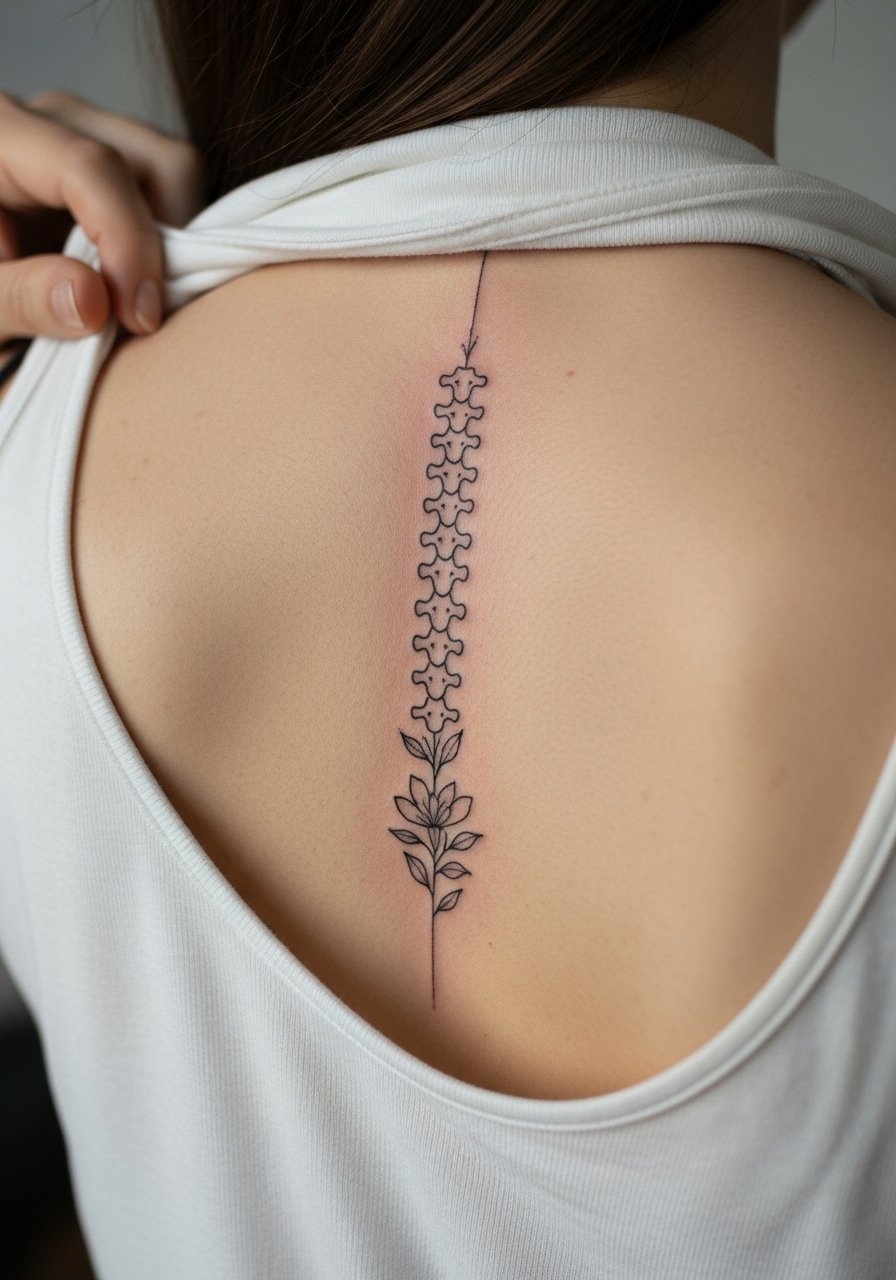
This is the signature dainty back tattoo for elongating the posture visually. Ask your artist for slightly increased spacing between petals and a single-needle line weight that is consistent, not hairline thin. A common mistake is packing tiny flowers too close together so the shapes blur within two years. Pain is moderate for upper spine work and sessions often finish in one short appointment. For the session wear a low back halter top you can unhook or pull aside so the artist has clean access. Expect a touch-up at year two to three if you want the petals to remain crisp.
2. Minimalist Spine Script Mantra
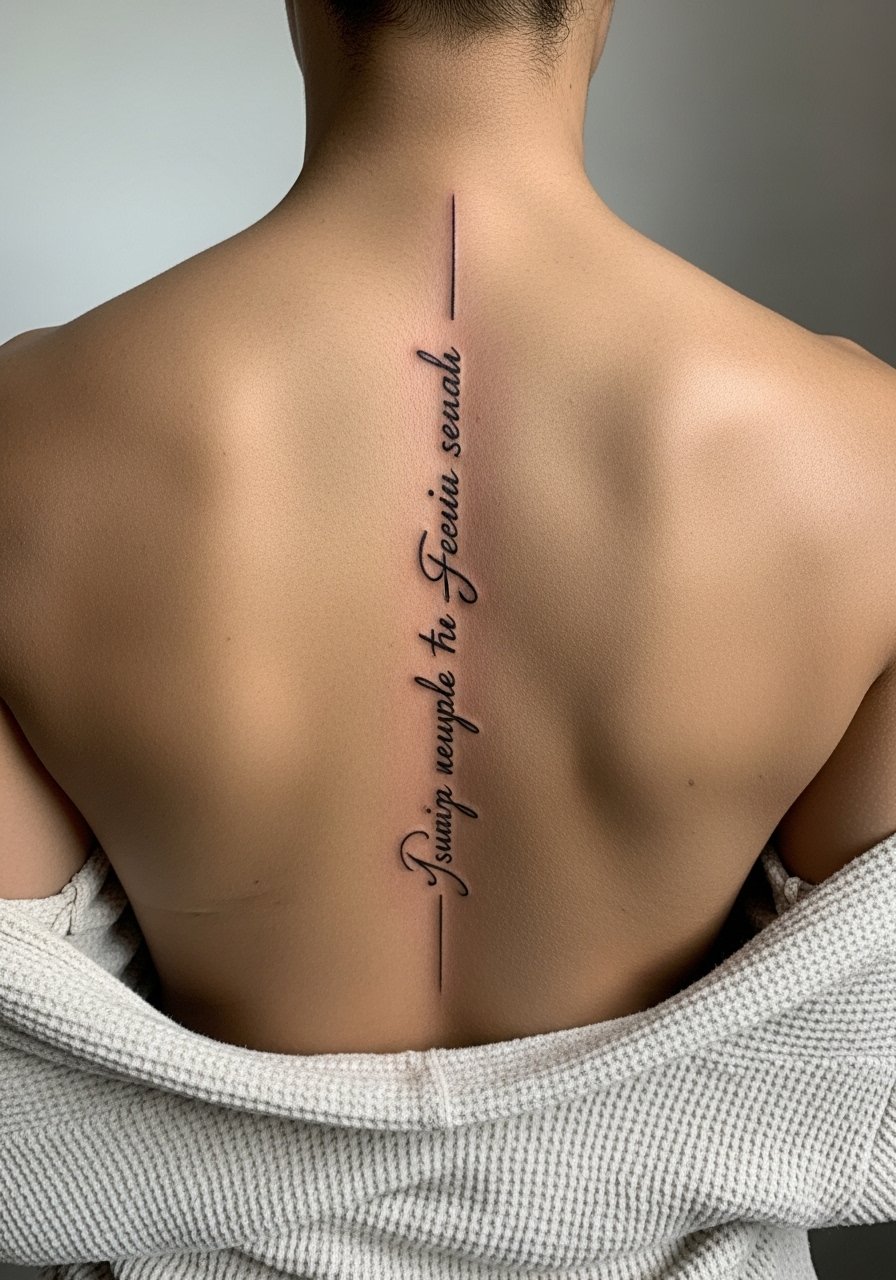
A single-line mantra down the spine reads personal during yoga and when wearing low-back dresses. Tell the artist the exact font weight and ask for a stencil that follows your spinal curve. The main mistake is choosing a font that looks great on screen but pulls thin on skin. Pain increases closer to the lower back but most clients finish the single session. For evenings out, pair it with backless dress women styles that keep the design central. Plan for a touch-up in three years if you are sun prone.
3. Dainty Geometric Spine Dotwork
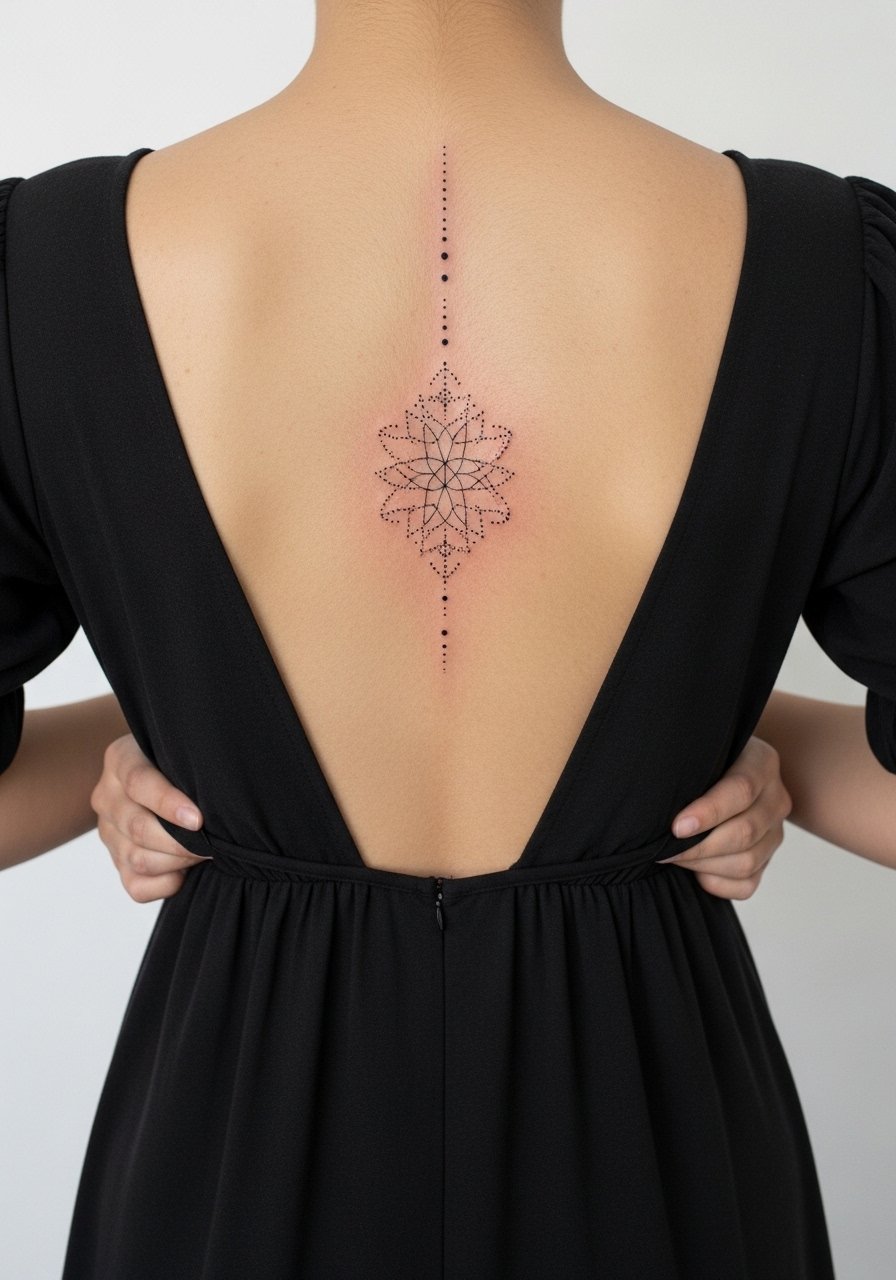
Dotwork that tracks the spine is subtle and meditative. Ask for a spacing guide during consult so dots form clear negative space and do not merge. A common aging problem is going too dense, which causes the dots to read as a gray patch after several years. The session feels quick and focused, usually one focused appointment. For showing off in summer, a strapless or convertible strapless bra convertible keeps the center line visible and stable under clothing. Dotwork tends to need fewer touch-ups than ultra-fine script.
4. Blackwork Mandala Bridging Shoulder Blade to Spine
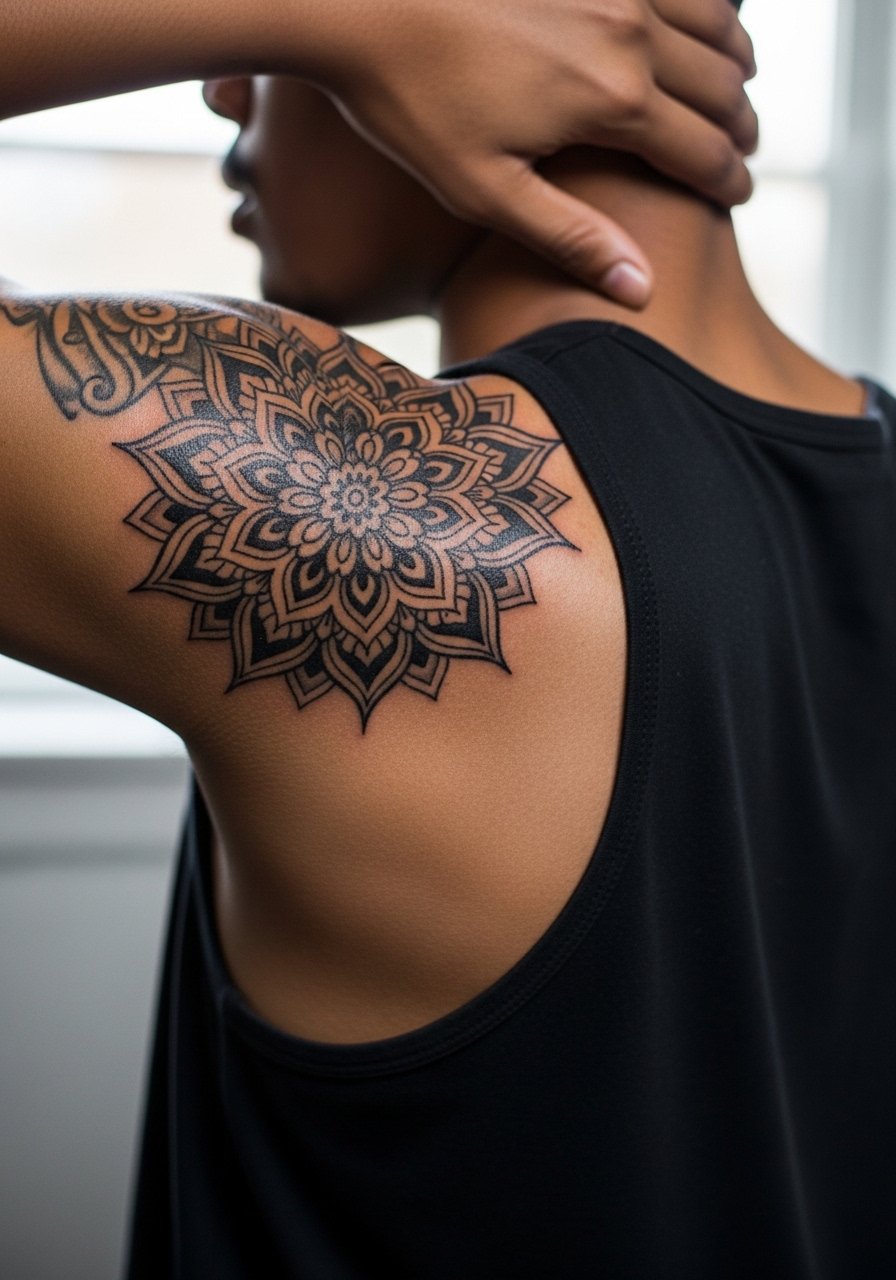
Bold black ornamental work reads from a distance and holds up well over time. In consultation, define how much negative space you want so the mandala keeps its shape as skin moves. Artists split on small mandalas placed too close to the spine. One camp says dense black holds its form and outlives fine line. The other camp warns that too much saturation on thin skin can feel heavy and age into a solid block. For in-session access, wear an off shoulder sweater you can pull aside so the artist reaches the blade easily. Expect two sessions for larger pieces and a possible touch-up after a year.
5. Watercolor Spine Feathers That Flow with Movement
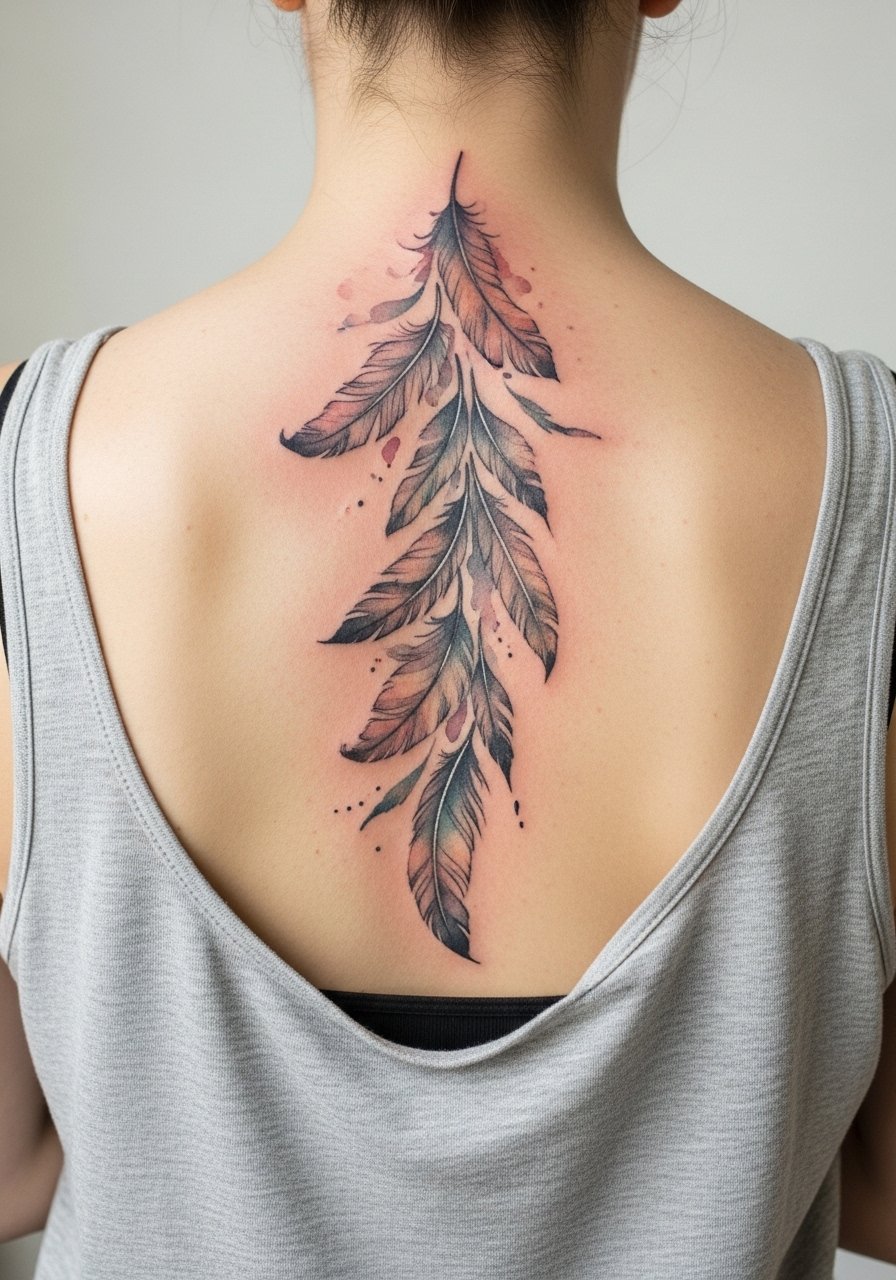
Watercolor effects give an ethereal sense when the back arches, but longevity can vary. One camp says watercolor fades faster and needs heavy outlines to last. The other camp recommends careful color packing and minimal sun exposure for the long haul. The practical mistake is asking for delicate washes without a consult about how they'd age on your skin tone. Sessions typically take two sittings for color blending. For showing it off, a sheer mesh bodysuit or open-back tank creates that floating look in photos. Expect brighter appearance at six months and softer edges by year three.
6. Neo-Traditional Rose Vine Neck-to-Waist
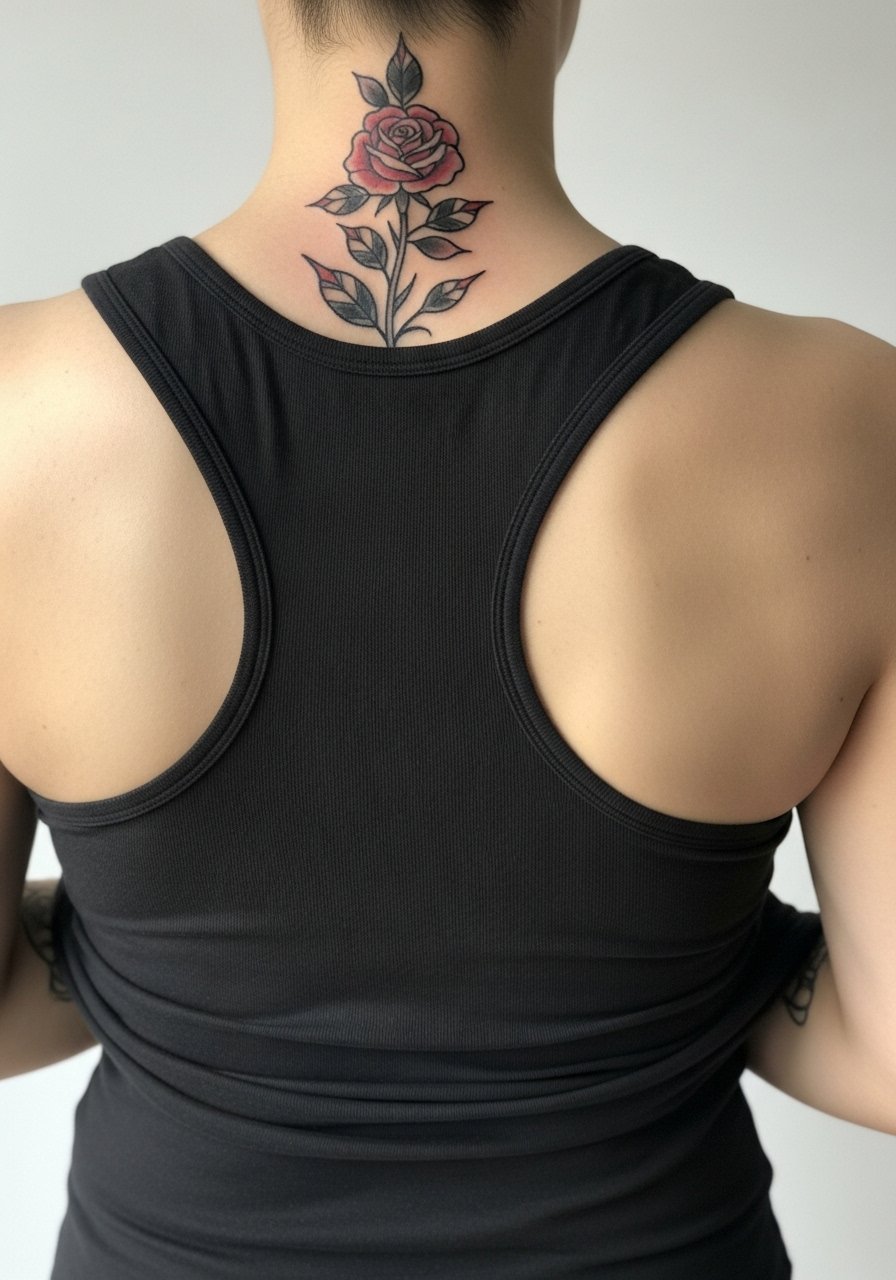
This climbing rose vine gives movement and color without overpowering the back. Tell the artist where you want the color accents and whether you prefer muted tones that age gently. The common error is over-detailing small petals where color and line compete and soften with time. Full-length spine extensions may need three sessions for depth and saturation. For appointments, a racerback tank women provides access while keeping you comfortable. Plan to revisit color accents in two to five years depending on sun exposure.
Studio Day Picks
The designs above include both concentrated color and fine line work across spine and shoulder areas, so a few practical items make session day and the first week easier.
-
Stencil transfer paper kit. Lets you preview exact placement on the curved back before inking, which is crucial for full-spine pieces and vines.
-
Topical numbing cream. Applied as directed before a long upper- or full-spine session can ease upper-back sensitivity without changing linework.
-
Thin protective film roll. Useful for lower-back and shoulder blade areas that rub against clothing during the first few days of healing.
-
Fragrance-free gentle body wash. Cleanses around delicate fine line work without harsh scents that irritate newly tattooed skin.
-
Aquaphor healing ointment. A thin layer for the initial days locks in moisture on fine line pieces while letting skin breathe.
7. Micro-Realism Butterfly Cluster on Lower Spine
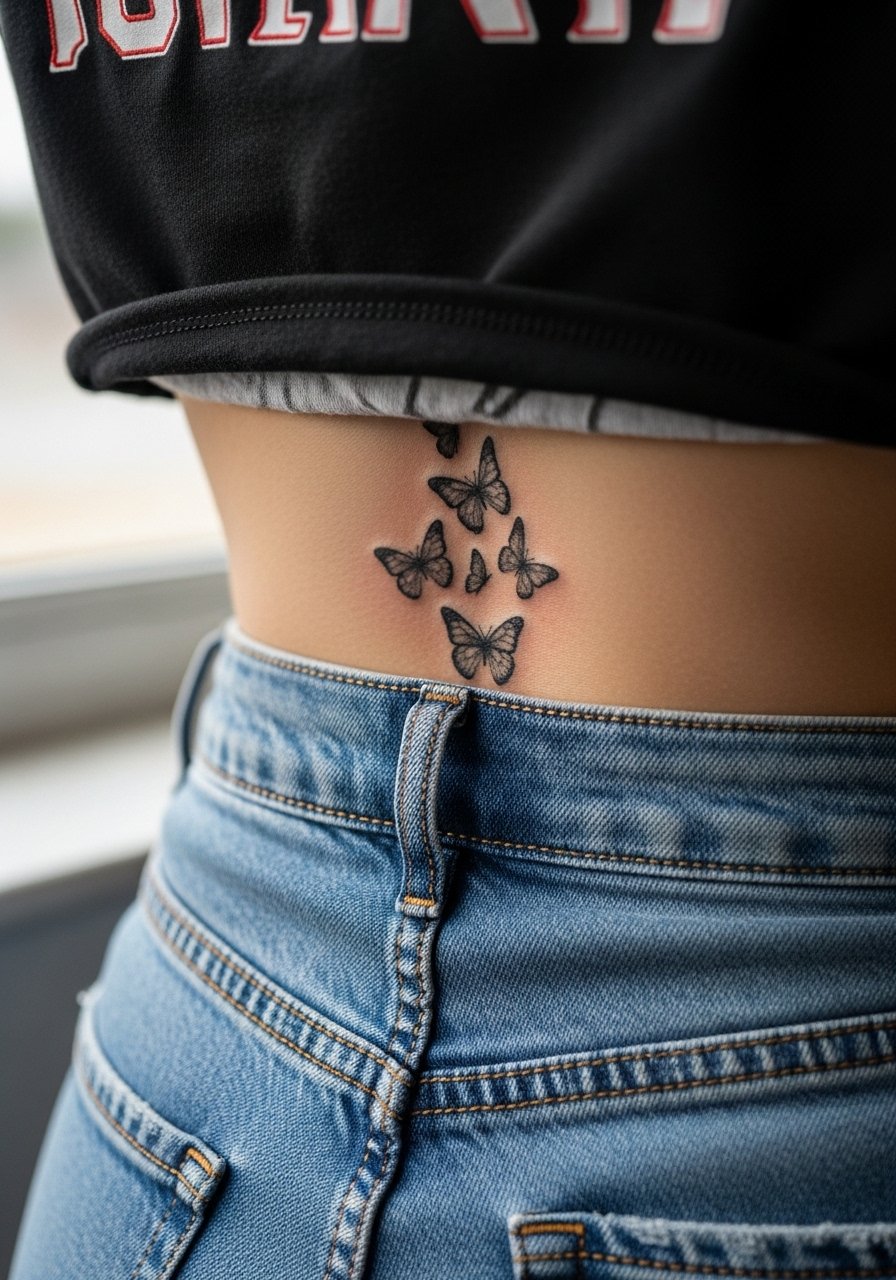
Tiny realistic butterflies on the lower spine read delicate and symbolic. For consults, bring clear reference photos for wing scale and shadowing. A frequent mistake is wanting full micro detail at too small a scale which blurs over time. The lower back can tolerate slightly denser shading, so you can keep contrast that lasts. Session time is short for a cluster this size. Show it off with high waisted jeans and a cropped tee rolled up, which keeps the design visible in summer. Expect subtle softening at year three.
8. Ornamental Lacework Mid-Back Band
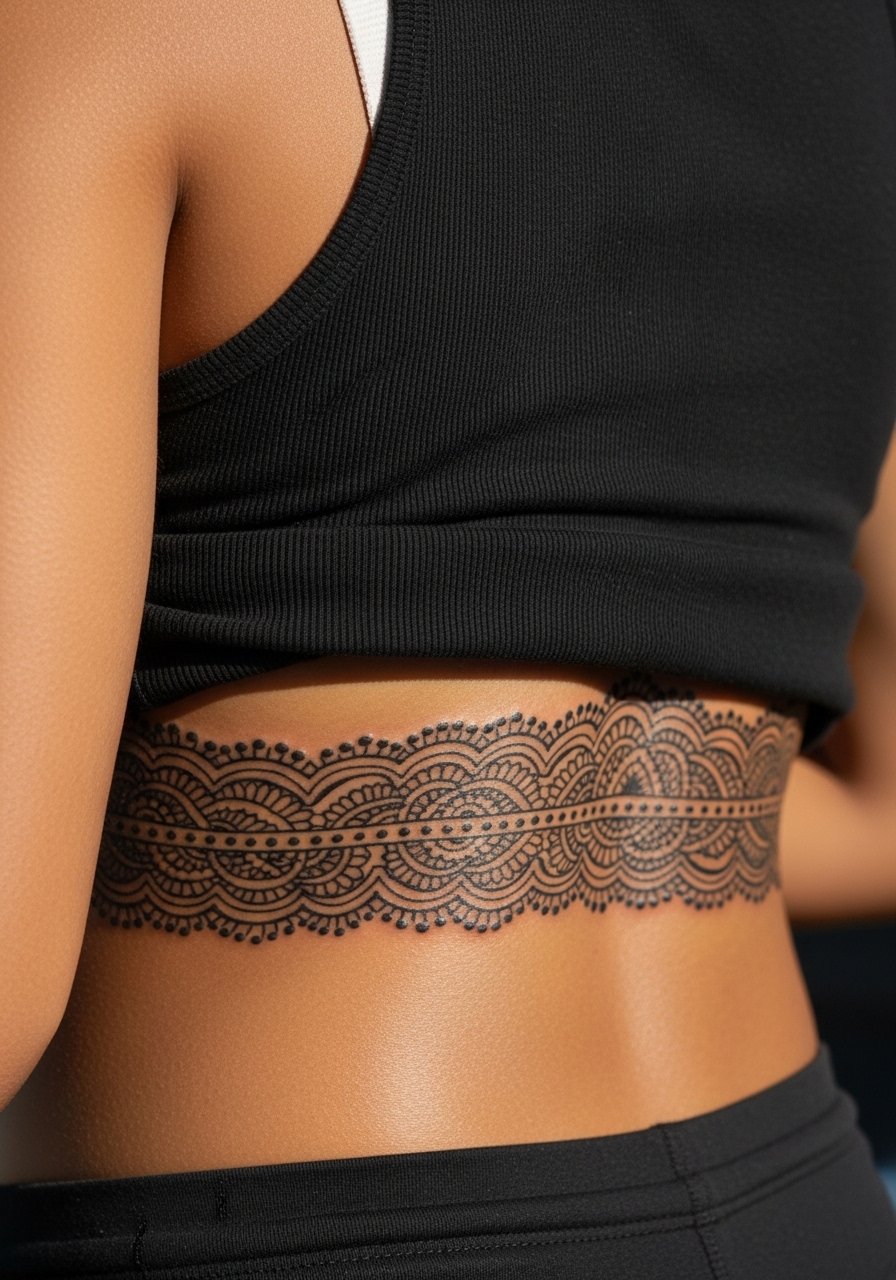
Lacework across the mid-back evokes vintage lingerie detail with a decorative horizontal presence. Ask for simplified negative space so the pattern does not bleed together when the skin moves. The common aging problem is over-intricate filigree that becomes muddy. This placement usually needs two sessions for line consistency and stipple shading. For session comfort, wear a loose tank top you can shift without pulling across the back. Expect the pattern to remain legible longer than dense color fills.
9. Fine Line Heartbeat with Tiny Heart Along Spine
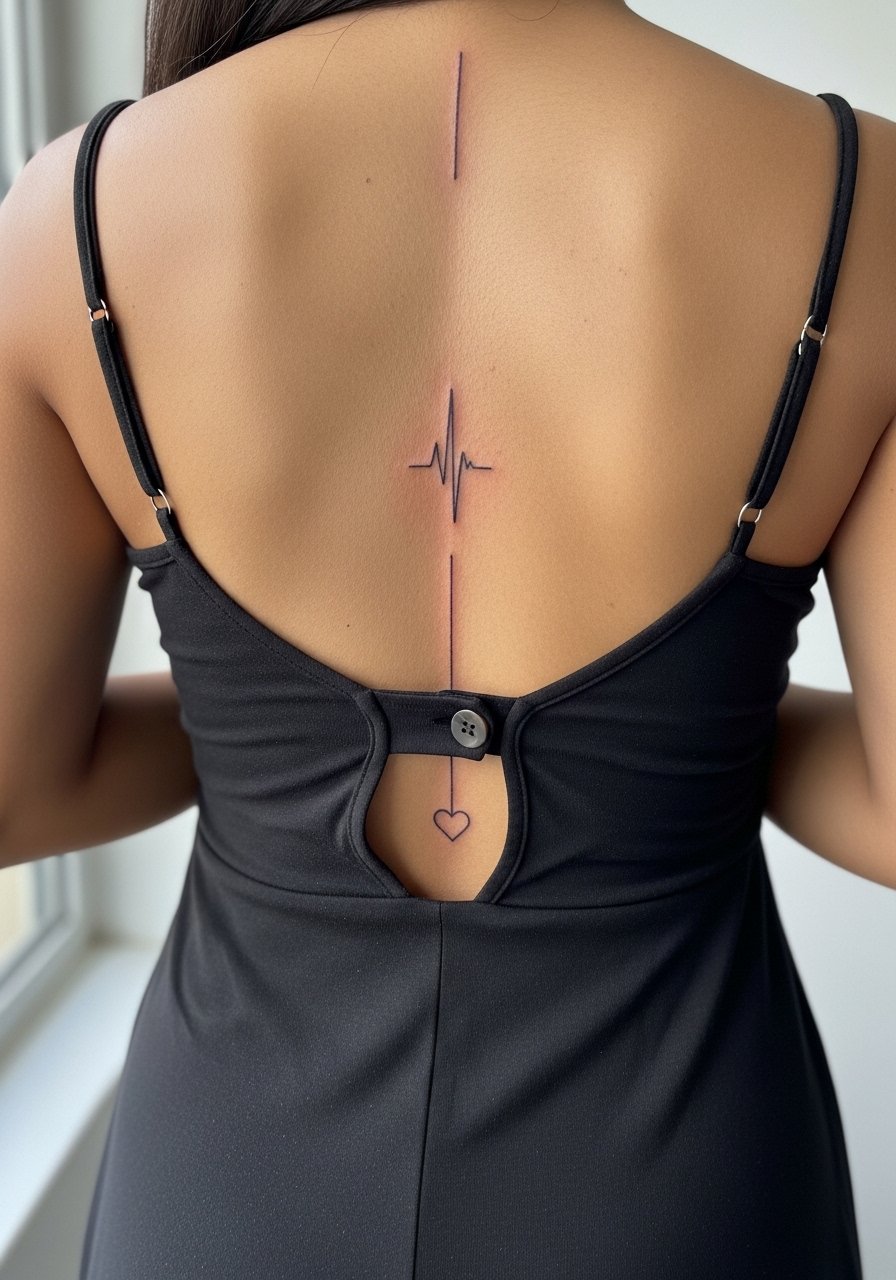
This minimalist pulse motif ties symbolism directly to the spine's vertical line. When discussing the design, specify exact line weight and the heart size so the symbol keeps its identity as it heals. A typical error is asking for an ultra-fine line that the skin will not hold in high-movement zones. The session is quick and usually a single visit. For showing it off, a strapless or open-back option keeps the heartbeat central during movement. Expect a lightening over the first year and plan a small touch-up if you want the black to remain saturated.
10. Ignorant-Style Stacked Mushrooms Along Vertebrae
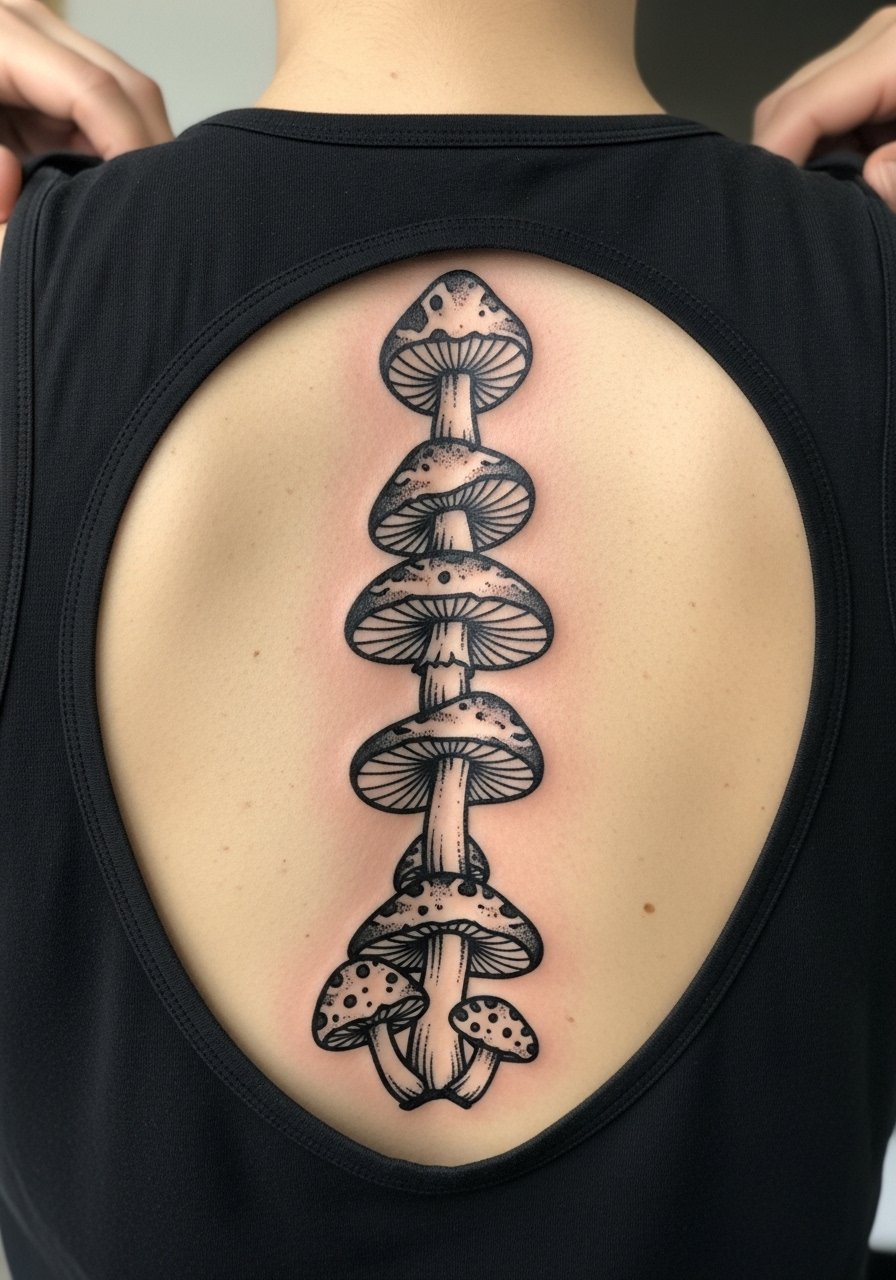
Quirky, cartoon-like mushrooms bring a playful edge to dainty spine aesthetics. The technique favors bold outlines that age predictably. The common mistake is reducing the design size so outlines lose clarity with time. Pain is manageable since the work is outline focused, but expect two sessions for shading. For the session wear, a loose robe makes access easy while staying comfortable. Bold blackwork in this style usually needs fewer touch-ups than ultra-fine work.
11. Traditional Mini Anchor on Upper Back
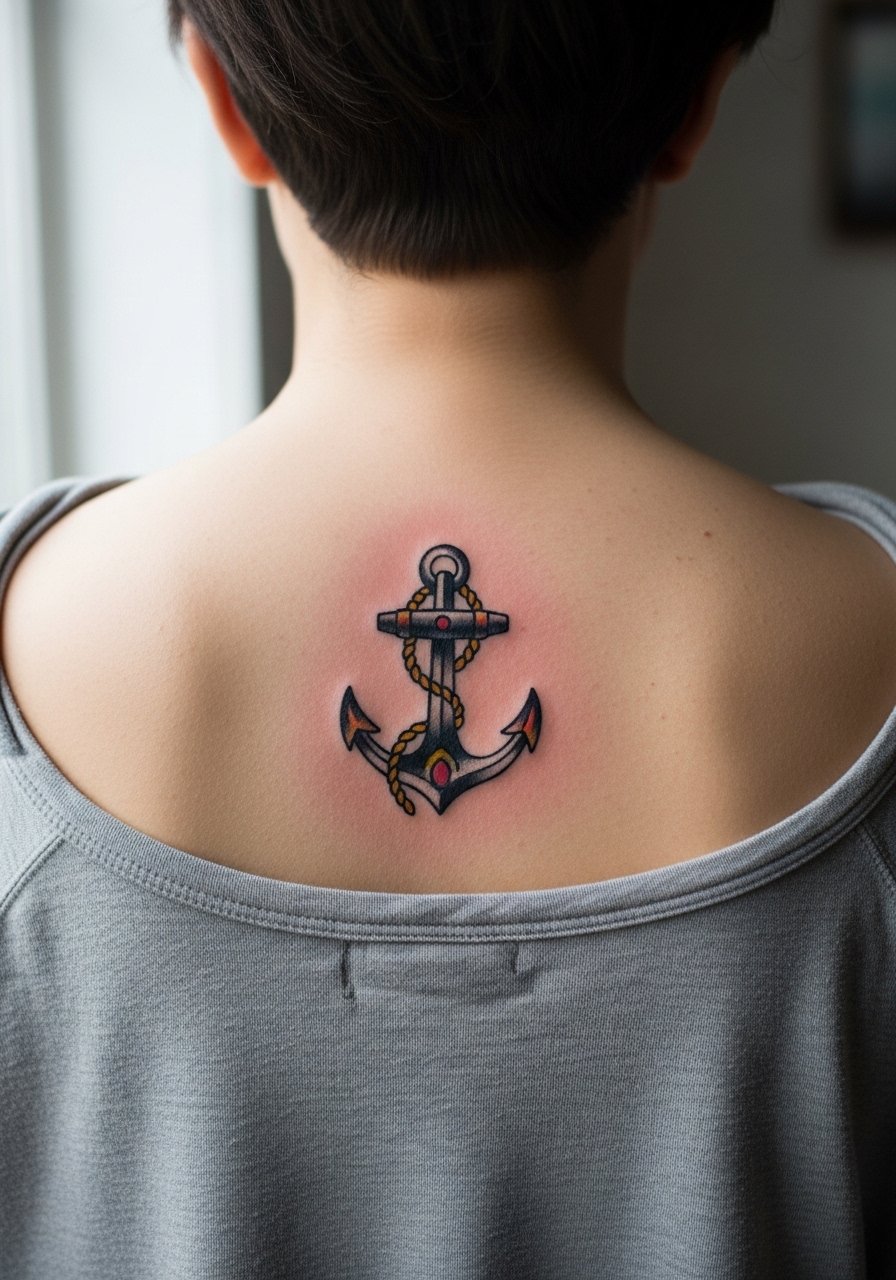
A tiny anchor on the upper back is classic and symbolic for stability. Specify color accents and a bold outline so the anchor retains its silhouette over time. Tiny solid shapes hold up well compared with very thin script. The session is short and comfortable for most. For wardrobe, pair with a v neck blouse or racerback tank so the anchor is visible when you want it to be. Expect color to mellow slightly by year two but remain defined.
12. Minimalist Constellation Spine Alignment
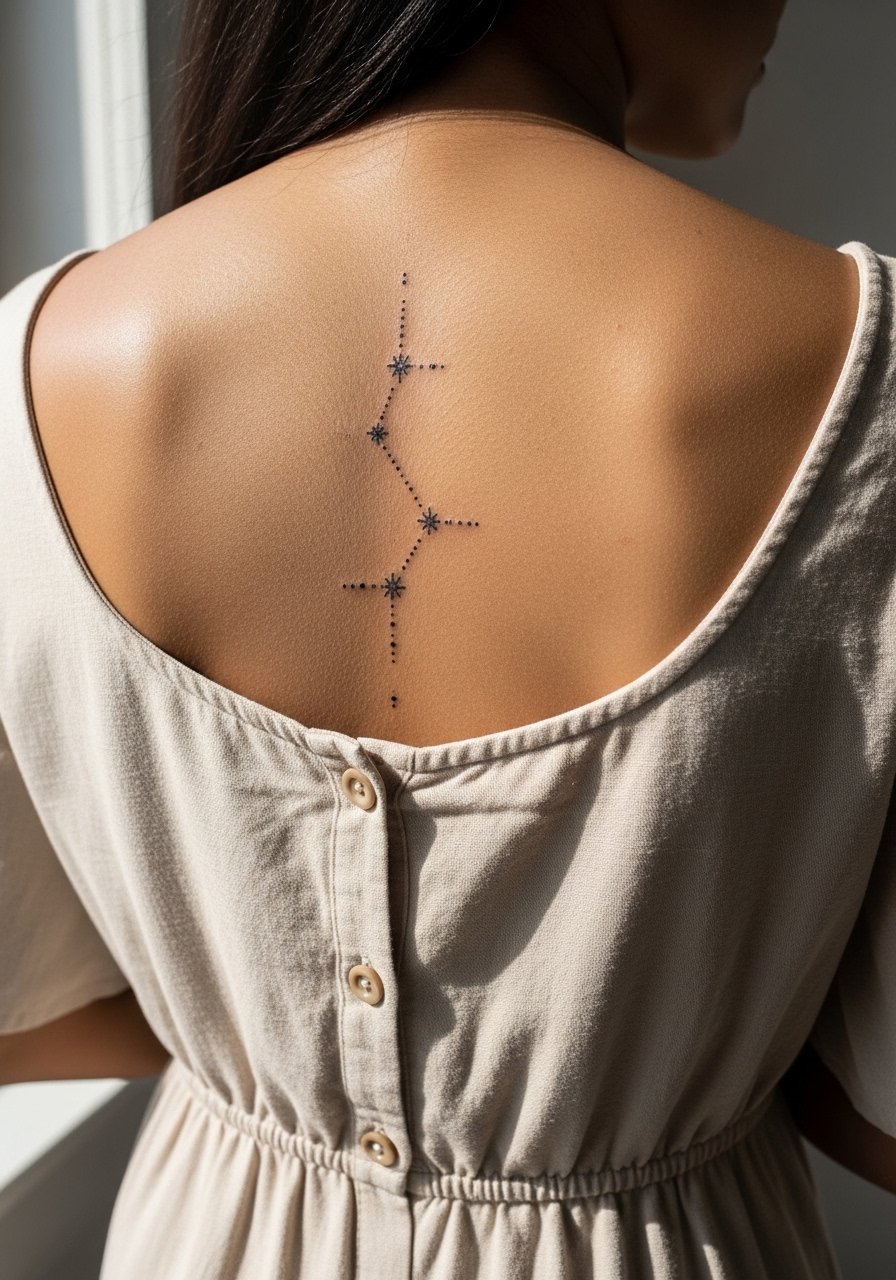
A small constellation mapped to the spine is subtle and symbolic. Ask your artist to map the stars to your spinal curve during the stencil stage so it looks intentional in backbends. The main mistake is cramming too many tiny stars together which later merge into gray. The appointment is brief and low on saturation. For nights out, an open-back dress keeps the constellation centered during motion. Dotwork like this typically needs fewer touch-ups than fine script, but sun protection helps longevity.
13. Lower Back Micro-Realism Butterfly or Lace Accent
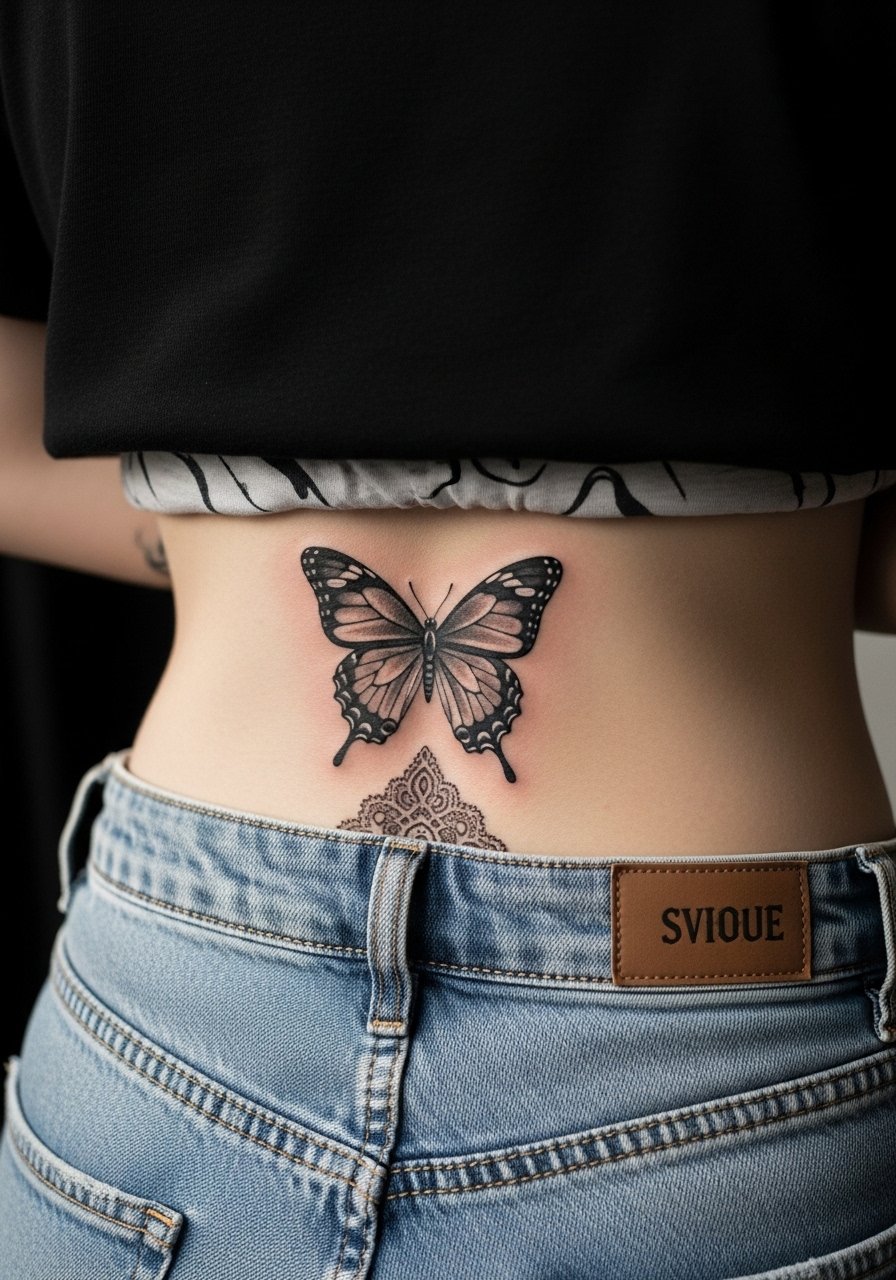
Lower-back pieces like tiny butterflies or lace accents age well if scaled correctly. Bring photos showing the exact level of detail you want because realism shrinks with skin movement. A common error is requesting ultra-fine shading that blurs with time. Session positioning requires lying prone and steady breathing. For casual wear, cropped tee women and high-waisted bottoms show the art without exposing too much. Expect softer edges after a few years but maintainable touch-ups.
14. Shoulder Blade Star Trail Accent
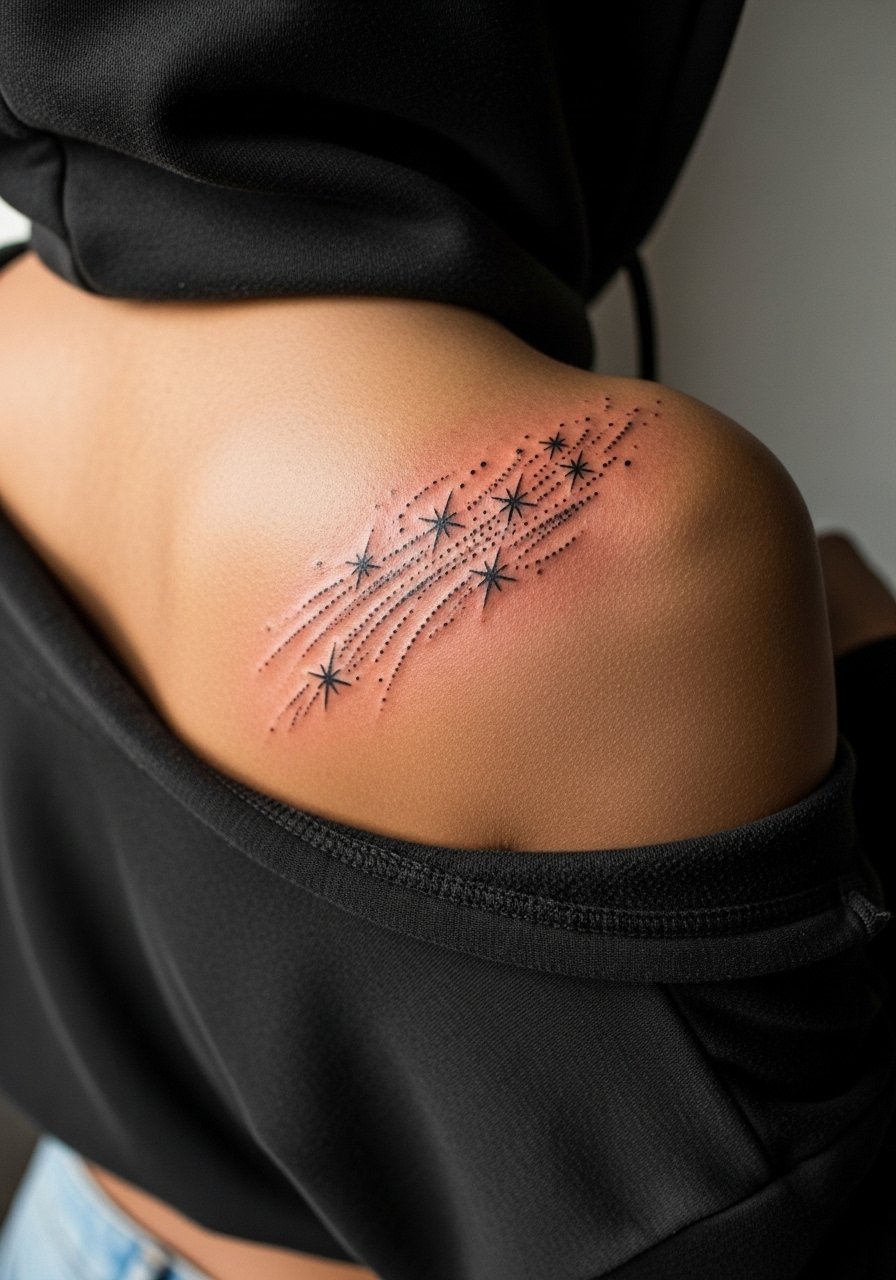
A short trail of stars across the blade is discreet and versatile. Tell your artist whether you want crisp single-needle points or tiny filled dots for longevity. The blade tolerates detail well when spacing is respected. A common misstep is placing the cluster too close to the shoulder where movement distorts lines. For everyday styling, an easy cropped hoodie women or off-shoulder top frames the work without competing. Touch-ups are rare if outlines are clean.
15. Crescent Moon at the Nape, Single-Needle
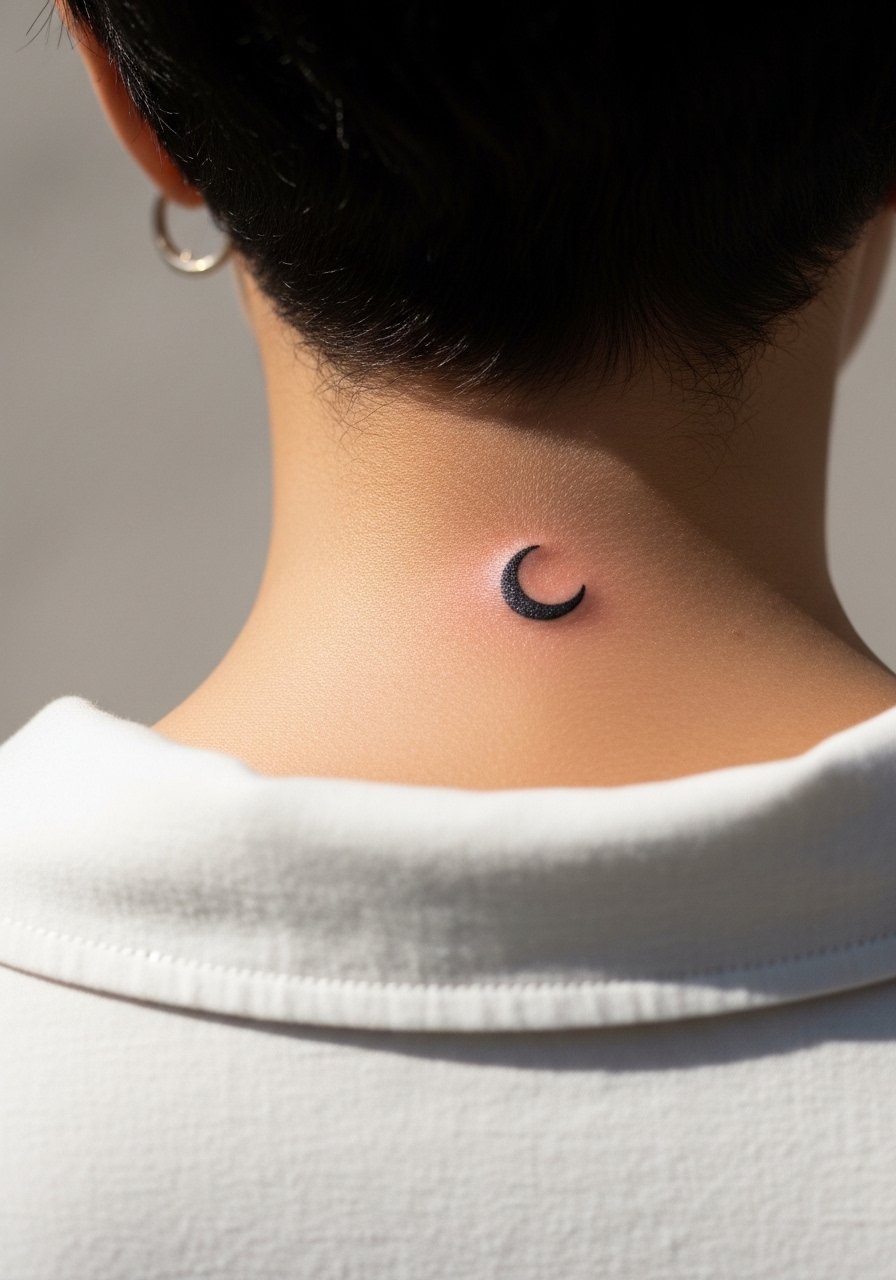
A nape crescent reads tiny and intimate, visible with certain hairstyles or high collars. Specify exact placement and distance from the hairline in your consult since tiny spacing changes how it sits under collars. The nape can be sensitive but the session is usually quick. A styling trick is to wear a wide-neck shirt when you want to reveal it. Expect subtle weakening of linework by year three, so small touch-ups keep it crisp.
16. Minimal Vine Across Lower Spine That Tucks Into Waistline
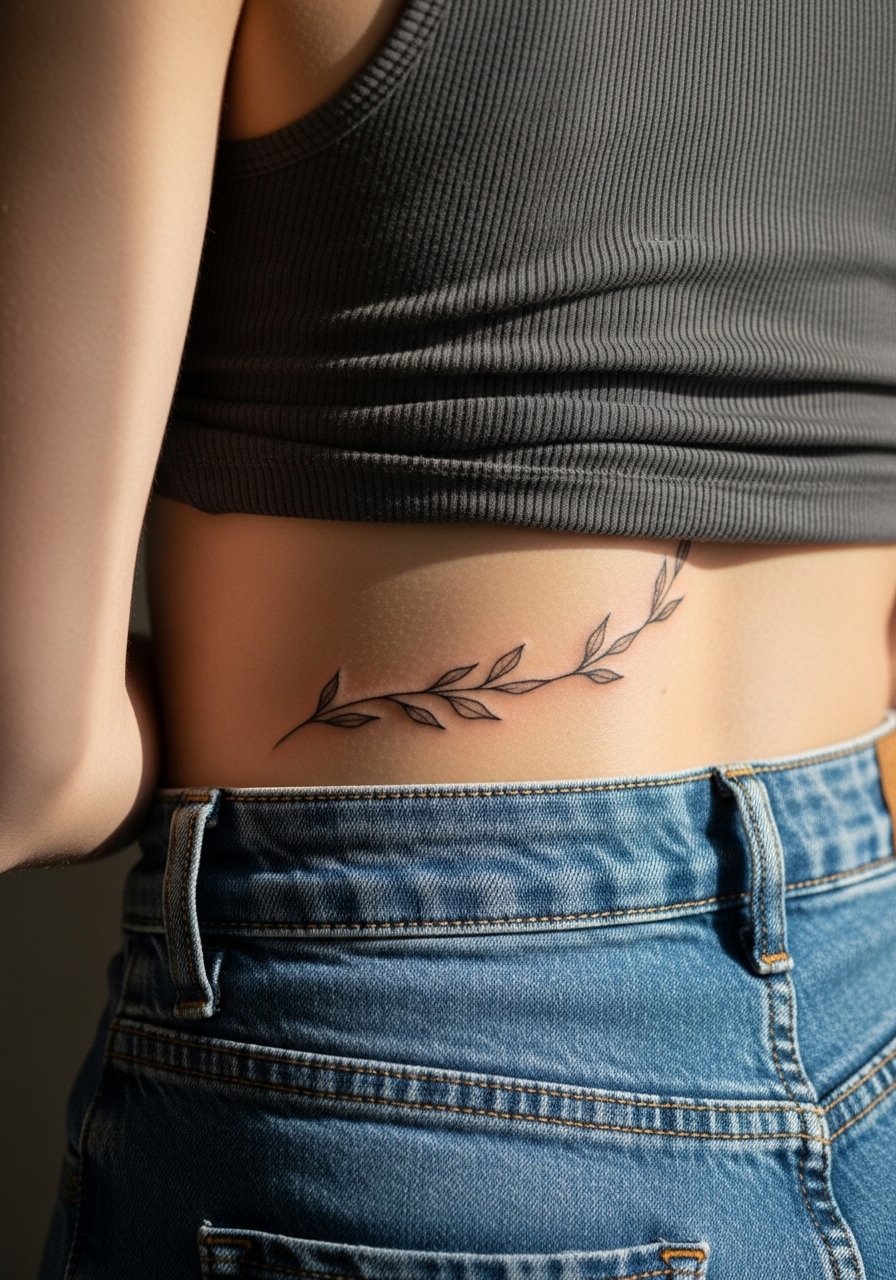
A low vine that nestles into the waistline pairs well with high-waisted clothing. In consults, point out how it should sit with the waistband so it does not disappear when you move. A frequent error is placing it too low where jeans or belts will rub during healing. Session feel is calm when positioned correctly. Pair it with high waisted jeans or a cropped top to show it off. Expect minor softening over years, with touch-ups recommended if the line fades.
17. Small Compass or Navigation Symbol at Upper Spine
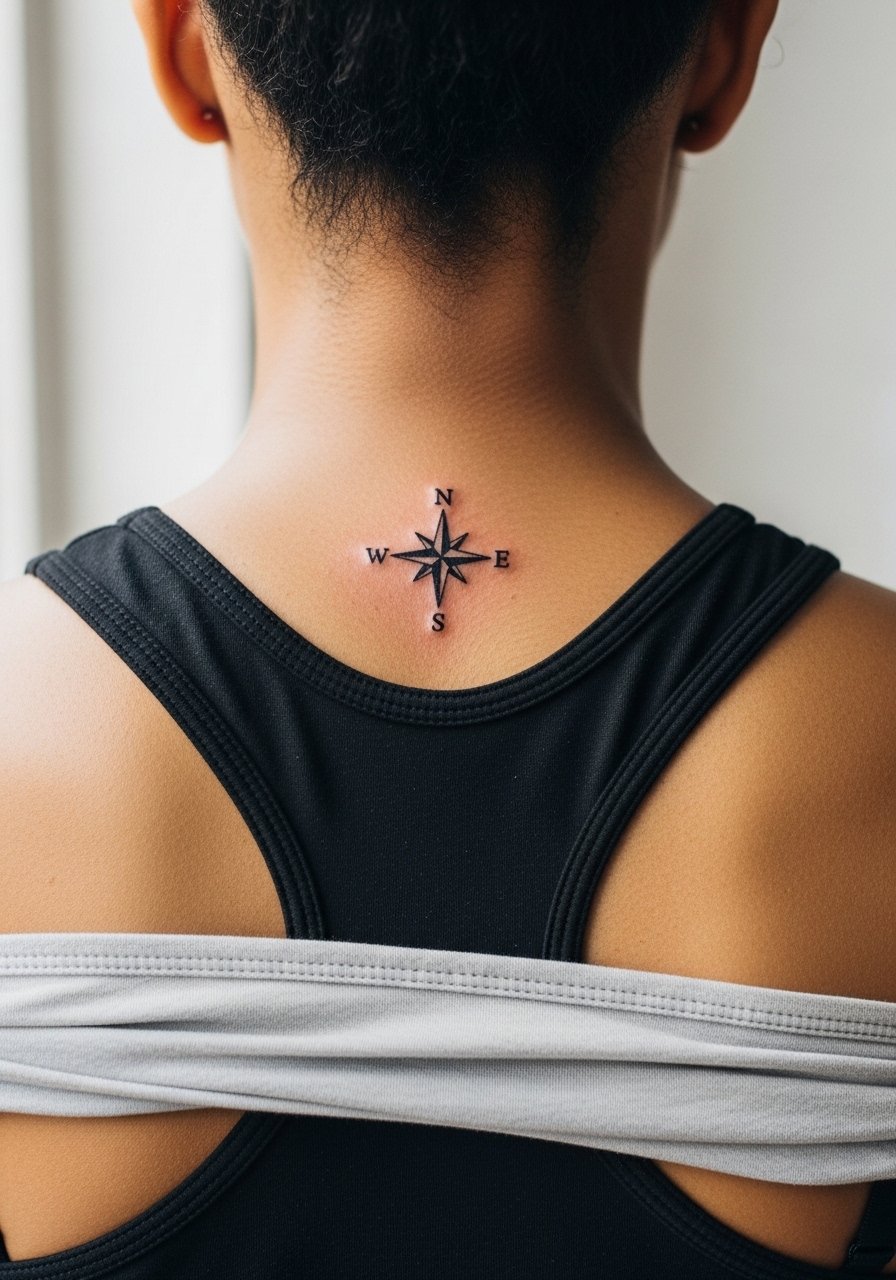
A compact compass at the upper spine is a traditional idea scaled down for dainty aesthetics. During consultation, confirm how geometric the compass points should be since very tight angles can round out as the skin ages. The typical mistake is requesting extremely small ticks that disappear over time. The session is short and usually a single visit. For showing it off, a racerback tank women exposes the upper spine while keeping the rest covered. Small geometric marks tend to require touch-ups sooner than bold anchors.
Frequently Asked Questions
Q: Do fine line spine tattoos hurt more than shoulder blade pieces?
A: Pain varies by person and exact placement. The spine can be more sensitive near the vertebrae, while shoulder blade work spreads pressure over a broader area. I tell people to expect a sharper sensation along the midline and a duller vibration toward the blades. Numbing options can help for particularly nervous clients.
Q: How do I choose between watercolor feathers and blackwork mandalas for the upper back?
A: Think about how often you want to touch up color and how visible you want the piece from a distance. Watercolor feathers read soft and can need more maintenance, while blackwork mandalas hold shape and read clearly across clothing distances. Ask your artist where they recommend adding a thin outline to protect color washes, and bring photos showing the exact intensity you want.
Q: What should I wear to a full-spine session to make the appointment easier?
A: Wear clothing that gives the artist access without causing fabric to bunch on the back. A front-button dress or a loose button-down pulled off one shoulder works well. For longer sessions consider bringing a robe you can slip on between work blocks. A quick option is a front-button dress so you can stay covered and the artist can reach the spine.
Q: Will tiny dots or micro-realism blur into a gray patch over time on the lower back?
A: Tiny dots can merge if placed too densely or too small for the skin at that spot. Micro-realism with small amounts of contrast tends to keep a shape longer on lower back flesh because the area is flatter and less exposed to sun. The solution is to space dots and ask for slightly stronger contrast on initial sessions.
Q: How often should I expect touch-ups for dainty back tattoos?
A: Expect a touch-up window anywhere from two to five years depending on sun exposure and the style. Bold blackwork often lasts longer before needing refresh. Fine single-needle pieces are more likely to ask for touch-ups around year three. Protecting the area from UV and using gentle skincare helps extend the interval.
Q: Are there designs I should avoid if I plan to have kids or expect major weight changes?
A: Large full-spine pieces can shift with significant body changes. Small designs placed on flatter zones like the shoulder blade or mid-back band hold up better through mild weight fluctuation. If you expect dramatic changes, discuss placement alternatives with your artist so the linework falls on more stable skin.
Q: How do artists disagree about fine line on ribs and similar tricky spots?
A: Artists split into two camps. One camp says fine line on flexible or thin-skinned areas blurs within a couple of years. The other camp says with correct needle depth and spacing it can last. The practical step is to ask your artist where they land on that spectrum and to look at healed photos from their clients in comparable placements.
