
Fine line is everywhere online right now and the same pieces that get the most saves are often the ones that need touch-ups first. I have noticed three repeat complaints from folks who come into consults: finger bands fade fast, wrist script disappears on darker skin, and long forearm pieces can warp after weight change. Read on for practical designs that account for healing, visibility, and real-life wear so your next Middle-earth piece still reads well years from now.
1. Elvish Tengwar Script on Inner Wrist
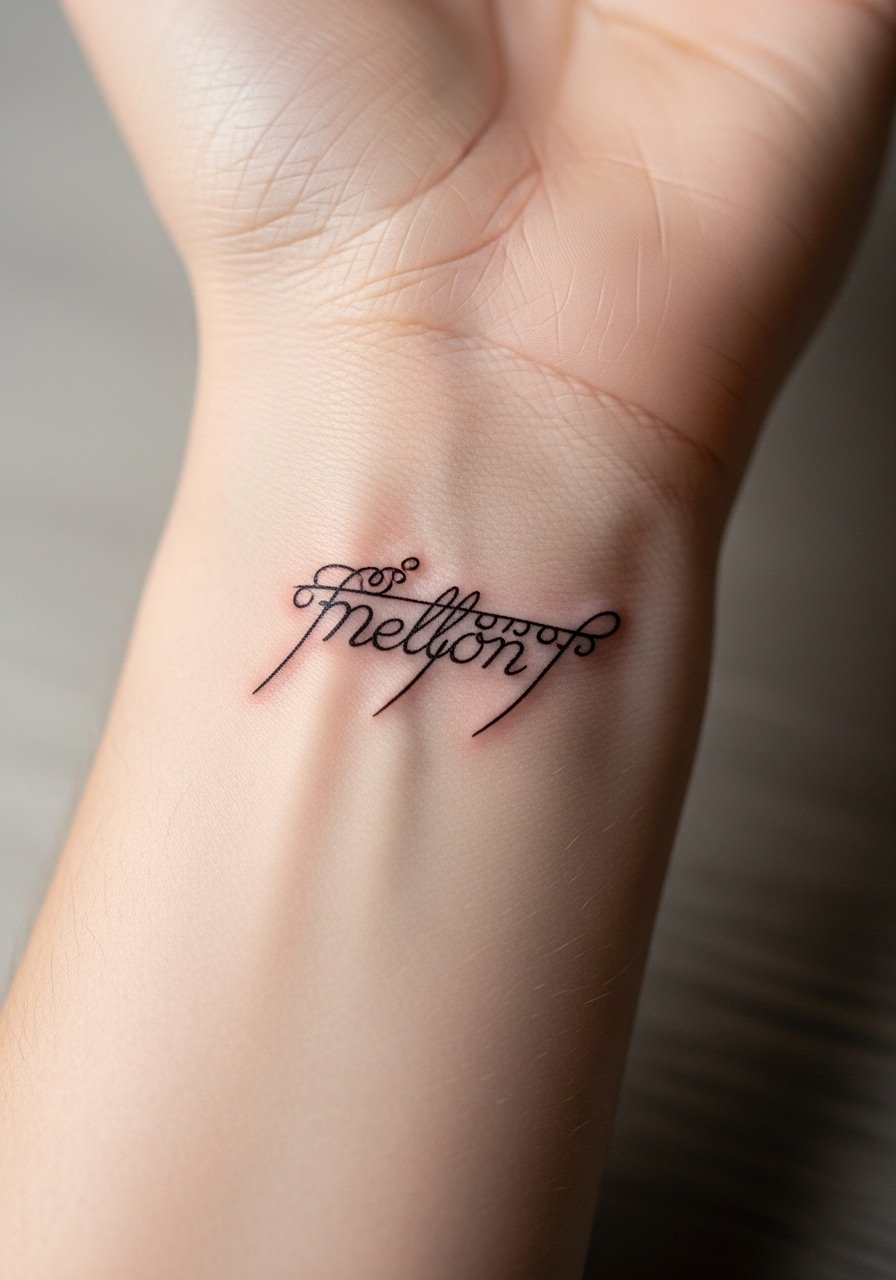
Most folks pick Tengwar on the wrist for the subtle nod to lore. Fair warning the wrist is a middle-weight pain zone, but the payoff is daily visibility. Ask your artist for slightly heavier linework than standard fine line and one-pass strokes to maintain contrast on darker complexions. A common mistake is requesting letters too small. At six months a crisp Tengwar strip will look soft but legible. At two years expect some feathering unless the lines had breathing room from the start. For showing it off, pair with a slim silver cuff bracelet and wear a sleeveless tank for the session so the artist has clean access.
2. One Ring Inscription Finger Band with Glow Shading
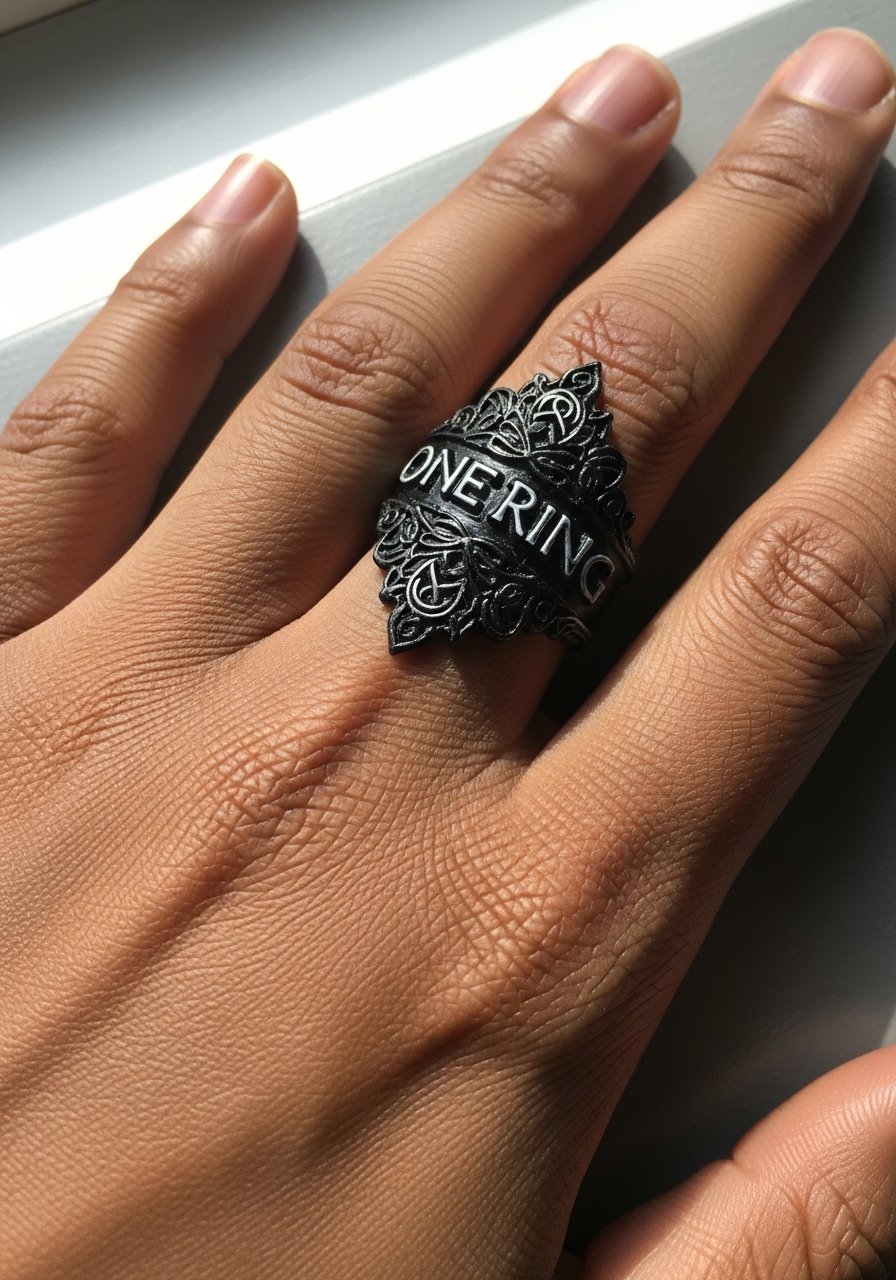
Finger bands are iconic but they live in a high-friction zone that eats fine detail. I tell people the trick is bolder blackwork with a tiny internal highlight to fake depth. The session feels stingy around bone, so expect short breaks. Common regret threads show ultra-fine inscriptions blur inside a year. Plan touch-ups every 12 to 18 months and consider sizing under 2 inches in height to avoid wrap distortion. For styling, bare hands with thin stackable rings on adjacent fingers keeps attention on the band without crowding the inscription.
3. White Tree of Gondor on Upper Forearm
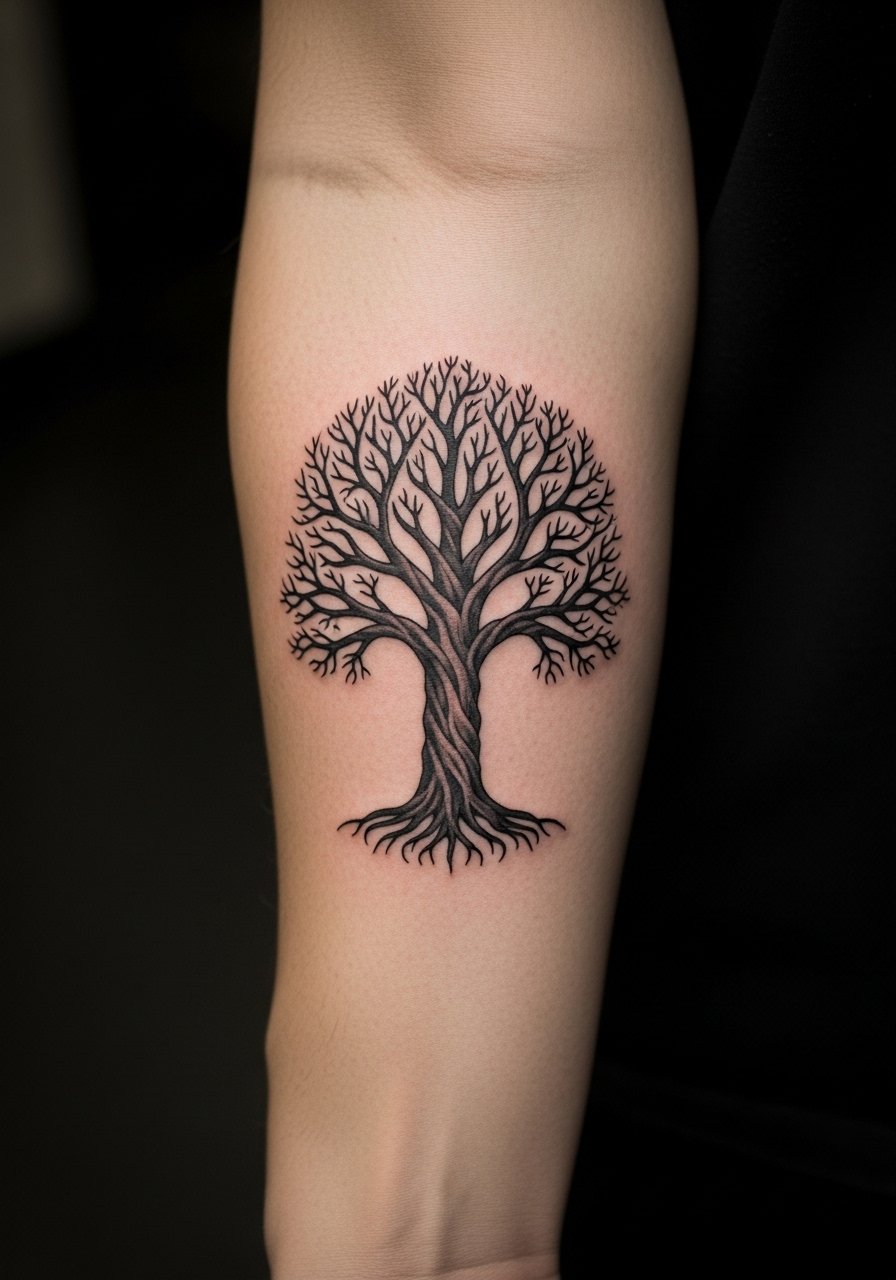
I have seen White Tree pieces age well when done with clear silhouette and moderate negative space. The forearm is forgiving and a two-session approach with a gray wash helps the tree keep structure over time. A common mistake is packing tiny leaves too close together. At two years a properly spaced tree still reads as a symbol rather than a blot. For session wear, roll a charcoal fitted henley sleeve up so the artist can work without fabric interference and your ink heals without friction.
4. Eye of Sauron Micro-Realism on Calf
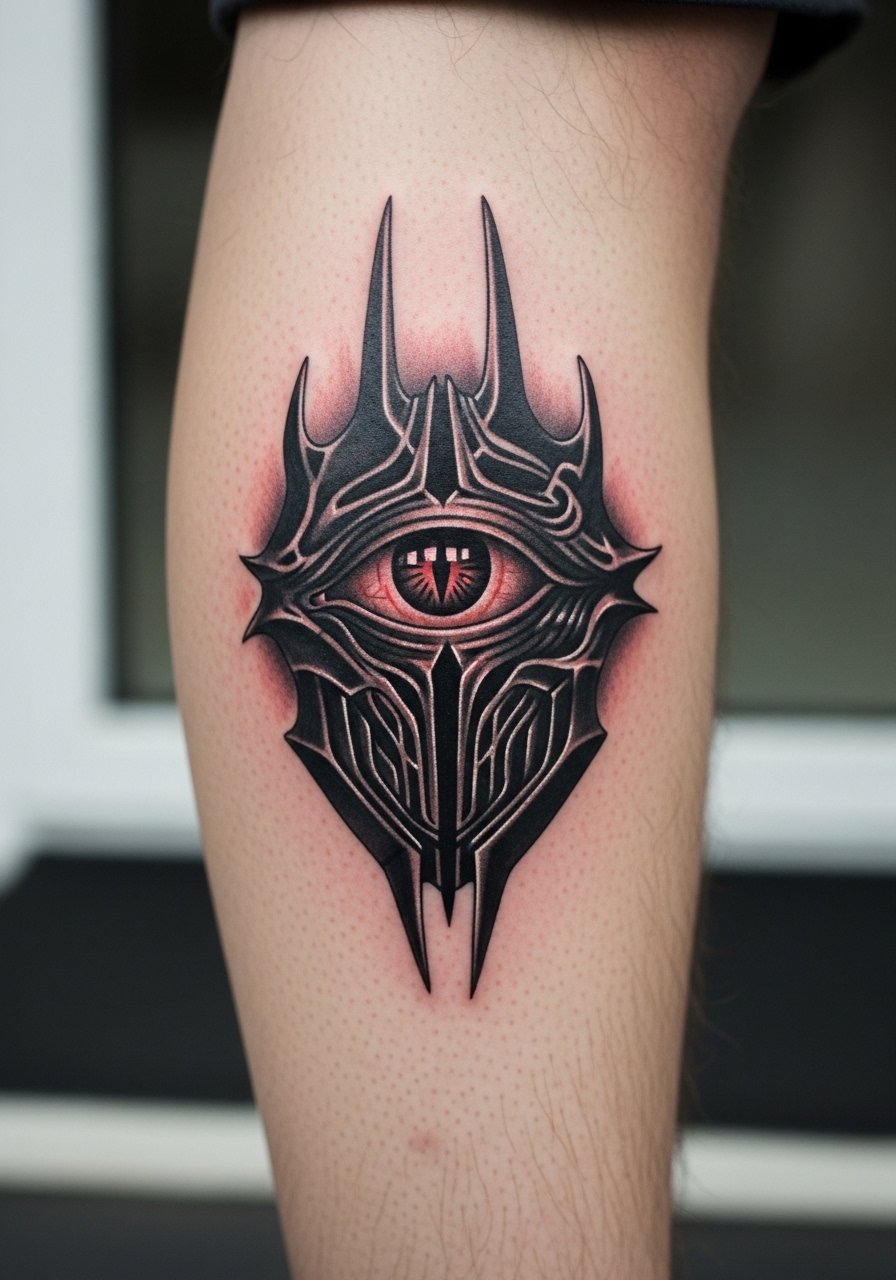
The calf is excellent for micro-realism because it gives artists room to build contrast. Expect a two-session timeline for the layered shading that gives the eye its intensity. The mistake is asking for too small a rendering, which flattens into a silhouette after healing. On dark skin, request higher contrast and deeper saturation up front. For summer reveals, wear cropped bootcut jeans or roll your socks down to show it off.
5. Evenstar Pendant Outline on Collarbone
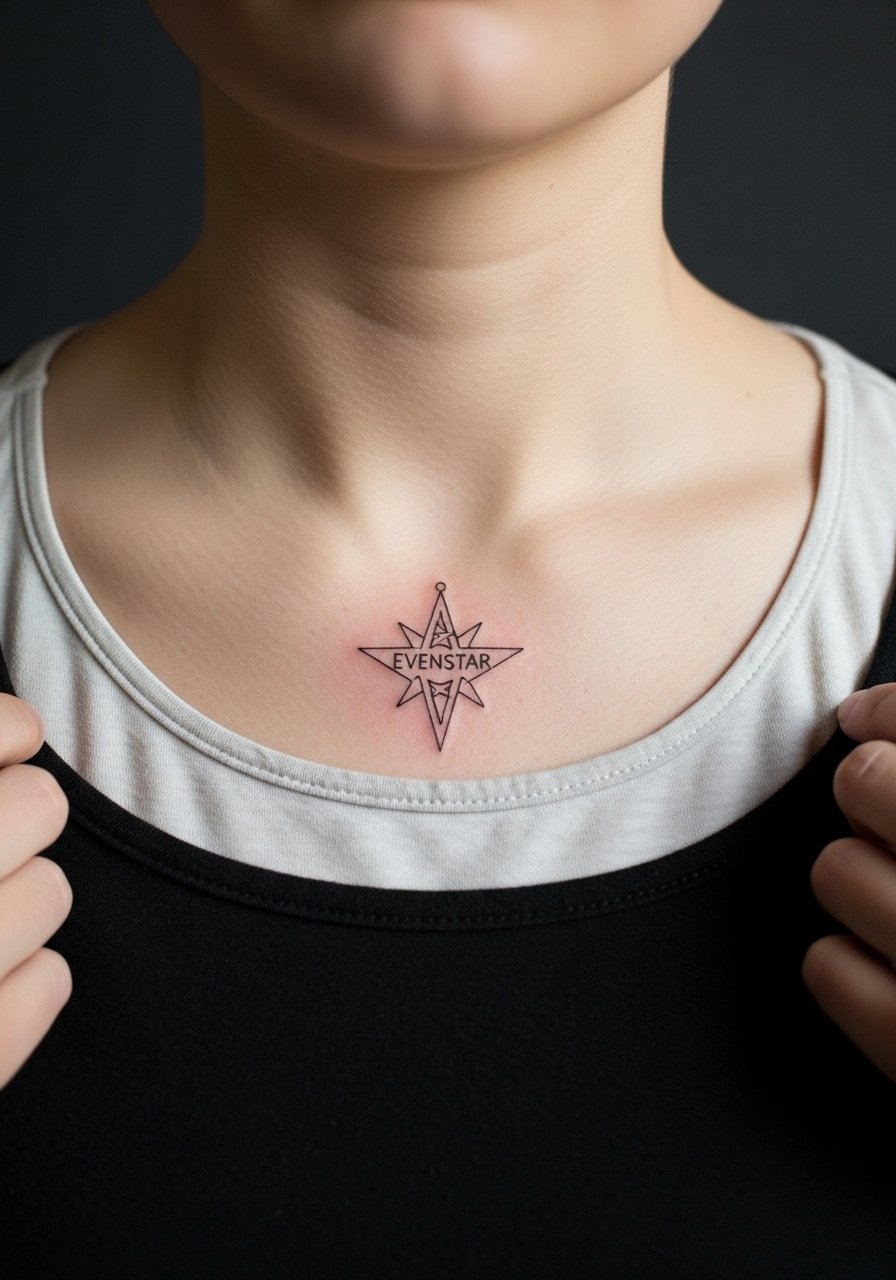
Collarbone placements read delicate and feminine but the area moves with breathing, so spacing is crucial. I warn people the collarbone can be a sensitive sit. The typical mistake is compressing a pendant design into too few millimeters. Ask for slightly bolder outline weight and single-session completion to keep the pendant crisp. For showing it off, pair the piece with an off shoulder sweater or a delicate chain necklace. For the appointment, wear a strapless bralette or wide-neck shirt so the artist has clean access.
6. Contour Map of Middle-earth on Forearm
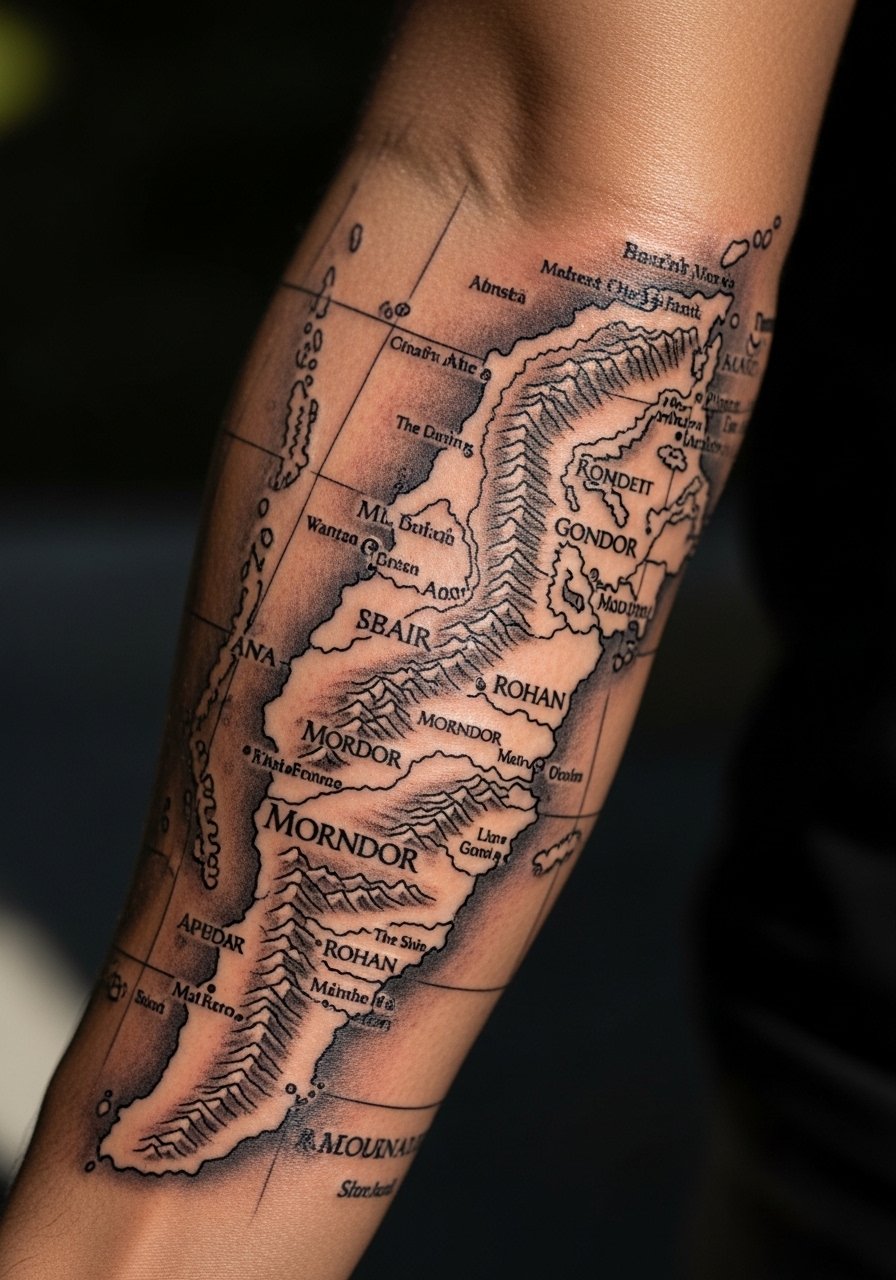
Maps need scale to read over time. My experience is that forearm contour maps age the best when the artist prioritizes bold landmarks and spares tiny script. The usual error is asking for too many micro-labels that blur. Expect this to be a multi-session start of a sleeve. If you plan weight changes, place key lines away from high-stretch zones. For a show-off look, roll a sleeve up and wear a leather wrap bracelet on the opposite wrist to balance visual weight.
Pre-Session Essentials
Those first six ideas include a lot of wrist, finger, chest, and forearm work, so a few targeted items smooth the appointment and the first week.
- Tattoo Goo balm. A non-greasy option that users say holds watercolor and soft shading better in humid climates, useful for the Shire and Evenstar styles above.
- Frida Skin Reaction Balm. Thinner than heavy ointments, this is handy for sensitive inner wrist work like Tengwar script without leaving a white cast on darker tones.
- Ink-Ichiban travel tin. Fast-absorbing balm many share for dry-healing blackwork on forearms and maps that need light moisture in week two.
- Australian tea tree salve. A forum-favorite for minor finger-area infections and high-friction zones, handy if your One Ring band rubs during the first week.
- Fragrance-free unscented lotion. A thinner option than heavy ointment for days three to fourteen, prevents clogged pores on forearm pieces while keeping linework supple.
7. Gandalf Portrait with Staff on Upper Arm
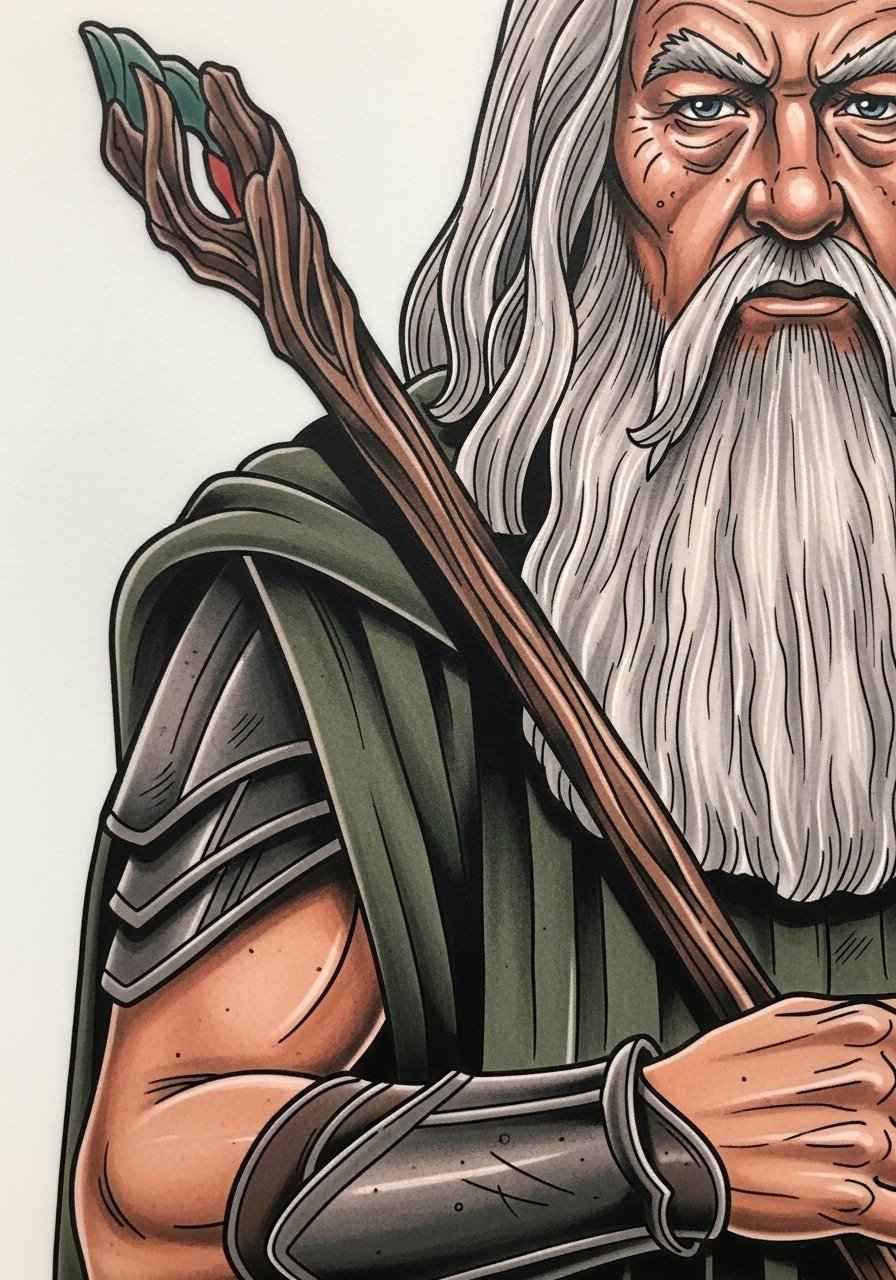
Upper arm canvas holds detail and color well, which is why Gandalf portraits work there. Expect a multi-session timeline and a moderate pain level. Avoid requesting tiny facial features in a single pass. The common mistake is compressing expression into too small a space, which softens into indistinct shading after healing. If you want color accents on the staff, ask your artist to space the saturation for future sun exposure. For session wear, a sleeveless tee or open-button shirt makes access painless and keeps fabric off the area.
8. Aragorn Silhouette with Sword on Thigh
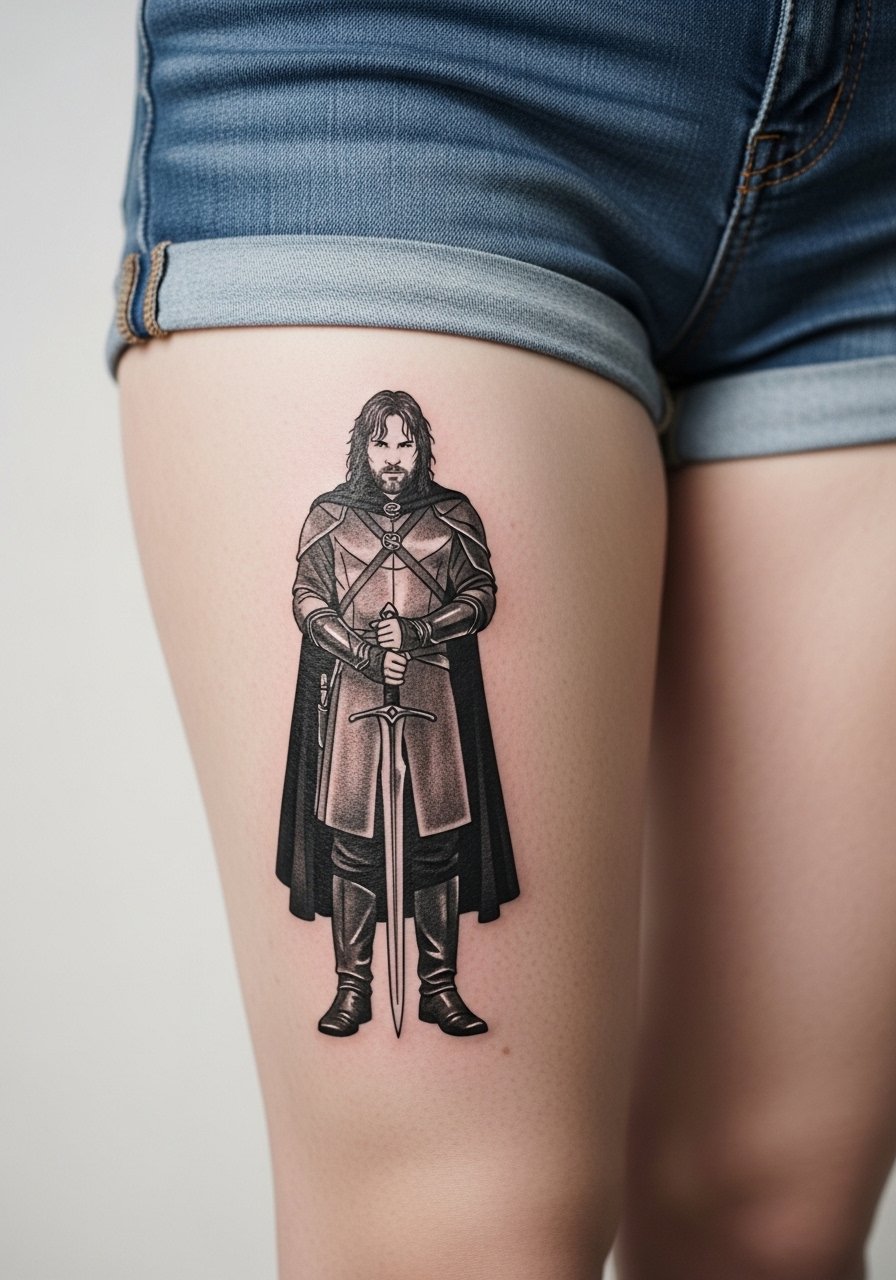
The thigh is forgiving for larger silhouettes and tolerates future weight fluctuation better than many inner-leg spots. Pain is moderate but tolerable, and sessions can be long. The mistake is doing a silhouette too close to natural creases, which warp with movement. At two years a well-placed silhouette keeps shape while small details can blur. Wear loose shorts or a skirt for the appointment and consider high-waisted cuts for showing it off.
9. Legolas Bow and Arrow on Shoulder Blade
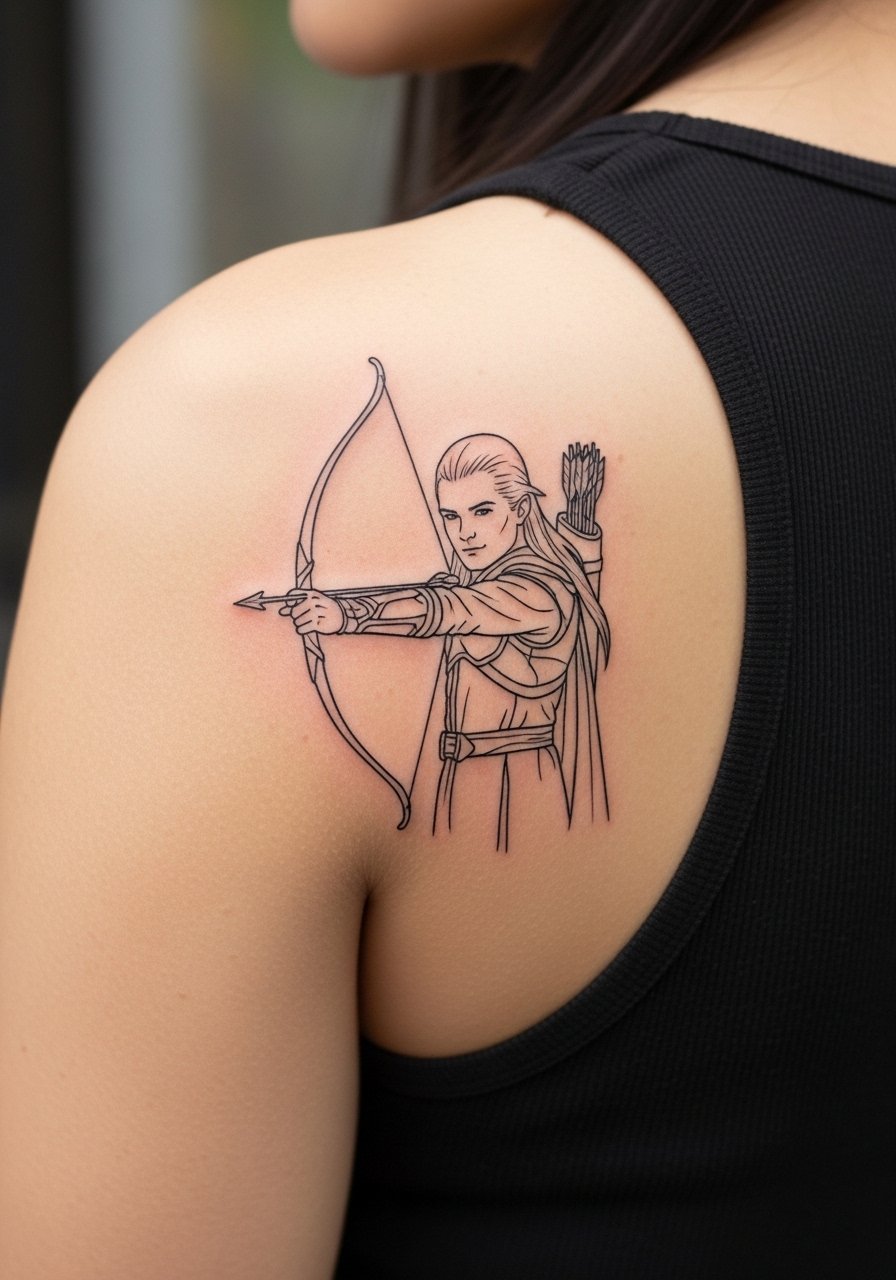
Shoulder blade linework reads dynamic when it follows muscle flow. Expect two sessions for precise arc and fletching. The biggest mistake is aligning the bow perpendicular to body contours. Tell your artist you want the bow to follow the shoulder blade curve for movement when you raise your arm. For showing it off, a sleeveless halter tank highlights the arc and keeps clothing from rubbing during healing.
10. Hobbit Hole Watercolor Ankle Scene
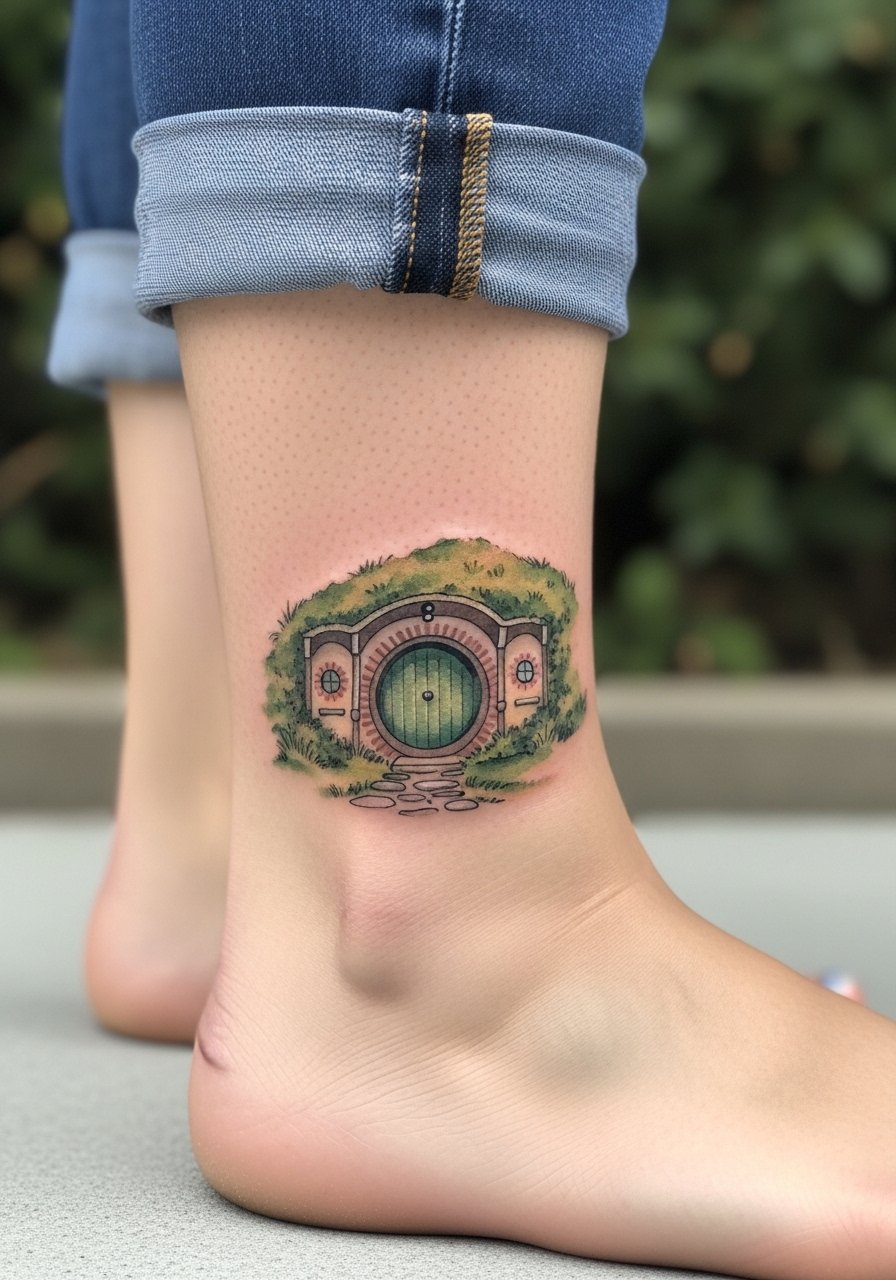
Ankle watercolor pieces look magical fresh but are vulnerable to sun and wash abrasion. I have seen many colorful ankle scenes fade to mud in summer sun. If you want color, request a blackwork underlayer to hold shape and plan for sunblock after healing. This placement feels bony so pain can be sharp. For the session wear pants you can roll and a pair of sandals for easy reveal when healed.
11. Fellowship Knotwork on the Nape of the Neck
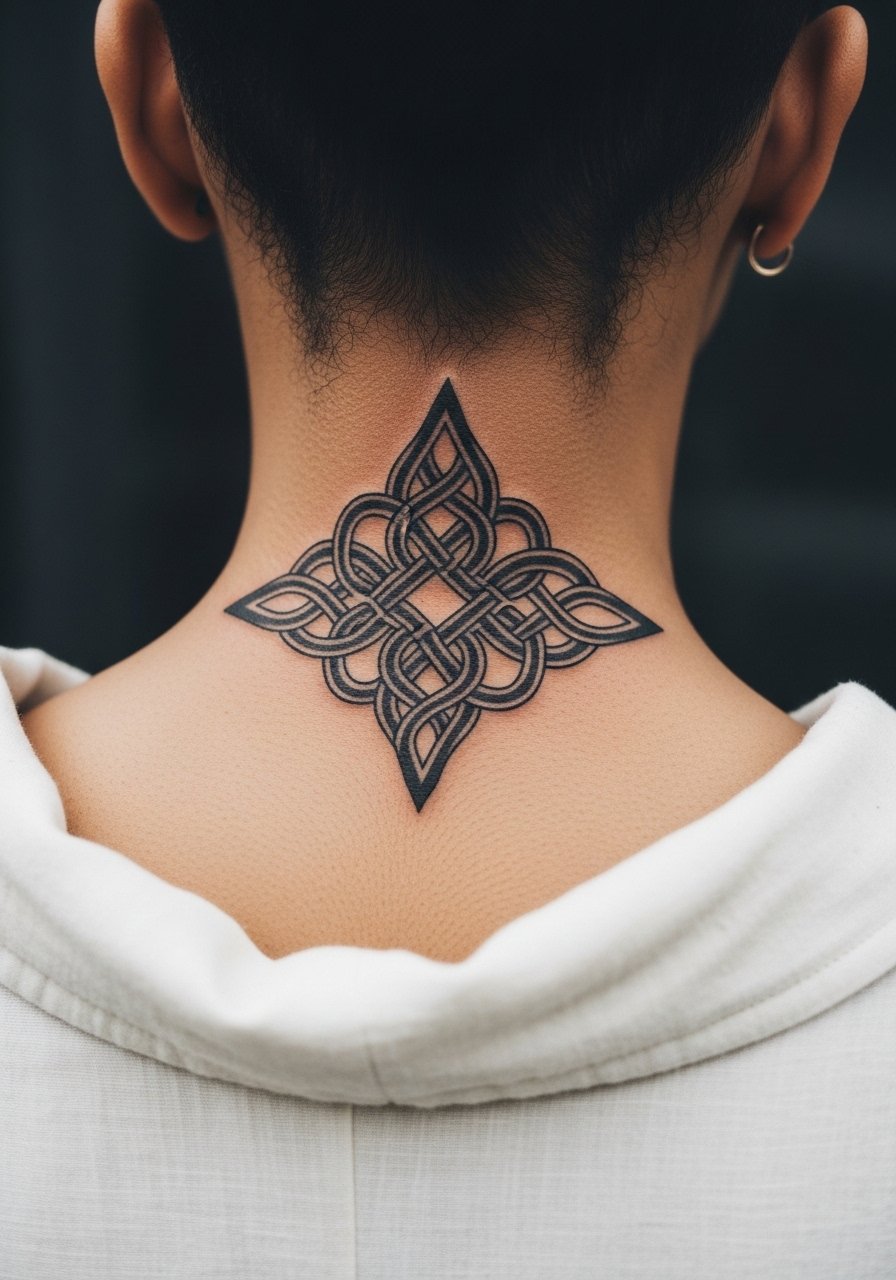
The nape accepts tight knotwork if the artist spaces loops to avoid merging. The controversial part is visibility for workplaces. Some people prefer a low, hidden knot on the nape for personal meaning. The pain is low to moderate. A real mistake is packing knot intersections too closely. For styling, keep hair up and pair with a wide-neck top for the reveal.
12. Leaf of Lothlórien Brooch on Inner Wrist
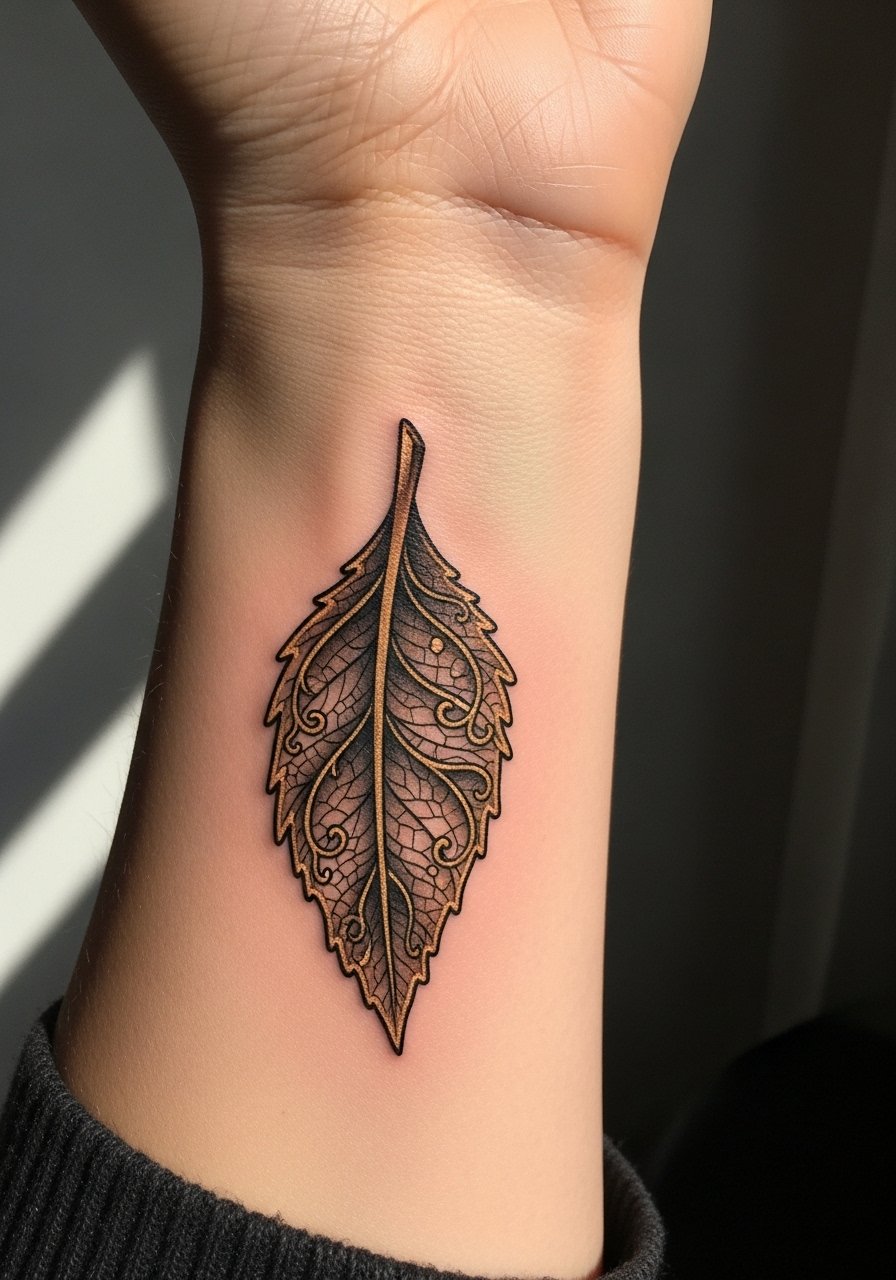
The inner wrist is intimate and great for a small brooch motif. Expect light to moderate pain and a single session. The problem people report is fine metallic shading disappearing on darker skin. For visibility, ask for slightly warmer black outline and targeted gold wash that reads without white highlights. For the appointment, remove jewelry and wear a loose sleeve tank so the area is clear for the artist.
13. Custom Tengwar Name with Birth Year on Inner Arm
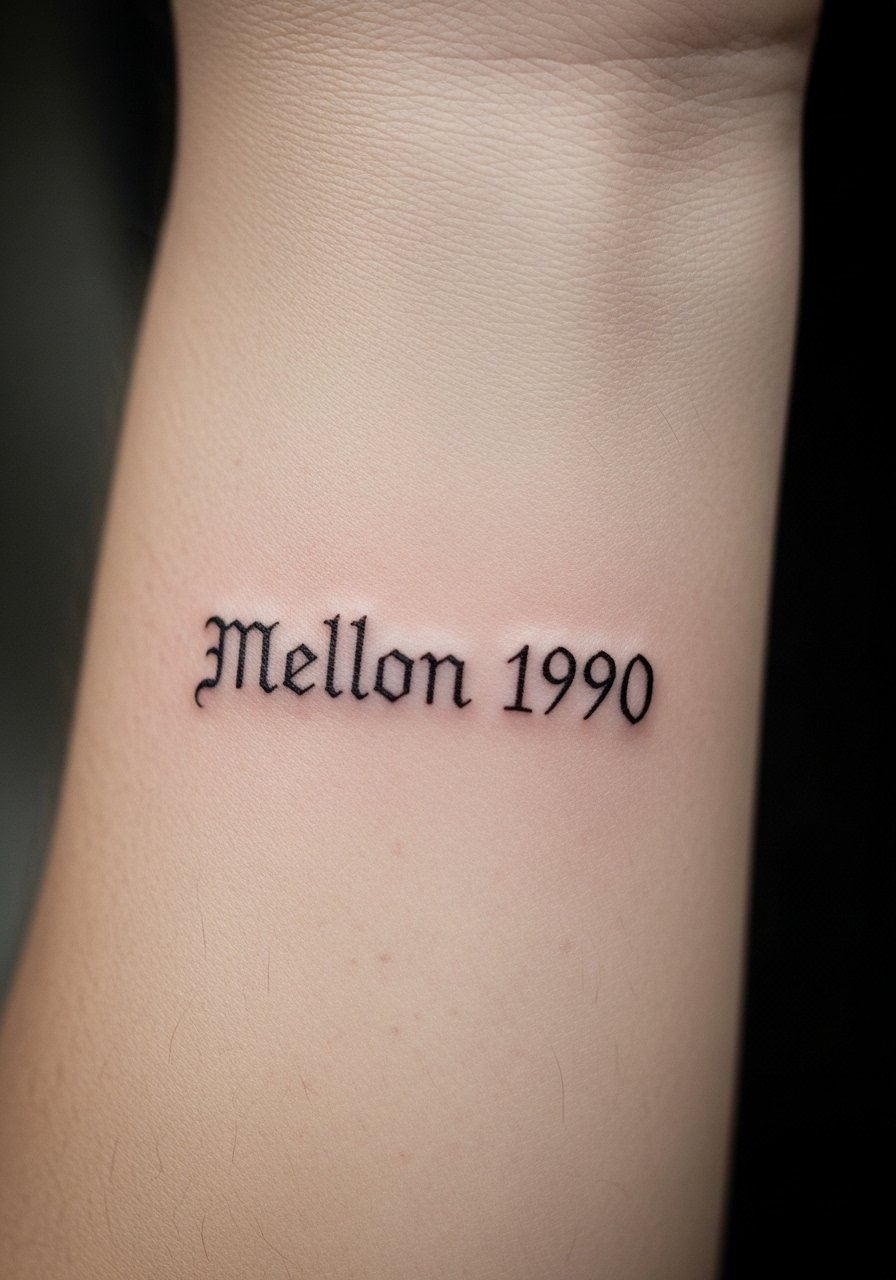
Custom Tengwar names are personal but tricky. The inner arm tolerates script well while giving room for spacing. A common mistake is using a translation without checking character spacing, which makes the band look off-center. Tell your artist the exact Roman or Elvish characters you want and ask for a healed mockup. At six months the script should soften and still read clearly. For showing it off, rolled sleeves and a flowy ivory tank top keep the focus on the linework.
14. Patchwork Fellowship Sleeve Start on Upper Arm
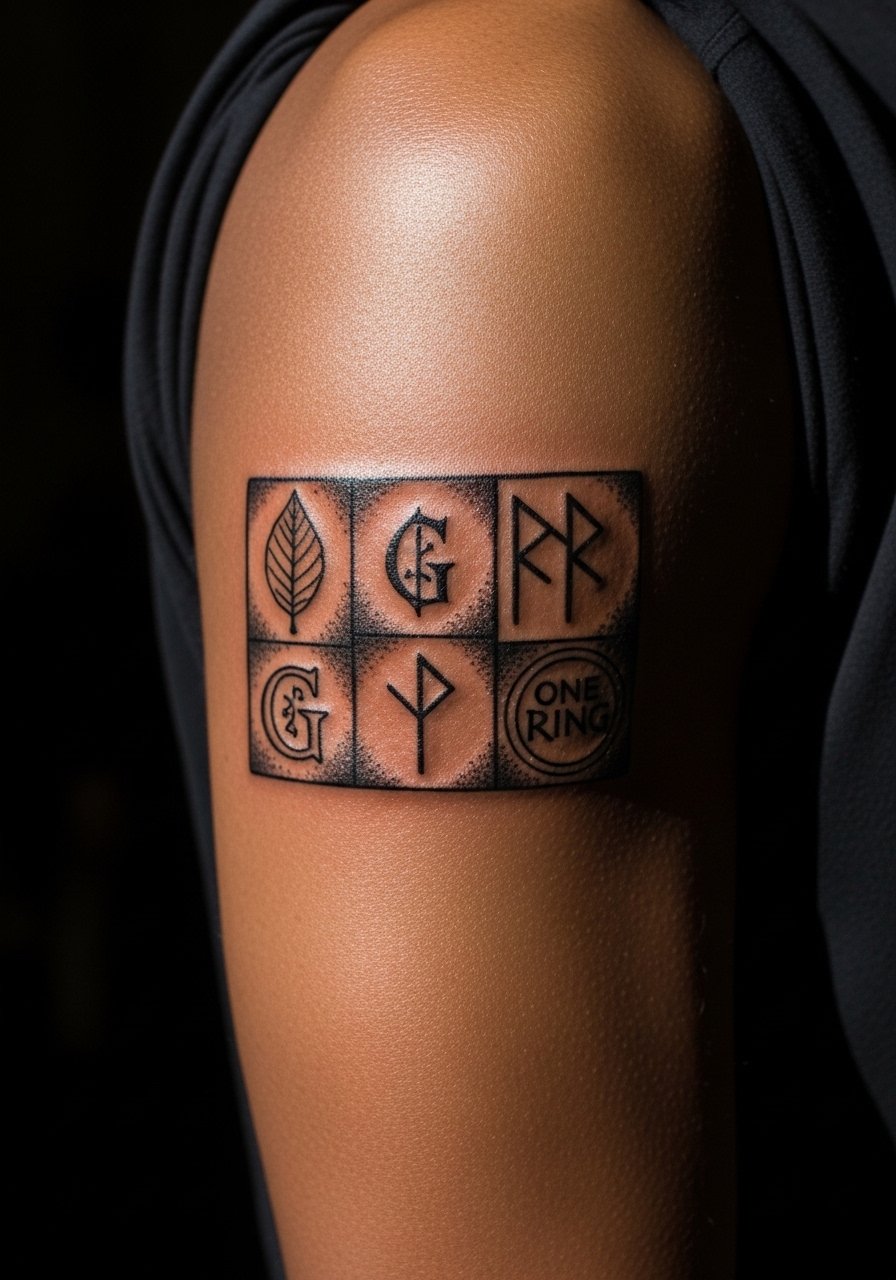
Patchwork sleeves let you add symbols over years and avoid a single long session. I have seen sleeves that read cohesive when the artist uses a limited palette and consistent line weight. The common mistake is mixing too many styles from the outset. Start with a connecting motif and plan sessions. For longer appointments wear a loose button-down you can pull aside. Discovery pathways like guest spot calendars are great when you want a specialist for one patch.
15. Ribcage Evenstar with Breathing Shading
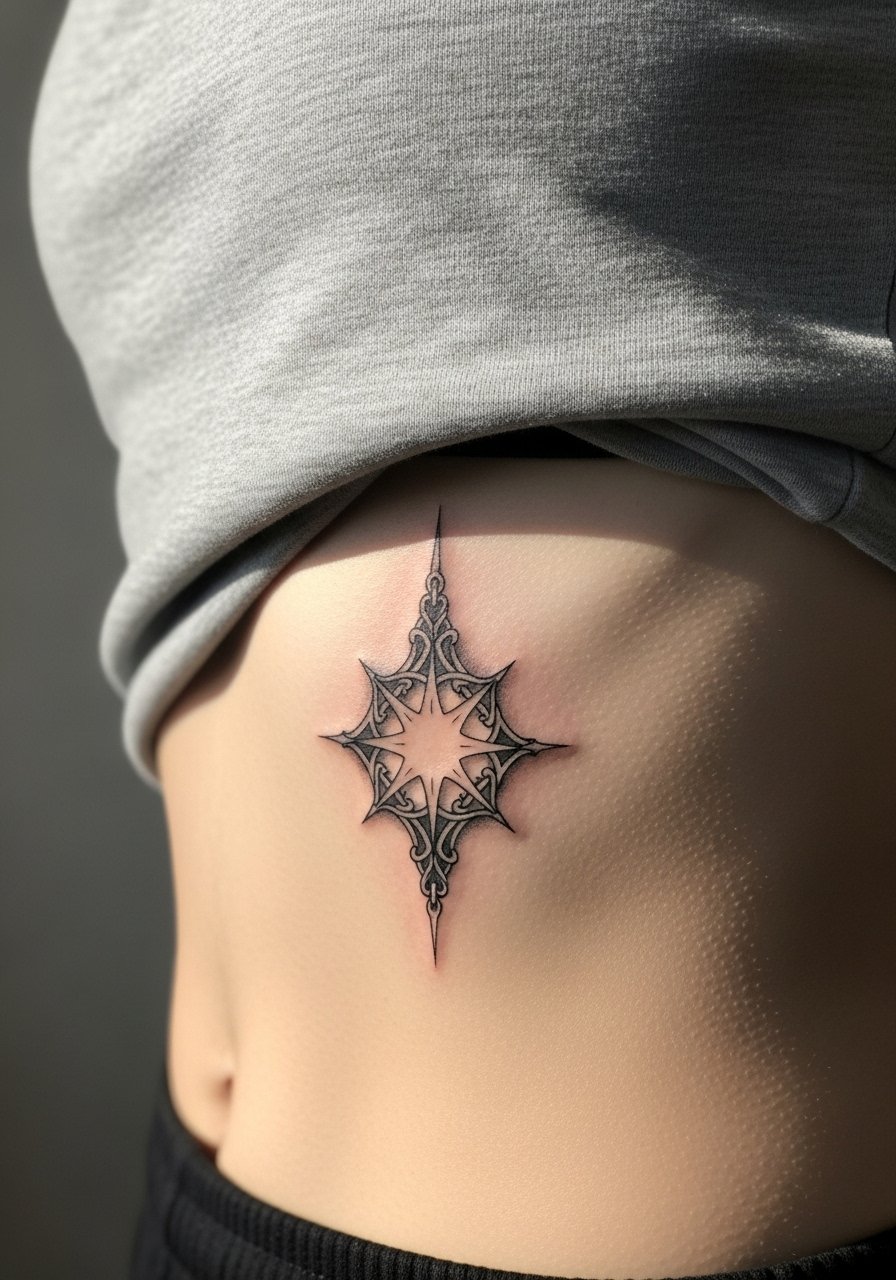
Ribcage spots are high on pain yet high on reward. Artists split on fine line there. One camp says the skin stretch blurs lines within two years. The other camp argues that with correct needle depth and spacing it holds. Ask the artist where they stand and expect a higher pain rating. Many people regret tiny fine line ribs. If you want the breathing shadow effect, plan for at least one touch-up at year two.
16. Finger Rune Set Along Side of Finger
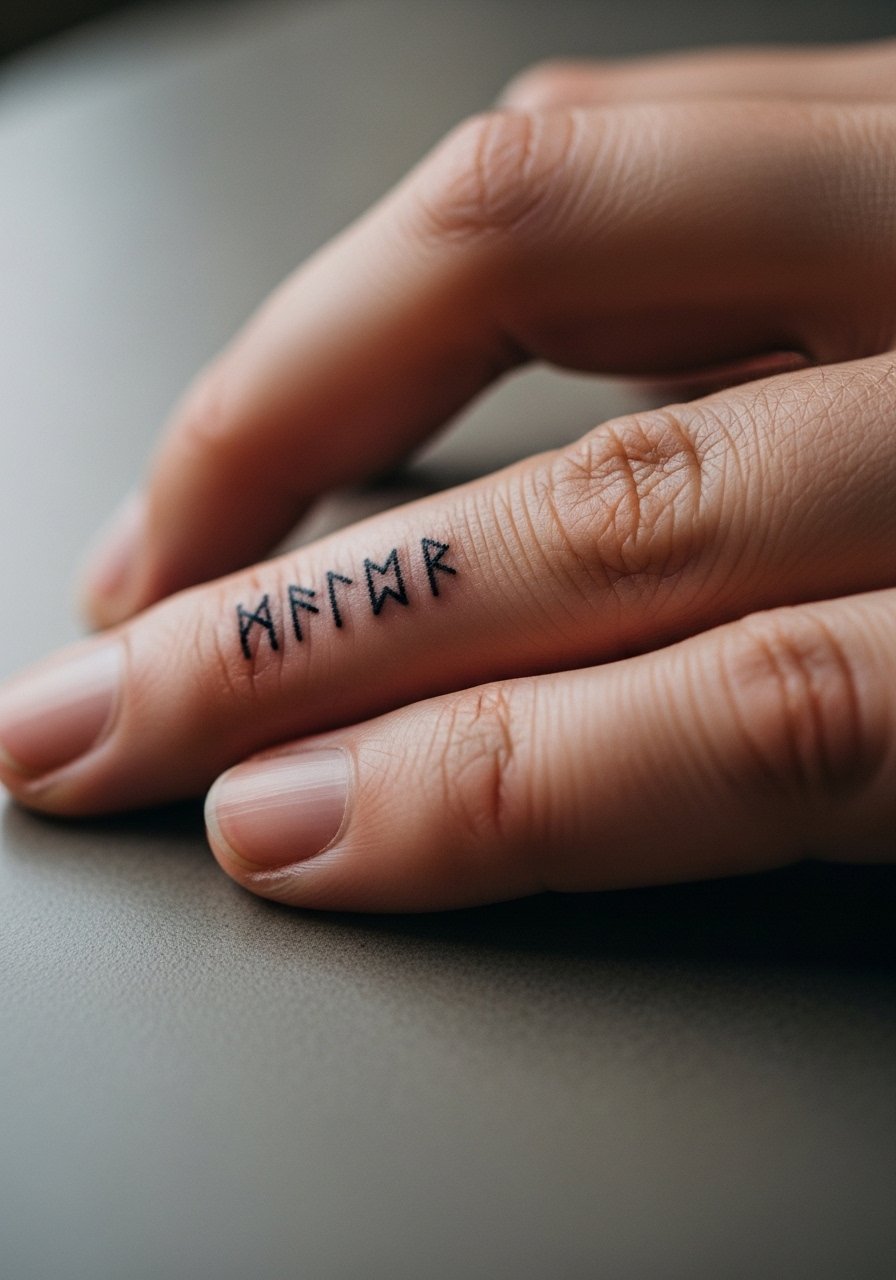
Side-of-finger runes are discreet and symbolic but live in the highest fade zone. From what I have seen, thicker blackwork works far better than delicate strokes here. The session is quick and sharp. Expect touch-ups every year or so. The mistake is treating finger ink like any other small tattoo. Protect the area during heavy washing the first month and plan maintenance.
17. Thigh-Wrapped Middle-earth Map Panel
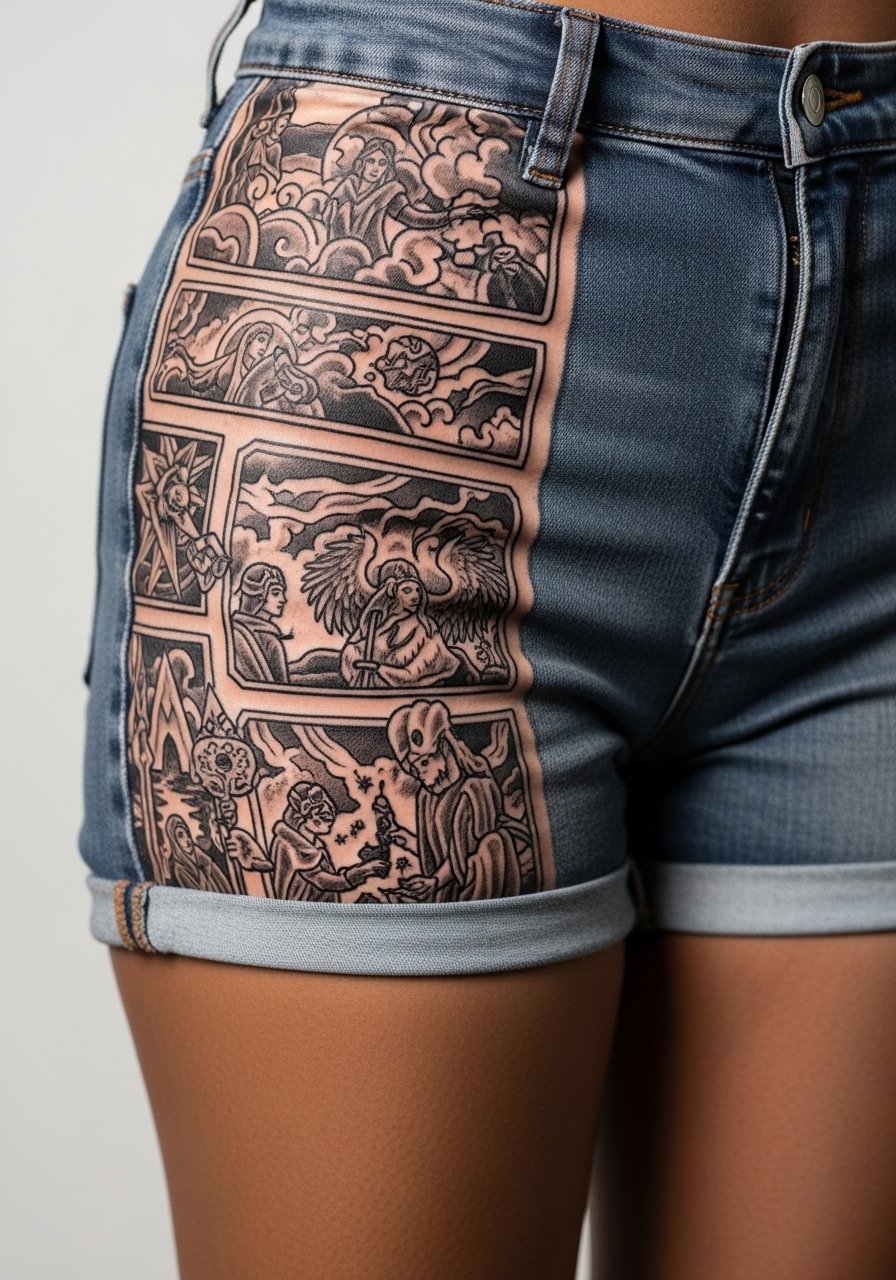
Thighs give scale and room for map detail without the shoulder stretch risks. I advise clients who plan body changes to place major lines away from high-stretch seams. The common complaint is distortion after significant weight change. The session feels long but manageable with breaks. For showing it off, high-waisted shorts or slit skirts in earth tones frame the map well.
18. Watercolor Hobbit Scene Converted to Black and Gray on Ankle
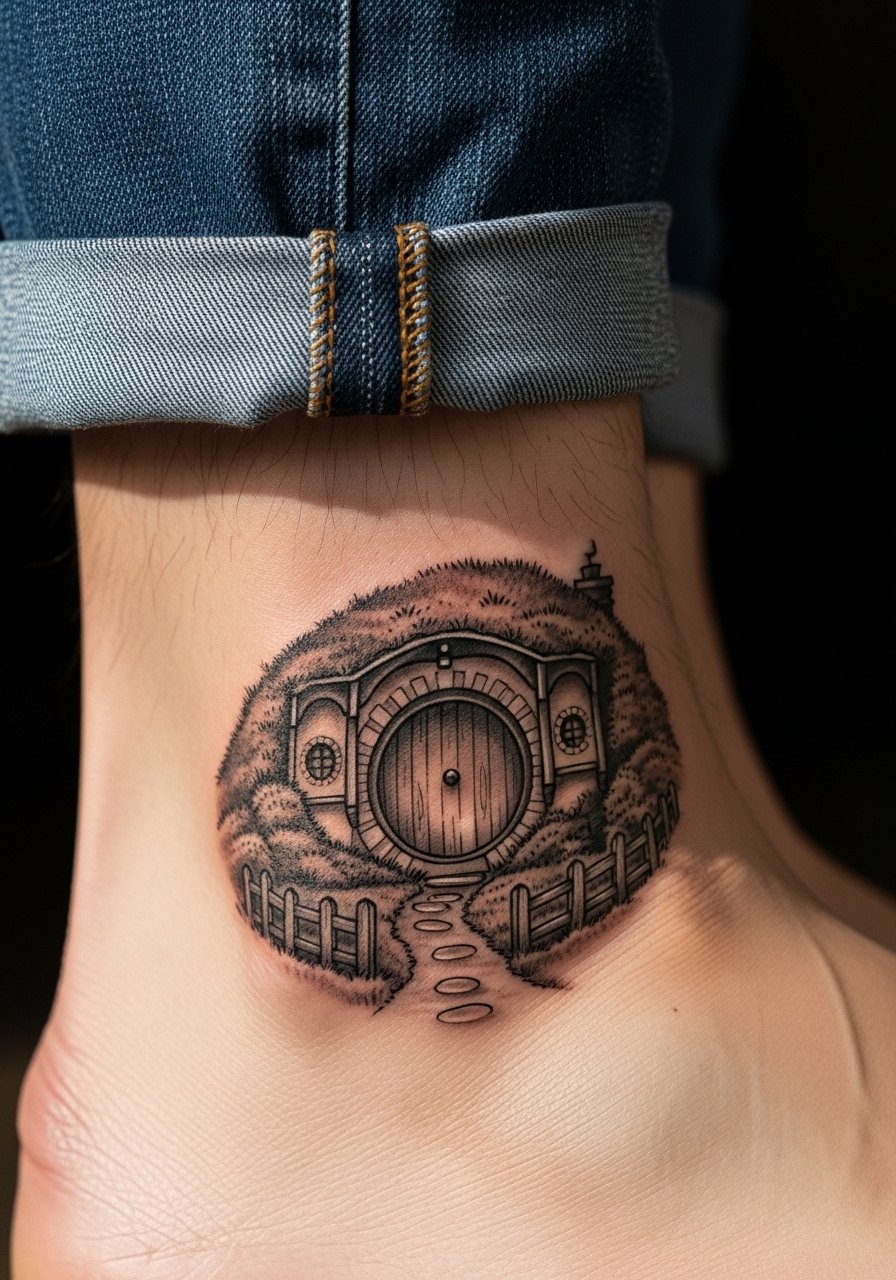
If you loved a watercolor ankle but worry about fading, convert it to black and gray underlayer with subtle washes. This balances whimsy and longevity. The ankle heals with more abrasion so a protective strategy in week one helps. The common mistake is too much color without structural blackwork. Wear sandals to show it off once healed.
19. Neo-Traditional Gandalf Sleeve Accent on Shoulder
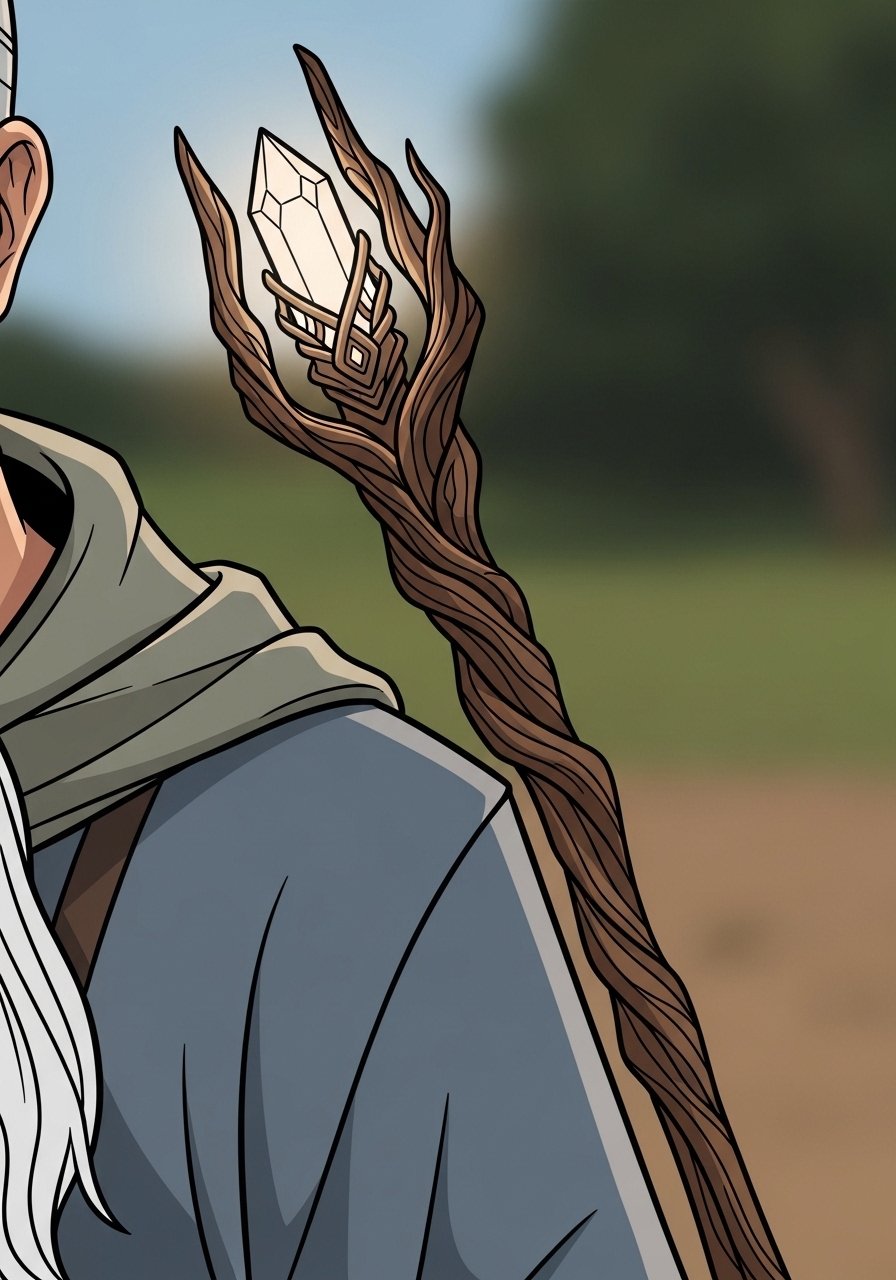
Using neo-traditional accents tied into a sleeve gives narrative without needing a full portrait. The shoulder tolerates bold outlines and color saturation. Avoid asking for too many tiny facial details at the edge of the shoulder. For session wear, a crossbody leather bag slung low is an easy wardrobe choice that highlights the piece without rubbing it.
20. Eye of Sauron Minimalist Silhouette on Ankle
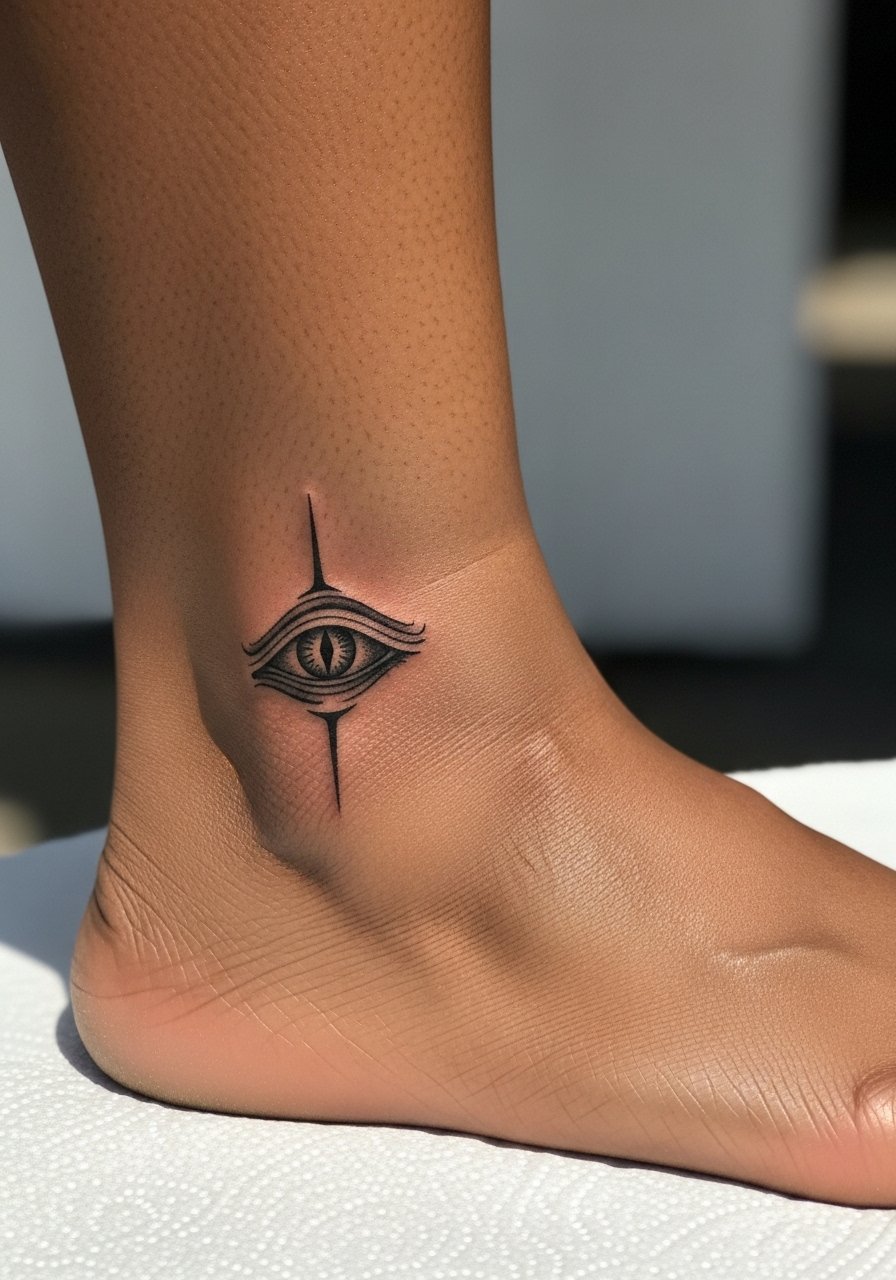
A small Eye silhouette can be striking and low-maintenance if you go bold. The ankle is high abrasion, so dense blackwork preserves silhouette. The typical mistake is requesting micro shading that fades into indistinct gray. Keep it bold and plan a touch-up at year two if needed. For showing it off, cropped jeans or boots pulled down frame the reveal.
21. Rune Band on Forearm for Fellowship
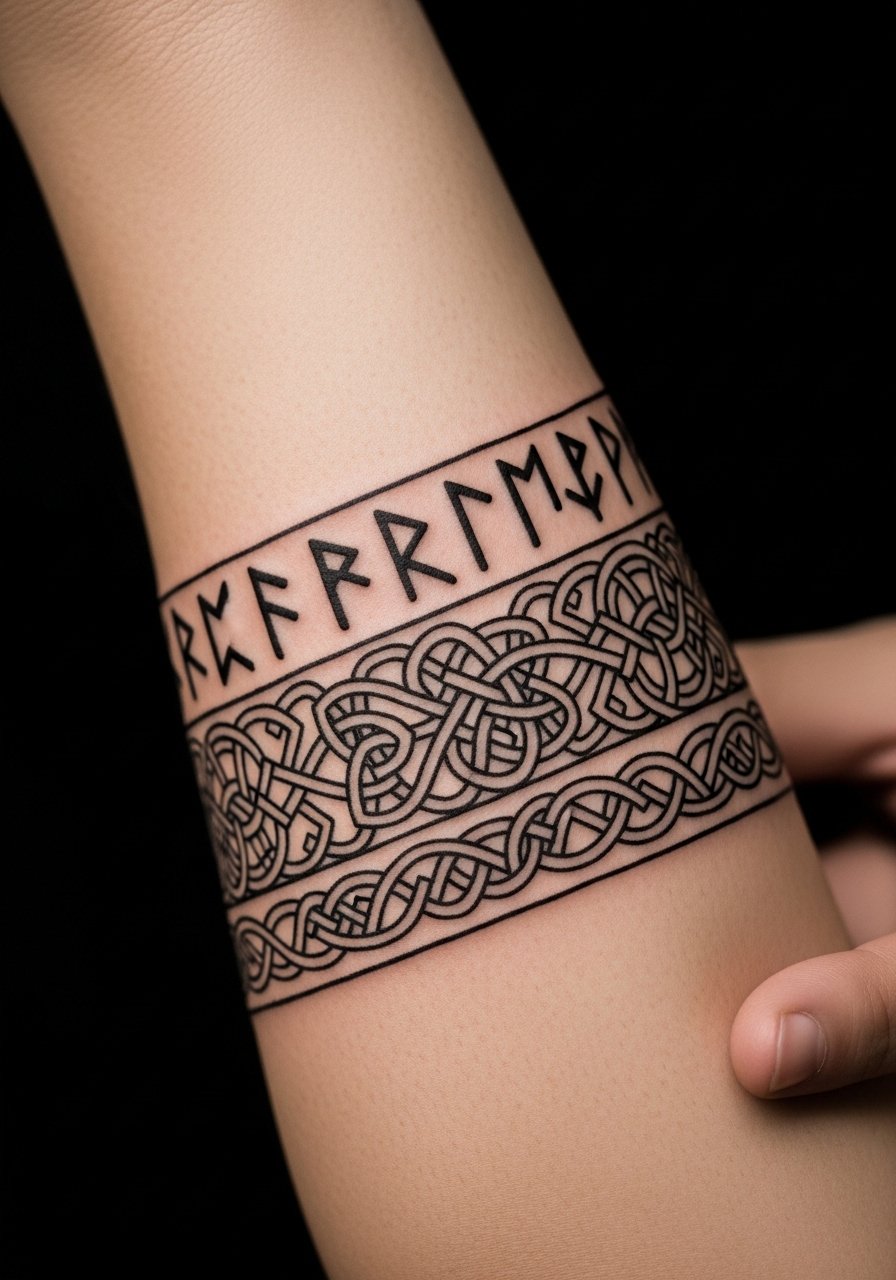
Forearm bands are great for readable symbolism and tend to age predictably. Ask for slightly thicker line weight than the photo reference and request that the artist mock up healed spacing. The common error is making the band too tight so the lines blur together after two years. For session wear, a short-sleeve button-up you can roll is ideal. Pair the finished band with a charcoal fitted henley to frame it.
22. Evenstar Sternum Variant with Sports Bra Framing
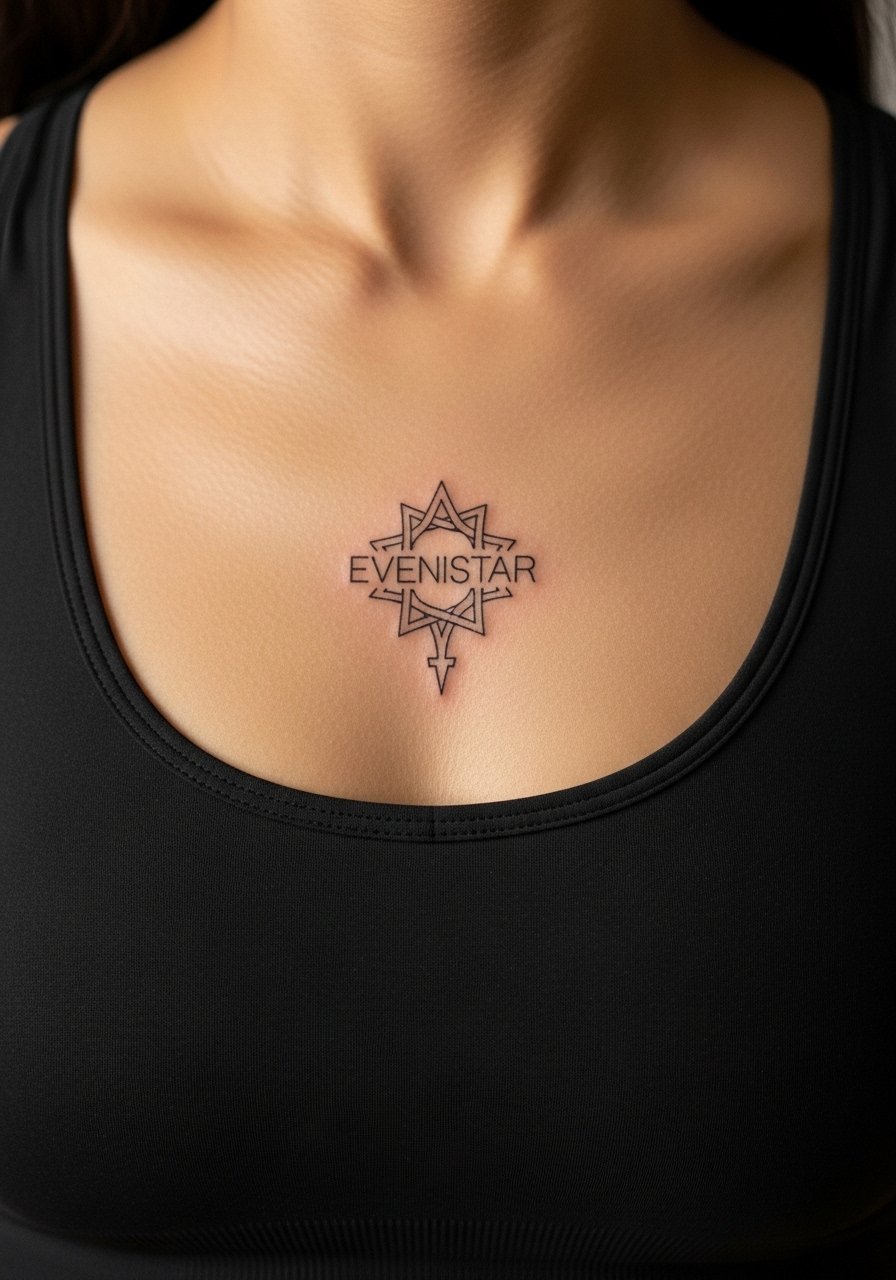
Sternum placements need careful body-access planning and a fitted sports bra works best for modesty during both session and photo. Pain is higher and healing depends on clothing choices. Artists warn that dense fine line across sternum can blur if compressed by straps. For the session, wear a bandeau or fitted sports bra and expect to schedule time for stretching breaks.
23. Dark-Skin Optimized Eye of Sauron on Calf
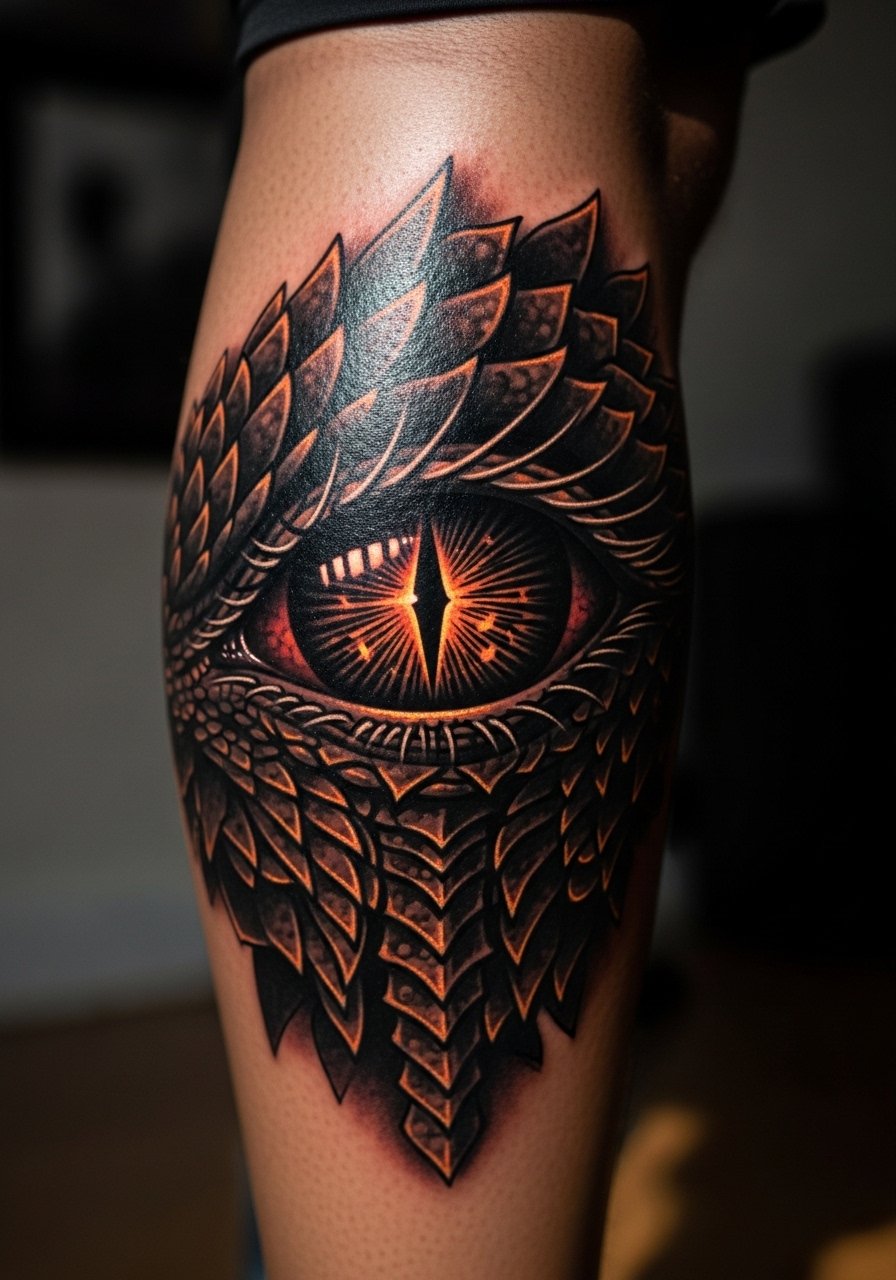
Dark skin adaptations matter and often get overlooked. I have seen Eye designs lose detail when artists use the same approach as on lighter skin. Ask for denser black saturation and simplified highlight planes so the eye reads in photos. The calf handles saturation well and keeps definition. This is a good place to ask your artist for healed mockups on similar skin tones.
24. Map Fragments as Patchwork on Upper Arm
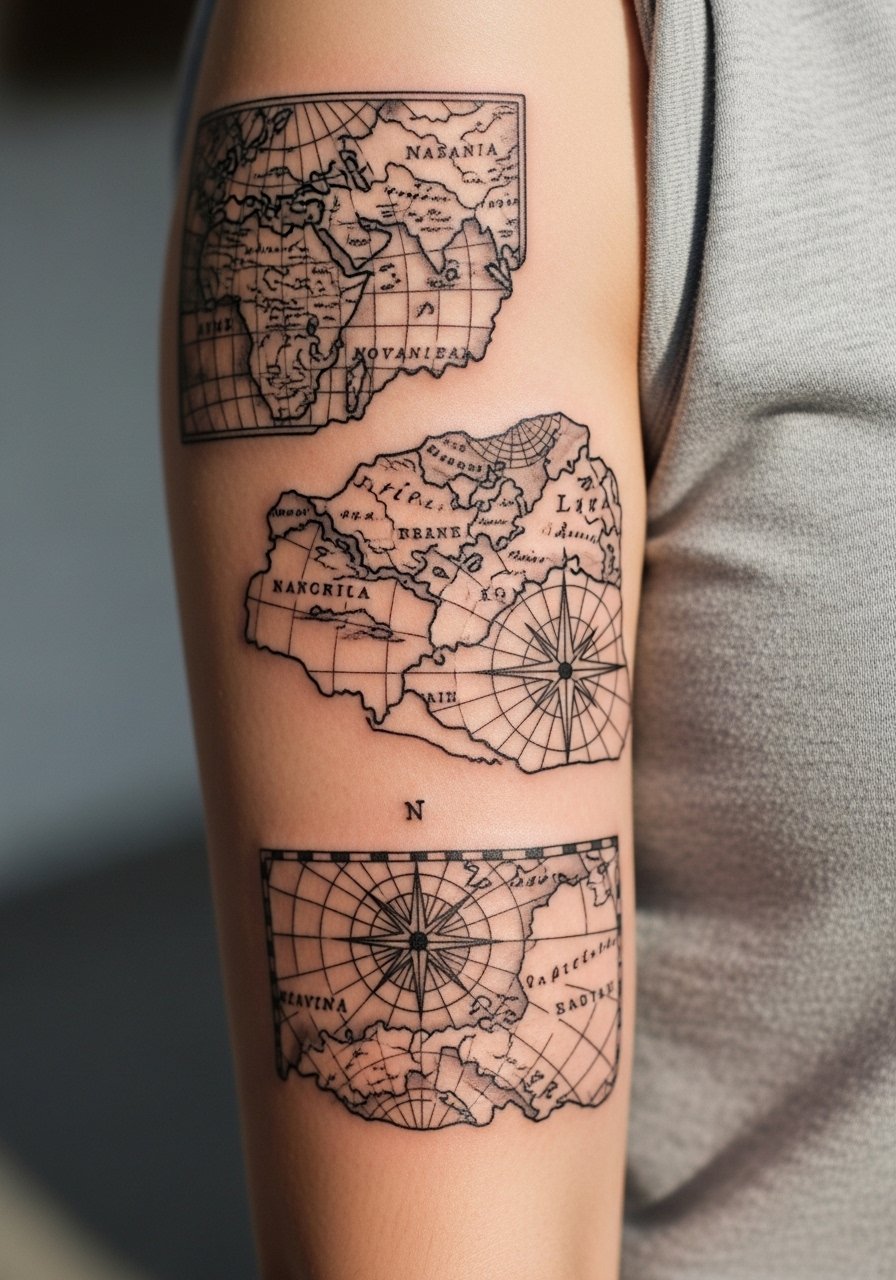
If a full map sleeve feels like too much, consider fragments placed on the upper arm to build over time. These avoid the forearm stretch issues and let you refine style as the sleeve grows. A mistake is starting with mismatched lineweights. Keep a consistent palette across shops or guest spots. For session wear, a loose button-down is easy to pull aside.
25. Ribcage Script in Tengwar with Breathing Lines
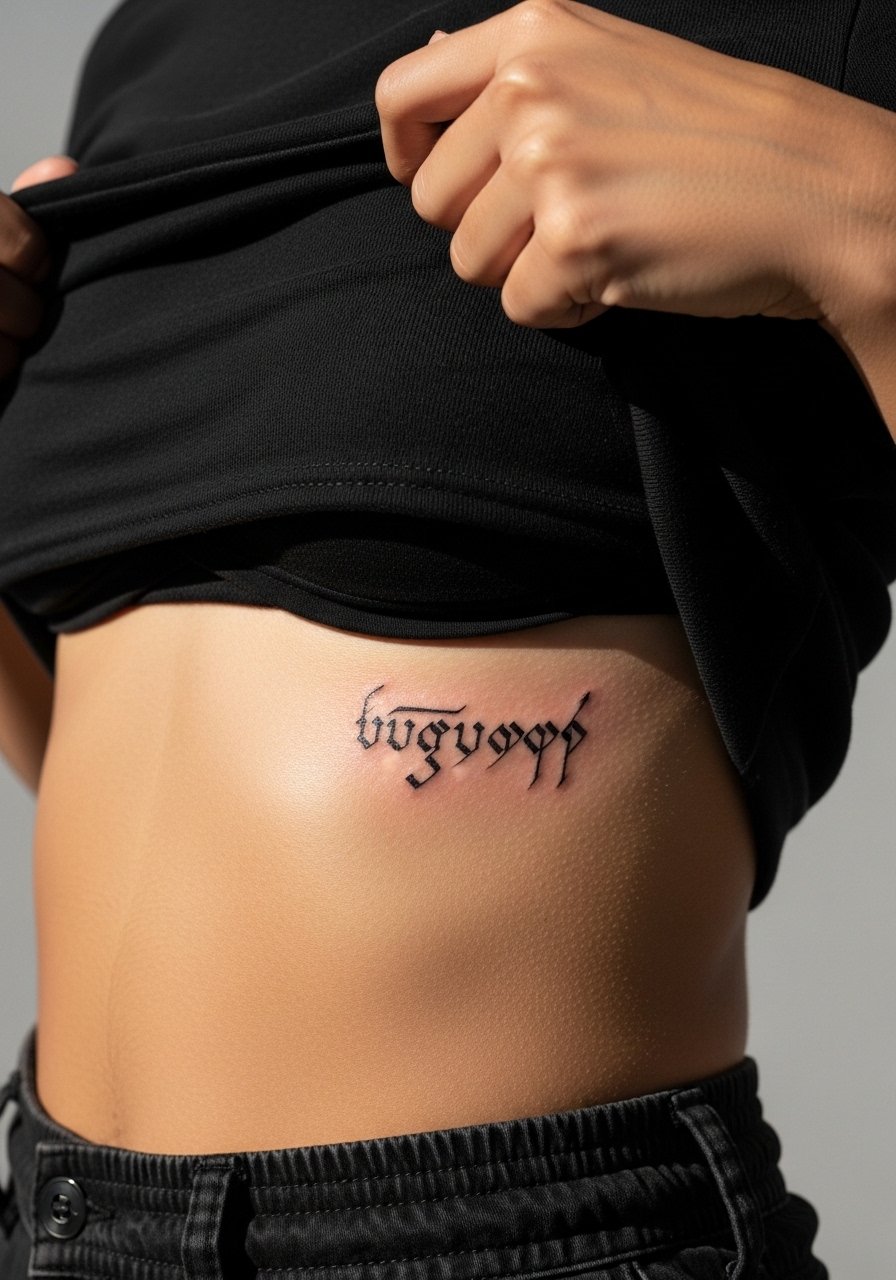
Ribcage script is intimate and dramatic but the area moves a lot. Artists differ. One camp says the skin stretch blurs ribs quickly. The other claims correct depth keeps lines fine. Ask the artist explicitly which camp they follow. Expect higher pain and plan for a touch-up at year two. For sitting, bring a comfortable top you can lift slightly without exposing the torso.
26. Small Leaf Brooch Behind Ear Variant
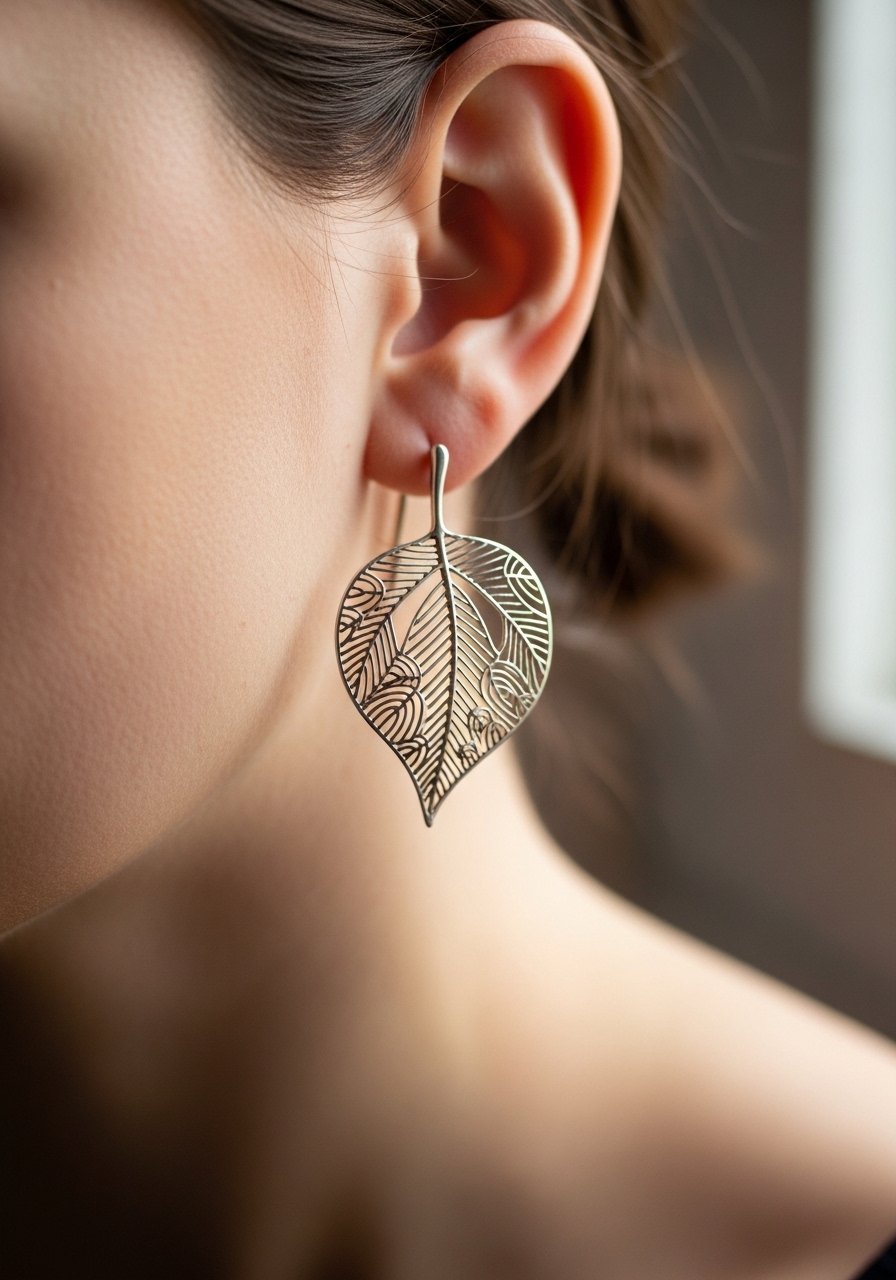
Behind-the-ear placements are tiny and discreet. Frame them below the hairline so the artist can work without exposing the ear itself. The area is low on pain but high on contact from hair and collars. A common mistake is skipping the post-session haircare plan. Keep hair tied for the first few days and ask for a healed mockup if you worry about visibility on darker tones.
27. Fellowship Symbols Along the Spine
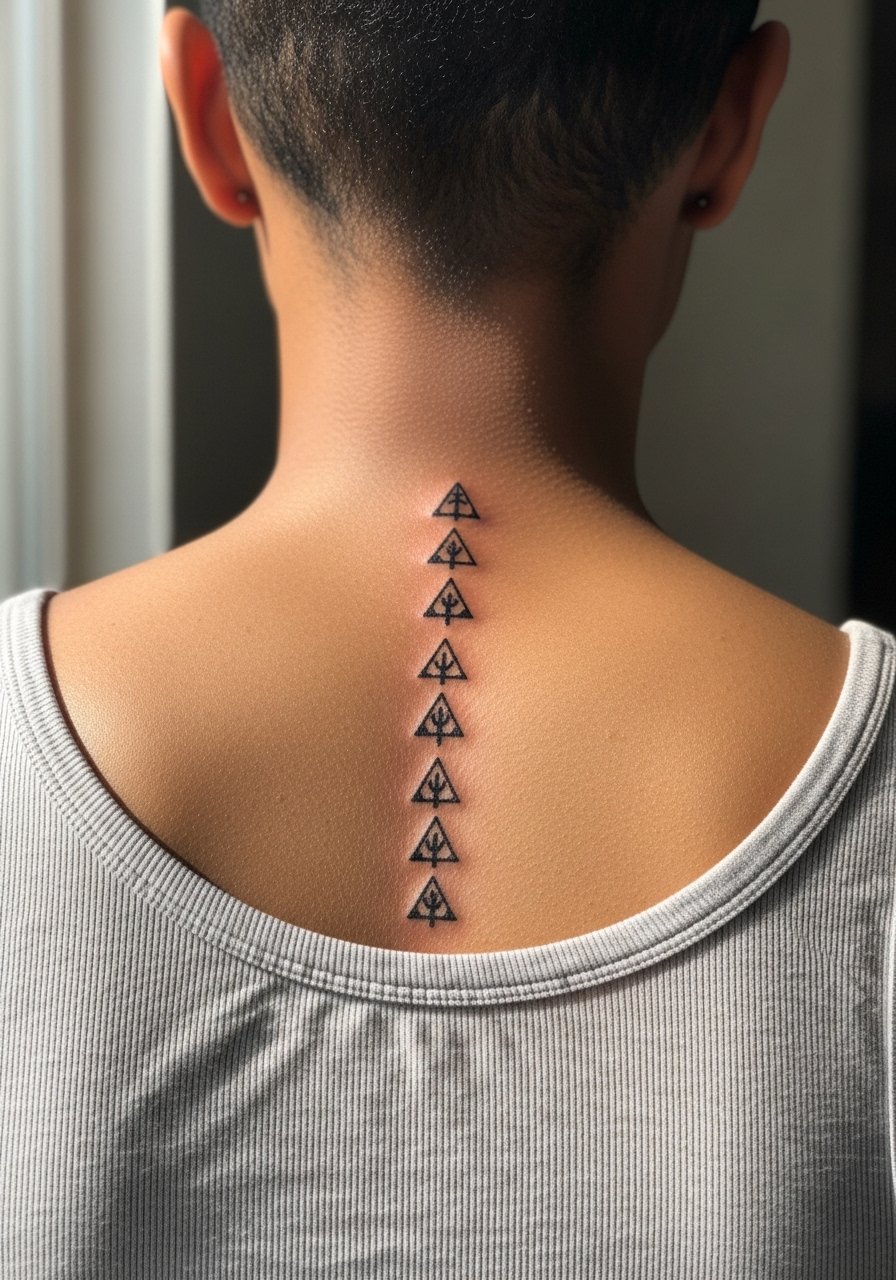
Spine placement is dramatic and reads well with vertical compositions. Pain ranges from moderate to intense depending on proximity to bone. The mistake is compressing many symbols into a narrow column. Space each symbol to breathe and consider a thin connecting line for cohesion. For session wear, use a loose button-down or tank you can pull aside so the artist has clear access.
Frequently Asked Questions
Q: Will a fine line Tengwar wrist script hold up on darker skin tones?
A: It can if you ask for slightly heavier linework and higher contrast from the start. Tiny, whisper-thin letters are the usual culprit when script disappears. Request healed mockups on similar skin tones and plan for a touch-up at year two if contrast softens.
Q: Should I pick blackwork for a One Ring finger band to avoid fast fading?
A: Yes, denser blackwork typically outlasts delicate shading on fingers because it resists daily friction. Expect touch-ups every 12 to 18 months. If you want depth, a tiny inner glow can be added but keep the primary ring bold.
Q: How do I decide between watercolor Hobbit scenes and black-and-gray conversions for ankle work?
A: Watercolor reads beautiful fresh but is more vulnerable to sun and soap abrasion. Converting to a black-and-gray underlayer preserves form while still allowing soft washes. If you choose color, plan strict sun protection once healed.
Q: Artists disagree on fine line on ribs, which camp should I trust?
A: Both camps have merit. One says skin stretch blurs ribs within years. The other says proper spacing and needle depth keeps lines crisp. Ask the artist where they stand and request examples of healed ribcage work on similar skin types before booking.
Q: What should I wear to a forearm map session to make the appointment smoother?
A: Wear a short-sleeve or a loose button-down you can roll up so the artist has full access. A loose button-down shirt avoids fabric pressure on fresh ink and makes long sessions more comfortable.
